SANTA CRUZ MOUNTAINS PART 2
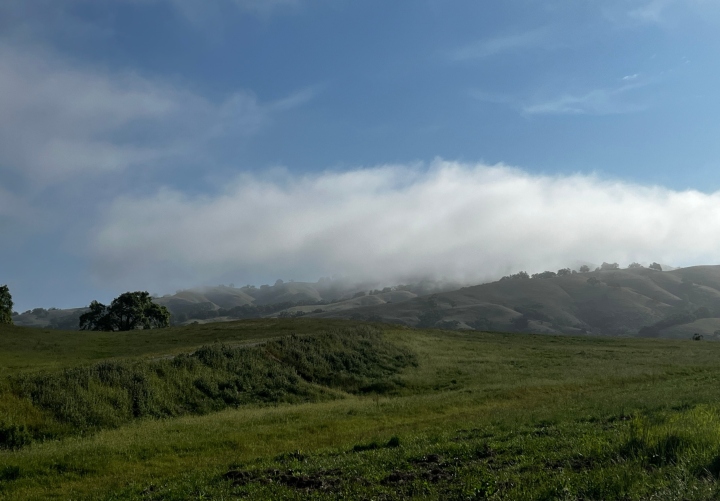
Herp Habitat in the Santa Cruz Mountains.
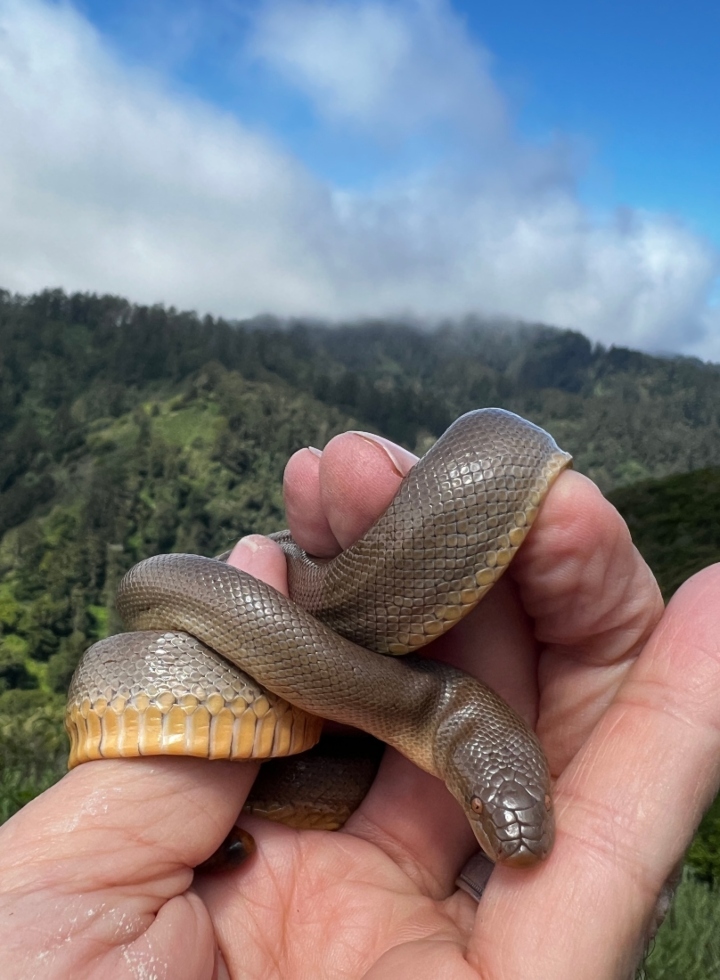
Rubber Boa - named for its lithe, pliable skin, this reptile, especially in older literature, is sometimes called the “Two-headed Snake,” since its blunt tail is about the same size and shape of its head.
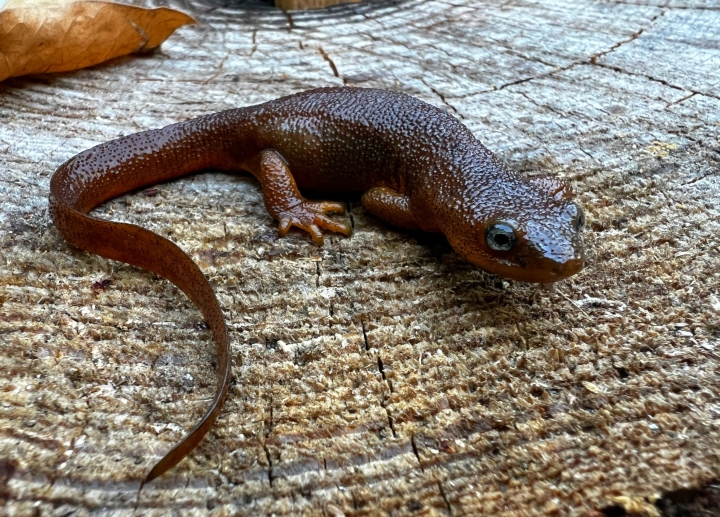
California Newts are large salamanders reaching a total length of around 8 inches. They are slow moving and have “expressive” faces.
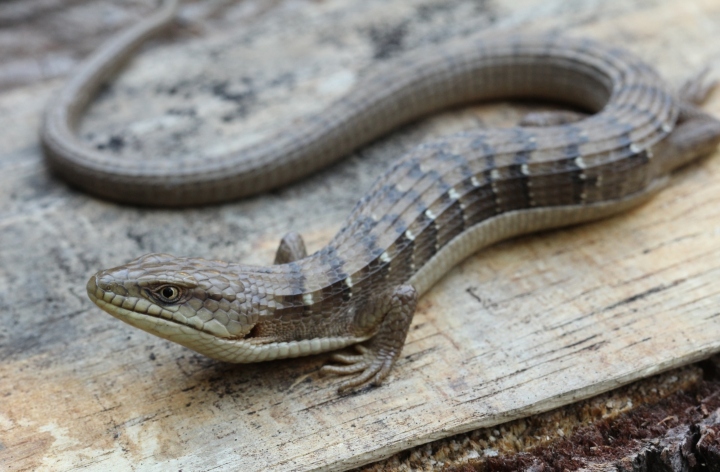
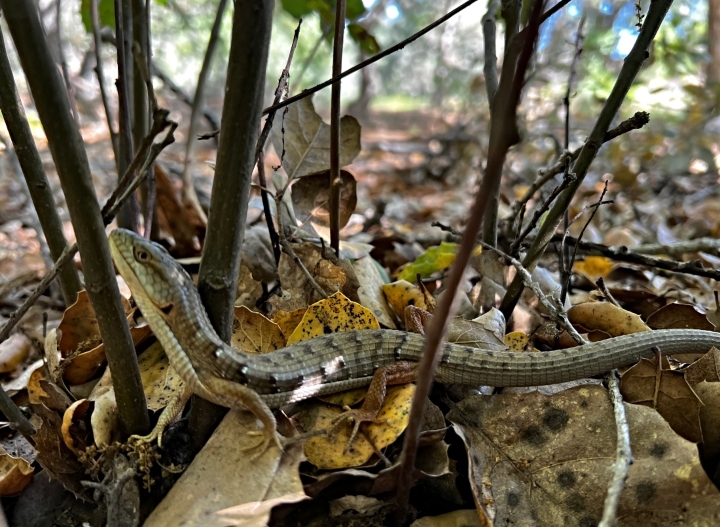
Southern Alligator Lizard - these reptiles live in a variety of habitats. I tend to find them in grassy, brushy, or rocky openings within forested areas. I often find them hidden underneath logs.
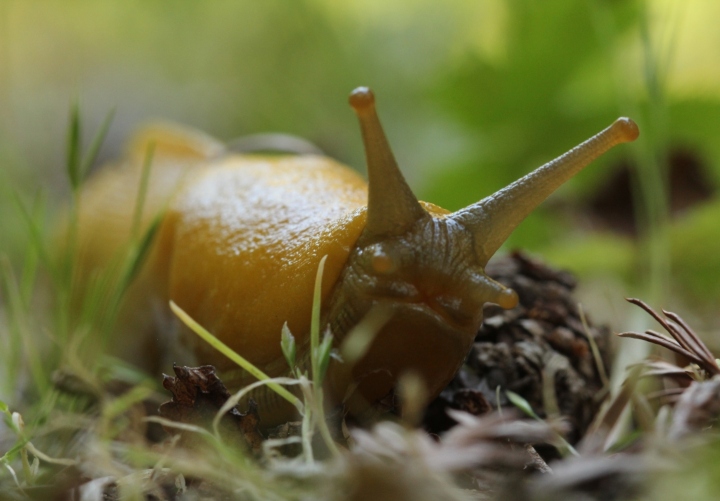
Banana Slug - not only are they colorful, but they are the second largest terrestrial slug in the world, growing up to nearly 10 inches.
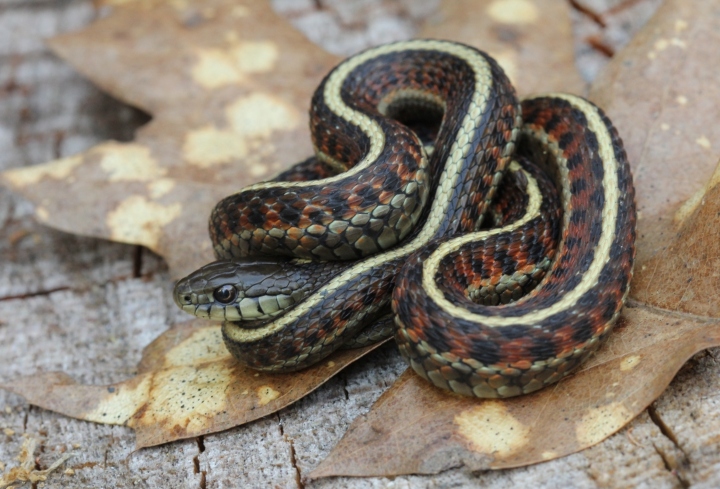
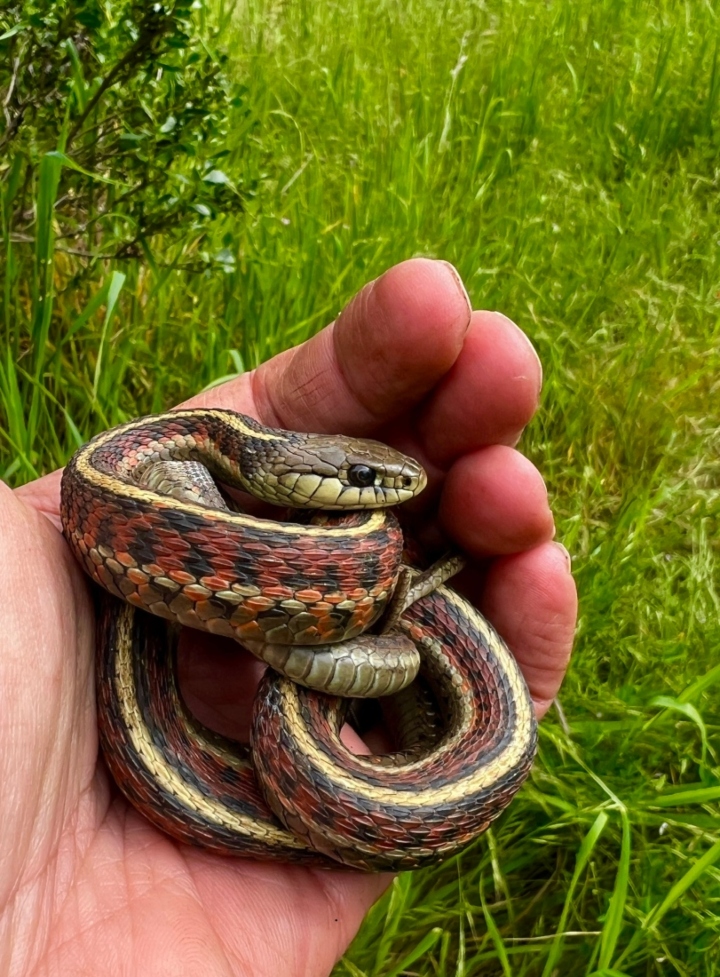
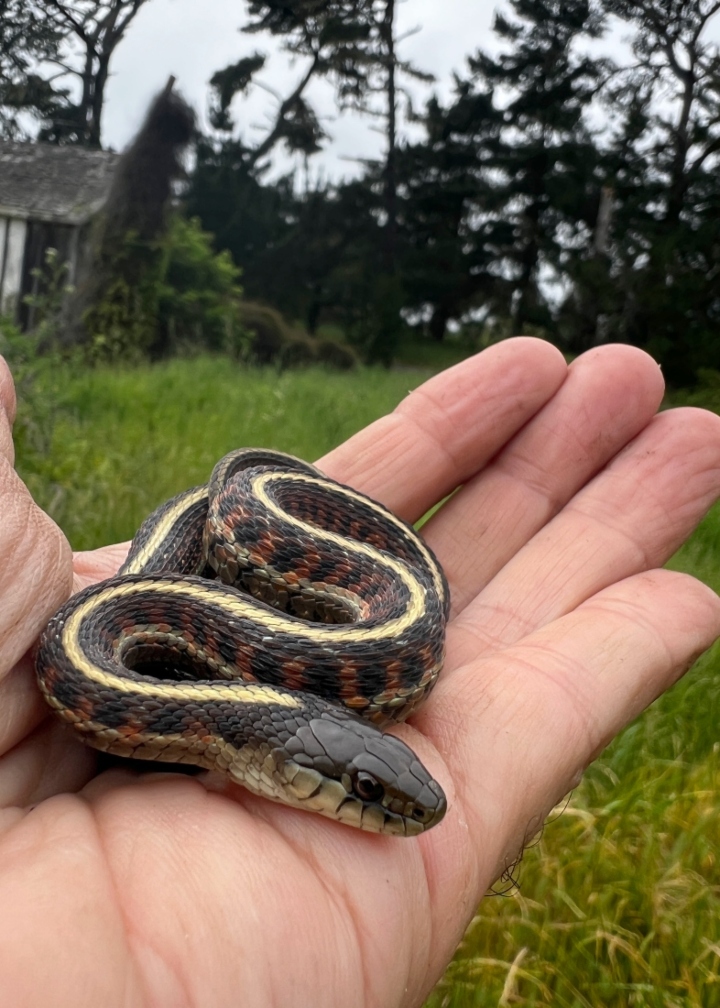
Coast Garter Snake - this reptile is highly variable in appearance, with the colors between its yellow stripes brown or olive, with a pattern of dark spots, intermixed with a suffusion of red, orange or rust coloring.
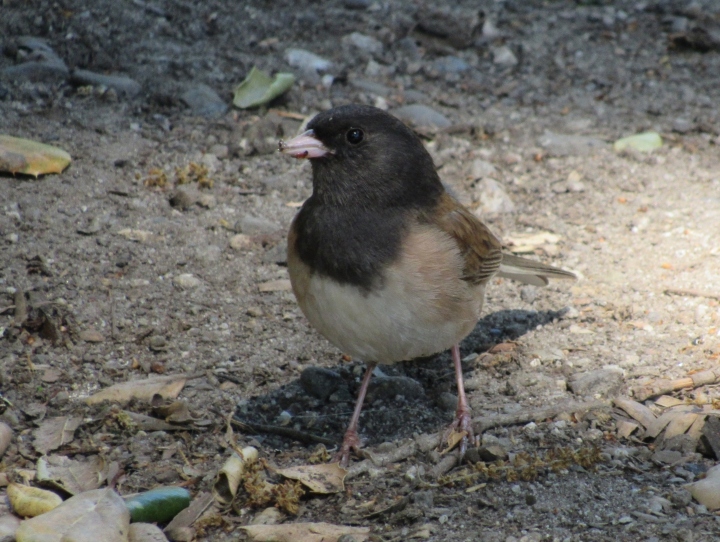
Dark-eyed Juncos have different colors than those that I've seen in Ohio.
Coast Garter Snakes eat amphibians, fish, birds, mice, lizards, snakes, worms, slugs and snails.
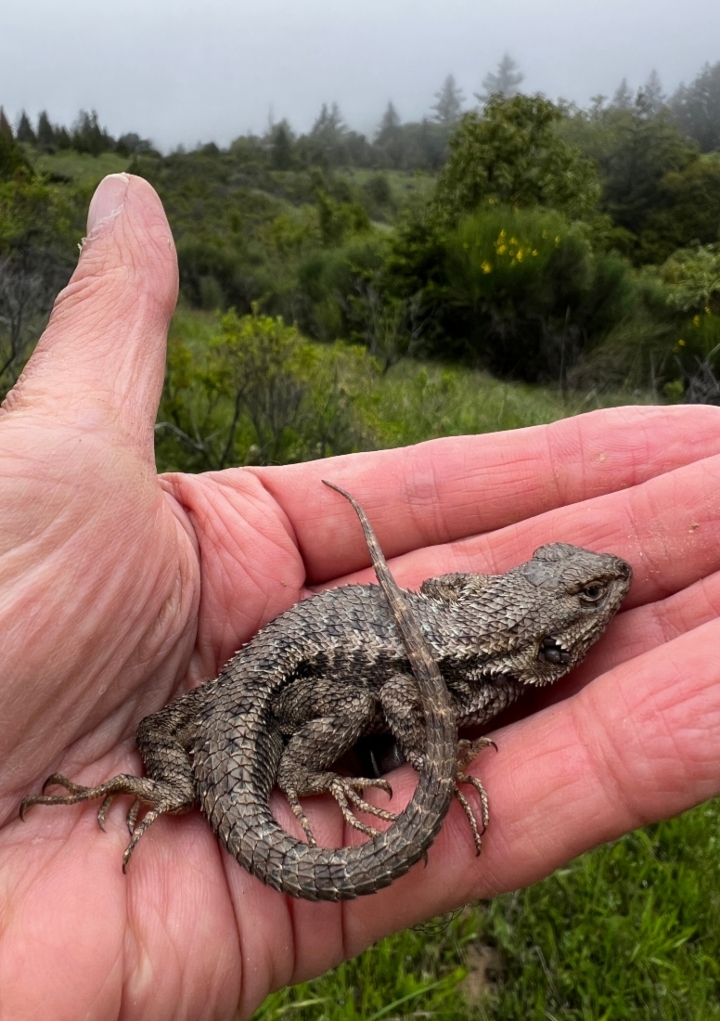
Western Fence Lizards are common inhabitants of a variety of habitats.
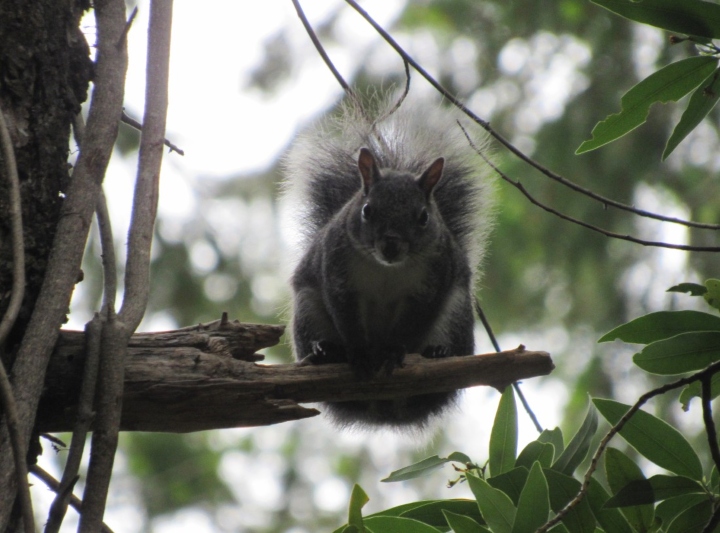
Western Grey Squirrels are often found in oak-conifer forests and suburban areas.
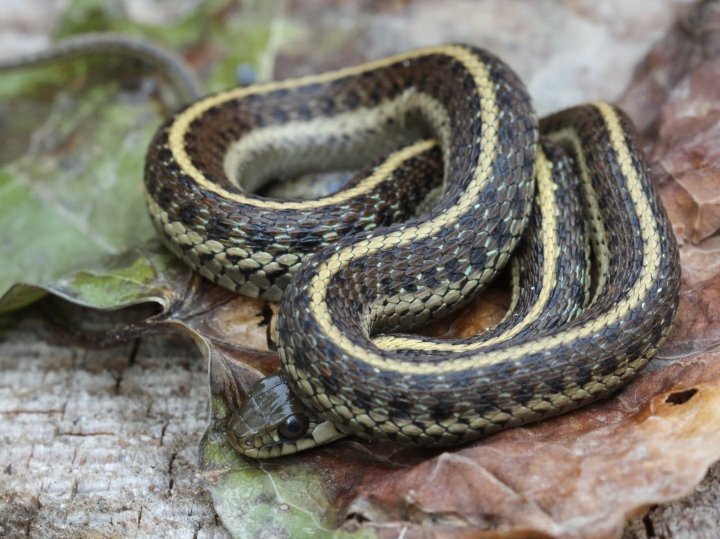
A Coast Garter snake with almost no red coloration.
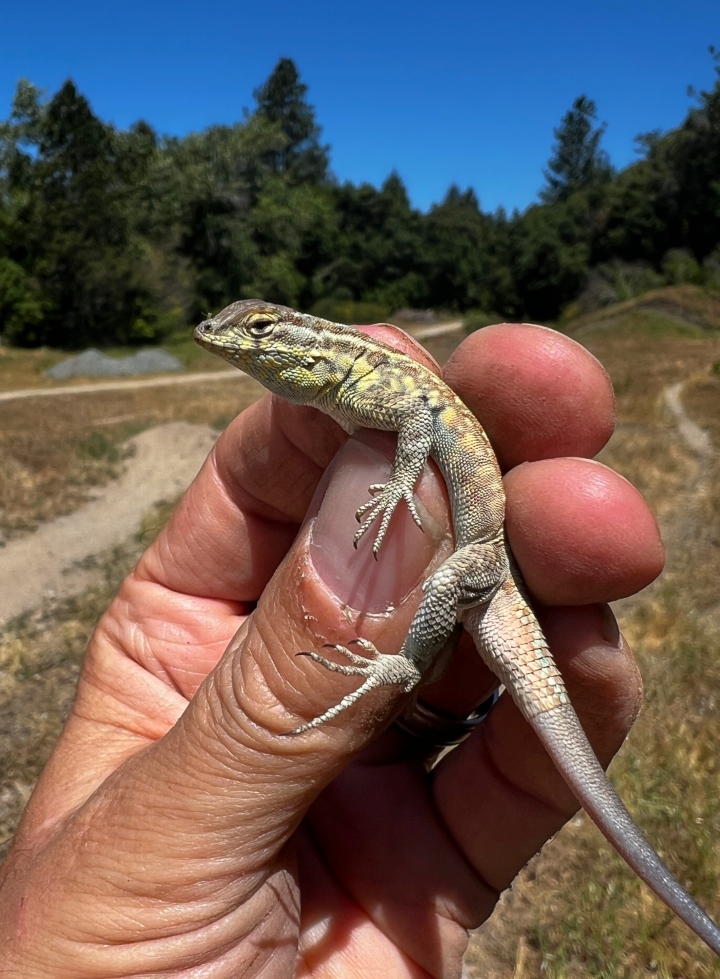
Side-blotched Lizards can be found in a wide variety of arid and semi-arid habitats with scattered shrubs growing in soil may be sandy, gravelly or rocky.
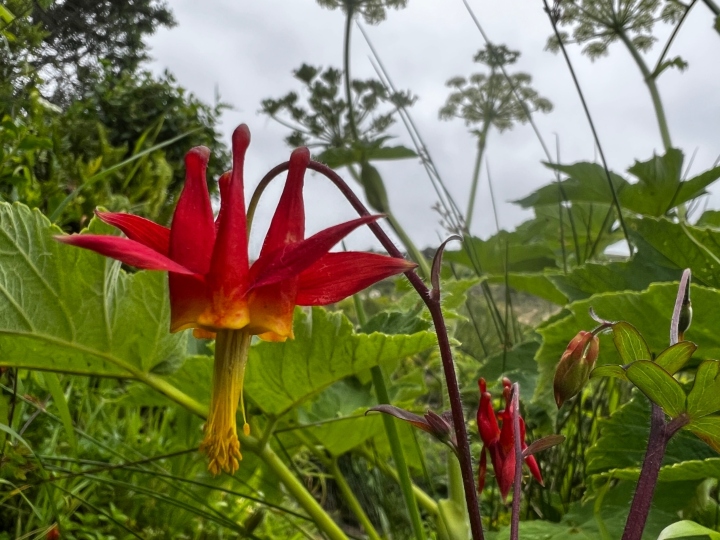
Western Columbine is also known as the Red or Crimson Columbine because of its attractive red-and-yellow-colored flowers.
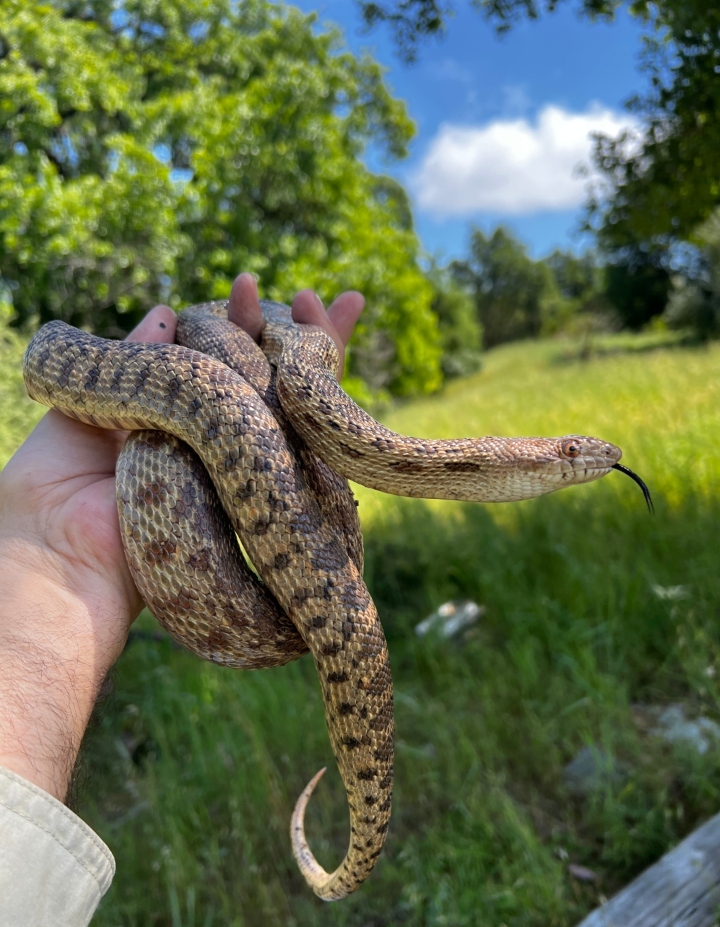
A Pacific Gopher Snake - I tend to find them in habitats such as meadows, fields and agricultural farmland; they are seldom found in dense forests.
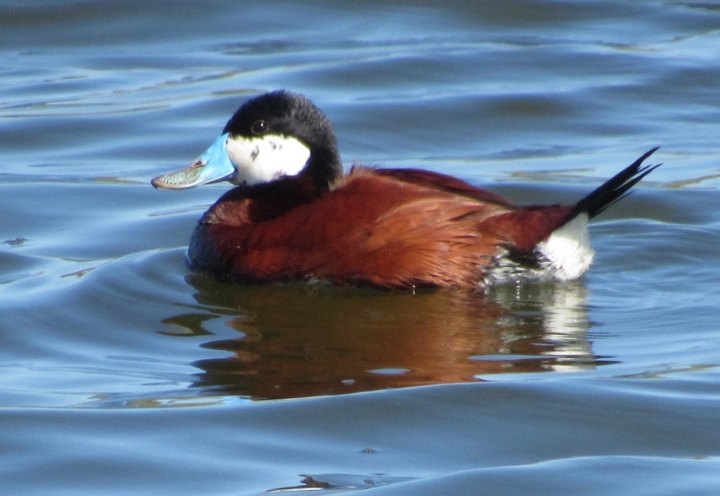
Ruddy Ducks are diving ducks that belong to the family of stiff-tailed ducks, named for their stiff tail that acts like a rudder.
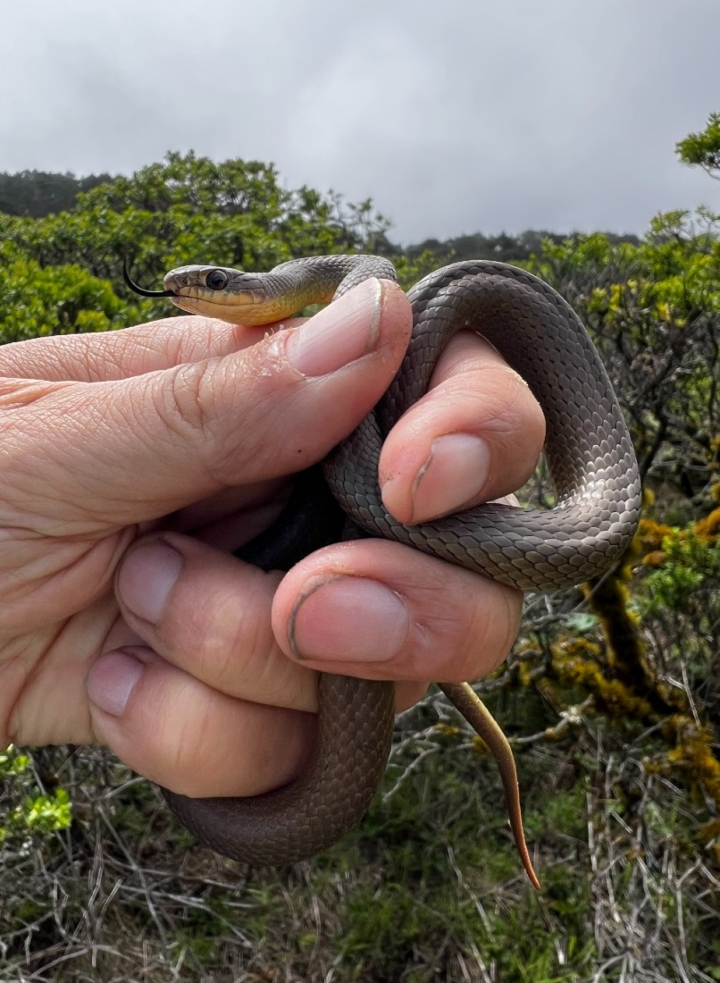
The Western Yellowbelly Racer is recognized by its long and very slender shape - as its name implies, it is very fast-moving.
An "in situ" Southern Alligator Lizard. One interesting characteristic this lizard has is a fold along each of its sides. The folds allows its body to expand to hold food or eggs.
Coast Garter Snakes are found around woodlands, grasslands, coniferous forests, dunes, and brushland, usually near water.
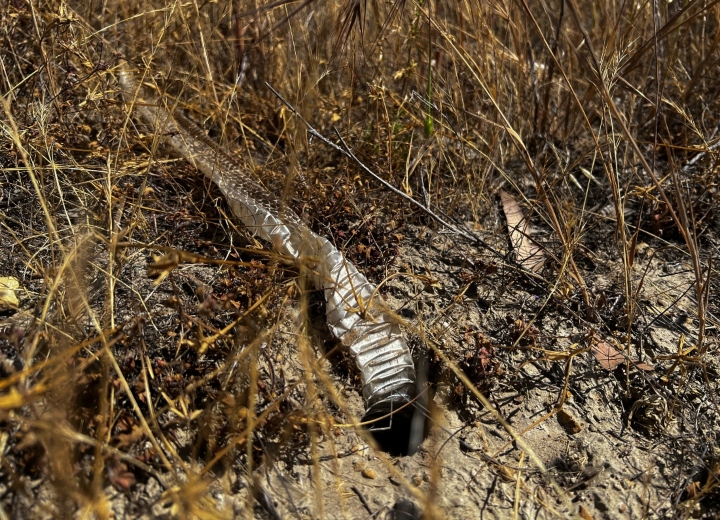
A shed snake skin that gives away the location of the reptile's hidey-hole.