SANTA CRUZ MOUNTAINS
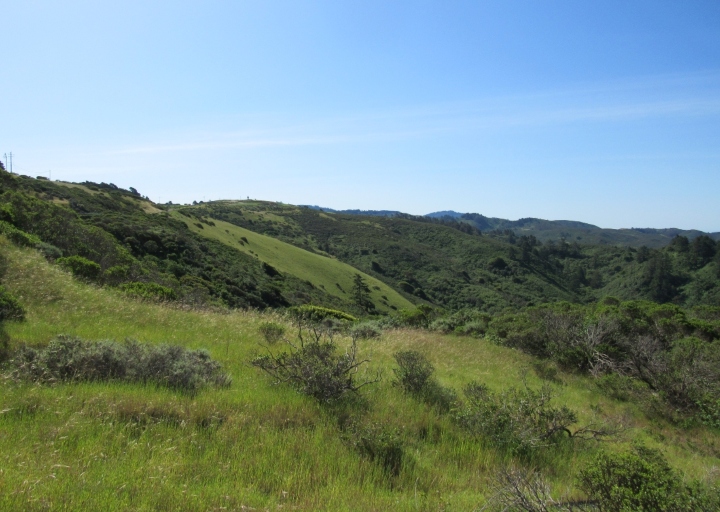
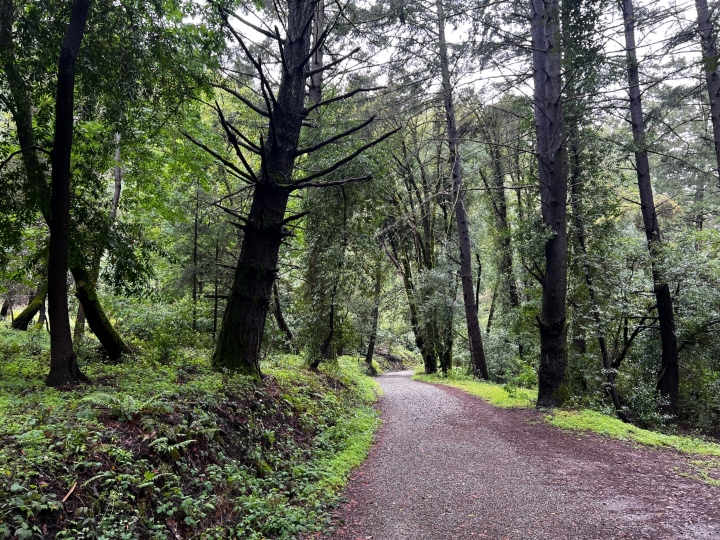
I arrived on April 16th for a week of herping in the Golden State. Herp habitat in the Santa Cruz Mountains.
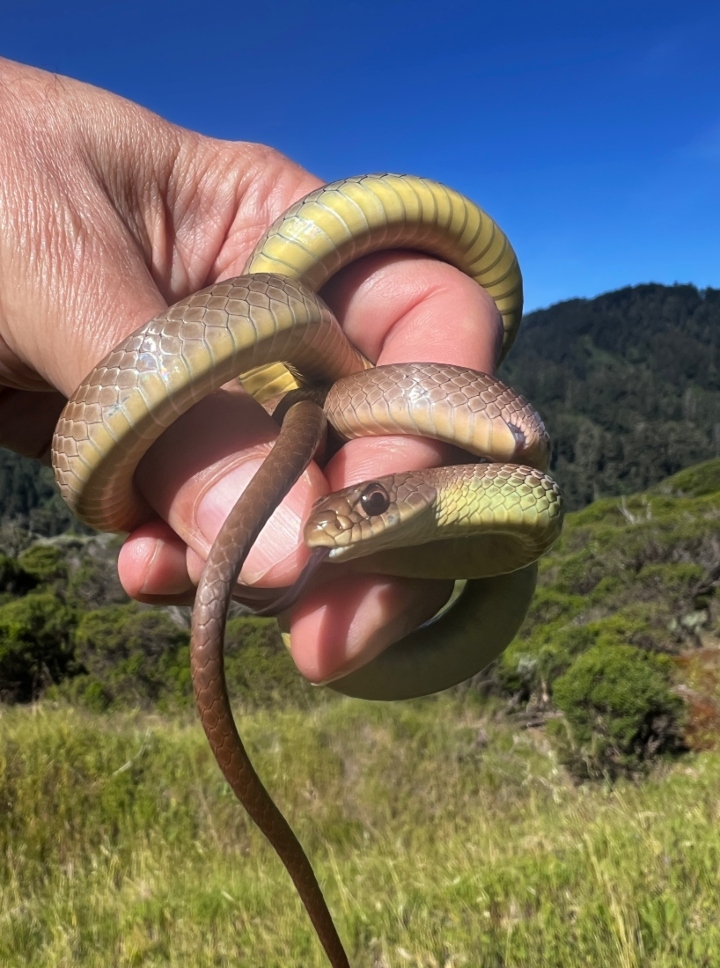
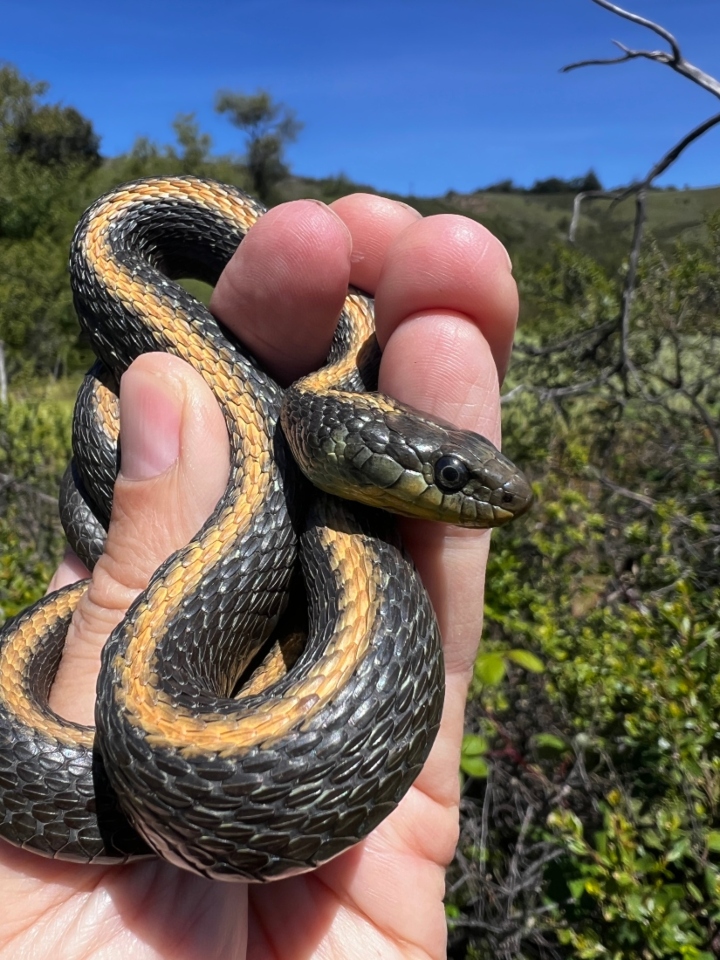
The Western Yellowbelly Racer prefers open areas with sunny exposure such as fields, sagebrush flats, brushy chaparral habitats, pond edges, and forest openings.
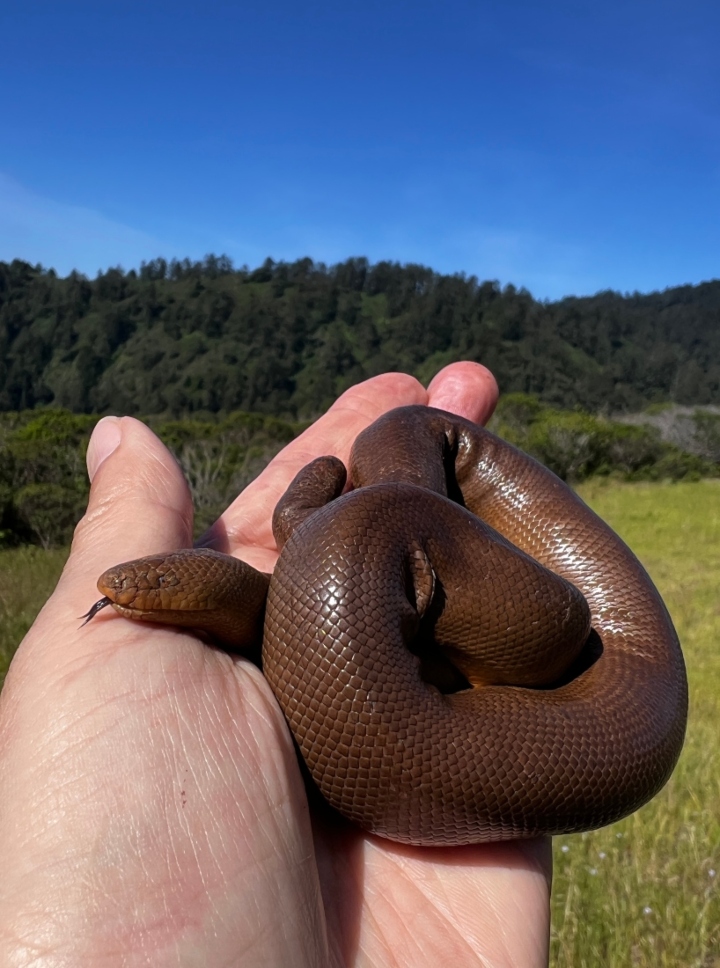
A hefty Rubber Boa. The species’ loose and wrinkled skin gives it a rubbery appearance and feel. They are mostly active at night and spend much of their time below ground.
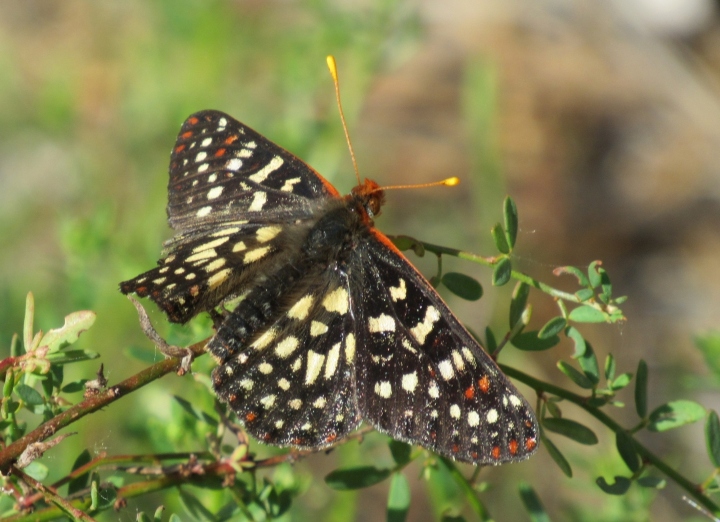
Checkerspot Butterflies are medium-sized insects and have brilliant markings in a mosaic of white, black and reddish-orange.
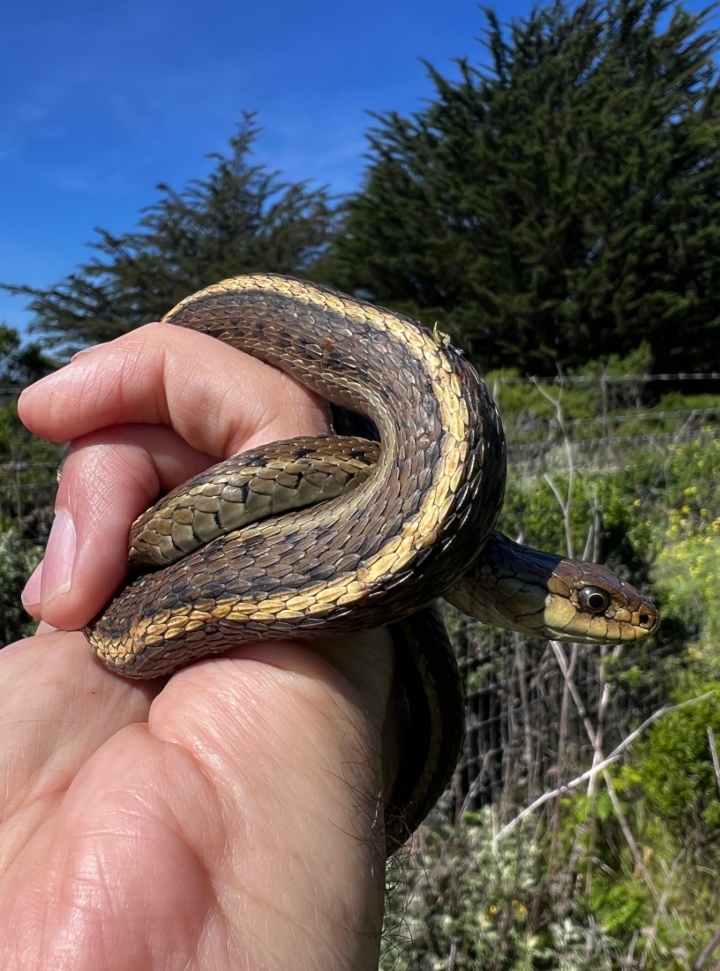
I only found one Coast Garter Snake on this trip. This individual was lacking red coloration.
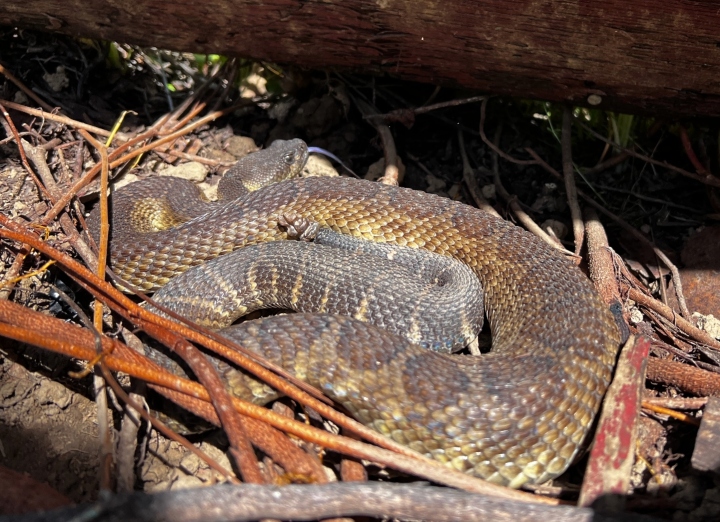
Northern Pacific Rattlesnakes avoid deserts and instead live in prairies, grasslands, brush, and sometimes in woods, forests, along streams, rock ledges, and caves.
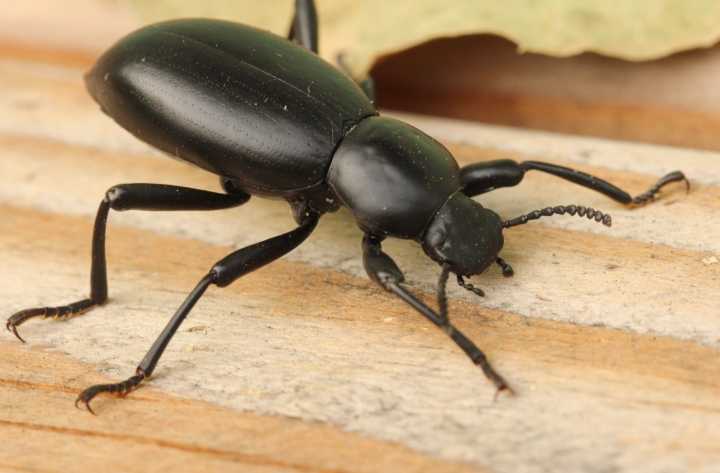
Darkling Beetles are a very large family of beetles. Most are dull black or brown, crawl on the ground, and are scavengers. Many of them — lacking remarkable colors, pincers, horns, or odd-shaped antennae — resemble what you might call a “base-model” beetle.
The Santa Cruz Garter Snake is generally aquatic, eating fish and amphibians. It tends to be active diurnally and basks along the edges of waterways.
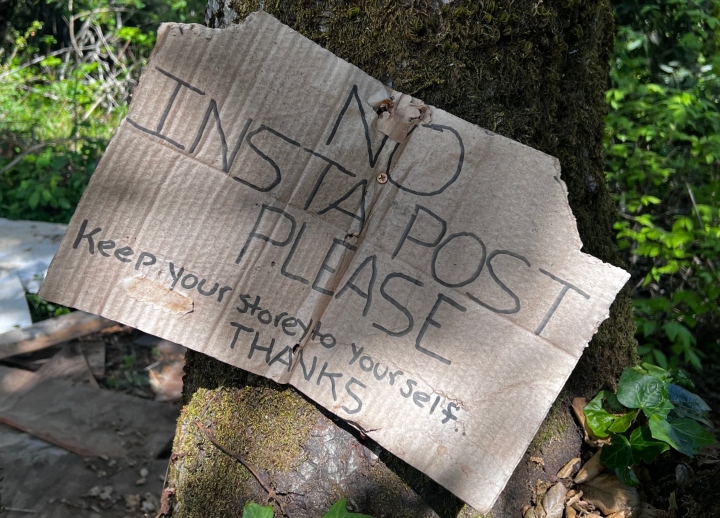
Keep your "storey" to yourself.
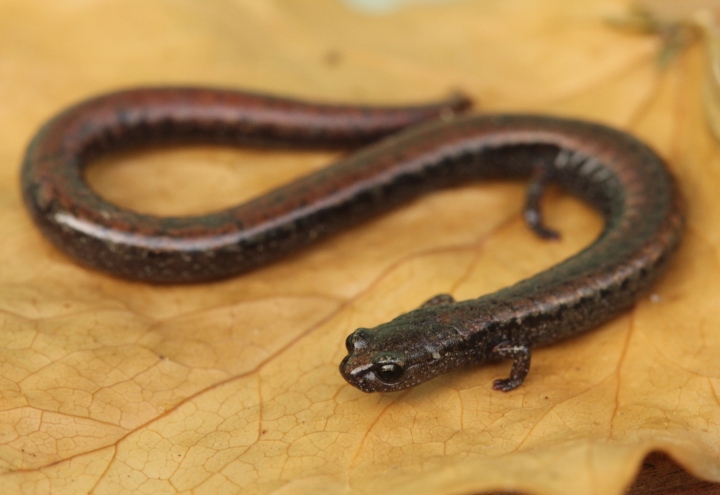
The California Slender Salamander is common over much of its range. Short limbs, a long slender body with a narrow head and a long tail, and conspicuous costal and caudal grooves give this species the worm-like appearance.
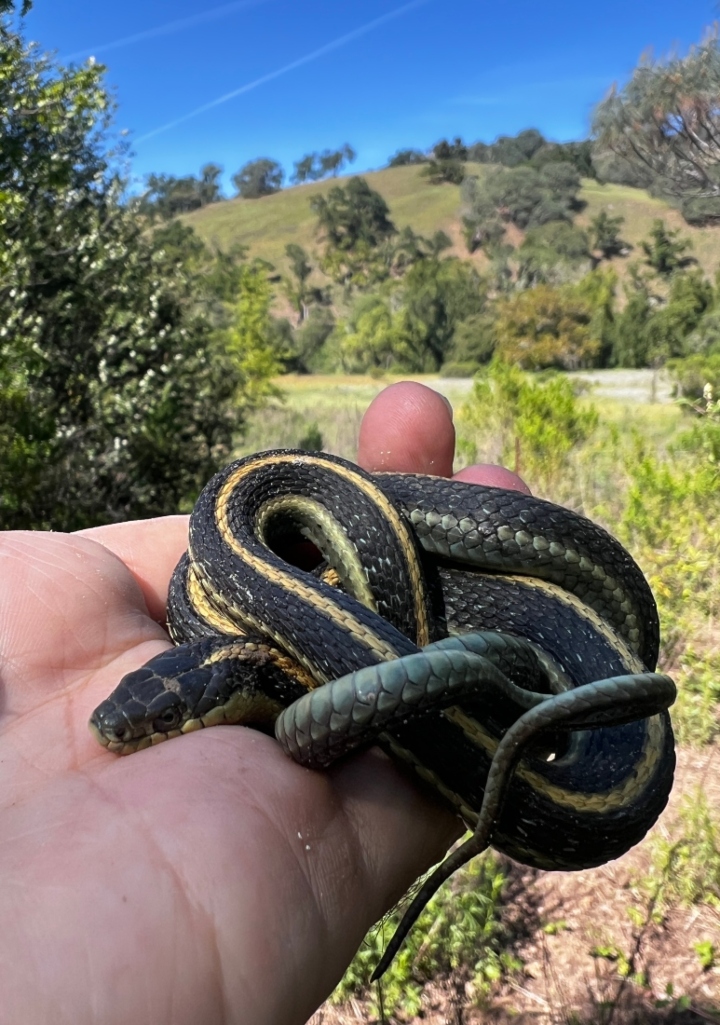
The Diablo Range Garter Snake lives near ponds and streams, where it eats amphibians and fish.
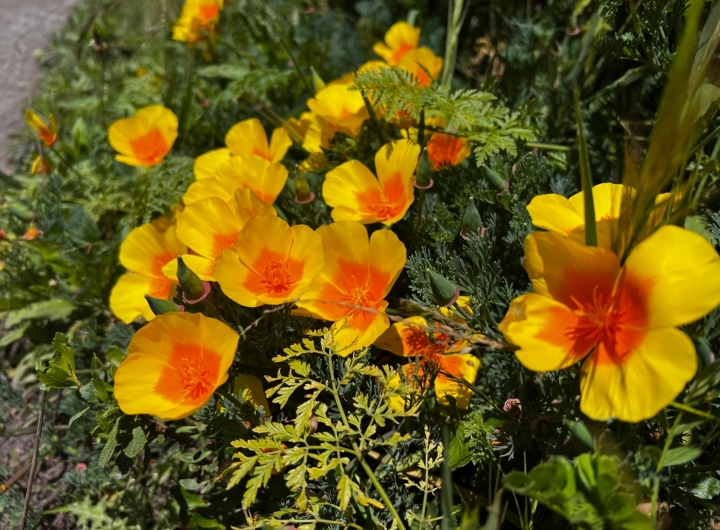
There were many Spring wildflowers in bloom, such as these California Poppies.
On a rainy day I hiked this path in the Santa Cruz mountains.
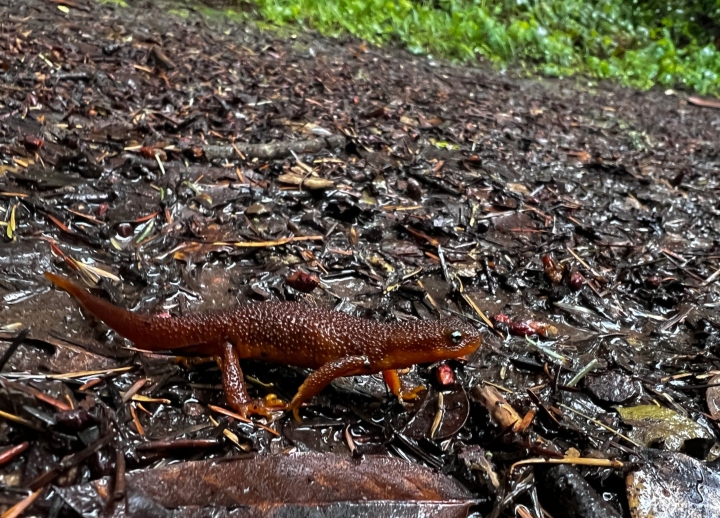
I saw over 30 California Newts crossing the trail. They are bold, exhibit a wealth of intriguing behaviors, and are just cool creatures.
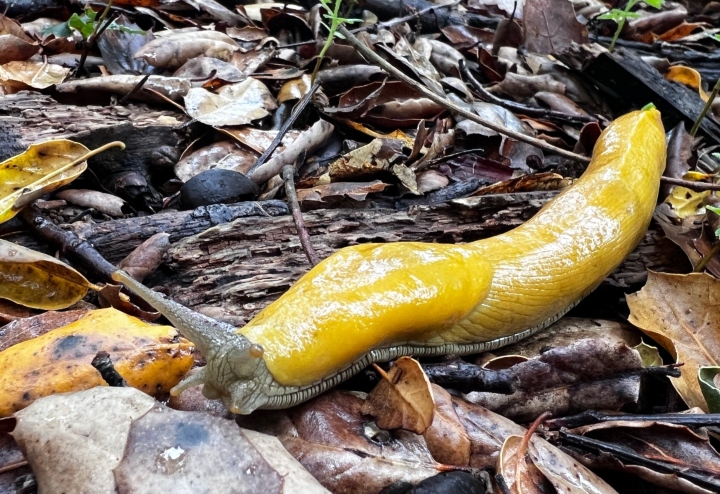
Banana Slugs are native mollusks who help recycle nutrients in the redwood forest by consuming many kinds of debris like plant matter, fungus, and decaying organic material. Some individuals get 10 to 12 inches long.
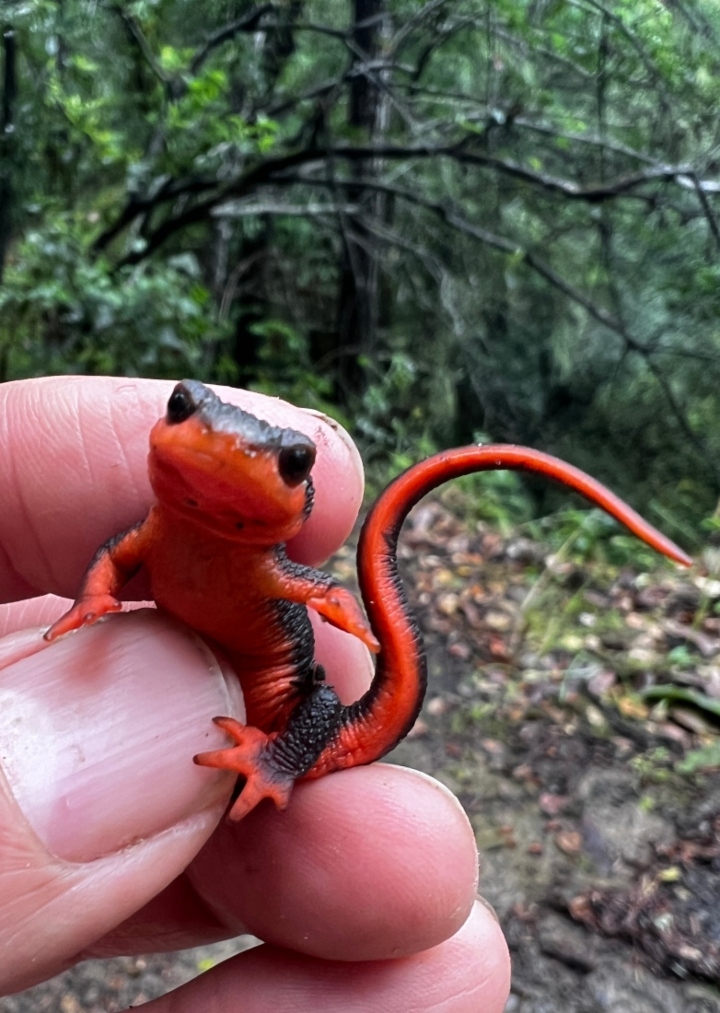
My "lifer" Red-bellied Newt - like its name suggests, their underside is colored a shade of red. Unlike other newts occurring in California, Red-bellied Newts have solid, black eyes.