MOUNTAIN HAMILTON
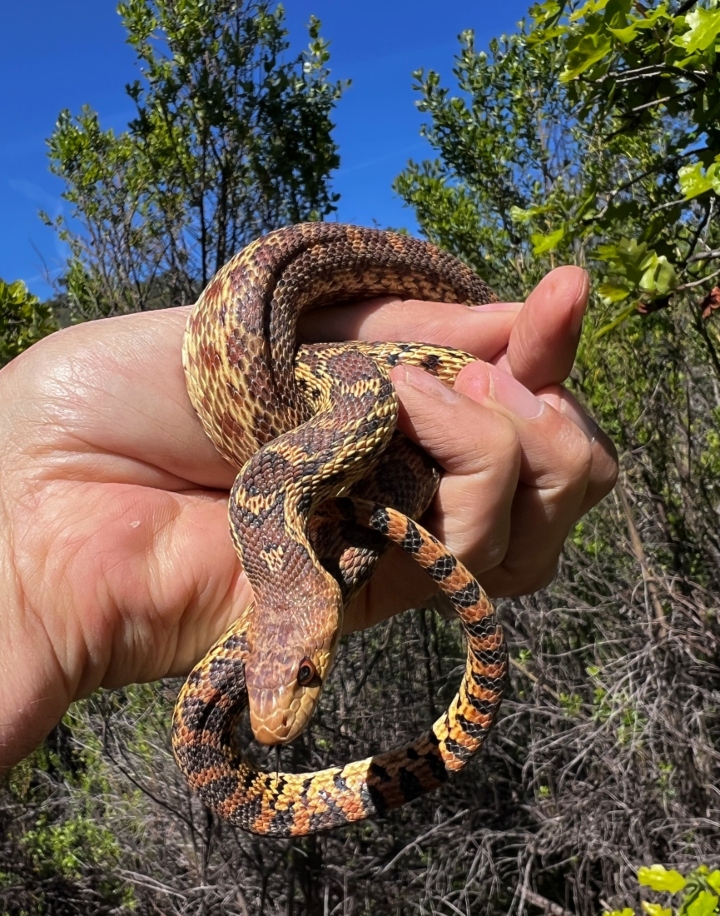
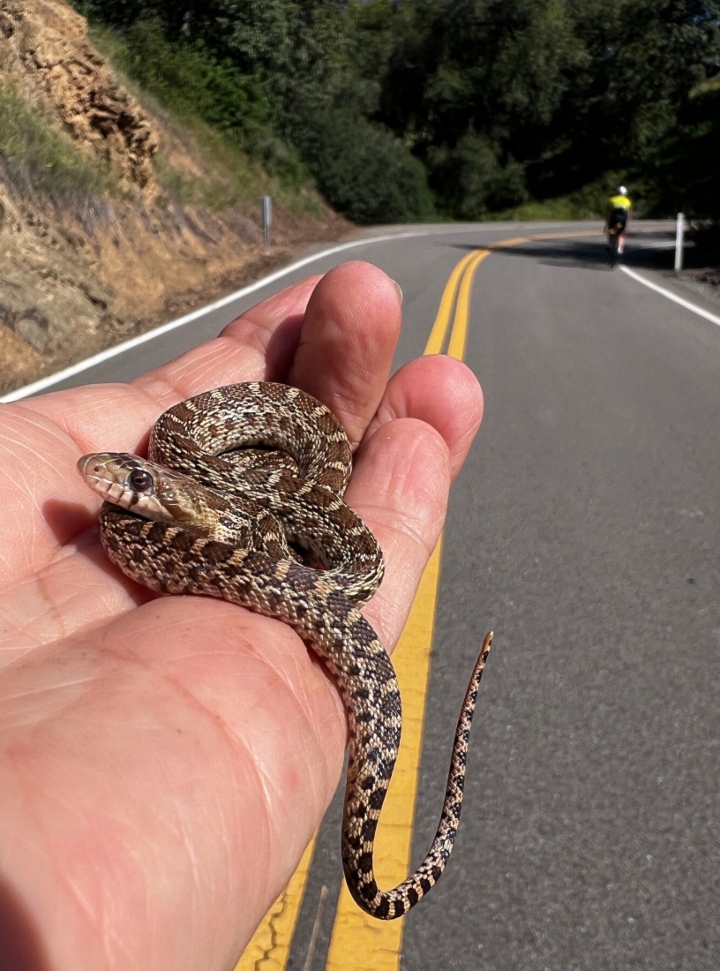
A more colorful than usual Pacific Gopher Snake.
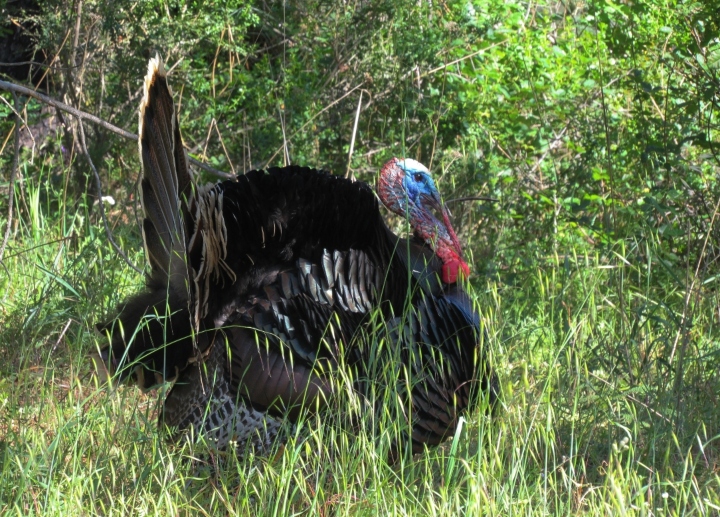
Wild Turkey were a common sight - they were often observed crossing roads.
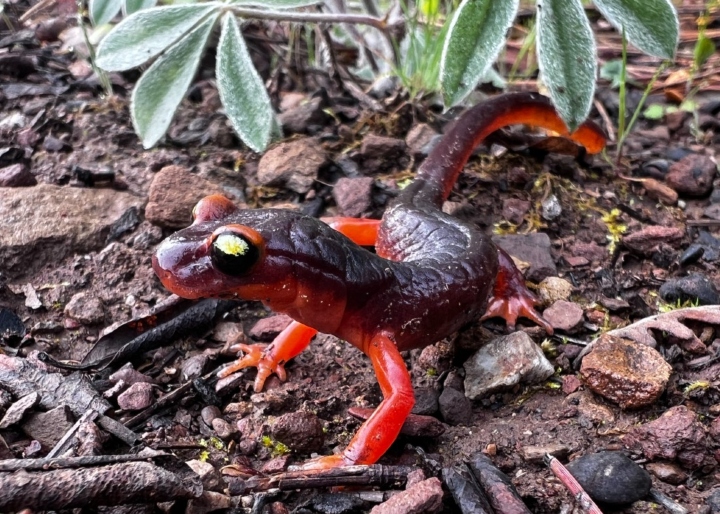
Ensatina are terrestrial salamanders inhabiting forests stands of all ages, but they appear to be more abundant in regions with moderate rainfall among the generally higher rainfall areas.
A young Pacific Gopher Snake that I helped cross the road.
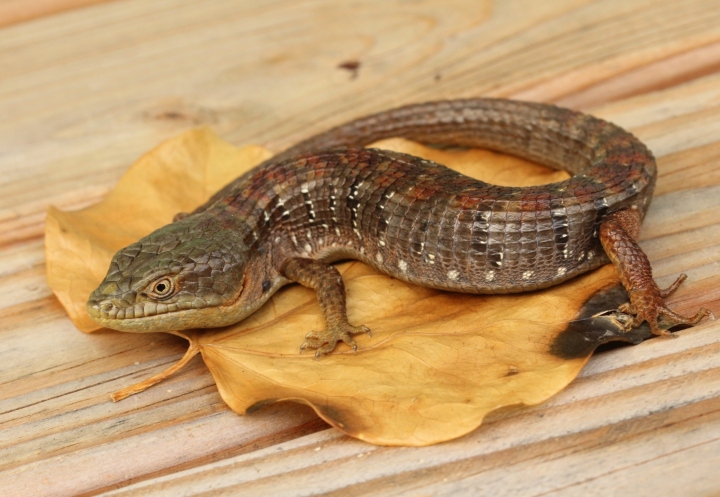
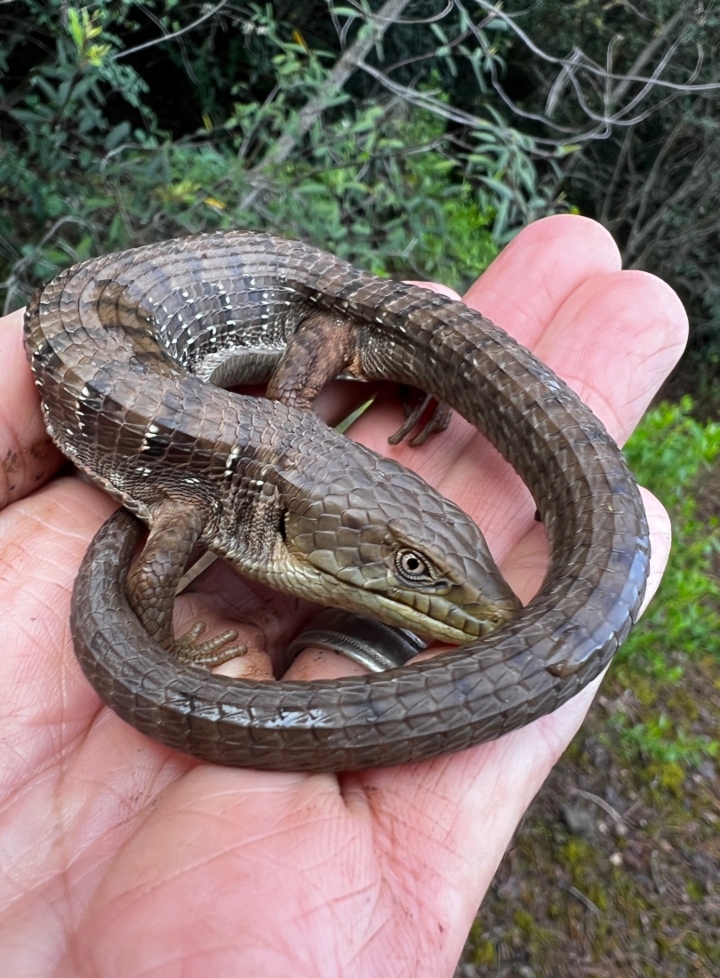
Southern Alligator Lizards have a prominent skin fold runs down both sides the length of the body; this fold allows flexibility when lungs are expanded, when large volumes of prey consumed, and perhaps when eggs distend the body cavity.
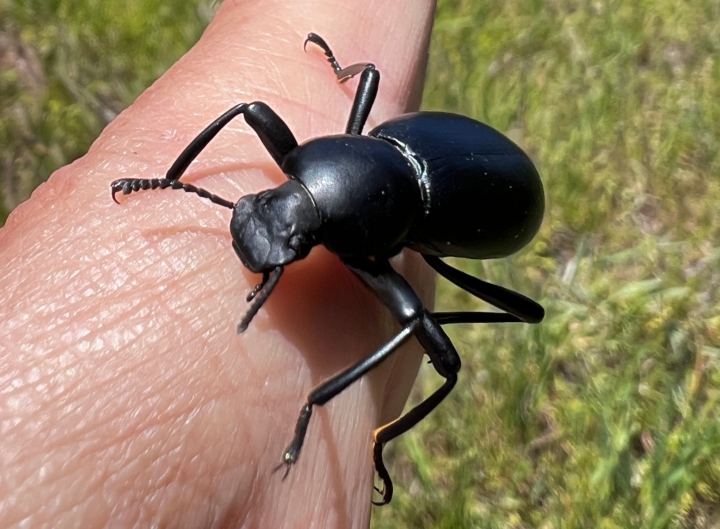
Darkling Beetles are known for raising their abdomen and releasing a pungent, noxious odor when threatened, they are prevalent in California deserts and arid regions.
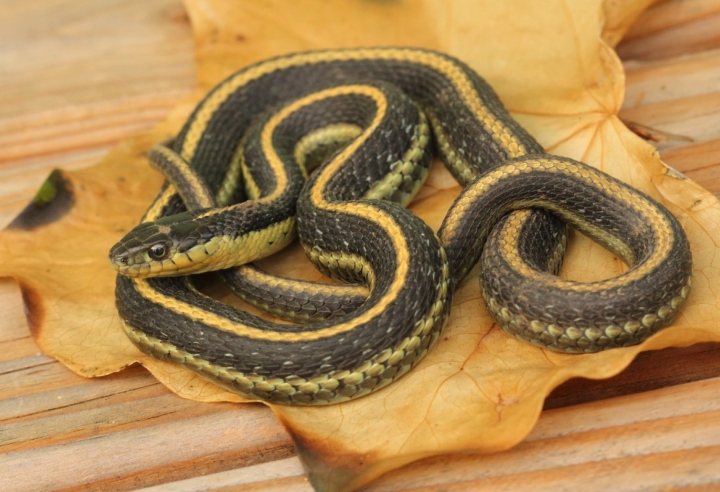
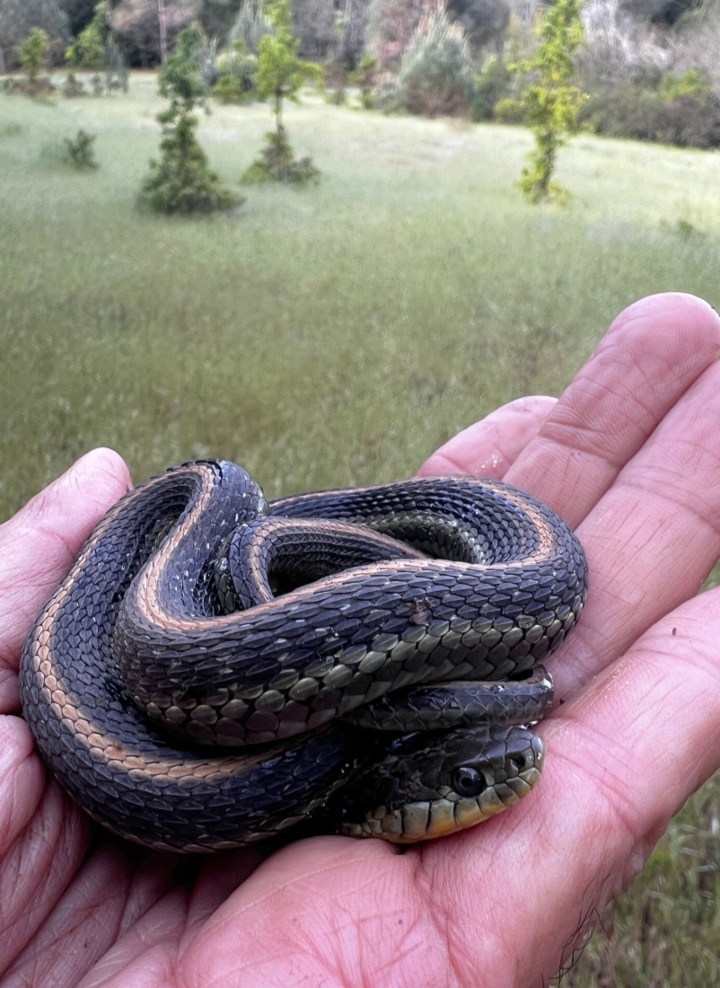
The Diablo Range Garter Snake is a highly-aquatic snake, able to remain underwater, though sometimes it is found well away from water.
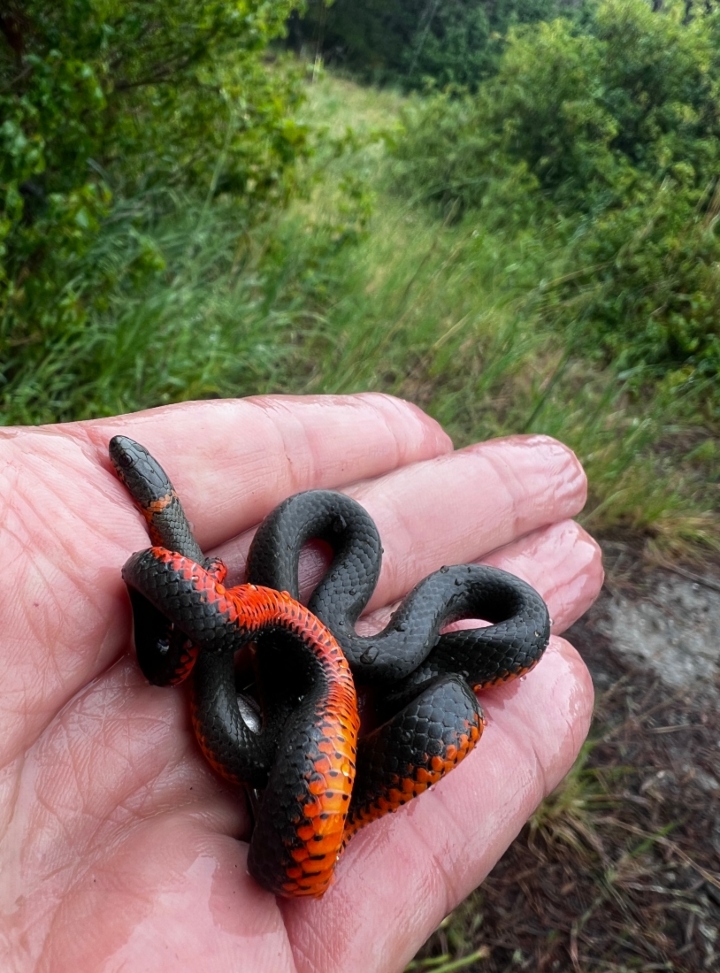
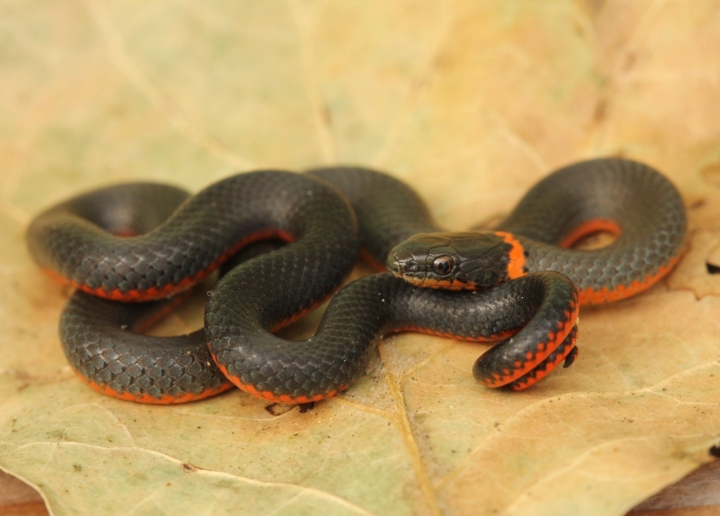
A nice-sized Pacific Ringneck Snake found while herping in the rain.
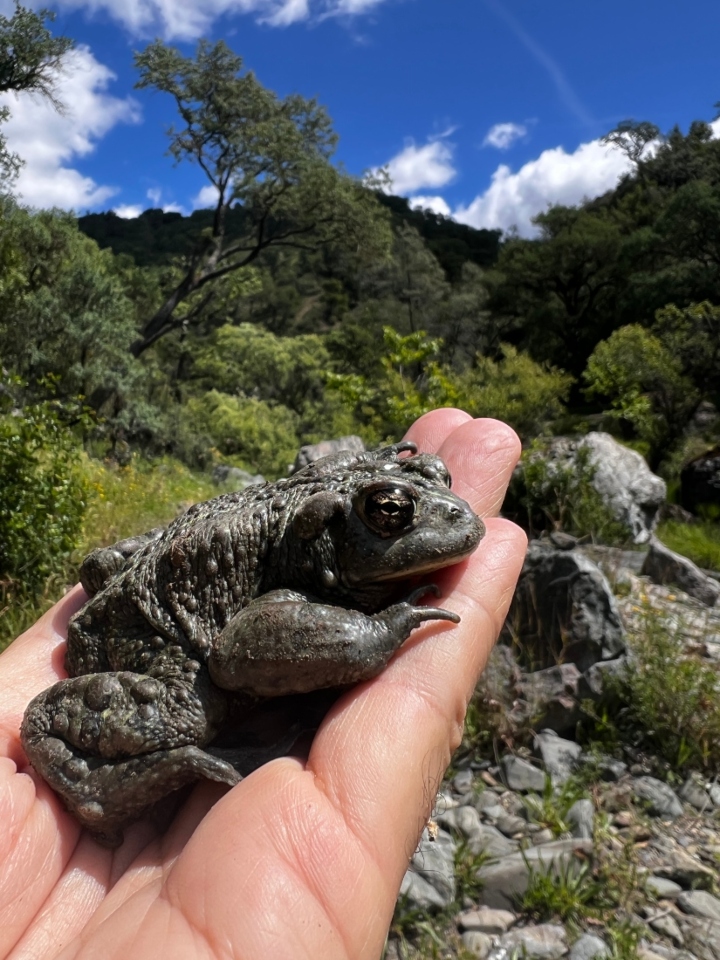
I only found a couple of California Toads on this trip - here's one of them.
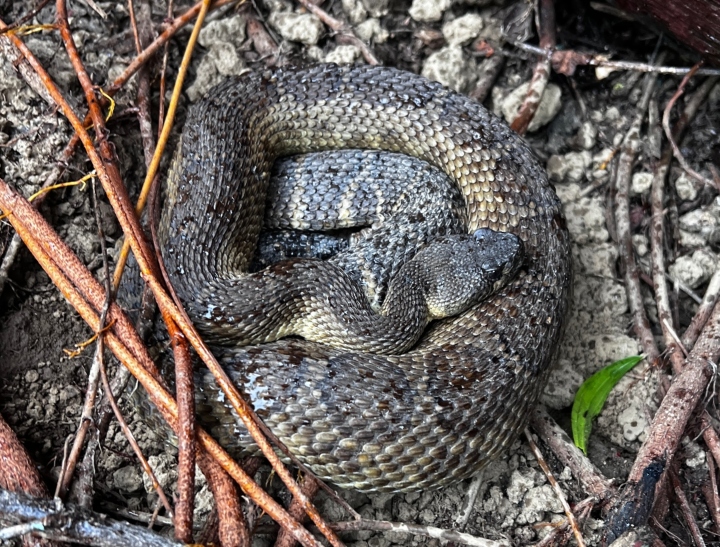
The Northern Pacific Rattlesnake is a heavy-bodied pit viper, with a thin neck, a large triangular head, and a rattle on the end of the tail consisting of loose interlocking hollow segments.
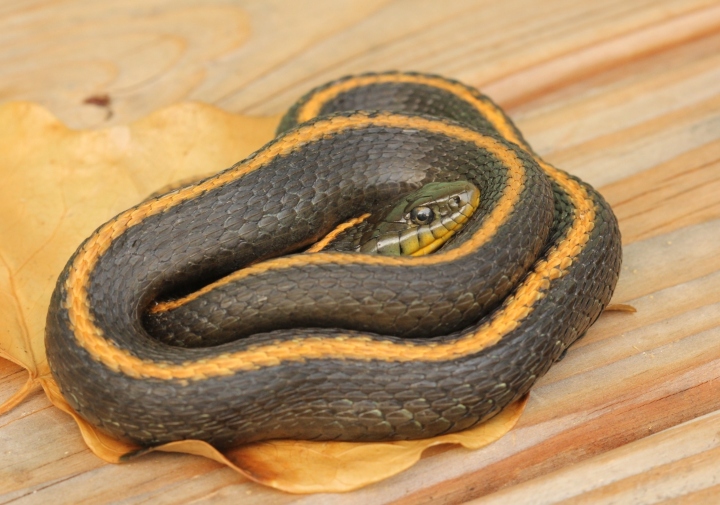
An orange striped Santa Cruz Garter Snake found in the Santa Cruz Mountains.
Southern Alligator Lizards can be found across many diverse habitats, including grassland, open forest, chaparral, suburban and urban areas.
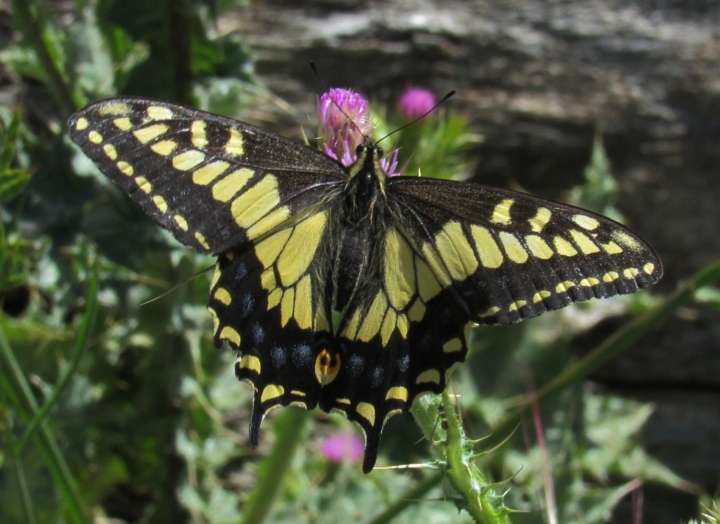
An Anise Swallowtail at Henry W. Coe State Park.
A Diablo Range Garter Snake found on a mountain.
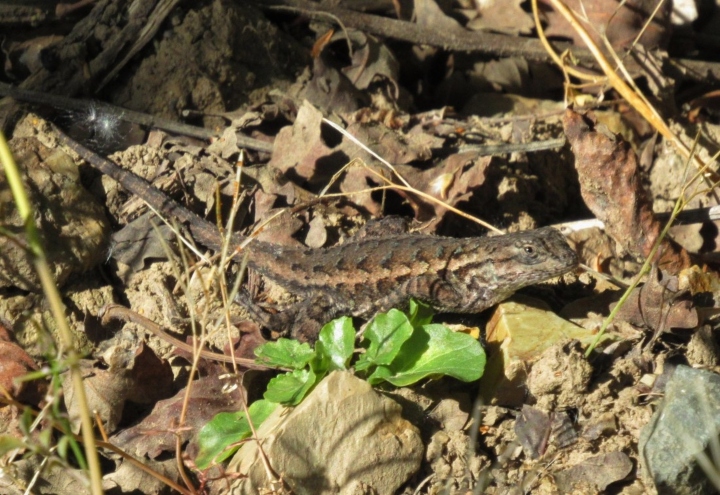
Western Fence Lizards have sharply pointed scales, which is why they are considered part of the “Spiny Lizard” family.
The Ringneck Snake is perhaps best known for its unique defensive posture: when threatened, it curls its tail into a tight coil, partially rolls onto its back, and shows its bright red-orange underside and ventral surface.
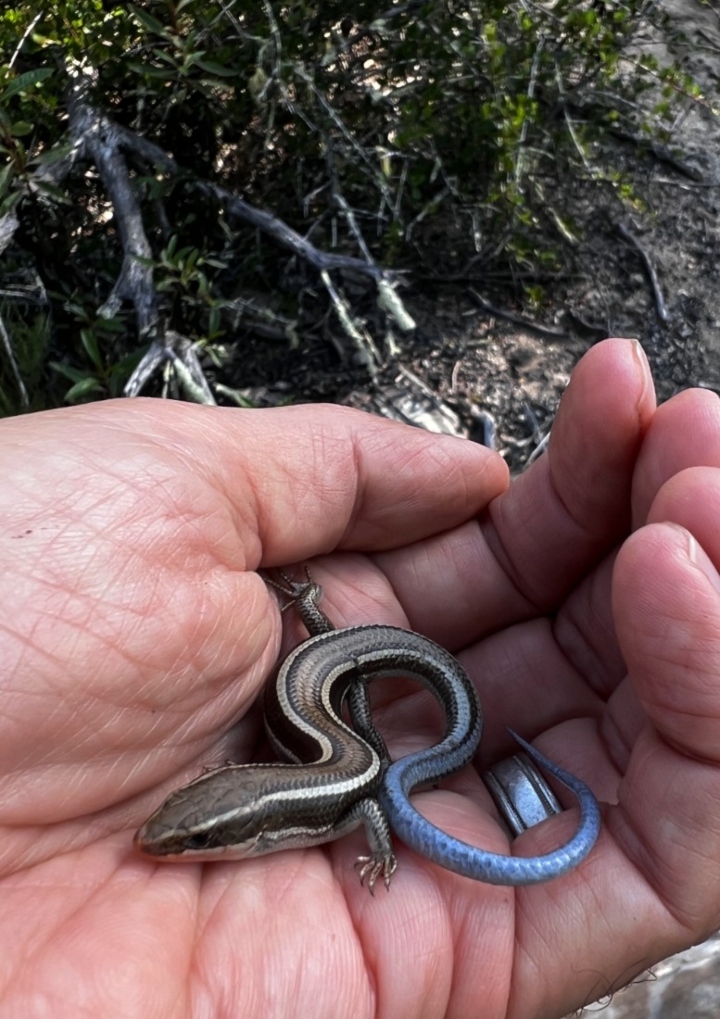
The Western Skink is a species of small, smooth-scaled lizard with relatively small limbs. Young examples have a bright blue tail with color that fades with age.
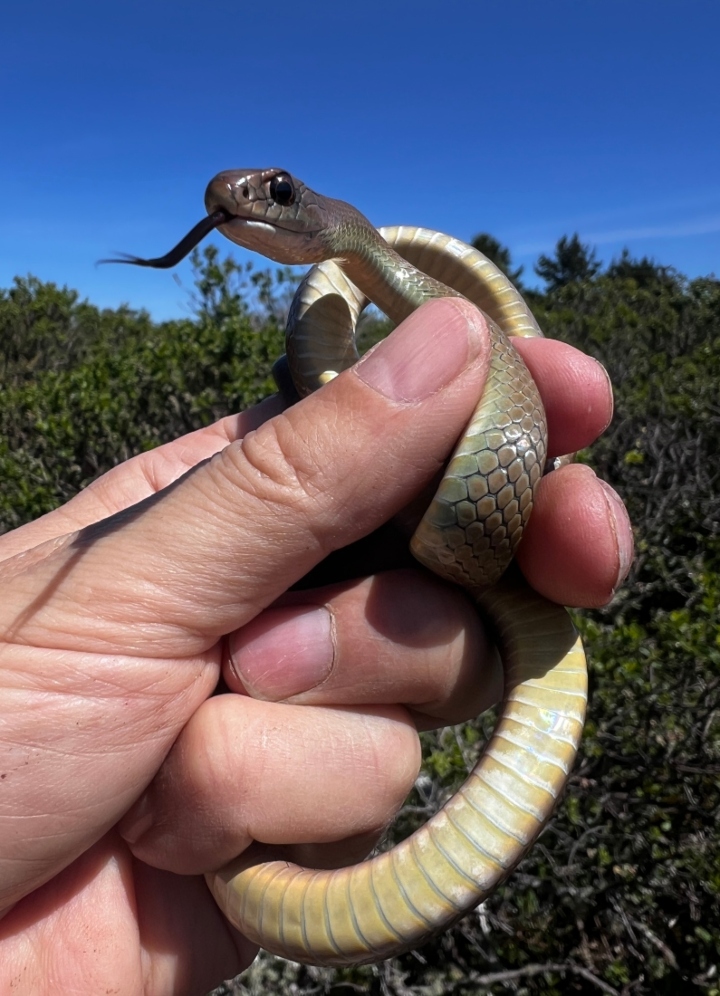
Western Yellowbelly Racers eat lizards, small mammals, birds, eggs, other snakes, small turtles, and large insects.