Bobolink

01 Bobolink_3717

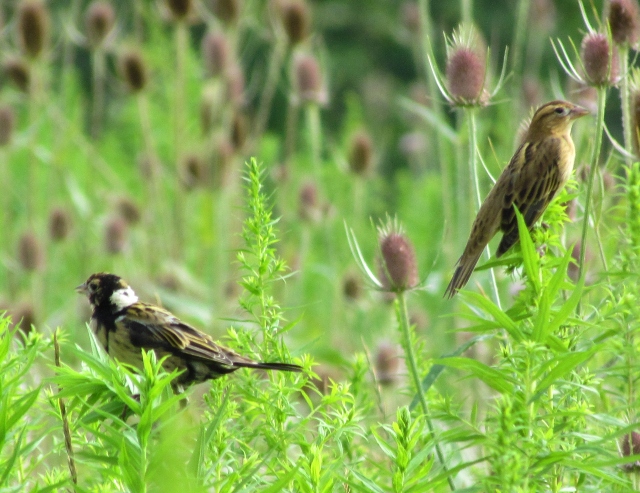
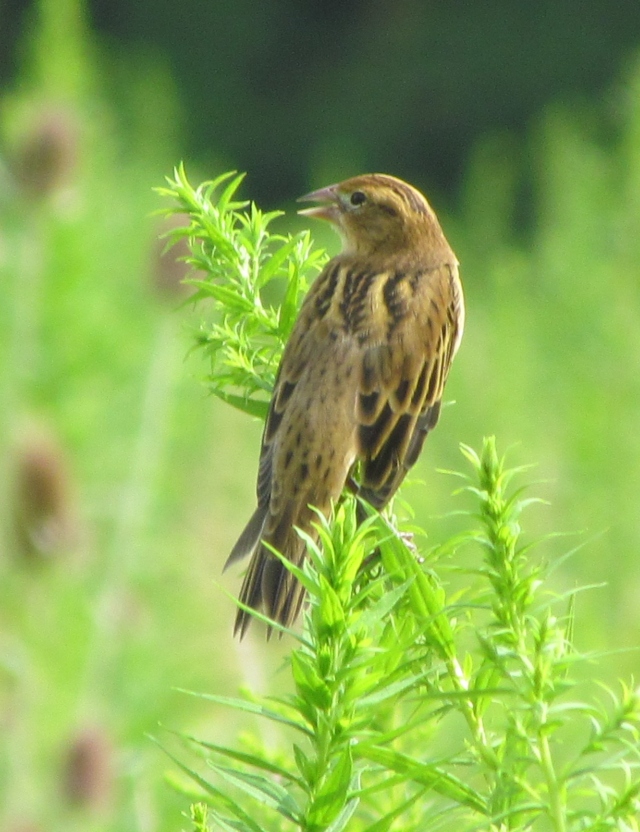
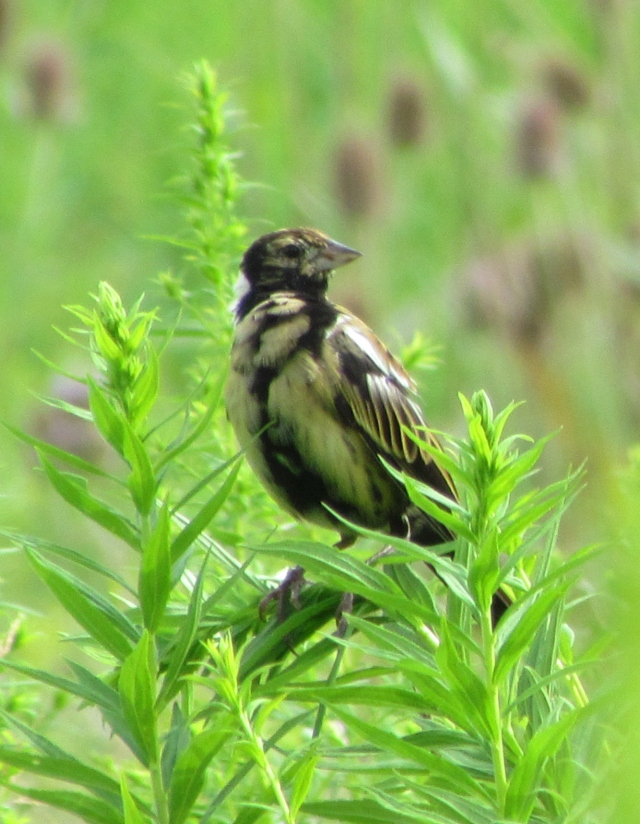
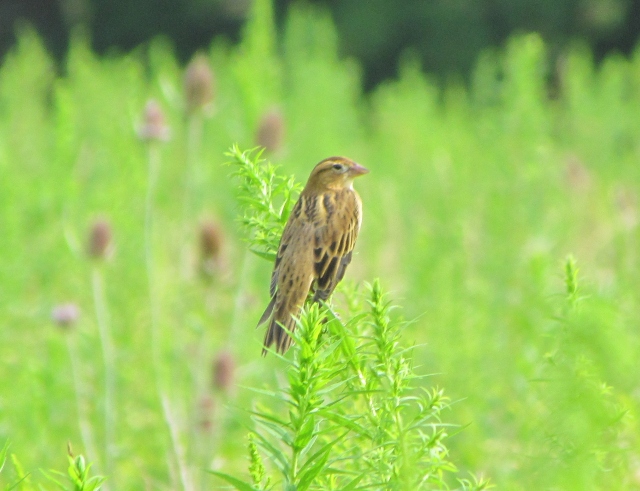
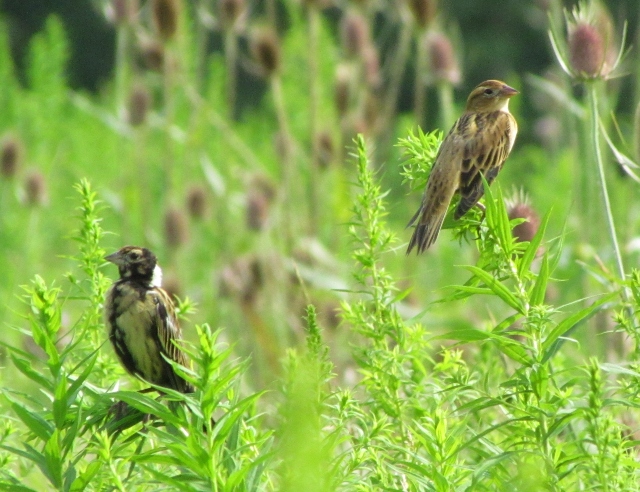
Perched on a grass stem or displaying in flight over a field, breeding male Bobolinks are striking. No other North American bird has a white back and black underparts (some have described this look as wearing a tuxedo backwards). Added to this are the male’s rich, straw-colored patch on the head and his bubbling, virtuosic song. Females are less fancy and mainly a lightly patterned warm brown.
04 Bobolink_3708

The Bobolink is one of the world’s most impressive songbird migrants, traveling some 12,500 miles to and from southern South America every year. Throughout its lifetime, it may travel the equivalent of 4 or 5 times around the circumference of the earth.
02 Bobolink_3722

A migrating Bobolink can orient itself with the earth’s magnetic field, thanks to iron oxide in bristles of its nasal cavity and in tissues around the olfactory bulb and nerve. Bobolinks also use the starry night sky to guide their travels.
04 Bobolink_3704

With a Latin Name of Dolichonyx oryzivorus, the species name of the Bobolink, oryzivorus means “rice eating” and refers to this bird’s appetite for rice and other grains, especially during migration and in Winter.
05 Bobolink_3727

The song of the male Bobolink is distinctive and virtuosic — a disorienting stream of whistles, gurgles, squeaks, and other sounds delivered so rapidly and covering so much sonic ground it can sound like two birds singing at once. Their bubbling song has inspired poets from Emily Dickinson to William Cullen Bryant and ushers in Spring across the grasslands of the northern United States and southern Canada.

Third Eye Herp
E-mail

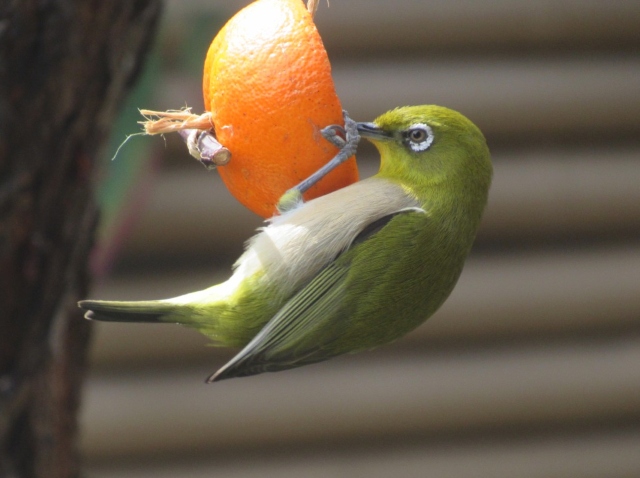
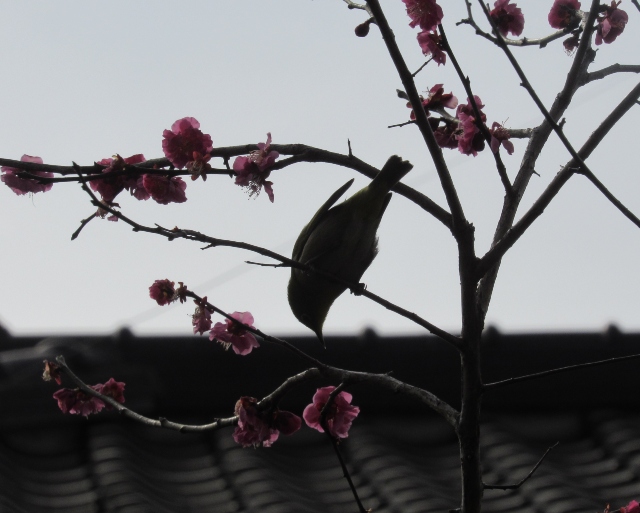
Warbling White-eye

01 White-eye_3213

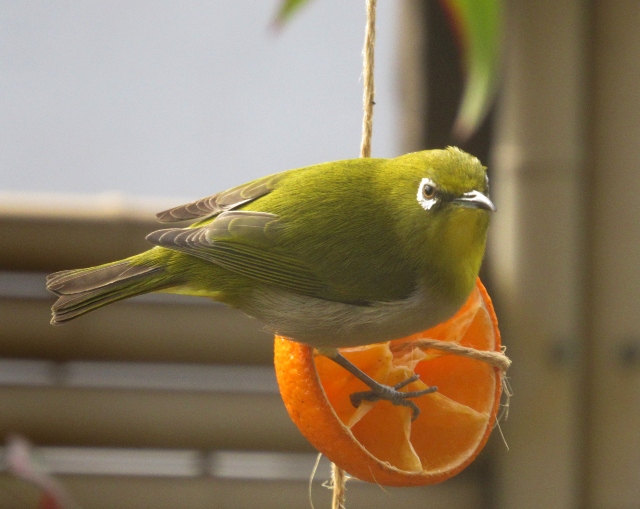
Perhaps the most charming organism seen while visiting Japan was this one. As one of the native species of the Japanese islands, it has been depicted in Japanese art on numerous occasions, and historically was kept as a caged bird.

02 White-eye_3662

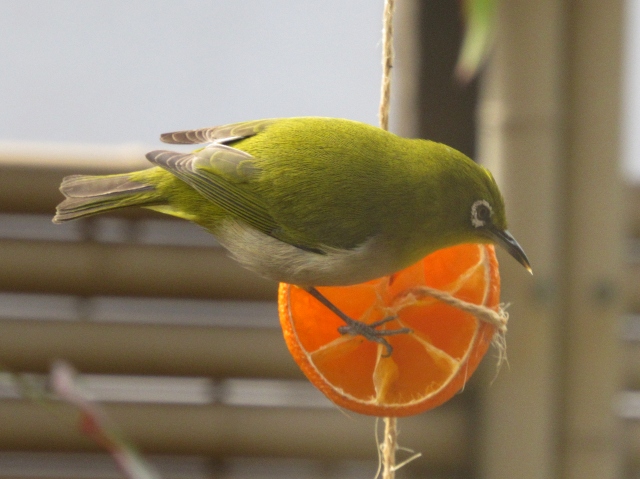
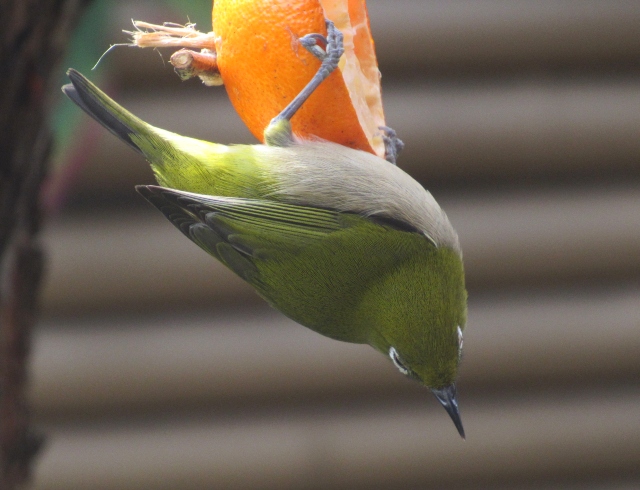
The Warbling White-eye is olive green on its back, from anterior to posterior, and is pale green on its underside. Its feet, legs, and bill range from black to brown. It has a green forehead and a yellow throat. It has a distinctive ring of white around its eyes.

03 Japanese White-eye_3674

Its successful acclimatization to urban environments is particularly noteworthy. The ability to thrive in cities showcases its resilience and resourcefulness, as it takes advantage of available resources. This adaptability has led to an increased presence of these birds in gardens and residential areas.

04 White-eye_3654

This bird species is rarely found on the ground. It is a very sociable species that may form flocks with other species, in which the birds form groups to forage during flight – though they only flock with birds of other species outside of the breeding season.

05 White-eye_3663

The species is omnivorous, living on a diet of fruit from several species of flowering plants, various types of insects, and nectar at all levels of foliage. It feeds on insects by searching the leaves of flowers and scouring tree bark for caterpillars and beetle larvae.

06 White-eye_3676

The Warbling White-eye is a charming and captivating species that has captured the hearts of many bird enthusiasts. With its vibrant plumage, endearing appearance, and sweet melodic songs, this small passerine bird has become a beloved icon in Japan and beyond.

Third Eye Herp
E-mail

Brown-eared Bulbul

01 Brown-eared Bulbul_3257

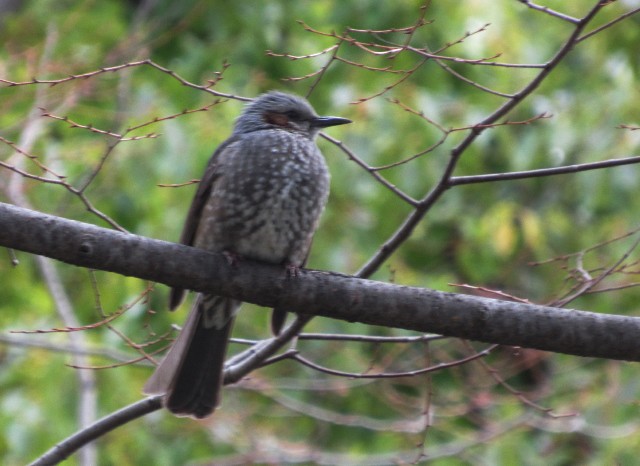
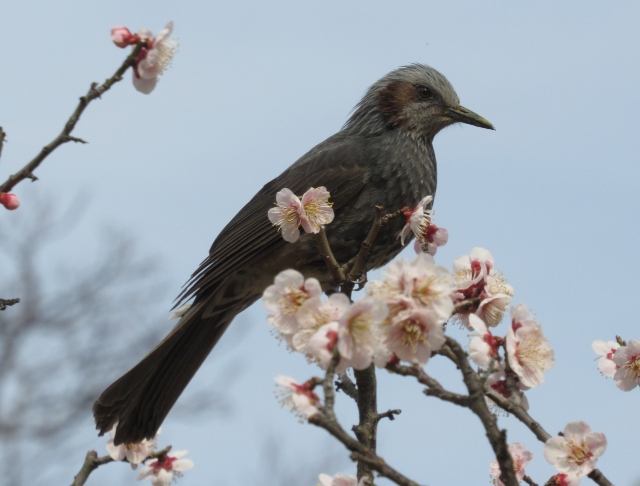
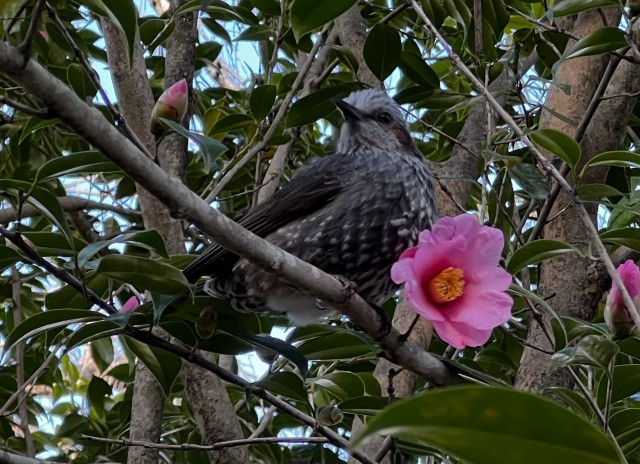
While visiting Japan, I saw a number of examples of this medium-sized bird native to Eastern Asia. It is extremely common within the northern parts of its range and its noisy squeaking calls are a familiar sound in most areas of Japan.
02 Brown-eared Bulbul_3255

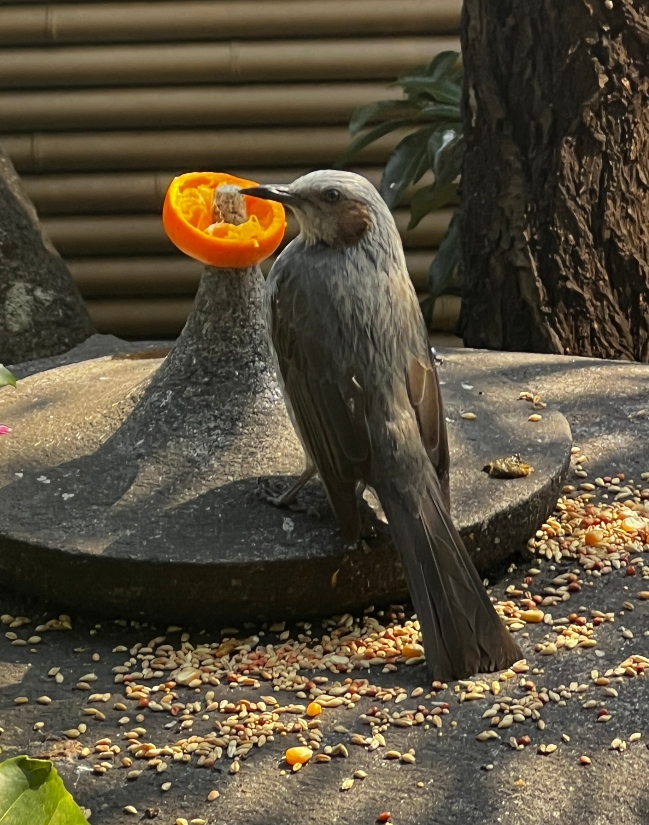
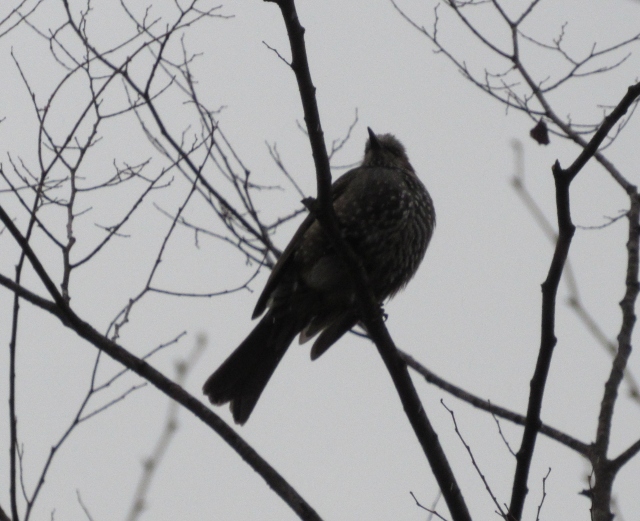
Reaching a length of about 11 inches, Brown-eared Bulbuls are grayish-brown, with brown cheeks (the “brown ears” of their common name) and a long tail. While they prefer forested areas, they readily adapt to urban and rural environments.

03 Brown-eared Bulbul_4833

These migratory birds move to the southern parts of their range in Winter, but they have taken advantage of changes in crops and farming practices in recent decades to overwinter in areas farther north.

04 Brown-eared Bulbul_3214

Brown-eared Bulbuls primarily feed on insects during warmer weather, while they mainly take fruits and seeds in the Fall and Winter. In Japan, they can usually be seen in towns, parks and bird feeders. In Spring, they often eat the nectar of cherry blossoms.

05 Brown-eared Bulbul_4263

Its loud cry isn’t the only trait that makes it easy to recognize in rural and suburban habitats. Along with its shrill vocalizations, this songbird has an undulating flight pattern, which makes it easy to distinguish from other species.

06 Brown-eared Bulbul_5225

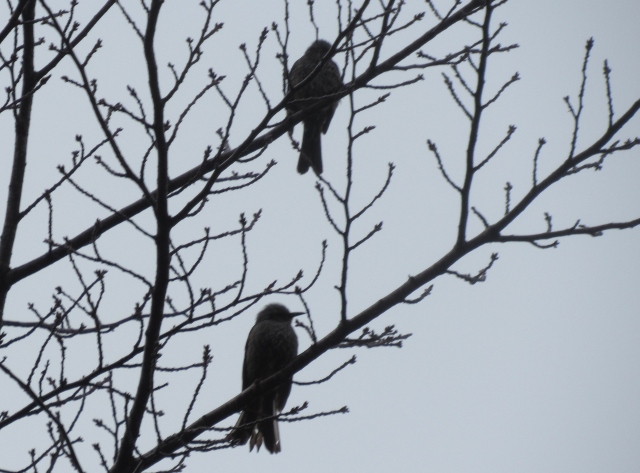
The Brown-eared Bulbul normally occurs in groups outside of the breeding season, which is generally April to July. Females usually lay four eggs in a sturdy, cup-shaped nest, placed in the lower branches of a tree.

07 Brown-eared Bulbul_3228

It was nice to see this interesting bird just about wherever I went on my visit.

Third Eye Herp
E-mail

Yellow-throated Warbler

01 Yellow-throated Warbler_5783

While hiking in Cuyahoga Valley National Park, I noticed this distinctive bird. The Yellow-throated Warbler is a small, migratory songbird of the south, that can occasionally be found in my home state.

02 Yellow-throated Warbler_6394

The Yellow-throated Warbler breeds in a relatively narrow range across the southeastern United States. Its breeding range extends from as far north as southeastern Virginia, southern Ohio, and Missouri.

03 Yellow-throated Warbler_5807

With its bright yellow throat and chest, olive-green back, white belly, and black mask, this bird has a striking appearance that makes it stand out among other warblers.

04 Yellow-throated Warbler_5808

In the Midwest, they are typically found in riverside groves of Sycamores. The song of the Yellow-throated Warbler sings a lively series of clear, whistled notes that are often described as cheerful or bubbly.

05 Yellow-throated Warbler_6396

This bird is are insectivorous, but also includes a considerable amount of berries and nectar in its diet outside the breeding season. Insects are typically picked off tree branches directly, but flying insects may be caught in the air.

06 Yellow-throated Warbler_5812

John James Audubon painted the Yellow-throated Warbler for his famous “Birds of America” series. He gave it the name “Children’s Warbler” because its bright colors reminded him of the clothes children wear.

Third Eye Herp
E-mail

Acorn Woodpecker

01 Acorn Woodpecker_4844

I saw this fine bird several times over the years when I have visited California. My most recent sighting were these two seen on Mount Hamilton. When flying, they take a few flaps of their wings and then drop a foot or so.

02 Acorn Woodpecker_4825

This bird is mostly black with a red cap. The white neck, throat, and forehead patches are distinctive identifiers. Its habitat is forested areas with oaks in the coastal areas and foothills of Oregon, California, and the southwestern United States, south through Central America to Colombia.

03 Acorn Woodpecker_4831

Acorn Woodpeckers, as their name implies, depend heavily on acorns for food. Acorns are such an important resource to the California populations that Acorn Woodpeckers may nest in the Fall to take advantage of the Autumn acorn crop, an uncommon behavior in birds. Although acorns are an important back-up food resource, these birds primarily feed on insects, sap, and fruit.

04 Acorn Woodpecker_4834

Their acorns are stored in small holes drilled especially for this purpose in “granaries” or “storage trees”— usually snags, dead branches, utility poles, or wooden buildings. Storage holes are always in non-living tree tissue, such as bark or dead limbs and are used year after year.

05 Acorn Woodpecker_1104

They are cooperative breeders, living and breeding in family groups of up to 15 individuals. Cooperative breeding, defined as more than two birds taking care of nestlings in the nest, is a relatively rare evolutionary trait that is thought to occur in only nine percent of bird species.

06 Acorn Woodpecker_4828

Walter Lantz is believed to have patterned the call of his cartoon character Woody Woodpecker on that of the Acorn Woodpecker, while basing his appearance on that of the Pileated Woodpecker, which has a prominent crest.

Third Eye Herp
E-mail

Western Kingbird

01 Western Kingbird_1449

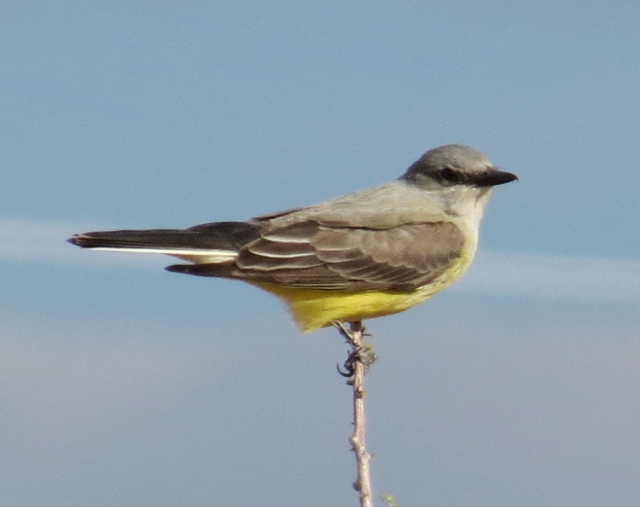
While visiting the Las Vegas Area, I came across bird from time to time. An eye-catching creature with ashy gray and lemon-yellow plumage, the Western Kingbird is a familiar summertime sight in open habitats across western North America. Characteristic of kingbird species, the Western Kingbird is very territorial.

02 Western Kingbird_7017

These are fairly large members of the Flycatcher Family, with large heads and broad shoulders. They have heavy, straight bills, long wings, and a medium-length, square-tipped tail. Often found perched upright on fences and utility lines, they snag insects from the air or fly out to pick invertebrate prey off the ground.

03 Western Kingbird_5180

The name “kingbird” is derived from their “take-charge” behavior. These birds aggressively defend their home turf, even against much larger birds such as hawks.

04 01 Western Kingbird_7021

They will attack humans, livestock, and pets when they think their young are in danger. The males warn off intruders with harsh buzzes or whirring wings. Both sexes snap their bills and raise their red crowns (normally hidden) when provoked.

05 Western Kingbird_7769

Western Kingbirds live in open habitats, where they perch on utility lines, fences, and trees. They prefer valleys and lowlands, including grasslands, deserts, sagebrush, agricultural fields, and open woodlands. The Western Kingbird was originally known as the Arkansas Kingbird, but scientists changed its name to acknowledge its wide range.

06 Western Kingbird_7018

Occupying the western half of the United States, this bird’s breeding range has been spreading for the last century as an unplanned result of human activities.

07 Western Kingbird_1408

By planting trees and installing utility poles in open areas, people have provided hunting perches and nest sites, and by clearing forests they have created open habitats suitable for foraging.

Third Eye Herp
E-mail

Barred Owl

01 Barred Owl_0149

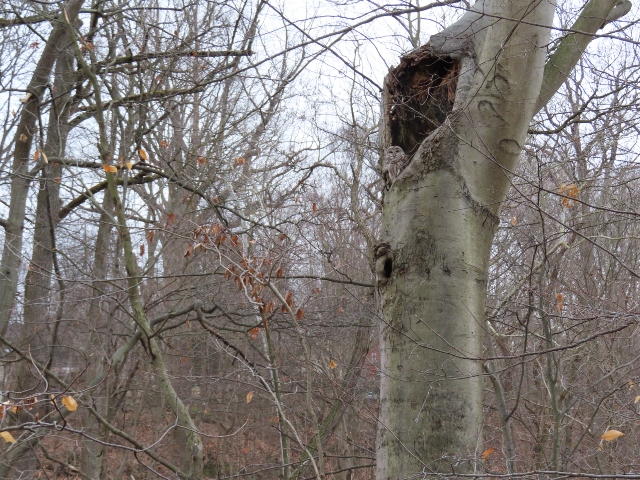
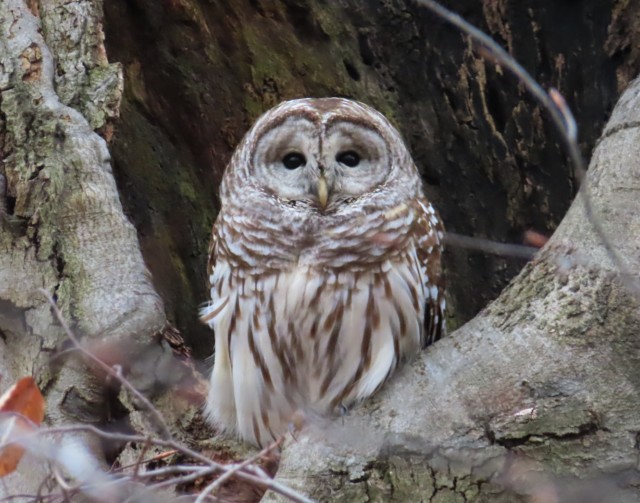
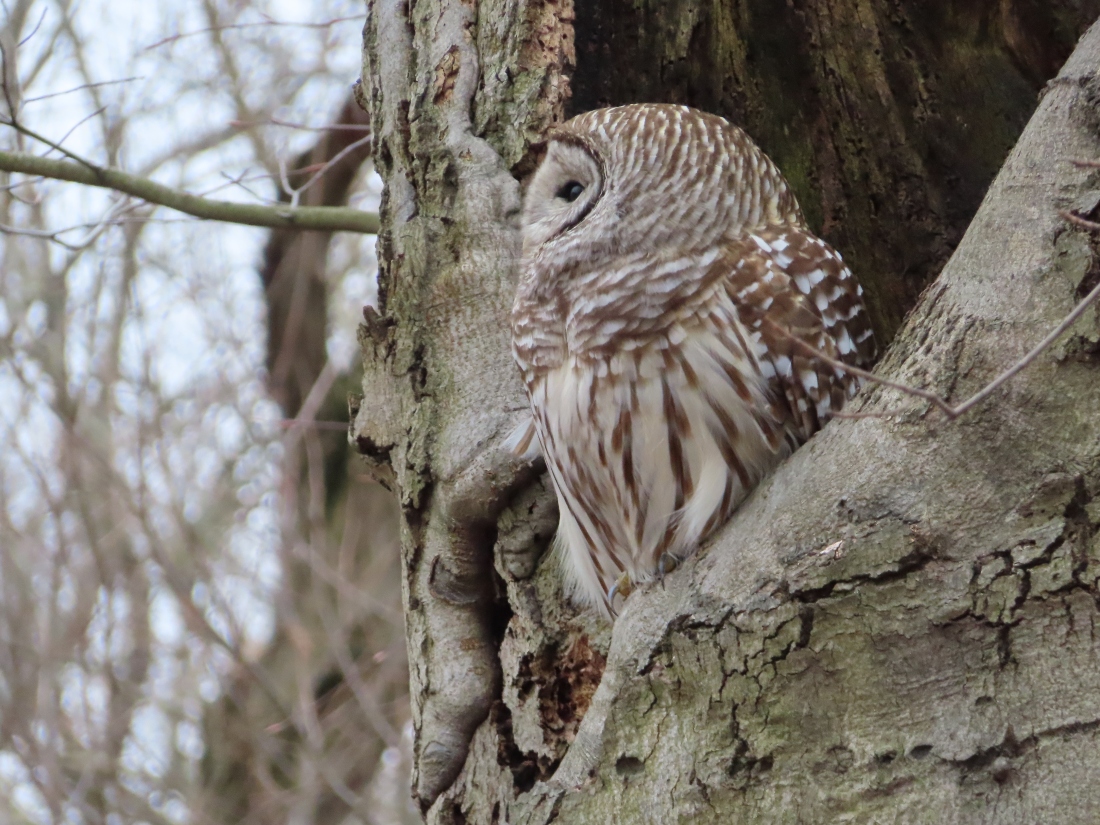
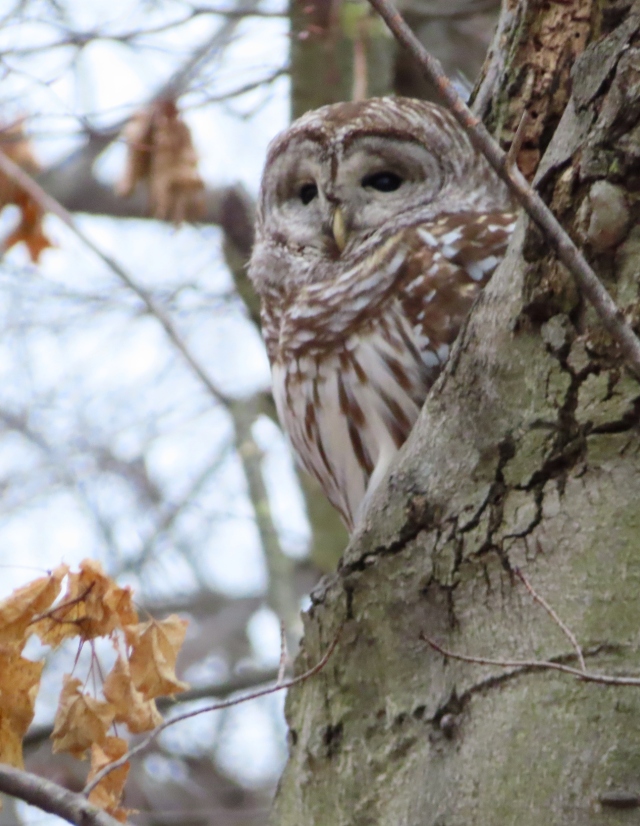
This fine bird has been hanging out on the same tree for the past few Winters at Big Creek Reservation in northeast Ohio. Its call, “Who cooks for you? Who cooks for you-all?” is a classic sound of old forests and swamps. But it can also pass by completely unnoticed as it flies noiselessly through dense canopies or snoozes on tree limbs. Originally a bird of the east, it has spread through the Pacific Northwest and southward into California.

02 Barred Owl_0170

Barred Owls are brown to gray overall, with dark striping on the underside. Their eyes are a dark brown color and may appear intensely black in the field and, although large, they are fairly closely set. This is one of the larger species of owls. Adults measure anywhere from 16 to 25 inches in length, with a wingspan ranging from 38 to 49 inches. Barred Owls don’t migrate, and they don’t even move around very much. In one study of 158 birds that were banded and then found later, none had moved farther than 6 miles away.

03 Barred Owl_0180

Their diet consists mainly of small mammals, but this species is an opportunistic predator and is known to prey upon other small vertebrates such as birds, reptiles, and amphibians, as well as a variety of invertebrates. On the flip side, the Great Horned Owl is the most serious predatory threat to the Barred Owl. Although the two species often live in the same areas, a Barred Owl will move to another part of its territory when a Great Horned Owl is nearby.

04 Barred Owl_0145

This bird tends to raise a relatively small brood often in a tree hollow or snag. Egg laying typically begins in March and runs throughout April. The female alone incubates the eggs, doing so for about 28 days, while the male gathers food for her. Fledging occurs at about 36–39 days. Young Barred Owls can climb trees by grasping the bark with their bill and talons, flapping their wings, and walking their way up the trunk.

05 Barred Owl_0147

In always enjoy hearing this bird’s call. It is adaptable and can sometimes be heard in suburban neighborhoods. The oldest recorded Barred Owl was at least 26-1/2 years old. It was banded in North Carolina in 1993, and caught due to an injury in 2019.

Third Eye Herp
E-mail

Ruby-throated Hummingbird

01 Ruby-throated Hummingbird_4131

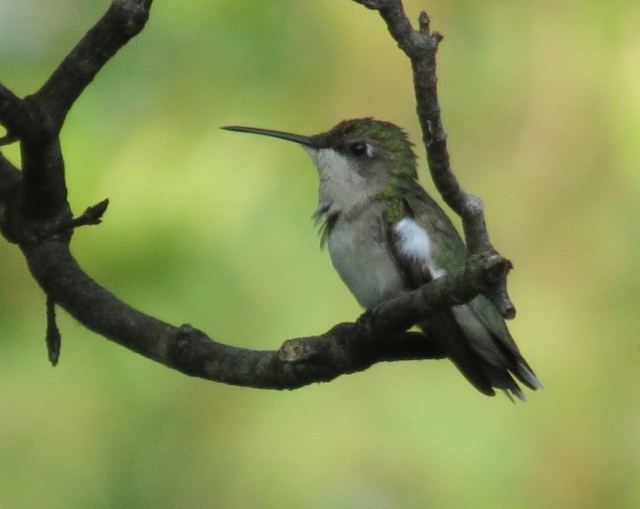
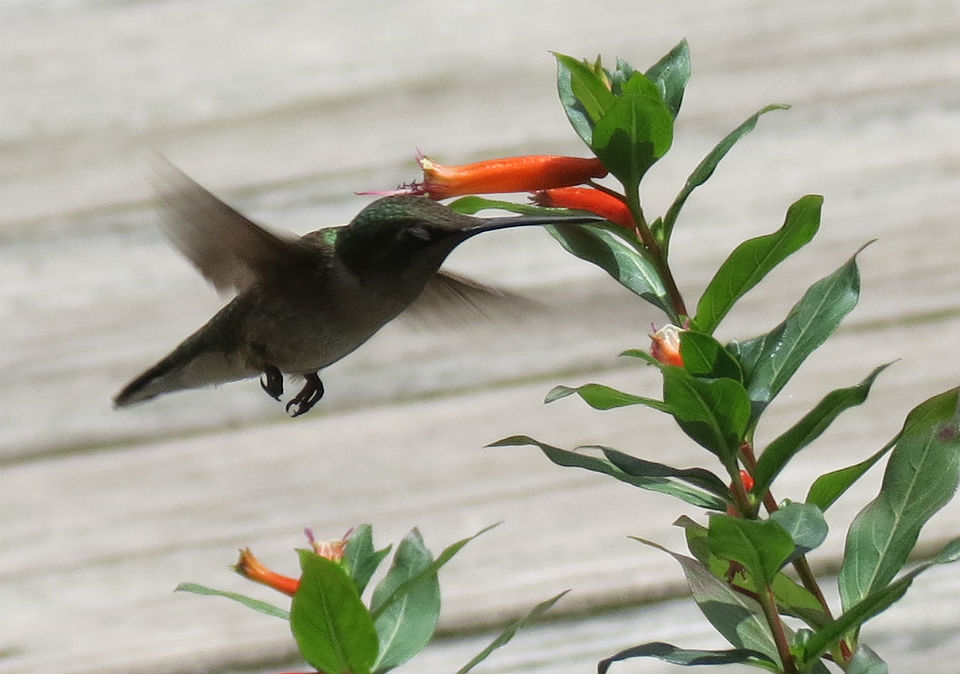
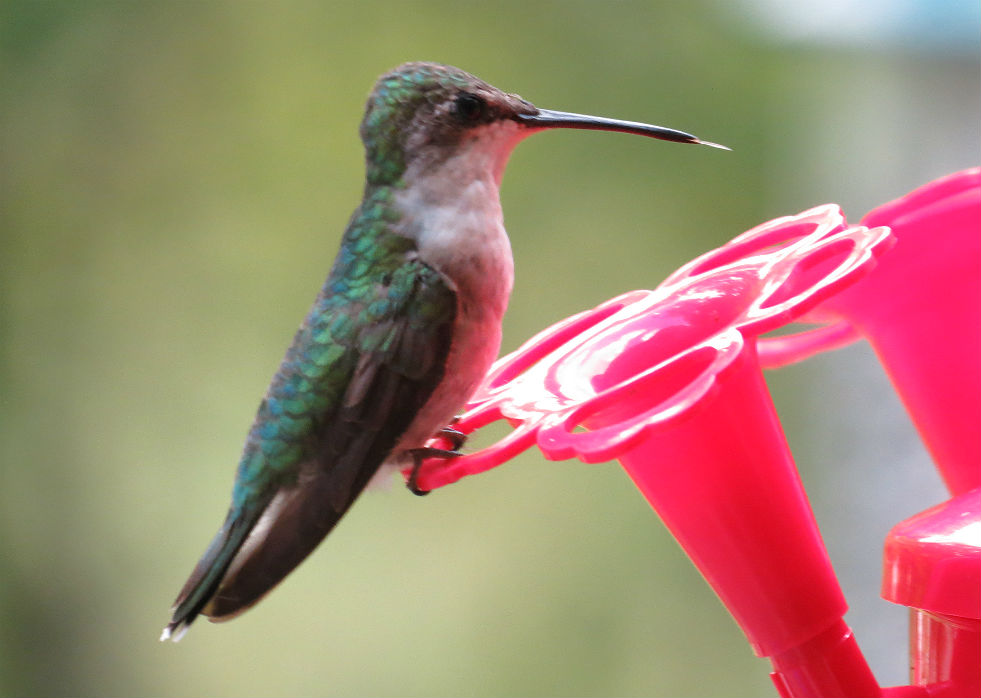
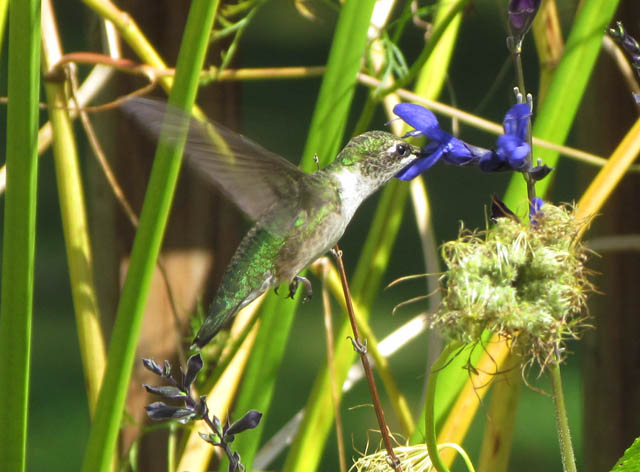
We often get these fine birds at our feeders and flowers. In some cases they will fight over their food supply and in others, a bird may perch nearby and chase away any incoming hummingbirds while emitting mouse-like, twittering squeaks. An aerial acrobat, hummingbirds beat their wings so rapidly they can fly forward, backward, and even hover in place.

02 Ruby-throated Hummingbird_4553

The Ruby-throated Hummingbird is mainly seen in my home state of Ohio during the warmer months of the year. It generally spends the Winter in Central America, Mexico, and Florida, and migrates to Canada and other parts of Eastern North America in the Summer to breed. It is the most common hummingbird in eastern North America.

03 Ruby-throated Hummingbird_050427

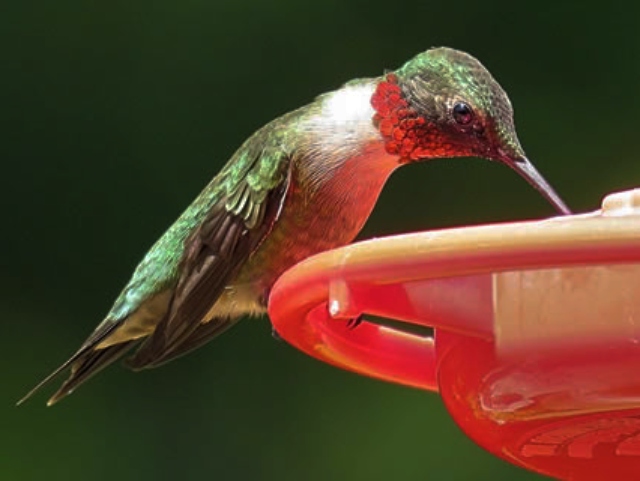
Adult males have an iridescent ruby red throat patch; the iridescence is highly directional and appears dull black from many angles. Hummingbird legs are short with no knees, so they can only shuffle to move along a branch. These birds have one of the highest metabolic rates of any animal, with heart rates up to 1260 beats per minute, breathing rate of about 250 breaths per minute even while at rest.

04 Ruby-throated Hummingbird_4119

Weighing less than a nickel, it is a master of flight. Beating its wings 60 to 80 times a second, this tiny sprite creates a blur of motion and a whirring, insect-like sound. They expend a great deal of energy during flight, so they need to feed almost constantly, each day consuming up to half their weight in sugar. This bird uses its long, needlelike bill to eat flower nectar, preferring red or orange tubular flowers such as Trumpet Creeper, Cardinal Flower, Spotted Jewelweed, and Beebalm. It also eats insects and occasionally drinks tree sap.

05 Ruby-throated Hummingbird_6805

Ruby-throated Hummingbirds are solitary. Adults of this species are not social, other than during courtship (which lasts a few minutes). As in all hummingbird species, the female Ruby-throat provides all the care for the young, which quickly outgrow their little nest and fledge after two to three weeks.

06 Ruby-throated Hummingbird_6486

This creature prefers habitats where there are a lot of flowers, such as fields, parks, backyards, and open clearings in forests. We enjoy and look forward to there Summertime visits each year.

Third Eye Herp
E-mail

Black-headed Grosbeak

01 Black-headed Grosbeak_8549

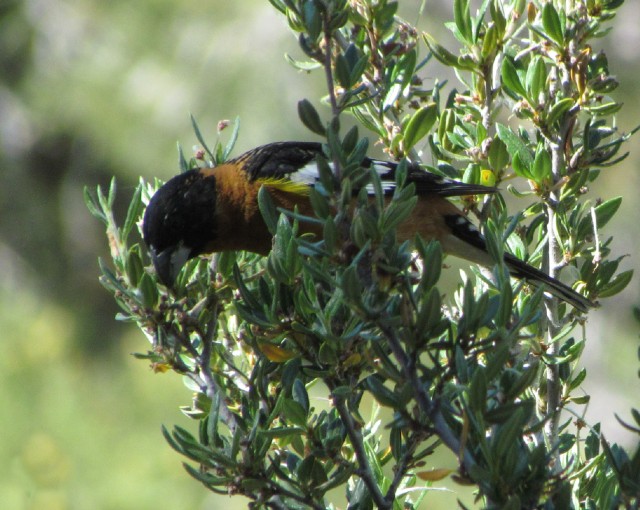
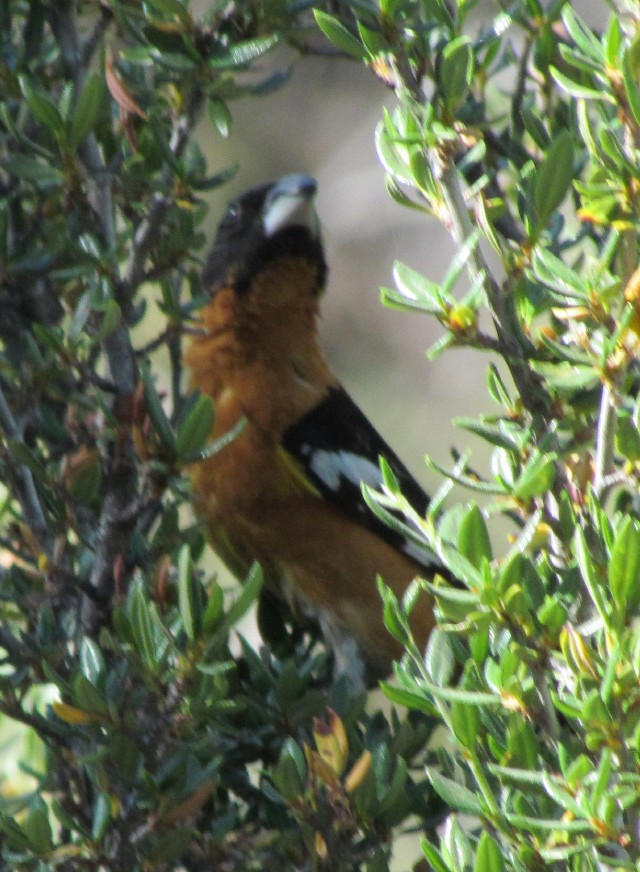
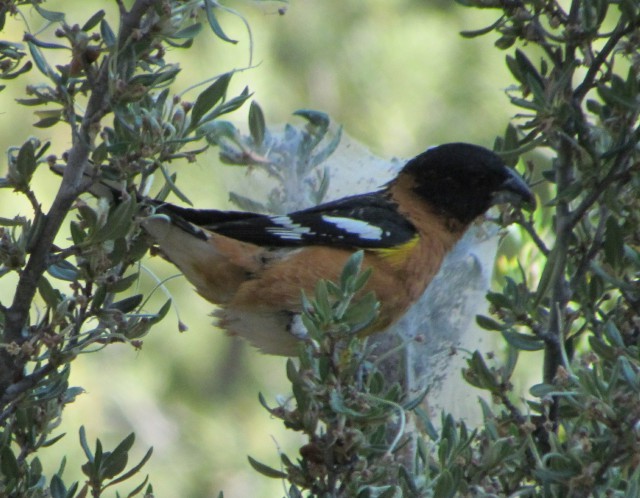
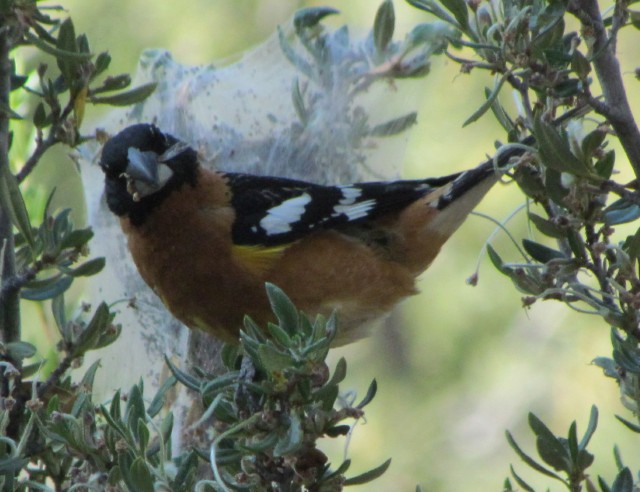
While hiking on Mount Charleston, Nevada (near Las Vegas), I spotted a bird which I have never seen before. In western North America the sweet song of the Black-headed Grosbeak caroling down from the treetops sounds like a tipsy American Robin welcoming Spring. The flashy black, white, and cinnamon males and the less flamboyant females sing from perches in desert thickets, mountain forests, and suburbs.

02 Black-headed Grosbeak_8368

This bird eats pine and other seeds, berries, insects, spiders and fruit. During the Summer, it mostly eats spiders and insects, switching to seeds and berries in the Fall and Winter. At feeders they effortlessly shuck sunflower seeds with their heavy bills.

03 Black-headed Grosbeak_8357

The Black-headed Grosbeak is one of the few birds, along with the Black-backed Oriole, that can safely eat the poisonous Monarch Butterfly. This species consumes many Monarchs, perhaps over one million per year in the overwintering colonies in Mexico. They eat them in roughly 8-day cycles, apparently to give themselves time to eliminate the butterfly’s toxins.

04 Black-headed Grosbeak_8371

This bird prefers to live in deciduous and mixed wooded areas. It likes to be in areas with large trees and thick bushes, such as patches of broadleaved trees and shrubs within conifer forests, including streamside corridors, river bottoms and suburban areas.

05 Black-headed Grosbeak_8372

The Black-headed Grosbeak’s scientific name is well-suited. Its species name, melanocephalus, means “black-headed.” And its genus name, Pheucticus, refers either to the Greek pheuticus for “shy” or phycticus meaning “painted with cosmetics,” fitting for a showy bird that forages in dense foliage.

Third Eye Herp
E-mail


House Wren

01 House Wren_1234

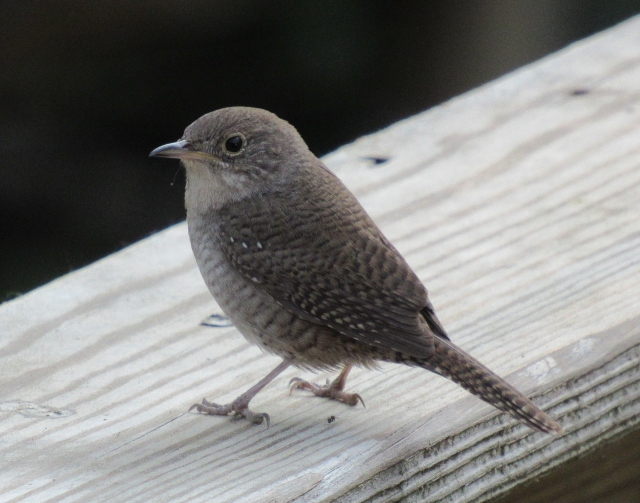
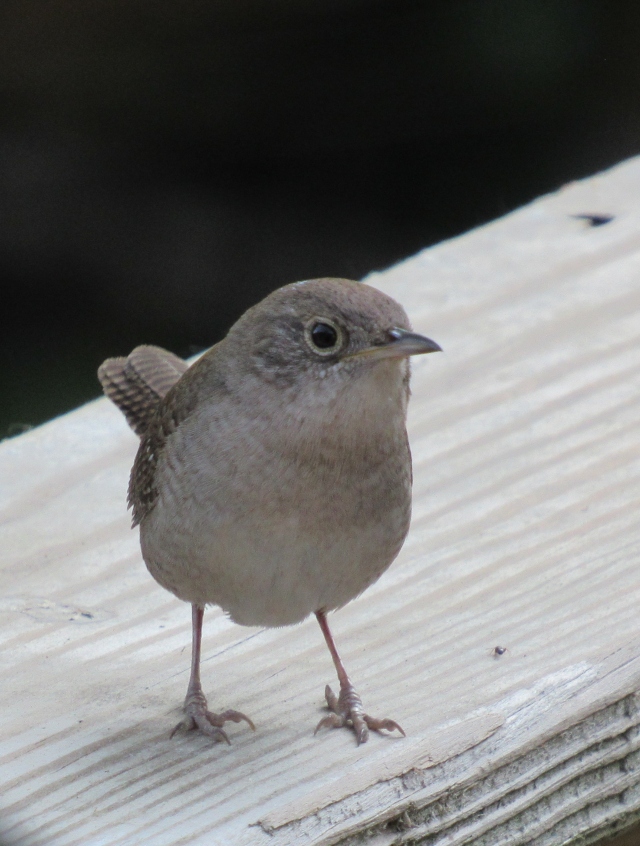
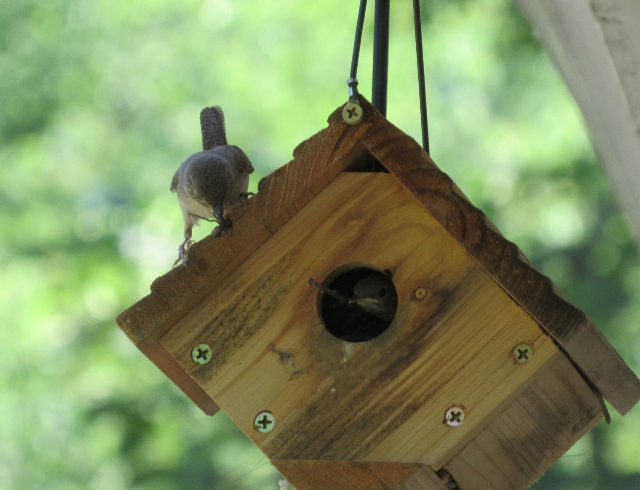
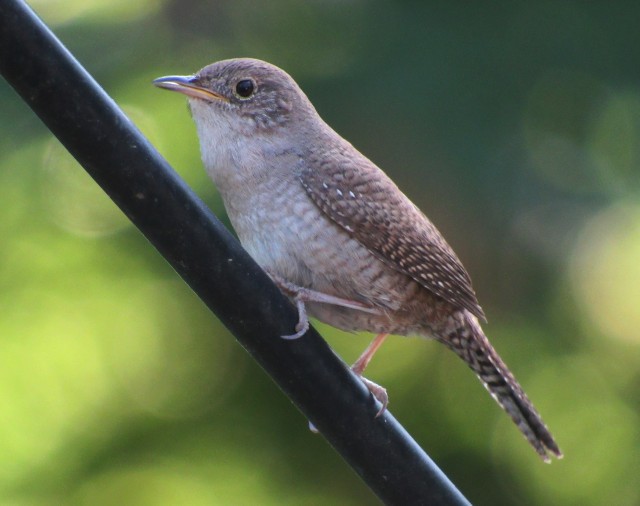
We’ve had at least one of these birds visiting last year and again this year. I put up a birdhouse specifically for it. The male sits on or near the birdhouse, puts twigs in it and frequently calls in efforts to attract a female. A familiar backyard bird, the House Wren was named long ago for its tendency to nest around human homes or in birdhouses.

03 House Wren_1233

The House Wren has one of the largest ranges of any songbird in the New World. It breeds from Canada through the West Indies and Central America, and southward to the southernmost point of South America.

04 House Wrens_1296

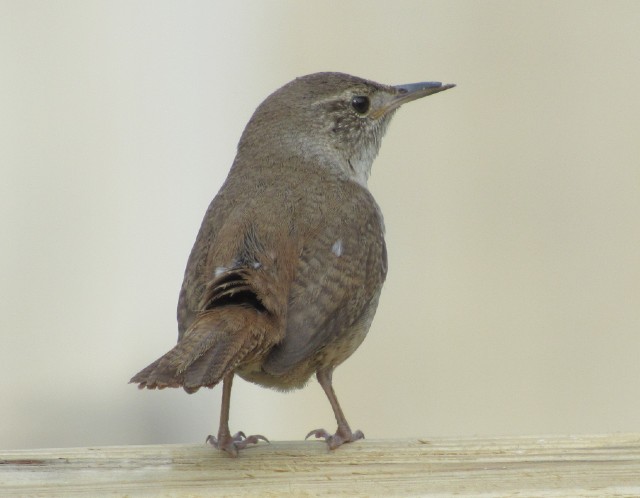
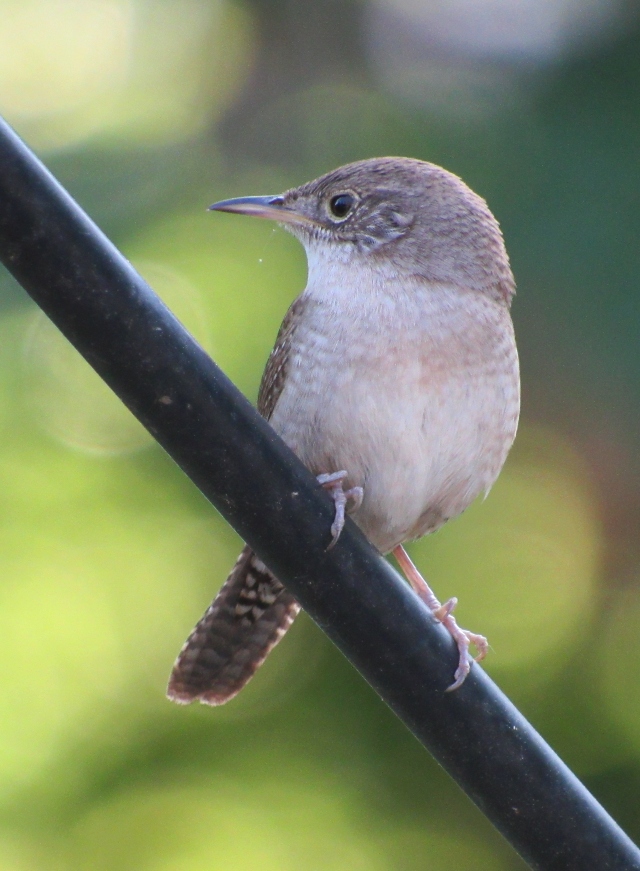
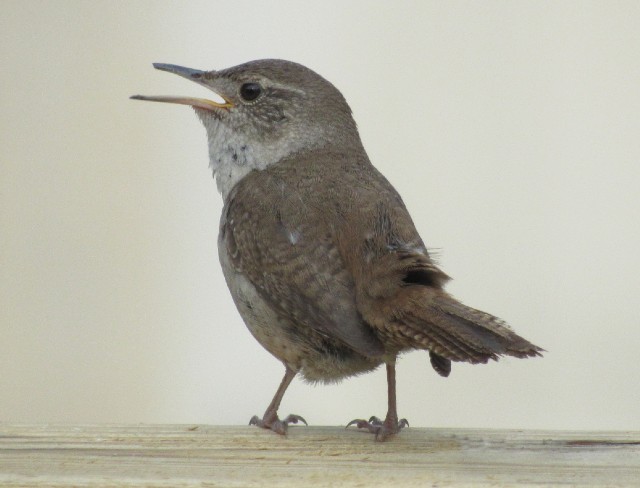
Very active and inquisitive, bouncing about with its short tail held up in the air, pausing to sing a rich song, the House Wren adds a lively spark to gardens and city parks despite its lack of bright colors. These birds feed on a wide variety of insects, including beetles, true bugs, grasshoppers, crickets, caterpillars, moths, flies, and many others. They also eat spiders, millipedes, and snails.

05 House Wren_9393

House Wrens nest inside tree holes and nest boxes. As the season progresses their nests can become infested with mites and other parasites that feed on the wren nestlings. Perhaps to fight this problem, wrens often add spider egg sacs into the materials they build their nests from. In lab studies, once the spiders hatched, they helped the birds by devouring the nest parasites.

06 House Wren_1235

Weighing less than two quarters, House Wrens are feisty and pugnacious animals, considering their tiny size. They are known to occasionally destroy the eggs of other birds nesting in their territory by puncturing their eggshells.

07 House Wren_9401

House Wrens range far and wide, spending summers over a large part of the United States and wintering anywhere from Florida to the southern tip of South America. Only a few stay here in cold months, as they are replaced by the aptly named Winter Wren visiting from the mountains.

02 House Wren_1237

The House Wren is a plain looking songbird, but its bubbling songs, nonstop activity and willingness to live near people make a pleasure to observe.

Third Eye Herp
E-mail