Monkeyface Prickleback

Monkeyface Prickleback_4128

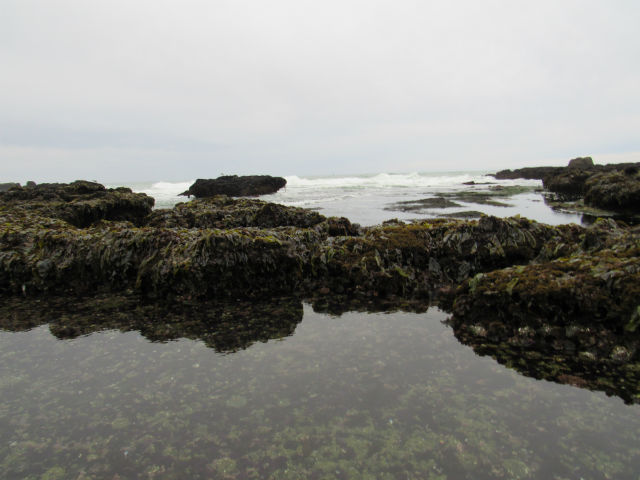
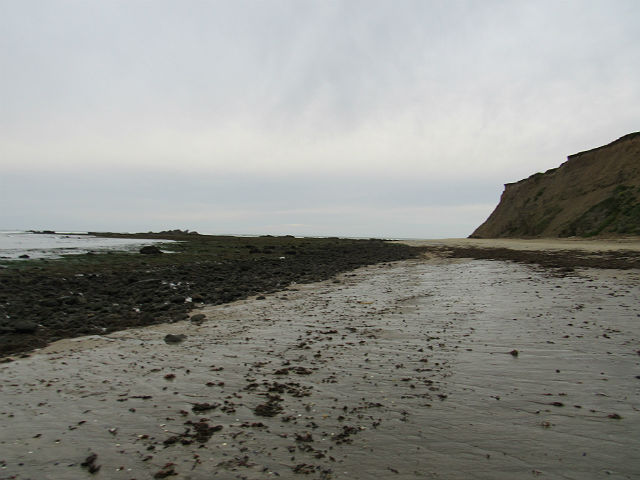
While exploring tide pools in north-central California, I came across this wonderful little fish. It tends to stay near the coast, rather than roaming the open ocean, and is often found in rocky areas.
Monkeyface Prickleback_4069

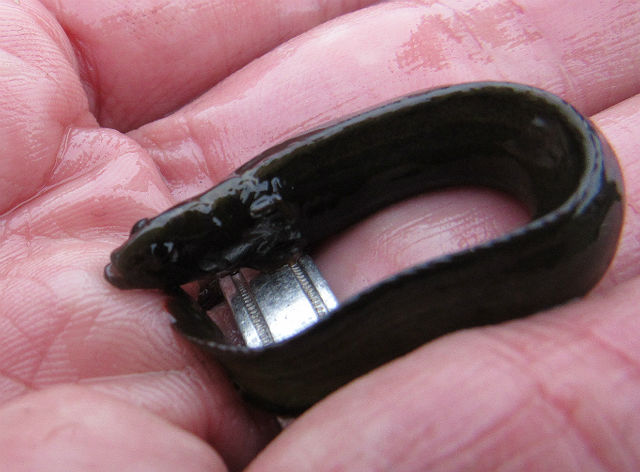
Young Monkeyface Pricklebacks, like this one, feed on zooplankton and crustaceans, while adults are primarily herbivorous, mainly consuming red and green algae.
Monkeyface Prickleback_4067

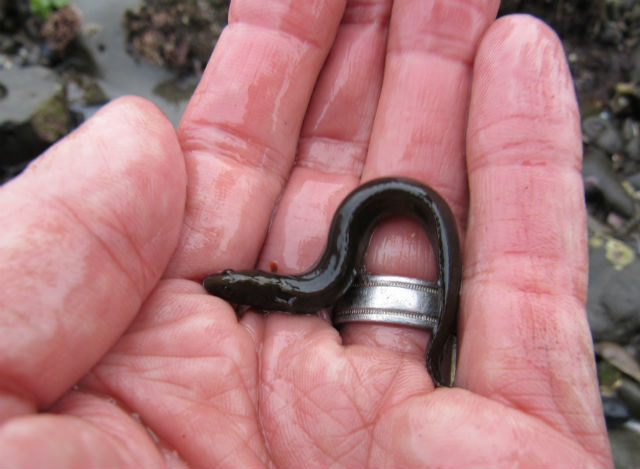
These long, slender fish, grow to about 18 inches in length and possess the unfishlike ability to breathe and survive out of water while hidden under seaweed or rocks. This was one of many fun finds during my tidal pool adventure.
Third Eye Herp
E-mail

Sea Lemon

Sea Lemon_4057

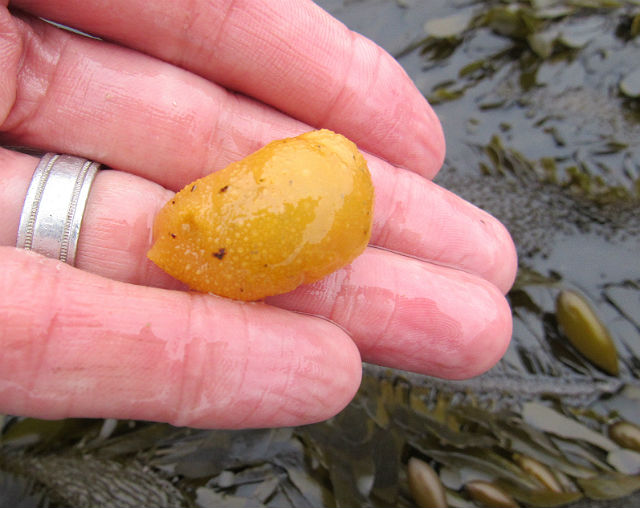
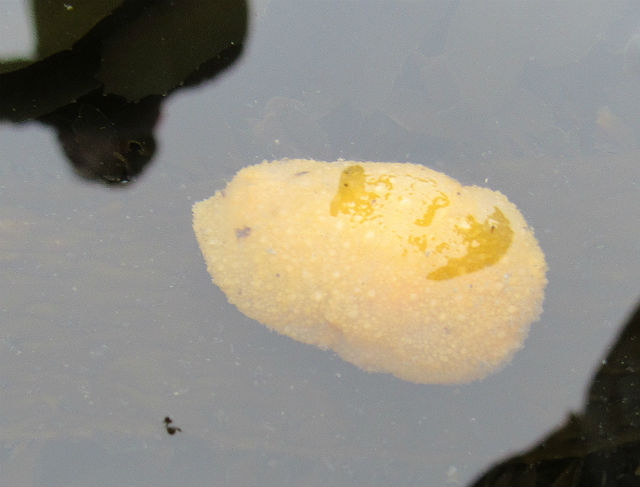
While investigating tide pools near San Francisco, I found several cool creatures, this was one of them. It is a medium-sized, shell-less colorful Sea Slug – a marine gastropod mollusk. Its common name comes from this animal’s visual similarity to a lemon, featuring roughened skin, an oval shape (when seen from above), and its yellow coloration.

Sea Lemon_4073

Its bright colors are an advertisement to its distastefulness; its fruity, penetrating odor and acidic taste repels most predators, though Sea Slugs eat other Sea Slugs, this type feeds mainly on sponges. Like a land slug, it uses its filelike tongue to scrape sponges, its favorite being the Breadcrumb Sponge.

Sea Lemon_4078

The Sea Lemon has a ring of upright feathery gills, which are quickly retracted when a disturbance is sensed, similar to how a land slug retracts its eyes. It is hermaphroditic, possessing both male and female organs. This fascinating invertebrate is relatively short-lived, having a lifespan of about a year.

Third Eye Herp
E-mail