Wild Leek

Sarsaparilla_1560

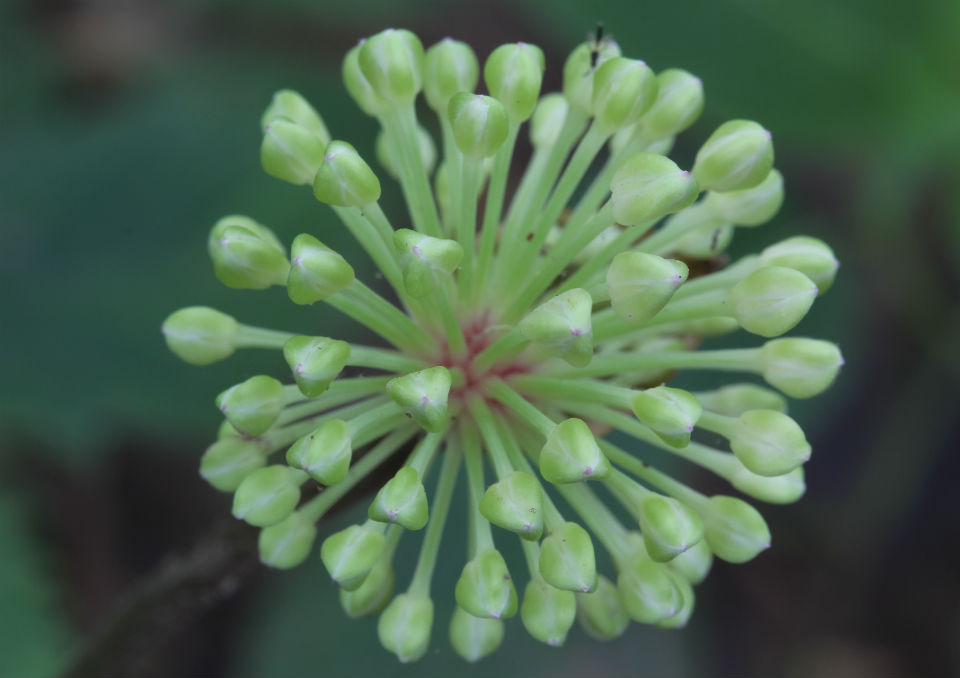
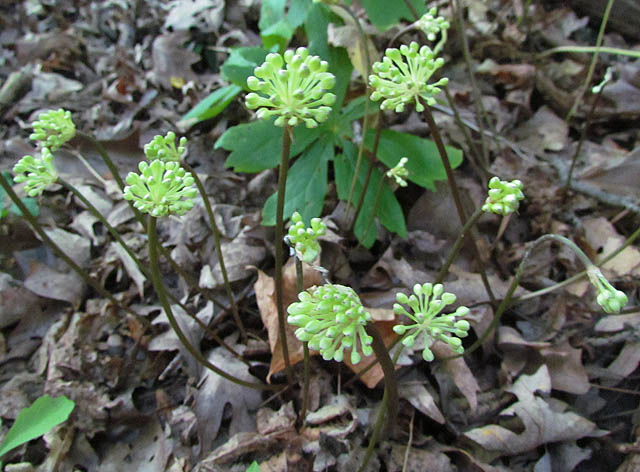
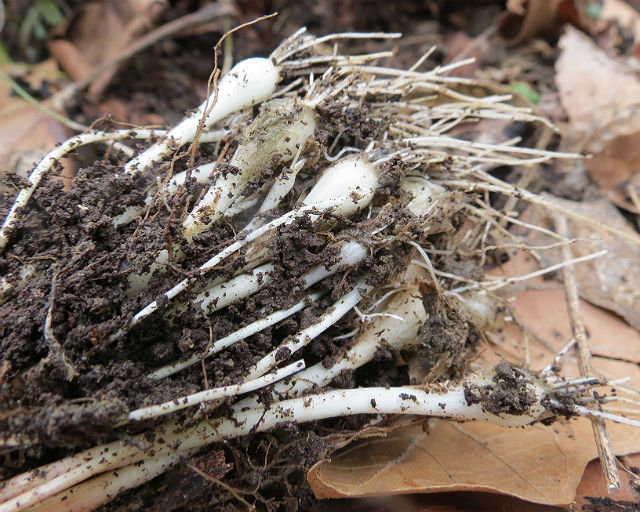
Walking along Chippewa Creek in Brecksville Reservation, I noticed an unusual looking flower – Wild Leek. The flowers form in sphere-shaped clusters.

sarsaparilla 015

Its preference is dappled sunlight during the Spring when the leaves develop, while during the summer considerable shade is tolerated as the leaves have withered away. .

Sarsaparilla_1562

The presence of this species is a sign that the original flora of a woodlands is still in intact. Its flowers attract various kinds of bees, including masked bees, honeybees, bumblebees and mason bees.

sarsparilla_1911

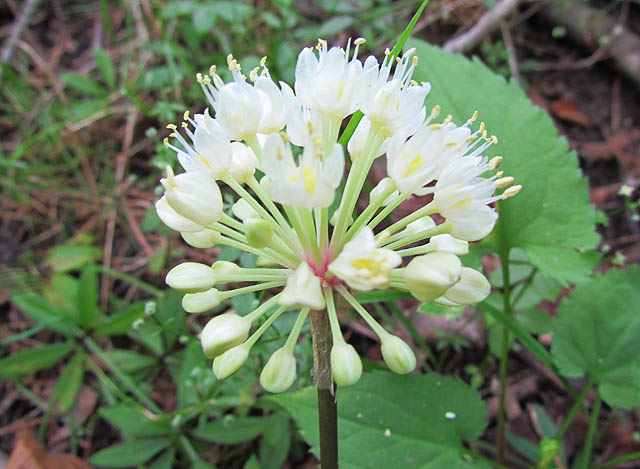
This woodland wildflower is somewhat unusual because its foliage has withered away by the time the flowers bloom. Both the foliage and flowers are attractive; the latter help to brighten the gloomy corners of woodlands during the summer.

Third Eye Herp
E-mail

Blue Vervain

blue vervain_2649

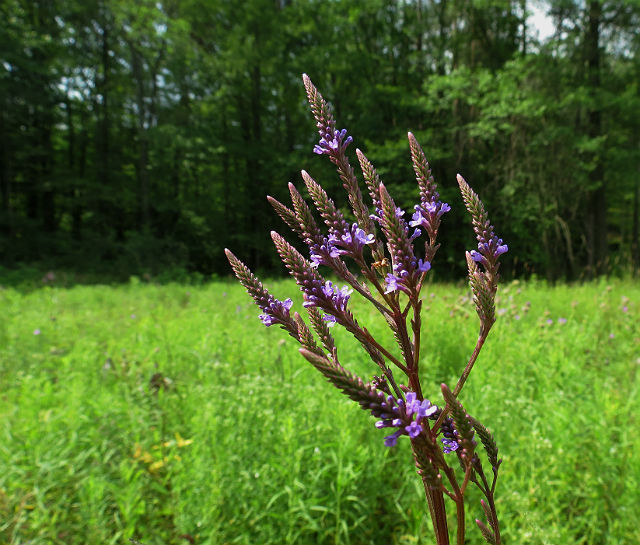
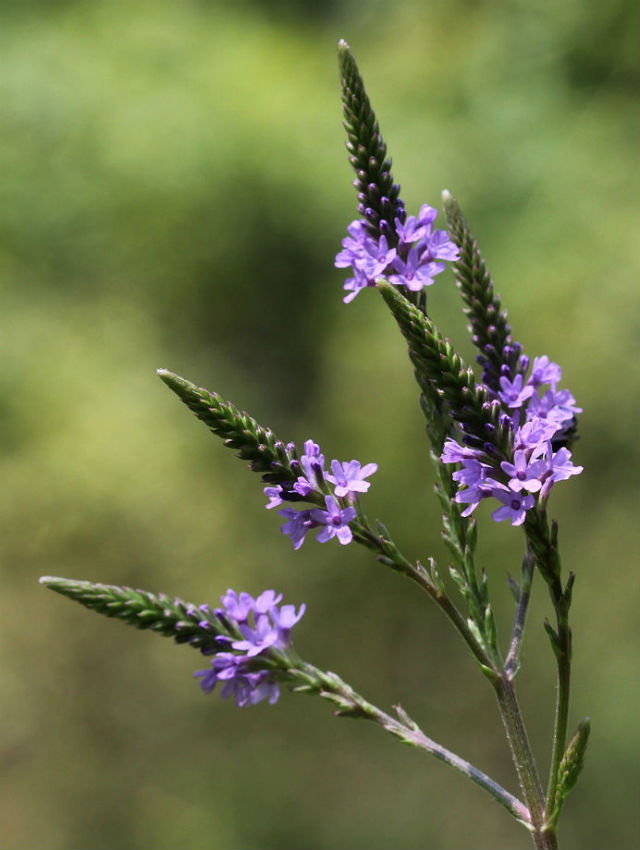
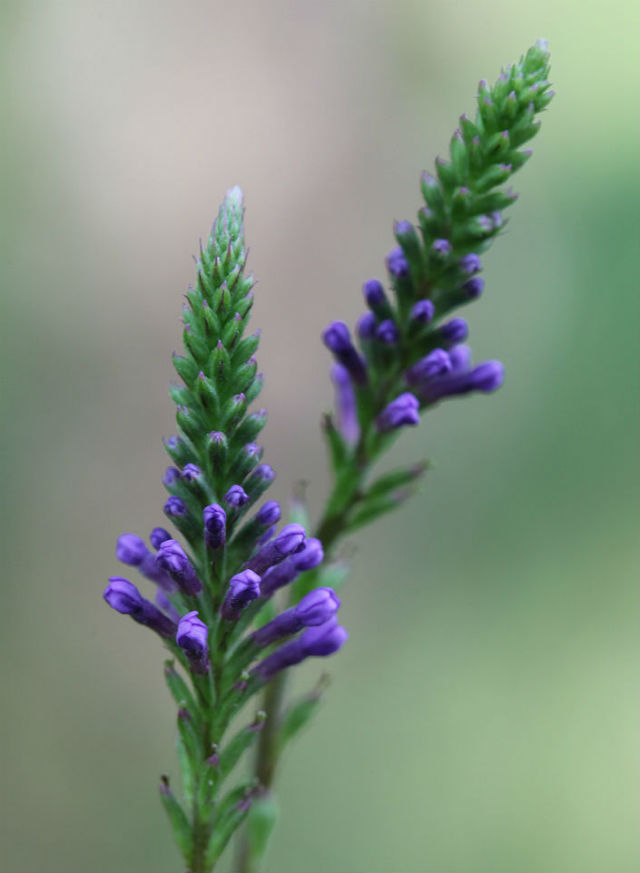
This is a neat and distinctive plant that I sometimes come across in fields at this time of year. It is a slender, but erect wildflower that grows up to 5 feet tall.

Blue Vervain 045

Blue Vervain habitats include riverbottom prairies, moist meadows in floodplain woodlands, soggy thickets, borders of rivers and ponds, marshes, ditches, fence rows and pastures. It adapts readily to degraded wetlands and other disturbed areas.

blue vervain_2644

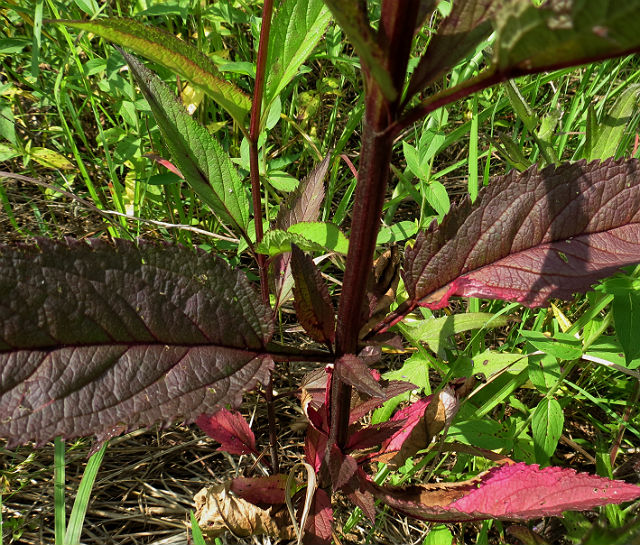
It is a member of the mint family so it has a square stalk and opposite branches. The flowers of Blue Vervain attract many kinds of long-tongued and short-tongued bees.

Blue Vervain 009

This plant has a use for humans as well; it is an anti-spasmodic herb and muscle relaxer. Blue Vervain has been used to soothe and repair damaged nerves. There’s a lot of reasons to like this graceful plant once you get to know it.

Third Eye Herp
E-mail

Wild Onion

wild onion_9611

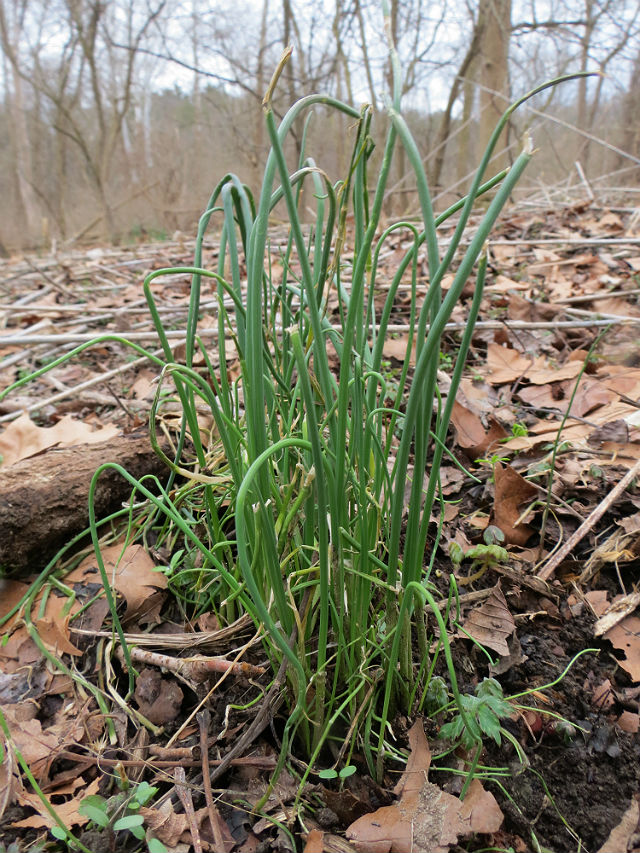
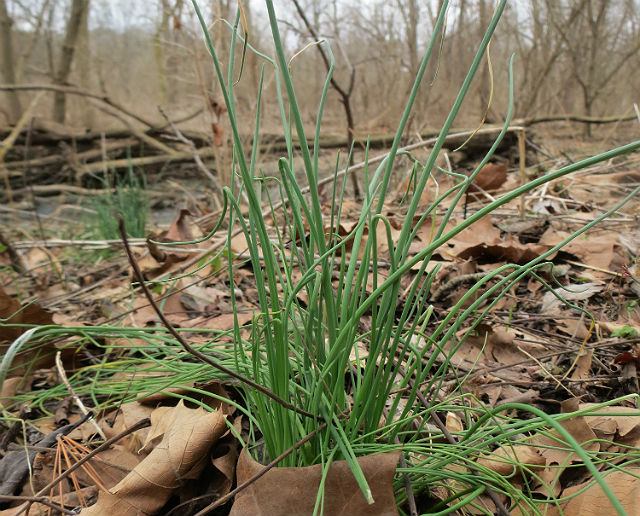
I often see this bulbous herb when hiking in the springtime, as it really stands out against the brown fallen leaves. It has a distinct onion odor, slender grass-like leaves and reaches about 2 feet in height by late summer.

wild onion_9603

It is thought that the name Chicago is derived from the smell of Wild Onions. The Potawatomi, who were the most powerful tribe around the south end of Lake Michigan, hunted, traded furs, and occasionally camped in the area they called “Checagou,” evidently referring to the garlic wild onion smell which scented the air.

wild onion_9607

This plant is found in meadows and woodlands in the northeastern and north central United States. Onions and garlic belong to the Lily family. Wild Onions were collected and eaten by Native Americans and by European settlers. Native American tribes also used the plant for other purposes like rubbing the plant on the body for protection from insect bites.

wild onion_9610

This plant is a Winter perennial; it emerges in late Fall from underground bulbs and grows through the Winter and Spring. Therefore it sight (and smell) can be enjoyed at this time of the year.

Third Eye Herp
E-mail

Milkweed

milkweed030

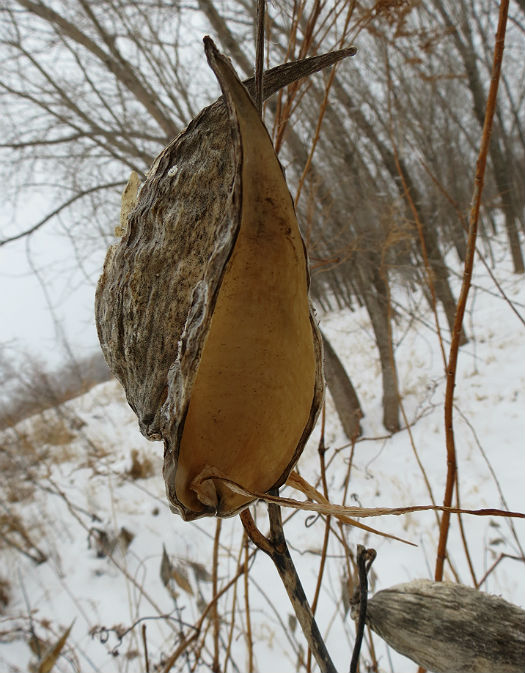
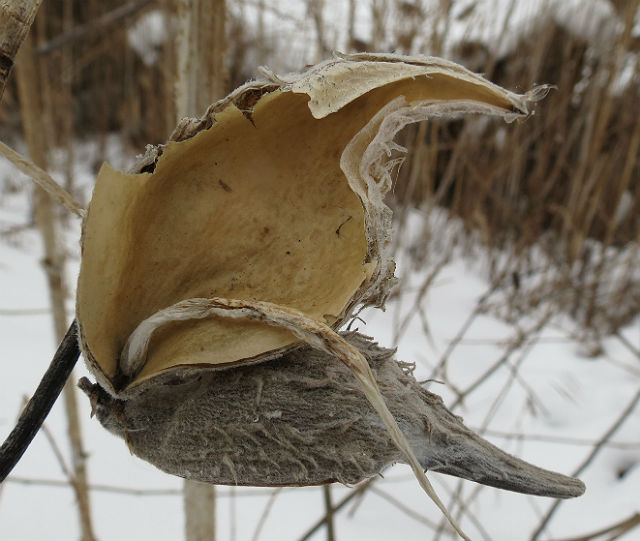
As I walk through snow-covered fields this Winter, it’s hard not to notice the seed pods for Milkweed plants. With a little imagination, this one looks like a dragon’s head puffing smoke.
milkweed_8398

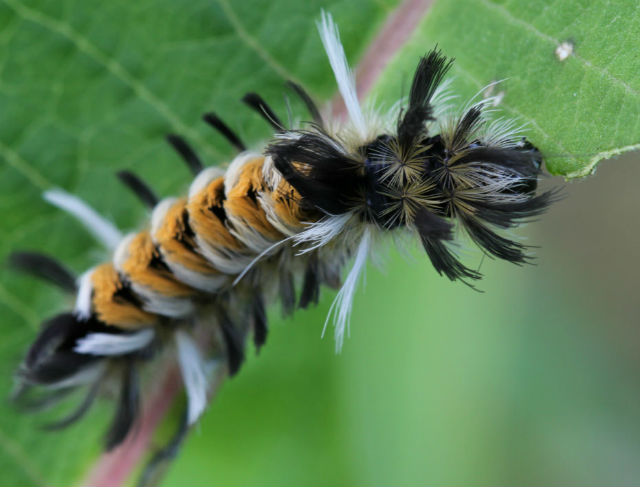
Milkweed is an important plant because so many species of insects depend on it. Monarch Butterflies, Milkweed Bugs and Milkweed Leaf Beetles only eat milkweed, and could not survive without it. Here’s a Milkweed Tiger Moth caterpillar that I saw last Summer in Brecksville Reservation.
Milkweed Tiger Moth Caterpillar 071

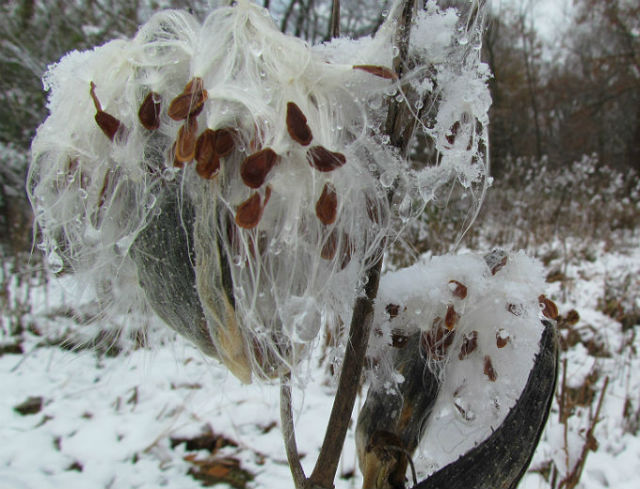
This plant’s fruits are green pods which turn brown before bursting open and letting out fluffy seeds. A Milkweed seed is spread by the wind, which catches the cotton-like part and carries the seed for long distances.
milkweed_9367

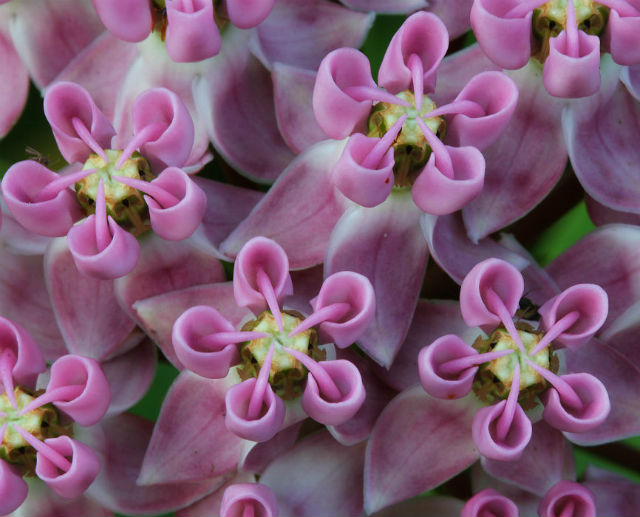
Milkweed is usually 4-5 feet tall and has large, broad leaves. It can be found in fields, gardens and along roads. Milkweed flowers are pinkish-purple clusters which often droop. This is one that I photographed in the summertime.
milkweed 022

This plant gets its name from its milky sap, which seeps when a leaf is broken. This sap has poisons in it which some animals can eat and not be harmed. When the Monarch butterfly’s caterpillar consumes the leaves of Milkweed, the sap goes into its body, making the caterpillar poisonous to predators. Even after the caterpillar has changed into an adult butterfly, it is distasteful to predators. Here is a Monarch Butterfly on Milkweed seen in Cuyahoga Valley National Park last Summer.

milkweed_7055

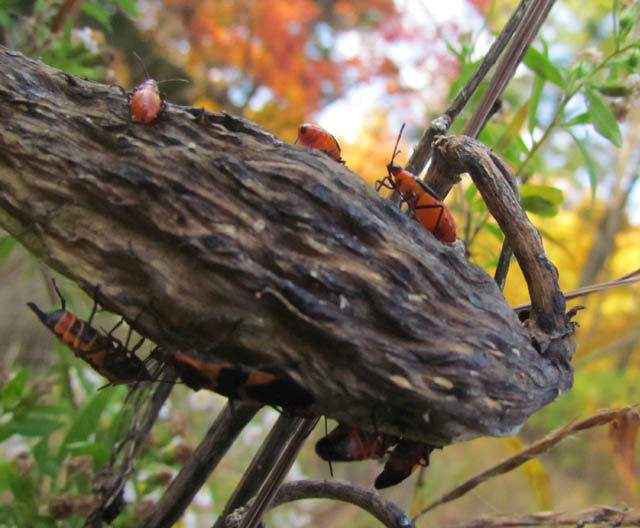
In the Autumn, large numbers of Milkweed Bugs can often be seen on the seed pods. At this time of the year, the Milkweed Bugs are focused on piercing the wall of the pod to feed on the seeds inside.
milkweed_7283

Milkweed is an interesting plant which can be enjoyed during all seasons.
milkweed_8403

Third Eye Herp
E-mail

Pitcher Plant

pitcher 074

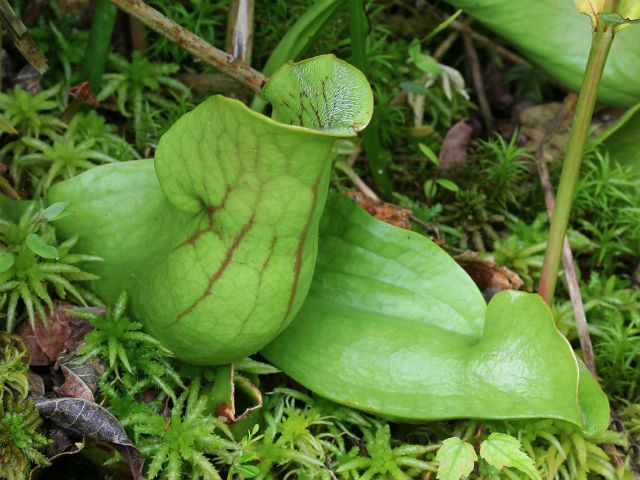
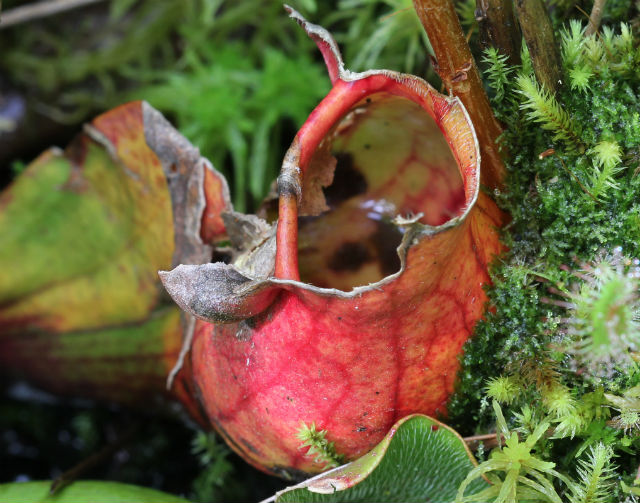
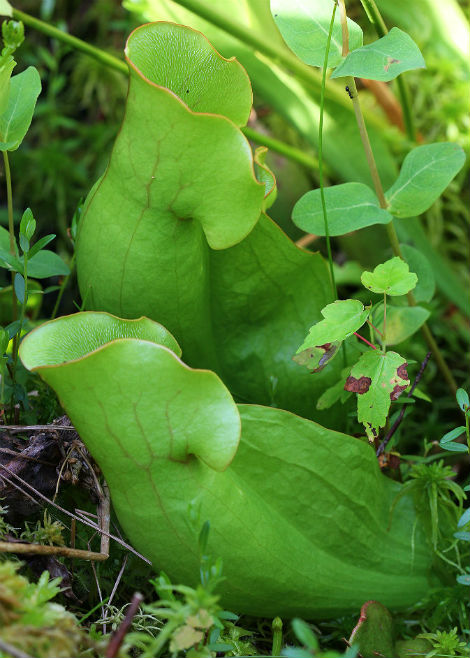
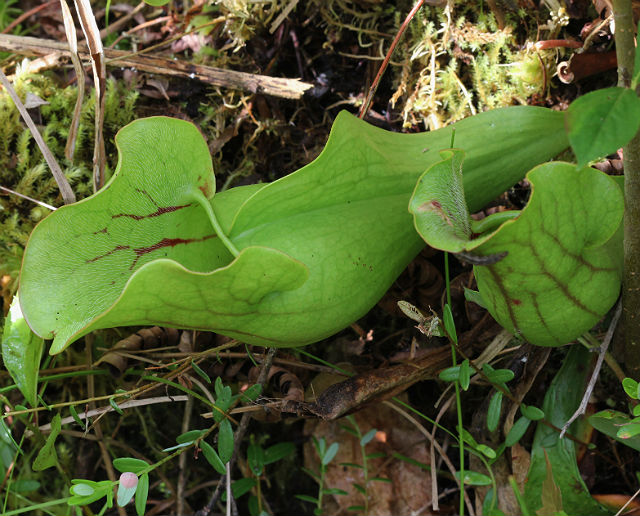
This is the first time I’ve ever seen this plant in the wild. The leaves of the pitcher plant have reddish-purple patterns, which resemble flowers. Each leaf forms a “cup” that is partly filled with water. The “flower mimic” causes some of the insects investigating the potential source of food to become food for the plant.

PITCHER 066

Once an insect enters the hollow leaf, it is faced with waxy walls leading to a pool of water. The pit-fall trap of the pitcher plant further reduces its prey’s chance of escaping by having downward-pointing hairs to make getting out more difficult.

pitcher 083

In addition to using visual cues to attract prey, scent is utilized. The outer edge of the leaf produces a sweet-smelling substance. Ants are attracted to the smell and are trapped in a similar manner as flying insects.

pitcher 064

Pitcher plants reside in bog habitats in eastern North America. Carnivorous plants tend to live in nitrogen-poor soils. They augment the inadequate nitrogen in the soil by capturing and consuming insects.

pitcher 069

In the Summer, this plant produces a large maroon-to-red colored bell flower, 2-3 inches wide, which droops from a single, tall leafless stalk.   The Pitcher plant is indeed mysterious. With its unique ability to obtain food, it has inspired us to reshape our concept on how nature really works.

Third Eye Herp
E-mail

Spiderwort

spiderwort_9831

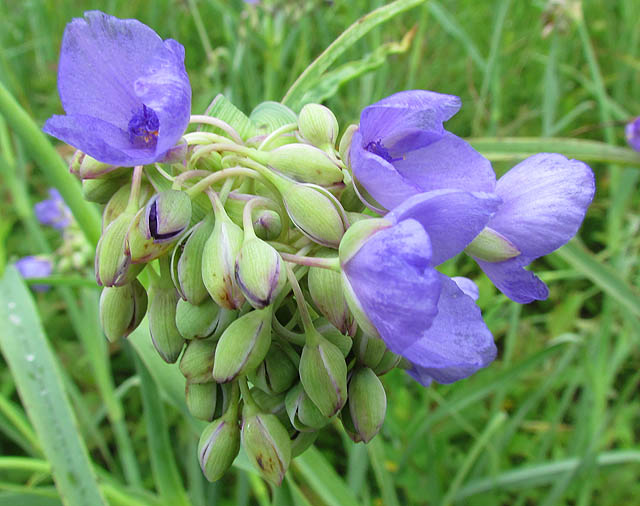
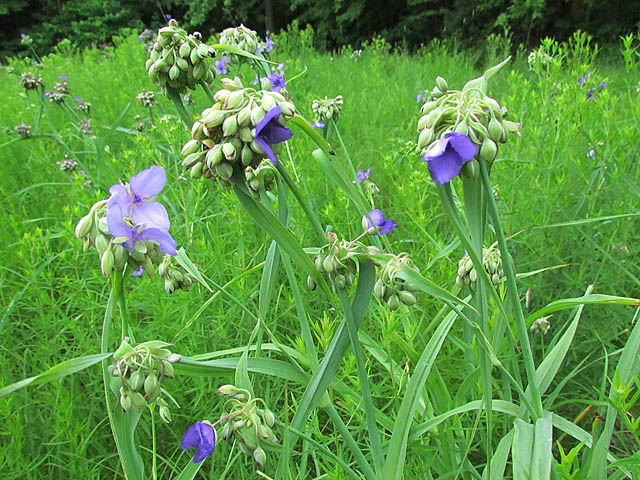
Spiderworts are very distinctive Summer prairie wildflowers. Growing knee-high, their (usually) blue flowers stand out among the green of the new grass.

spiderwort_1980

If you break the tip off a spiderwort leaf and wait for a drop of sap to appear, then touch it with your fingertip, you can stretch the thread of sap.

spiderwort 027

This resemblance to a spider’s silk may explain where its name came from. The gooey quality of the sap definitely explains its familiar nickname of “cow slobber.”

spiderwort_9841

The stems, leaves and flowers of Spiderworts are edible. Spiderworts also are one of the native wildflowers that have made their way into the nursery trade. They may also be easily propagated from stem cuttings or seeds.

spiderwort_9858

This plant’s genus, Tradescantia, is named for John Tradescant, who was gardener for King Charles I of England. He grew them from seeds brought back from America; Spiderwort is still popular in English gardens today.

Third Eye Herp
E-mail
Foxglove Beardtongue

foxglove_8789

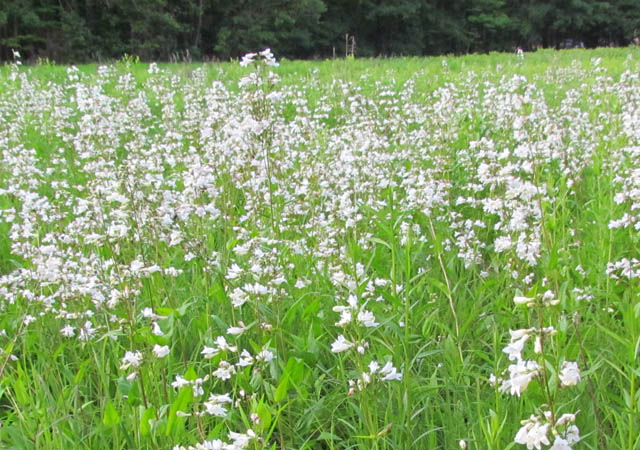
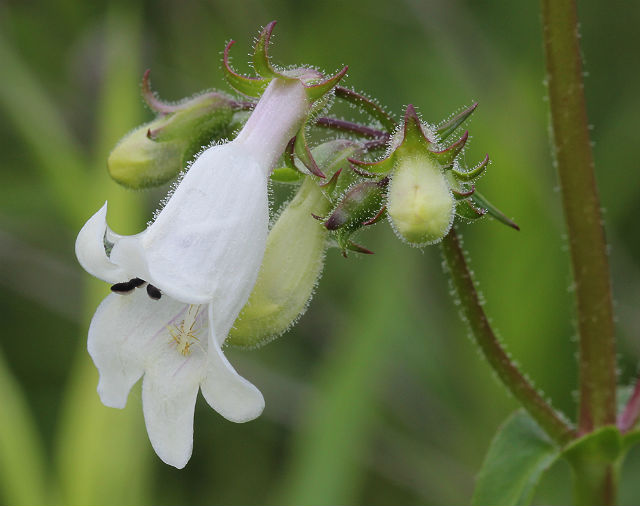
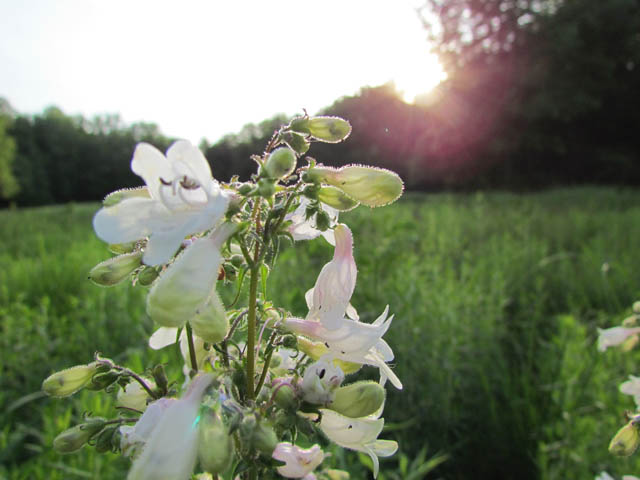
I’ve been seeing a whole lot of this native wildflower lately. This early blooming perennial gets its common name from the flower’s resemblance to the foxglove, or digitalis plant.

Foxglove Beardtongue 044

The genus name (Penstemon) refers to the presence of a fifth stamen that is tipped with a little beard made up of a tuft of hairs.

Foxglove Beardtongue 026

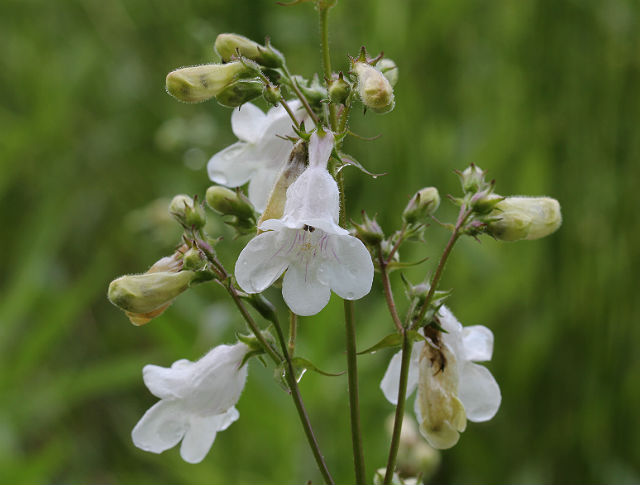
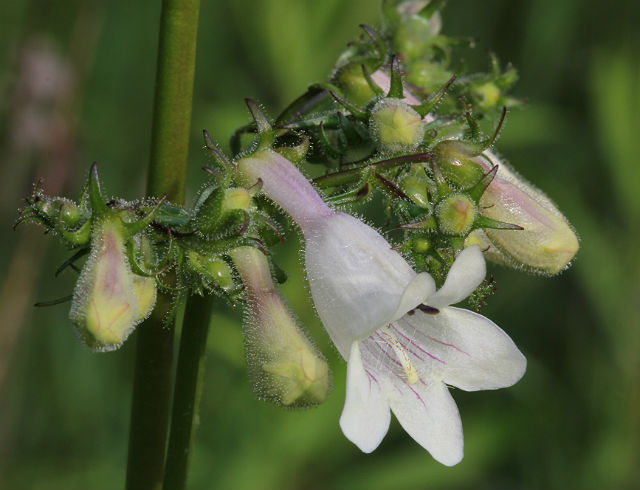
Foxglove Beardtongue is characterized by spikes of white tubular flowers that bloom on 2 to 4 foot stems. Purple lines or stripes within the throat of the flower attract bees and other pollinators.

Foxglove Beardtongue 022

Butterflies and hummingbirds visit the flowers for nectar, and songbirds eat ripe seeds from the flower stems in fall and winter.

foxglove_8781

This year I even found this wildflower growing in my backyard. How cool is that?

Third Eye Herp
E-mail
Catclaw Acacia

catclaw acacia_5376

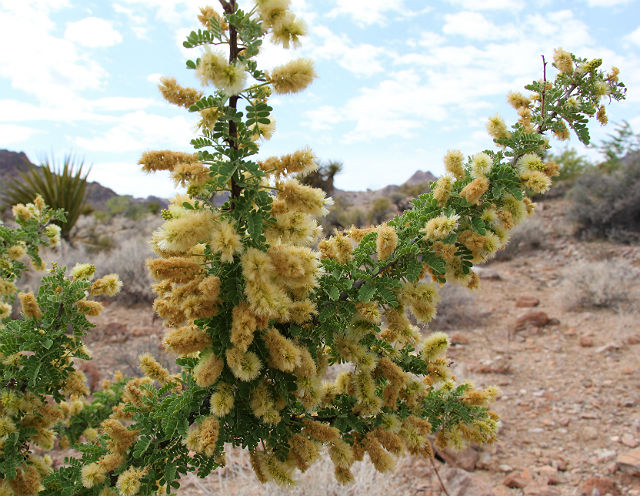
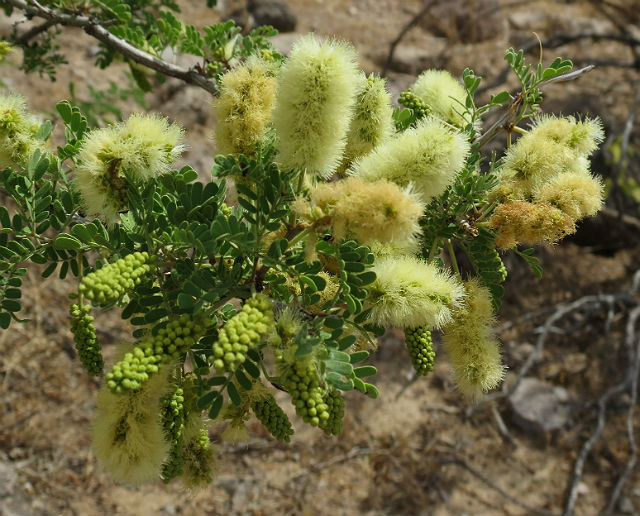
Catclaw Acacia provides an excellent nectar source for honey and is attractive to butterflies. The dense spikes of cream colored flowers emit a powerfully sweet fragrance.

catclaw acacia 034

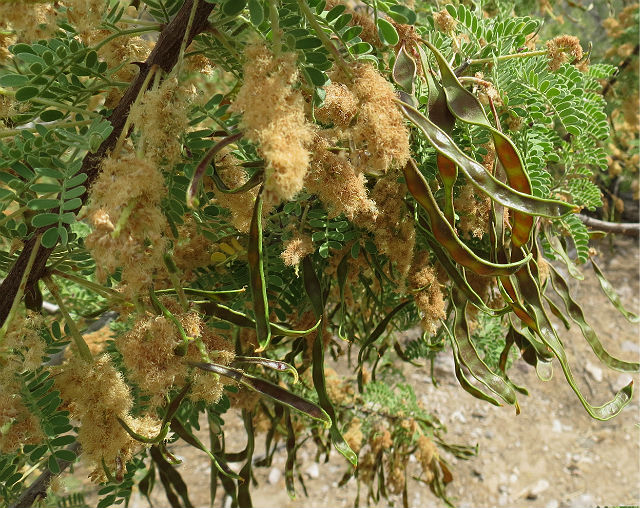
This plant is a member of the Pea Family and its fairly large seeds occur in 2-6 inch long, twisted, stringbean-type pods. They start off as green and eventually age to a brown color.

catclaw acacia_5384

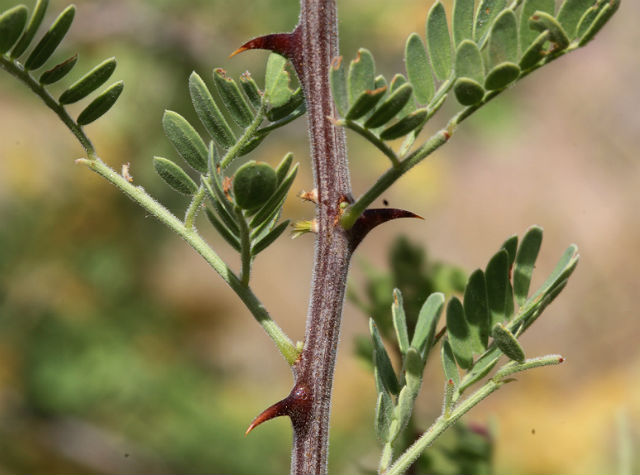
Catclaw Acacia branches have wickedly sharp, curved thorns that can easily scratch skin and snag clothing. Close encounters with this plant can leave you looking like you were in a cat fight.

catclaw acacia 052

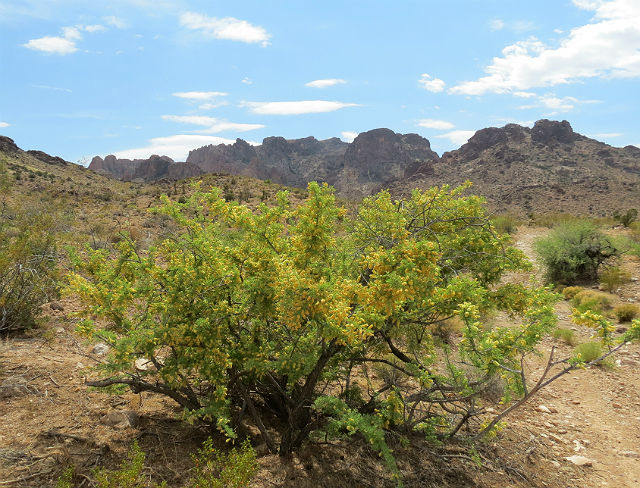
Even along the driest desert washes, this shrub often presents a lush appearance with stems densely clothed in feathery leaves.

catclaw acacia_5379

This plant provides shade and protective cover for wildlife. Its pods, twigs and leaves are eaten by a variety of desert birds and mammals.

Third Eye Herp
E-mail
Sacred Datura

Sacred Datura 754

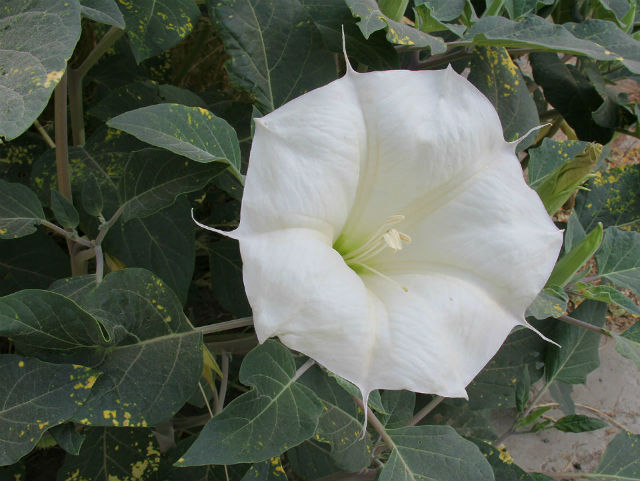
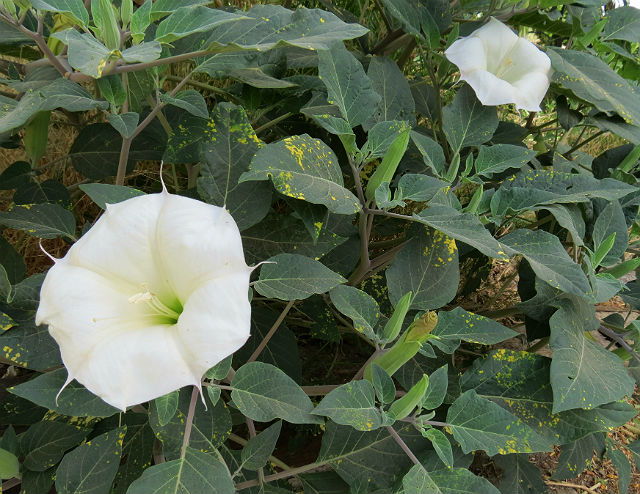
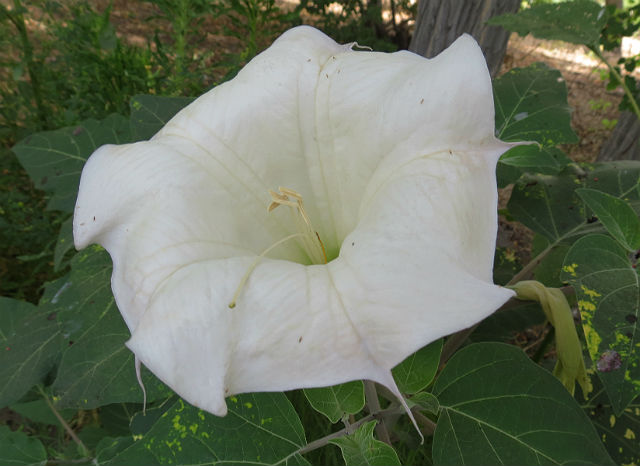
It’s hard to miss the gigantic white flowers on this plant which look like a Morning Glory on steroids. It is a member of the tomato, potato and eggplant family. This plant has several other common names, including Jimson weed, thorn apple, Indian apple, moon lily, moon flower and angel’s trumpet.

Sacred Datura_4668

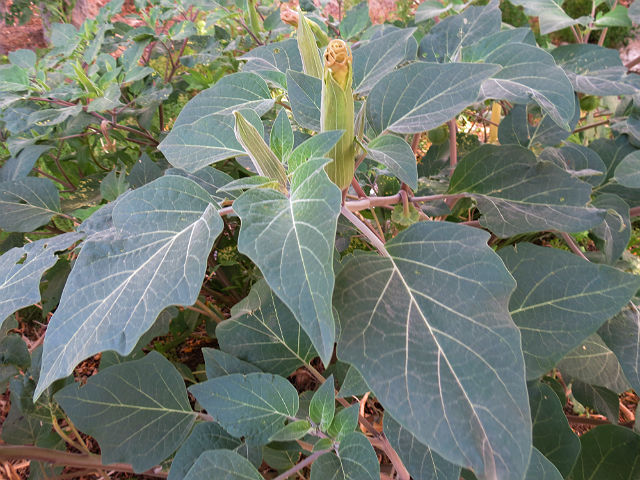
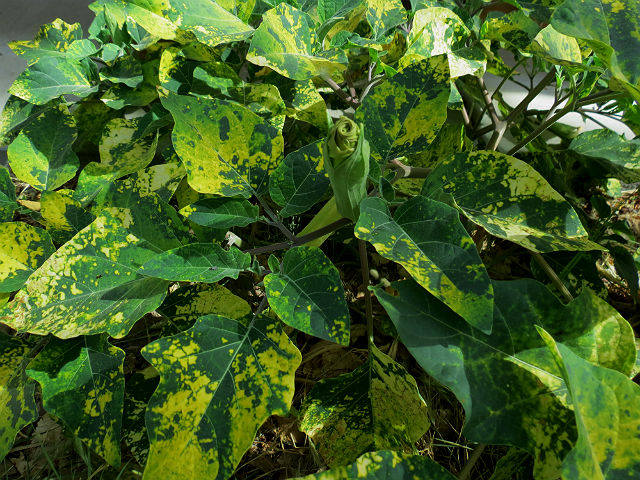
Sacred Datura mostly grows in sandy washes. Its dark grayish-green, heart-shaped leaves form mounds from which sprout striking, 6-inch-long, bright white flowers which ripen to become sharp-prickly seed-pods.

Sacred Datura_4675

Each large, trumpet-shaped, blossom blooms for only one night and must therefore work fast to attract its pollinators. The flower opens at twilight and releases a strong lemon-like scent. Hawk Moths are its major nocturnal pollinators, but various other insects also arrive the following morning to enjoy the pollen at the heart of the flower.

Sacred Datura_4689

All parts of this strikingly massive plant are toxic.  It contains numerous poisonous alkaloids and their narcotic and hallucinogenic properties have made it part of sacred rituals and experimentations – both of which have resulted in many deaths.

Sacred Datura_4671

So it’s best to look, but not eat this very interesting part of the southwestern landscape.

Third Eye Herp
E-mail
Virginia Creeper

virginia creeper 050

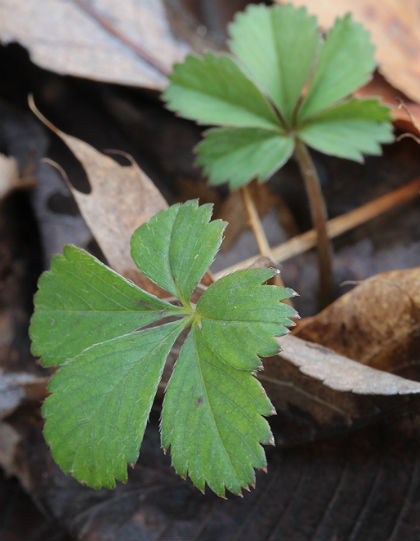
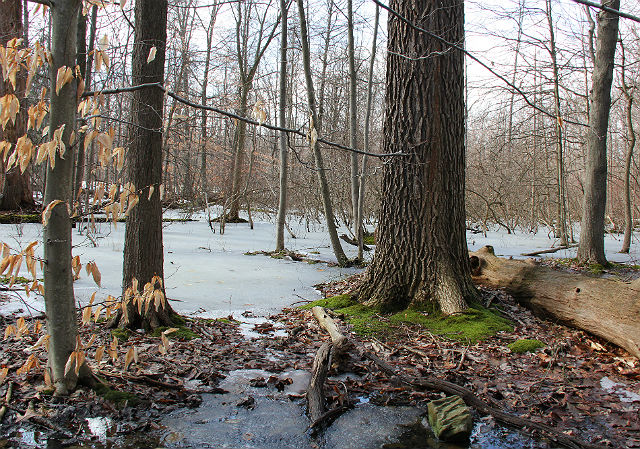
As the snow and ice begins to melt, bits of green can be seen on the forest floor. One plant responsible to adding color to the forest at this time of year is Virginia Creeper, which is beginning to sprout.

virginia creeper 015

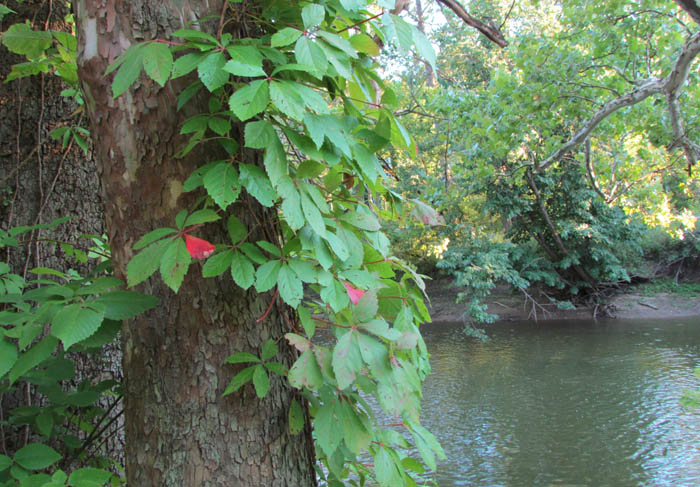
This plant is commonly misidentified as Poison Ivy due to its similar ability to climb upon trees. The easy way to tell the difference is the “Leaves of three, let them be,” slogan for Poison Ivy; Virginia Creeper has five leaflets.
virginia creeper 022

It is a prolific climber, in the Summer it can reach heights of 60 to 90 feet. It climbs smooth surfaces using small forked tendrils tipped with small strongly adhesive pads.

virginia creeper _4958

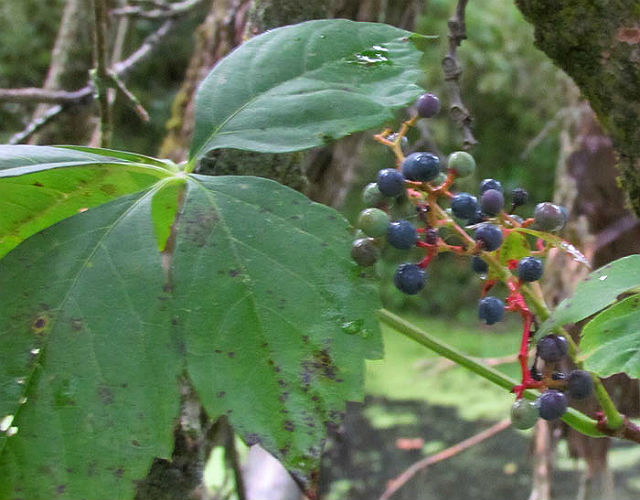
The berries of this plant are eaten by many animals, especially birds, including: bluebirds, cardinals, chickadees, woodpeckers and turkey. Other animals, such as mice, skunks, chipmunks, squirrels and deer eat them too.

virginia creeper _5879

It’s easy to see from its fruit that Virginia Creeper is in the grape family. Though other animals enjoy eating it, it is poisonous to humans.

viginia creeper_5055

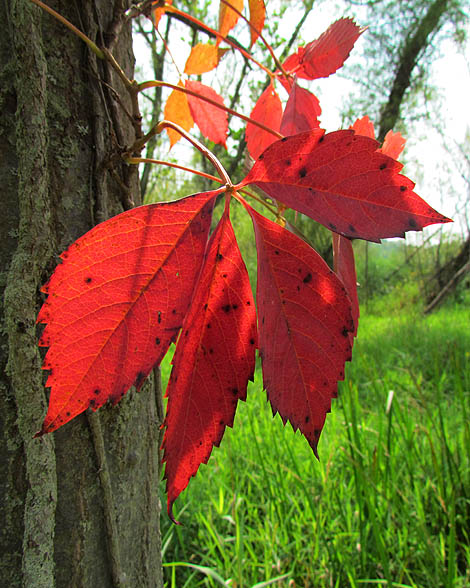
Since it is able to climb brick and stone walls, Virginia Creeper is widely planted as an ornamental. Its leaves turn a vibrant scarlet color in the fall.

Third Eye Herp
E-mail