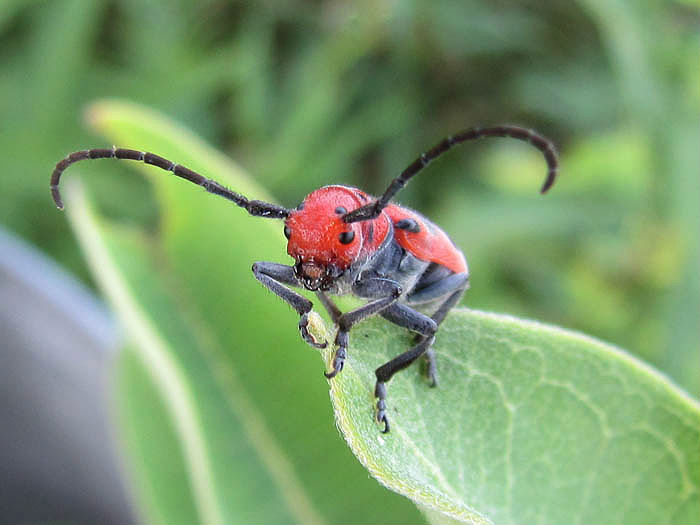
Milkweed Borer

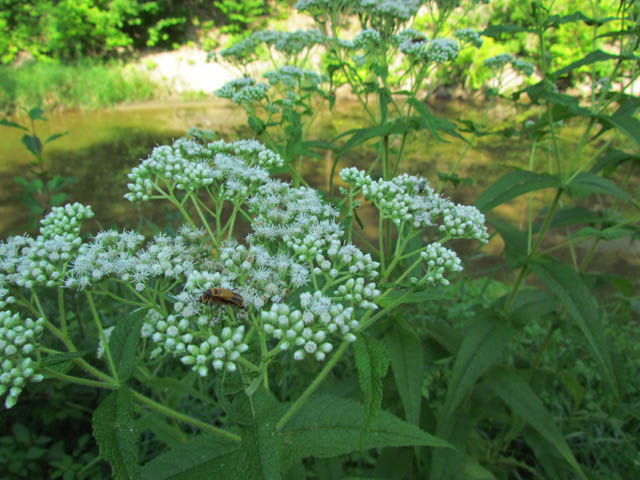
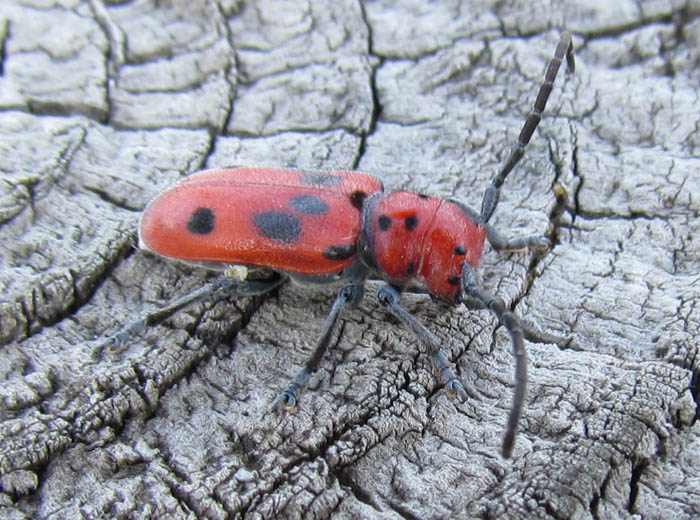
While checking out a some roadside Milkweed plants, I noticed a few of these bright red beetles known as Milkweed Borers. They spend almost all of their time on Milkweed, where they rest, feed, and mate.

Milkweed Borers can make at least two sounds. A “squeaking” noise may be produced if they are held, apparently it is used as a warning signal. A second “purring” noise has also been reported in some species – this may be used in communication between potential mates.
mb_9718

Before feeding on Milkweed leaves, the beetle drains the sticky, toxic sap of the plant by biting the part of the leaf that carrys the sap. Although colorful, Milkweed Borers are small, usually only about 3/4 of an inch long.
Third Eye Herp
E-mail

Baby Reverse Okeetee Corn Snakes

In 1953 a wild albino Corn Snake was discovered. Hobbyists call snakes lacking black pigment “albino,” which is different from the all-white albino lab mice and other all-white animals most people associate with the word albino.

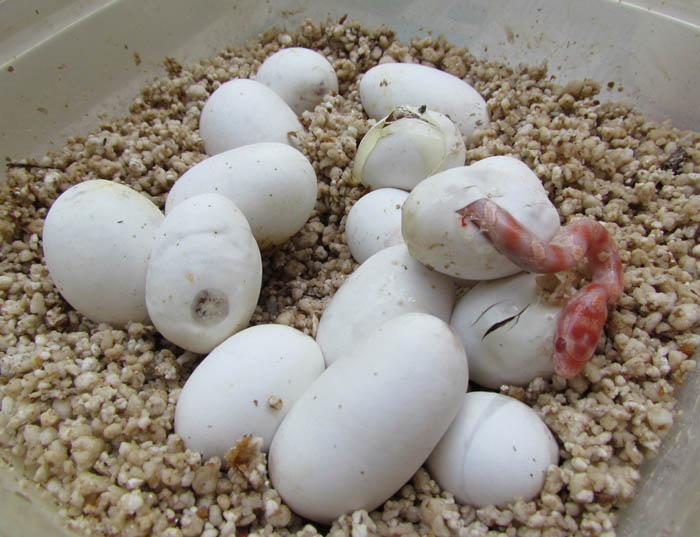
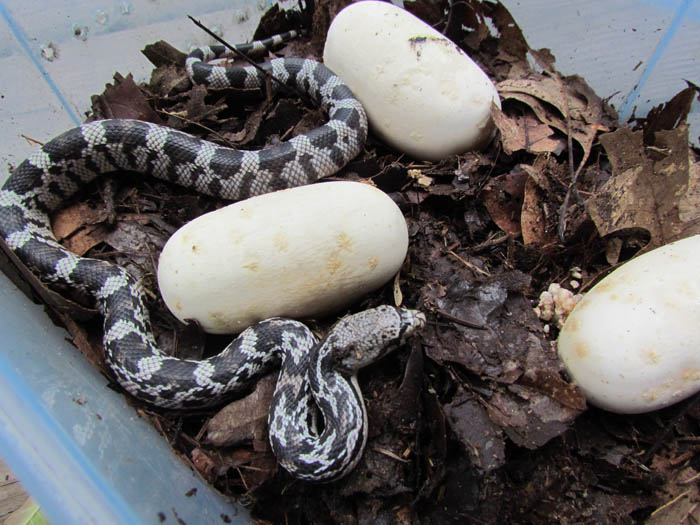
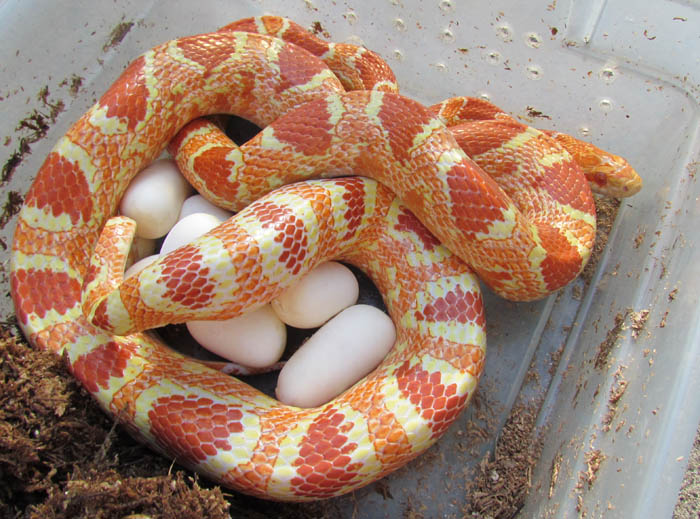
Dr. H. Bernard Bechtel was studying genetics and found that the albino gene was a simple recessive genetic trait and was easy to reproduce. The orange coloration made for an especially attractive looking snake. Years later other color and pattern morphs were put in the mix. Here is one of my Corn Snakes laying her eggs in mid-May.

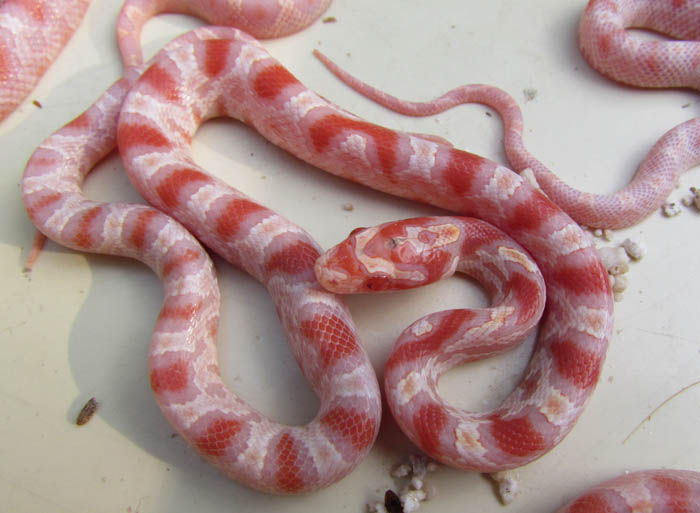
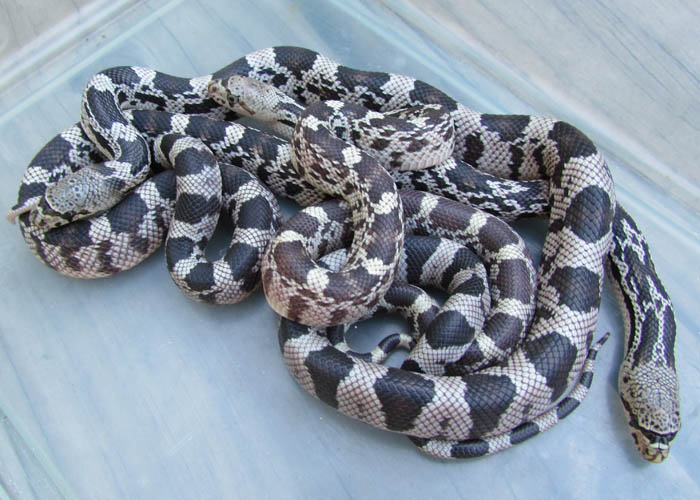
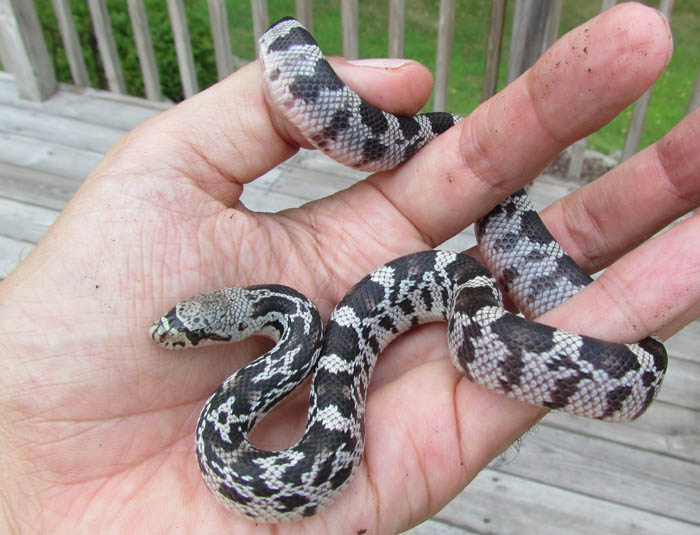
An albino Corn Snake with wide white borders around its blotches is referred to as a “Reverse Okeetee.” Okeetee Corns occur in South Carolina and are known for their wide, black borders. In the printing industry a “reverse” is to print something black in white and vice versa.

Corn Snake eggs generally take 60-70 days to hatch, depending on the temperature. When a snake uses its eggtooth to break through its shell its called “pipping.” Young snakes stay in their eggs for 1 to 3 days after pipping.

Often after hatching snakes are of a dull hue, this is because they go through a shed cycle and there is a layer of filmy liquid between the snake’s new skin and the one its about to cast off. Corn Snake clutches typically have around 16 eggs.

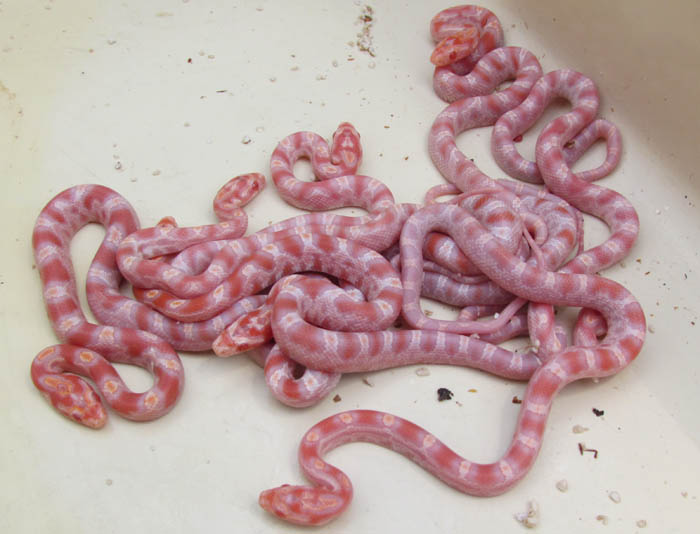
This is what they look like around a week later, after their first shed. Baby Corn Snakes eat newborn mice, small frogs and lizards. Corn Snakes are the world’s most popular pet snakes. Their range of colors and patterns, gentle disposition, convenient adult size and low maintenance attributes make them an ideal pet.

Third Eye Herp
E-mail

Boneset

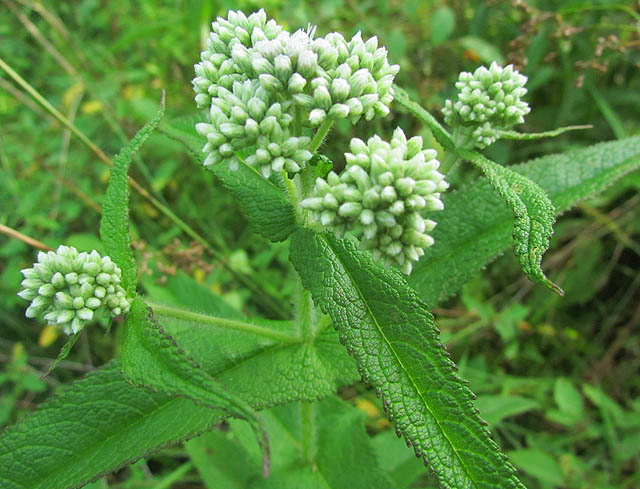
Boneset was a favorite medicine of the North American Indians and it has always been a popular modern herbal remedy in the United States, probably with no plant in American domestic practice having more extensive and frequent use; it is also in use to some extent in regular practice, being official in the United States Pharmacopceia.

boneset_09_02 047

“Boneset” alludes to the use of the plant to treat broken bones, although it may also come from its use to treat dengue fever, which was also called “breakbone fever,” because of the pain that it caused.

boneset_3871

Its Latin species name perfoliatum, refers to the leaves and stem; the stem appears to pierce the leaf (perfoliate), making this an easy plant to identify.

This is one if Ohio’s few late-blooming summer flowers and it is quite attractive to butterflies. Although it is said to often grow along roadsides, I almost always see Boneset along creeks and other waterways.

soldier beetle_4756

Third Eye Herp
E-mail

Luna Moth

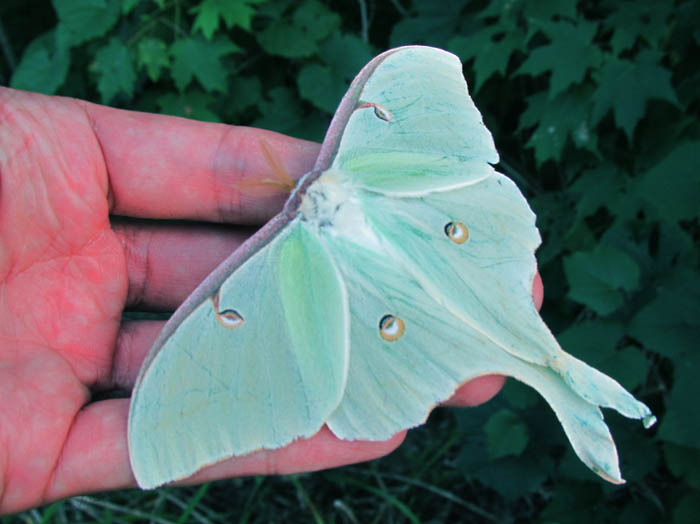
I took a trail in the evening on a path that I had never been on before. After going a couple of miles through the woods, the path ended on a busy road. I walked up the road to get back to my starting point. As I hiked, I noticed this alongside the four lane street – a Luna Moth.

Luna Moths are arguably the most beautiful moths of North America. The Luna Moth is also one of the most recognized moths; it is used commercially by the company Lunesta in television commercials. This insect was also featured on a first-class postage stamp in 1987.

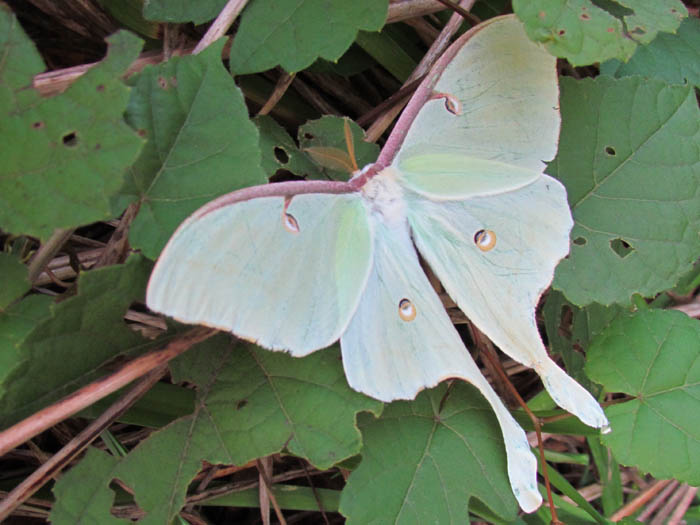
Luna Moths are known for their beautiful, pale green wings and their “tails.” Every luna moth also has four eyespots, which are used to scare off predators. They belong to the family Saturniidae, which are the Giant Silkworm Moths.

Males and females are similar in appearance, but the antennae of the males appear more feathery. This nocturnal insect is found in hardwood forests in North America. I decided to move this one further away from the road and into the woods to keep it safe from traffic.

Third Eye Herp
E-mail

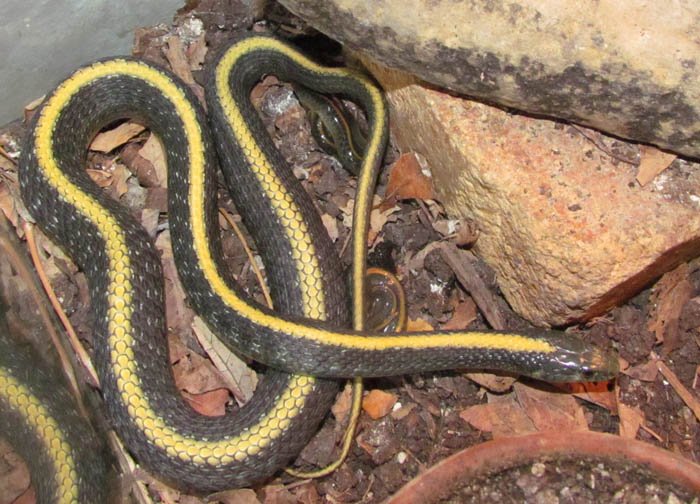
Santa Cruz Garter Snake Giving Birth Today

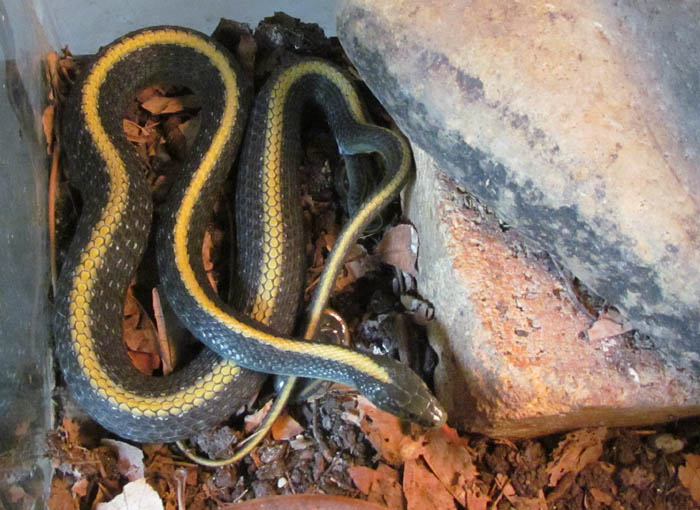
Santa Cruz Garter Snakes only live in California from the San Francisco Bay Area to Santa Barbara County. There are no native water snakes that live in the Golden State, so this reptile fills that ecological niche, eating fish and frogs and using waterways as an escape route – it dives well and can stay submerged for quite some time.

I became fascinated with this species after seeing the one-striped morph on the cover of a book. I have been breeding them for four years now, though I’ve never seen one give birth until today.

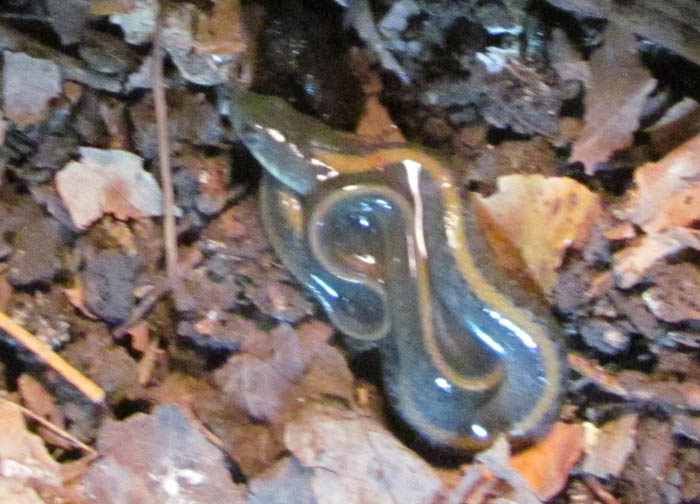
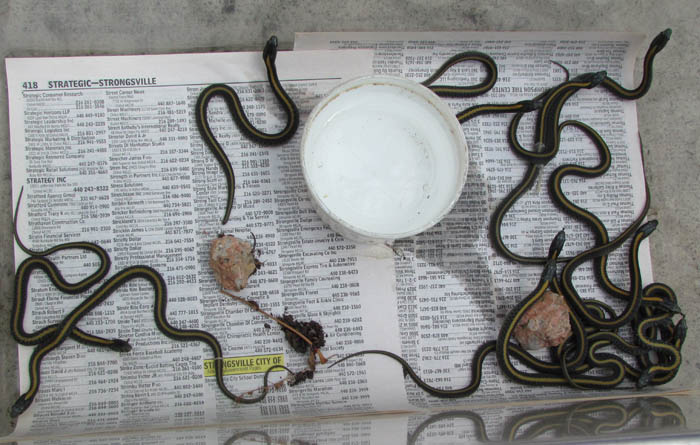
Babies are born in a clear membrane that they break out of. Birth occurs typically 90 to 100 days after mating. This species usually has about a dozen offspring.
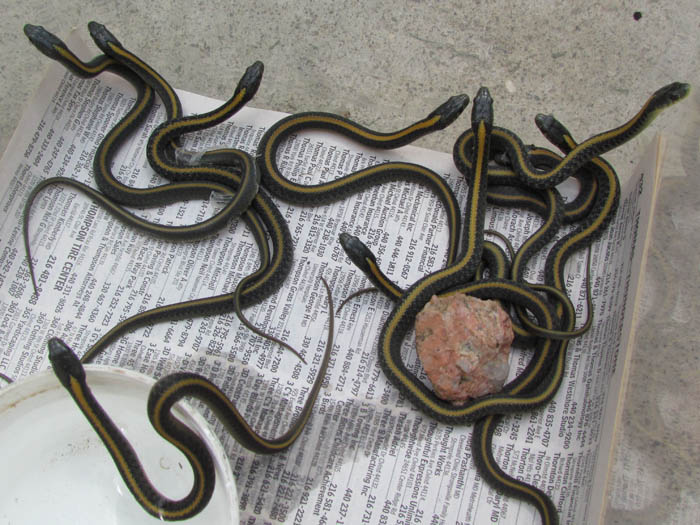
Young Santa Cruz Garter Snakes are miniature replicas of their parents. Shortly after breaking through their membranes, they shed their skin.

These snakes are completely independent of their parents and ready to start hunting for food. I feed mine small fish that I catch in the creek in my backyard.

Third Eye Herp
E-mail

Baby Northern Pine Snakes

Remember the post of my female Northern Pine Snake laying eggs at the beginning of June? Well her eggs started hatching a couple of days ago. This one was the first one out.

Pine Snake eggs usually take about 65 days to hatch, depending on the temperature.

Young pines are completely independent of their parents and can hiss, strike, catch food and constrict right after hatching.

They can be surprisingly big babies, often around 18 inches in length.

Third Eye Herp
E-mail

Double-crested Cormorant

While on a visit to CanalWay Center I saw this cool bird. The gangly Double-crested Cormorant is a prehistoric-looking, matte-black diving bird with yellow-orange facial skin. It is a large waterbird with a small head on long, kinked neck. This bird has a thin, strongly hooked bill. During breeding season, adults develop a small double crest of stringy black or white feathers.

Double-crested Cormorants float low on the surface of water and dive to catch small fish. After feeding, cormorants need to dry their wings. They do not have oil in their skin to protect their feathers from getting wet, like ducks and other water birds do. Cormorants find a perch and stretch their wings out until they are dry.

There is no other bird in Ohio that has undergone the tremendous population explosion of this bird. The use of unregulated pesticides like DDT caused a severe decline in their numbers from the 1950s through the 1970s. The comorant’s comeback is a result of the disappearance of these toxins from the environment.

Double-crested Cormorants often associate with other birds. Nests are built in trees alongside Great Blue Herons and other heron species. Cormorants will feed with other water birds, such as gulls, ducks and herons. These birds help each other with finding food and watching for predators. When threatened, a Double-crested Cormorant may vomit fish at a predator.

Third Eye Herp
E-mail

Sassafras: The root beer tree

Sassafras is an easy tree to identify by its leaves. The leaves can have a mitten shape, with either a left thumb or a right thumb, or the leaf can be three-lobed. It can also have an oval, unlobed leaf. Usually, you’ll see all three shapes on the same tree.

The Sassafras Tree is a member of the laurel family and it has aromatic foliage. Rub a leaf between your fingers, and its spicy scent becomes noticeable. Crushing a twig from this tree produces that same result.

In earlier times, homemade root beer was made by fermenting molasses and Sassafras root. Commercial root beer used oil of Sassafras for flavoring. Oil of Sassafras was also used “back in the day” for perfuming soap.

This tree often has a crooked trunk, it produces dense cover and provides fruit for wildlife. Sassafras doesn’t attain its full growth potential in northern states. Around here a typical tree is about 30 feet tall.

Third Eye Herp
E-mail


A Hike on the Erie Canal Towpath

Like so many parts of the United States, Northeast Ohio has had very warm Summer temperatures and little rain for quite some time. There’s been a change in past three days; there’s been a fair amount of rain and somewhat cooler weather. I decided to take a hike on the Erie Canal Towpath and see what was up.

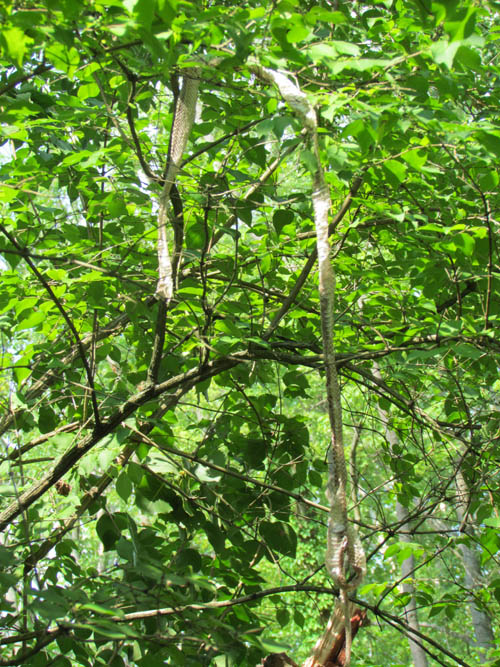
I noticed this Black Rat Snake’s shed skin up in a tree. It’s the second shed that I’ve found in this spot. I have yet to see this serpent. Black Rat Snakes are my favorite snakes.

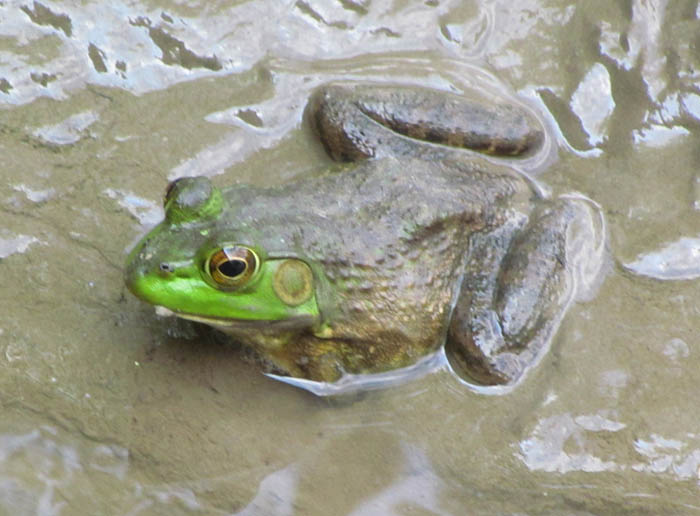
Then I saw this female Bullfrog too – there were lots of frogs out.

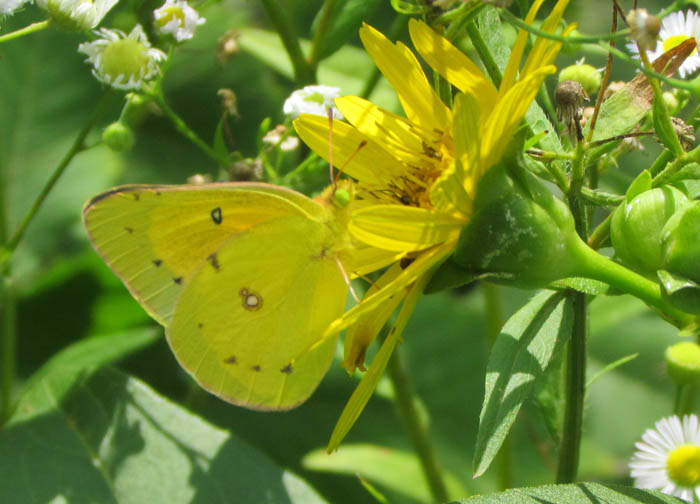
Here’s a Sulphur Butterfly on a Cup Plant. Why is it called a Cup Plant?

 Answer: Because its leaves hold water!

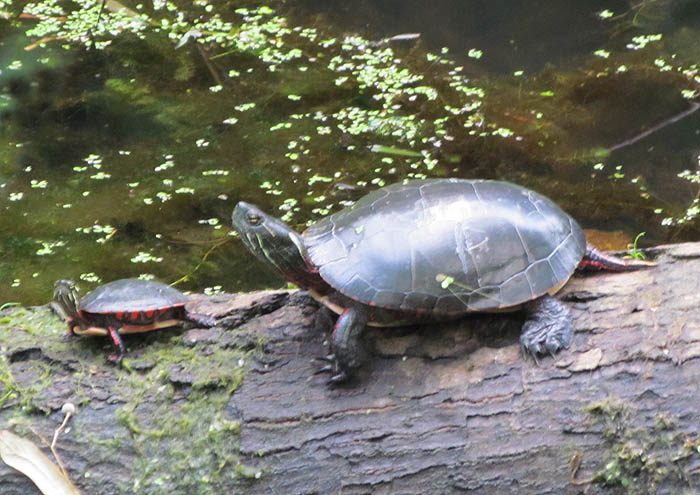
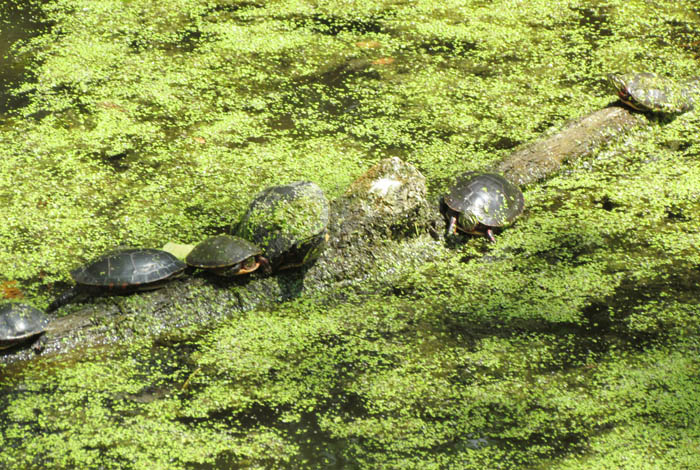
There were many Painted Turtles out.

How can a baby Muskrat be both cute AND be a rodent at the same time?

Little Turtle/Big Turtle.

Young Wood Ducks that hatched earlier this year hanging out with their mother (in front).

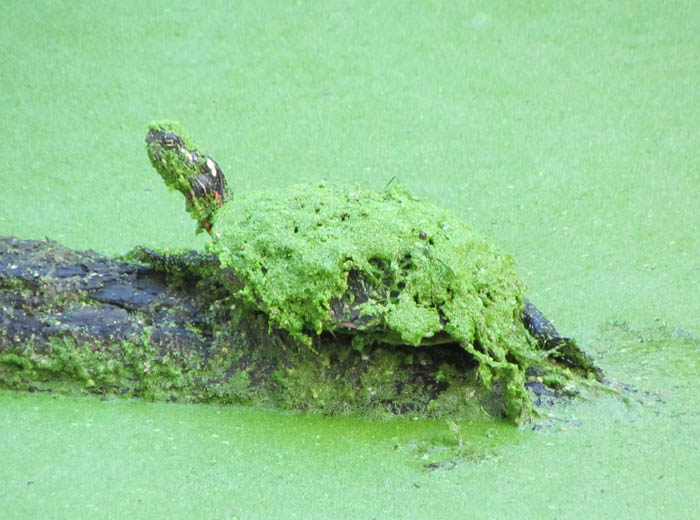
This Painted Turtle isn’t going to catch many rays while covered in Duckweed.

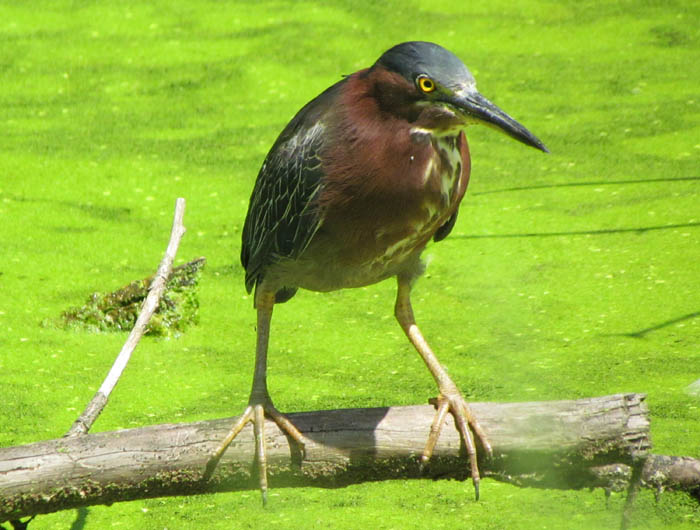
A Green Heron that kept staring intently at the water, waiting for a small fish to swim by.

I like turtles and there were more turtles than you can shake a stick at!

 It was a good day for hiking the towpath.

Third Eye Herp
E-mail

Cicada Killer

Lately, with the “dog days” of Summer upon us, I’ve been seeing these big bugs. Cicada Killers are large, solitary, ground dwelling, predatory wasps. It is interesting to watch them scan the stems of plants as they search by sight for their quarry – Annual Cicadas.

The female Cicada Killer will paralyze a cicada with her sting, bring it back to her burrow, lay an egg on it and seal the burrow. A grub will hatch from the egg in a few days, eat the cicada and overwinter underground in a hard cocoon which it weaves.

During the past two years a bit of “driveway drama” played out as a Killer subdued a Cicada in my yard. Check out how fast the two insects were spinning in this classic stuggle between life and death.

Despite their large size and fearsome appearance, male Cicada Killers cannot sting and females rarely sting people. Males live for only two weeks or so. After a short life of intense patrolling, fighting and mating, they then die. Females live about four weeks, but work even harder than the males, digging many burrows and hunting.  In a typical season 100 female Cicada Killers will clear over 16,000 Cicadas from the surrounding area.

Third Eye Herp
E-mail