Flier

01 Flier_8733

While herping in southern Illinois this month, I caught this sunfish which is endemic to the southern United States. It is the only species in the monospecific genus Centrarchus.

02 Flier_8726

The Flier is similar in appearance to a Crappie. It is deep-bodied and saucer-shaped. It is generally olive-green to brassy in color, with numerous black spots on sides arranged in rows on adults. They reach a total average length of 5 to 7 inches, with a maximum size of about 8 inches.

03 Flier_8722

Fliers often reside in dark, tannic, acidic backwaters of coastal swamps, creeks, ponds and canals. They thrive in areas with thick vegetative cover and can survive in locations with minimal levels of dissolved oxygen. Insect larvae, small crustaceans, worms, small fish and algae make up their diet.

04 Flier_8725

A key identification characteristic of this fish when immature, is a dark eyespot, which has a reddish border on the dorsal fin. This eyespot disappears as the fish grows. Fish biologists have speculated the dark spot, when coupled with their eye, gives the appearance of a much larger fish. This adaptation is believed to deter potential predators.

05 Flier_8724

A Second World War United States Navy submarine was named the USS Flier after this fish.

Third Eye Herp
E-mail

Trumpet Vine

01 Trumpetflower_8607

It was hard not to notice the large, distinct flowers of this plant as I walked along railroad tracks in southern Illinois. Native to eastern North America, this vine is often cultivated for its attractive, reddish orange flowers. It can escape cultivation, sometimes colonizing so densely it seems a nuisance, its habit has earned it the names Hellvine and Devil’s Shoestring.

02 Trumpetflower_8609

Trumpet Vine’s rapid colonization by suckers and layering makes it useful for erosion control. Its magnificent flowers never fail to attract Ruby-throated Hummingbirds within its range. Adapted to eastern forests, Trumpet creeper grows tall with support. This plant climbs by means of aerial rootlets and can reach a height of up to 35 feet.

03 Trumpetflower_8606

This plant’s three inch flowers are long, tubular and reddish-orange with a yellowish throat and bloom in the Summer for about three months. The flowers are followed by large seed pods. As these mature, they dry and split and hundreds of thin, brown, paper-like seeds are released.

04 Trumpetflower_8604

Trumpet Vine’s habitat is bottomland forests, open woods, banks of streams and rivers, cliffs, pastures, old fields, fencerows, thickets, waste places, roadsides, railroads, and other disturbed areas. It is well-adapted for disturbed areas, and it is commonly seen growing on telephone poles along roadsides. or in this case, along train tracks.

05 Trumpetflower_8603

Some people develop a skin rash after touching this plant, so another common name for it is “Cow-itch.”

Third Eye Herp
E-mail

Western Worm Snake

1 Western Worm Snake_2138

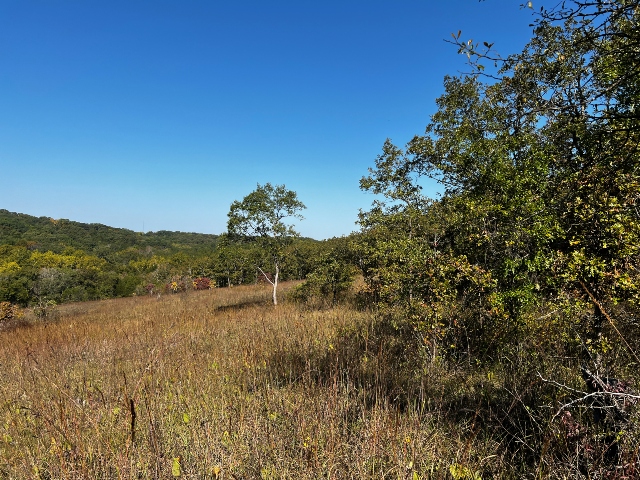
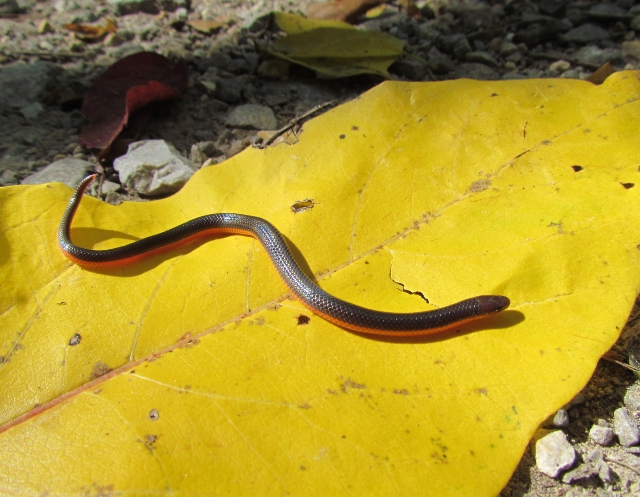
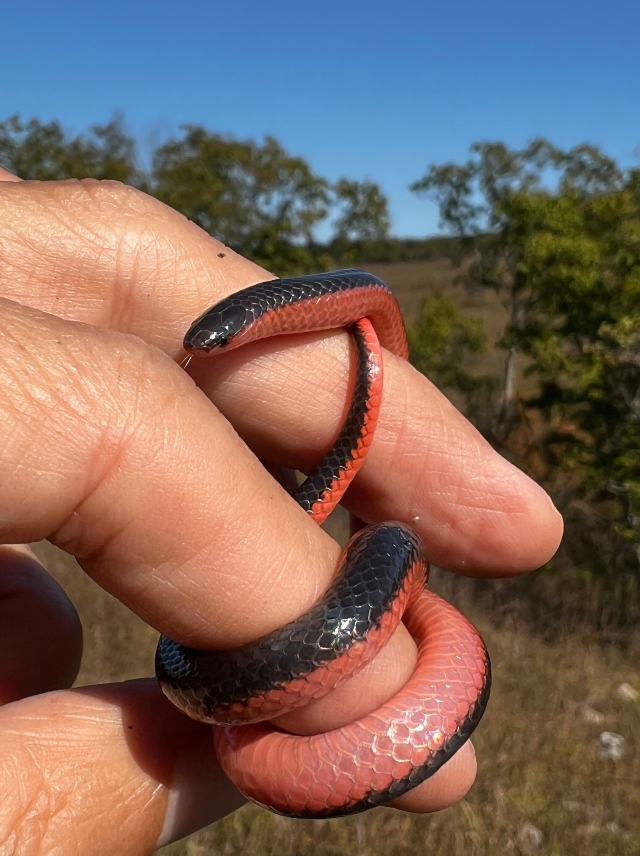
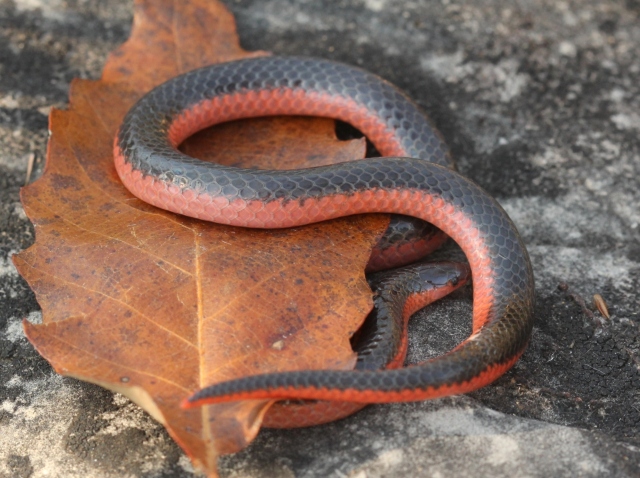
While flipping rocks in Missouri glades, I occasionally find these small serpents. This two-toned snake has an upperside color that is brown-to-black and an underside that is salmon-pink and extends up the reptile’s sides.

2 Western Worm Snake_3560

This secretive creature is less than a foot long and seldom seen. If threatened, this snake, like other snakes, can often release foul smelling musk from its cloaca. Unlike most snakes, if handled, it may press its pointy tail tip into the captor’s hand as a defense mechanism.

3 Western Worm Snake_2427

The Western Worm Snake’s diet include earthworms, slugs, and some slender, soft-bodied insect larvae such as beetle grubs. This species has a pair of enlarged teeth at the rear of its mouth that is presumed to help with swallowing earthworms.

4 Western Worm Snake_4247

It is most often encountered on rocky, forested hillsides and on rocky, open glades, especially in the Spring and Fall. Within these larger habitats, they require slightly moist places to reside. It rarely ventures out in the open. Instead, it spends most of its time in burrows underground, under thick leaf litter, or beneath large rocks or logs.

5 Western Worm Snake_8972

Worm Snakes do not live in my area of Ohio, so it’s always cool to come across one in the wild.

Third Eye Herp
E-mail

Fork-Tailed Bush Katydid

01 Brown Katydid_1533

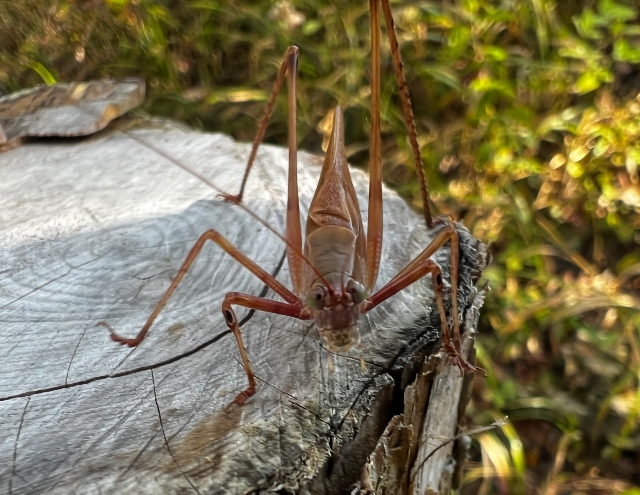
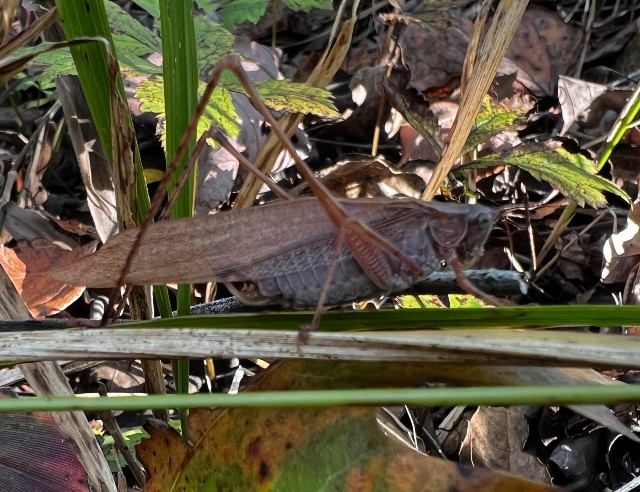
While in a wooded area at the edge of a glade in Missouri, I came across this cool creature. It ranges throughout the lower 48 states and southern Canada. Its color is usually leafy green, but different populations, in different regions, may have brownish, rusty, pinkish, or other casts – especially in Autumn.

02 Brown Katydid_2131

The Fork-tailed Bush Katydid is one of about 250 species of katydids, also called Long-horned Meadow Grasshoppers (family Tettigoniidae), they occur in North America north of Mexico. They all have very long antennae, and many resemble green leaves. They eat the foliage of a variety of shrubs and other plants.

03 Brown Kaydid_1534

Males have a split “tail” on the tip of the abdomen called a furcula that is key in identification. This appendage is where their species name of furcata came from and helps identify them from other similar species. Females have a long appendage extended from their abdomen as well, called an ovipositor, that is used in egg laying.

04 Brown Katydid_2130

This species and others in its genus are called “Bush Katydids” because they are most common in bushes, thickets, and other shrubby areas. You may also find them in the margins of woodlands and overgrown fields. Fork-tailed Bush Katydids are mostly nocturnal and may be attracted to lights at night. They are good fliers and hoppers.

05 Brown Katydid_2125

It’s hard to imagine a late-summer night without the many sounds of katydids, crickets, and their relatives. Few people are aware of the diversity of insect singers that fill our Summer days and nights with distinct, unique songs, as identifiable as various bird songs.

Third Eye Herp
E-mail

American Lotus

01 Lotus - Nelumbo lutea_0466

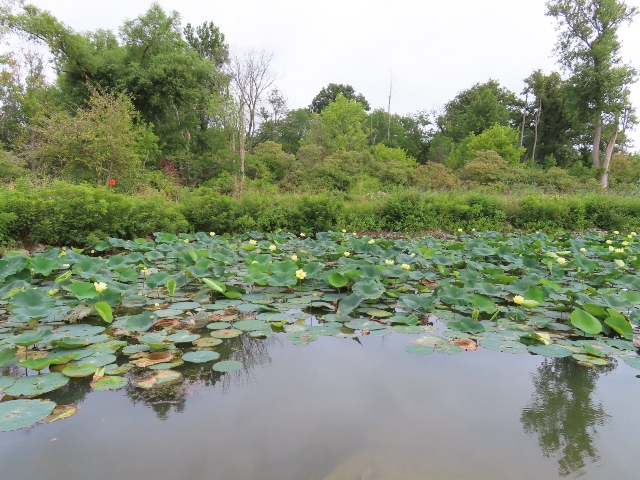
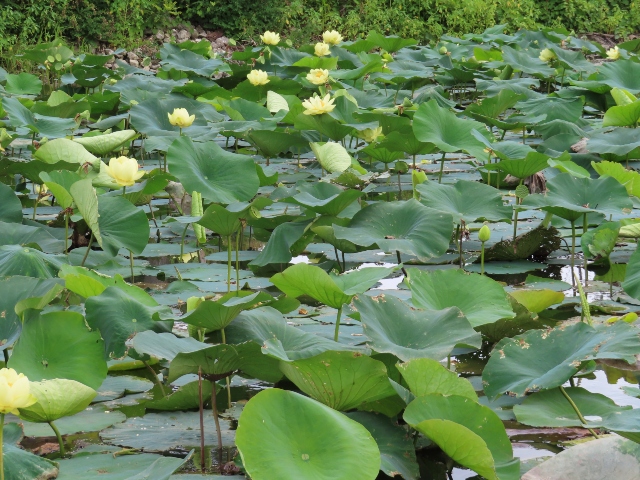
While herping waterways in northwest Ohio, I saw a number of these plants. American Lotus is an emergent aquatic flora. It grows in lakes and swamps, as well as areas subject to flooding. The roots are anchored in the mud, but the leaves and flowers emerge above the water’s surface.

02 Lotus - Nelumbo lutea_0467

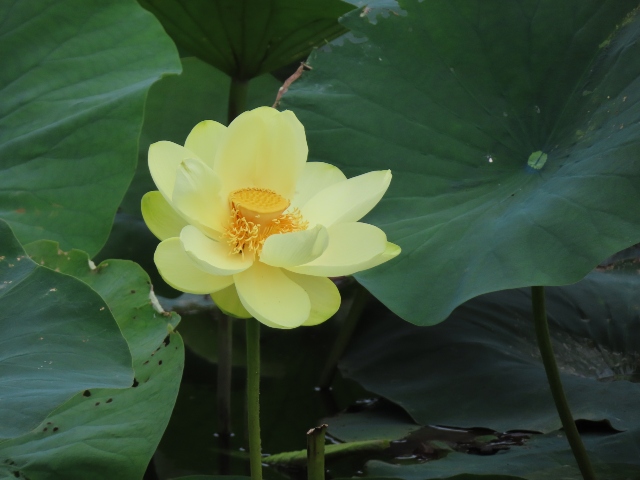
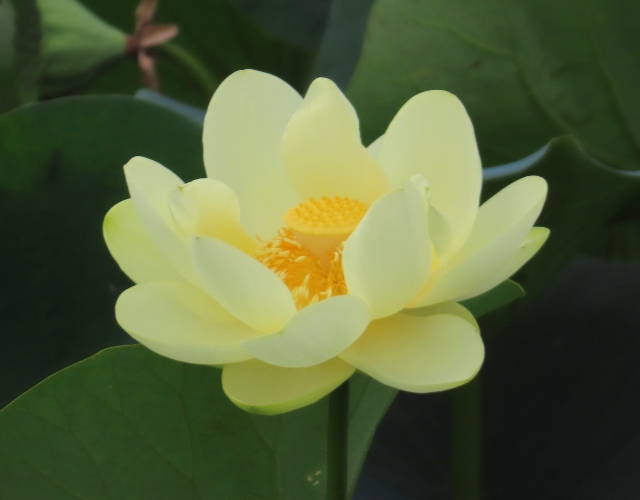
Flowering begins in late Spring and may continue into the Summer. The species name lutea means “yellow” in Latin and refers to the flowers, which may be white to pale yellow. American Lotus’ flowers that grow up to 10″ across, making them one of the largest flowers in North America. This perennial typically grows 3 to 6 feet tall.

03 Lotus - Nelumbo lutea_0469

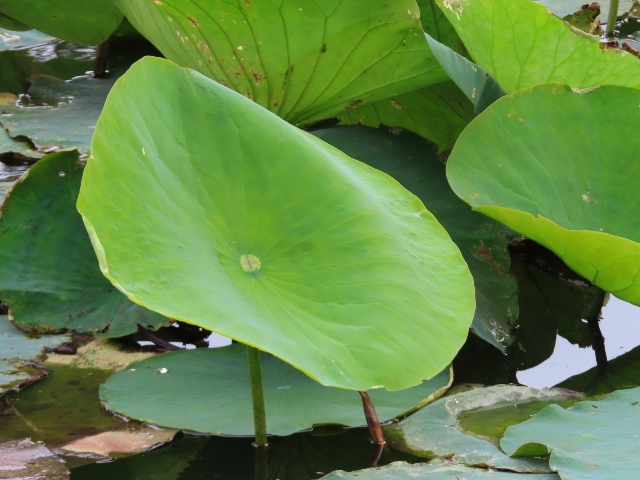
This plant’s leaves are blue-green, shed water, and are normally held above water level on long stems. They are circular and extremely variable in size, being up to 2 feet wide. This valued native wildflower is sometimes planted as an ornamental in aquatic gardening.

04 Lotus - Nelumbo lutea_0468

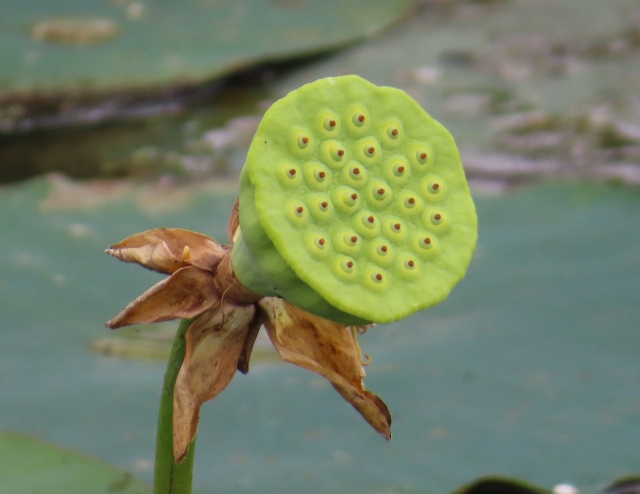
American Lotus’ unique seed pod emerges as an inverted cone-like structure from the center of the bloom. As the pod develops, it turns from pale yellow to dark brown and resembles a shower head. It is very popular in dried floral arrangements and terrarium decorations.

05 Lotus - Nelumbo lutea_0470

This plant was an important food source for Native Americans, who dug up the starchy roots with their feet. Young shoots were eaten as greens; the unripe seeds taste like chestnuts and when ripe can be hulled and roasted. Waterfowl eat the seeds, and large colonies are important nurseries for fish and other aquatic life as well as shelter for ducks.

06 Lotus - Nelumbo lutea_0477

This is indeed a very cool plant that is enjoyable to see on my travels.

Third Eye Herp
E-mail

Yellow-throated Warbler

01 Yellow-throated Warbler_5783

While hiking in Cuyahoga Valley National Park, I noticed this distinctive bird. The Yellow-throated Warbler is a small, migratory songbird of the south, that can occasionally be found in my home state.

02 Yellow-throated Warbler_6394

The Yellow-throated Warbler breeds in a relatively narrow range across the southeastern United States. Its breeding range extends from as far north as southeastern Virginia, southern Ohio, and Missouri.

03 Yellow-throated Warbler_5807

With its bright yellow throat and chest, olive-green back, white belly, and black mask, this bird has a striking appearance that makes it stand out among other warblers.

04 Yellow-throated Warbler_5808

In the Midwest, they are typically found in riverside groves of Sycamores. The song of the Yellow-throated Warbler sings a lively series of clear, whistled notes that are often described as cheerful or bubbly.

05 Yellow-throated Warbler_6396

This bird is are insectivorous, but also includes a considerable amount of berries and nectar in its diet outside the breeding season. Insects are typically picked off tree branches directly, but flying insects may be caught in the air.

06 Yellow-throated Warbler_5812

John James Audubon painted the Yellow-throated Warbler for his famous “Birds of America” series. He gave it the name “Children’s Warbler” because its bright colors reminded him of the clothes children wear.

Third Eye Herp
E-mail

Common Brown Cup

01 Cup Fungus_0903

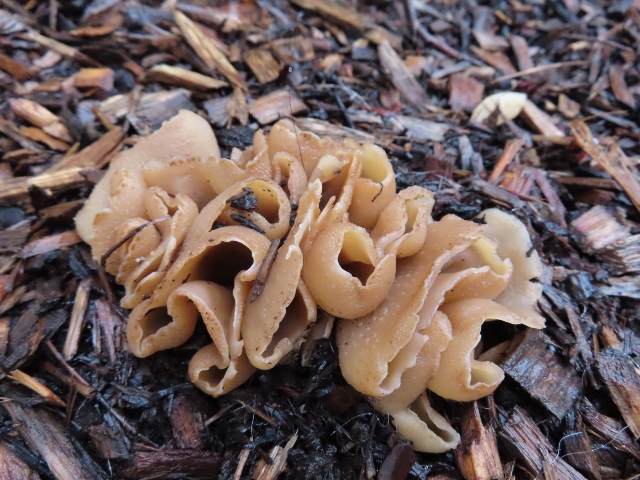
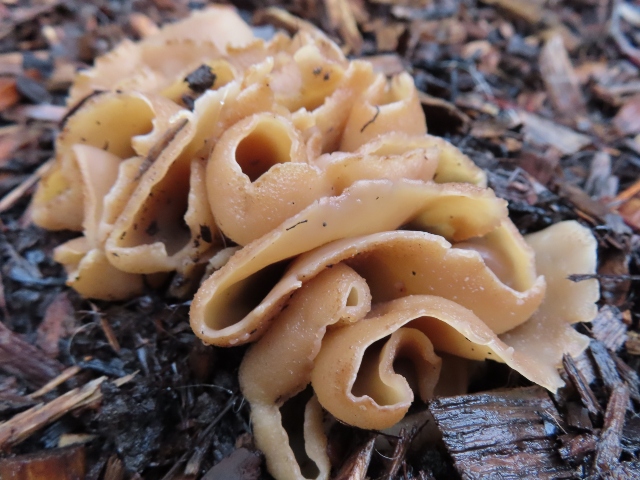
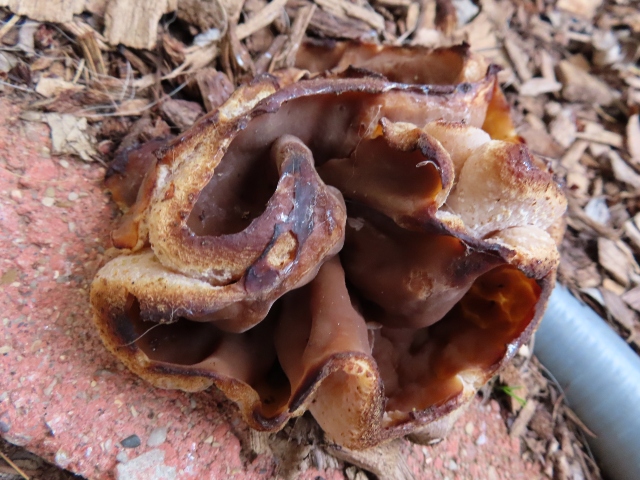
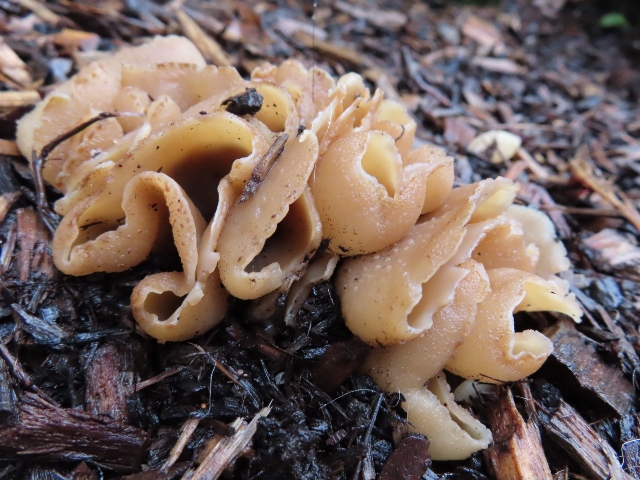
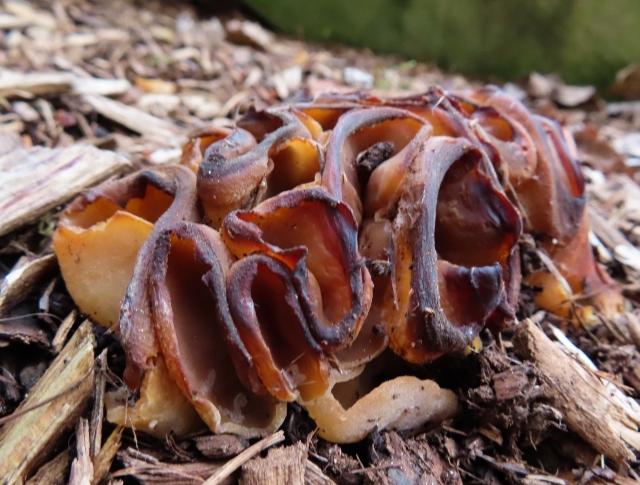
Sometimes you don’t have to look far to find cool things in nature. While leaving the house, I saw this unusual-looking organism sprouting up in several spots in the mulch near our house. Mushrooms and fungi play vitally important roles in nature and to humans.

02 Cup Fungus_1068

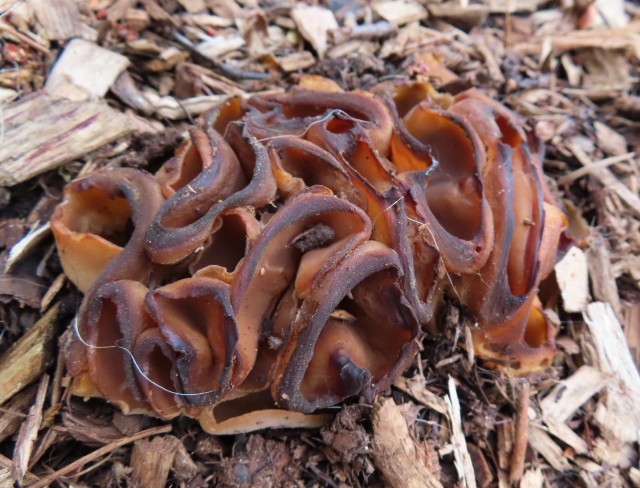
Brown Cups look just like their name, as they are brown inside and out and their cup-like structure is usually just a few inches across and high. The sides of this mushroom are quite fragile and are often seen in a caved-in type state. This mushroom is also known as Pig’s Ears.
03 Cup Fungus_0909

Most often seen in Spring, the cup shape is designed to propel raindrops into splashing its spores out of the cup. Additionally, the curvature enables wind currents to blow the spores out in as a way to distribute them a distance from the fruiting body. It is quite an experience to tap a cup; if the spores are sufficiently mature, it is possible to see millions of them eject into the air from the inside surface like a puff of fine cigar smoke.

04 Cup Fungus_1070

Few of us see the entire life cycle of mushrooms, since most of it takes place underground or beneath the bark of dead or living trees. Before developing the mushroom structure, the fungus lives as a mycelium, a mat-like or netlike network of filaments infusing a patch of soil or wood. When conditions are right, the mycelium develops a fruiting structure, a mushroom, which emerges from the ground or the tree.

05 Cup Fungus_0904

There are over 200 hundred species of Cup Mushrooms and they tend to be interesting in color and shape. They frequently resemble cups or saucers. The Orange Peel Fungus resembles a discarded orange rind. They may also be vividly colored, like the Scarlet Cup, which is often one of the first signs of spring in the temperate regions where it grows.

06 Cup Fungus_1069

Mushrooms are a lot like plants, but they lack chlorophyll and have to take nutrients from other materials. Mushrooms are neither plants nor animals. They constitute their own kingdom: the Fungi. Common Brown Cup grows solitarily or in dense clusters on soil or on well-decayed logs. It is found in Europe, North America, and Iceland.

Third Eye Herp
E-mail

Striped Skunk

01 Striped Skunk_7793

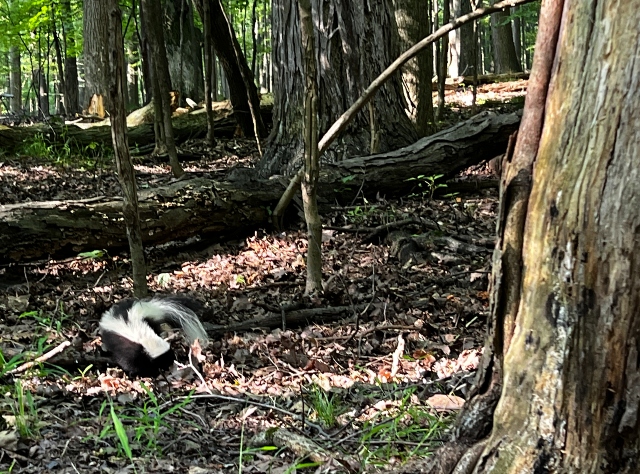
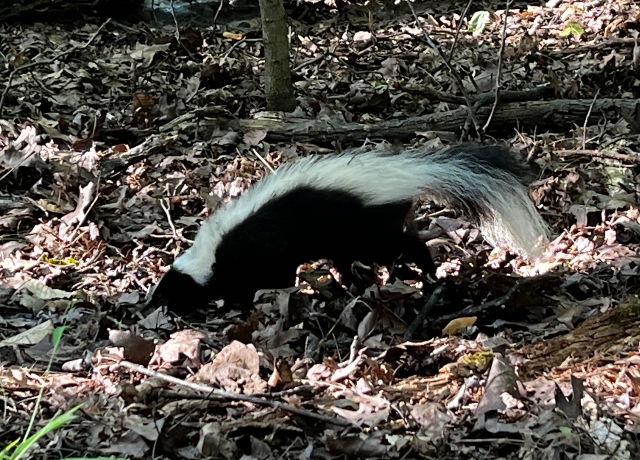
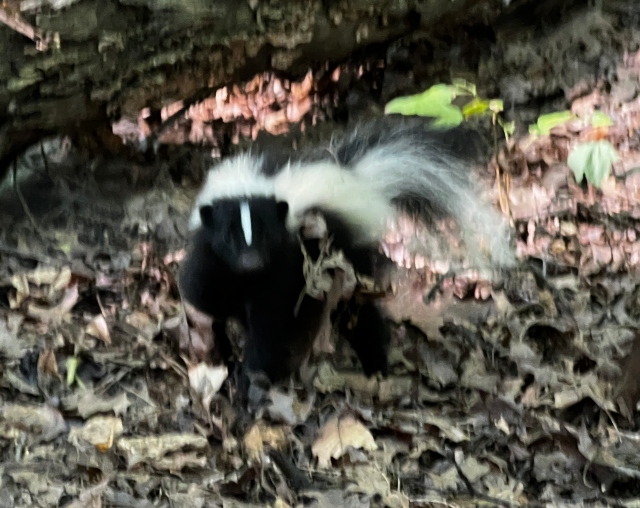
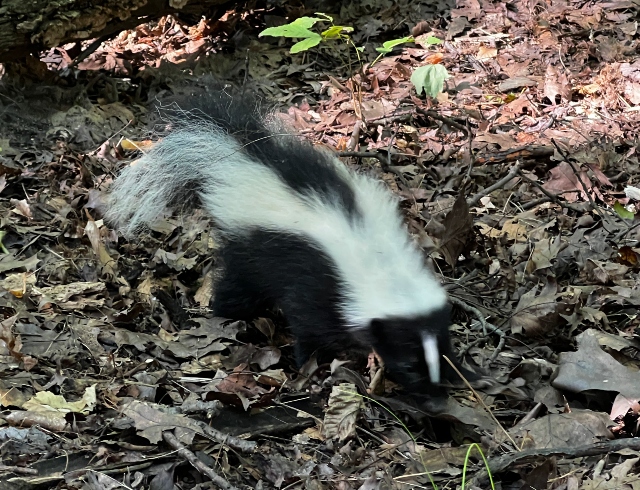
While on a walk in the woods, I heard the shuffling around of leaves. Closer examination revealed a creature rooting through the forest floor looking for something to eat. The Striped Skunk is one of the most recognizable of North America’s animals and is a popular figure in cartoons and children’s books.

02 Striped Skunk_7795

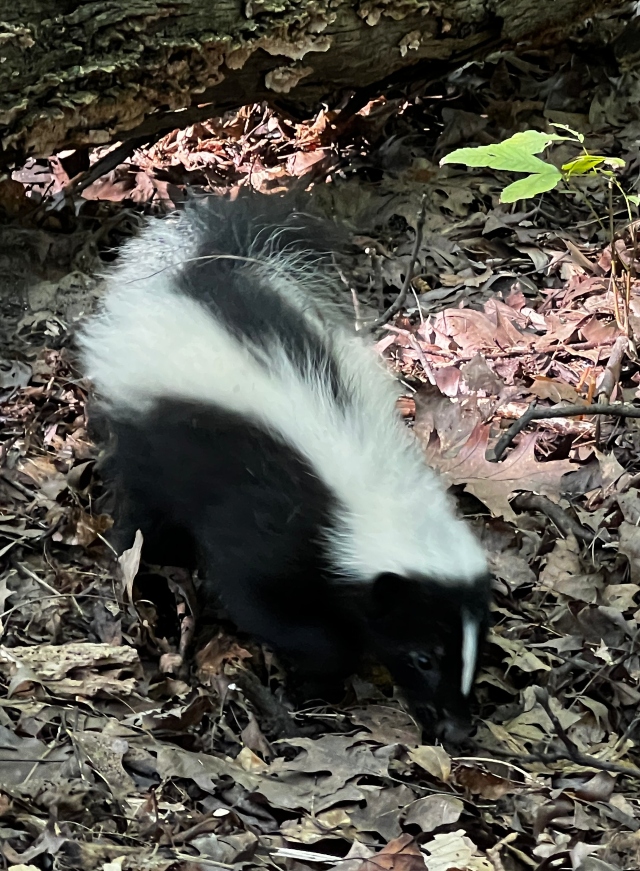
This mammal is stoutly-built and short-limbed, with a small, conical head and a long, heavily furred tail. The color patterns of the fur vary greatly, but generally consist of a black base with a white stripe extending from the head which divides along the shoulders.

03 Striped Skunk_7799

Like all skunks, it possesses two highly developed scent glands, which provide a chemical defense against predation. Because of its formidable defensive capability, it has few natural enemies, with their most notable predator being the Great Horned Owl.

04 Striped Skunk_7797

The Striped Skunk inhabits a wide variety of habitats, particularly mixed woodlands, brushy corners and open fields interspersed with wooded ravines and rocky outcrops. Some populations, particularly in northwestern Illinois, prefer cultivated areas over uncultivated ones.

05 Striped Skunk_7798

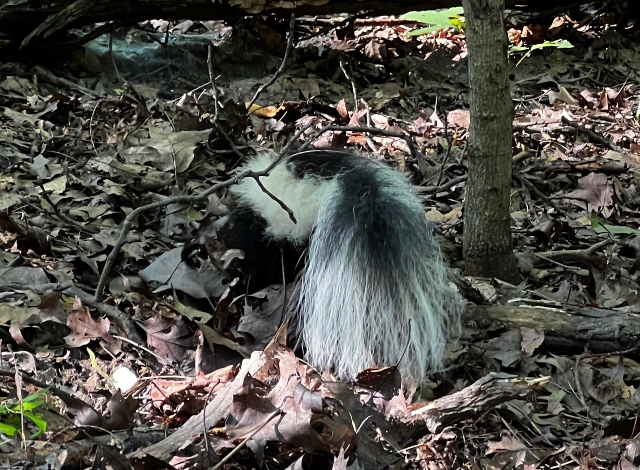
While primarily an insectivore, they are adaptable enough to incorporate other animals and even vegetable matter into their diet. They use their sharp claws to tear apart rotting logs to find grubs, dig in the soil for insects, and pin down prey. Their practice of digging creates small-but-noticeable pits in the ground, which can provide evidence of their presence in an area.

06 Striped Skunk_7800

This animal has firmly embedded itself in American culture, with songs “Dead Skunk” by Loudon Wainwright III and cartoon characters – the Warner Bros. character “Pepé Le Pew” and the Disney character “Flower” from “Bambi.”

Third Eye Herp
E-mail

Cicada Parasite Beetle

01 Cicada Parasite Beetle_7871

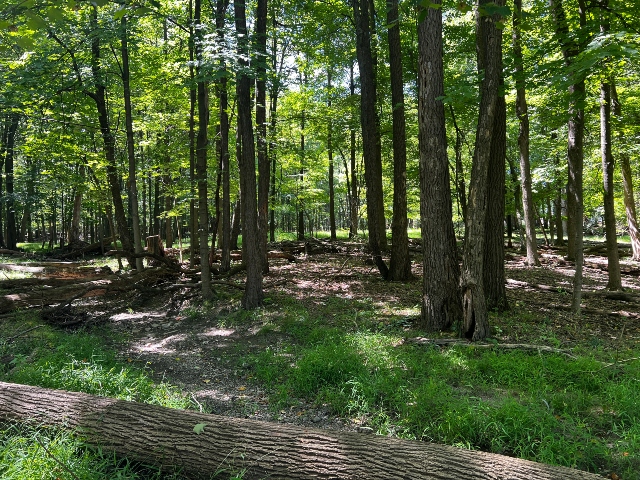
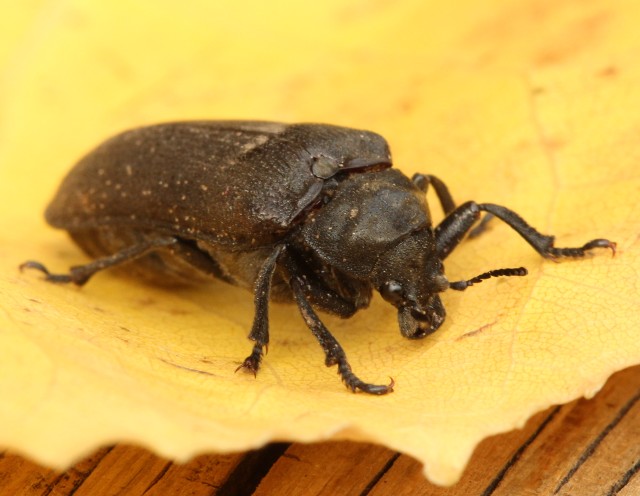
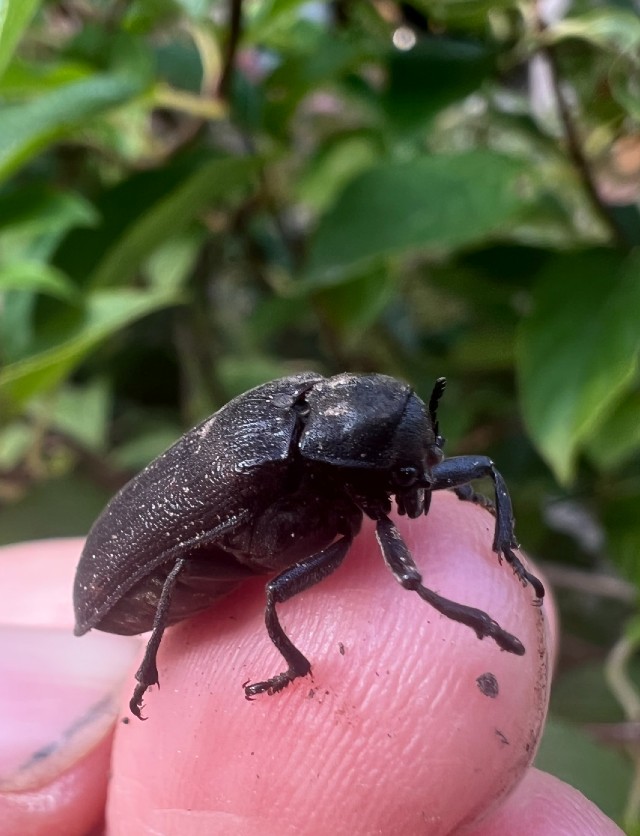
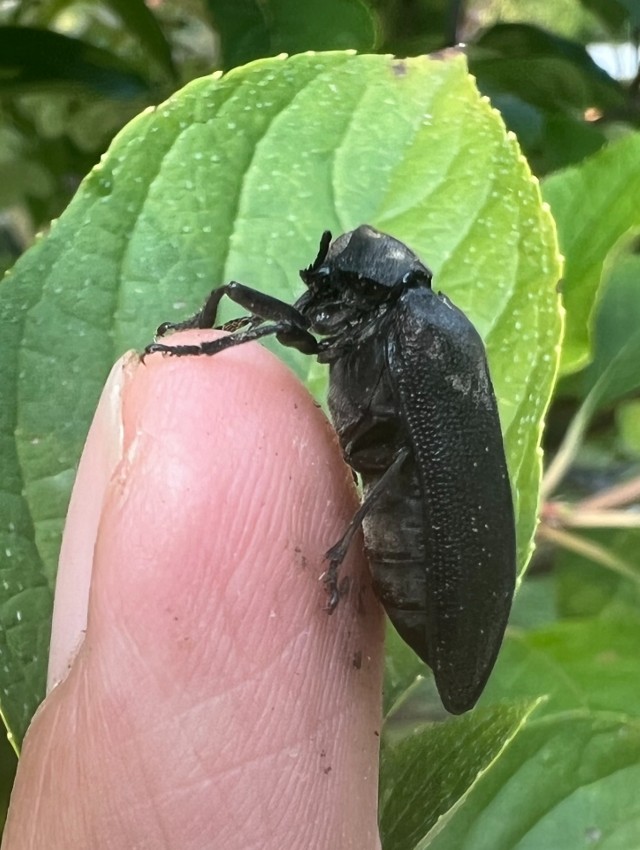
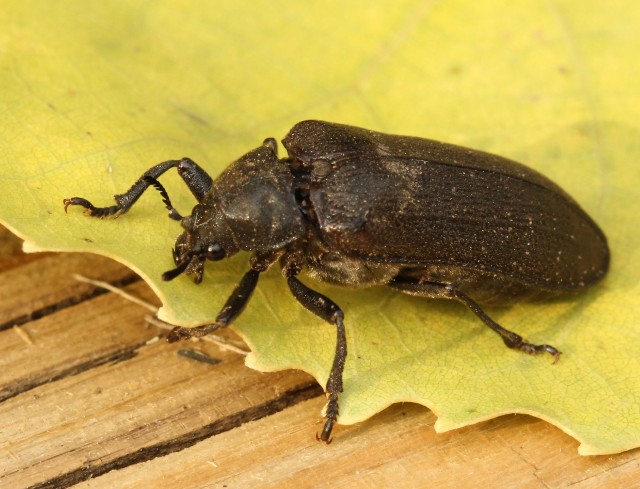
While walking in the wooded lot across the street from my house, I came across this very interesting insect that I’ve never seen (or heard of) before.

02 Cicada Parasite Beetle_9105

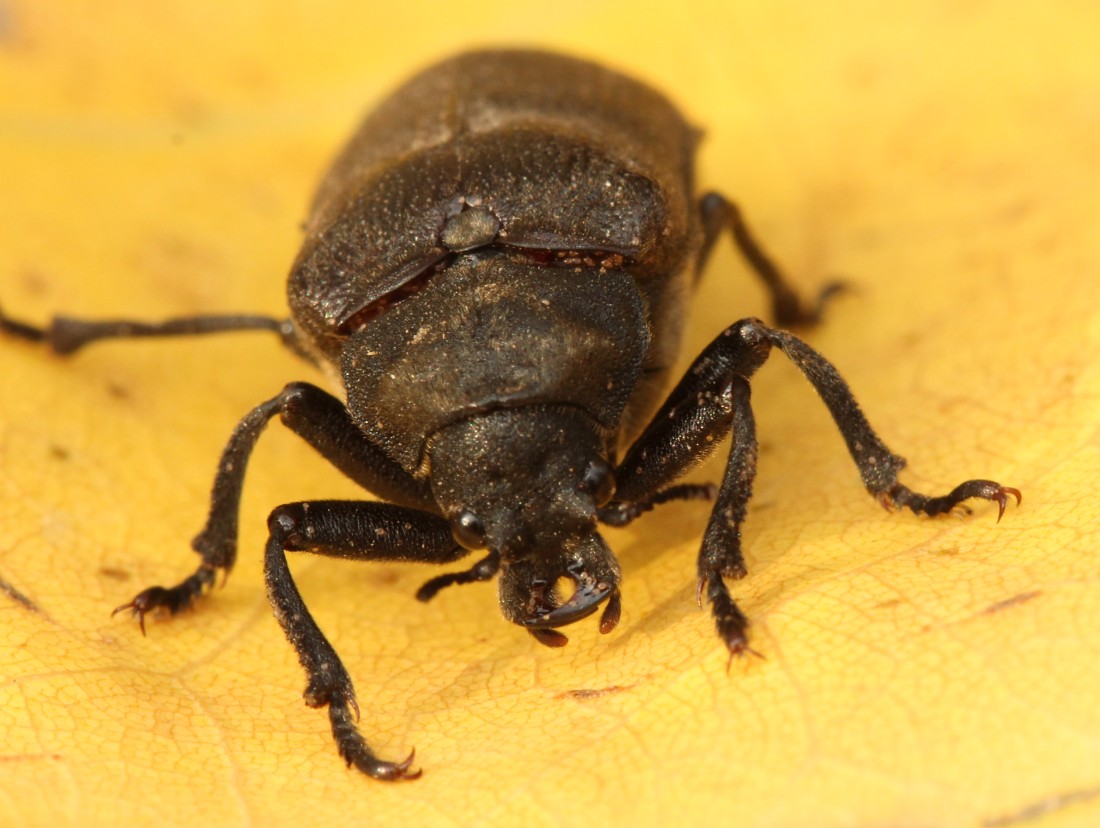
Cicada Parasite Beetle adults are large, stocky, dark brown insects that are about one inch long. They are flattened dorsally with a downward pointed head.

03 Cicada Parasite Beetle_7923

This species is known from southern Ontario to Florida, west to Colorado and Texas. These beetles are interesting due to their habits and lifestyle.

04 Cicada Parasite Beetle_9103

The adult beetles lay their eggs bark cracks; the eggs hatch into slender, active larvae called triungulins. These larvae burrow through the soil seeking out cicada nymphs.

05 Cicada Parasite Beetle_7926

Once a cicada nymph is found, the triungulin larva molts into a slow-moving, grub-like larva that grabs onto the cicada nymph and feeds on its hemolymph (blood).

06 Cicada Parasite Beetle_9094

Mature larvae pupate and emerge as adults in the same years when periodical cicadas emerge. Although both females and males fly, the females are usually found motionless on the side of the elm trees.

Third Eye Herp
E-mail

Black Chokeberry

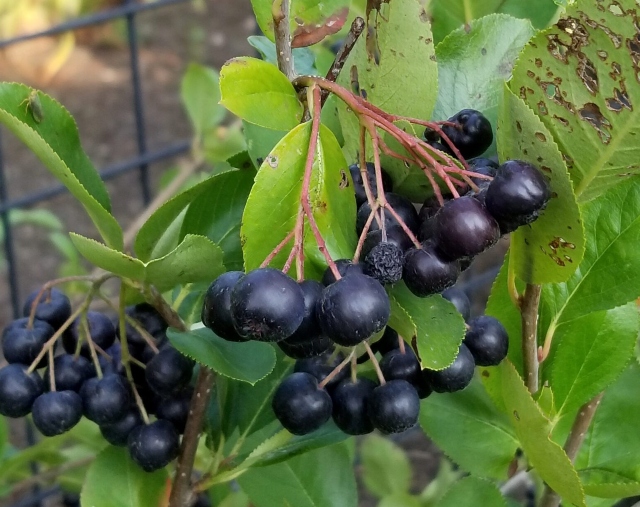
Black Chokeberry_8787

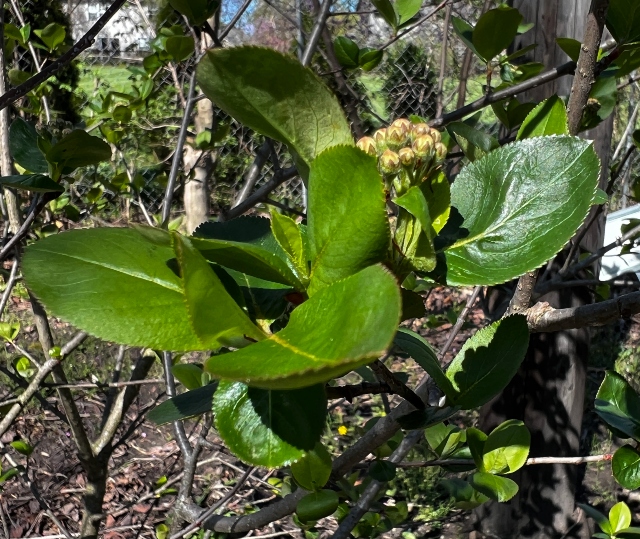
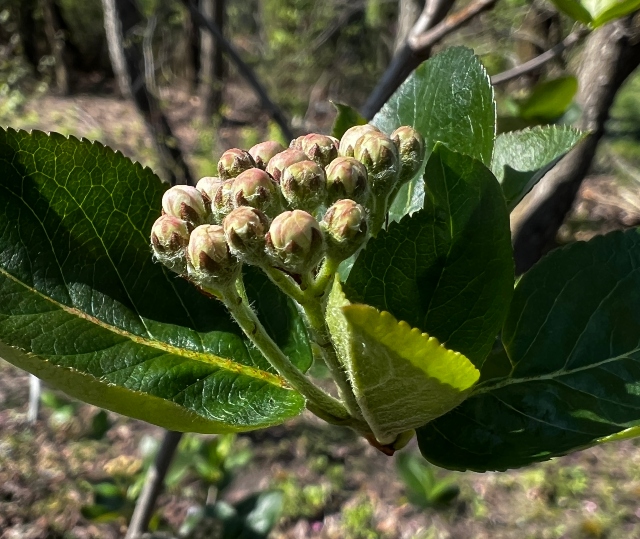
While hiking in the Indianapolis Area of Indiana, I came across this neat plant. This is a species of shrub in the Rose Family native to eastern North America, ranging from Canada to the central United States. Its natural habitat can vary from bogs and swamps to dunes and rocky outcroppings.

Black Chokeberry_8796

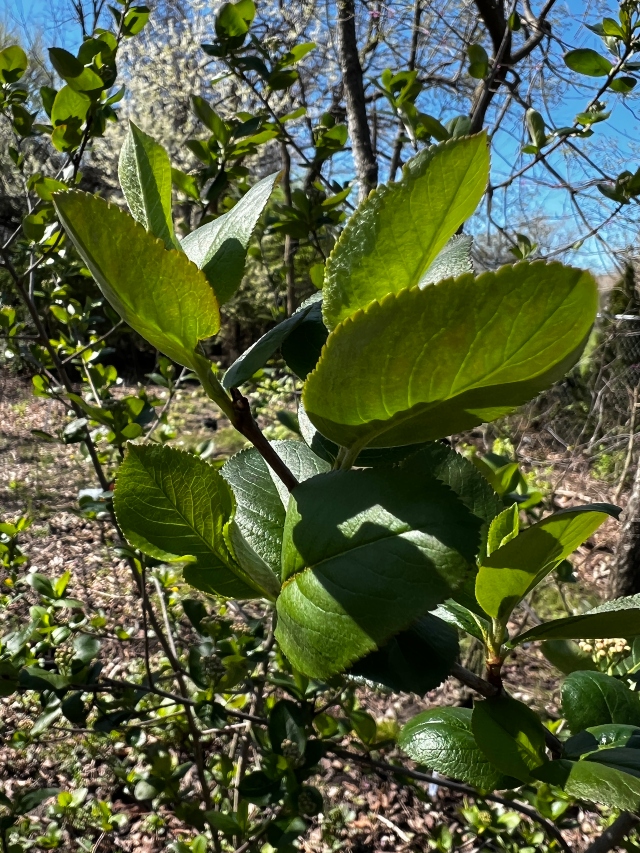
It is multi-stemmed and deciduous, growing 4 to 8 feet in height. Black Chokeberry’s clusters of white to pink-tinged flowers bloom in April through May. The blooms are followed by fruit that turns from red to blackish-purple. These tart fruits are edible and are the subject of University of Maryland research for their potential use as an alternative fruit crop. The fruits are unpleasant when raw (hence the common name), but when processed they have culinary and nutraceutical value.

Black Chokeberry_8793

In recent history, Black Chokeberry has been extensively produced in Russia as a small fruit used in juice products (mixed with apple juice), wine, compote and pickles. It has been commercially grown in Europe where its fruit is used in juice, alcoholic beverages, energizing beverages, and as a food colorant. Its fruit has higher levels of antioxidants than any other temperate fruit.

Black Chokeberry_8791

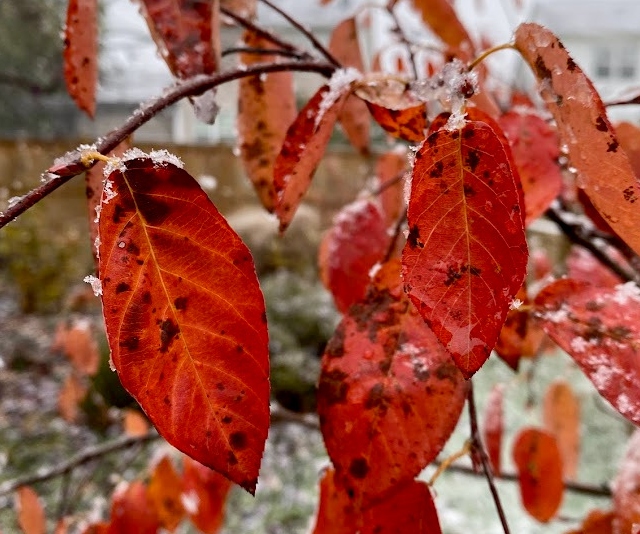
In Autumn, its foliage of turns to brilliant shades of red and burgundy. Over time, it tends to sucker profusely (form new shoots from the base) and may produce a thicket of growth when free from competition of other plants.

Black Chokeberry_8792

In wildlife habitat and in wildlife gardens, Black Chokeberry provides browse for White-tailed Deer and Rabbits, and fruit for Ruffed Grouse, Sharp-tailed Grouse and Prairie Chickens.

Third Eye Herp
E-mail