Fingernail Clam

01 Fingernail Clam_6795

While catching tadpoles in the pond across the street from me, I’d occasionally net what looked to be a small tan pebble. Closer examination revealed something different though. Fingernail Clams, also called Pill Clams or Pea Clams, are members of a family of small to tiny freshwater clams that are common, but rarely noticed.

02 Thumbnail Clam_5104

Like other clams, Fingernail Clams have two mirror-image shells that are hinged together that are generally rounded to triangular in shape. Their shells are thin and fragile, often translucent, the outsides typically shiny, fairly smooth, and gray, tan, yellowish, or whitish. Fine growth lines are often visible, but they are not strongly raised, ridged, or rough.

03 Thumbnail Clam_5134

Fingernail Clams are found in a variety of aquatic habitats, usually in places with mucky or sandy substrates, and usually at or just under the bottom substrate. Some species of fingernail clams are adapted to live in vernal pools — temporary ponds, usually in woodlands, that fill with water in Springtime, then dry up during Summer. As the pool dries, the Fingernail Clam burrows down several inches into the soil, where it is moist enough for it to survive until the next Spring.

04 Thumbnail Clam_5112

Like other clams, scallops, mussels, oysters, and most other bivalve mollusks, they are filter feeders that remove suspended organic materials from water, such as algae, tiny planktonic animals, and plant and animal detritus.

05 Thumbnail Clam_5142

They have tubelike siphons that draw in water and tiny, drifting food particles into their shell cavity. A pair of flaplike, mucous-covered gills collects the food and channels it into the animal’s mouth.

06 Thumbnail Clam_5108

Like its relatives, the Fingernail Clam has a foot, which is used to dig down into the pond bottom where it can burrow. Fingernail Clams (like most other mollusks) are hermaphrodites: each individual can produce both eggs and sperm. Fingernail clams are able to fertilize their own eggs.

07 Thumbnail Clam_5135

Apparently Fingernail Clams can move from one isolated vernal pool to another by clamping on to a finger or toe of a salamander, frog, or other animal. Since they can fertilize their own eggs, only one individual can start a population.

Third Eye Herp
E-mail

Sow Thistle

Goat's Brard_7656

I recently saw this plant growing on the corner of my street. Sow Thistle is native to Eurasia, but has spread to other countries. In the United States, grows in areas such as pastures, roadsides, bushlands and the shorelines of lakes, rivers, and sea coast.

02 Goat's Beard_8243

Many people tend to confuse Sow Thistle with Dandelions. Sow Thistle usually has many flowers sprouting out on each stalk, while Dandelion only has one flower per stalk. Sow Thistle leaves grow all the way up the stalk, as well as at the base of the plant. Dandelion leaves are only at the base.

03 Goat's Beard_8235

Sow Thistle’s flowers are grouped in loose clusters at the end of stalks. A plant may have up to 20 flower heads, with only a few blooming at once. The flowers open two to three hours after sunrise and close around noon.

05 goats beard 059

The flowerheads mature to form fluffy spheres that are three to four inches diameter and comprised of seeds with long, slender beaks on white, umbrella-like structures that aid in their dispersal by wind. The fluffy sphere of seeds looks similar to that of a Dandelion, only much larger.

04 Goat's Beard_8234

This plant’s leaves are alternate, simple, and are the broadest near or above the middle – they can be up to a foot long. They are deeply lobed along the margin and the spiny toothed, lobed leaf bases clasp Sow Thistle’s stem.  Its stems are filled with milky white sap.

06 Goat's Beard_8230

This plant is also known as Field Milk Thistle, Field Sow Thistle, Perennial Sow-thistle, Corn Sow Thistle, Dindle, Gutweed, Swine Thistle, or Tree Sow Thistle.

Third Eye Herp
E-mail

Black Vine Weevil

01 Black Vine Weevil_2961

I’ve come across this curious creature on several occasions. Weevils are beetles that known for their elongated snouts. Approximately 97,000 species are known.

02 Black Vine Weevil_2965

Black Vine Weevils are oval in shape, about ½ inch long and have a short, broad snout with elbowed antennae. These insects earned their name “vine” weevil because they were first documented on grapes in Germany.

03 Black Vine Weevil_2962

These insects are parthenogenic (can reproduce without a male). As a result, their population can grow very quickly. Only females are produced.

04 Black Vine Weevil_2961

The Black Vine Weevil is a serious pest in nurseries and established landscape plantings. It and its larvae stunt or kill plants by feeding on the roots – it has been recorded on more than 100 species of cultivated and wild plants.

06 Black Vine Weevil_2964

They are active night feeders and when disturbed, adults drop quickly to the ground. During daylight hours adults hide in dark places on stems of plants with dense foliage or in leaf litter and mulch.

05 Black Vine Weevil_2967

A native of Europe, this species was first reported in Connecticut in 1910.

Third Eye Herp
E-mail

Sandhill Crane

01 Sandhill Crane_5138

Although it’s not very often, I occasionally see these big birds while out and about in my home state of Ohio. This is among the oldest living species of birds, dating back 2-1/2 million years. Sandhill Cranes are currently listed as a threatened species in Ohio, though they have made a comeback after being extirpated in the mid-20th century. They returned to Ohio in 1987 to breed in Wayne County and have expanded their range since.

02 Sandhill Crane_0157

Sandhill Cranes are wading birds characterized by long legs, necks, and bills. An adult sandhill crane stands about 4 feet tall, sports a 6 foot wingspan and weighs up to 12 pounds. Perhaps the most unique characteristic of the sandhill crane is its tendency to dance. Although an integral part of their courtship, they can be seen dancing any time of the year. The dance of the sandhill crane includes many quick steps around each other, wings half spread with an occasional leap into the air up to eight feet off the ground.

03 Sandhill Crane_0156

These birds are primarily a wetland-dependent species. Sandhill Cranes live on a diet of small rodents, reptiles, amphibians, grains, insects, and berries. On their wintering grounds, they will utilize agricultural fields; however, they roost in shallow, standing water or moist bottomlands. On breeding grounds they require a rather large tract of wet meadow, shallow marsh, or bog for nesting.

04 Sandhill Crane_0167

Sandhill Cranes, the most abundant of the world’s cranes, are found throughout most of North America. They spend most of the year in Canada and the northern United States, migrating to the southern United States and Mexico for the winter. In Ohio, Sandhill Cranes are listed as an threatened species due to habitat loss.

05 Sandhill Cranes_0159

The beauty of Sandhill Cranes has permeated cultures all over the world, and the species has captured the attention of many groups throughout history. There are at least ten annual Sandhill Crane festivals around the United States, from Tennessee to Washington. Colorado has two.

Third Eye Herp
E-mail

Stonecat

01 Stonecat_7019

While looking for cool creatures in a creek in Lisbon, Ohio this month, I caught a fish that I have never encountered before. Stonecats are small, slender, flat-headed catfish. Stonecats typically reach four to eight inches in length, but can reach 12 inches.

02 Stonecat_7025

While the dorsal and pectoral spines of most members of this family cause wounds that irritate, the Stonecat has venom glands, particularly on the bases of the pectoral spines, that cause extreme pain similar to that of a wasp sting.

05 Stonecat_7024

These fish reside in freshwater environments, and are found from large creeks to small rivers. They occasionally are found in tiny creeks, or rivers as large as the Lower Mississippi. Stonecats occupy gently to fast-moving riffle areas with rocky substrates.

03 Stonecat_7026

The Stonecat is an opportunistic feeder, using its sensitive barbels during the night to search for food. They eat a variety of food items, such as aquatic insect larvae, mollusks, minnows, fish eggs, isopods, amphipods, crayfish, plant material, and worms.

04 Stonecat_7023

Because Stonecats cannot tolerate heavy siltation or pollution, their presence or absence in a stream is an indicator of water quality. It was neat to come across this fascinating fish while herping.

Third Eye Herp
E-mail

California False Wolf Spider

01 False Wolf Spider_5000

I found this cool creature while on my visit to California. It is often misidentified as the Brown Recluse Spider, due to similarities of coloration, body proportions, leg length, and even leg positioning prior to movement. Their common name False Wolf Spiders comes from their physical similarity to Wolf Spiders, though they can be distinguished from Wolf Spiders by their two rows of eyes that are more equal in size than those of true Wolf Spiders.

02 False Wolf Spider_4989

This species is often found in areas of dense human population. They are most common from the northernmost portions of California to the southern portions just north of the mountains near Los Angeles Basin. They often reside in redwood forests and present in cabins in the woods. Due to its large size, the False Wolf Spider is one of the most commonly feared species, though the venom of these spiders is not toxic to people.

03 False Wolf Spider_4995

False Wolf Spiders are a small spider family, with only 181 known species. Like true Wolf Spiders they hunt their prey freely without a web. However, unlike Wolf Spiders, they are cribellate spiders, meaning they produce a very fine, crimped spider silk known as cribellum wool. However, this is no longer used to build webs for capture ng prey, but instead is used only in the area of the retreat and to protect the eggs.

04 False Wolf Spider_4988

This particular specimen was found in a house. Even if you are not a fan of spiders, leaving a False Wolf Spider and other hunting spiders you find indoors might actually help reduce not only the number of insects in your home, but also its overall spider population. Mostly nocturnal, it is shy and tends to avoid humans. This species is Titiotus californicus, all 16 species of the genus Titiotus can be found residing in California.

05 False Wolf Spider_5001

This eight-legged wonder was a neat and unexpected find on my trip.

Third Eye Herp
E-mail

Acorn Woodpecker

01 Acorn Woodpecker_4844

I saw this fine bird several times over the years when I have visited California. My most recent sighting were these two seen on Mount Hamilton. When flying, they take a few flaps of their wings and then drop a foot or so.

02 Acorn Woodpecker_4825

This bird is mostly black with a red cap. The white neck, throat, and forehead patches are distinctive identifiers. Its habitat is forested areas with oaks in the coastal areas and foothills of Oregon, California, and the southwestern United States, south through Central America to Colombia.

03 Acorn Woodpecker_4831

Acorn Woodpeckers, as their name implies, depend heavily on acorns for food. Acorns are such an important resource to the California populations that Acorn Woodpeckers may nest in the Fall to take advantage of the Autumn acorn crop, an uncommon behavior in birds. Although acorns are an important back-up food resource, these birds primarily feed on insects, sap, and fruit.

04 Acorn Woodpecker_4834

Their acorns are stored in small holes drilled especially for this purpose in “granaries” or “storage trees”— usually snags, dead branches, utility poles, or wooden buildings. Storage holes are always in non-living tree tissue, such as bark or dead limbs and are used year after year.

05 Acorn Woodpecker_1104

They are cooperative breeders, living and breeding in family groups of up to 15 individuals. Cooperative breeding, defined as more than two birds taking care of nestlings in the nest, is a relatively rare evolutionary trait that is thought to occur in only nine percent of bird species.

06 Acorn Woodpecker_4828

Walter Lantz is believed to have patterned the call of his cartoon character Woody Woodpecker on that of the Acorn Woodpecker, while basing his appearance on that of the Pileated Woodpecker, which has a prominent crest.

Third Eye Herp
E-mail

Whitehead Mule-ear

01 Whitehead Mule-ear_6128

While exploring a clearing in the woods in the Santa Cruz Mountains, this plant really stood out. It is a short, low-growing, golden-rayed wildflower that resembles a sunflower.

02 Whitehead Mule-ear_6130

Whitehead Mule-ear occurs chiefly in California’s North Coast Range, Central Coast Range and some parts of the Sierra Nevada foothills. It is typically found in an understory habitat associated in sunny clearings of mixed oak forests.

03 Whitehead Mule-ear_6132

This is a relatively short plant, usually less than 24 inches tall, with long leaves for which the plant gets its common name. The leaves may up to 16 inches long.

04 Whitehead Mule-ear_6127

Whitehead Mule-ear can grow in large, dense colonies in moist meadows, creating a beautiful display. In my situation it was growing with just a few plants that added texture, shape and color to the landscape.

05 Whitehead Mule-ear_6126

These produce excellent flowers for pollinators and other wildlife, attracting bees, butterflies, and other beneficial insects to the blooms and birds and small mammals to the seeds.

06 Whitehead Mule-ear_6131

With both a deep tap root and strong laterals, these slow-growing, but long-lived perennials also are good for controlling erosion.

07 Whitehead Mule-ear_6129

Although I have visiting this particular meadow a number of times over the years, this was the first time that I’ve ever encountered this wildflower.

Third Eye Herp
E-mail

California Mountain Kingsnake

01 California Mountain Kingsnake_2770

This is perhaps the most widely sought after serpent by herpers in the Golden State. It’s attractive colors and elusive nature make it a prize worth finding.

02 California Mountain Kingsnake_0087

It is secretive, but not rare in suitable habitat. This reptile spends most of the time underground, under surface objects, or inside rock crevices. It is occasionally seen active on the ground in the daytime, especially near shaded streams on hot sunny days.

03 California Mountain Kingsnake_1623

California Mountain Kingsnakes have a banded pattern that consists of red, black, and white crossbands. The bands are always arranged in the same order with each red crossband being surrounded by two black crossbands, forming what is called a triad.

04 California Mountain Kingsnake_0385

Adults are usually 24 to 36 inches long and are found in a wide variety of habitats, including coniferous forests, oak-pine woodlands, riparian woodlands, chaparrals, and coastal sage scrubs.

05 California Mountain Kingsnake_5209

California Mountain Kingsnakes are constrictors that have a diet which includes lizards, small mammals and snakes, as well as small birds. As their “mountain” name implies, they live in an elevational range from 1,500 – 8,000 feet.

06 California Mountain Kingsnake_9291

This species is found in the Sierra Nevada Mountains and the Coast Ranges north of Monterey Bay, California, north into the Klamath Mountains, in Oregon, plus an additional, disjunct population along the Columbia Gorge, in Washington.

07 California Mountain Kingsnake_7293

It is always a thrill to come across this fine snake species while in the field.

Third Eye Herp
E-mail

Behr’s Pero

01 Behr's Pero_6263

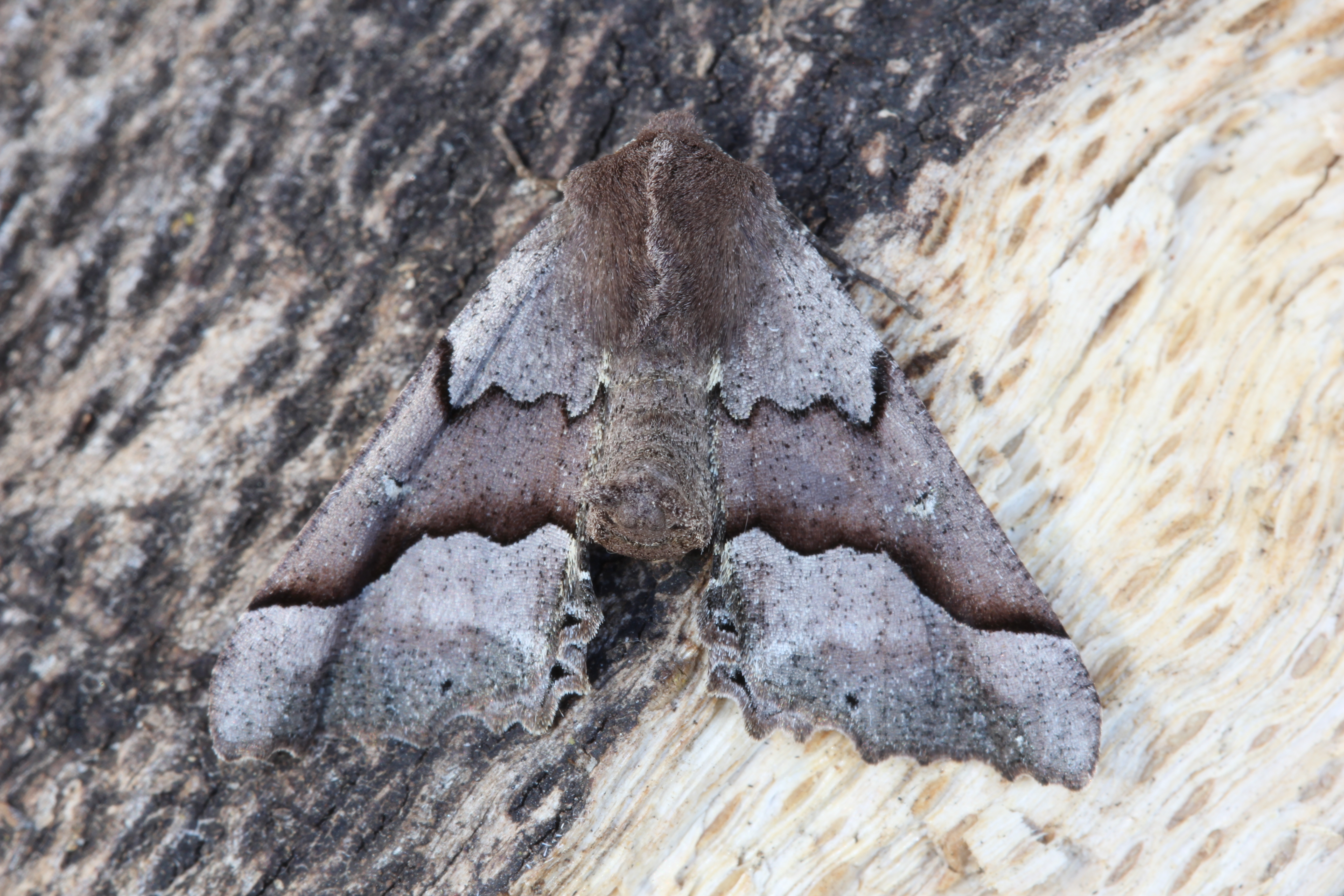
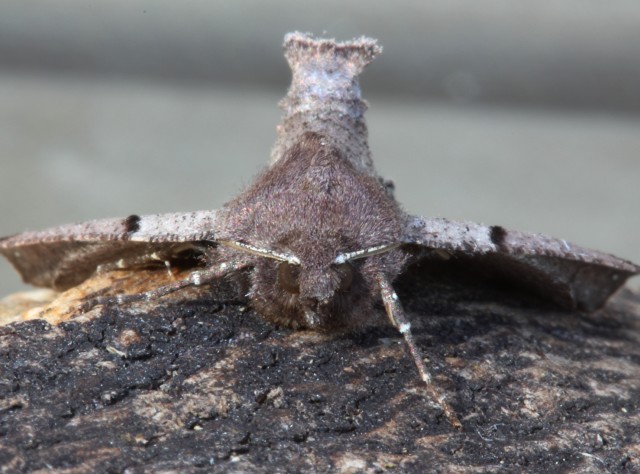
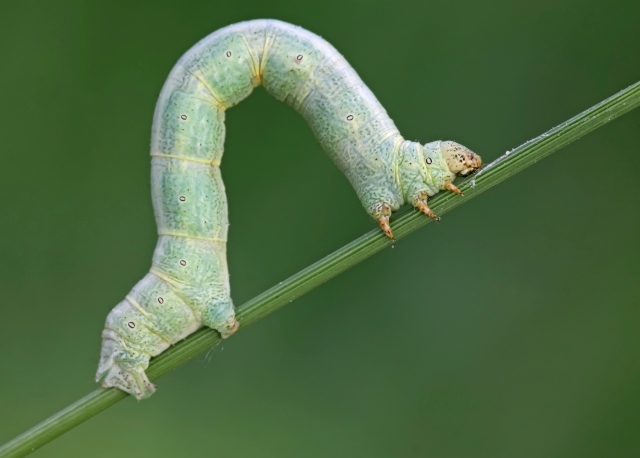
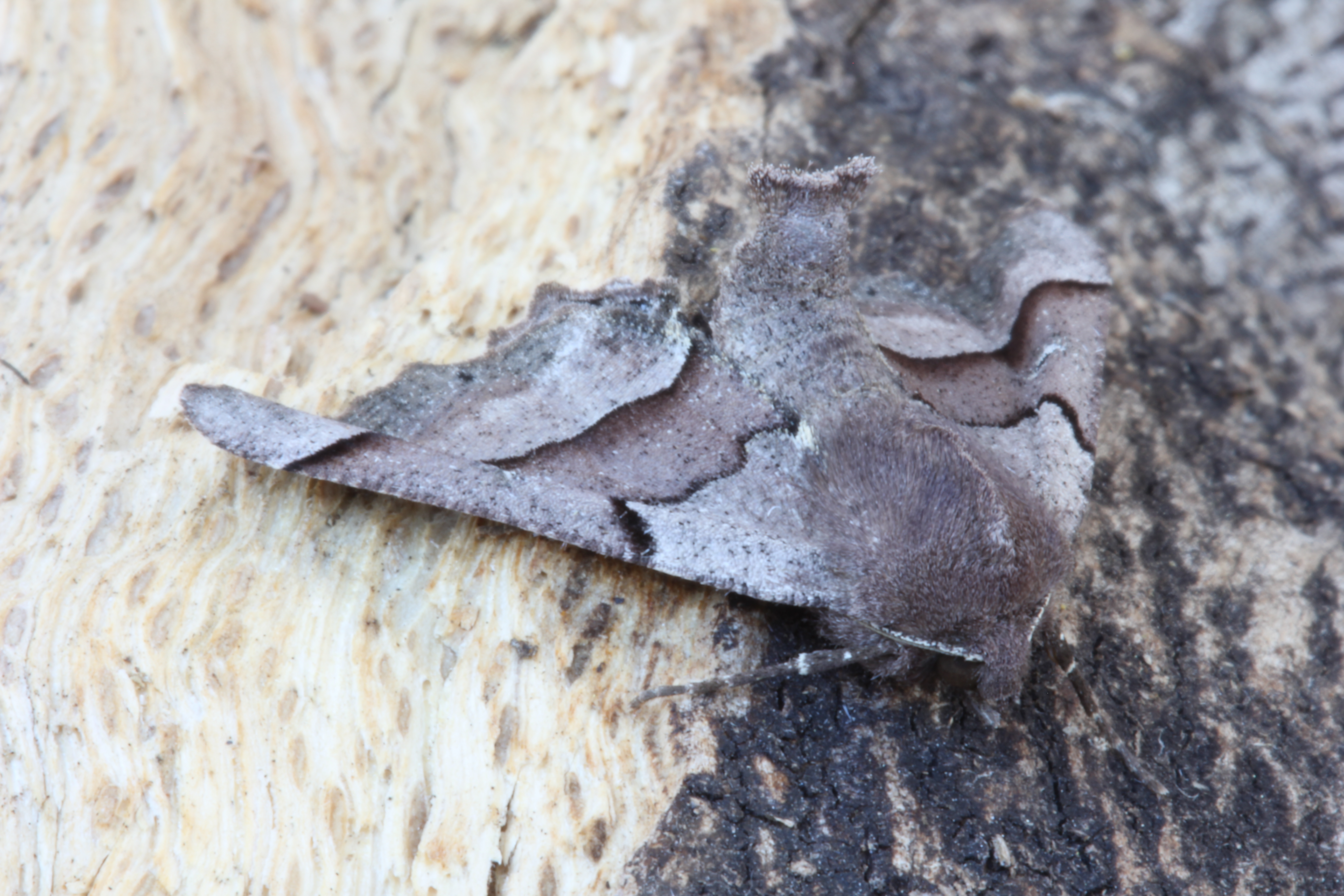
I found this cool moth while visiting the Golden State. A member of the Geometridae Family, their larvae, or inchworms, appear to measure the earth as they move along in a looping fashion.

02 Behr's Pero_5333

This large family contains about 23,000 described species. Their caterpillars lack legs in the middle of their bodies, instead only having them at the front and back of their body.

03 Behr's Pero_5317

To move, the caterpillar clasps with its front legs and draws up the hind end, then clasps with the hind end and reaches out for a new front attachment, creating the impression that it measures its journey.

04 Behr's Pero

The caterpillars are accordingly called “loopers,” “spanworms,” or “inchworms” after their characteristic looping gait. Most adult versions of moths from this family have broad wings which are held flat with the hindwings visible.

05 Behr's Pero_5327

The moth’s colors and patterns tend to blend into the background, often with intricate, wavy patterns on their wings. Most species are of a moderate size. Adults fly from April to October, depending on location.

06 Behr's Pero_5329

The habitat of the Behr’s Pero is pine forests and the caterpillars feed on several genera of pine tree needles.

Third Eye Herp
E-mail