Thalassica Grasshopper

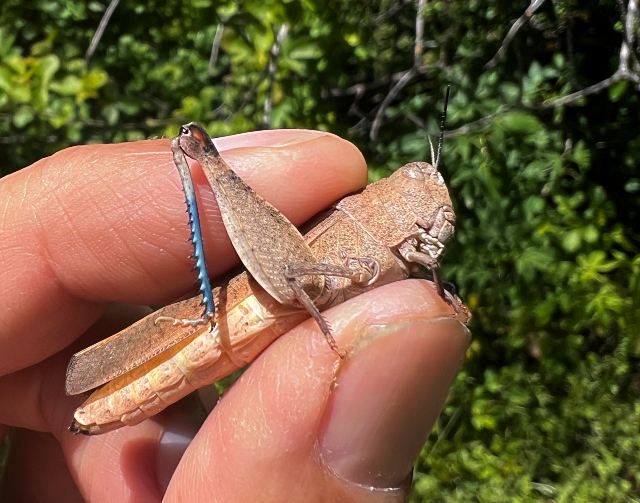
01 Trimerotropis thalassica_2613

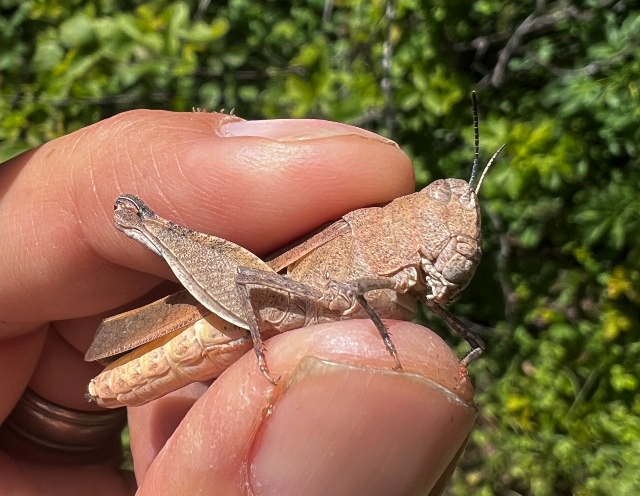
While visiting Henry W. Coe State Park in California, I saw a few of these insects on my hike. They inhabit coastal mountains, dry open grasslands, and areas associated with low vegetation, often on rocky substrates or near manzanita (also seen on this hike).
02 Trimerotropis thalassica_2618

The Thalassica Grasshopper belongs to a group known as Band-winged Grasshoppers. An ancient group dating back to the Early Triassic Period (around 250 million years ago), this family of grasshoppers are found almost everywhere in the world except Antarctica.
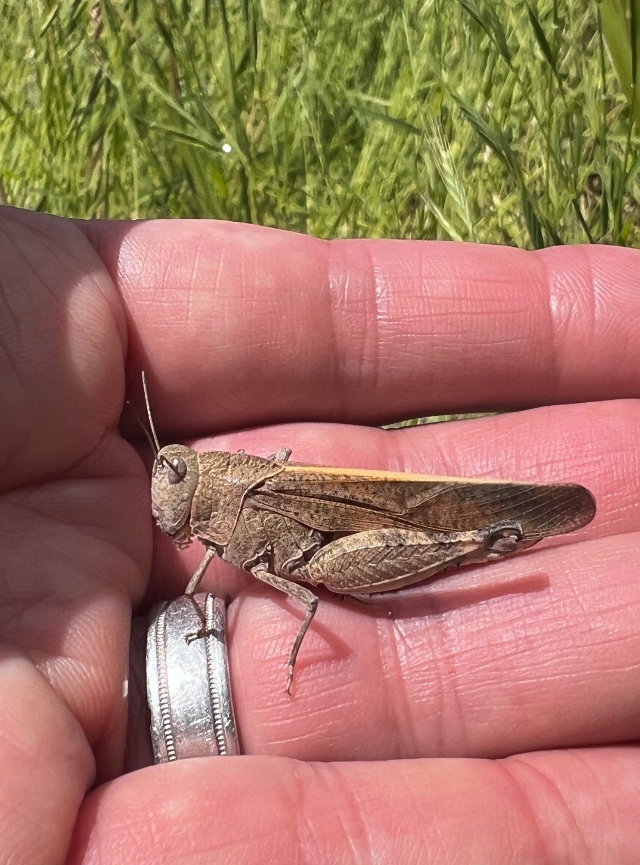
03 Trimerotropis thalassica_2640

The body colors of many grasshoppers tend to simulate the color of their habitat background. This is particularly true of species inhabiting rocky or sandy environments. This insect is diurnal and relatively tame, flying short distances when disturbed, and is commonly observed on rocks, grasses, or in flight over open areas, like meadows- but when resting it can be hard to see.
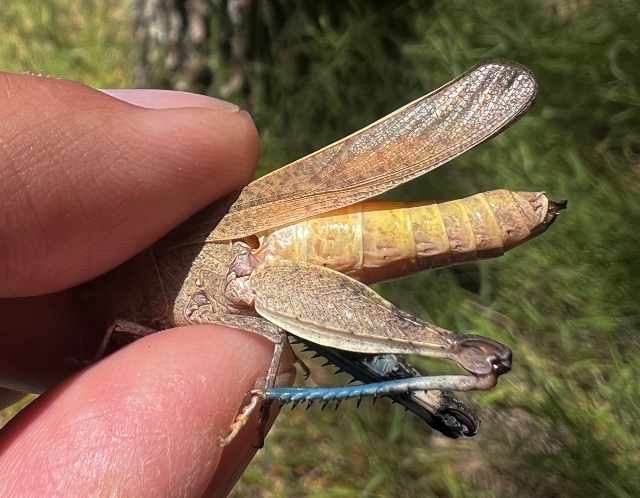
04 Trimerotropis thalassica_2638

The Thalassica Grasshopper is endemic to California in the United States. Its head is notably broad above and below, featuring large and prominent eyes. Its hind legs are strongly developed for jumping, with the inside coloration being black and the hind tibiae being blue.
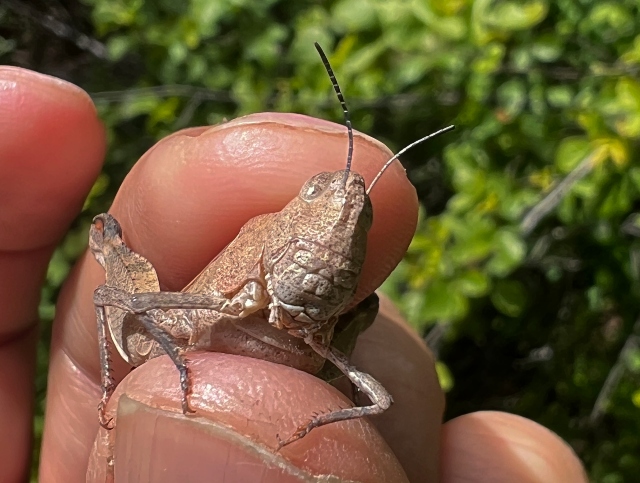
05 Trimerotropis thalassica_2619

This herbivorous creature feeds on a variety plants available in its habitat. Foraging occurs mainly during the day, with adults and nymphs grazing on vegetation in grasslands and shrublands, particularly on warm, sunny days. The Thalassica Grasshopper can survive in highly saline environments, a rare trait that sets it apart from many terrestrial insects.
06 Trimerotropis thalassica_2620

It was neat to come across this unexpected find while on my California trip.
Third Eye Herp
E-mail

Crowded Parchment

01 Parchment Fungi_2330

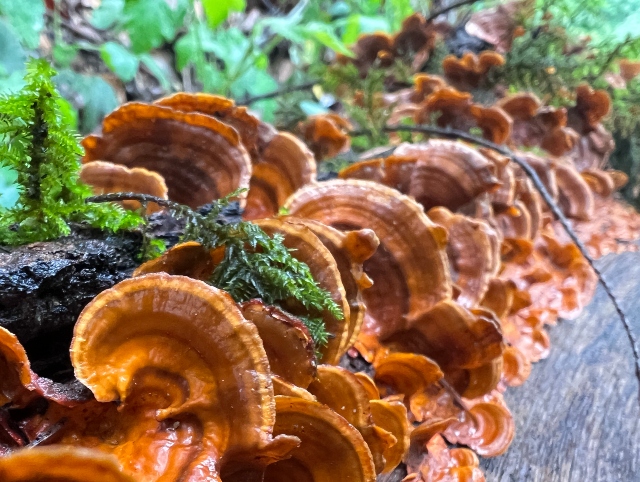
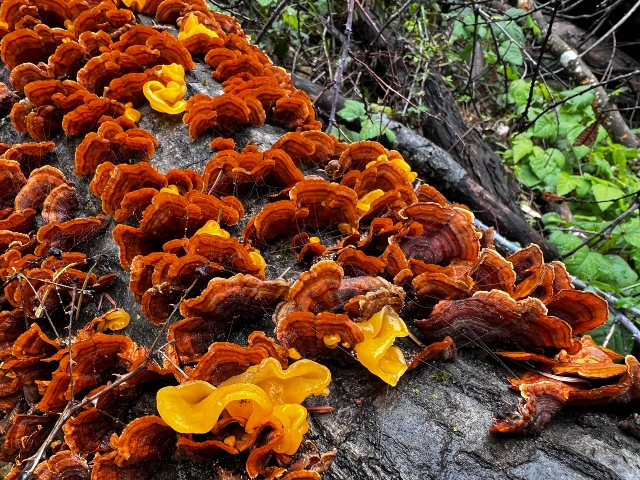
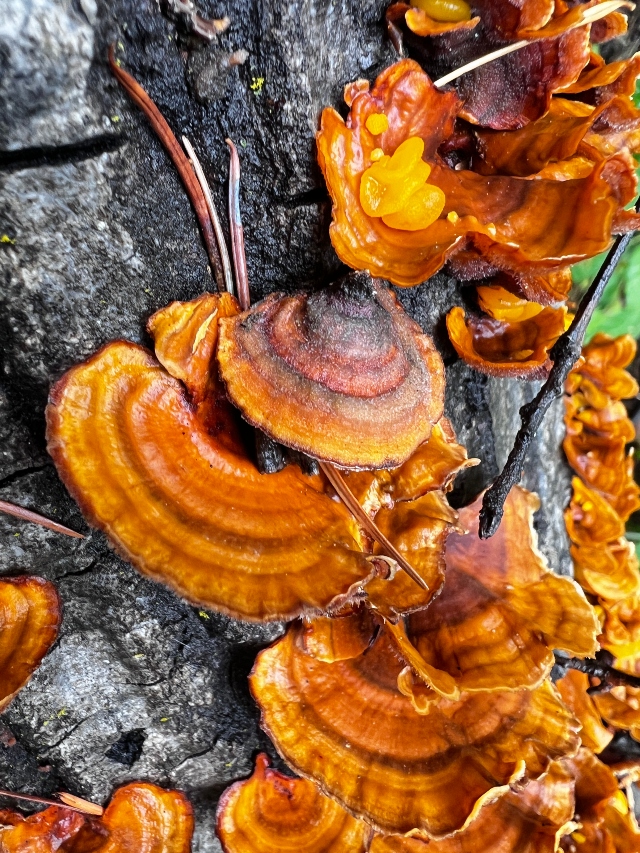
While hiking in a California forest in search of salamanders, this brightly colored mushroom caught my eye. The caps have concentric color zones ranging from bright orange to reddish-brown, fading to cream with age.

02 Parchment Fungi_2334

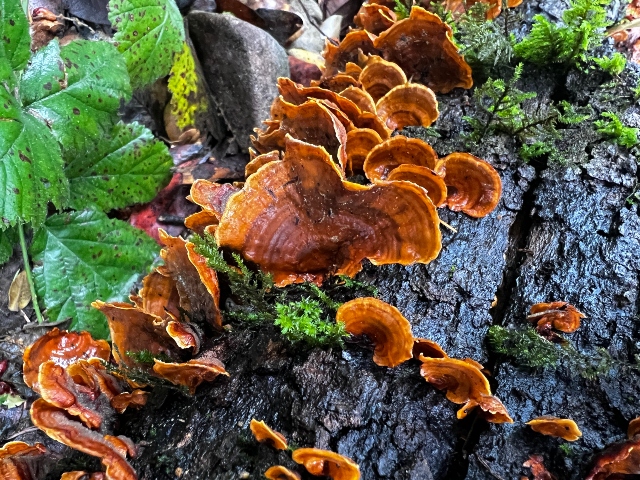
This saprophytic (feeding on dead and decaying organic matter) species has thin, leathery, shelf-like fruiting bodies that grow on dead or decaying wood. It grows densely, often from gaps in bark, and can fuse laterally, sometimes hosting algae or being parasitized by jelly fungi (as was the case here, with Witches’ Butter).

03 Parchment Fungi_2346

Crowded Parchment are characterized by thin, tough, leathery caps that often overlap and fuse into tangled masses, resembling dried parchment or ruffled petticoats on wood.

04 Parchment Fungi_2340

This fungus helps to decompose dead hardwoods such as oak, beech, and maple, and plays a key role in breaking down lignin and recycling nutrients in forest ecosystems. Unlike many shelf fungi, the underside is smooth, lacking gills or pores, which is a key identification feature.

05 Parchment Fungi_2337

This was a welcome and colorful find on an otherwise rainy day in California.

Third Eye Herp
E-mail

Red-bellied Newt

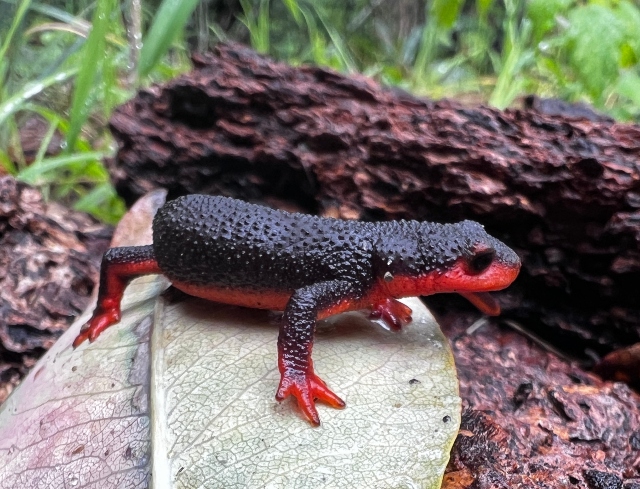
01 Red-bellied Newt_2371

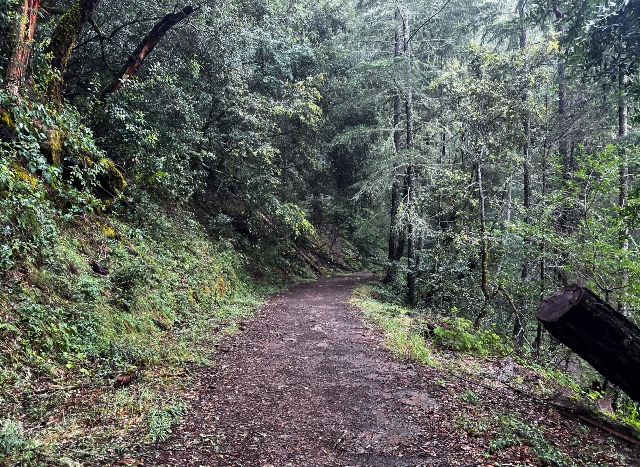
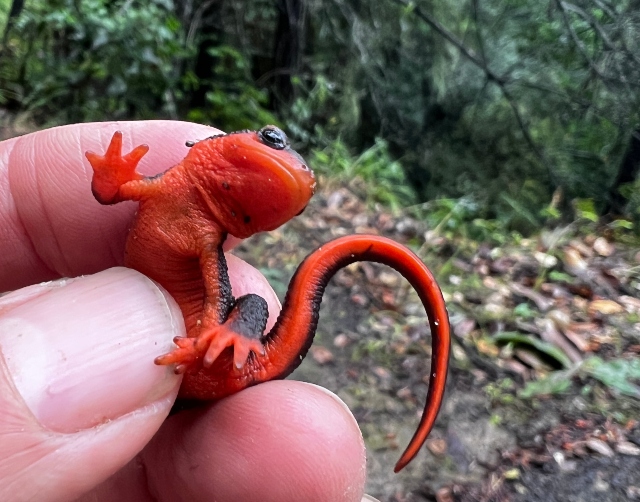
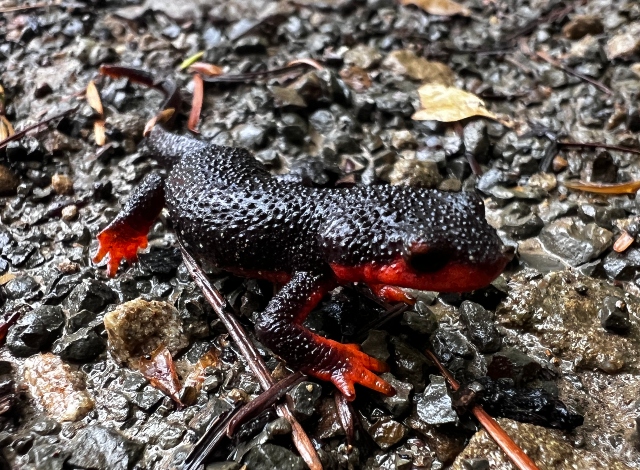
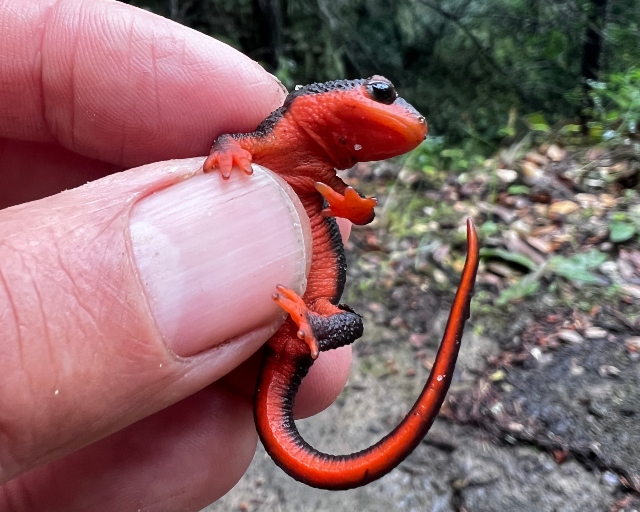
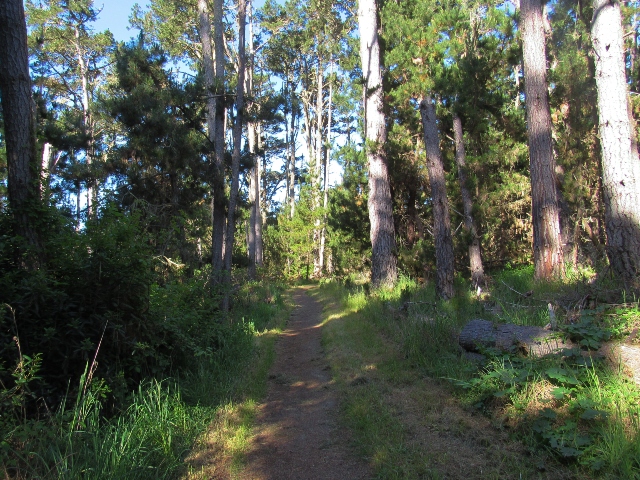
After many years of searching, I finally found this “lifer” amphibian on my visit to California this Spring. On a rainy day I hiked a trail in the Santa Cruz Mountains and after seeing 30-something California Newts, this fine creature was in the middle of the path.

02 Red-bellied Newt_2400

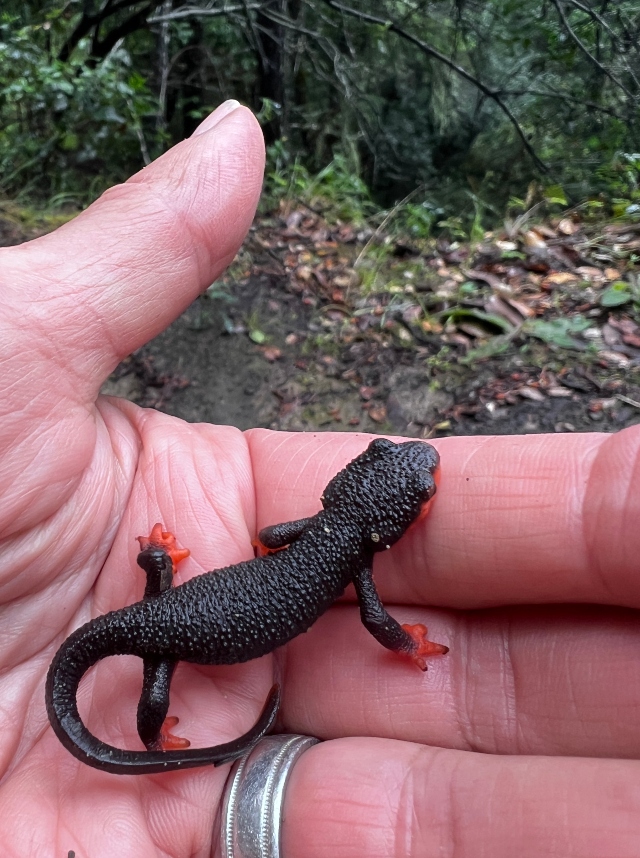
The Red-bellied Newt is a salamander that is native to coastal woodlands in northern California and is terrestrial for most of its life. When full grown, it measures between 5-1/2 to 7-1/2 inches from nose to tail tip. It has grainy skin, and is brownish-black on top with a tomato-red underbelly.
03 Red-bellied Newt_2395

It inhabits primarily redwood forests, but is also found within mixed conifer, valley-foothill woodland, montane hardwood and hardwood-conifer habitats. This amphibian feeds on arthropods, worms and snails in water and on forest floor in ground litter. The Red-bellied Newt requires rapid streams with rocky substrate for breeding and egg-laying.

04 Red-bellied Newt_2386

After hatching from eggs, the newts begin their lives as aquatic larvae similar to tadpoles, though elongated and with external gills. Once newt larvae mature into their adult form, which takes about four to six months, they leave the water and reside mainly underground. Red-bellied Newts can live for 20-30 years.

05 Red-bellied Newt_2391

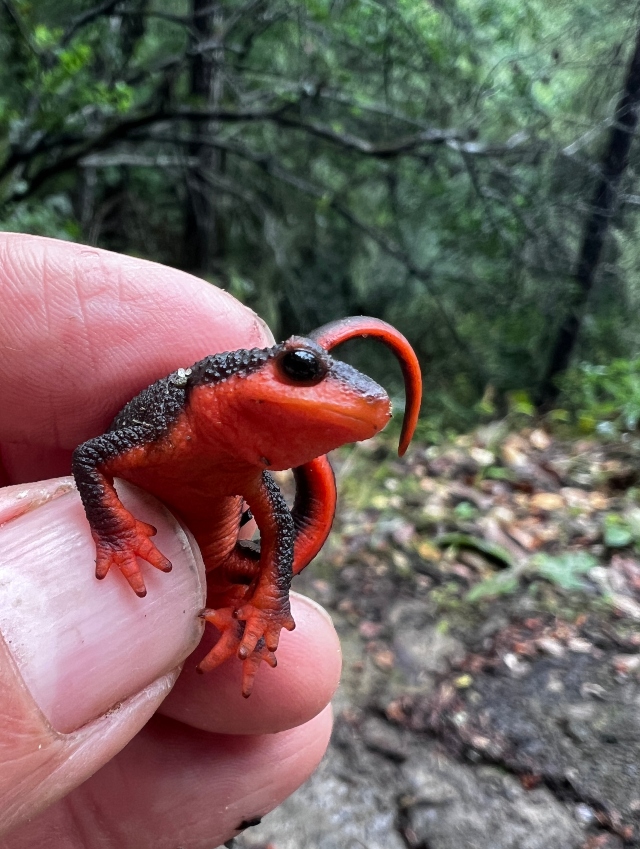
When disturbed, this species pulls its head and tail back to reveal its bright-red underside. This serves as a warning to potential predators, as Red-bellied Newts have enough of a neurotoxin in their skin, eggs, and embryos to potentially kill an adult human, or 1,200 to 2,500 mice. Because they are so poisonous, they are nearly inedible and have no reported predators other than a few species of snakes which are resistant to their toxin.

06 Red-bellied Newt_2377

Like other newts, Red-bellied Newts have the ability to regenerate several body parts, including their limbs, eyes, hearts, intestines, upper and lower jaws, and damaged spinal cords.

07 Red-bellied Newt_2388

This was an exciting find and the highlight of my trip to the Golden State this year.

Third Eye Herp
E-mail

Knobcone Pine

01 Knobcone Pine_6150

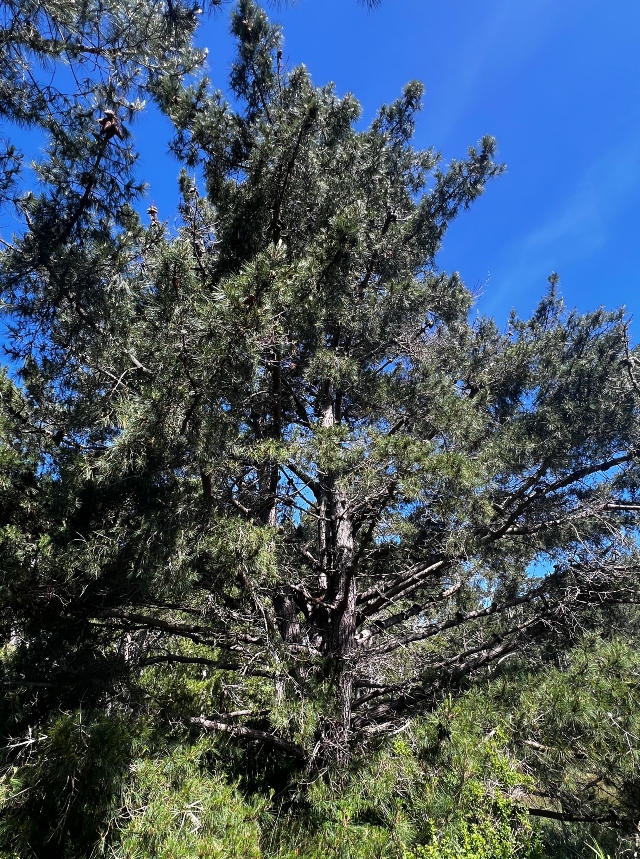
While visiting Point Reyes National Seashore in California, I encountered a few of these fine trees that grow in mild climates. They range from the mountains of southern Oregon to Baja California, with the greatest concentration in northern California and the Oregon-California border.

02 Knobcone Pine_1927

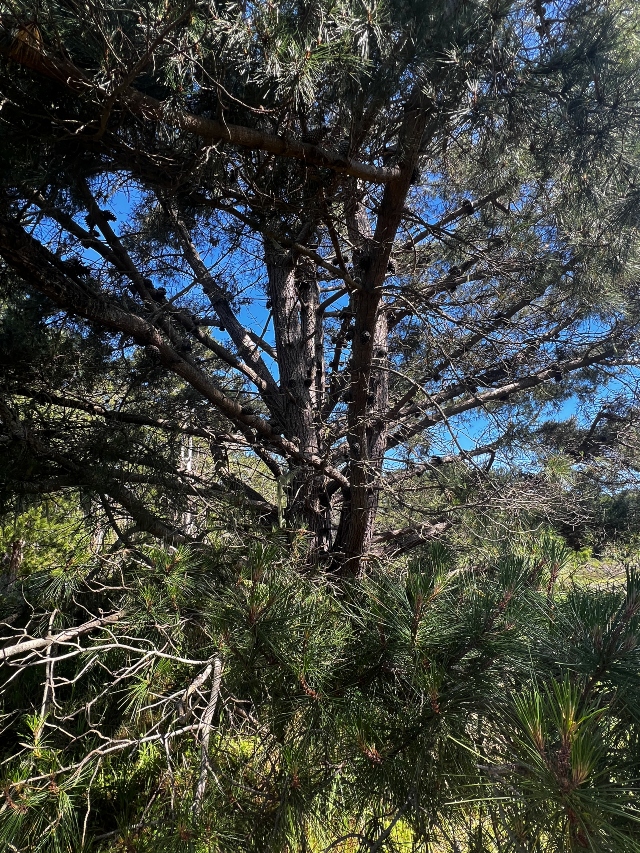
Knobcone Pines are tough trees, often growing in the poorest soils, so mature trees vary greatly in size from 25 to 75 feet tall, depending on the soil and other conditions. This conifer often has a scruffy appearance, likely due to the suboptimal conditions that it grows in. This is the most widely distributed of the West Coast closed-cone species. The Knobcone Pine community occupies a transitional position between chaparral and woodland and higher elevation forests.

03 Knobcone Pine_1919

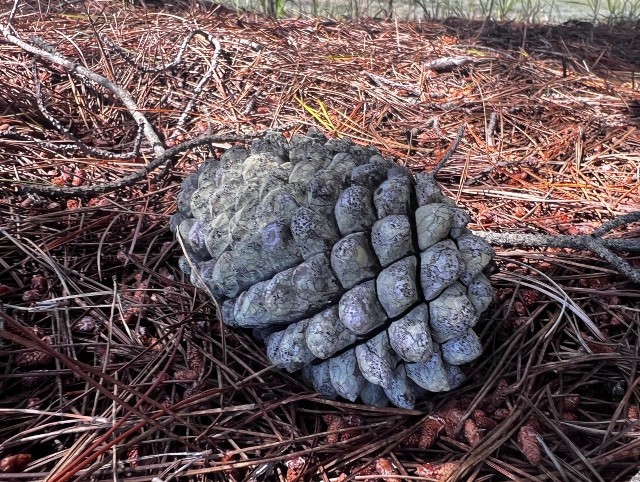
Unlike other closed-cone species whose cones open with hot weather, the Knobcone Pine must have fire for reproduction. Cones are sealed with a hard resin that requires a high temperature in excess of 350°F to open. An unburned Knobcone Pine cone will remain closed even after its host tree has decayed and fallen; it can stay viable for up to 50 years.

04 Knobcone Pine_1920

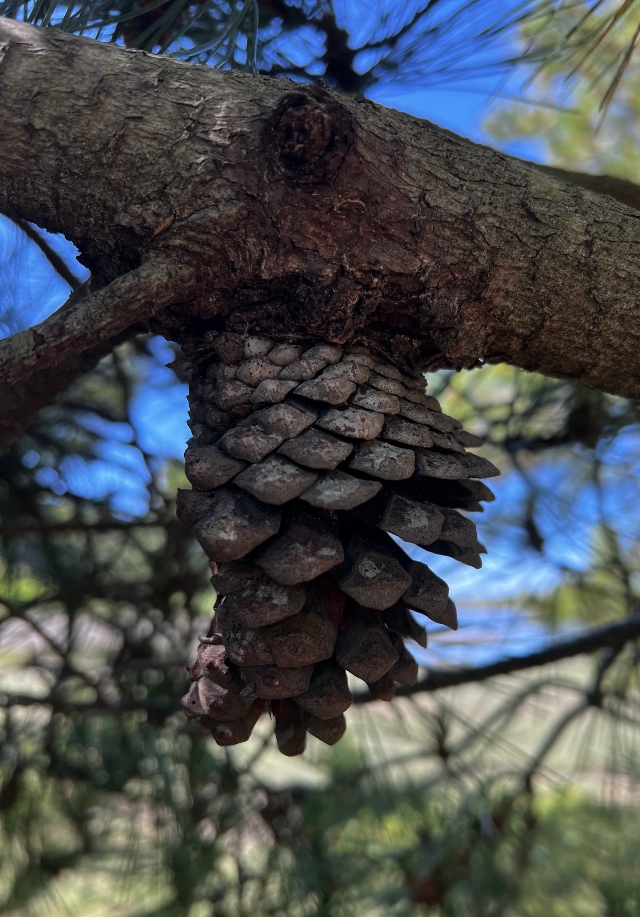
The cones are distinctive, as they grow clustered tightly around the branches in whorls rather than at the branch tips, as in other pine species. The cones are asymmetrical and since the scales are tightly shut, they appear knobby. Cones stay on the tree for years — so long, in fact, that the wood of the branches sometimes grows around them, leaving odd bulges in the branches.

05 Knobcone Pine_1922

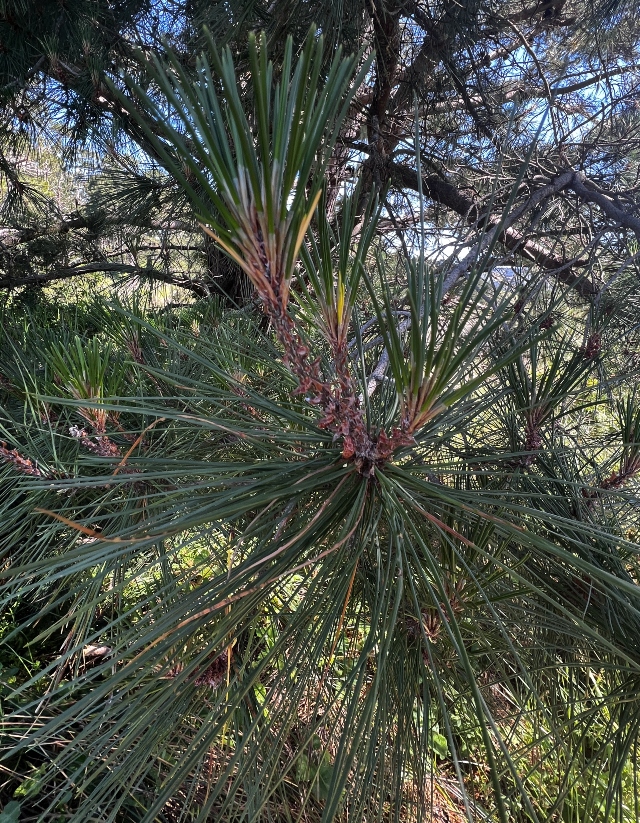
The heavily spiked, closed cones deter most seed predators, although the Western Grey Squirrel consumes some seeds. The needles are a faded olive-green color and are borne in bundles of three.

06 Knobcone Pine_1929

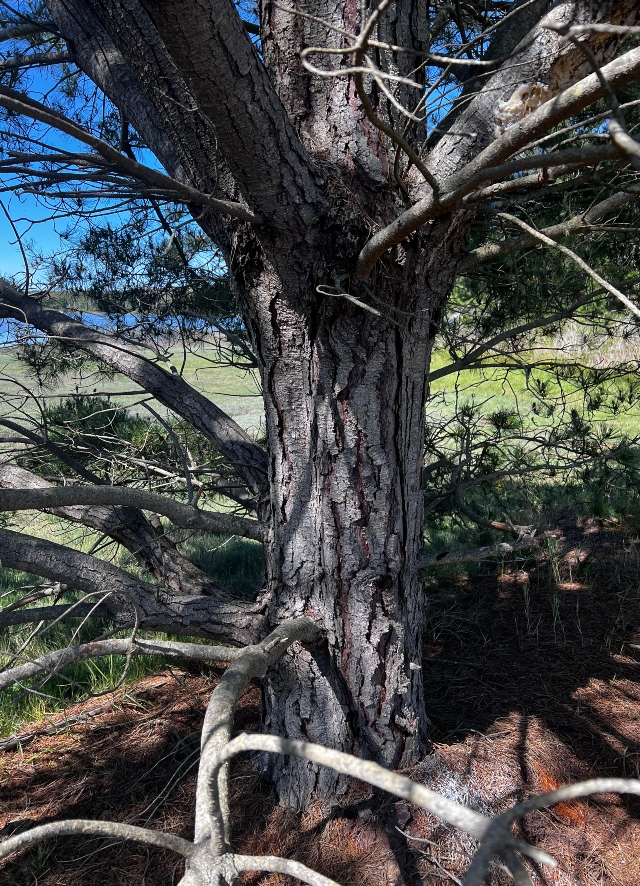
The bark is thin and smooth, flaky and gray-brown when young, becoming dark gray-red-brown and shallowly furrowed into flat scaly ridges in age. The twigs are red-brown and often resinous. Its wood is knotty and of little interest for lumber.

07 Knobcone Pine_1928

This was a neat tree to come across on my travels.

Third Eye Herp
E-mail

Common Desert Centipede

01 Common Desert Centipede_2348

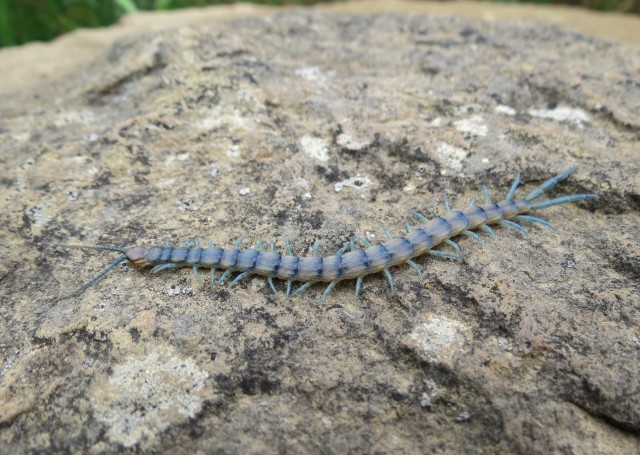
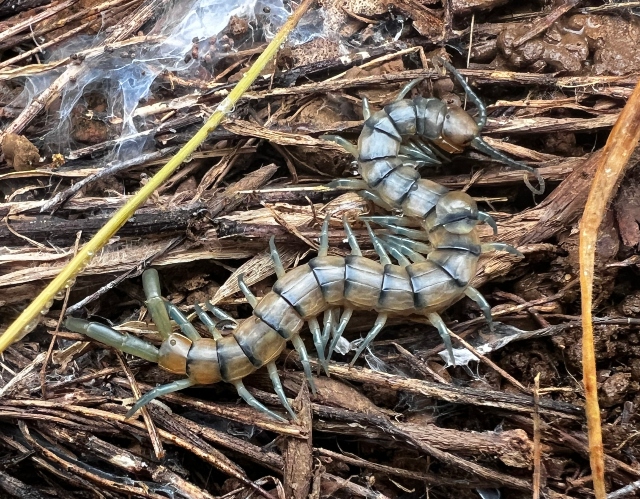
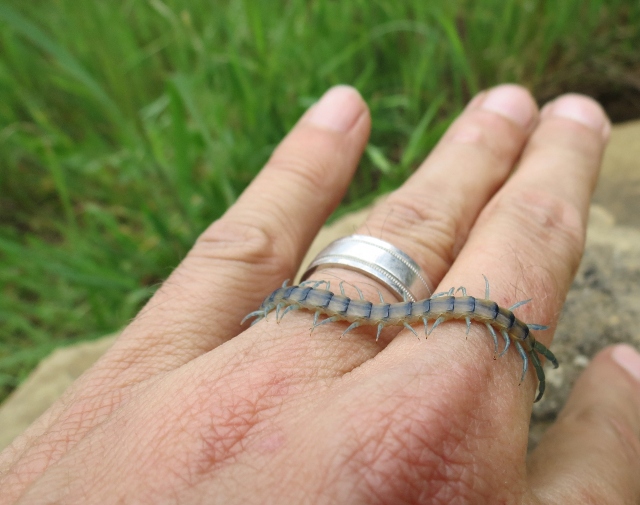
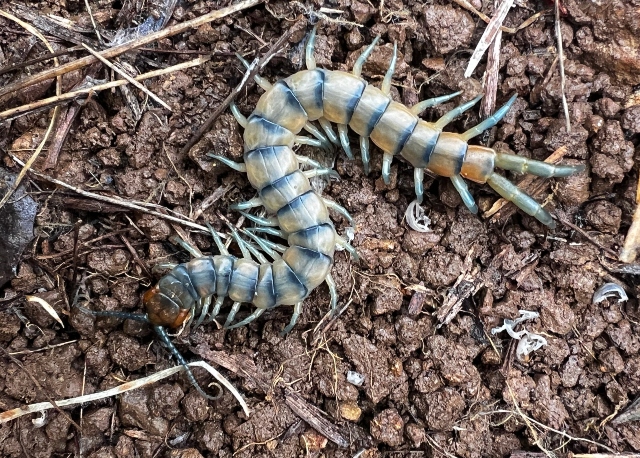
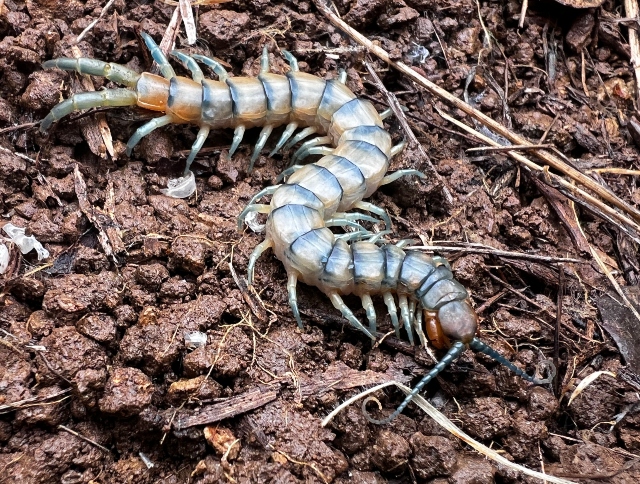
I have found a few examples of this creature over the years, the most recent being on my trip to California in April of 2026. Centipedes require a moist microhabitat because they lack the waxy cuticle of insects and arachnids, causing them to rapidly lose water. Accordingly, they avoid direct sunlight by staying under cover during the daytime and are active at night.

02 Common Desert Centipede_2356

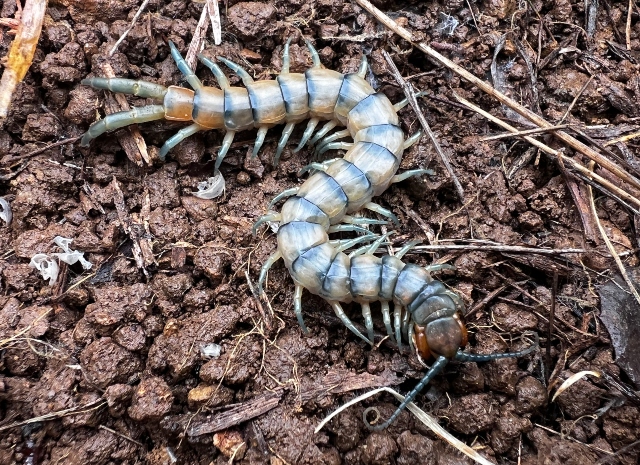
With the Latin Name, Scolopendra polymorpha, this species’ coloration is variable, hence the species name “polymorpha” which means “many forms.” It has several alternative common names, one being Multicolored Centipede. The body segments have one dark lateral stripe, so it is also known as the Tiger Centipede or Tiger-striped Centipede.

03 Common Desert Centipede_1183

The Common Desert Centipede is indigenous to the Southwestern United States and northern Mexico. It inhabits dry grasslands, forests, and deserts; in these habitats they generally take up residence under rocks, though they have been observed creating burrows in suitable environments and inside of rotting logs.

04 Common Desert Centipede_2360

Centipedes are predominantly generalist carnivores, hunting for a variety of prey items that can be overpowered. These fascinating predators have been around for over 400 million years, and they’ve gotten really good at one thing: Hunting. With more than 3,000 species worldwide, centipedes are some of nature’s most effective pest controllers consuming many insects.

05 Common Desert Centipede_1185

All centipede species are venomous, nocturnal predators that use venom to subdue and kill their prey. Unlike other venomous invertebrates, they neither bite nor sting. Instead they use structures called gnathosomes or gnathopods to inject venom into their prey. These are paired pincer-like appendages in front of the legs. Their “bite” is actually a pinch.

06 Common Desert Centipede_2353

Scolopendra polymorpha is of a decent size, generally reaching 4 to 7 inches in length. Common Desert Centipede mothers take care of their eggs coiling around and grooming them. They may do this to protect them from mold and bacteria. Once the young hatch, she will further care for them for a few more days until they disperse.

07 Common Desert Centipede_2354

This is always a neat find while in search of reptiles and amphibians.

Third Eye Herp
E-mail

Ruddy Duck

01 Ruddy Duck_4845

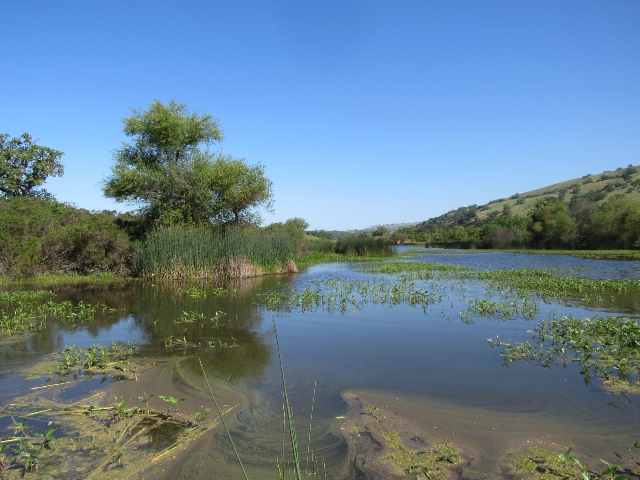
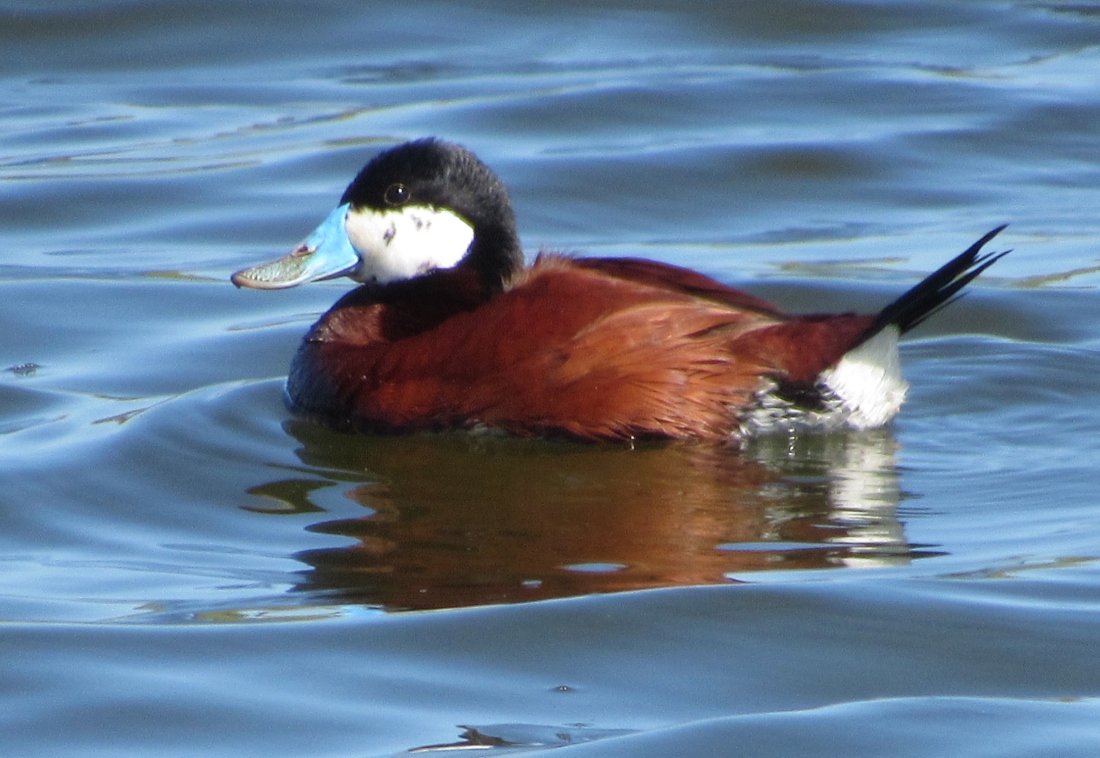
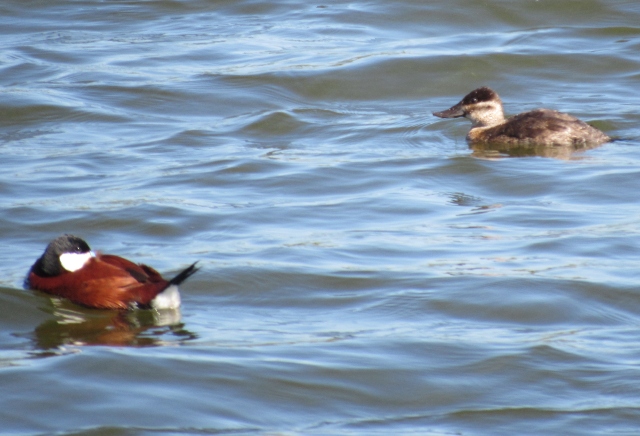
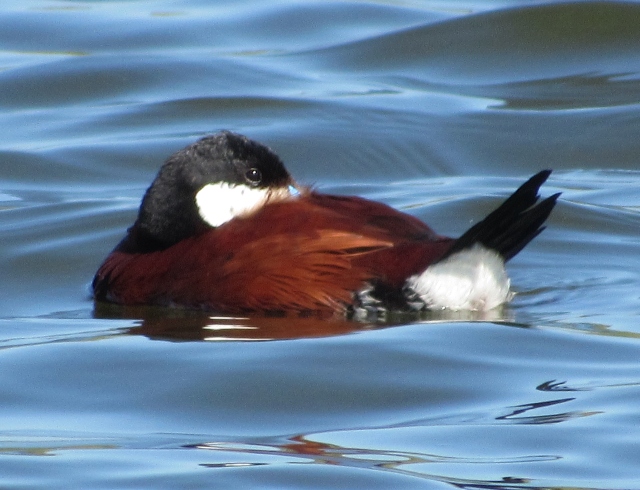
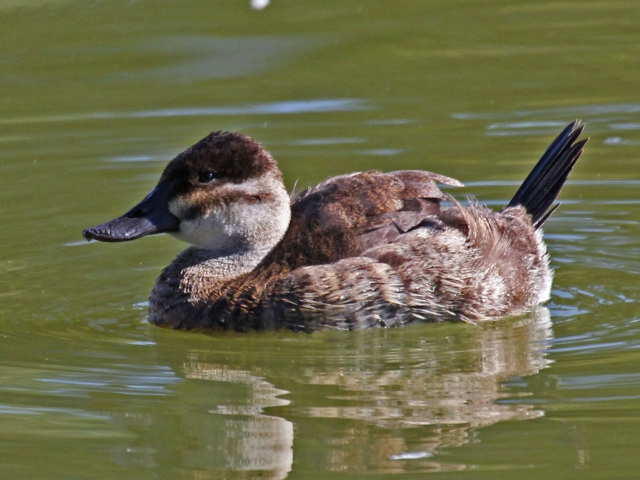
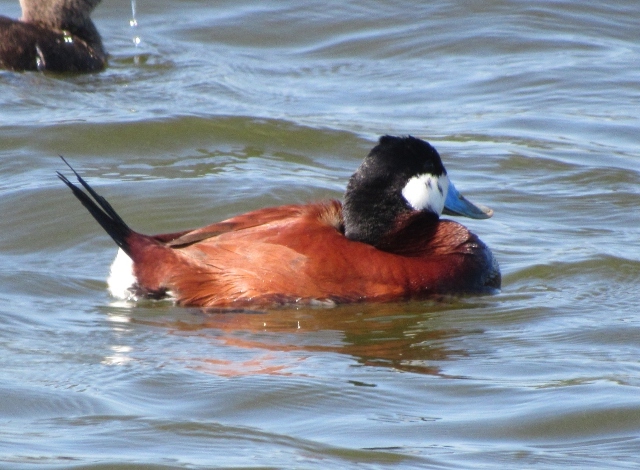
While hiking along the edge of a lake on Mount Hamilton in California, I spotted a few examples of distinctive-looking ducks. Males are known for their striking appearance in Spring, featuring a bright, powder-blue bill, rich chestnut-red body, and bold white cheeks with a black cap. Males are dull brown in Autumn, turning grayish-brown, like females, in Winter.
02 Ruddy Duck_4878

The Ruddy Duck is one of six species within the Stiff-tailed Duck Family. Stiff-tailed Ducks occupy heavily vegetated habitats in North and South America as well as the British Isles, France, and Spain.

03 Ruddy Duck_4893

This bird has also been nicknamed “butterball,” a term used to describe an individual that is somewhat fat, due to its short and stout stature, which makes activities like flying and walking upright awkward. On takeoff it must patter across the surface of the water to become airborne, then it whirs along on rapidly beating wings. On land it is almost helpless.

04 Ruddy Duck_4883

The Ruddy Duck is a small, compact duck with a sturdy, scoop-shaped bill, and a stiff tail which it holds cocked upward. It has a slightly peaked head and a fairly short, thick neck. It is an excellent diver that is often seen in tight groups, appearing to “bob” on the water.

05 Ruddy Duck_4895

It forages by diving and swimming underwater, propelled by feet, using its bill to strain food items from mud at the bottom of ponds. It rarely forages by dabbling at the surface of the water. The Ruddy Duck feeds on the seeds and roots of plants including pondweeds, sedges, smartweeds, and grasses. It also consumes aquatic insects, mollusks, crustaceans, and rarely small fish. Insects and their larvae may be main foods eaten in Summer.

06 Ruddy Duck_4896

It was neat to see this colorful creature with a bright blue bill while herping the Golden State.

Third Eye Herp
E-mail

Fernald’s Iris

01 Fernald's Iris_5938

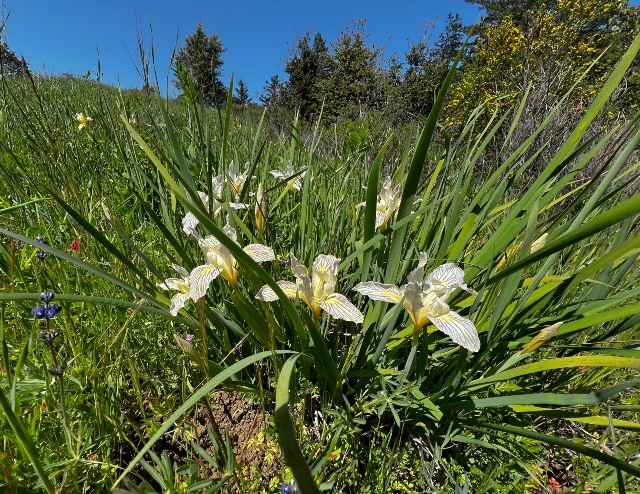
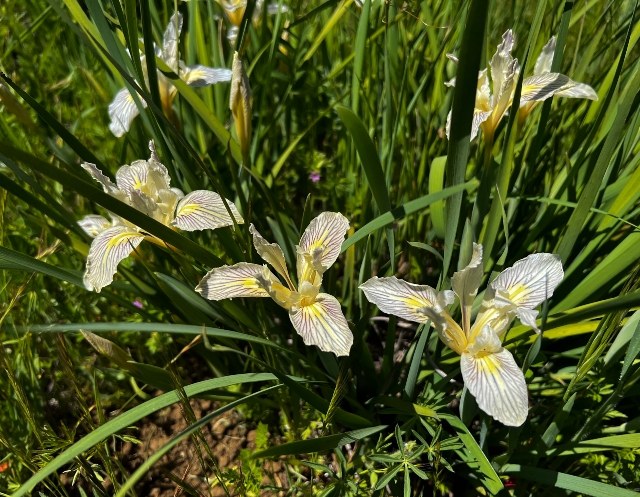
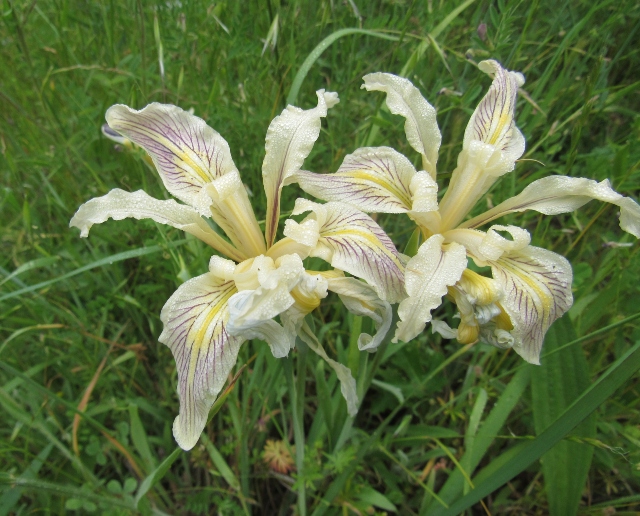
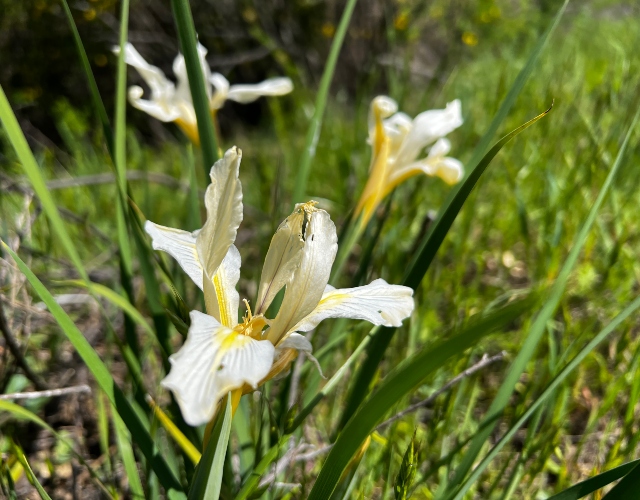
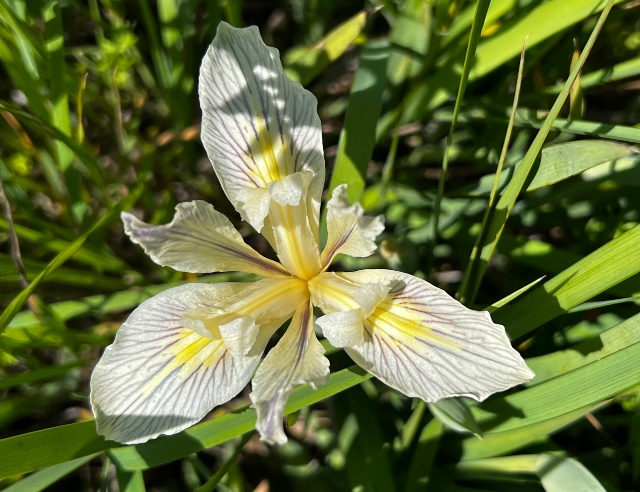
While visiting the Golden State in April of this year, I encountered several examples of this fine plant. It is characterized by its narrow, gray-green leaves and flowers that range in color from creamy white to pale yellow, often with darker yellow veins and a yellow signal.

02 Fernald's Iris_5936

Fernald’s Iris is found in the Northern California Coast Ranges, including the Santa Cruz Mountains and the San Francisco Bay Area, where it frequents dry, lightly shaded areas in the northern and southern coastal mountains. It lives only in California.

03 Fernald's Iris_5053

Plants grow individually in the filtered light of a protective oak canopy, and extend slightly outward into the grasslands along forest edges. I saw examples in roadside fields as well as along woodland mountain trails.

04 Fernald's Iris_5940

Irises are perennial plants, growing from rhizomes (underground root systems that send out roots and shoots from its nodes) or, in drier climates, from bulbs. They have long, erect flowering stems which may be simple or branched, solid or hollow, and flattened or have a circular cross-section.

05 Fernald's Iris_5943

In colorful magazines promoting California’s wine industry, the Fernald’s Iris is sometimes called the “Little Yellow Wild Iris.” “Wine Country Iris” would be equally appropriate, since its distribution coincides closely with the best wine producing regions in the central coast.

Third Eye Herp
E-mail

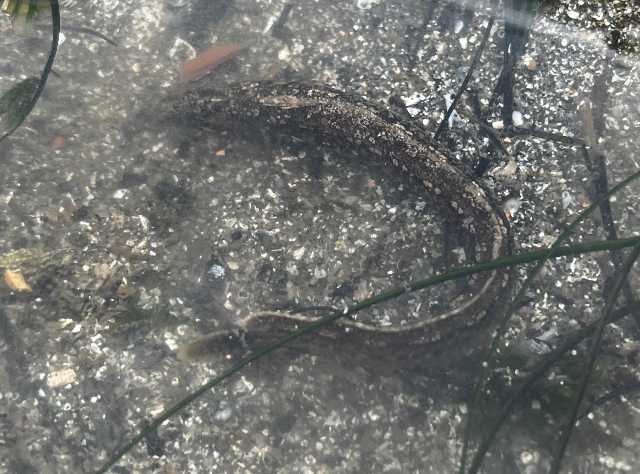
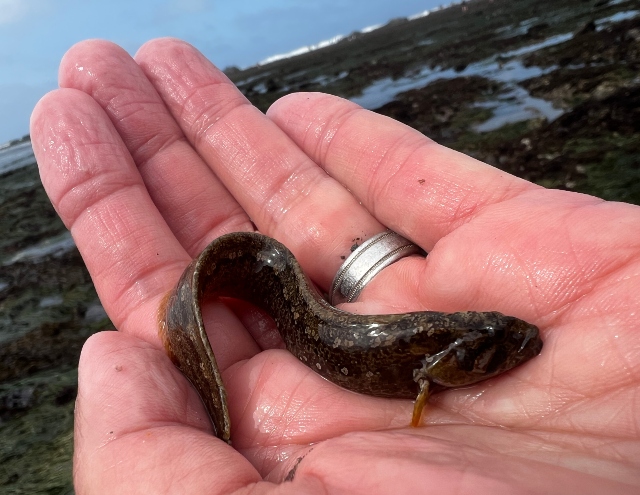
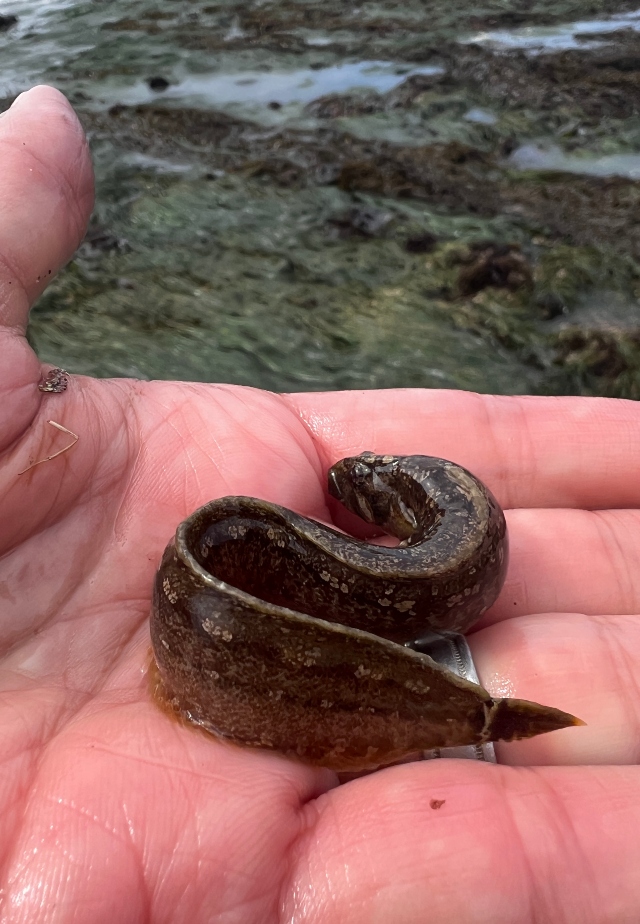
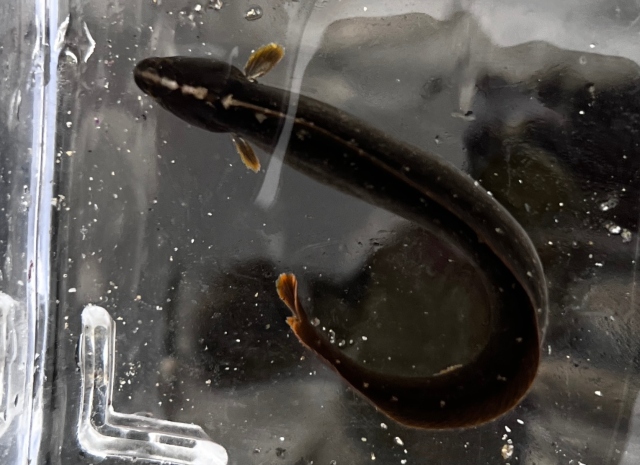
High Cockscomb

01 High Cockscomb_4072

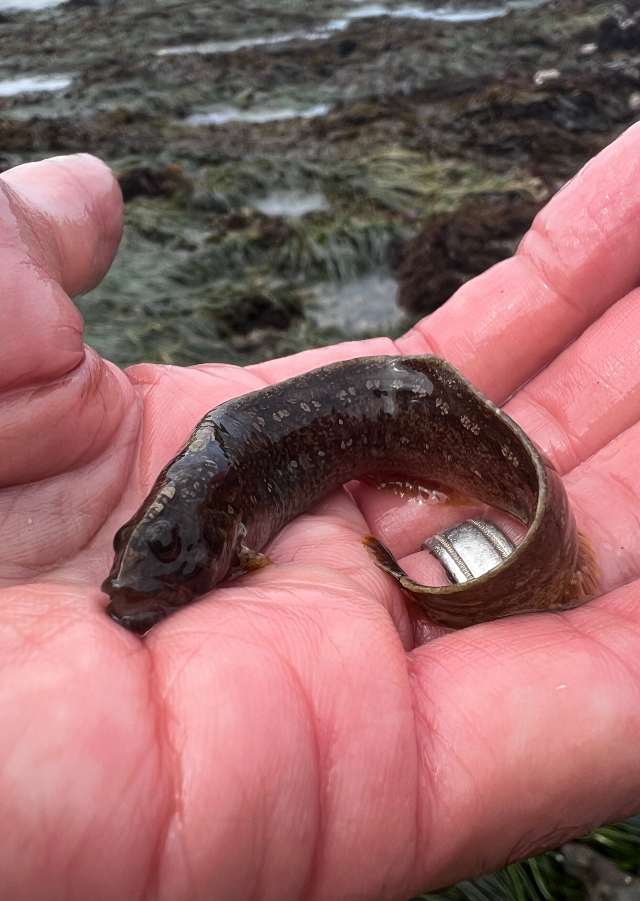
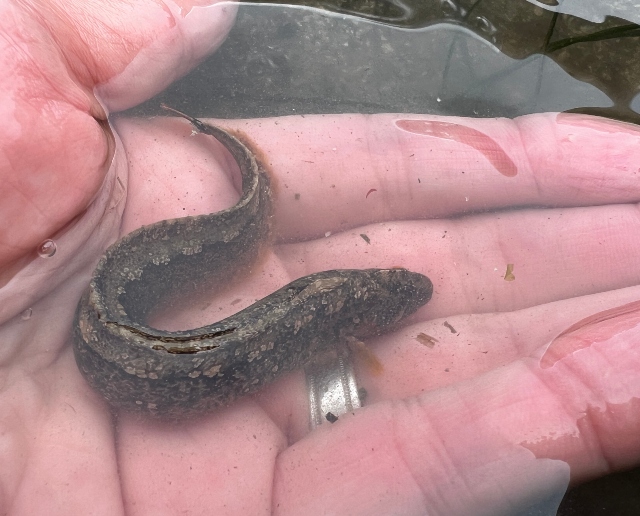
This long, eel-like fish is named for the fleshy crest, or cockscomb, on top of its head. Males have a larger, more prominent cockscomb than females. Males are aggressive towards other males during breeding season, biting, displaying at, and chasing one another around a female. While competing, the males’ fins will turn a deep red or orange color and the spot on the forward end of their dorsal fin will become outlined in gold.

02 High Cockscomb_6052

It typically measures 6-8 inches in length, but in 2022, an exceptional specimen was captured and released by a young boy at Fords Cove on Hornby Island, British Columbia that was filmed and officially measured at over 10 inches length, establishing a new maximum recorded size.

03 High Cockscomb_6037

The High Cockscomb lives in many areas along the Pacific Coast ranging from Alaska to California. It inhabits coastal areas, no deeper than 100 feet below the surface. It lives near the ocean floor and in the intertidal zone, tending to live in areas with gravel or crushed shell.

04 High Cockscomb_6058

This fish’s diet consists of worms, crabs, amphipods, isopods, copepods, snails, clam siphons, insects, and algae. This species can breathe air, allowing it to survive for 15–25 hours out of the water if kept moist.

05 High Cockscomb_6050

The High Cockscomb is sexually dimorphic. Females have more subdued colors, but show more green or brown patterns. Females have a yellow speckled cockscomb and lower surface of the head. In males these areas are pale and lack speckles. During breeding season males develop bright orange and reddish coloration on the fins.

06 High Cockscomb_6047

A female of this species cares for her eggs by coiling around the egg mass with her body. She uses the back portion of her body and caudal fin to fan the egg mass. She continues guarding and caring for these eggs until they hatch, which takes an average of 29 days.

07 High Cockscomb_2199

Although small, this was a super cool fish to encounter while tidepooling.

Third Eye Herp
E-mail

Gooseneck Barnacles

01 Gooseneck Barnacle_4128

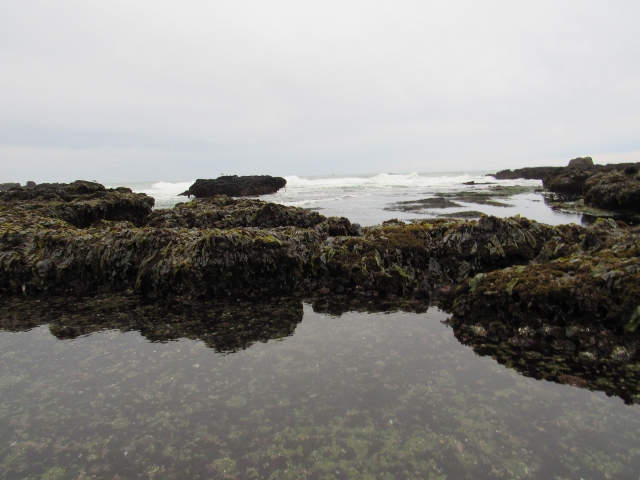
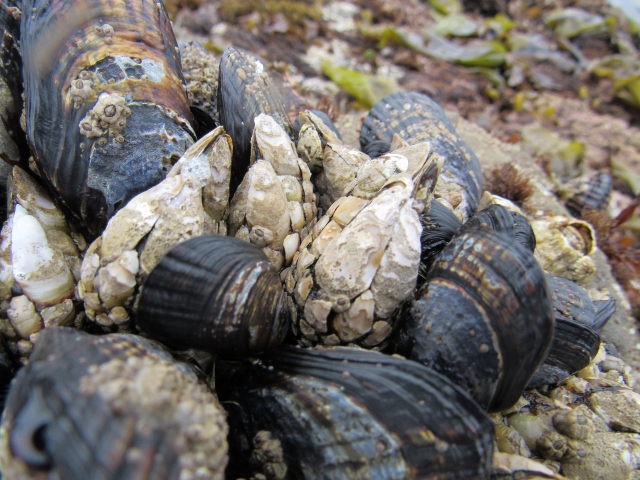
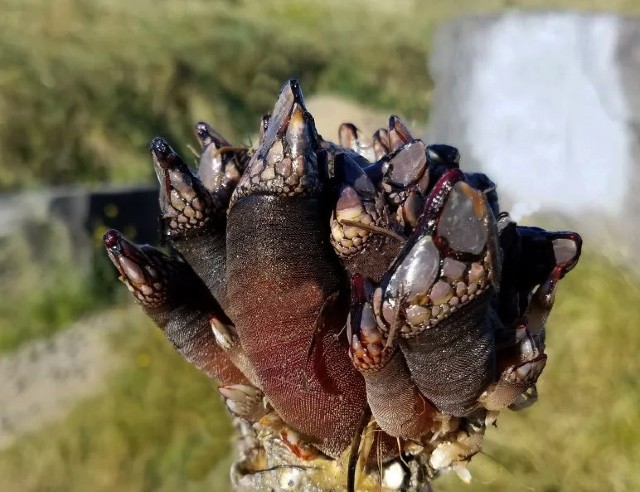
When it’s low tide these creatures are quite conspicuous. They can be identified by several light colored plates that form the a cone that sits on top of a dark stalk.

02 Gooseneck Barnacle_3219

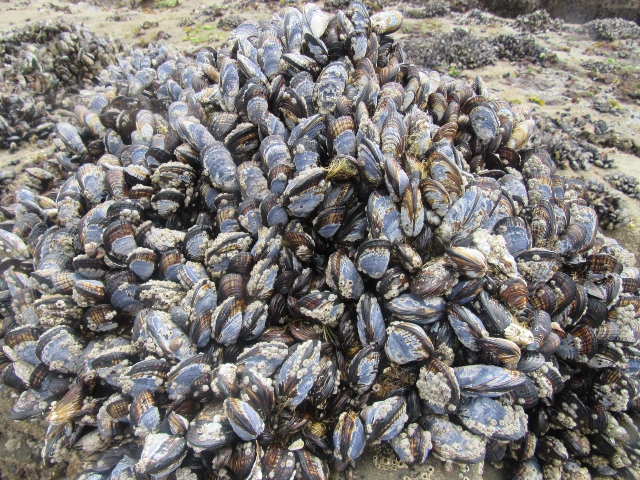
These barnacles are typically found in large clumps and often in the midst of mussels. They can grow several inches long depending on the conditions. Gooseneck barnacles have a fleshy, muscular stalk reaching 4 to 6 inches in length with a calcareous tip.

03 Gooseneck Barnacle_4155

Barnacles are filter-feeding crustaceans that live attached to hard surfaces of rocks and flotsam in the ocean intertidal zone. Barnacles filter-feed when the tide is high, using small feather like appendages called cirri to catch plankton.

04 Gooseneck Barnacle_135849

Goose barnacles, like all barnacles, are exclusively marine invertebrates but, unlike many other members of their class, they are hermaphrodites, meaning that they have both male and female sexual organs.

05 Gooseneck Barnacle_3220

Their eggs hatch into free-swimming larvae, which drift with the ocean currents as one of the immense number of animals that comprise zooplankton. Once they attach to the rocks as larvae, where they do not move from for their entire lives.

06 Gooseneck Barnacle_3221

In folklore, Barnacle Geese were once held to emerge fully formed from Goose Barnacles. In culture, Barnacle Bill became a comic folk-type of a seaman, appearing in several films and a drinking song.

Third Eye Herp
E-mail

Spotted Moon Crab

01 Dungeness Crab_6041

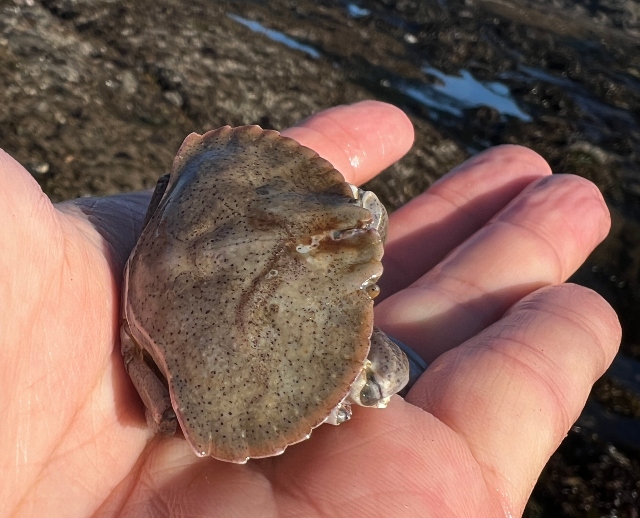
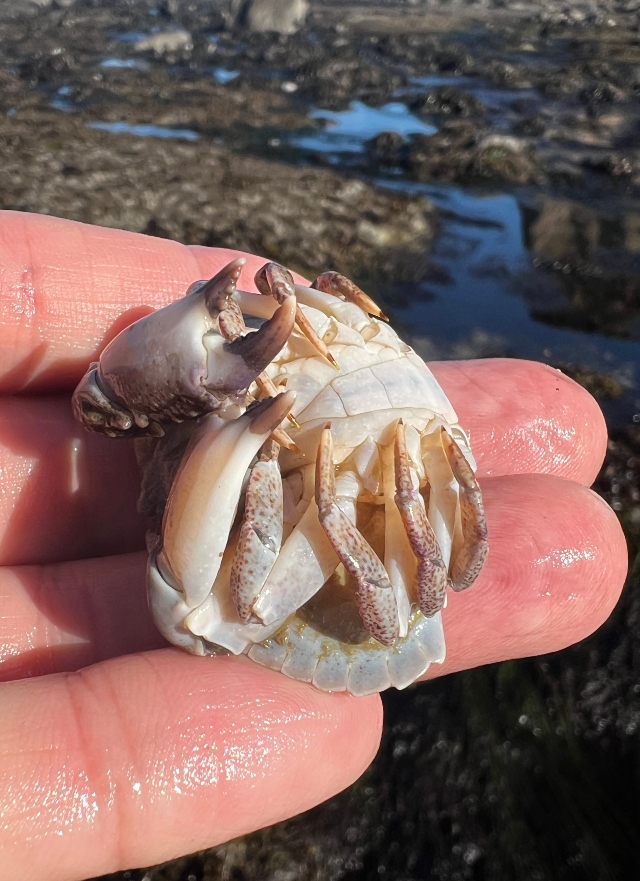
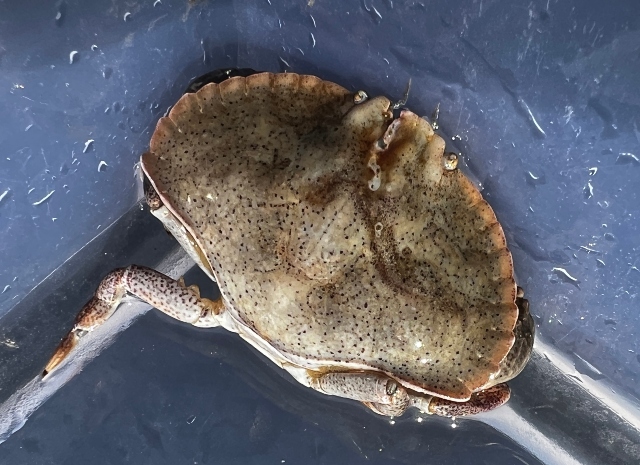
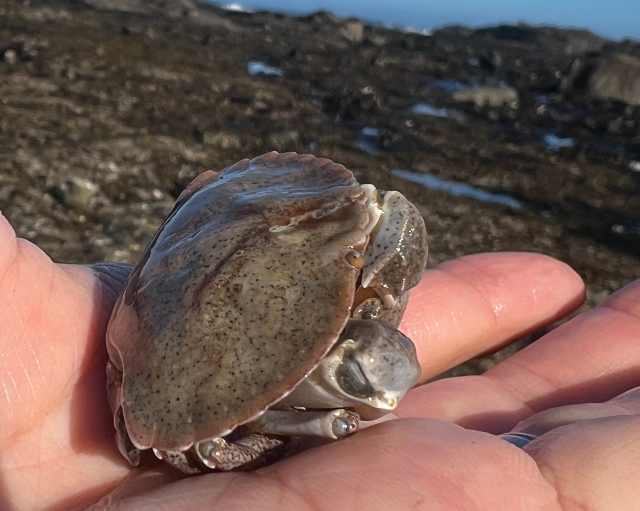
While tidepooling in the San Francisco Area, I came across this cool creature. With a Scientific Name of Ashtoret lunaris, it is more active at night and is rarely seen in the daytime, as it is then often buried in the sediments. “Lunaris” in Latin refers to the moon.

IMG_9677

The Spotted Moon Crab’s colors range from beige to yellow, with little maroon dots evenly sprinkled on the body surface, sometimes highlighting the six bumps. Its pincers are short, sturdy, held against the body to form a somewhat box-like shape. Its walking legs end in paddle-shaped tips and are used to skim along the sea bottom as well as being used like spades to rapidly burrow into the sand.

IMG_9676

This crustacean is commonly encountered in sandy and muddy shores, especially near seagrass beds from the intertidal zone to a depth of 150 feet. It is usually nocturnal and spend the day buried in the substrate just below the surface, creating breathing channels to the surface of the sand.

Crab_9682

They hunt small shellfish, worms and other animals. During the night, they are known to take other crabs. When threatened, it often draws its legs up under the overlapping edges of the carapace and appears to sham death; this may make it difficult for a predator to dismember the crab

IMG_9678

I have caught several different types of cool crustaceans while out and about, but this was the first time I’ve ever come across this species.

Third Eye Herp
E-mail