Angular Unicorn

01 Angular Unicorn_5985

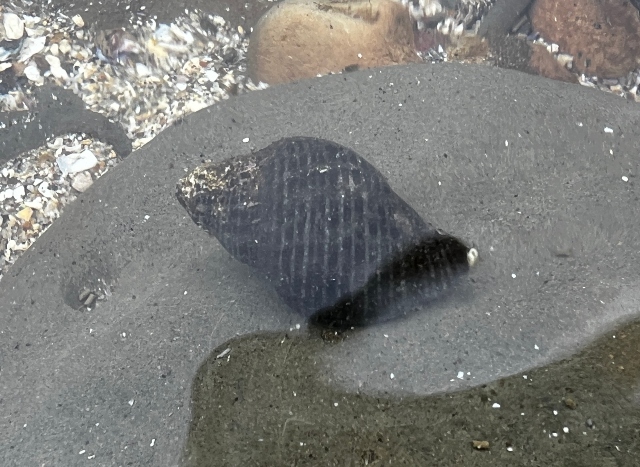
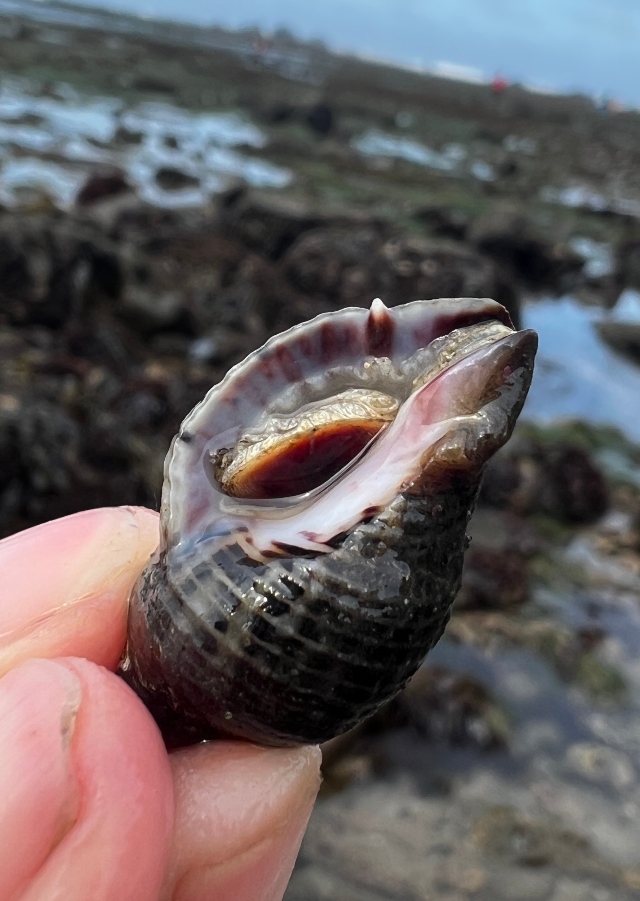
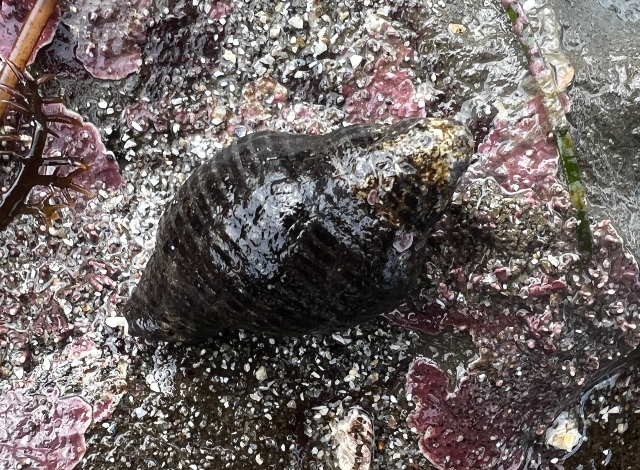
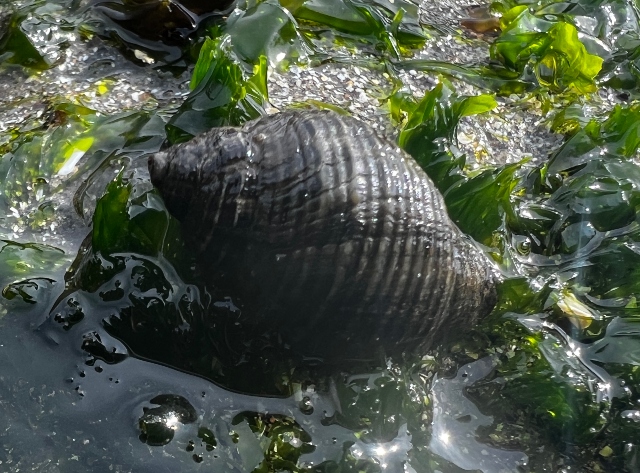
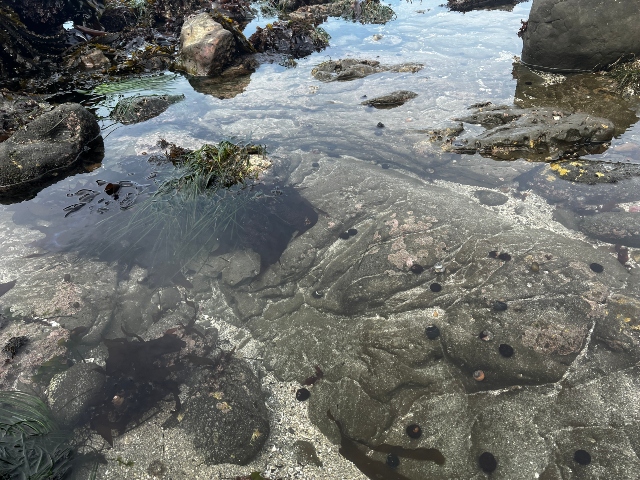
I found this neat gastropod while tidepooling in the San Francisco Bay Area. The Angular Unicorn is a type of predatory snail found on the intertidal zones. Its shell exterior varies from gray to yellowish-white. Several white spiral cords, with dark interrupted grooves between, encircle the shell.

02 Angular Unicorn_5984

The Angular Unicorn belongs to the mollusk Family Muricidae, a large and varied group of small-to-large predatory sea snails, commonly known as Murex Snails or Rock Snails.

03 Angular Unicorn_5992

It is found on protected rocks and pilings in the high to mid-intertidal zone and its range is most of the California coastline. I found these in plain sight, hanging out on rocks during low tide. They eat barnacles, mussels, snails and other types of invertebrates. Often times, hermit crabs utilize their shell once the snail dies.

04 Angular Unicorn_5994

When this snail finds its prey, it attaches itself to its prey’s shell. Then it produces hydrochloric acid, enzymes, and other substances to soften the prey’s shell. Once soft, they rasp it away with their radula (a structure of tiny teeth), thus creating a characteristic hole.

05 Angular Unicorn_5988

After breaking through the shell, the Angular Unicorn sticks its mouth inside the clam, barnacle or snail and, using its radula, rasps away the clam’s tissue, basically eating it alive.

06 Angular Unicorn_6002

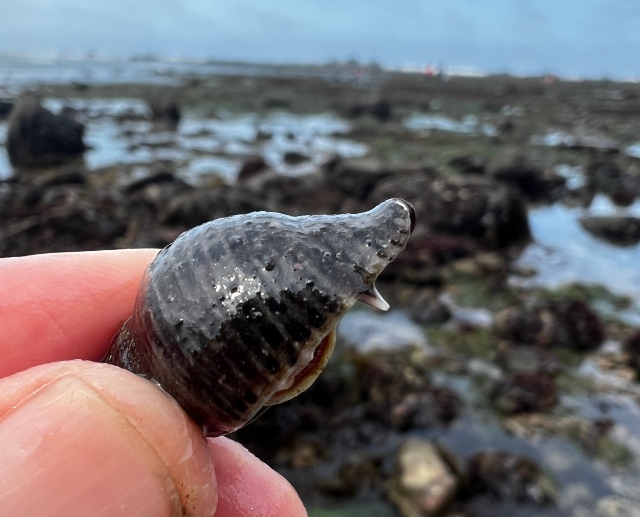
This species gets its “unicorn” common name from the little pointy projection that it has at the front of its shell.

Third Eye Herp
E-mail

Warbling White-eye

01 White-eye_3213

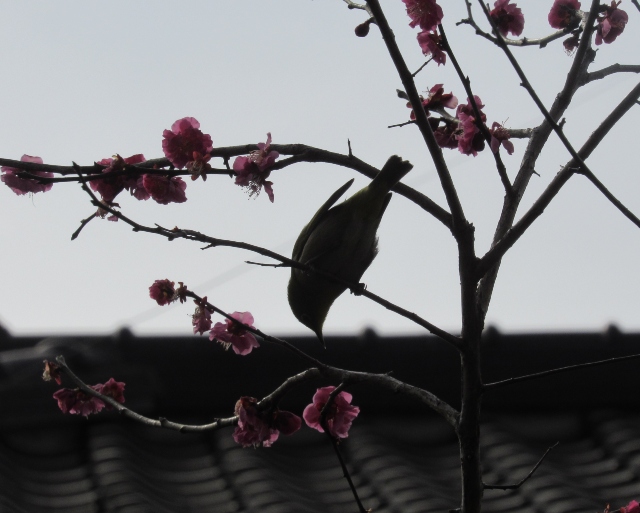
Perhaps the most charming organism seen while visiting Japan was this one. As one of the native species of the Japanese islands, it has been depicted in Japanese art on numerous occasions, and historically was kept as a caged bird.

02 White-eye_3662

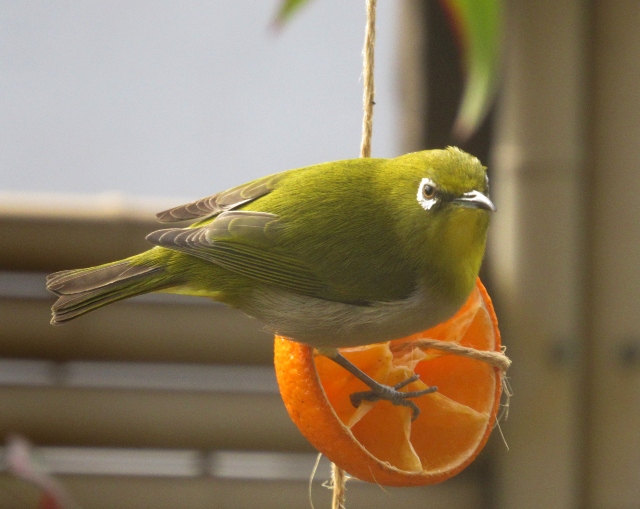
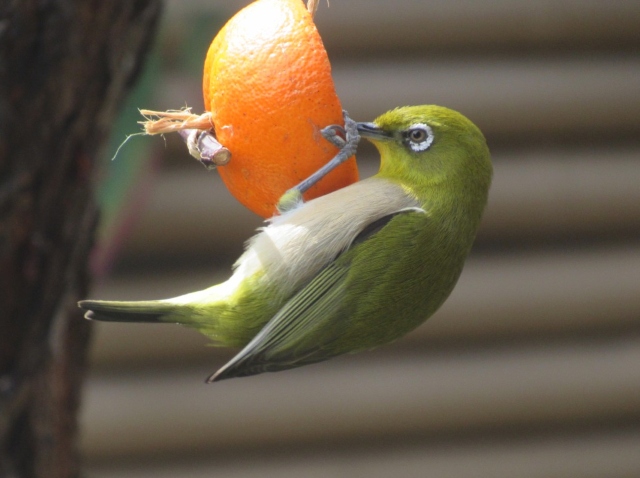
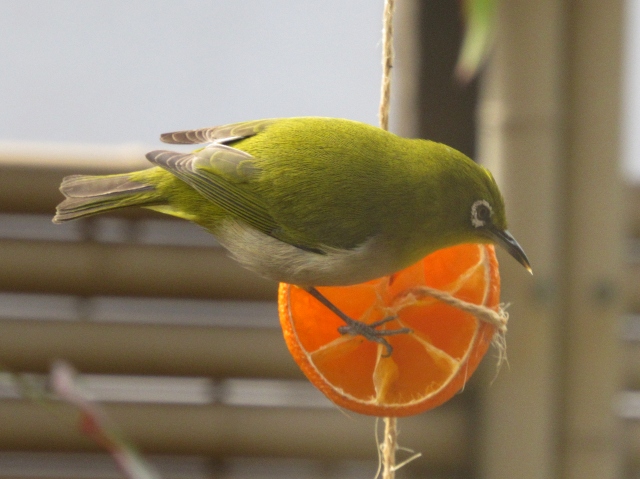
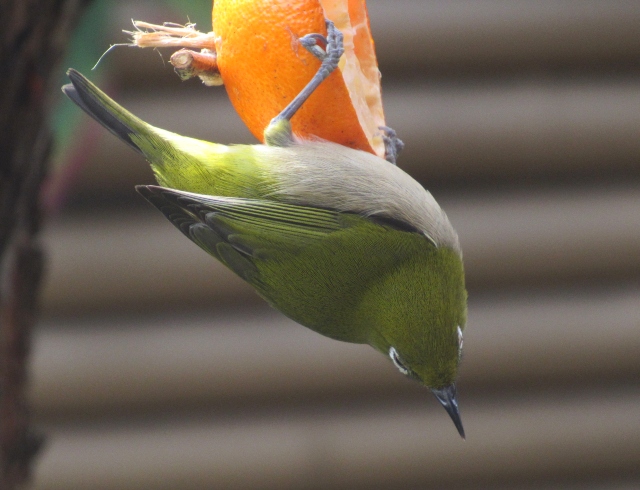
The Warbling White-eye is olive green on its back, from anterior to posterior, and is pale green on its underside. Its feet, legs, and bill range from black to brown. It has a green forehead and a yellow throat. It has a distinctive ring of white around its eyes.

03 Japanese White-eye_3674

Its successful acclimatization to urban environments is particularly noteworthy. The ability to thrive in cities showcases its resilience and resourcefulness, as it takes advantage of available resources. This adaptability has led to an increased presence of these birds in gardens and residential areas.

04 White-eye_3654

This bird species is rarely found on the ground. It is a very sociable species that may form flocks with other species, in which the birds form groups to forage during flight – though they only flock with birds of other species outside of the breeding season.

05 White-eye_3663

The species is omnivorous, living on a diet of fruit from several species of flowering plants, various types of insects, and nectar at all levels of foliage. It feeds on insects by searching the leaves of flowers and scouring tree bark for caterpillars and beetle larvae.

06 White-eye_3676

The Warbling White-eye is a charming and captivating species that has captured the hearts of many bird enthusiasts. With its vibrant plumage, endearing appearance, and sweet melodic songs, this small passerine bird has become a beloved icon in Japan and beyond.

Third Eye Herp
E-mail

Swift Woodlouse

01 Swift Woodlouse_5128

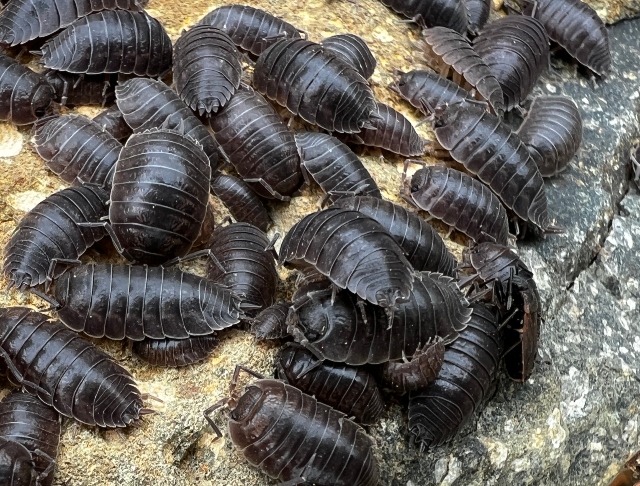
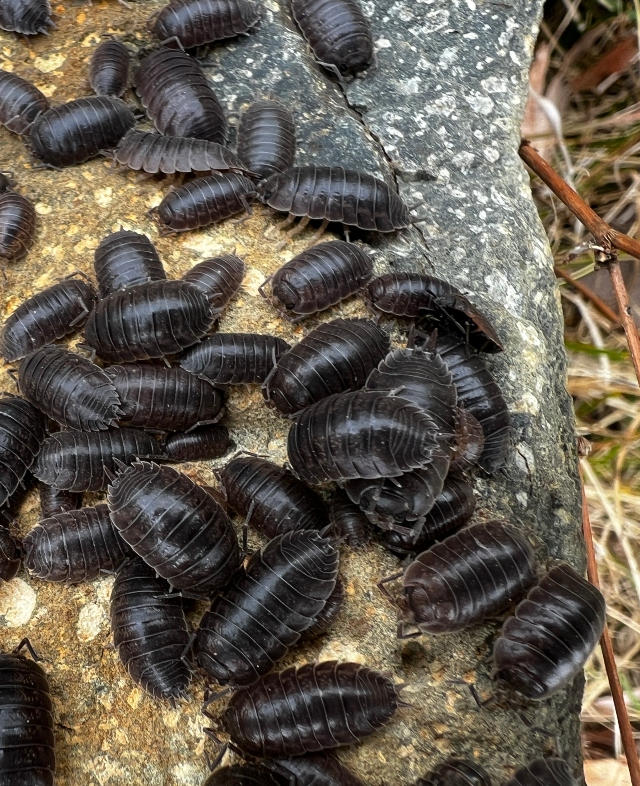
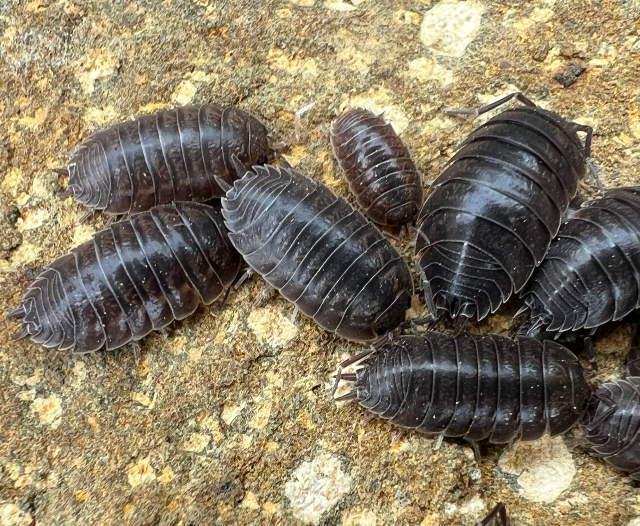
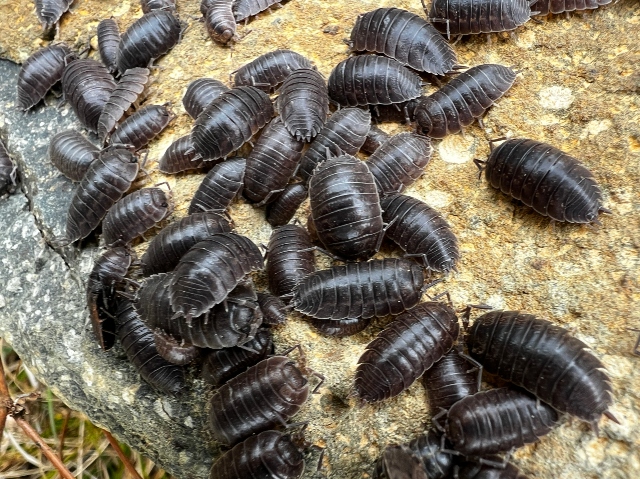
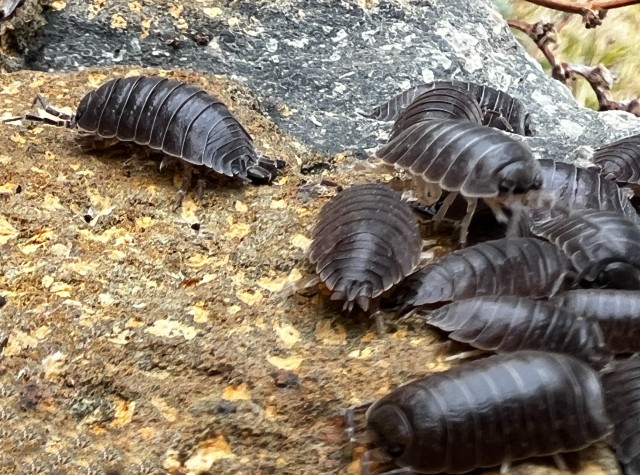
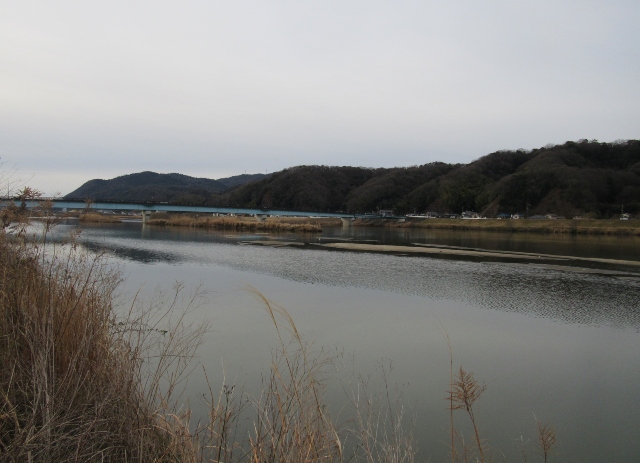
While walking along a canal in Japan, I found a few rocks to turn over. Under them were some isopods. With the Latin Name of Porcellio laevis, the species epithet laevis as well as the vernacular name “Swift Woodlouse” suggests, the species is capable of quick bursts of speed when provoked.

02 Swift Woodlouse_5115

This type of woodlouse is distinctively large, being up to eight tenths of an inch long with a smooth dorsal surface. It is commonly kept as a pet due to its somewhat easy care requirements and the variety of color morphs available. “Dairy Cow Isopod” is a commonly used name for a readily available piebald strain of the species.

03 Swift Woodlouse_5117

Baby Swift Woodlouse directly develop from yolky eggs. Both the eggs and juveniles reside within a brood pouch called a marsupium. The use of the marsupium eliminates the need for there to be an external water source for early development, since it is filled with fluid from the mother isopod. This is considered some of the most extensive parental care among terrestrial arthropods.

04 Swift Woodlouse_5118

This creature is found under rocks and fallen logs in damp areas, and is otherwise rarely encountered. It plays an important role in nutrient cycling by breaking down dead plant material and animal waste, and thereby releasing essential nutrients back into the ecosystem. It is known to be an opportunistic feeder, consuming a wide range of organic matter such as leaves, moss, lichens, and even rotting wood. Therefore, it can thrive in many different ecological niches.

05 Swift Woodlouse_5116

The Swift Woodlouse is one of several species of isopods known to use “alternating turns” as a defense mechanism, running in a mazelike pattern to confuse or avoid perceived threats. Studies suggest that this behavior can be reinforced as a learned response, with more “alternating turns” produced by longer and more frequent exposure to predators.

06 Swift Woodlouse_5124

It was super cool to come across these fine crustaceans while on my international trip.

Third Eye Herp
E-mail

Japanese Macaque

01 Japanese Macaque_4400

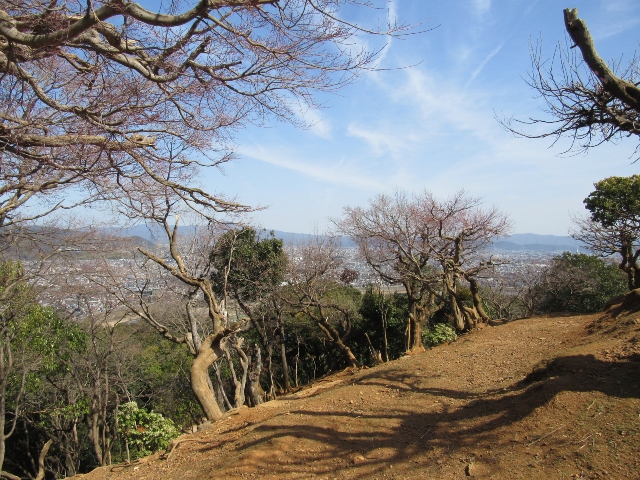
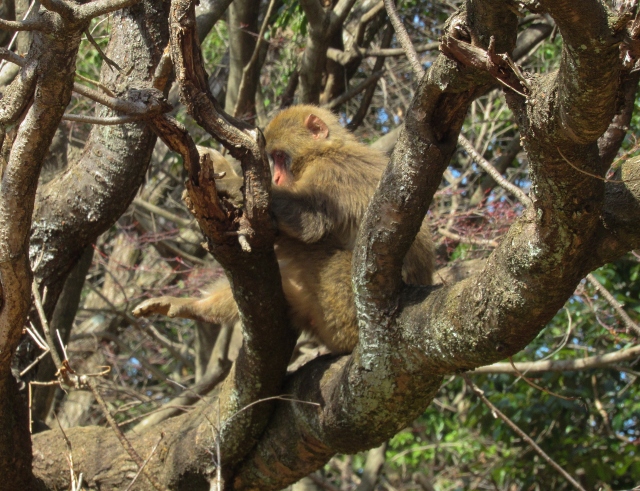
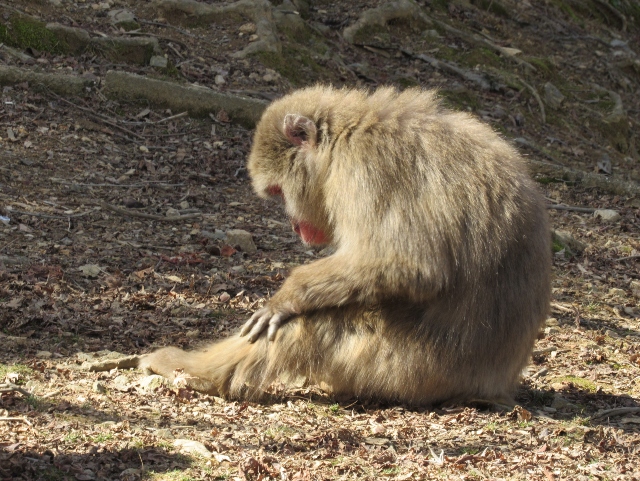
While visiting the Kyoto area of Japan, I saw see my first-ever wild primates. Also known as Snow Monkeys, they are unique for being the northernmost-living non-human simians, thriving in various habitats from warm lowlands to cold regions, and are known for their remarkable adaptability to live in cold climates.
02 Japanese Macaque_4398

These intelligent creatures have fascinated researchers and nature enthusiasts alike with their unique behaviors and remarkable ability to thrive in harsh Winter conditions. From their hot spring bathing habits to their complex social structures, Japanese Macaques offer a window into the fascinating world of primate behavior and evolution.
03 Japanese Macaque_4432

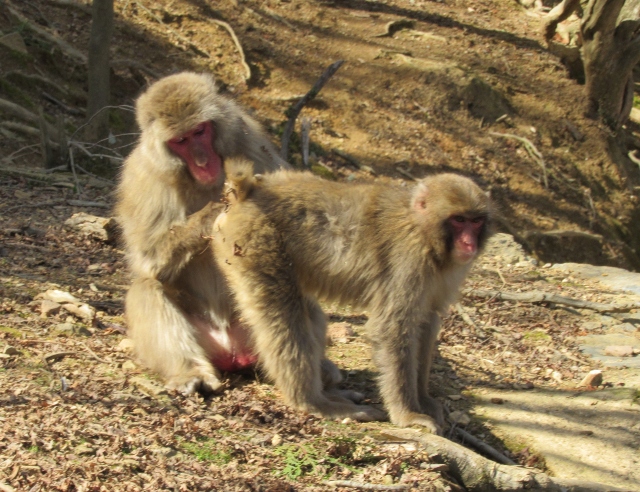
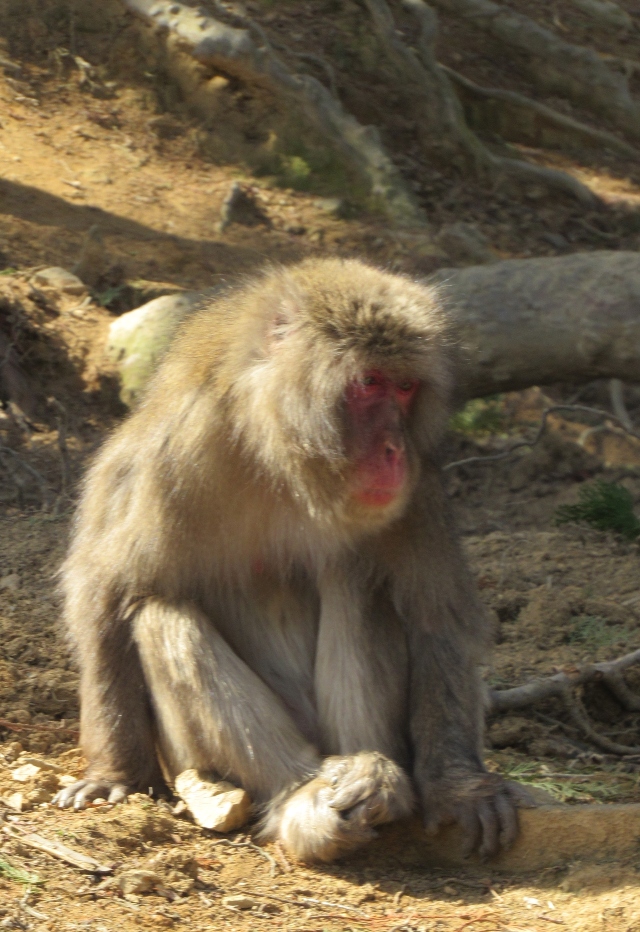
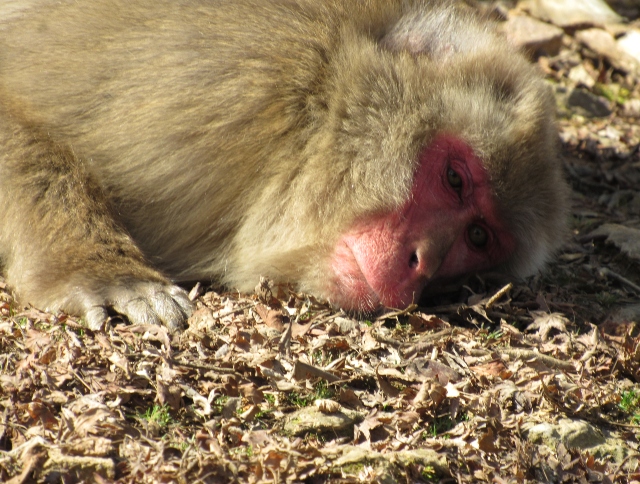
These mammals are medium-sized monkeys with distinctive features that set them apart from other primate species. Their fur ranges in color from shades of brown and gray to yellowish-brown, providing excellent camouflage in their forest habitats. One of their most striking features is their hairless face and posterior, which are a vibrant pink color.
04 Japanese Macaque_4419

Japanese Macaques exhibit sexual dimorphism, with males being significantly larger than females. Adult males weigh an average of 25 pounds, and measure about 22 inches in height, while females average 19 pounds and about 20 inches in height. Their stocky build and relatively short limbs also help conserve heat in cold environments.
05 Japanese Macaque_4433

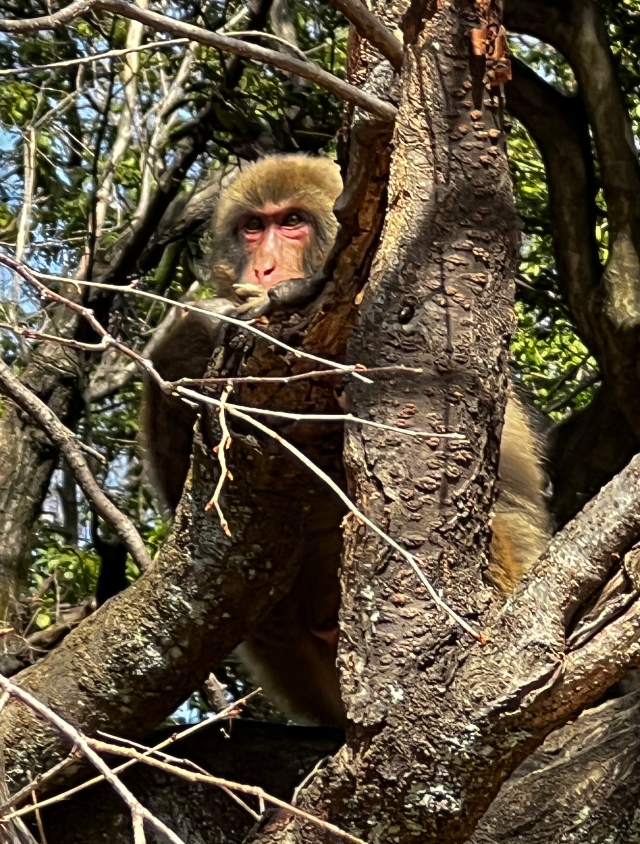
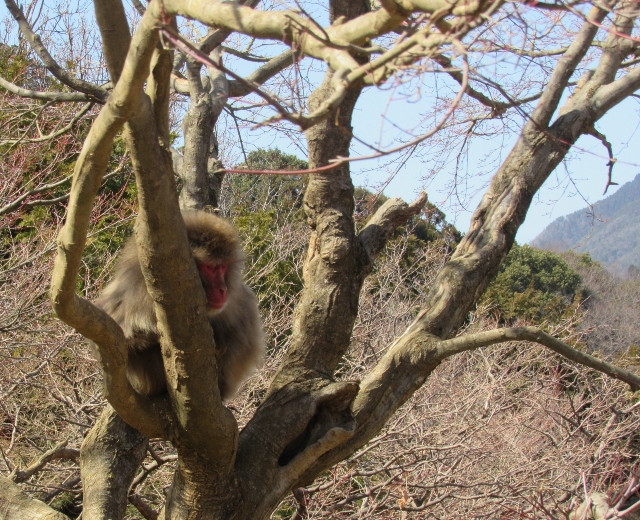
They inhabit a variety of habitats across three of Japan’s main islands. They are highly adaptable, living in environments ranging from warm, subtropical evergreen forests in the south to subarctic, snowy deciduous forests in the north. This diverse habitat range showcases their remarkable adaptability to different environments. You can find them in forests and in mountains where snow covers the ground for a few months each year.
06 Japanese Macaque_4415

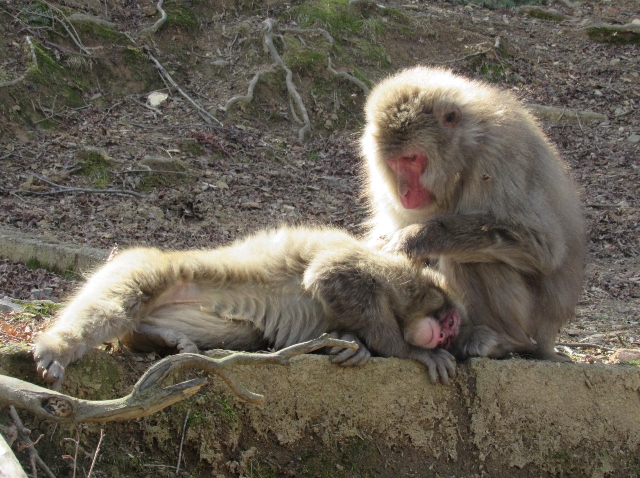
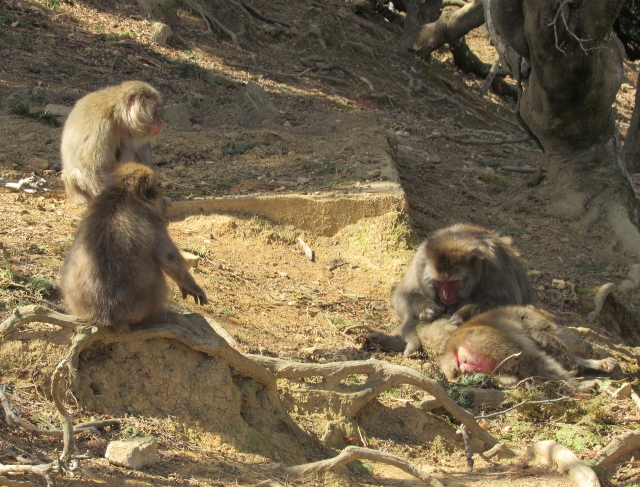
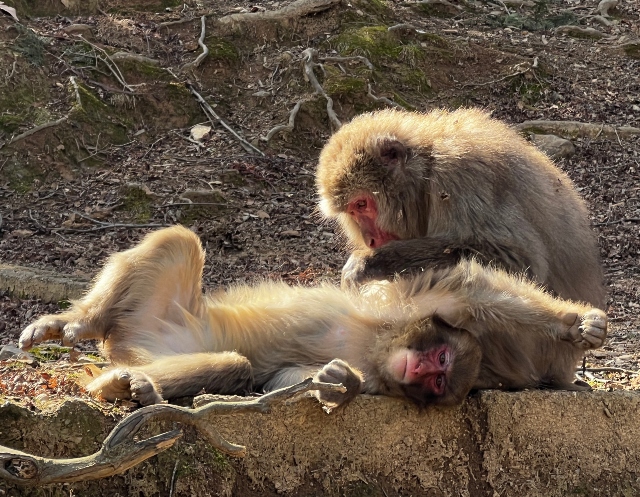
Japanese Macaques are highly social animals with complex social structures and behaviors. They live in large groups called troops, which can range from 20 to over 100 individuals. These troops are matrilineal, meaning they are centered around female family lines. Within each troop, there is a clear dominance hierarchy for both males and females.
07 Japanese Macaque_5212

One of the most fascinating aspects of their behavior is the ability to learn and pass on new behaviors through cultural transmission. The most famous example of this is their hot spring bathing behavior, first observed in the 1960s when a young female named Mukubili discovered the warmth of a hot spring. This behavior quickly spread throughout the troop and has since become iconic of the species.
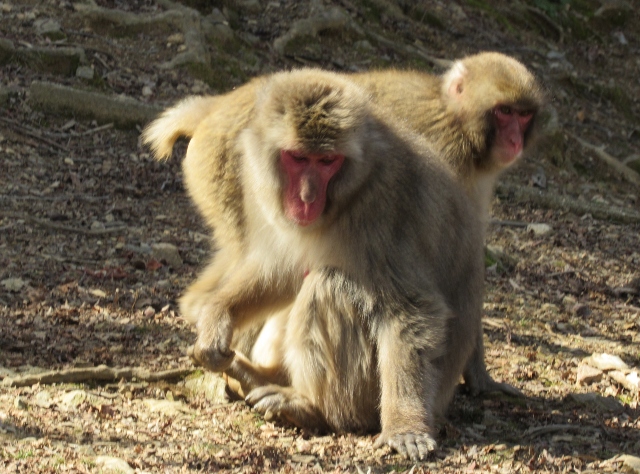
08 Japanese Macaque_4410

Another example of cultural learning is the practice of washing food. In the 1950s, researchers observed a female named Imo washing sweet potatoes in a stream to remove sand. This behavior was gradually adopted by other members of her troop and has since been passed down through generations. The lifespan of Japanese Macaques in the wild averages about 6-1/2 years, but some individuals have lived much longer.
08 Japanese Macaque_4428

Japanese Macaques are also known for their playful nature. Young macaques often engage in play behaviors, such as making and rolling snowballs, which serve no apparent survival purpose, but seems to be done purely for enjoyment. This playfulness extends into adulthood, with some troops observed playing with rocks for recreation.
09 Japanese Macaque_4436

As far as diet goes, they are opportunistic omnivores with a diverse diet that adapts to seasonal availability and habitat variations. Their menu includes a wide range of items such as fruits, seeds, leaves, flowers, bark, fungi, insects, and small animals. In Winter, when food is scarce, they rely heavily on bark and winter buds.
10 Japanese Macaque_5216

Japanese folklore is rich with tales and legends featuring monkeys. One famous example is the story of the “Three Wise Monkeys” – “see no evil, hear no evil, speak no evil” – which is often depicted in carvings and artwork. This concept, known as “mizaru, kikazaru, iwazaru” in Japanese, has become a globally recognized symbol of moral principles.
11 Japanese Macaque_4409

Is was super cool to encounter these fascinating creatures while vising The Land of the Rising Sun.

Third Eye Herp
E-mail

Eurasian Wigeon

01 Eurasian Wigeon_3504

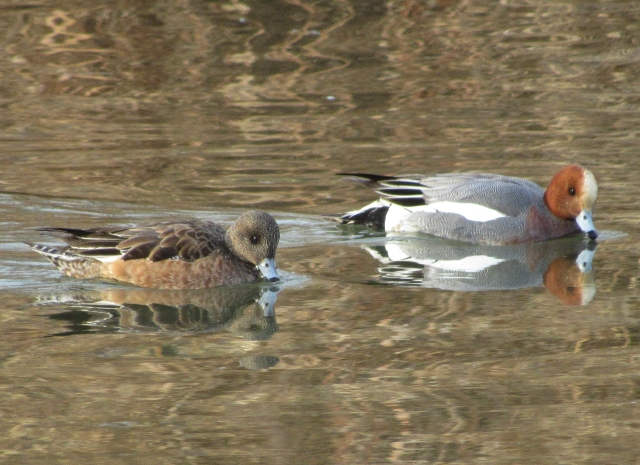
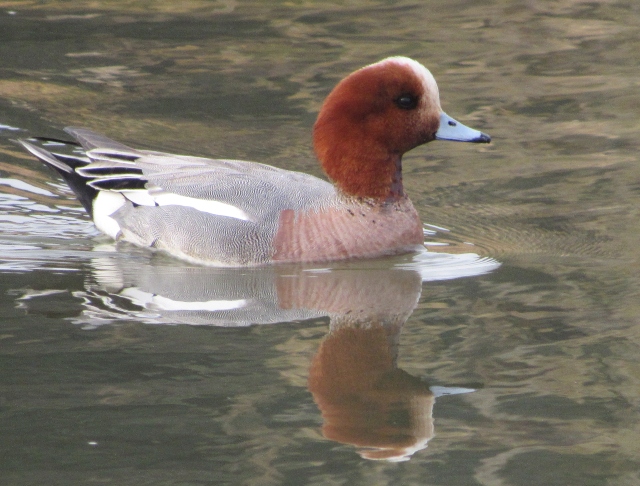
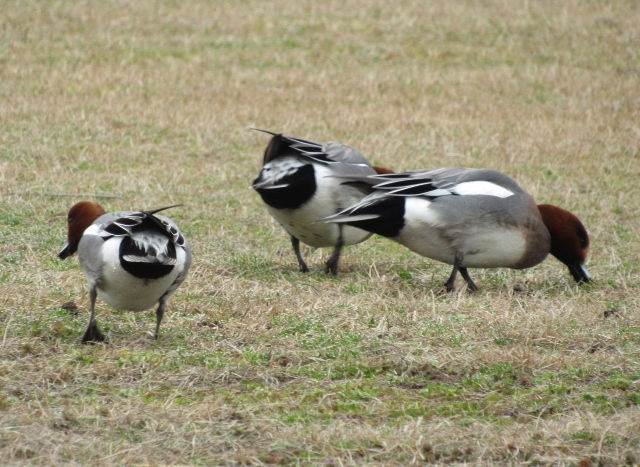
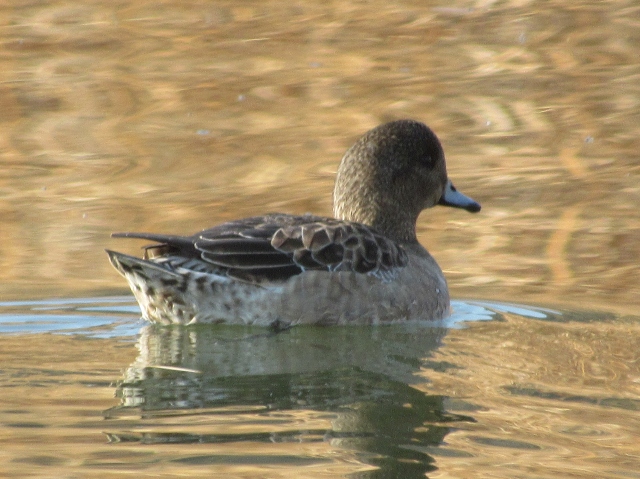
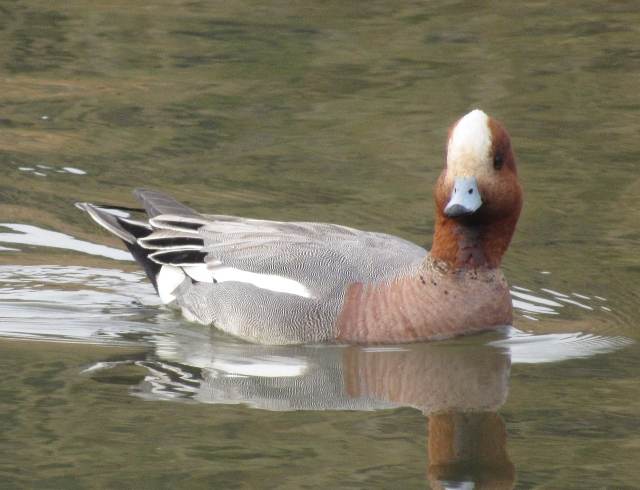
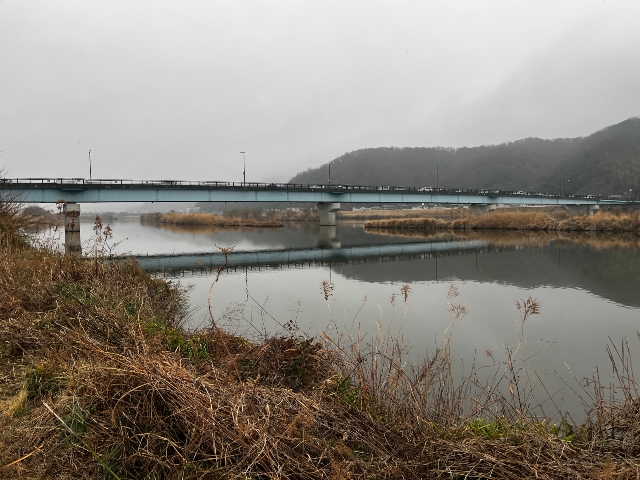
While hiking along a river in Japan, I saw several of these distinctive birds. The Eurasian Wigeon is a widespread dabbling duck of Europe and Asia, recognizable by the male’s rufous head with a creamy crown and gray body, and the female’s warm brown plumage. Males have a brilliant white patch on upper wings, that is visible in flight or at rest.

02 Eurasian Wigeon_3325

They like to live in open wetlands, such as wet grasslands or marshes with some taller vegetation, slow-flowing large rivers, and shallow lakes and lagoons. They especially favor areas surrounded by woods and agricultural land.

03 Eurasian Wigeon_3395

Eurasian Wigeons are herbivores and feed on both aquatic and terrestrial plants. They eat leaves, roots, stems, grasses, grains, and seeds. They usually feed by dabbling for plant food or by grazing on land, which they do very readily.

05 Eurasian Wigeon_4175

They are active during the daylight hours, spending their time feeding, resting, or swimming, but sometimes may feed at night. They nest on the ground, near water and under cover. During the breeding season, Eurasian Wigeons prefer to nest in pairs or small groups.

04 Eurasian Wigeon_3965

This bird is highly gregarious outside of the breeding season and will form large flocks. It will join with flocks of the American Wigeon in the United States, and may also hybridize with them.

06 Eurasian Wigeon_3396

Eurasian Wigeons are noisy birds; the male has a clear whistle that sounds like pjiew pjiew, whereas the female has a low growl that sounds like rawr.

Third Eye Herp
E-mail

Weeping Fern

01 Weeping Fern_3237

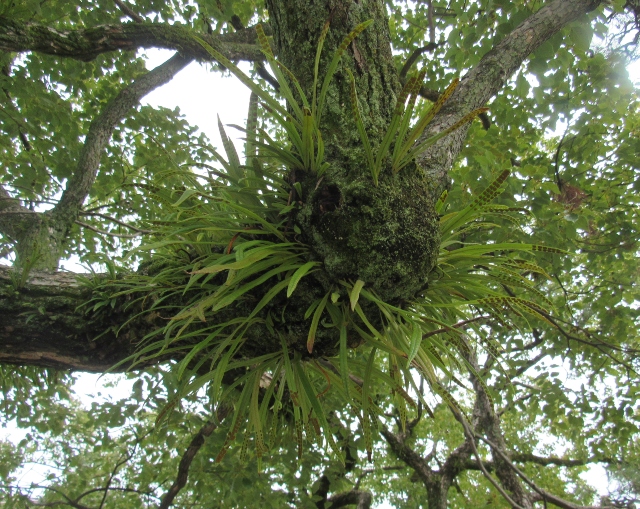
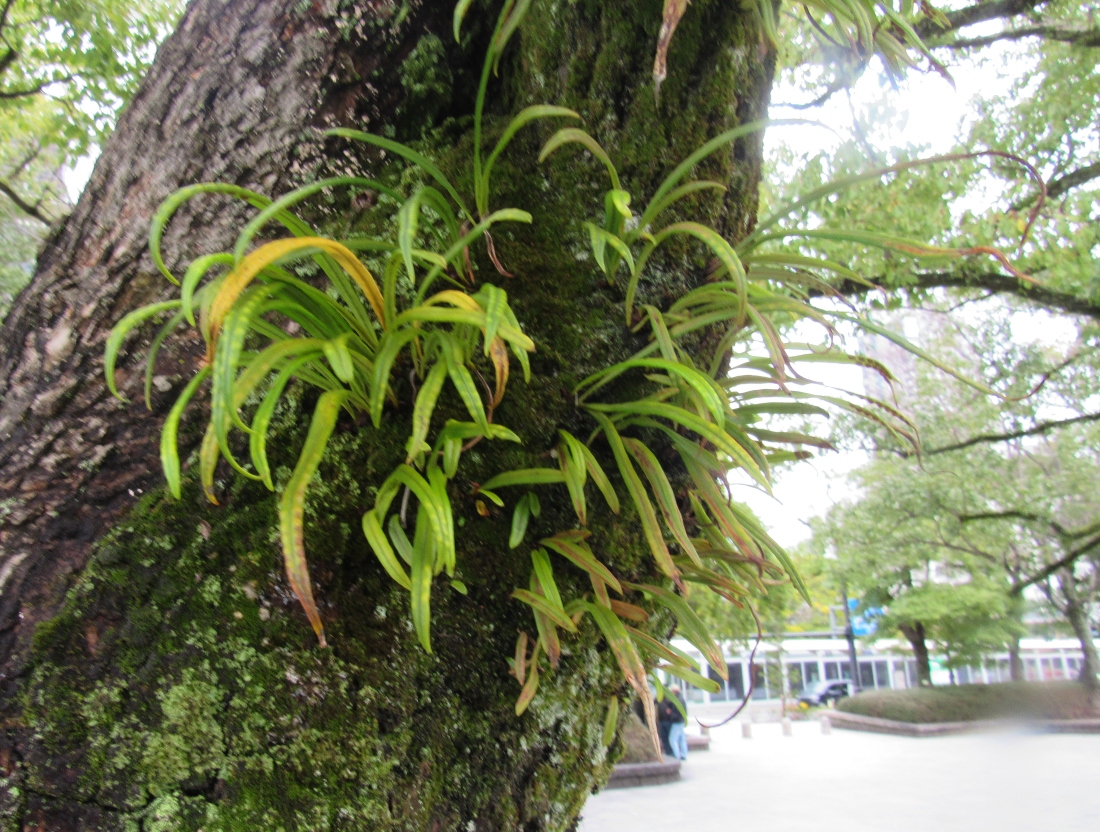
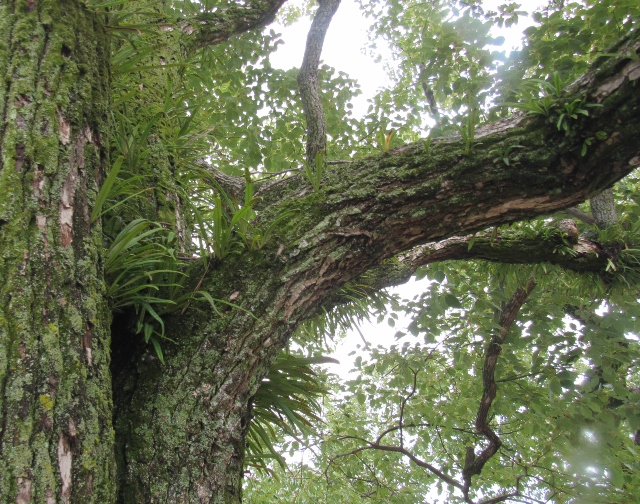
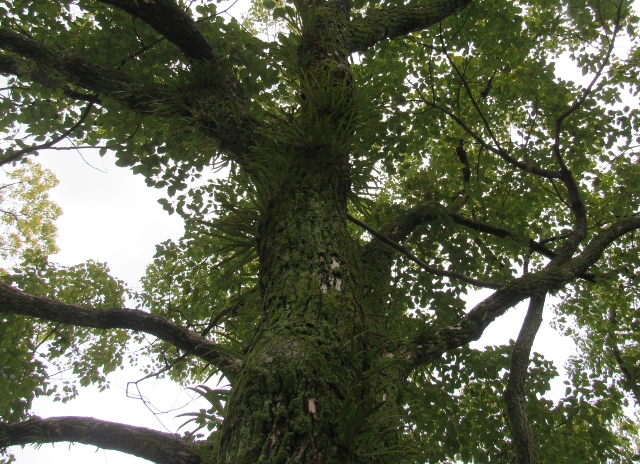
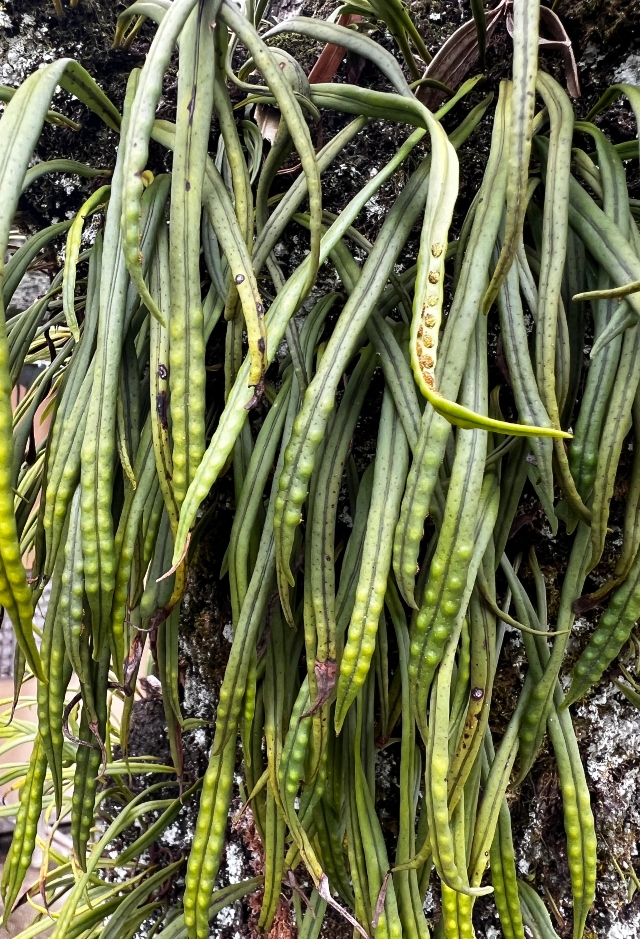
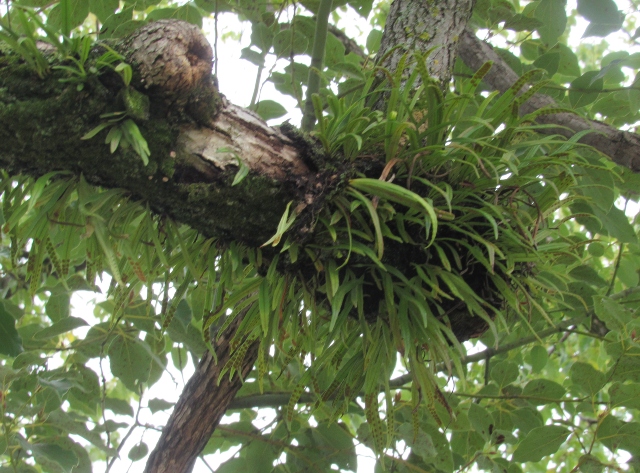
While looking at trees on my visit to Japan, I would often find other plants growing on their trunks and their larger branches. The most abundant among such epiphytes (plants that grow upon another plant) was this evergreen fern with linear 10 inch leaves.

02 Weeping Fern_3264

This plant is widely distributed in Japan, as well as Korea, China, Indochina and the Philippines. It is familiar to Japanese people because it also grows on eaves (especially of thatched roof houses) and on stones in yards. The Japanese name Noki-shinobu, means “eaves fern,” and is derived from this favored artificial habitat.

03 Weeping Fern_4724

The density of Weeping Ferns on a tree depends on the tree species, because the morphology and texture of tree bark is somewhat variable and may hold different amounts and types of resources.

04 Weeping Fern_3238

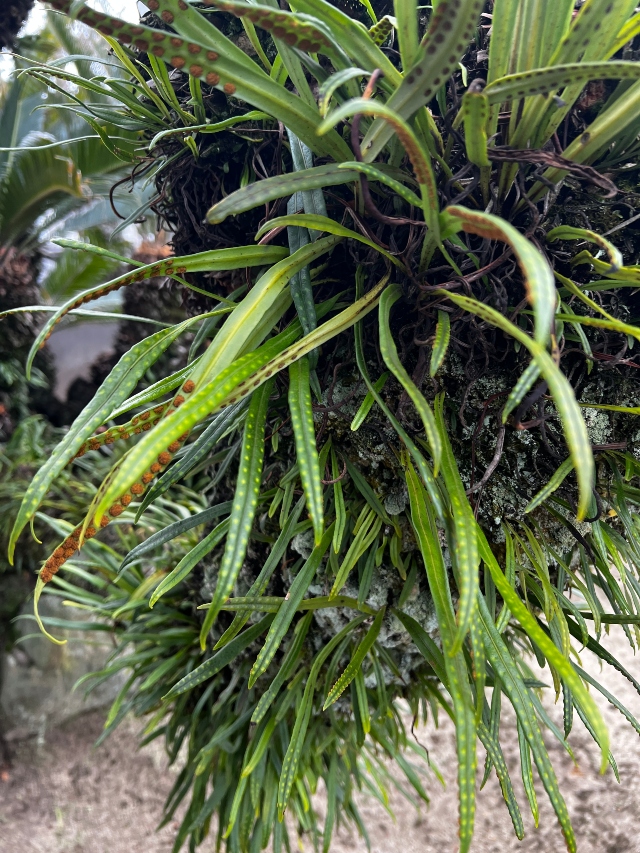
Its leaf surface is yellow-green, but lighter on the back. The leaf texture is thick like leather, to help it survive cold weather. The sides of leaves curled backwards when dry, and then go back to their normal shape once they get enough moisture.

05 Weeping Fern_3239

This plant’s sorus (spore sac that store spores) is about a tenth of an inch in diameter and placed in two lines on the upper parts of the back of the Weeping Fern’s leaves.

06 Weeping Fern_4994

As an epiphyte, it grows on the surface of another plant and derives its moisture and nutrients from the air, rain, or from debris accumulating around it. Epiphytes differ from parasites in that they grow on other plants for physical support and do not necessarily affect their host negatively.

07 Weeping Fern_3241

Weeping Fern was a neat plant to see in the many places that I travelled to on my trip.

Third Eye Herp
E-mail

Vivid Metallic Ground Beetle

01 Chlaenius pallipes_5043

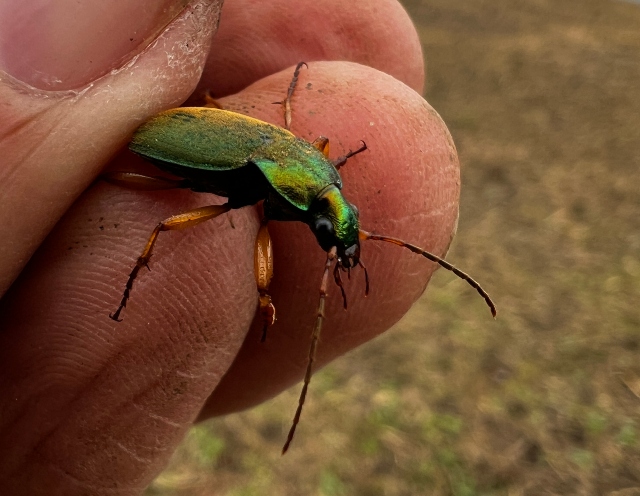
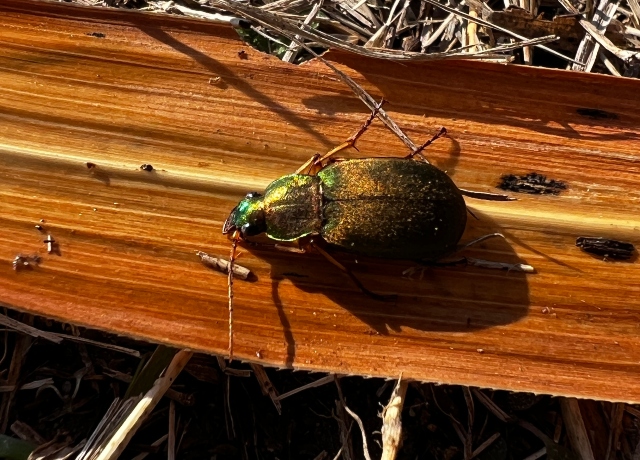
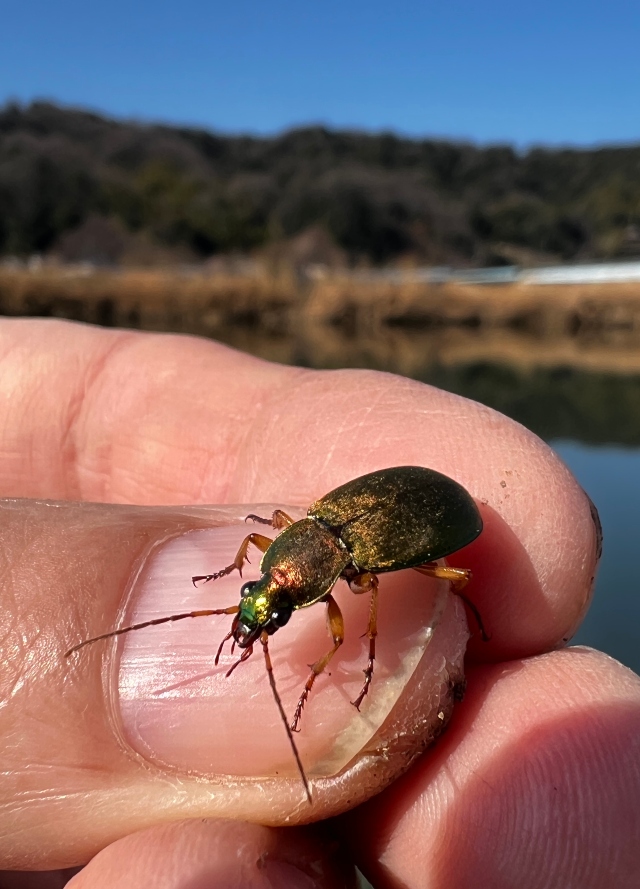
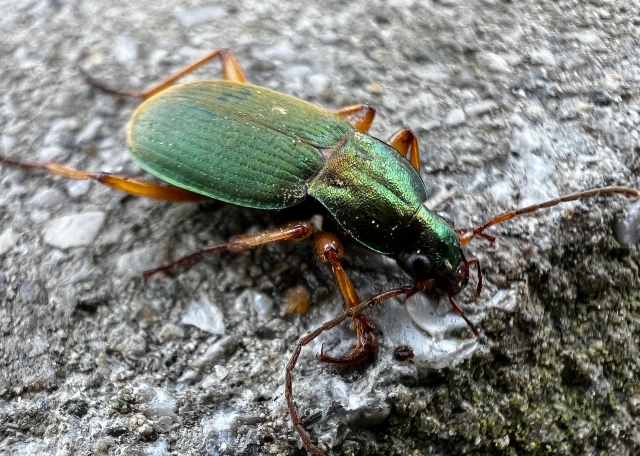
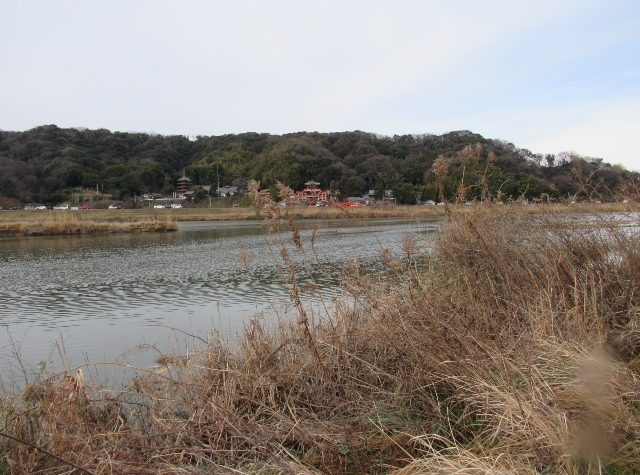
I found this fine creature while exploring the edge of a field in Japan. It is part of a large and diverse genus of ground beetles. Belonging to a family known as Carabid Beetles, the members in this family are frequently used as indicators of biodiversity and habitat quality.

02 Chlaenius pallipes_5049

This insect is native to the Palearctic realm (including Europe, the Near East, and North Africa), Afrotropical realm, and Nearctic realm. Worldwide, roughly 1,000 species are currently recognized with the majority of known species occurring in the Oriental and Afrotropical regions.

03 Chlaenius pallipes_4871

The Vivid Metallic Ground Beetle is a hygrophilous species that is found in a wide range of habitats, including forests, grasslands, farm fields, paddy fields, and riparian areas. However, even within the same habitat type, the population density of this species varies depending on the surrounding landscape complexity and habitat management practices.

04 Chlaenius pallipes_4866

These beetles feed on a wide variety of insects and other invertebrates, like caterpillars, aphids, snails, and earthworms. However, many species also eat plant matter, with some preying on seeds and even young seedlings, making them beneficial for controlling both pests and weeds.

05 Chlaenius pallipes_5054

The Vivid Metallic Ground Beetle has been used in studies to determine if its gut microbiome can be used as an indicator of an organism’s health or the health of the population.

Third Eye Herp
E-mail

Eurasian Coot

01 Eurasian Coot_3550

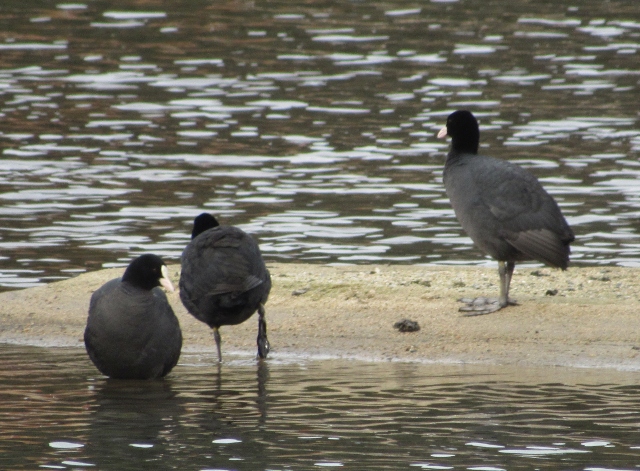
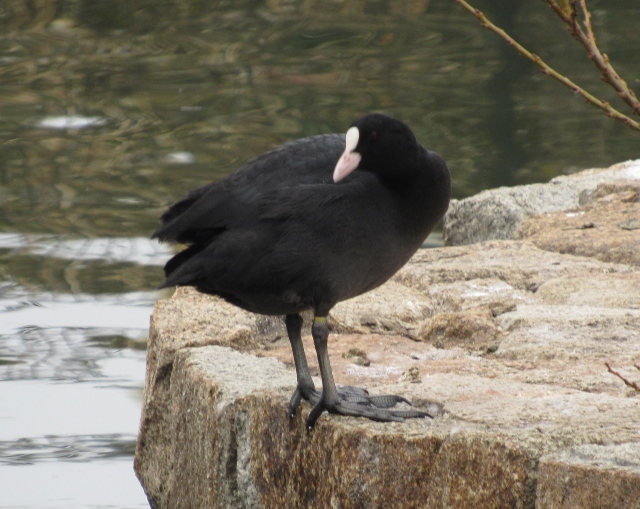
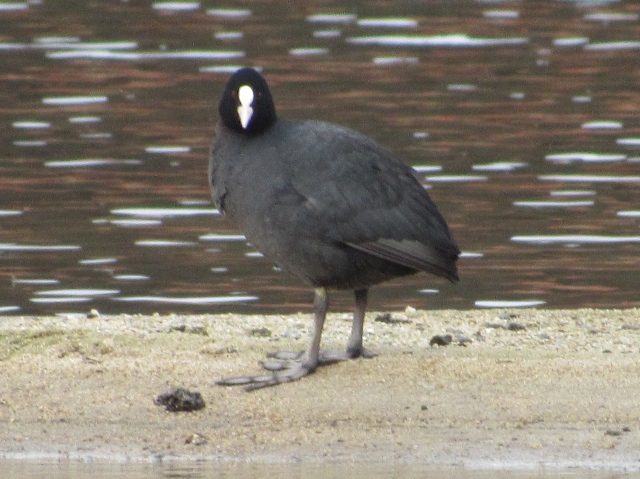
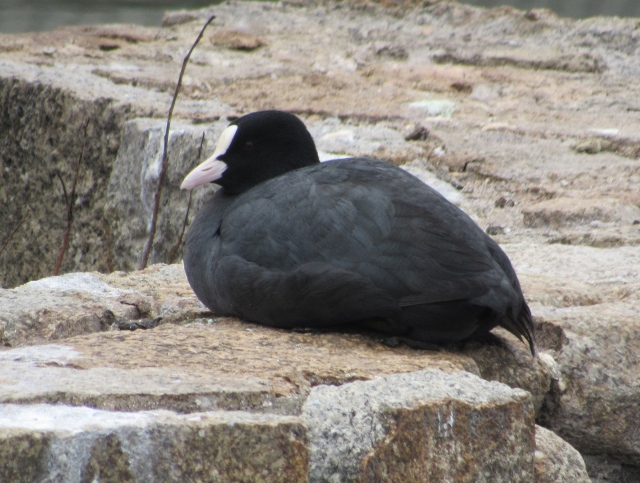
While visiting Japan I saw this common inhabitant of the Old World freshwater lakes and ponds that has adapted well to living in urban environments, often being found in parks and gardens with access to water. It occurs and breeds in Europe, Asia, Australia, and Africa.

02 Eurasian Coot_4304

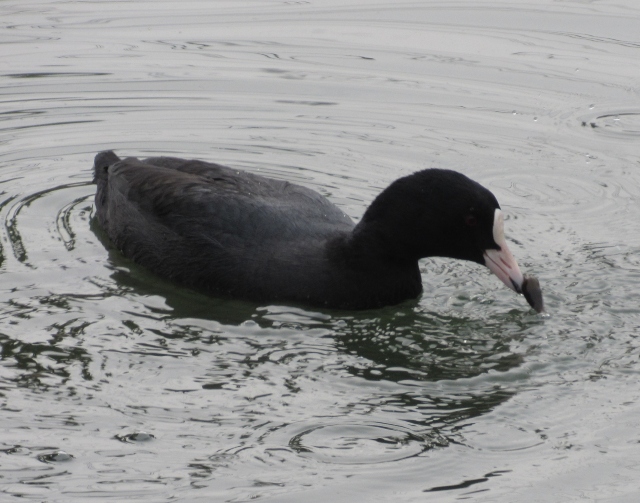
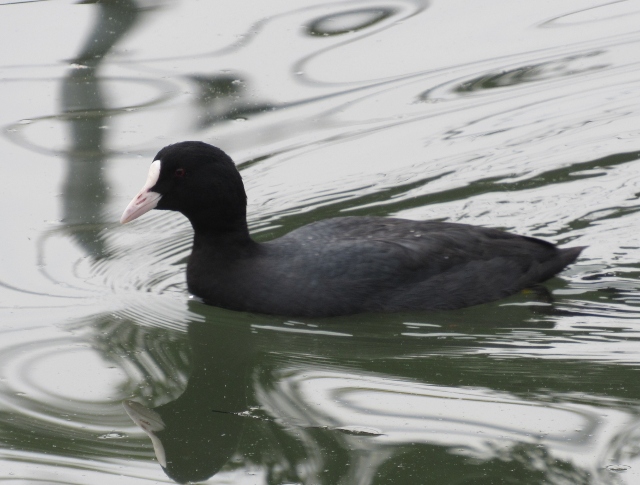
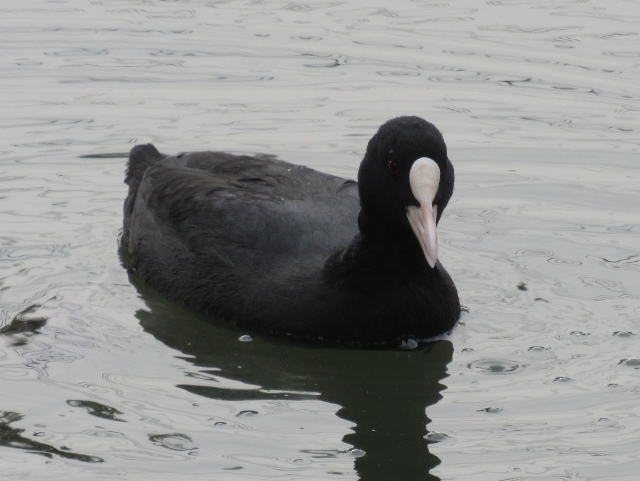
Eurasian Coots are medium-sized, robust waterbirds with a predominantly black plumage, which can appear dark grey in certain light. Their most striking features are their white bill and frontal shield, which contrast sharply with their dark feathers. Their feet are unique, with lobed toes that aid in swimming and walking on soft mud.

03 Eurasian Coot_3560

This bird is always found close to freshwater, and prefers habitats such as wetlands, lakes and ponds. It is not a shy bird. In areas where freshwater freezes, it migrates to warmer climates during Winter.

04 Eurasian Coot_4344

The Eurasian Coot is an omnivorous and feeds both on vegetation and small animal prey. It might also eat eggs of other birds. It can find food underwater, where it can dive to depths of 20 feet and stay submerged for 15 seconds. It also eats vegetation by grazing on land. It adapts its diet based on the availability of food sources.

05 Eurasian Coot_4303

It prefers bodies of water with abundant aquatic vegetation, which provides food, shelter, and nesting materials. This bird’s wide distribution can be attributed to its adaptability to various water environments and climates.

06 Eurasian Coot_4300

Eurasian Coots can be both solitary and social. Outside of the breeding season, they often gather in large flocks on open water. These birds can be quite territorial and aggressive during the breeding season however, engaging in dramatic displays and confrontations to defend their nesting area.

07 Eurasian Coot_3576

The Eurasian Coot is a resilient and adaptable bird that plays a significant role in the ecosystems of wetlands and waterways. As both a predator and prey species, it is an integral part of the food web.

08 Eurasian Coot_4347

It was really neat to see this bird (which looks just like the USA’s American Coot) at many of the places we visited in Japan.

Third Eye Herp
E-mail

Moso Bamboo

01 Bamboo_4363

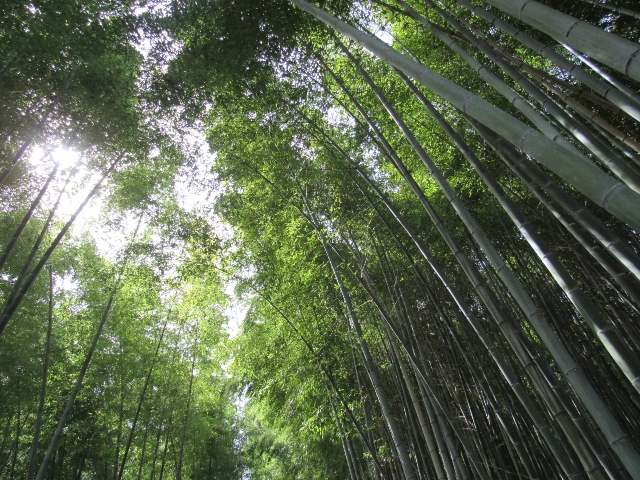
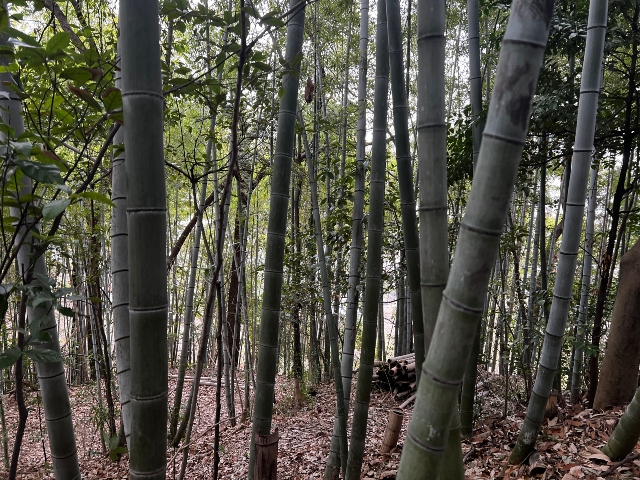
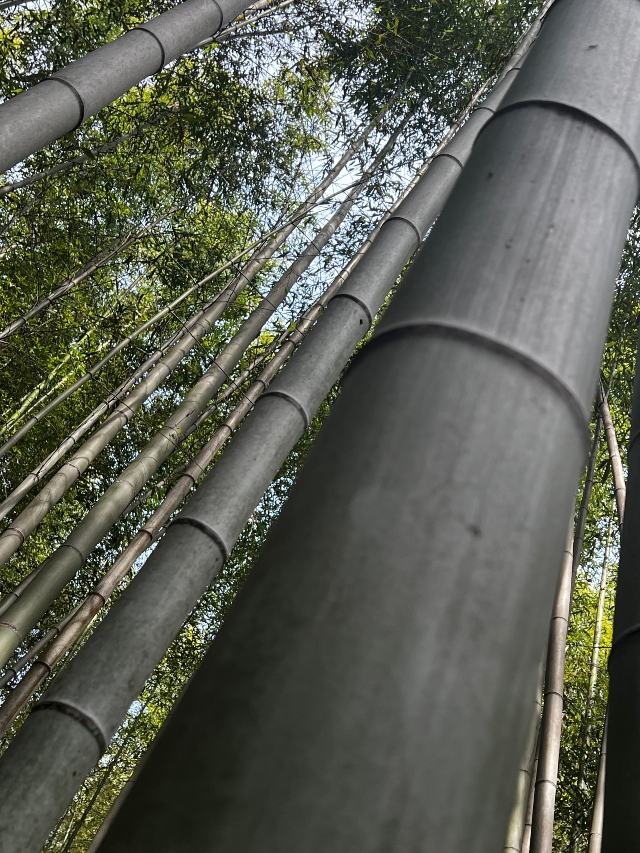
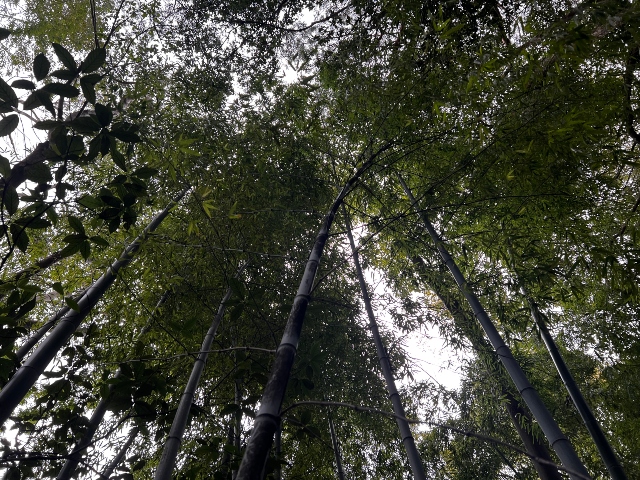
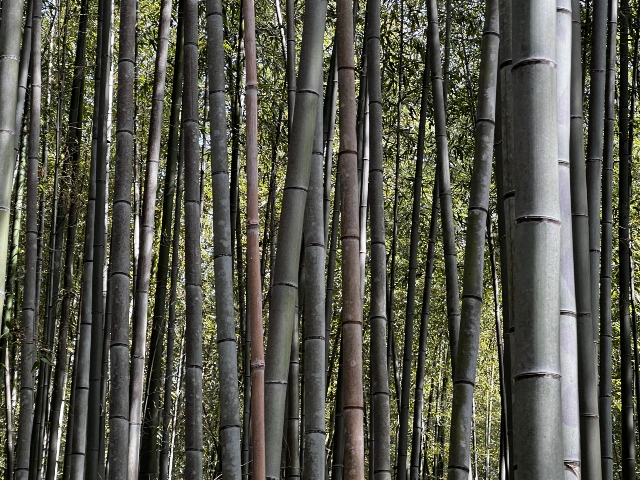
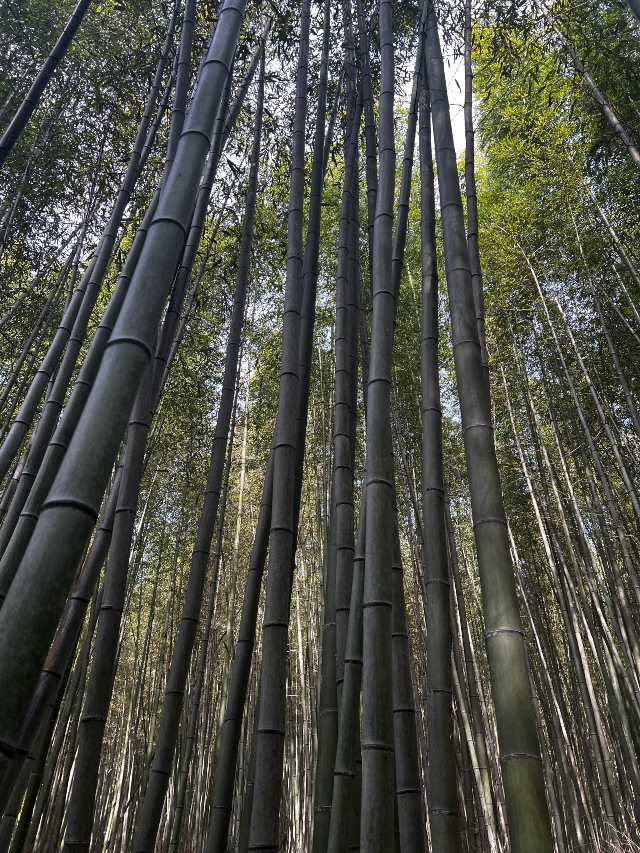
Visiting Arashiyama Bamboo Grove in Kyoto, Japan, was to experience a stunning natural wonder. The grove features towering bamboo stalks that create a serene and magical atmosphere as sunlight filters through the leaves.

02 Bamboo_4716

Moso is a temperate species of giant timber bamboo native to China and Taiwan and naturalized elsewhere, including Japan, where it is widely distributed from south of Hokkaido to Kagoshima.

03 Bamboo_5184

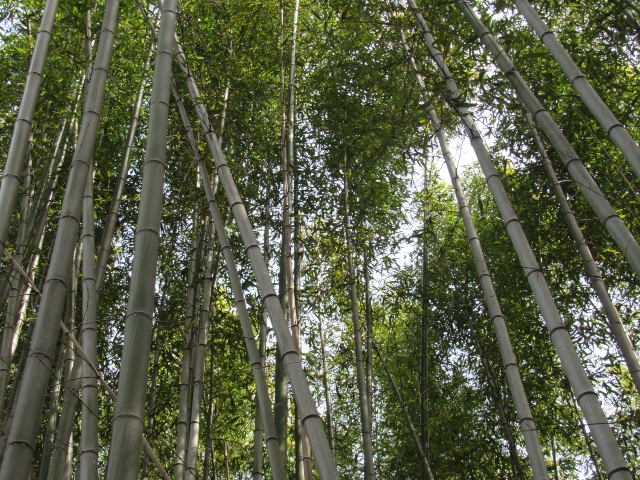
Noted for its incredible beauty and elegance, Moso Bamboo is a remarkable evergreen bamboo with huge, upright, very thick, gray-green canes surmounted by plumes of small, pale green leaves.

04 Bamboo_4718

With the Latin Name of Phyllostachys edulis, the edulis part of the refers to its edible shoots. This species can reach heights of up to 92 feet.

05 Bamboo_5186

Moso bamboo is grown in large plantations and harvested for a variety of products including timber, fencing, furniture, construction material, paper pulp, plywood, flooring, musical instruments, utensils and rayon for the textile industry.

06 Bamboo_5188

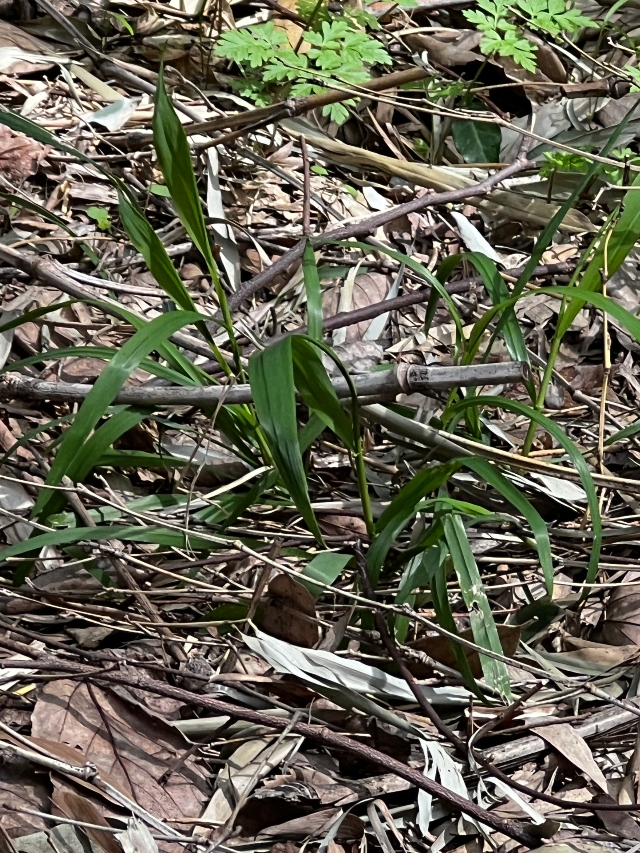
It is the largest and perhaps the most ornamentally attractive of the temperate bamboos. Although mature specimens look like trees, Moso Bamboo is not a tree but is in fact a grass with a woody structure.

07 Bamboo_5181

This is also the most commonly grown species of bamboo in Asia for harvest of its edible shoots, which are eaten locally as well as being canned for export. Shoots harvested for food are best collected before they break the soil surface.

08 Bamboo_4355

Touring Arashiyama Bamboo Grove was a memorable event while vacationing in the Land of the Rising Sun.

Third Eye Herp
E-mail
Eastern Asiatic Freshwater Clam

01 Sinanodonta woodiana_4283

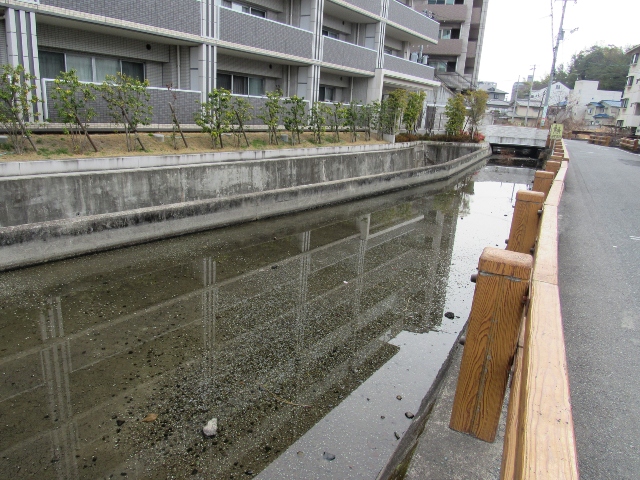
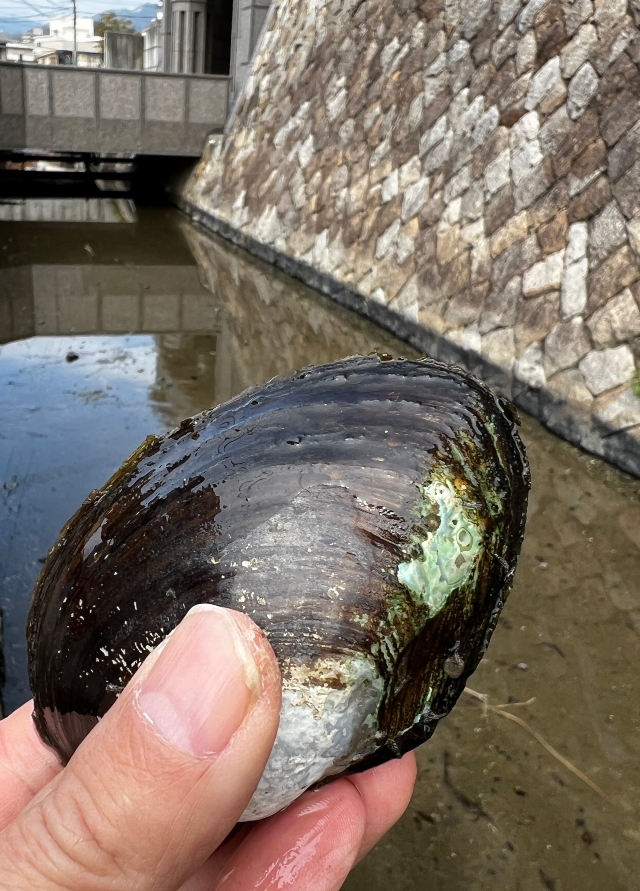
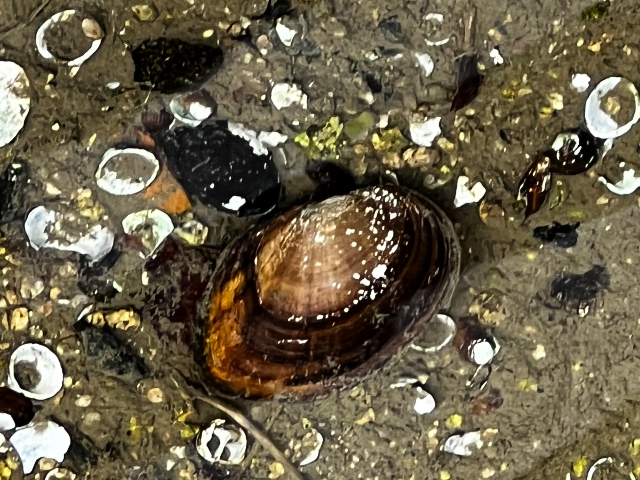
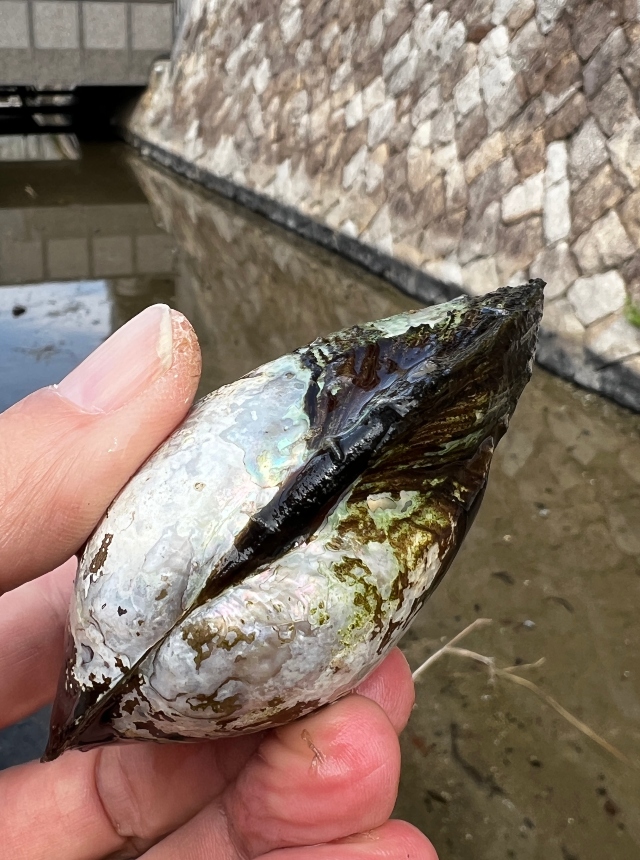
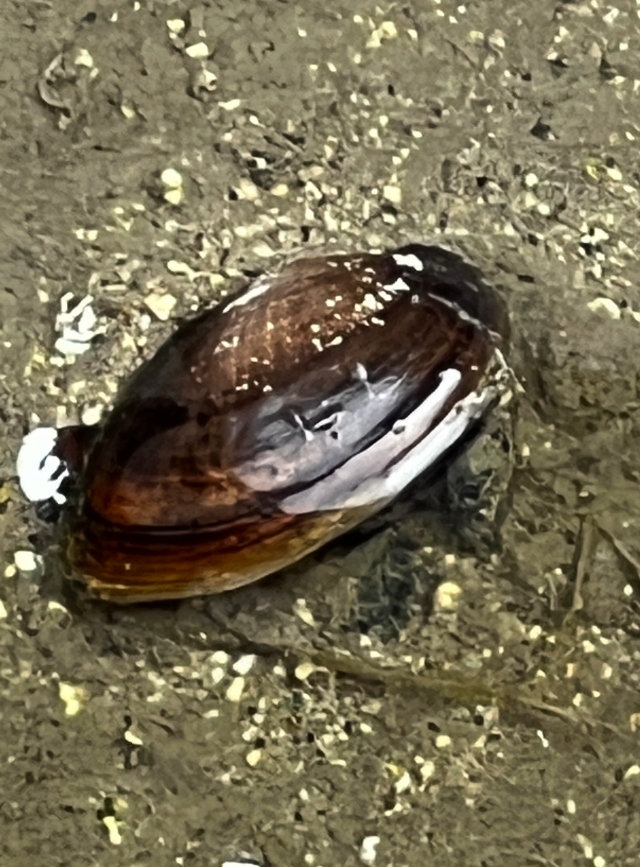
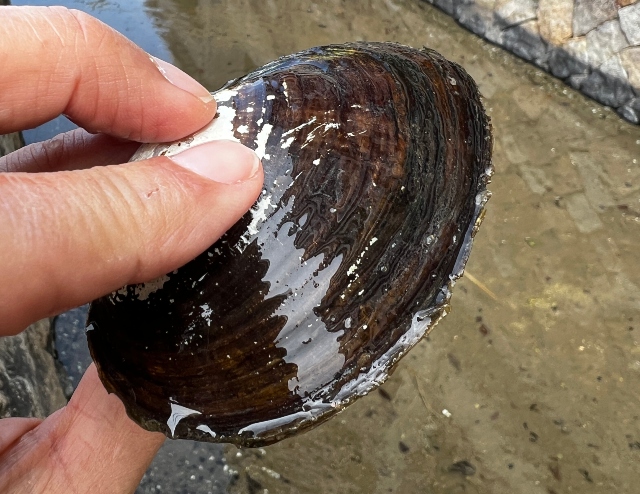
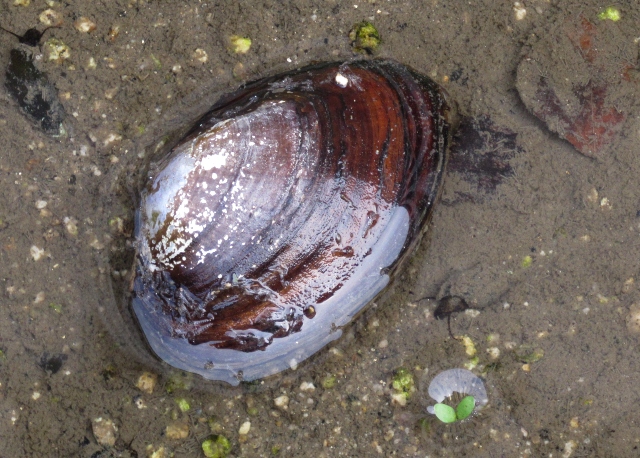
While walking the streets of Fukuyama, Japan, the canals along the avenues had several different types of creatures living in them – the most conspicuous being this shelled being. Their variation in the form of the shell is considerable, with colors of dark brown, yellow-green and/or dark green.
02 Sinanodonta woodiana_5145

The Eastern Asiatic Freshwater Clam can grow to almost a foot in length and attain an age of 12–14 years. It can reproduce by the end of its first year, while only an inch and a half in size. The form of the shell is relatively short and elliptical to almost rounded and very high in the central part.

03 Sinanodonta woodiana_5142

This species is a habitat generalist found in heavily modified and artificial habitats and is tolerant to high siltation rates. It prefers substrates of silt and clay, turbid conditions with relatively high water temperatures and is found in either standing or slow-flowing water. It is established worldwide.

04 Sinanodonta woodiana_5147

Belonging to the Unionidae Family, like all members of its family, it has an obligatory parasitic stage, in which the larva must attach on a host fish to complete its development. Host species include invasive, non-native and native fishes.

05 Sinanodonta woodiana_5143

The Eastern Asiatic Freshwater Clam’s great success is distribution is attributed to the importation and commercialization of Asian Carp, its native Asian host (which is now found worldwide as well). Most likely the mussels arrived as larvae attached to the gills of these imported fish.

06 Sinanodonta woodiana_5146

An additional possible direct means of dispersal is its being unintentionally marketed and sold by garden centers and aquarium shops as a species for biological control and water purification in several European countries. Invasive populations in Indonesia are considered as an important protein source and has significant economic value.

07 Sinanodonta woodiana_4353

You never know what you’ll find in a ditch on the side of the road, and this mollusk made for a fun discovery.

Third Eye Herp
E-mail