

Perhaps the most charming organism seen while visiting Japan was this one. As one of the native species of the Japanese islands, it has been depicted in Japanese art on numerous occasions, and historically was kept as a caged bird.
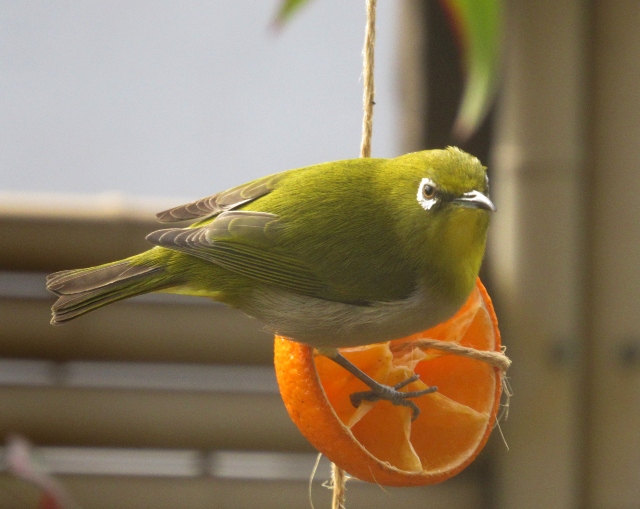
The Warbling White-eye is olive green on its back, from anterior to posterior, and is pale green on its underside. Its feet, legs, and bill range from black to brown. It has a green forehead and a yellow throat. It has a distinctive ring of white around its eyes.
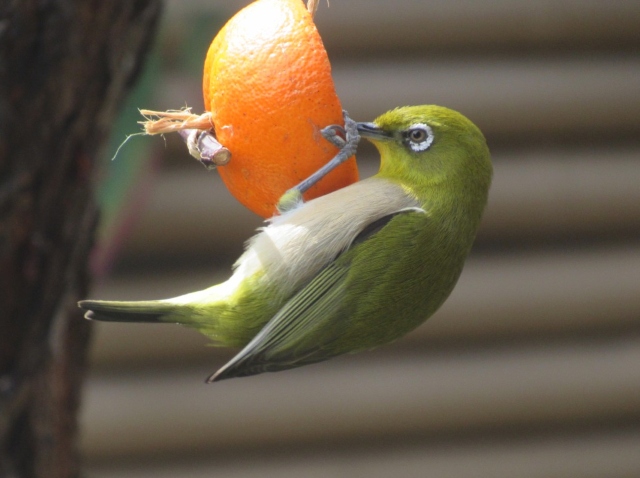
Its successful acclimatization to urban environments is particularly noteworthy. The ability to thrive in cities showcases its resilience and resourcefulness, as it takes advantage of available resources. This adaptability has led to an increased presence of these birds in gardens and residential areas.
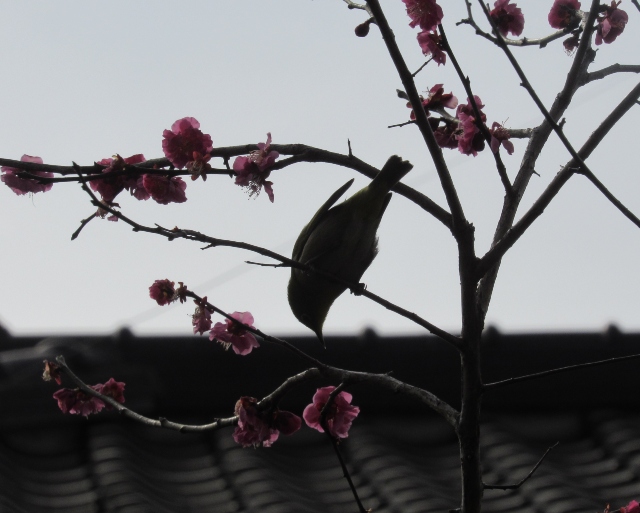
This bird species is rarely found on the ground. It is a very sociable species that may form flocks with other species, in which the birds form groups to forage during flight – though they only flock with birds of other species outside of the breeding season.
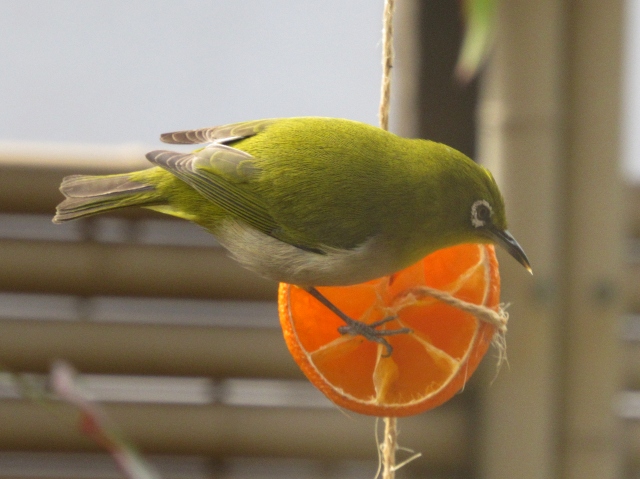
The species is omnivorous, living on a diet of fruit from several species of flowering plants, various types of insects, and nectar at all levels of foliage. It feeds on insects by searching the leaves of flowers and scouring tree bark for caterpillars and beetle larvae.
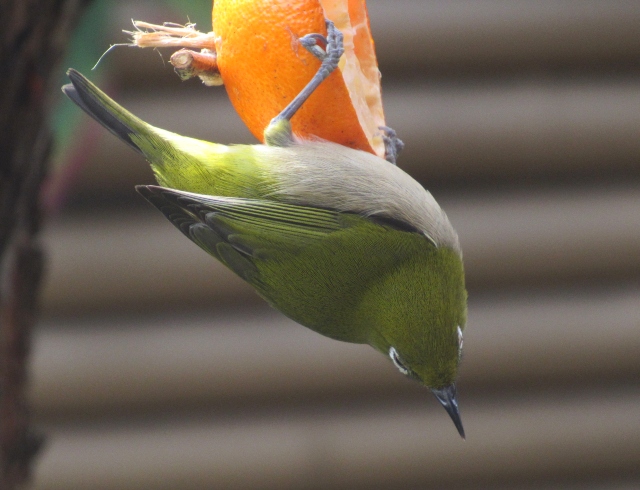
The Warbling White-eye is a charming and captivating species that has captured the hearts of many bird enthusiasts. With its vibrant plumage, endearing appearance, and sweet melodic songs, this small passerine bird has become a beloved icon in Japan and beyond.