Acorn Woodpecker

01 Acorn Woodpecker_4844

I saw this fine bird several times over the years when I have visited California. My most recent sighting were these two seen on Mount Hamilton. When flying, they take a few flaps of their wings and then drop a foot or so.

02 Acorn Woodpecker_4825

This bird is mostly black with a red cap. The white neck, throat, and forehead patches are distinctive identifiers. Its habitat is forested areas with oaks in the coastal areas and foothills of Oregon, California, and the southwestern United States, south through Central America to Colombia.

03 Acorn Woodpecker_4831

Acorn Woodpeckers, as their name implies, depend heavily on acorns for food. Acorns are such an important resource to the California populations that Acorn Woodpeckers may nest in the Fall to take advantage of the Autumn acorn crop, an uncommon behavior in birds. Although acorns are an important back-up food resource, these birds primarily feed on insects, sap, and fruit.

04 Acorn Woodpecker_4834

Their acorns are stored in small holes drilled especially for this purpose in “granaries” or “storage trees”— usually snags, dead branches, utility poles, or wooden buildings. Storage holes are always in non-living tree tissue, such as bark or dead limbs and are used year after year.

05 Acorn Woodpecker_1104

They are cooperative breeders, living and breeding in family groups of up to 15 individuals. Cooperative breeding, defined as more than two birds taking care of nestlings in the nest, is a relatively rare evolutionary trait that is thought to occur in only nine percent of bird species.

06 Acorn Woodpecker_4828

Walter Lantz is believed to have patterned the call of his cartoon character Woody Woodpecker on that of the Acorn Woodpecker, while basing his appearance on that of the Pileated Woodpecker, which has a prominent crest.

Third Eye Herp
E-mail

Whitehead Mule-ear

01 Whitehead Mule-ear_6128

While exploring a clearing in the woods in the Santa Cruz Mountains, this plant really stood out. It is a short, low-growing, golden-rayed wildflower that resembles a sunflower.

02 Whitehead Mule-ear_6130

Whitehead Mule-ear occurs chiefly in California’s North Coast Range, Central Coast Range and some parts of the Sierra Nevada foothills. It is typically found in an understory habitat associated in sunny clearings of mixed oak forests.

03 Whitehead Mule-ear_6132

This is a relatively short plant, usually less than 24 inches tall, with long leaves for which the plant gets its common name. The leaves may up to 16 inches long.

04 Whitehead Mule-ear_6127

Whitehead Mule-ear can grow in large, dense colonies in moist meadows, creating a beautiful display. In my situation it was growing with just a few plants that added texture, shape and color to the landscape.

05 Whitehead Mule-ear_6126

These produce excellent flowers for pollinators and other wildlife, attracting bees, butterflies, and other beneficial insects to the blooms and birds and small mammals to the seeds.

06 Whitehead Mule-ear_6131

With both a deep tap root and strong laterals, these slow-growing, but long-lived perennials also are good for controlling erosion.

07 Whitehead Mule-ear_6129

Although I have visiting this particular meadow a number of times over the years, this was the first time that I’ve ever encountered this wildflower.

Third Eye Herp
E-mail

California Mountain Kingsnake

01 California Mountain Kingsnake_2770

This is perhaps the most widely sought after serpent by herpers in the Golden State. It’s attractive colors and elusive nature make it a prize worth finding.

02 California Mountain Kingsnake_0087

It is secretive, but not rare in suitable habitat. This reptile spends most of the time underground, under surface objects, or inside rock crevices. It is occasionally seen active on the ground in the daytime, especially near shaded streams on hot sunny days.

03 California Mountain Kingsnake_1623

California Mountain Kingsnakes have a banded pattern that consists of red, black, and white crossbands. The bands are always arranged in the same order with each red crossband being surrounded by two black crossbands, forming what is called a triad.

04 California Mountain Kingsnake_0385

Adults are usually 24 to 36 inches long and are found in a wide variety of habitats, including coniferous forests, oak-pine woodlands, riparian woodlands, chaparrals, and coastal sage scrubs.

05 California Mountain Kingsnake_5209

California Mountain Kingsnakes are constrictors that have a diet which includes lizards, small mammals and snakes, as well as small birds. As their “mountain” name implies, they live in an elevational range from 1,500 – 8,000 feet.

06 California Mountain Kingsnake_9291

This species is found in the Sierra Nevada Mountains and the Coast Ranges north of Monterey Bay, California, north into the Klamath Mountains, in Oregon, plus an additional, disjunct population along the Columbia Gorge, in Washington.

07 California Mountain Kingsnake_7293

It is always a thrill to come across this fine snake species while in the field.

Third Eye Herp
E-mail

Behr’s Pero

01 Behr's Pero_6263

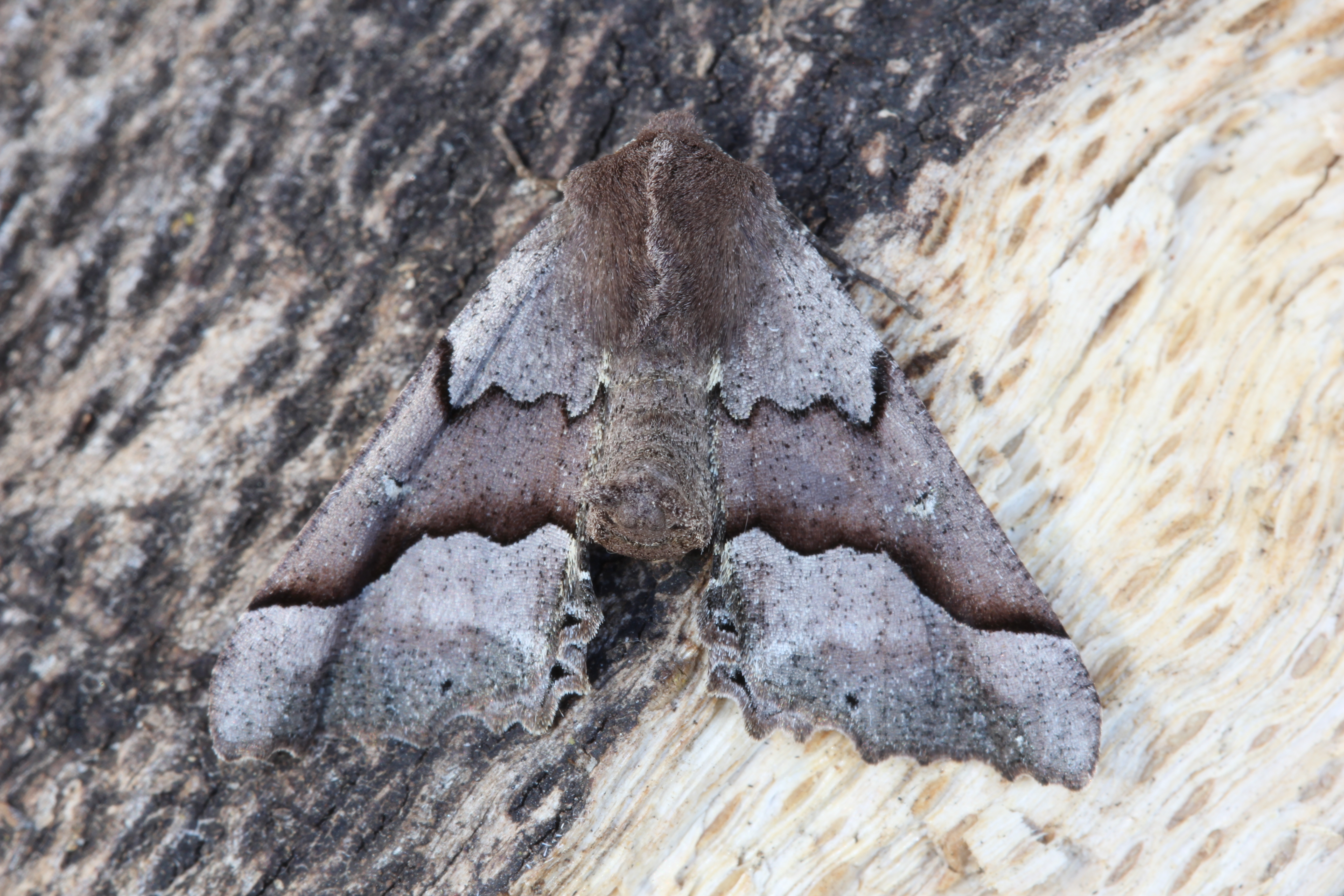
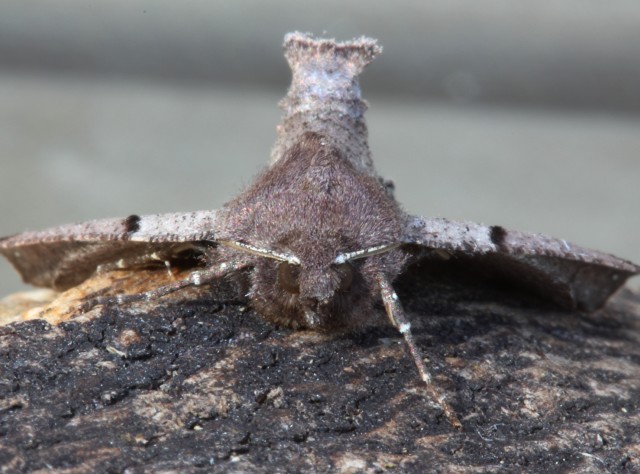
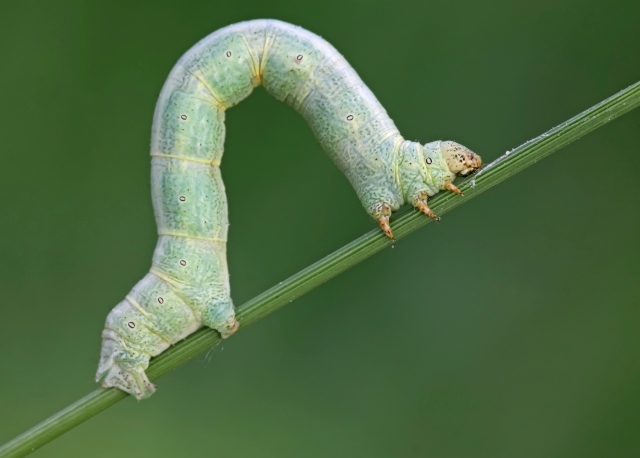
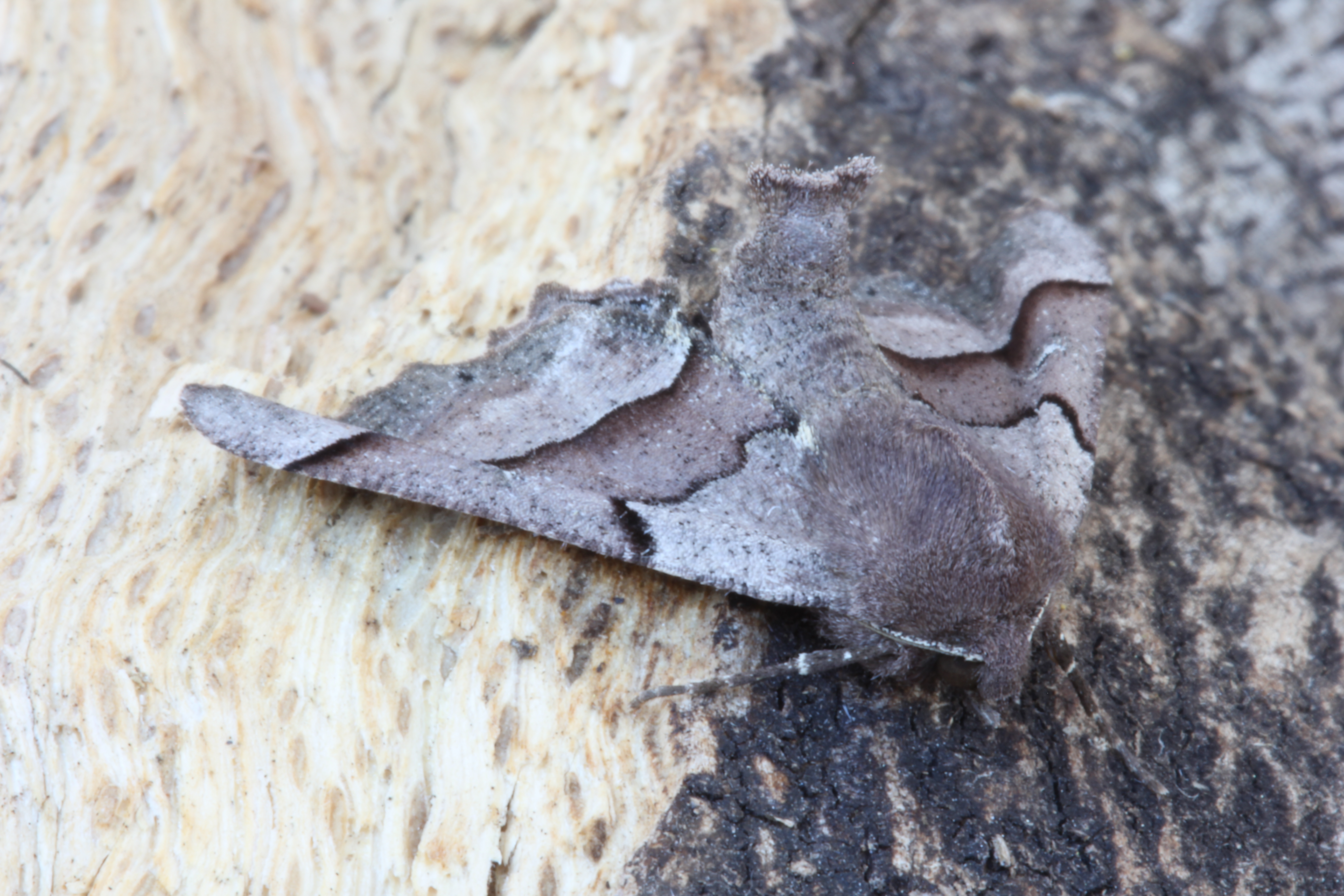
I found this cool moth while visiting the Golden State. A member of the Geometridae Family, their larvae, or inchworms, appear to measure the earth as they move along in a looping fashion.

02 Behr's Pero_5333

This large family contains about 23,000 described species. Their caterpillars lack legs in the middle of their bodies, instead only having them at the front and back of their body.

03 Behr's Pero_5317

To move, the caterpillar clasps with its front legs and draws up the hind end, then clasps with the hind end and reaches out for a new front attachment, creating the impression that it measures its journey.

04 Behr's Pero

The caterpillars are accordingly called “loopers,” “spanworms,” or “inchworms” after their characteristic looping gait. Most adult versions of moths from this family have broad wings which are held flat with the hindwings visible.

05 Behr's Pero_5327

The moth’s colors and patterns tend to blend into the background, often with intricate, wavy patterns on their wings. Most species are of a moderate size. Adults fly from April to October, depending on location.

06 Behr's Pero_5329

The habitat of the Behr’s Pero is pine forests and the caterpillars feed on several genera of pine tree needles.

Third Eye Herp
E-mail