Vivid Metallic Ground Beetle

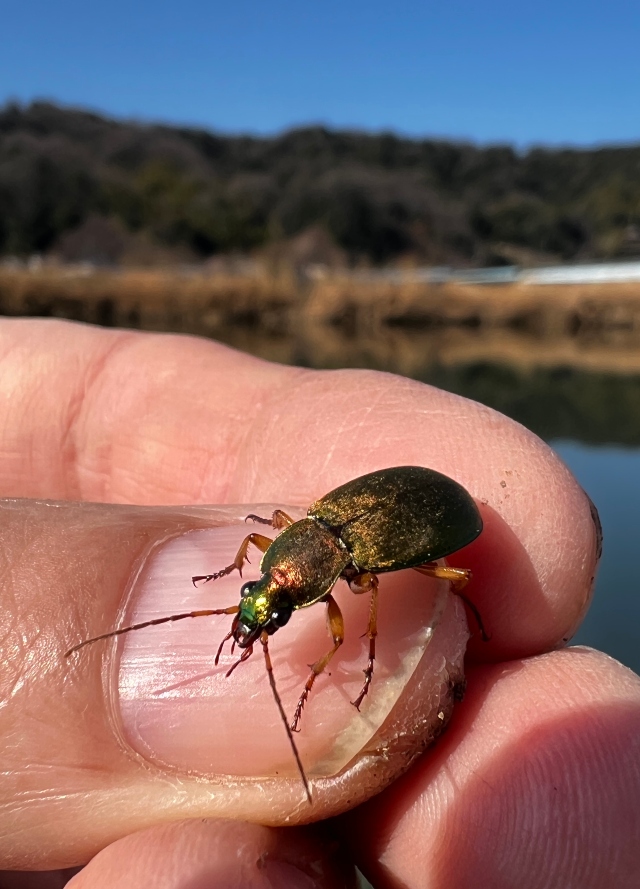
01 Chlaenius pallipes_5043

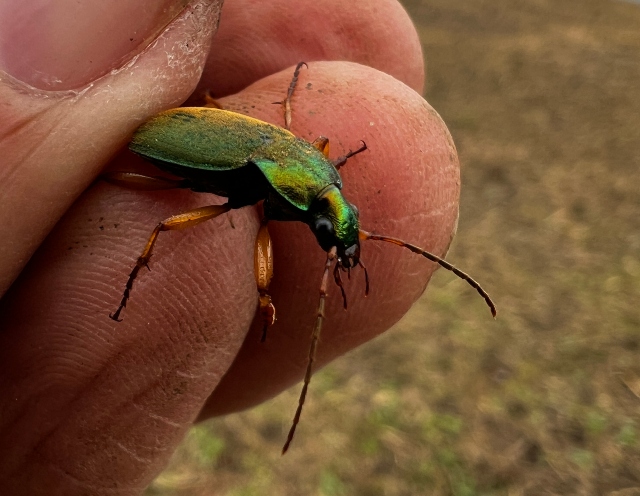
I found this fine creature while exploring the edge of a field in Japan. It is part of a large and diverse genus of ground beetles. Belonging to a family known as Carabid Beetles, the members in this family are frequently used as indicators of biodiversity and habitat quality.
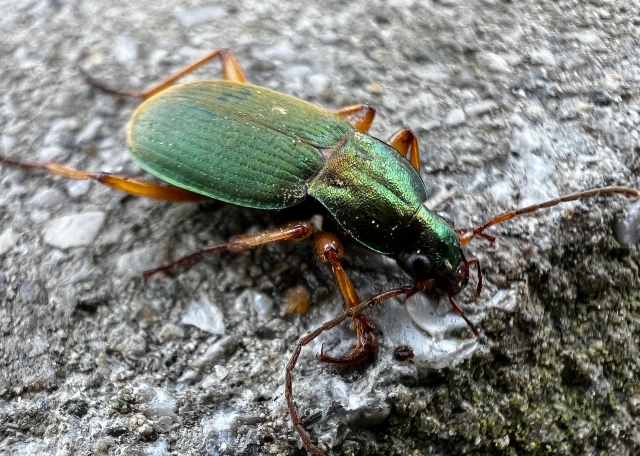
02 Chlaenius pallipes_5049

This insect is native to the Palearctic realm (including Europe, the Near East, and North Africa), Afrotropical realm, and Nearctic realm. Worldwide, roughly 1,000 species are currently recognized with the majority of known species occurring in the Oriental and Afrotropical regions.
03 Chlaenius pallipes_4871

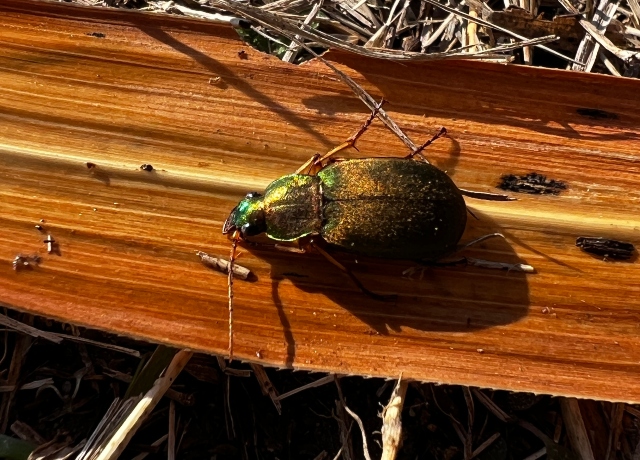
The Vivid Metallic Ground Beetle is a hygrophilous species that is found in a wide range of habitats, including forests, grasslands, farm fields, paddy fields, and riparian areas. However, even within the same habitat type, the population density of this species varies depending on the surrounding landscape complexity and habitat management practices.
04 Chlaenius pallipes_4866

These beetles feed on a wide variety of insects and other invertebrates, like caterpillars, aphids, snails, and earthworms. However, many species also eat plant matter, with some preying on seeds and even young seedlings, making them beneficial for controlling both pests and weeds.
05 Chlaenius pallipes_5054

The Vivid Metallic Ground Beetle has been used in studies to determine if its gut microbiome can be used as an indicator of an organism’s health or the health of the population.
Third Eye Herp
E-mail

Eurasian Coot

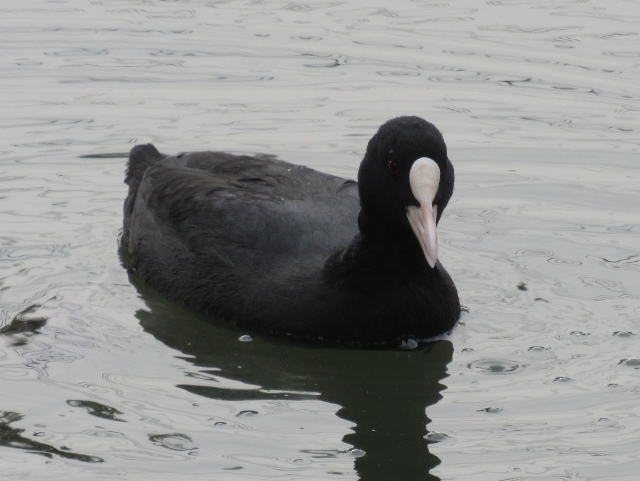
01 Eurasian Coot_3550

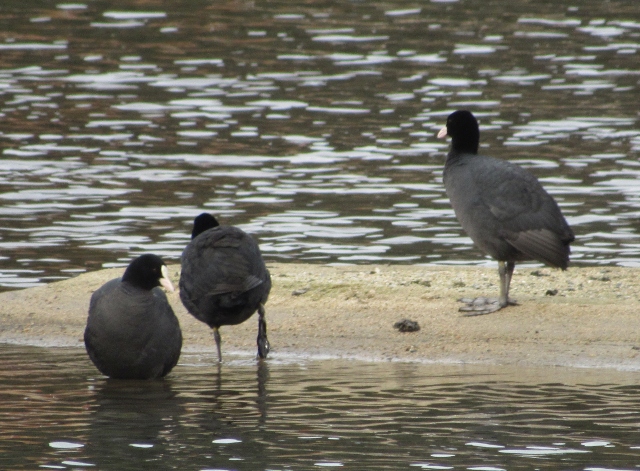
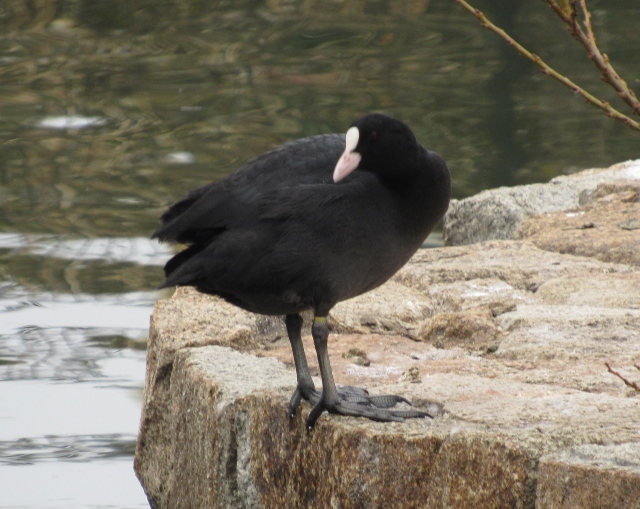
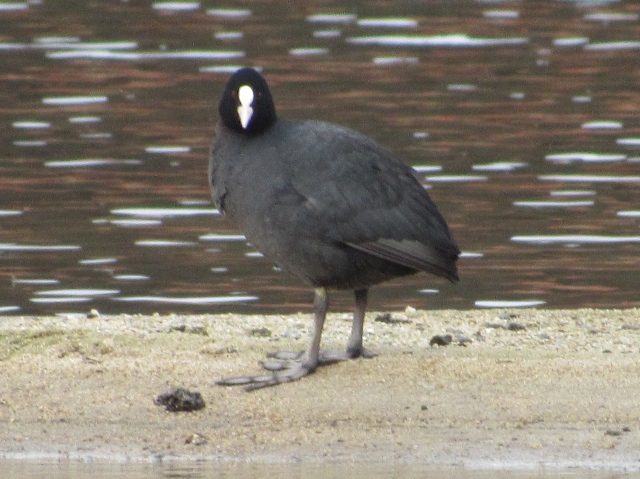
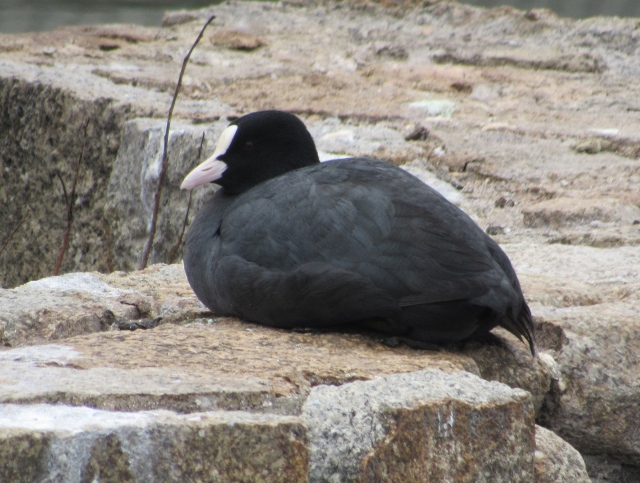
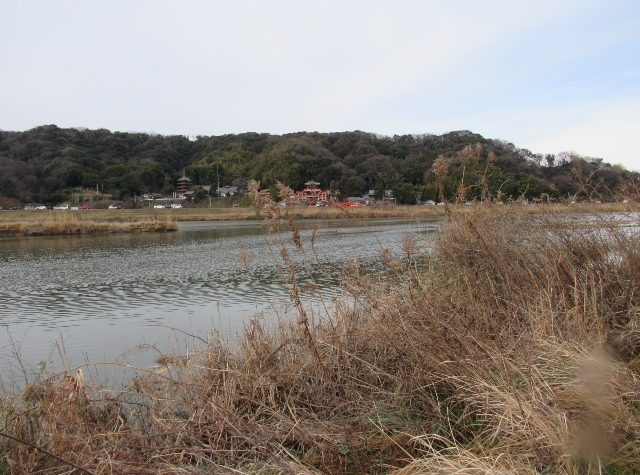
While visiting Japan I saw this common inhabitant of the Old World freshwater lakes and ponds that has adapted well to living in urban environments, often being found in parks and gardens with access to water. It occurs and breeds in Europe, Asia, Australia, and Africa.

02 Eurasian Coot_4304

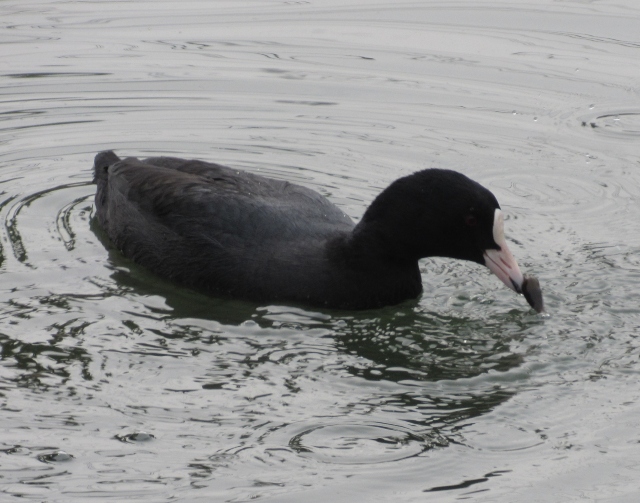
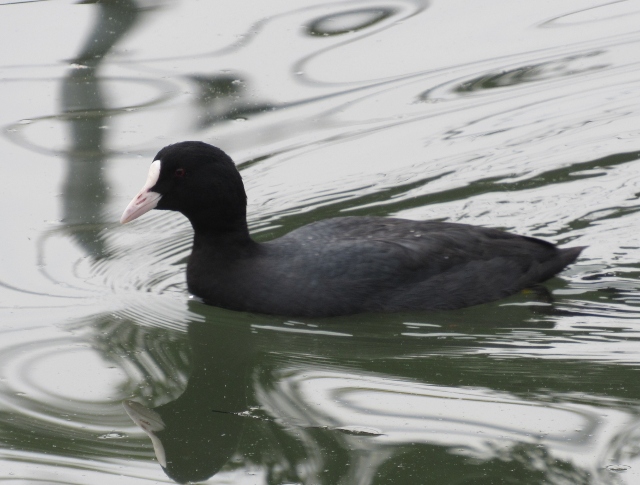
Eurasian Coots are medium-sized, robust waterbirds with a predominantly black plumage, which can appear dark grey in certain light. Their most striking features are their white bill and frontal shield, which contrast sharply with their dark feathers. Their feet are unique, with lobed toes that aid in swimming and walking on soft mud.

03 Eurasian Coot_3560

This bird is always found close to freshwater, and prefers habitats such as wetlands, lakes and ponds. It is not a shy bird. In areas where freshwater freezes, it migrates to warmer climates during Winter.

04 Eurasian Coot_4344

The Eurasian Coot is an omnivorous and feeds both on vegetation and small animal prey. It might also eat eggs of other birds. It can find food underwater, where it can dive to depths of 20 feet and stay submerged for 15 seconds. It also eats vegetation by grazing on land. It adapts its diet based on the availability of food sources.

05 Eurasian Coot_4303

It prefers bodies of water with abundant aquatic vegetation, which provides food, shelter, and nesting materials. This bird’s wide distribution can be attributed to its adaptability to various water environments and climates.

06 Eurasian Coot_4300

Eurasian Coots can be both solitary and social. Outside of the breeding season, they often gather in large flocks on open water. These birds can be quite territorial and aggressive during the breeding season however, engaging in dramatic displays and confrontations to defend their nesting area.

07 Eurasian Coot_3576

The Eurasian Coot is a resilient and adaptable bird that plays a significant role in the ecosystems of wetlands and waterways. As both a predator and prey species, it is an integral part of the food web.

08 Eurasian Coot_4347

It was really neat to see this bird (which looks just like the USA’s American Coot) at many of the places we visited in Japan.

Third Eye Herp
E-mail

Moso Bamboo

01 Bamboo_4363

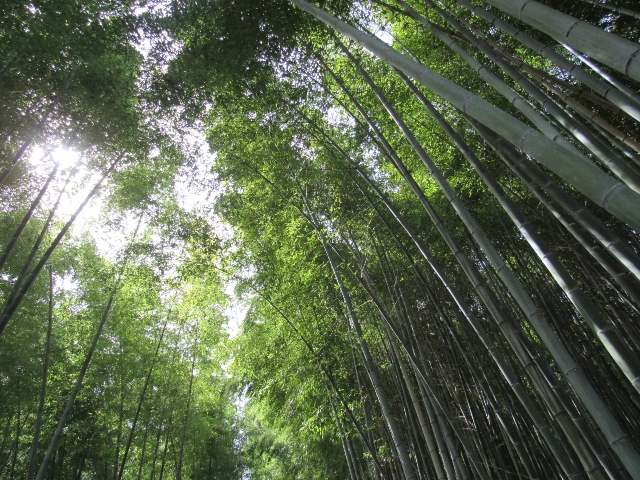
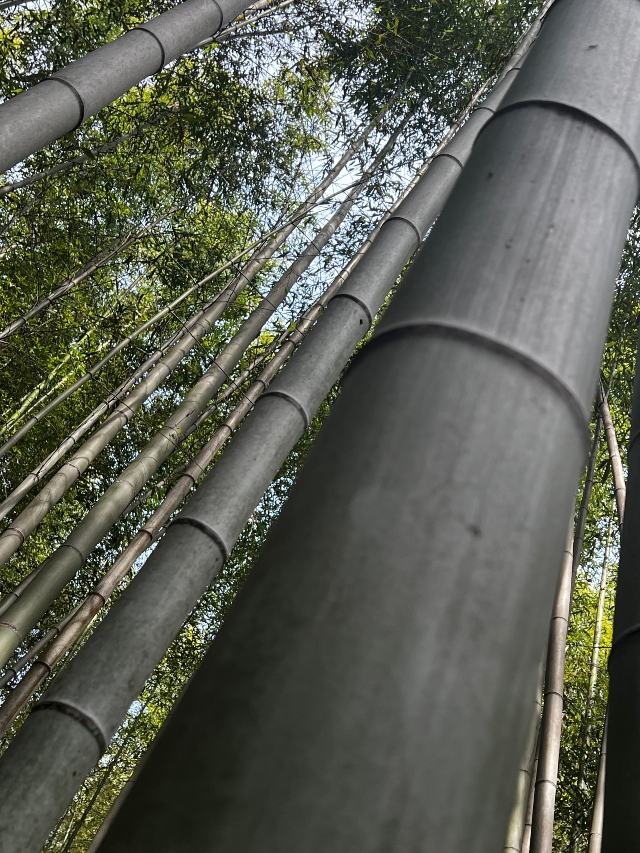
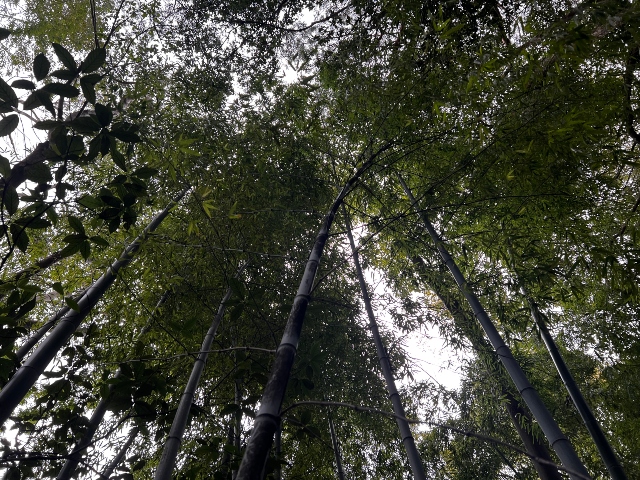
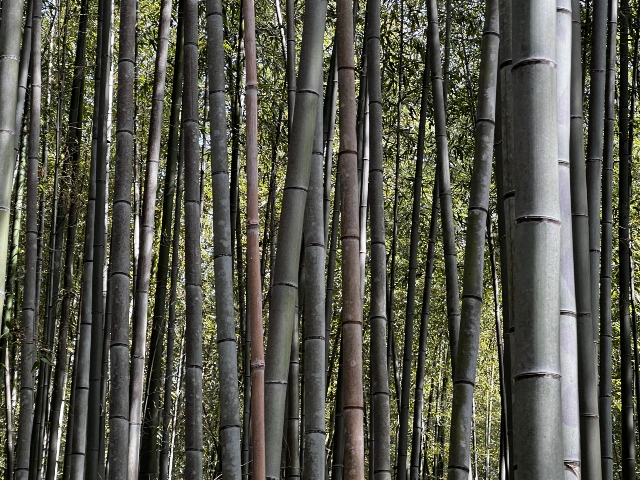
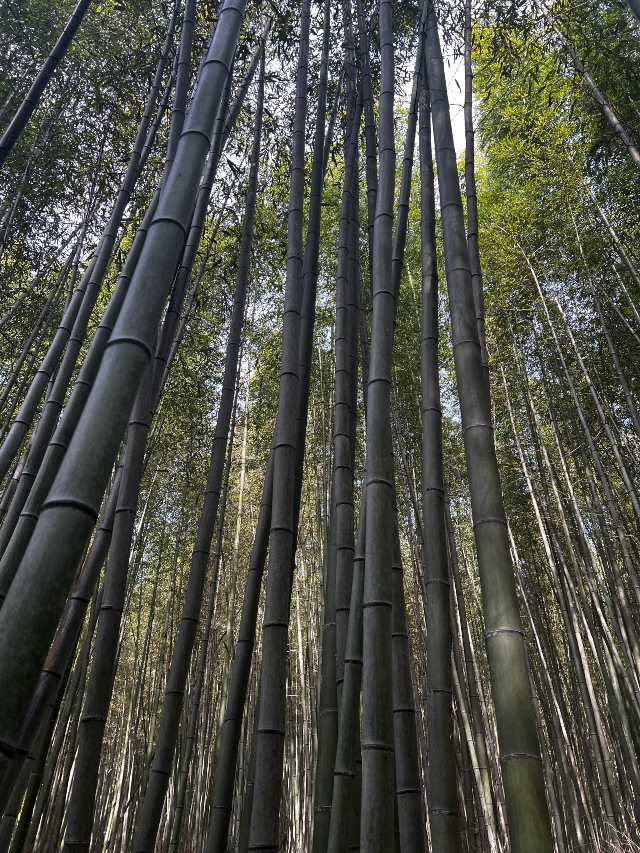
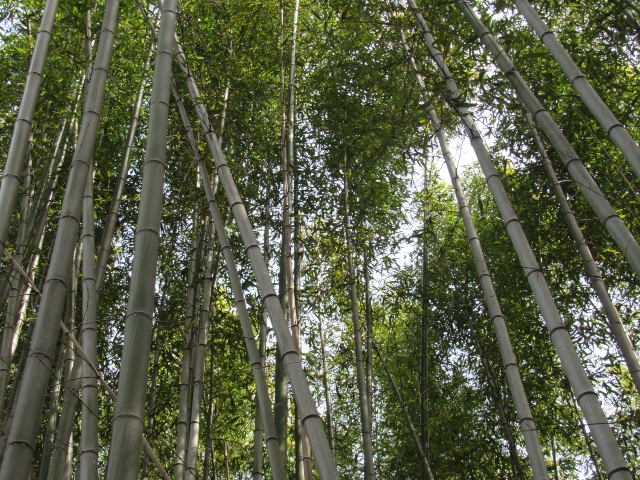
Visiting Arashiyama Bamboo Grove in Kyoto, Japan, was to experience a stunning natural wonder. The grove features towering bamboo stalks that create a serene and magical atmosphere as sunlight filters through the leaves.

02 Bamboo_4716

Moso is a temperate species of giant timber bamboo native to China and Taiwan and naturalized elsewhere, including Japan, where it is widely distributed from south of Hokkaido to Kagoshima.

03 Bamboo_5184

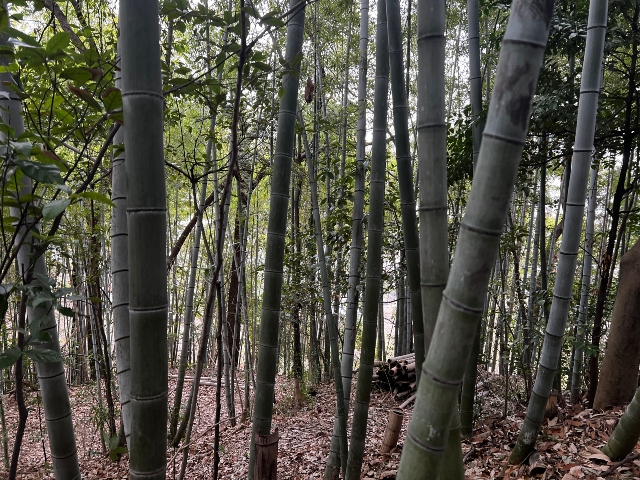
Noted for its incredible beauty and elegance, Moso Bamboo is a remarkable evergreen bamboo with huge, upright, very thick, gray-green canes surmounted by plumes of small, pale green leaves.

04 Bamboo_4718

With the Latin Name of Phyllostachys edulis, the edulis part of the refers to its edible shoots. This species can reach heights of up to 92 feet.

05 Bamboo_5186

Moso bamboo is grown in large plantations and harvested for a variety of products including timber, fencing, furniture, construction material, paper pulp, plywood, flooring, musical instruments, utensils and rayon for the textile industry.

06 Bamboo_5188

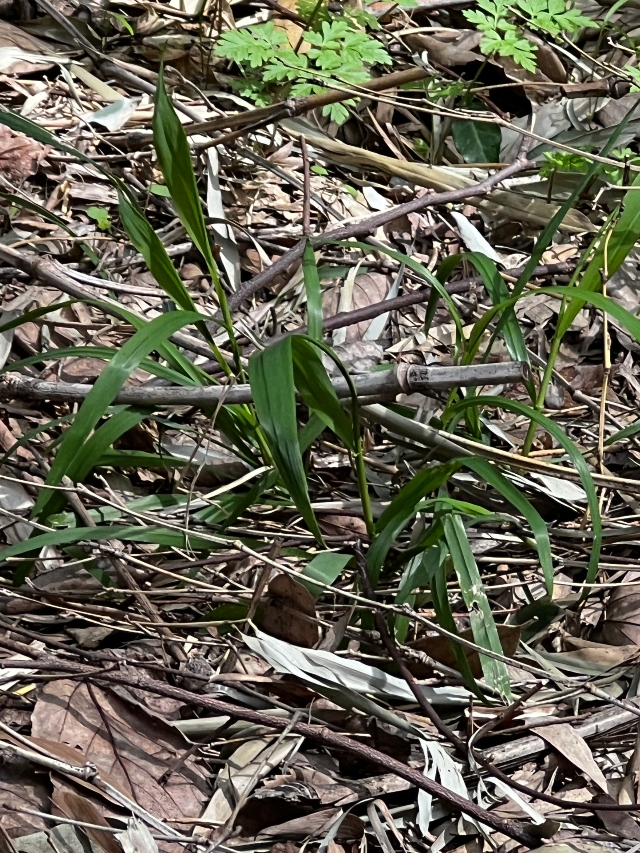
It is the largest and perhaps the most ornamentally attractive of the temperate bamboos. Although mature specimens look like trees, Moso Bamboo is not a tree but is in fact a grass with a woody structure.

07 Bamboo_5181

This is also the most commonly grown species of bamboo in Asia for harvest of its edible shoots, which are eaten locally as well as being canned for export. Shoots harvested for food are best collected before they break the soil surface.

08 Bamboo_4355

Touring Arashiyama Bamboo Grove was a memorable event while vacationing in the Land of the Rising Sun.

Third Eye Herp
E-mail

Eastern Asiatic Freshwater Clam

01 Sinanodonta woodiana_4283

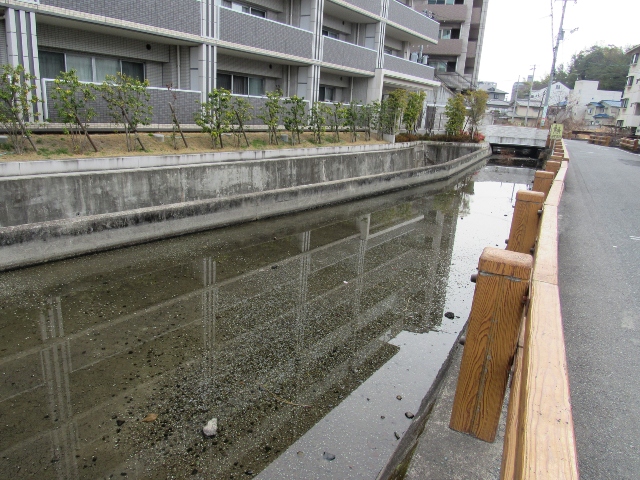
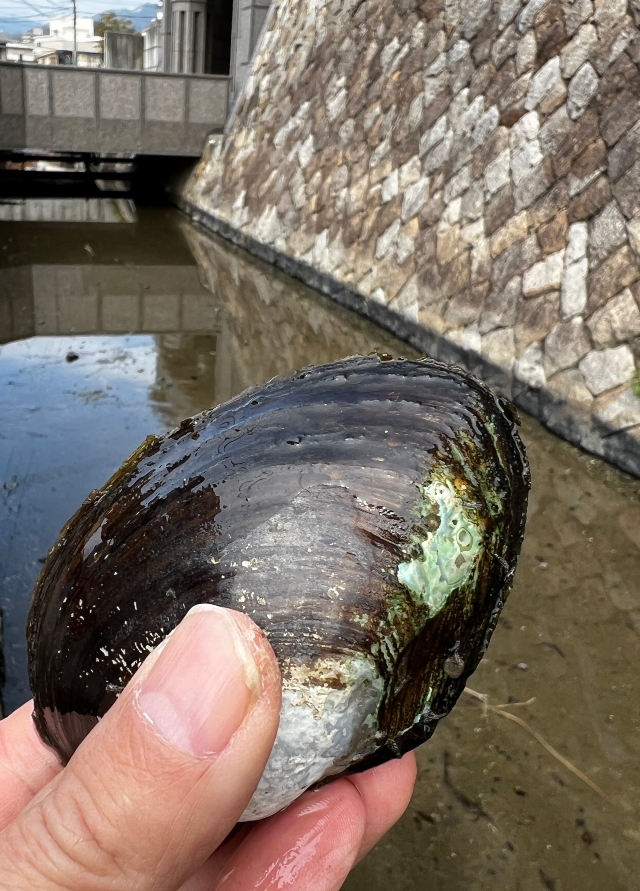
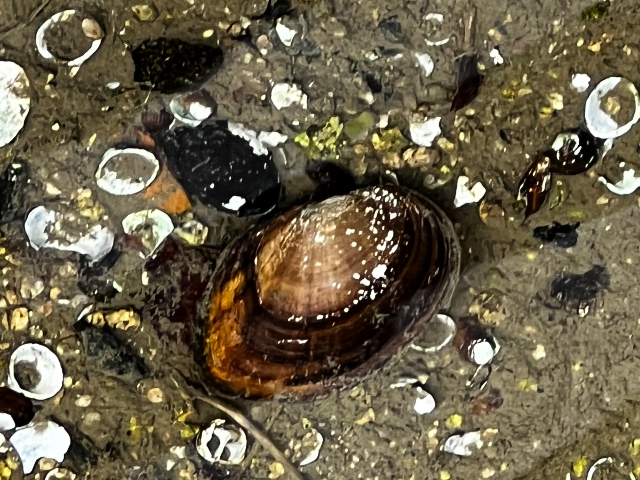
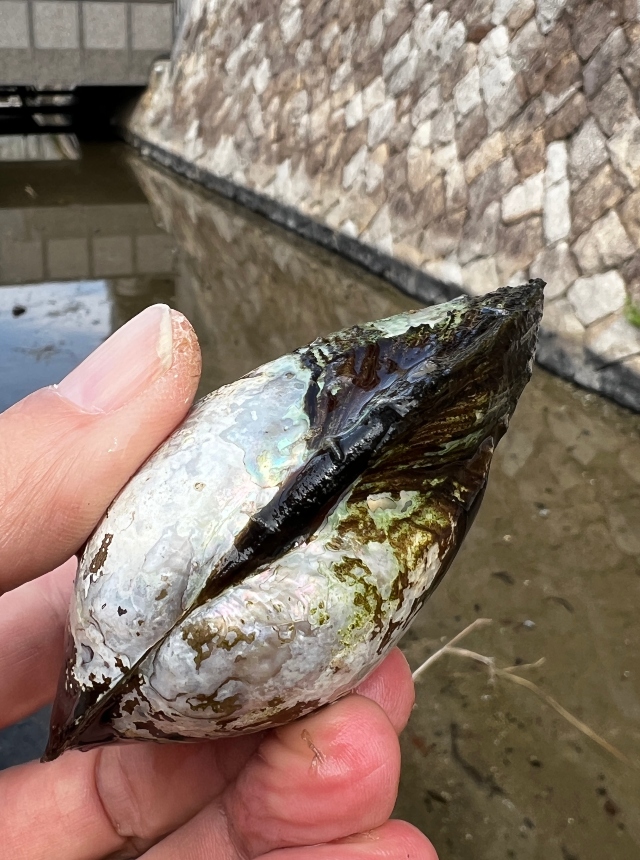
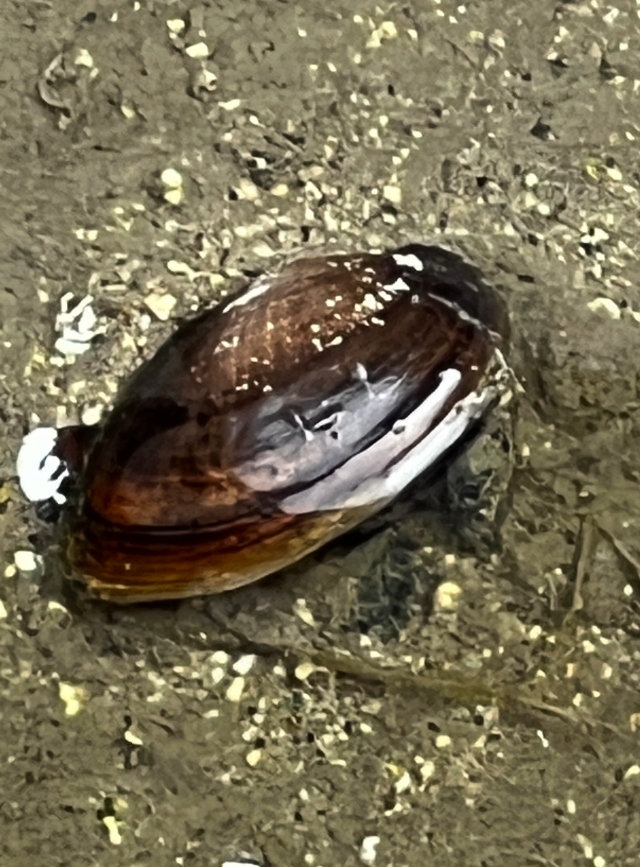
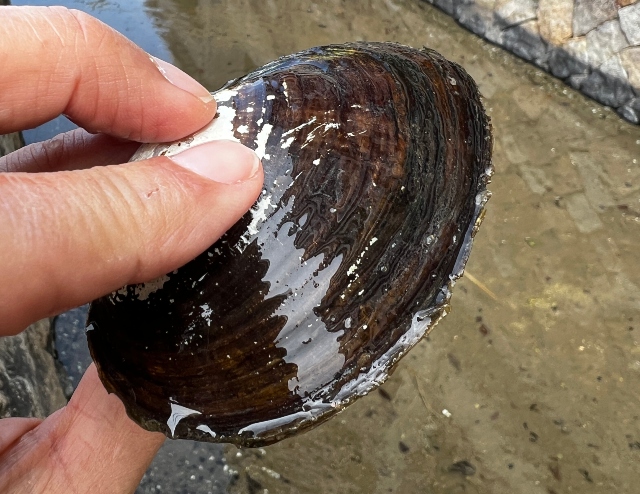
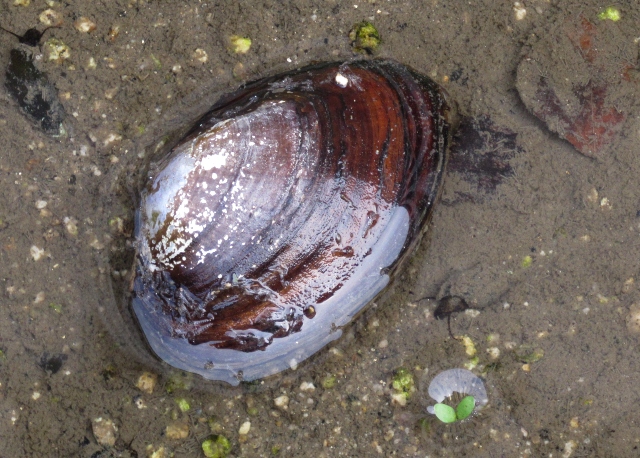
While walking the streets of Fukuyama, Japan, the canals along the avenues had several different types of creatures living in them – the most conspicuous being this shelled being. Their variation in the form of the shell is considerable, with colors of dark brown, yellow-green and/or dark green.

02 Sinanodonta woodiana_5145

The Eastern Asiatic Freshwater Clam can grow to almost a foot in length and attain an age of 12–14 years. It can reproduce by the end of its first year, while only an inch and a half in size. The form of the shell is relatively short and elliptical to almost rounded and very high in the central part.

03 Sinanodonta woodiana_5142

This species is a habitat generalist found in heavily modified and artificial habitats and is tolerant to high siltation rates. It prefers substrates of silt and clay, turbid conditions with relatively high water temperatures and is found in either standing or slow-flowing water. It is established worldwide.

04 Sinanodonta woodiana_5147

Belonging to the Unionidae Family, like all members of its family, it has an obligatory parasitic stage, in which the larva must attach on a host fish to complete its development. Host species include invasive, non-native and native fishes.

05 Sinanodonta woodiana_5143

The Eastern Asiatic Freshwater Clam’s great success is distribution is attributed to the importation and commercialization of Asian Carp, its native Asian host (which is now found worldwide as well). Most likely the mussels arrived as larvae attached to the gills of these imported fish.

06 Sinanodonta woodiana_5146

An additional possible direct means of dispersal is its being unintentionally marketed and sold by garden centers and aquarium shops as a species for biological control and water purification in several European countries. Invasive populations in Indonesia are considered as an important protein source and has significant economic value.

07 Sinanodonta woodiana_4353

You never know what you’ll find in a ditch on the side of the road, and this mollusk made for a fun discovery.

Third Eye Herp
E-mail