Fork-Tailed Bush Katydid

01 Brown Katydid_1533

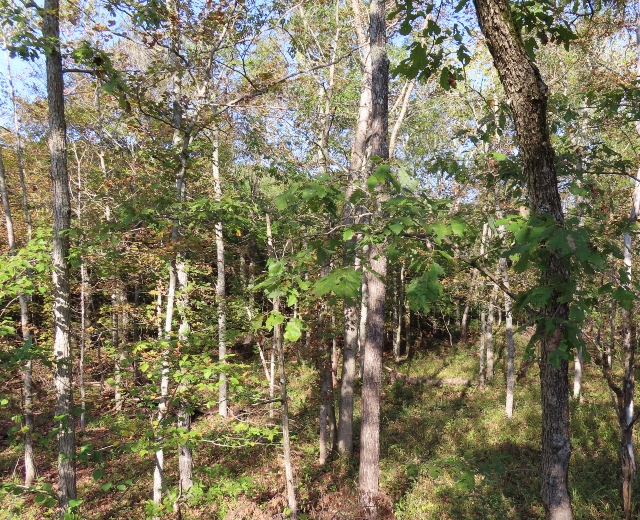
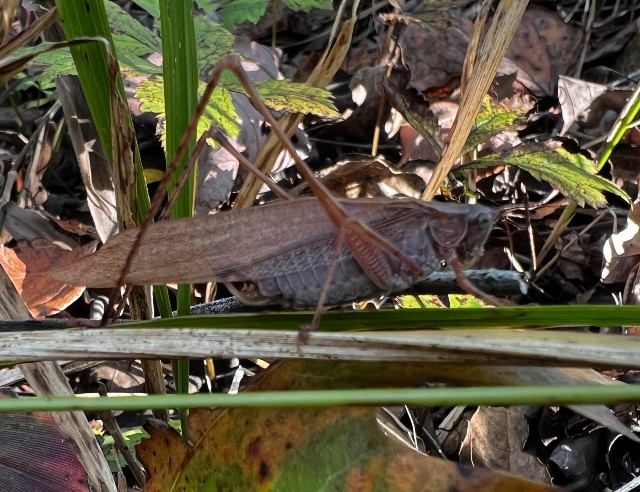
While in a wooded area at the edge of a glade in Missouri, I came across this cool creature. It ranges throughout the lower 48 states and southern Canada. Its color is usually leafy green, but different populations, in different regions, may have brownish, rusty, pinkish, or other casts – especially in Autumn.
02 Brown Katydid_2131

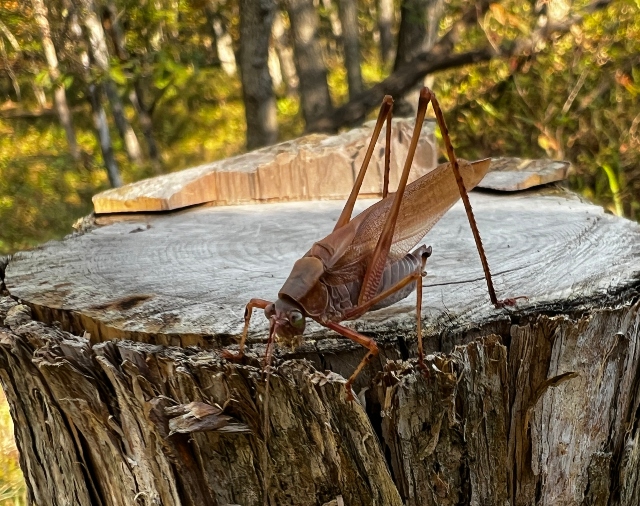
The Fork-tailed Bush Katydid is one of about 250 species of katydids, also called Long-horned Meadow Grasshoppers (family Tettigoniidae), they occur in North America north of Mexico. They all have very long antennae, and many resemble green leaves. They eat the foliage of a variety of shrubs and other plants.
03 Brown Kaydid_1534

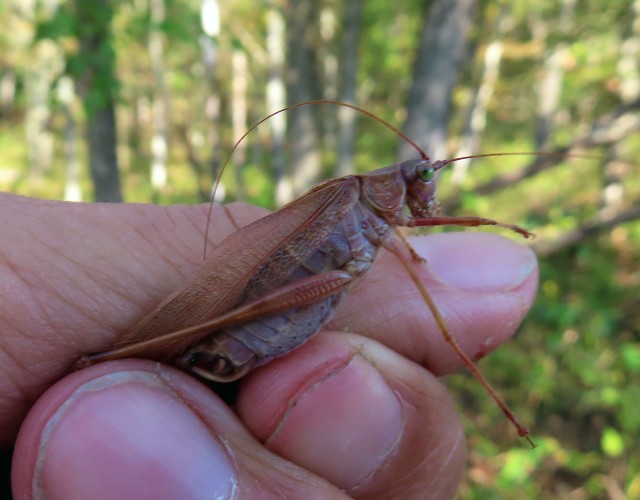
Males have a split “tail” on the tip of the abdomen called a furcula that is key in identification. This appendage is where their species name of furcata came from and helps identify them from other similar species. Females have a long appendage extended from their abdomen as well, called an ovipositor, that is used in egg laying.
04 Brown Katydid_2130

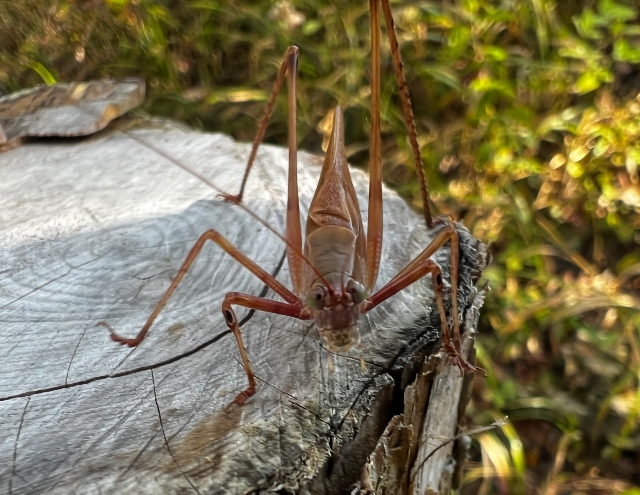
This species and others in its genus are called “Bush Katydids” because they are most common in bushes, thickets, and other shrubby areas. You may also find them in the margins of woodlands and overgrown fields. Fork-tailed Bush Katydids are mostly nocturnal and may be attracted to lights at night. They are good fliers and hoppers.
05 Brown Katydid_2125

It’s hard to imagine a late-summer night without the many sounds of katydids, crickets, and their relatives. Few people are aware of the diversity of insect singers that fill our Summer days and nights with distinct, unique songs, as identifiable as various bird songs.
Third Eye Herp
E-mail

American Lotus

01 Lotus - Nelumbo lutea_0466

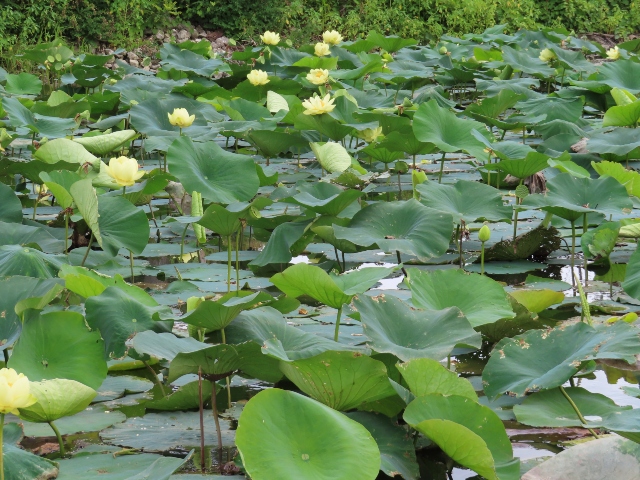
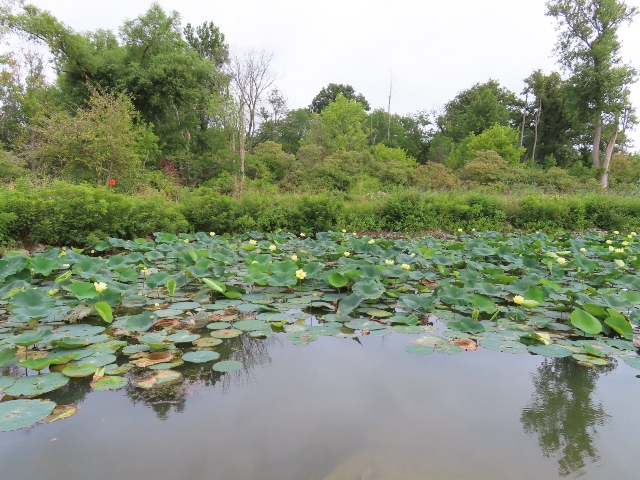
While herping waterways in northwest Ohio, I saw a number of these plants. American Lotus is an emergent aquatic flora. It grows in lakes and swamps, as well as areas subject to flooding. The roots are anchored in the mud, but the leaves and flowers emerge above the water’s surface.

02 Lotus - Nelumbo lutea_0467

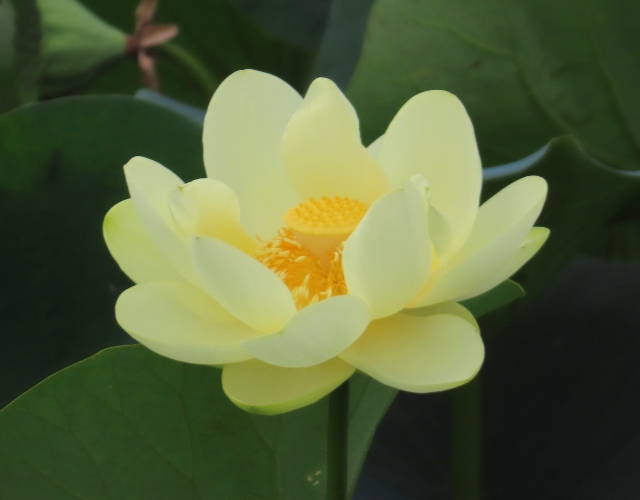
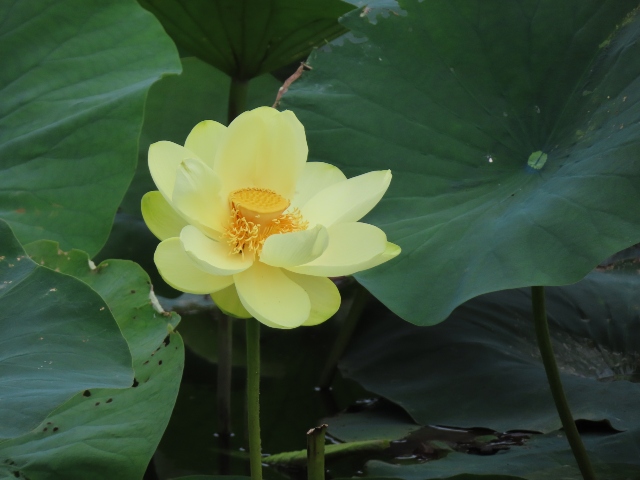
Flowering begins in late Spring and may continue into the Summer. The species name lutea means “yellow” in Latin and refers to the flowers, which may be white to pale yellow. American Lotus’ flowers that grow up to 10″ across, making them one of the largest flowers in North America. This perennial typically grows 3 to 6 feet tall.

03 Lotus - Nelumbo lutea_0469

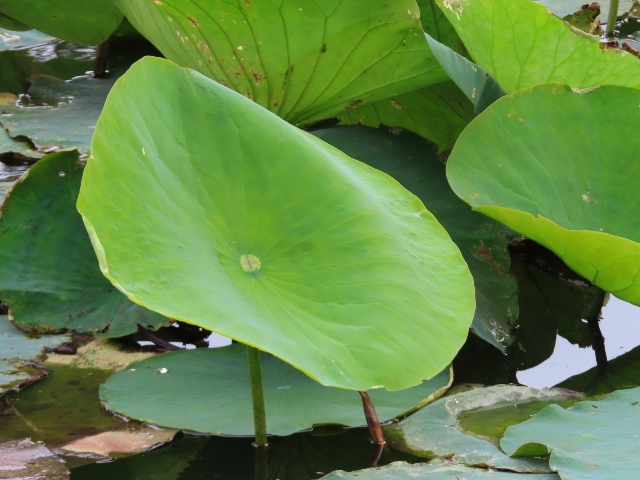
This plant’s leaves are blue-green, shed water, and are normally held above water level on long stems. They are circular and extremely variable in size, being up to 2 feet wide. This valued native wildflower is sometimes planted as an ornamental in aquatic gardening.

04 Lotus - Nelumbo lutea_0468

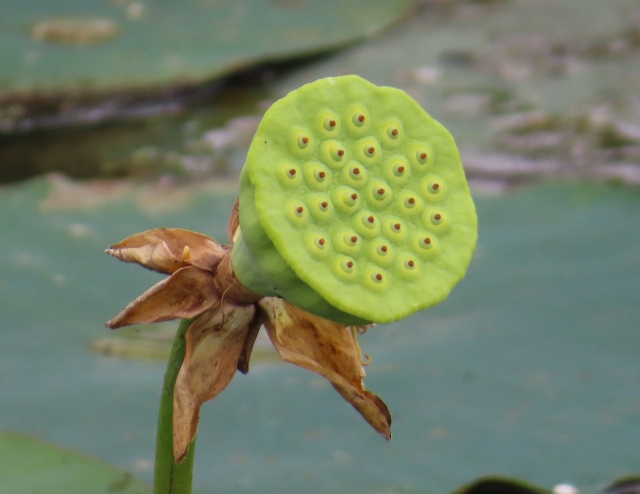
American Lotus’ unique seed pod emerges as an inverted cone-like structure from the center of the bloom. As the pod develops, it turns from pale yellow to dark brown and resembles a shower head. It is very popular in dried floral arrangements and terrarium decorations.

05 Lotus - Nelumbo lutea_0470

This plant was an important food source for Native Americans, who dug up the starchy roots with their feet. Young shoots were eaten as greens; the unripe seeds taste like chestnuts and when ripe can be hulled and roasted. Waterfowl eat the seeds, and large colonies are important nurseries for fish and other aquatic life as well as shelter for ducks.

06 Lotus - Nelumbo lutea_0477

This is indeed a very cool plant that is enjoyable to see on my travels.

Third Eye Herp
E-mail

Yellow-throated Warbler

01 Yellow-throated Warbler_5783

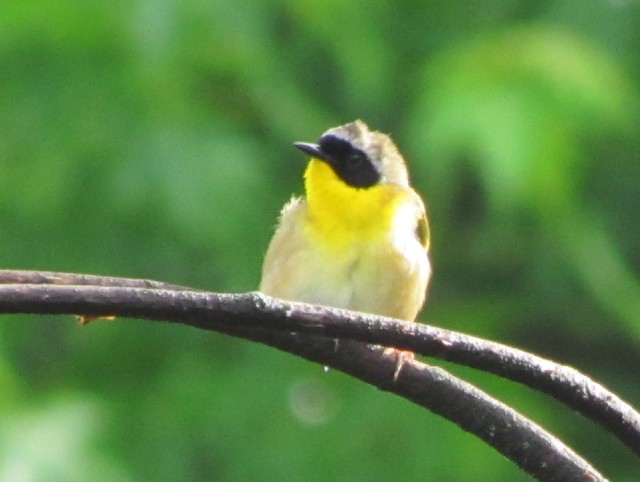
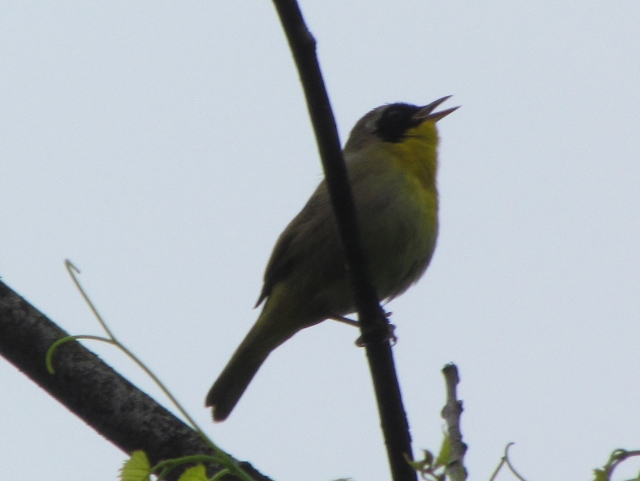
While hiking in Cuyahoga Valley National Park, I noticed this distinctive bird. The Yellow-throated Warbler is a small, migratory songbird of the south, that can occasionally be found in my home state.

02 Yellow-throated Warbler_6394

The Yellow-throated Warbler breeds in a relatively narrow range across the southeastern United States. Its breeding range extends from as far north as southeastern Virginia, southern Ohio, and Missouri.

03 Yellow-throated Warbler_5807

With its bright yellow throat and chest, olive-green back, white belly, and black mask, this bird has a striking appearance that makes it stand out among other warblers.

04 Yellow-throated Warbler_5808

In the Midwest, they are typically found in riverside groves of Sycamores. The song of the Yellow-throated Warbler sings a lively series of clear, whistled notes that are often described as cheerful or bubbly.

05 Yellow-throated Warbler_6396

This bird is are insectivorous, but also includes a considerable amount of berries and nectar in its diet outside the breeding season. Insects are typically picked off tree branches directly, but flying insects may be caught in the air.

06 Yellow-throated Warbler_5812

John James Audubon painted the Yellow-throated Warbler for his famous “Birds of America” series. He gave it the name “Children’s Warbler” because its bright colors reminded him of the clothes children wear.

Third Eye Herp
E-mail

Common Brown Cup

01 Cup Fungus_0903

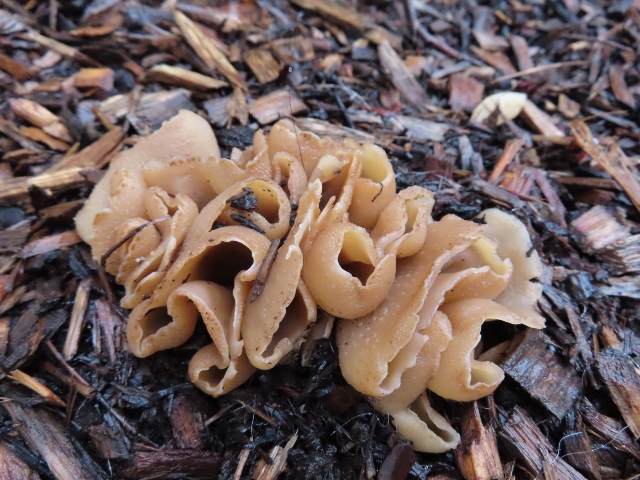
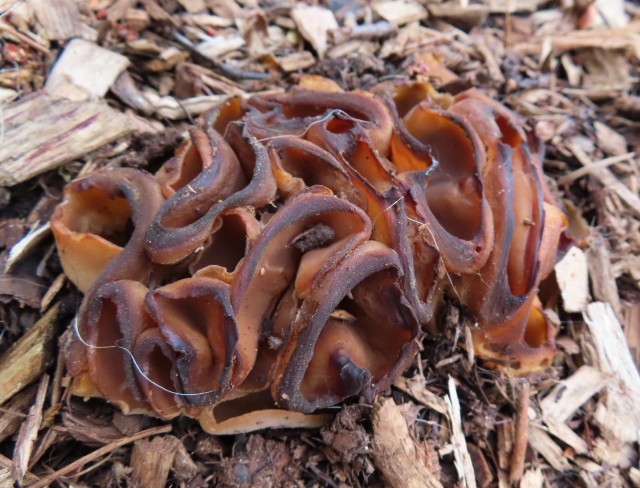
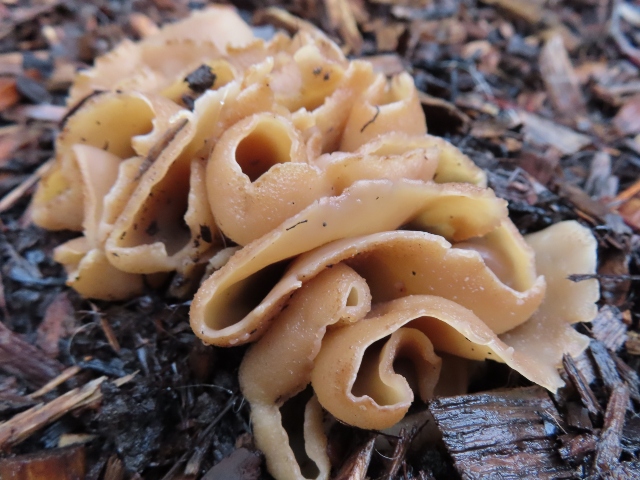
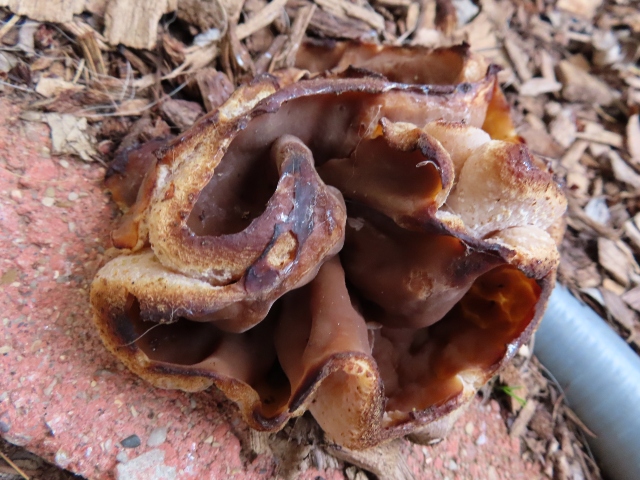
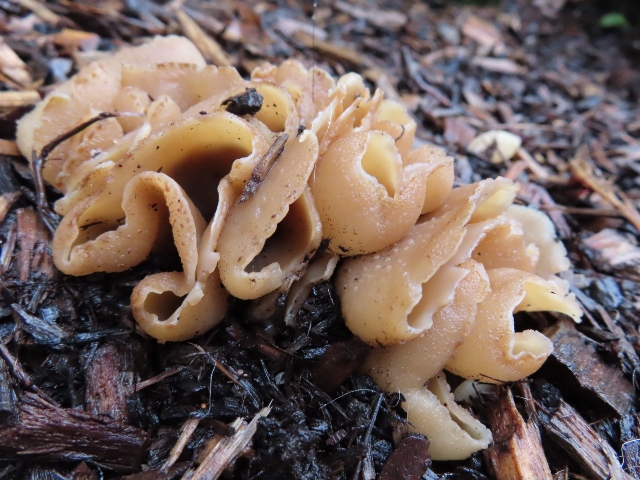
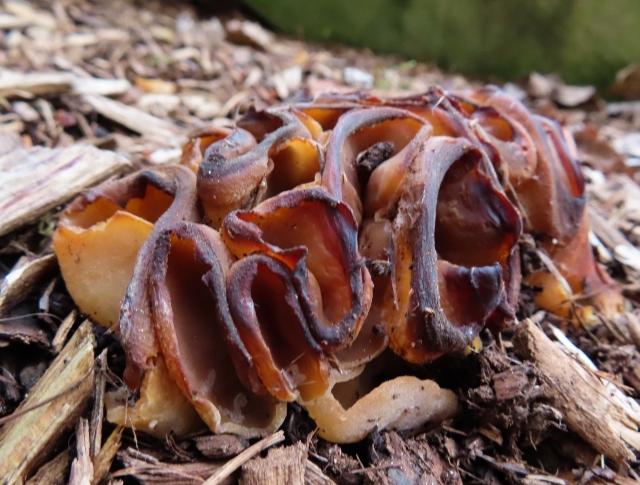
Sometimes you don’t have to look far to find cool things in nature. While leaving the house, I saw this unusual-looking organism sprouting up in several spots in the mulch near our house. Mushrooms and fungi play vitally important roles in nature and to humans.

02 Cup Fungus_1068

Brown Cups look just like their name, as they are brown inside and out and their cup-like structure is usually just a few inches across and high. The sides of this mushroom are quite fragile and are often seen in a caved-in type state. This mushroom is also known as Pig’s Ears.

03 Cup Fungus_0909

Most often seen in Spring, the cup shape is designed to propel raindrops into splashing its spores out of the cup. Additionally, the curvature enables wind currents to blow the spores out in as a way to distribute them a distance from the fruiting body. It is quite an experience to tap a cup; if the spores are sufficiently mature, it is possible to see millions of them eject into the air from the inside surface like a puff of fine cigar smoke.

04 Cup Fungus_1070

Few of us see the entire life cycle of mushrooms, since most of it takes place underground or beneath the bark of dead or living trees. Before developing the mushroom structure, the fungus lives as a mycelium, a mat-like or netlike network of filaments infusing a patch of soil or wood. When conditions are right, the mycelium develops a fruiting structure, a mushroom, which emerges from the ground or the tree.

05 Cup Fungus_0904

There are over 200 hundred species of Cup Mushrooms and they tend to be interesting in color and shape. They frequently resemble cups or saucers. The Orange Peel Fungus resembles a discarded orange rind. They may also be vividly colored, like the Scarlet Cup, which is often one of the first signs of spring in the temperate regions where it grows.

06 Cup Fungus_1069

Mushrooms are a lot like plants, but they lack chlorophyll and have to take nutrients from other materials. Mushrooms are neither plants nor animals. They constitute their own kingdom: the Fungi. Common Brown Cup grows solitarily or in dense clusters on soil or on well-decayed logs. It is found in Europe, North America, and Iceland.

Third Eye Herp
E-mail