Bobolink

01 Bobolink_3717

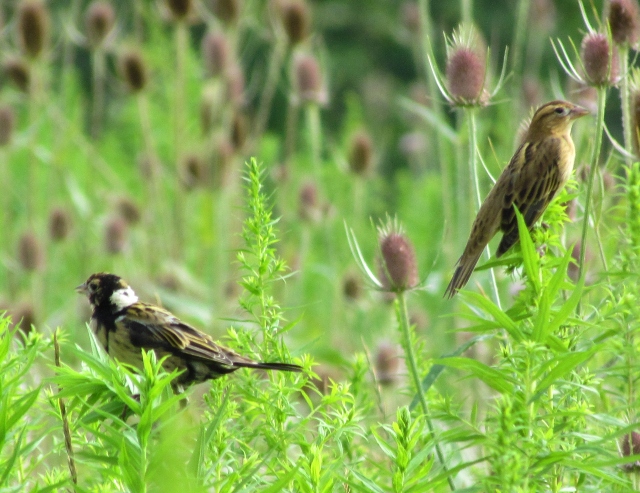
Perched on a grass stem or displaying in flight over a field, breeding male Bobolinks are striking. No other North American bird has a white back and black underparts (some have described this look as wearing a tuxedo backwards). Added to this are the male’s rich, straw-colored patch on the head and his bubbling, virtuosic song. Females are less fancy and mainly a lightly patterned warm brown.
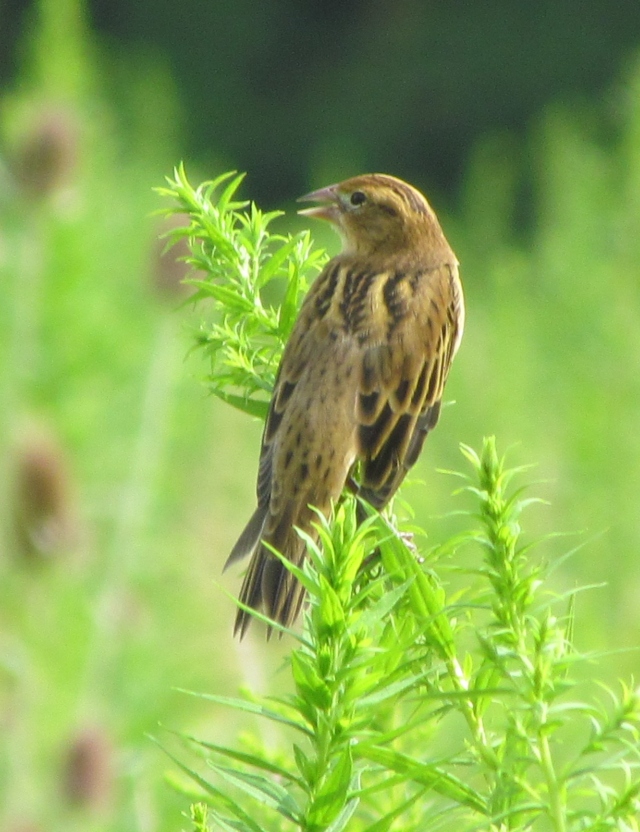
04 Bobolink_3708

The Bobolink is one of the world’s most impressive songbird migrants, traveling some 12,500 miles to and from southern South America every year. Throughout its lifetime, it may travel the equivalent of 4 or 5 times around the circumference of the earth.
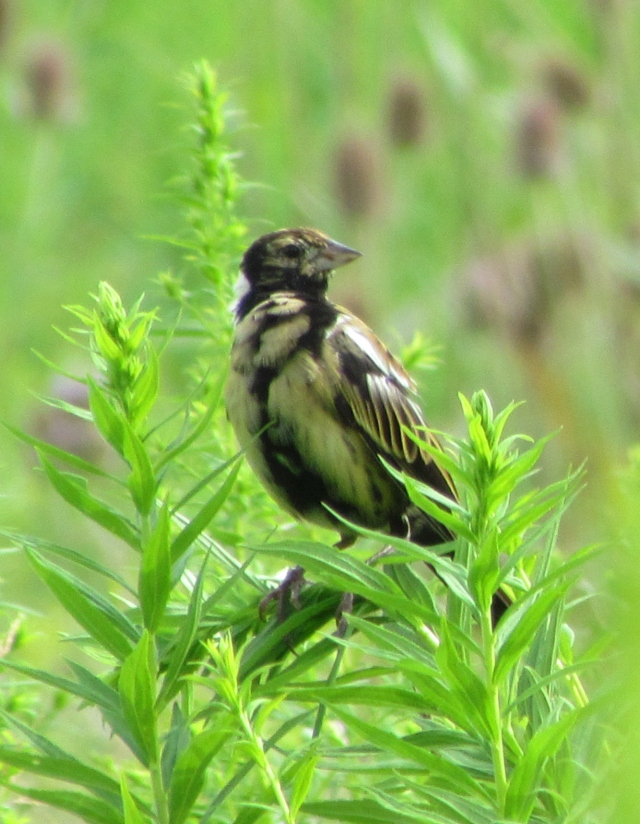
02 Bobolink_3722

A migrating Bobolink can orient itself with the earth’s magnetic field, thanks to iron oxide in bristles of its nasal cavity and in tissues around the olfactory bulb and nerve. Bobolinks also use the starry night sky to guide their travels.
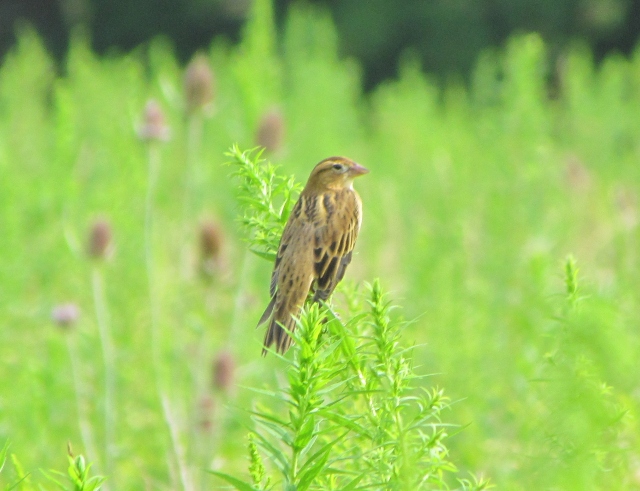
04 Bobolink_3704

With a Latin Name of Dolichonyx oryzivorus, the species name of the Bobolink, oryzivorus means “rice eating” and refers to this bird’s appetite for rice and other grains, especially during migration and in Winter.
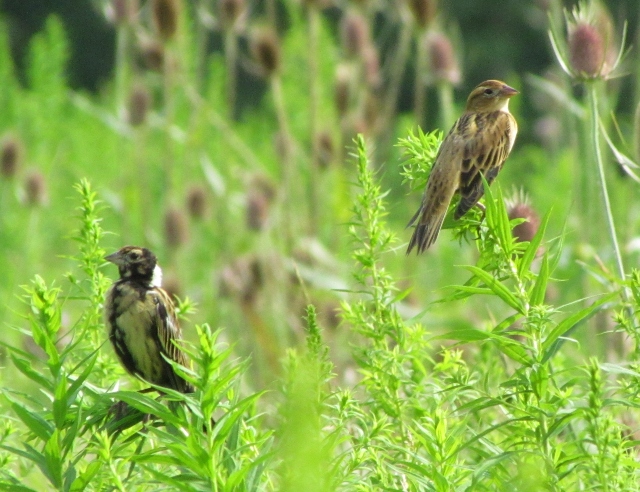
05 Bobolink_3727

The song of the male Bobolink is distinctive and virtuosic — a disorienting stream of whistles, gurgles, squeaks, and other sounds delivered so rapidly and covering so much sonic ground it can sound like two birds singing at once. Their bubbling song has inspired poets from Emily Dickinson to William Cullen Bryant and ushers in Spring across the grasslands of the northern United States and southern Canada.
Third Eye Herp
E-mail

Blue-spotted Salamander

01 Blue-spotted Salamander_0093

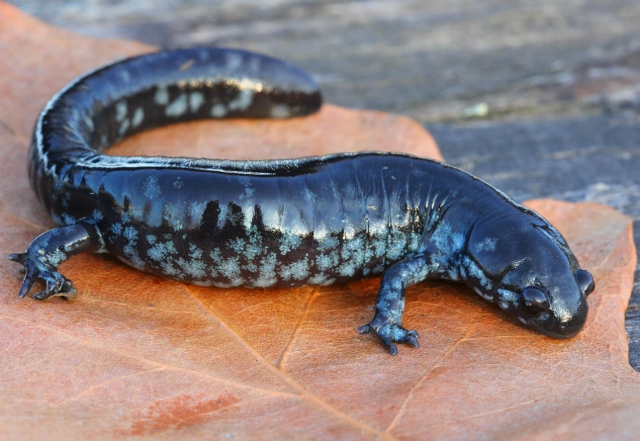
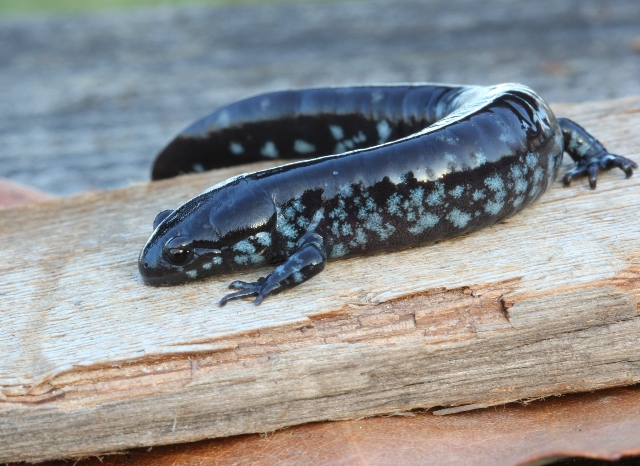
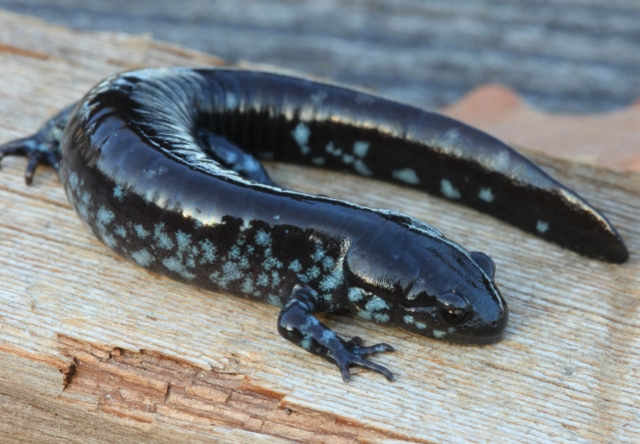
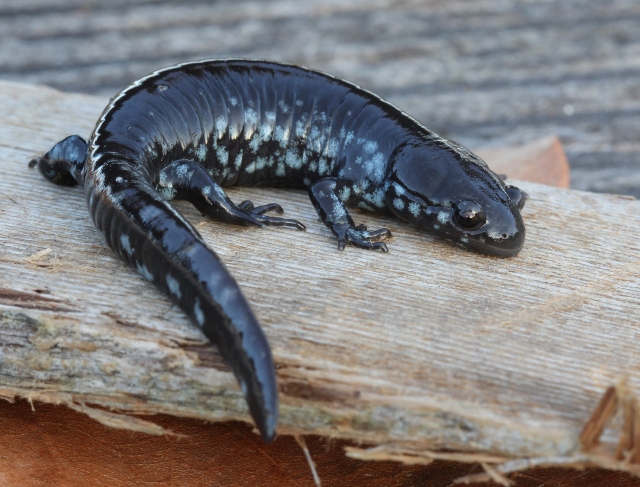
While doing a bit of exploring at Maumee Bay State Park, I came across a few examples of this very cool amphibian. The Blue-spotted Salamander is a Mole Salamander native to the Great Lakes states and northeastern United States, and parts of Ontario and Quebec in Canada.

02 Blue-spotted Salamander_8702

This is a medium-sized amphibian with conspicuous markings of randomly distributed, sky-blue spots, blotches, and flecks on a base color of dark gray to black. Adults measure 3 to 5 inches in total length, with males being smaller than females. They have specialized glands on their tails that secrete a milky substance which is harmful to predators. In some cases, they will raise and wave their tail as a way to repel a potential predator.

03 Blue-spotted Salamander_8720

These creatures are primarily found in moist, deciduous hardwood forests and swampy woodlands with sandy soil, though they can be found in coniferous forests and fields too. They prefer vernal pools that retain water into mid-Summer, to ensure access to a suitable breeding habitat.

04 Blue-spotted Salamander_8708

Blue-spotted Salamanders are carnivorous, eating invertebrates such as worms, snails, slugs, centipedes, and spiders, as well as insects. Like most salamanders, they stay underground during the day. However, at night they will emerge from the soil to feed.

05 Blue-spotted Salamander_8714

This is truly a beautiful herp to come across and seeing on in the field makes for a memorable experience.

Third Eye Herp
E-mail

Swamp Rose

01 Swamp Rose_4778

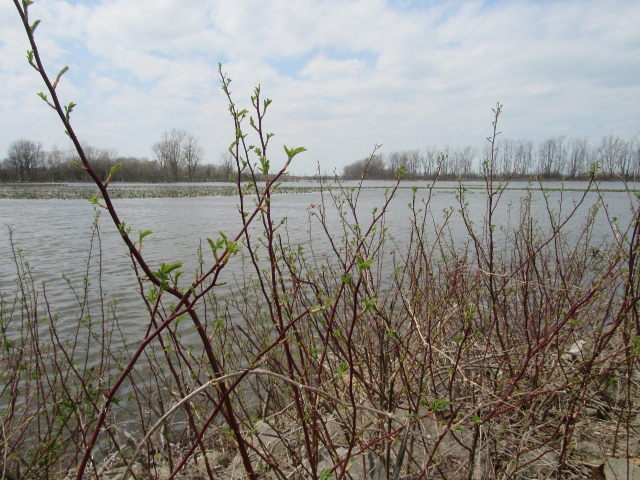
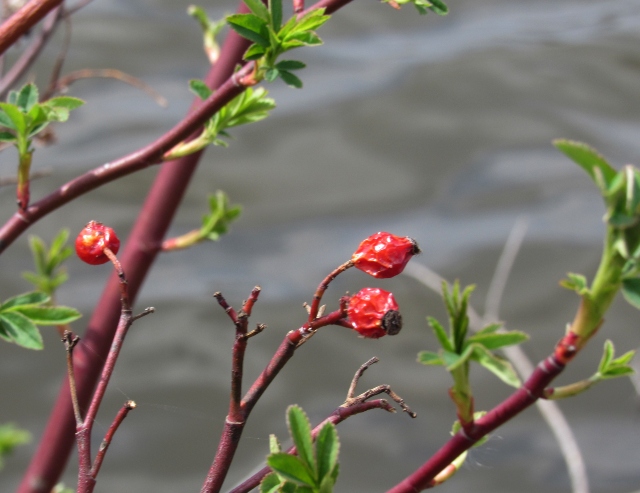
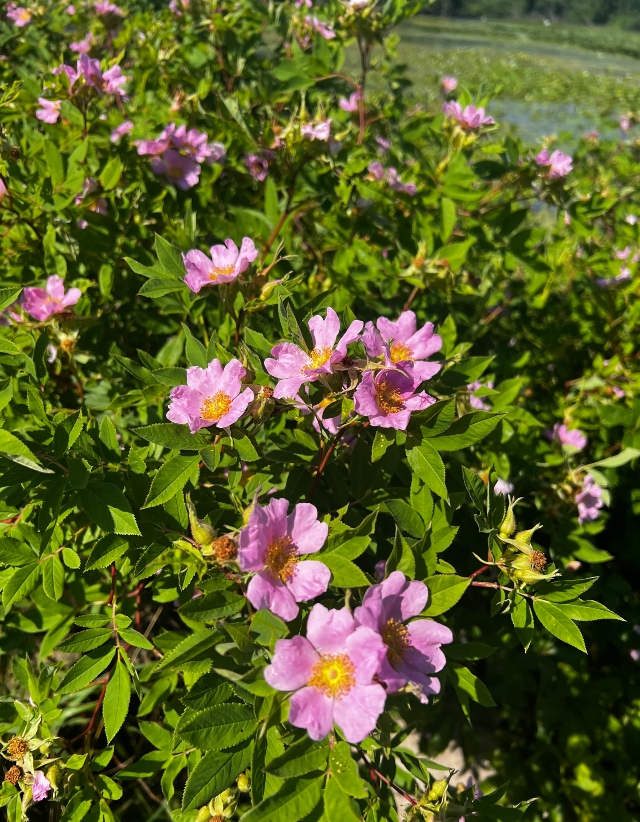
While hiking in a marshy area of north-central Ohio in the Springtime, I noticed this a perennial shrub that was just starting to get leaves. I went back to see it again in the Summer. Swamp Rose grows up to seven feet tall and is native to the eastern United States.

02 Swamp Rose_4781

This plant occurs along stream banks, in swamps and along marshes. In swamps it is generally found growing on bald cypress knees or exposed downed logs. It grows best in slightly acidic, wet-to-moist soils in partial shade or full sunlight.

03 Swamp Rose_5222

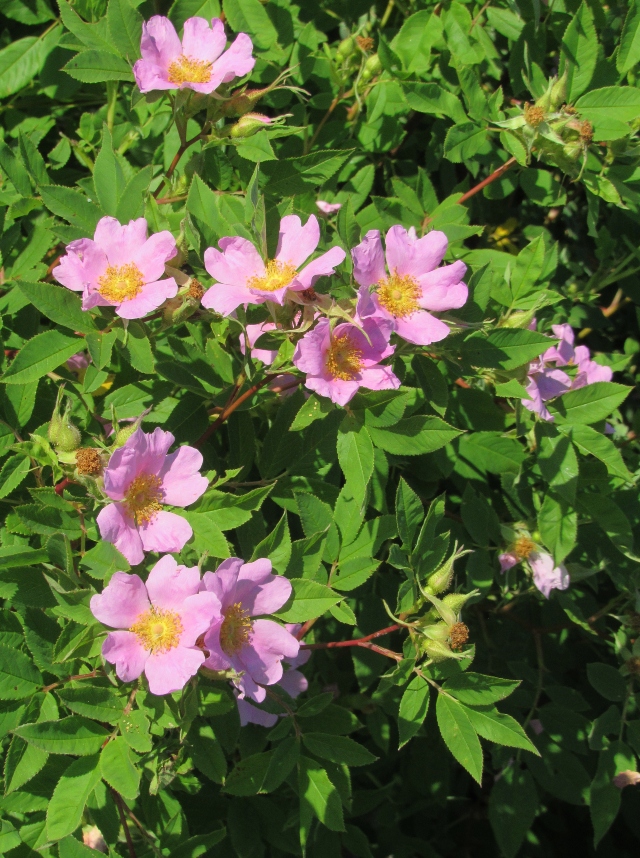
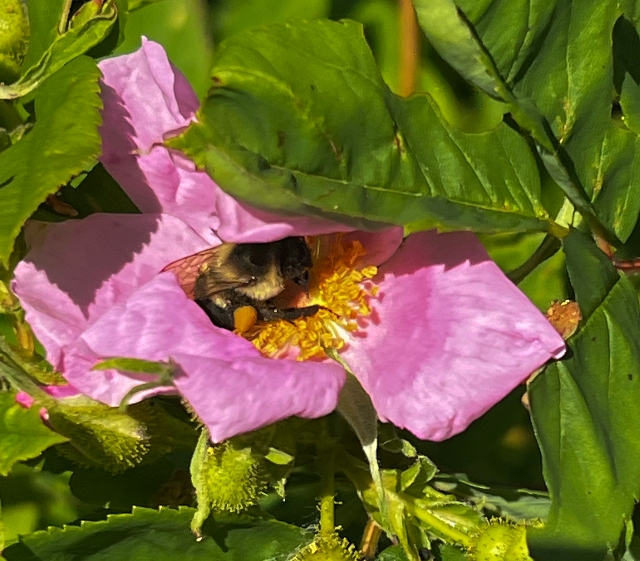
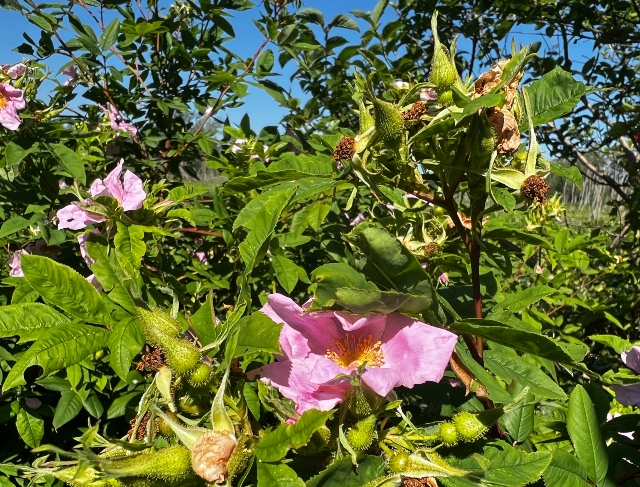
Its bright pink flowers are about two inches in diameter and bloom in late Spring through early Summer and attract a variety of pollinators — especially native bees. This shrub also provides thick cover for birds.

04 Swamp Rose_5213

Swamp Rose is extremely fragrant and the pink blooms last for six to eight weeks in midseason – generally June through July. Indeed, I have found no other native flower that smells so strong and so pleasant.

05 Swamp Rose_6975

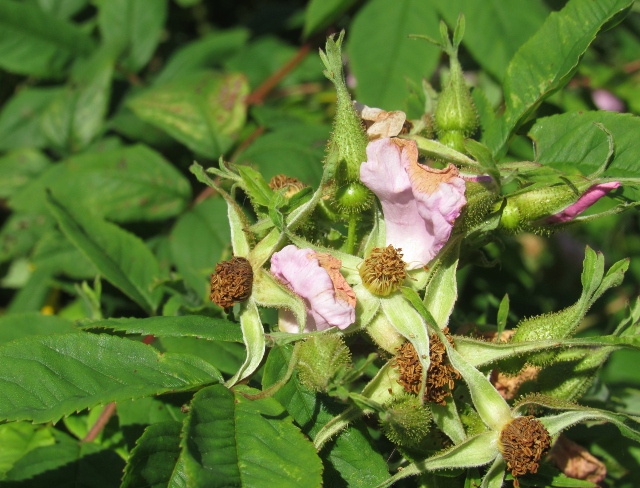
The flowers give way to smooth red hips (fruit) that is red and fleshy on the outside with a mass of seeds inside the fruit. The rose hips are eaten by and spread by birds and mammals.

06 Swamp Rose_6977

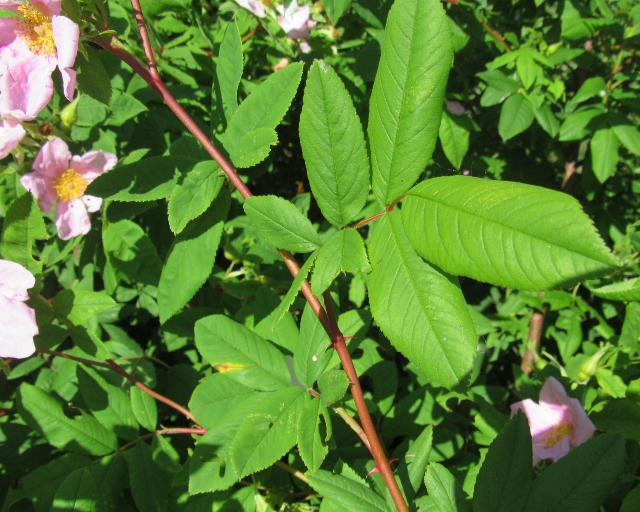
Its leaves are compound and the leaflets (usually 7) are oval-lance-shaped, with finely toothed edges. They are smooth on the surface and slightly hairy along the midrib underneath. They turn bright red in Autumn.

07 Swamp Rose_5209

Like most roses, Swamp Rose’s petals and hips can be used to infuse liquids such as syrups or vinegars, and to make wine, tea, jelly or syrup.

08 Swamp Rose_6972

This was a cool plant to experience while looking for reptiles and amphibians in a marsh habitat.

Third Eye Herp
E-mail

Mayfly

01 Mayflies_0627

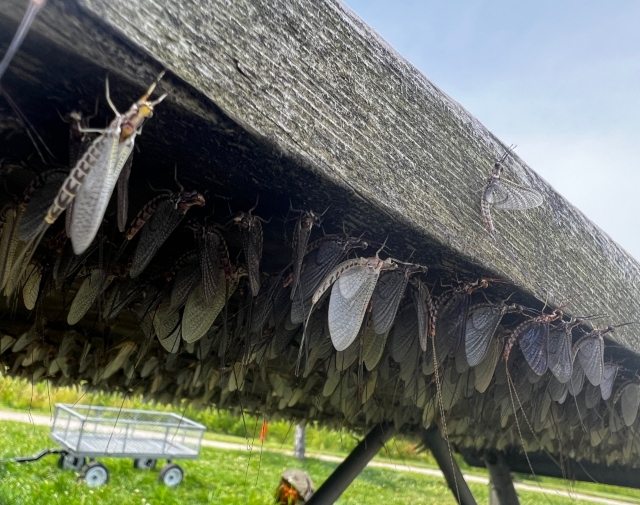
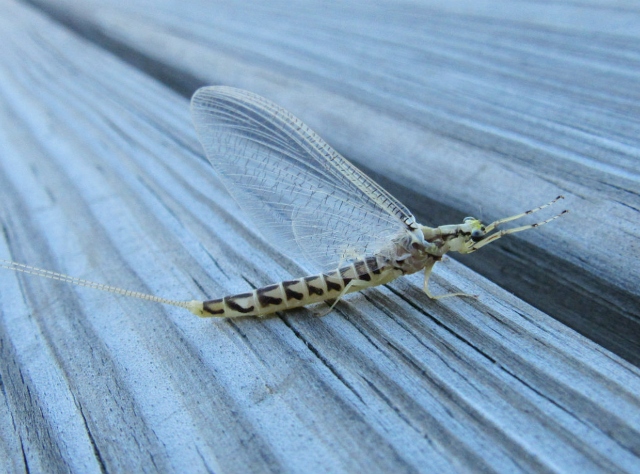
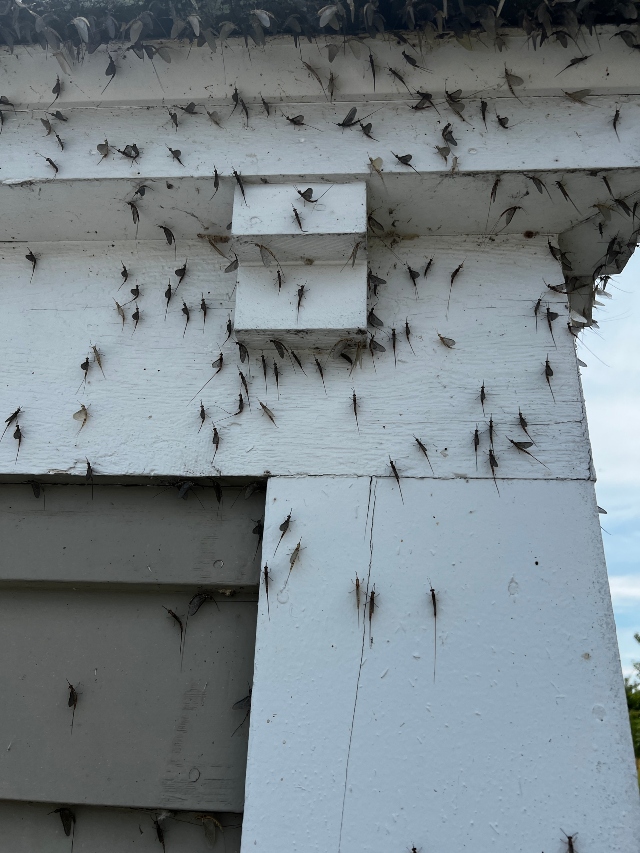
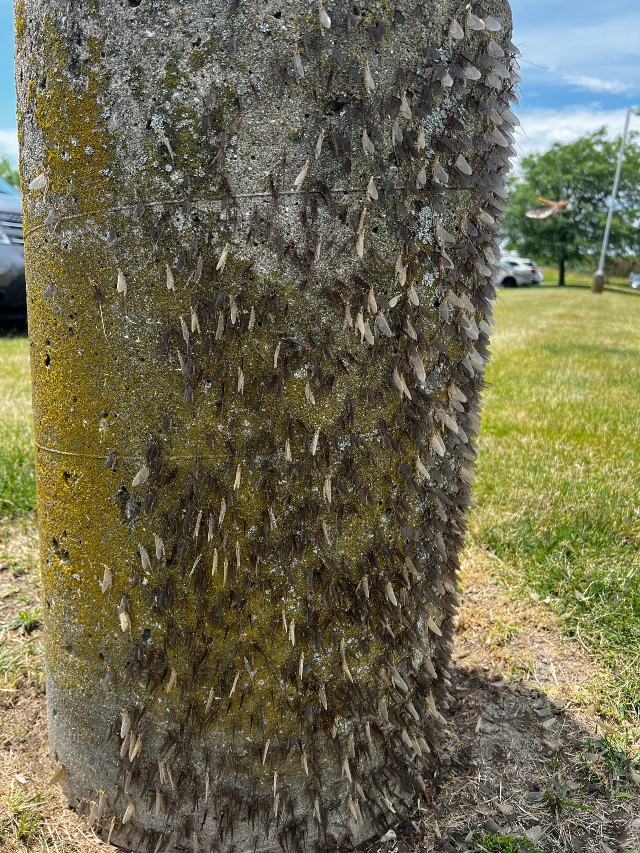
When visiting northwest Ohio, I sometimes see very large numbers of these creatures. This insect belongs to an order that is part of an ancient family of insects termed the Palaeoptera, which also contains dragonflies and damselflies. This designation has been traditionally applied to those groups of winged insects (most of them extinct) that lacked the ability to fold their wings flat over the abdomen.

02 Mayfly_8153

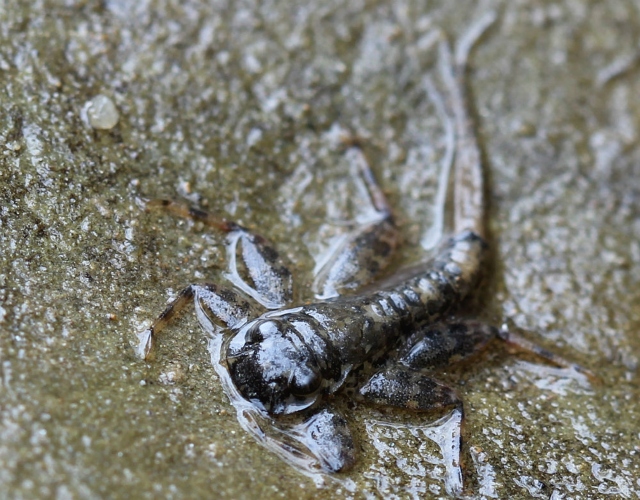
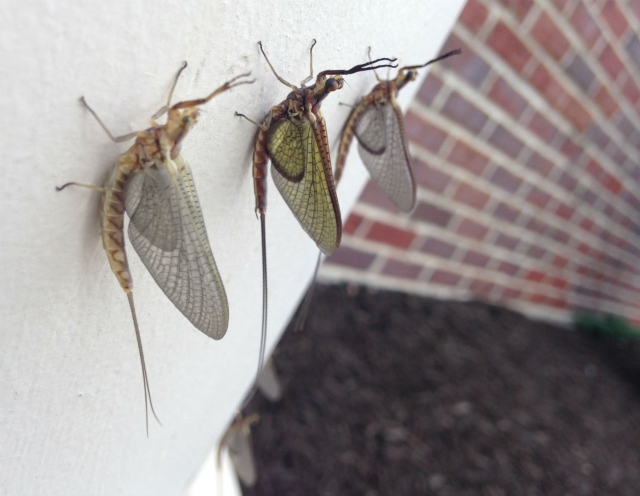
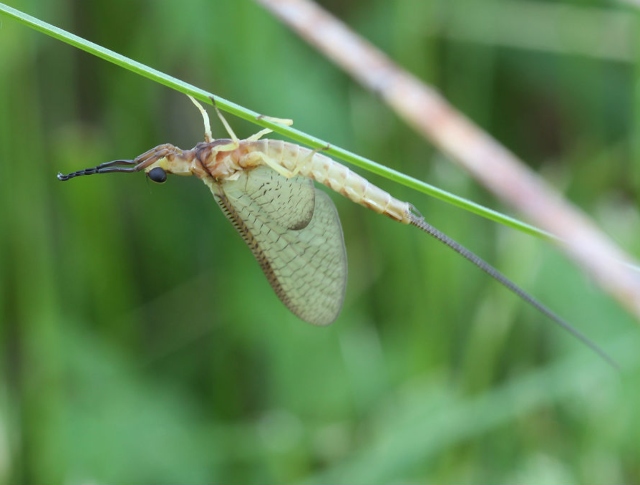
Mayflies have other ancestral traits that were probably present in the first flying insects, such as long tails and they lack any smell centers in their brains. Their immature stages are aquatic and their presence indicates a clean, unpolluted and highly oxygenated aquatic environment.

04 Mayfly_5447

These invertebrates are found throughout North America and worldwide. Mayflies emerge as adults from Spring to Autumn (not necessarily in May), in enormous numbers, sometimes attracting tourists. Fly fishermen make use of adult Mayflies by choosing artificial fishing flies that resemble them.

03 Mayfly_0623

Their aquatic larvae feed on detritus and other plant materials; but the adults, which only live for a few days, do not feed as they lack functional mouthparts. Instead, their sole purpose during this stage is reproduction. They rely on the energy reserves accumulated during their immature aquatic stage to sustain them through their short adult life.

05 Mayflies_2495

Another intriguing feature of Mayflies is their translucent wings. These delicate structures allow them to blend seamlessly with their surroundings, making them less visible to predators. The transparency of their wings also adds to their ethereal beauty, as they flutter gracefully in the sunlight.

06 Mayfly_0629

Mayfly swarms are a gift for many insect-eating birds, including eastern kingbirds and tree swallows. They also provide sustenance for fish, spiders, beetles, dragonflies, reptiles, amphibians, and mammals.

08 Mayfly 032

The world of insects is vast and diverse, with each species playing a unique role in the ecosystem. Among these fascinating creatures, Mayflies stand out for their intriguing characteristics and ecological significance. This small and delicate insect, has a life cycle that is as fascinating as it is brief.

Third Eye Herp
E-mail

American White Pelican

01 American White Pelican_4995

While visiting Point Reyes National Seashore in California, I saw these fine birds in the wild for the first time. The American White Pelican rivals the Trumpeter Swan, as one of the longest birds native to North America.

02 American White Pelican_4997

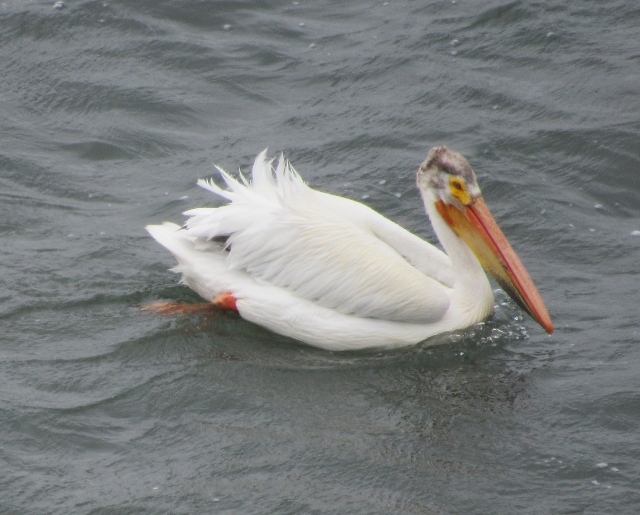
This bird is very large and plump, with an overall length of about 50–70 inches, courtesy of the huge beak which measures over one foot long. It has a wingspan of over 100 inches. One of our largest flying birds, it is considerably larger than a Bald Eagle. This species also has the second-largest average wingspan of any North American bird, after the California Condor.

03 American White Pelican_4999

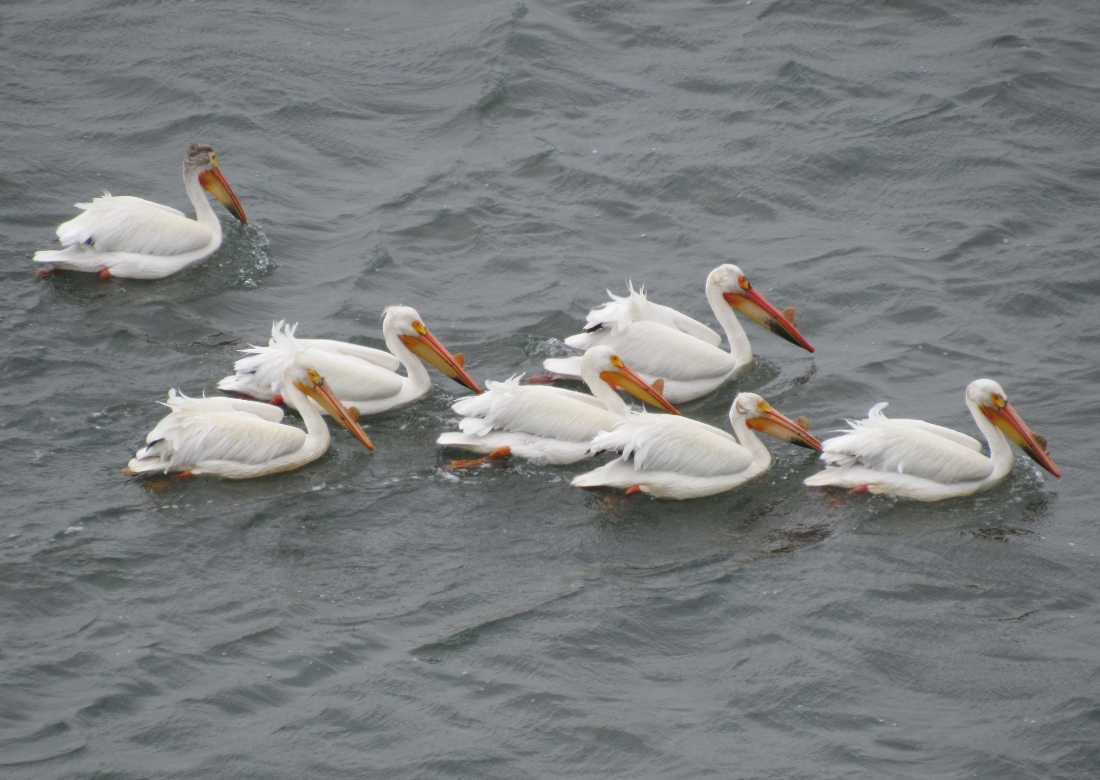
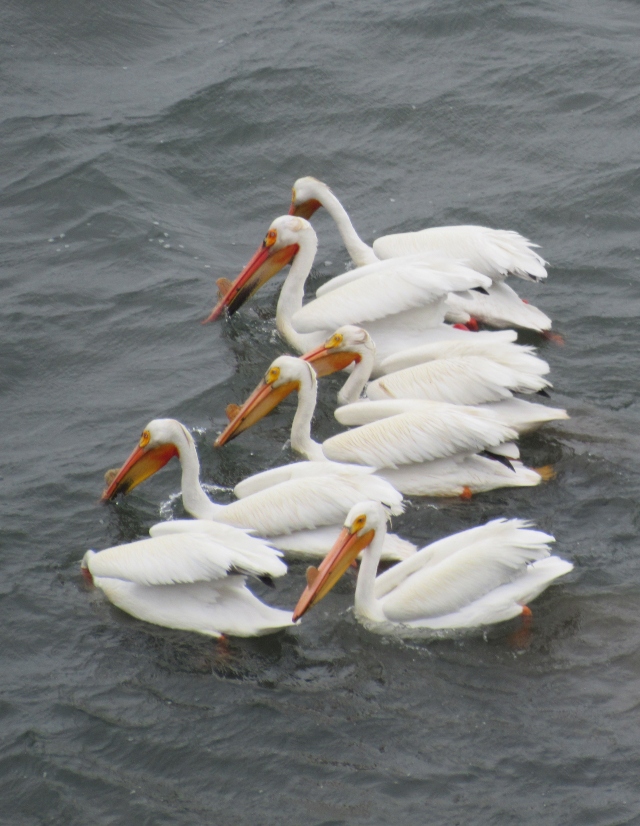
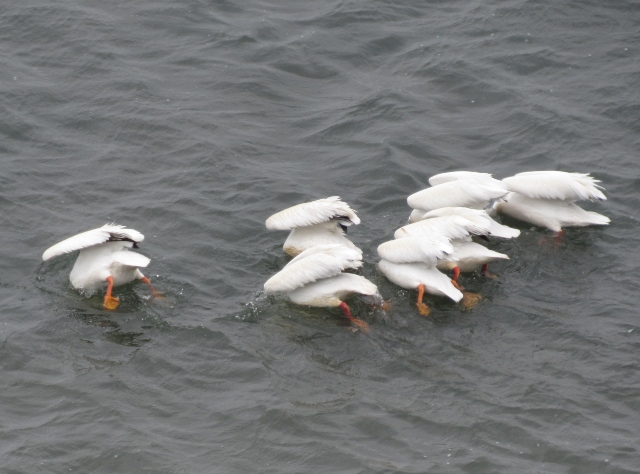
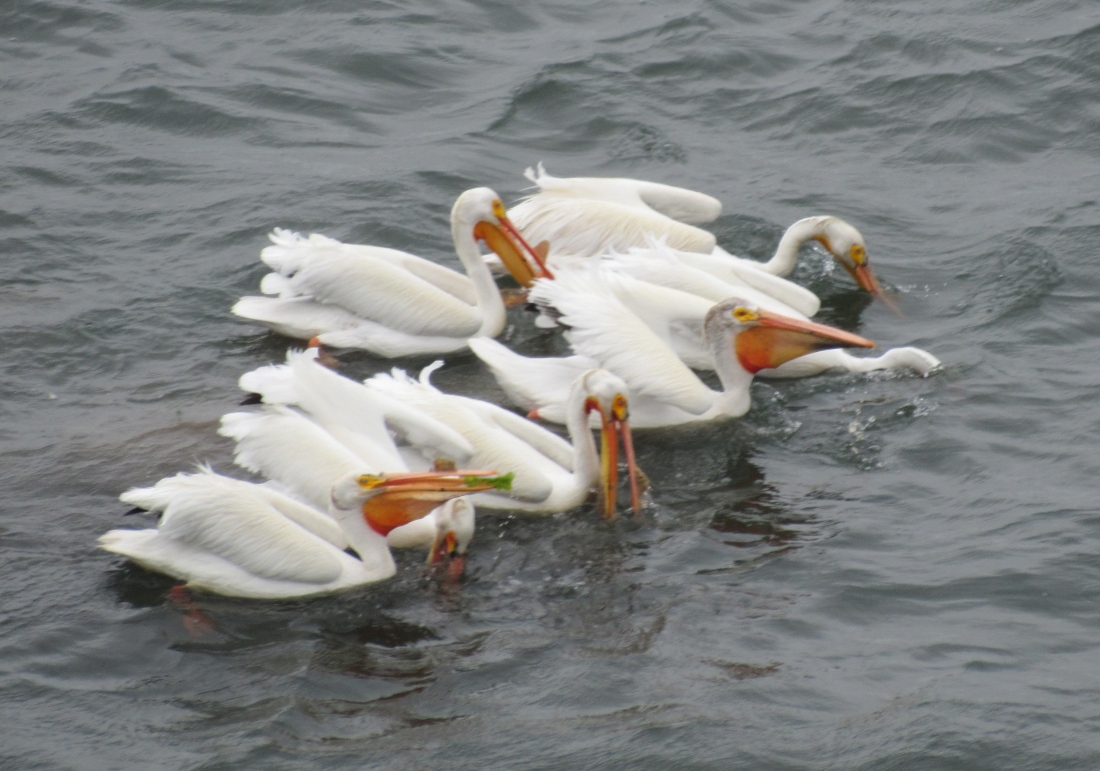
Unlike the Brown Pelican, the American White Pelican does not dive for its food. Instead, it catches its prey while swimming. Each bird eats more than four pounds of food a day. The fish taken can range from the size of minnows to 3-1/2 pound Pickerel. They like to gather in groups of a dozen or more to feed, as they can thus cooperate and corral fish for one another.

04 American White Pelican_5006

These birds are colonial breeders, with up to 10,000 pairs per site. They arrive on the breeding grounds in March or April; nesting starts between early April and early June. During the breeding season, both males and females develop a pronounced bump on the top of their large beaks. This conspicuous growth is shed by the end of the breeding season.

05 American White Pelican_5004

The nest is a shallow depression scraped in the ground, into which some twigs, sticks, reeds, or similar debris have been gathered. After about one week of courtship and nest-building, the female lays a clutch of usually two or three eggs – sometimes just one, sometimes up to six.

06 American White Pelican_4992

American White Pelicans nest on inland islands in freshwater and brackish lakes across the northern interior of North America. The core breeding areas include central Alberta and Saskatchewan in Canada, south through Montana, North Dakota, South Dakota, Minnesota, and west-central Wisconsin. In my home state of Ohio, observers discovered and documented them nesting on a small island in Sandusky Bay last year.

Third Eye Herp
E-mail