Georgia Wolf Spider

01 Georgia Wolf Spider_9124

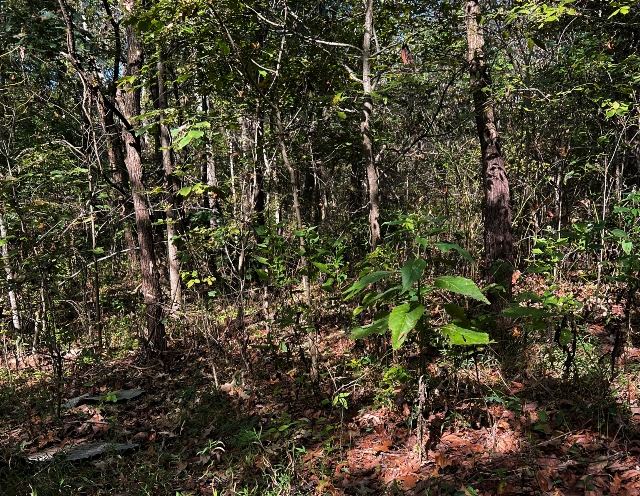
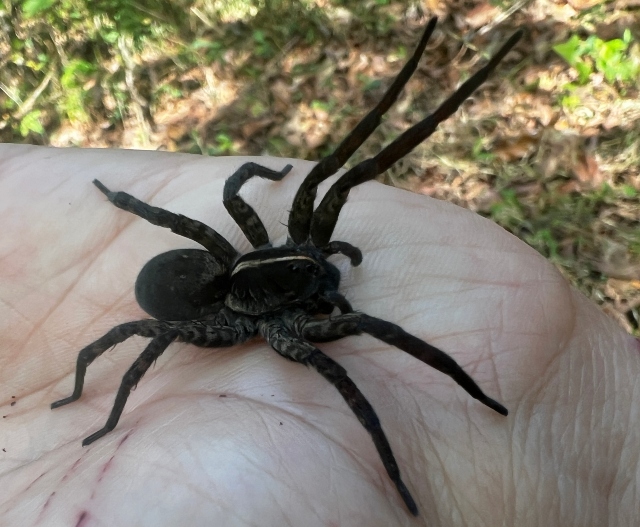
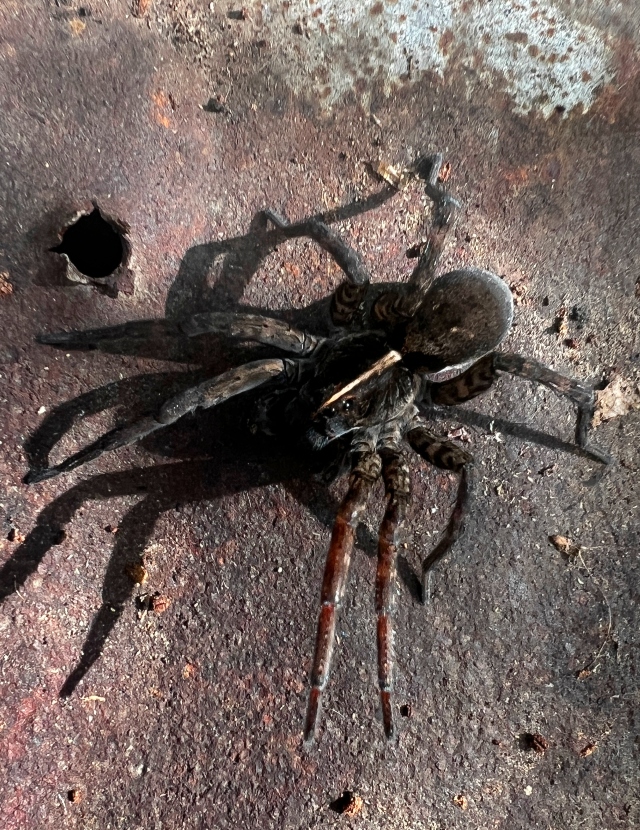
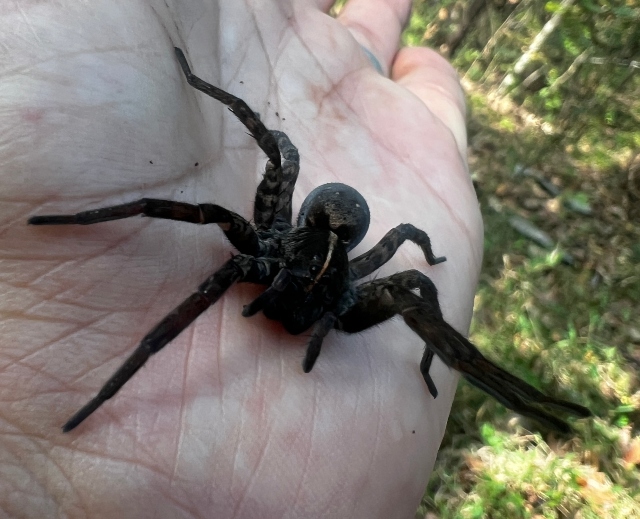
While flipping tin in the woods in southern Illinois, I found this fine arachnid, which I’ve never come across before. It resides in the southeastern parts of the United States and it is usually dark brown with a light brown stripe at the center of its carapace and light marks on its abdomen.
02 Georgia Wolf Spider_9122

Among Wolf Spiders, it stands out for its unique behavior — it hunts mostly during the day, unlike most wolf spiders, which are nocturnal. Like most other Wolf Spiders, the Georgia Wolf Spider does not build webs; instead, it chases its prey and pounces on it. It eats a variety of invertebrates found in the leaf litter on the forest floors of deciduous woodlands – its main habitat.
03 Georgia Wolf Spider_9115

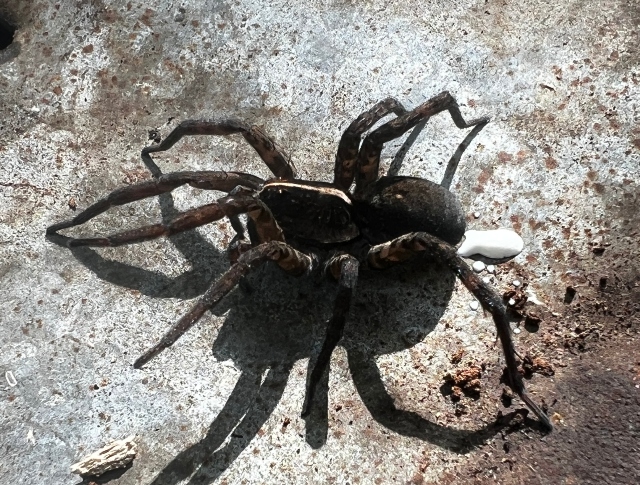
Wolf Spiders are known for their reflective eyes. Like a deer in the headlights of a car, the eight small eyes on a Wolf Spider reflect a greenish light at night when passed over with a flashlight. I sometimes can see their eye reflections when driving remote roads at night.
04 Georgia Wolf Spider_9118

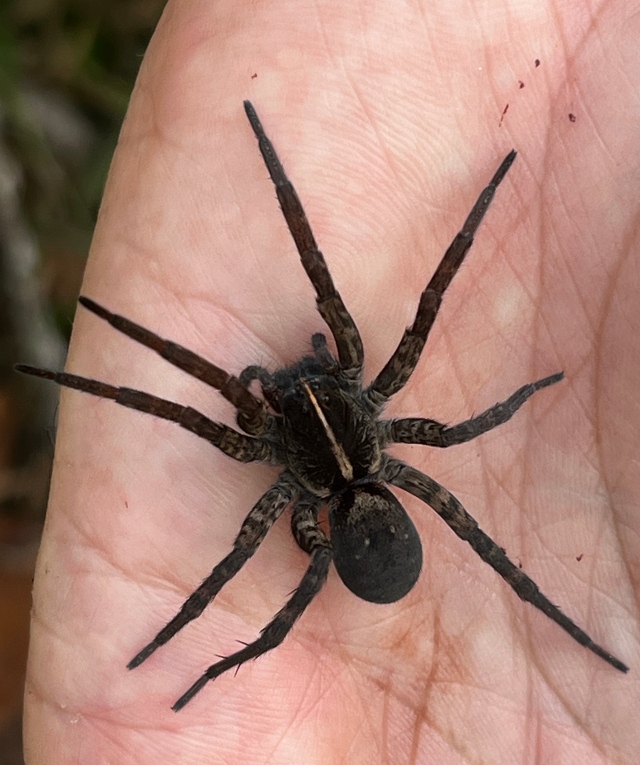
Adults of this species have a body length of between half an inch to nearly one inch, with females being larger than males. Females carry their eggs with them wherever they go and may move into or out of sunlight to help control the temperature of the developing eggs. After the eggs hatch, the young climb onto her abdomen, and she carries them for a week or two while they complete their development.
05 Georgia Wolf Spider_9114

Spiders play an extremely important role in maintaining the ecological balance within their habitats. As predators, they help regulate the population of smaller insects, contributing to a healthier ecosystem.
06 Georgia Wolf Spider_9119

This was a fun and unexpected find while looking for snakes on this year’s Illinois adventure.
Third Eye Herp
E-mail

Prairie Onion

01 Prairie Onion_8496

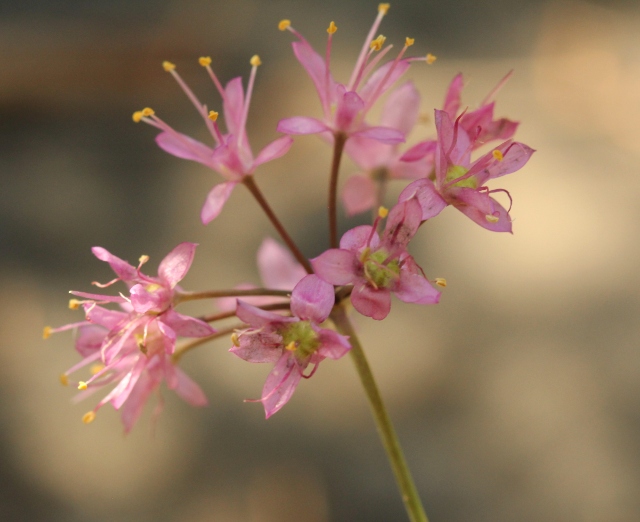
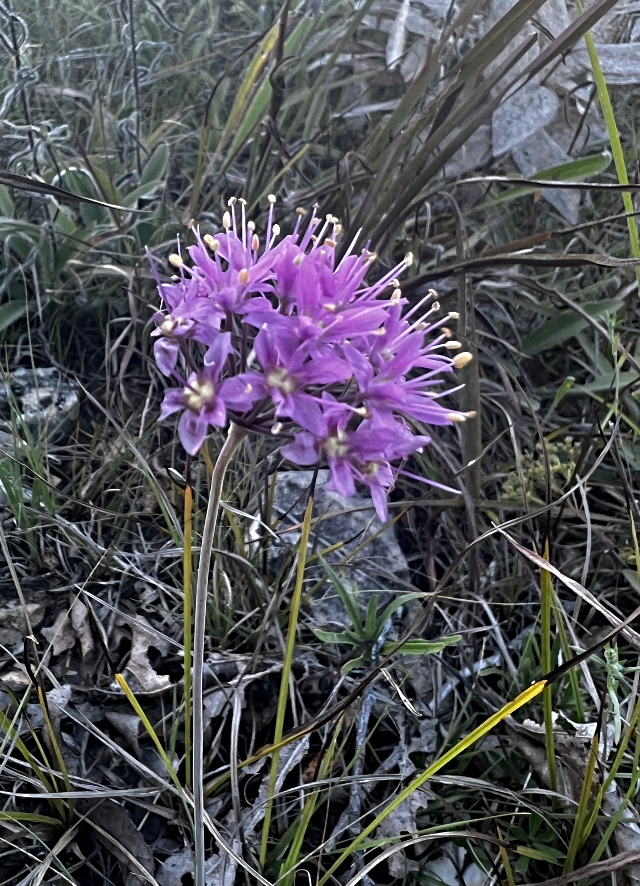
While looking for reptiles and amphibians in a Missouri glade in October, I saw a fair number of pale purple flowers in bloom. This is a North American species of wild onion that is native to central Canada and the central United States. It prefers dry, rocky soil.

02 Prairie Onion_6052

Prairie Onion is a one-to-two foot tall chive-like perennial forming tufts of slender, solid leaves and stems. The leaves have a distinct oniony smell when bruised and often die back by the time the plant flowers in mid to late Summer. The leaves are important for the plant’s energy production.

03 Prairie Onion_8545

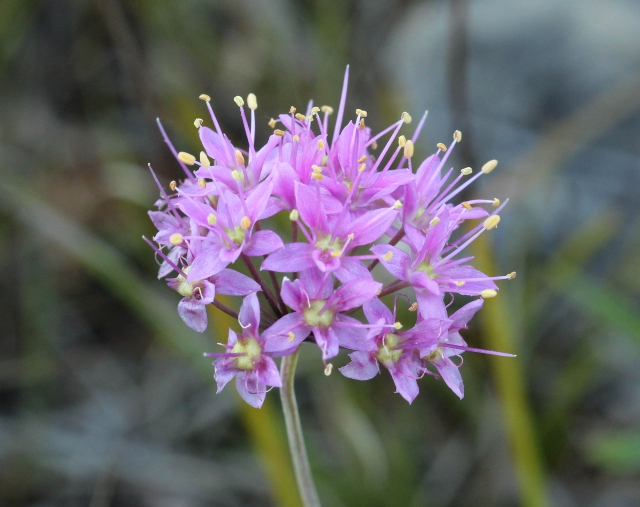
Each plant has a single cluster at the end of a long, naked stem. The 1-1/2 to 2-inch round group of 1/4-inch flowers, are pale pink to deep pinkish purple, sometimes white, with a spot of yellow in the center and long yellow-tipped stamens. The rounded flower clusters are known as umbels.

04 Prairie Onion_6054

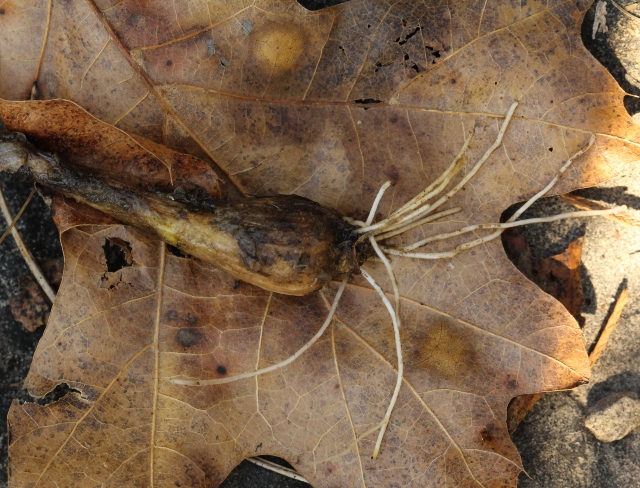
The root system consists of a bulb with unusually deep secondary roots for such a small plant. This, no doubt, promotes survival during dry weather. The bulbs of wild onions have a strong flavor but can be eaten raw or parboiled. Early explorers ate them, and they were also used by settlers to treat colds, coughs, and asthma, and to repel insects.

05 Prairie Onion_6055

Sometimes known as Autumn Onion, this plant has a delicate beauty when in bloom, resembling a starburst effect.

Third Eye Herp
E-mail

Texas Bush Katydid

01 Texas Bush Katydid_4590

It’s always fun to come across “big bugs,” and this insect certainly fits that description. While exploring the edge of a forest in southern Illinois, I came across this example of a leaf lookalike. It is medium-sized, usually about an inch and a half, with long antennae.

02 Texas Bush Katydid_4596

The Texas Bush Katydid is considered less arboreal than any other species of katydids; it is commonly found clinging to tall course grasses and sedges growing near the edges of wetlands, lakes, ponds, damp ravines and amid prairies, meadows, weedy fields, roadsides and fencerows.

03 Texas Bush Katydid_4599

This creature is also often found in forests, woodlands, and shrublands where known for its distinct rattling or lispy songs. Immature examples feed mostly on flowers, while adults feed on the leaves of a variety of plants, especially deciduous woody plants.

04 Texas Bush Katydid_4597

When disturbed, it flies a long distance, silently, in a zig-zag manner to another clump of grass or weeds. This insect relies on camouflage to avoid being detected by predators. It has been observed congregating in small colonies of six or more individuals in favored microhabitats.

05 Texas Bush Katydid_4587

The Texas Bush Katydid overwinters in the egg stage. Babies hatch in mid-June or July and adults can be found from mid-July to mid-September, sometimes to mid-October, depending on frost occurrence.

Third Eye Herp
E-mail

Flat Oysterling

01 Flat Oysterling_8768

While at the entrance of Snake Road in southern Illinois, I noticed a few logs covered with fungi. These compact, stalkless, white mushrooms are sometimes mistaken for small Oyster Mushrooms. They often grow in loose or dense clusters, forming shelf-like groups.

03 Flat Oysterling_8765

Their shell-shaped caps range from 1/2 to 1-5/8 inches wide. Unlike oyster mushrooms, they are not very fleshy. The caps are directly attached to the dead hardwood substrate.

04 Flat Oysterling_8767

Flat Oysterling is commonly found growing on decaying logs, stumps, and other dead wood, particularly in deciduous forests dominated by Oak, Elm, and Maple Trees. Fruiting typically occurs from Spring to Fall, with peak abundance in late Summer and early Fall.

02 Flat Oysterling_8766

Fungi play a crucial role in ecosystems as decomposers, nutrient recyclers, and symbiotic partners, significantly contributing to soil health, biodiversity, and the overall balance of ecological systems. This one was a neat example that wasn’t at all hard to find.

Third Eye Herp
E-mail