Georgia Wolf Spider

01 Georgia Wolf Spider_9124

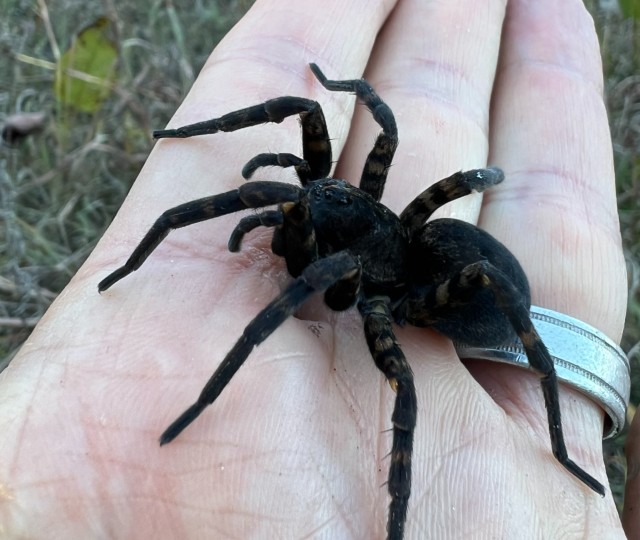
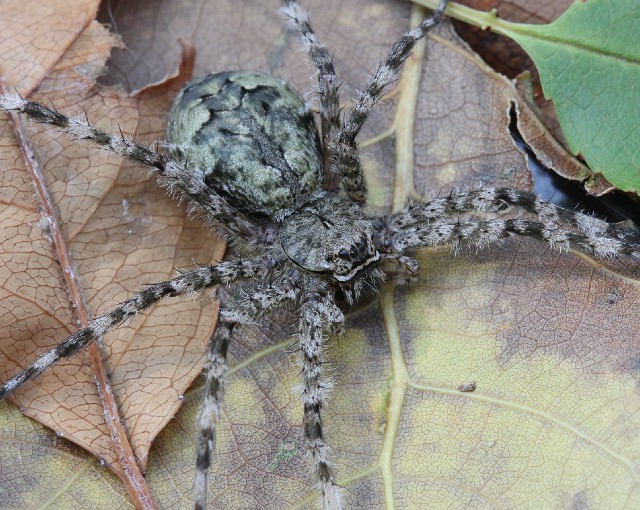
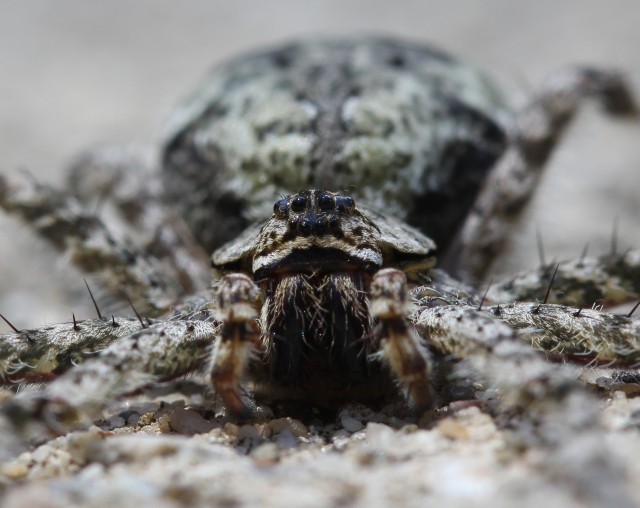
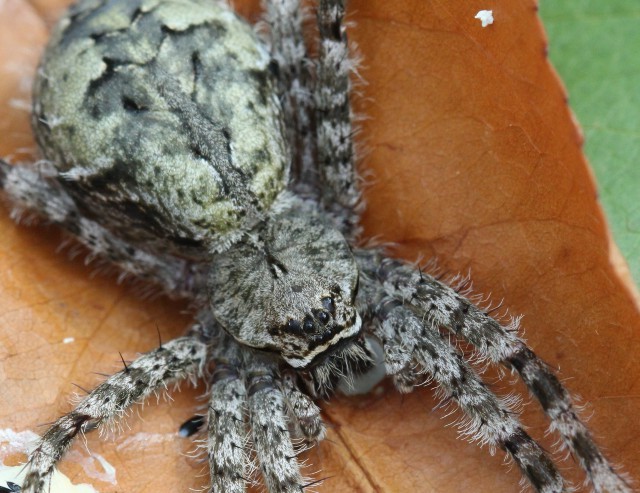
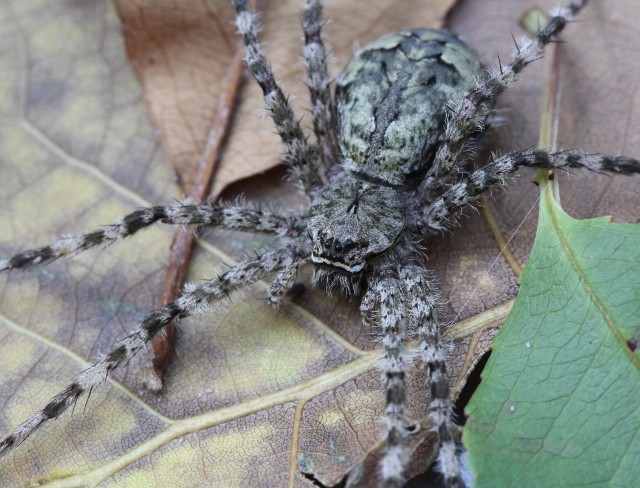
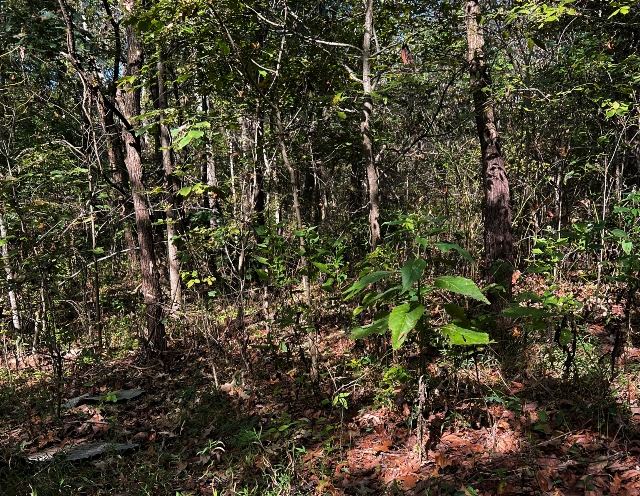
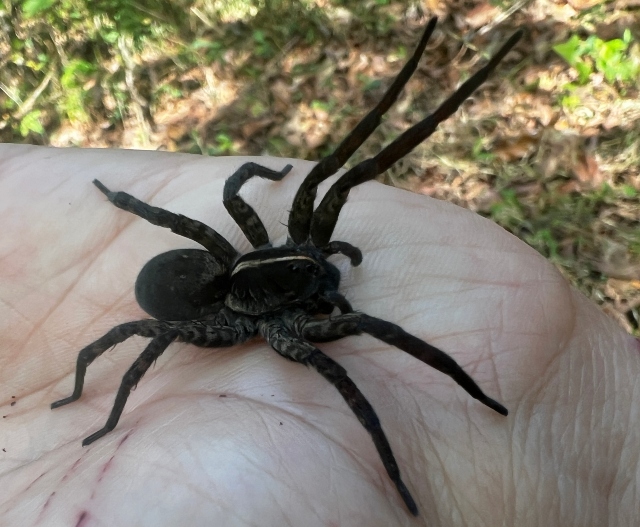
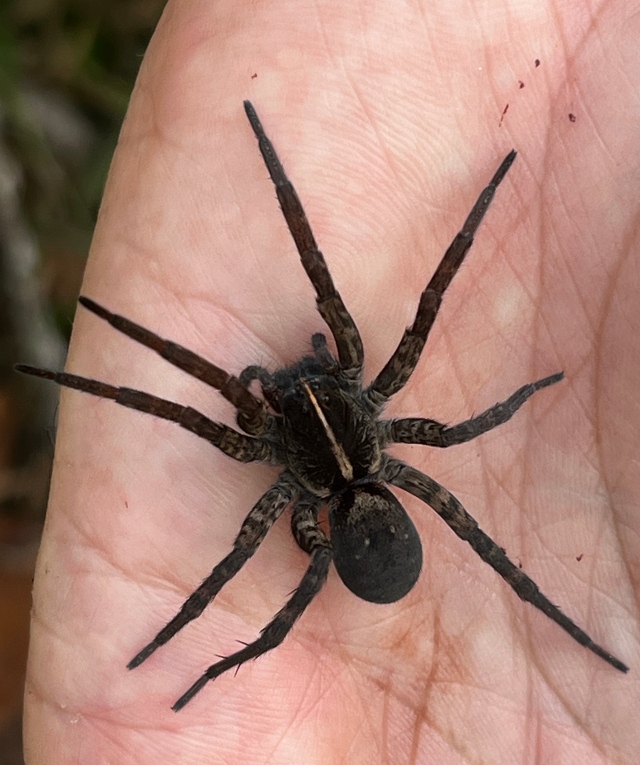
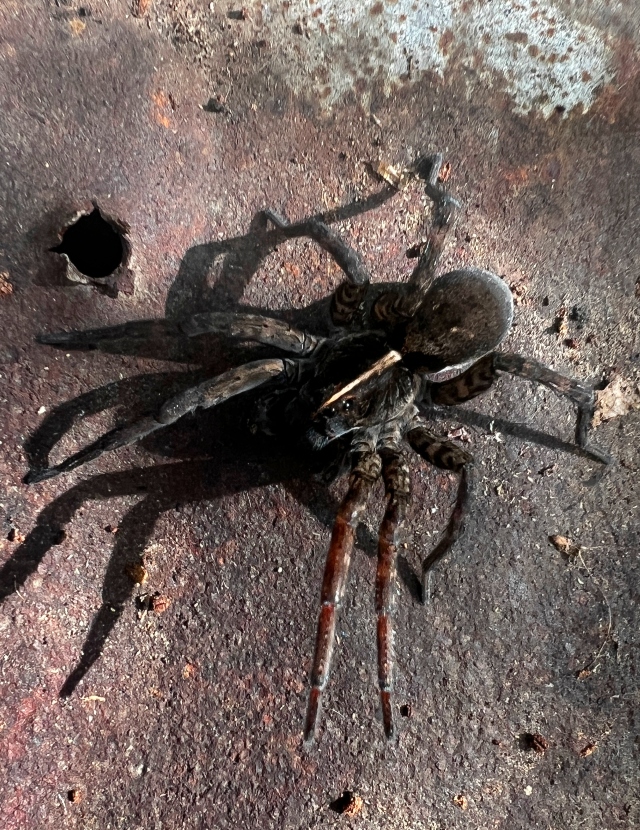
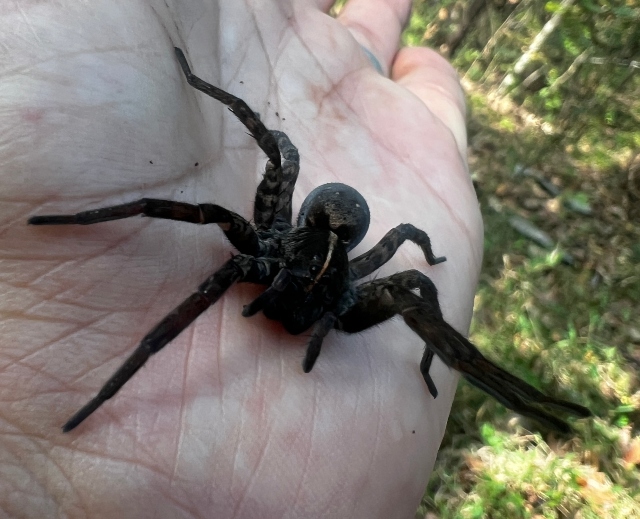
While flipping tin in the woods in southern Illinois, I found this fine arachnid, which I’ve never come across before. It resides in the southeastern parts of the United States and it is usually dark brown with a light brown stripe at the center of its carapace and light marks on its abdomen.
02 Georgia Wolf Spider_9122

Among Wolf Spiders, it stands out for its unique behavior — it hunts mostly during the day, unlike most wolf spiders, which are nocturnal. Like most other Wolf Spiders, the Georgia Wolf Spider does not build webs; instead, it chases its prey and pounces on it. It eats a variety of invertebrates found in the leaf litter on the forest floors of deciduous woodlands – its main habitat.
03 Georgia Wolf Spider_9115

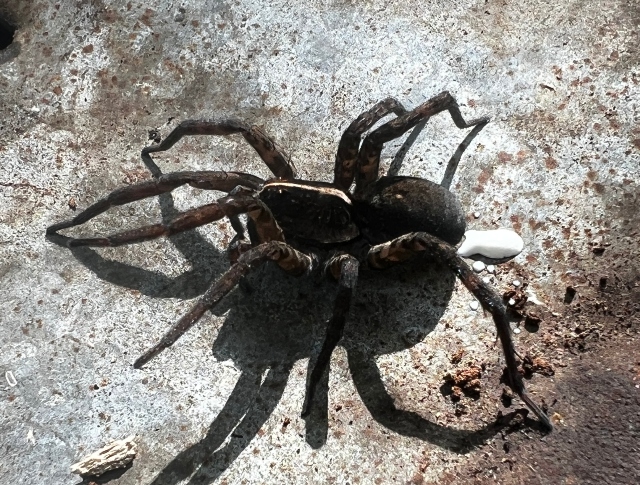
Wolf Spiders are known for their reflective eyes. Like a deer in the headlights of a car, the eight small eyes on a Wolf Spider reflect a greenish light at night when passed over with a flashlight. I sometimes can see their eye reflections when driving remote roads at night.
04 Georgia Wolf Spider_9118

Adults of this species have a body length of between half an inch to nearly one inch, with females being larger than males. Females carry their eggs with them wherever they go and may move into or out of sunlight to help control the temperature of the developing eggs. After the eggs hatch, the young climb onto her abdomen, and she carries them for a week or two while they complete their development.
05 Georgia Wolf Spider_9114

Spiders play an extremely important role in maintaining the ecological balance within their habitats. As predators, they help regulate the population of smaller insects, contributing to a healthier ecosystem.
06 Georgia Wolf Spider_9119

This was a fun and unexpected find while looking for snakes on this year’s Illinois adventure.

Third Eye Herp
E-mail

Hentz Orbweaver

01 Hentz Orb Weaver_9018

I saw a couple examples of this arachnid on my recent trip to southern Illinois. One had her web in the vegetation along Snake Road and the other was at a gas station across the street from the hotel that I stayed. In late Summer and early Autumn, after the severe heat of Summer and before the leaves of trees begin to turn color, Hentz’s Orbweaver spiders become conspicuous.

02 Hentz Orb Weaver_6129

Generally nocturnal, they may become day-active in the Fall. Females are about 1/2 an inch long, while males are somewhat smaller. The upper surface of the abdomen is brown and hairy. The legs display alternating light and dark brown bands. The undersurface of the abdomen is black, with two white spots.

04 Hentz Orb Weaver_6124

Their orb-shaped web is very large and is often constructed on buildings and other man-made structures, sometimes several feet above ground, especially near outdoor lights. The orb part of the web may be nearly 2 feet in diameter. As with other orbweavers, they frequently replace their webs.

03 Hentz Orb Weaver_8571

Flying insects such as moths and crane flies are their principal prey. Once caught in sticky strands of the web, they are bitten and trussed by the spider, which later eats them. Most people are not keen on having spiders around their homes (or of walking right into them on hiking trails) but remember that spiders do us the service of free, nontoxic pest control.

05 Hentz Orb Weaver_6137

The amazing web patterns of spiders have fascinated humans for millennia. In Greek mythology, a skilled weaver named Arachne challenged the goddess Athena to a weaving contest that ended with the human being changed into a spider for her pride.

Third Eye Herp
E-mail

California False Wolf Spider

01 False Wolf Spider_5000

I found this cool creature while on my visit to California. It is often misidentified as the Brown Recluse Spider, due to similarities of coloration, body proportions, leg length, and even leg positioning prior to movement. Their common name False Wolf Spiders comes from their physical similarity to Wolf Spiders, though they can be distinguished from Wolf Spiders by their two rows of eyes that are more equal in size than those of true Wolf Spiders.

02 False Wolf Spider_4989

This species is often found in areas of dense human population. They are most common from the northernmost portions of California to the southern portions just north of the mountains near Los Angeles Basin. They often reside in redwood forests and present in cabins in the woods. Due to its large size, the False Wolf Spider is one of the most commonly feared species, though the venom of these spiders is not toxic to people.

03 False Wolf Spider_4995

False Wolf Spiders are a small spider family, with only 181 known species. Like true Wolf Spiders they hunt their prey freely without a web. However, unlike Wolf Spiders, they are cribellate spiders, meaning they produce a very fine, crimped spider silk known as cribellum wool. However, this is no longer used to build webs for capture ng prey, but instead is used only in the area of the retreat and to protect the eggs.

04 False Wolf Spider_4988

This particular specimen was found in a house. Even if you are not a fan of spiders, leaving a False Wolf Spider and other hunting spiders you find indoors might actually help reduce not only the number of insects in your home, but also its overall spider population. Mostly nocturnal, it is shy and tends to avoid humans. This species is Titiotus californicus, all 16 species of the genus Titiotus can be found residing in California.

05 False Wolf Spider_5001

This eight-legged wonder was a neat and unexpected find on my trip.

Third Eye Herp
E-mail

Texas Brown Tarantula

01 Texas Brown Tarantula_5405

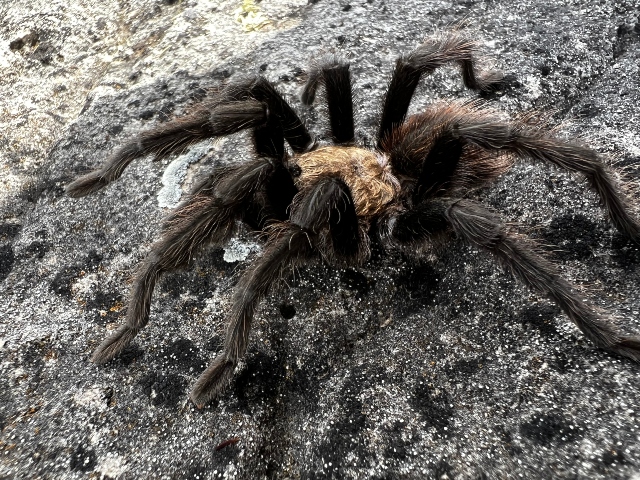
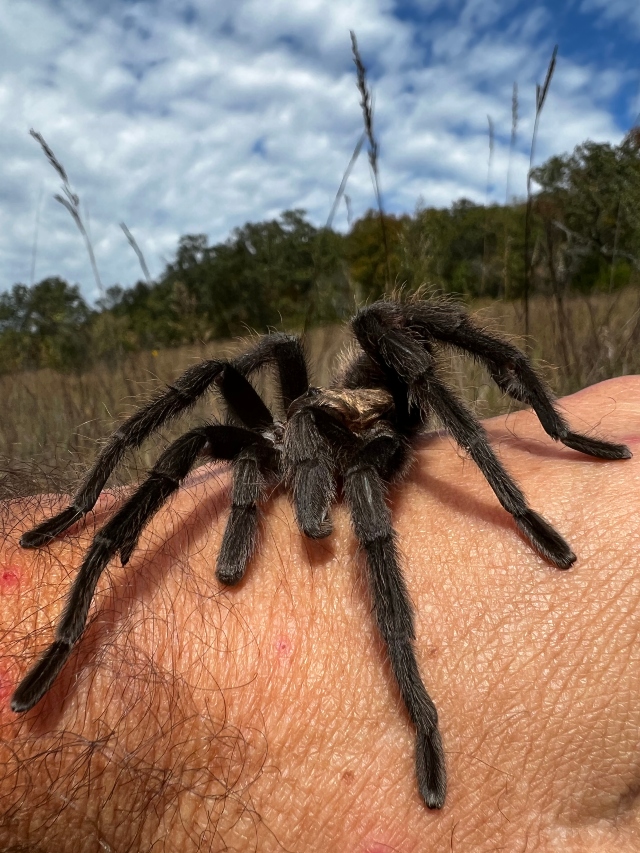
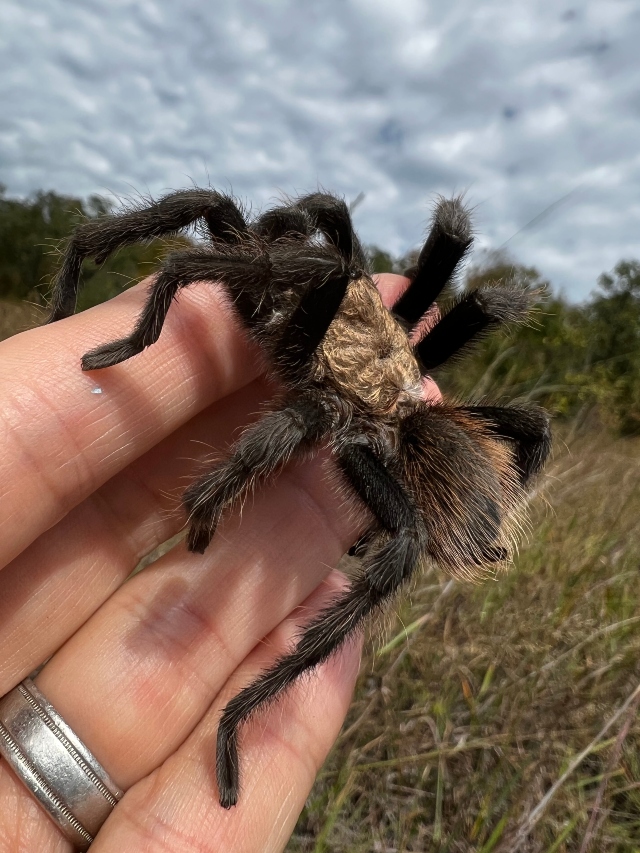
While herping in a glades habitat in Missouri, we came across this awesome arachnid. It is one of the most common species of tarantula living in the southern United States.

02 Texas Brown Tarantula_5329

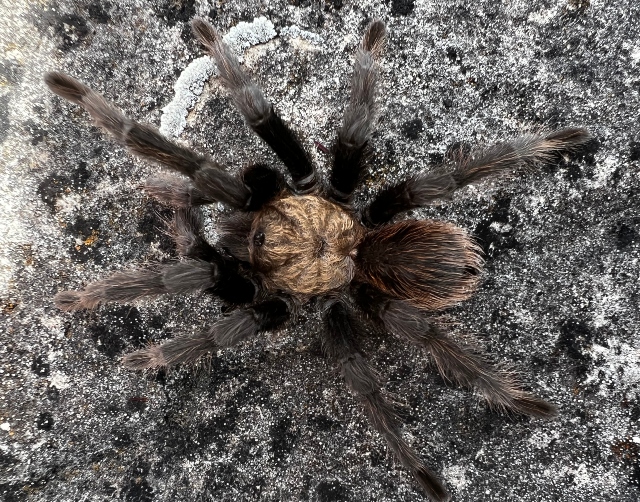
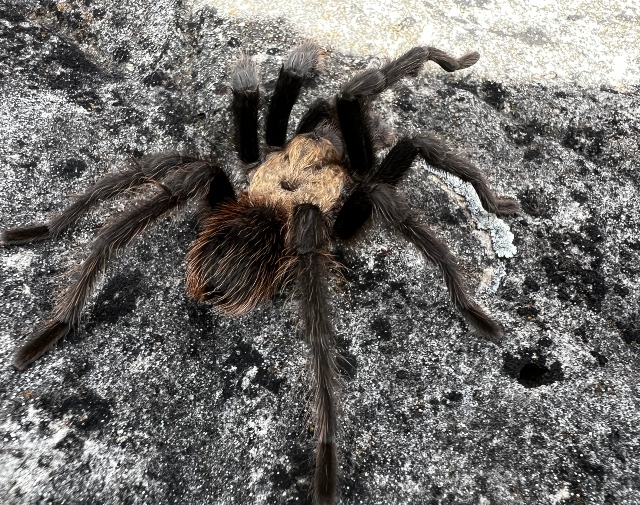
The Texas Brown Tarantula is a stocky, hairy species and is Missouri’s largest spider. The body and legs are uniformly dark chocolate brown, with reddish hairs on its back.

03 Texas Brown Tarantula_5313

This species is commonly found in grasslands, in underground burrows, or using logs, stones, or other small animals’ abandoned dens as their homes and feeding grounds.

04 Texas Brown Tarantula_5320

Like many hunting spiders, tarantulas are nocturnal, pursuing insects such as crickets and beetles. Like other spiders, they have fangs that deliver a venom that both subdues their prey and helps digest it. They are not dangerous to humans and tarantulas prefer areas seldom frequented by people.

05 Texas Brown Tarantula_5364

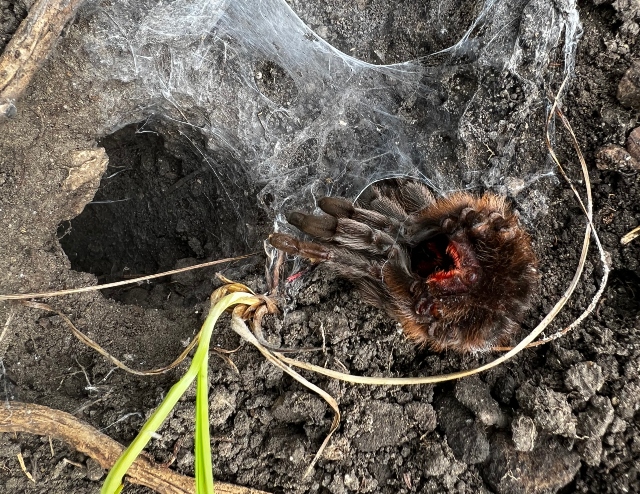
Texas Brown Tarantulas use their spinnerets to line the entrance of their shelters with webbing to detect passing prey. In this photo the spider’s shed exoskelton is outside of its burrow entrance.

06 Texas Brown Tarantula_5404

Though it is not aggressive, like any frightened animal, it will defend itself if it feels threatened. Running for cover is its usual response after being spotted.

07 Texas Brown Tarantula_5324

This is a relatively long-lived creature. Most males do not live for more than a year, however some females can survive up to three decades. This Texas Brown Tarantula was the first adult example I’ve ever encountered and was a welcome find on our herping trip.
Third Eye Herp
E-mail

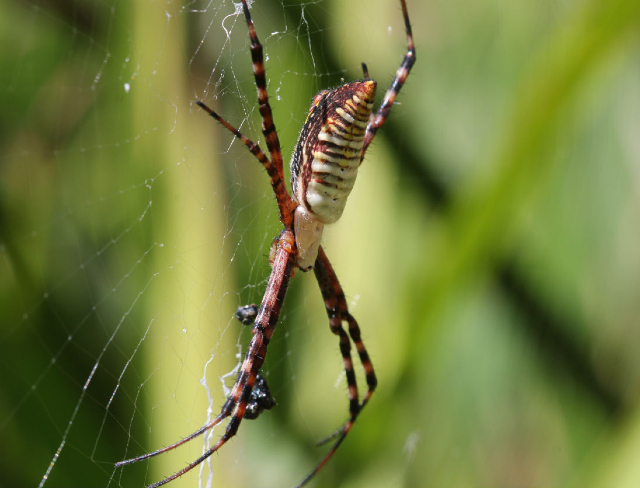
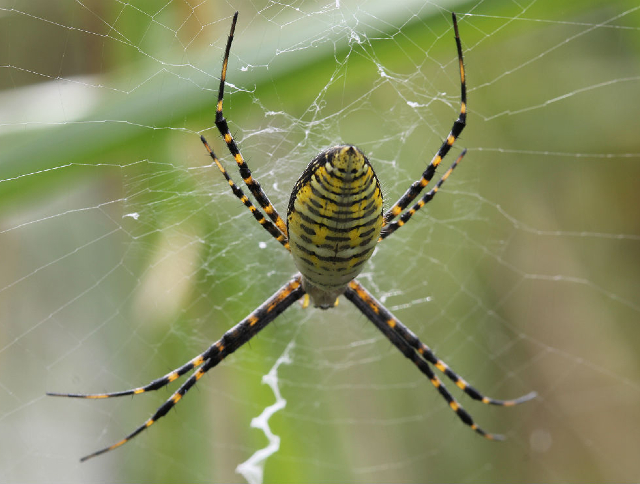
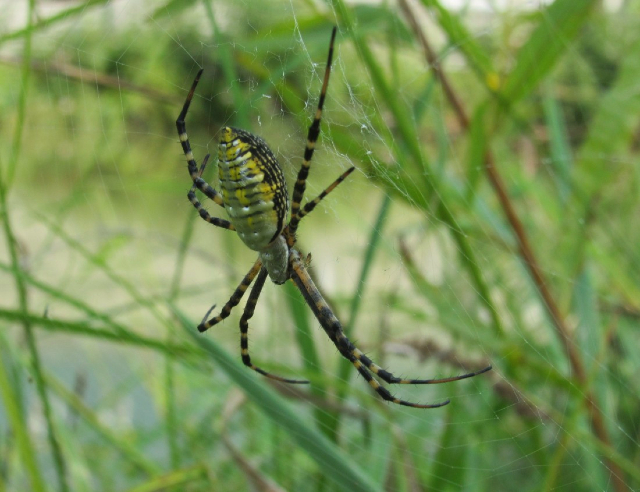
Banded Garden Spider

01 Banded Garden Spider_3500

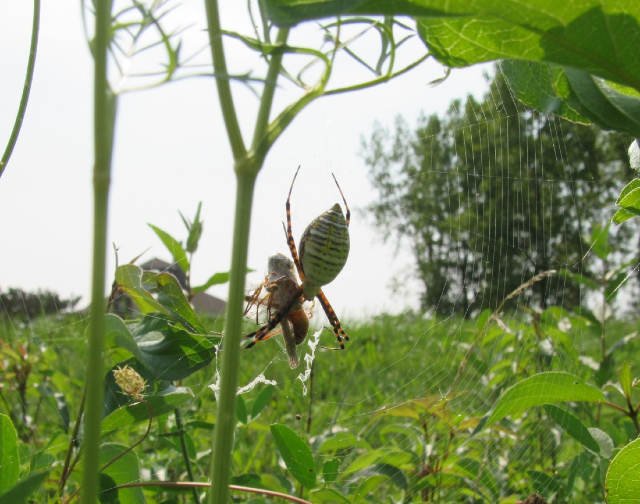
This is a neat spider that I have not only found while out and about, but also have occasionally seen in my backyard. For me, Banded Garden Spiders are not as commonly encountered in Ohio as Black and Yellow Garden Spiders, although they inhabit similar locations.

02 Banded Garden Spider_7352

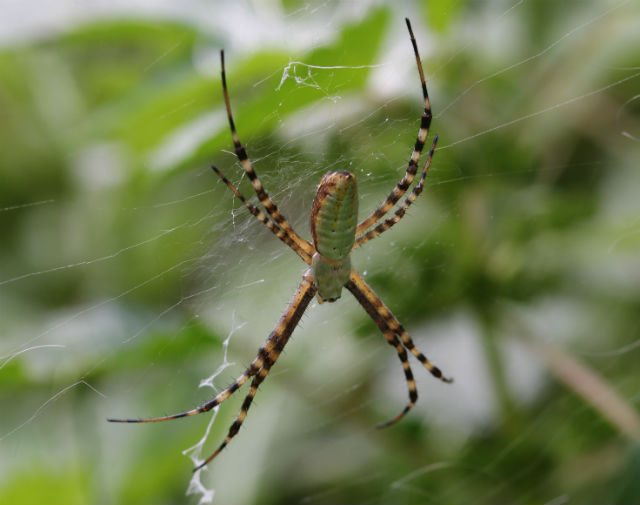
This orb weaver produces a large, concentrically patterned web in areas of tall grass and shrubby vegetation. The web is strong and capable of holding fairly big and active insects like wasps and grasshoppers. The webs of these arachnids have both sticky and non-sticky silk. Non-sticky silk is used for the threads which radiate from a central point like spokes on a bicycle wheel. The spiral threads are composed of the sticky silk that captures the spider’s prey.

03 Banded Garden Spider_3491

A behavioral study of web construction determined that the majority of Banded Garden Spiders orient their webs along an east-to-west axis. The spiders hang head-down in the center of the web with their abdomens facing south. Since the underside of the spider is mostly black, the position of both web and spider is believed to maximize solar radiation for heat gain, which is an important consideration for spiders that are active late in the year.

04 Banded Garden Spider_1263

At about an inch in length (not including its legs), the Banded Garden Spider can usually be observed resting in the center of the web, although it may drop readily if disturbed. Its body’s background color is a pale yellow with numerous lateral bands of black. The legs are also a pale yellow with darker spots or bands.

05 Banded Garden Spider_8390

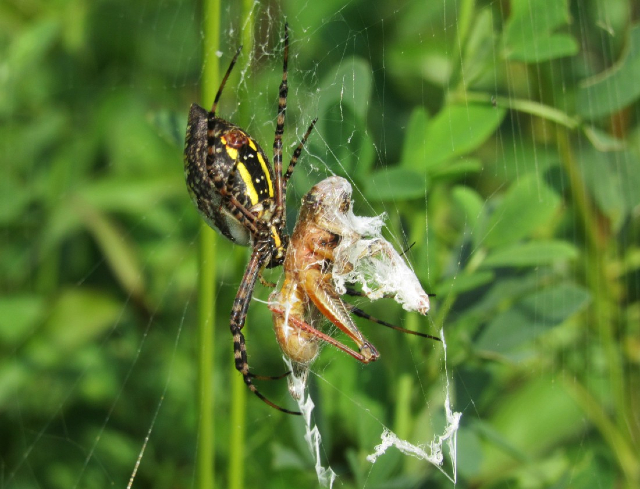
Banded Garden Spiders use a “wrap-and-bite” strategy to quickly dispatch their prey. When a victim becomes entangled in their web, the spider rushes over and wraps the prey in a thick shroud of dense webbing. They it bites through the victim’s exoskeleton. The bite delivers neurotoxic venom that halts its prey’s struggling and necrotoxins that dissolve its food’s insides.

06 Banded Garden Spider_8450

Banded Garden Spider adults can be found from mid- to late Summer through the first freeze. Their egg sacs are deposited in early Fall and consist of several hundred eggs. The immature spiders emerge the following Spring.

07 Banded Garden Spider_8398

The Banded Garden Spider is a colorful and fascinating creature that I look forward to seeing every Summer.

Third Eye Herp
E-mail

Speckled Wolf Spider

01 Speckled Wolf Spider_8147

While exploring a glades habitat in the “Show Me State,” I came across this awesome creature.
02 Speckled Wolf Spider_8149

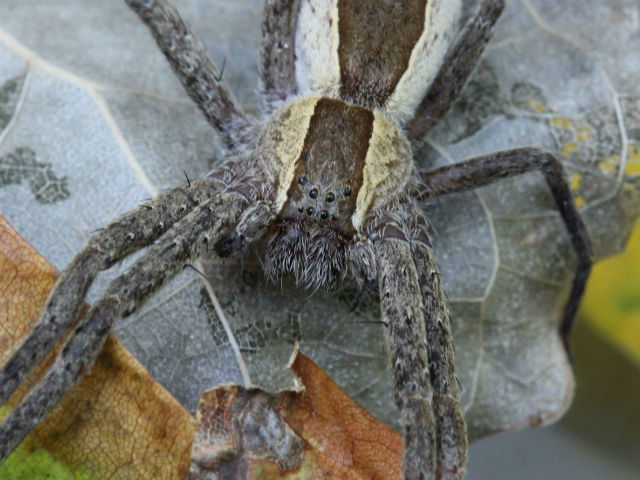
The Speckled Wolf Spider is one of Missouri’s more common species of Wolf Spiders. Key identifiers for it include large size, overall darkish color, banded legs and a narrow pale yellowish line running between the eyes.

03 Speckled Wolf Spider_8143

Like other members of their family, these are athletic spiders don’t spin webs to catch their insect prey; instead, Wolf Spiders run down their prey like a wolf.

04 Speckled Wolf Spider_8151

Female Wolf Spiders have remarkable maternal instincts and are often seen carrying around their egg cases. After the young spiders hatch, they ride around on their mother’s back until they are able to be independent.

05 Speckled Wolf Spider_8146

Wolf Spiders live in a wide range of habitats, basically anywhere where there are insects to eat. They seem to be most common in open habitats like grasslands, and are often found in farm fields and meadows.

Third Eye Herp
E-mail

Nursery Web Spider

01 Nursery Web Spider__0322

This is a fascinating creature that sometimes I’ve been lucky enough to find in my own backyard, as well as when on hikes along the Ohio & Erie Canal towpath.

02 Nursery Web Spider 022

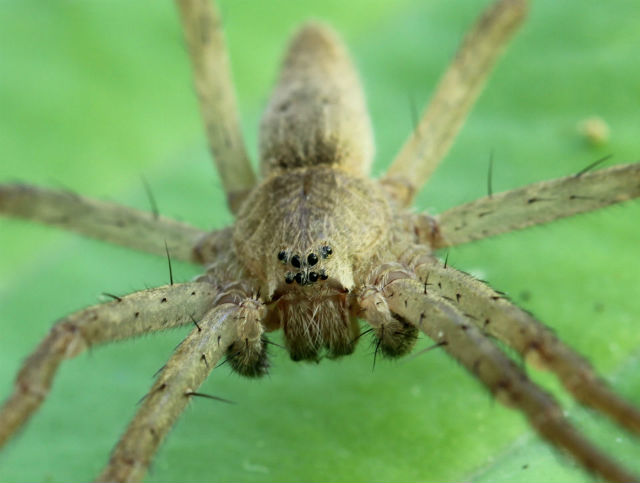
It is similar to a Wolf Spider in appearance and has usually has brown and black stripes running the length of its body.

03 Nursery Web Spider__0315

Four species of Nursery Web spiders in occur in North America north of Mexico. They are streamlined, with long legs and slender bodies, which help them blend in with plant stalks.

04 Nursery Web Spider_7266

The Nursery Web Spider is an active hunter and does not spin a web to catch food, instead it employs a quick sprint to capture flies and other insects.

05 Nursery Web Spider 025

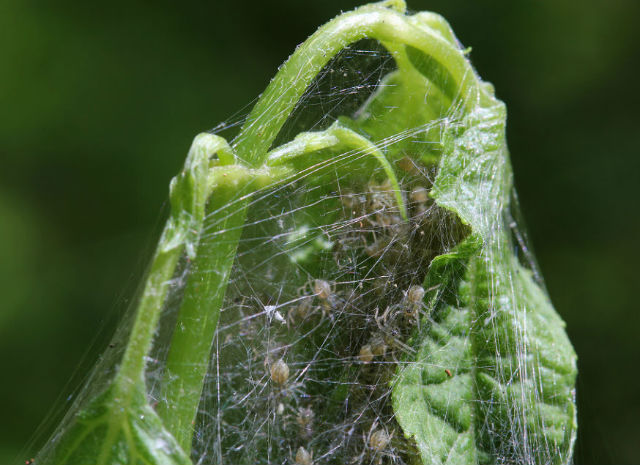
The female carries her large, round egg-sac in her fangs. When the young are about to hatch, she builds a silk sheet among the vegetation to act as a tent.

06 nursery web spider_9948

This “tent” shelters the offspring until they are old enough to leave on their own. This spider only uses its silk for purposes of creating a protective tent for its young.

07 Nursery Web Spider__0313

Their habitat is grasslands, woodland borders, fencerows, roadsides, parks and gardens. They are closely related to Fishing Spiders and can run across the water’s surface if necessary.

Third Eye Herp
E-mail

Six-spotted Fishing Spider

01 Six-spotted Fishing Spider_5593

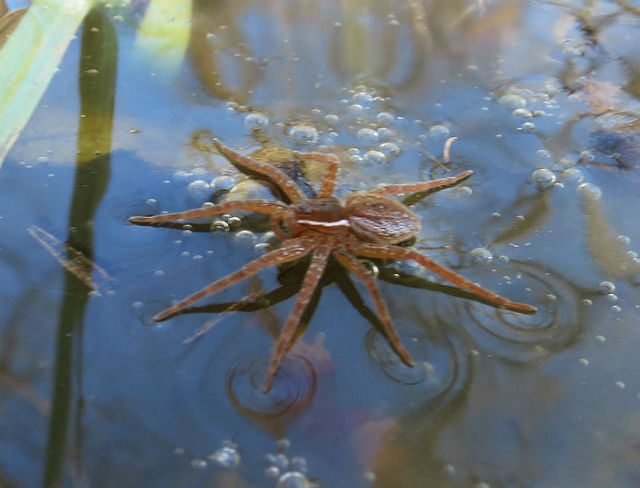
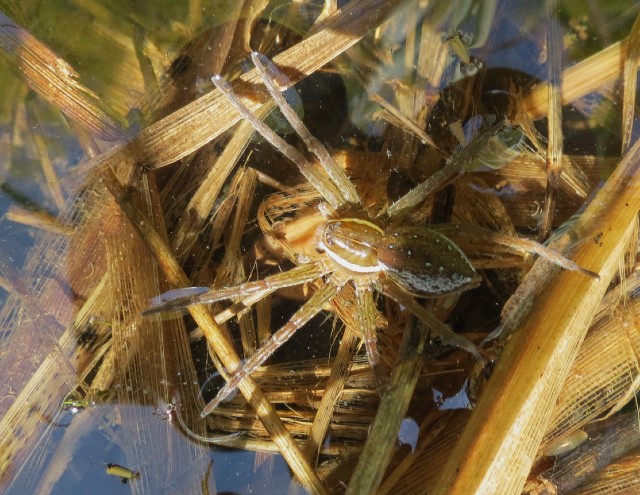
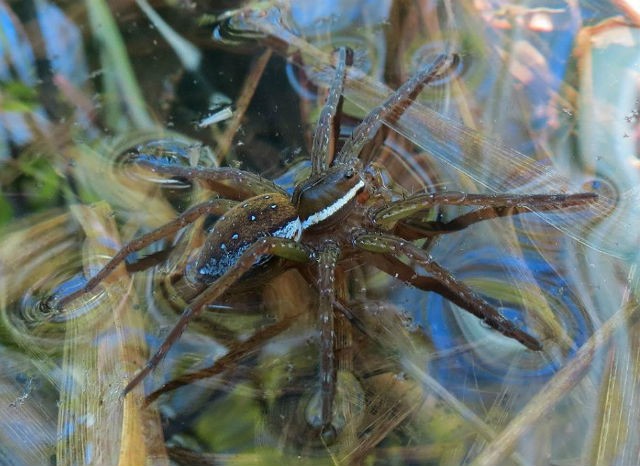
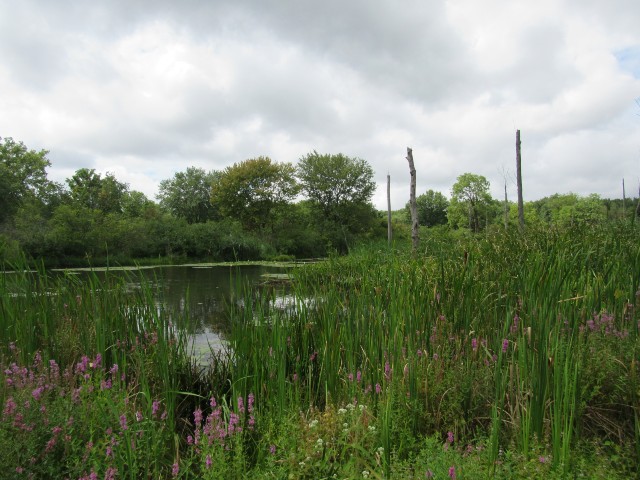
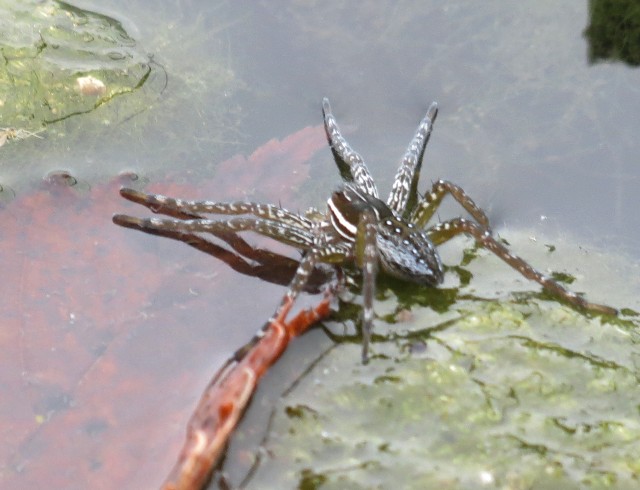
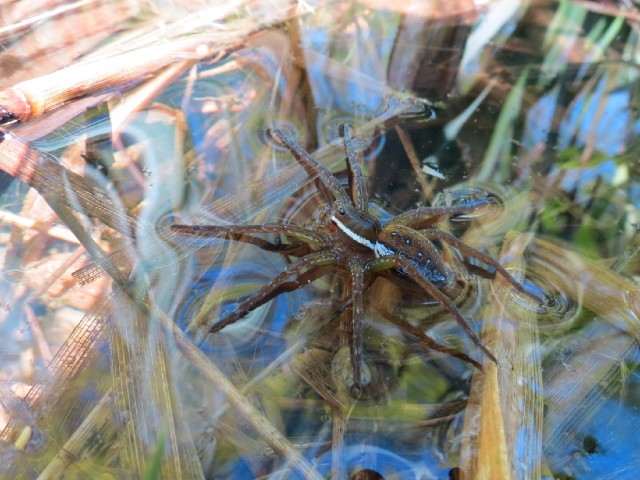
This is a cool spider that I often find while exploring the edges of ponds and canals. It is easy to identify because of their distinctive pattern of two white stripes on their front section and 12 white spots on their abdomen. They are named for the six black spots on their underside.

02 Six-spotted Fishing Spider_5592

This species is active in the daytime and waits patiently for hours at a time for prey to come by. Not only can it walk on water, but it can also dive several inches underwater to catch food, which consists mostly of insects, small fish and tadpoles.

06 Six-spotted Fishing Spider_2398

These creatures can walk on water using the properties of surface tension and by spreading their body weight equally where each of their eight legs contacts the water. This arachnid can stay submerged under the water for 30 minutes or more. The hairs on their bodies trap air and provide a protective “diving suit.”
05 Six-spotted Fishing Spider_0333

Spider legs have delicate hairs called trichobothria that respond to vibrations carried through either the air or the water. These hairs provide information to the spider about the presence and location of prey. Six-spotted Fishing Spiders also have excellent eyesight.

04 IMG_2390

This species belongs to a group known as Nursery Web Spiders. A female will lay her eggs and wrap them in a silken sac. She will carry this sac around in her jaws for protection until the eggs are ready to hatch. Then she builds a nursery tent with silk which she guards to protect her spiderlings against attackers.

03 Six-spotted Fishing Spider 5601

The Six-spotted Fishing Spider is a truly fascinating creature that often goes about its life unnoticed.

Third Eye Herp
E-mail

Cardinal Jumper

01 Cardinal Jumper_9376 (1)

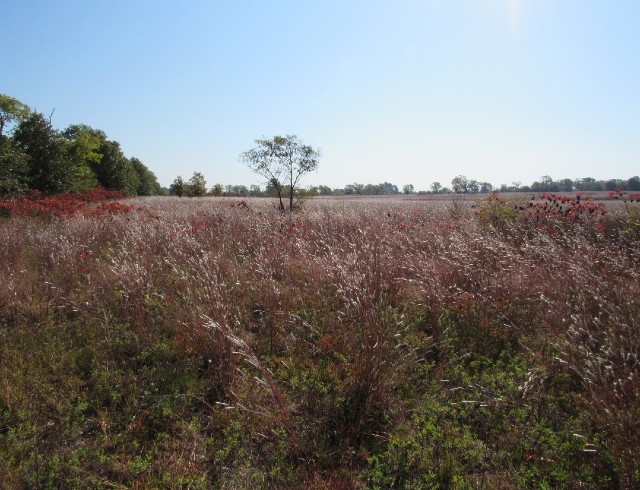
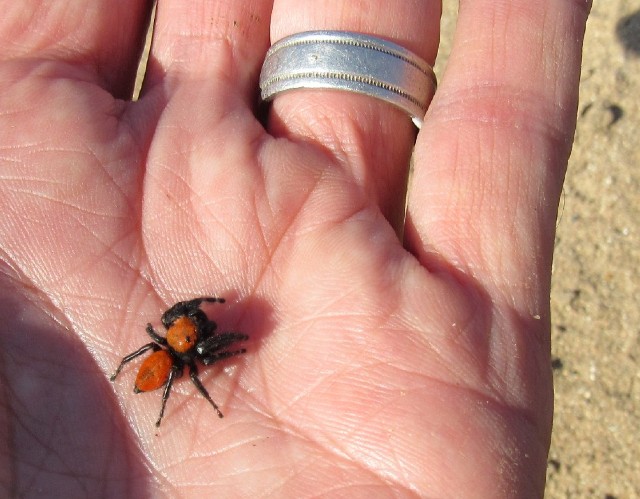
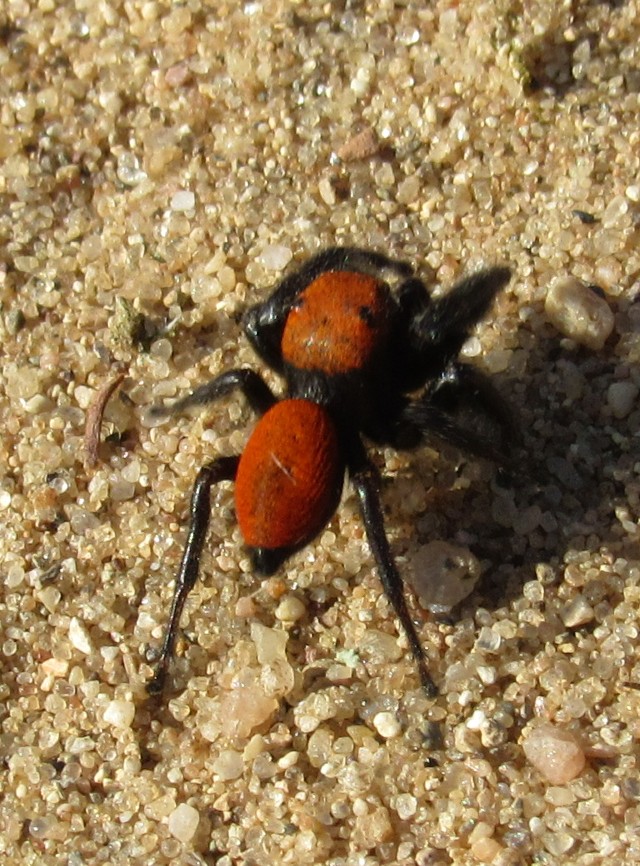
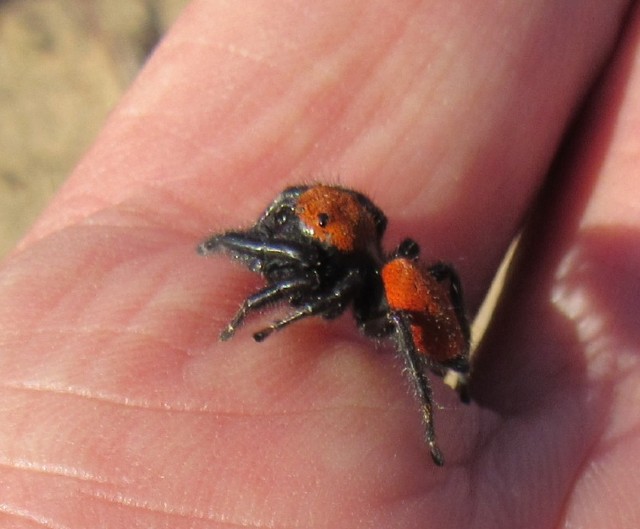
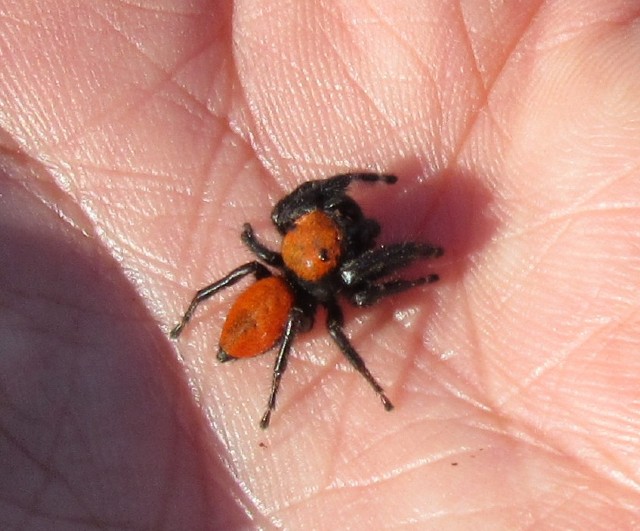
While visiting a sandhill prairie in Missouri last month, I came across this very cool creature. Its bright colors mimic those of a “velvet ant” – a type of wasp that possess a very painful sting.
02 Cardinal Jumper_9367a (1)

The Cardinal Jumper is a Jumping Spider and part of a family that contains over 6,000 described species; it is the largest family of spiders and makes up about 13% of all known spiders.

03 Cardinal Jumper_9375

Jumping Spiders do not make webs to catch food, but use silk for building retreats, protecting eggs and creating safety lines while moving about. Having excellent eyesight needed for active hunting, Cardinal Jumpers tend to notice everything around them, including both large and small beings.

04 Cardinal Jumper_9368

This species is most often found in areas with tall grass and weeds and it frequently climbs up on the grass stems. Its main food is insects, including grasshoppers and katydids several times bigger than they are.

05 Cardinal Jumper_9374

Cardinal Jumpers have a well-developed internal hydraulic system extends their limbs by altering the pressure of the body fluid within them. This enables them to jump without having large muscular legs like a grasshopper. Most Jumping Spiders can jump several times the length of their bodies.

06 Cardinal Jumper_9367

Interestingly, it seems to be most commonly sighted during the month of October, which makes its Halloween colors quite appropriate.

Third Eye Herp
E-mail

White-banded Fishing Spider

01 Whitebanded Fishing Spider

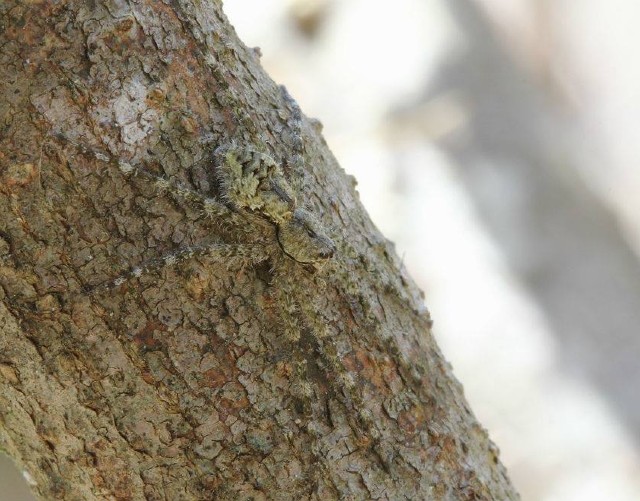
While doing yard work I came across this awesome arachnid. This is a sit-and-wait predator with excellent camouflage. It was the first time I’ve ever encountered this species.

02 White Banded Fishing Spider_0445

The White-banded Fishing Spider belongs to the Nursery Web Spider Group and is indigenous to the United States. Females, which are somewhat larger than males, can reach nearly an inch in body length.

03 Whitebanded Fishing Spider_0416 (1)

Though their color is variable, it is true to its name, with a white band in the area below its eyes, around the jaws and more white bands on its legs and body.

04 White Banded Fishing Spider_0425

White-banded Fishing Spiders get their “fishing spider” name because most live near water (I have a creek in my backyard) and have been reported to catch small fish and aquatic insects from the water as they walk on its surface. Instead of building a web to catch its food, this creature goes out and hunts it down.

05 White Banded Fishing Spider_0441

Like other Nursery Web Spiders, females carry their egg sac in their jaws before eventually creating a “nursery web” amid foliage, branches and sometimes artificial structures. The female then guards the egg sac and the spiderlings that emerge from it.

06 White Banded Fishing Spider_0442

Sometimes you find cool things without even looking for them and that was certainly the case with this White-banded Fishing Spider.

Third Eye Herp
E-mail