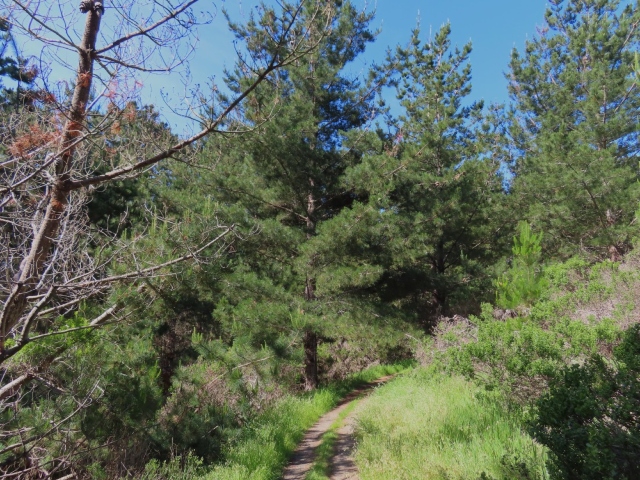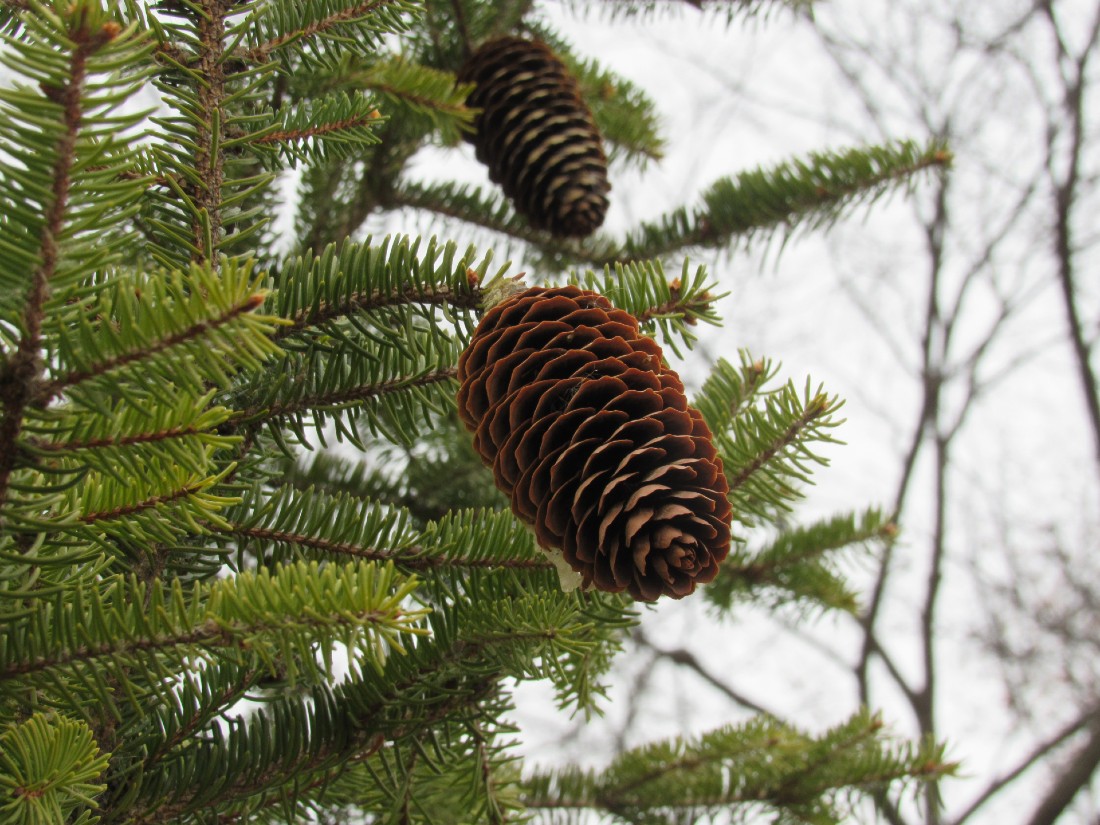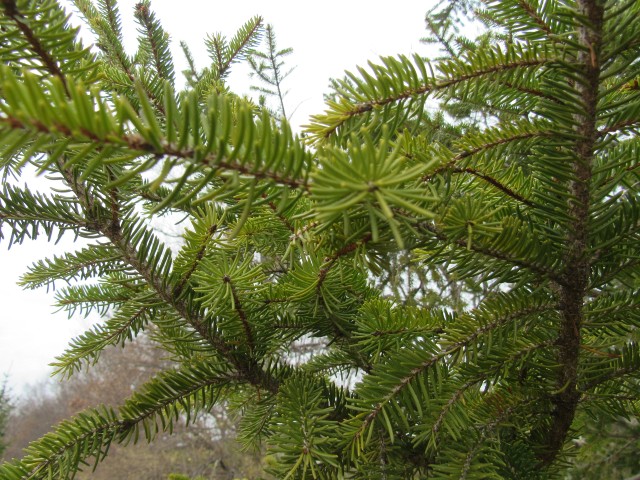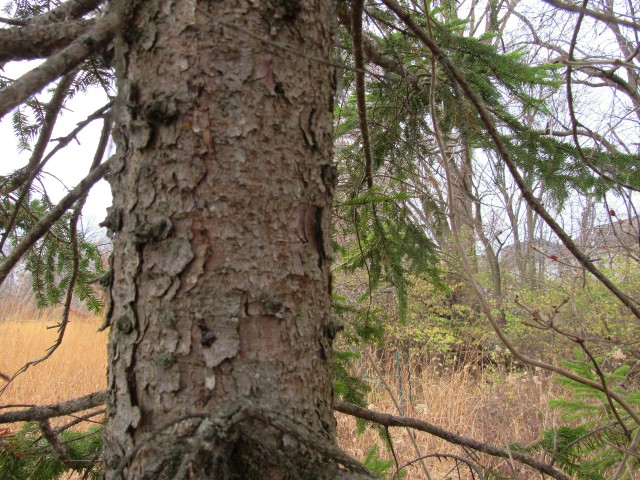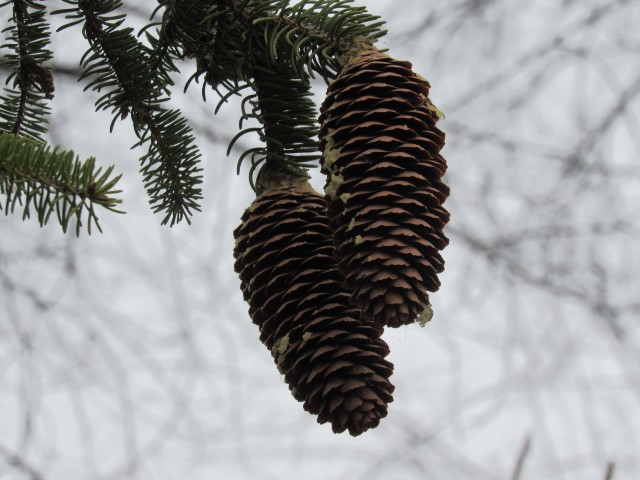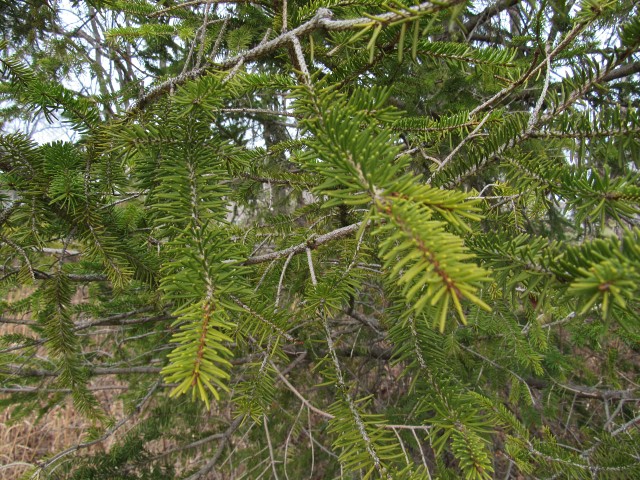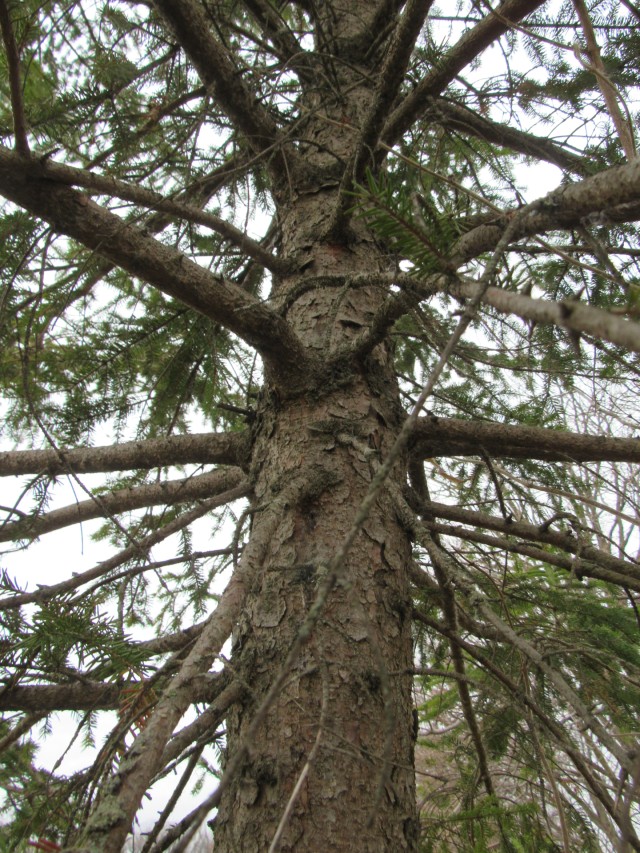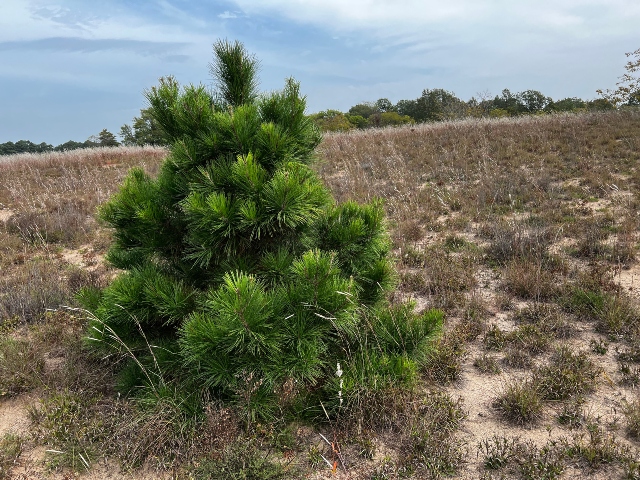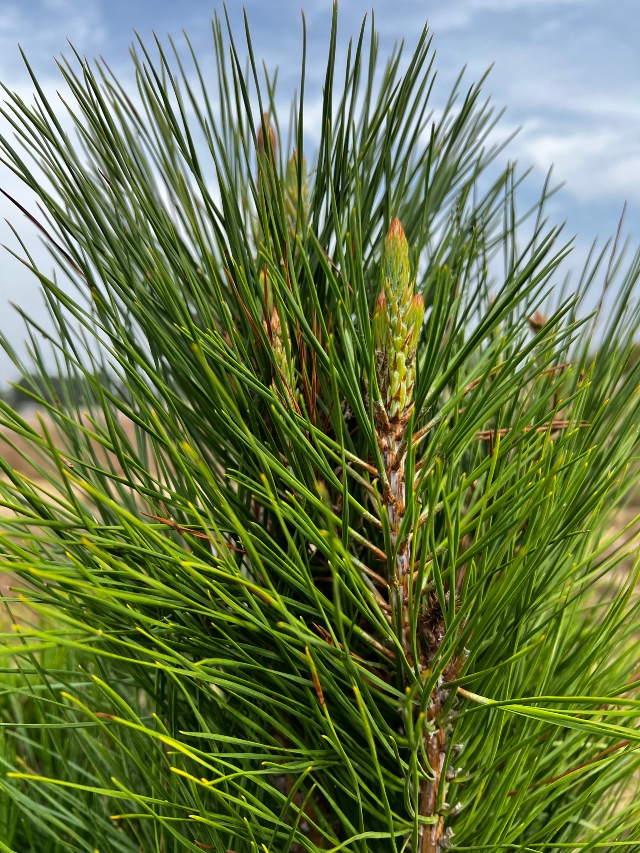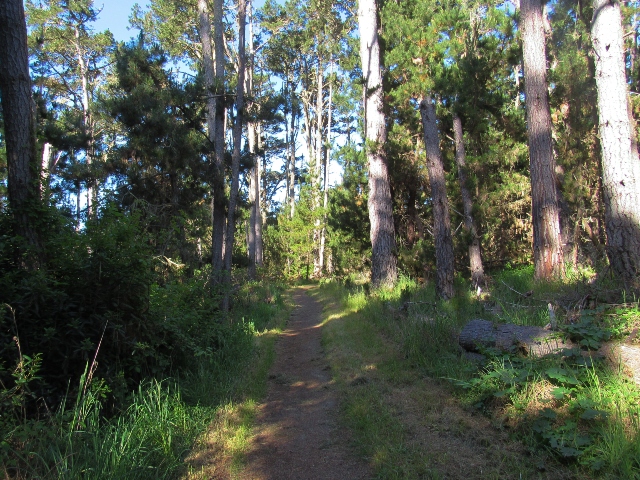
While visiting Point Reyes National Seashore in California, I encountered a few of these fine trees that grow in mild climates. They range from the mountains of southern Oregon to Baja California, with the greatest concentration in northern California and the Oregon-California border.
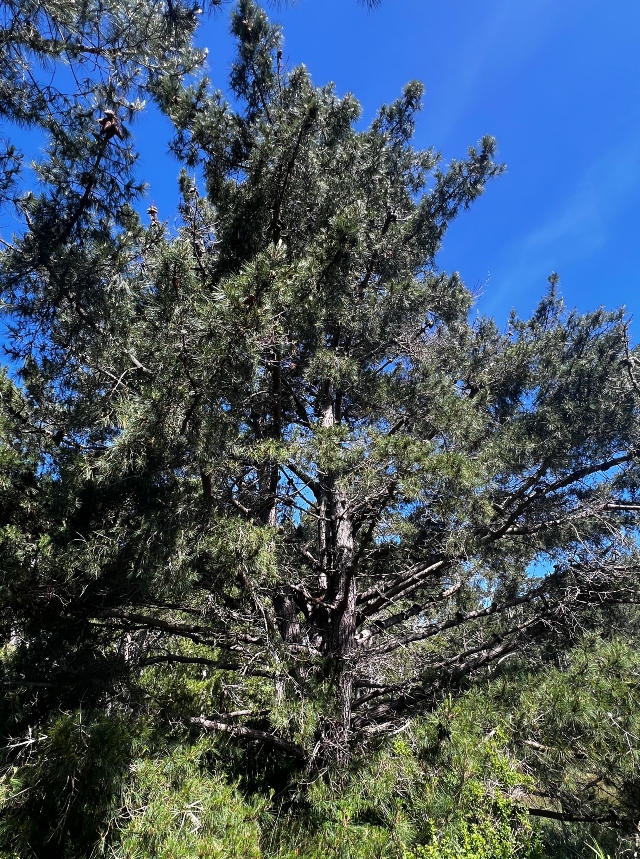
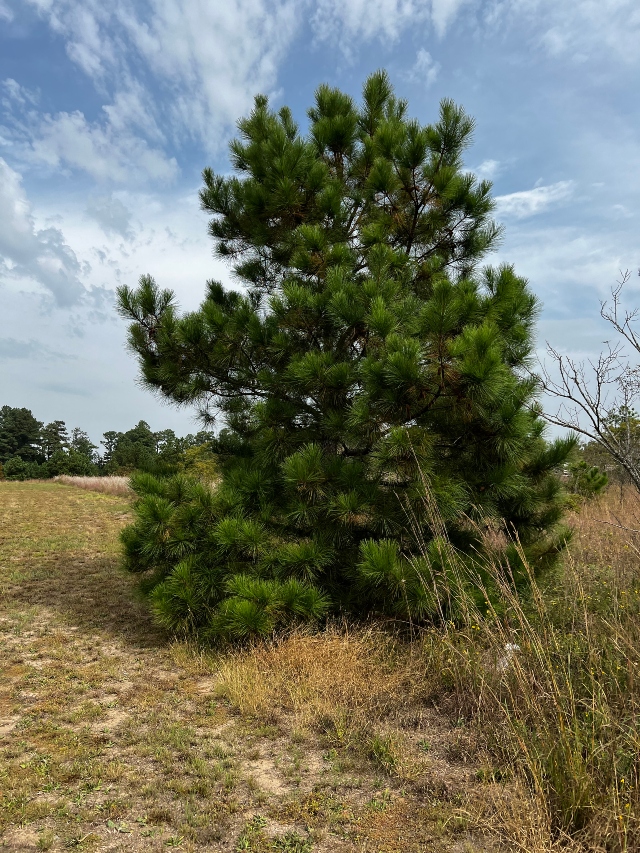
Knobcone Pines are tough trees, often growing in the poorest soils, so mature trees vary greatly in size from 25 to 75 feet tall, depending on the soil and other conditions. This conifer often has a scruffy appearance, likely due to the suboptimal conditions that it grows in. This is the most widely distributed of the West Coast closed-cone species. The Knobcone Pine community occupies a transitional position between chaparral and woodland and higher elevation forests.
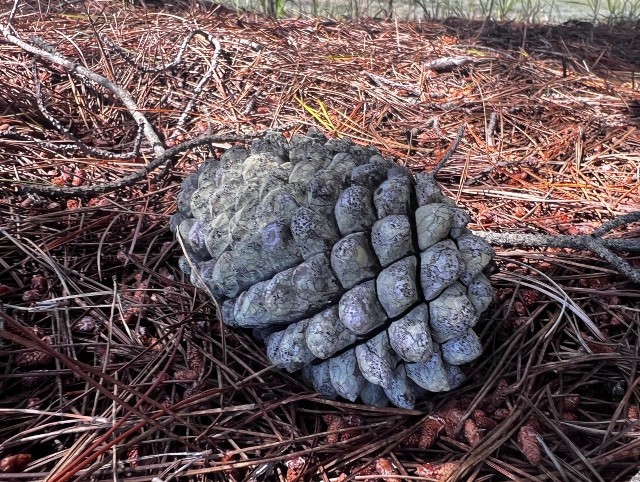
Unlike other closed-cone species whose cones open with hot weather, the Knobcone Pine must have fire for reproduction. Cones are sealed with a hard resin that requires a high temperature in excess of 350°F to open. An unburned Knobcone Pine cone will remain closed even after its host tree has decayed and fallen; it can stay viable for up to 50 years.
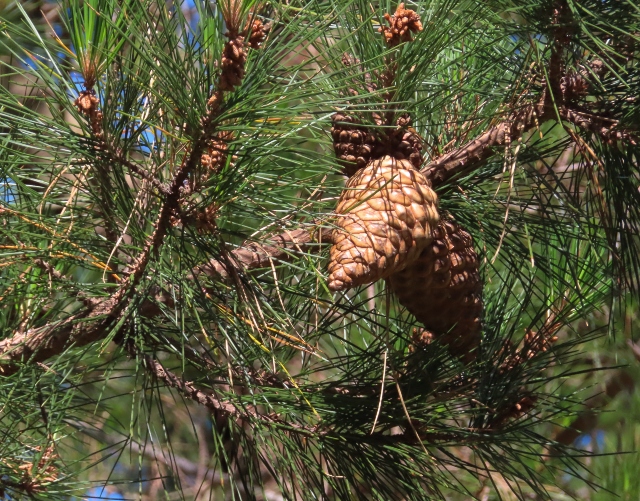
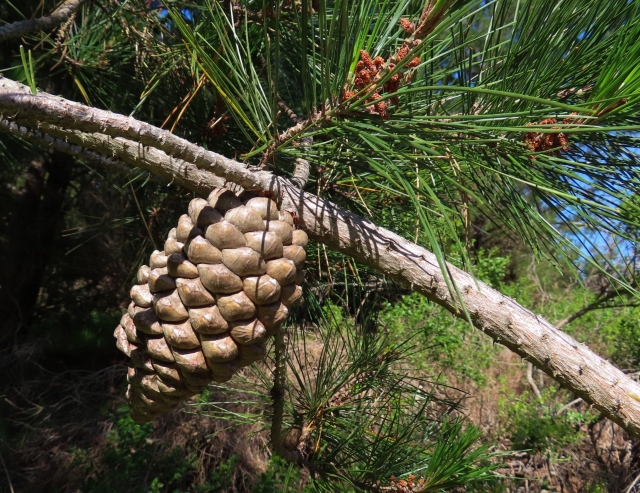
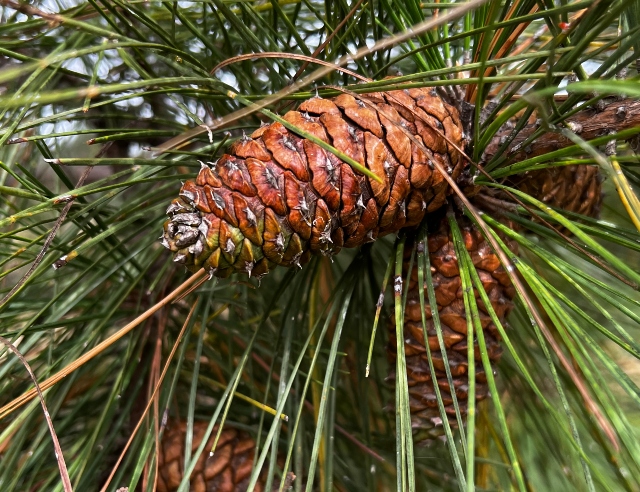
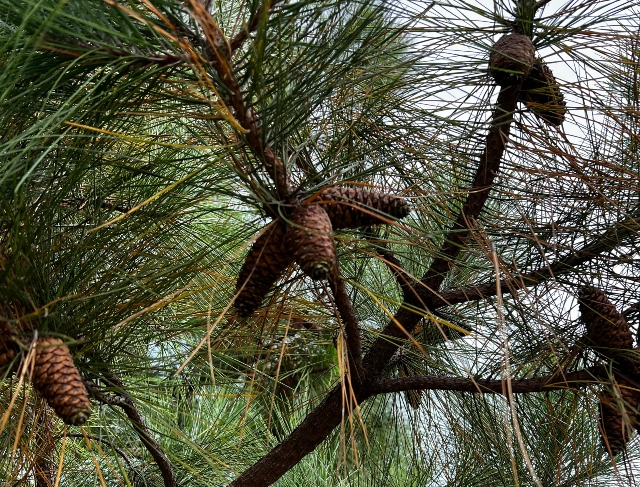
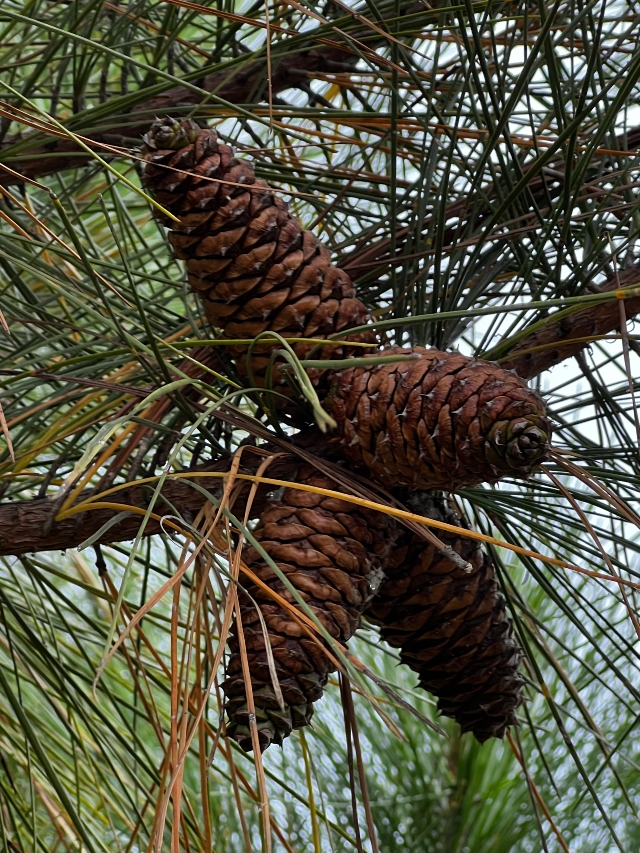
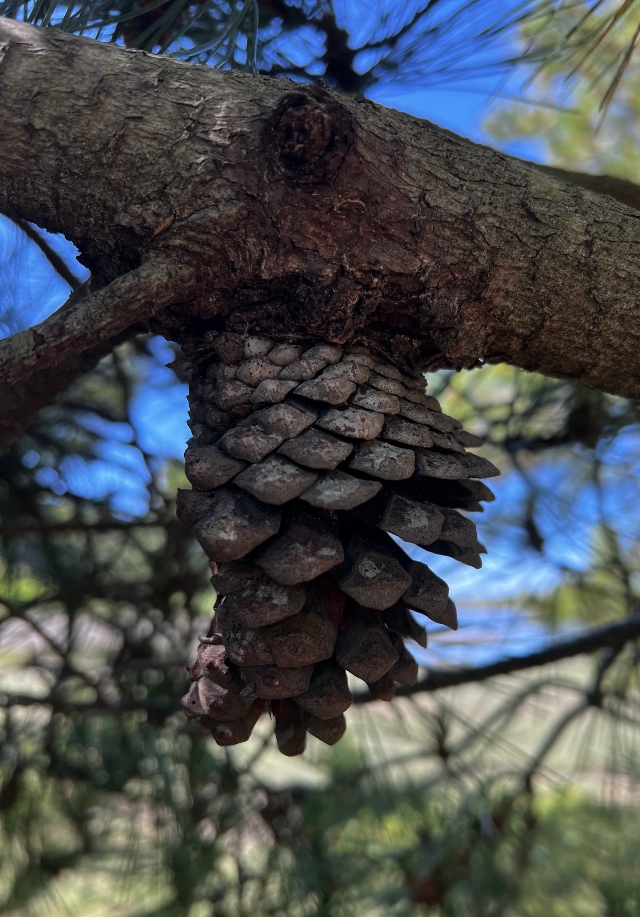
The cones are distinctive, as they grow clustered tightly around the branches in whorls rather than at the branch tips, as in other pine species. The cones are asymmetrical and since the scales are tightly shut, they appear knobby. Cones stay on the tree for years — so long, in fact, that the wood of the branches sometimes grows around them, leaving odd bulges in the branches.
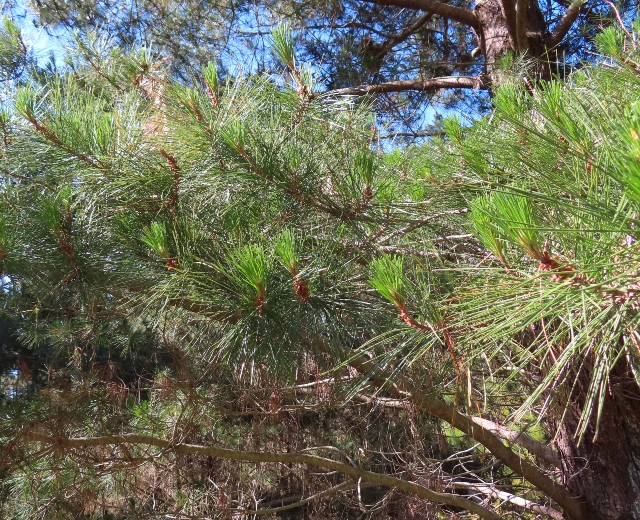
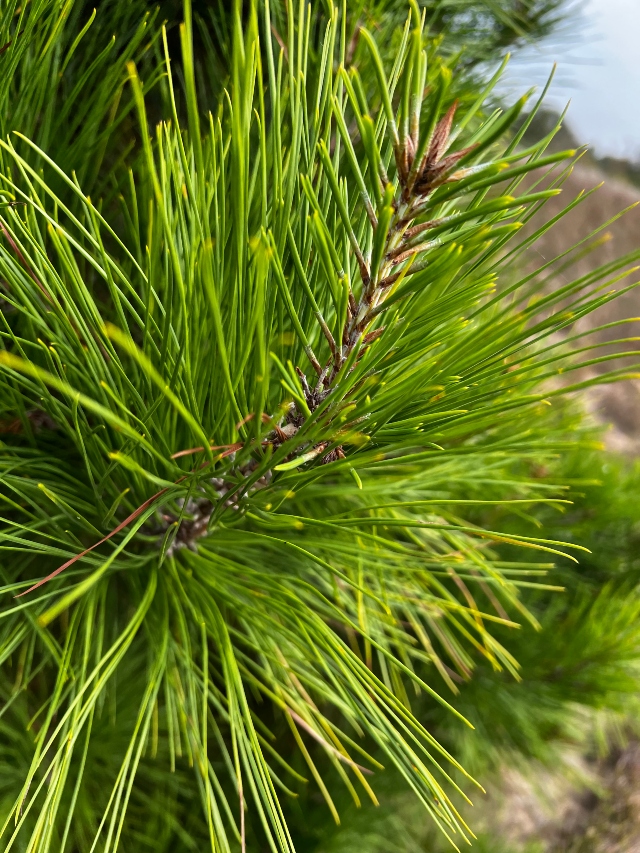
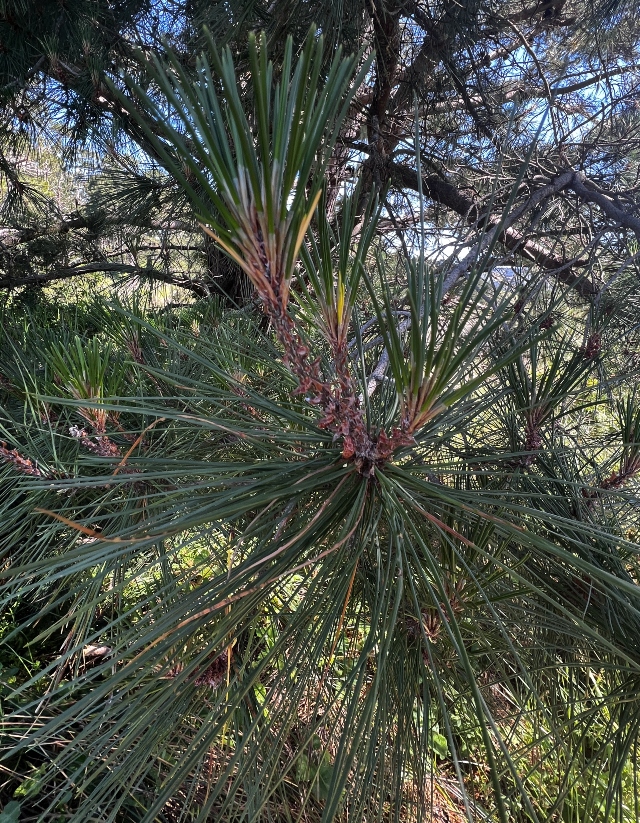
The heavily spiked, closed cones deter most seed predators, although the Western Grey Squirrel consumes some seeds. The needles are a faded olive-green color and are borne in bundles of three.
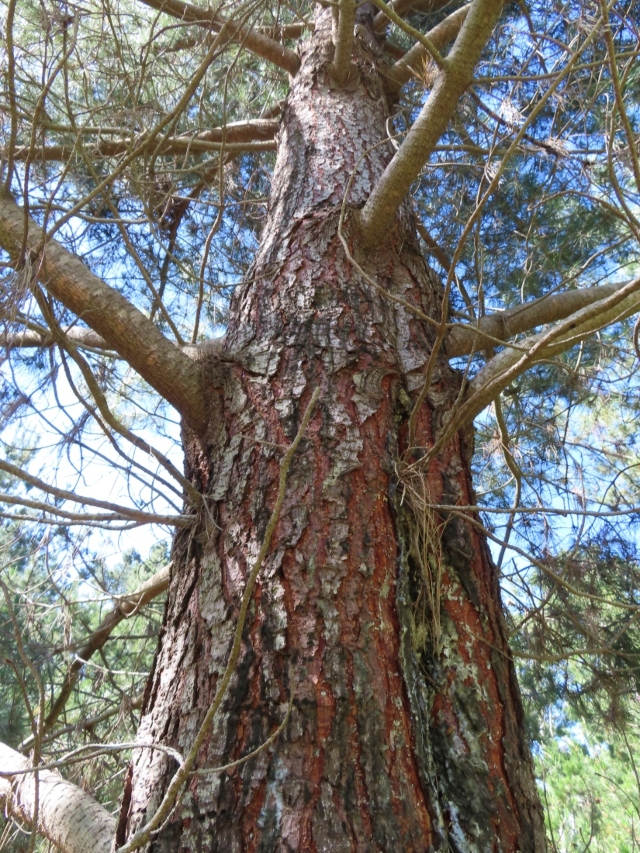
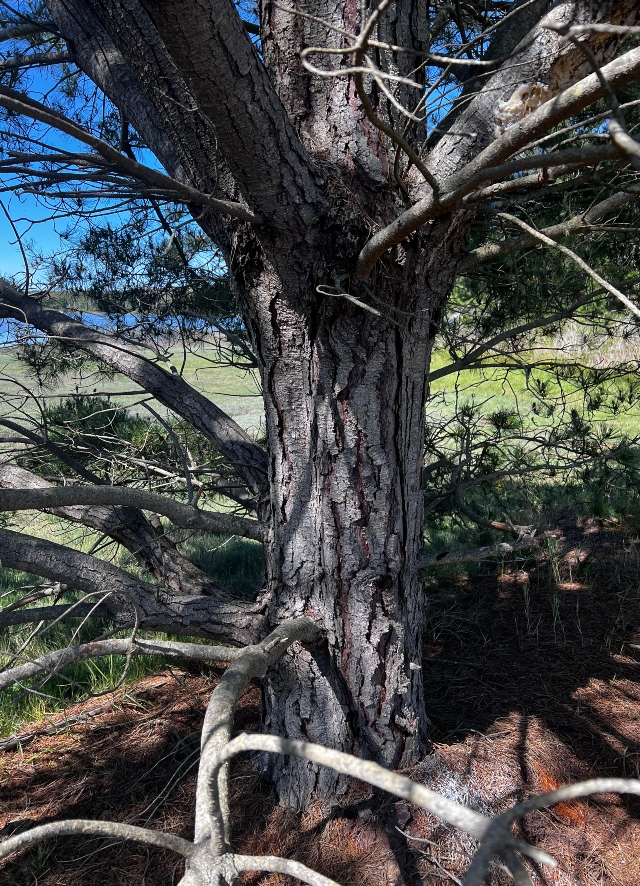
The bark is thin and smooth, flaky and gray-brown when young, becoming dark gray-red-brown and shallowly furrowed into flat scaly ridges in age. The twigs are red-brown and often resinous. Its wood is knotty and of little interest for lumber.
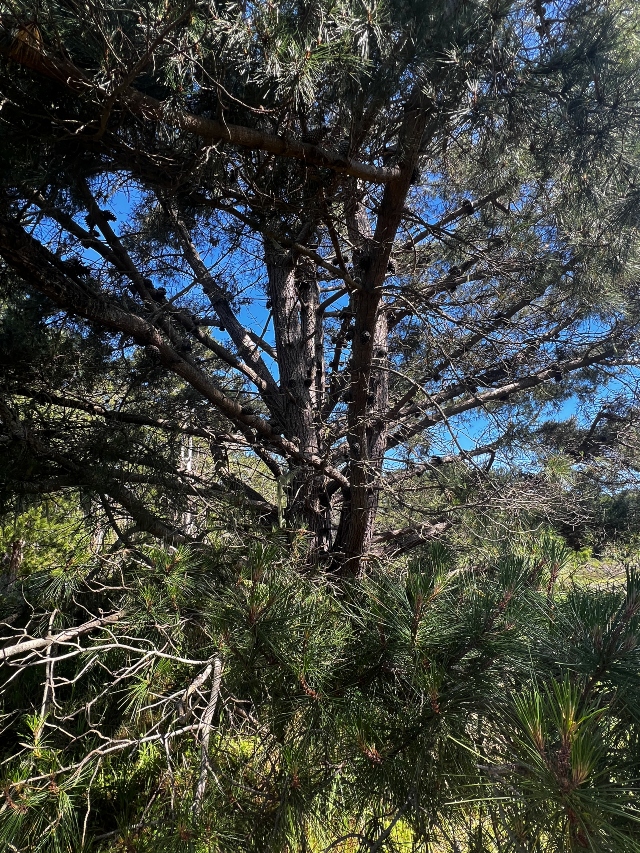
This was a neat tree to come across on my travels.