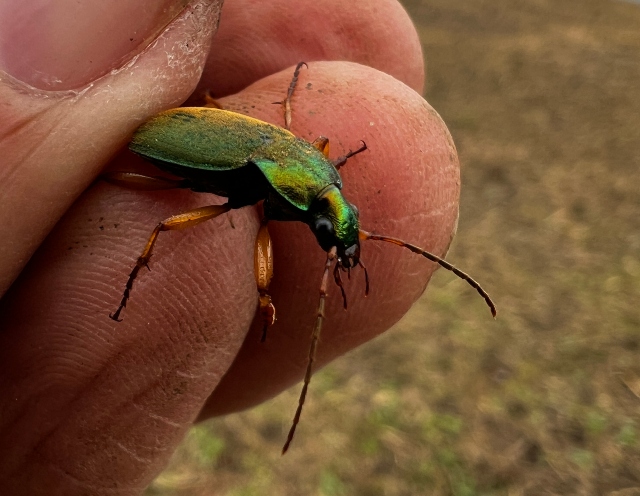
Vivid Metallic Ground Beetle

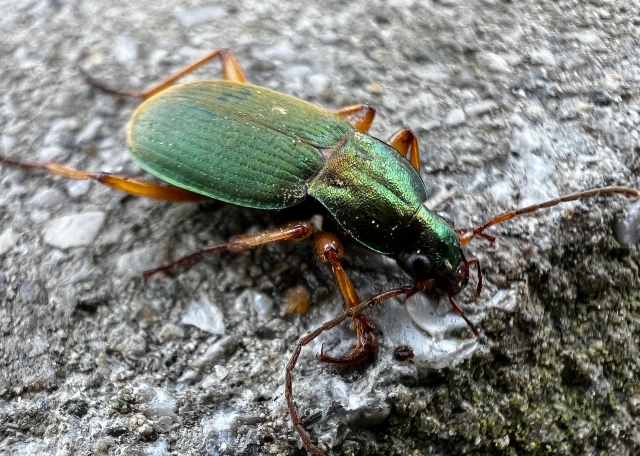
01 Chlaenius pallipes_5043

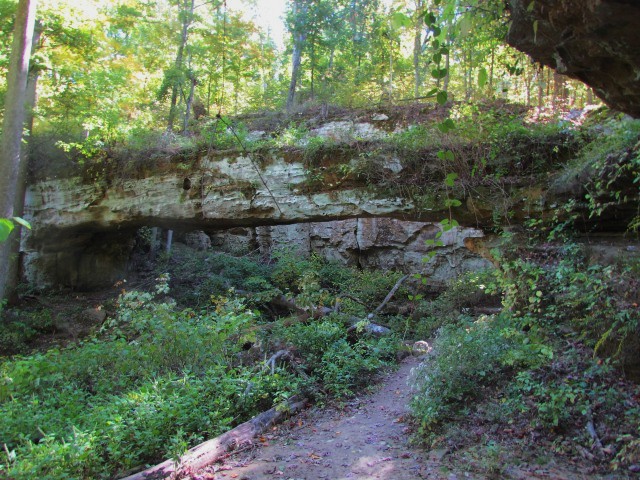
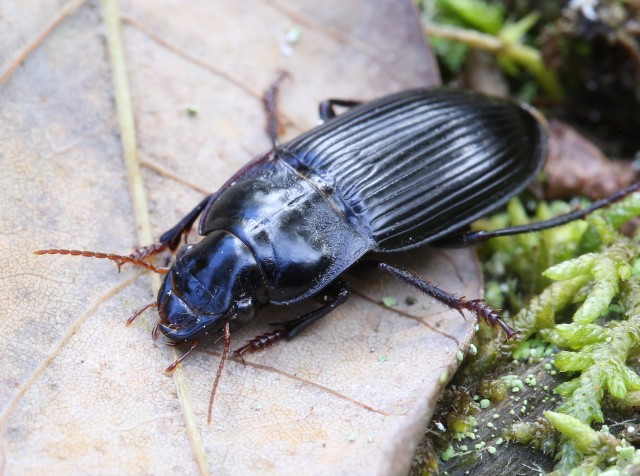
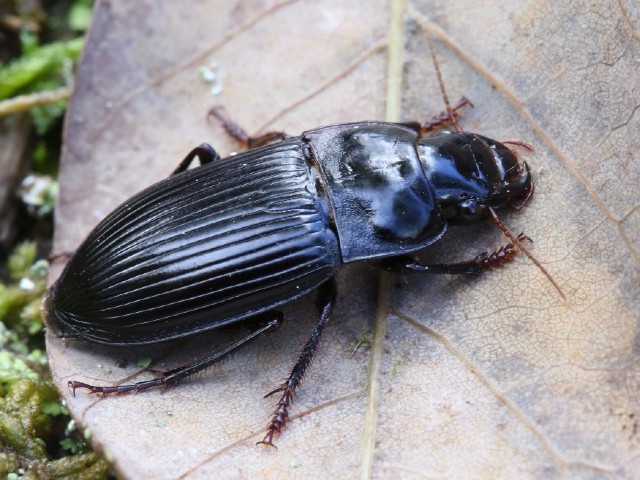
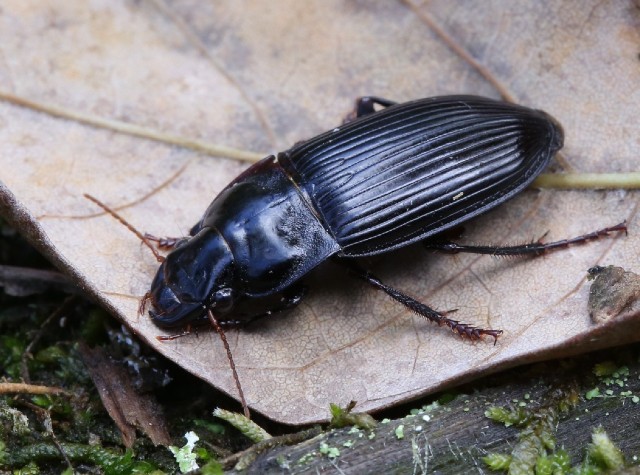
I found this fine creature while exploring the edge of a field in Japan. It is part of a large and diverse genus of ground beetles. Belonging to a family known as Carabid Beetles, the members in this family are frequently used as indicators of biodiversity and habitat quality.
02 Chlaenius pallipes_5049

This insect is native to the Palearctic realm (including Europe, the Near East, and North Africa), Afrotropical realm, and Nearctic realm. Worldwide, roughly 1,000 species are currently recognized with the majority of known species occurring in the Oriental and Afrotropical regions.
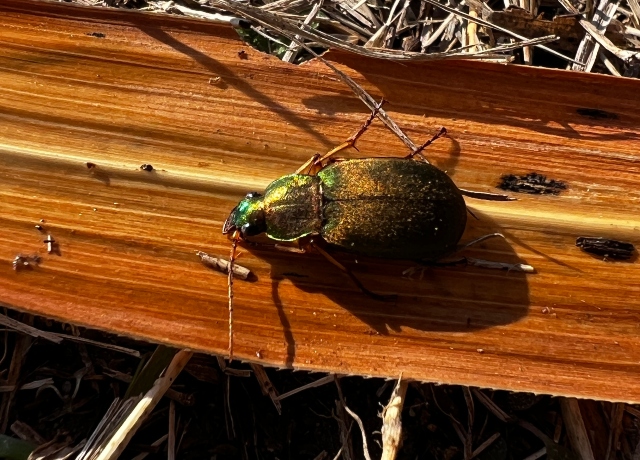
03 Chlaenius pallipes_4871

The Vivid Metallic Ground Beetle is a hygrophilous species that is found in a wide range of habitats, including forests, grasslands, farm fields, paddy fields, and riparian areas. However, even within the same habitat type, the population density of this species varies depending on the surrounding landscape complexity and habitat management practices.
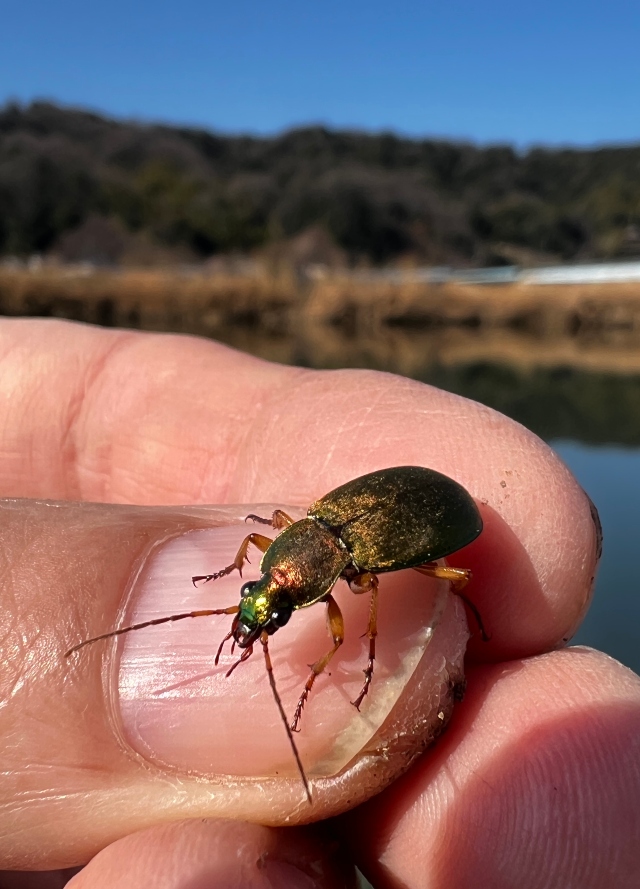
04 Chlaenius pallipes_4866

These beetles feed on a wide variety of insects and other invertebrates, like caterpillars, aphids, snails, and earthworms. However, many species also eat plant matter, with some preying on seeds and even young seedlings, making them beneficial for controlling both pests and weeds.
05 Chlaenius pallipes_5054

The Vivid Metallic Ground Beetle has been used in studies to determine if its gut microbiome can be used as an indicator of an organism’s health or the health of the population.
Third Eye Herp
E-mail

Cicada Parasite Beetle

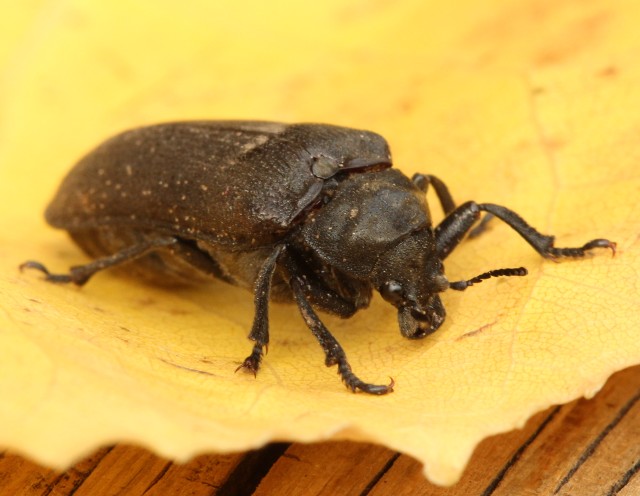
01 Cicada Parasite Beetle_7871

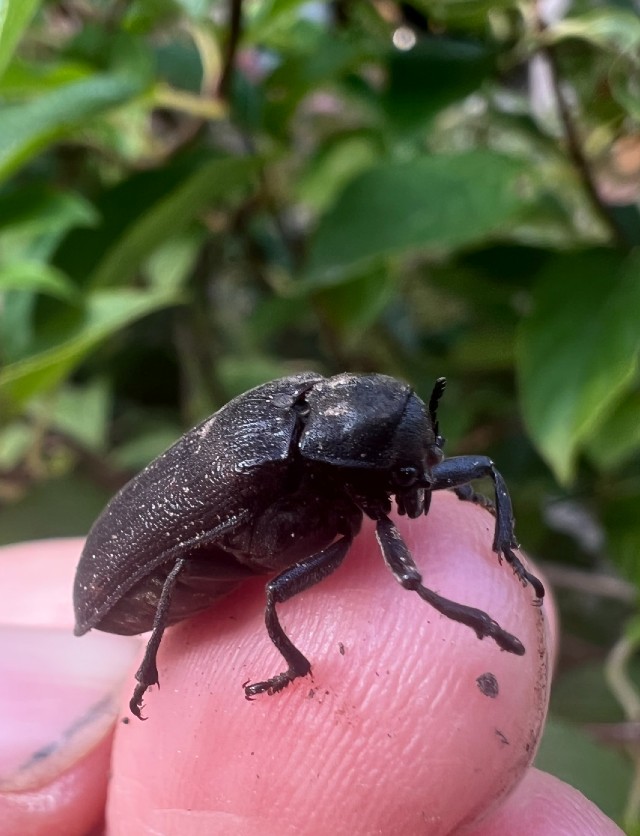
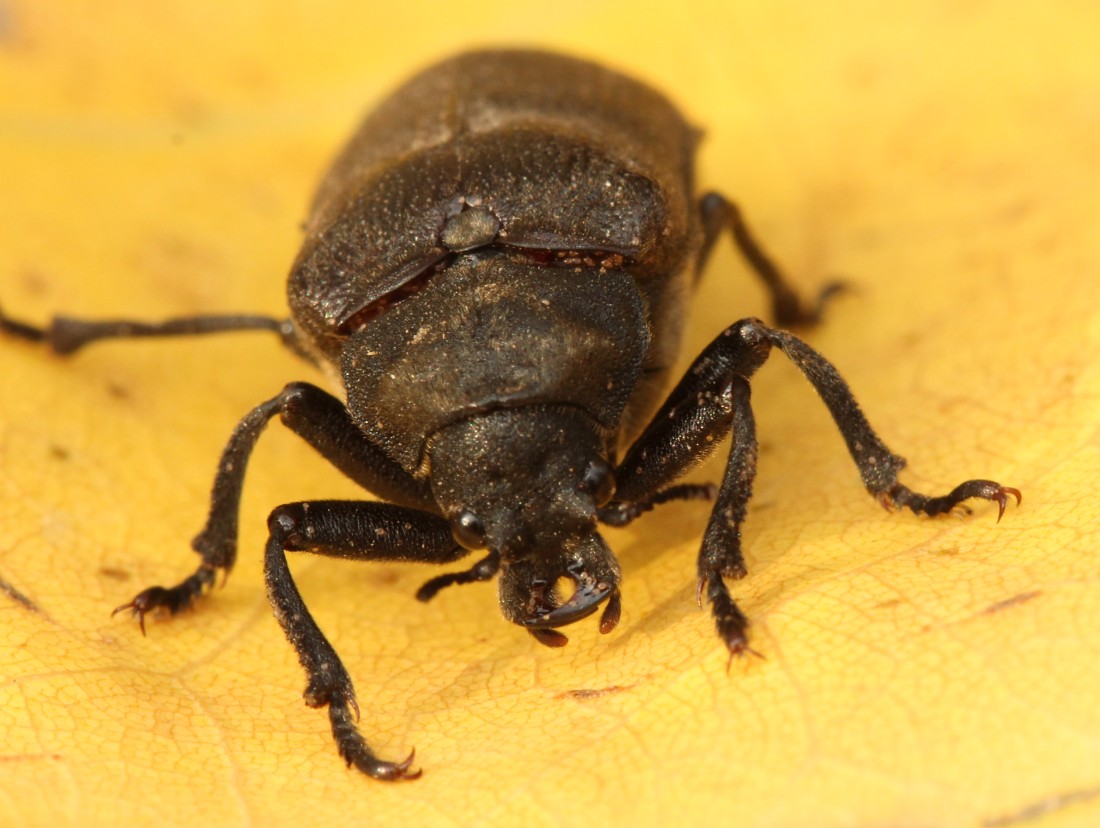
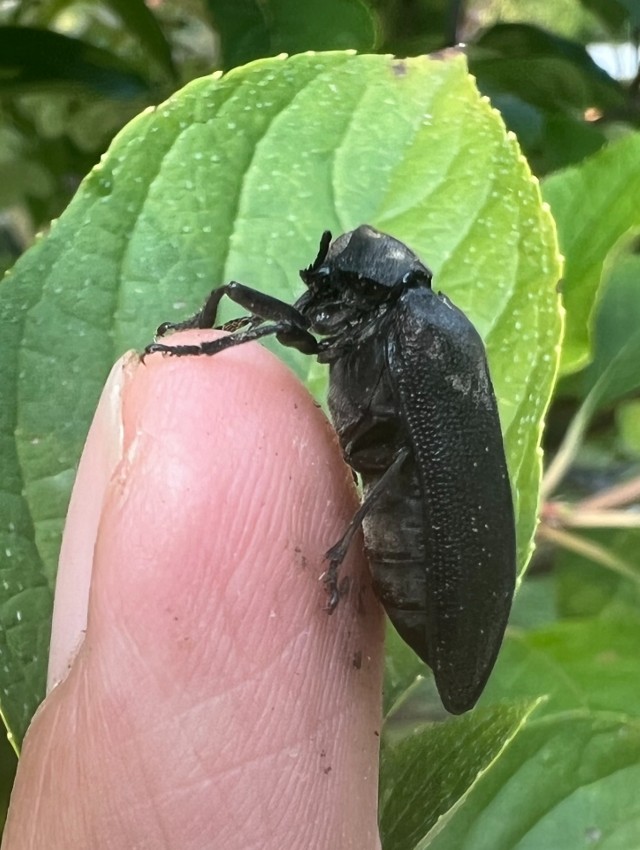
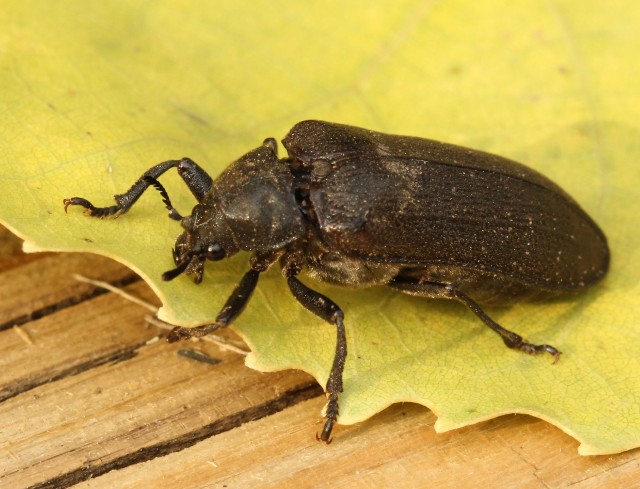
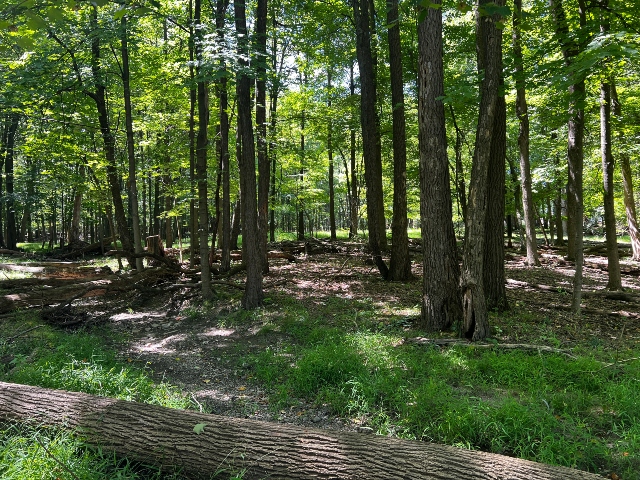
While walking in the wooded lot across the street from my house, I came across this very interesting insect that I’ve never seen (or heard of) before.

02 Cicada Parasite Beetle_9105

Cicada Parasite Beetle adults are large, stocky, dark brown insects that are about one inch long. They are flattened dorsally with a downward pointed head.

03 Cicada Parasite Beetle_7923

This species is known from southern Ontario to Florida, west to Colorado and Texas. These beetles are interesting due to their habits and lifestyle.

04 Cicada Parasite Beetle_9103

The adult beetles lay their eggs bark cracks; the eggs hatch into slender, active larvae called triungulins. These larvae burrow through the soil seeking out cicada nymphs.

05 Cicada Parasite Beetle_7926

Once a cicada nymph is found, the triungulin larva molts into a slow-moving, grub-like larva that grabs onto the cicada nymph and feeds on its hemolymph (blood).

06 Cicada Parasite Beetle_9094

Mature larvae pupate and emerge as adults in the same years when periodical cicadas emerge. Although both females and males fly, the females are usually found motionless on the side of the elm trees.

Third Eye Herp
E-mail

Black Vine Weevil

01 Black Vine Weevil_2961

I’ve come across this curious creature on several occasions. Weevils are beetles that known for their elongated snouts. Approximately 97,000 species are known.

02 Black Vine Weevil_2965

Black Vine Weevils are oval in shape, about ½ inch long and have a short, broad snout with elbowed antennae. These insects earned their name “vine” weevil because they were first documented on grapes in Germany.

03 Black Vine Weevil_2962

These insects are parthenogenic (can reproduce without a male). As a result, their population can grow very quickly. Only females are produced.

04 Black Vine Weevil_2961

The Black Vine Weevil is a serious pest in nurseries and established landscape plantings. It and its larvae stunt or kill plants by feeding on the roots – it has been recorded on more than 100 species of cultivated and wild plants.

06 Black Vine Weevil_2964

They are active night feeders and when disturbed, adults drop quickly to the ground. During daylight hours adults hide in dark places on stems of plants with dense foliage or in leaf litter and mulch.

05 Black Vine Weevil_2967

A native of Europe, this species was first reported in Connecticut in 1910.

Third Eye Herp
E-mail

Murky Ground Beetle

01 Murky Ground Beetle_7034

Flipping rocks in southern Illinois revealed this cool creature. Adults are about one inch long, oblong, flattened, and dark in color with deeply grooved wing covers. There are a dozen or more common species of beetles in the genus, but all others are considerably smaller than this one.

04 Murky Ground Beetle_4S2B7954

Murky Ground Beetles are active insects, with long legs, large eyes, and strong sickle-like mandibles. They run rapidly and are active mostly at night.

03 Murky Ground Beetle_4S2B7953

These are regarded as very beneficial to agriculture. Adults feed on the larvae of Colorado Potato Beetle and other harmful larvae, ragweed seeds, and occasionally fruit (probably in search of needed water). They are often attracted to electric lights. Their larvae are wormlike in appearance with powerful prominent jaws.

02 Murky Ground Beetle_4S2B7948

The Murky Ground Beetle is distributed across North America and found in a wide range of habitats including grasslands, open meadows, forests, agricultural fields, and even in urban areas. Like many Ground Beetles, it can release pungent odor when threatened.

Third Eye Herp
E-mail

Tall Flea Beetle

01 Tall Flea Beetle_0098

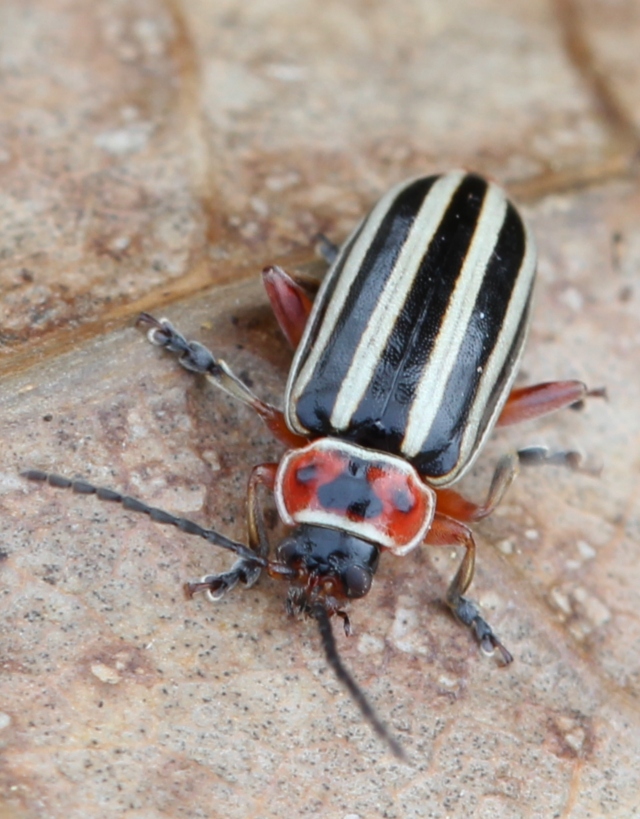
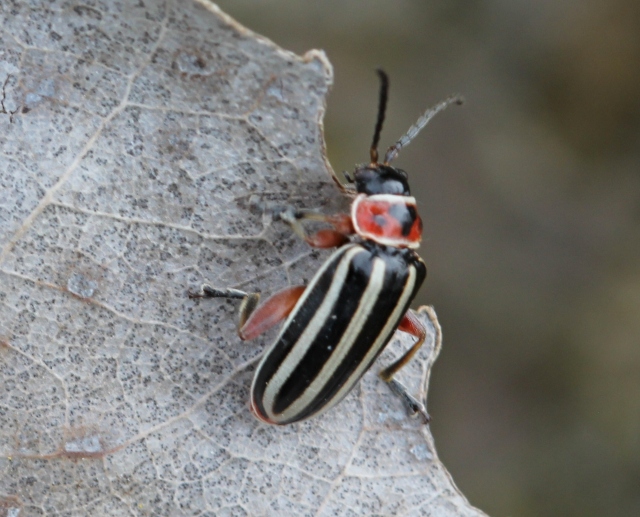
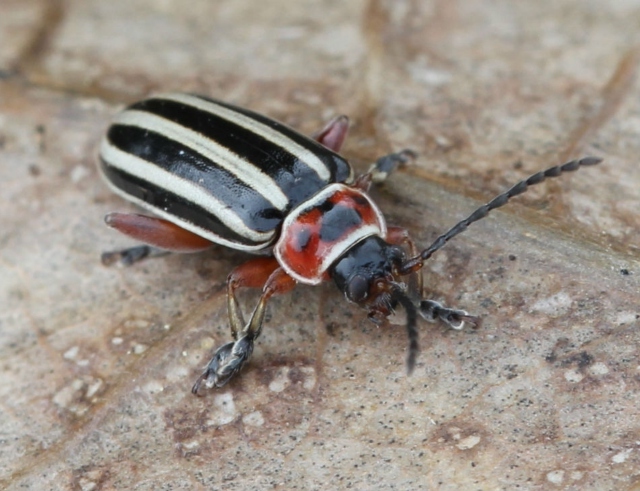
While hiking in northwest Ohio along a marshy area, I came across a few of these neat looking insects. Tall Flea Beetles are found east of the Rockies and into Central America, wherever their food plants grow.

02 Tall Flea Beetle_8852

Flea Beetles are named because they supposedly jump around (like fleas) when they’re disturbed. I didn’t see any jumping though. To accomplish their jumping, they are aided by disproportionately large hind legs. They are also capable of flying.

03 Tall Flea Beetle_8849

Because some of their food plants grow on the edges of wetlands, Tall Flea Beetles are listed as semi-aquatic beetles by a few sources. I’m not sure how the “Tall” fits into their common name, but this is an attractively colored and marked insect.

04 Tall Flea Beetle_8846

Flea Beetles are members of the Leaf Beetle Family. This species feeds on plants in the genus Polygonum – knotweed, smartweed and bindweed – which are invasive species in the United States. Other species eat agricultural crops.

05 Tall Flea Beetle_8851

Flea Beetles live through the winter as adults in leaf litter, hedgerows, windbreaks and wooded areas. Adults become active in early spring. Most Flea Beetles are very small (1/16 –1/8 inch long). An exception is the Spinach Flea Beetle, which is 1/4-inch long.

Third Eye Herp
E-mail

Long-horned Oak Borer

01 Long-horned Oak Borer 871

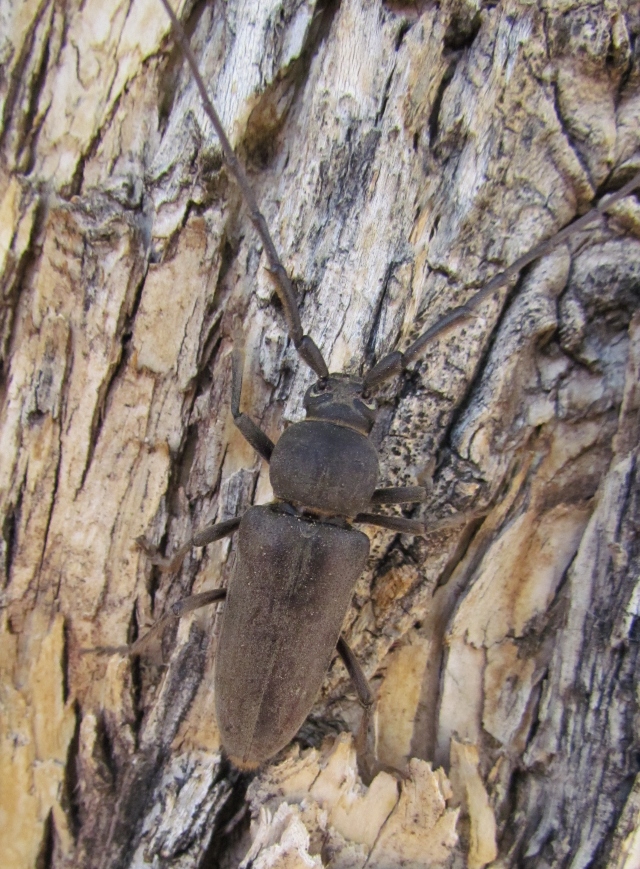
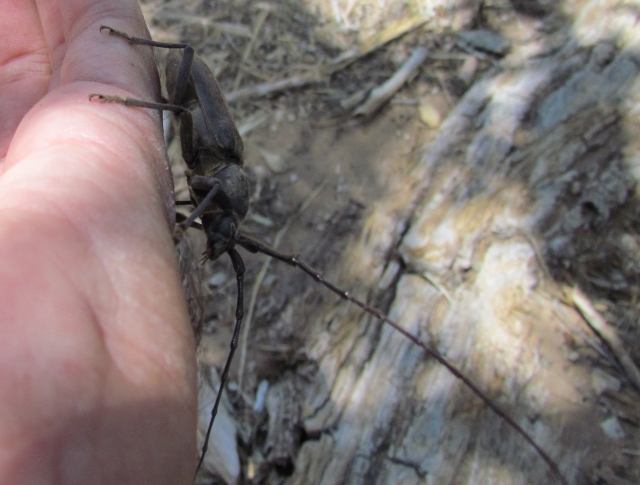
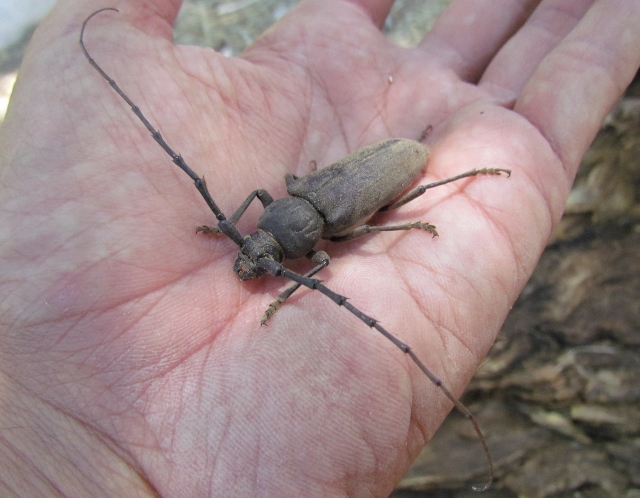
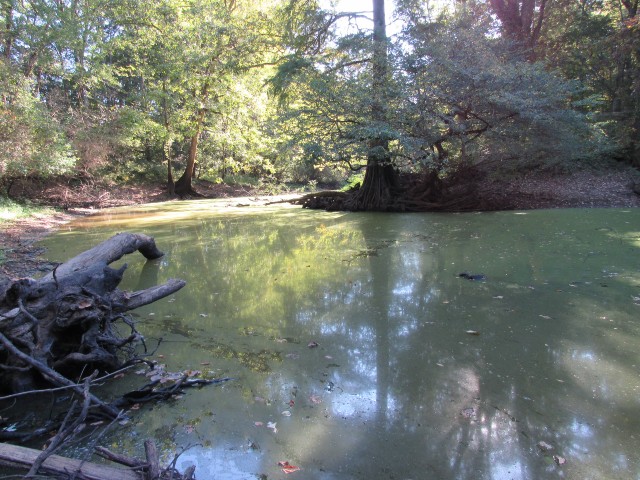
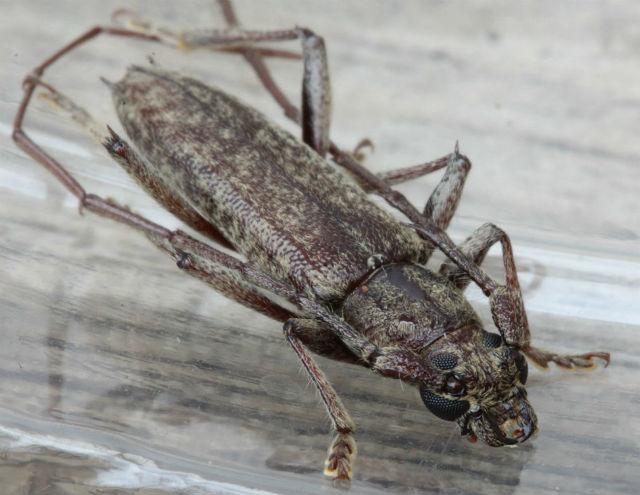
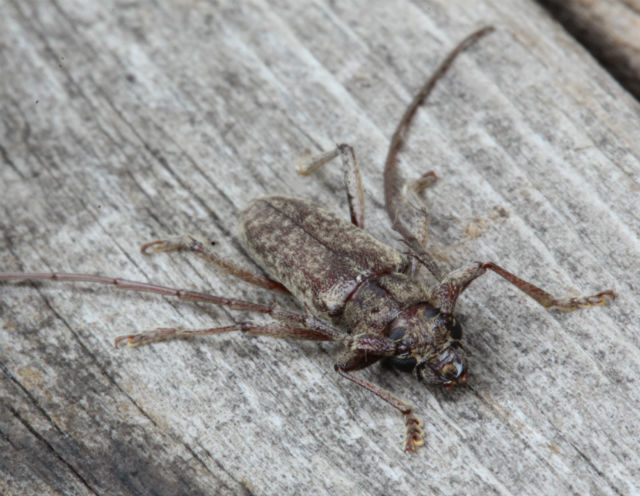
While exploring Red Rock Canyon (which is not far from Las Vegas), I came across a couple of these huge beetles. For an insect as large and as widespread as the Long-horned Oak Beetle, there is actually very little information available about them.

02 Long-horned Oak Borer 880

The appear to range from California to Texas and Oklahoma and from Utah south into old Mexico. Male are slightly smaller than females, but have longer antenna. Adults are active from June to early September.

03 Long-horned Oak Borer 889

Long-horns are a large family of beetles, with over 35,000 species described. Most are are characterized by extremely long antennae, which are often as long as or longer than the insect’s body.

04 Long-horned Oak Borer 876

Females lay their eggs in bark crevices, and the emerging larvae bore into the inner bark and sapwood of oak trees. Long-horned Beetles can take one or more years to complete one generation.
05 Long-horned Oak Borer 896

They made squeaky noises when picked up, but did not bite, despite looking a bit fierce. These insects also showed off their ability to fly, but only did so for a short distance.

06 Long-horned Oak Borer 902

Long-horned Oak Borers were a super cool find on my trip to the desert.

Third Eye Herp
E-mail

Predaceous Diving Beetle

01 Predaceous Diving Beetle_0847

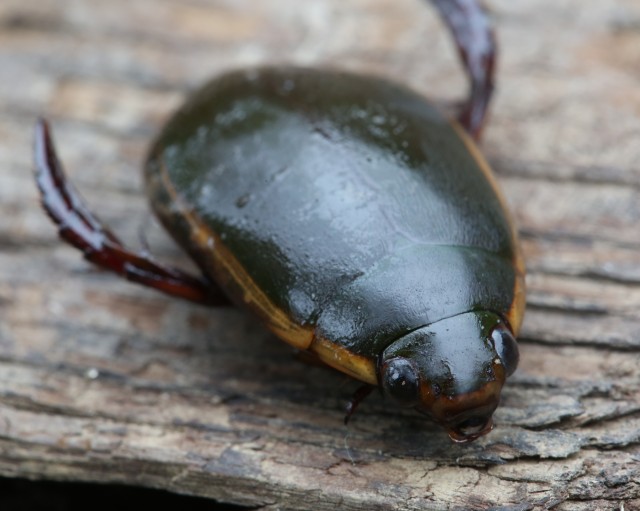
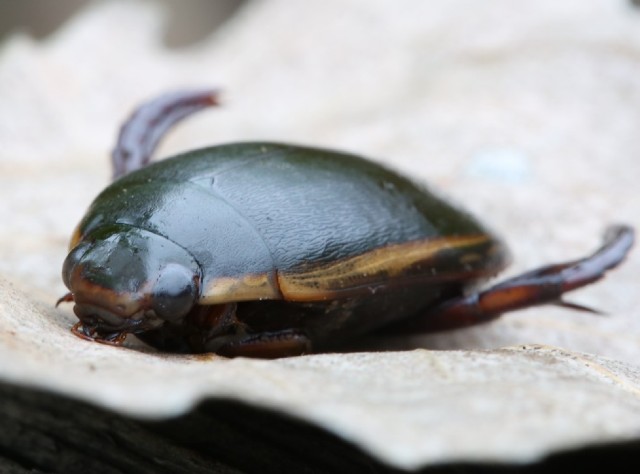
Although they are found in my home state of Ohio, I most often see these cool beetles when I retrieve my minnow traps in southern Illinois.

02 01 Predaceous Diving Beetle_B7830

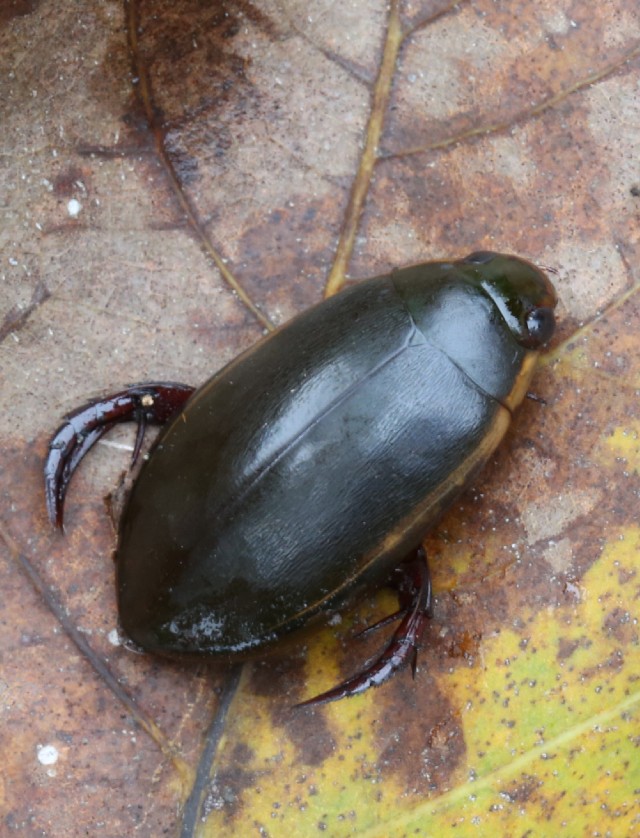
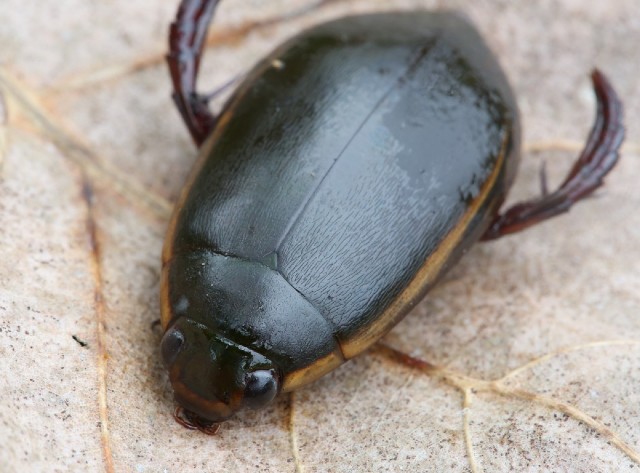
This is a decent-sized insect with an adult maximum length of about 1-1/2 inches. It’s body is streamlined and oval in shape.

03 Predaceous Diving Beetle_4S2B7834

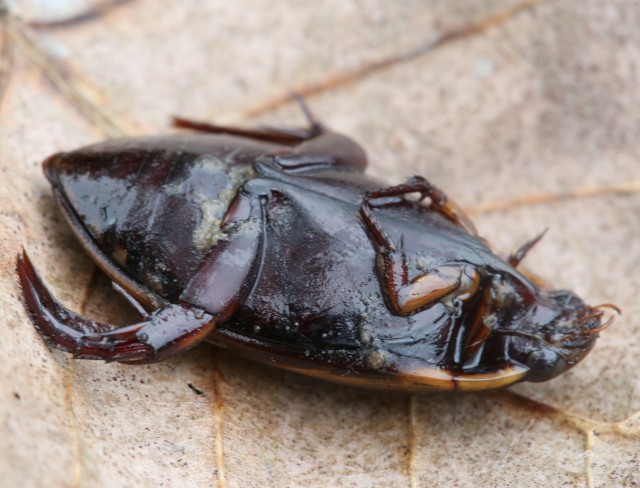
Predaceous Diving Beetles prefer quiet water at the edges of ponds and streams, where they float gently among weeds. Before diving, they trap air between their wings and body, which prolongs their time spent under water.

04 Predaceous Diving Beetle_4S2B7831

Their hindlegs are fringed with hairs and flattened for swimming; when swimming, they kick both hind legs simultaneously. Not only are they good swimmers, but they are also strong fliers that can fly away to a new waterway if the pond they live in dries up.

05 Predaceous Diving Beetle_4S2B783

Fierce predators, these beetles do not hesitate to attack prey larger then themselves, including small fish, tadpoles and frogs. Their sharp jaws inject enzymes that digest their prey, so that the juices can be ingested by the beetle.

06 Predaceous Diving Beetle_4S2B783

Species in this genus of beetle are edible and were enjoyed both in pre-settlement days and on tacos in present-day Mexico. They have been “farmed” for human consumption in various parts of Asia and have been used medicinally in China.

Third Eye Herp
E-mail

Spined Oak Borer

01 Spined Oak Borer_6821

I found this creature in my backyard and was able to scrape it gently into a jar to examine and photograph this newly found “long-horned” beetle.

02 Spined Oak Borer_6817

This insect is about three-quarters of an inch long. It is brownish-yellow and mottled with dark spots. Like most long-horned beetles it has antenna longer than its body. It also has spiny projections on its antenna and on its femoral leg segments, accounting for its common name.

03 Elaphidion mucronatum_6817

Calling this little insect’s antennae “long” is an understatement; each extended, tapering antenna was twice as long as its body. Long-horned, for sure!

04 Spined Oak Borer_6823

There are more species of beetles than any other insect order – some sources claim a quarter of all named animal species are beetles. In the Long-horn Family there are nearly 300 genera and 1,200 species – and that’s just in North America.

05 Spined Oak Borer_6825

Spined Oak Borers occur from New York to Michigan and south to Florida. Adult have massive pinching mandibles that apparently are used to chew on dead branches of various hardwood trees, including oaks.

06 Spined Oak Borer_6818

This species lays its eggs under bark scales on dead tree limbs, after which the larvae spend their first year feeding just under the bark; during the second year, the larva migrate deeper into the dead wood, pupate, and eventually emerge as adults.

This was a super cool find that I didn’t have to go far to encounter.

Third Eye Herp
E-mail

Japanese Beetle

01 Japanese Beetle_1374

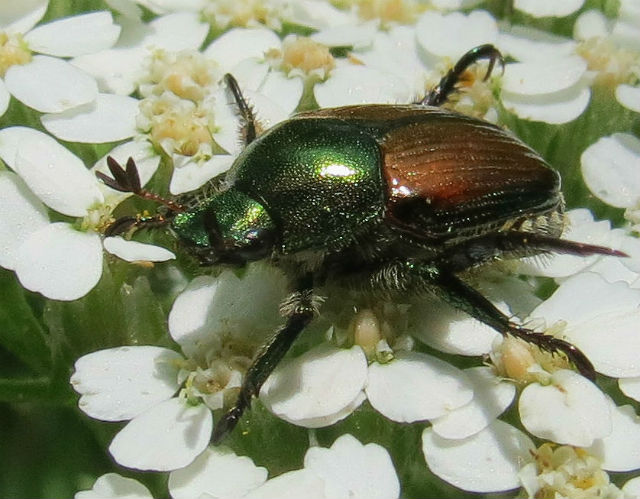
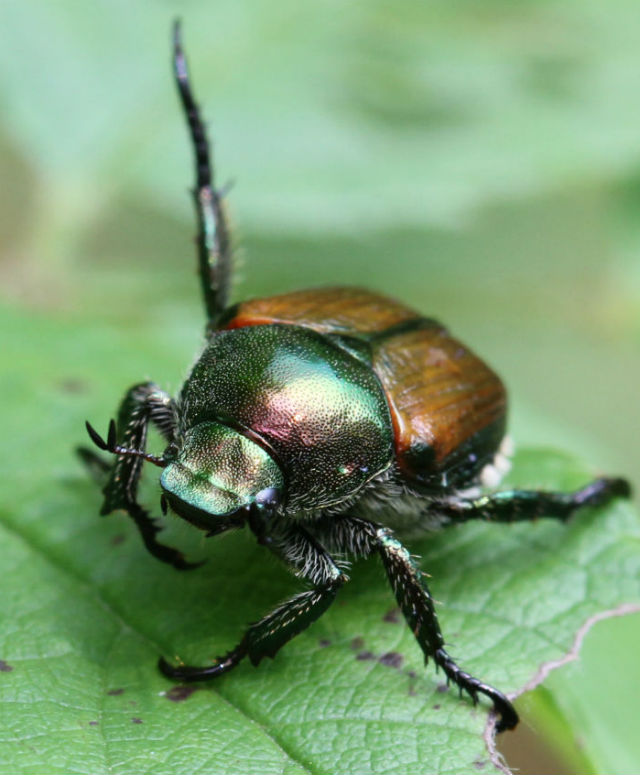
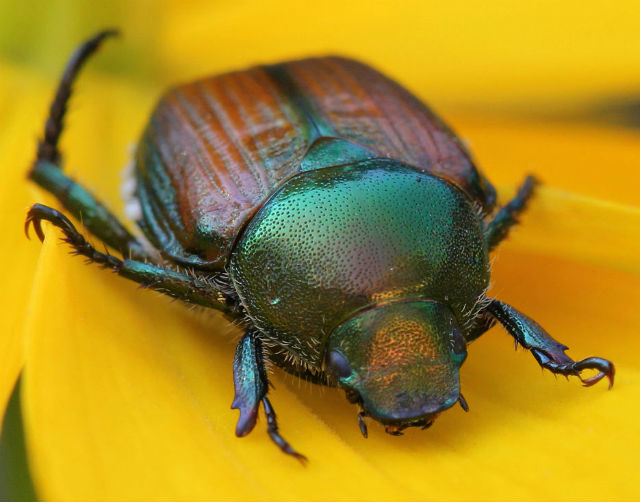
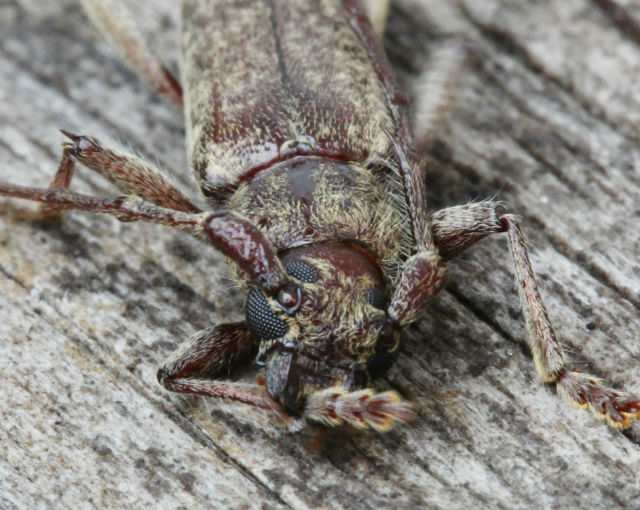
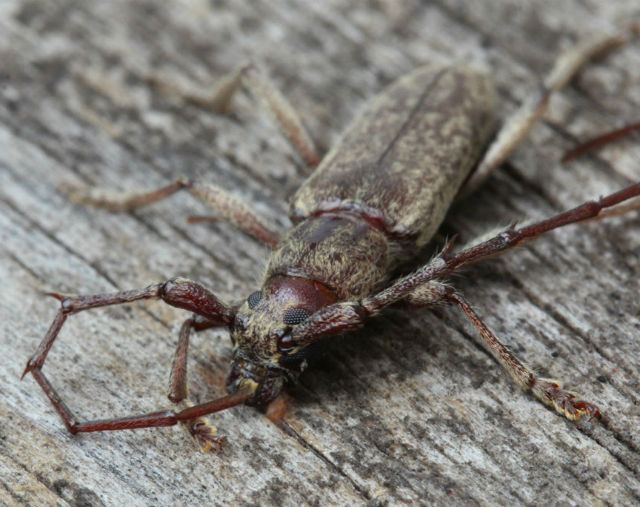
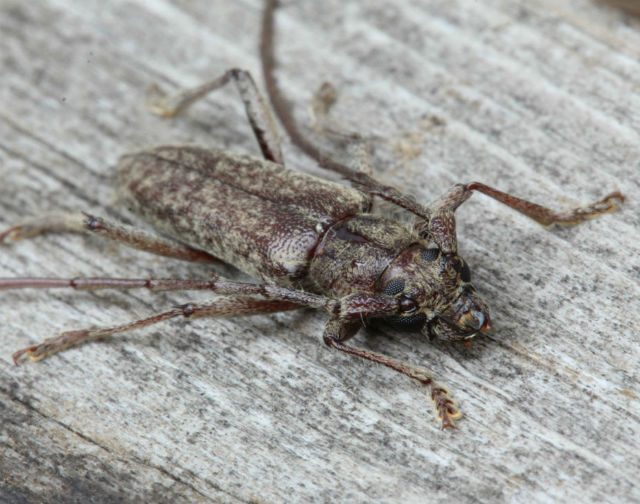
This half-inch insect makes its presence known at this time of the year. It is easy to find in my backyard or while hiking in Cuyahoga Valley National Park.

02 japanese beetles_7145

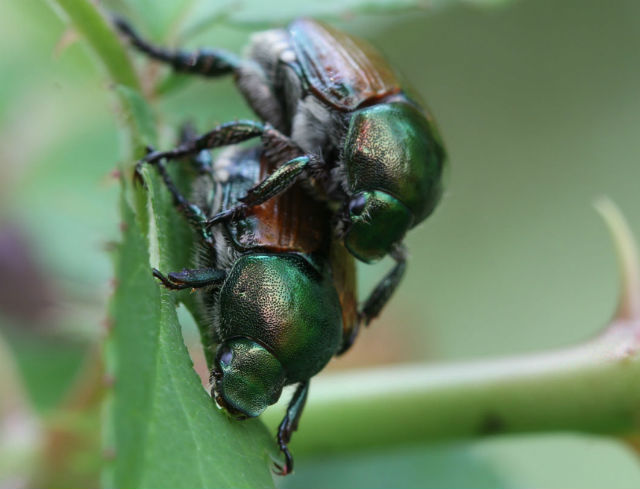
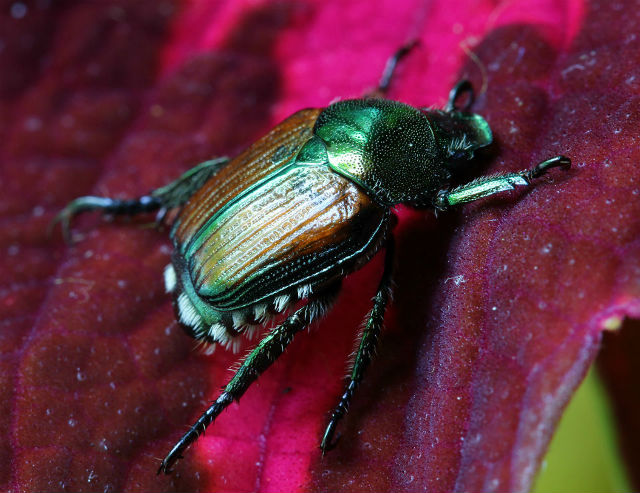
It has iridescent copper-colored wing covers and metallic green head and body. A row of white hair-like tufts is present just below their wing covers.

03 Japanese Beetle_2431

Though not very destructive in Japan, where it is controlled by natural predators, in North America, it is a noted pest which attacks rose bushes and a variety of other plants.

04 Japanese Beetle_7329

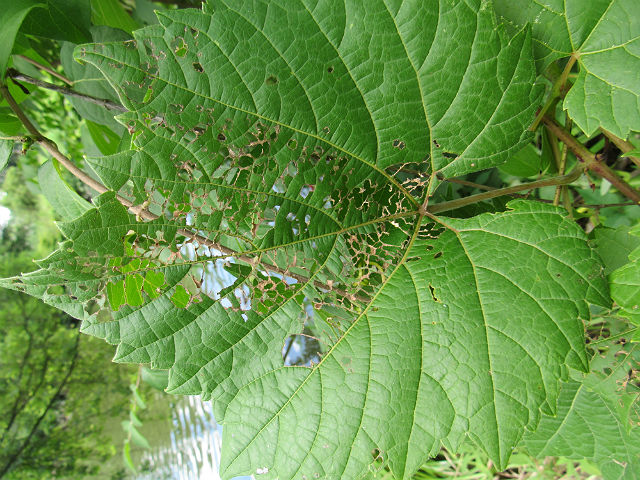
Japanese Beetles damage plants by skeletonizing their foliage, eating only the leaf material between the veins; they may also feed on fruit on the plants if present.

05 japanese beetle_6535

Feeding adults release a congregation pheromone with attracts other adults as they emerge later, so that masses of adults gather on unfortunate victim plants.

06 Japanese Beetle_1379

Japanese Beetles can apparently live anywhere there is sufficient foliage to feed on. They are not limited to forests or grasslands, but often live on farms, cities and even your garden.
07 Japanese Beetle 041

It is thought that beetle larvae from this insect entered the United States in a shipment of iris bulbs prior to 1912 (the time when inspections of commodities entering the country began).
Third Eye Herp
E-mail

California Broad-necked Darkling Beetle

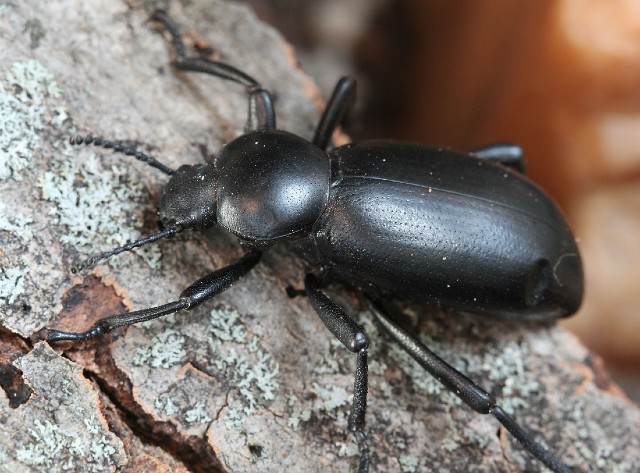
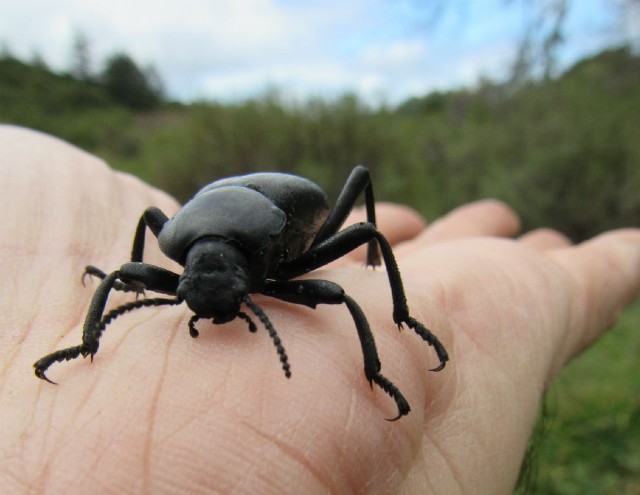
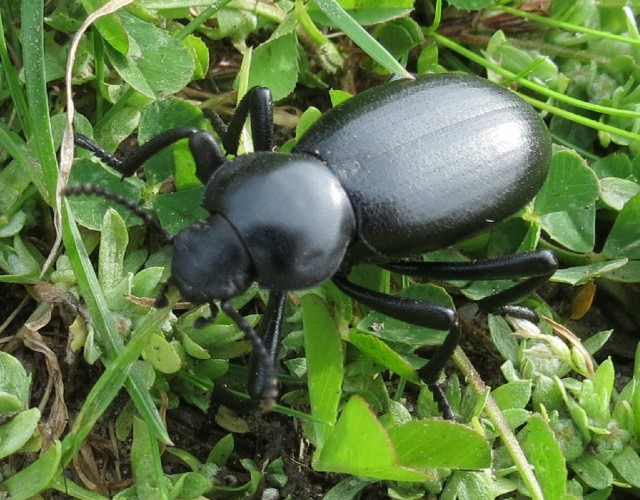
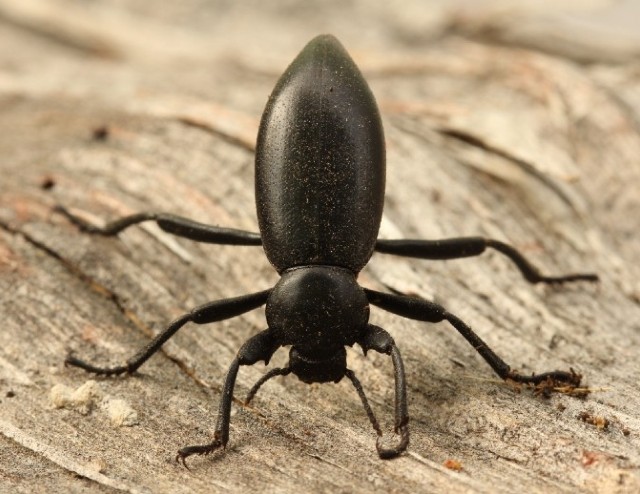
01 California Broad-necked Darkling Beetle_5023

The term “darkling beetle” refers to several genera within the insect family Tenebrionidae which includes about 20,000 species. These genera are also referred to as “pinacate beetles.”
02 California Broad-necked Darkling Beetle_4442

These insects are found worldwide, but are most commonly encountered in the deserts of the western United States, with as many as 450 species in California alone.
03 California Broad-necked Darkling Beetle_5100

Known commonly as “stinkbugs,” some beetles in this genus emit noxious odors in the chemical class quinones from the ends of their abdomens or behind their heads as a defensive mechanism.

04 California Broad-necked Darkling Beetle_0996

Many types of this beetle do “headstands” to ward off predators – whether they have the ability to produce bad odors or not.

05 California Broad-necked Darkling Beetle_5436

Typically they can be found under stones, around decaying matter, or walking right out in the open. I mainly find them under plywood boards that I lift while looking for snakes.

06 California Broad-necked Darkling Beetle_9150

This is one of the largest species of Darkling Beetles I have encountered. At home I keep two other species and raise them for their larval state: the mealworm, which is used to feed pet reptiles, birds and amphibians.

Third Eye Herp
E-mail