Swift Woodlouse

01 Swift Woodlouse_5128

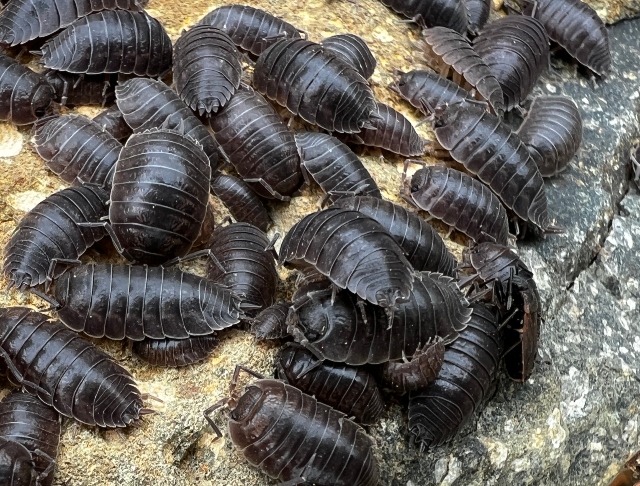
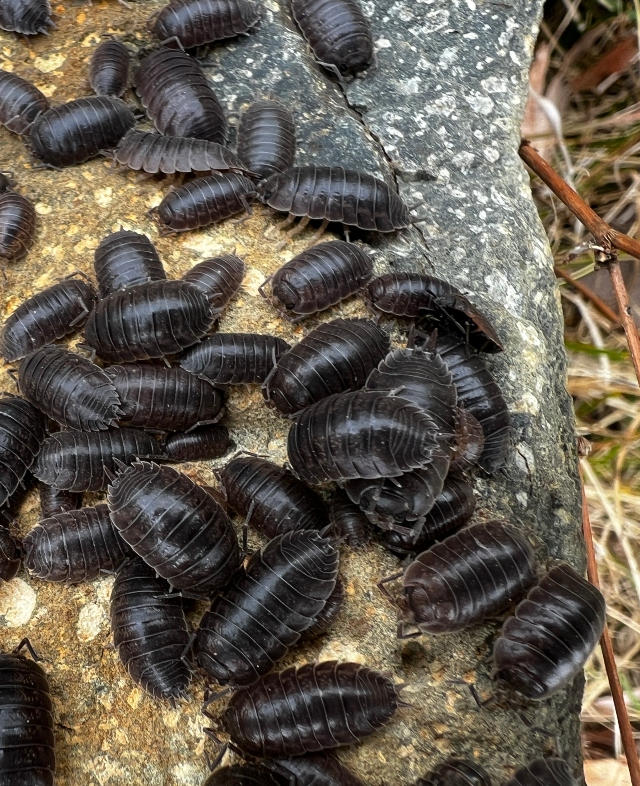
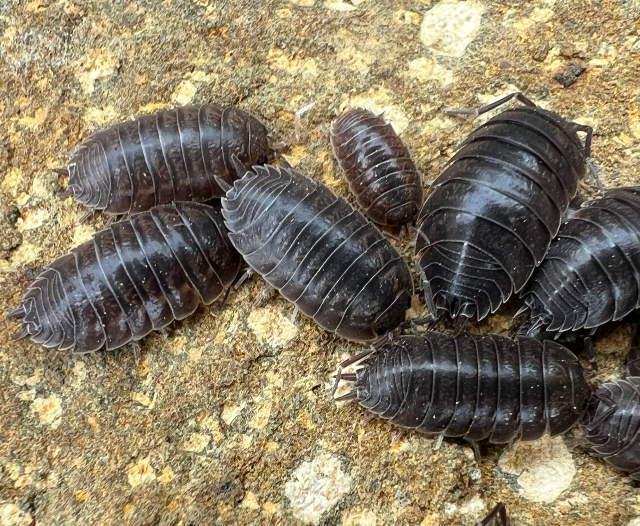
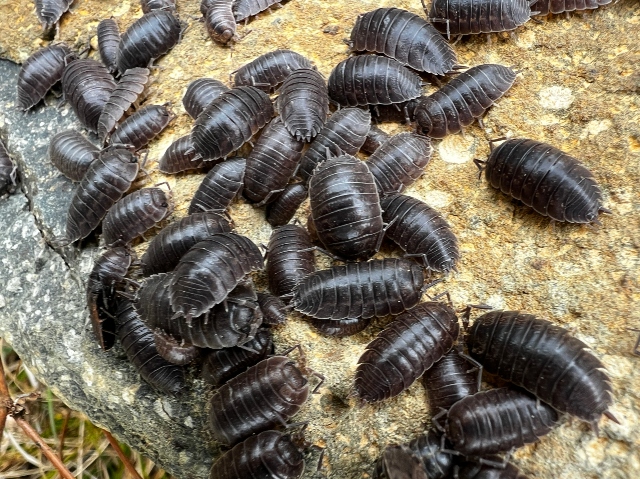
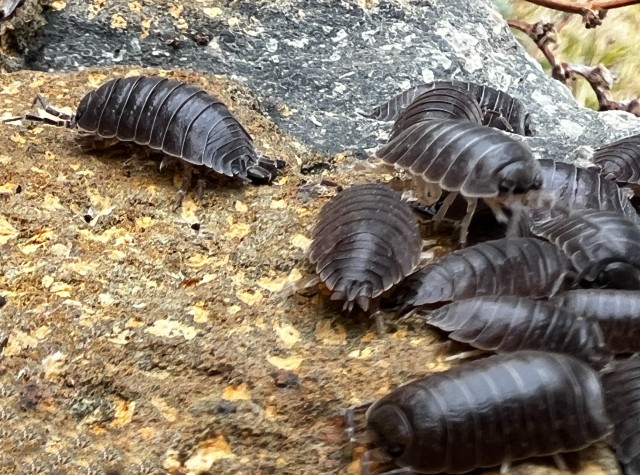
While walking along a canal in Japan, I found a few rocks to turn over. Under them were some isopods. With the Latin Name of Porcellio laevis, the species epithet laevis as well as the vernacular name “Swift Woodlouse” suggests, the species is capable of quick bursts of speed when provoked.

02 Swift Woodlouse_5115

This type of woodlouse is distinctively large, being up to eight tenths of an inch long with a smooth dorsal surface. It is commonly kept as a pet due to its somewhat easy care requirements and the variety of color morphs available. “Dairy Cow Isopod” is a commonly used name for a readily available piebald strain of the species.

03 Swift Woodlouse_5117

Baby Swift Woodlouse directly develop from yolky eggs. Both the eggs and juveniles reside within a brood pouch called a marsupium. The use of the marsupium eliminates the need for there to be an external water source for early development, since it is filled with fluid from the mother isopod. This is considered some of the most extensive parental care among terrestrial arthropods.

04 Swift Woodlouse_5118

This creature is found under rocks and fallen logs in damp areas, and is otherwise rarely encountered. It plays an important role in nutrient cycling by breaking down dead plant material and animal waste, and thereby releasing essential nutrients back into the ecosystem. It is known to be an opportunistic feeder, consuming a wide range of organic matter such as leaves, moss, lichens, and even rotting wood. Therefore, it can thrive in many different ecological niches.

05 Swift Woodlouse_5116

The Swift Woodlouse is one of several species of isopods known to use “alternating turns” as a defense mechanism, running in a mazelike pattern to confuse or avoid perceived threats. Studies suggest that this behavior can be reinforced as a learned response, with more “alternating turns” produced by longer and more frequent exposure to predators.

06 Swift Woodlouse_5124

It was super cool to come across these fine crustaceans while on my international trip.

Third Eye Herp
E-mail

Japanese Macaque

01 Japanese Macaque_4400

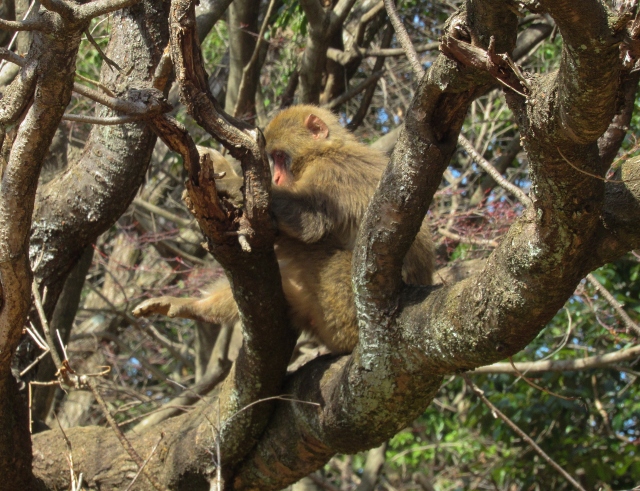
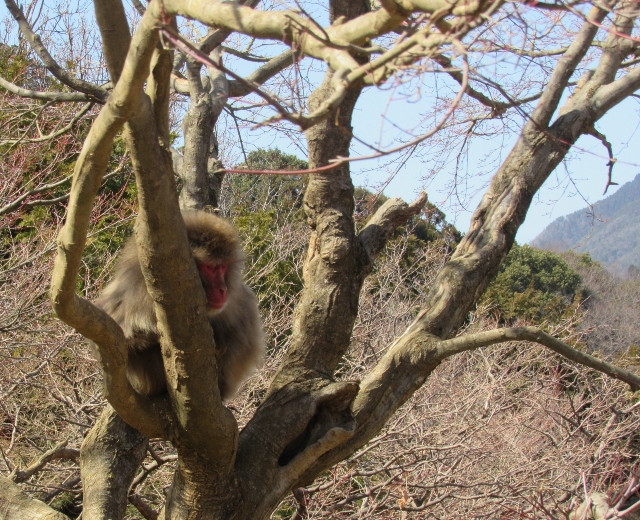
While visiting the Kyoto area of Japan, I saw see my first-ever wild primates. Also known as Snow Monkeys, they are unique for being the northernmost-living non-human simians, thriving in various habitats from warm lowlands to cold regions, and are known for their remarkable adaptability to live in cold climates.
02 Japanese Macaque_4398

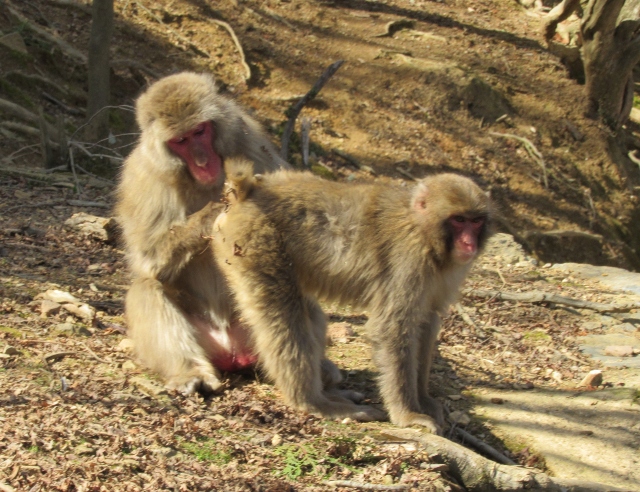
These intelligent creatures have fascinated researchers and nature enthusiasts alike with their unique behaviors and remarkable ability to thrive in harsh Winter conditions. From their hot spring bathing habits to their complex social structures, Japanese Macaques offer a window into the fascinating world of primate behavior and evolution.
03 Japanese Macaque_4432

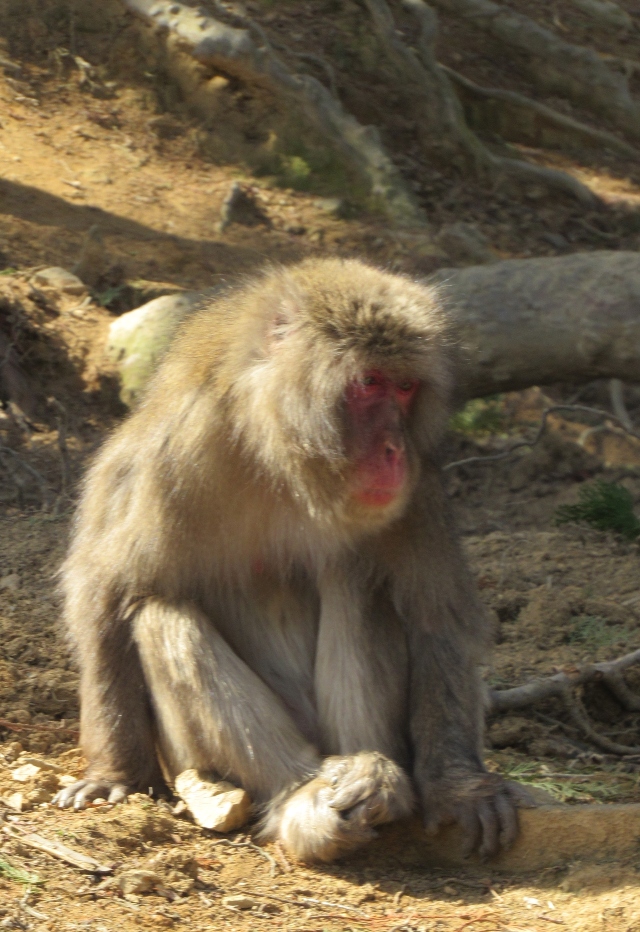
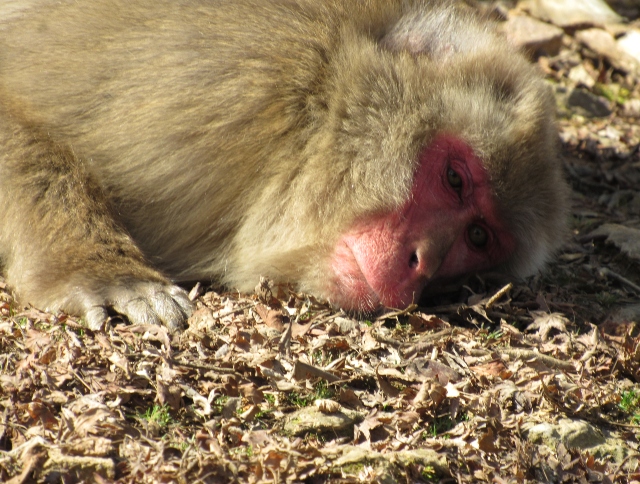
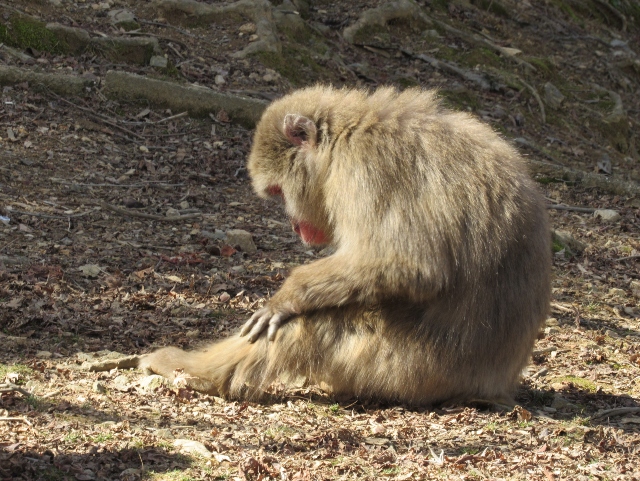
These mammals are medium-sized monkeys with distinctive features that set them apart from other primate species. Their fur ranges in color from shades of brown and gray to yellowish-brown, providing excellent camouflage in their forest habitats. One of their most striking features is their hairless face and posterior, which are a vibrant pink color.
04 Japanese Macaque_4419

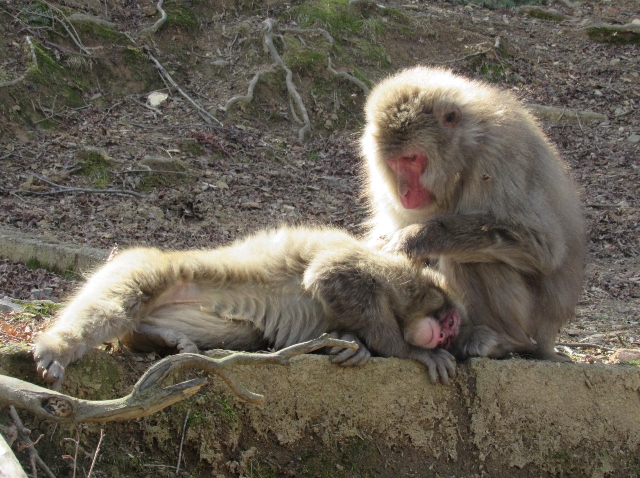
Japanese Macaques exhibit sexual dimorphism, with males being significantly larger than females. Adult males weigh an average of 25 pounds, and measure about 22 inches in height, while females average 19 pounds and about 20 inches in height. Their stocky build and relatively short limbs also help conserve heat in cold environments.
05 Japanese Macaque_4433

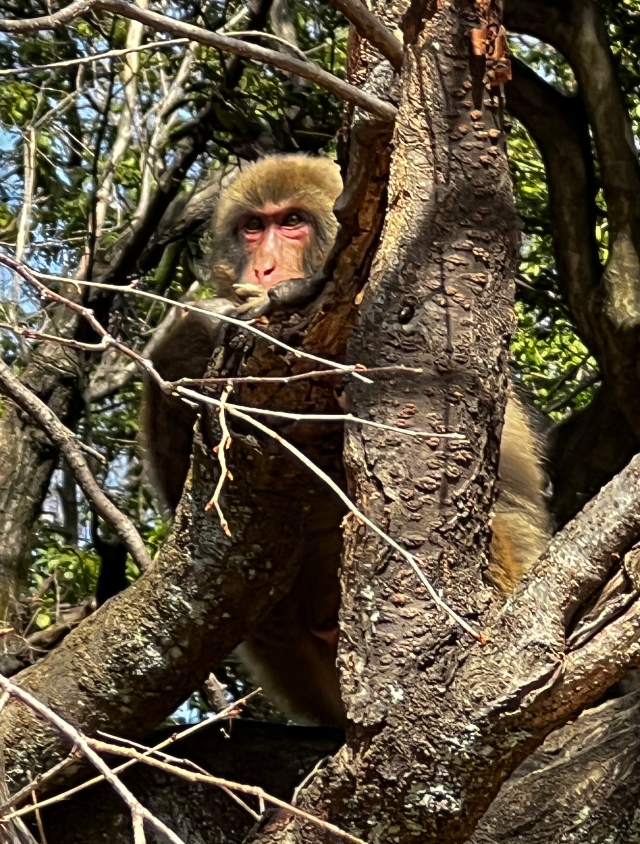
They inhabit a variety of habitats across three of Japan’s main islands. They are highly adaptable, living in environments ranging from warm, subtropical evergreen forests in the south to subarctic, snowy deciduous forests in the north. This diverse habitat range showcases their remarkable adaptability to different environments. You can find them in forests and in mountains where snow covers the ground for a few months each year.
06 Japanese Macaque_4415

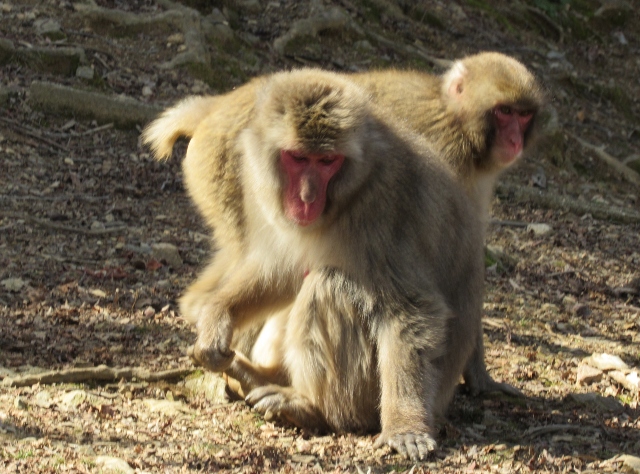
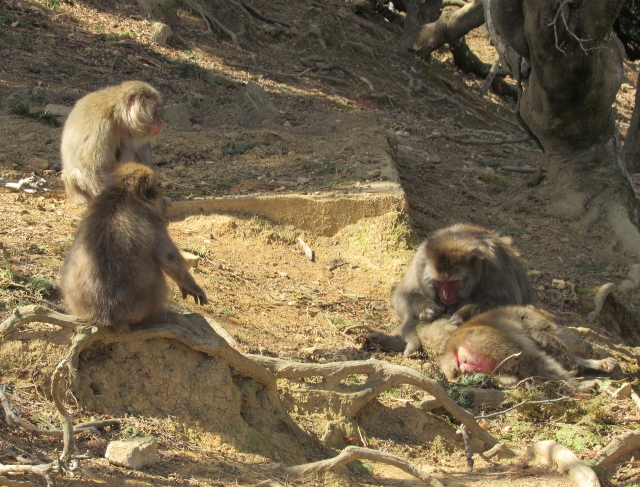
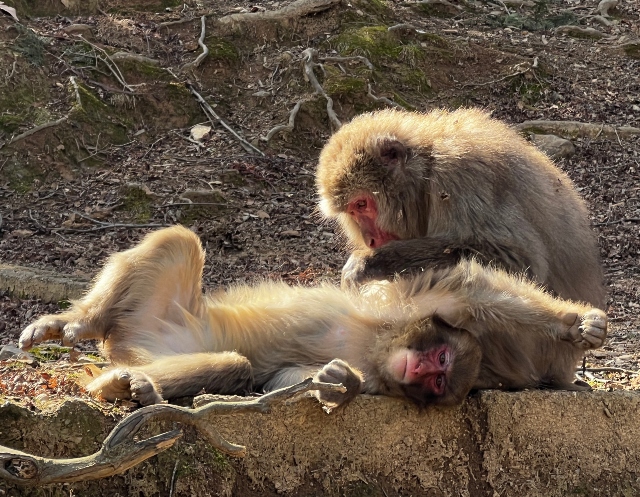
Japanese Macaques are highly social animals with complex social structures and behaviors. They live in large groups called troops, which can range from 20 to over 100 individuals. These troops are matrilineal, meaning they are centered around female family lines. Within each troop, there is a clear dominance hierarchy for both males and females.
07 Japanese Macaque_5212

One of the most fascinating aspects of their behavior is the ability to learn and pass on new behaviors through cultural transmission. The most famous example of this is their hot spring bathing behavior, first observed in the 1960s when a young female named Mukubili discovered the warmth of a hot spring. This behavior quickly spread throughout the troop and has since become iconic of the species.
08 Japanese Macaque_4410

Another example of cultural learning is the practice of washing food. In the 1950s, researchers observed a female named Imo washing sweet potatoes in a stream to remove sand. This behavior was gradually adopted by other members of her troop and has since been passed down through generations. The lifespan of Japanese Macaques in the wild averages about 6-1/2 years, but some individuals have lived much longer.
08 Japanese Macaque_4428

Japanese Macaques are also known for their playful nature. Young macaques often engage in play behaviors, such as making and rolling snowballs, which serve no apparent survival purpose, but seems to be done purely for enjoyment. This playfulness extends into adulthood, with some troops observed playing with rocks for recreation.
09 Japanese Macaque_4436

As far as diet goes, they are opportunistic omnivores with a diverse diet that adapts to seasonal availability and habitat variations. Their menu includes a wide range of items such as fruits, seeds, leaves, flowers, bark, fungi, insects, and small animals. In Winter, when food is scarce, they rely heavily on bark and winter buds.
10 Japanese Macaque_5216

Japanese folklore is rich with tales and legends featuring monkeys. One famous example is the story of the “Three Wise Monkeys” – “see no evil, hear no evil, speak no evil” – which is often depicted in carvings and artwork. This concept, known as “mizaru, kikazaru, iwazaru” in Japanese, has become a globally recognized symbol of moral principles.
11 Japanese Macaque_4409

Is was super cool to encounter these fascinating creatures while vising The Land of the Rising Sun.

Third Eye Herp
E-mail

Eurasian Wigeon

01 Eurasian Wigeon_3504

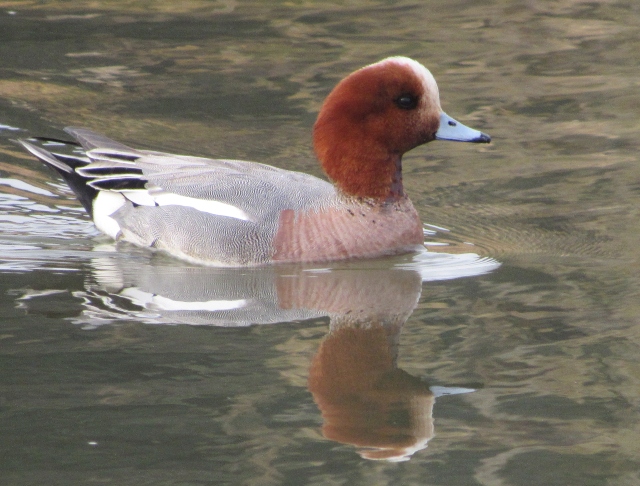
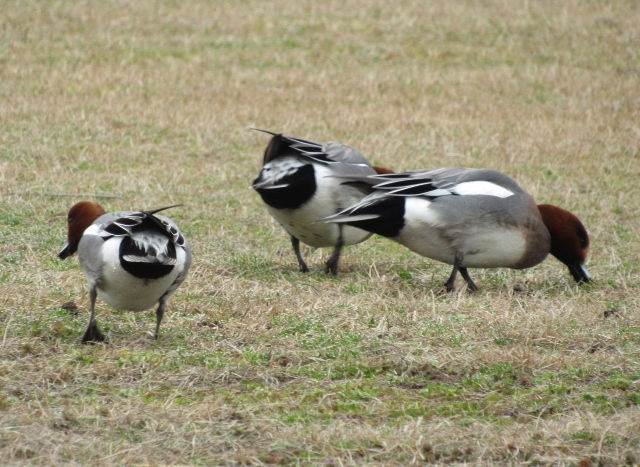
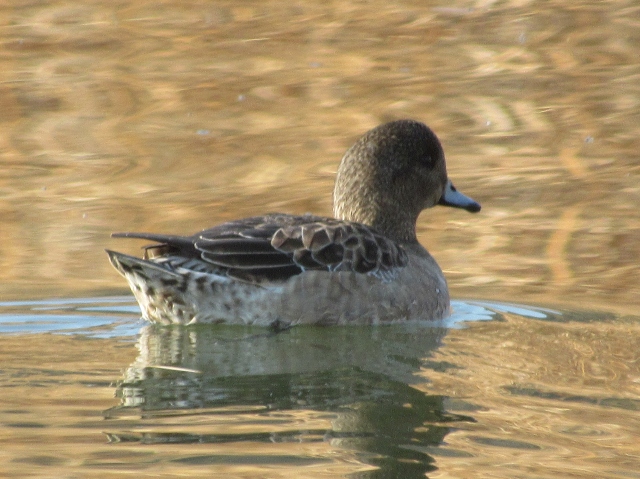
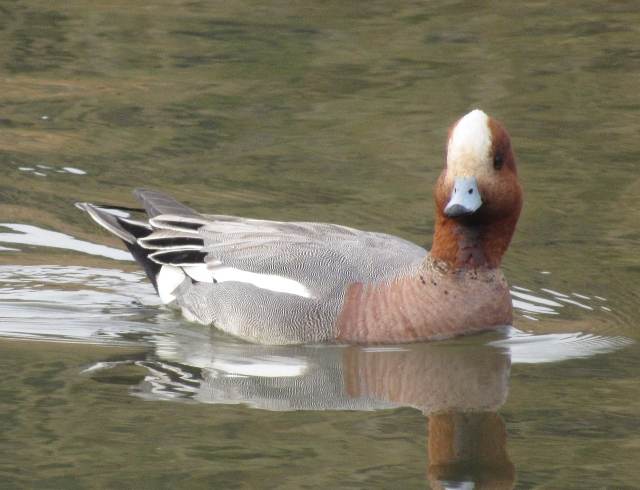
While hiking along a river in Japan, I saw several of these distinctive birds. The Eurasian Wigeon is a widespread dabbling duck of Europe and Asia, recognizable by the male’s rufous head with a creamy crown and gray body, and the female’s warm brown plumage. Males have a brilliant white patch on upper wings, that is visible in flight or at rest.

02 Eurasian Wigeon_3325

They like to live in open wetlands, such as wet grasslands or marshes with some taller vegetation, slow-flowing large rivers, and shallow lakes and lagoons. They especially favor areas surrounded by woods and agricultural land.

03 Eurasian Wigeon_3395

Eurasian Wigeons are herbivores and feed on both aquatic and terrestrial plants. They eat leaves, roots, stems, grasses, grains, and seeds. They usually feed by dabbling for plant food or by grazing on land, which they do very readily.

05 Eurasian Wigeon_4175

They are active during the daylight hours, spending their time feeding, resting, or swimming, but sometimes may feed at night. They nest on the ground, near water and under cover. During the breeding season, Eurasian Wigeons prefer to nest in pairs or small groups.

04 Eurasian Wigeon_3965

This bird is highly gregarious outside of the breeding season and will form large flocks. It will join with flocks of the American Wigeon in the United States, and may also hybridize with them.

06 Eurasian Wigeon_3396

Eurasian Wigeons are noisy birds; the male has a clear whistle that sounds like pjiew pjiew, whereas the female has a low growl that sounds like rawr.

Third Eye Herp
E-mail
Weeping Fern

01 Weeping Fern_3237

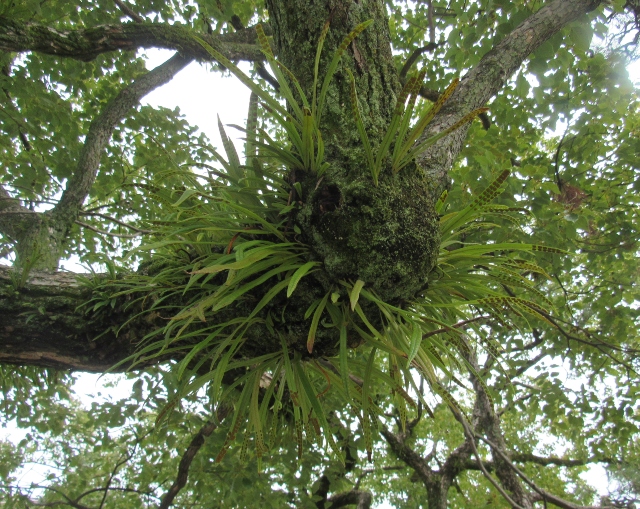
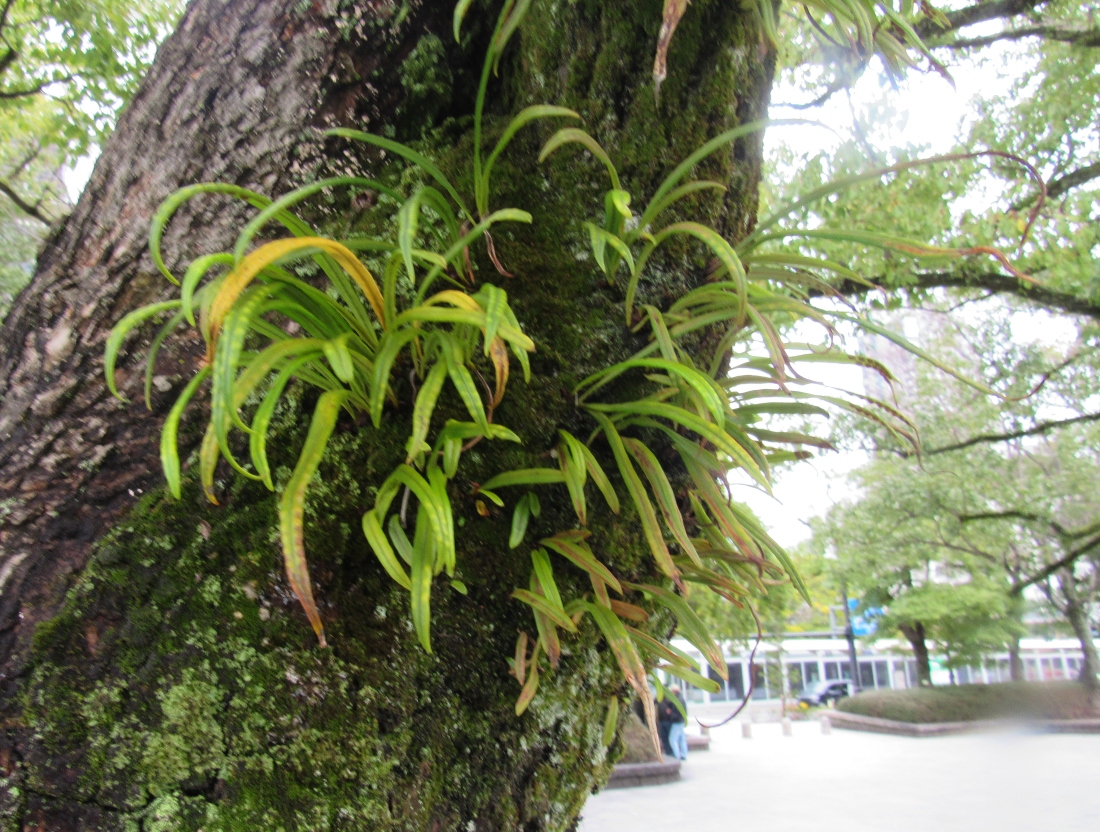
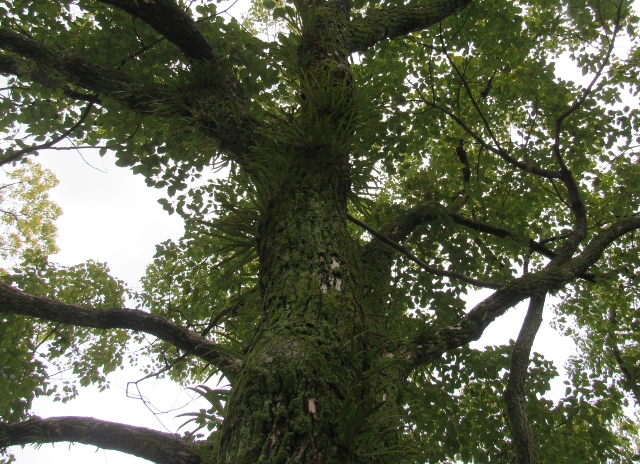
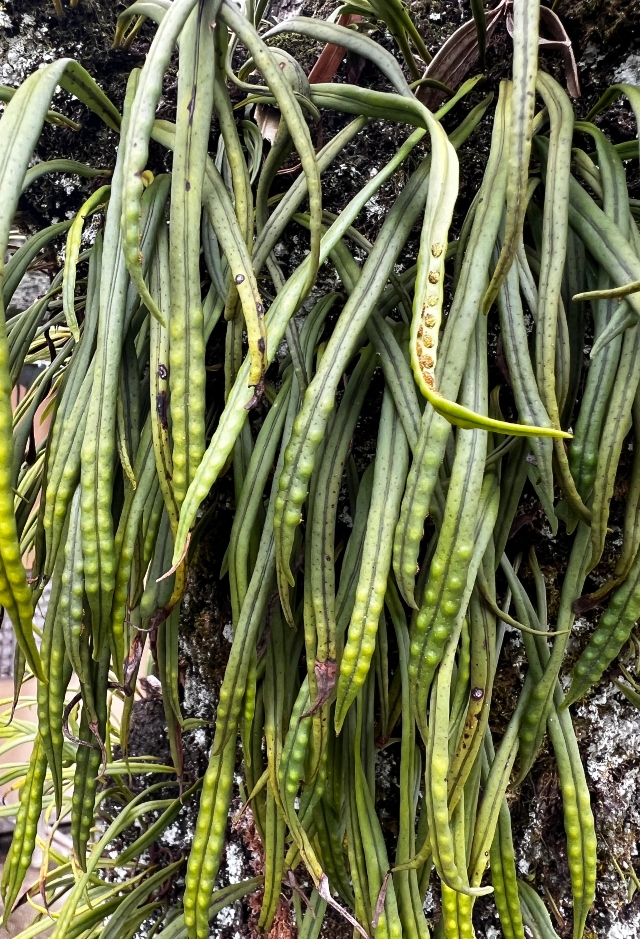
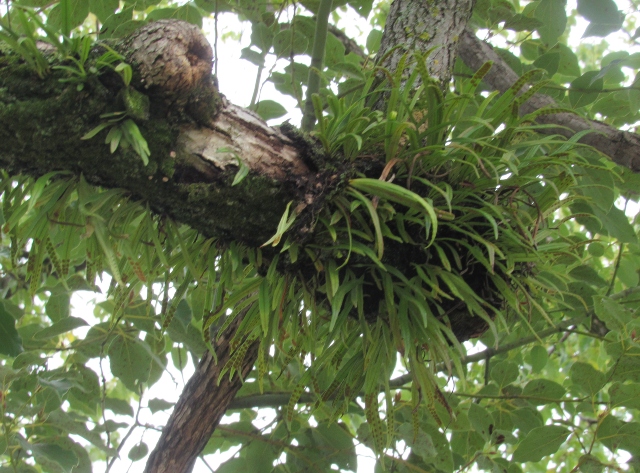
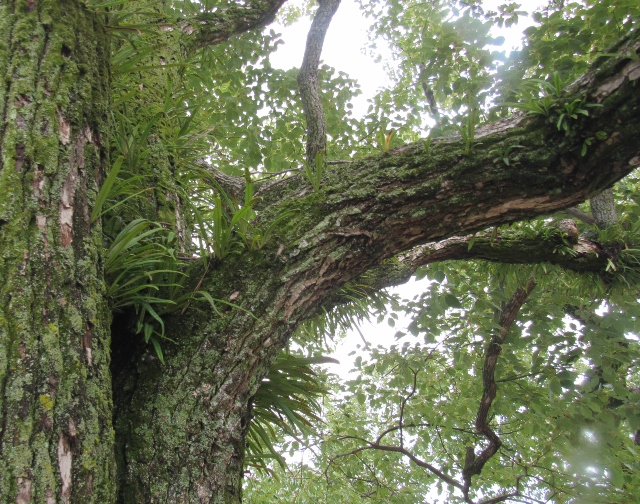
While looking at trees on my visit to Japan, I would often find other plants growing on their trunks and their larger branches. The most abundant among such epiphytes (plants that grow upon another plant) was this evergreen fern with linear 10 inch leaves.

02 Weeping Fern_3264

This plant is widely distributed in Japan, as well as Korea, China, Indochina and the Philippines. It is familiar to Japanese people because it also grows on eaves (especially of thatched roof houses) and on stones in yards. The Japanese name Noki-shinobu, means “eaves fern,” and is derived from this favored artificial habitat.

03 Weeping Fern_4724

The density of Weeping Ferns on a tree depends on the tree species, because the morphology and texture of tree bark is somewhat variable and may hold different amounts and types of resources.

04 Weeping Fern_3238

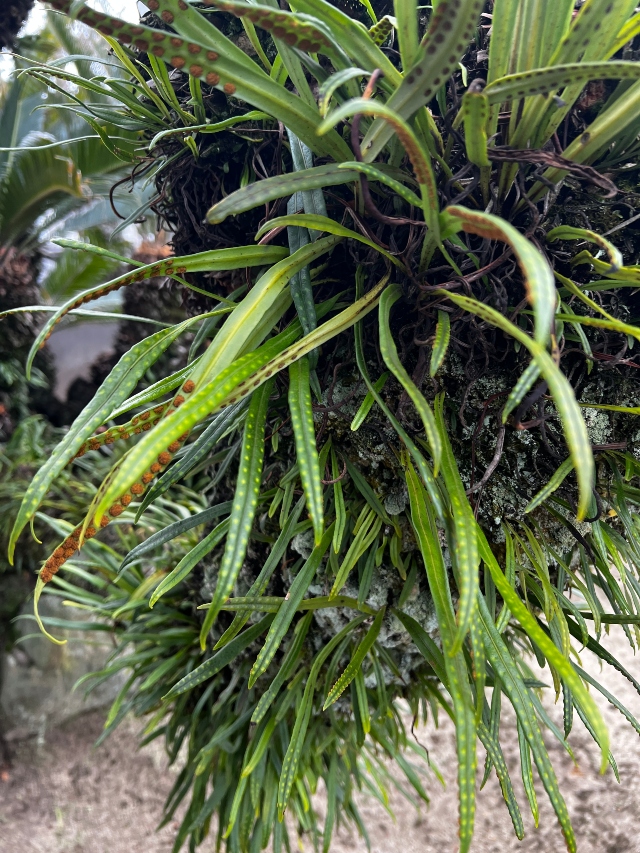
Its leaf surface is yellow-green, but lighter on the back. The leaf texture is thick like leather, to help it survive cold weather. The sides of leaves curled backwards when dry, and then go back to their normal shape once they get enough moisture.

05 Weeping Fern_3239

This plant’s sorus (spore sac that store spores) is about a tenth of an inch in diameter and placed in two lines on the upper parts of the back of the Weeping Fern’s leaves.

06 Weeping Fern_4994

As an epiphyte, it grows on the surface of another plant and derives its moisture and nutrients from the air, rain, or from debris accumulating around it. Epiphytes differ from parasites in that they grow on other plants for physical support and do not necessarily affect their host negatively.

07 Weeping Fern_3241

Weeping Fern was a neat plant to see in the many places that I travelled to on my trip.

Third Eye Herp
E-mail