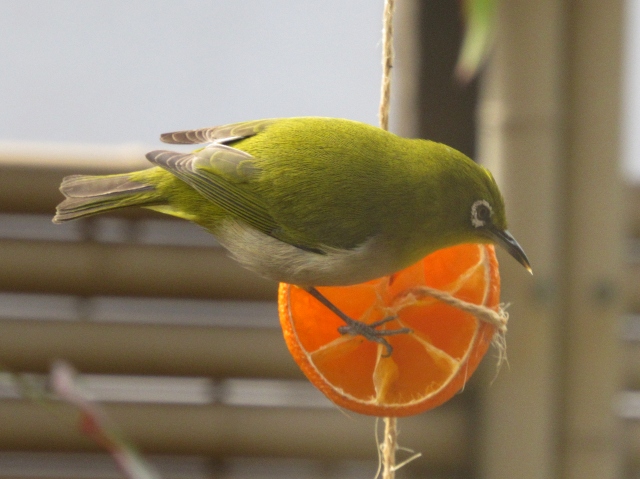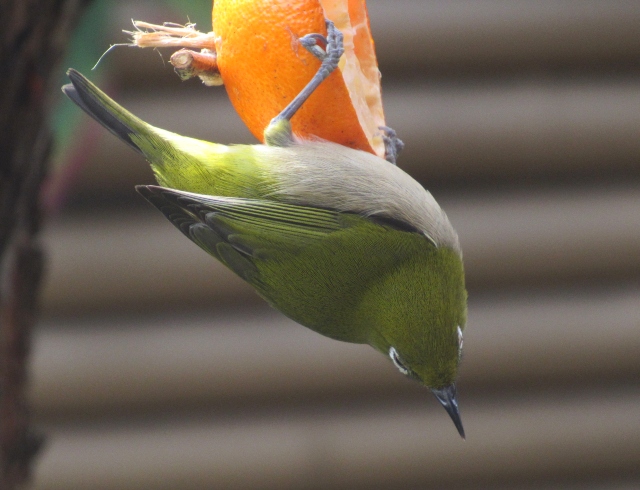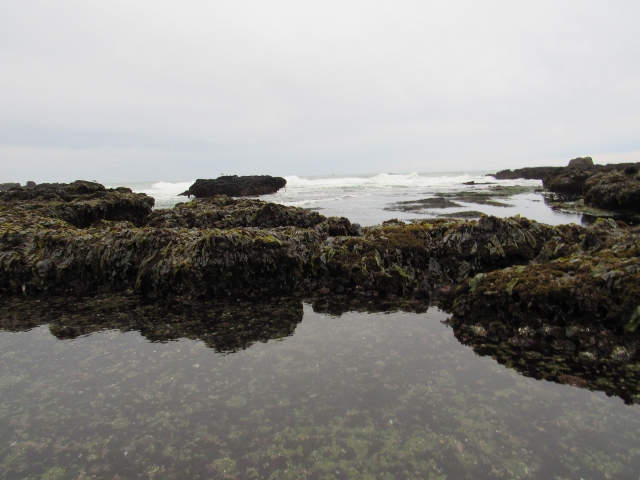
Gooseneck Barnacles

01 Gooseneck Barnacle_4128

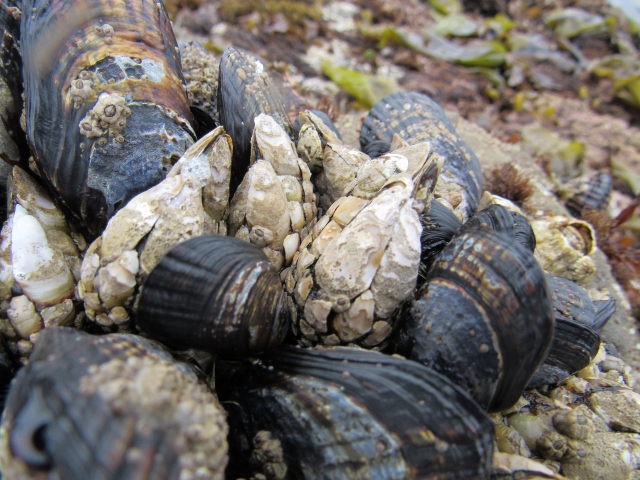
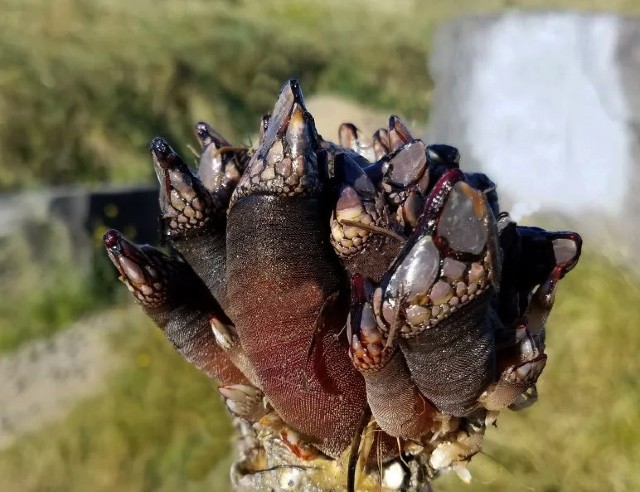
When it’s low tide these creatures are quite conspicuous. They can be identified by several light colored plates that form the a cone that sits on top of a dark stalk.
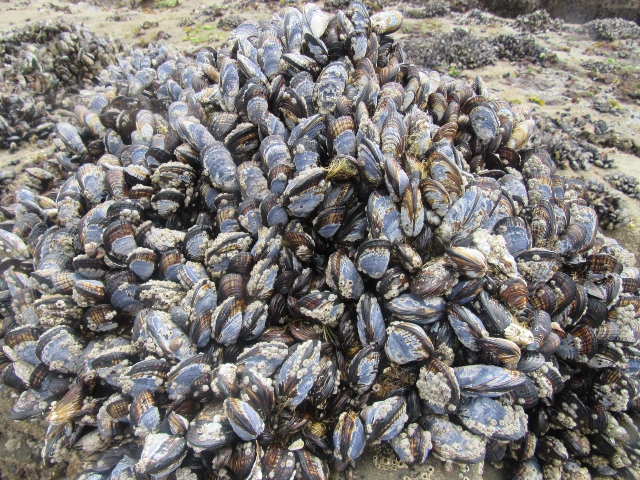
02 Gooseneck Barnacle_3219

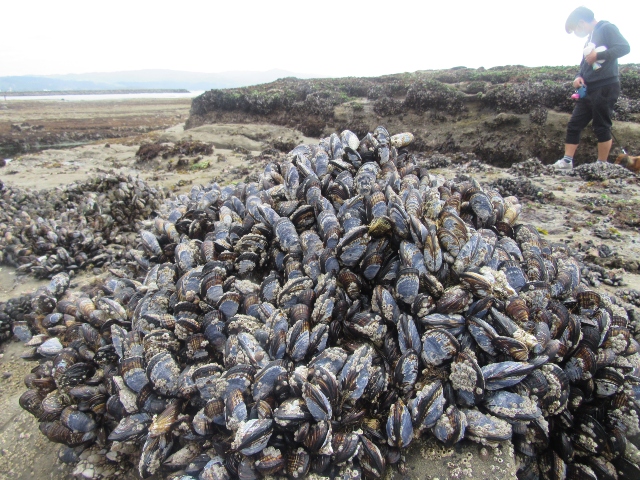
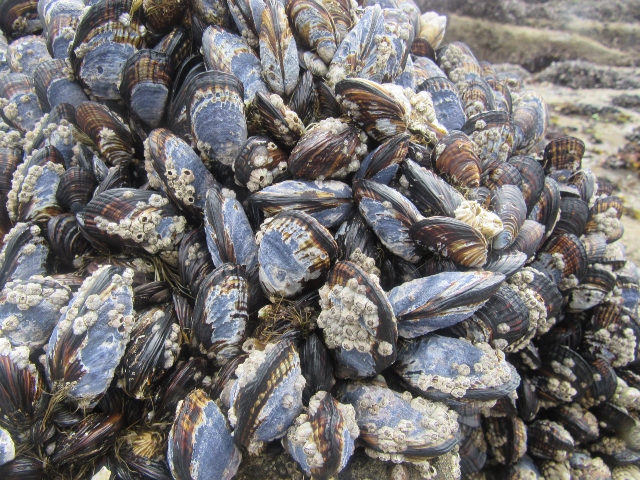
These barnacles are typically found in large clumps and often in the midst of mussels. They can grow several inches long depending on the conditions. Gooseneck barnacles have a fleshy, muscular stalk reaching 4 to 6 inches in length with a calcareous tip.
03 Gooseneck Barnacle_4155

Barnacles are filter-feeding crustaceans that live attached to hard surfaces of rocks and flotsam in the ocean intertidal zone. Barnacles filter-feed when the tide is high, using small feather like appendages called cirri to catch plankton.
04 Gooseneck Barnacle_135849

Goose barnacles, like all barnacles, are exclusively marine invertebrates but, unlike many other members of their class, they are hermaphrodites, meaning that they have both male and female sexual organs.
05 Gooseneck Barnacle_3220

Their eggs hatch into free-swimming larvae, which drift with the ocean currents as one of the immense number of animals that comprise zooplankton. Once they attach to the rocks as larvae, where they do not move from for their entire lives.
06 Gooseneck Barnacle_3221

In folklore, Barnacle Geese were once held to emerge fully formed from Goose Barnacles. In culture, Barnacle Bill became a comic folk-type of a seaman, appearing in several films and a drinking song.
Third Eye Herp
E-mail

Spotted Moon Crab

01 Dungeness Crab_6041

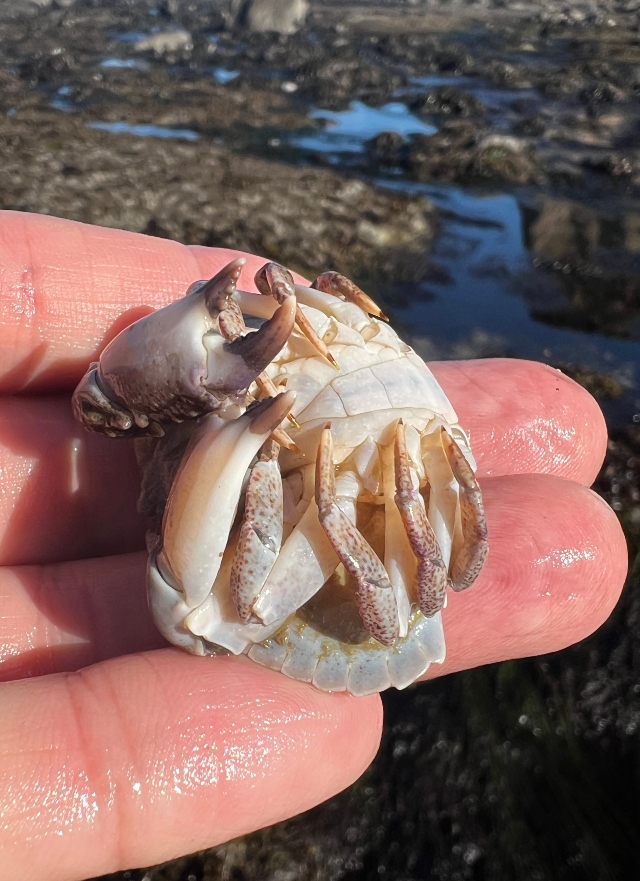
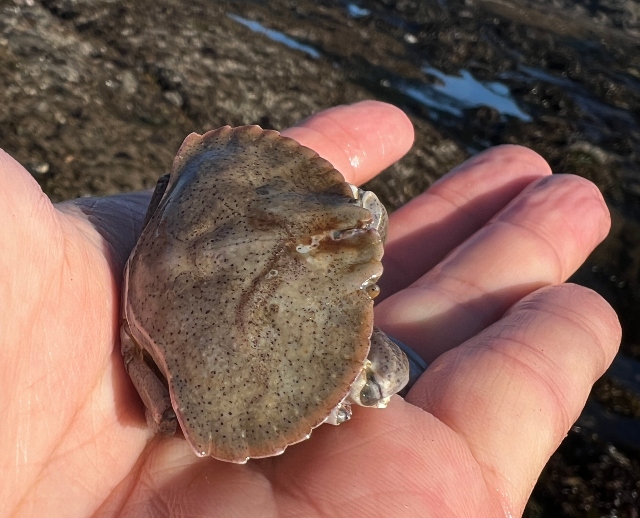
While tidepooling in the San Francisco Area, I came across this cool creature. With a Scientific Name of Ashtoret lunaris, it is more active at night and is rarely seen in the daytime, as it is then often buried in the sediments. “Lunaris” in Latin refers to the moon.

IMG_9677

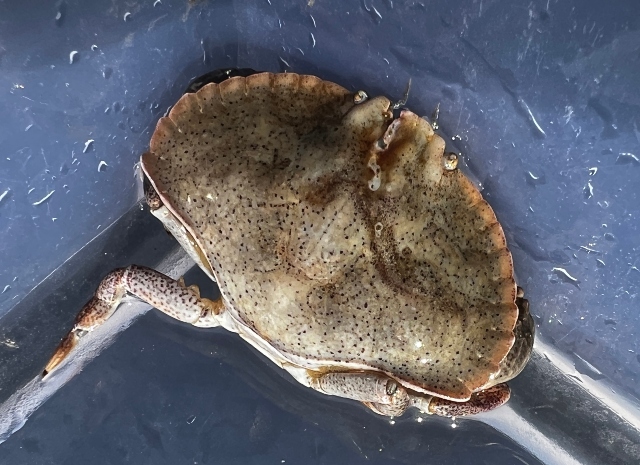
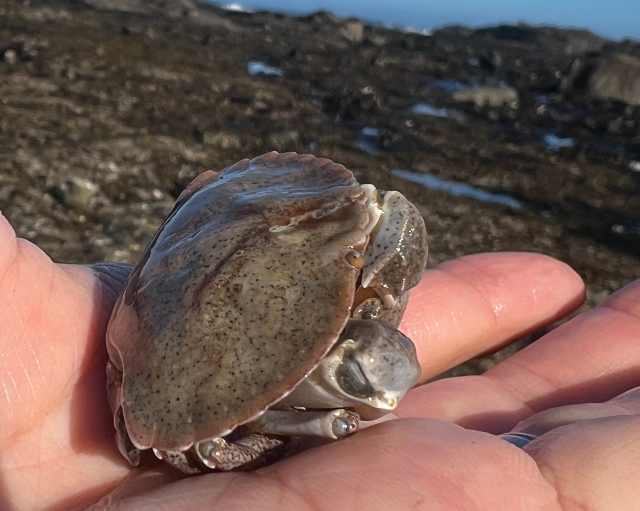
The Spotted Moon Crab’s colors range from beige to yellow, with little maroon dots evenly sprinkled on the body surface, sometimes highlighting the six bumps. Its pincers are short, sturdy, held against the body to form a somewhat box-like shape. Its walking legs end in paddle-shaped tips and are used to skim along the sea bottom as well as being used like spades to rapidly burrow into the sand.

IMG_9676

This crustacean is commonly encountered in sandy and muddy shores, especially near seagrass beds from the intertidal zone to a depth of 150 feet. It is usually nocturnal and spend the day buried in the substrate just below the surface, creating breathing channels to the surface of the sand.

Crab_9682

They hunt small shellfish, worms and other animals. During the night, they are known to take other crabs. When threatened, it often draws its legs up under the overlapping edges of the carapace and appears to sham death; this may make it difficult for a predator to dismember the crab

IMG_9678

I have caught several different types of cool crustaceans while out and about, but this was the first time I’ve ever come across this species.

Third Eye Herp
E-mail

Angular Unicorn

01 Angular Unicorn_5985

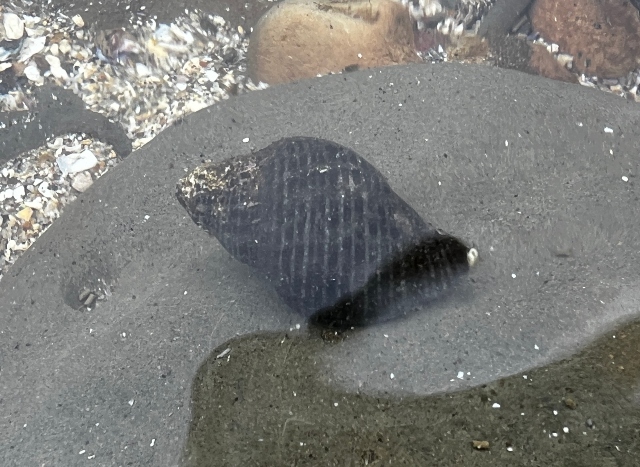
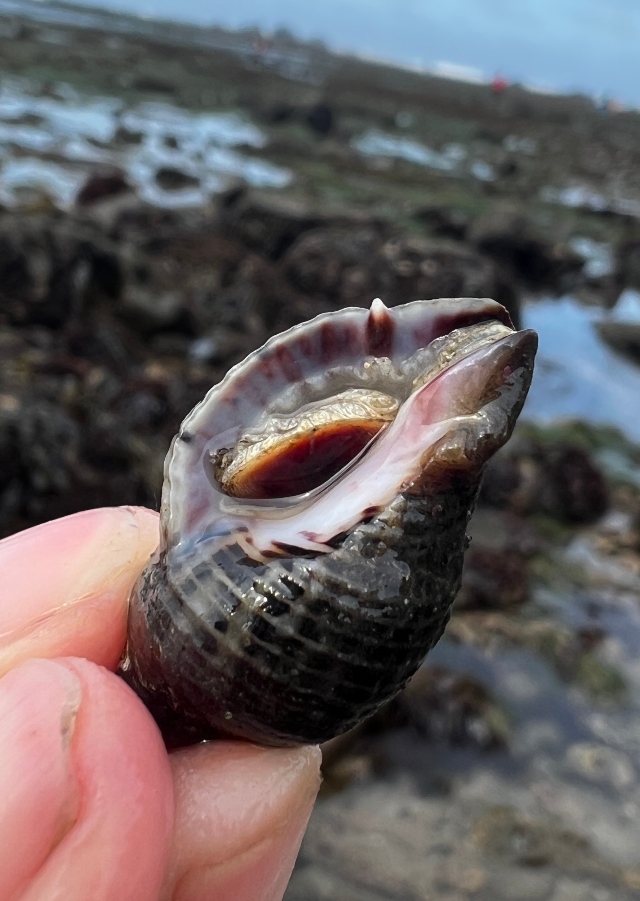
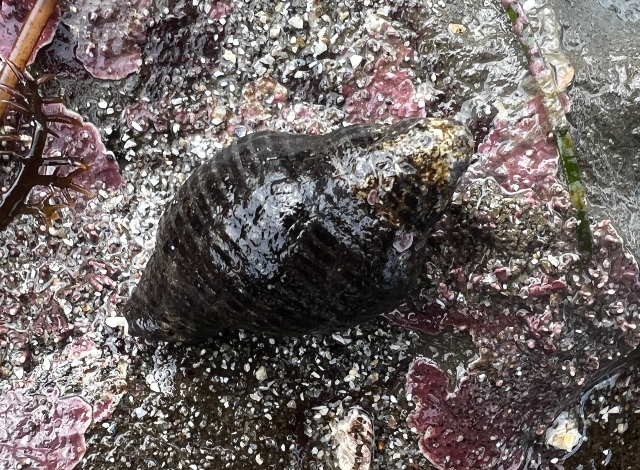
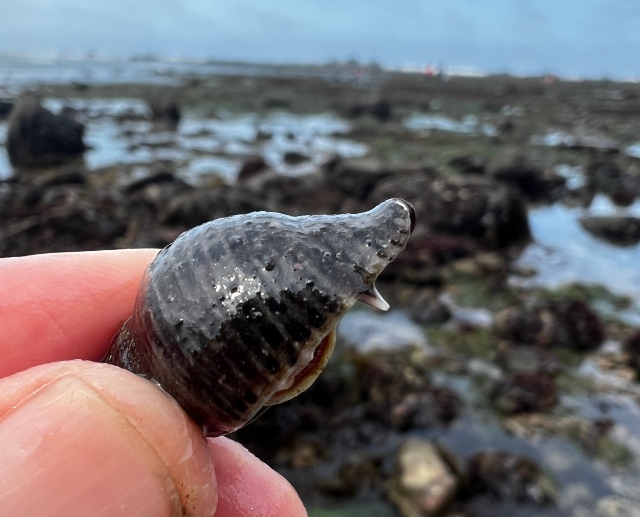
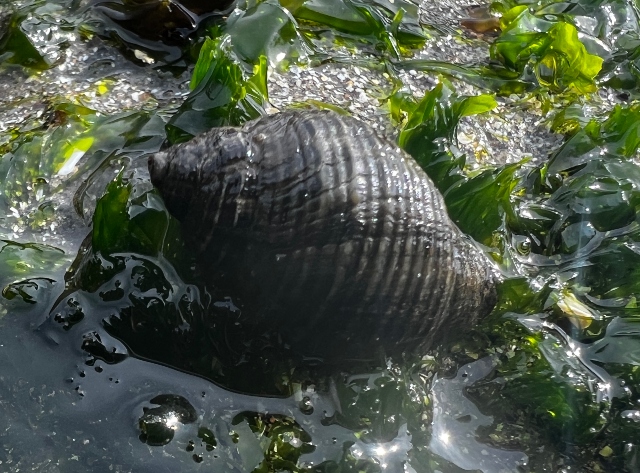
I found this neat gastropod while tidepooling in the San Francisco Bay Area. The Angular Unicorn is a type of predatory snail found on the intertidal zones. Its shell exterior varies from gray to yellowish-white. Several white spiral cords, with dark interrupted grooves between, encircle the shell.

02 Angular Unicorn_5984

The Angular Unicorn belongs to the mollusk Family Muricidae, a large and varied group of small-to-large predatory sea snails, commonly known as Murex Snails or Rock Snails.

03 Angular Unicorn_5992

It is found on protected rocks and pilings in the high to mid-intertidal zone and its range is most of the California coastline. I found these in plain sight, hanging out on rocks during low tide. They eat barnacles, mussels, snails and other types of invertebrates. Often times, hermit crabs utilize their shell once the snail dies.

04 Angular Unicorn_5994

When this snail finds its prey, it attaches itself to its prey’s shell. Then it produces hydrochloric acid, enzymes, and other substances to soften the prey’s shell. Once soft, they rasp it away with their radula (a structure of tiny teeth), thus creating a characteristic hole.

05 Angular Unicorn_5988

After breaking through the shell, the Angular Unicorn sticks its mouth inside the clam, barnacle or snail and, using its radula, rasps away the clam’s tissue, basically eating it alive.

06 Angular Unicorn_6002

This species gets its “unicorn” common name from the little pointy projection that it has at the front of its shell.

Third Eye Herp
E-mail

Warbling White-eye

01 White-eye_3213

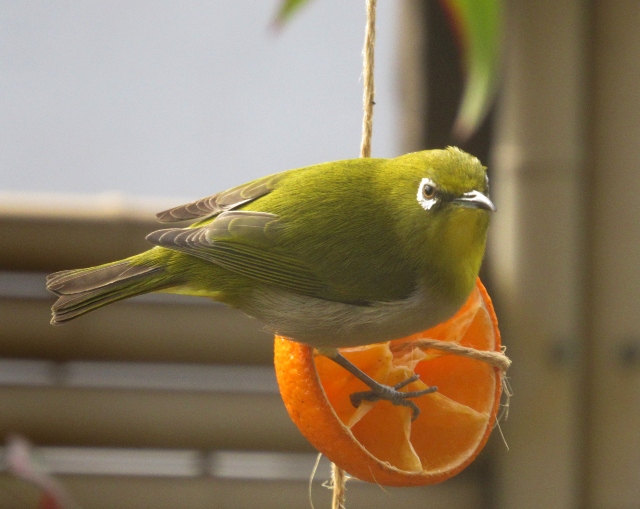
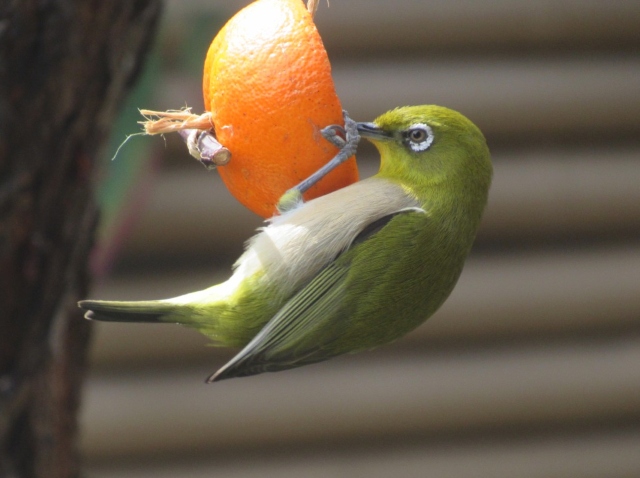
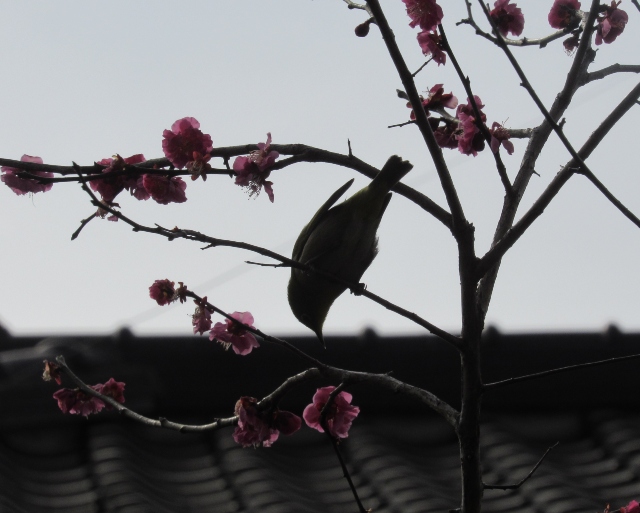
Perhaps the most charming organism seen while visiting Japan was this one. As one of the native species of the Japanese islands, it has been depicted in Japanese art on numerous occasions, and historically was kept as a caged bird.

02 White-eye_3662

The Warbling White-eye is olive green on its back, from anterior to posterior, and is pale green on its underside. Its feet, legs, and bill range from black to brown. It has a green forehead and a yellow throat. It has a distinctive ring of white around its eyes.

03 Japanese White-eye_3674

Its successful acclimatization to urban environments is particularly noteworthy. The ability to thrive in cities showcases its resilience and resourcefulness, as it takes advantage of available resources. This adaptability has led to an increased presence of these birds in gardens and residential areas.

04 White-eye_3654

This bird species is rarely found on the ground. It is a very sociable species that may form flocks with other species, in which the birds form groups to forage during flight – though they only flock with birds of other species outside of the breeding season.

05 White-eye_3663

The species is omnivorous, living on a diet of fruit from several species of flowering plants, various types of insects, and nectar at all levels of foliage. It feeds on insects by searching the leaves of flowers and scouring tree bark for caterpillars and beetle larvae.

06 White-eye_3676

The Warbling White-eye is a charming and captivating species that has captured the hearts of many bird enthusiasts. With its vibrant plumage, endearing appearance, and sweet melodic songs, this small passerine bird has become a beloved icon in Japan and beyond.

Third Eye Herp
E-mail