Sanderling

01 Sanderling_5384

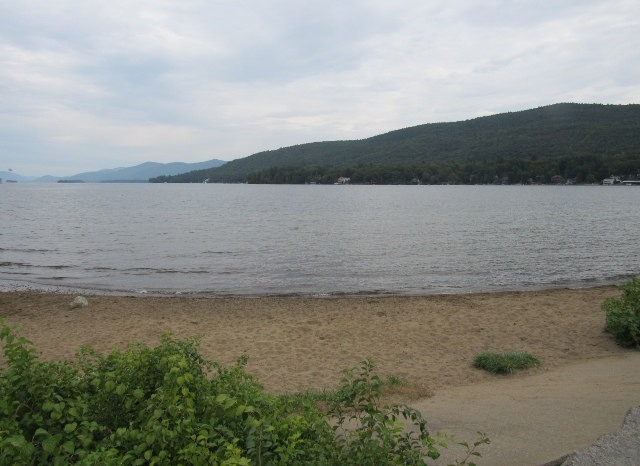
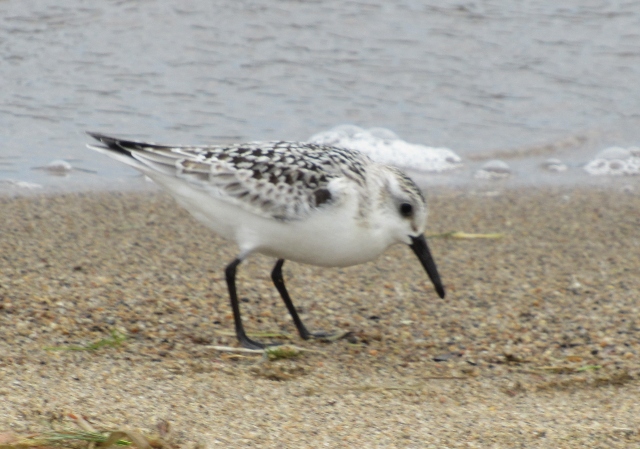
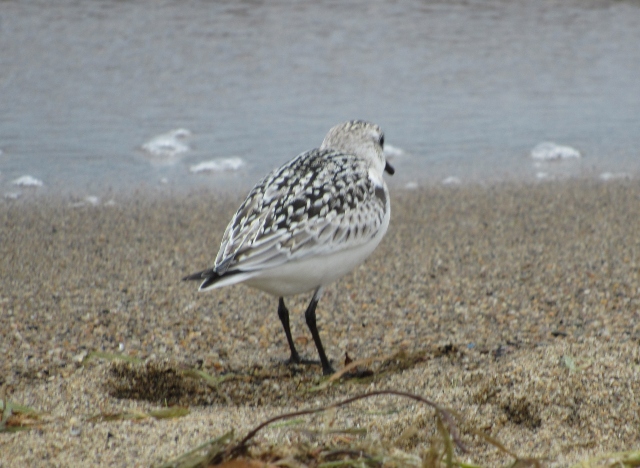
While visiting Lake George in New York, I saw several of these birds along the edges of the shoreline. Sanderlings are small, plump sandpipers with a stout bill that is about the same length as their head. These and other sandpipers in their genus are often called “peeps.” Sanderlings are medium-sized members of this group.
02 Sanderling_5396

You’ll most often see Sanderlings in nonbreeding plumage, when they are very pale overall: light gray above and white below, with a blackish mark at the shoulder. In Spring and Summer, Sanderlings are spangled black, white, and rich rufous on the head, neck, and back. At all times, their legs and bills are black.
04  Sanderling_5379

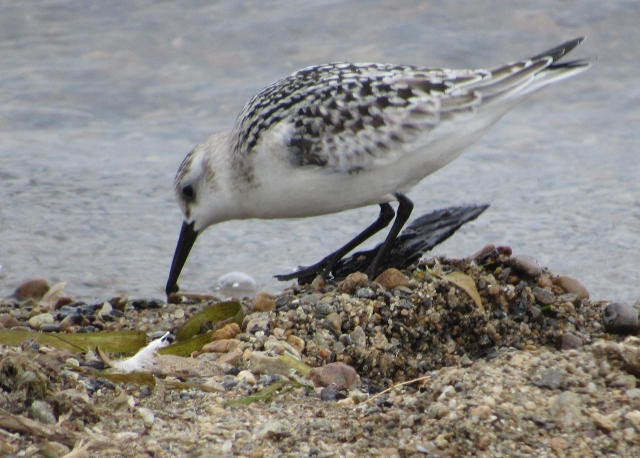
Sanderlings breed on the high arctic tundra and migrate south in Fall to become one of the most common birds along beaches. They gather in loose flocks to probe the sand of wave-washed beaches for marine invertebrates, running back and forth in a perpetual “wave chase.”
03 Sanderling_5388

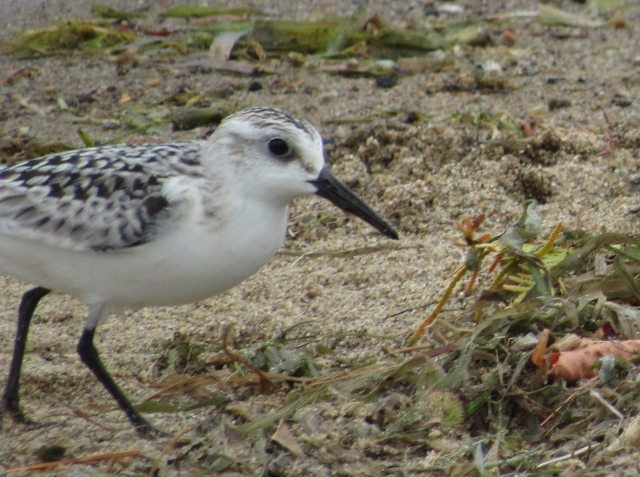
They are among the most extreme northern breeding birds in the world, nesting only on the coldest tundra. They are also long-distance migrants, wintering south to South America, western and southern Europe, Africa, and Australia.
05 Sanderling_5401

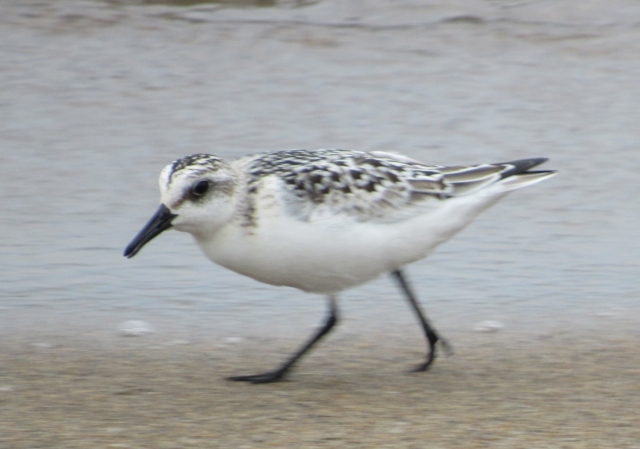
Sanderlings have only have three toes on each foot; they are missing the hind toe, which gives them a distinctive running action – a bit like a clockwork toy.
06 Sanderling_5400

It was fun to see this small, sprightly shorebird on my visit to the Big Apple.
Third Eye Herp
E-mail

Sawtooth Sunflower

01 Helianthus grosseserratus_8673

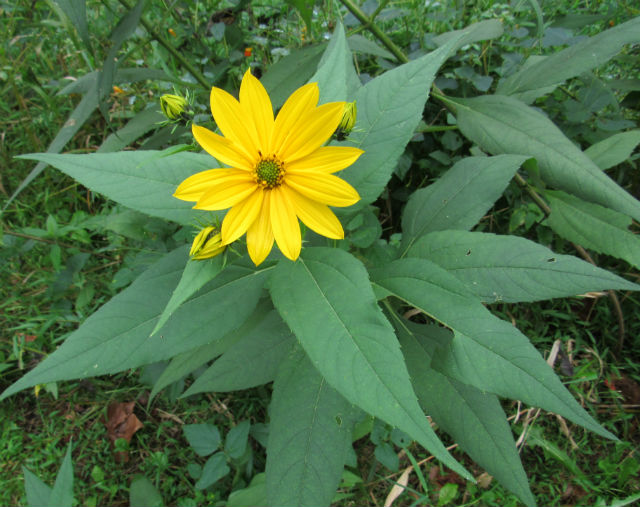
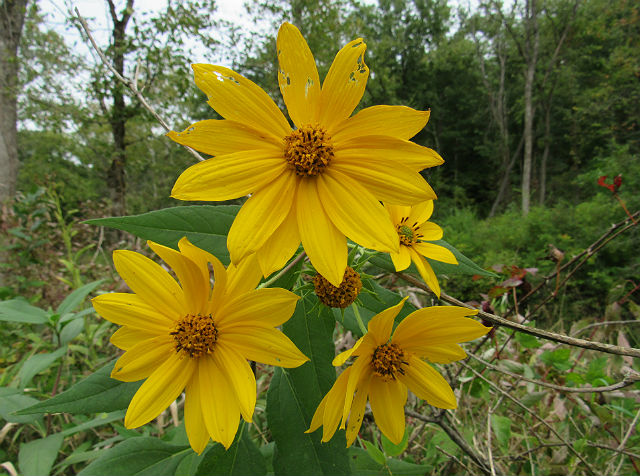
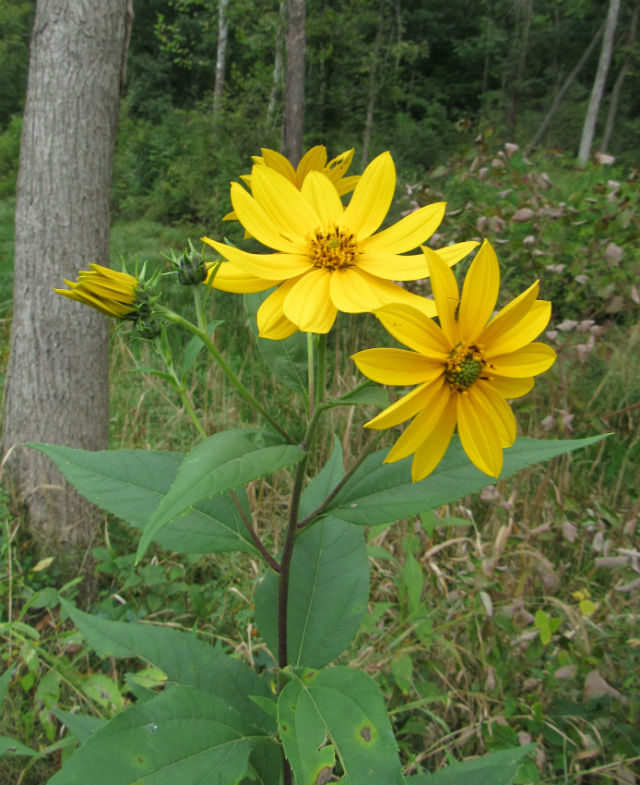
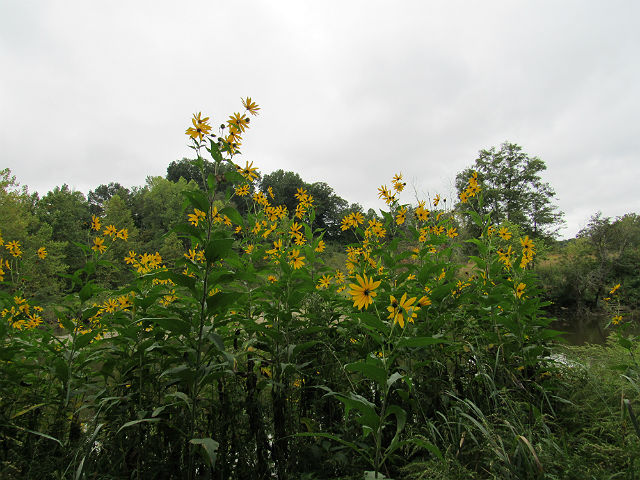
While hiking on the Ohio & Erie Canal Towpath, I often see this plant. It may reach 3 to 7 feet in height and in some instances can grow to 12 feet. It is found along streams, damp prairies and roadsides in the eastern and central parts of Canada and the United States, primarily in the northern Great Plains and Great Lakes Region.

02 Helianthus grosseserratus_8669

Notwithstanding its name, the Sawtooth Sunflower often has leaves that are toothless or only slightly serrated. There is considerable variation in the size of plants across different locations, and the leaves are somewhat variable in their size and shape.

03 Helianthus grosseserratus_8668

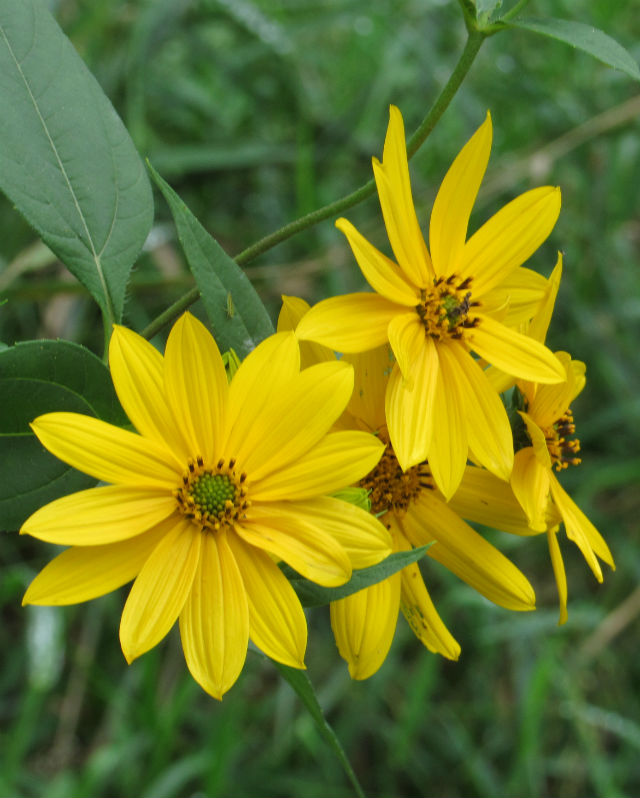
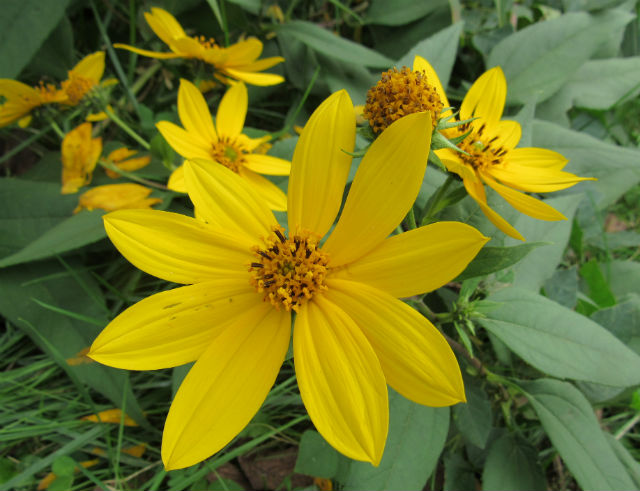
The flowerheads are yellow, to 3-1/2 inches across, with 10 to 25 fairly wide ray florets.

04 Helianthus grosseserratus_8970

This sunflower can be distinguished from other types by its smooth reddish stems, which often have a powdery white substance that can rubbed off. The lower stems on large older plants can become slightly woody in appearance and feel.

05 Helianthus grosseserratus_8674

The species’ deep roots improve soil structure and water infiltration, increase drought resilience in plant communities, and its robust flowering displays can enhance pollinator foraging networks, boosting reproductive success of co-flowering native plants.

06 Helianthus grosseserratus_8931

The most common visitors to the Sawtooth Sunflower are bees, especially long-tongued species. Among these are Honeybees, Bumblebees, Cuckoo Bees, Digger Bees, and Leaf-cutting Bees. The seeds of this plant are a favorite food of birds, like Bobwhite Quail, Mourning Dove, Redwing Blackbird, American Goldfinch, several types of Sparrows.

Third Eye Herp
E-mail

Ailanthus Webworm Moth

01 Ailanthus Webworm Moth_4068

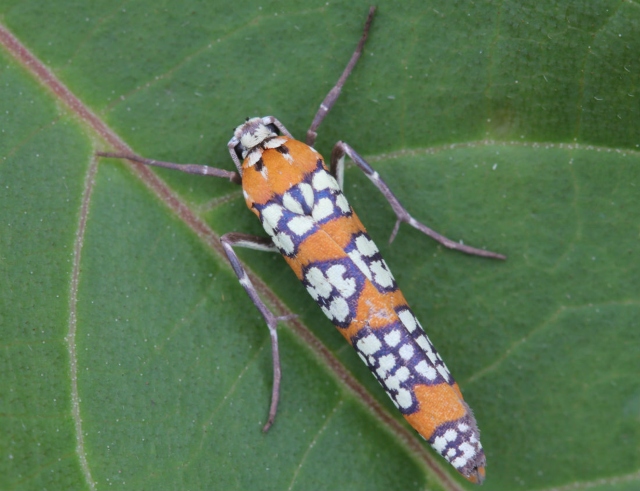
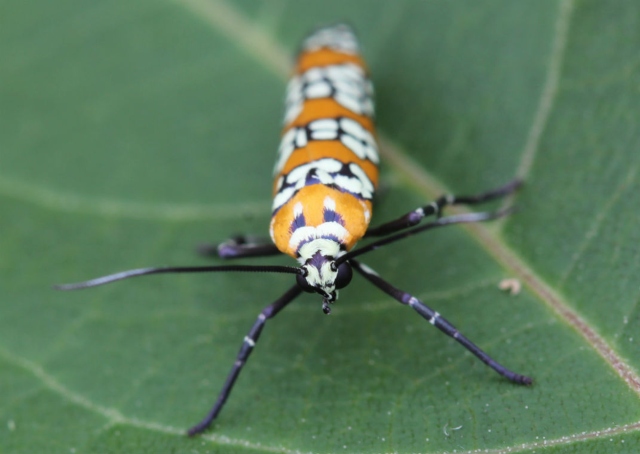
Unlike many brown, nocturnal and nondescript moths, this one is bright, boldly patterned and looks more like a roll of batik fabric than a moth – and it’s out and about during the daytime. The Ailanthus Webworm Moth only reaches about half an inch in length. Its bright colors advertise that it is distasteful to eat.

02 Ailanthus Webworm Moth_0568

This insect’s range extends from southern Florida south to about Costa Rica; this region is where native Ailanthus Trees grow and they are the moth’s caterpillar’s host plants, where the caterpillars live communally in webs. When people introduced Ailanthus Trees to North America, they spread invasively – this insect soon had a suitable host plant occurring far north of where it lived before.

03 ailanthus moth 040

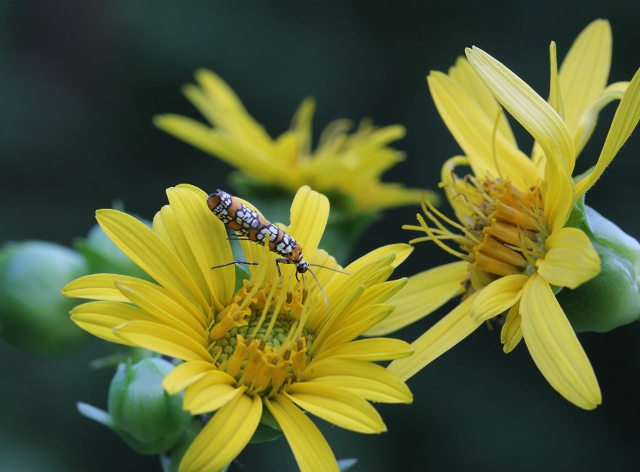
Adult moths drink nectar from a variety of flowers, often in open habitats, usually during the day. Ailanthus Webworm Moths in all life stages cannot survive cold Winters, so when it freezes, northern populations are wiped out. But each Spring, the moths start expanding their range northward again, starting from warm southern regions.

04 Ailanthus Webworm Moth_0570

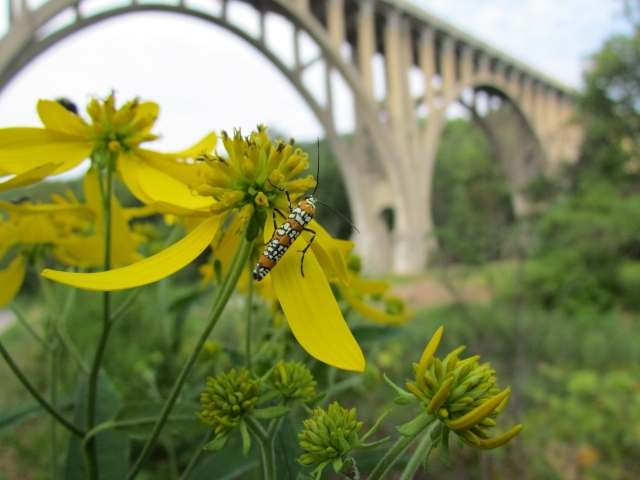
It’s always neat to come across one of these cool creatures when out hiking. I often see them in Cuyahoga Valley National Park, like these examples seen under the Route 82 Bridge.

Third Eye Herp
E-mail

Horse Mushroom

01 Horse Mushroom_6424

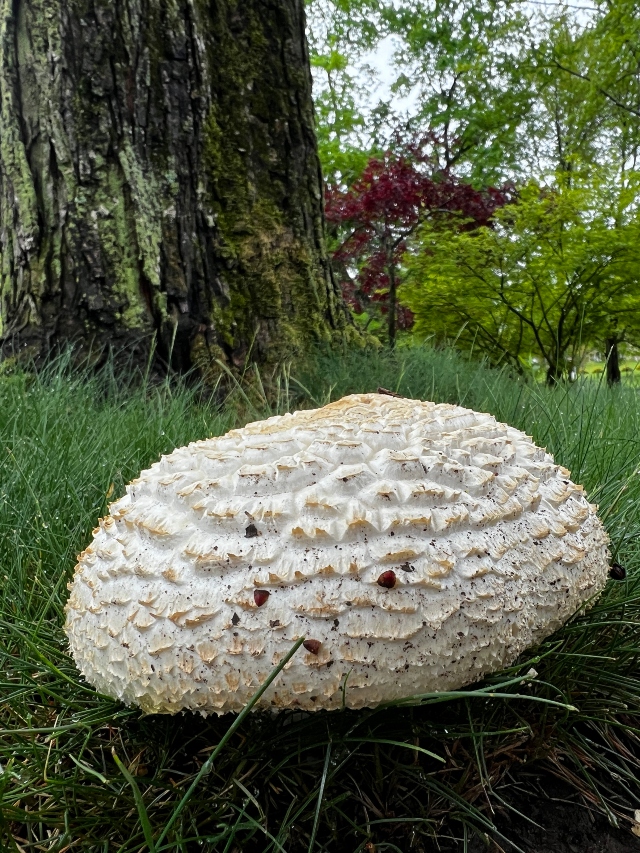
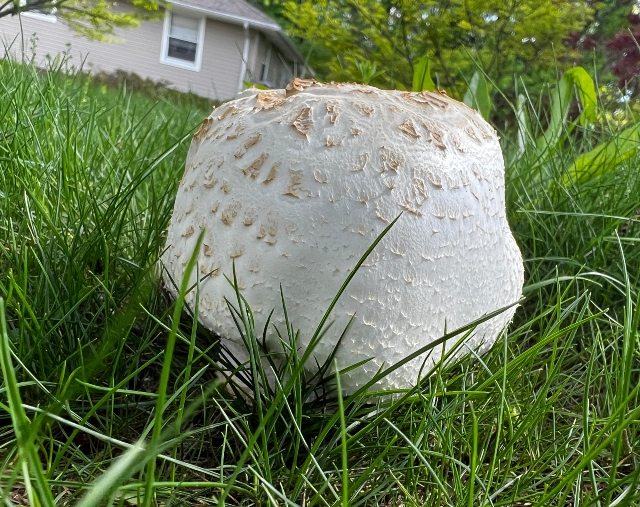
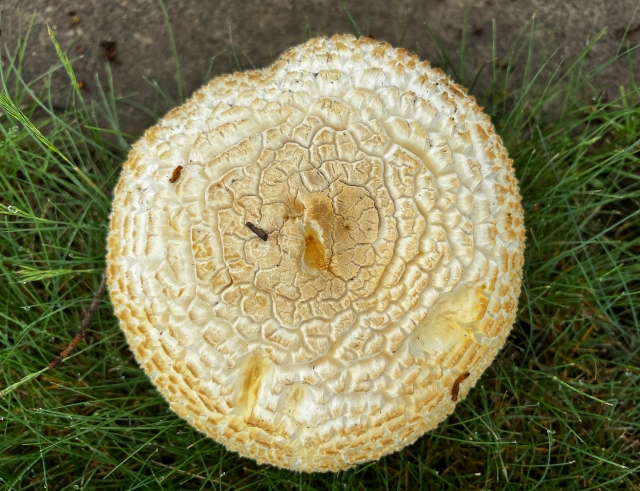
When walking out the front door of my house, I noticed this conspicuous organism. This large mushroom can be found in Britain, Iran, Ireland, North America, Australia, and New Zealand. It appears from Summer to Fall, more specifically July to November. It is called the Horse Mushroom, because it frequently appears near stables, loving the manure-rich soil.

02 Horse Mushroom_2912

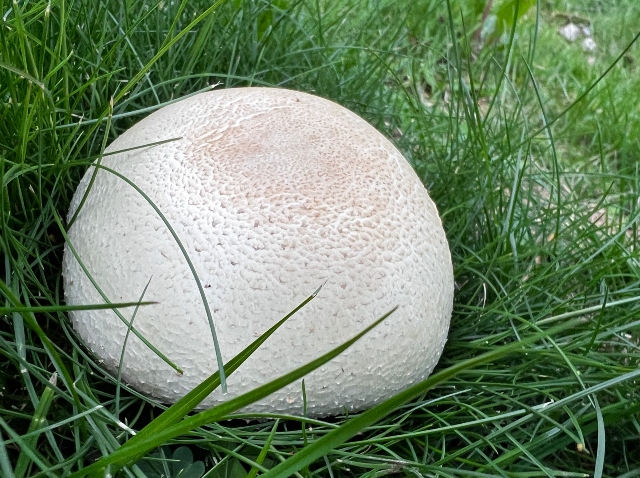
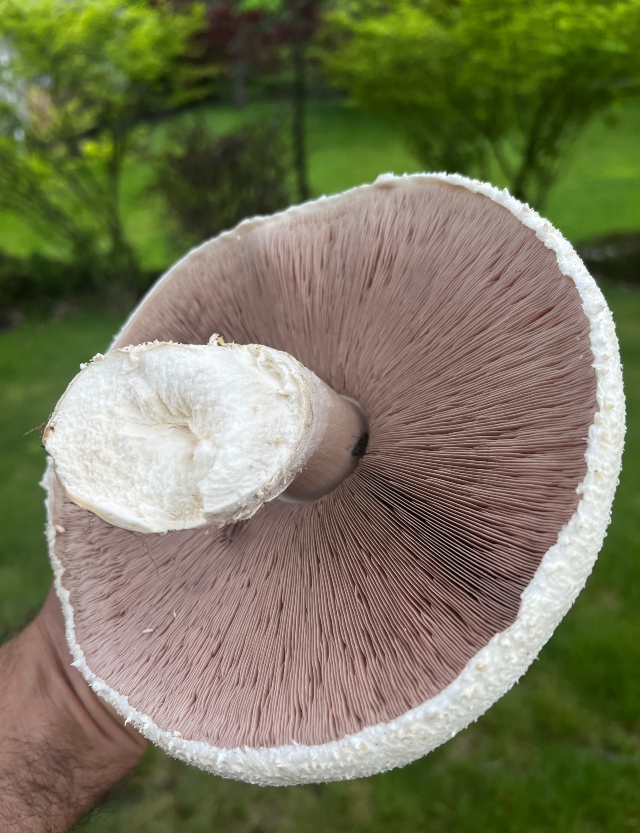
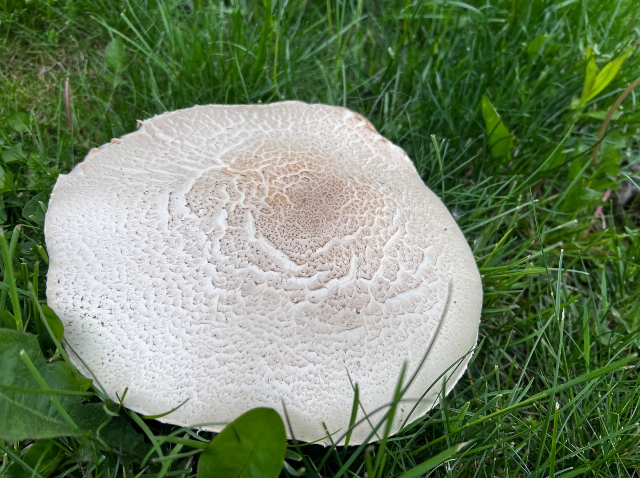
Often seen on lawns and fruiting during rainy weather, it can be larger than most other mushroom species found on lawns. The gills of Horse Mushroom start out pale pink and darken to chocolate brown as the spores mature. When cut or broken, the mushroom has a pleasant, anise-like odor which is a distinctive trait for foragers and mushroom enthusiasts trying to distinguish it from poisonous lookalikes.

03 Horse Mushroom_6444

This mushroom typically grows solitary or in small clusters and may form fairy rings (circular arrangements of mushrooms resulting from the progressive colonization of a central underground mycelial network) over time under the right conditions.

04 Horse Mushroom_6454

Horse Mushroom is a saprobic fungus, playing a critical role in decomposing organic material in rich soils. It tends to emerge from the ground with a partially closed cap that gradually expands.

05 Horse Mushroom_6431

It is seldom observed in forests or overly shaded environments, as it strongly prefers open and sunlit areas with abundant grass or organic detritus. Human-modified environments like sports fields, parks, and suburban lawns can also provide suitable habitats, especially where soil composition is favorable and not heavily treated with chemicals.

06 Horse Mushroom_2911

This fungus is highly regarded among edible wild mushrooms thanks to its large size (up to one foot in diameter for the shell cap), digestibility, and culinary flexibility. Its morphology closely resembles cultivated button mushrooms, but it offers a more potent flavor profile and distinct aroma, particularly when freshly harvested from nutrient-rich grasslands.

Third Eye Herp
E-mail