Powdery Alligator-flag

01 Alligator Flag_2264

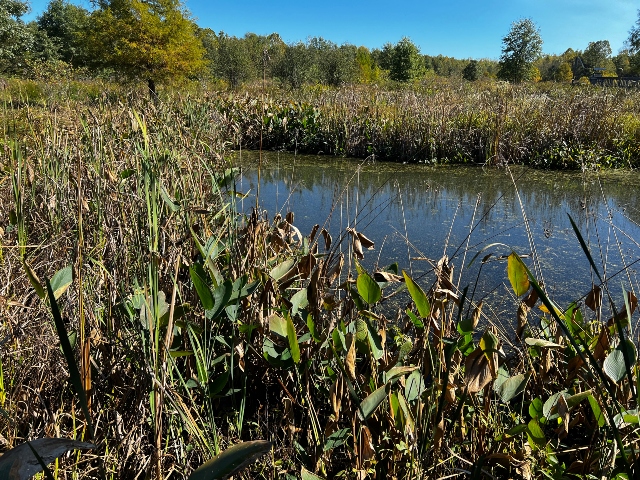
While visiting southern Illinois, I came across this aquatic plant, native to swamps, ponds and other wetlands in the southern and central United States.
02 Alligator Flag_2266

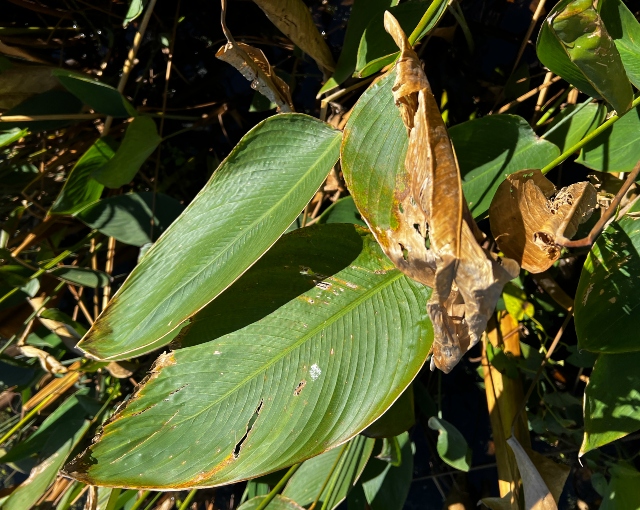
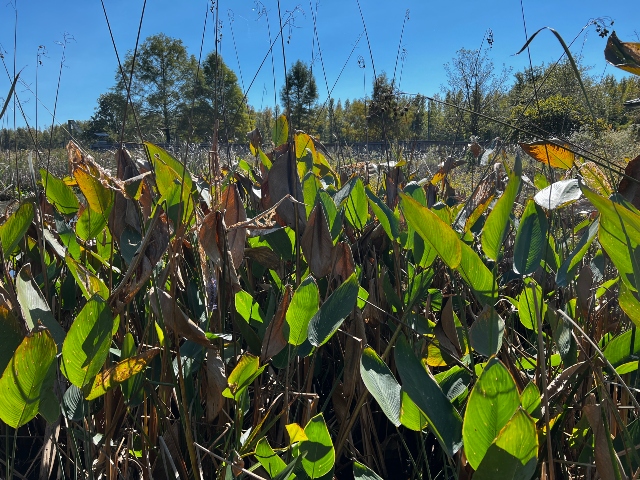
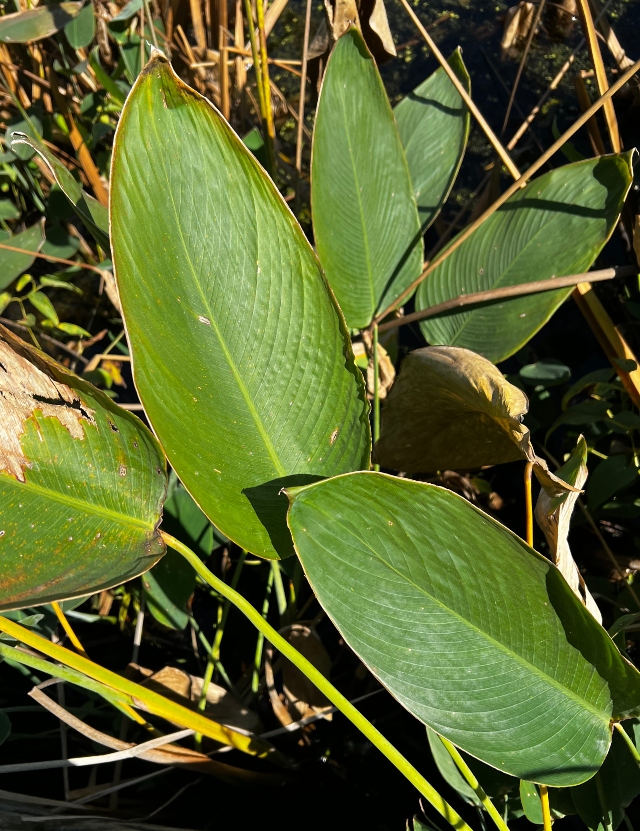
Also known as Water Canna, with its large, blue-green leaves, it looks a lot like the tropical cannas commonly seen in landscape plantings. In late Summer, this native plant produces tall spikes of purple flower clusters.
03 Alligator Flag_2272

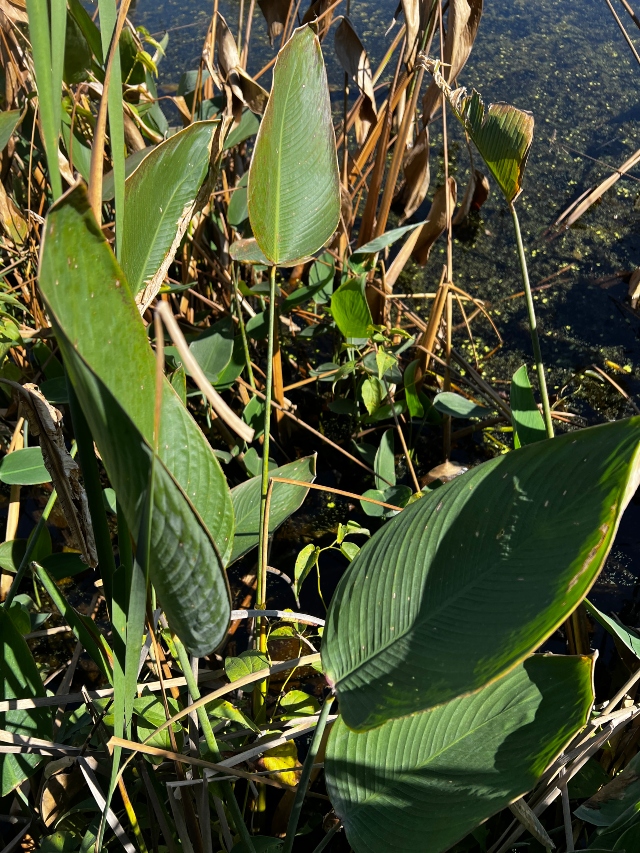
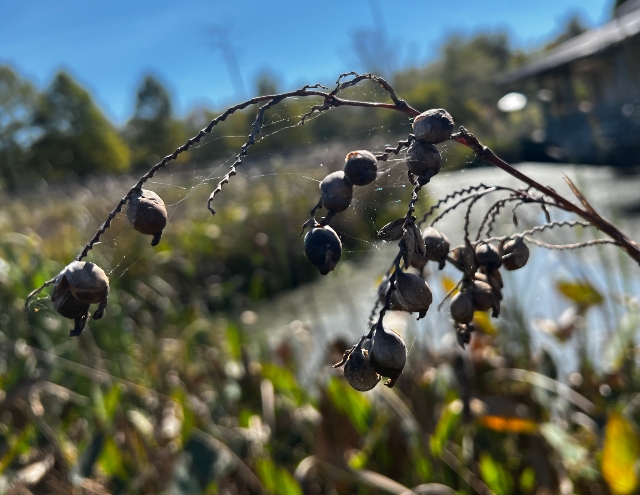
Powdery Alligator-flag is an herbaceous perennial growing from thick rhizomes. The leaves give this plant a tropical look. The thick stalks are longer than the paddle-shaped blades. It produces round, dark brown seeds inside a paper-like covering.
04 Alligator Flag_2276

Combined, the leaf stalks and blade may reach 10 feet in height, making them the largest leaves of almost any native North American plant, excluding the leaves of palm trees.
05 Alligator Flag_3019

The entire plant appears to be dusted with a fine white powder (glaucous-coated), hence another common name for it – Powdery Thalia.
06 Alligator Flag_2277

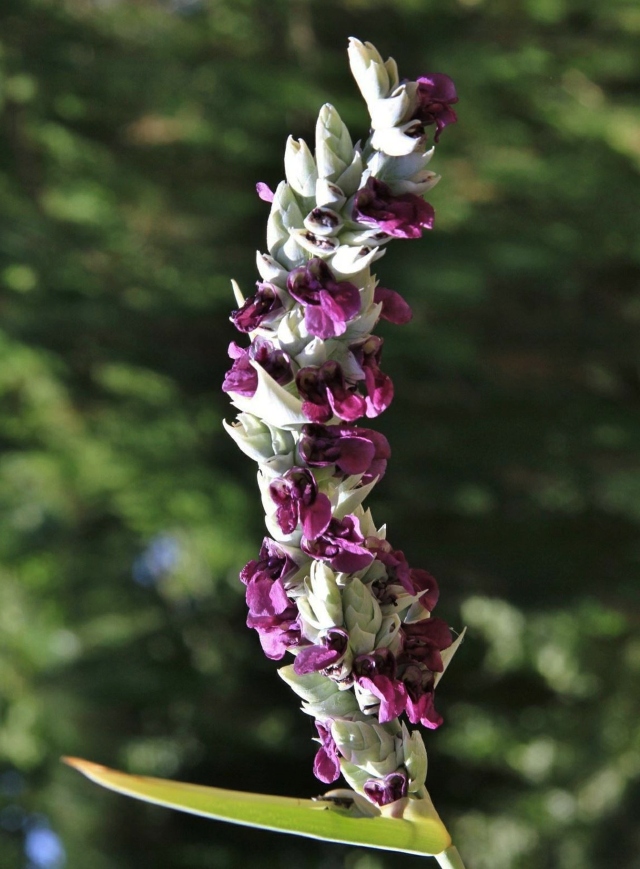
Its flower stalk is a tall wand bearing clusters of purple blossoms. The flowers are in tight, side-by-side pairs along the zigzag flower-stalk branches. The actual petals are not very showy. What appear as petals are actually highly modified stamens.
07 Alligator Flag_2265

This is a neat native plant that I have never encountered before.
Third Eye Herp
E-mail

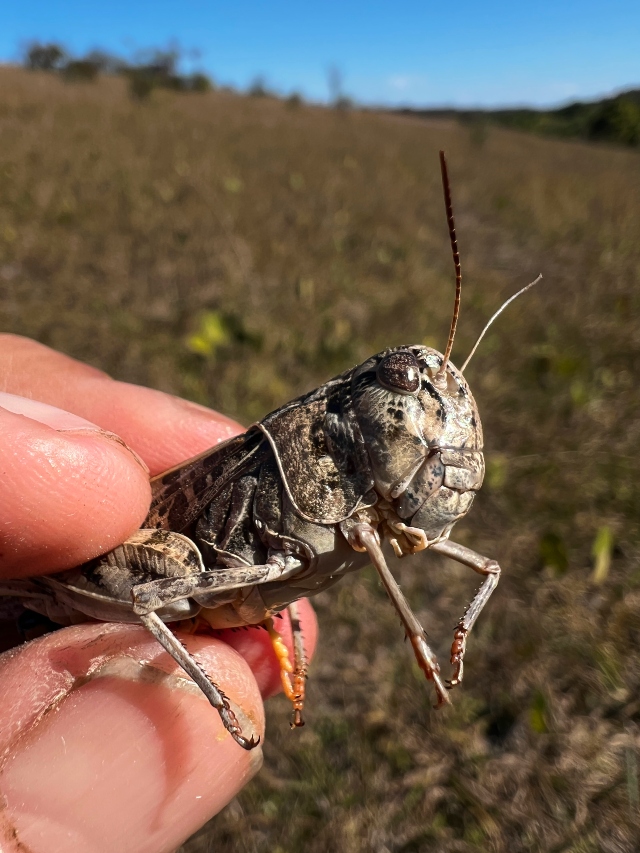
Haldeman’s Grasshopper

01 Haldeman's Grasshopper_8496

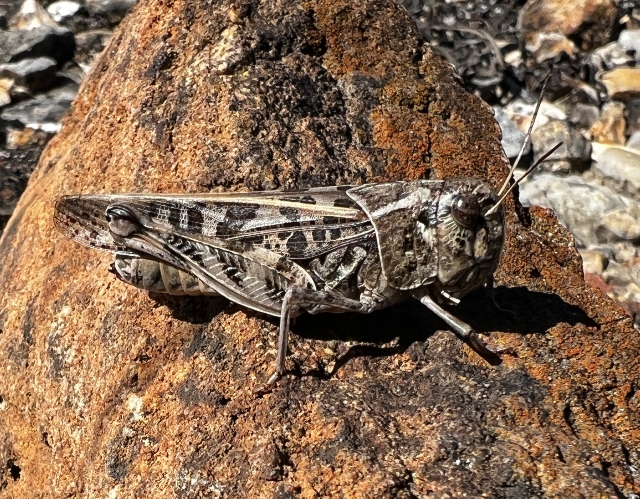
While looking for reptiles and amphibians in a Missouri glade, I came across several of these distinctive looking insects.

02 Haldeman's Grasshopper_8508

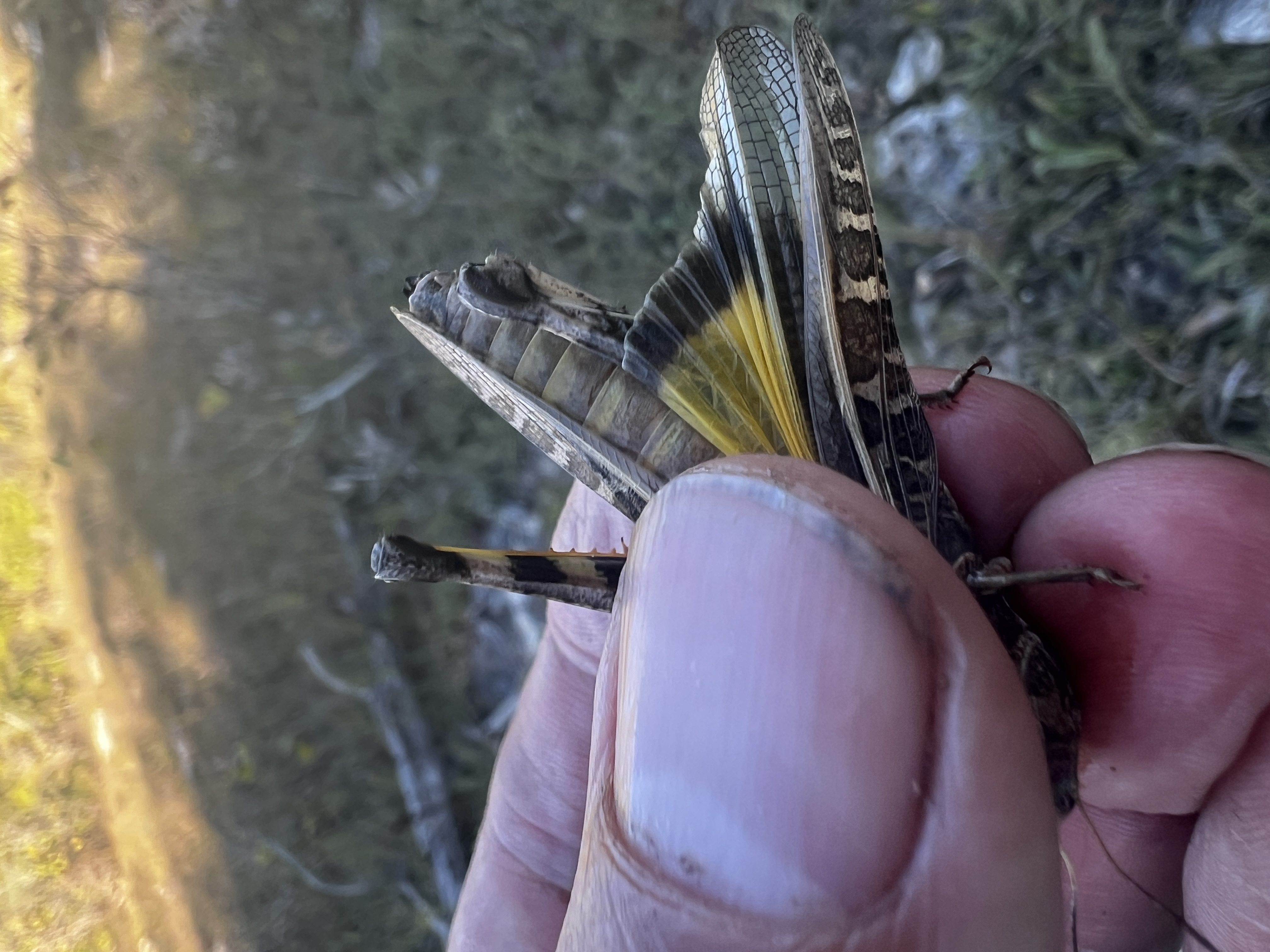
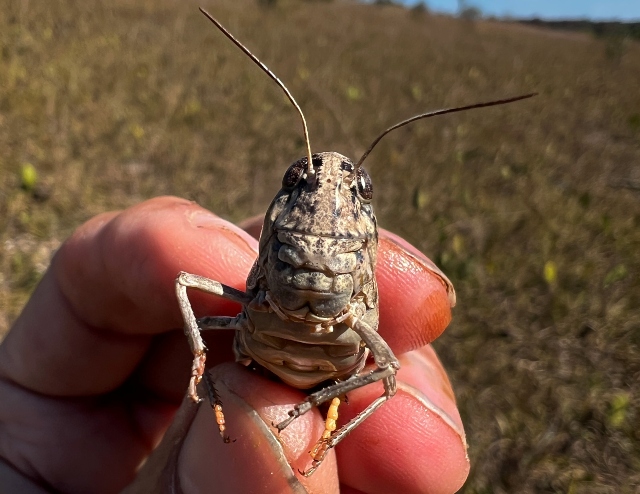
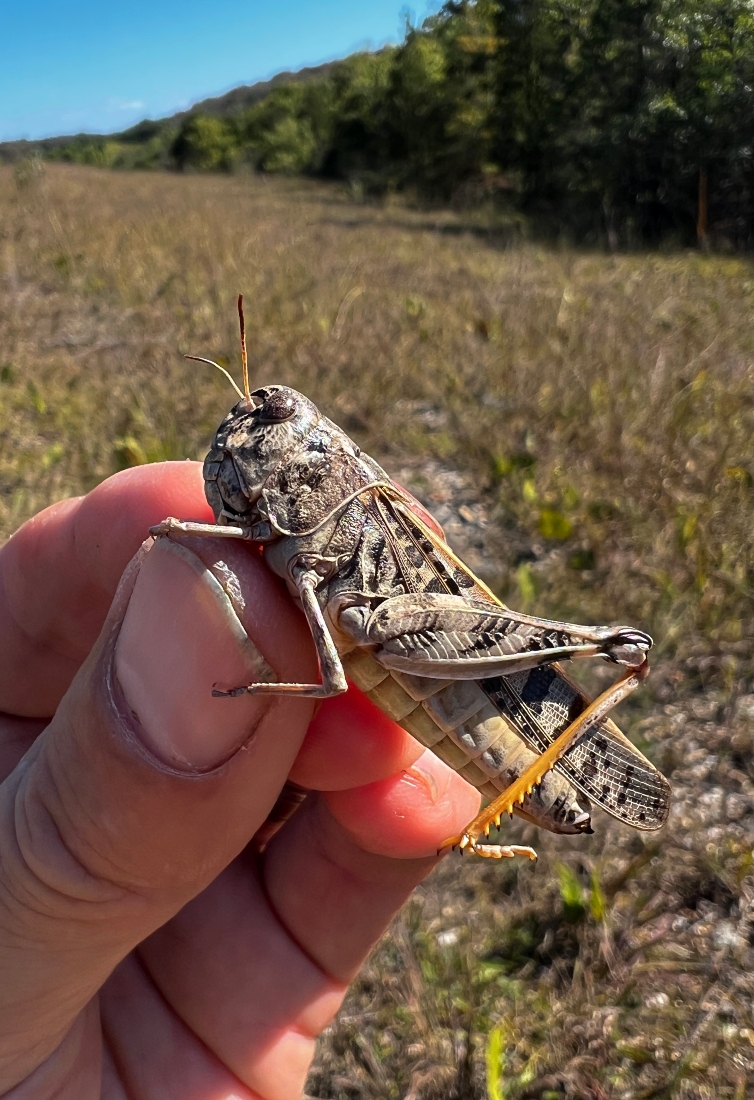
This is a large, light brown-to-gray grasshopper with extensive dark spotting. Its flying wings can be red, orange, or yellow; bordered with a black band and a long spur; the outer edge is transparent.

03 Haldeman's Grasshopper_8539

The Haldeman’s Grasshopper is a resident primarily of prairies west from southernmost Canada to Oklahoma, the Texas Panhandle and New Mexico, and from Michigan, Illinois, Missouri, and Arkansas to almost or to just barely the east base of the Rockies.

04 Haldeman's Grasshopper_8503

This creature’s habitat is open grasslands, especially situations with gravelly patches. It can be found in both flatlands and hillsides, as well as in sandhills areas. It is a common species and is not too picky about where it lives, as long as the habitat is relatively dry, has vegetation, and is open and sunny.

05 Haldeman's Grasshopper_8499

The Haldeman’s Grasshopper eats mostly grasses, but also consumes a wide range of herbaceous plants, and occasionally other insects. It overwinters as an immature grasshopper and reaches adulthood in its second Summer. Adult females are significantly larger than males.

06 Haldeman's Grasshopper_8504

Most often seen as adults in June and July, this was the first time I’ve come across these cool creatures.

Third Eye Herp
E-mail

Redhead

01 Redhead Duck_5897

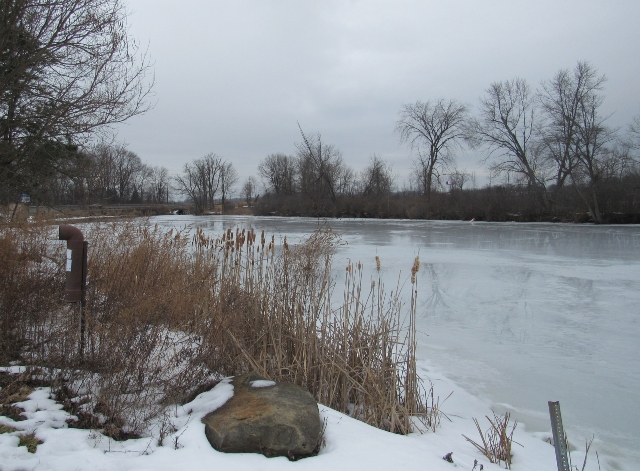
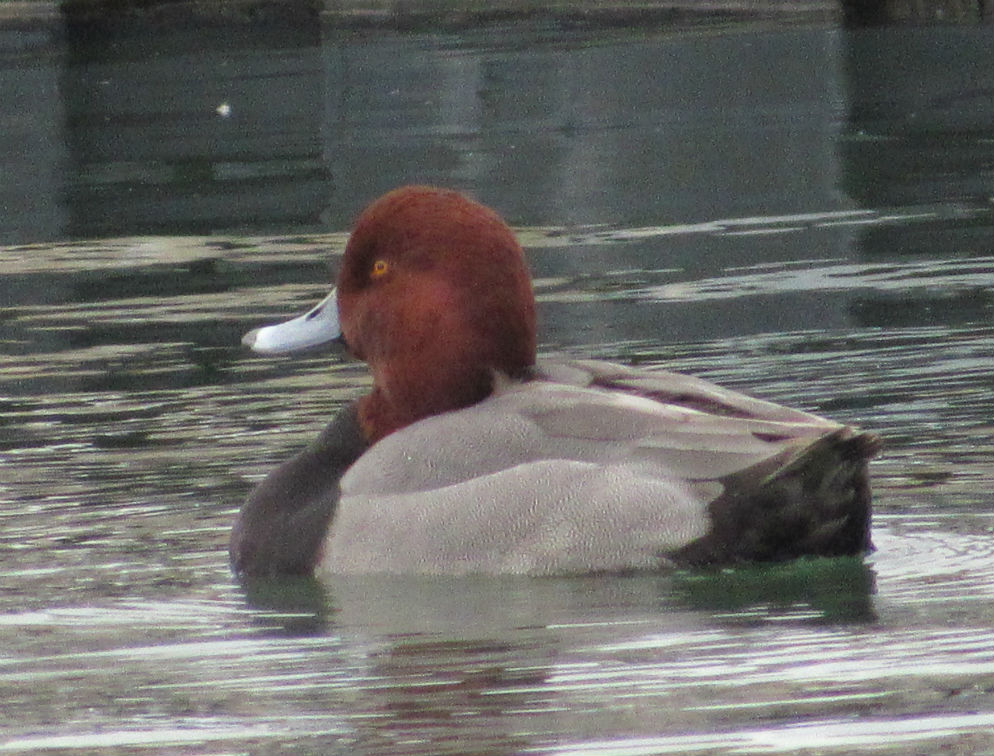
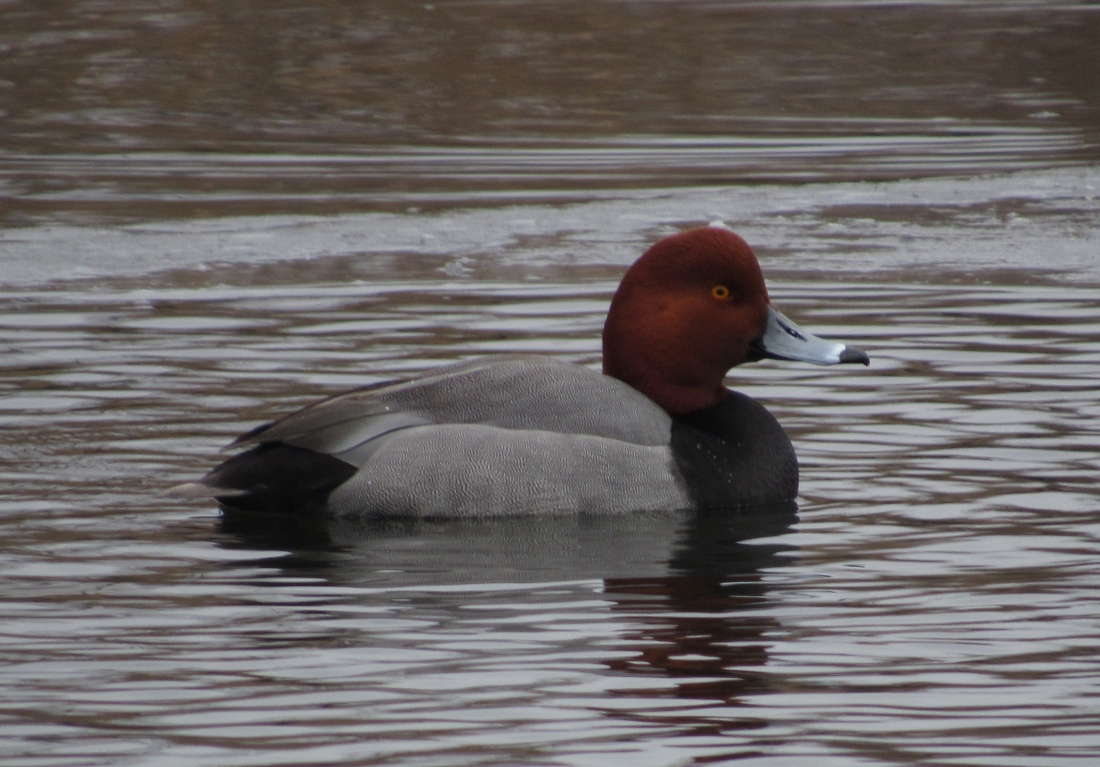
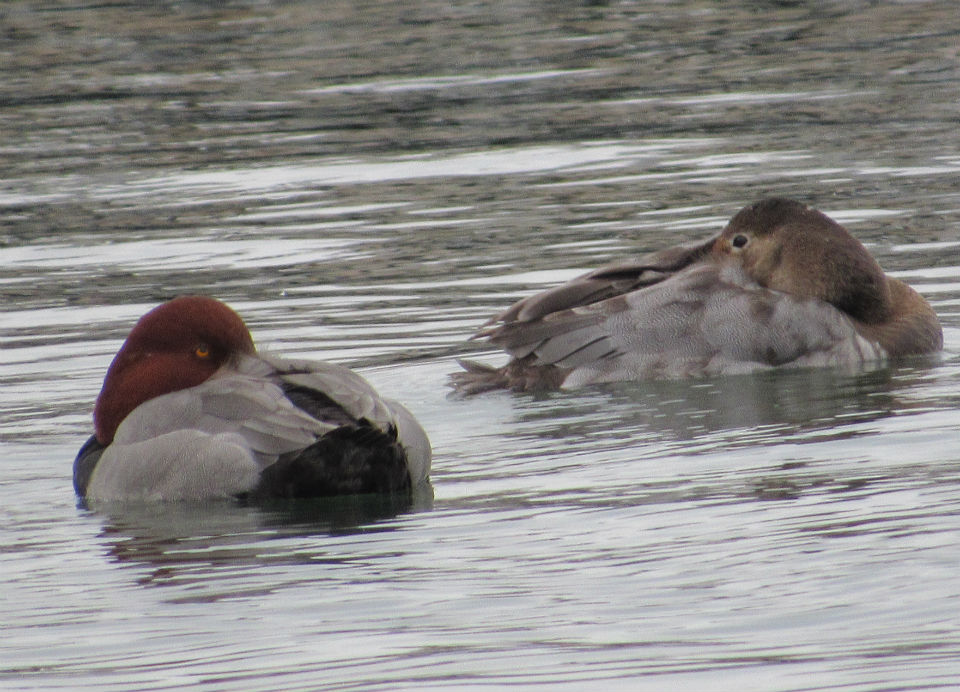
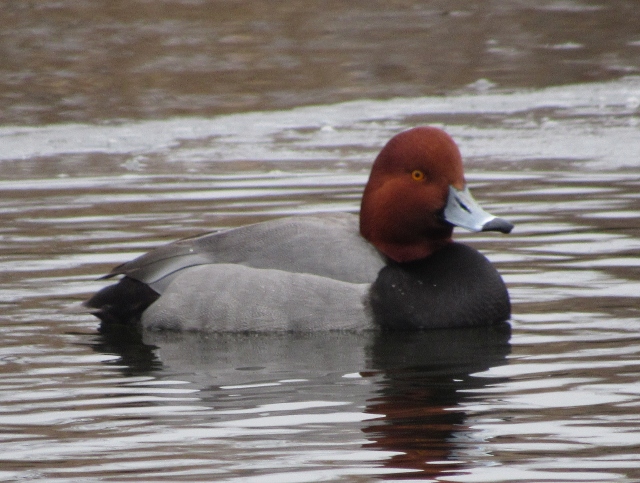
Back in February I was hiking on Akron (OH) and I saw this easily identifiable duck. Adult males feature a bright red head, yellow eyes, a black chest, and a gray body. Females are duller and browner, with a light area around the base of the bill.

02 Redhead_3439

This is a type of diving duck that is adapted to find food underwater. Its legs are placed farther back on the body, which makes walking on land difficult. Its foot webbing is larger than other ducks and its bill is broader, to aid in underwater foraging. Small, semi-permanent wetlands in non-forested habitat where the water is deep enough to provide dense emergent vegetation is considered ideal breeding habitat for this bird.

03 Redhead Duck_5932

Courting male Redheads perform a gymnastic “head throw” display, bending nearly in half with the neck curved far over the back until the head touches the tail. The bird then snaps its neck forward while giving a loud, catlike mee-ow call.

04 Redhead Duck_5933

When wintering, Redheads switch to large areas of water near the coast that are protected from wave action but can also be found in reservoirs, lakes and bays. They feeds mostly on aquatic vegetation, but aquatic invertebrates are also eaten, especially in the Summer.

05 Redhead_3421

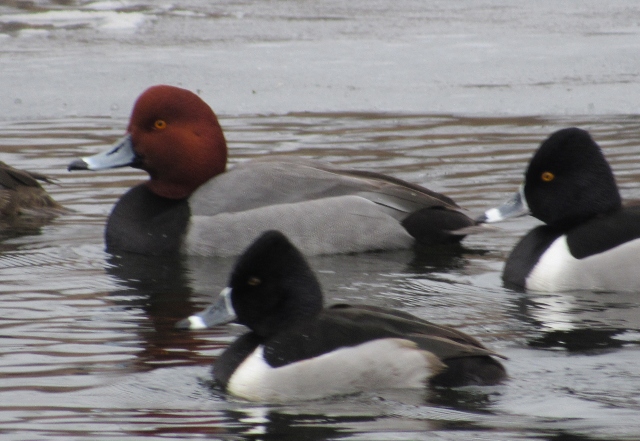
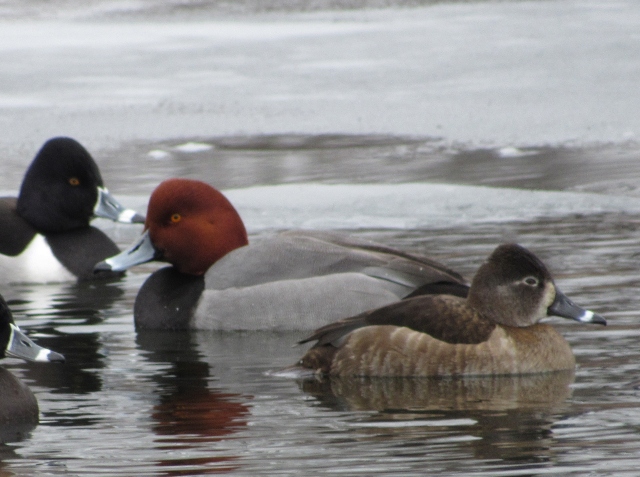
In migration and Winter, they are highly sociable, gathering in large flocks called “rafts,” often mixing with other duck species including Canvasbacks (shown here), Scaup, Wigeon, and American Coots. Redheads are so exceptionally gregarious that sometimes they alight at hunting decoys before the hunters have finished setting them up.

06 Redhead Duck_5927

Many ducks lay some of their eggs in other birds’ nests (a strategy known as “brood parasitism”), but female Redheads are perhaps tops in this department. Their targets include other Redheads as well as Mallard, Canvasback, Northern Pintail, Gadwall, Northern Shoveler, Ruddy Duck, American Wigeon, and even Northern Harrier.

07 Redhead Duck_5935

With a gleaming cinnamon head setting off a body marked in black and business gray, adult male Redheads light up the open water of lakes and coastlines – especially during dreary Winter months. I made my day to see them on a cold February morning.

Third Eye Herp
E-mail

Jumping Bristletail

01 jumping bristoltail 5

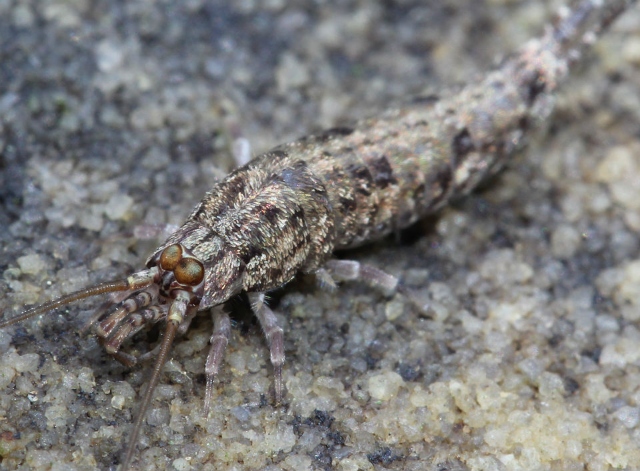
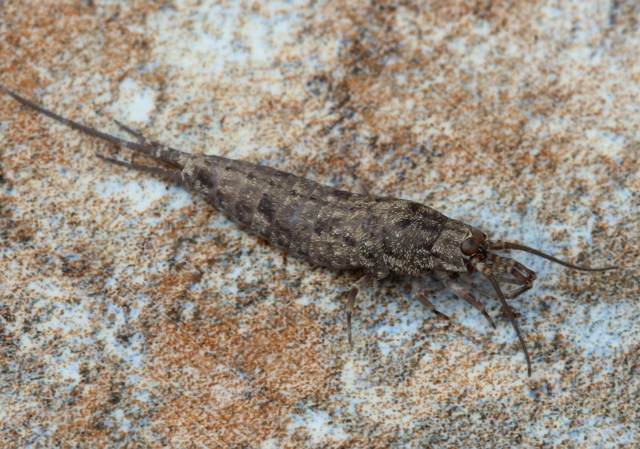
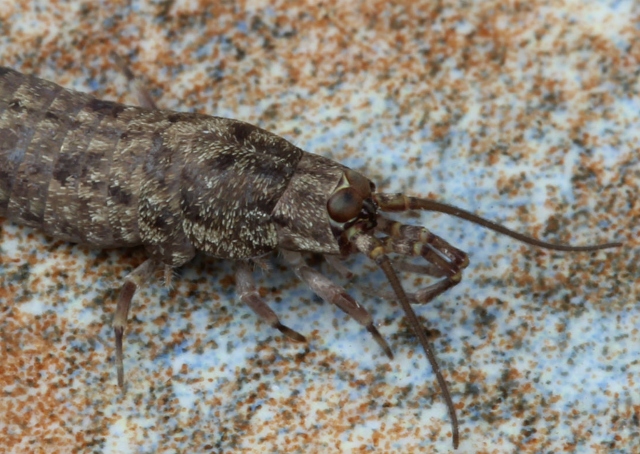
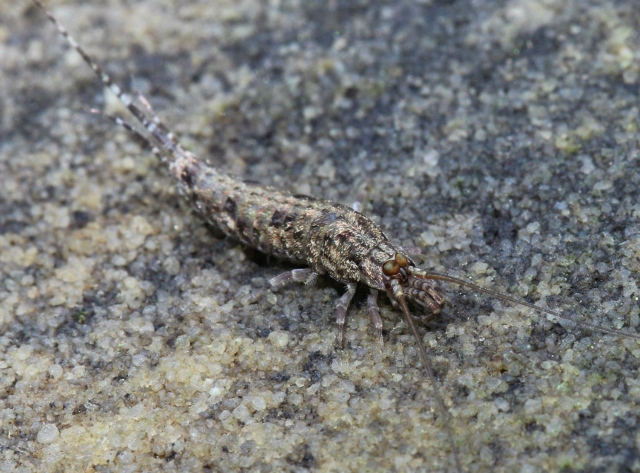
Sometimes you don’t have to go very far to find cool creatures. Such is the case with this one. Although I have found them in California, I have also found them in my backyard.

02 bristil_4733

Among insects currently residing on planet earth, these are some of the most evolutionarily primitive. Fossil evidence shows they first appeared along with arachnids in the mid-Devonian period, which was 400 million years ago.

03 bristoltail_3614

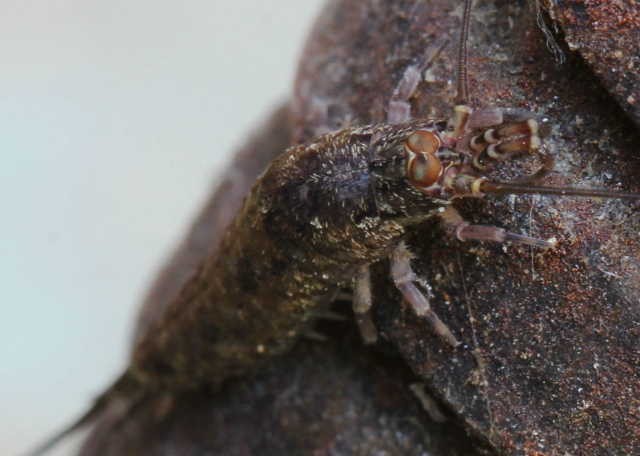
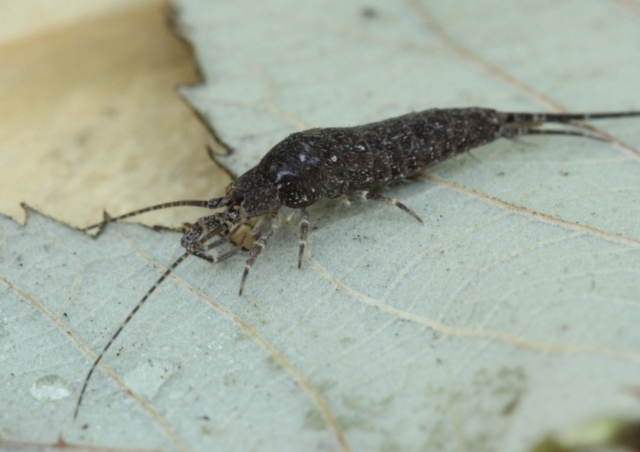
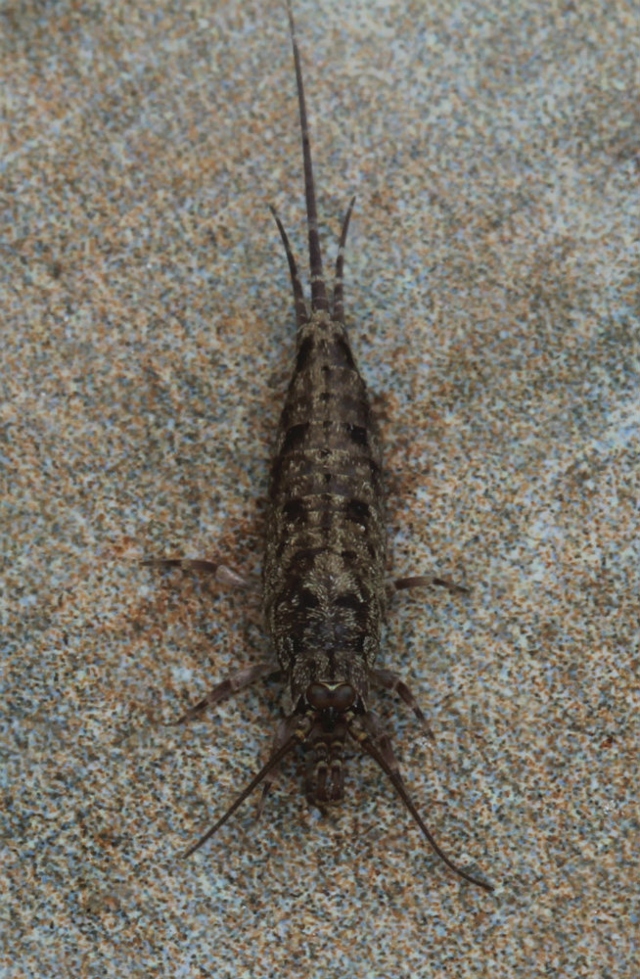
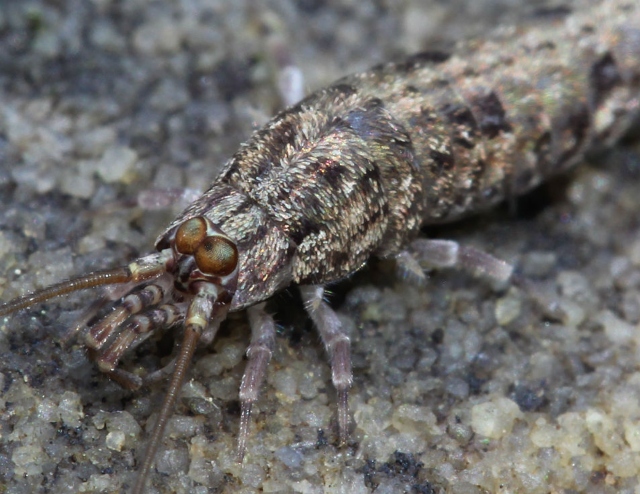
Jumping Bristletails are small (less than one inch in total length) insects with elongated bodies and backs that are arched, especially over the thorax. Their abdomen ends in three long tail-like structures.

04 Jumping Bristoltail_2313

Unlike other insect orders, they do not have olfactory receptor-coreceptors (sense of smell); these have either been lost or were never present in the first place.

05 Bristletail_4733

Further unusual features are that they cement themselves to the substrate before molting, often using their own feces as glue. Their bodies are covered with readily detached scales, that make them difficult to grip and also may protect the exoskeleton from abrasion. Unlike most insects, the adults continue to molt after reaching adulthood.

06 bristoltail_4731

Bristletails occur in a wide range of habitats. While most species live in moist soil, others have adapted to chaparral, and even sandy deserts. They feed primarily on algae, but also lichens, mosses, or decaying organic detritus. They are considered beneficial, as they are recyclers of organic matter.

07 jumping bristoltail 1

The reason for part their name is obvious when you startle them: they can propel themselves as much as four inches forward if they detect danger.

08 jumping bristoltail 2

There are about 250 species of this neat insect worldwide, including the Arctic, with 24 of them in North America.

Third Eye Herp
E-mail

Bearded Fieldcap

01 Bearded Fieldcap_2793

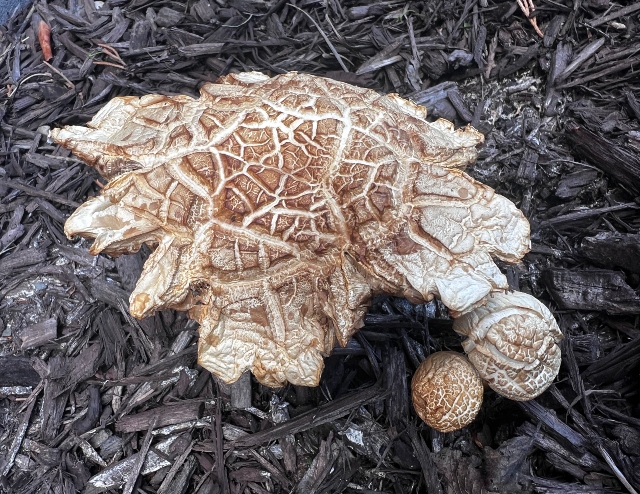
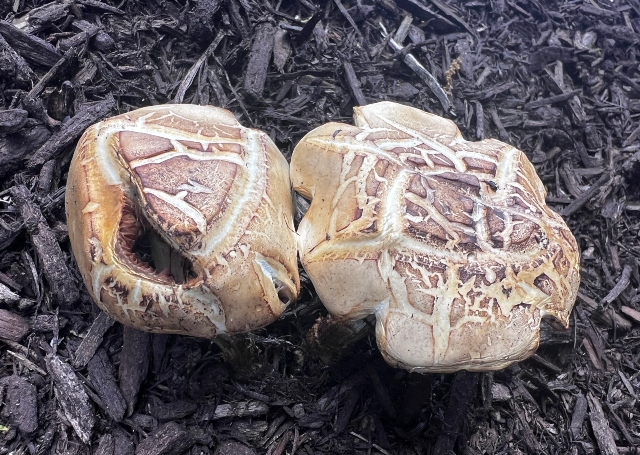
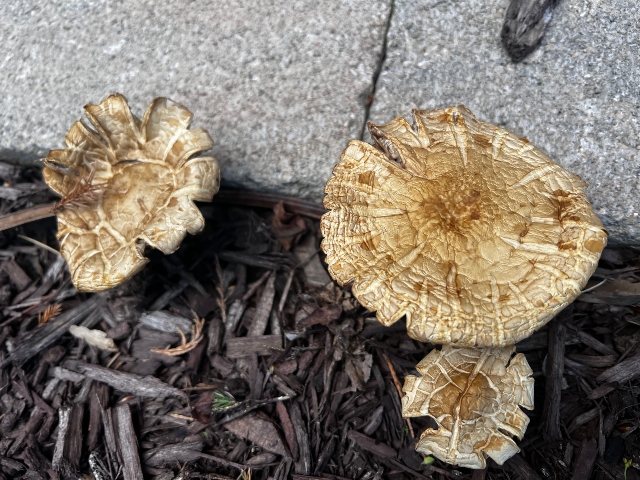
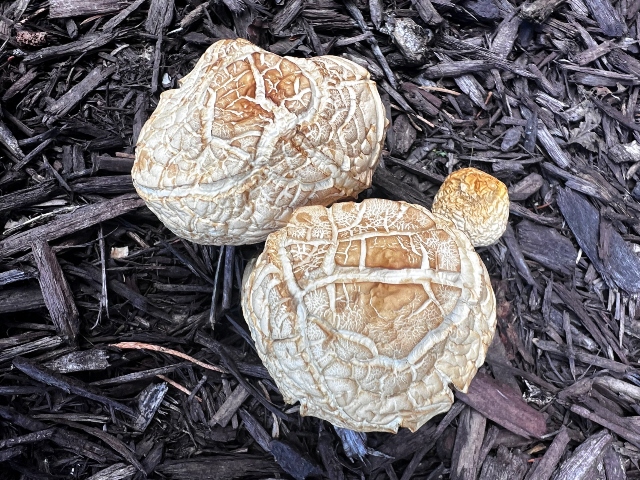
After parking my car in an industrial park, I noticed this distinctive organism growing in the mulch along the edges of the paved parking lot.

02 Bearded Fieldcap_2883

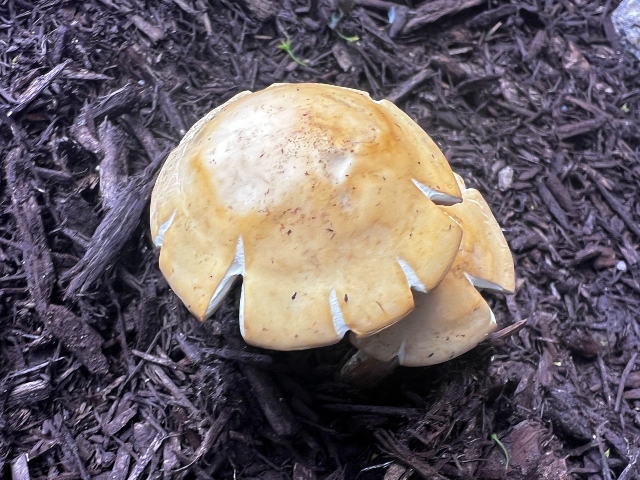
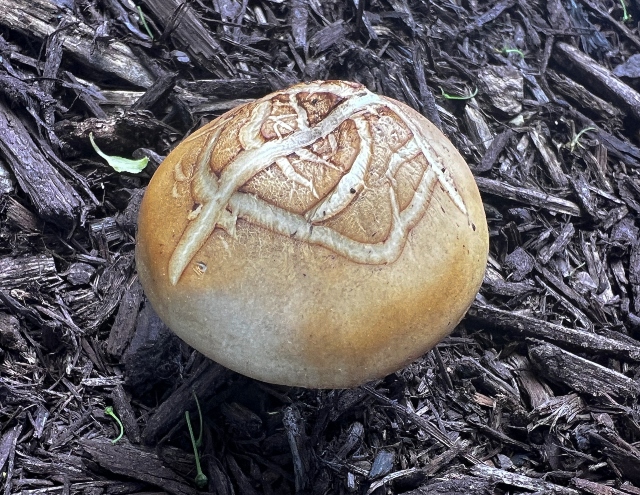
It is commonly known as the Bearded Fieldcap and can be found in a range of environments, such as woodland areas, gardens, and in other grassy environments. It is strikingly white when young and later becomes yellow with age.

03 Bearded Fieldcap_2882

The cap is of a fleshy consistency and cracks distinctly from sun exposure. This mushroom’s caps can look surprisingly different from each other.

04 Bearded Fieldcap_2877

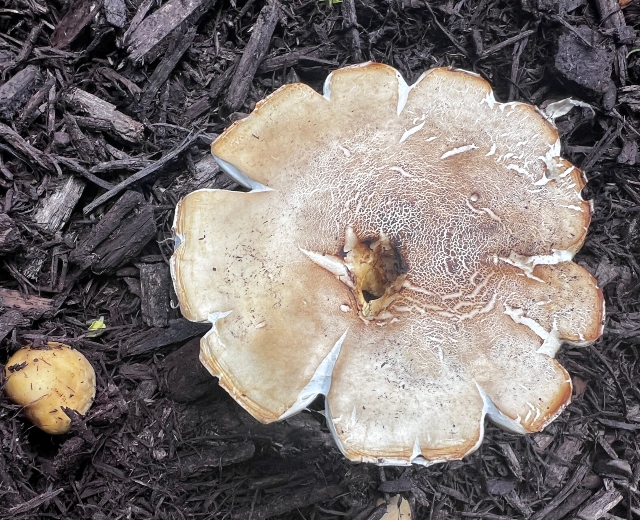
These mushrooms are usually 1 to 3 inches across and grow larger with age. The caps are usually bell-shaped when they’re young, but they eventually morph into becoming almost flat with age. The cap’s edge remains slightly in-rolled, often showing hanging white veil remnants – hence the common “bearded” name.

05 Bearded Fieldcap_2797

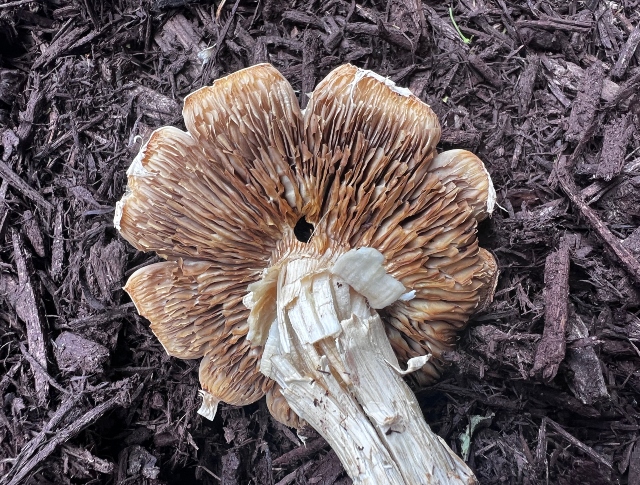
Bearded Fieldcap’s gills begin pale, often whitish or cream, and darken to brown as the spores mature. The gills are crowded with frequent short-gills that sometimes have slightly whitish edges at maturity.

06 Bearded Fieldcap_2796

The species is ecologically important as a decomposer of grassy organic matter and is frequently encountered in manmade landscapes such as parks and lawns.

07 Bearded Fieldcap_2885

Fungi like this secrete special enzymes onto dead plants and animals, dissolving tough materials like lignin and cellulose. This process turns dead waste into simple nutrients like nitrogen, carbon, and phosphorus.

08 Bearded Fieldcap_2876

It was cool to see the interesting lines, shapes and variation in the appearance of this mushroom – each one was like an intricate work of art.

Third Eye Herp
E-mail

Northern Leaf-footed Bug

01 Leaf-footed Bug - Leptoglossus oppositus_6499

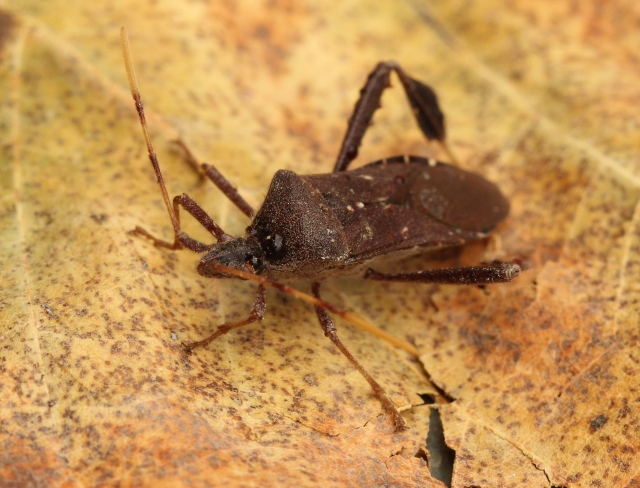
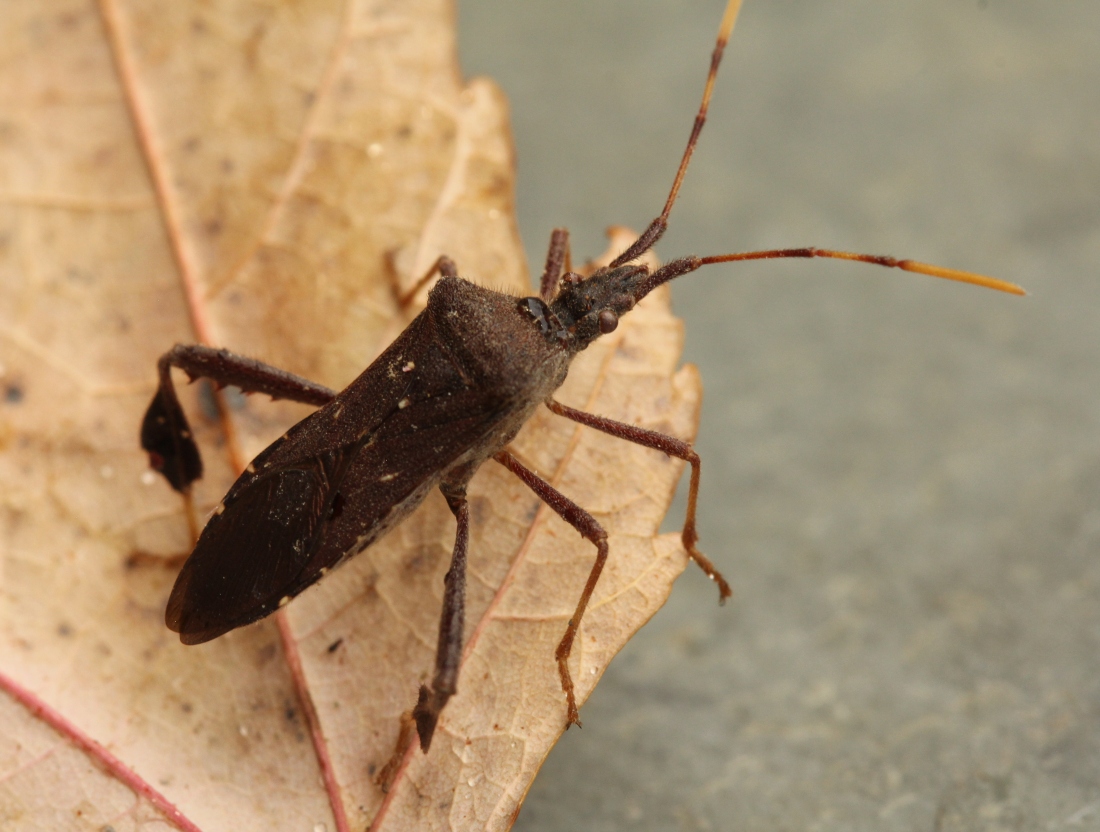
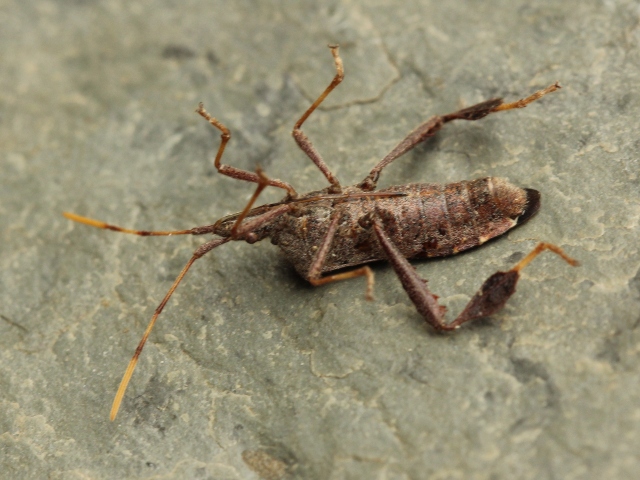
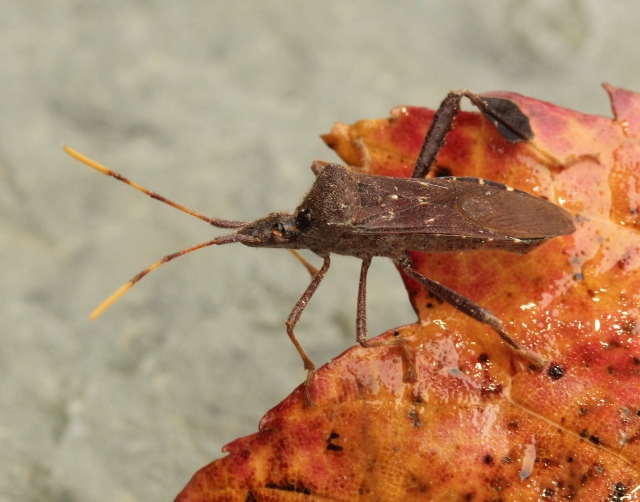
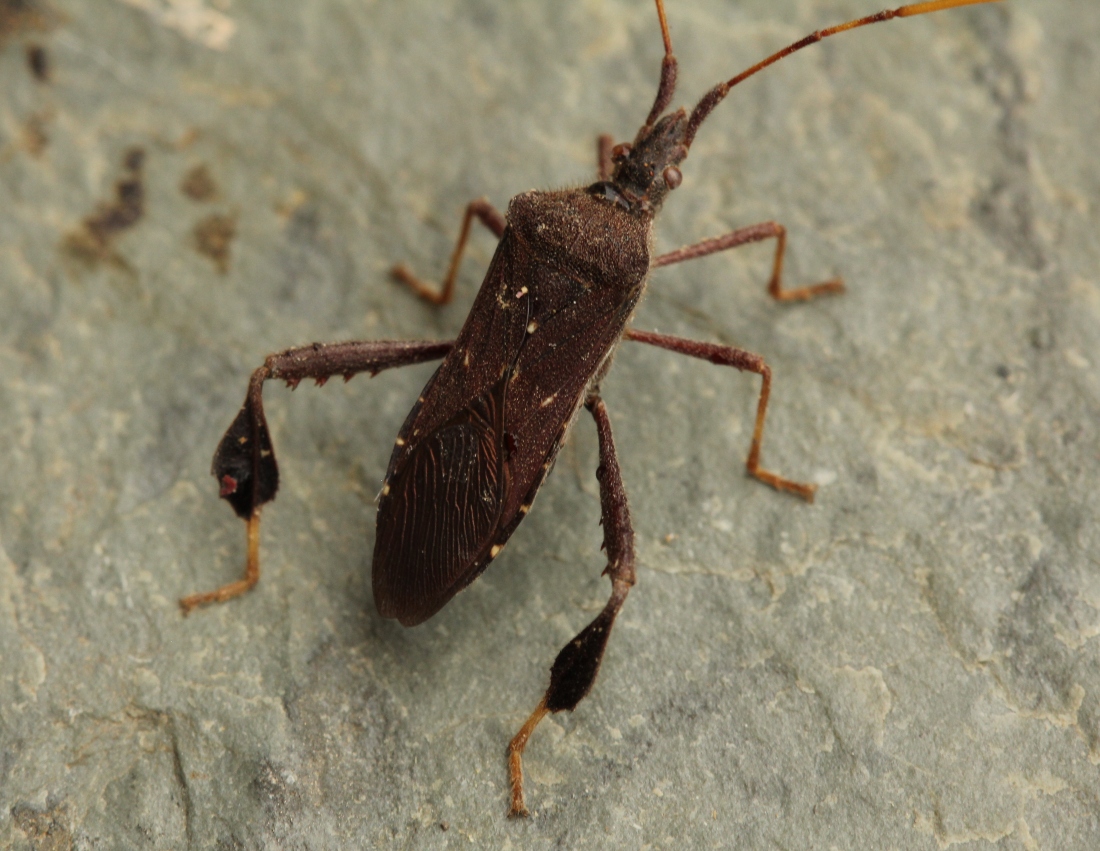
While doing some yard work, I noticed this fine creature near the garage. Although I’ve encountered a few other species of Leaf-footed Bug, this was a new one to me.

02 Leaf-footed Bug - Leptoglossus oppositus_6496

As Summer turns to Fall, many insects with gradual metamorphosis (those with nymphs rather than larvae as juveniles), reach maturity and are more easily seen as the larger adults. This is an example of one of those types of insects.

03 Leaf-footed Bug - Leptoglossus oppositus_6509

This is a species found mostly in the eastern part of the continent as well as south into Central America. Adults are a reddish brown and have a white dot at the center of the wings. Two other white dots further down form a triangular “constellation” on their back.

05 Leaf-footed Bug - Leptoglossus oppositus_6497

The legs of this insect get most of the attention, however, thanks to their peculiar shape. Flat and oblong, the lower leg is edged in a spiky scallop. It has the appearance of a small dry leaf, hence the descriptive common name. The edge of the upper leg is also lined with small serrated “teeth.” These are used to fight with other males over females.

06 Leaf-footed Bug - Leptoglossus oppositus_6513

Leaf-footed Bugs are medium to large sized insects that feed on fruits, vegetables, nuts, and ornamentals. They have piercing-sucking mouthparts that allow them to feed on plant parts, particularly seeds. Like their relatives, the Stink Bugs, Leaf-footed Bugs can release a smelly secretion as a defensive mechanism if threatened.

07 Leaf-footed Bug - Leptoglossus oppositus_6501

Leaf-footed Bugs overwinter as adults, typically in aggregations located in protected areas, such as in woodpiles, barns or other buildings, palm fronds, citrus or juniper trees, under peeling bark, or in tree cracks.

It was neat to come across this cool creature!

Third Eye Herp
E-mail

Sanderling

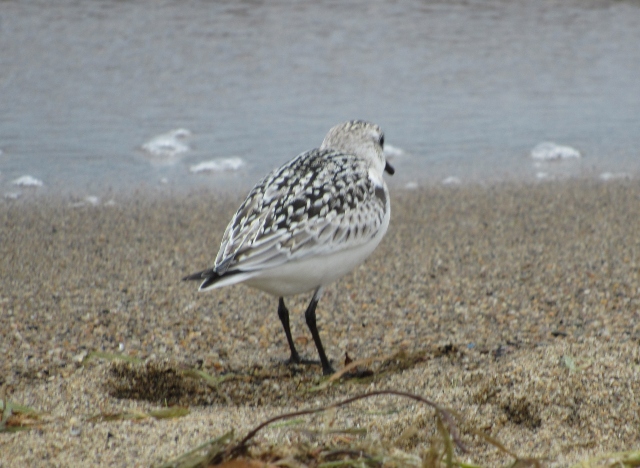
01 Sanderling_5384

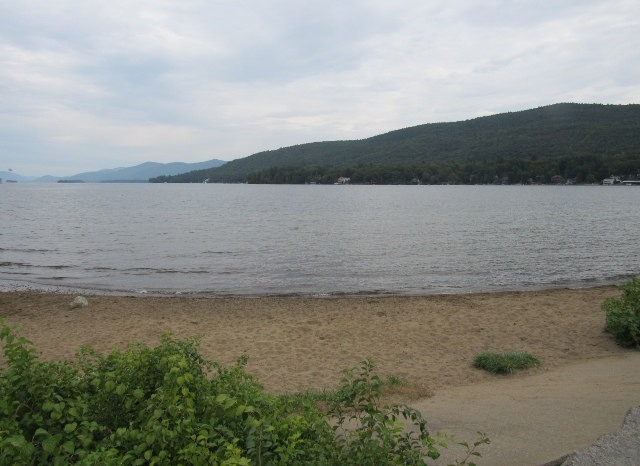
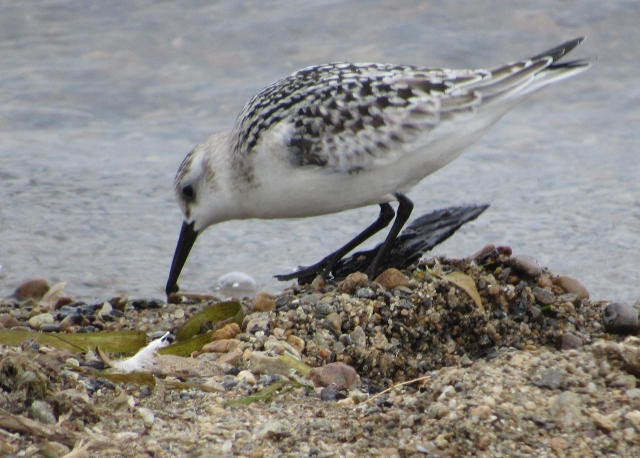
While visiting Lake George in New York, I saw several of these birds along the edges of the shoreline. Sanderlings are small, plump sandpipers with a stout bill that is about the same length as their head. These and other sandpipers in their genus are often called “peeps.” Sanderlings are medium-sized members of this group.

02 Sanderling_5396

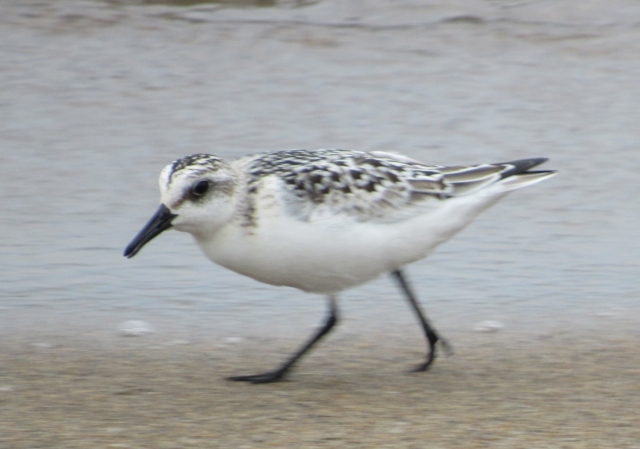
You’ll most often see Sanderlings in nonbreeding plumage, when they are very pale overall: light gray above and white below, with a blackish mark at the shoulder. In Spring and Summer, Sanderlings are spangled black, white, and rich rufous on the head, neck, and back. At all times, their legs and bills are black.

04  Sanderling_5379

Sanderlings breed on the high arctic tundra and migrate south in Fall to become one of the most common birds along beaches. They gather in loose flocks to probe the sand of wave-washed beaches for marine invertebrates, running back and forth in a perpetual “wave chase.”

03 Sanderling_5388

They are among the most extreme northern breeding birds in the world, nesting only on the coldest tundra. They are also long-distance migrants, wintering south to South America, western and southern Europe, Africa, and Australia.

05 Sanderling_5401

Sanderlings have only have three toes on each foot; they are missing the hind toe, which gives them a distinctive running action – a bit like a clockwork toy.

06 Sanderling_5400

It was fun to see this small, sprightly shorebird on my visit to the Big Apple.

Third Eye Herp
E-mail

Sawtooth Sunflower

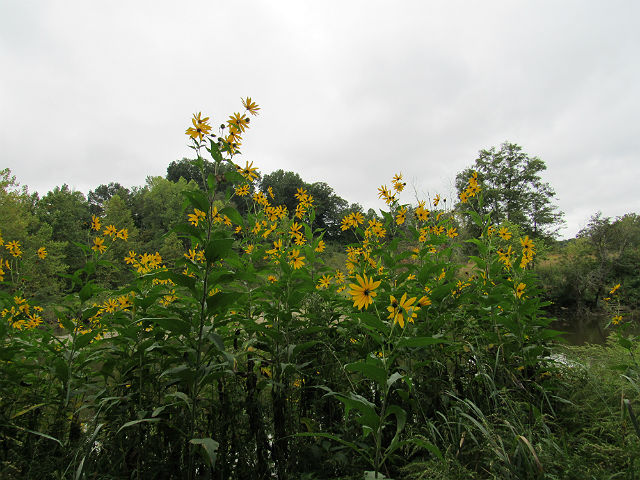
01 Helianthus grosseserratus_8673

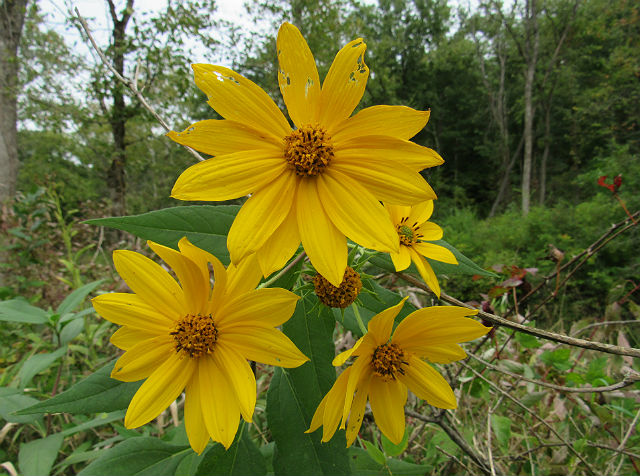
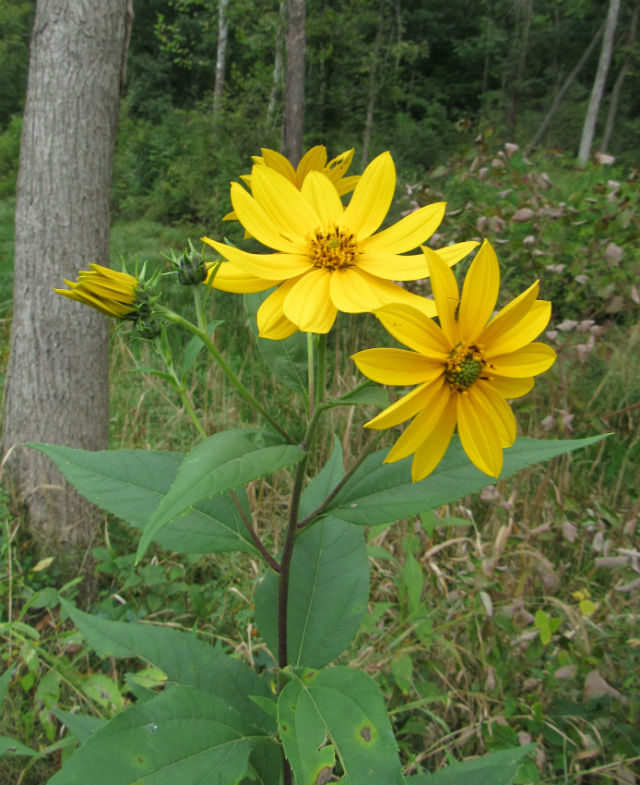
While hiking on the Ohio & Erie Canal Towpath, I often see this plant. It may reach 3 to 7 feet in height and in some instances can grow to 12 feet. It is found along streams, damp prairies and roadsides in the eastern and central parts of Canada and the United States, primarily in the northern Great Plains and Great Lakes Region.

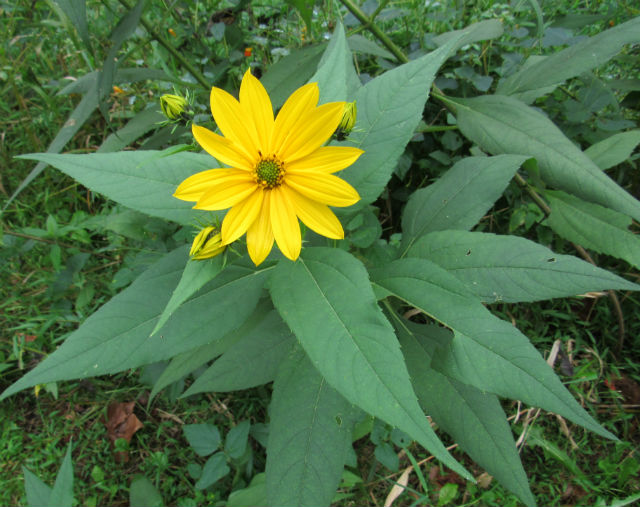
02 Helianthus grosseserratus_8669

Notwithstanding its name, the Sawtooth Sunflower often has leaves that are toothless or only slightly serrated. There is considerable variation in the size of plants across different locations, and the leaves are somewhat variable in their size and shape.

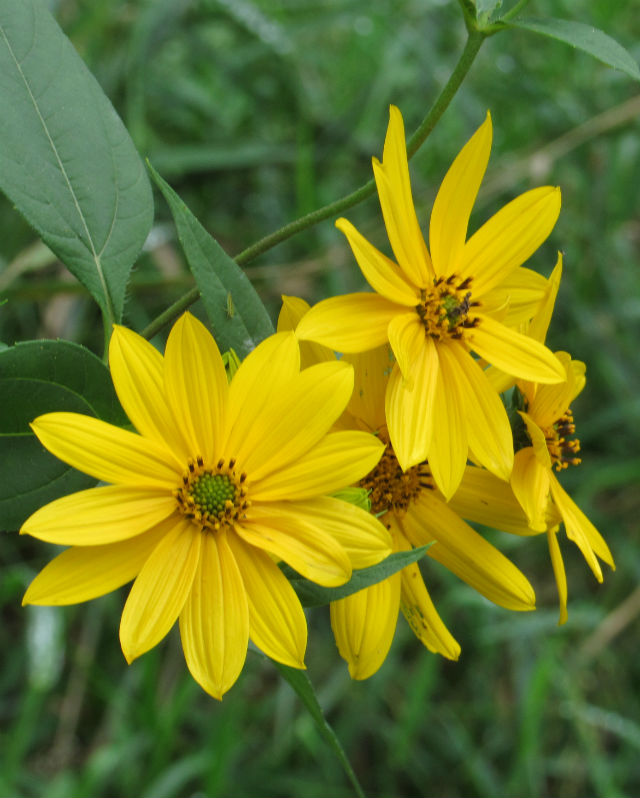
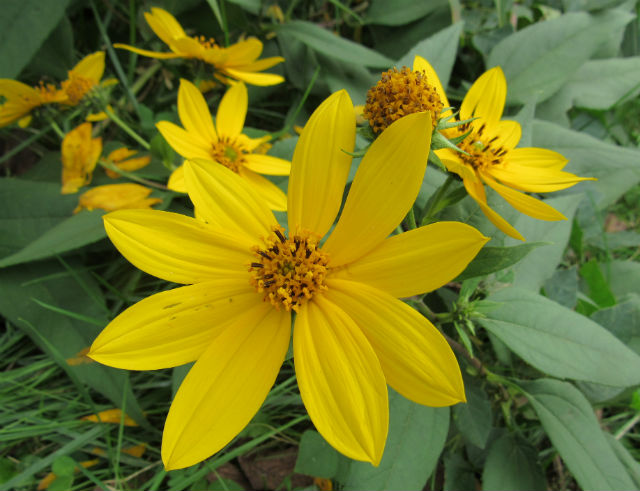
03 Helianthus grosseserratus_8668

The flowerheads are yellow, to 3-1/2 inches across, with 10 to 25 fairly wide ray florets.

04 Helianthus grosseserratus_8970

This sunflower can be distinguished from other types by its smooth reddish stems, which often have a powdery white substance that can rubbed off. The lower stems on large older plants can become slightly woody in appearance and feel.

05 Helianthus grosseserratus_8674

The species’ deep roots improve soil structure and water infiltration, increase drought resilience in plant communities, and its robust flowering displays can enhance pollinator foraging networks, boosting reproductive success of co-flowering native plants.

06 Helianthus grosseserratus_8931

The most common visitors to the Sawtooth Sunflower are bees, especially long-tongued species. Among these are Honeybees, Bumblebees, Cuckoo Bees, Digger Bees, and Leaf-cutting Bees. The seeds of this plant are a favorite food of birds, like Bobwhite Quail, Mourning Dove, Redwing Blackbird, American Goldfinch, several types of Sparrows.

Third Eye Herp
E-mail

Ailanthus Webworm Moth

01 Ailanthus Webworm Moth_4068

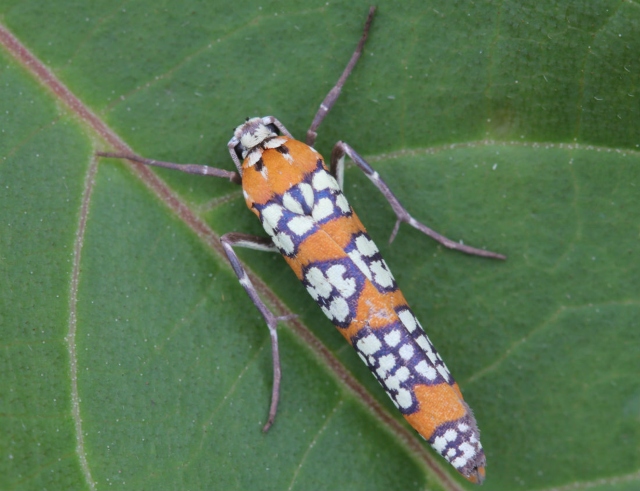
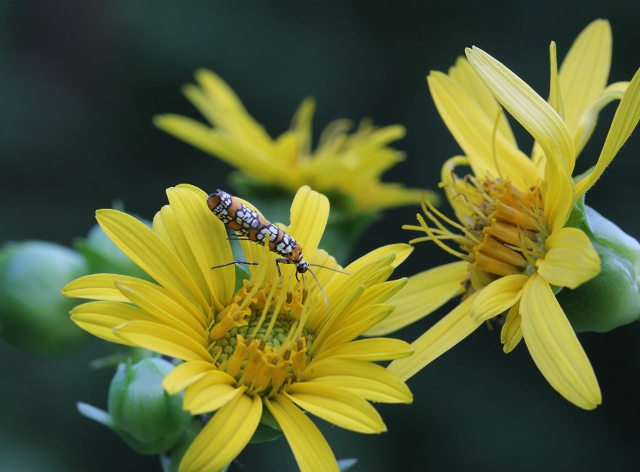
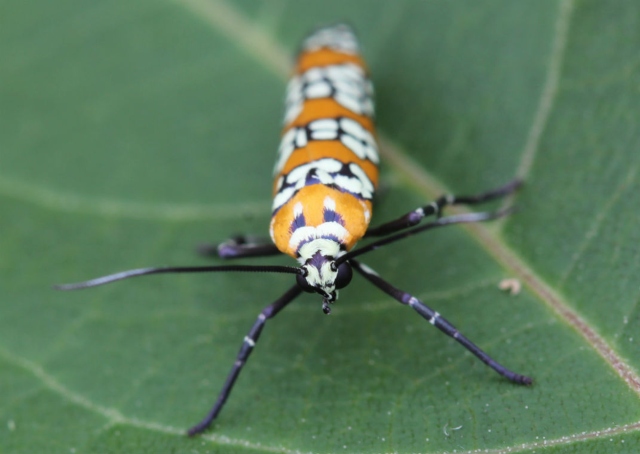
Unlike many brown, nocturnal and nondescript moths, this one is bright, boldly patterned and looks more like a roll of batik fabric than a moth – and it’s out and about during the daytime. The Ailanthus Webworm Moth only reaches about half an inch in length. Its bright colors advertise that it is distasteful to eat.

02 Ailanthus Webworm Moth_0568

This insect’s range extends from southern Florida south to about Costa Rica; this region is where native Ailanthus Trees grow and they are the moth’s caterpillar’s host plants, where the caterpillars live communally in webs. When people introduced Ailanthus Trees to North America, they spread invasively – this insect soon had a suitable host plant occurring far north of where it lived before.
03 ailanthus moth 040

Adult moths drink nectar from a variety of flowers, often in open habitats, usually during the day. Ailanthus Webworm Moths in all life stages cannot survive cold Winters, so when it freezes, northern populations are wiped out. But each Spring, the moths start expanding their range northward again, starting from warm southern regions.

04 Ailanthus Webworm Moth_0570

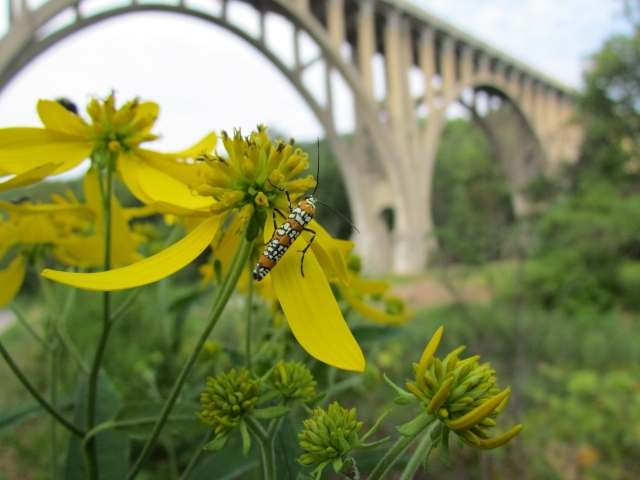
It’s always neat to come across one of these cool creatures when out hiking. I often see them in Cuyahoga Valley National Park, like these examples seen under the Route 82 Bridge.

Third Eye Herp
E-mail

Horse Mushroom

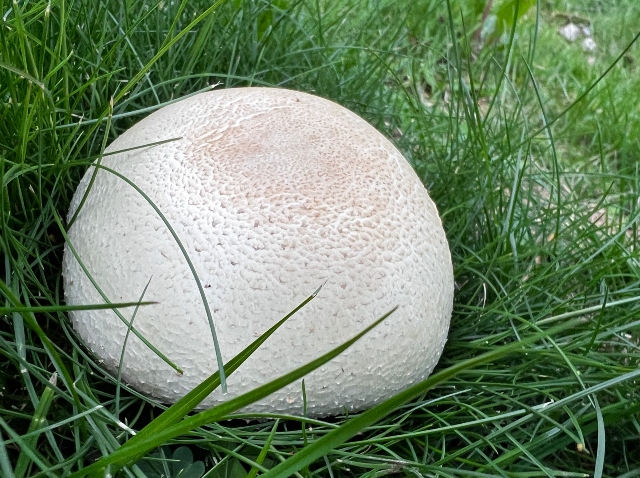
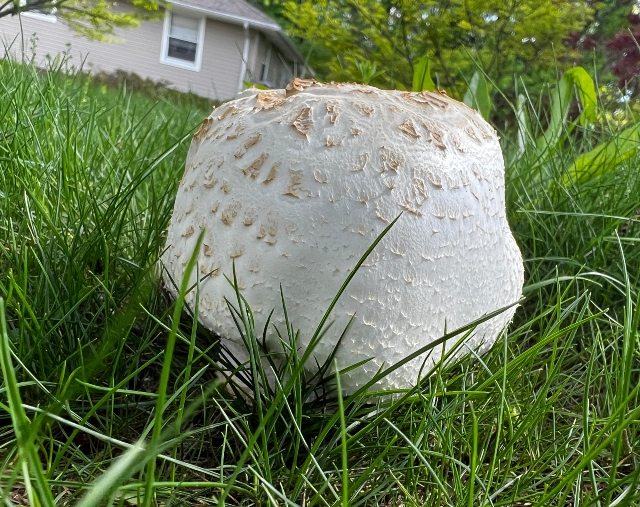
01 Horse Mushroom_6424

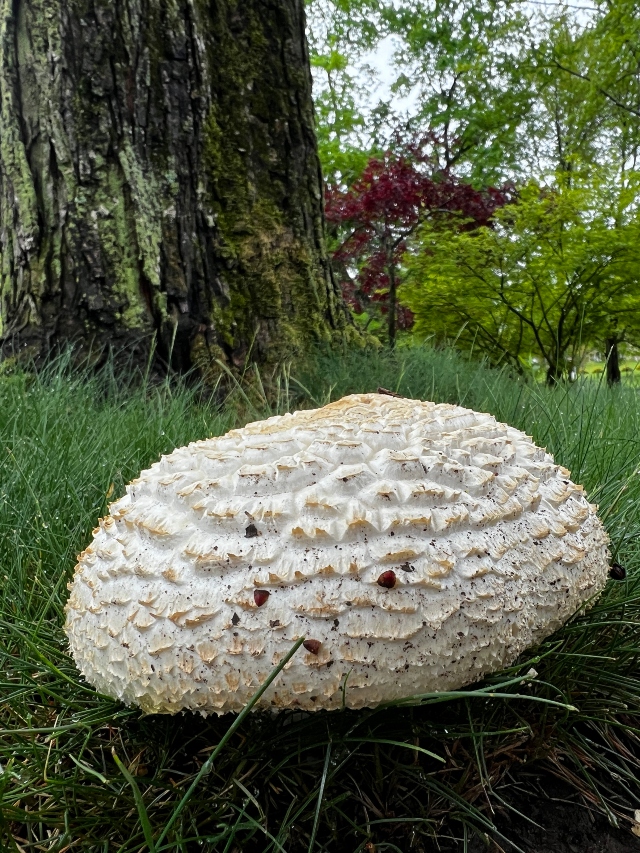
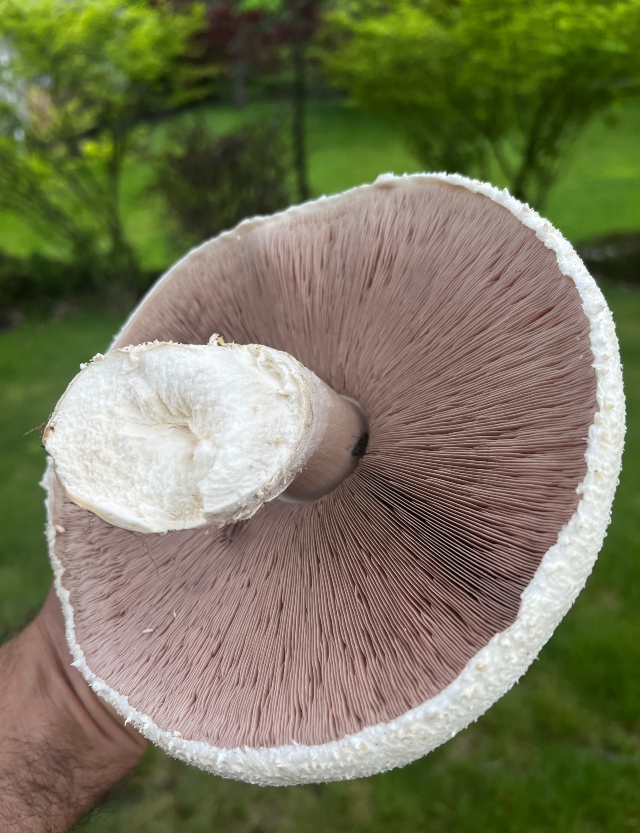
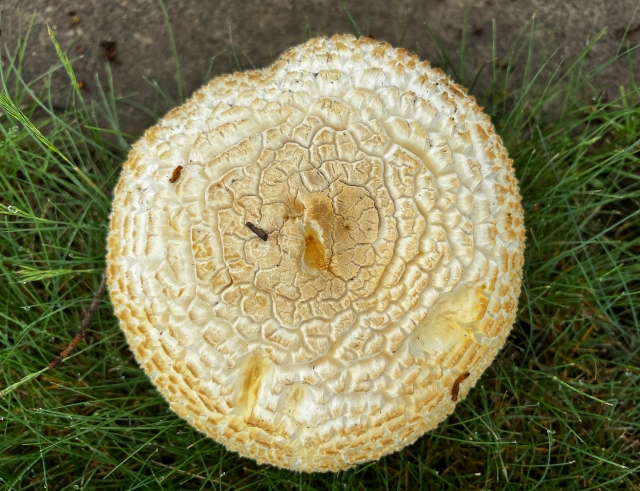
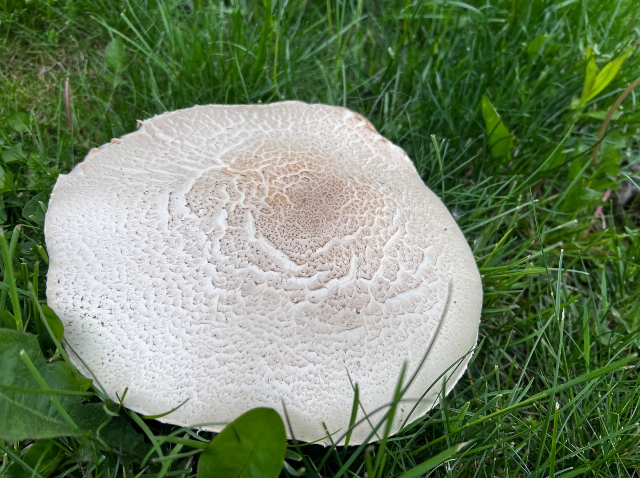
When walking out the front door of my house, I noticed this conspicuous organism. This large mushroom can be found in Britain, Iran, Ireland, North America, Australia, and New Zealand. It appears from Summer to Fall, more specifically July to November. It is called the Horse Mushroom, because it frequently appears near stables, loving the manure-rich soil.

02 Horse Mushroom_2912

Often seen on lawns and fruiting during rainy weather, it can be larger than most other mushroom species found on lawns. The gills of Horse Mushroom start out pale pink and darken to chocolate brown as the spores mature. When cut or broken, the mushroom has a pleasant, anise-like odor which is a distinctive trait for foragers and mushroom enthusiasts trying to distinguish it from poisonous lookalikes.
03 Horse Mushroom_6444

This mushroom typically grows solitary or in small clusters and may form fairy rings (circular arrangements of mushrooms resulting from the progressive colonization of a central underground mycelial network) over time under the right conditions.

04 Horse Mushroom_6454

Horse Mushroom is a saprobic fungus, playing a critical role in decomposing organic material in rich soils. It tends to emerge from the ground with a partially closed cap that gradually expands.

05 Horse Mushroom_6431

It is seldom observed in forests or overly shaded environments, as it strongly prefers open and sunlit areas with abundant grass or organic detritus. Human-modified environments like sports fields, parks, and suburban lawns can also provide suitable habitats, especially where soil composition is favorable and not heavily treated with chemicals.

06 Horse Mushroom_2911

This fungus is highly regarded among edible wild mushrooms thanks to its large size (up to one foot in diameter for the shell cap), digestibility, and culinary flexibility. Its morphology closely resembles cultivated button mushrooms, but it offers a more potent flavor profile and distinct aroma, particularly when freshly harvested from nutrient-rich grasslands.

Third Eye Herp
E-mail