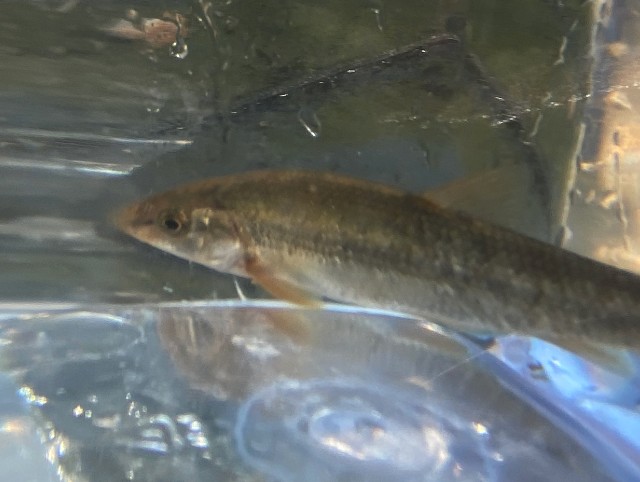
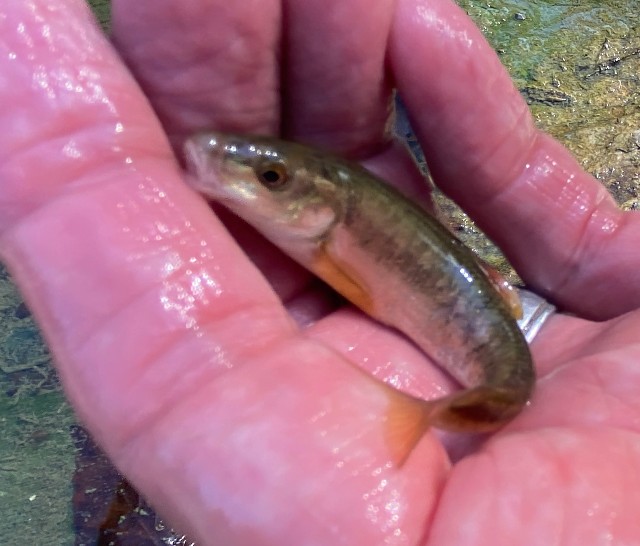
Smoothhead Sculpin

01 IMG_3115

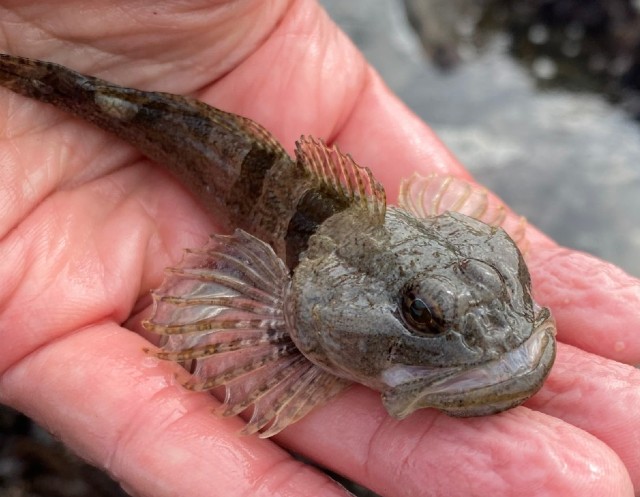
We found this cool creature while tidepooling in California. One thing that is noticeable about these particular sculpins is their massive heads, especially when compared to their tidepool peers.
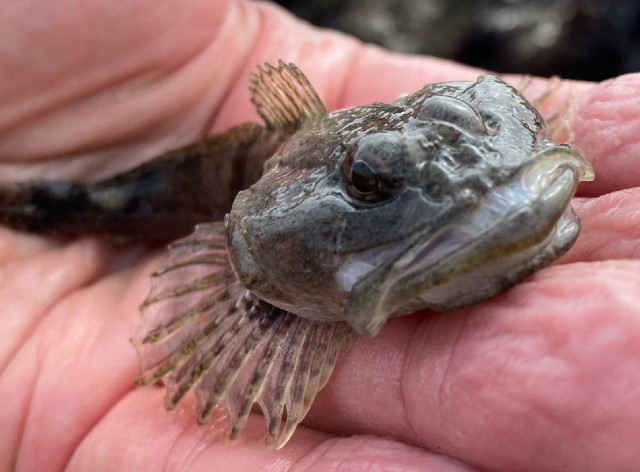
02 Smoothhead Sculpin_2407

This is a common small fish in pools in the intertidal zone of rocky coasts, flitting from one hiding place to another. It shows great homing ability, returning each time the tide recedes to the pool in which it has taken up residence.
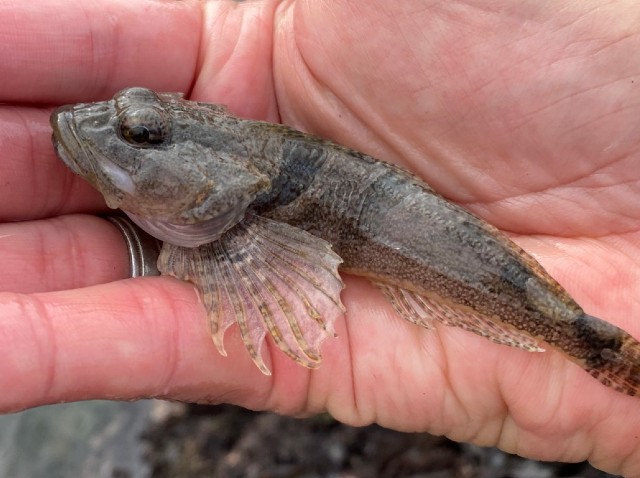
03 Smoothead Sculpin_2404

The Smoothhead Sculpin is a predator, feeding on small invertebrates such as isopods, amphipods, gastropod mollusks, worms and barnacles – as well as insects that happen to fall into the water.
04 Smoothead Sculpin_2405

When the seas are rough, it moves closer the shore. It can leave the water and breathe air, exchanging both oxygen and carbon dioxide, while hiding in a damp spot. This was an awesome Golden State find.
Third Eye Herp
E-mail

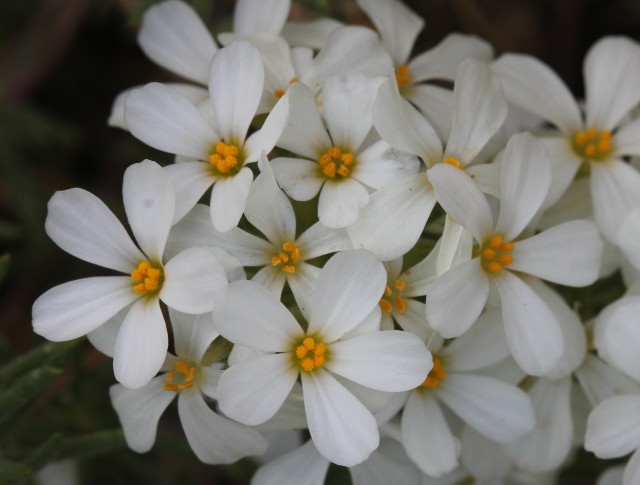
Nuttall’s Linanthus

01 Nuttall's Linanthus_1646

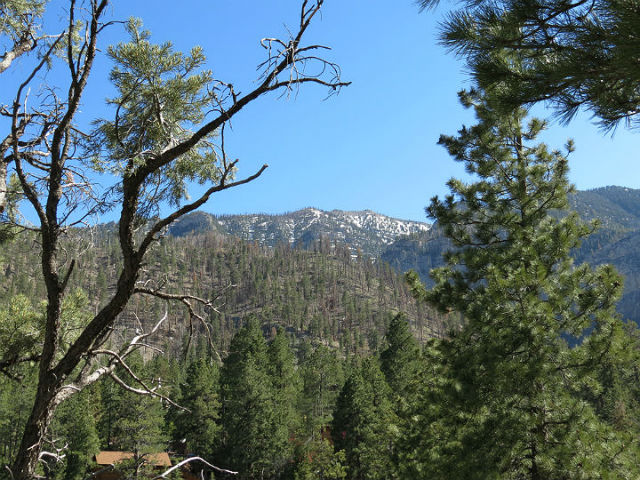
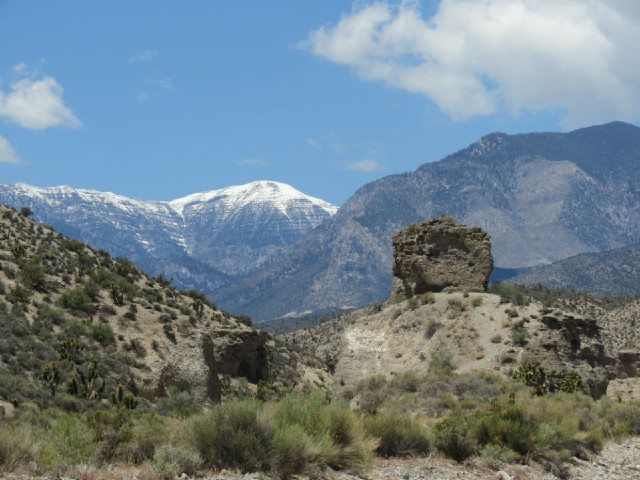
While hiking on Mount Charleston in southern Nevada, I noticed the small flowering plant growing close to the ground.
02 Nuttall's Linanthus 050

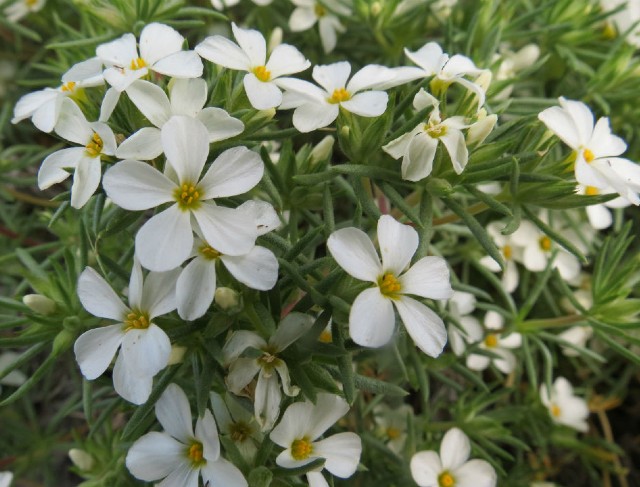
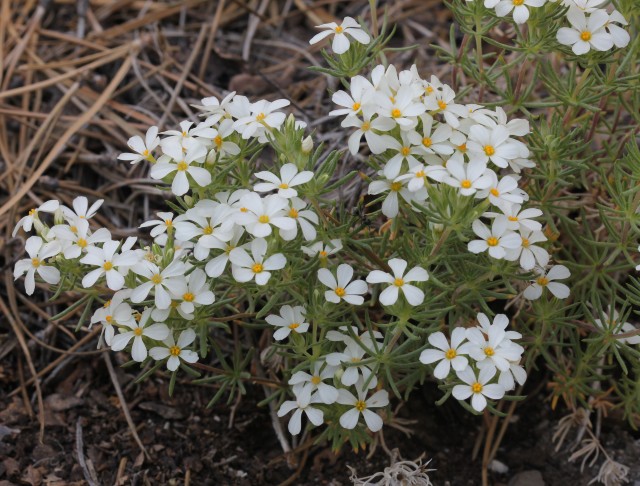
This member of the Phlox Family is a sweetly aromatic, clump-forming perennial with a round mound of stems clad with a distinctive whorled foliage.

03 Nuttall's Linanthus 052

Native to much of the southwestern United States, it lives on dry, open or lightly wooded, often rocky slopes from the foothills to well up into the mountains.

04 Nuttall's Linanthus_1738

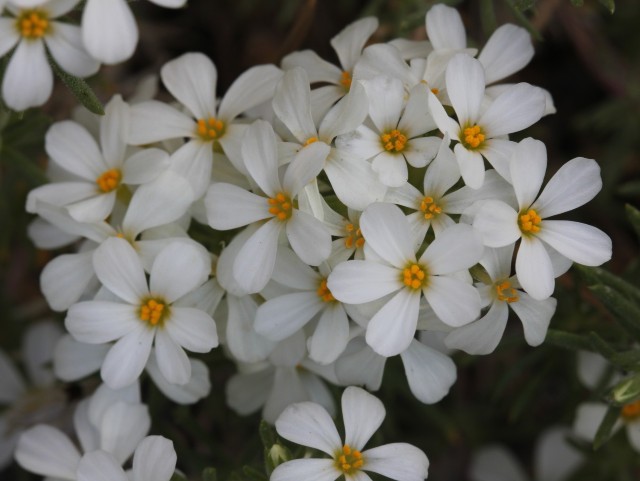
Nuttall’s Linanthus’ flowers are very similar to many other members of the Phlox Family. They are white or pale cream in color, about half an inch across and have five unnotched petals, centered on a yellow tube.

05 Nuttall's Linanthus 053

This species was named in 1870 from a specimen collected by famed botanist and Harvard teacher, Thomas Nuttall.

Third Eye Herp
E-mail

Western Coachwhip

01 Western Coachwhip_1127

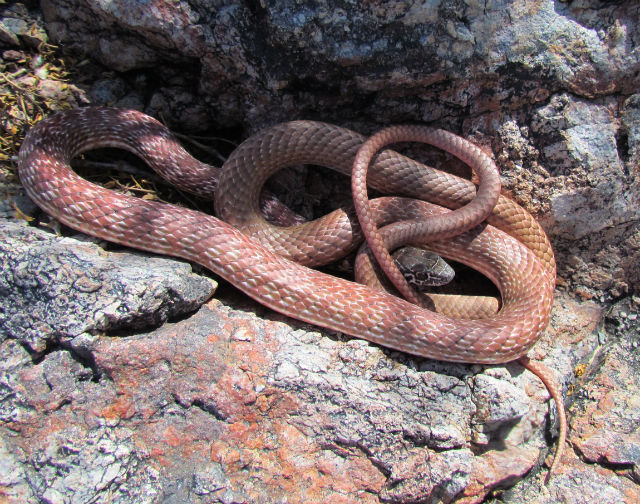
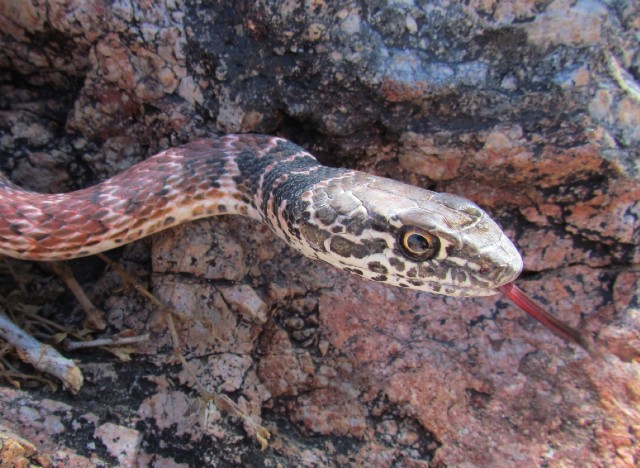
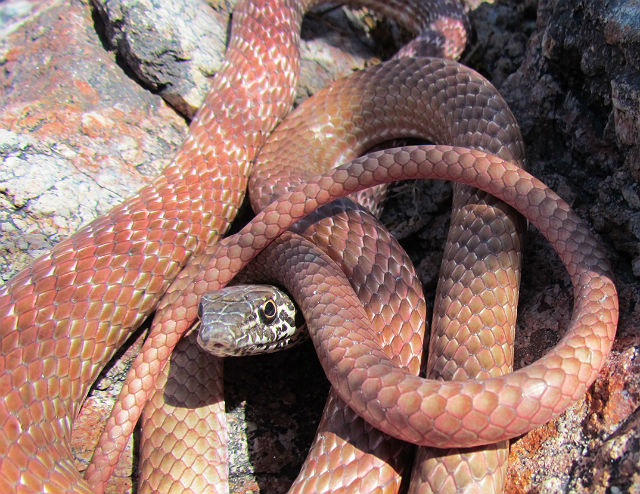
This is a classic American serpent of the southwestern deserts. It is active in the daytime, extremely alert and very speedy. I’ve come across it a few times on my visits to the Mojave Desert.

02 Western Coachwhip_0589

Western Coachwhips actively hunt and eat lizards, small birds and rodents, subduing their prey by grasping it and holding it down with their jaws, rather than using constriction.

03 Western Coachwhip_0580

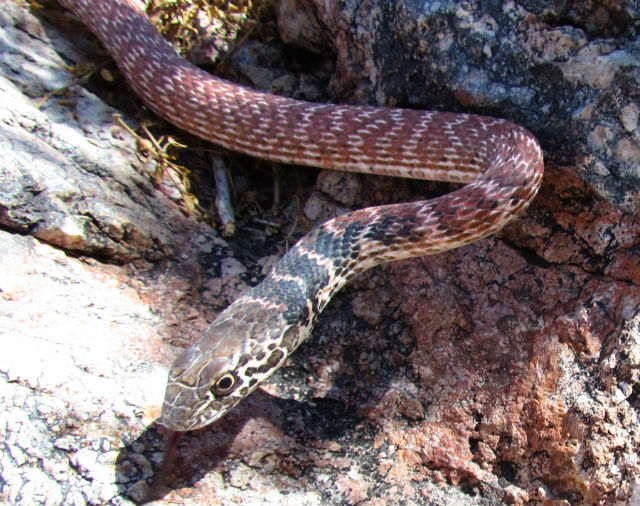
They are curious reptiles with excellent eyesight and are known to “periscope,” which is to raise their heads above the level of the grass or rocks to see what is around them. They are often seen foraging in the hottest hours of a summer day.

04 Western Coachwhip_0591

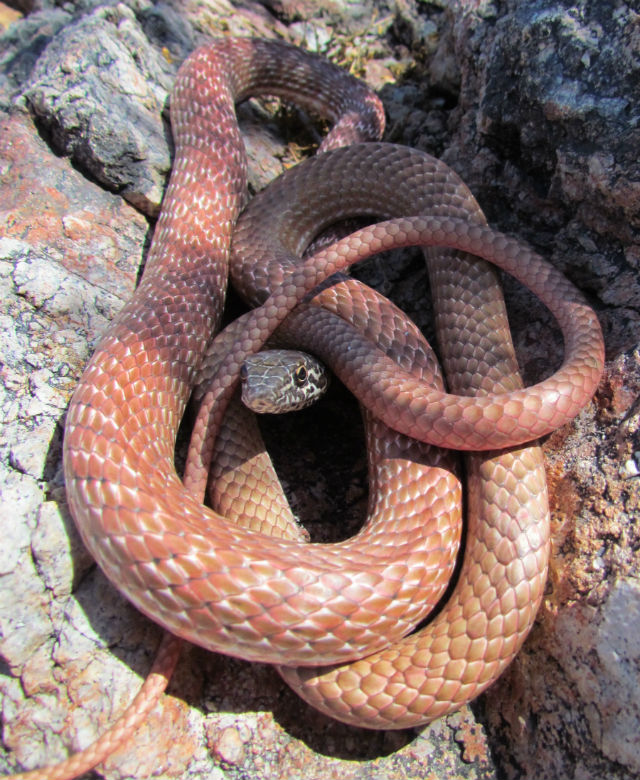
A mature Western Coachwhip may measure three to eight feet in length, though they average about four feet. They are a slender-bodied snake with a long and thinly tapered tail.

05 Western Coachwhip_0571

This reptile has a range as to what it looks like in physical appearance; its dominant color often blends in with the soil color of its habitat, helping to camouflage the snake. The common name “Coachwhip” comes from these snakes often having a black head and neck, resembling a whip handle and large scales resembling a braided whip.

06 Western Coachwhip_0588

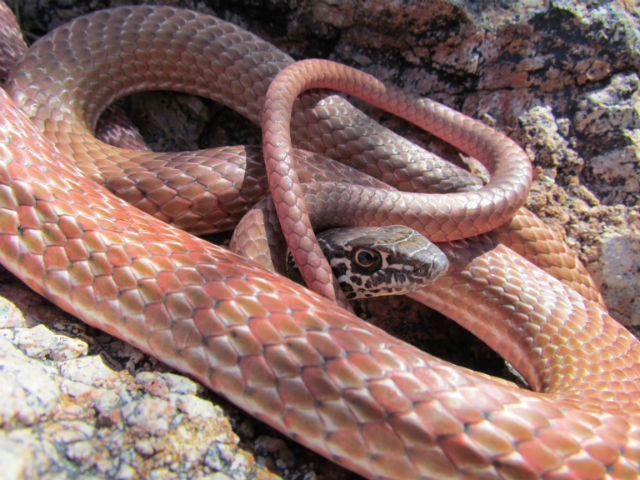
For habitat, the Western Coachwhip prefers relatively open territory, such as sand dunes, prairielands, desert scrub, rocky hillsides and open pine and oak woodlands.

07 Western Coachwhip_0590

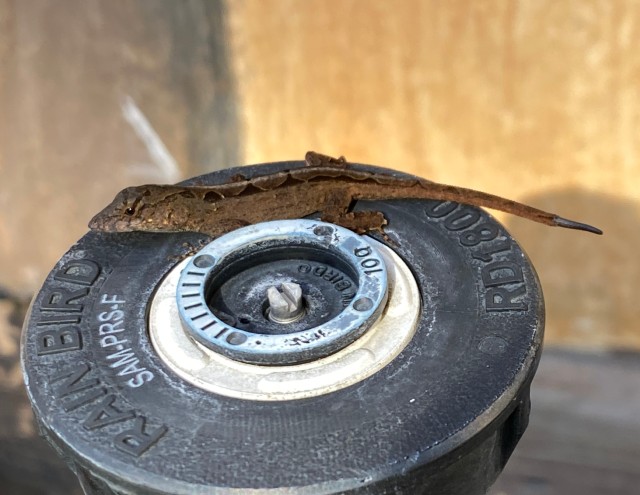
The coachwhip is one of the longest native snakes found in North America. Out west it is also known as the “Red Racer” and it is a thrilling herp to encounter in the field.
Third Eye Herp
E-mail

Nevada Admiral

01 Nevada Admiral_3333

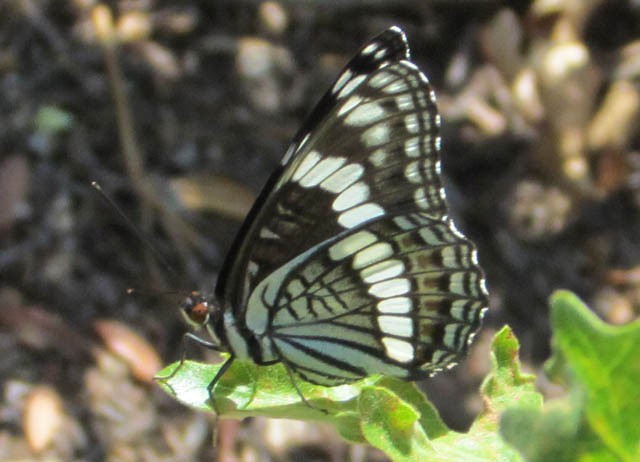
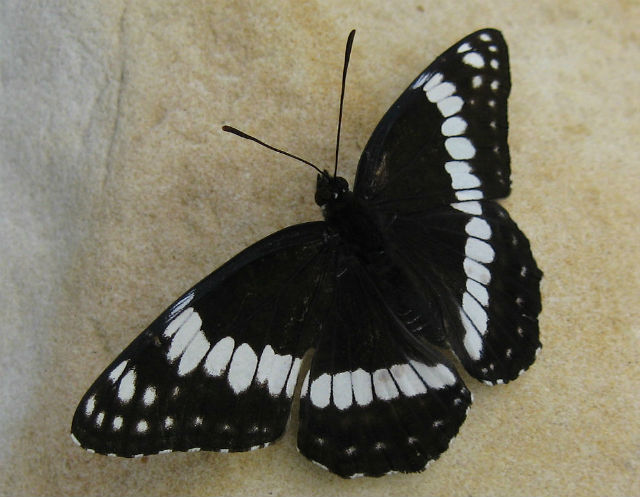
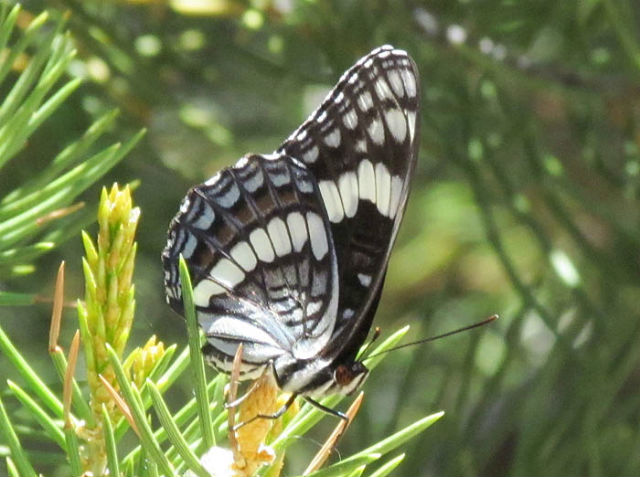
This cool creature has a very limited range and I’ve only been lucky enough to encounter it a few times. The Nevada Admiral occurs only in the Spring Mountains in southern Nevada.
04 Nevada Admiral_8261

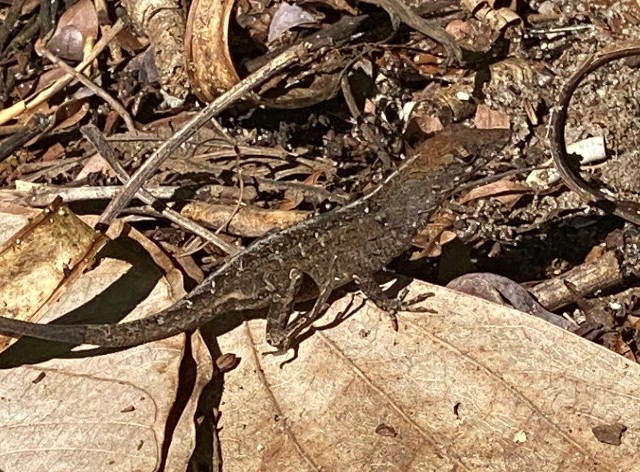
This insect belongs to a large family known as the Brushfooted Butterflies, which are distinguished by their reduced brush-like forelegs that are curled up and not functional for walking. It’s bold black and white pattern make for a distinctive “look,” with white bands replacing the orange bands of the Red Admiral found in my home state of Ohio.

03 Nevada Admiral 321

The Nevada Admiral’s habitat is deciduous forests, streamsides in coniferous forests, aspen groves, as well as small towns and suburbs. Like the Red Admiral, male Nevada Admirals often perch in a specific spot, waiting for females to come into their territory and chasing out other males.

02 Nevada Admiral

Adults feed on tree sap, carrion and flower nectar, while their larva consume mostly aspen, cottonwood and willow leaves. It was neat to see these strikingly marked inhabitants on Mount Charleston when I visited the Silver State.

Third Eye Herp
E-mail

White-tailed Antelope Squirrel

01 White-tailed Antelope Squirrel 0050

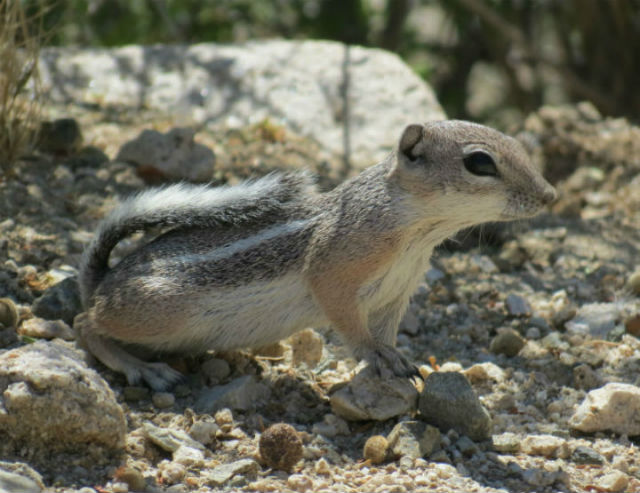
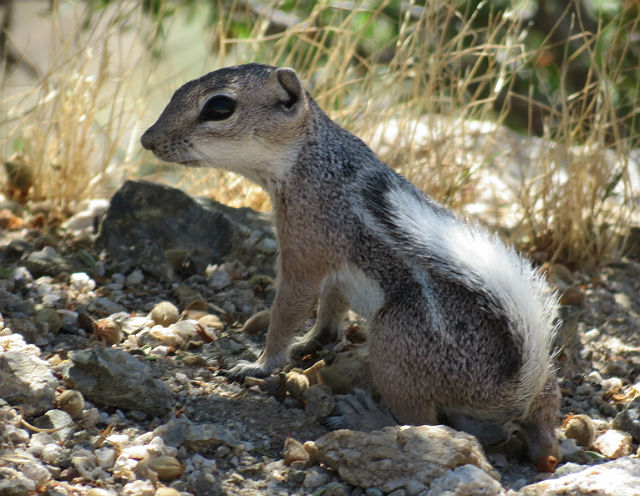
This is a fun mammal to observe on my visits to the Las Vegas Area. The White-tailed Antelope Squirrel is commonly seen in arid habitats throughout the southwestern United States.

02 White-tailed Antelope Squirrel_1456

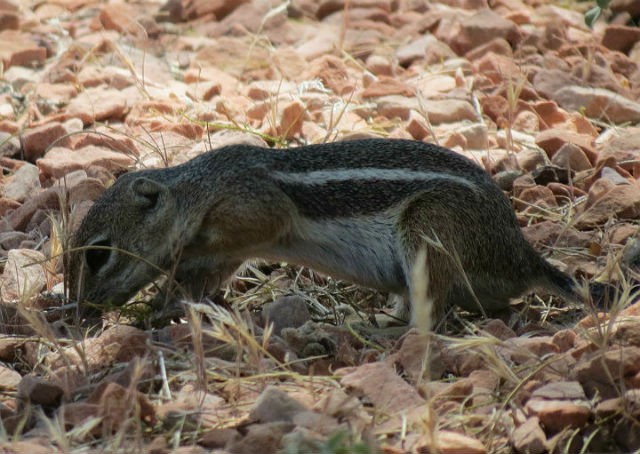
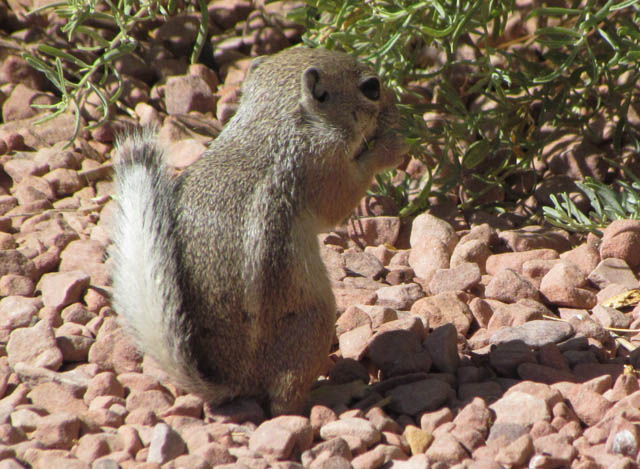
This is a species of ground squirrel. It has a brown-to-gray fur with two white stripes running from the shoulder to the hind end. Its belly and underside of the tail is white and there is a black stripe on the tail.

03 White-tailed Antelope Squirrel_5249

White-tailed Antelope Squirrels tend to be active during the cooler parts of the daylight hours, avoiding midday as much as possible. They forage for food on the ground, in trees or shrubs. During foraging, they may stop for a break in the shade to avoid heat from the sun.

04 White-tailed Antelope Squirrel_1453

These animals will use burrows of other rodents, such as kangaroo rats, for shelter and will make numerous burrows of their own. Common habitats include desert succulent shrub, riparian and wash areas. They also occur in chaparral and grassland.

05 White-tailed Antelope Squirrel_8397

Different food sources are consumed at different parts of the year. During the Spring, greens are widely available, so they constitute the bulk of their diet (about 60%). In the Autumn, when greens are scarce, seeds and fruits comprise most of their diet. Insects are consumed when they are encountered.

06 White-tailed Antelope Squirrel_1455

White-tailed Antelope Squirrels have been known to sound shrill alarm calls when predators are nearby to warn their relatives of incoming danger.

Third Eye Herp
E-mail

Western Whiptail

01 Western Whiptail 029

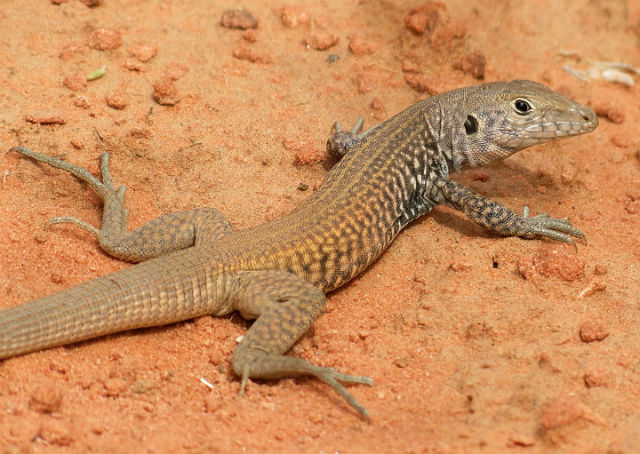
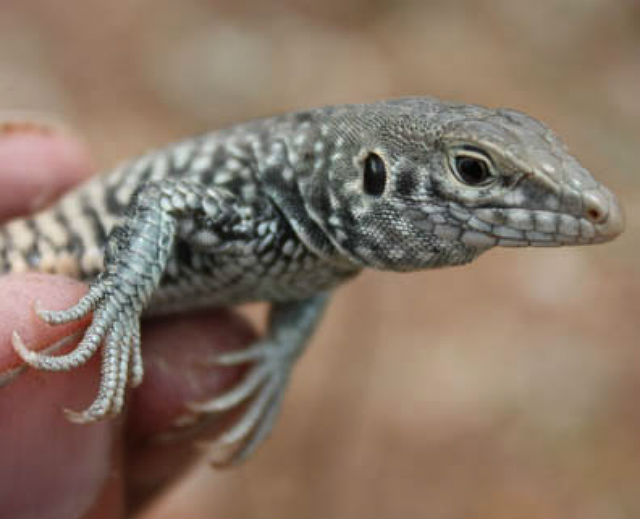
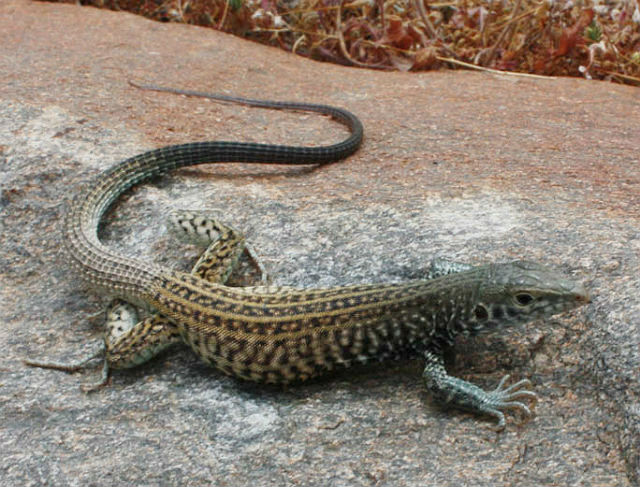
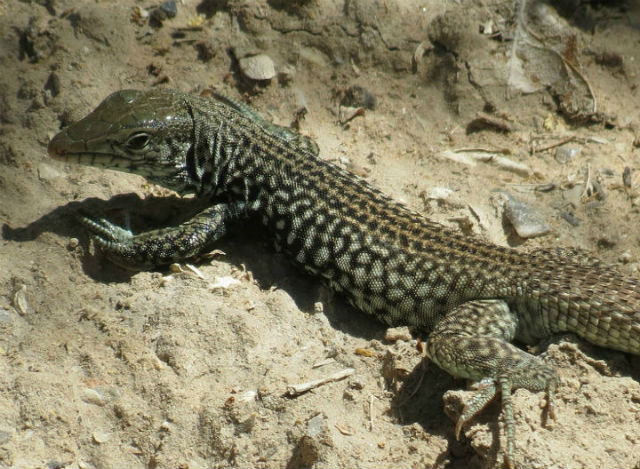
This is a classic desert species of lizard that ranges throughout most of the southwestern United States and northern Mexico. It has been one of the most commonly encountered reptiles on my visits to the Mojave Desert, but it can often be just a blur as it races across the desert floor.

02 Western Whiptail_5262

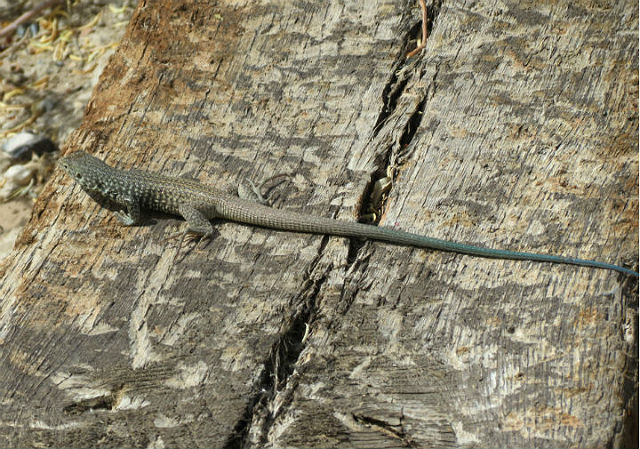
It is in the family of lizards Teiidae, which also includes Tegus and Racerunners. Western Whiptails have long, slender bodies, with small, grainy scales on their backs and larger rectangular scales on their bellies. They can grow to a foot in total length, but two-thirds of that length is their tail.

03 Western Whiptail_4686

The Western Whiptail actively forages on the ground often near the base of vegetation and hunts a wide variety of ground-dwelling invertebrates, including grasshoppers, beetles, ants, termites, insect larvae and spiders. They flick out their tongues and often probe cracks and crevices and dig in loose soil as they search for food.

04 Western Whiptail 1

This lizard occurs in a variety of habitats including valley foothills, chaparral, desert riparian areas, desert scrub, desert washes and grasslands. I usually see then in flat, open areas and in some instances they make their home in areas cleared by man.

05 Western Whiptail 2

These reptiles are capable of running very fast and when pursued, escape into their underground burrows. They have the ability of autotomizing (dropping) their tails as a method of evading of predation attempts.

06 Western Whiptail_1591

Western Whiptails are fun lizards to experience in the wild. If you stay a few yards away from them, they will go about their lives, moving almost constantly, while searching for food.

Third Eye Herp
E-mail

White Ibis

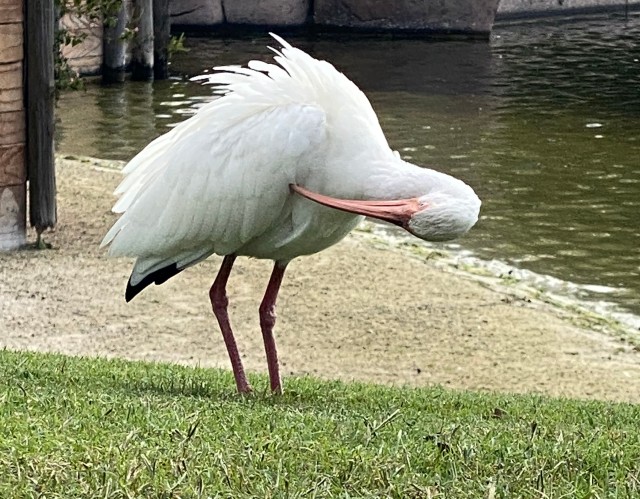
01 White Ibis_5167

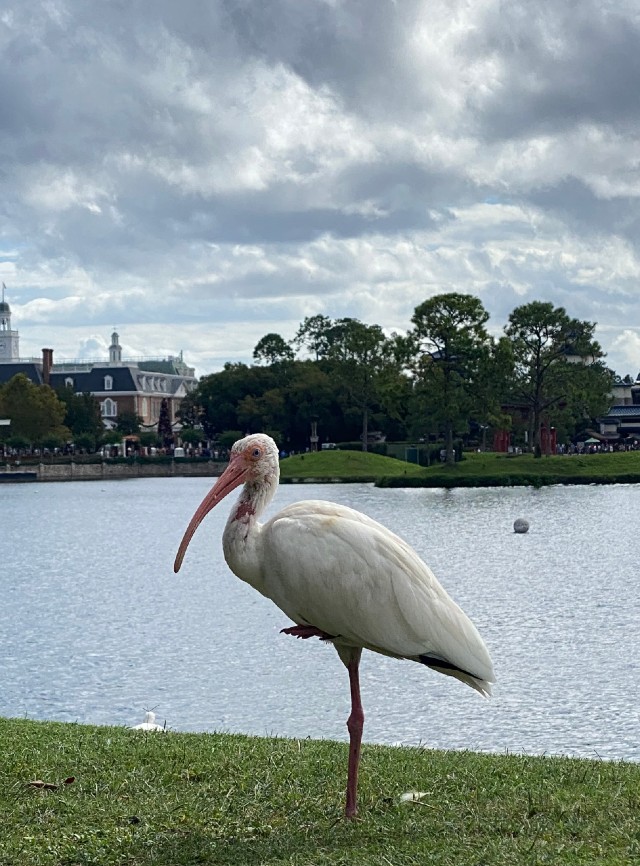
While visiting Disney World in November, I saw a fair number of these rather conspicuous birds. They are about two feet tall and have a wingspan of about three feet. They are entirely white, except for their black-edged wings, which may not be noticeable when they are at rest, but is easily seen when the bird is in flight.

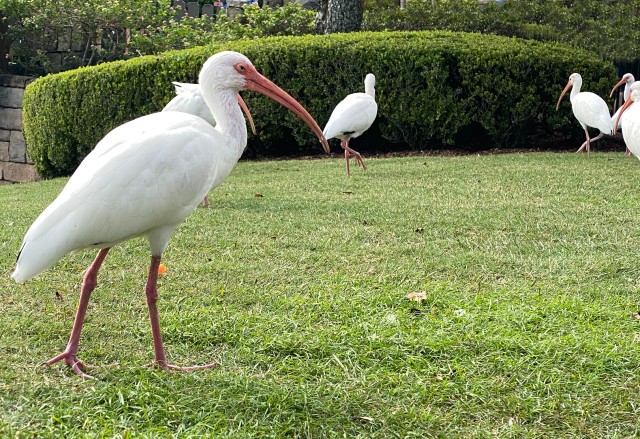
02 White Ibis_5172

The White Ibis is of the most numerous wading birds in Florida and is common elsewhere in the southeast. It is highly sociable during all seasons, roosting and feeding in flocks and nesting in large colonies. In Florida, over 30,000 have been counted in a single breeding colony.

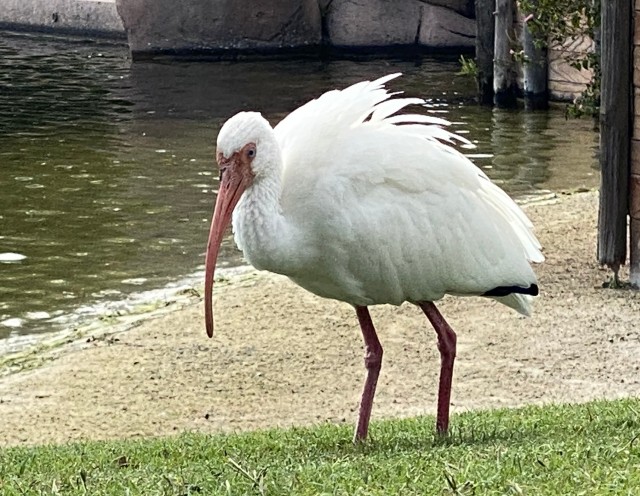
03 White Ibis_5170

This bird forages by walking slowly in shallow water and its sweeping bill from side to side and probing at bottom. It also forages on land, especially on mud or in short grass. Its diet is quite variable, but crayfish and crabs are its major food items. It swallows its prey whole. The parents feed their offspring by regurgitating food from their stomachs.

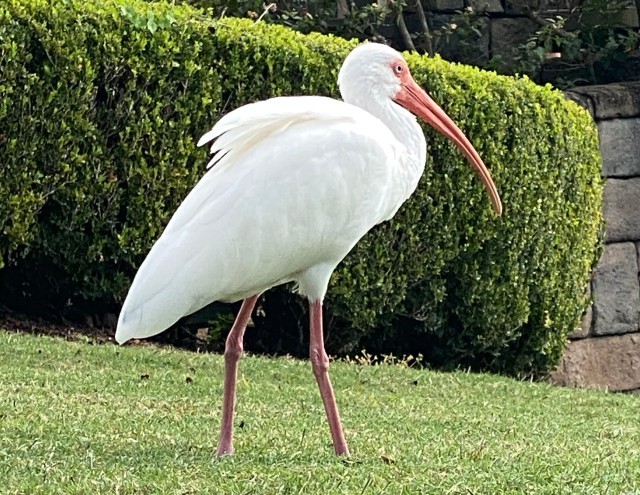
04 White Ibis_5171

The White Ibis lives in a variety of coastal freshwater, saltwater and brackish marshes, rice fields, mudflats, mangrove swamps and lagoons. The birds build their nests in low trees and thickets, from two to 15 feet off the ground. Both male and female cooperate in building the nest, which is usually a platform of sticks, grass or reeds.

05 White Ibis_5173

A recent cover story in Audubon magazine indicates that these birds are adaptable and “street smart.” The opportunistic creatures are moving into suburban neighborhoods, looking for (and finding) worms and other food in parks, irrigated lawns of subdivisions and golf courses.

Third Eye Herp
E-mail

Brown Anole

01 Brown Anole_5105

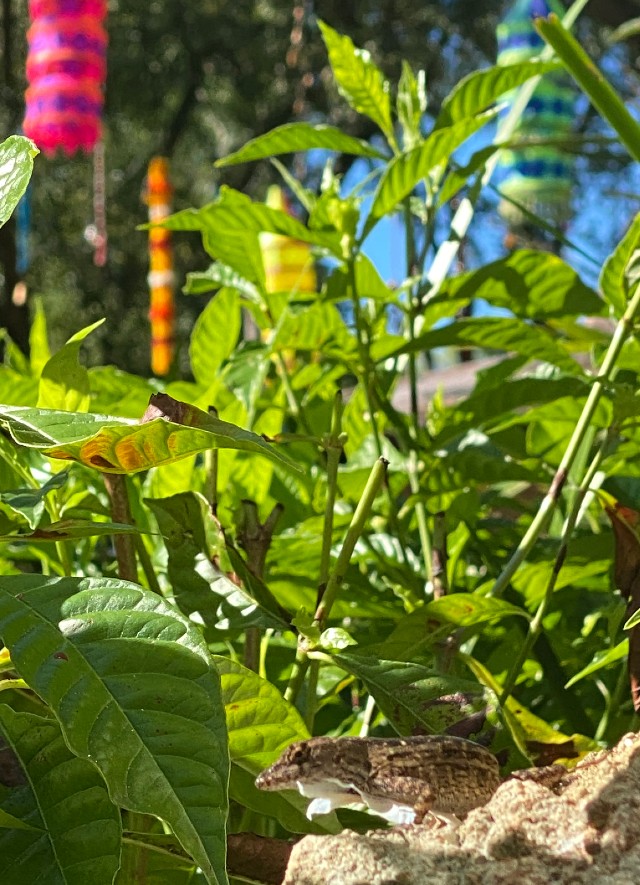
While visiting Disney Parks in Orlando, I’d occasionally notice these small reptiles, usually hanging out near vegetation. These lizards feed on small arthropods such as crickets, moths, ants, grasshoppers, cockroaches, beetles, flies, butterflies and spiders.

02 Brown Anole_5100

This species was introduced in southern Florida from the Caribbean decades ago. Since then, it has been slowly expanding northward and is now firmly established not only in Florida, but also in some areas of coastal and southern Georgia.

03 Brown Anole_5098

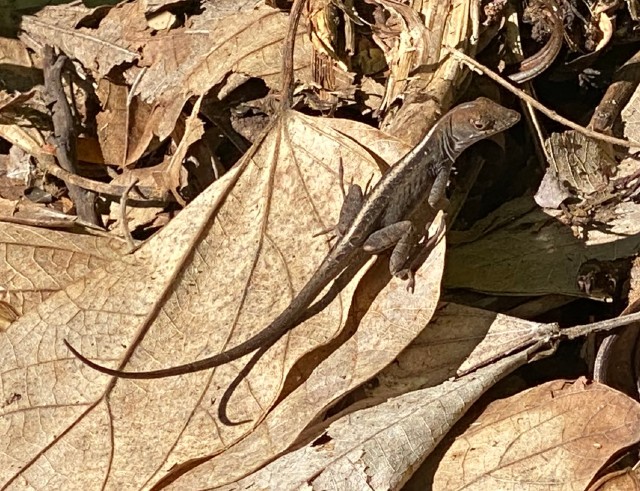
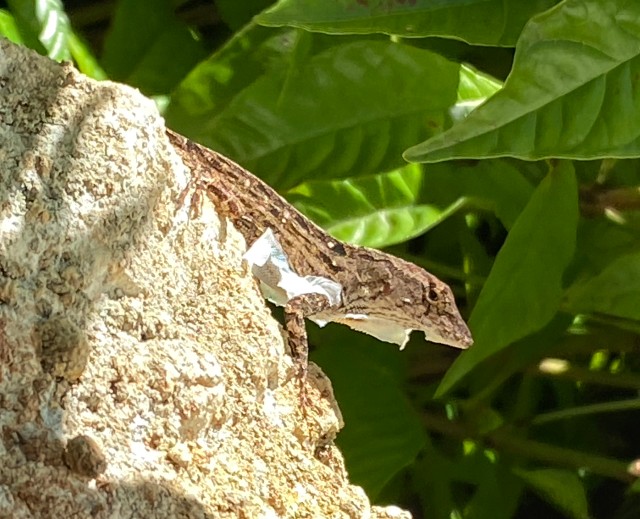
The Brown Anole is normally a light brown color with darker brown to black markings on its back, and several tan colored lines on its sides. Like other anoles, it can change color – usually to another shade of brown or black.

04 Brown Anole_5089

Its coloration allows it to easily blend in with its surroundings, making it difficult for predators to spot. The Brown Anole has a detachable tail, so if grabbed by a predator, the broken tail can allow the lizard to escape. The tail grows back afterwards, albeit smaller and duller in color.

05 Brown Anole_5142

The Brown Anole tends to live on the ground, avoiding trees and preferring to live in smaller plants and shrubs. It is found in both urban and suburban areas. When the weather is warm, it can be found basking. When it is cold, it prefers sheltered areas, like under rocks or under the bark of trees.

06 Brown Anole_5106

At an adult size of only 5 to 9 inches in total length, it has a wide range of mammal, bird and reptile predators. Despite the extensive list of creatures that want to eat it, this lizard’s alertness and speed make it very difficult to capture.

Third Eye Herp
E-mail

Resurrection Fern

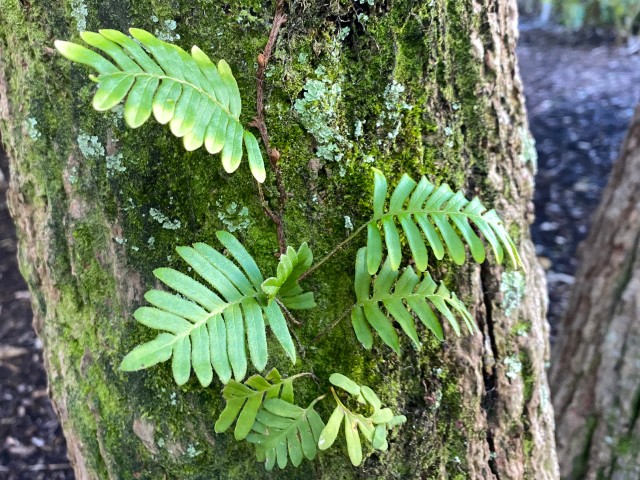
01 Resurrection Fern_5112

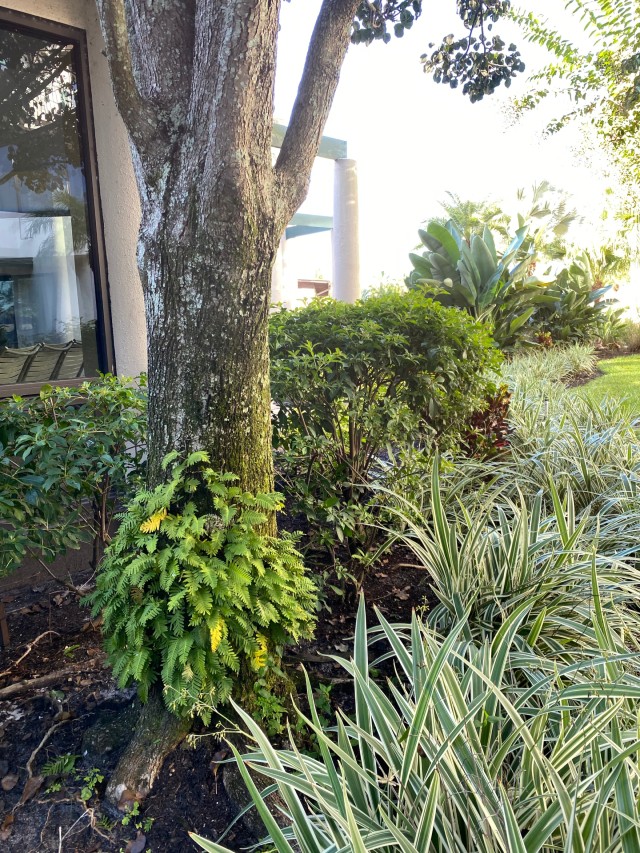
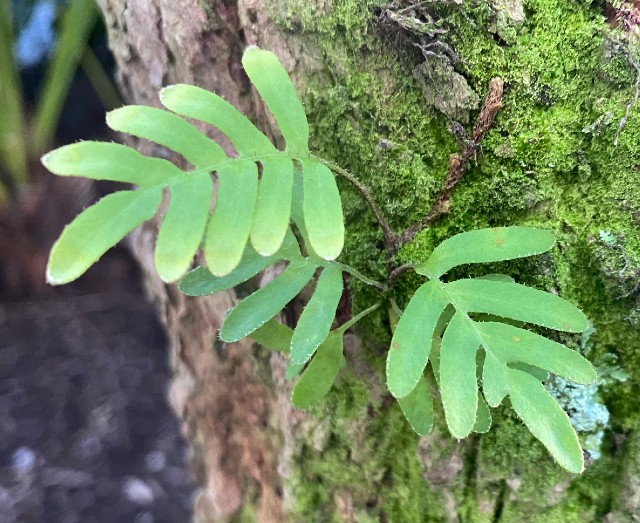
While visiting Orlando, Florida it was hard not to notice ferns that seemed to be growing out of the trunks of trees.

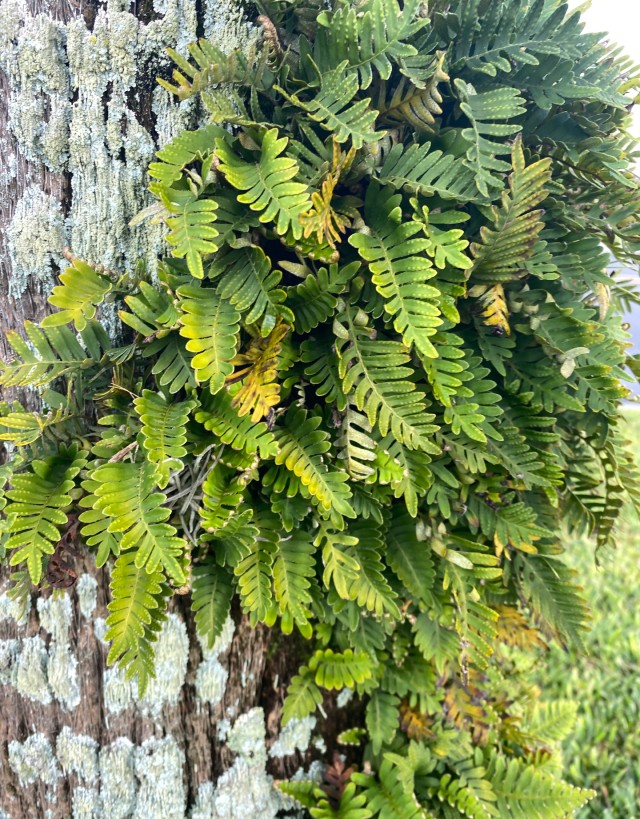
02 Resurrection Fern_5117

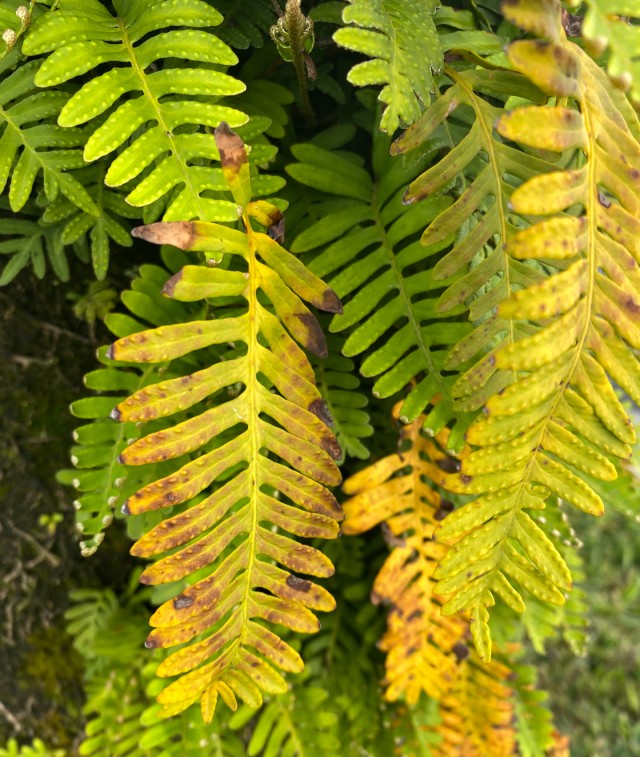
This remarkable plant can lose about 75 percent of its water content during a typical dry period and possibly up to 97 percent in an extreme drought.

03 Resurrection Fern_5158

During this time, it shrivels up to a grayish brown clump of leaves. When it is exposed to water again, it will “come back to life” and look green and healthy.

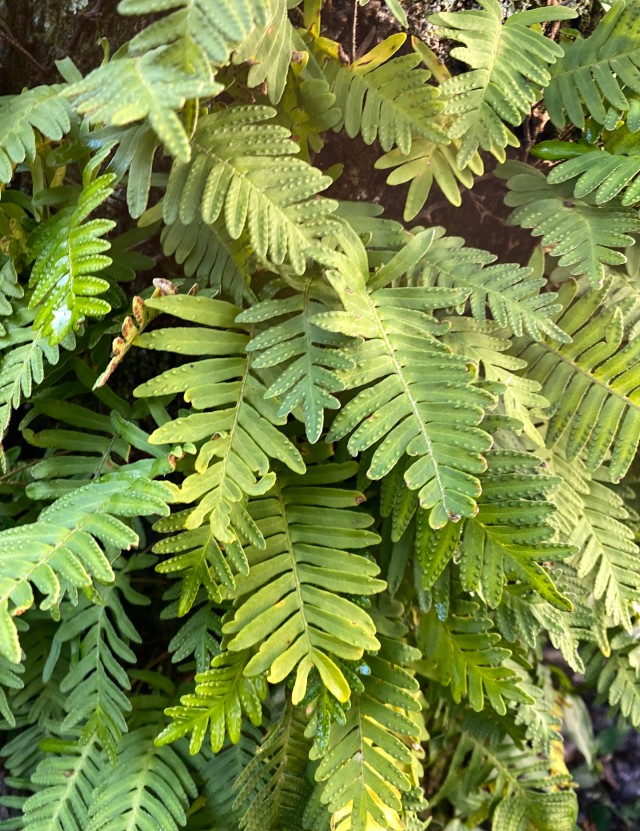
04 Resurrection Fern_5113

By contrast, most other plants can lose only 10 percent of their water content before they die. Resurrection Fern’s fronds are typically 4 to 12 inches in length.

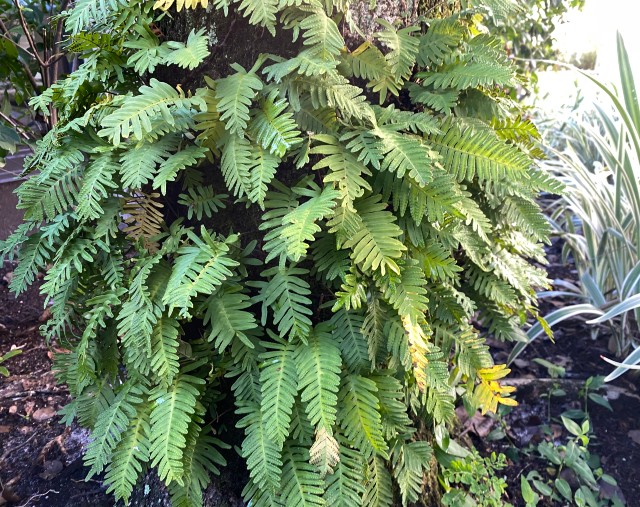
05 Resurrection Fern_5114

This plant is found throughout the Southeast. Due to its ability to withstand drought, it can be found in a variety of habitats, but it needs a host plant on which to anchor itself.

06 Resurrection Fern_5116

It seems to favor oak trees. This plant is epiphytic, which means it grows on top of other plants and surfaces but does not harm its host.

07 Resurrection Fern_5159

In 1997 Resurrection Fern was taken into space aboard the Space Shuttle Discovery to watch its resurrection in zero gravity.

Third Eye Herp
E-mail

Finescale Stoneroller

01 Finescale Stoneroller_7145

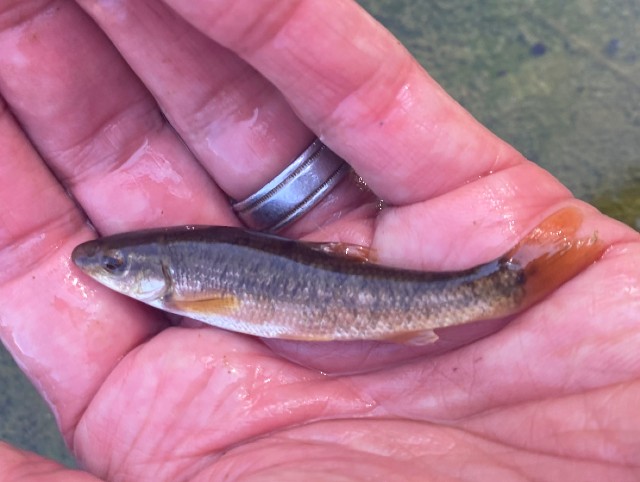
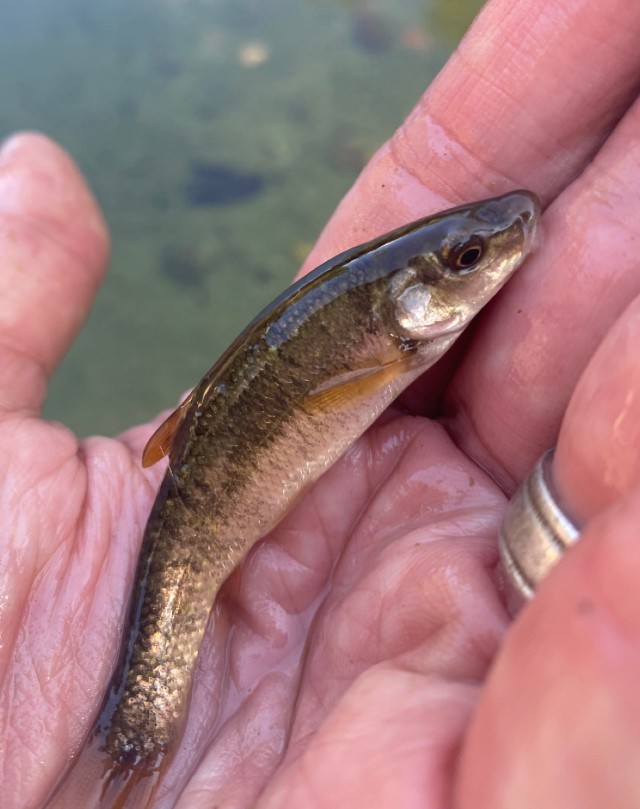
I came across a couple of examples of this fine fish while on my outing to southern Illinois this year. This minnow is characterized by having a rounded snout overhanging a crescent-shaped mouth.

02 Finescale Stoneroller_4306

The Finescale Stoneroller’s preferred habitat is pools or riffles with gravel or rubble substrate in small to medium-sized streams. It prefers cool, clear water with moderate to fast currents.

03 Finescale Stoneroller_4308

This fish is generally herbivorous, feeding primarily on algae scraped from rocks and logs with the cartilaginous ridge on its lower jaw. It is classified as a grazing minnow and large schools of these fish often feed together.

04 Finescale Stoneroller_4343

During breeding season, males begin building nests starting in late Winter and continuing throughout Midsummer, creating large, bowl-shaped depressions in calm waters by rolling stones along the bottom with their noses, giving them their common name.

05 Finescale Stoneroller_4345

This small fish is prey to many larger fish as well as many birds and reptiles. To avoid them, they move fast, travel in schools and hide when they perceive danger.

Third Eye Herp
E-mail