Purple Martin

01 Purple Martin_0720

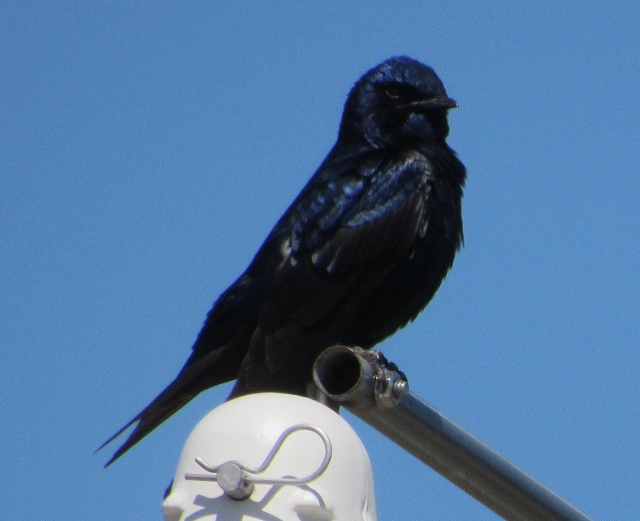
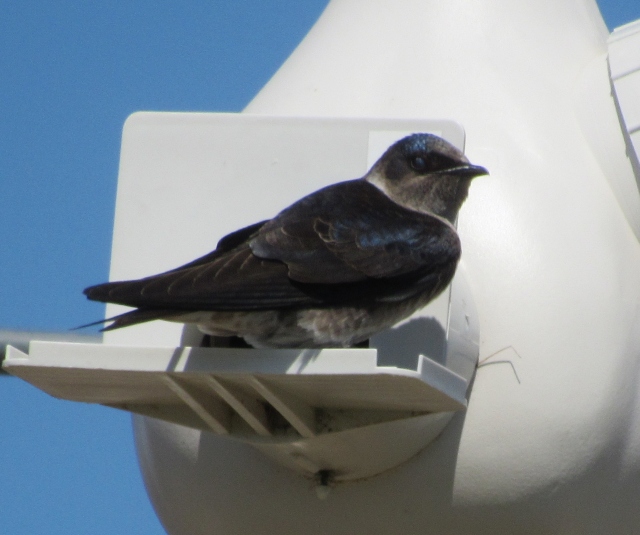
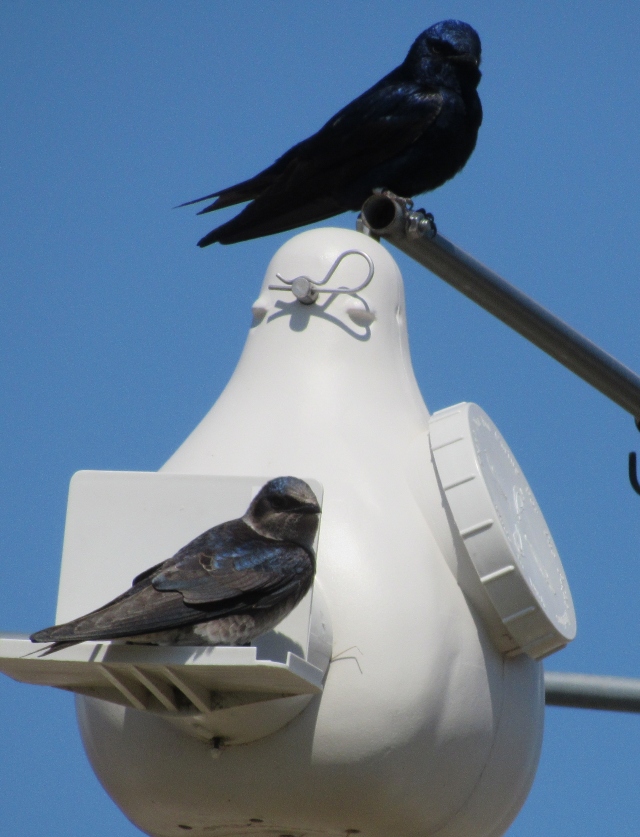
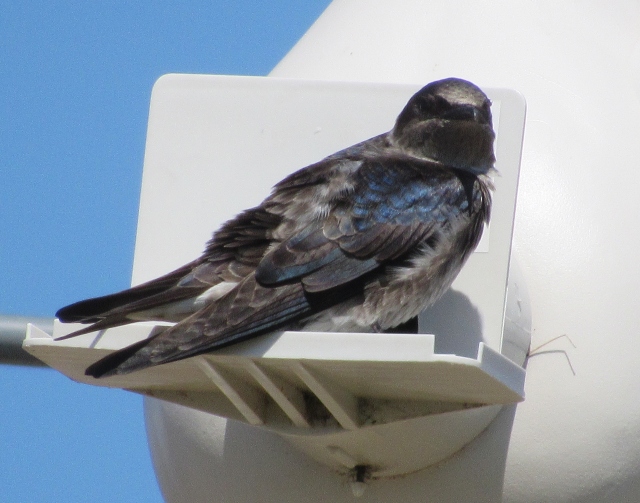
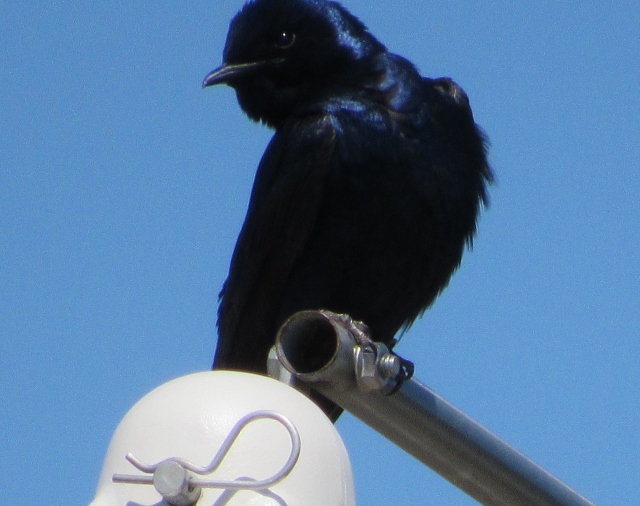
I was able to observe several of these remarkable birds while visiting Ottawa National Wildlife Refuge in northwest Ohio. They are the largest swallow in North America. Despite their name, Purple Martins are not truly purple. The dark blackish-blue feathers have an iridescent sheen caused by light refraction, giving them a bright blue to navy blue or deep purple appearance. Females are not as shiny with some gray on the head and chest.
02 Purple Martin_0706

Purple Martins are considered synanthropic, meaning they have developed an association with humans over time and benefit from living in close proximity to them. Native Americans hung up empty gourds for these birds before Europeans arrived in North America. Purple Martins in eastern North America now nest almost exclusively in birdhouses, but those in the West use mostly natural cavities.
03 Purple Martins_0709

This birds is insectivores, primarily feed by hawking, a strategy of catching insects in the air during flight. A colony of these birds may catch and eat several hundred beetles, horseflies, grasshoppers, dragonflies, and wasps each day. Purple Martins not only get all their food in flight, they also get all their water that way too. They skim the surface of a pond and scoop up water with their lower bill.
04 Purple Martin_0725

Purple Martins suffered a severe population crash in the 20th century widely linked to the release and spread of European Starlings in North America. European Starlings and House Sparrows compete with these birds for nest cavities. Where Purple Martins once gathered in the thousands, by the 1980s they had all but disappeared. The Purple Martin Conservation Association is a nonprofit organization dedicated to the conservation of Purple Martins.
05 Purple Martin_0715

These birds are long-distance migrants, wintering in the Amazon Basin along waterways and wetlands. Graceful in flight, musical in its pre-dawn singing, the Purple Martin is one of our most popular, well-liked birds.
Third Eye Herp
E-mail

Spring Fishfly

01 Spring Fishfly

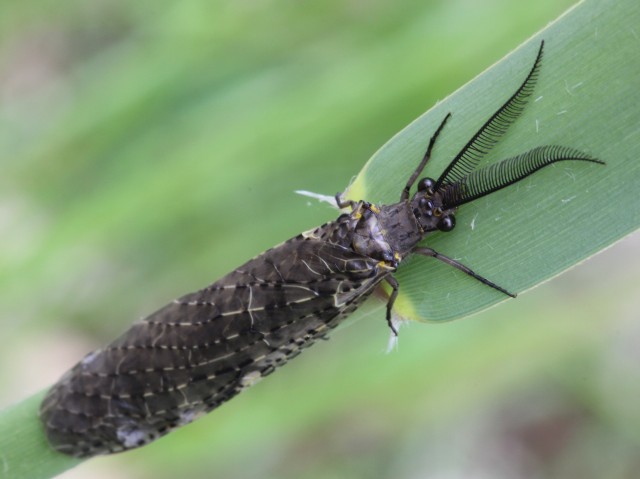
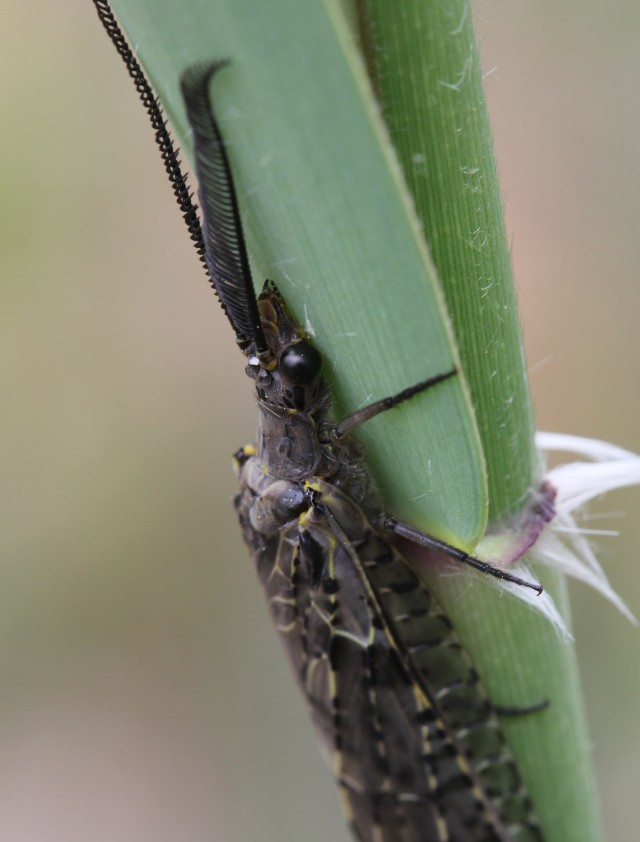
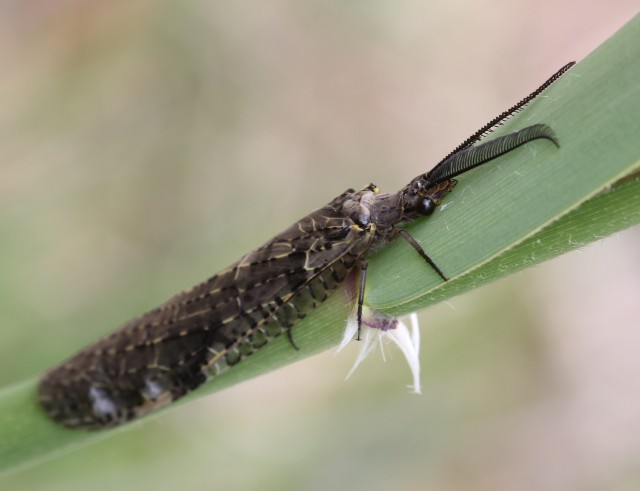
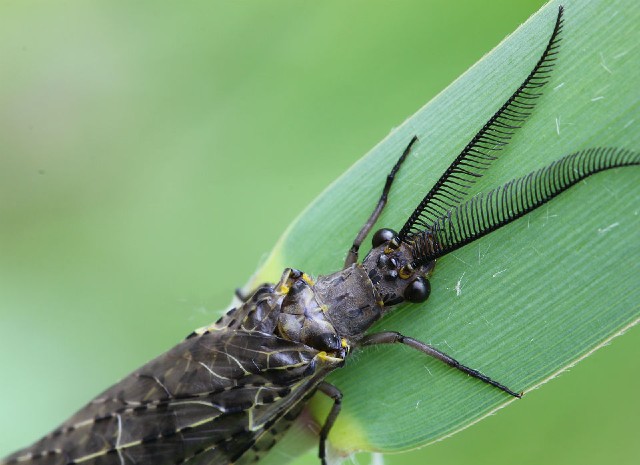
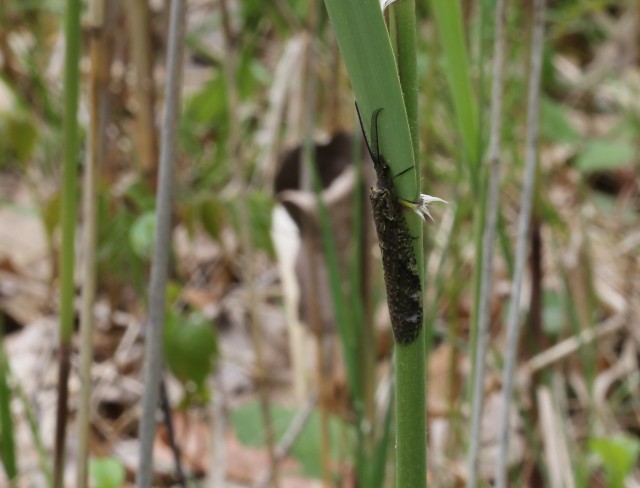
While hiking in Cuyahoga Valley National Park, I came across this cool insect. It can be found throughout much of eastern North America. Adults are generally found near the water that their aquatic larvae require and can be found in a variety of aquatic habitats, including ponds, swamps, marshes, and springs.

02  Spring Fishfly

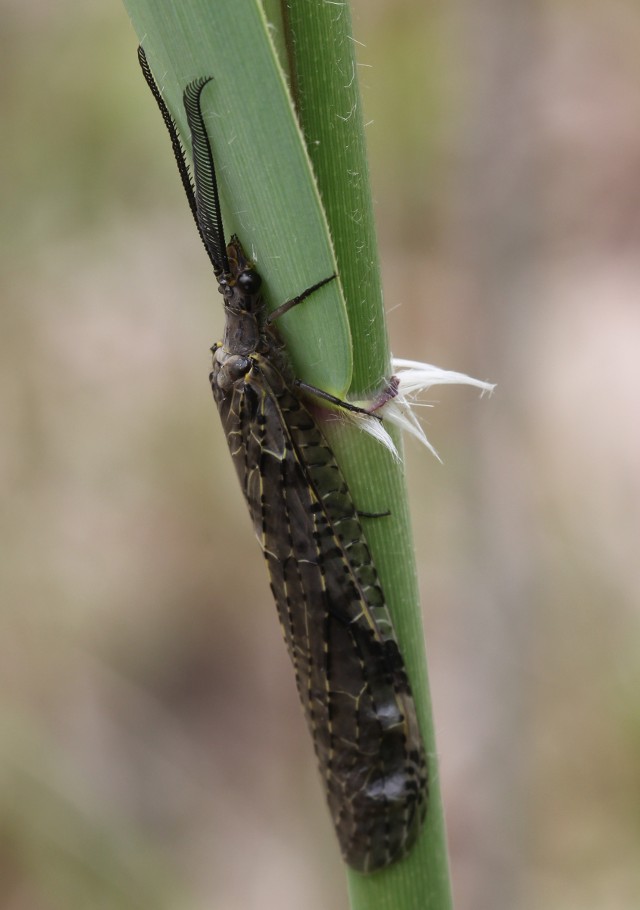
Fishflies are quite large, with a wingspan of 2-1/2 to 3 inches. Their wings are delicate and very long, much longer than their body. The wings are clear and tinted pale brown, with no dark or white markings apart from the veins. There are two large compound eyes on the sides of the head and three small simple eyes (ocelli) in a triangle on top of the head. The antennae are long, dark brownish-gray, and have many segments.

03  Spring Fishfly

This is a primitive creature, having appeared on earth more than 260 million years ago. Fishflies, Alderflies and Dobsonflies belong to the insect order Megaloptera, which means “great wing.” Their entire lifespan is several years, but most of this time is spent in their immature aquatic state. They only live up to seven days as adults.

04  Spring Fishfly

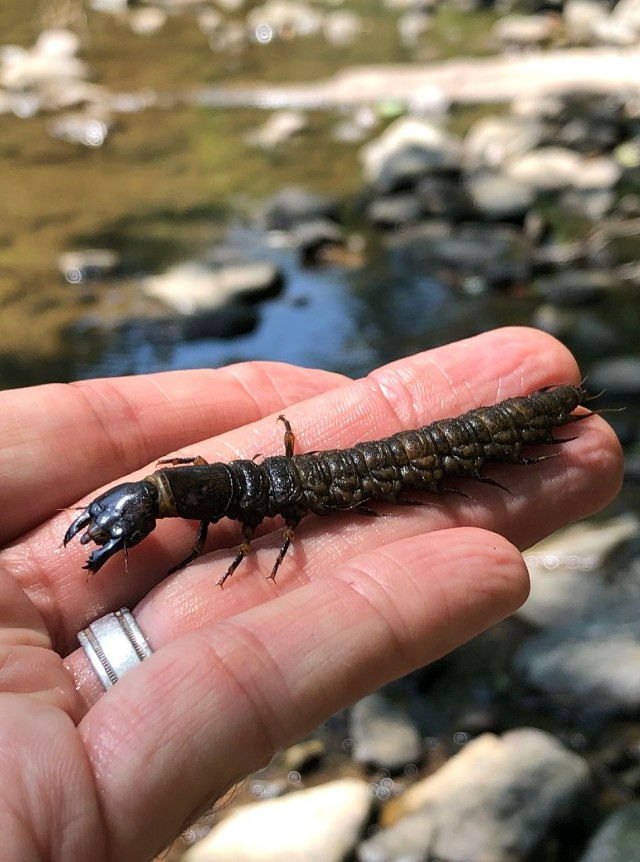
The larvae of both Dobsonflies and Fishflies are called Hellgrammites, and are, famously, sold to fishermen as bait. Hellgrammites are thick and somewhat flattened, dark brown and shiny, with an impressive head, six legs and seven or eight finger-like filaments along each side.

06  Spring Fishfly_3914

Fishflies lay their eggs upon vegetation overhanging streams, whereby the larvae, as soon as they hatch, drop into the water, and go about preying upon aquatic animals, including vertebrates like minnows and tadpoles, as well as aquatic plants.

05  Spring Fishfly

These insects practice complete metamorphosis, hatching from eggs, living as aquatic larvae, resting and changing as pupae and emerging as adults. Like many of the insects that develop this way, their appearance, habitat and diet changes radically in their different life stages.

07  Spring Fishfly

Adults are active at dusk but remain hidden during the day. The wings are held roof-like and to the side of the abdomen when at rest. They are relatively weak fliers. It was super cool to find one of these; there is also a later-emerging Summer Fishfly.

Third Eye Herp
E-mail

Greater Yellowlegs

00 Greater Yellowlegs_0905

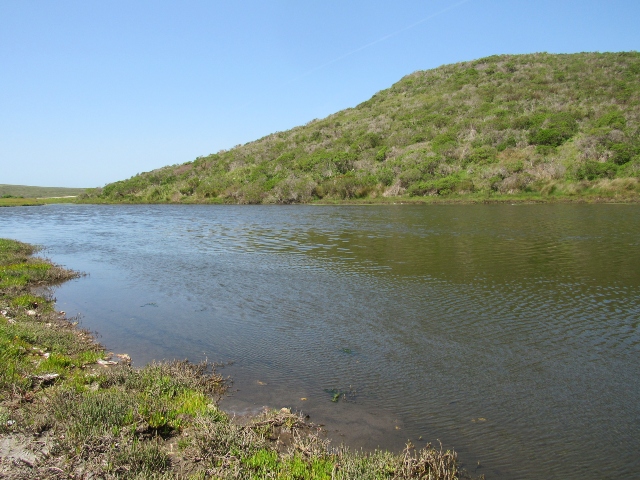
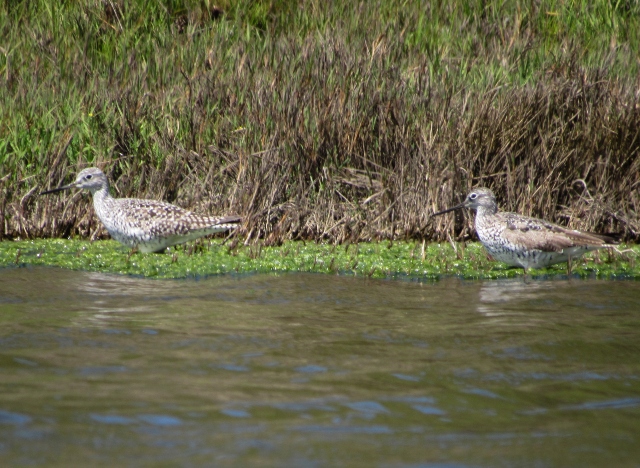
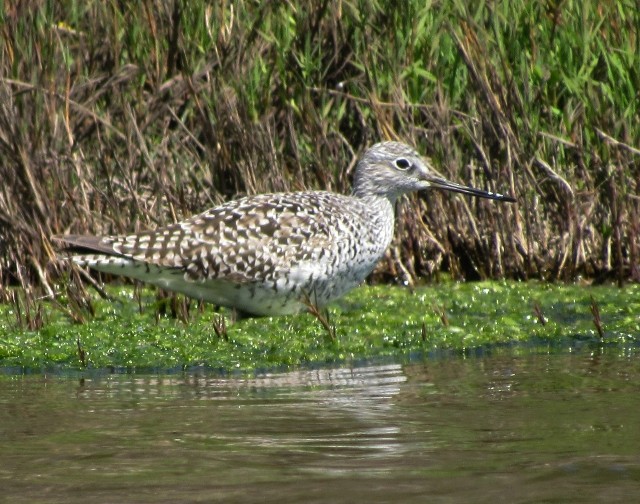
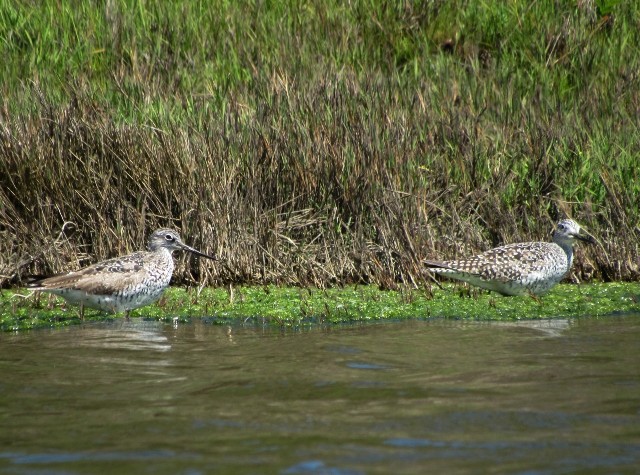
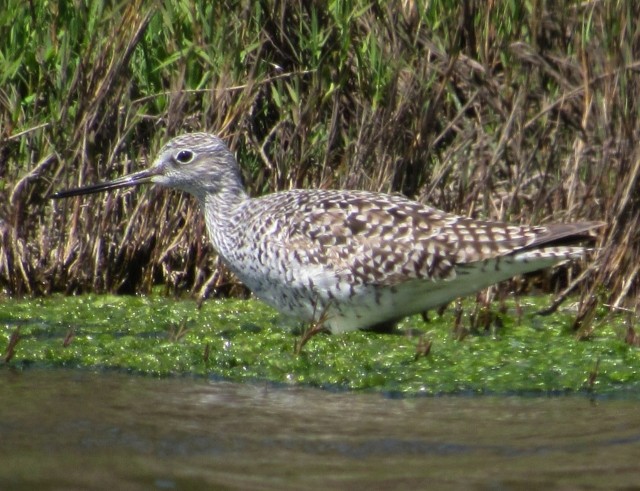
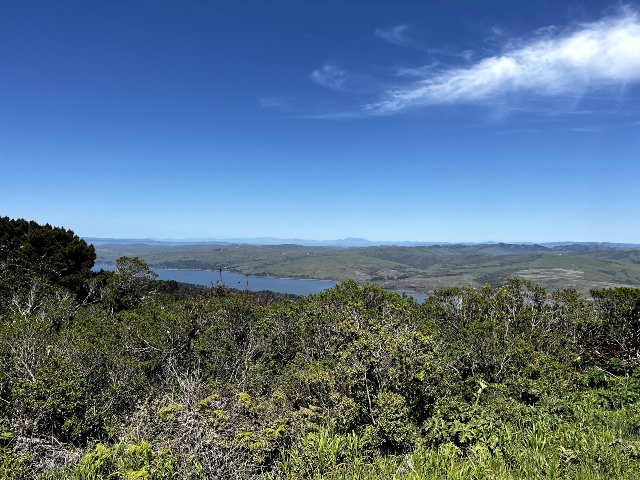
While visiting Point Reyes National Seashore in California, I noticed a couple of slender, long-necked, small-headed birds with bright yellow legs near the waterway that I was exploring.

01 Greater Yellowlegs_0906

Often referred to as a “Marshpiper” for its habit of wading in deeper water than other sandpipers, the Greater Yellowlegs is heftier and longer-billed than its look-alike, the Lesser Yellowlegs. At different times of the year, this bird can be found throughout the United States.

02 Greater Yellowlegs_0912

At ponds and tidal creeks, this trim and elegant wader draws attention to itself by bobbing its head and calling loudly when an observer approaches. These birds forage in shallow water, sometimes using their bills to stir up the water. They mainly eat insects and small fish, as well as crustaceans, marine worms, frogs, seeds and berries.

03 Greater Yellowlegs_0914

Yellowlegs have also been called “tattlers,” because they would raise a alarm when bird hunters were near. Although shorebirds are now protected from hunting, yellowlegs may annoy birders by spooking other shorebirds with their alarm calls. It is a very noisy bird. It often runs in shallow water and bobs its head up and down when it spots a potential predator.

04 Greater Yellowlegs_0908

Despite its familiarity and widespread range, its tendency to nest in buggy bogs in the North American boreal forests make it one of the least-studied shorebirds on the continent.

Third Eye Herp
E-mail

Seaside Bird’s-foot Trefoil

01 Hosackia gracilis_1492

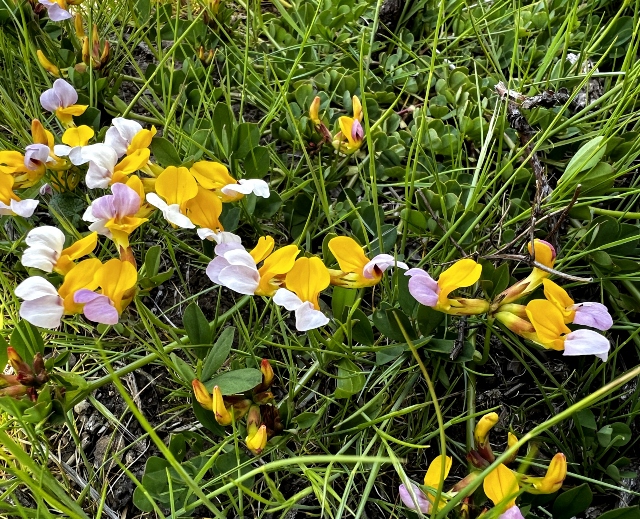
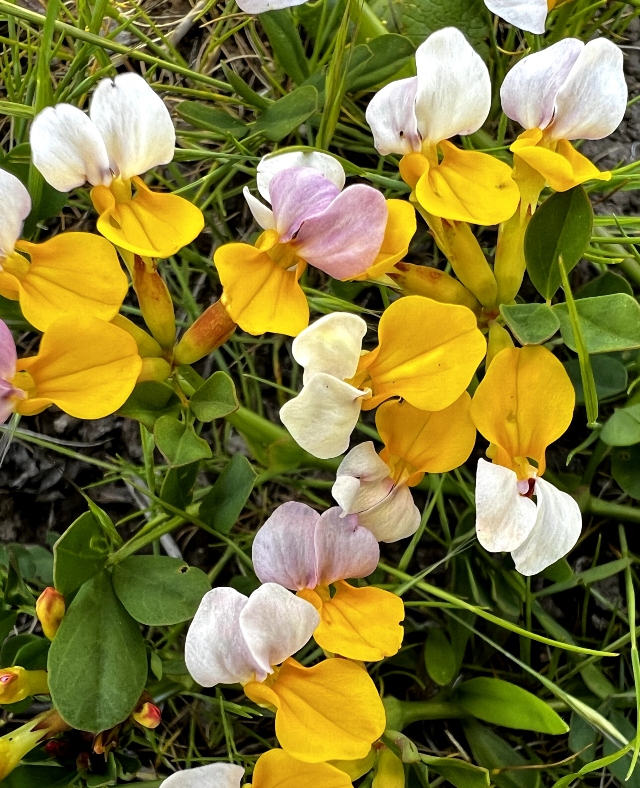
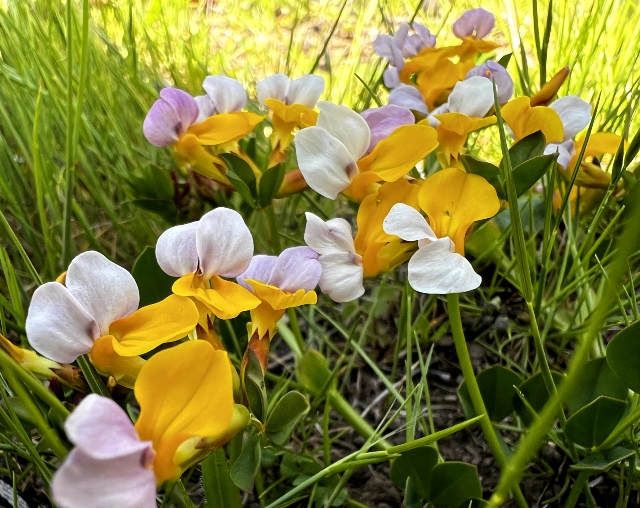
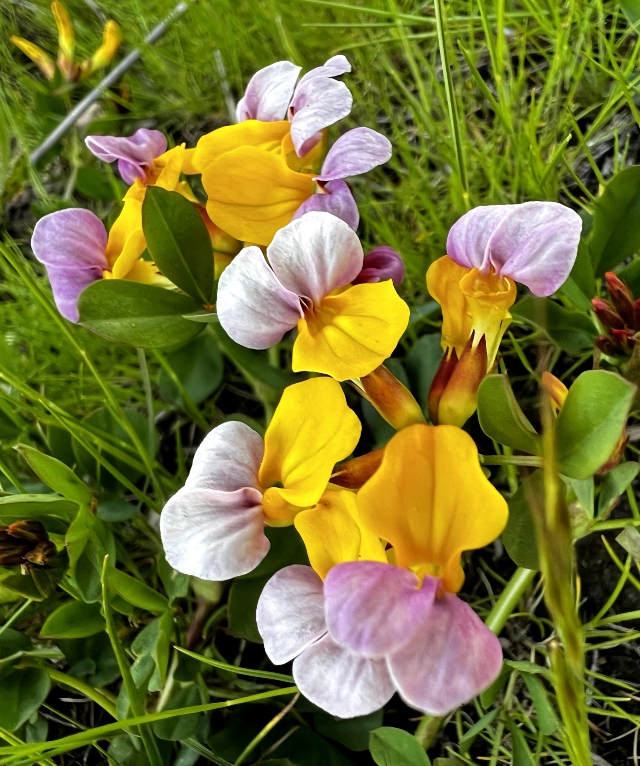
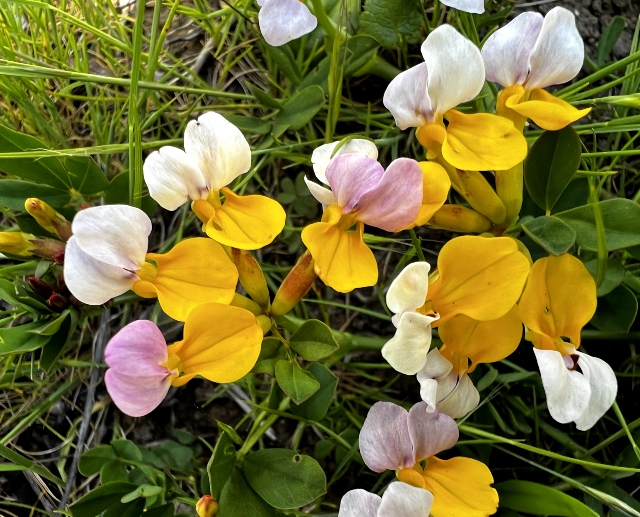
While visiting Point Reyes National Seashore, I noticed this cool flower. It is found in moist open habitats, from the edges of forests out into open meadows and wetlands. It occurs from coastal mountains to the bluffs overlooking the sea.
02 Hosackia gracilis_1498

Native to coastal California, this ground-hugging member of the pea family forms an inch-tall mat and carpets the ground with color. It is a member of coastal grassland and prairie ecosystems.
03 Hosackia gracilis_1499

Seaside Bird’s-foot Trefoil’s flower clusters are made up of several tiny flowers each about half an inch long. The flowers have a bright yellow banner, or upper petal and bright pink or white lower petals.
04 Hosackia gracilis_1495

This plant is perennial, but is Winter dormant, so the aboveground parts die off each winter. As temperatures warm, underground rhizomes re-sprout and new plants spring to the surface.

05 Hosackia gracilis_1501

Seaside Bird’s-foot Trefoil is a nectar source for Painted Lady butterflies and a variety of native bees and other insects.

06 Hosackia gracilis_1496

This plant is also known as Harlequin Lotus, Witch’s Teeth, Harlequin Deer-vetch and Coast Lotus.

Third Eye Herp
E-mail

California Night Snake

01 California Night Snake 03-27 074

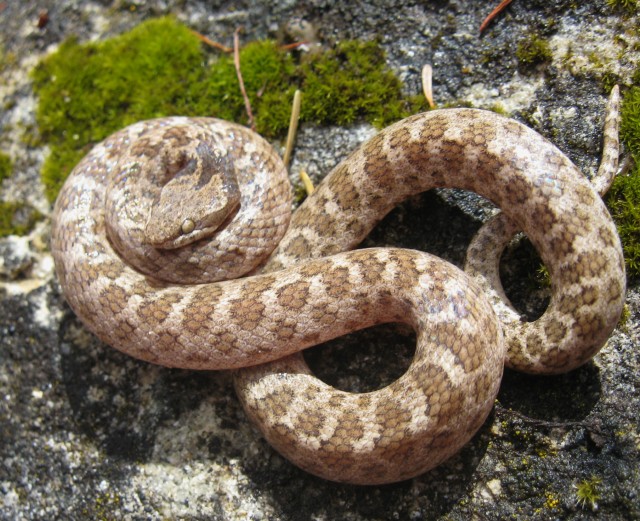
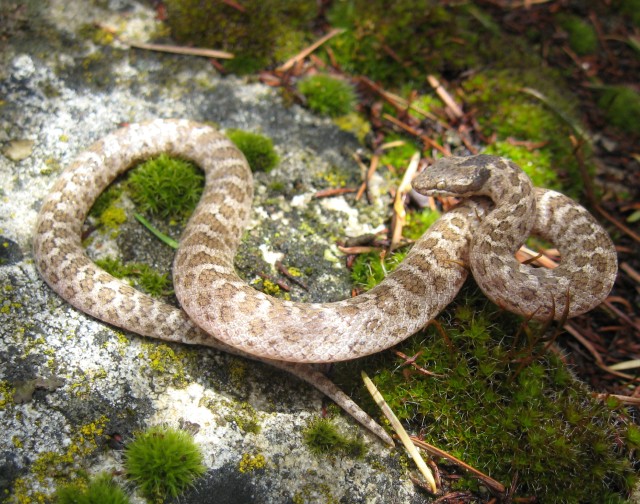
While turning rocks and logs in the Santa Cruz Mountains, I came across a couple of these very interesting serpents.

02 California Night Snake 03-27 083

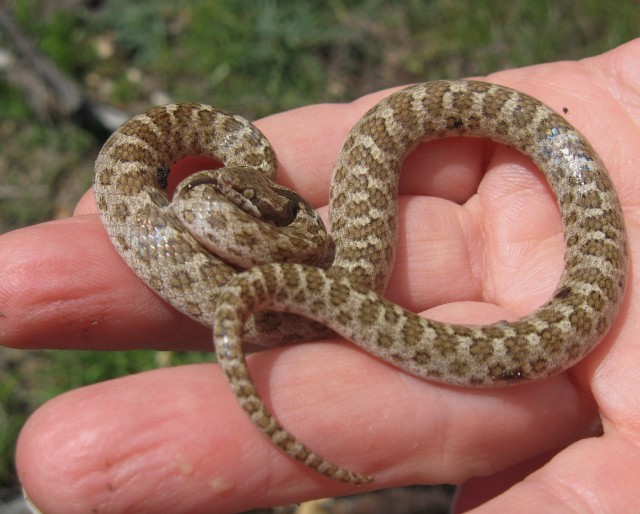
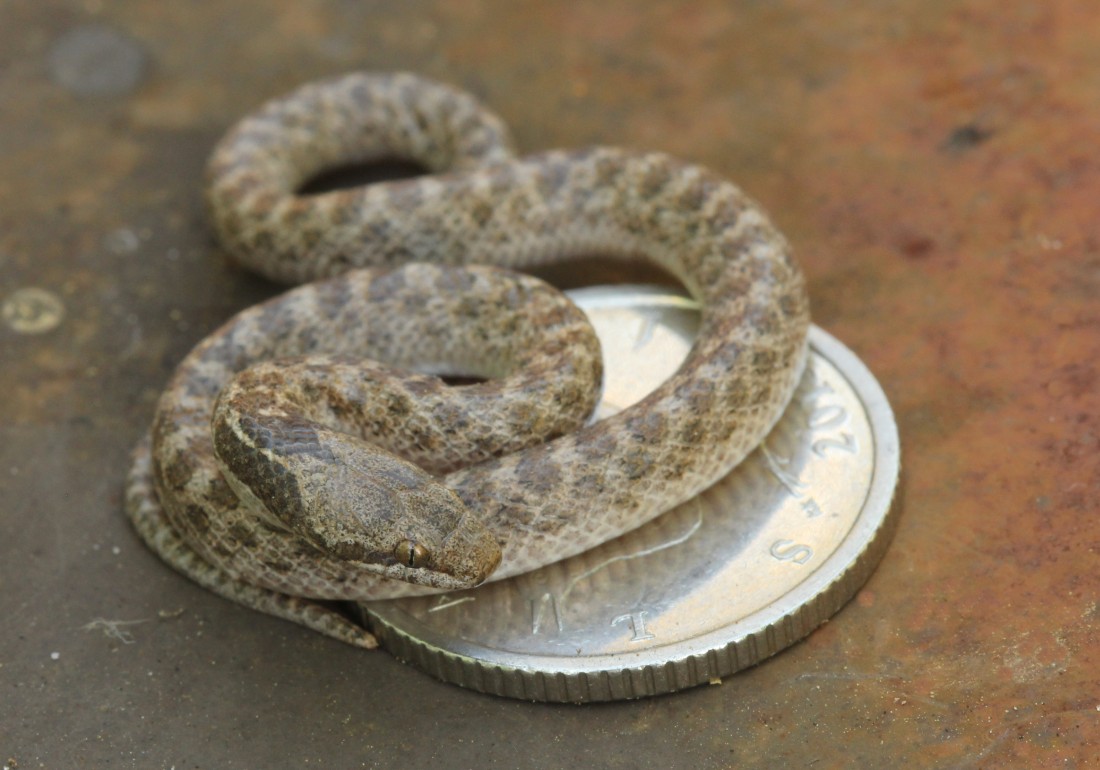
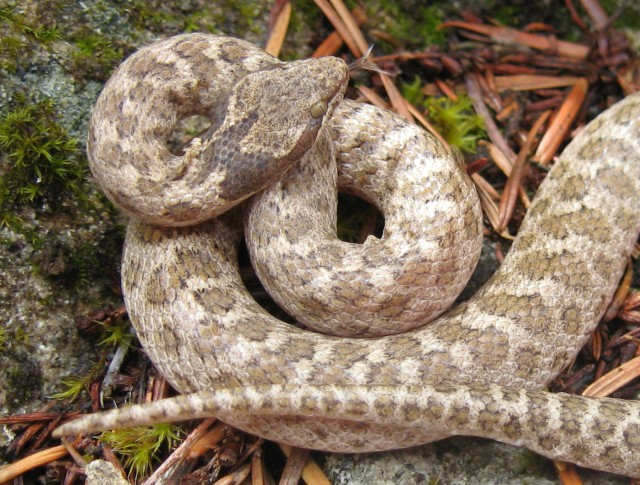
California Night Snakes are a small species, usually about a foot long and pale grey, beige or light brown. They have brown paired blotches on their back and usually three dark blotches on the neck.

03 California Night Snake 03-27 079

These serpents are rear-fanged and slightly venomous. They use the fangs in the back of their mouth to latch onto their prey — typically lizards, frogs, salamanders and even small snakes.

04 California Night Snake_0464

Their fangs inject venom that subdues prey, but overall these snakes pose no threat to humans due to the location of their fangs and their weak venom. As their common name implies, California Night Snakes are primarily nocturnal.

05 California Night Snake 03-27 090

When disturbed, a Night Snake may flatten its head, coil tightly, and vibrate the tail – appearing as a viper. However, it is a gentle species that is easily handled.

07 California Night Snake 03-27 087

This reptile’s habitats include cliffs, talus slopes, grasslands, shrub savannas, shrublands, rivers and riparian wetlands. It tends to be found in found in hot dry areas of the western United States and British Columbia, Canada.

It was awesome to encounter these cool creatures on my visit to California.

Third Eye Herp
E-mail

Red Alder

01 Red Alder_1509

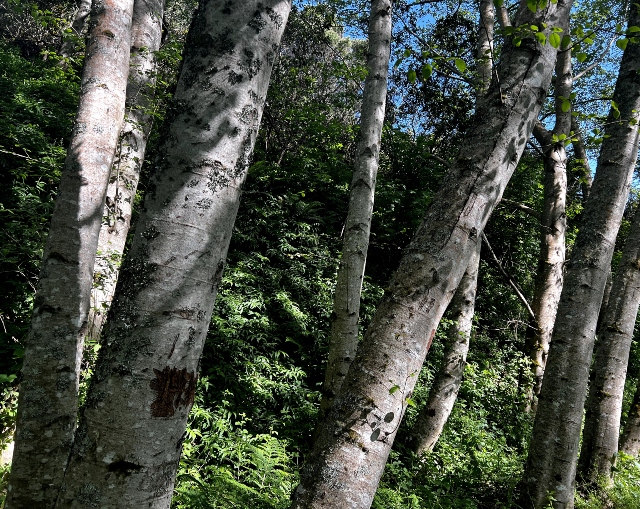
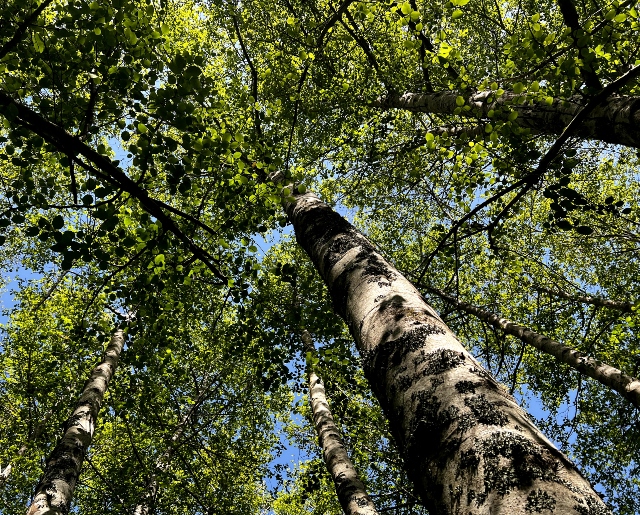
While looking for snakes in California, I wandered into this stand of trees. Red Alder is the largest species of alder in North America and one of the largest in the world, reaching heights of 65 to 100 feet.

02 Red Alder_1513

This tree is most often found in moist woods and along streambanks. It quickly colonizes recently cleared land. Although many consider Red Alder a “weed” tree because it will often invade landscapes, this species is the first choice for ecological restoration.

03 Red Alder_1510

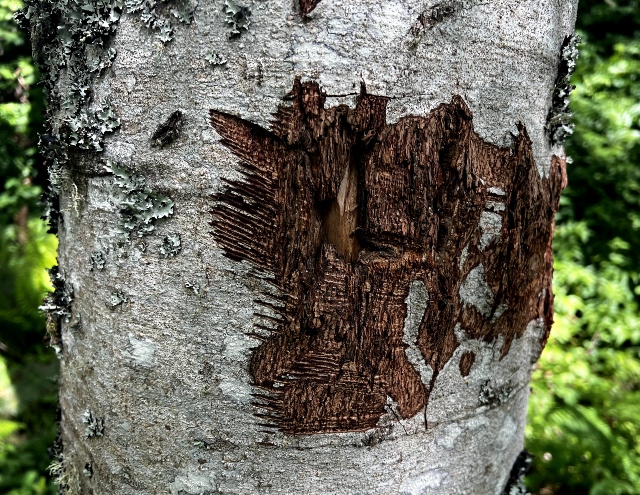
Red Alder is a host to nitrogen-fixing bacteria that form nodules on its roots. Because of this association, the introduction of Red Alder to disturbed sites can quickly improve the fertility of soils, making the site more amenable to the colonization by longer-living conifers. The bark of this tree is mottled, ashy-gray and smooth, often covered by white lichens and moss. Its common name derives from the bright rusty red color that develops in bruised or scraped bark.

04 Red Alder_1502

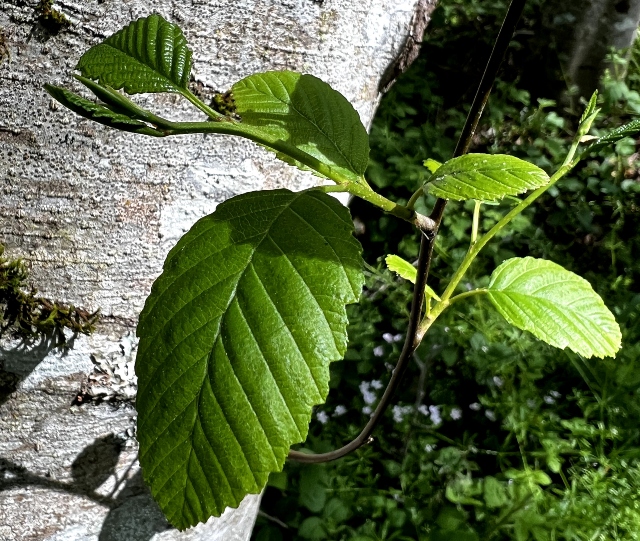
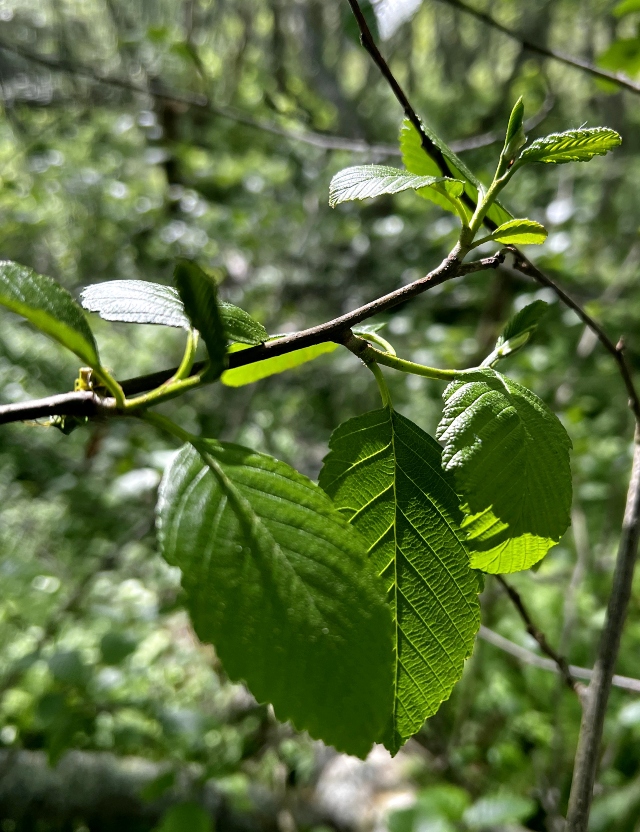
Red Alder’s leaves are ovate, 3 to 6 inches long, with bluntly serrated edges and a distinct point at the end; the leaf edges tend to be slightly curled under, a diagnostic characteristic which distinguishes it from all other alders.

05 Red Alder_1508

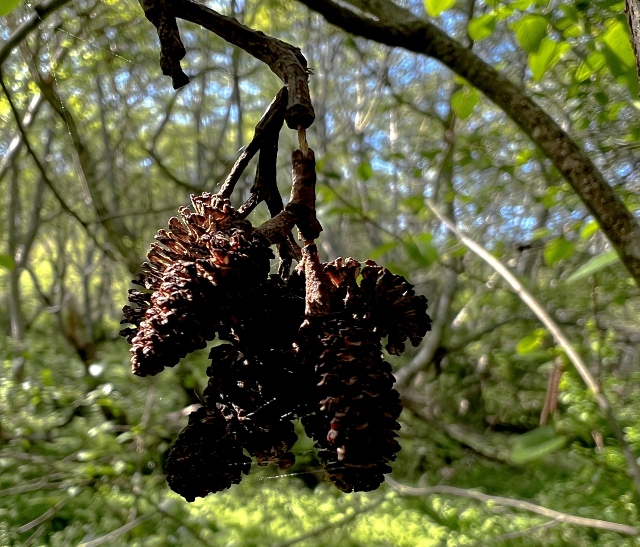
Long catkins appear in Spring, before the leaves, producing copious amounts of pollen. Later it produces small brown cone-like strobiles less than an inch long that remain on the tree through the Winter.

06 Red Alder_1511

Because of its oily smoke, Red Alder is the wood of choice for smoking salmon.

Third Eye Herp
E-mail

Pigeon Guillemot

01 Pigeon Guillemot_0925

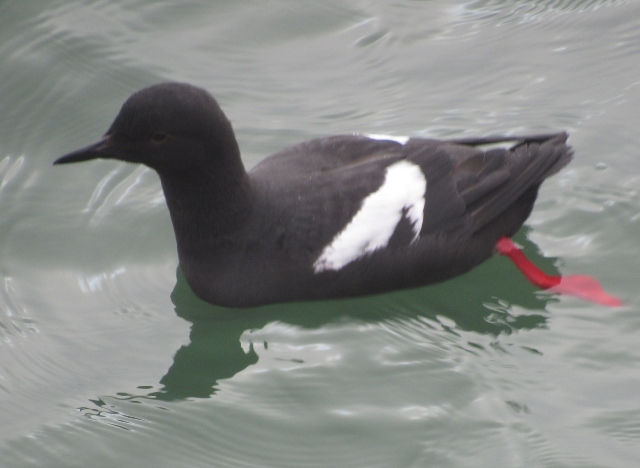
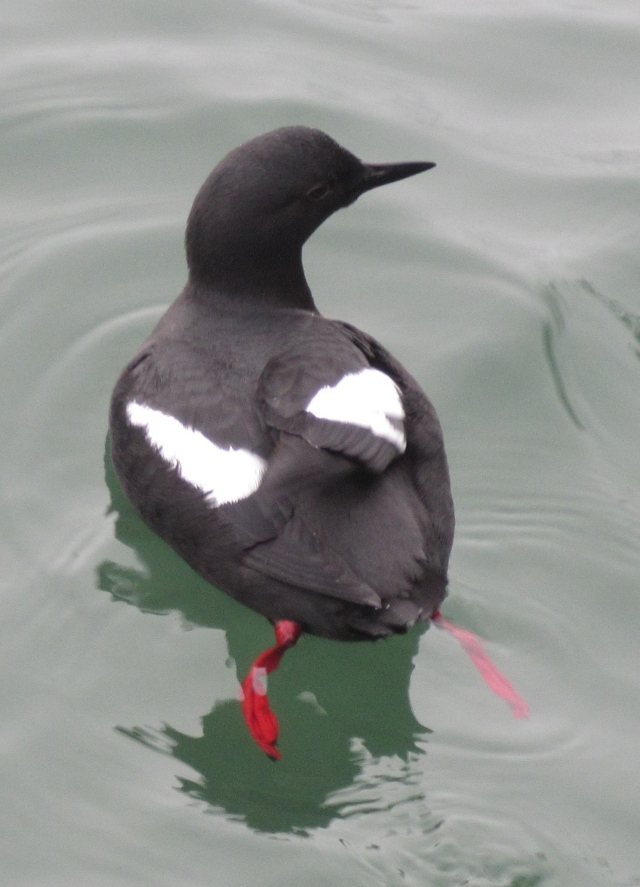
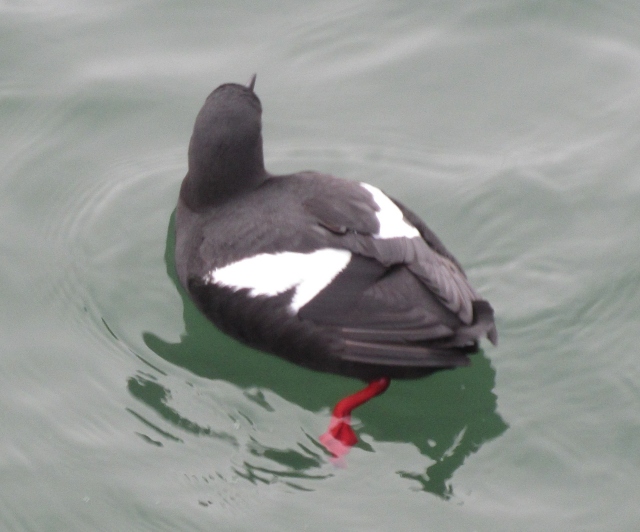
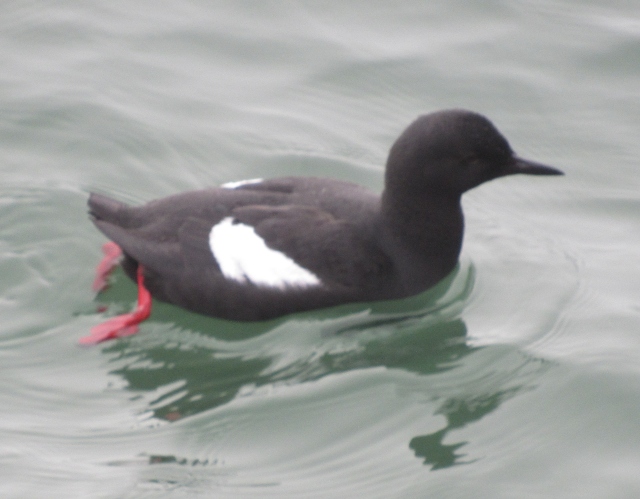
While visiting the boardwalk in Santa Cruz, California, I noticed several of these sharp looking birds that I’ve never seen before. The Pigeon Guillemot is an attractive auk that nests on rocky coastlines of the North Pacific. Its velvety, dark brown plumage is set off by a bright white patch on the upper wings and vivid scarlet feet.

02 Pigeon Guillemot_0924

Unlike many other species of in its family, which feed far out at sea, these birds stay fairly close to shore where they forage along the seafloor for small fish, worms and crustaceans.

03 Pigeon Guillemot_0964

Male Pigeon Guillemots court females by showing off their red feet. On land, the male circles or even jumps over the female, pointing his bill downward and raising his scarlet feet conspicuously as he marches around her. Rapid zigzag chases in the water may also be involved in courtship.

04 Pigeon Guillemot_0917

The Pigeon Guillemot’s nest is shallow scrape in pile of dirt, pebbles and shells. It tends to be located in a crevice or cave, among boulders, in an abandoned burrow, or under driftwood or debris. These birds may also excavate a nest burrow. The same site is usually re-used for several years.

05 Pigeon Guillemot_0963

After their 1 to 2 eggs hatch, both parents feed their young, bringing them small fish at all hours of day, especially in early morning. Offspring leave nest 1 to 2 months after hatching (usually at night) and scramble or flutter down to the water. They are able to swim and dive immediately, but are not capable of strong flight for another 2-3 weeks.

06 Pigeon Guillemot_0966

This was a neat bird to observe while on my California adventure.

Third Eye Herp
E-mail

Western Millipede

01 Herp Habitat_0865

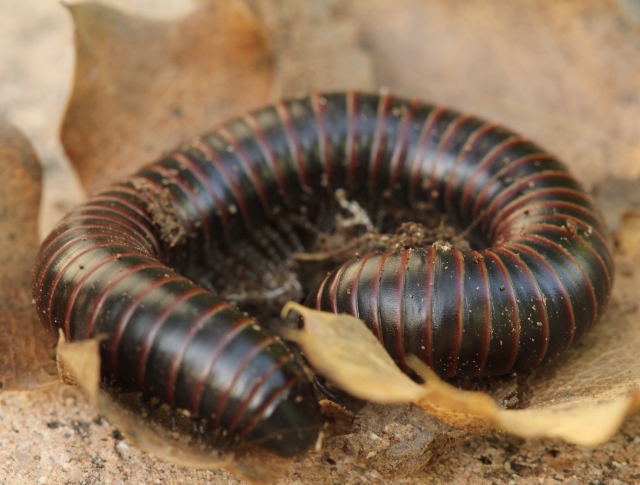
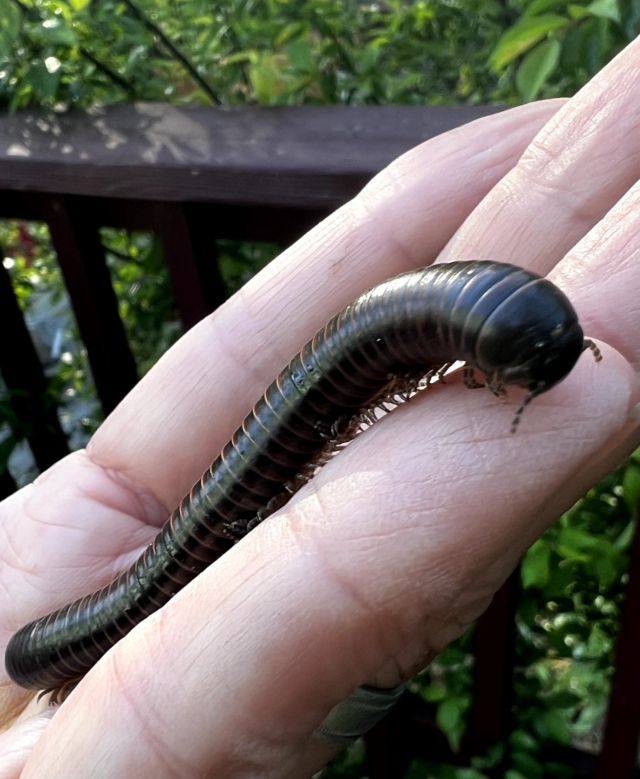
This is a species of millipede found in California with no common name. Scientifically its kmown as Paeromopus angusticeps. It occupies the largest geographic range of all four species of Paeromopus, covering much of Northern California in a large arc extending from Monterey County on the central coast, north along the Coast Ranges to Humboldt County, and descending along the Cascades and Sierra Nevada range of eastern California.

02 Paeromopus angusticeps Millipede_0381

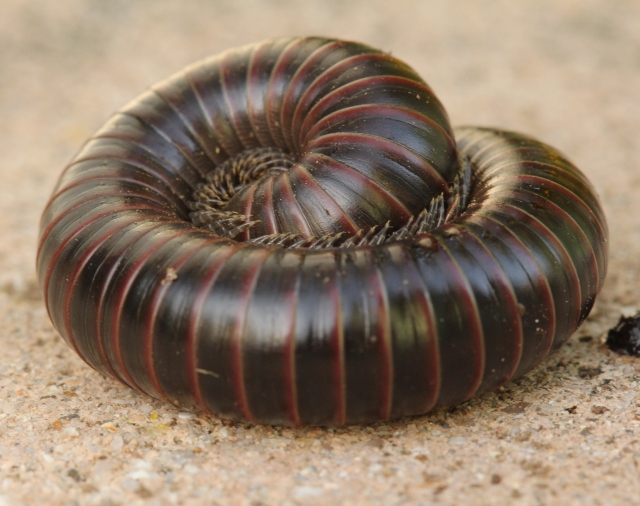
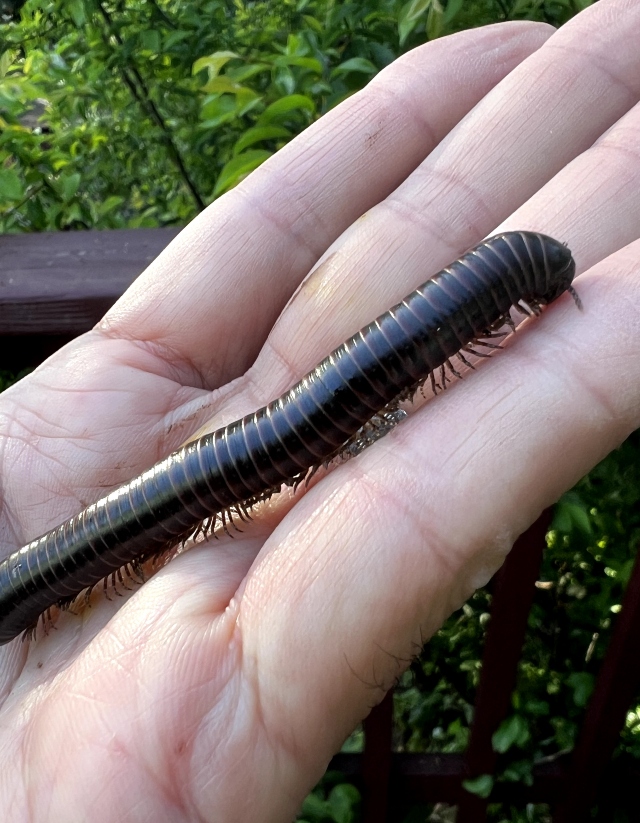
Adults possess up to 80 body segments and range from 4 to 6 inches long, and are about a quarter on an inch wide. Their color consists of alternating bands of brown on a black or blue-black base color, although in some individuals the banding is largely indistinct from the base color.

03 Paeromopus angusticeps Millipede_1423

Millipedes are a group of arthropods that are characterized by having two pairs of jointed legs on most body segments; they are known scientifically as the class Diplopoda. The name derived from this feature is “Di” meaning “two” and “poda” meaning “feet.”

04 Paeromopus angusticeps Millipede_0386

Most millipedes feed on decomposing vegetation or organic matter mixed with soil. They often play an important role in the breakdown and decomposition of plant litter.

05 Paeromopus angusticeps Millipede_1426

These creatures are among the first animals to have colonized land, dating the species back 400 million years. Early forms probably ate mosses and primitive vascular plants.

06 Paeromopus angusticeps Millipede_0378

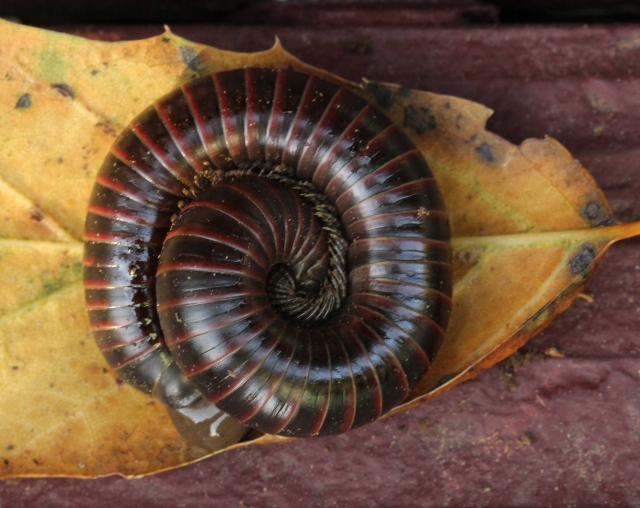
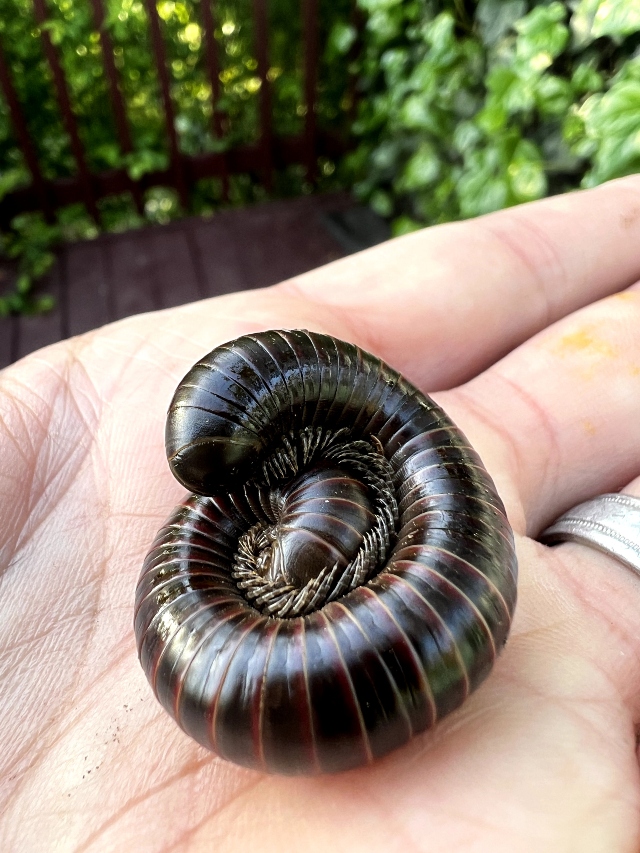
Due to their lack of speed and their inability to bite or sting, their primary defense is to curl into a tight coil to protect their delicate legs inside their armored exoskeleton. Many species also emit foul-smelling liquid secretions through microscopic holes called ozopores.

07 Paeromopus angusticeps Millipede_1429

Millipedes have inspired and played roles in scientific research. In 1963, a walking vehicle with 36 legs was designed, said to have been inspired by a study of millipede locomotion. For me they are always a fun find while out in the field.

Third Eye Herp
E-mail

California Sea Lion

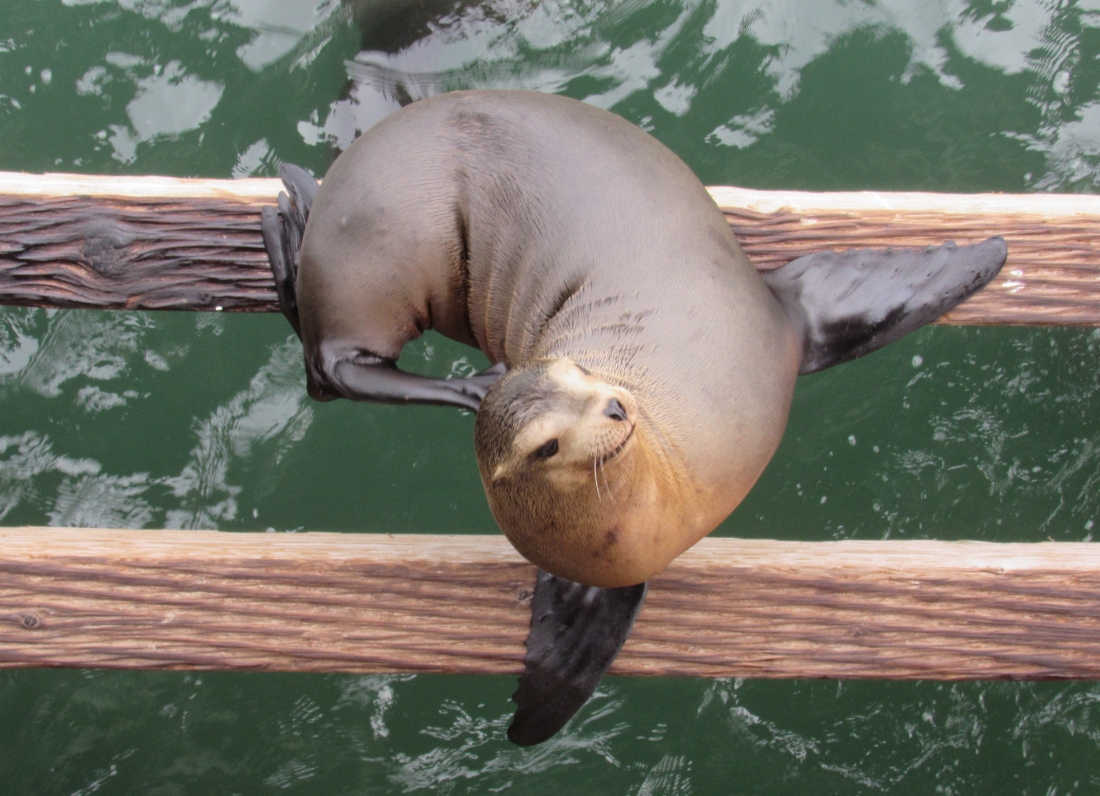
01 California Sea Lion_1191

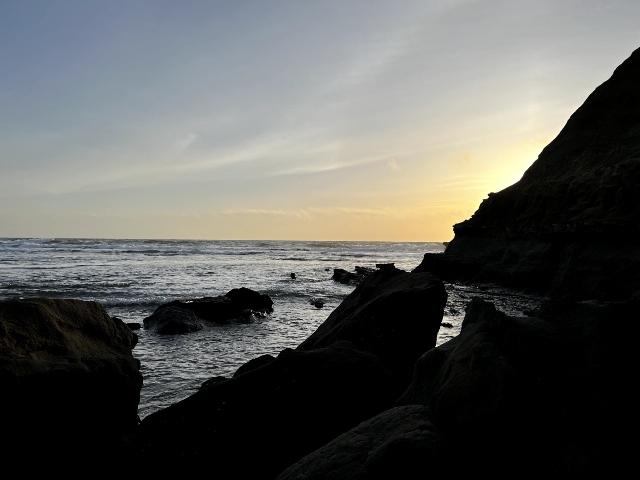
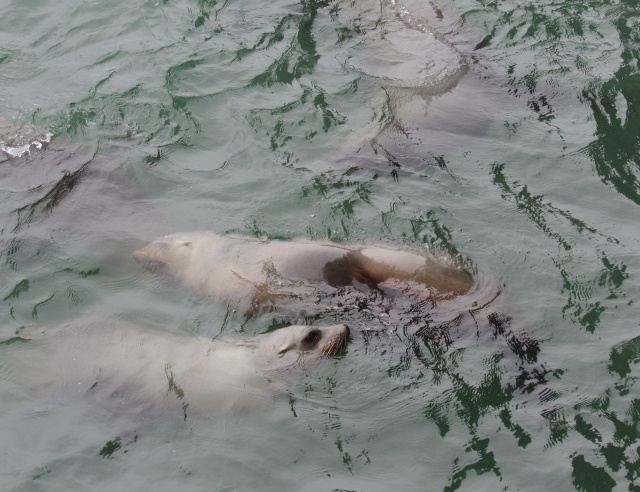
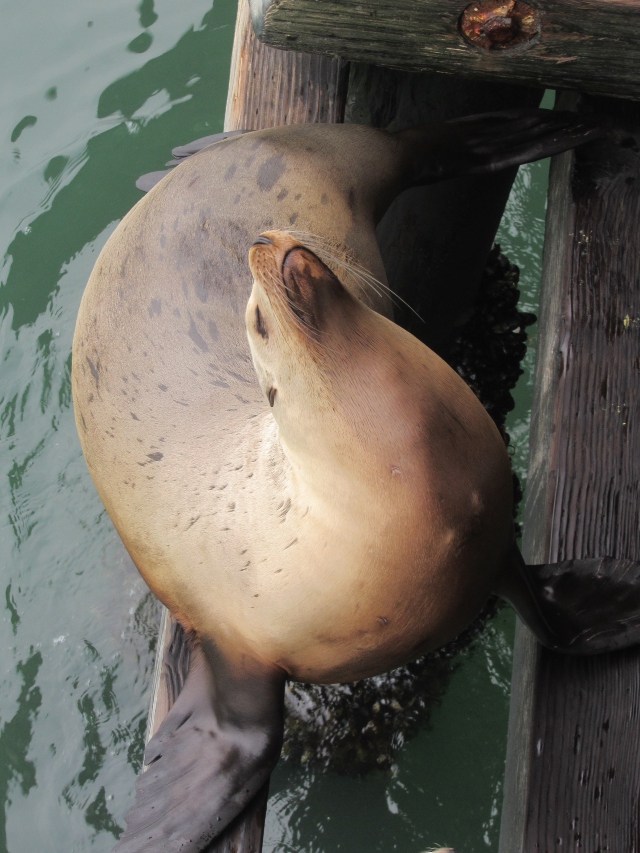
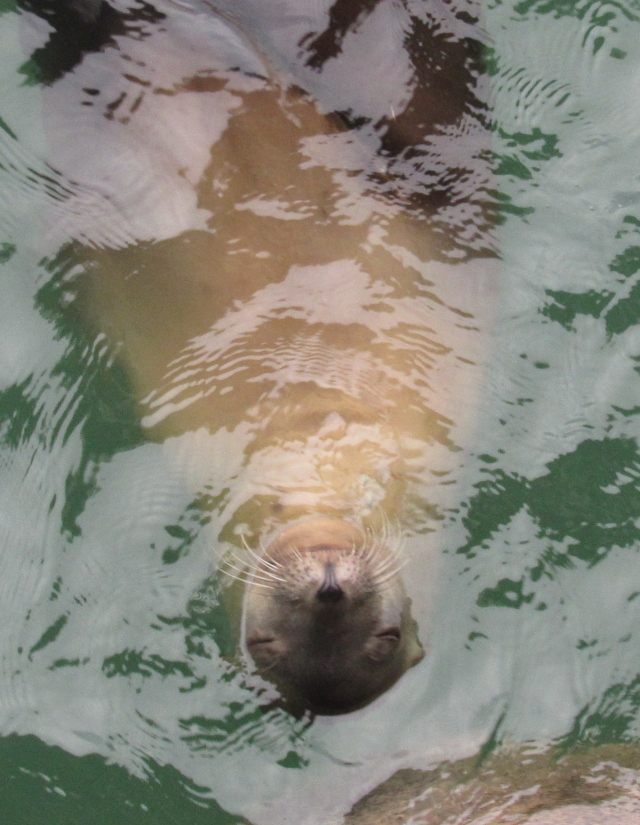
While visiting California I spent some time observing these very cool animals that are known for their intelligence, playfulness and noisy barking.

02 California Sea Lions_0931

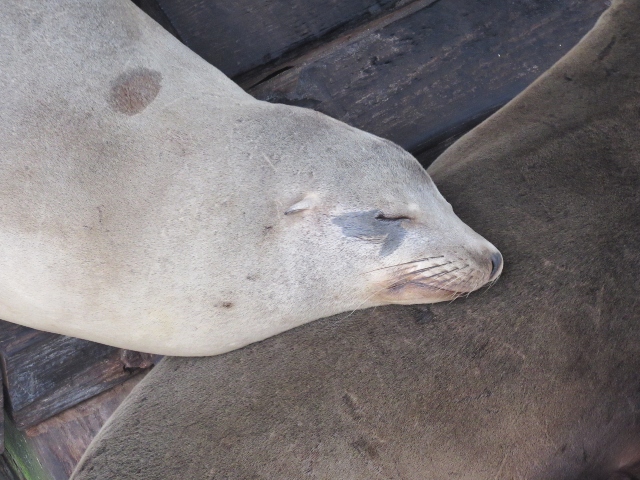
Males tend to be chocolate brown, while females are often golden brown. At about five years of age, males develop a bony bump on top of their skull called a sagittal crest.

03 California Sea Lion_0961

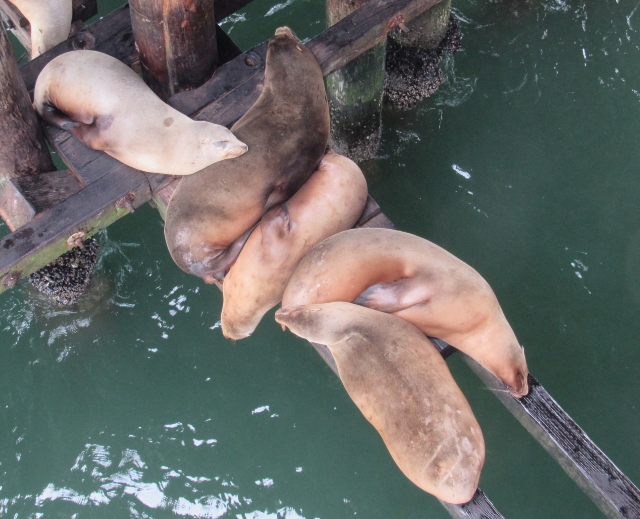
California Sea Lions are very social animals and groups often rest closely packed together at favored haul-out sites on land or float together on the ocean’s surface in “rafts.”

04 California Sea Lions_0941

These mammals live along the rocky Pacific Ocean coastlines of western North America. California Sea Lion males bark like dogs to communicate with other males and females.

05 California Sea Lion_0935

California Sea Lions mainly emerge from water on sandy or rocky beaches, but they also frequent manmade environments such as marinas and wharves. They are sleek animals that are faster than any other sea lion or seal and can top out at speeds of 25 miles an hour.

06 California Sea Lion_0944

They are sometimes seen “porpoising,” or jumping out of the water, presumably to speed up their swimming. They have also been seen “surfing” breaking waves.

07 California Sea Lion_0951

California Sea Lions are opportunistic eaters, feeding on squid, octopus, herring, rockfish, mackerel and small sharks. They are entertaining animals to watch and were a fun part of my visit to the Golden State.

Third Eye Herp
E-mail

Western White Trillium

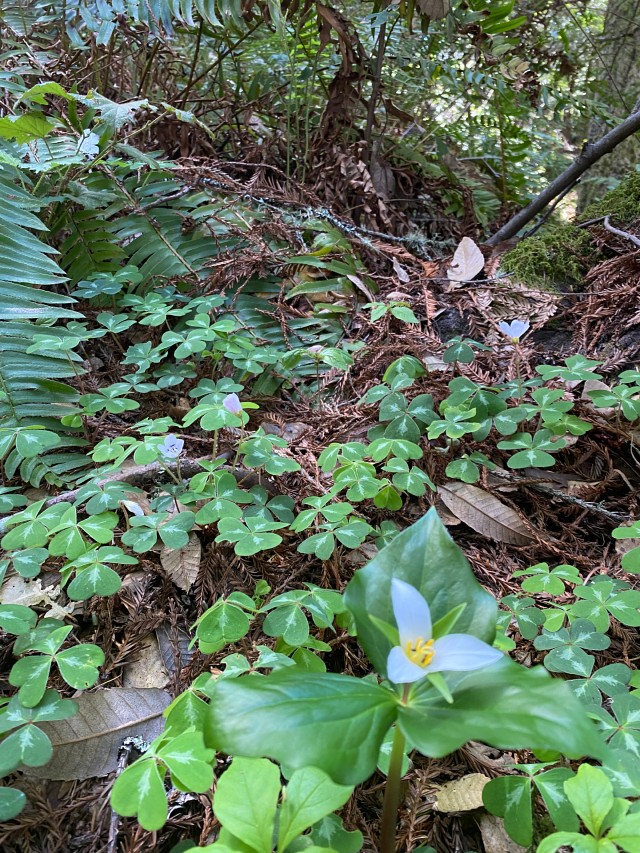
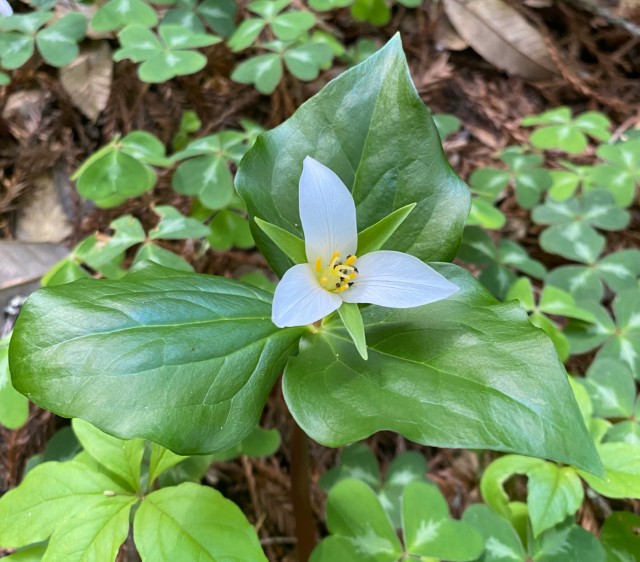
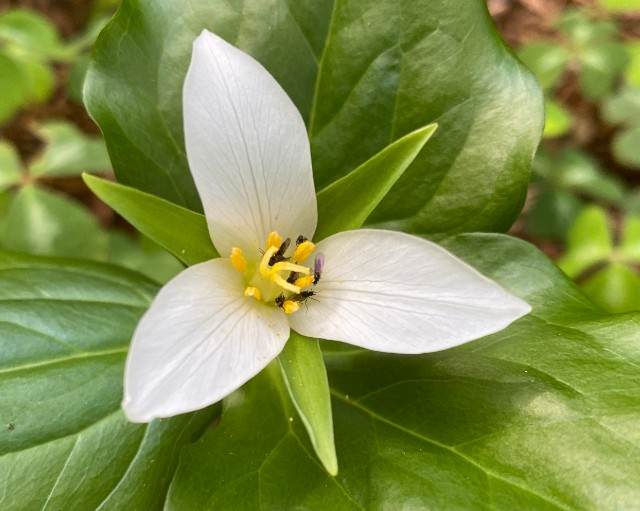
01 Western White Trillium_6168

While hiking in the Santa Cruz Mountains, I came across this unmistakable and endearing plant that softly lights up the vernal understory of moist coniferous and mixed forests in California and some of its surrounding states. This plant is also known as Pacific Trillium, Coast Trillium, and Pacific Wake-robin. The “wake-robin” name refers to the plants early spring blooming season.

02 Western White Trillium_6165

This wildflower is easy to identify due to what looks like three showy white petals held just above three large triangular leaves. A perennial that grows from rhizomes, it technically produces no true leaves or stems above ground; the stems are considered an extension of the horizontal rhizome. The part of the plant that we notice most is an upright flowering stalk and the leaf-like structures are bracts, but most people call them leaves, because they photosynthesize.

03 Western White Trillium_6166

This is one of many types of flowers that rely on ants for the distribution of their seeds. The ants collect trillium seeds and bring them back to their nests. Trillium have a calorie-laden appendage on each seed called a strophiole. Ants eat the strophioles and discard the seeds, thus dispersing them to different parts of the woods. Ants have been observed to carry trillium seeds as far as thirty feet from the plant where they collected it from.

04 Western White Trillium_6169

Western White Trillium’s flowers bloom starting in late February in the southern part of its range and in March or April elsewhere. Citizen science observations of flowering plants of this species peak during the first week of April. Since White Trillium is Ohio’s State Wildflower, it was neat to see the West Coast species of this plant.

Third Eye Herp
E-mail