California Quail

01 California Quail_0909

I often see this cool bird while out and about looking for reptiles in California.

02 California Quail_8517

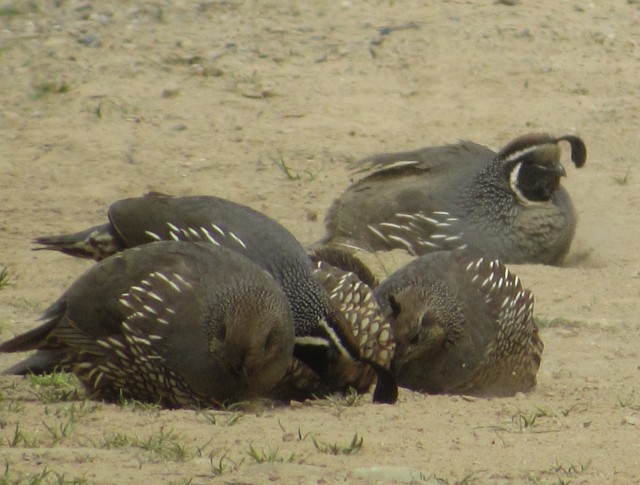
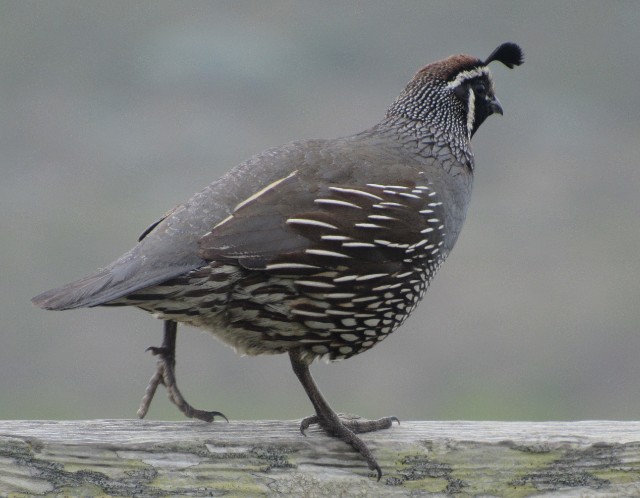
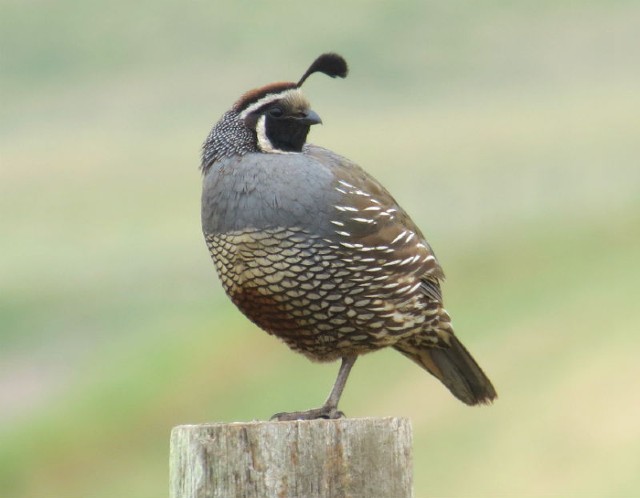
The California Quail is a small ground-dwelling bird with a curving crest or plume, made of six feathers, that droops forward; the plume is larger in males than in females. It is a handsome, soccer ball-sized bird with a rich gray breast and intricately scaled underparts.
03 California Quail_2905

Its stiffly accented “Chi-ca-go” call is a common sound of brushy areas of California and the Northwest. They are often seen strutting across clearings, nodding their heads at each step. If disturbed, they may burst into fast low flight on whirring wings.
04 California Quail_2904

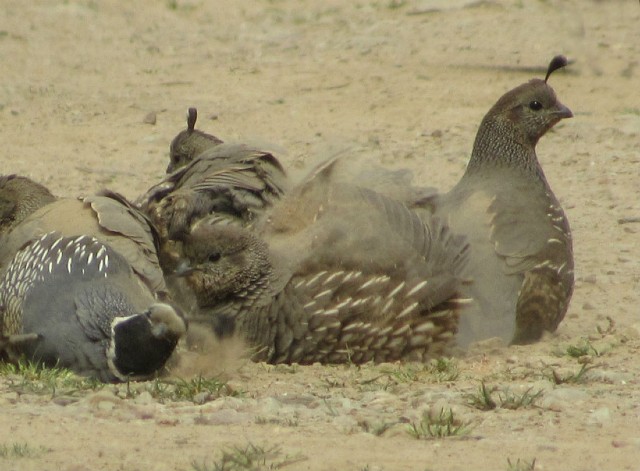
This is a highly sociable bird that often gathers in small flocks known as “coveys.” One of their daily communal activities is a dust bath. A group of quail will select an area where the ground has been newly turned or is soft, and using their underbellies, will burrow downward into the soil one to two inches.

05 California Quail_0917

They then wriggle about in the indentations they have created, flapping their wings and ruffling their feathers, causing dust to rise in the air. They seem to prefer sunny places in which to create these dust baths. I’ve witnessed this activity while on Mount Hamilton.
06 California Quail_8511

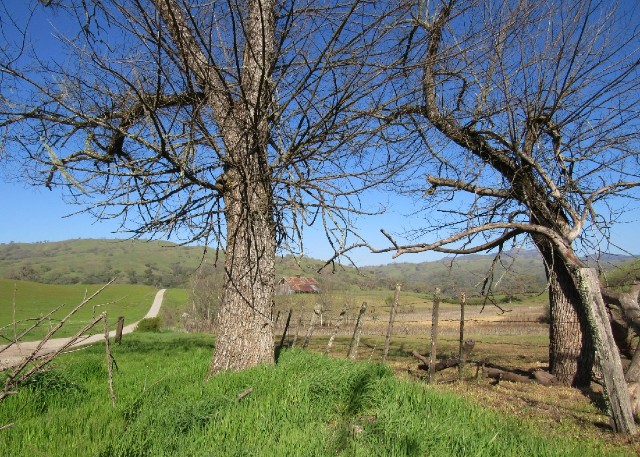
Thsi bird’s main habitats are broken chaparral, woodland edges, coastal scrub, parks and farms. As an adaptation to living in arid environments, California Quails can often get by without water, acquiring their moisture from insects and succulent vegetation. During periods of sustained heat they must find drinking water to survive.

07 California Quail_0699

California Quail nests can contain as many as 28 eggs. These large clutches may be the result of females laying eggs in nests other than their own, a behavior known as “egg-dumping.” The chicks leave the nest shortly after birth. They make their first attempts at flight when they are about 10 days old and stay on the ground for about a month before roosting in trees with the rest of the flock.
08 California Quai_0893

The California Quail is the state bird of California.
Third Eye Herp
E-mail

Pacific Ringneck Snake

01 Herp Habitat_3502

This is a fine and colorful reptile that I frequently come across on my visits to the Golden State.

02 ringneck_9408

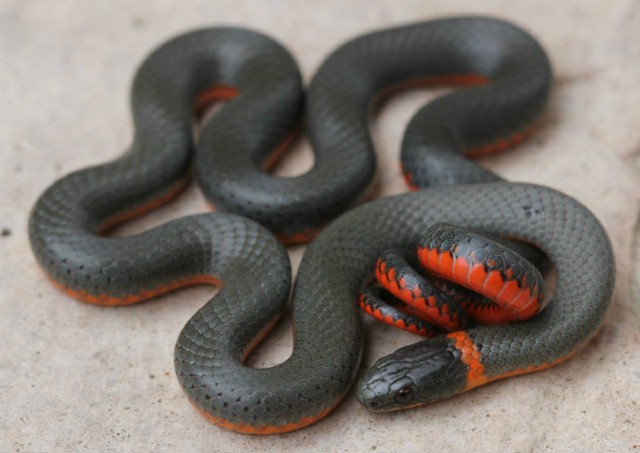
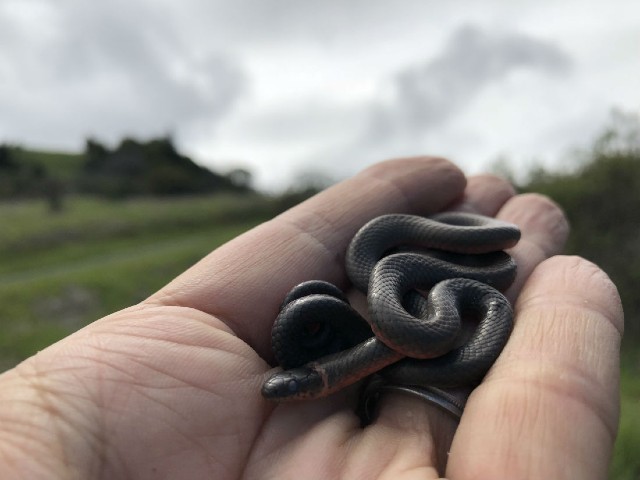
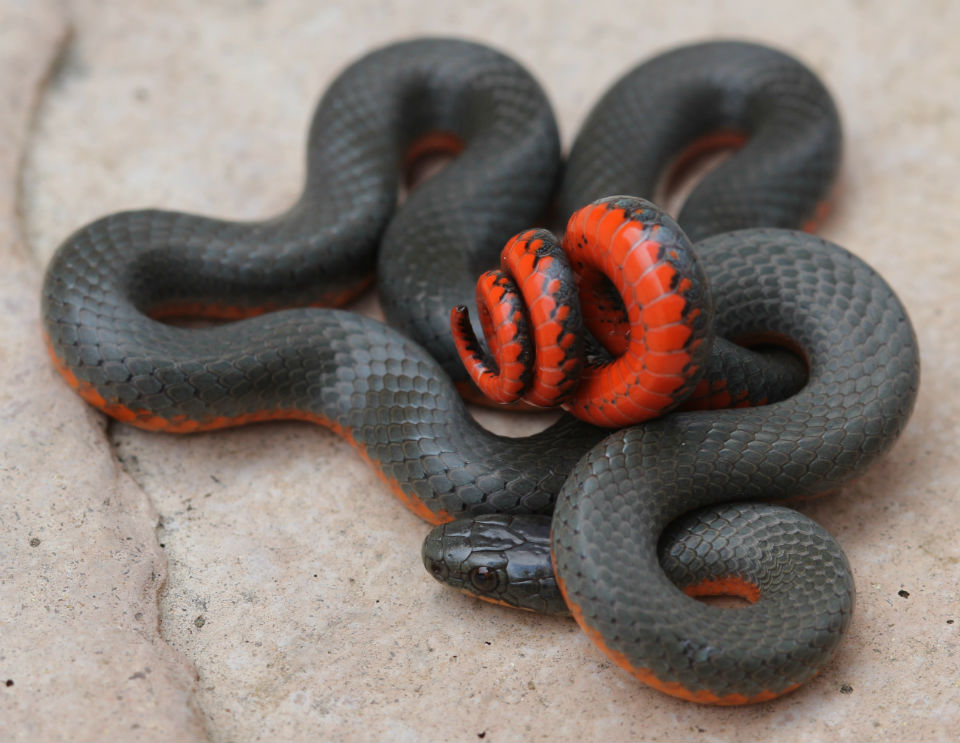
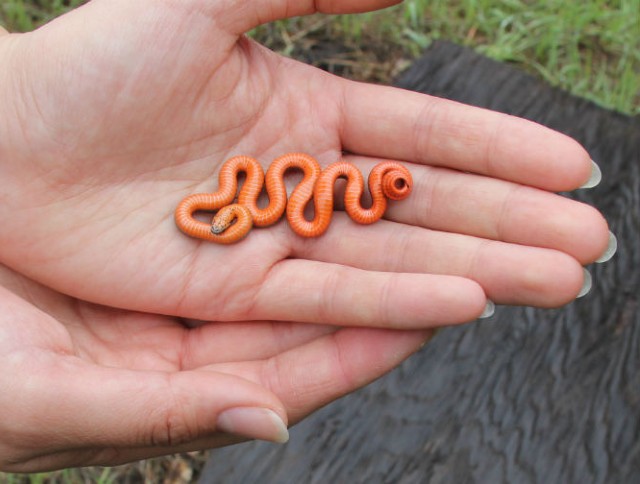
Adult Pacific Ringneck Snakes are normally around 11 to 16 inches long and about the diameter of a pencil. They have smooth scales and are usually a dark olive green color on their backs, although they can vary from brown to almost black.

03 Pacific Ringneck Snake_5325

These snakes are secretive and nocturnal, so they are rarely seen out during the daytime. I usually find them under logs, rocks or flagstones and sometimes in leaf litter.

04 Pacific Ringneck Snake_0363

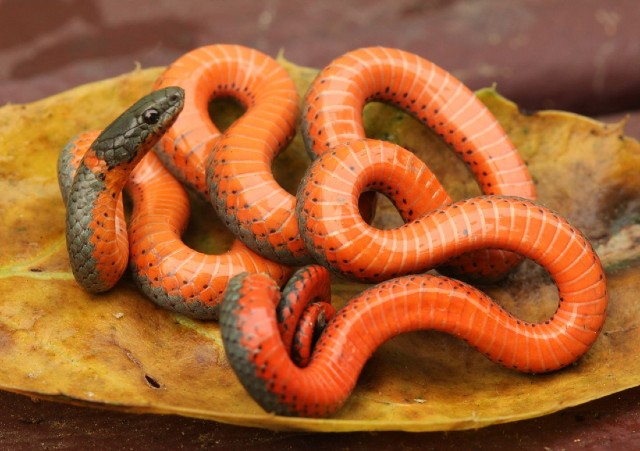
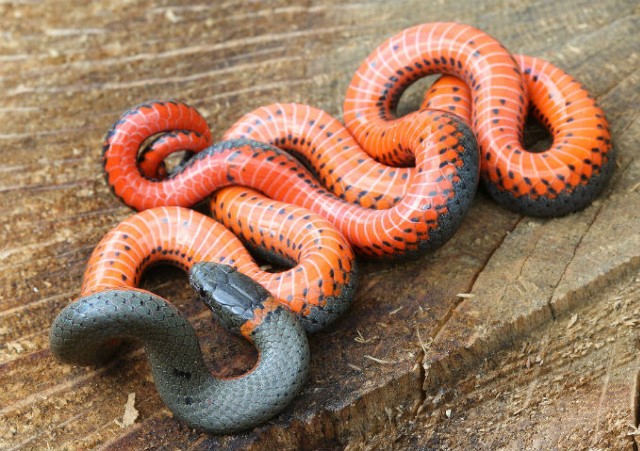
True to there name, they generally have a bright ring around their neck. They are well known for their unique defense posture of curling up their tails and exposing their bright red-orange underside when threatened.

05 Pacific Ringneck Snake 20018

This reptile prefers moist habitats and can be found in wet meadows, rocky hillsides, riparian coridors, gardens, farmland, grassland, chaparral, mixed coniferous forests and woodlands.

06 Triple Pacific Ringneck Snakes_2175

The diet of the Pacific Ringneck Snake consists primarily of small salamanders, earthworms, and slugs – but they also sometimes eat lizards, frogs, and smaller juvenile snakes of other species.

07 Pacific Ringneck Snake

Females lay their eggs in the Summer, sometimes doing so in a communal nest. In the Winter, hibernating individuals often aggregate in groups.

08 Pacific Ringneck Snake 028

As a species, Ringneck Snakes have one of the largest geographic ranges of any species of snake in North America and are represented by several subspecies.

Third Eye Herp
E-mail

Purple Shore Crab

01 Purple Shore Crab_3225

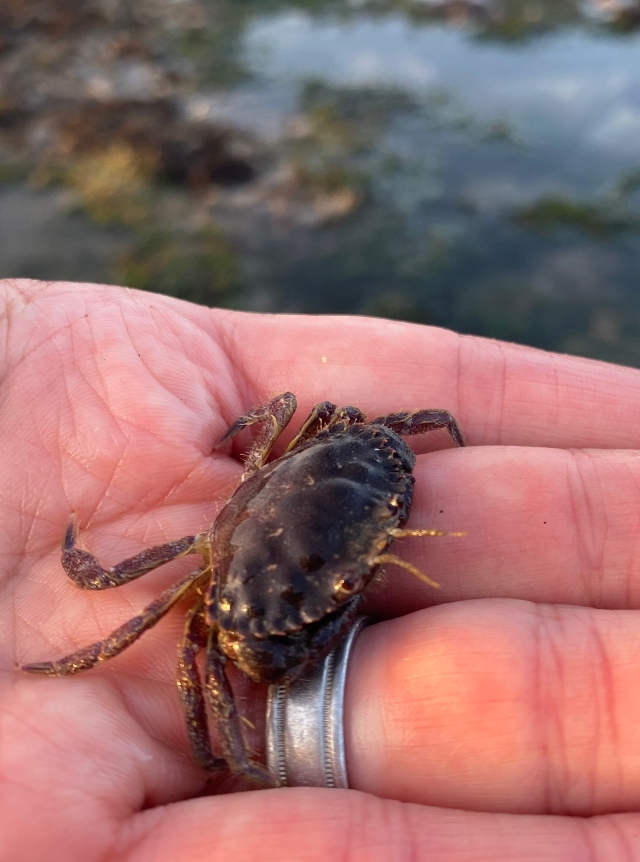
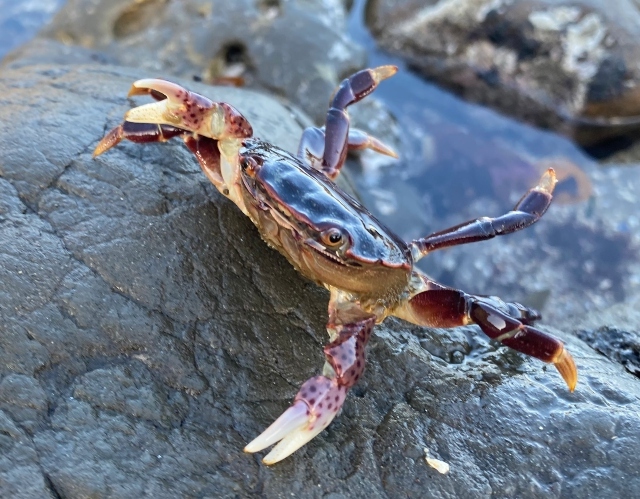
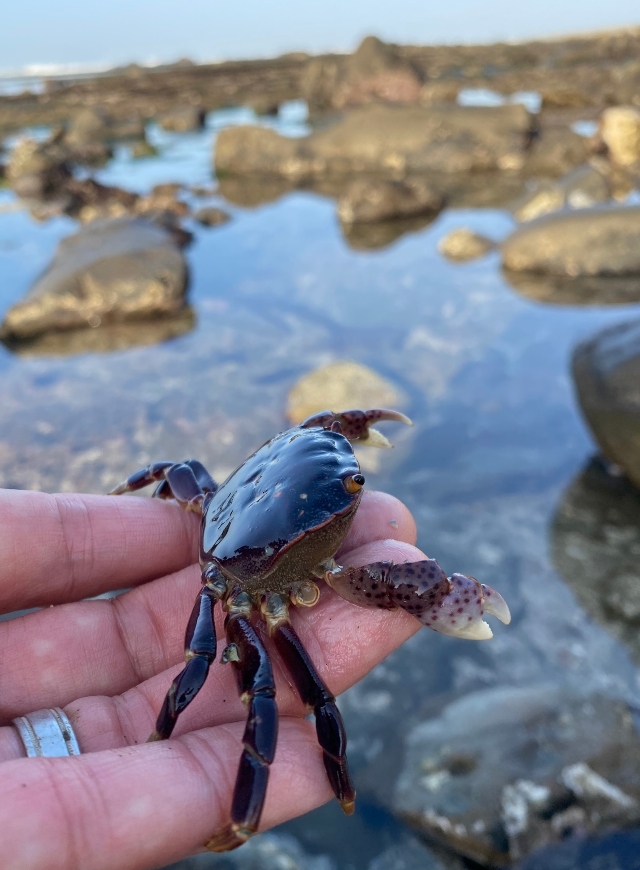
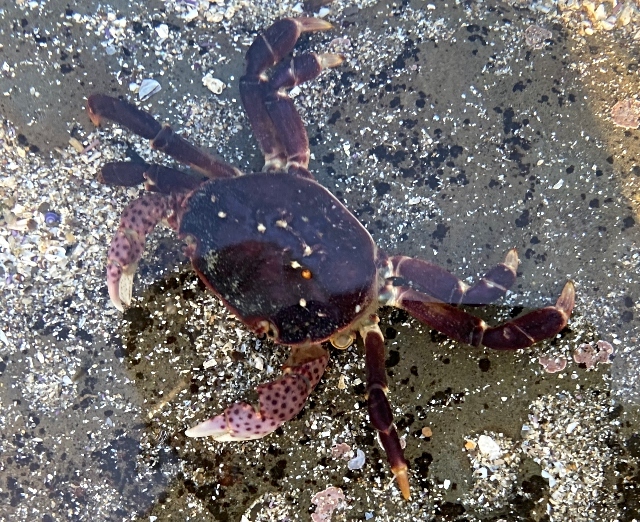
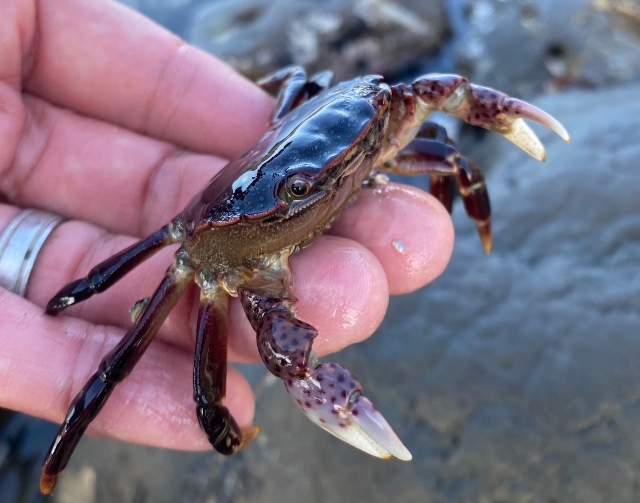
I found this cool creature while tidepooling on the California Coast. Crabs come in many shapes and sizes, but they have a few things in common – usually ten jointed legs and eyes at the ends of short stalks.

02 Purple Shore Crab_5835

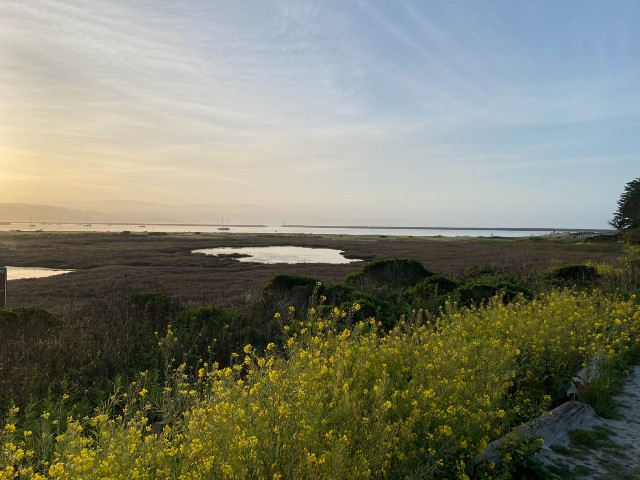
The Purple Shore Crab can be found sheltering under rocks in inter-tidal areas along the west coast of North America. They are quite adaptable, being found from the frigid shores of Alaska all the way to the sunny beaches of Baja California.
03 Purple Shore Crab_5925

These crustaceans look for food during low tide at night on top of rocks and on nearby sandy beaches. They feed on green algae, snail eggs, smaller animals and more. On the flip side, for their part, they’re eaten by scoters (a type of sea duck), fish and gulls.

04 Purple Shore Crab_5922

Purple Shore Crabs are rarely found in water deeper than three feet. They prefer rocky coastlines where hiding places are plentiful, because they do not burrow in sand, like many other crabs.

05 Purple Shore Crab_5932

They have the ability to regulate the amount of salt in their systems, a trait called osmoregulation. This enables them to live rather far into brackish estuaries and salt marshes, where the the level of salt in the water changes with the tides.

06 Purple Shore Crab_5912

The mating ritual of purple shore crabs involves a bizarre dance during which males and females rise up and embrace, belly to belly. The males clasp females firmly with their legs and claws, and fall over backwards.

The Purple Shore Crab truly was a fun find on my California trip.

Third Eye Herp
E-mail

Rock Gunnel

01 Rock Gunnel_3140

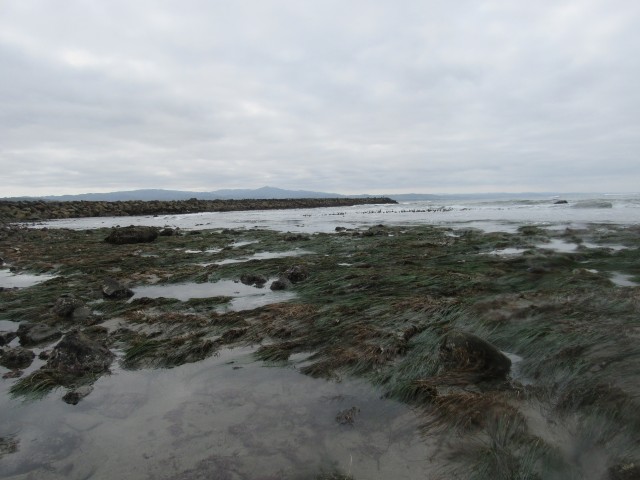
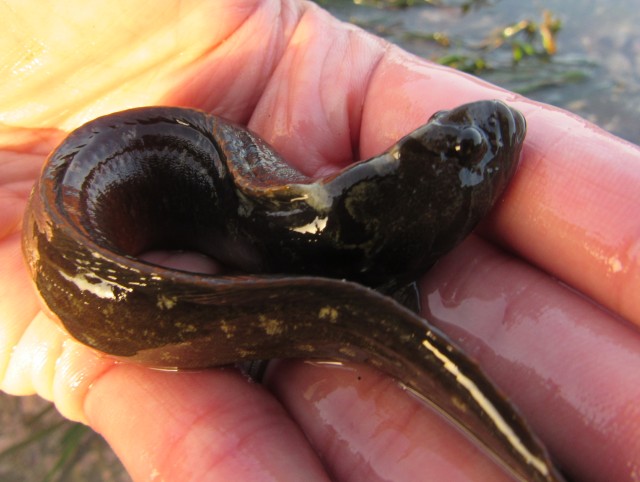
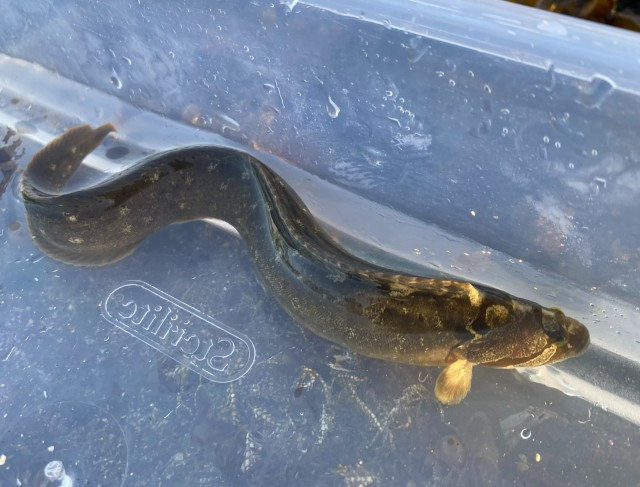
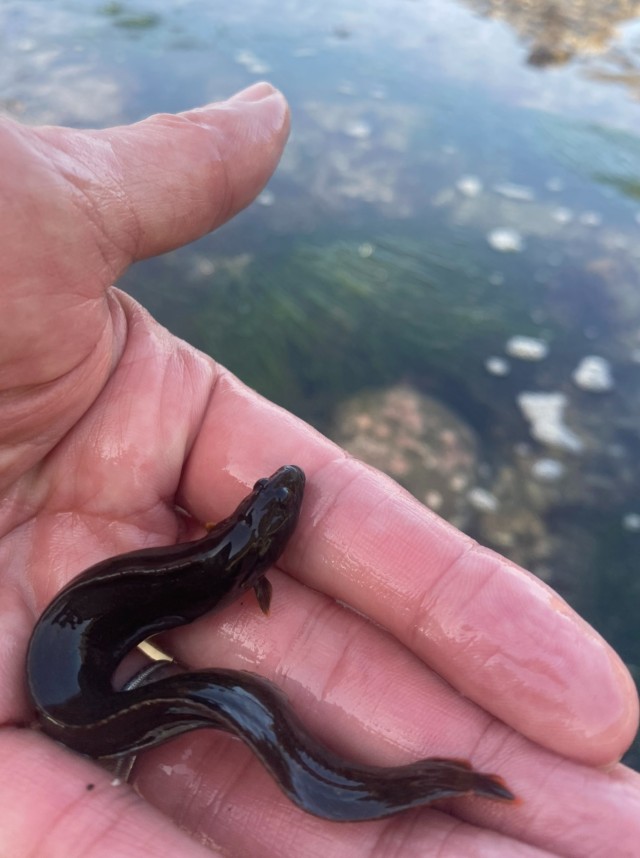
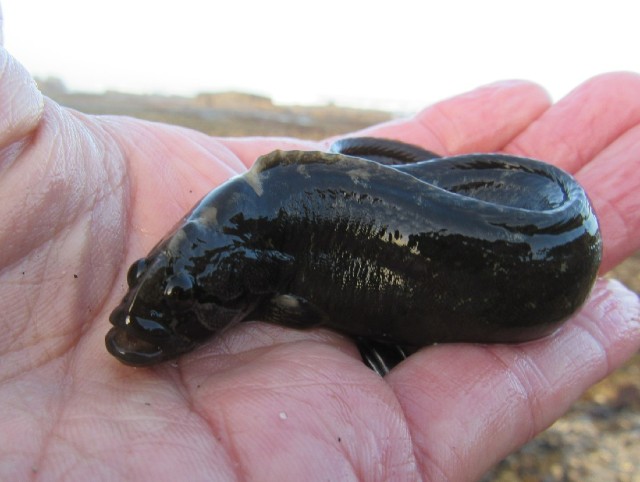
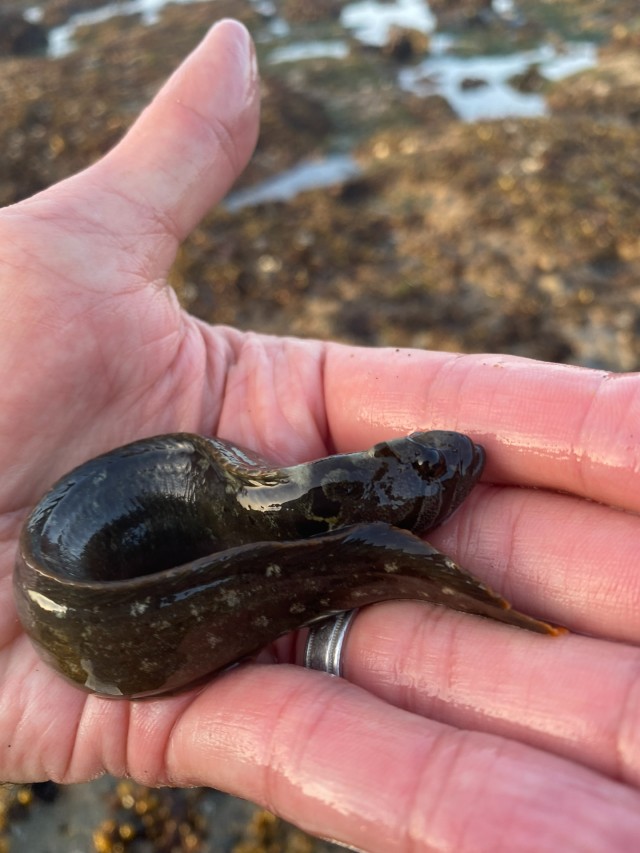
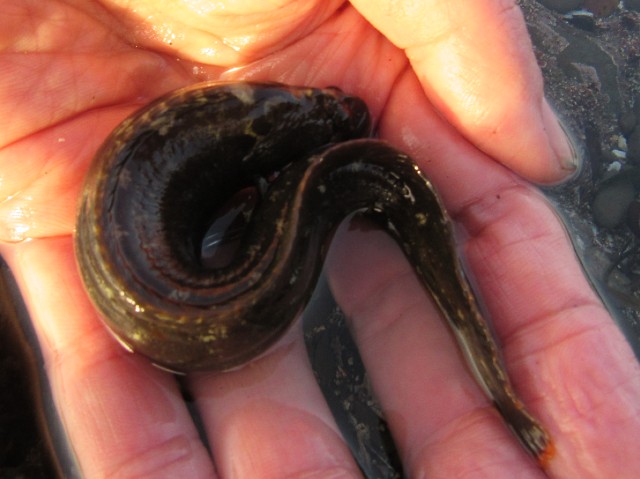
I caught a couple of these fine fish while tidepooling in the Golden State. Though it may look like an eel, due to its flattened, elongated body – it is in the same order as many other more “conventionally shaped” fish, such as Striped Bass.

02 Rock Gunnel_8407

Fully grown adult Rock Gunnels can reach a foot in length. Their coloration is highly variable, ranging from hues of yellow-green to brown to crimson.

03 Rock Gunnel_5858

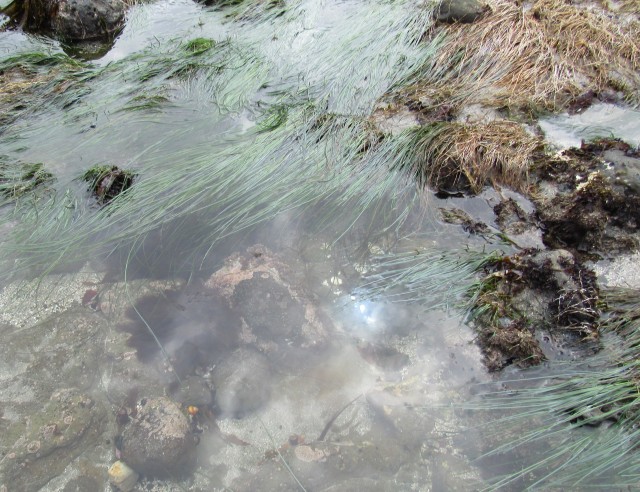
This neat creature may remain above the waterline at low tide, sheltered beneath rocks and algae; it can breathe air if necessary. They are frequently encountered on rocky shorelines and splash around noticeably when uncovered.

04 02 Rock Gunnel_5778

The Rock Gunnel uses habitat sheltered by rocks and algae both above and below the waterline, which is likely to protected it from its natural predators – seabirds, fish and marine mammals.

05 Rock Gunnel_8399

Thought to spawn during Winter, its eggs are laid on the underside of a shell or under a stone in a nest prepared by the male. The male guards the eggs, fanning them with his tail.

06 Rock Gunnel_5860

The Rock Gunnel is found in the coastal waters of North America and Europe. It is thought to feed mainly on small crustaceans, polychaetes and mollusks.

07 Rock Gunnel_8405

This fish is also known as the “Butterfish” due to its slipperiness.

Third Eye Herp
E-mail

Stout Shrimp

01 Stout Shrimp_3178

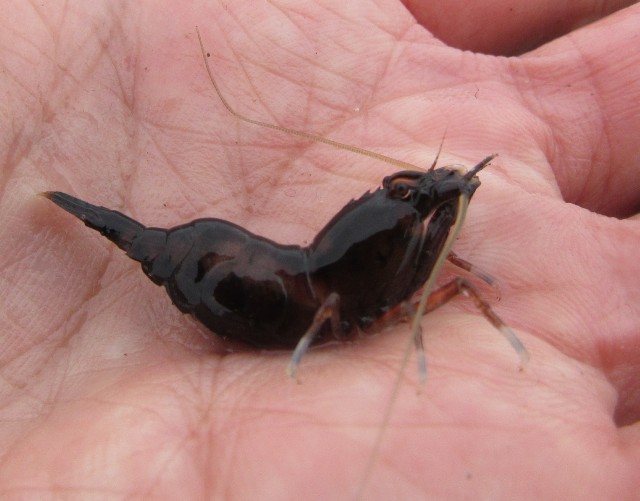
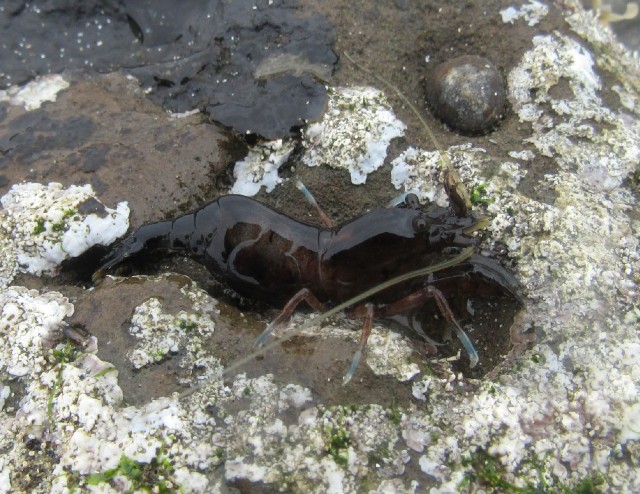
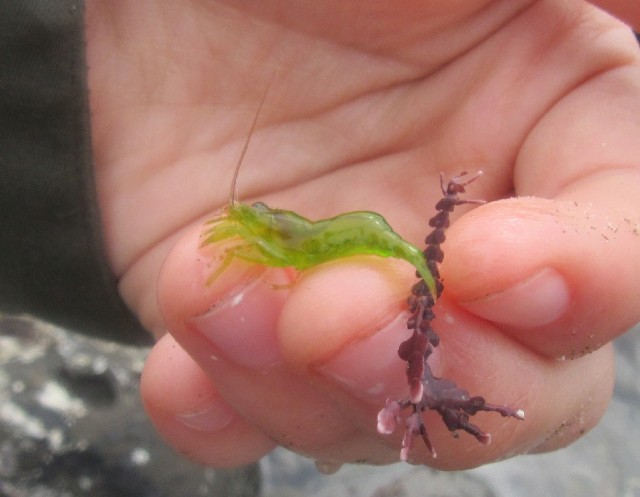
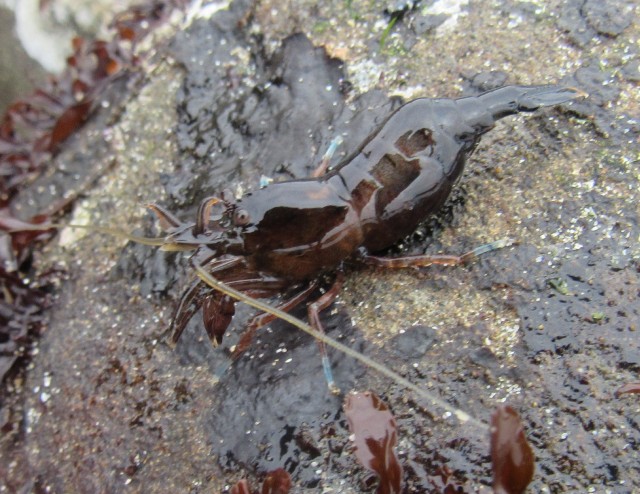
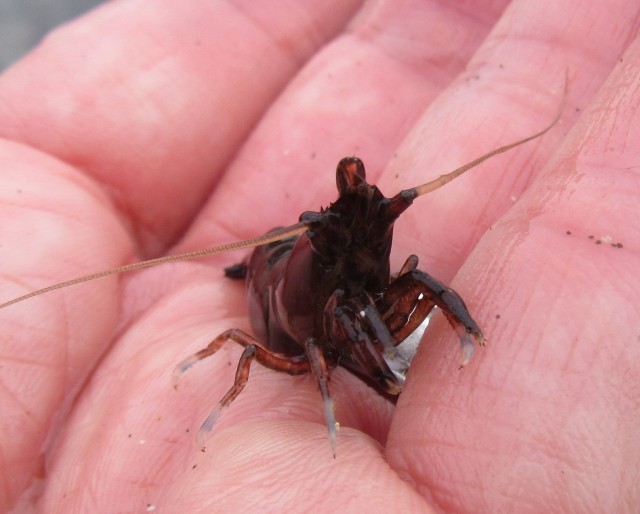
While tidepooling on the Pacific Coast, we found a few of these cool and colorful creatures.

02 Stout Shrimp_3139

The Stout Shrimp is one of several species of shrimp with the common name “Broken Back” Shrimp, named for the sharp angle of the attachment of its tail to its body.

02 Stout Shrimp_3147

This crustacean’s color is highly variable, ranging from white mottling or stripes to browns and greens. It regularly occurs in the intertidal zone or along the sides of floats, where they are often the most commonly seen shrimp.

03 Stout Shrimp_3157

The Stout Shrimp is nocturnal and comes out at night to forage for food. During the day they can be found under seaweed, hidden around rocks or nestled among mussels.

04 Stout Shrimp_3141

It is mainly carnivorous, feeding on a variety of small animals. In turn, it is eaten by a variety of fish…but only if the fish can catch them. Like crayfish, these shrimp use the rapid flexing of their tail to scoot away from danger.

05 Stout Shrimp_3144

Although small, these fine invertebrates were a fun find while exploring California.
Third Eye Herp
E-mail

Padded Sculpin

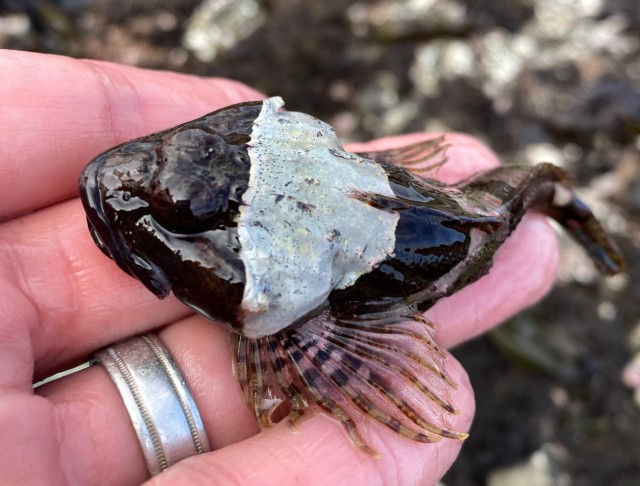
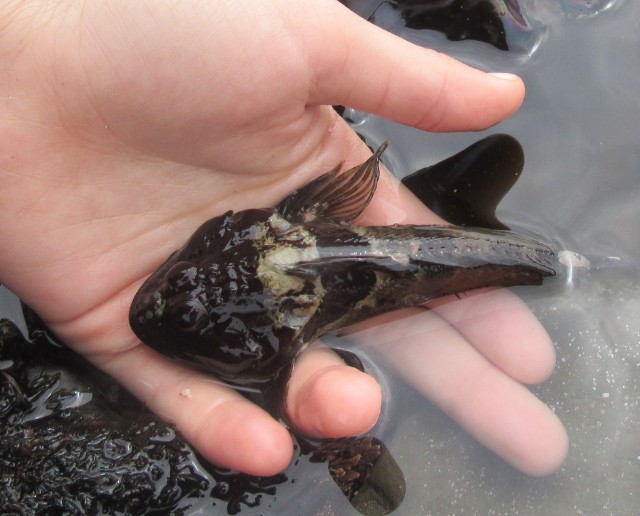
01 Padded Sculpin_5717

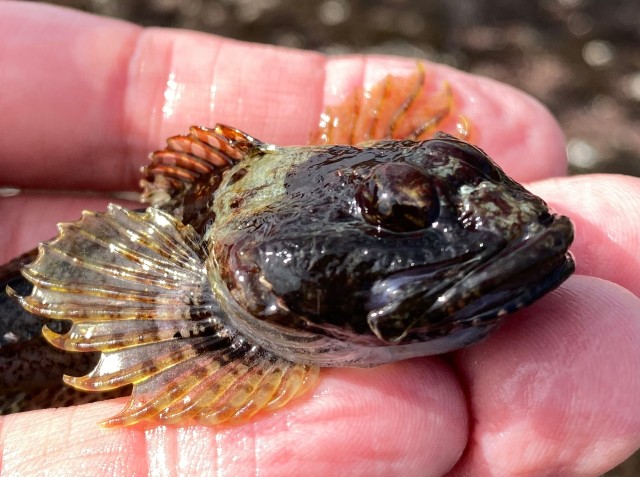
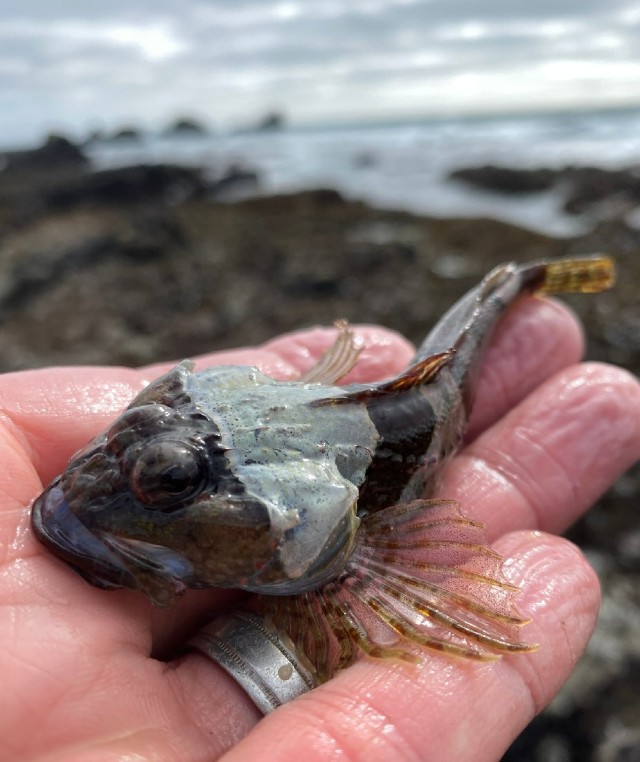
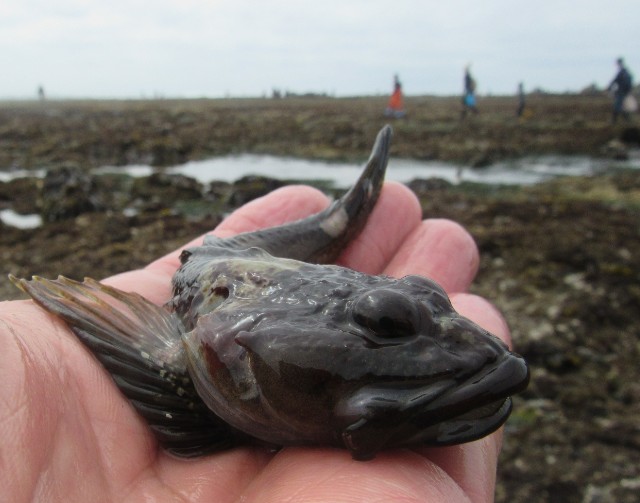
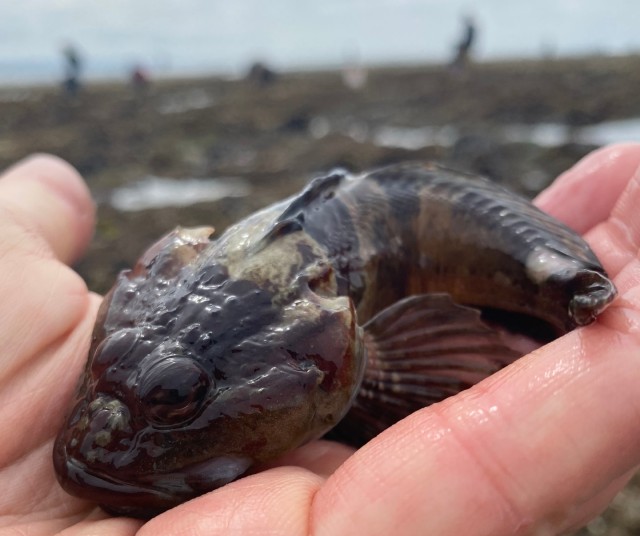
While tidepooling in California we found many cool creatures, including a few examples of this neat fish.

02 Padded Sculpin_2077

Sculpins make up a very large family of fish, with about 300 species. They are characterized by an oversized head and fanlike pectoral fins.

03 Padded Sculpin_2376

Most species are found in Arctic or temperate waters and are bottom dwellers. They typically occur in shallow or intertidal zones, though some species occur in the deep ocean and others in fresh water.

04 Padded Sculpin_2391

Sculpins differ from many other bony fish because they lack a swim bladder. A swim bladder is a gas-filled sack that a fish can expand or deflate to control its buoyancy in the water column. Lack of a swim bladder fits the sculpin’s bottom-dwelling habits.

05 Padded Sculpin_3202

Most species of Sculpin have cryptic coloration (brown or green to blend in with silt and algae). They are generally small fish, ranging 5 to 6 inches in length.

06 Padded Sculpin_2379

The Padded Sculpin feeds mainly on small invertebrates; in turn, it is an important food sources for other fish.

07 Padded Sculpin_3205

Sculpins are also known as “Bullheads” or “Sea Scorpions” and even some very unflattering terms, such as “Double Uglies.”

Third Eye Herp
E-mail

Long-horned Oak Borer

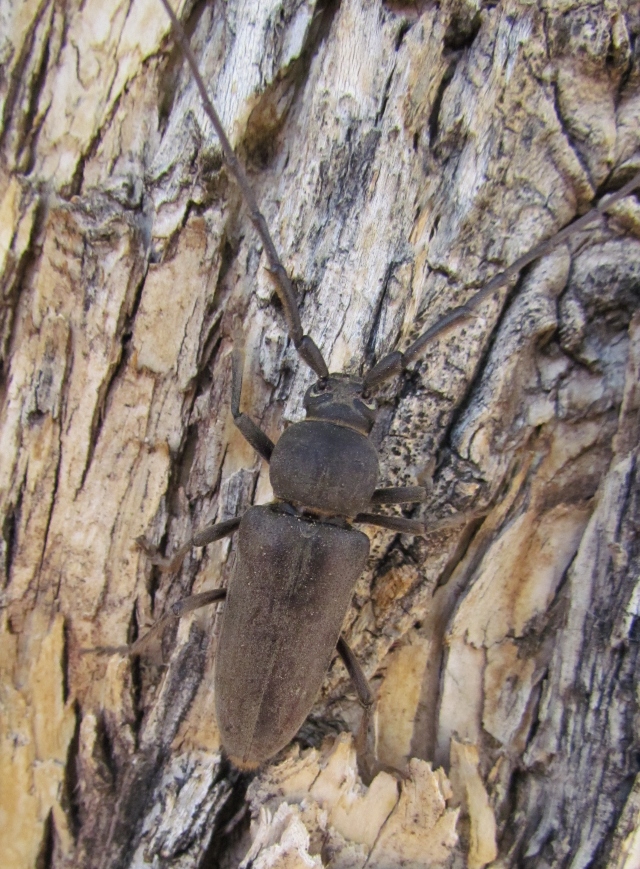
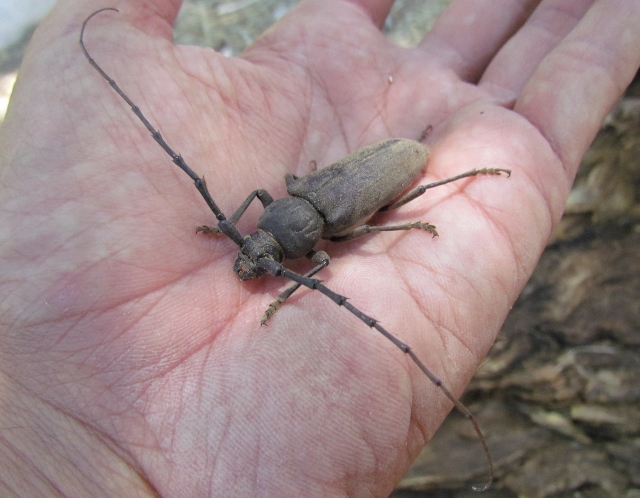
01 Long-horned Oak Borer 871

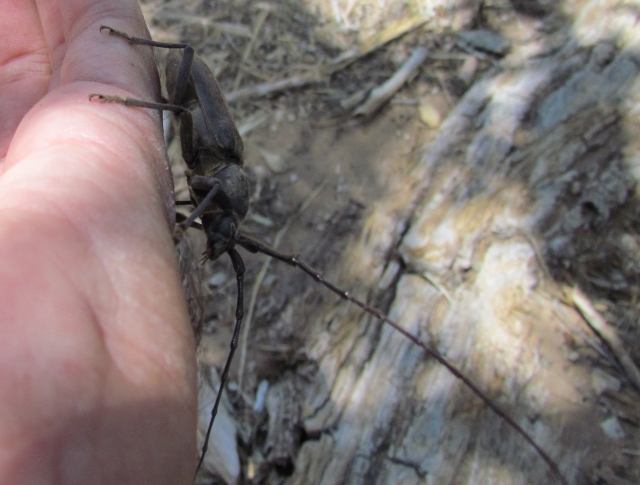
While exploring Red Rock Canyon (which is not far from Las Vegas), I came across a couple of these huge beetles. For an insect as large and as widespread as the Long-horned Oak Beetle, there is actually very little information available about them.

02 Long-horned Oak Borer 880

The appear to range from California to Texas and Oklahoma and from Utah south into old Mexico. Male are slightly smaller than females, but have longer antenna. Adults are active from June to early September.
03 Long-horned Oak Borer 889

Long-horns are a large family of beetles, with over 35,000 species described. Most are are characterized by extremely long antennae, which are often as long as or longer than the insect’s body.

04 Long-horned Oak Borer 876

Females lay their eggs in bark crevices, and the emerging larvae bore into the inner bark and sapwood of oak trees. Long-horned Beetles can take one or more years to complete one generation.

05 Long-horned Oak Borer 896

They made squeaky noises when picked up, but did not bite, despite looking a bit fierce. These insects also showed off their ability to fly, but only did so for a short distance.

06 Long-horned Oak Borer 902

Long-horned Oak Borers were a super cool find on my trip to the desert.

Third Eye Herp
E-mail

Great Basin Collared Lizard

01 Great Basin Collared Lizard_0632

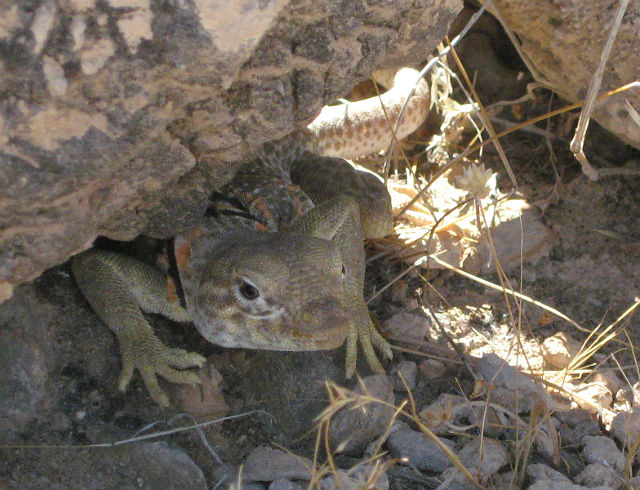
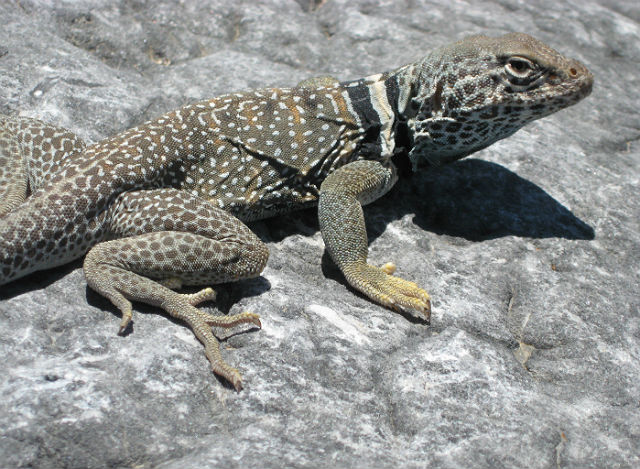
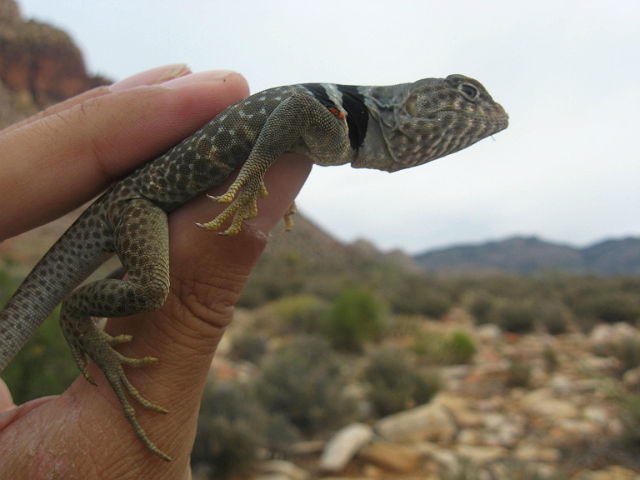
These are one of my favorite lizards and I’ve come across them a few times in the Mojave Desert. With their large heads, powerful jaws and ability to run on their hind legs, Great Basin Collared Lizards are the Velociraptors of their domain.

02 Great Basin Collared Lizard 120

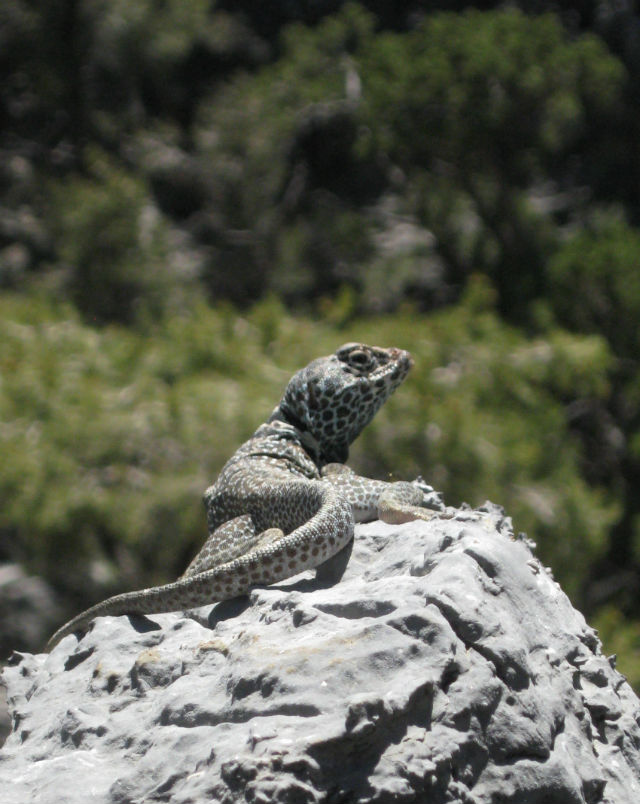
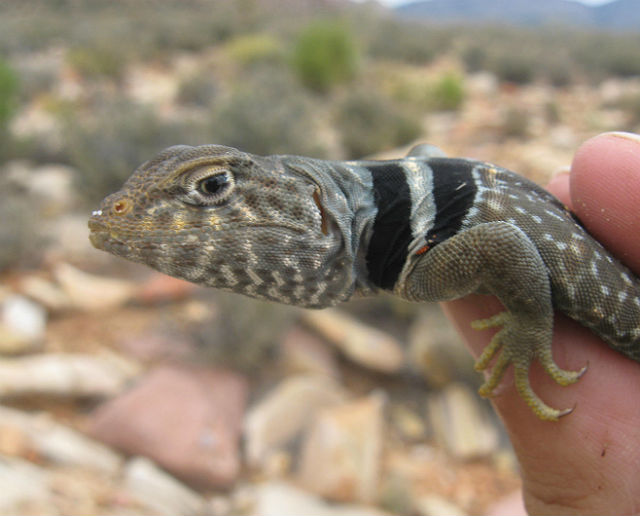
This reptile is easy to identify due to its tiny scales (which look more like rough skin than scales) and its two distinctive black neck bands. On their body they are often covered with a combination of bands and spots on a background color that matches the desert surface.

03 Great Basin Collared Lizard 2010-06-14

Gravid (pregnant) females have orange blotches along their sides and immature males often exhibit this orange coloration as well, to avoid conflicts with mature males.

04 Great Basin Collared Lizard 222

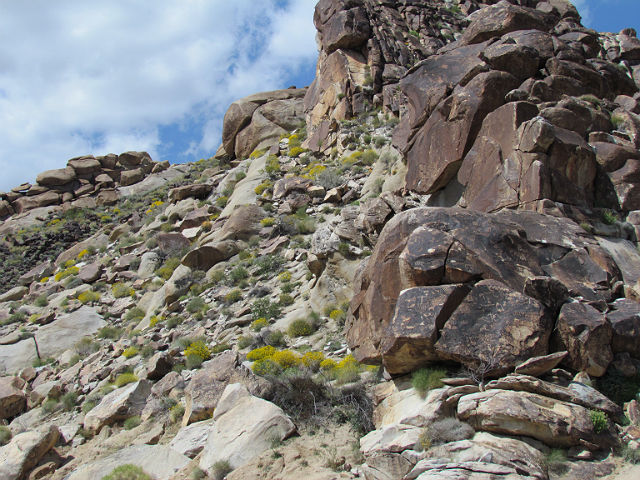
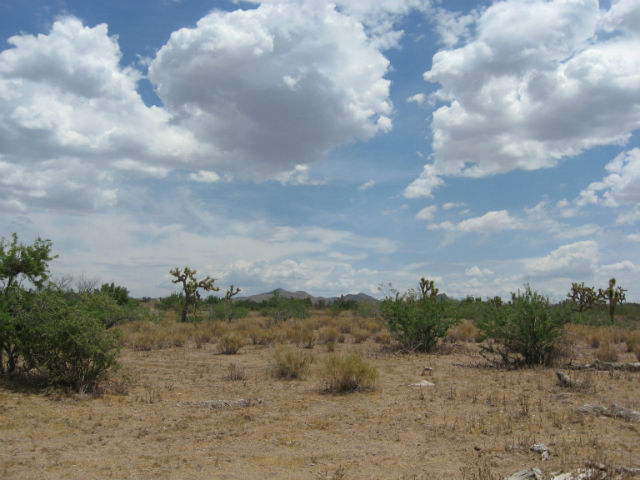
Unlike many other lizards that can be found on the flat desert floor, this species is mainly found in hilly, rocky terrain as well as in washes and canyons where large rocks used for protection and lookout sites.

05 2010-06-14 139

Great Basin Collared Lizards primarily eat insects, spiders and scorpions, but they will also use their powerful jaws to consume small vertebrates, like lizards, snakes and rodents. They have also been known to occasionally consume plant matter.

06 Great Basin Collared Lizard 27 221

These “miniature dinosaurs” have a neat physical appearance and are fun to watch as they leap from rock to rock to catch food – or as they race across the desert, running on their hind legs like a miniature Tyrannosaurus Rex.

Third Eye Herp
E-mail

Desert Woodrat

01 Desert Woodrat_ 177

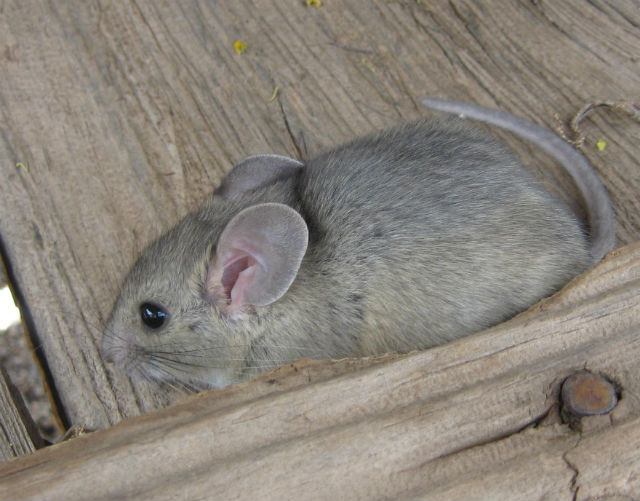
We usually think of wild rats as not particularly attractive, but the Desert Woodrat, a species of Pack Rat, is actually kind of cute. I regularly encounter them on outings to the Las Vegas area.

02 Desert Woodrat 179

They feed on beans and leaves of mesquite, on juniper and on parts of cacti, apparently without getting injured by the spines. They will also eat other green vegetation, seeds, fruits, acorns and pine nuts. They are highly dependent upon Prickly Pear Cacti for water.

03 Desert Woodrat_2792

Desert Woodrats inhabit scrublands in desert and semi-desert areas. Their houses are constructed with twigs, sticks, cactus parts and rocks, depending on availability of building materials. The house usually is built against a rock crevice, at the base of creosote or cactus, or in the lower branches of trees.

04 Desert Woodrat_1159

These rodents are aggressively solitary. Desert Woodrats may defend succulent plants (a water source) against other species. Desert Woodrats do not drink water; instead water is obtained from the succulent, moisture-containing plants that are normal to their diet.

05 Desert Woodrat_2790

This species of Woodrat has two to four litters per year, and sometimes five. After a gestation period of about 30 days, usually two to four blind, naked, and helpless young are born per litter. Offspring become sexually mature at about two months of age.

06 Desert Woodrat_2794

Woodrats are commonly called “Pack Rats” because they have a tendency to collect any curious object they find, especially those that are small, bright, and shiny. They “pack” these items back to their house or den. Should they find something more interesting, the first treasure is dropped to pick up the new one.

Third Eye Herp
E-mail

Alpine Shooting Star

01 Alpine Shooting Star_3333

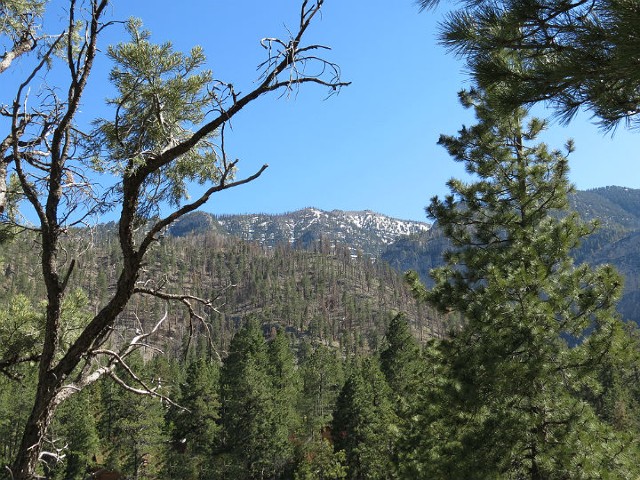
While hiking on Mount Charleston near Las Vegas, Nevada, I came across this neat wildflower. This species ranges from northeast Oregon to the southern Cascades and Sierras and east to Utah and Arizona.

02 Alpine Shooting Star_076

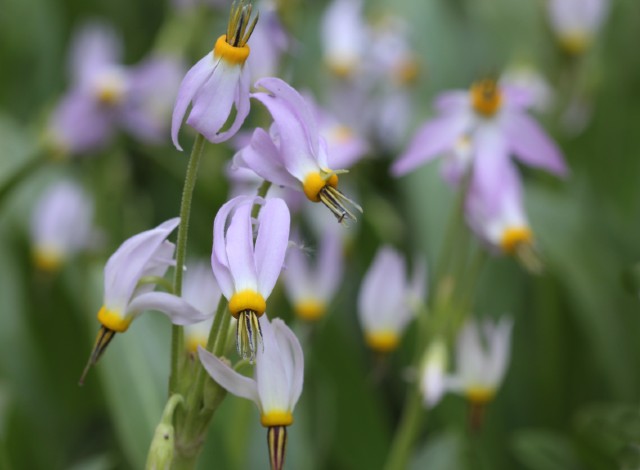
This plant is a showy member of the Primrose Family. It is usually seen in in moist meadows and along streams at high elevations in mountains. It can best be described as locally common.

03 Alpine Shooting Star_077

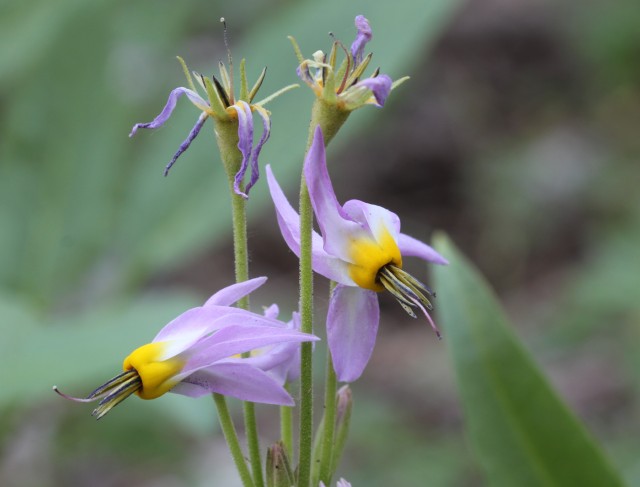
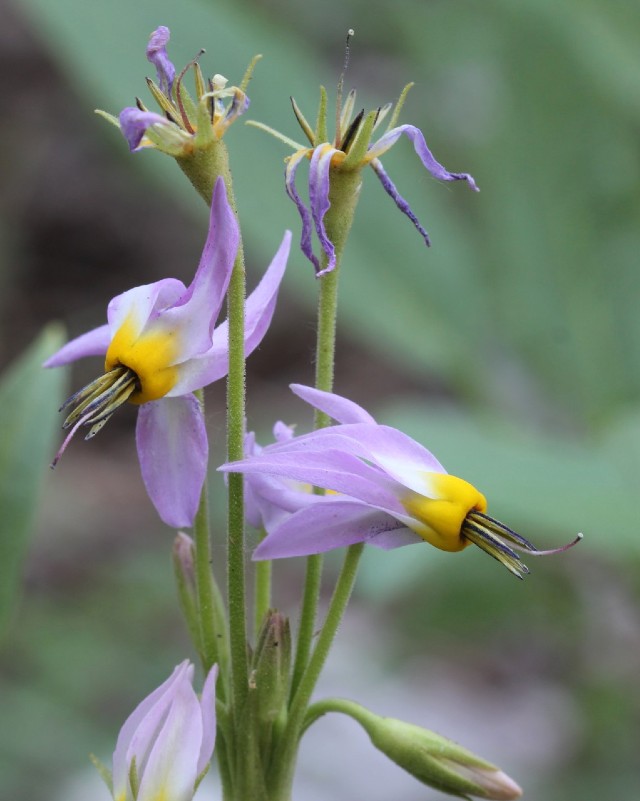
The flower of Alpine Shooting Star resembles the shape of a rocket and its plume of exhaust. The “plume” of the petals reveals a fantastic transition of colors from near-black to yellow, white, and finally a lavender-pink.

04 Alpine Shooting Star_078

Each flower points downwards and a single, elongated stigma protrudes from the blossom, the “nose” of the rocket. Its is held firmly by four black anthers between the petals and the stigma.

05 Alpine Shooting Star_079

This plant is of special value to Bumble Bees and requires their ability to buzz-pollinate for successful reproduction. Buzz-pollination is a technique used to release pollen which is firmly held by the flower.

Third Eye Herp
E-mail