Black-throated Sparrow

01 Black-Throated Sparrow_3011

It seemed that wherever I went in the Mojave Desert, these sharp looking birds were present. Part of what made them easy to notice is that they tend to travel in small groups; their frequent high, bell-like calls made me aware of their presence.

02 Black-Throated Sparrow_5080

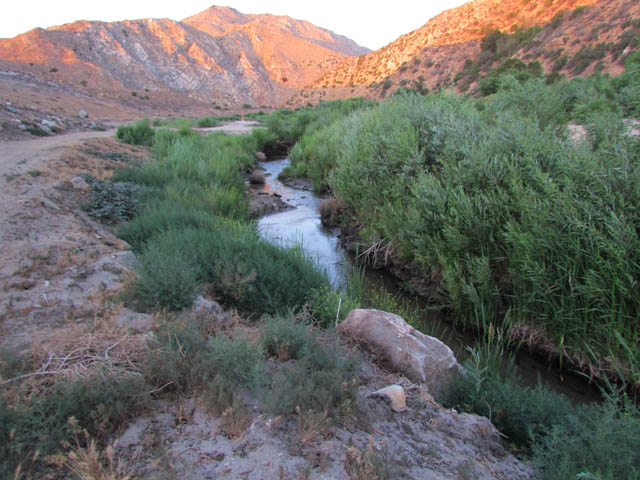
Found throughout the southwestern United States and Mexico in arid upland habitats, the Black-throated Sparrow breeds as far north as Washington State. It prefers a habitat of desert hillsides and scrub, canyons and washes – but it is quite adaptable.
03 Black-throated Sparrow_7693

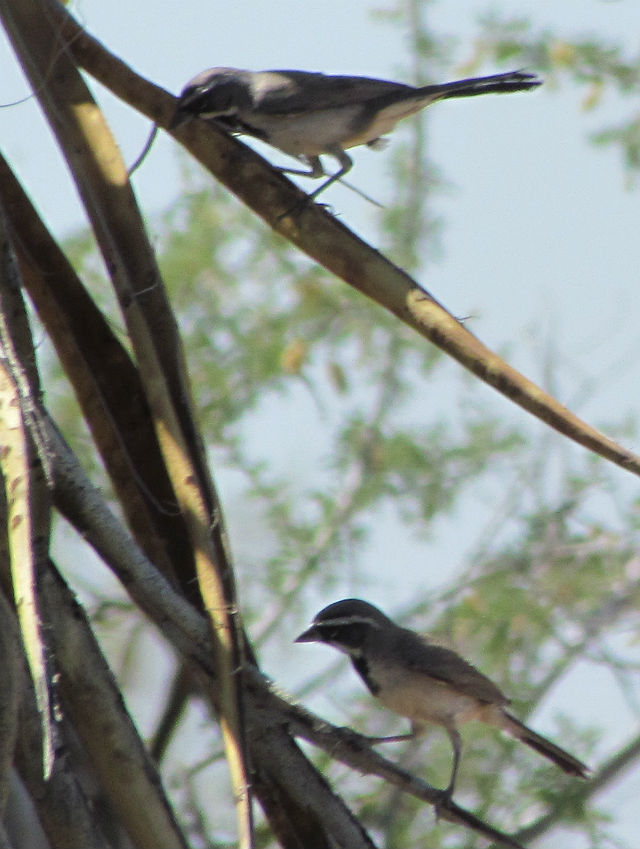
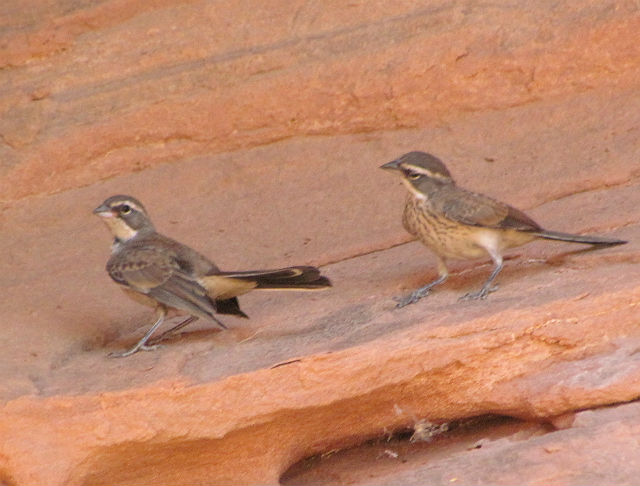
Its striking face pattern of neat gray bordered by two strong white stripes and a black triangular throat patch make it easy to identify. Juveniles lack the adult’s black throat and have faint streaking above and below. I have often observed them hopping on the ground, pecking for seeds and insects and making short, low flights between shrubs.
04 Black-throated Sparrow_7108

They have the habit of perching in trees and shrubs while giving quiet calls. The Black-throated Sparrow establishes and defends a large territory during nest construction and egg laying season, though once incubation begins, their territory size shrinks and males becomes less responsive to intruders.

05 Black-Throated Sparrow_2970

The oldest recorded Black-throated Sparrow was a female that was least 6 years old when she was recaptured and re-released during banding operations in Arizona. This is a handsome bird that adds its good looks and interesting song to the desert landscape of the American southwest.
Third Eye Herp
E-mail

Southern Pacific Rattlesnake

01 Southern Pacific Rattlesnake_6861

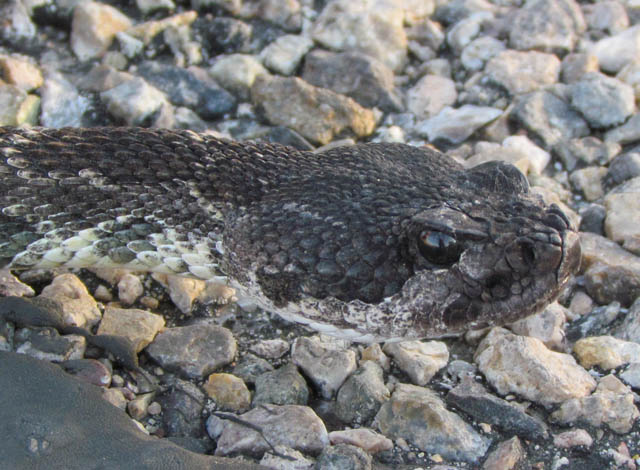
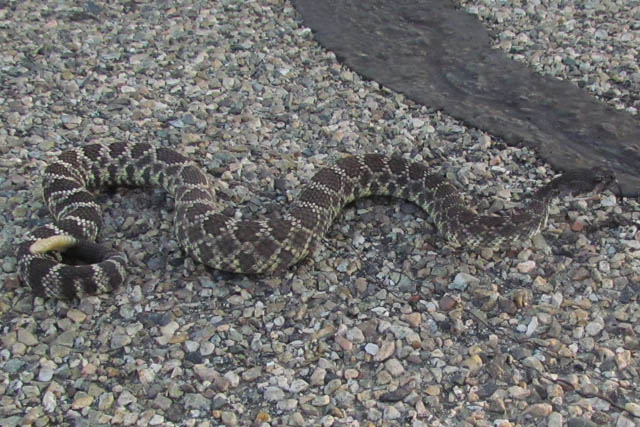
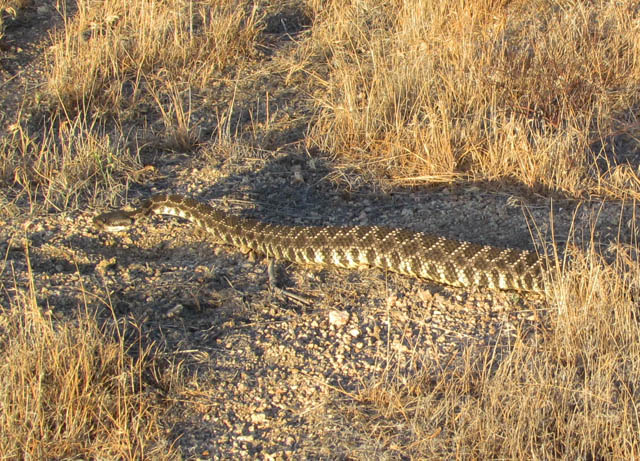
This is a serpent that I have occasionally come across while visiting southern California. The Southern Pacific Rattlesnake is one of nine subspecies of Western Rattlesnakes, which range across much of the western United States, Mexico and Canada. Adults are usually three to four feet long.

02 Southern Pacific Rattlesnake_6854

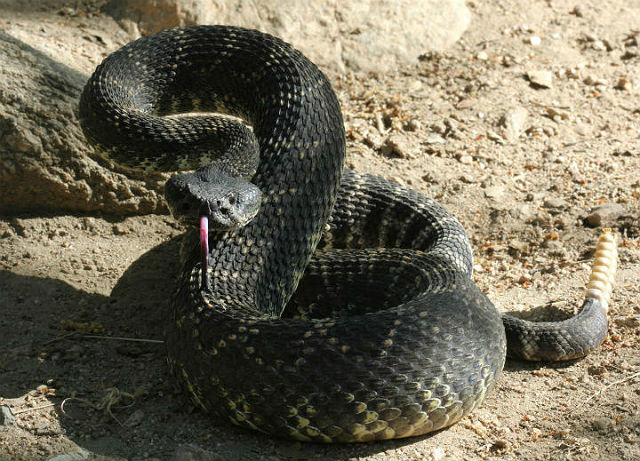
Like other species of Western Rattlesnakes, the Southern Pacific has a relatively hefty body and stubby tail, a triangle-shaped head, hooded eyes and elliptical pupils. It often blends into its surroundings due to its coloration. Although usually brown to olive-brown, it may be gray or a greenish tint. A thin brown, grey, or black stripe extends from the corner of each eye to the mouth.

03 Southern Pacific Rattlesnake_6845

Like not only rattlesnakes, but also like Cottonmouths and Copperheads, it has a small opening, or heat-sensing organ called a loreal pit, on each side of its face, between its nostrils and eyes, giving it membership in the subfamily called “Pit Vipers.” Much of our current-day technological advances in night vision and heat seeking ability are a result, in part of research done on pit vipers such as the Southern Pacific Rattlesnake.

04 Southern Pacific Rattlesnake_6844

These rattlesnakes live in a variety of areas including grasslands, mountain forests, coastal dunes, rocky deserts and hillsides and agricultural fields. Young snakes feed mostly on small lizards, while adults usually eat small mammals and birds. Rattlesnakes tend to be nocturnal hunters. These reptiles use venom to subdue their prey. The venom of the Southern Pacific Rattlesnake varies substantially between populations likely depending on habitat. In certain areas it has developed neurotoxic venom.

05 Southern Pacific Rattlesnake_9856

The rattle at the end of the tail of the Southern Pacific Rattlesnake is made up of segments of keratin (similar to what makes up fingernails). When the snake sheds its skin, a new segment of the rattle is formed. The rattle warns other animals the snake is venomous and can and will defend itself. This is always an impressive and memorable beast to encounter in the field.

Third Eye Herp
E-mail

Bluntnose Minnow

01 Bluntnose Minnow_6492

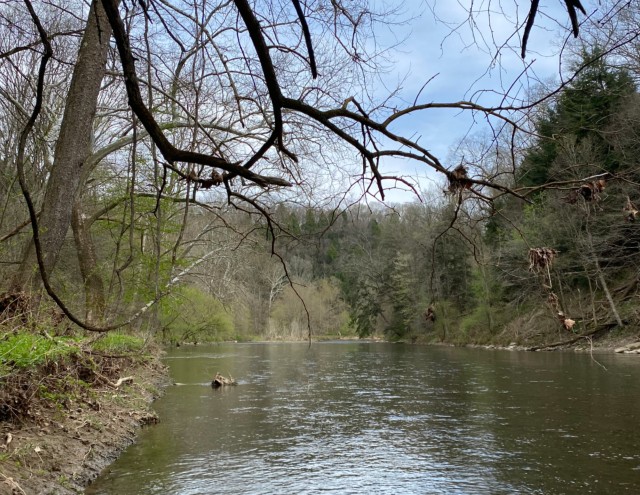
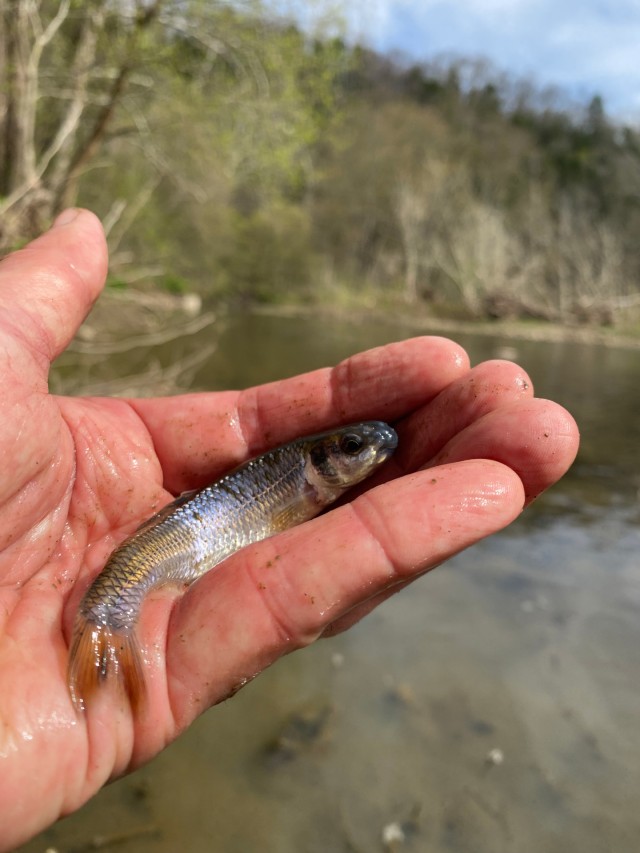
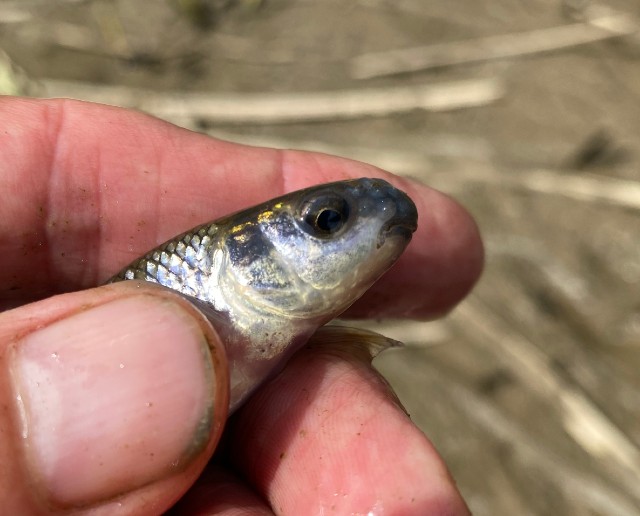
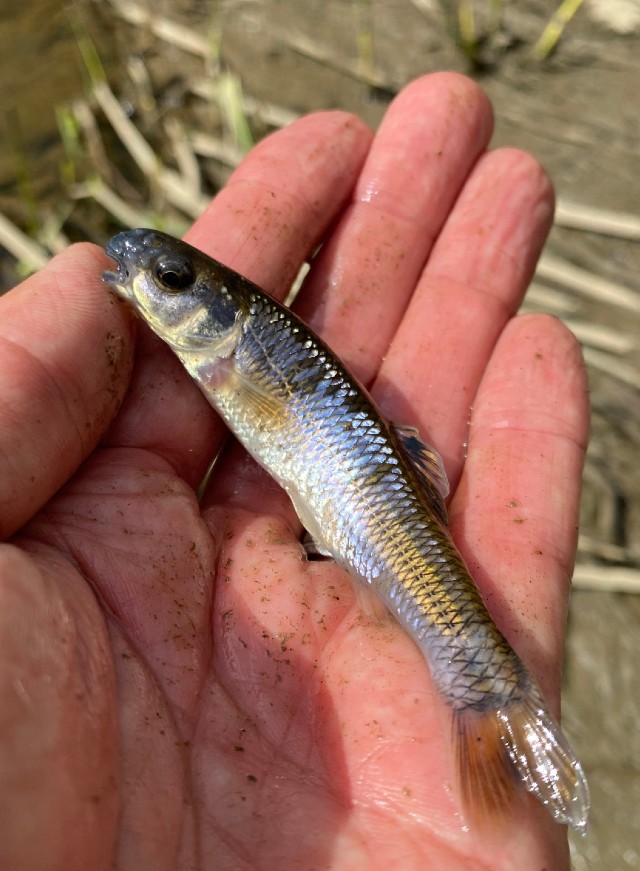
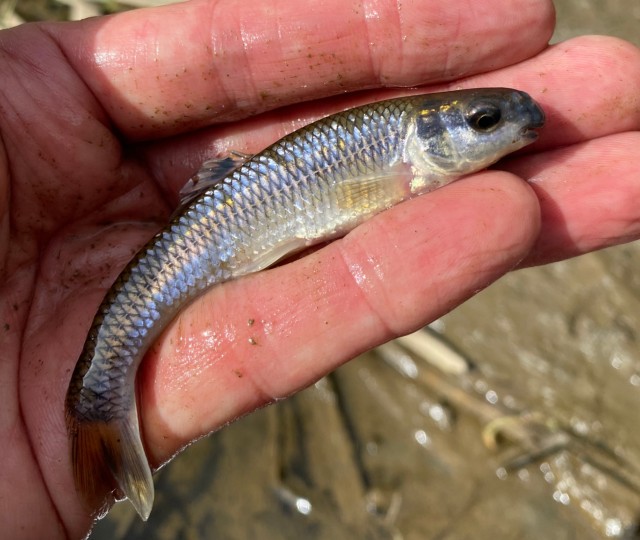
While exploring a creek near Youngstown, Ohio, I caught a fish that I had never encountered in the wild before. Its natural geographic range extends from the Great Lakes south along the Mississippi River basin to Louisiana, and east across the Midwestern United States to New York State.

02 Bluntnose Minnow_6469

Despite me not being familiar with it, the Bluntnose Minnow is very ubiquitous and may be the most common freshwater fish in the Eastern United States. It occupies a broad range of habitats including lakes, ponds, rivers, and streams and prefers shallow areas of clear water with sand and gravel bottoms.

03 Bluntnose Minnow_6474

This fish is commonly used for bait in the fishing industry. Averaging three inches in length, its characteristic rounded face is where the common name “Bluntnose Minnow” originated.

04 Bluntnose Minnow_6472

These fish prefer to feed on aquatic insects, algae, diatoms, aquatic insect larvae, and small crustaceans called entomostracans. Occasionally they will eat fish eggs or small fish.

05 Bluntnose Minnow_6475

A close relative, the Fathead Minnow, gives off a chemical called “alarm substance” when under attack. Scientists think the substance may be a distress signal that attracts other predatory fish who interrupt the first predator, allowing the minnow to escape.

Third Eye Herp
E-mail

Scarlet Cup

01 Scarlet Cup Fungus_2911

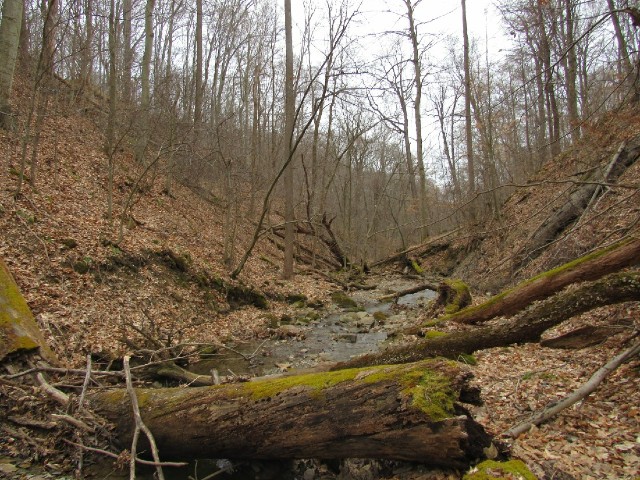
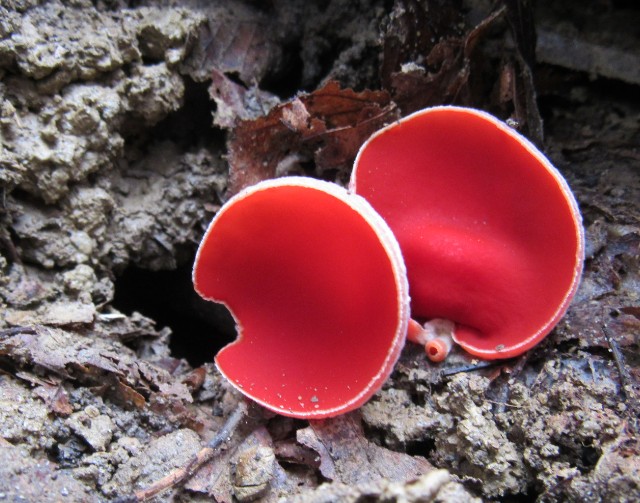
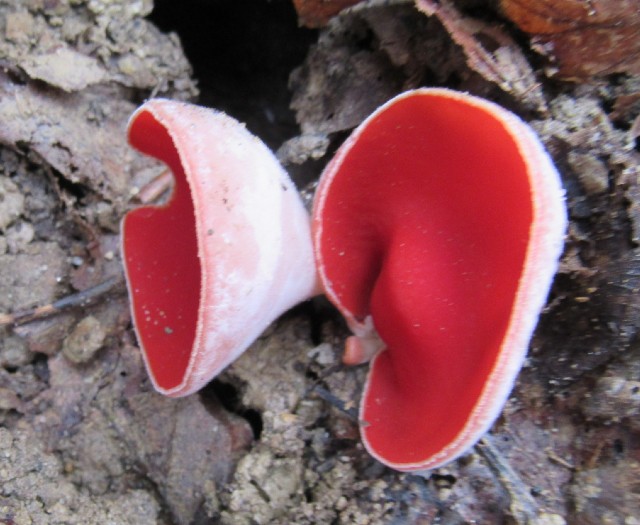
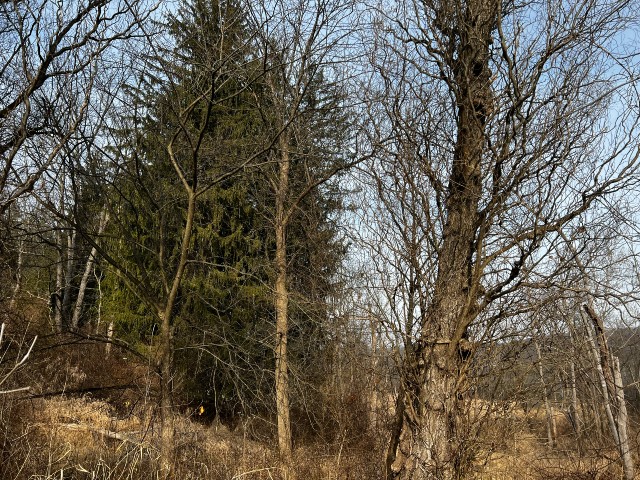
While hiking in Hinckley Reservation, a bit of red on the forest floor caught my eye. This fungus is widely distributed in the Northern Hemisphere and has been found in Africa, Asia, Europe, North and South America and Australia.

02 Scarlet Cup Fungus_2896

Scarlet Cup grows on decaying sticks and branches in damp spots in wooded areas, generally buried under leaf litter or in the soil. The cup-shaped fruiting bodies are usually produced during the cooler months of Winter and early Spring.

03 Scarlet Cup Fungus_2898

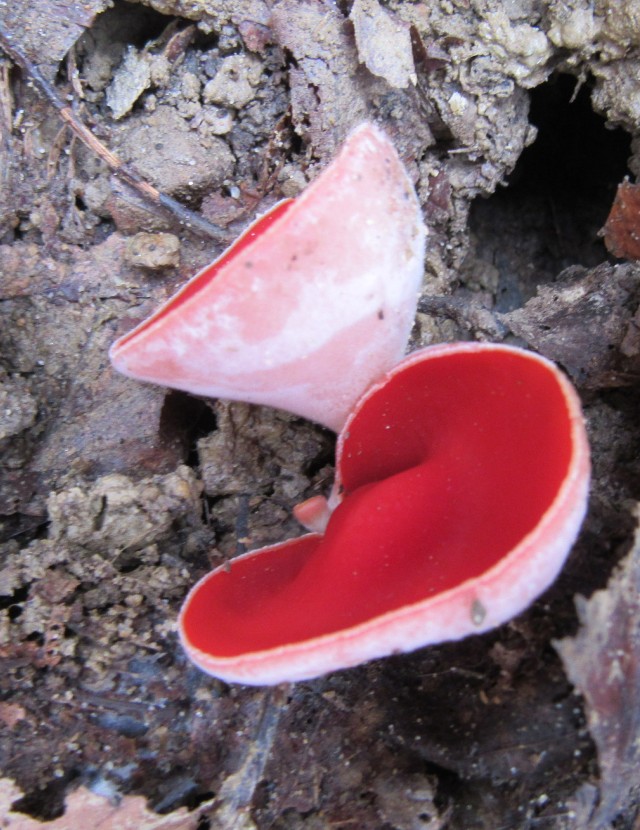
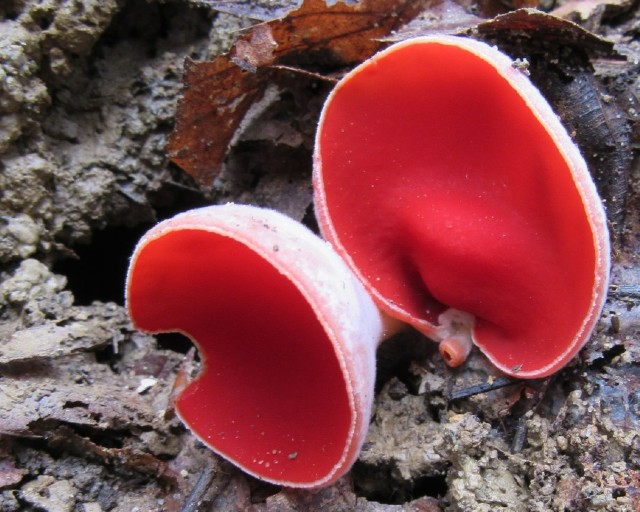
The brilliant red interior of the cups (from which both the common and scientific names are derived) contrasts with their lighter-colored exterior. The edibility of this fungus is well established, but its small size, tough texture and insubstantial fruitings dissuade most people from collecting it.

04 Scarlet Cup Fungus_2901

Known scientifically as Sarcoscypha coccinea, the specific epithet coccinea is derived from the Latin word meaning “deep red.” The species is commonly known as Scarlet Elf Cup, Scarlet Elf Cap, or Scarlet Cup Fungus. Its cup-shaped fruit measures one to two inches across.

05 Scarlet Cup Fungus_2910

Fungi belong to their own kingdom and get their nutrients and energy from organic matter, rather than photosynthesis like plants. It is often just the fruiting bodies or “mushrooms,” that are visible to us, arising from an unseen network of tiny filaments called “hyphae.”

Third Eye Herp
E-mail

Southern Yellowjacket

01 Southern Yellowjacket Queen_0007

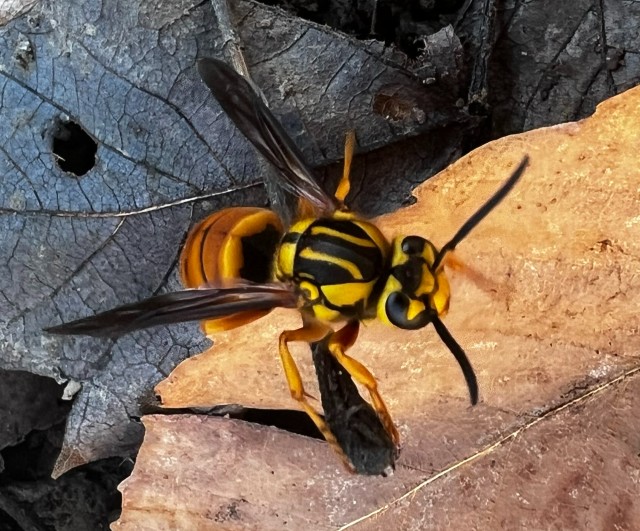
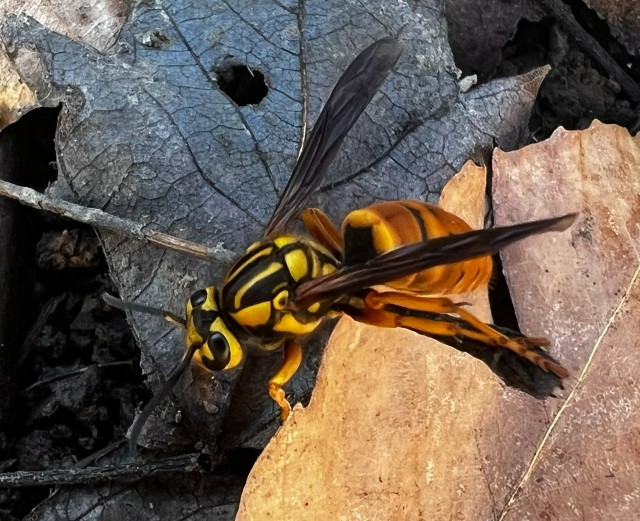
While flipping logs in the woods on a (relatively) warm Winter day, I sometimes come across invertebrates like this one. Southern Yellowjackets are typically found in the eastern United States and as far south as Mexico and Guatemala. Their territory expands as far west as Texas and as far east as the Atlantic Ocean.

02 Southern Yellowjacket Queen_9324

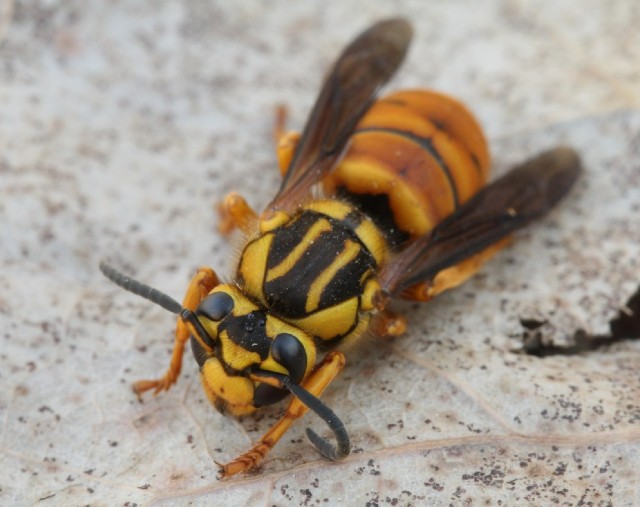
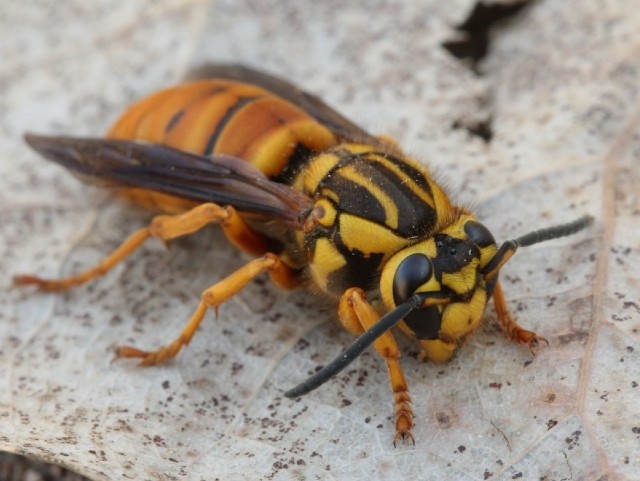
The Southern Yellowjacket is a social wasp. This species can be identified by its distinctive black and yellow patterning and orange queen. This species is predatory and typically eats live insects, but they also feed on the flesh of deceased prey.

03 Southern Yellowjacket Queen_9907

Their nests are typically found in unnatural habitats, such as yards, parks and the sides of roads. Mated queens (like this one) overwinter as adults in protected areas and start new colonies in the spring. In some cases, they build their own nest, but more often, they take a different approach.

04 Southern Yellowjacket Queen_9325

Since she emerges from hibernation a month or more later than the Eastern Yellowjacket, she simplifies things by finding a recently constructed Eastern Yellowjacket nest. She enters the nest, murders the queen, and appropriates the nest and workers (which don’t seem to mind the change in executive management).
05 Southern Yellowjacket Queen_9911

As a form of defense of their nests, Southern Yellowjacket workers use alarm pheromones to communicate with each other to coordinate an attack. These behaviors are chemically mediated, and the alarm pheromones cause many social wasp species to leave the nest and attack whatever may be threatening it.
Third Eye Herp
E-mail

Red-breasted Nuthatch

01 Red-breasted Nuthatch_0440

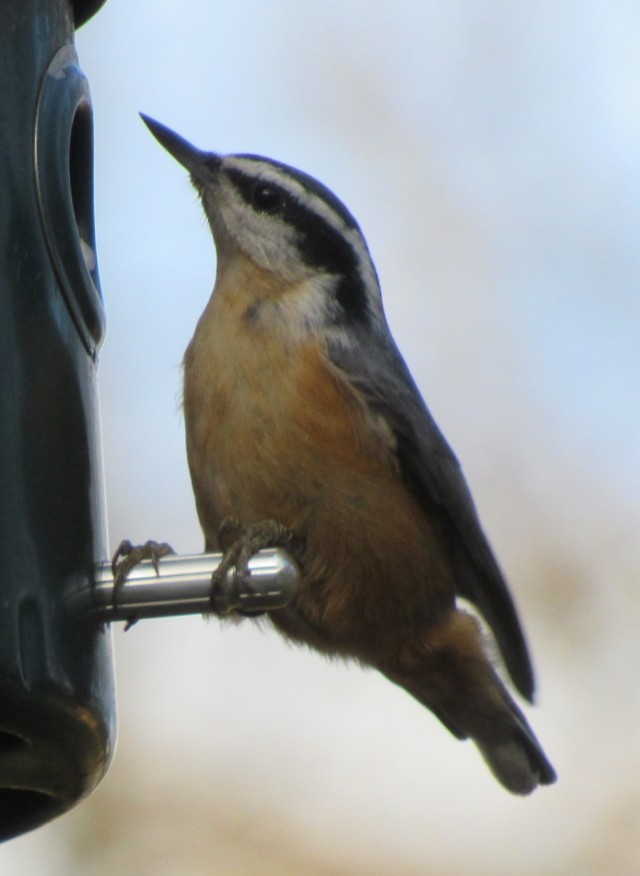
This is a sharp looking little bird that I occasionally see while visiting Brecksville Reservation; it also sometimes attends our birdfeeders. Around here it is not as common as the White-breasted Nuthatch.
02 Red-breasted Nuthatch_8095

The Red-breasted Nuthatch is a blue-gray bird with a strongly patterned head. It has a black cap and stripe through the eye broken up by a white stripe over the eye. The underparts are rich rusty-cinnamon in color and more pale in females than in males.

03 Red-breasted Nuthatch_9885

This bird lives mainly in coniferous forests of Spruce, Fir, Pine, Hemlock, Larch and Western Red Cedar. It has a nationwide distribution that extends well into Canada. Eastern populations use more deciduous woods, including Aspen, Birch, Poplar, Oak, Maple and Basswood.

04 Red-breasted Nuthatch_1524

Like all nuthatches, the Red-breasted Nuthatch is an acrobatic species, hitching itself up and down tree trunks and branches to look for food. It goes headfirst when climbing down. It can “walk” on the underside of branches.

05 Red-breasted Nuthatch_9844

Its diet changes depending on the season. In the Summer, it eats mostly insects, occasionally even flycatching, while in the Winter, it switches to conifer seeds. At feeders it will take sunflower seeds, peanut butter and suet.

06 Red-breasted Nuthatch_8094

The Red-breasted Nuthatch often wedges food pieces in bark crevices in order to break them up with the bill (as opposed to holding the food in their feet, like the Black-capped Chickadee does).

Third Eye Herp
E-mail

Coralberry

01 Coralberry_0016

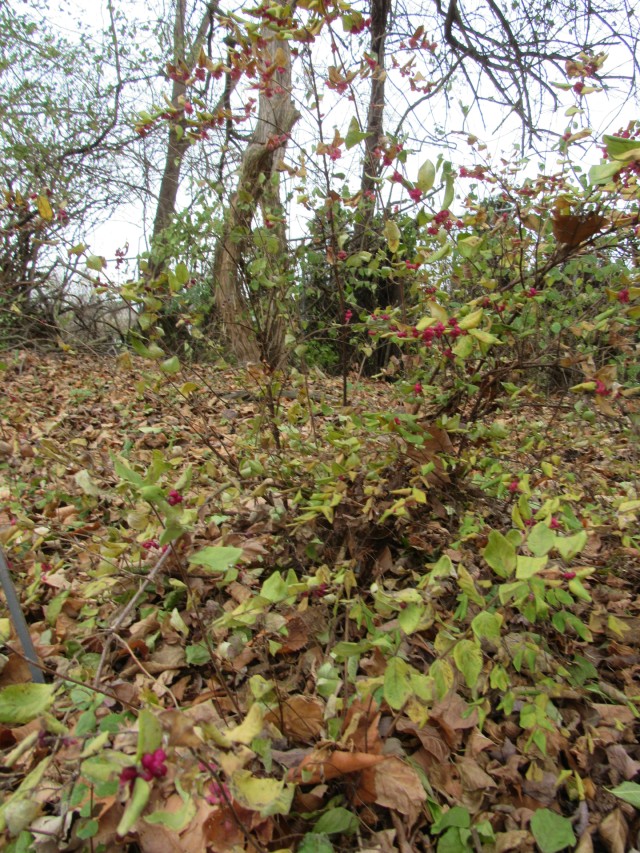
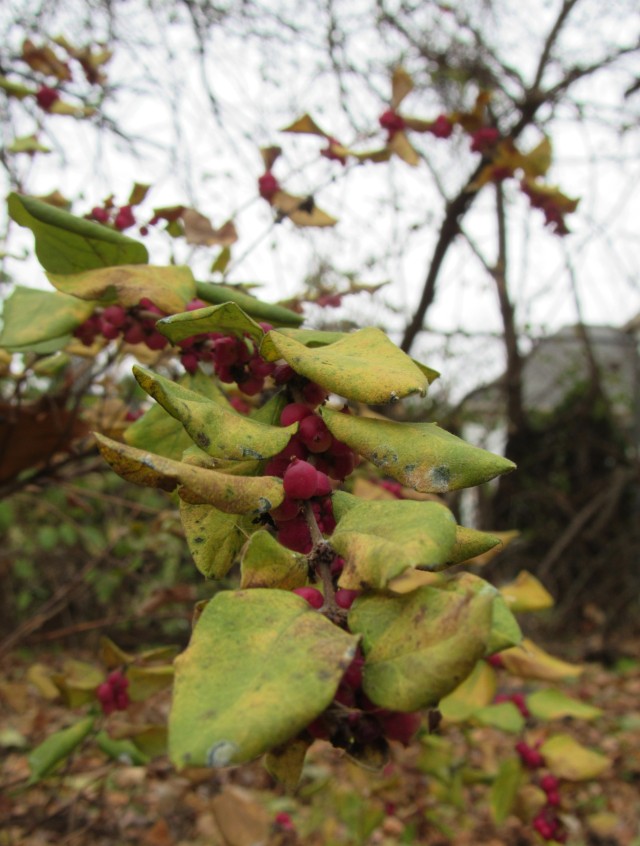
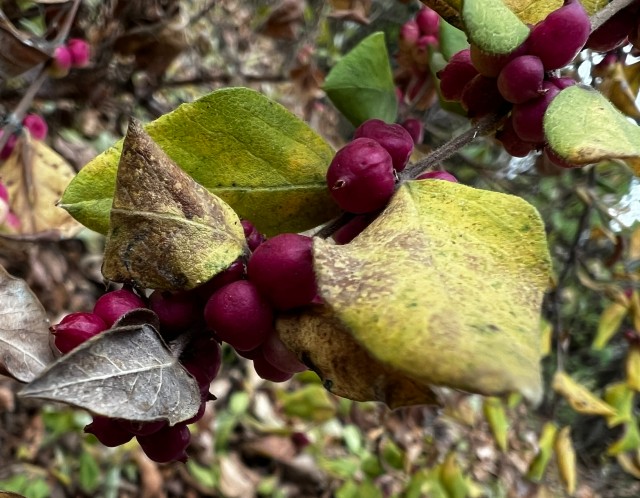
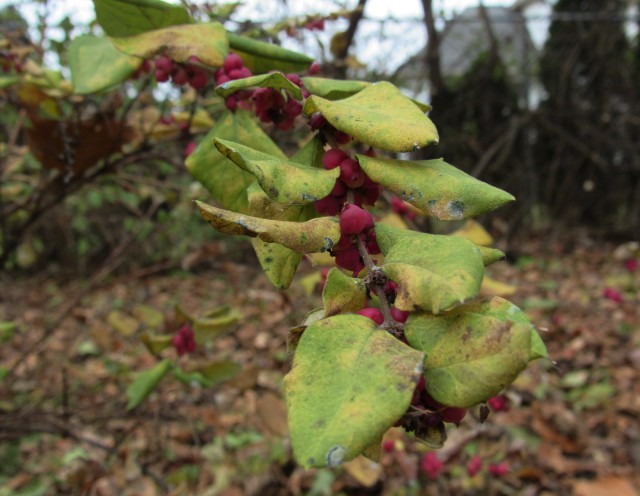
While visiting Carmel, Indiana for Thanksgiving, I went on a hike and noticed this plant. It is commonly called Coralberry, Buckbrush or Indian Currant and is a woody species of flowering plant in the Honeysuckle Family.

02 Coralberry_0010

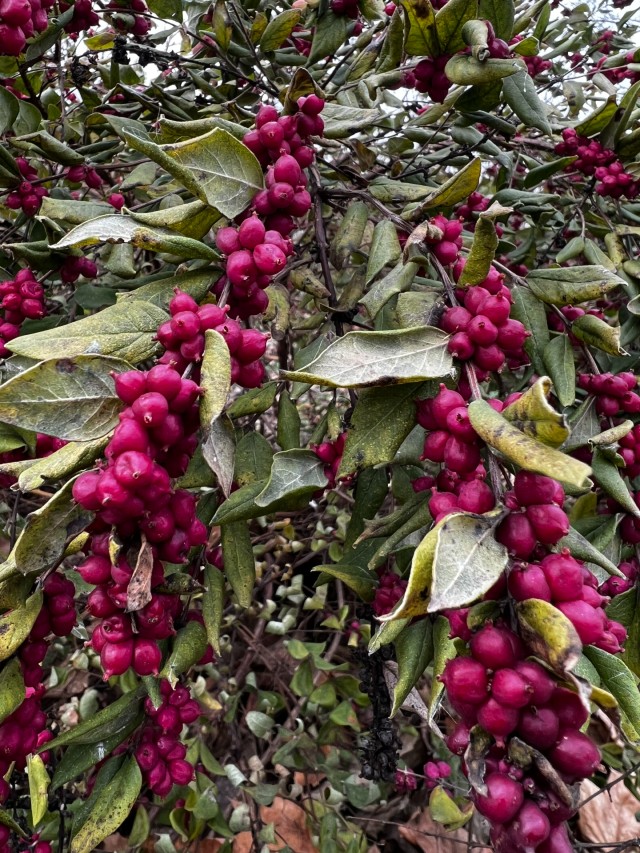
This plant has a spectacular display of berries that mature in coincidence with Autumn colors each October. Its coral-pink to almost purplish berries are an attractive ornamental aspect that provides Winter forage for birds.

03 Coralberry_9504

In addition to birds, Coralberry supports a host of mammals, being a favorite deer browse plant, which inspired its alternative common name of Buckbrush. Although inconspicuous, its spring flowers support bees, wasps and flies with nectar and pollen.

04 Corelberry_9512

This dense, bushy deciduous shrub has soft downy foliage that makes an attractive leaf pattern. It typically grows 3 to 4 feet tall. It is also a host plant for the caterpillars of three native moths.

05 Coralberry_0009

Coralberry is native to the eastern and central United States as well as central Canada (Ontario) and northeastern Mexico.

Third Eye Herp
E-mail

Striped Bark Scorpion

01 IMG_8101

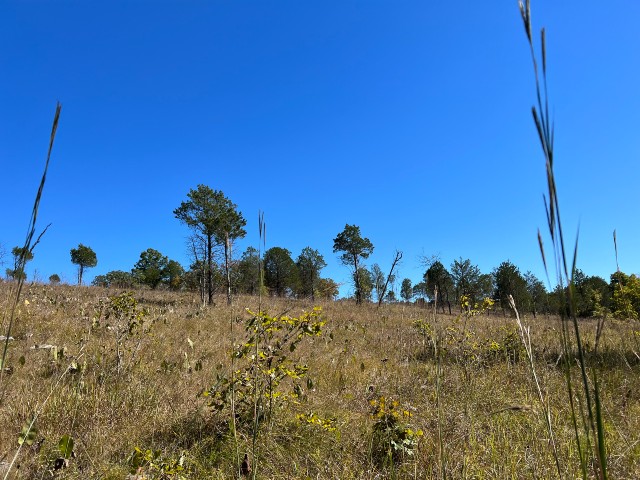
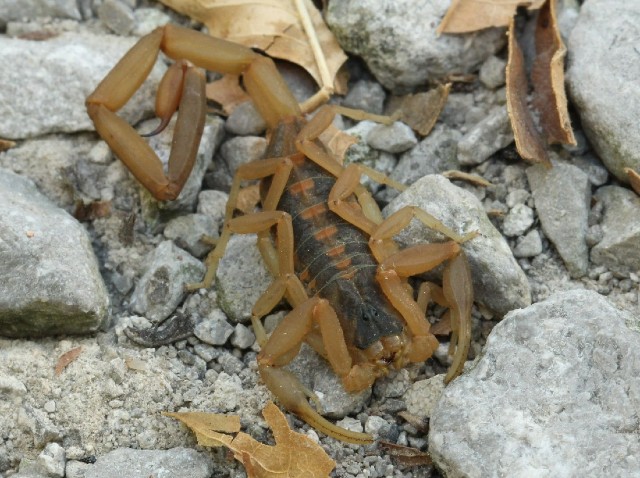
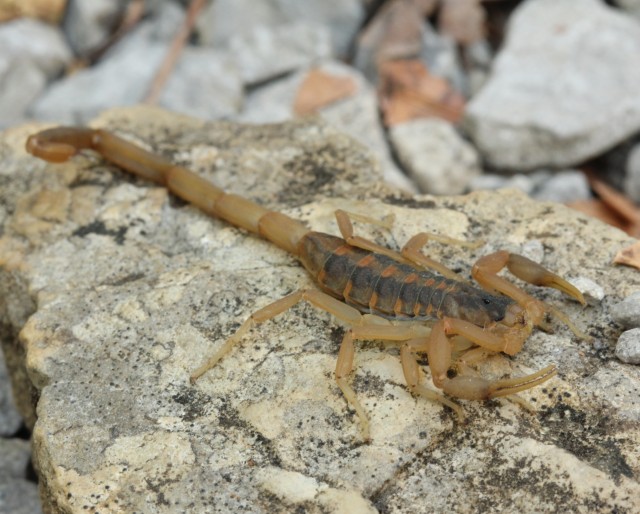
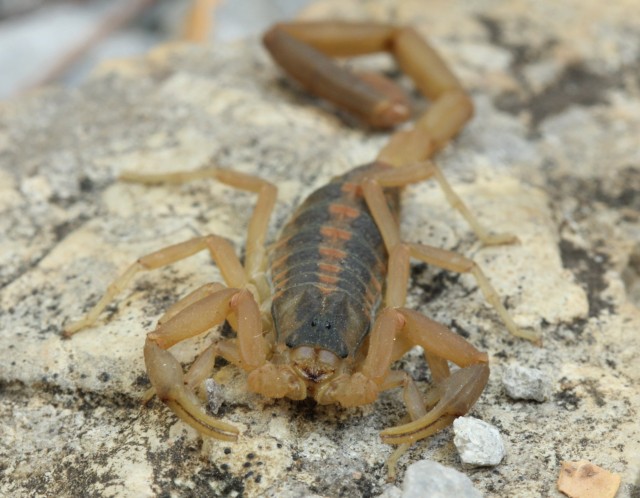
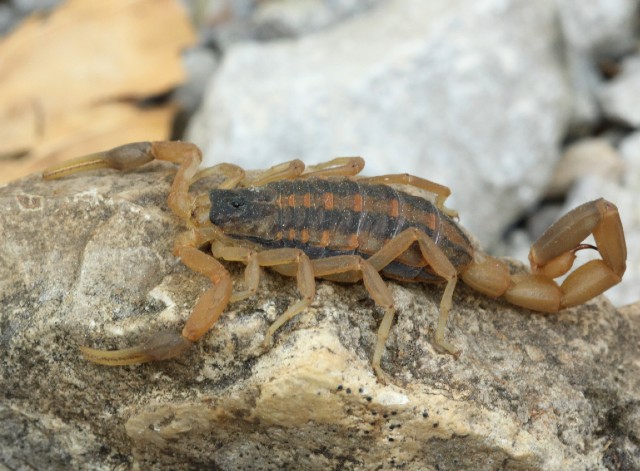
I found many examples of this cool creature while exploring glades in Missouri. The Striped Bark Scorpion is an extremely common scorpion found throughout the midsection of the United States and northern Mexico. It is perhaps the most frequently encountered scorpion in the United States. It is the only species of scorpion in Missouri.

02 Striped Bark Scorpion_9299

At less than three inches in total length, the Striped Bark Scorpion is easily identified by being a uniform pale-yellow in color with two dark, longitudinal stripes on its back. Their color and pattern suits their environment well, providing them with a natural camouflage protecting them from predators and hiding them from prey. Another key characteristic to distinguish this species is a dark triangle on top of its head.

03 Striped Bark Scorpion_9302

Its wide geographic distribution allows it to occupy desert, deciduous and coniferous forest, temperate grassland and glades. During the daytime, Striped Bark Scorpions spend a substantial amount of their time under rock and surface debris, within vegetation, and in weathered rural structures such as old sheds and barns.

04 Striped Bark Scorpion_9307

Active at night, they hunt and eat arthropods, preferring soft-bodied prey such as spiders, cockroaches, ants, crickets, beetles and moths. Small prey is eaten immediately. Large prey is stung with venom and eaten after it stops moving. This animal’s defense mechanism is to sting while running away. While a sting from this species is very rarely deadly, it is painful and causes localized swelling.

05 Striped Bark Scorpion_9311

Unlike most species of scorpion, the Striped Bark Scorpion is social, presenting it with more opportunities to mate and compete for mates. Females produce 50 or more young per brood. Born live, the young are carried on her back for five to 15 days. After that time they are on their own. They have a lifespan of two to five years. Although common, this was a neat find!

Third Eye Herp
E-mail

Strawberry Bush

01 Strawberry Bush_9301

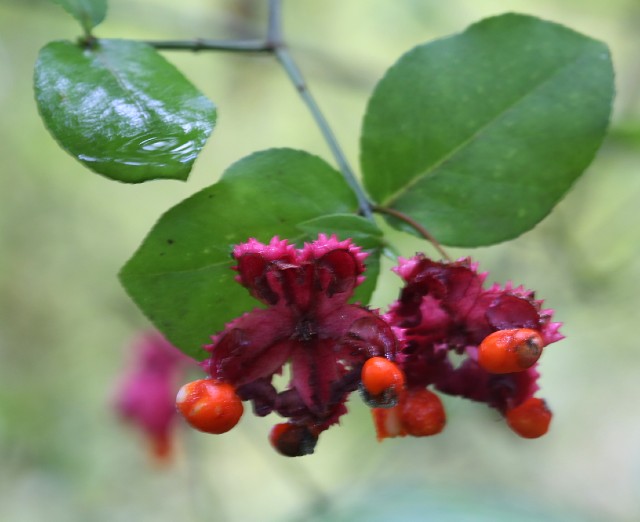
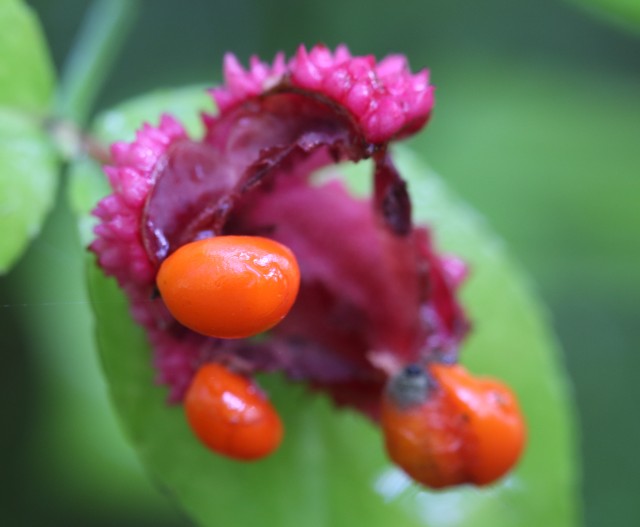
I came across this odd shrub while hiking along the Cache River in southern Illinois in October. This is a native deciduous woody plant that grows 6 to 12 feet tall. It can often be found growing along streams, with its roots anchored in damp, rich soil.

02 Strawberry Bush_4S2B7899

Throughout most of the year the Strawberry Bush lives in obscurity. Even when it is in full bloom, its small yellowish-green blooms are so inconspicuous that they remain hidden in full sight.

03 Strawberry Bush_4S2B7888

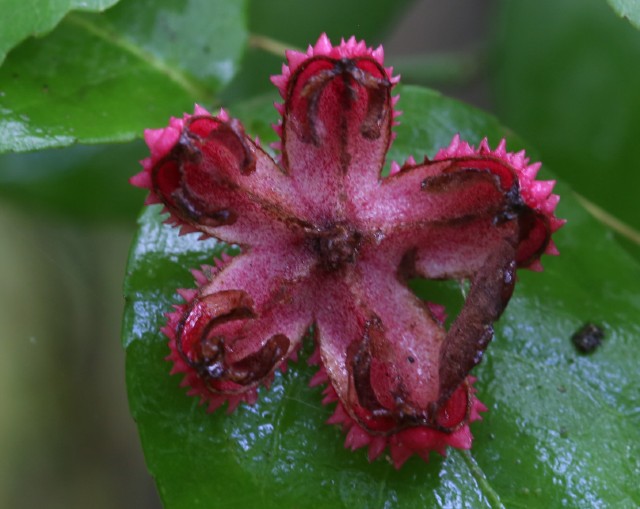
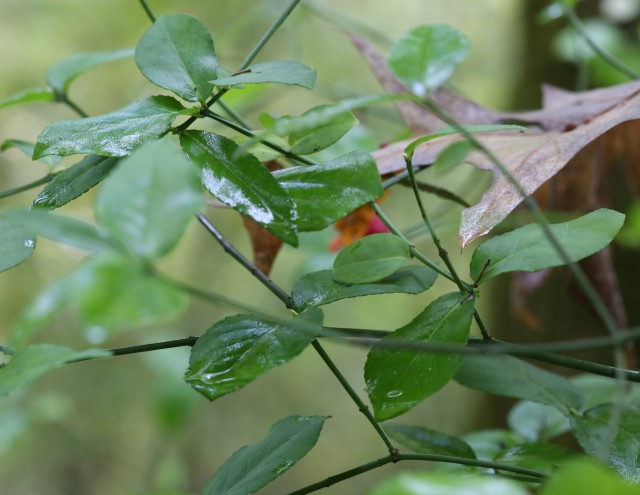
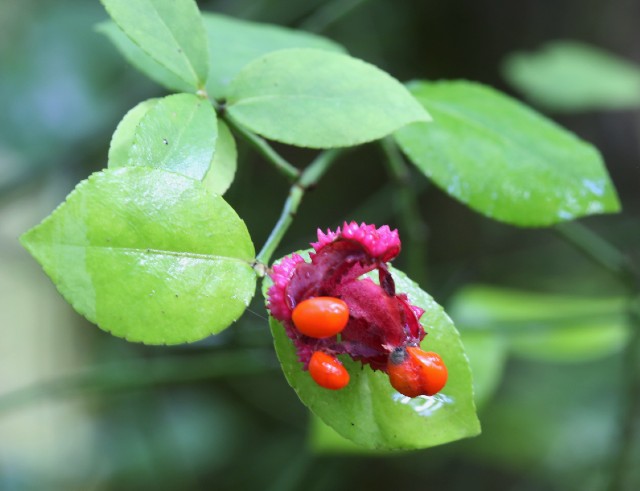
During Spring and Summer, the Strawberry Bush is cloaked in lance-shaped leaves. Its seeds are borne in one-inch, warty capsules that typically contain four to five berries. As Summer progresses, the green capsules grow and eventually turn pinkish red.

04 Strawberry Bush_4S2B7894

Sometime during September and October, the capsules split, revealing scarlet-red berries hanging on thread-like filaments. The appearance of the open capsules and red berries apparently gave rise to one of the plant’s alternate names, “Hearts-a-bursting.”

05 Strawberry Bush_4S2B7897

Strawberry Bush’s red, pulpy seeds are devoured by songbirds such as the Eastern Bluebird, Wood Thrush and Northern Mockingbird. Wild Turkeys and small mammals also dine on the red berries.

06 Strawberry Bush_4S2B7886

Early colonists considered the plant so beautiful that it became one of the first North American plants sent back to Europe for use in ornamental gardens in as early as 1663.

07 Strawberry Bush_4S2B7895

The Strawberry Bush is also known as Wahoo, Burning Bush, Bursting Heart and Hearts-bustin’-with-love.

Third Eye Herp
E-mail

Speckled Wolf Spider

01 Speckled Wolf Spider_8147

While exploring a glades habitat in the “Show Me State,” I came across this awesome creature.

02 Speckled Wolf Spider_8149

The Speckled Wolf Spider is one of Missouri’s more common species of Wolf Spiders. Key identifiers for it include large size, overall darkish color, banded legs and a narrow pale yellowish line running between the eyes.

03 Speckled Wolf Spider_8143

Like other members of their family, these are athletic spiders don’t spin webs to catch their insect prey; instead, Wolf Spiders run down their prey like a wolf.

04 Speckled Wolf Spider_8151

Female Wolf Spiders have remarkable maternal instincts and are often seen carrying around their egg cases. After the young spiders hatch, they ride around on their mother’s back until they are able to be independent.

05 Speckled Wolf Spider_8146

Wolf Spiders live in a wide range of habitats, basically anywhere where there are insects to eat. They seem to be most common in open habitats like grasslands, and are often found in farm fields and meadows.

Third Eye Herp
E-mail