Clymene Moth

01 Clymene Moth 034

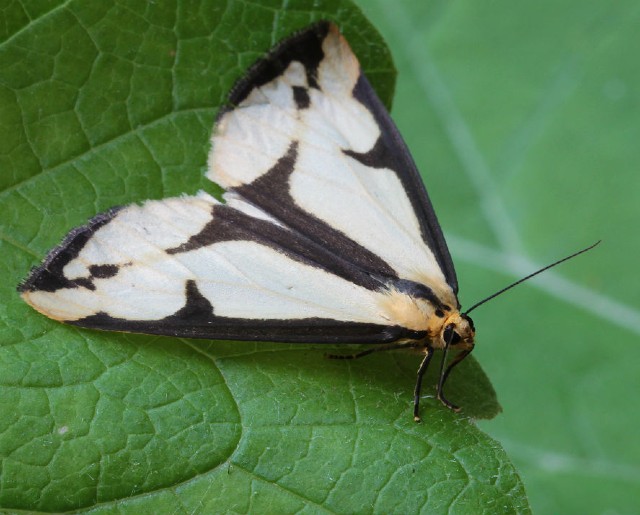
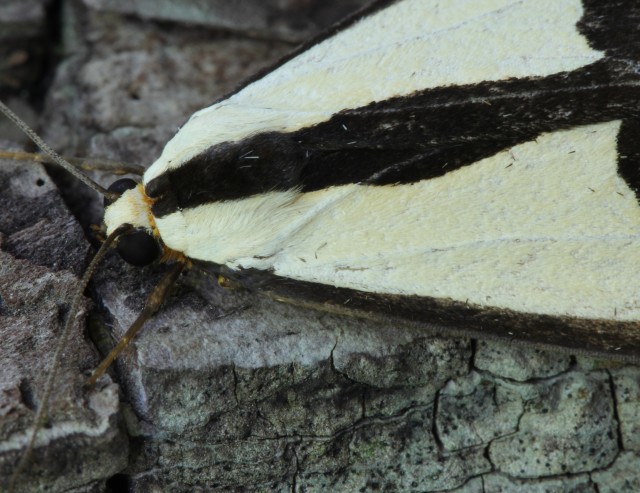
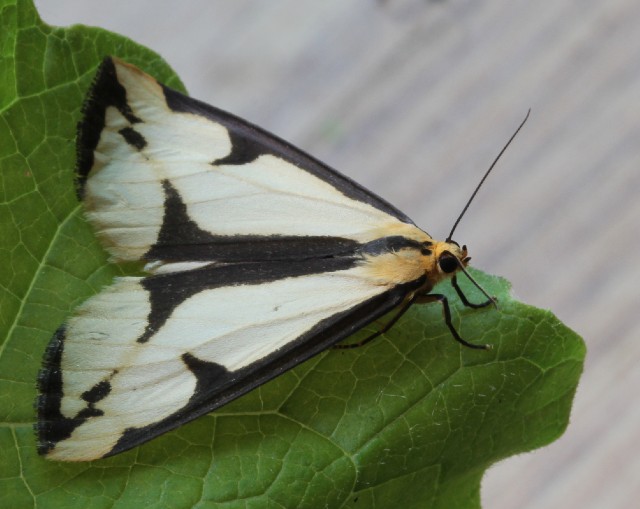
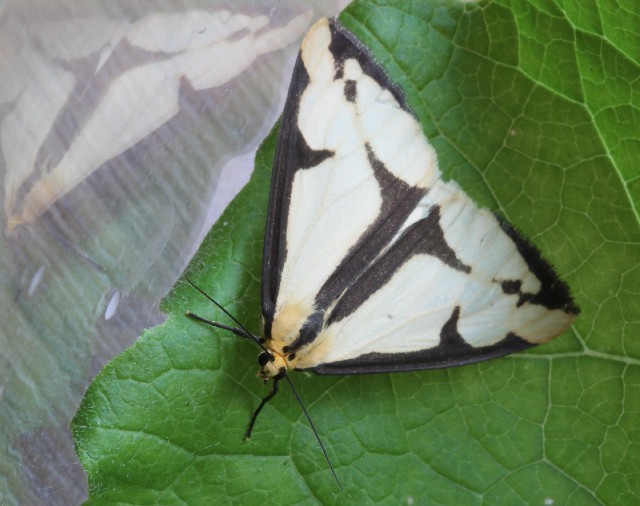
I saw this cool creature while hiking in Cuyahoga Valley National Park. It is noted for the striking upside-down cross pattern on its forewings. Because of this design, some people refer to it as the “Crusader Moth.”

02 Clymene Moth 043

This is a member of the Tiger Moth family (as is the Woolly Bear/Isabella Tiger Moth). Typically it inhabits deciduous forests and the fields adjacent to them where their black, bristly larvae feed on a wide variety of plants.
03 Clymene Moth 039

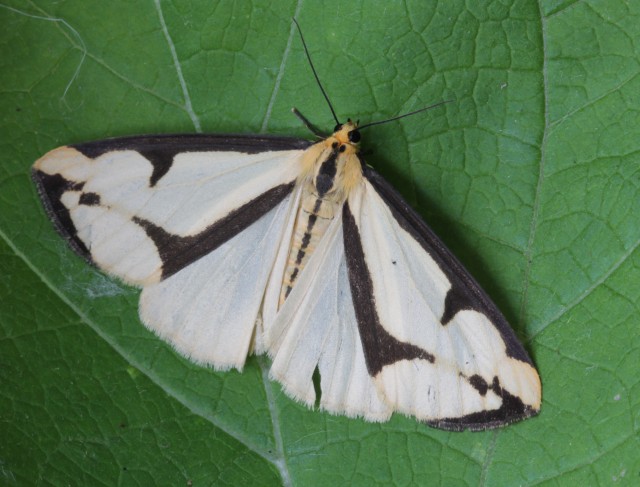
It may be fitting that the Clymene Moth looks like a Star Trek badge, because it boldly goes everywhere, day and night. Unlike the nocturnal habits of most moths, it does not shy away from sunshine. But like other moths, it is attracted to lights at night.
04 Clymene Moth 049

The two smooth black antennae allow them to sense and smell the species in their area. Like like other moths, they communicate through pheromones and chemical smells. With a wingspan of 1-1/2 to 2 inches, this is not an especially large moth.
05 Clymene Moth 033

The Clymene Moth is native to eastern North America. Adults seem to prefer moist areas like wetlands, where they visit flowers and use their long proboscises (tongues) to drink nectar. I most often find it in wooded areas adjacent to creeks.
06 Clymene Moth 032

This is always a neat insect to encounter during the summer months, when it is most active.

Third Eye Herp
E-mail

Dame’s Rocket

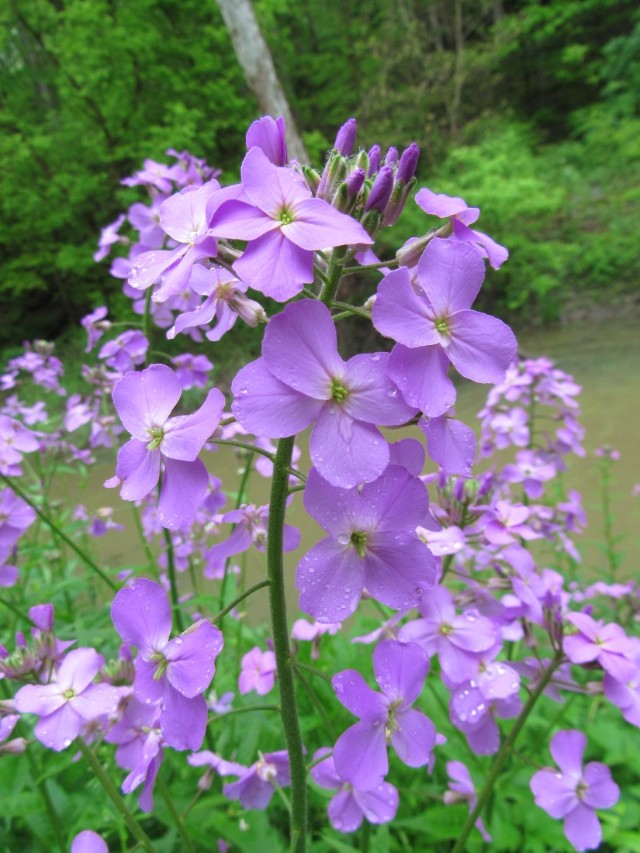
01 Dame's Rocket_3614

This non-native species is hard to ignore. It has even established itself on our backyard. Dame’s Rocket, also known as Dame’s Violet and Mother-of-the-evening, was introduced as an ornamental around the time of European settlement.

02 Dame's Rocket 002

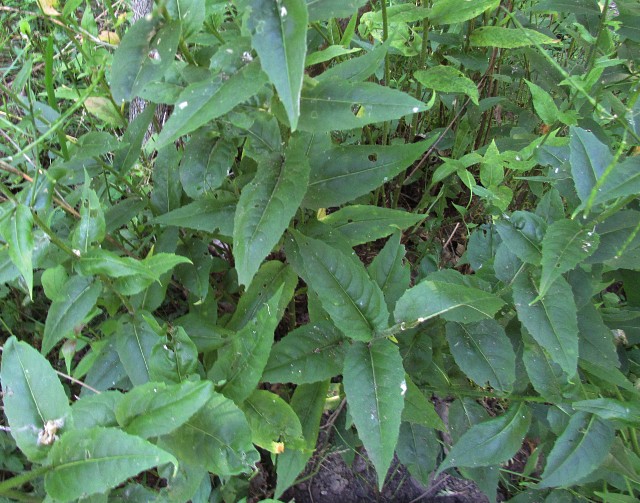
Dame’s Rocket bears loose clusters of attractive, fragrant, pinkish-purple to white four-petaled flowers on two-to-four foot stems. Its leaves are arranged alternately on the stem and are slightly hairy and lance-shaped with toothed margins.

03 Dame's Rocket_5770

This plant’s habitat includes open woodlands, prairies, roadsides, ditches and other disturbed areas. The plant’s three-month-long blooming period and ability to set abundant seed have contributed to its spread. A single plant produces up to 20,000 seeds.

04 Dame's Rocket_6598

Dame’s Rocket is often confused with Garden Phlox, because the flower colors, clustered blooms and bloom time are similar. However, Garden Phlox has flowers with five petals (Dame’s Rocket has four).

05 Dame's Rocket_9249

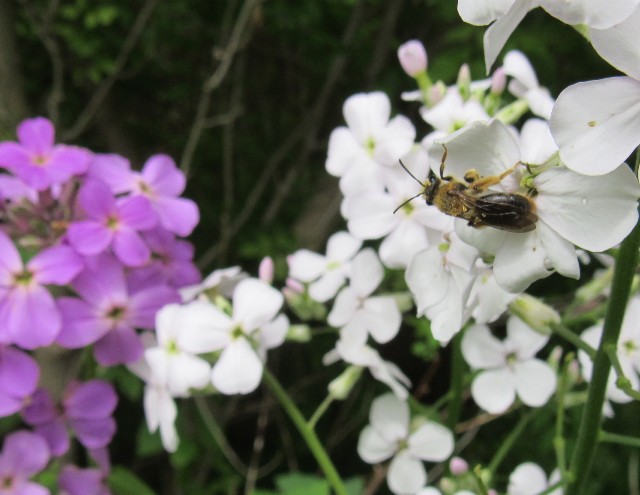
Although problematic because is displaces native plants and it considered an invasive species (five states have placed legal restrictions on it), this member of the Mustard Family is a food source for caterpillars as well as a nectar source for bees, butterflies, moths and hummingbirds.

Third Eye Herp
E-mail

American Robin

01 American Robin_9125

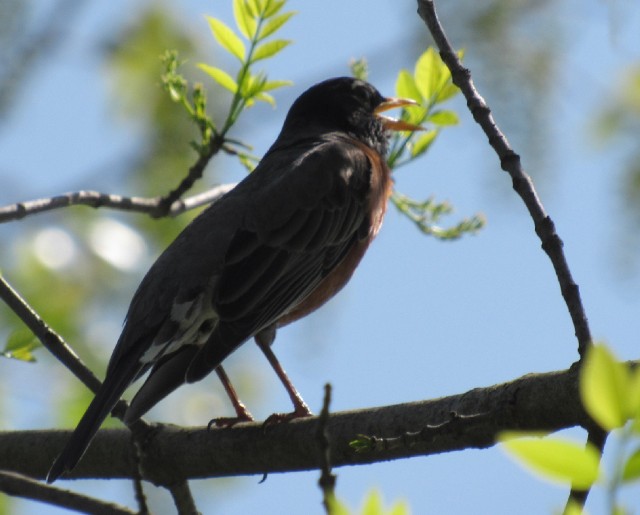
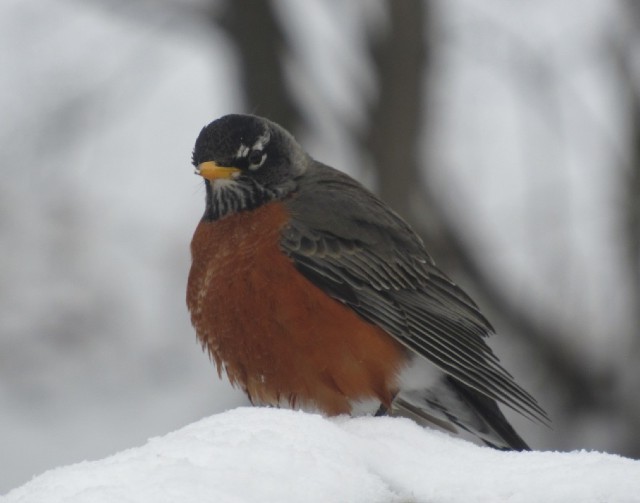
Although they are considered harbingers of Spring, many American Robins spend the whole winter in their breeding range. Because they spend more time roosting in trees and less time on the ground, you’re much less likely to see them.

02 American Robin_8186

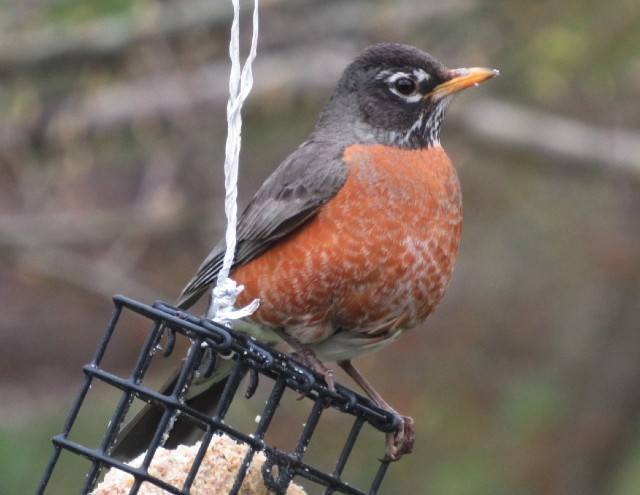
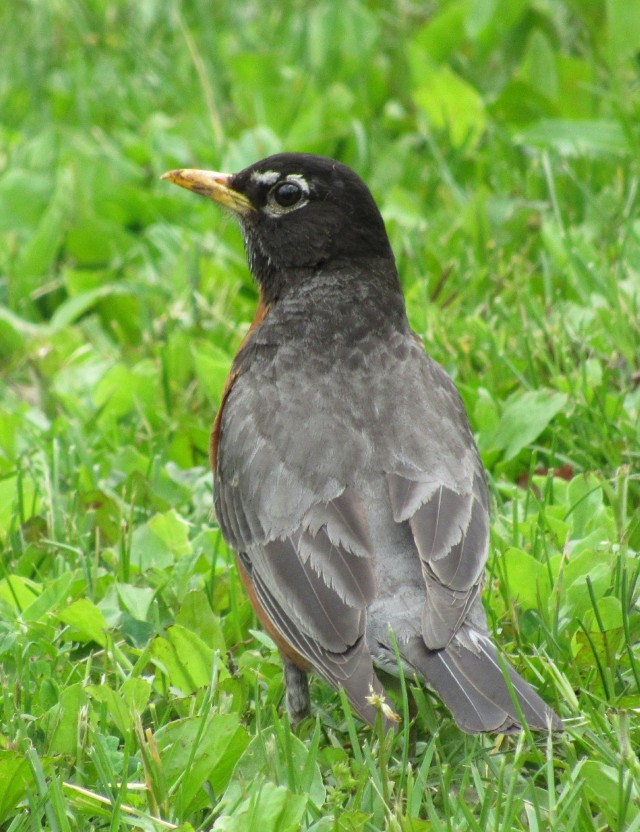
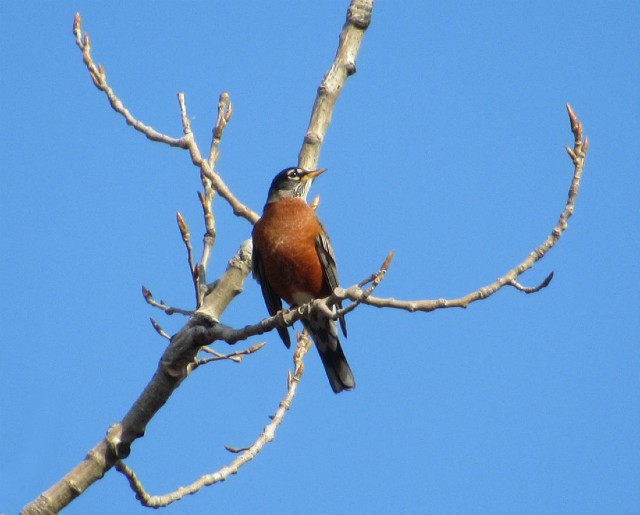
One of our most easily identified birds, this member of the Thrush Family is a large, sturdy songbird with long legs, a light yellowish bill and a long tail. It has an unstreaked, rusty-orange breast and a dark gray-brown back.

03 American Robin_5479

They are a common sight in our yard, especially after cutting the lawn, when I often see them tugging earthworms out of the ground. They eat different types of food depending on the time of day: more earthworms in the morning and more fruit later in the day.

04 American Robin_9349

The American Robin’s rich caroling is among the earliest bird songs heard at dawn in Spring and Summer, often beginning just before first light. This bird lives across North America and in parts of Central America. They can be found in open grassy areas, gardens and woodlands.

05 American Robin_4422

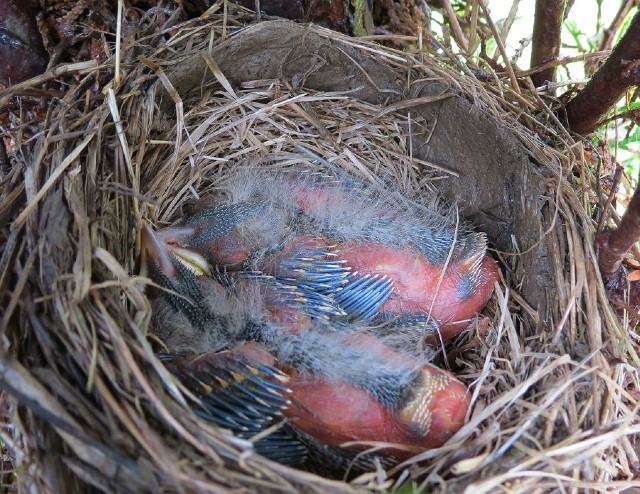
This bird’s nest is a deep, sturdy cup of twigs, grasses and mud – usually positioned in the crotch of a tree or a branch fork. We had a nest in the shrubs in our front yard. The female typically lays four pale blue eggs and incubates them alone. Both parents feed the young.

06 American Robin_2701

The American Robin is the state bird of Connecticut, Michigan and Wisconsin.

Third Eye Herp
E-mail

Spined Oak Borer

01 Spined Oak Borer_6821

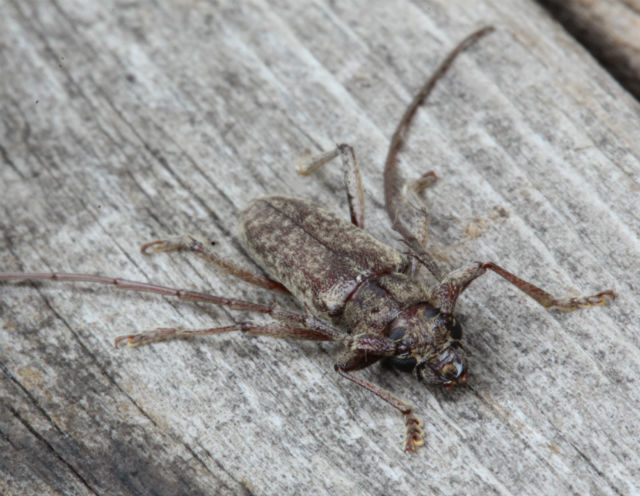
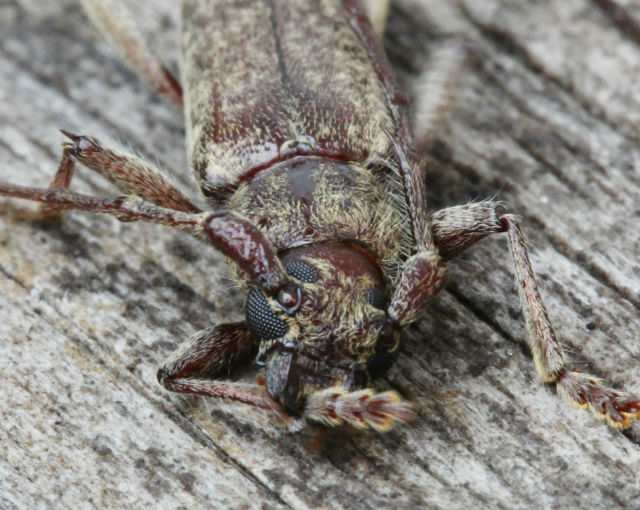
I found this creature in my backyard and was able to scrape it gently into a jar to examine and photograph this newly found “long-horned” beetle.

02 Spined Oak Borer_6817

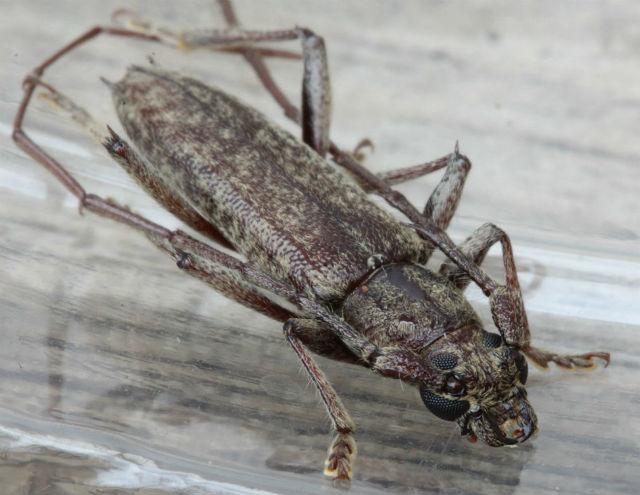
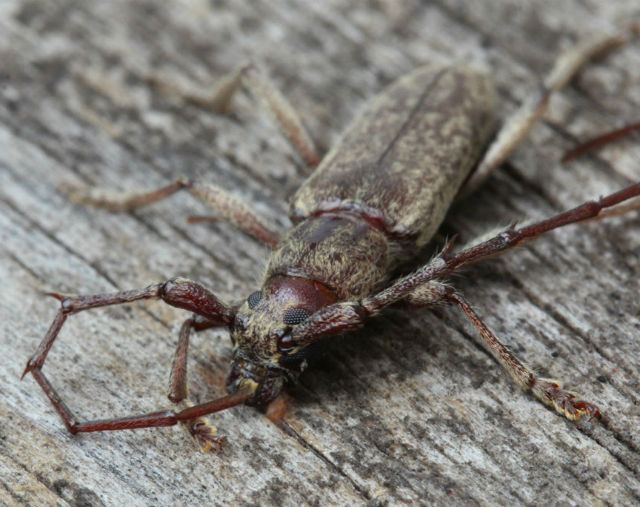
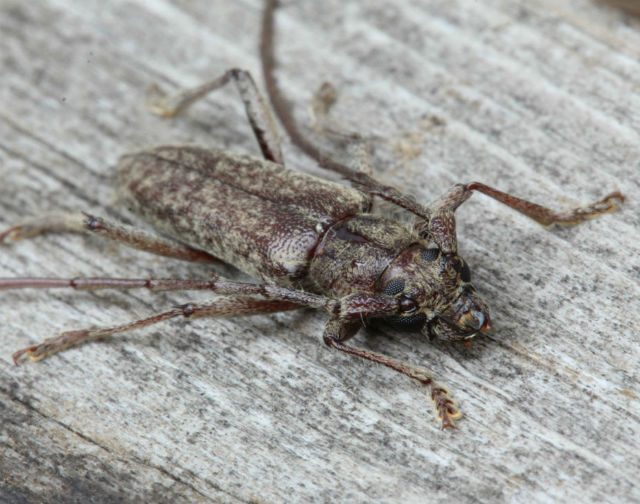
This insect is about three-quarters of an inch long. It is brownish-yellow and mottled with dark spots. Like most long-horned beetles it has antenna longer than its body. It also has spiny projections on its antenna and on its femoral leg segments, accounting for its common name.

03 Elaphidion mucronatum_6817

Calling this little insect’s antennae “long” is an understatement; each extended, tapering antenna was twice as long as its body. Long-horned, for sure!

04 Spined Oak Borer_6823

There are more species of beetles than any other insect order – some sources claim a quarter of all named animal species are beetles. In the Long-horn Family there are nearly 300 genera and 1,200 species – and that’s just in North America.

05 Spined Oak Borer_6825

Spined Oak Borers occur from New York to Michigan and south to Florida. Adult have massive pinching mandibles that apparently are used to chew on dead branches of various hardwood trees, including oaks.

06 Spined Oak Borer_6818

This species lays its eggs under bark scales on dead tree limbs, after which the larvae spend their first year feeding just under the bark; during the second year, the larva migrate deeper into the dead wood, pupate, and eventually emerge as adults.

This was a super cool find that I didn’t have to go far to encounter.

Third Eye Herp
E-mail

River Chub

01 River Chub_6370

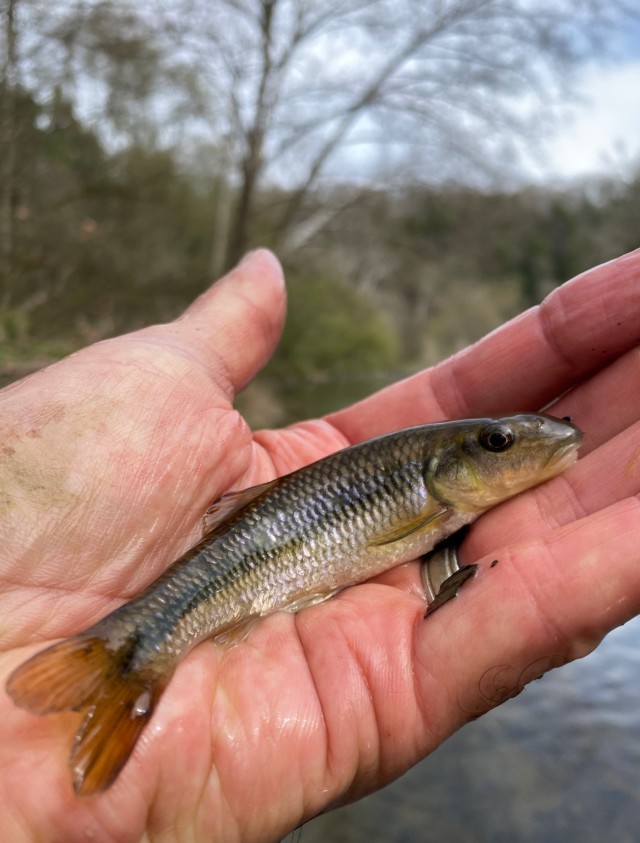
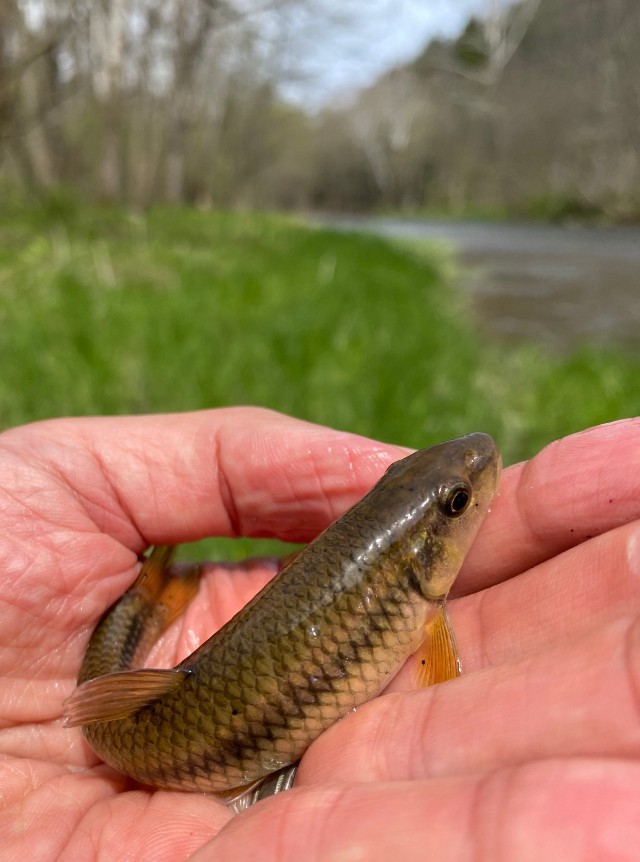
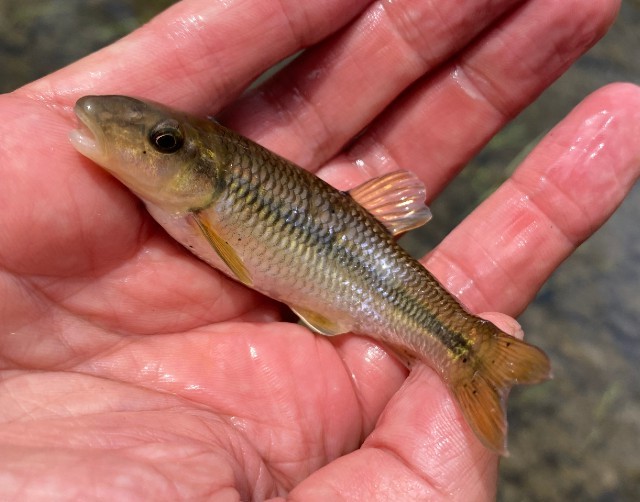
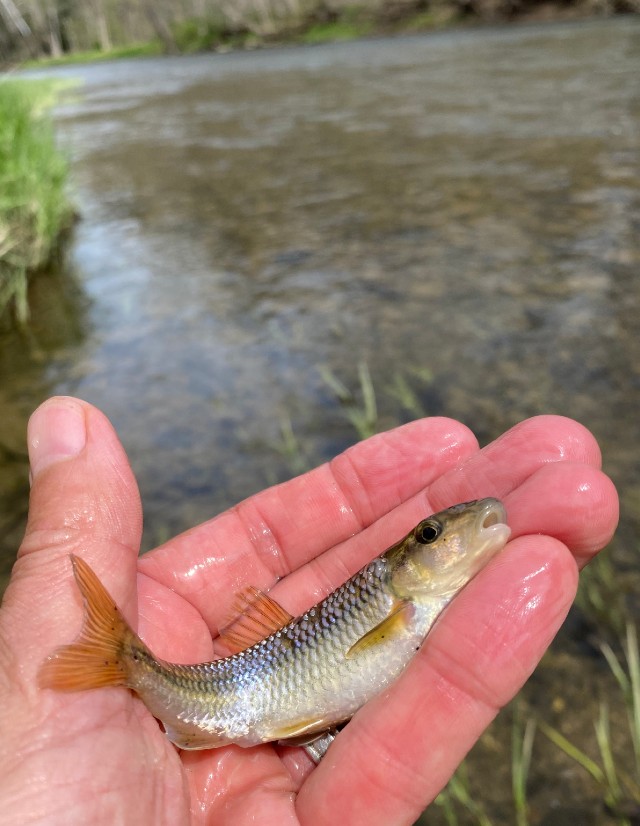
While looking for cool creatures in a creek in Columbiana County, Ohio, I managed to catch a couple of these large minnows.

02 River Chub_6479

The River Chub is robust, olive in color above and dusky yellow below. It has orange-red fins and large scales. During the breeding season, mature males develop pinkish-purple coloration and swollen heads with tubercles between the eyes and snout tip – they are sometimes called “Hornyheads.”

03 River Chub_6359

This fish is found in clear, medium-to-large creeks and rivers with moderate-to-swift current over rock and gravel substrate. Its range extends primarily through most of the Great Lakes and Appalachian regions.

04 River Chub_6360

The River Chub’s presence in a stream is a good indicator of water quality. It is intolerant of pollution, turbidity and siltation and requires a minimum pH 6.0. This fish lives up to 5 years in age and can grow to be a foot long,

05 River Chub_6365

It spawns in April and May. The males select sites with gravel substrate in riffles often adjacent to or just behind a large boulder. At these sites, males build a mound by stacking up a pile of pebbles with their mouths. They spawn above the pile of pebbles and continue to add to the mound between spawning events.

06 River Chub_6366

As spawning continues, this activity creates a round pile of pebbles that can be 2-3 feet across and 8-12 inches high. Many other smaller species of fish will sneak in and spawn in the nest of the River Chub, taking advantage of the way the male aggressively defends the nest, which insures their eggs are protected as well.

Third Eye Herp
E-mail

Northern Ribbon Snake

01 Northern Ribbon Snake_4085

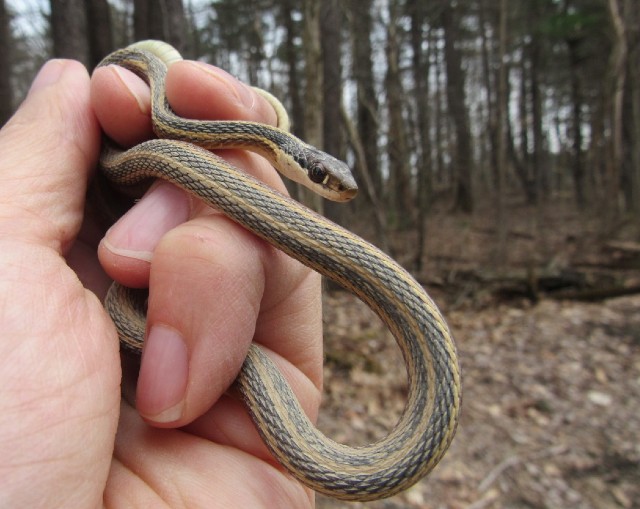
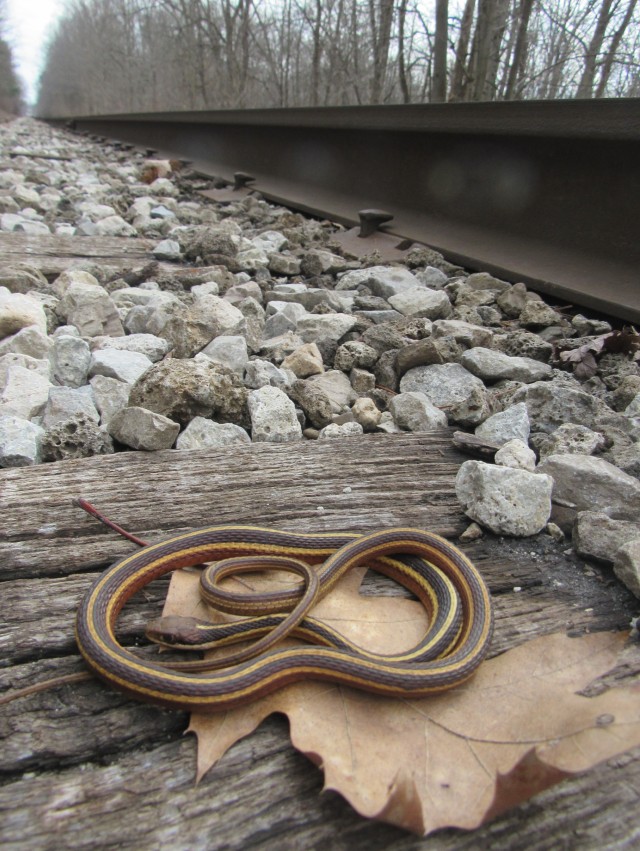
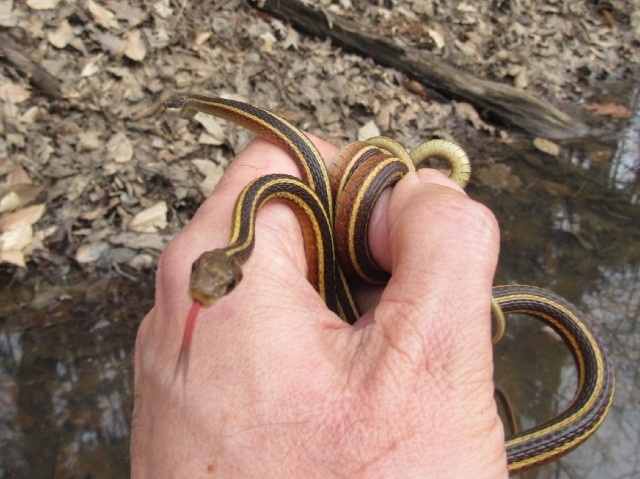
Although I have found the Eastern Ribbon Snake and Western Ribbon Snake in Illinois, it was not until this year that I found this species that lives in my home state of Ohio.

02 Northern Ribbon Snake_8258

The Northern Ribbon Snake is found along the edges of lakes, ponds, bogs, streams and marshes – especially where low vegetation occurs. It tends to prefer sites that get a fair amount of sunlight.

03 Northern Ribbon Snake_8274

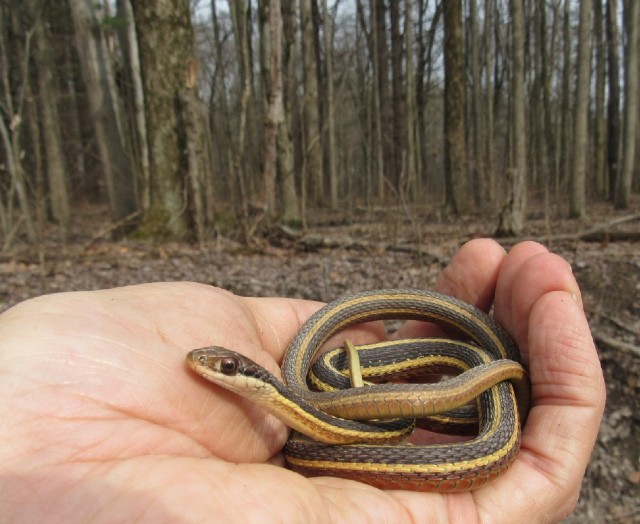
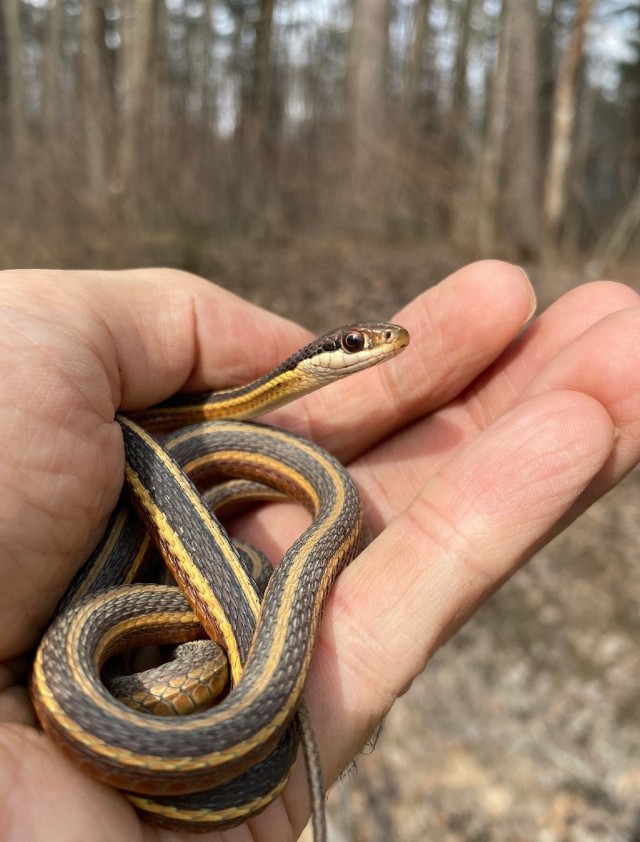
This snake eats frogs, tadpoles, salamanders and small fish. Though it superficially looks like a garter snake with three yellow stripes on a dark background, it is thinner in build and more aquatic in its habitat preferences.

04 Northern Ribbon Snake_8285

Northern Ribbon Snakes give birth to 3 to 26 live young in late summer. The baby snakes are 7 to 9 inches long and are colored and patterned the same as the adults.

05 Northern Ribbon Snake_5663

This is an active fast-moving snake that when approached, will typically flee for shelter or into the water, relying on its speed and agility to avoid capture.

06 Northern Ribbon Snakes_8262

It was an excellent experience to come across a few of these sharply marked serpents for the first time while herping in the Buckeye State.

Third Eye Herp
E-mail

Giant Wakerobin

01 California Common Scorpion_5814

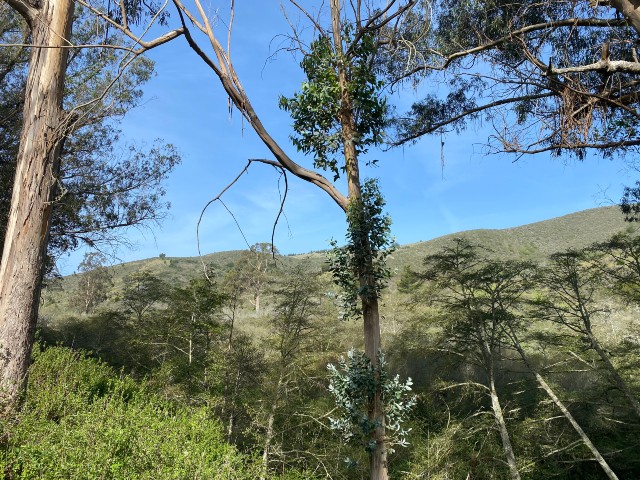
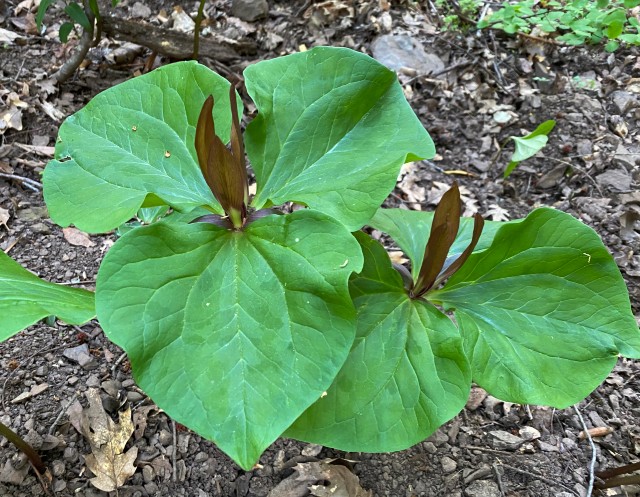
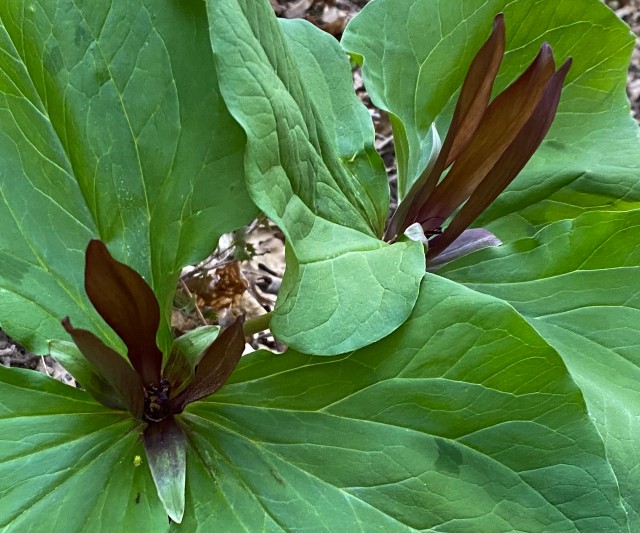
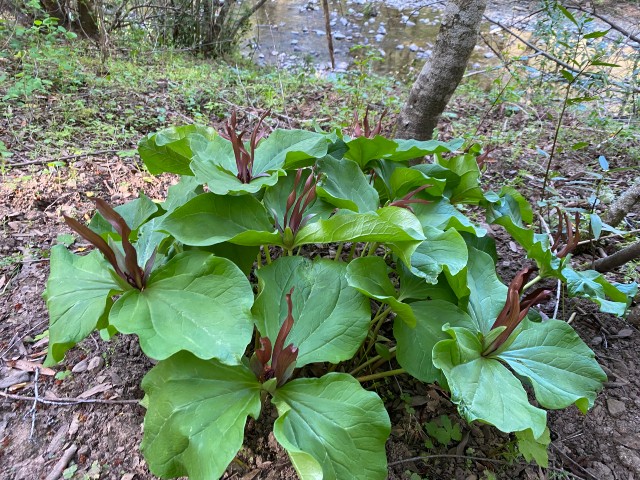
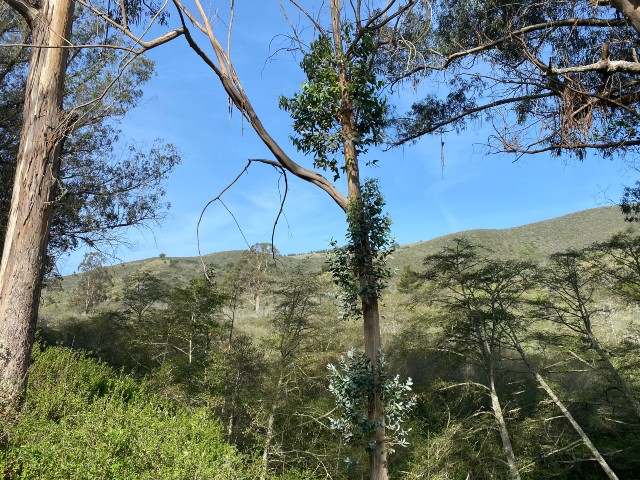
While hiking along a woodland creek, I noticed this California species of spring-flowering perennial plant. It is found in the Pacific Coast Ranges and in the Sierra Nevada Foothills.

02 Giant Wakerobin_6242

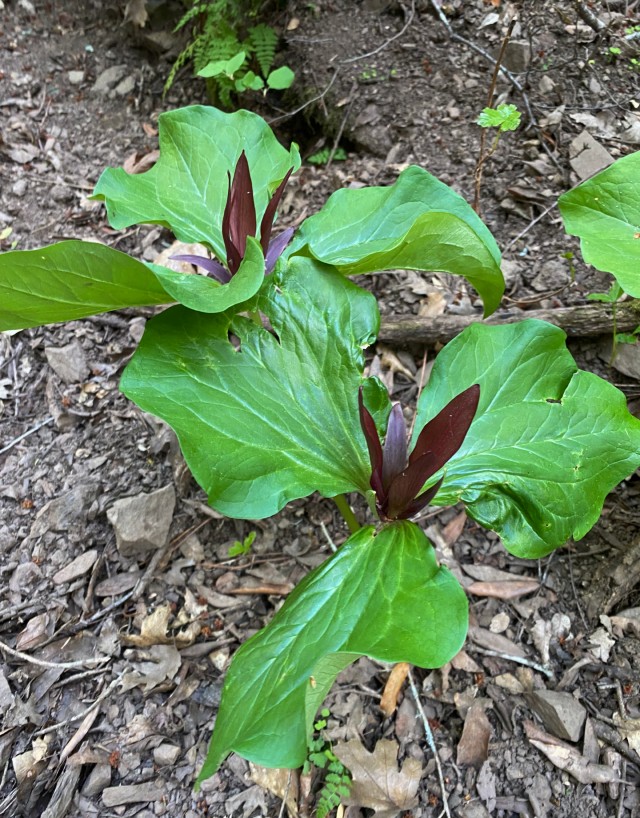
Giant Wakerobin’s large, showy, solitary, three-parted flowers rise directly out of the leaves; its flower color is variable, but is most often dark red to white. Its leaves, which are up to 6 inches long and 5 inches wide, are in whorls of three and often mottled with dark blotches.

03 Giant Wakerobin_6241

It prefers a shady habitat and is clump-forming, growing to 12 to 18 inches tall. The plant often seen in wooded or streamside situations (or both). It is a classic Spring wildflower, in that it blooms from Spring until early Summer, when there are very few leaves on trees, allowing it to get the light that it needs.

04 Giant Wakerobin_6245

Trilliums use a strategy called myrmecochory for seed dispersal. A white, fleshy appendage on the seed tip is a nutrient-rich food packet that attracts ants. Ants carry seeds to their colony up to one mile away, feed the packet to their larvae, and discard the seeds, effectively planting them.

05 Giant Wakerobin_6248

Not only is it an interesting plant, Giant Wakerobin is an incredible beauty and a welcome sign of Spring.

Third Eye Herp
E-mail

California Common Scorpion

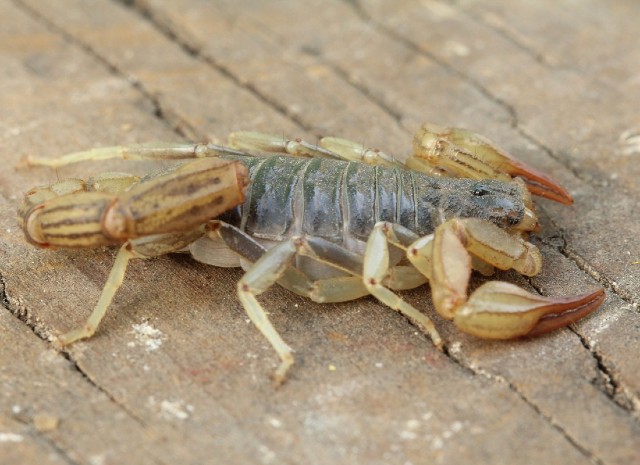
01 California Common Scorpion_5814

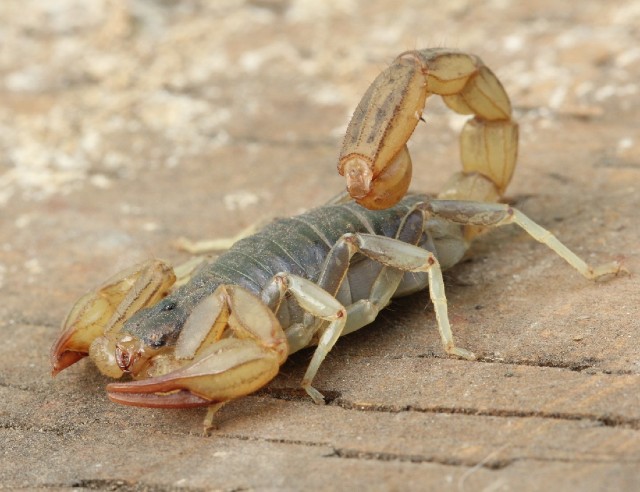
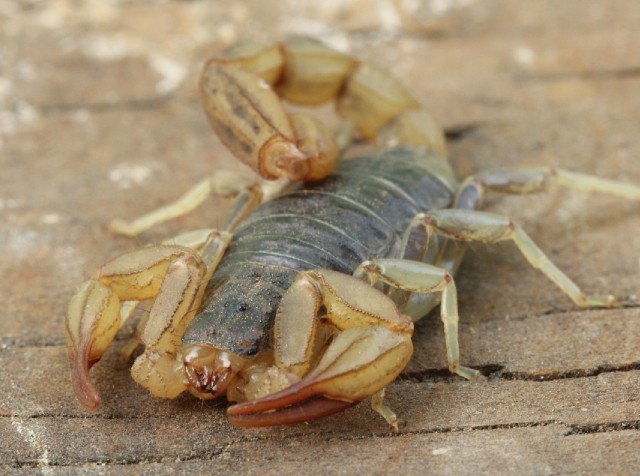
This was a fun find on my recent trip to the Golden State, as I had never come across one previously. This species is adapted to a variety of habitats – existing comfortably in the desert scrub as well as in the sandy coastline.

02 California Common Scorpion_7818

California Common Scorpions are nocturnal predators that forage at night. They feed upon a variety of insects, centipedes and spiders. Scorpions use their pinchers to grab their prey as the stinger on their long tail punctures it. After their paralyzing venom is injected, the prey is eaten.

03 California Common Scorpion_7805

In human encounters, the venom is known to cause pain, but it is not dangerous. This creature has a total length of about three inches as an adult and typically hides under objects during the daytime. I have mainly found them under logs.

04 California Common Scorpion_7816

Scorpions mature slowly, molting their exoskeleton as they outgrow it. They can have a lifespan upwards of 10 years. It was a great experience to come across a few examples of this neat arachnid in the wild.

Third Eye Herp
E-mail

Peninsula Cooter

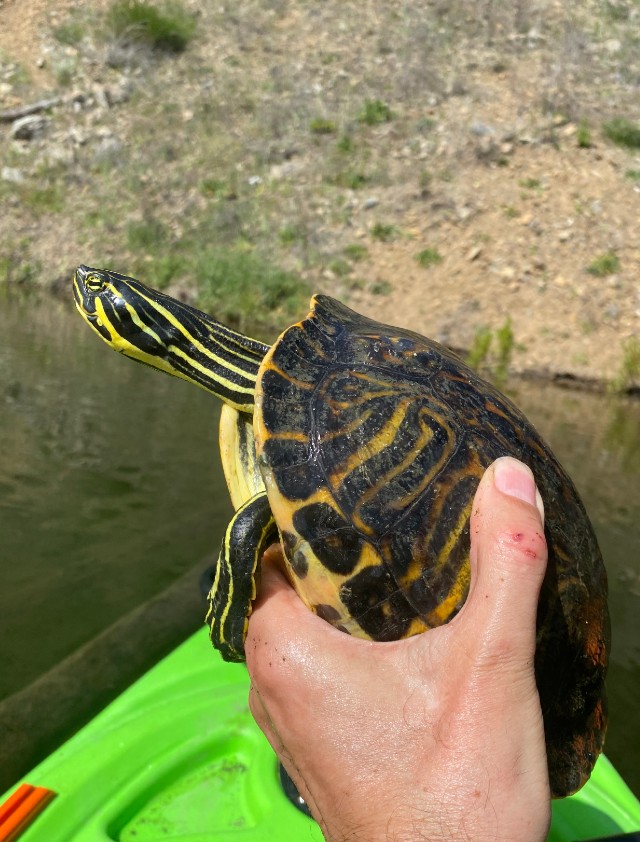
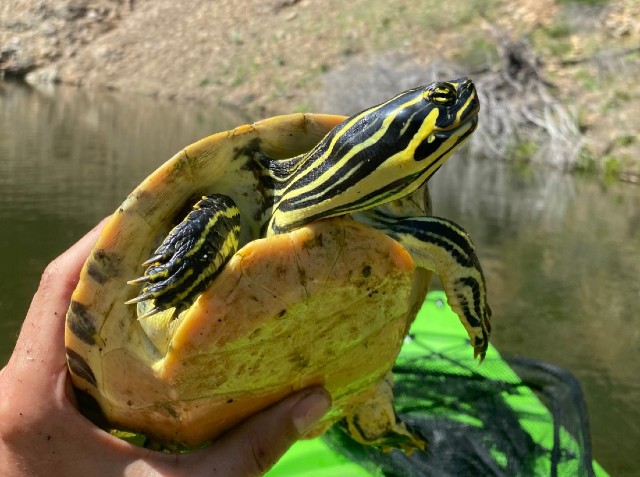
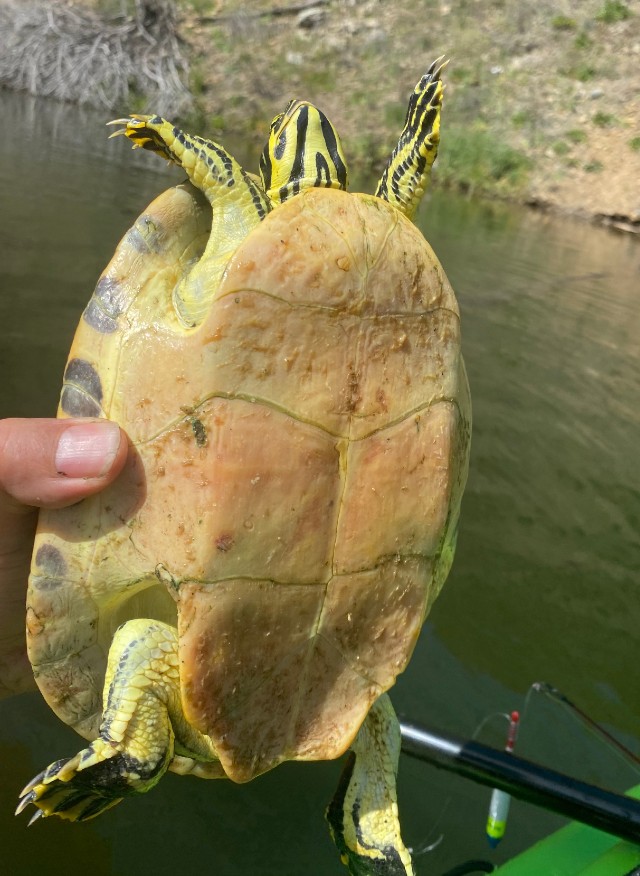
01 Peninsula Cooter_5137

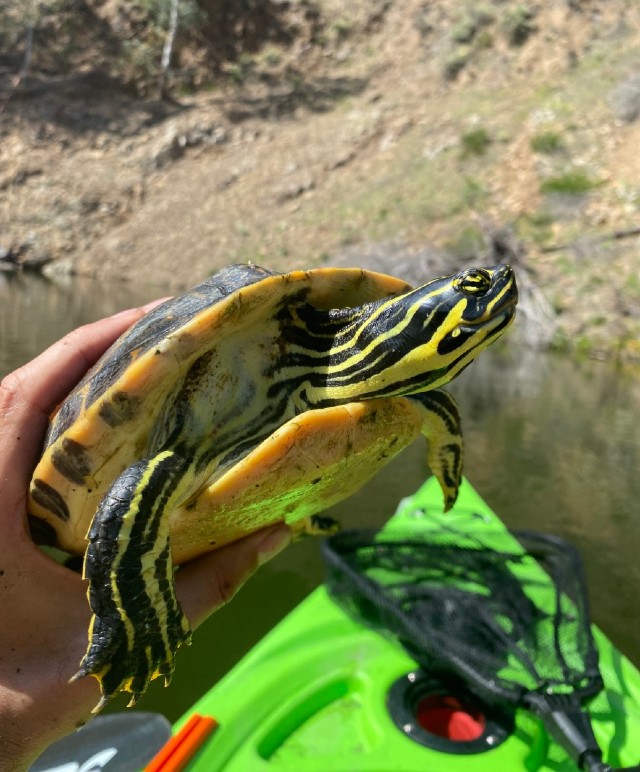
While kayaking in California I caught this very cool (but non-native) reptile that in its natural range is found throughout the Florida peninsula.

02 Peninsula Cooter_6129

Peninsula Cooters live primarily in habitats such as floodplain swamps, basin marshes and occasionally tidal marshes. Areas with slow moving or stagnant waterways with abundant basking sites, submerged vegetation and sandy bottoms are preferred.

03 Peninsula Cooter_6131

Growing to a shell length of almost 16 inches, this is a reptile of impressive size. It is mainly a herbivorous species, with adults feeding solely on plants and filamentous algae, but with some juveniles eating insects and small fish.

04 Peninsula Cooter_6150

Peninsula Cooters are often seen basking on logs or sun-warmed rocks. They may be found in the company of other aquatic basking turtles, like Painted Turtles and Sliders. They can move with surprising speed in the water and on land.

05 Peninsula Cooter_6130

These turtles hibernate in the water. They don’t breathe during this time of low metabolism, but can utilize oxygen from the water, which they take in through their cloaca.

Third Eye Herp
E-mail

Striped Shore Crab

01 Striped Shore Crab_5970

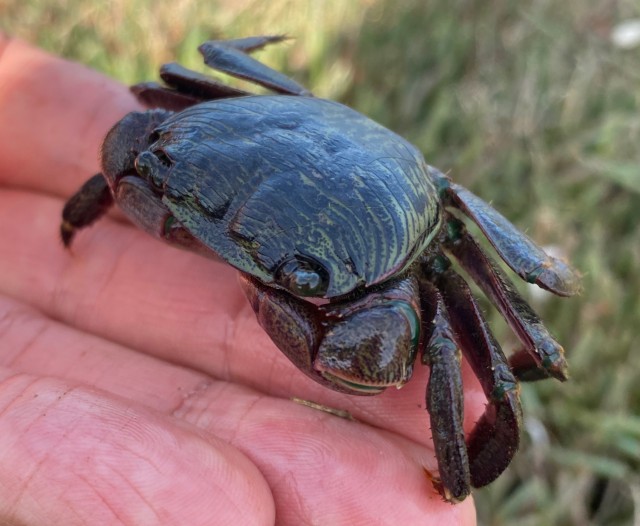
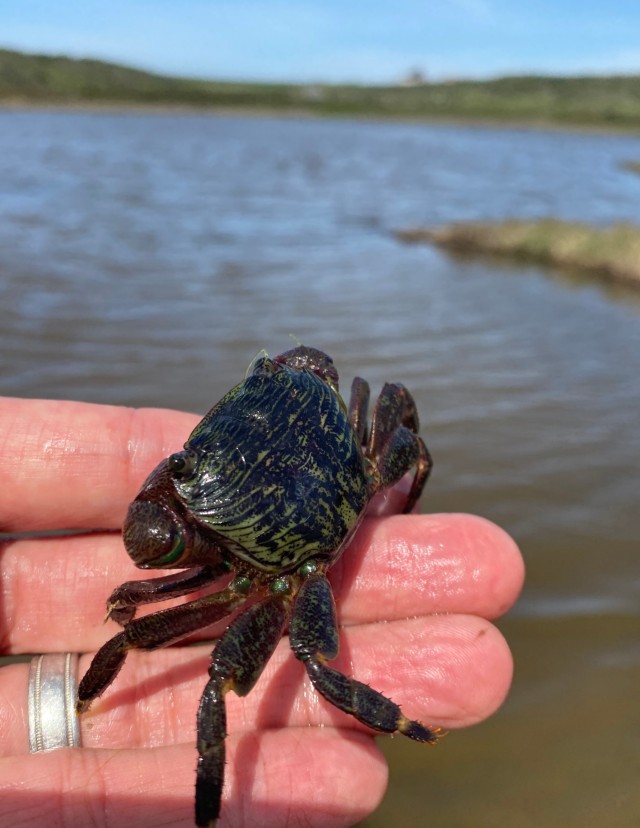
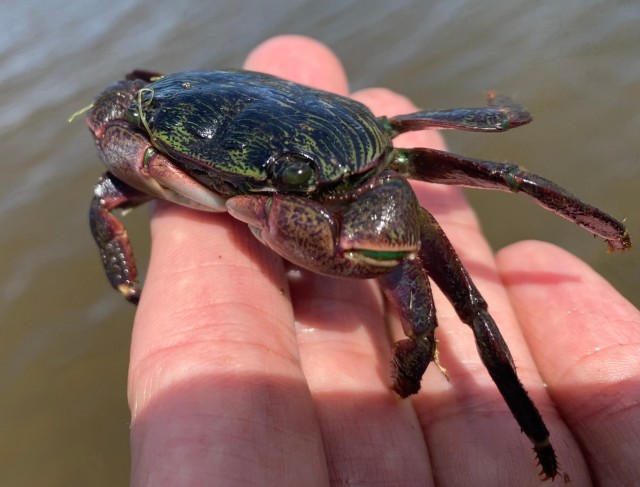
While visiting Point Reyes National Seashore in California, I hiked along small waterways in a cattle grazing area and saw a number of these neat crustaceans.

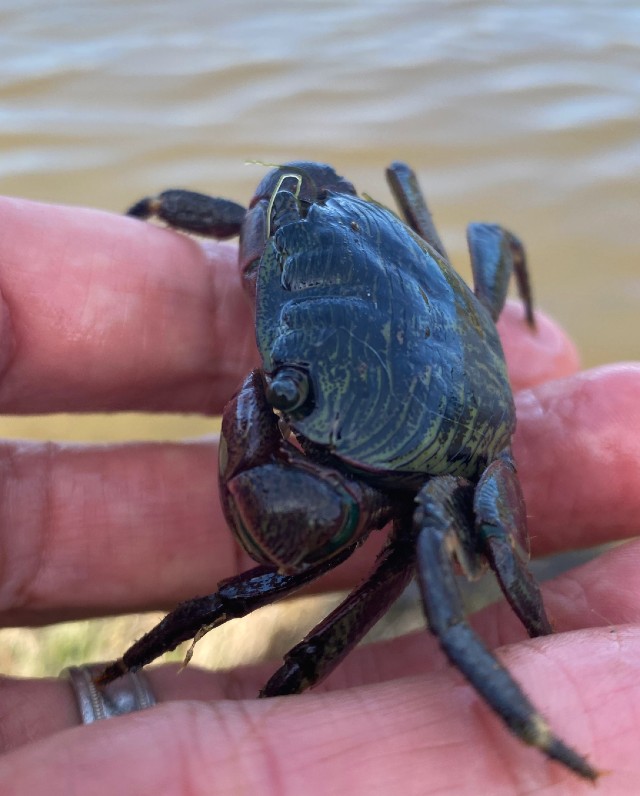
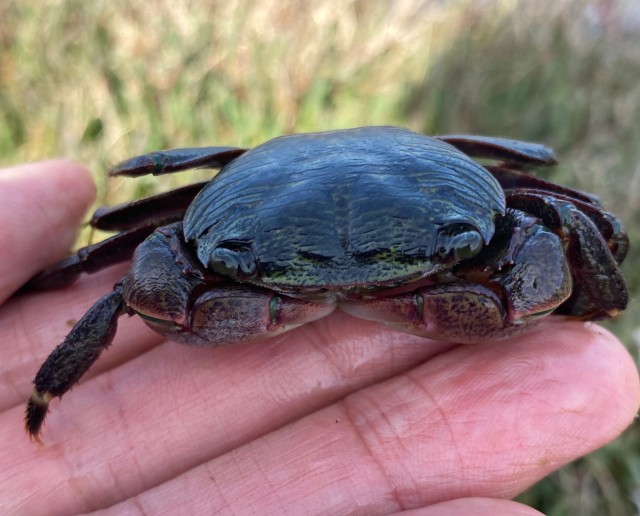
02 Striped Shore Crab_5969

Typically this crab is brown-to-purple or black with green stripes. Though this color combination makes it eye-catching when seen out in the open, it also helps the crab disappear into dark, rocky crevices where it hides in sea lettuce, rock weed and bits of kelp.

03 Striped Shore Crab_5955

Although there can be aggressive intraspecies competition over food, this creature does not keep a territory to defend. It can spend over half of its time on land and will purposely submerge to wet its gills; it can sustain itself out of water for up to 70 hours.

04 Striped Shore Crab_5966

Striped Shore Crabs live along the West Coast of North America, from Mexico in the south, to Vancouver Island, Canada, in the north. In additional to cattle grazing fields, they reside in estuaries, tidepools, mussel beds and in the burrows they sometimes dig into sandy banks. They can sometimes be seen scuttling along shoreline rocks.

05 Striped Shore Crab_5959

The variety of habitats where they exist mirrors the variety of foods they’ll eat. Though they feed mostly on phytoplankton growing on the water or rocks around them, they are opportunistic and will also eat animals including dead fish, limpets, snails, isopods, worms and mussels.

06 Striped Shore Crab_5963

Striped Shore Crabs were an unexpected and fun find while on my visit to the Golden State.

Third Eye Herp
E-mail