Least Weasel

forest_09_21 016

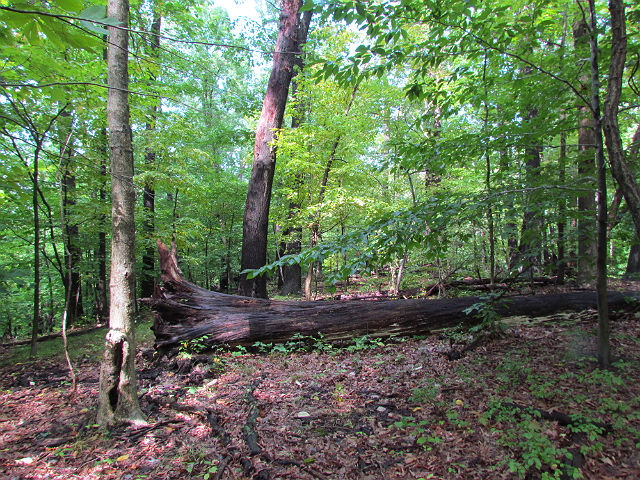
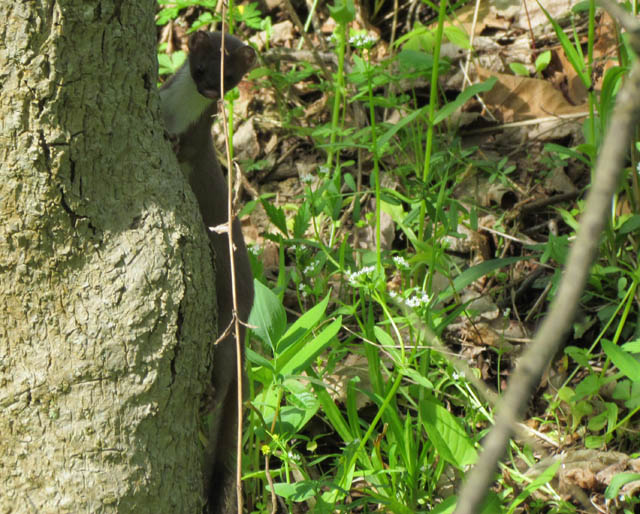
Walking along a trail, I heard a noise in the underbrush, so I decided to check it out. I ended up seeing my first wild weasel. The Least Weasel is the smallest living carnivore, growing to 10 inches.
weasel_3942

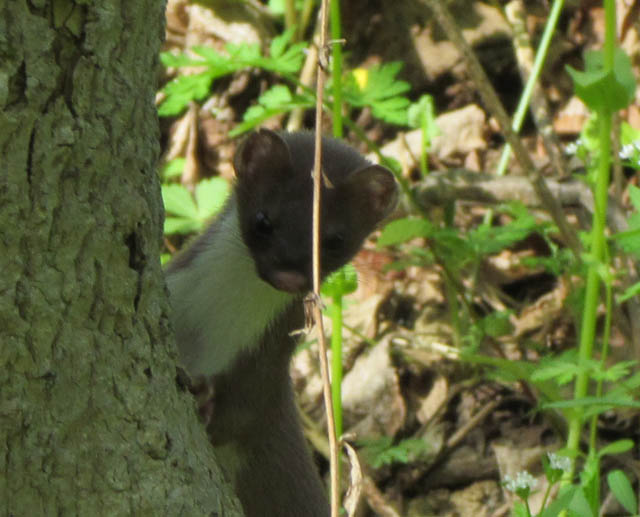
It has a long, slender body, short legs and a broad, slightly flattened head. Weasels bound or lope with their back arched. They swim well and climb trees easily. Least Weasels specialize in taking small prey such as mice and voles. They do most of their hunting in tunnels made by these rodents.

weasel_3941

In the Summer this mammal has a brown coat, but in areas where it snows the Least Weasel gets a white Winter coat. They are adaptable and do well in a wide variety of habitats, including open forests, farmlands, meadows and prairies.
weaselclose_3942

It was an unexpected surprise to come across this very cool creature.

Third Eye Herp
E-mail

Eastern Worm Snake

worm snake_04_28 Powershot 360

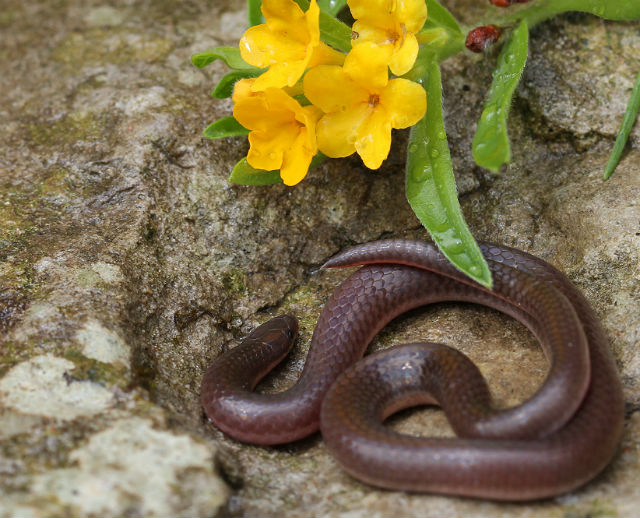
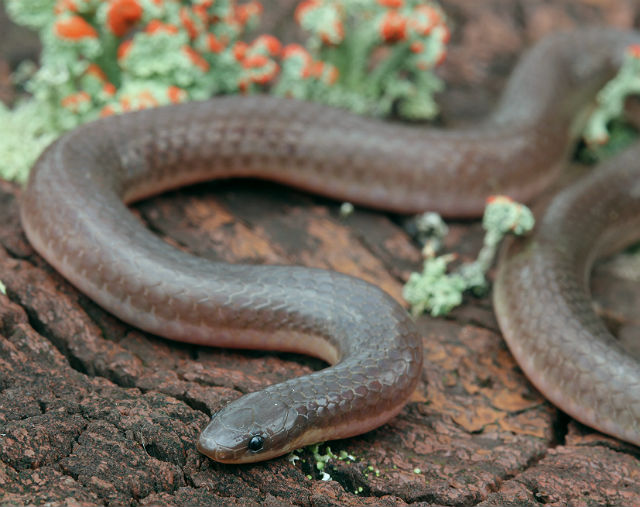
Worm Snakes are small snakes, only growing to about a foot long. Their color can vary from pinkish-brown to dark-brown. They somewhat resemble earthworms and spend most of their time underground, which is how they get their name. They are seldom seen.

worm snake 078

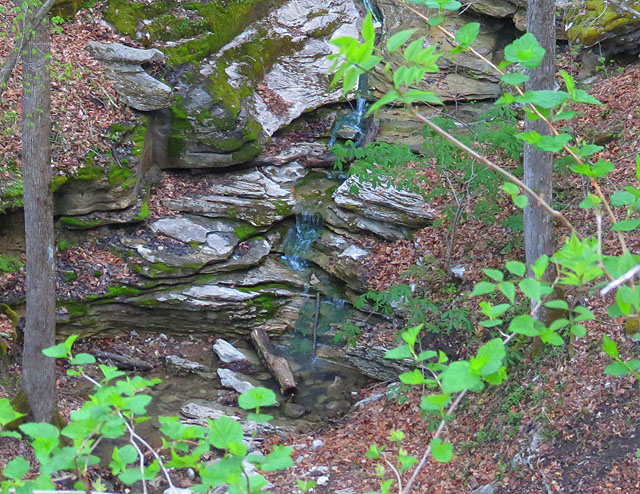
These reptiles are found where there is damp soil, especially in forests. They seem to prefer soils with abundant leaf litter. These snakes also live in meadows and along lakeshores.

worm snake 114

Their tail has a sharp tip. Although harmless to humans, this species will often press its pointed tail tip against its captor. Scientists think the pointy tail tip aids the snake in digging.

worm snake 076

Worm Snakes eat more earthworms than anything else. Other foods include slugs, snails, small salamanders and soft-bodied insect larvae like grubs and caterpillars.

worm snake 123

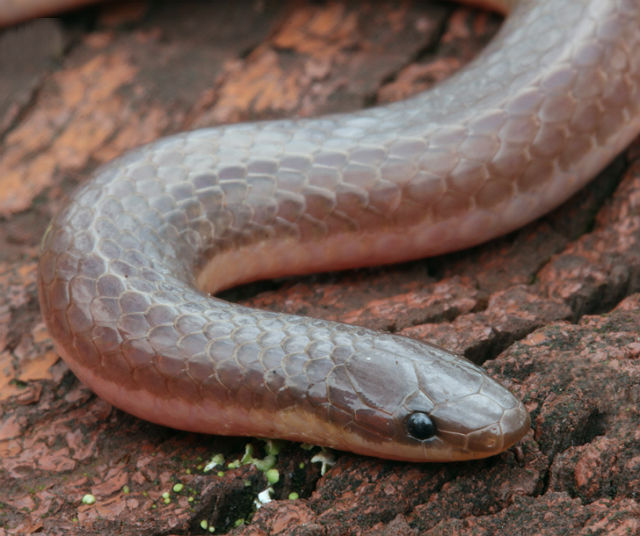
The scales of this reptile are smooth, iridescent and feel like satin. They have a pointed, flattened head and very tiny black eyes.

worm snake 117

These fascinating snakes are not native to northern Ohio (where I live) so this one was a pleasant find on my recent trip to Kentucky.

Third Eye Herp
E-mail

Spring Salamander

spring salamander_04_28 Powershot 366

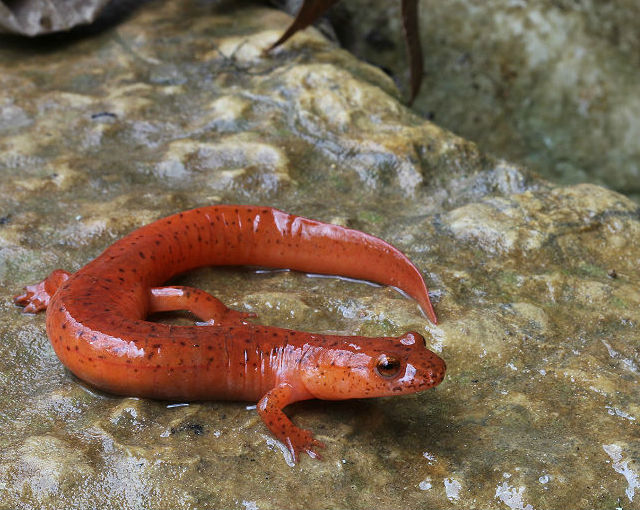
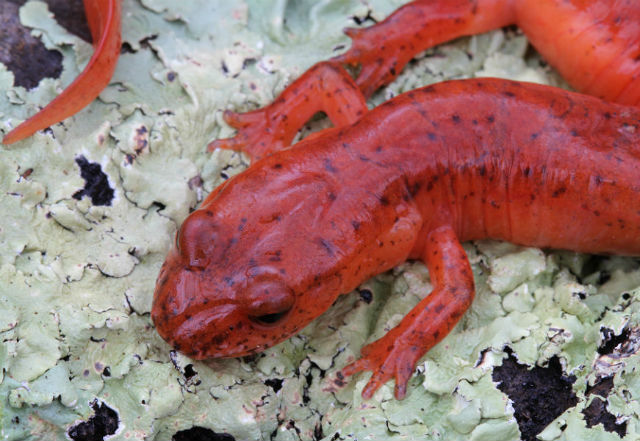
This amphibian is found in Canada and the United States. Spring Salamanders are semi-aquatic, spending a majority of their time in springs, wet caves, and cool, clear mountain brooks. Spring Salamanders can also be found under stones and logs near stream edges.

spring salamander 182

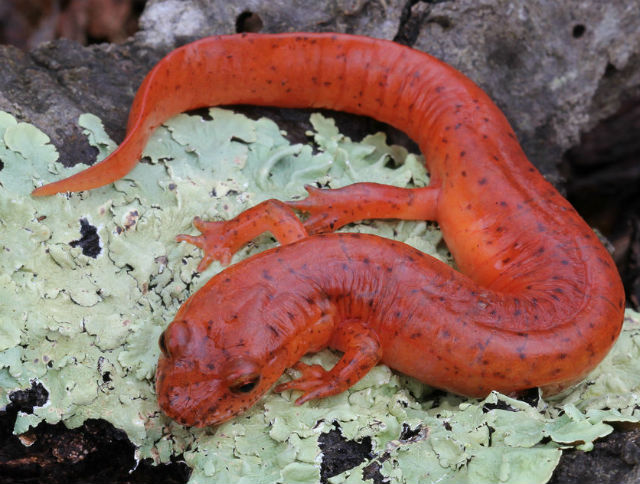
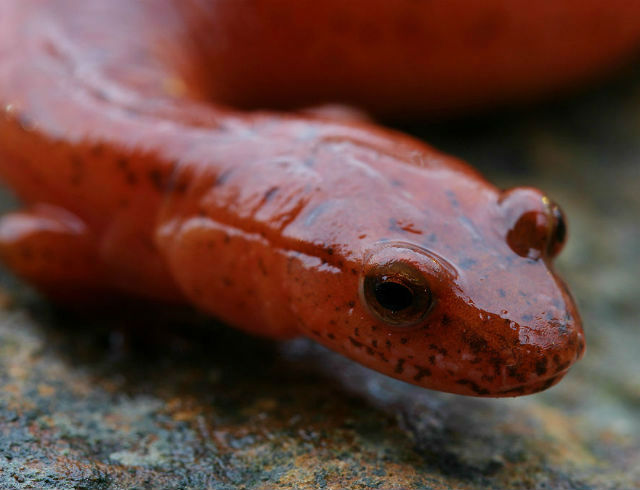
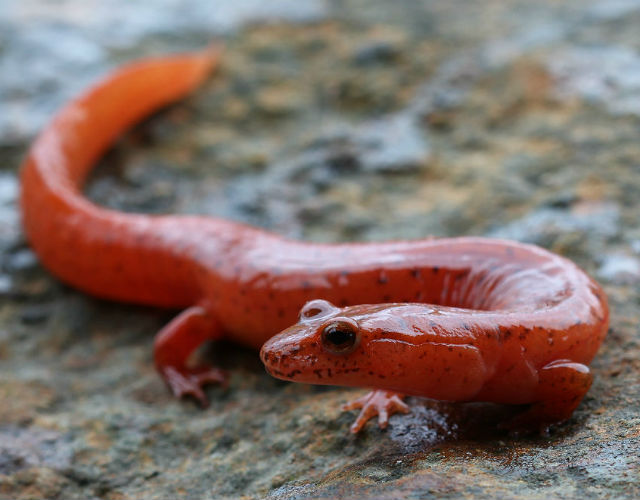
This is one of the largest species of lungless salamanders and can reach about 8 inches in total length. It is usually salmon-pink to brown-pink with a few small, dark spots on the back and sides, usually forming a row along the sides.

spring salamander 177

Because they are lungless, and obtains oxygen through its skin, the Spring Salamander is limited to areas where there is adequate oxygen and moisture. Though is not confined to the water, however, and will sometimes leave its aquatic habitat and venture out on land in search of food.

spring salamander 036

As an adult, the Spring Salamander’s tail has a prominent, knife-like keel on the top that enables it to swim in swift-moving water. Adults also have toxic, skin secretions and red coloration that mimics more toxic species, for protection from predators.

spring salamander 035

It is primarily nocturnal. The Spring Salamander hunts at night for a wide variety of food consisting of insects, crustaceans, centipedes, millipedes, earthworms, snails, spiders, and occasionally small frogs and salamanders.

spring salamander 170

It was pretty cool to see several of these amphibians in the wild during my recent trip to Kentucky.

Third Eye Herp
E-mail

Yellow Trout Lily

trout lily 025

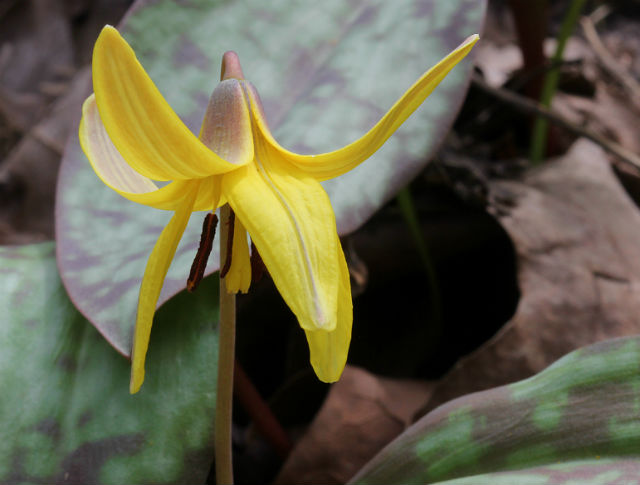
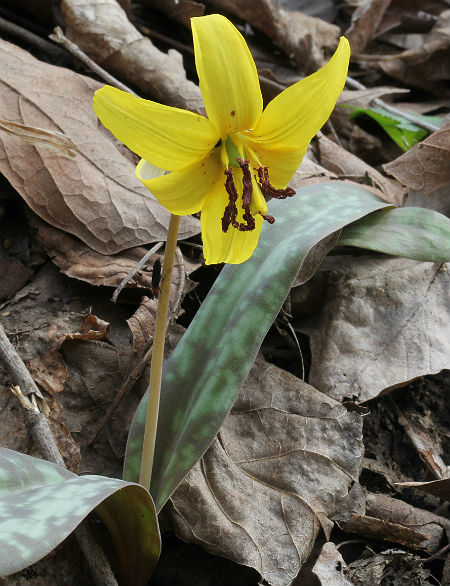
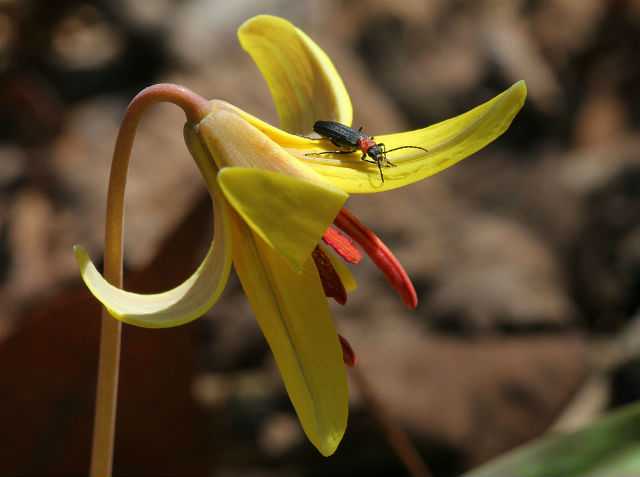
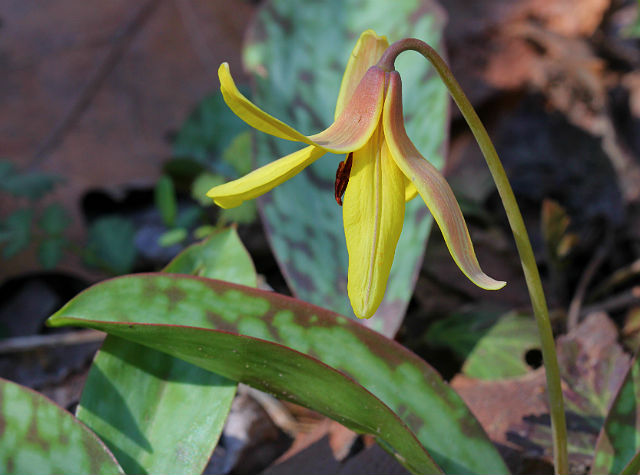
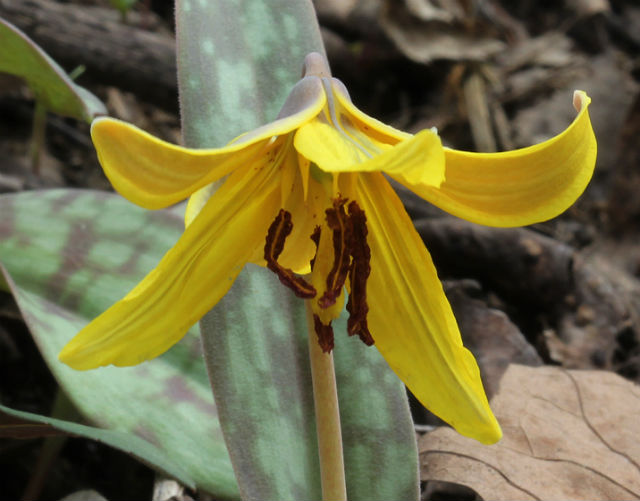
A pair of brownish-mottled leaves (which resembles the colors of a Brook Trout) at the base of a stalk which bears a solitary, nodding flower, yellow on the inside and bronze on the outside, are the components of many, many Yellow Trout Lilies which carpets the forest floor at this time of year.

trout lily 039

Yellow Trout Lily is pollinated by ants and after a seed is planted, it may take up to seven years before the plant becomes mature enough to flower.

trout lily 038

It is a small plant, reaching only about six inches tall. Other common names for this plant are Adder’s Tongue, Fawn Lily and Dog-tooth Violet.

trout lily 046

The common name of Adder’s Tongue is in reference the appearance of the emerging stamens of the flower, which protrude like the tongue of a snake.

trout lily 036

Fawn Lily is a name given in regards to the plant’s two spotted leaves that to some look similar to the alert, upright ears of a fawn.

trout lily 060

The common name of Dog-tooth Violet is in reference to the flower’s underground elongated bulb shape. It is unfortunately misleading, because this plant is not a member of the violet family.

trout lily 053

The Yellow Trout Lily root (known as a corm) is an edible vegetable.  According to the International Health Exhibition held in London in 1884, the roots were ground into a material for making confectionary. The leaves are also edible and can be eaten raw and put into salads.

trout lily 048

The diverse array of common names for this plant are evidence of this plant’s widespread distribution throughout much of the eastern United States and of its distinctive appearance and characteristics.

Third Eye Herp
E-mail

Margined Carrion Beetle

Margined Carrion Beetle 3056

In nature, not everything is as pleasing to the eye as a butterfly, nor does everything smell as sweet as wildflowers. There are aspects of natural history, although unpleasant to our human senses, that are critically important in the balance of nature.
Margined Carrion Beetle 3062

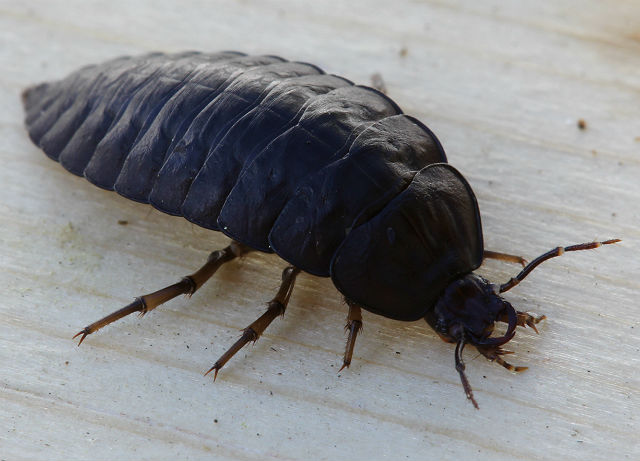
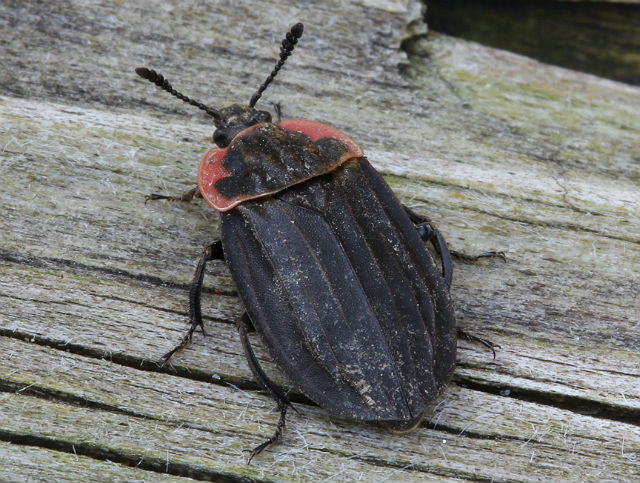
The Margined Carrion Beetle is an interesting and helpful insect. It gets its name from the fact that it eats and lays its eggs in carrion (dead animals).

Margined Carrion Beetle 027

Using its sense of smell, the insect can find a dead animal within hours of death at a distance of up to a mile and a half. It will then mate and lay its eggs on the carrion. Here’s what the larva look like after hatching from an egg, but before becoming an adult beetle.

Margined Carrion Beetle 008

Carrion beetles and other decomposers are important because they get rid of dead matter by eating it and breaking it down into smaller pieces that can be placed back into the ecosystem and used by other organisms.

Margined Carrion Beetle 033

They are also frequently associated with crime scene investigations, because they are used to substantiate and support timelines and help estimate the time of death of victims.

Third Eye Herp
E-mail

Jefferson Salamander

jefferson salamander_1352

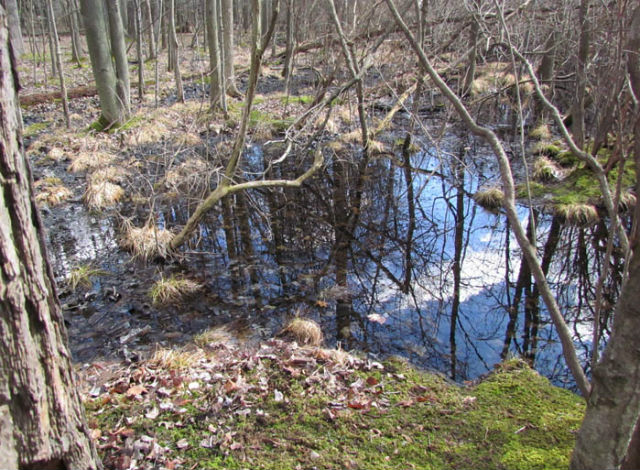
The Jefferson Salamander belongs to a group of amphibians known as mole salamanders, named because they spend most of their life underground. The only time you are likely to see them is now, when they are migrating to temporary pools in the woods to mate and lay eggs.

jefferson salamander 009

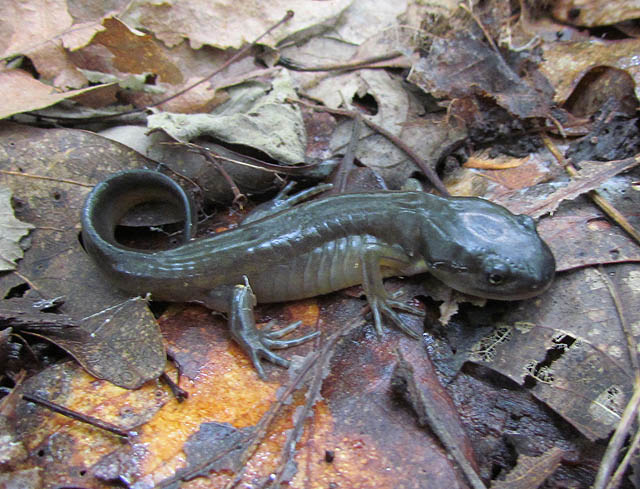
Egg masses contain 20-30 eggs are attached to fallen tree branches underwater. The time it takes for the eggs to hatch depends on water temperature and ranges from 2-8 weeks. The aquatic larvae complete metamorphosis in 2-3 months and like frog tadpoles, they go from an aquatic existence to a life lived on land. Here’s a newly metamorphosed individual that I found in July of last year.

jefferson_0446

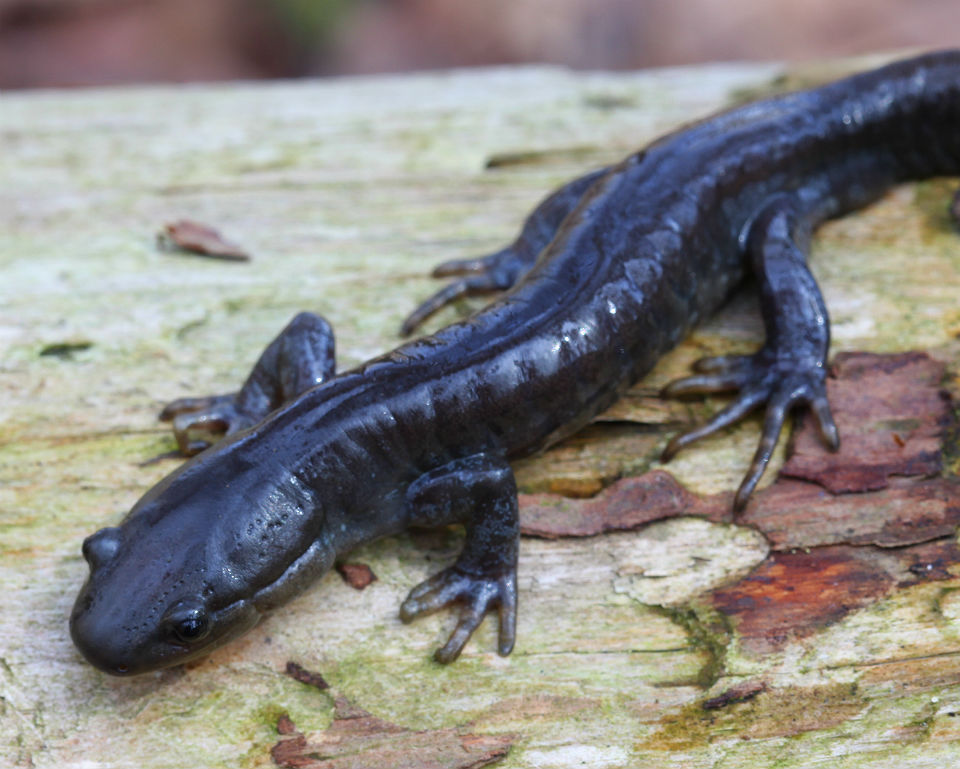
This amphibian is usually dark gray and often has silver or blue specks on its sides. The secretive adults hide under stones or logs, in leaf litter and in burrows in hardwood forests with damp conditions. Around here they share their habitat with Spotted Salamanders, though they are much less common. They tend to be more slender than spotteds, but are about the same overall length (about 7 inches).

jefferson salamander 028

The Jefferson Salamander feeds on insects, spiders, earthworms, slugs, pillbugs and other invertebrates. Because the adult salamanders spend most of the time outside of the breeding season hidden, their exact feeding habits are not known. Ecologically, salamanders play important roles in the organization of many terrestrial and aquatic communities. They are increasingly being used as indicators of environmental heath.

jefferson salamander 025

But they have an additional value to humans in the form of medical research subjects. Salamanders have extraordinary ability to regenerate toes, feet and entire limbs – they are the only vertebrate that can do this. Understanding the basis for their limb and tissue regeneration could have significant implications for the field of medicine.

jefferson salamander 023

The Jefferson Salamander is yet another of nature’s mysteries, cloaked in dark coloration and living an underground lifestyle that we know almost nothing about. I’m lucky if a see one or two of these fine salamanders each year, and I was glad to come across one this week.

Third Eye Herp
E-mail

Cinnamon Teal

Cinnamon Teal 005

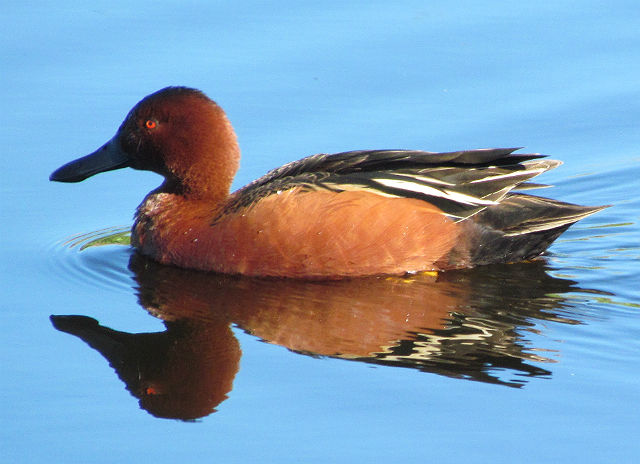
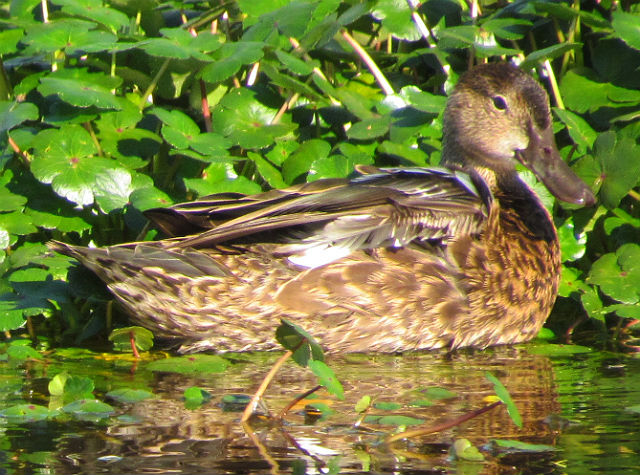
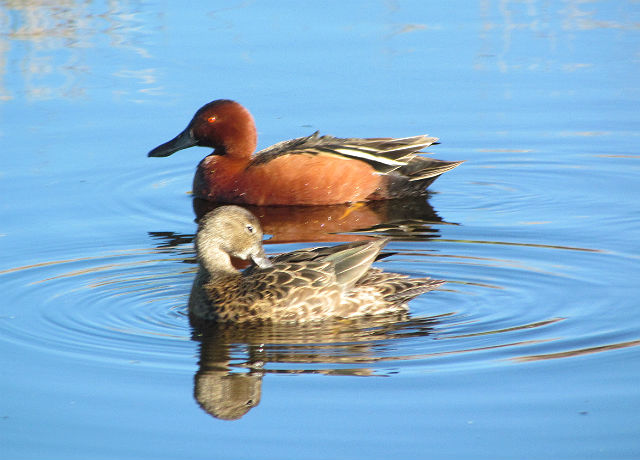
This small brightly colored duck caught my eye when I was visiting the bay area of California. The Cinnamon Teal is small, with bright rust colors on the male and duller brown plumage on the female. It lives in marshes and ponds, and feeds mostly on plants.

Cinnamon Teal_2857

Mating pair bonds are renewed each season, during the winter. Females attract the males by swimming in front of the desired mate. Cinnamon Teal are usually found in small flocks, comprising pairs of birds.

Cinnamon Teal_2854

They are very agile in flight. The birds make sudden and sharp turns while flying low and they take off to flight directly from water. Cinnamon Teal usually feed in shallow water where they scoop up floating plants, seeds and insects. They will also dive for food.

Cinnamon Teal_2862

It was neat to encounter this western species of duck that I have never seen before.
Third Eye Herp
E-mail

Western Skink

Western Skink_2770

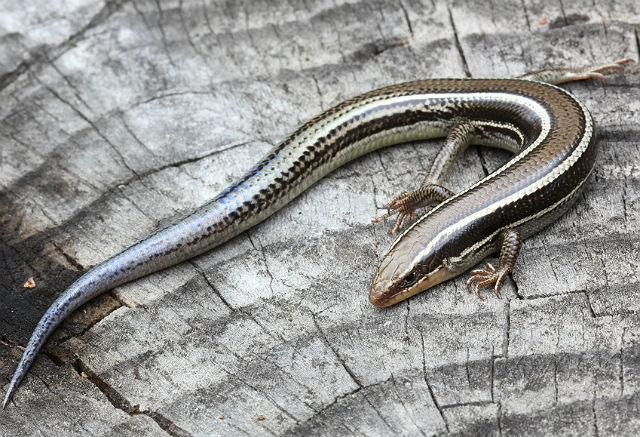
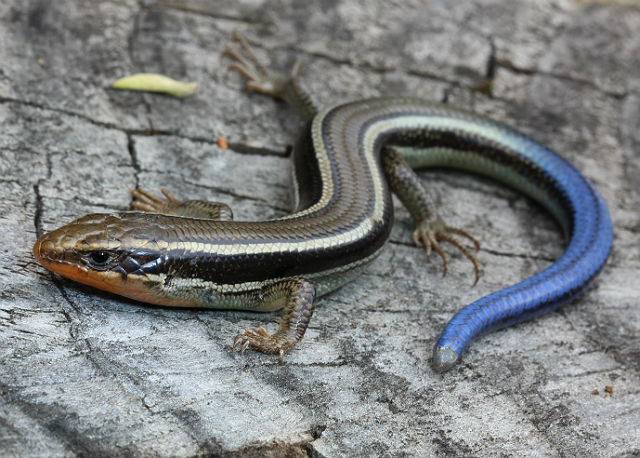
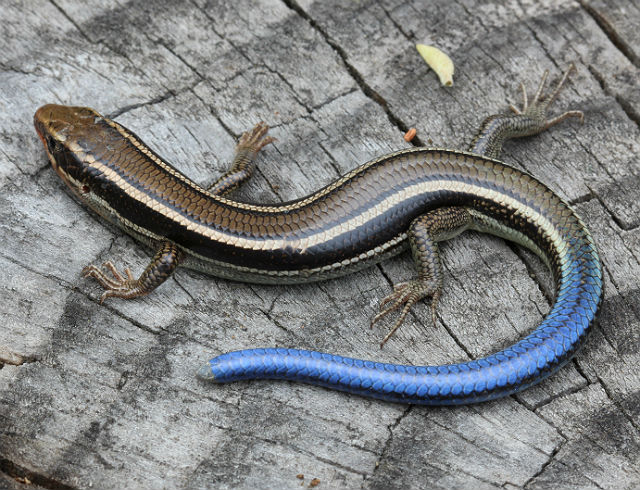
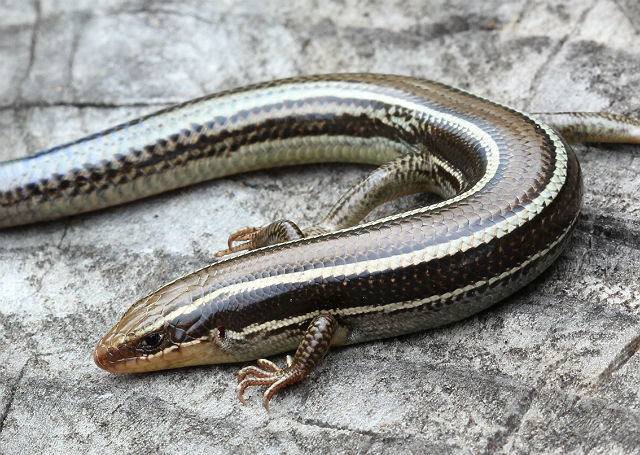
The Western Skink has a shiny appearance due to its smooth, glossy, rounded scales. It is brown with golden-yellow or cream stripes extending from its nose to its tail. Younger individuals have brilliant blue tails that become dull as they age.
Western Skink  010

Western Skinks readily autotomize (lose) their tails and the bright blue coloration found on juveniles may add to the wriggling tail’s distraction as the reptile makes an escape. They aren’t very large lizards, typically being 5 to 6 inches in total length.

Western Skink 021

Females exhibit parental care for their eggs. The skink will stay with the eggs, protecting them against predators, repairing the nest and possibly providing additional heat by basking and then returning to the nest.

western skink 007

They avoid can be found in a variety of habitats, including dry oak woodlands, on mountains with southern rock outcroppings and open grasslands where there is ample cover like rocks and logs.

Western Skink 018

Western Skinks can eat a wide variety of foods, including crickets, beetles, flies, grasshoppers, spiders and earthworms.

Western Skink 013

It is always a joy to come across one of these small wonders; and I frequently do when visiting the Golden State.

Third Eye Herp
E-mail

Brown Garden Snail

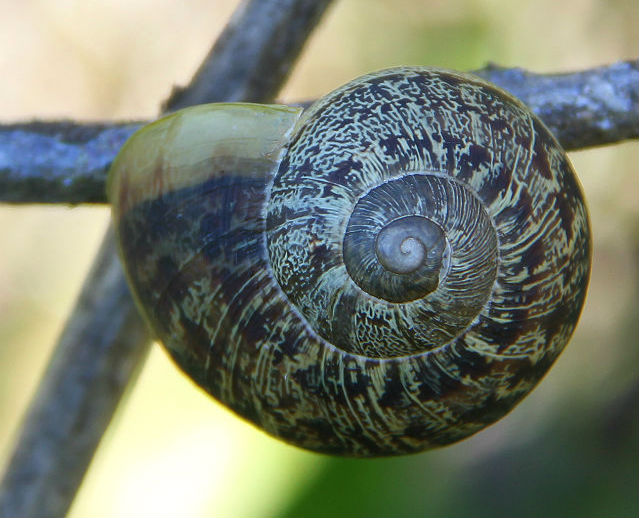
This creature was introduced to California in the 1850s as a source of escargot. This species is native to the Mediterranean region and has adapted well to the Golden State.

snail 001

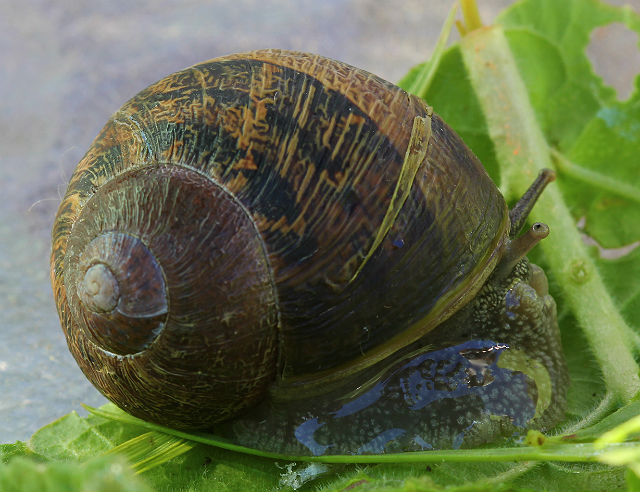
Brown Garden Snails live in habitats like gardens and parks made by man, as well as in coastal dunes and brushland. The Brown Garden Snail is a herbivore and feeds on a wide variety of plants. Most land snails are nocturnal, but after a rain storm they may come out of their hiding places during the day. They move with a gliding motion by means of a long flat muscular organ called a foot.

snail 134

The head bears four tentacles, the upper two of which have eye-like light sensors, and the lower two of which are smaller, are used for touch and smell. The tentacles can be retracted into the head. The mouth is located beneath the tentacles, and contains a rasp-like structure which the snail uses to scrape up food particles.

snail 006

Mucus, constantly secreted by glands in the foot, which facilitates movement and leaves a silvery, slimy trail. The shell may be either yellow or horn-colored with chestnut brown spiral bands which are interrupted by yellow flecks or streaks.

snail 130

This species is one of the best-known of all terrestrial molluscs and one of the most widespread land snail species in the world. Transported by humans, today it can be found in Northern America, Southern America, Australia, New Zealand and South Africa.

Third Eye Herp
E-mail

Western Pond Turtle

western pond turtle 104

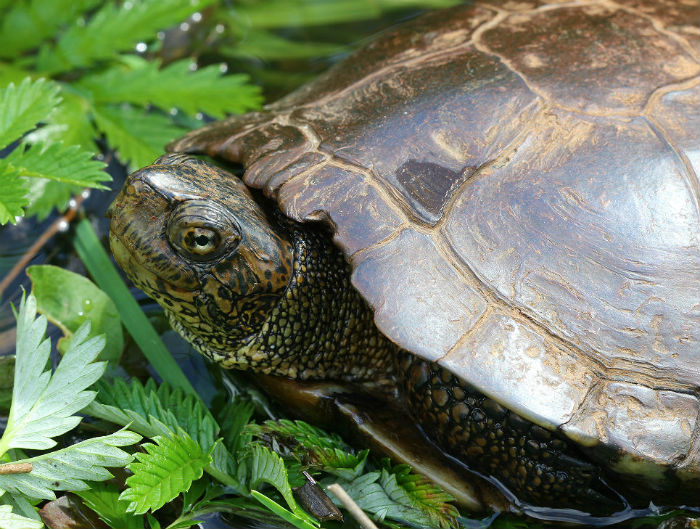
I haven’t had an “up close and personal” encounter with a Western Pond Turtle in 10 years, so it was pretty exciting to come across this one this week.

western pond turtle 076

This is the only freshwater turtle native to California. Their preferred habitat consists of calm waters, such as streams or pools, with vegetated banks and basking sites, which are usually rocks or logs.

western pond turtle 083

These turtles are wary and secretive. When disturbed, they seek cover in water, diving beneath the surface and hiding in submerged vegetation. Their brown color makes them difficult to see at the bottom of a pond or stream.

western pond turtle 051

Habitat loss and fragmentation are threats to Western Pond Turtles. Development of housing, roads and eliminating waterways has taken a toll on this species. It has been further challenged by non-native predators and crowding by non-native turtle species.

western pond turtle 084s

The Western Pond Turtle is a “species of special concern,” according to the California Department of Fish and Wildlife, and are declining rapidly throughout the west. It was one of the many highlights of my trip to the Golden State to spend some time observing this reptile in the wild.

Third Eye Herp
E-mail