California Slender Salamander

slender salamander 006

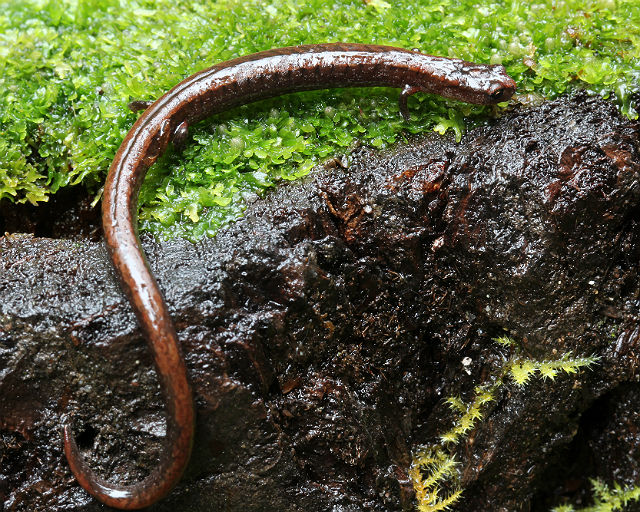
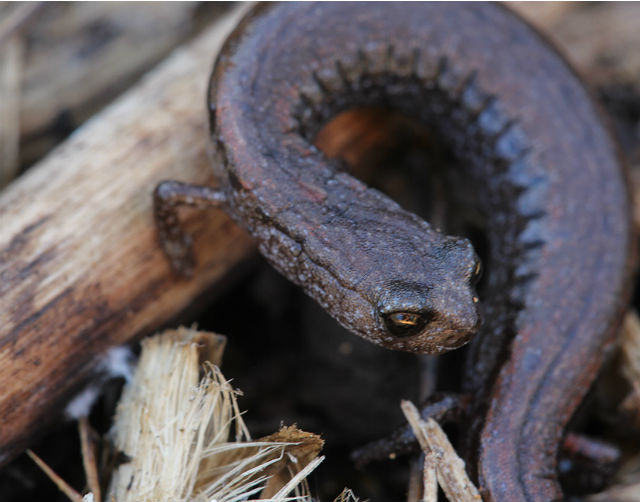
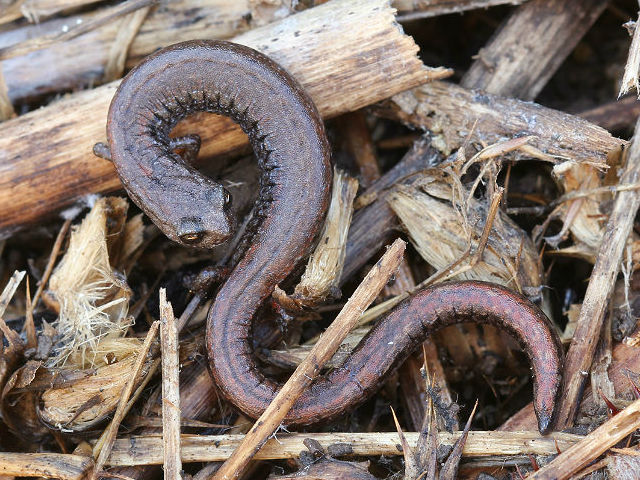
This creature is a lungless salamander that is found primarily in coastal mountain areas of Northern California. It is very commonly encountered and I’ve seen several on my current trip to the Golden State.
slender salamander  092

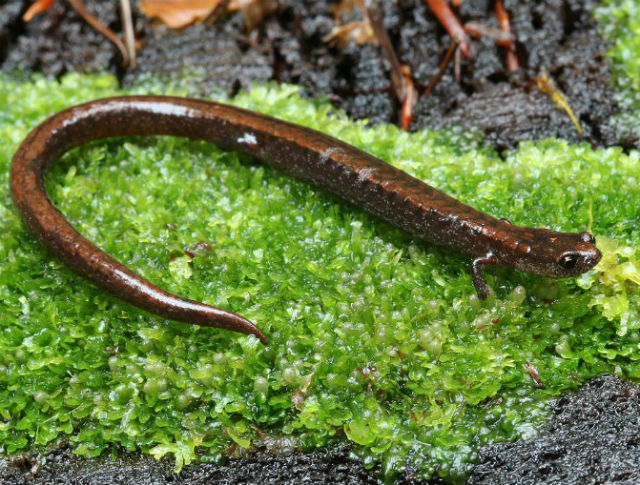
Its “slender” image comes from short limbs, a long, slender body with a narrow head and a very long tail. This gives them a worm-like appearance.
slender salamander  003

Like other lungless salamanders, they conduct respiration through their skin and their mouth tissues, which requires them to live in damp environments on land and to move about on the ground only during times of high humidity.
slender salamander 095

As you might imagine, an animal this small has plenty of predators. For defense. the California Slender Salamander Slender salamanders use several defense tactics, including coiling and remaining still, relying on cryptic coloring to avoid detection.
slender salamander_9442

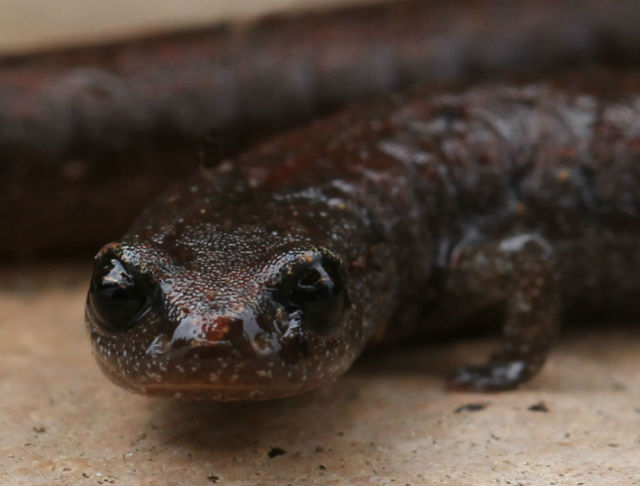
They also can uncoil quickly and spring away, repeatedly bouncing over the ground, then remaining still again to avoid detection. If grapped this amphibian can detach its tail, which wriggles on the ground to distract a predator from the salamander long enough for it to escape.
IMG_6219

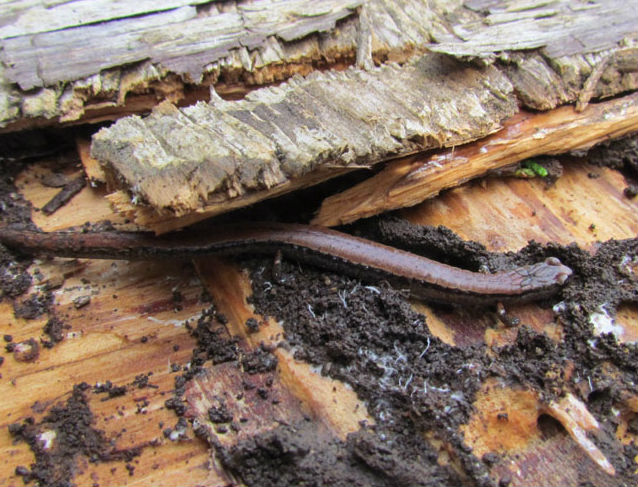
They are predators themselves, and use a sit-and-wait technique, catching prey that wanders by with their projectile tongue. Their diet consists of a variety of invertebrates, including springtails, small beetles, snails, mites, spiders and isopods.
slender salamander 001

The lifestyle of this tiny salamander remind me of one that I frequently encounter in my home state of Ohio – the Redback Salamander. Seeing either amphibian in the field is always an enjoyable experience.
Third Eye Herp
E-mail

Spring Beauty

spring beauty_0562

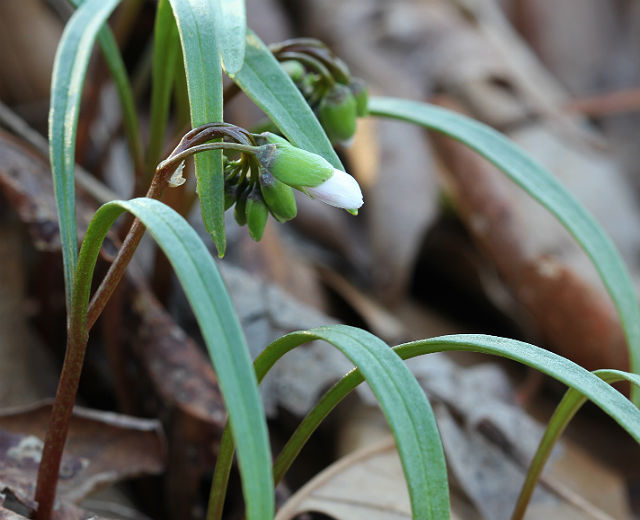
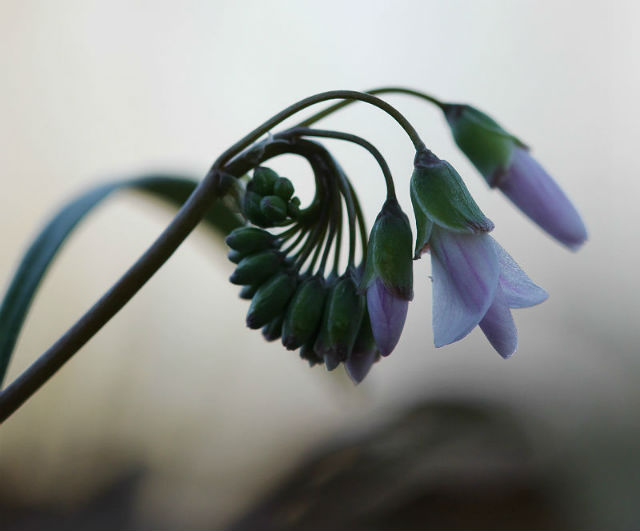
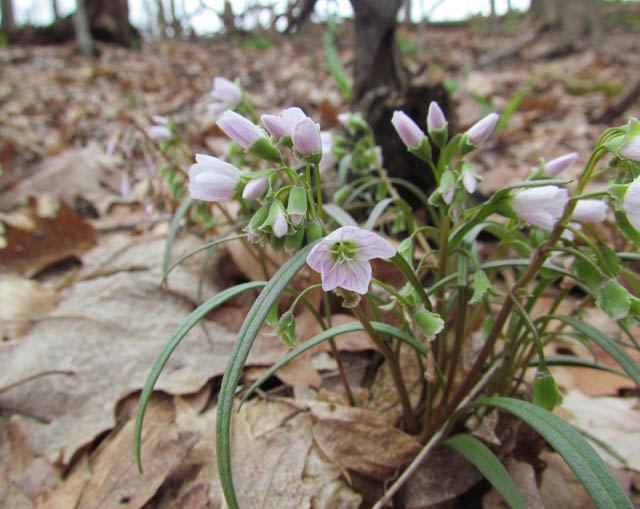
One of our prettiest and earliest-blooming wildflowers is also a delicious vegetable. It may be the definitive tater tot. Spring Beauties are small, low-to-the-ground wildflowers that feature a star-like cluster of five white to light pink flowers. Closer examination of the petals will reveal an array of fine pink stripes and a pleasant floral fragrance.
spring beauty_2820

It sports grasslike, succulent, dark green leaves that usually occur in pairs. In early spring, and are usually found in pairs. It is noted for its abundance throughout many parts of its range, especially in forests.

spring beauty_8894

Spring Beauty is found in the eastern two-thirds of the United States. One reason for why the spring beauty is so common is its ability to survive in areas that have suffered land degradation such as livestock grazing and partial tree removal.

spring beauty_8891

According to the Brooklyn Botanic Gardens, Spring Beauties are not only beautiful spring ephemeral, but a tasty spud-like vegetable. The tiny, sweet tubers are high in potassium and vitamin A and are a good source of calcium and vitamin C. They can be eaten raw, boiled, fried, roasted, or mashed.
Third Eye Herp
E-mail

Meadow Vole

pm_5968

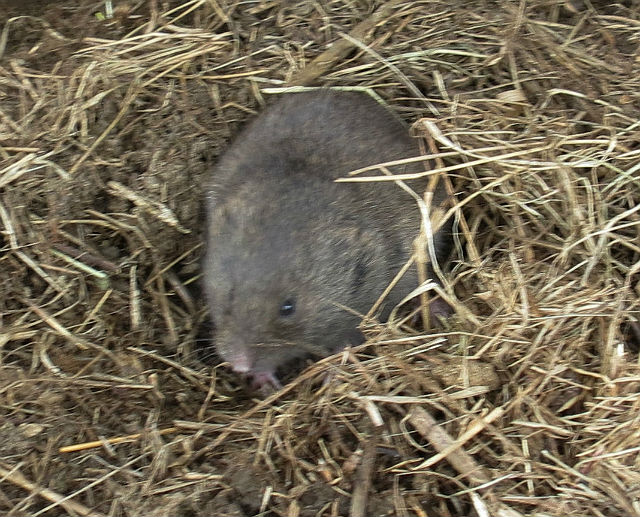
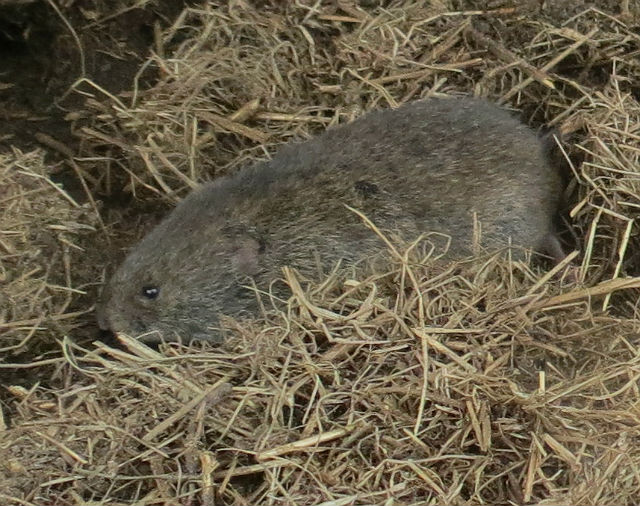
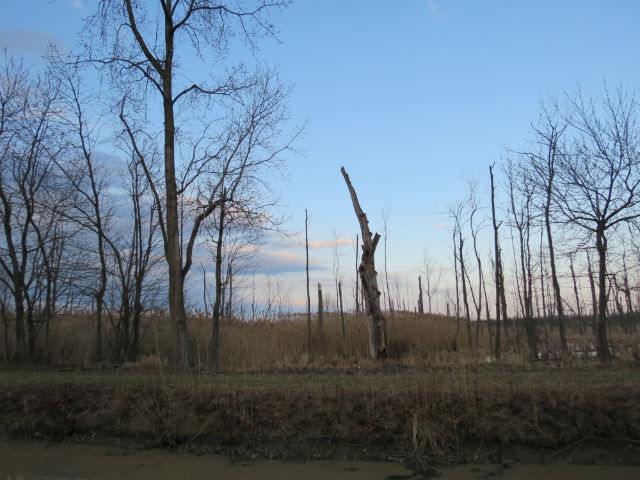
While looking for snakes this week I came across a small mammal. The Meadow Vole is a small, common rodent that lives in grassy fields, woodland, marshes, often along lakes and rivers.

meadow vole_9619

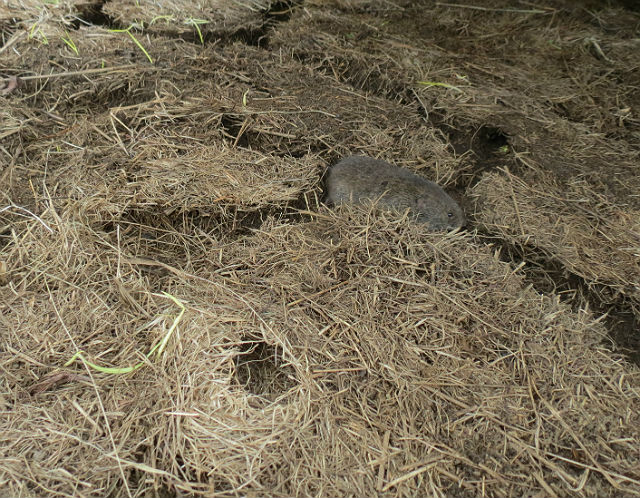
This creature is active year-round, usually at night. Meadow Voles make nests in clumps of grass. From their nests, they build tunnels beneath the grass and plants.

vole_9625

The Meadow Vole’s diet includes many things, including grasses, sedges, seeds, flowers, leaves and roots. These animals can eat their weight daily. These mammals occur throughout most of the northern and eastern United States and Canada.

meadow vole_9625

Meadow Voles have a remarkable reproductive output. Females can breed when they are a month old and produce litters of 3-10 pups every three weeks for the duration of their lives. Their typical lifespan is 12-18 months.

Third Eye Herp
E-mail

Butler’s Garter Snake

butlers_0093

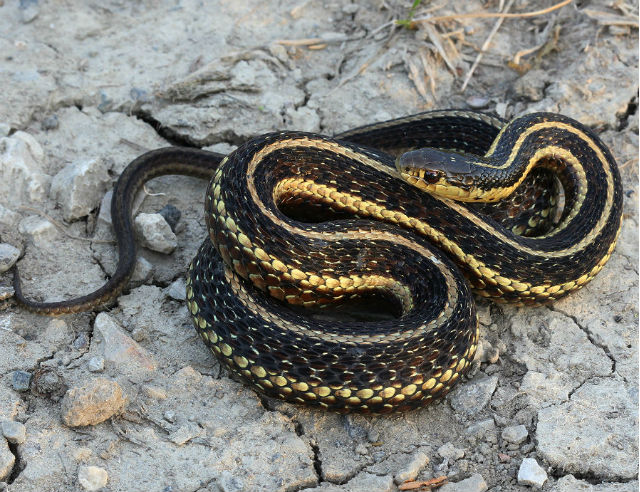
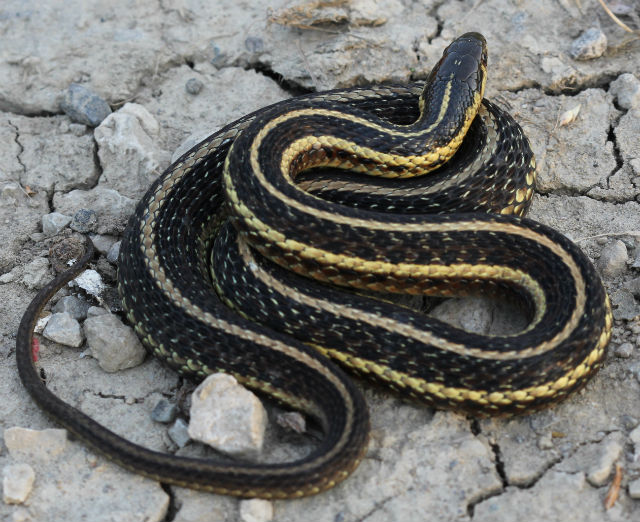
While visiting the northwestern part of my home state of Ohio, I came across this cool little serpent. It is named after ornithologist Amos W. Butler of Indiana.

butlers 012

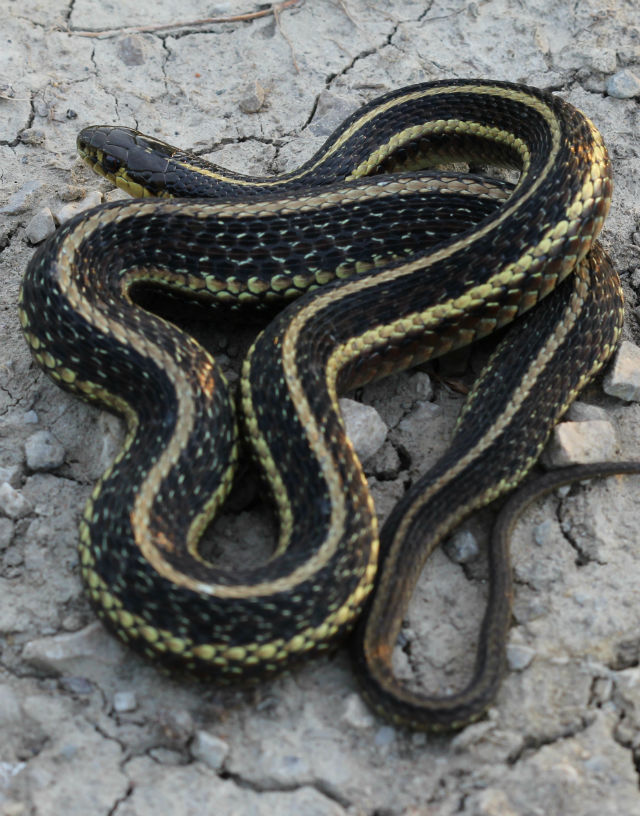
This reptile only averages 15-20 inches in total length. Like other garter snakes, it features a pattern of dark stripes; unlike other garter snakes found in its range, it has a small, blunt head.

008

Butler’s Garter Snakes prefer moist meadows, marshes and lake edges. They subsist on a diet of mainly earthworms, but they may also eat leeches, salamanders and frogs.

006

These snakes breed in the spring, soon after emerging from hibernation. They produce live offspring which are born in midsummer. Females typically give birth to eight to 10 young.

007

When frightened, these snakes may wriggle rapidly back and forth with little forward motion, creating an image of more towards thrashing in place, rather than to getting away. It was awesome to encounter this reptile, which does not live in my region of the Buckeye State.

Third Eye Herp
E-mail

Wild Onion

wild onion_9611

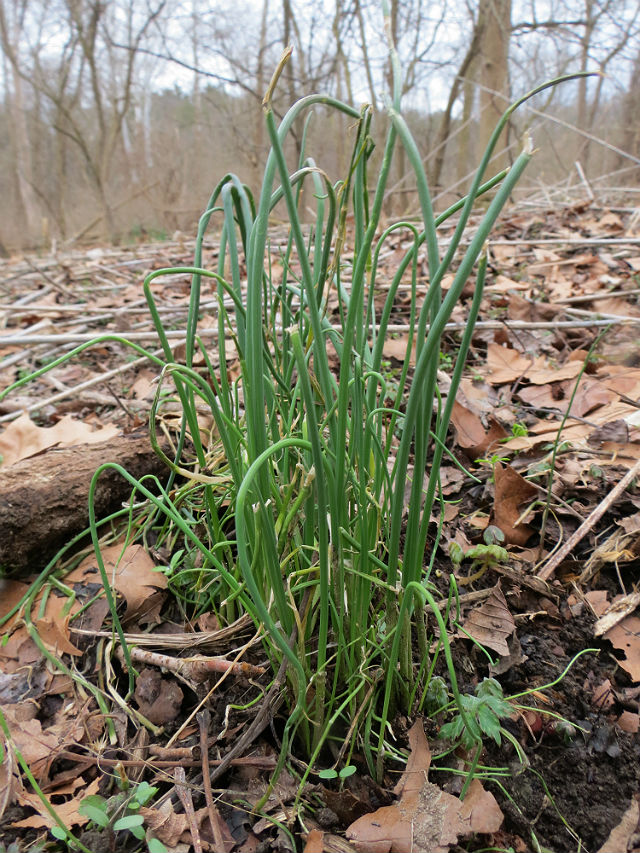
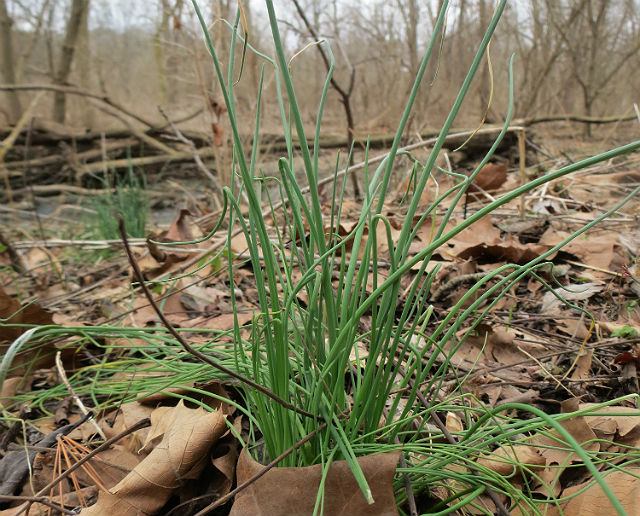
I often see this bulbous herb when hiking in the springtime, as it really stands out against the brown fallen leaves. It has a distinct onion odor, slender grass-like leaves and reaches about 2 feet in height by late summer.

wild onion_9603

It is thought that the name Chicago is derived from the smell of Wild Onions. The Potawatomi, who were the most powerful tribe around the south end of Lake Michigan, hunted, traded furs, and occasionally camped in the area they called “Checagou,” evidently referring to the garlic wild onion smell which scented the air.

wild onion_9607

This plant is found in meadows and woodlands in the northeastern and north central United States. Onions and garlic belong to the Lily family. Wild Onions were collected and eaten by Native Americans and by European settlers. Native American tribes also used the plant for other purposes like rubbing the plant on the body for protection from insect bites.

wild onion_9610

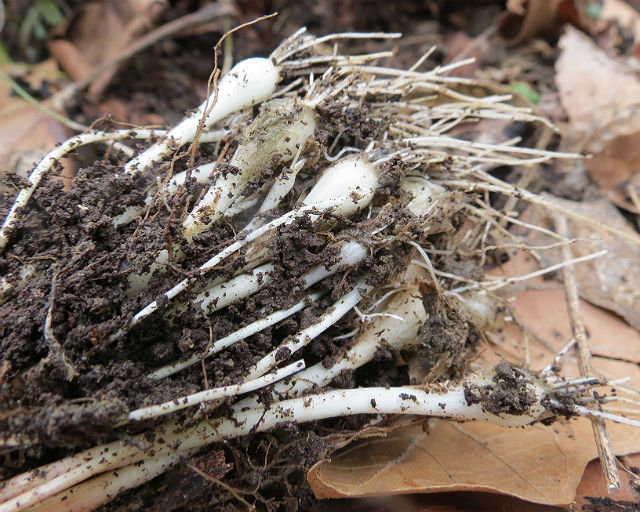
This plant is a Winter perennial; it emerges in late Fall from underground bulbs and grows through the Winter and Spring. Therefore it sight (and smell) can be enjoyed at this time of the year.

Third Eye Herp
E-mail

Red-winged Blackbird

IMG_9293

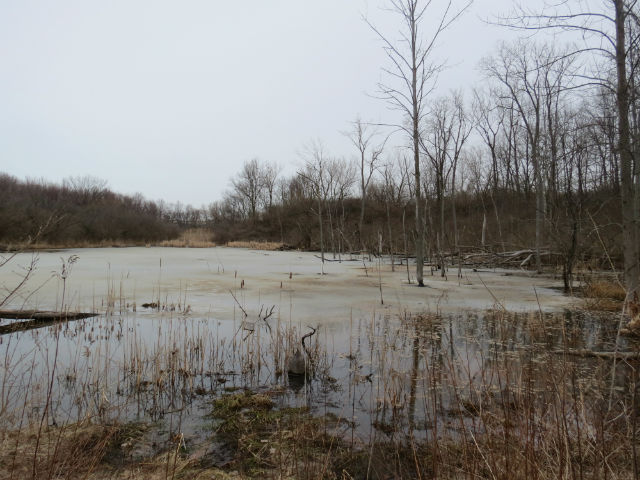
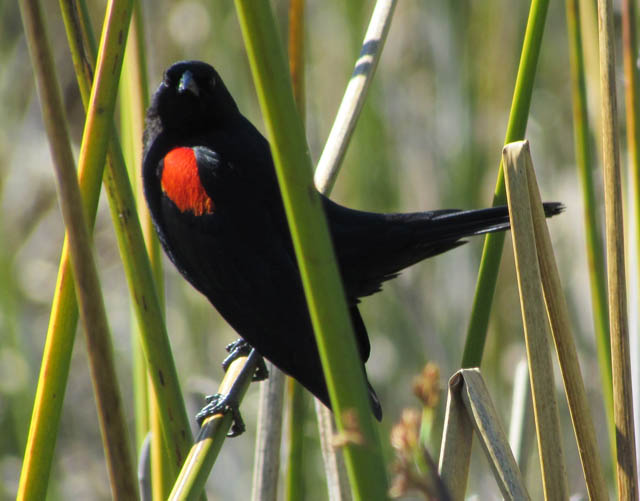
One of the most abundant birds across North America, and one of the most boldly colored, the Red-winged Blackbird is a familiar sight atop cattails and around areas with water.

redwing_9207

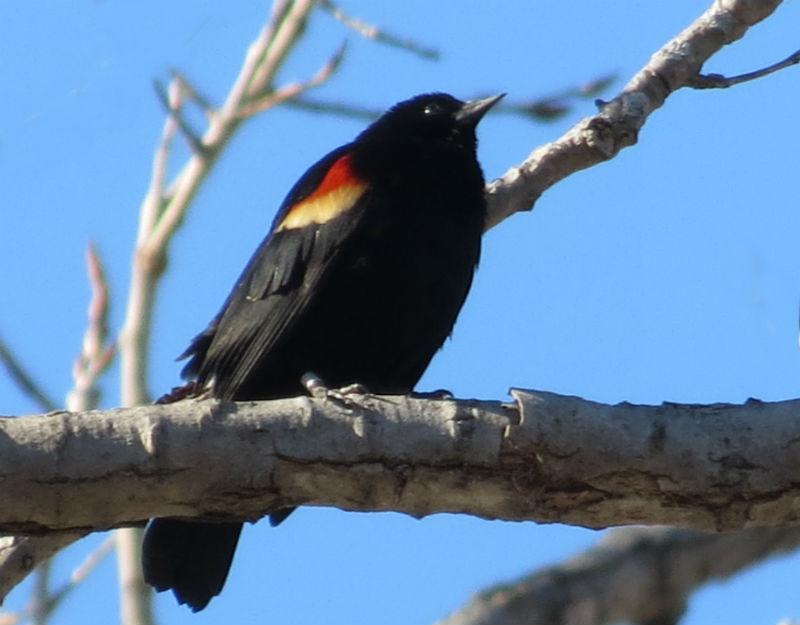
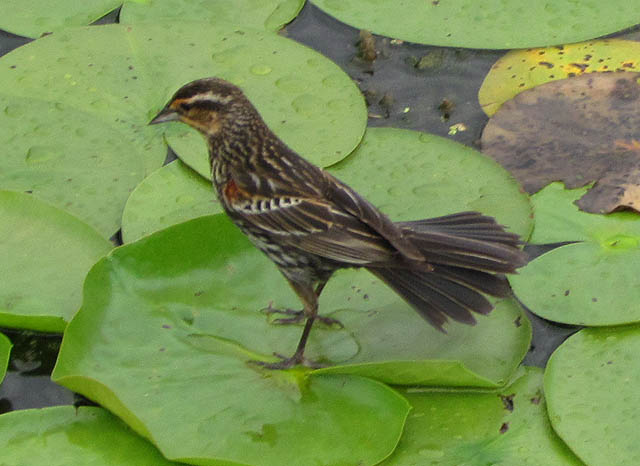
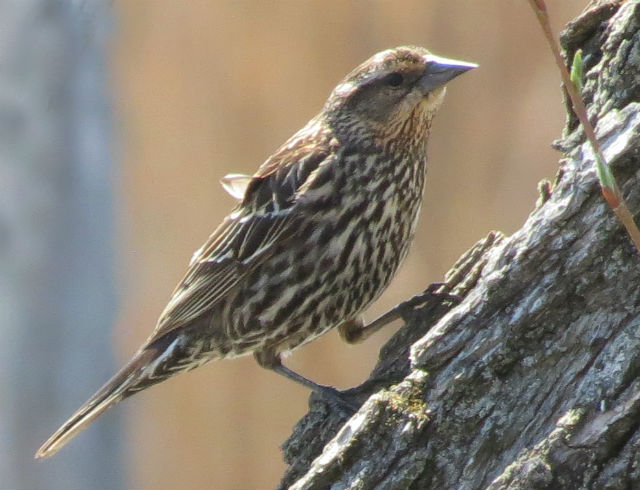
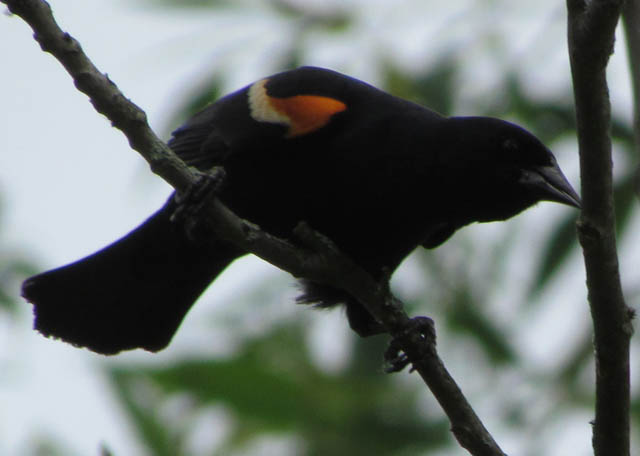
Glossy-black males have scarlet-and-yellow shoulder patches. Females are a subdued, streaky brown, looking like a large, dark sparrow.

redwing_9467

In the North, their arrival and tumbling song are indications of the return of Spring.

red-winged blackbird_4088

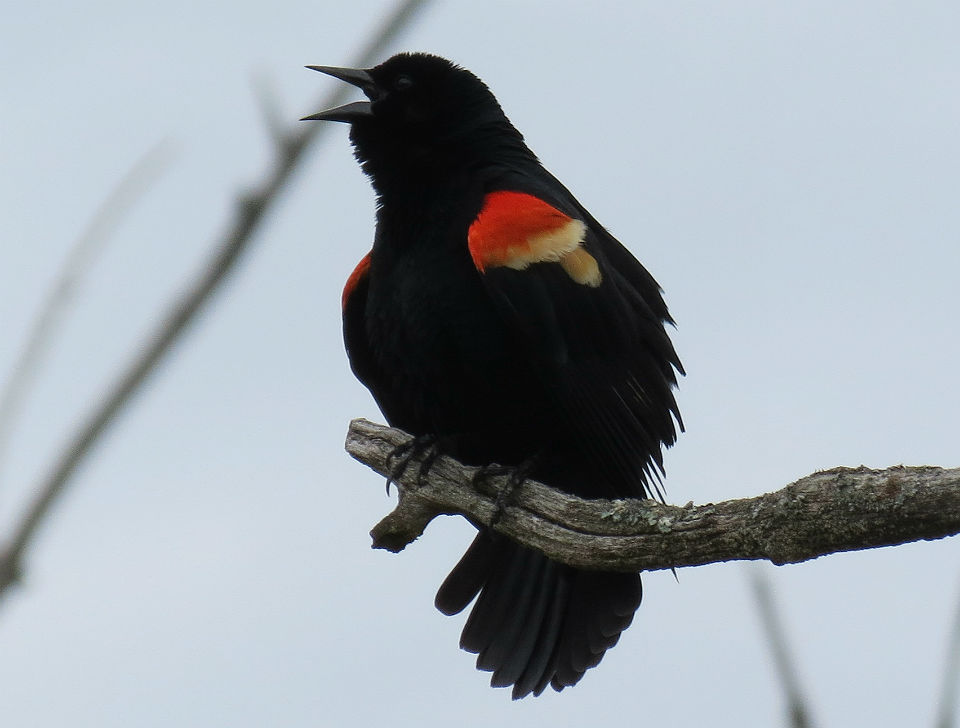
There’s variation in Red-winged Blackbirds across the country. The most obvious race is the “bicolored blackbird” of coastal California, which shows no yellow border on its shoulders. Here’s one that I saw in April of last year.

redwing_2077

Red-winged Blackbirds are highly social and form flocks all year, though during spring and summer the flocks are small.

redwing_3096

This is one of the most easily observable birds. Watching them is fascinating and fun. You’ll never be bored trying to figure out all of their quirks and songs.

redwing_5346

Third Eye Herp
E-mail

Piebald White-tailed Deer

pied_9148

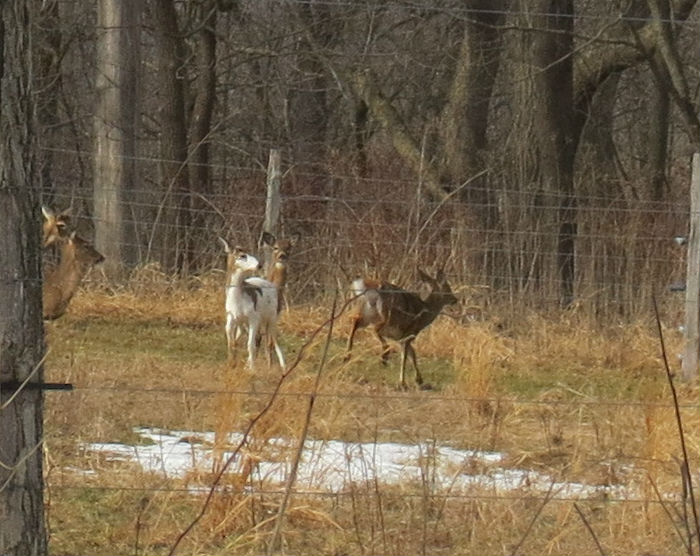
Walking the Buckeye Trail I saw a group of White-tailed Deer in a farmer’s field. One of them, however looked very different from the others.

pied_9257

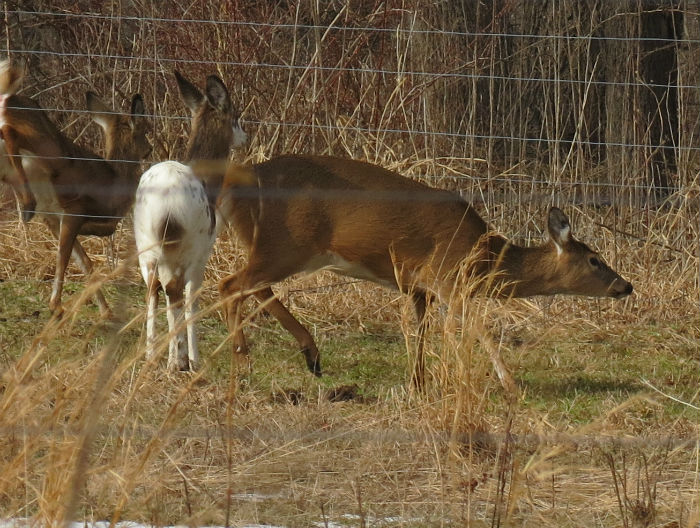
A piebald is an animal that has white blotches in additional to its usual coloration. The patterning of the blotches are usually asymmetrical, resulting in a random arrangement of white and brown.

pied_9258

A genetic variation produces the piebald condition in White-tailed Deer, not parasites or diseases. Sometimes the condition is such that they appear almost entirely white.

pied_9268

Piebald and white deer have long been the subjects of hunting myth and legend. Some believe killing them brings a curse of bad luck during future hunts. For me it was a cool genetic variant of an otherwise common mammal to see on my hike.

Third Eye Herp
E-mail

Little Nest Polypore

Little Nest Polypore_9101

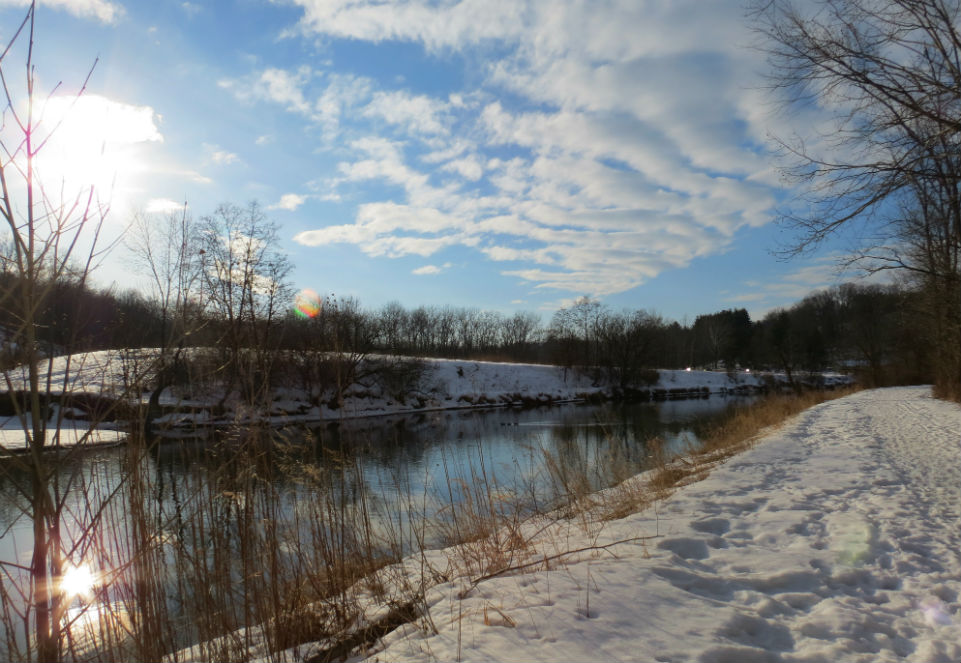
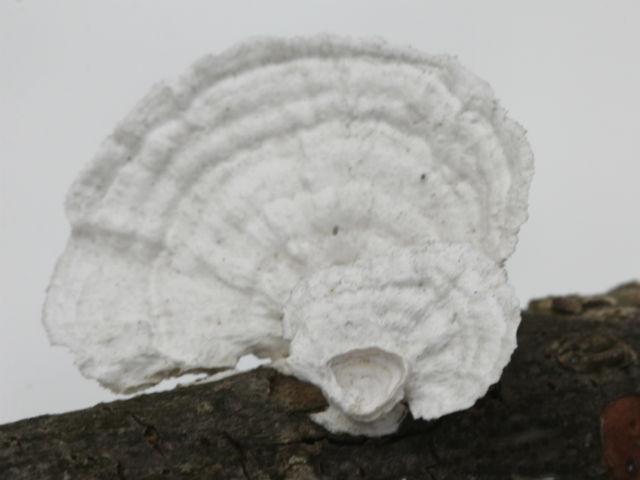
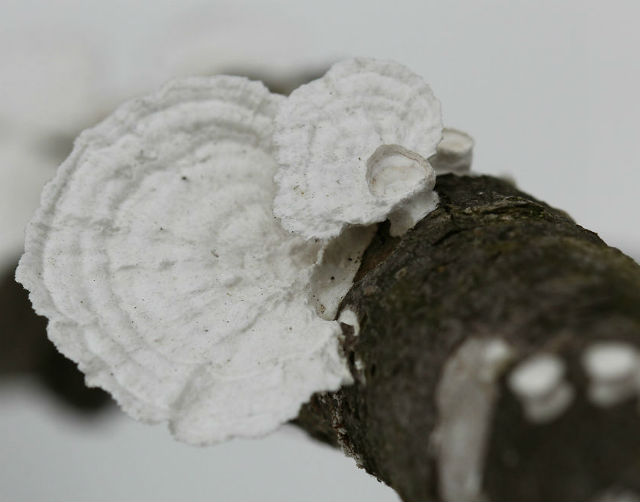
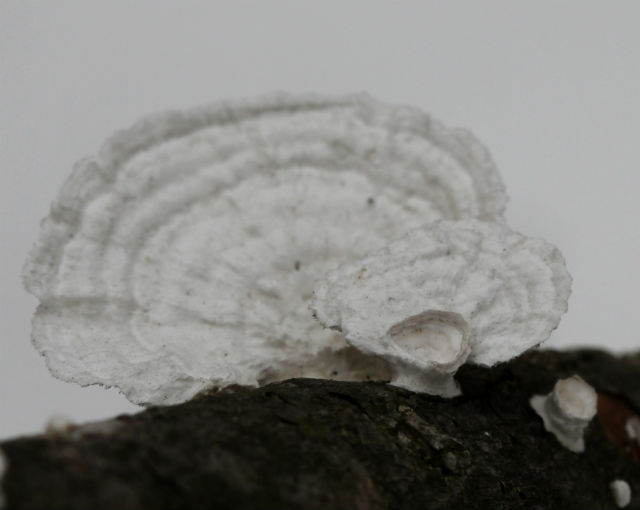
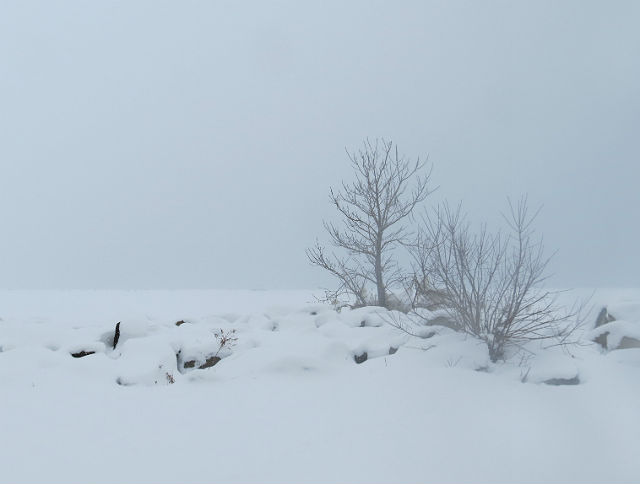
As Winter comes to a close and I walk through the woods, I occasionally encounter Little Nest Polypores, which blend in with the snow. The cap of this mushroom is about 1-2 inches wide and is thin, fan-shaped and white.

Little Nest Polypore_7901

This common fungus grows “splash cups,” which are round hollow areas that contain spores. The spores are splashed out by falling rain to distribute them in other places and start new polypores.

Little Nest Polypore Poronidulus conchifer_7894

Its habitat is woodland forests and rather than growing on trees, it is usually found on small sticks. Polypores are also called bracket fungi, and their woody fruiting bodies (the only part of that organism one typically sees) are called conks.

Little Nest Polypore_7896

Polypores are among the most efficient decomposers of the main components of wood. Through decomposing tree trunks, they recycle a major part of nutrients in forests. Because of this, the nutrient cycle continues, and the forest remains alive and diverse.

Third Eye Herp
E-mail

Hacklemesh Weaver

Hacklemesh Weaver_1753 640

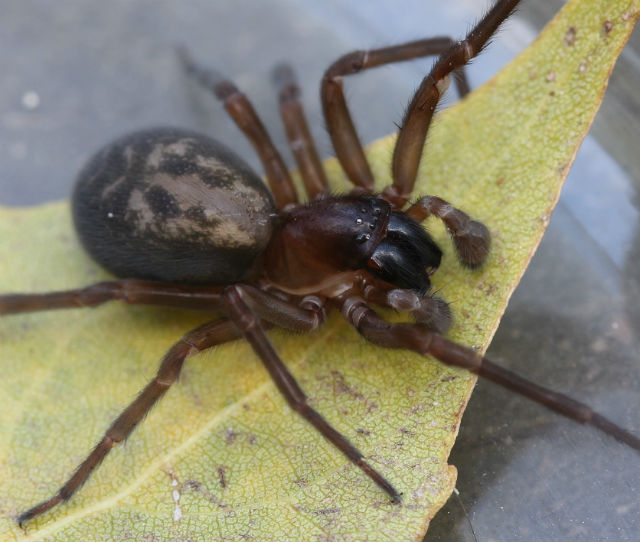
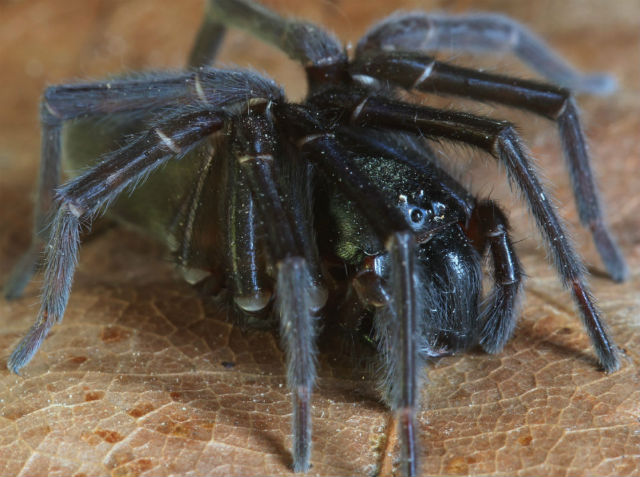
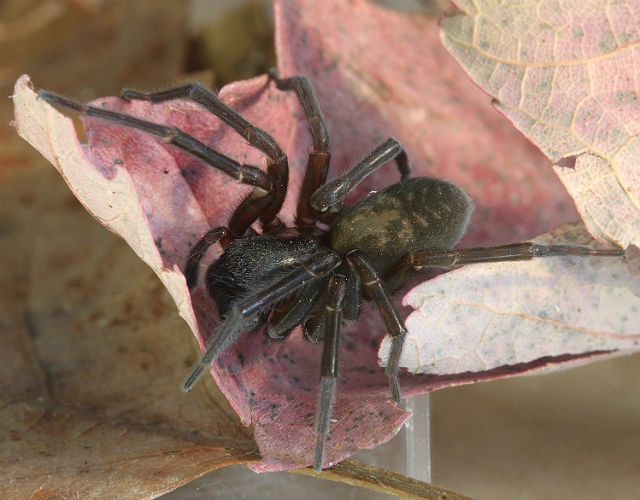
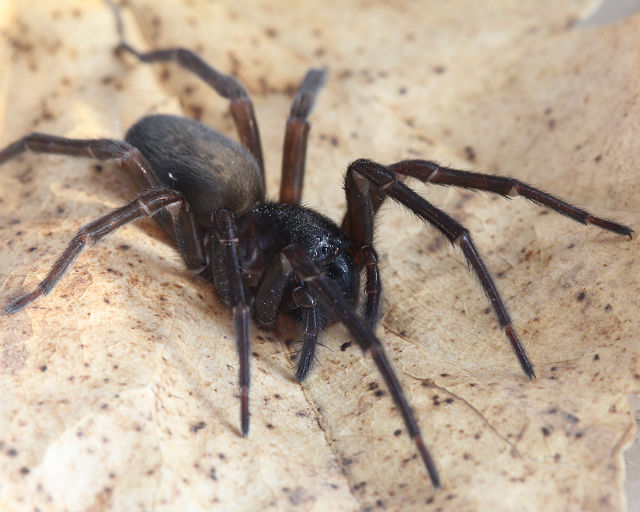
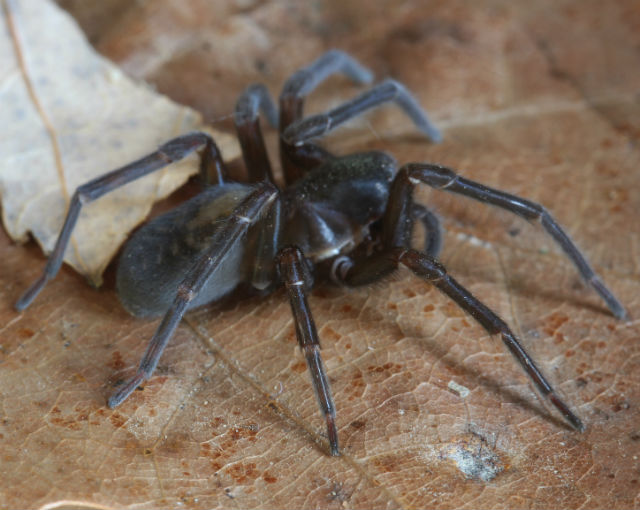
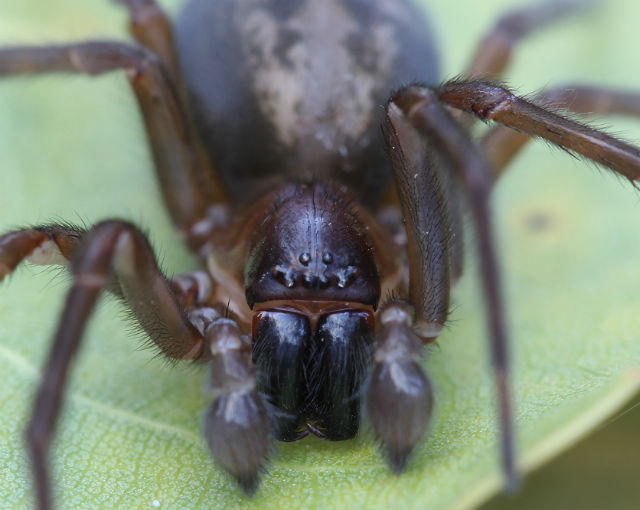
Sometimes I find “wildlife” in my house, like this creature that turned up in my Living Room this week. Hacklemesh Weavers can live through the Winter and therefore are often found in households during cold weather.

Hacklemesh Weaver_8144 640

Outside, their irregular looking webs can be seen in bark and woodpiles and often have roughly the form of a funnel. This species is common in and around homes, but is also found living under rocks, logs and leaf litter. It prefers dark, relatively humid places.

Hacklemesh Weaver_8149

It is typical for this creature to have chevron-like lighter areas on its abdomen. Its legs are reddish to dark brown. It has eight eyes of relatively similar size, arranged in two horizontal rows of four.

Hacklemesh Weaver_8141 640

The Hacklemesh Weaver makes a special kind of silk. Instead of sticky strands, the silk is made of fine, woolly fibers that can entangle even the smallest prey. The spider feels the vibrations from the struggling victim and rushes out to capture it.

Hacklemesh Weaver_8151

In England, this arachnid is sometimes called the “Old Churchman” because it can be seen scurrying around on the walls and pews of old churches before rain storms.

Hacklemesh Weaver_1757 640

Silk-spinning spiders have been around for roughly 400 million years, and they’ve made good use of their time. Today, they occupy just about every habitable region of the Earth…as well as my house.

Third Eye Herp
E-mail

Ring-billed Gull

Ring-billed Gull_8447

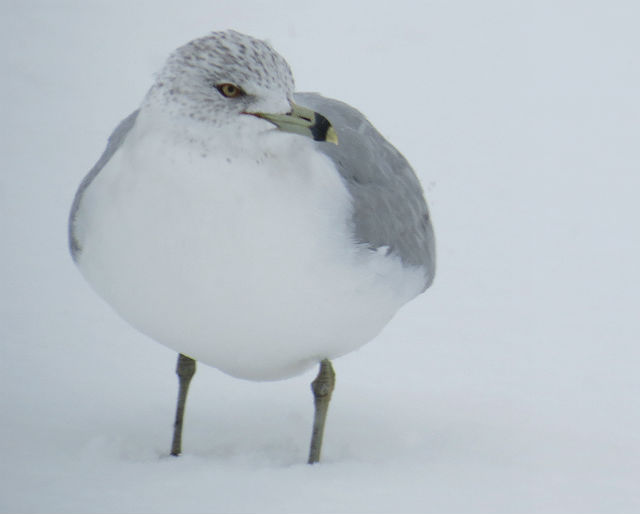
This is Ohio’s most common gull – it is also easy to identify. The head, neck and underparts are white and the relatively short bill is yellow with a dark ring. Its back and wings are silver gray.

Ring-billed Gull_8476

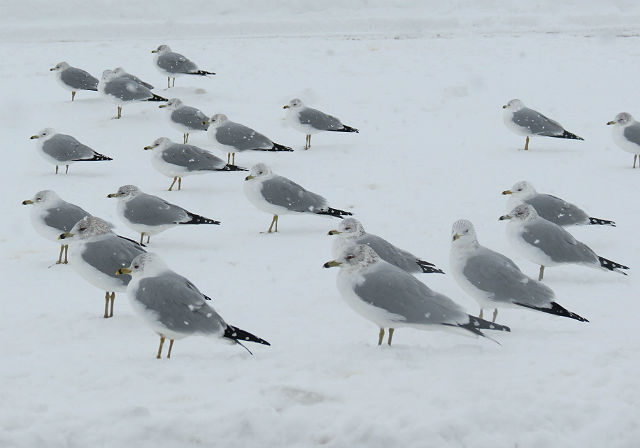
As you might expect gulls usually are found near large bodies of water; these were photographed near Lake Erie. Though this species is also a familiar sight in the shopping mall parking lots of the United States, where it can regularly be found congregating in large numbers.

Ring-billed Gull_8483

These birds forage for food and pick up objects while swimming, walking or wading. They also steal food from other birds and frequently scavenge. They have an omnivorous diet which may include insects, fish, grain, eggs, earthworms and rodents. These birds are opportunistic and have adapted well to taking food discarded or left unattended by people.

Ring-billed Gull_8506

Ring-billed Gulls nest in colonies on the ground, or sometimes in trees near lakes. They often nest near other water birds. The male and female work together to build the nest out of twigs, sticks, grasses, leaves, lichens and mosses.

Ring-billed Gull_8484

Females usually lay three eggs. The eggs are light blue, green or brownish and spotted. Both the male and female both incubate the eggs for about 20 to 31 days. After the chicks hatch, both parents take care of them.

Ring-billed Gull_8496

Ring-billed Gulls are highly social, occupying large colonies, especially during the breeding season. They defend small territories within nesting colonies. They engage in play, dropping objects while airborne, then swooping down to catch them.

Ring-billed Gull_8482

They often associate with other species of gulls, ducks and cormorants. By forming mixed flocks, birds help each other stay alert for potential danger.

Third Eye Herp
E-mail