Blue Lobelia

blue lobelia_4445

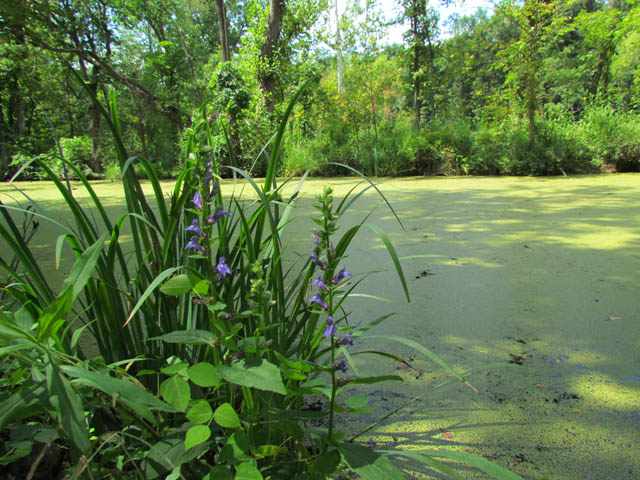
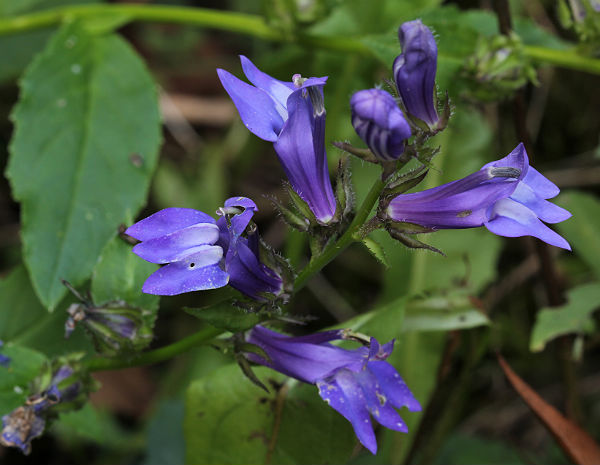
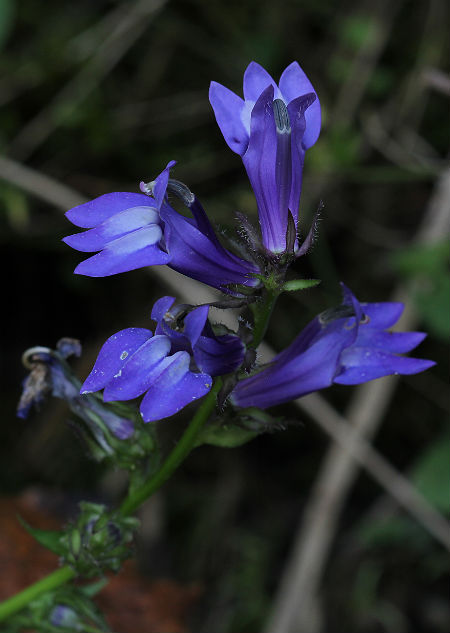
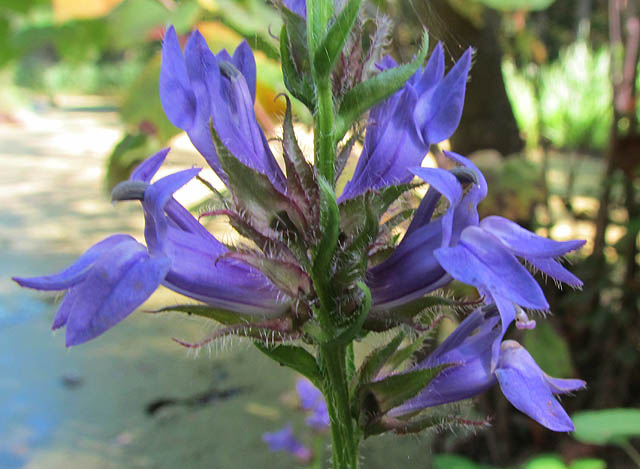
This blue counterpart of the Cardinal Flower blooms bright blue in late summer. Lobelias have 2-lipped flowers with a 2-lobed upper lip and a 3-lobed lower lip.

blue lobelia_10_01 064

The preference is wet to moist soil and partial sun. I often see it at this time of the year growing along the Ohio & Erie Canal.

blue lobelia_10_01 052

The nectar and pollen of the flowers attract primarily bumblebees and other long-tongued bees. Its species name, siphilitica, is a reference to the old folk medicine belief that extracts made from the plant could cure syphilis.

blue lobelia_5092

Great Blue Lobelia is one of my favorite plants and it provides some welcome diversity with its violet-blue flowers during late Summer or Fall.

Third Eye Herp
E-mail

Yellowbelly Slider

yellowbelly slider_1311

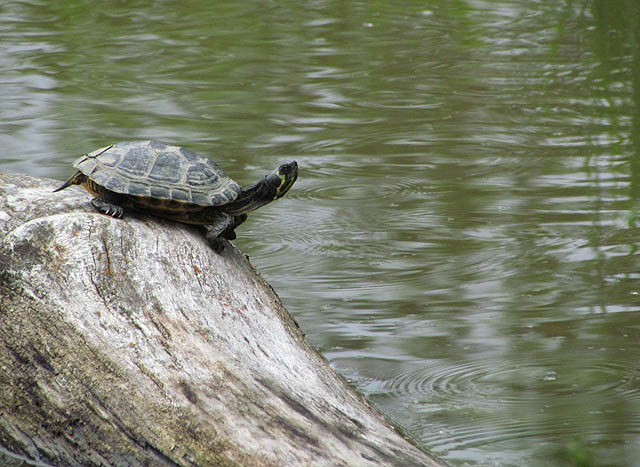
This species is one of the most conspicuous basking turtles throughout its range. They are wary when basking and slide into the water whenever disturbed – hence, the name “slider.”

yellowbelly turtle_09 058

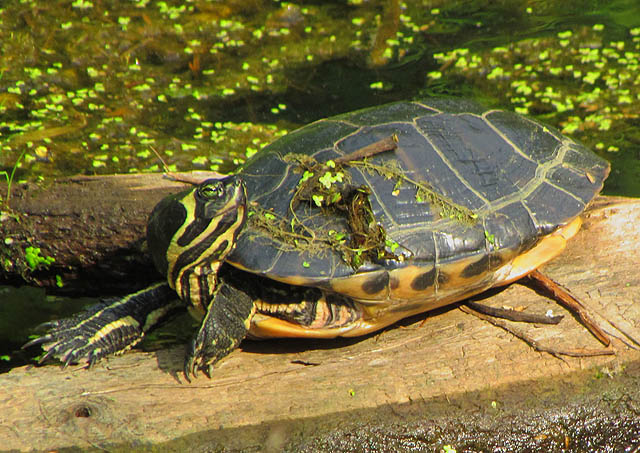
This is a large freshwater turtle reaching a shell length of 12 inches. It is native to the southeastern United States, though I’ve seen at least two (the turtles in this post) in Ohio this year. The yellow blotch behind the eye is the most conspicuous marking and is most prominent in juveniles and females.
yellowbelly slider_4119

As you might  expect, their bottom part of the shell, called a plastron, is creamy lemon yellow in color, and they use its smooth surface to help them slide from riverbank to water at the first sign of perceived danger.

yellowbelly turtle_6635

Adults also prefer a high-protein diet when it is available. But slider turtles can subsist on a vegetative diet, although their growth rates may be significantly lower than that of turtles whose diet is mostly meat.

yellowbelly turtle_0106

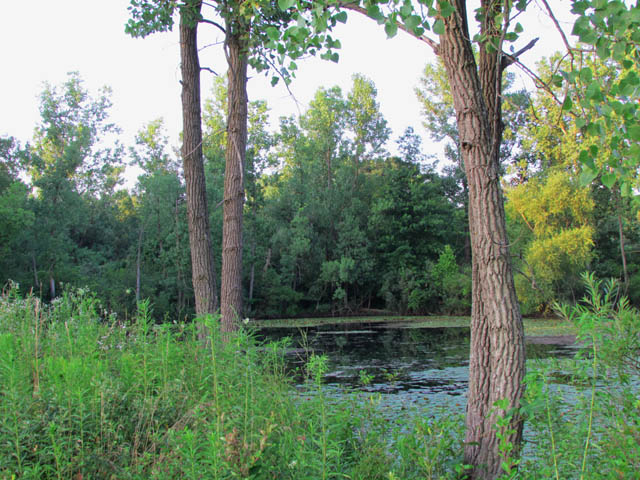
The Yellowbelly Slider is a habitat generalist, living in slow-moving rivers, floodplain swamps, marshes and permanent ponds.
yellowbelly turtle_6631

Sliders, as well as other species of turtles, can live for more than half a century. The distribution of Yellowbelly Sliders is actually much wider than it was historically and includes places as distant as Europe, Africa and Asia.
yellowbelly slider_4124

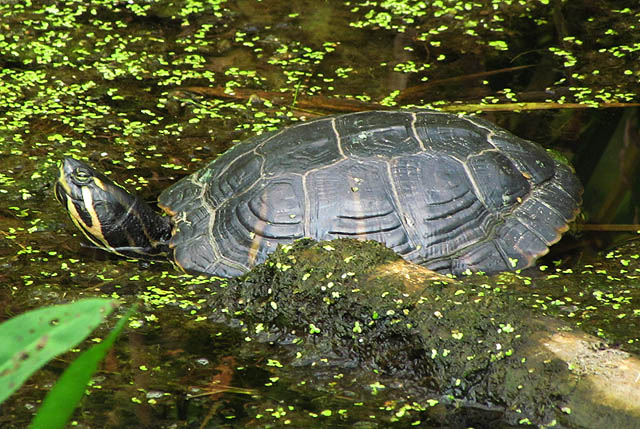
That’s because millions of baby sliders were raised and sold in pet shops here and abroad as “dime store turtles.” Of the relatively small percentage that survived during captivity, many were dumped into local waterways when the owners tired of caring for them.

Third Eye Herp
E-mail

Oyster Mushrooms

oyster_3043

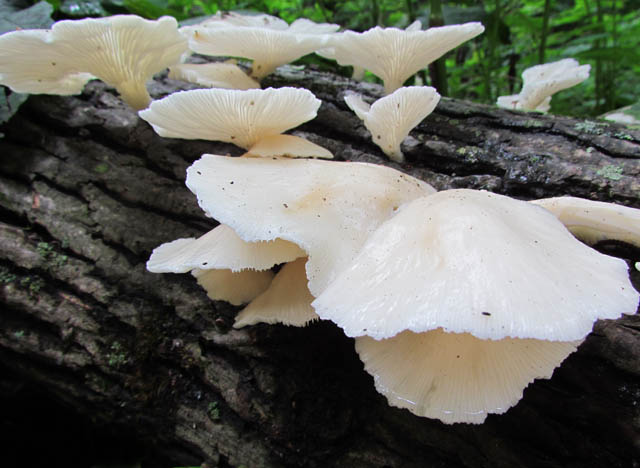
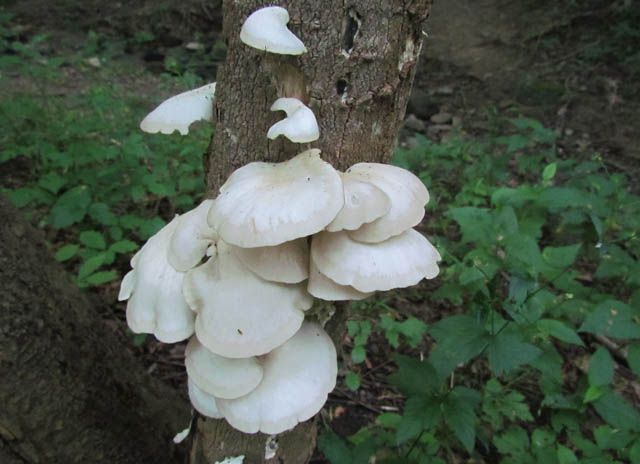
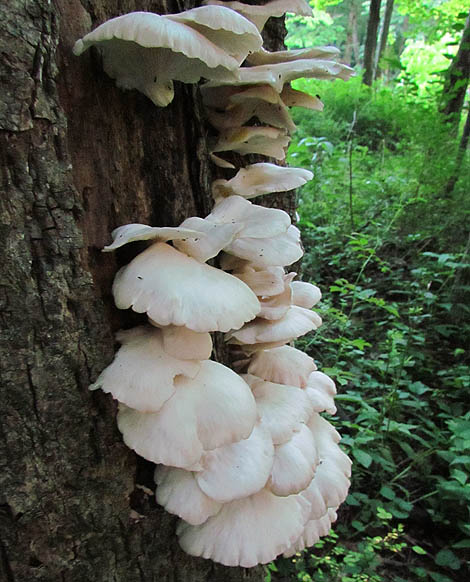
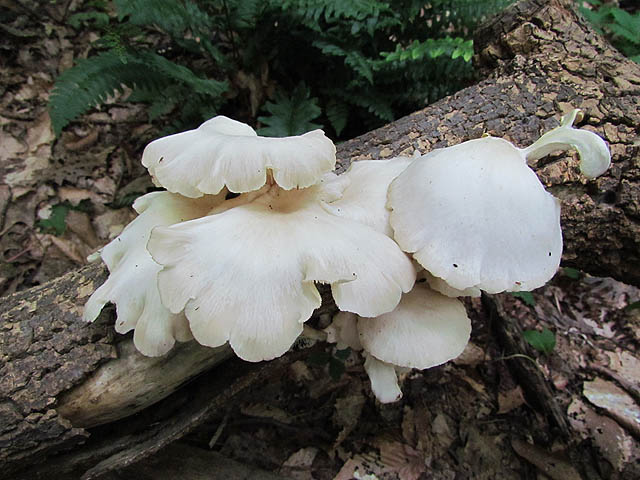
The Autumn forest is brightened with the delicate, translucent, caps cascading from the surface of dead hardwood trees. This is a mushroom that lives up to its name — it looks, smells, and tastes like oysters.

oyster_1470

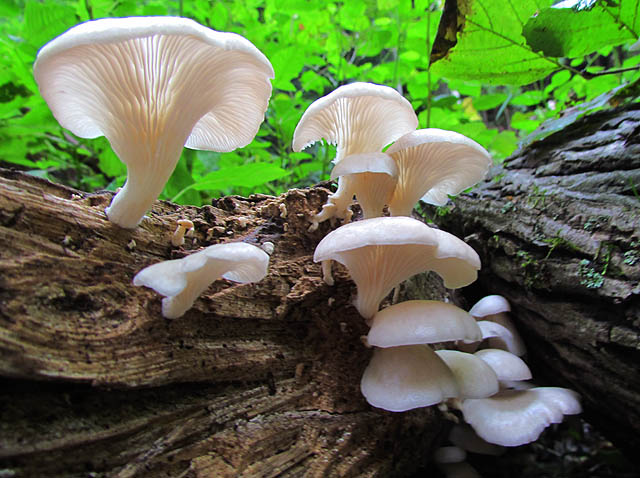
Oyster Mushrooms are wide and fleshy. They can be white, gray or brown. The caps can be up to eight inches wide and are usually in a semi-circle shape.

oyster_1462

The white, hairless gills (which become yellowish with age) descend the short, stub-like, lateral stalk.

oyster_3046

They grow throughout North America. If it rains enough and it’s not too hot or cold, you can find them during anytime, although they’re most commonly seen around this time of year.

oyster_1538

Oyster Mushrooms, like other fungi, are good food and habitat for small creatures, such as insects. These small animals also help spread spores (like seeds of a plant) so that new Oyster Mushrooms can grow in new places.

oyster_1463

Larger animals like to eat this fungi too, like Eastern Box Turtles, White-tailed Deer and Eastern Gray Squirrels. They are also an edible favorite among wild mushroom collectors and are cultivated on farms for human consumption.

Third Eye Herp
E-mail

Ebony Jewelwing

ebony jewelwing_1211

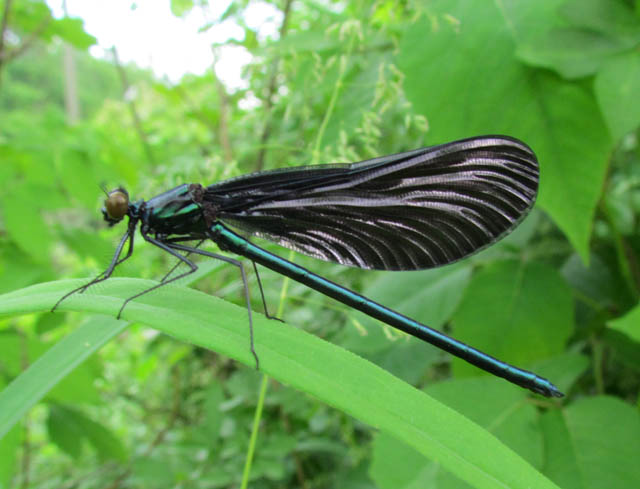
The Ebony Jewelwing is a damselfly. Damselflies are closely related to dragonflies and they look very much alike.

Ebony Jewelwing_5405

The easiest way to tell dragonflies and damselflies apart is to look at the wings. Dragonfly wings stick straight out from the body when the dragonfly is resting. Damselfly wings usually fold back above the body.

ebony jewelwing_8763

This two-inch insect is easily recognized by its all-black wings and iridescent metallic green body (the body may also appear black or blue depending on the light). Females have a white spot on their wings.

Ebony Jewelwing_5701

Ebony Jewelwings are found wherever there are shady forest streams. When they fly they look a lot like a butterfly because they flutter. They often stop to rest on leaves or twigs. Both sexes can be found together; males often face off in slow, circular “dances” that call to mind World War I aces squaring off for battle.

Ebony Jewelwing_5697

Ebony Jewelwings can be seen flying from May to August. They are not only beautiful, but beneficial, eating large numbers of gnats, aphids, flies, and other insects.

Third Eye Herp
E-mail
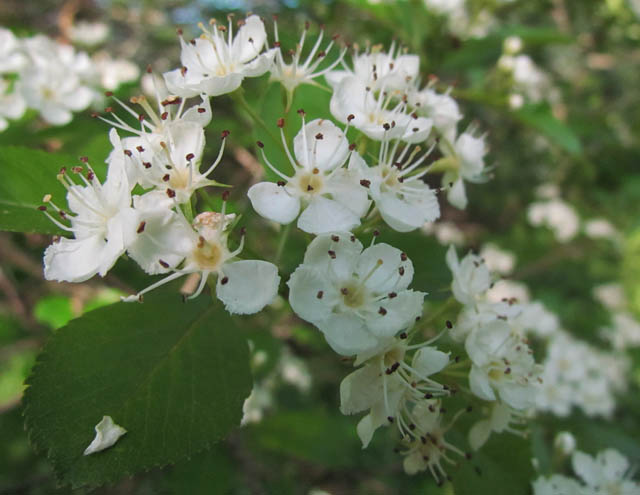
Hawthorn

hawthorn_08_26 017

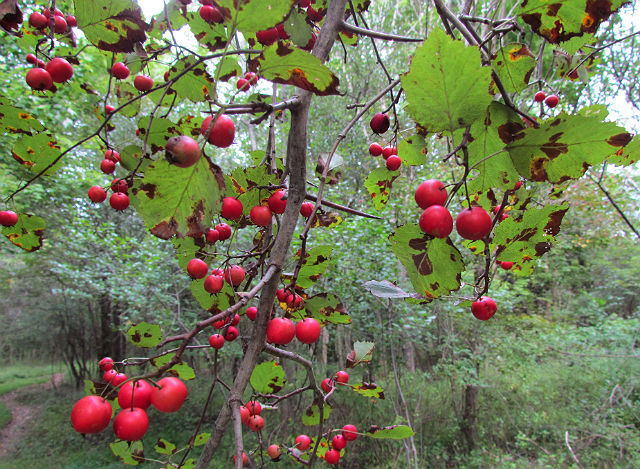
Hawthorns comprise the single largest group of trees and large shrubs that inhabit the woods and fields of Ohio, about 60 species.

hawthorn_5612

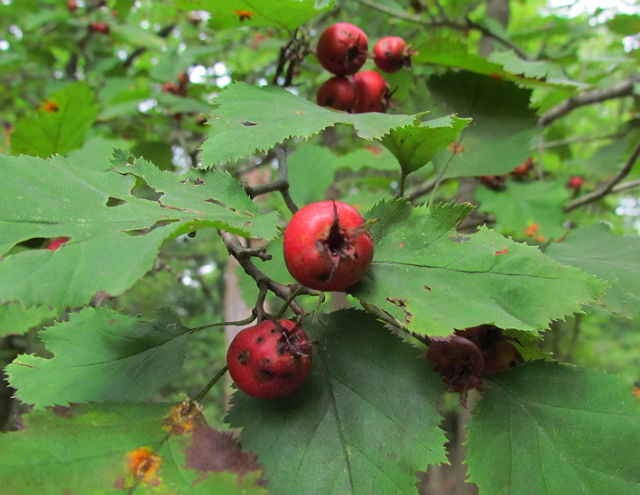
They are known primarily for their white Spring flowers and Autumn fruits, which can be yellow, orange, or red in color. Here are some flowers from back in May.

hawthorn_5616

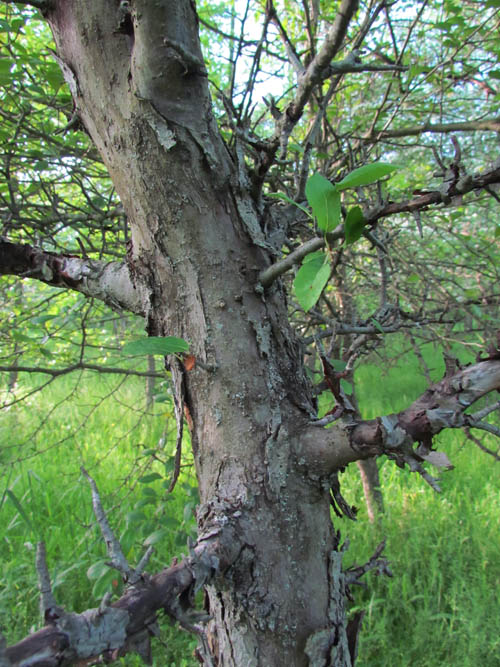
Hawthorns have a sturdy yet enchanting presence that exudes a mighty strength for such a relatively small, twiggy, thorny tree.

hawthorn_3386

These trees tend to colonize pastures, where their thorns prevent animals from grazing on them. Heights range from 10 to 25 feet, and widths about 15 to 30 feet.

hawthorn_5619

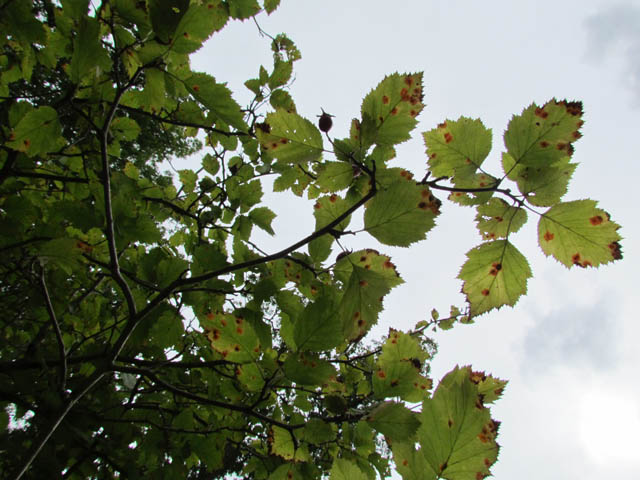
Hawthorn berries have been used to treat heart disease as far back as the 1st century. The extract from this tree’s leaves and berries are still used today to treat diseases of the heart and blood vessels.

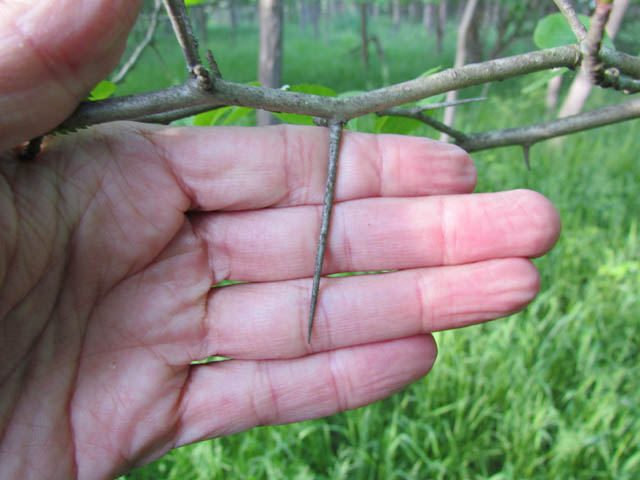
hawthorn_09_16 049

These trees are so named by a combination of an alternative name for its fruits (haws) and the plentiful thorns found singly on its twigs.

hawthorn_09_03 021

The wild berries are consumed by birds and other wildlife. People eat the berries as well – and they are made into jellies, jams, pies and tarts.

Third Eye Herp
E-mail
Indigo Bunting

fawn pond_1871

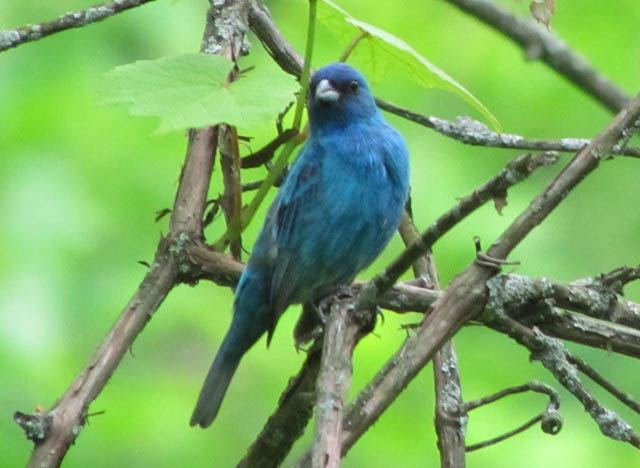
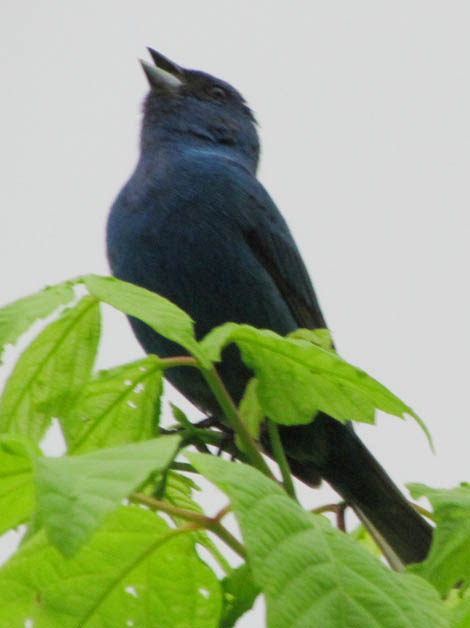
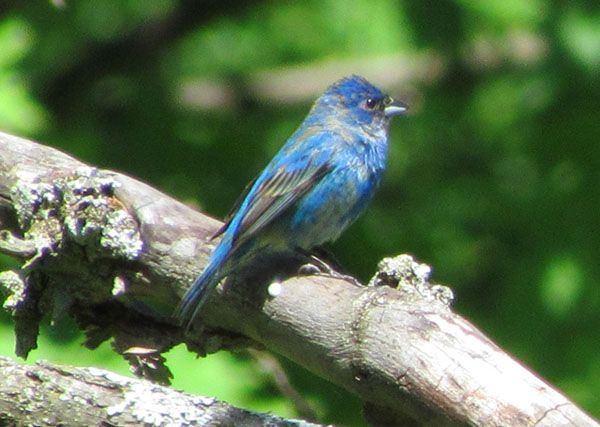
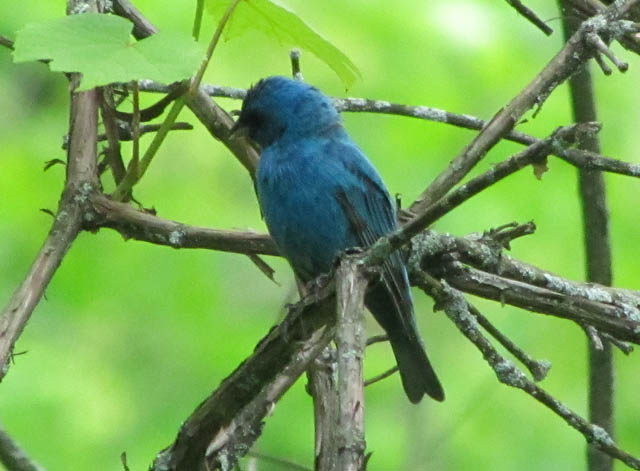
The sparrow-sized, brilliant turquoise blue, male Indigo Bunting is one of the most eye-catching birds around.

bunting_6101

Indigo Buntings have no blue pigment; they are actually black, but the diffraction of light through the structure of the feathers makes them appear blue.

bunting_9935

Male Indigo Buntings sing from treetops, shrubs, and telephone lines all summer. They favor brushy pastures and edge habitat where fields meet the forest.

bunting_6071

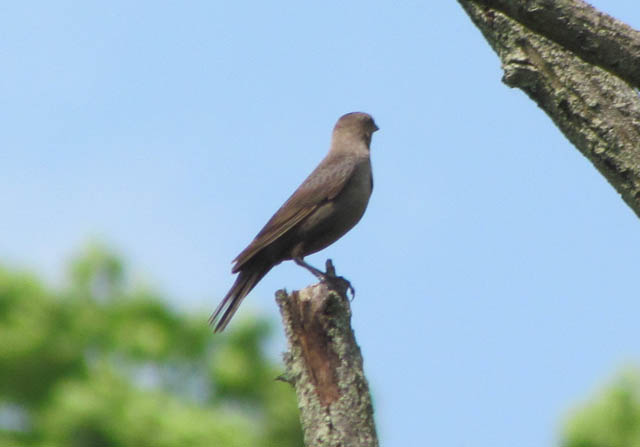
As with many birds, the adult female has less spectacular coloration and is mostly brown. In both sexes, the upper beak is dark contrasting with a whitish lower beak.

bunting_5553

These birds perform a valuable service to man by consuming grasshoppers, cankerworms, flies, mosquitoes, weevils and other insect pests. Their diet also includes fruit and seeds.

bunting_6091

The sights and sounds of Indigo Buntings are a pretty good indication that Summer is in full swing.

Third Eye Herp
E-mail
Fiery Searcher

pokeberry_1456

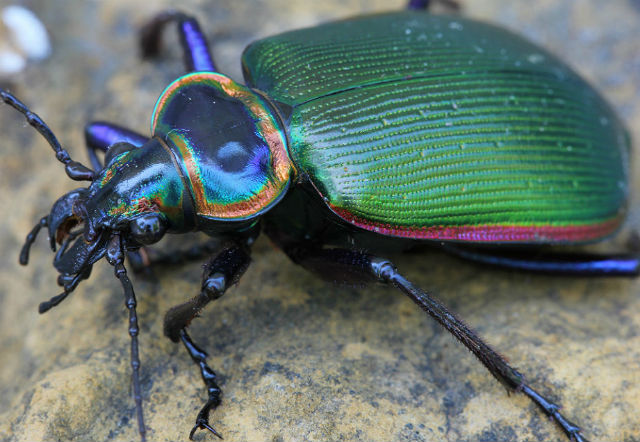
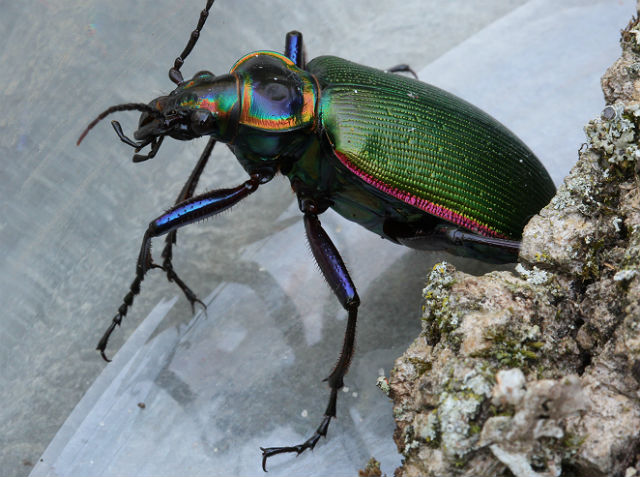
I saw a large, unusual shape clinging to the underside of a leaf on some low-growing vegetation and discovered this beetle. The Fiery Searcher is one of the largest ground beetles. It can grow to almost to one and a half inches long.

fiery searcher 008

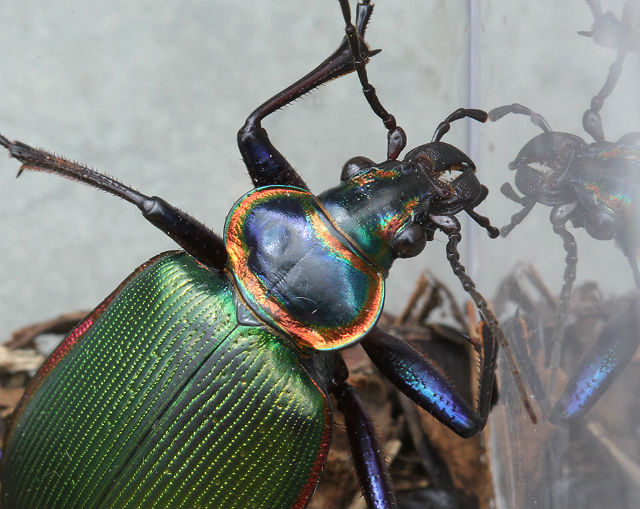
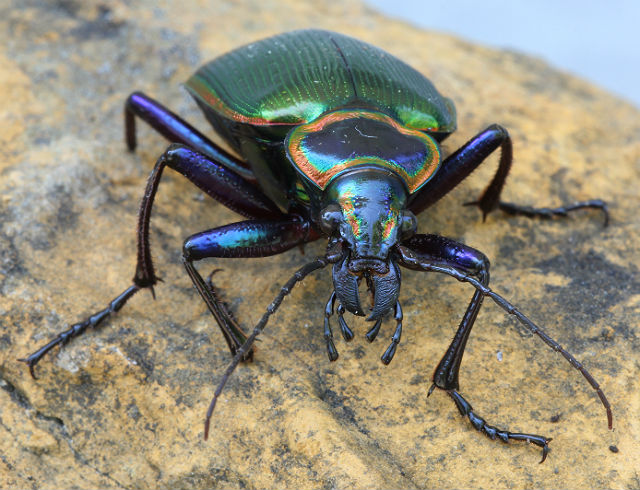
Not only is it sizeable, but it is also quite colorful, being mostly a metallic green. It has a fierce appearance; if you look at the head of this insect, you will see sharp, curved jaws, used for grabbing prey. Fiery Searchers live in open woodlands, meadows and gardens. They are often under rocks, logs, leaves and bark. Both larvae and adults eat caterpillars. This beetle’s nickname is the “Caterpillar Hunter.” It will climb trees and plants to look for food.

fiery searcher 042

This is considered to be a beneficial creature, as Fiery Searchers eat more Eastern Tent Caterpillars and European Gypsy Moth caterpillars than any other type of caterpillars. These particular caterpillars do a lot of damage to trees.

fiery searcher 012

Although they run fast and bite hard, they have an additional trick up their sleeve to deter predators, which is releasing a noxious, bad-smelling spray when threatened.

fiery searcher 029

The Fiery Searcher is indeed interesting and appealing. It was awesome to encounter for the first time this Summer.

Third Eye Herp
E-mail
Pitcher Plant

pitcher 074

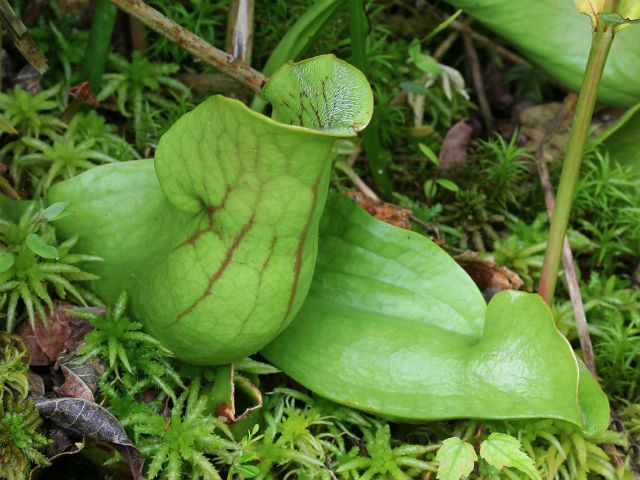
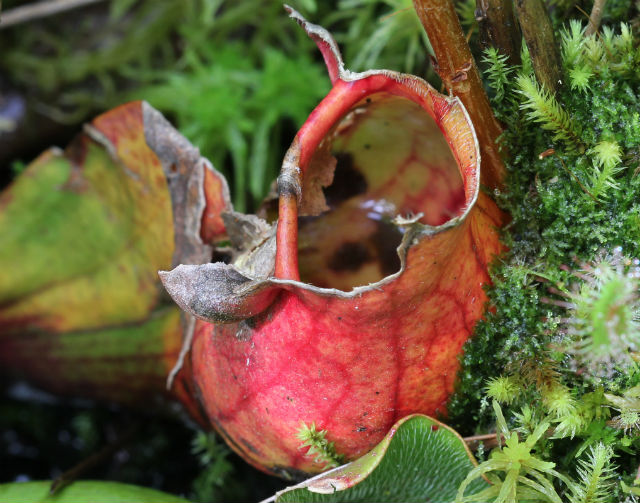
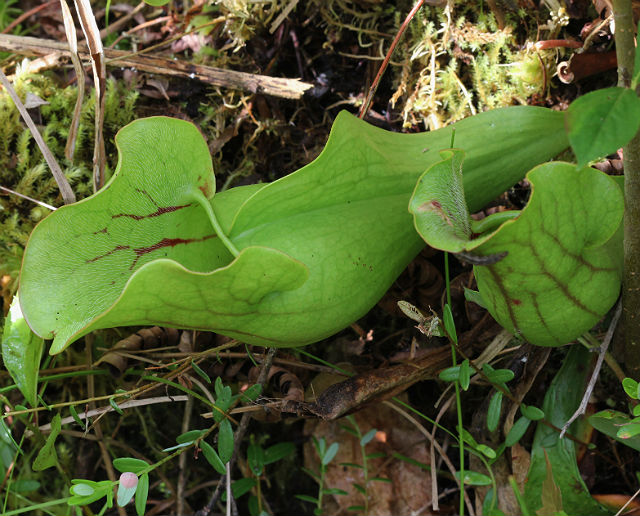
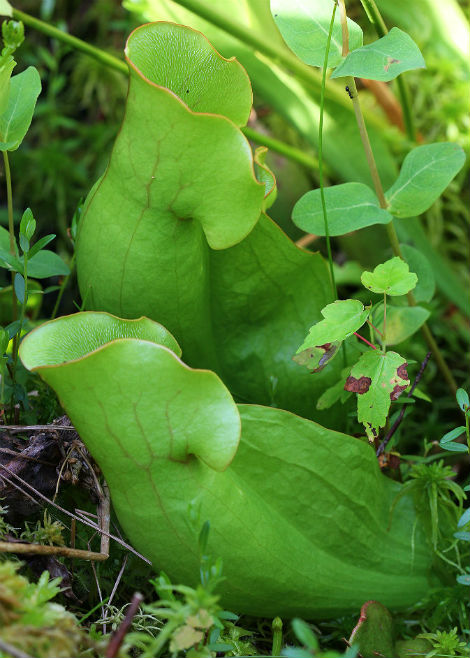
This is the first time I’ve ever seen this plant in the wild. The leaves of the pitcher plant have reddish-purple patterns, which resemble flowers. Each leaf forms a “cup” that is partly filled with water. The “flower mimic” causes some of the insects investigating the potential source of food to become food for the plant.

PITCHER 066

Once an insect enters the hollow leaf, it is faced with waxy walls leading to a pool of water. The pit-fall trap of the pitcher plant further reduces its prey’s chance of escaping by having downward-pointing hairs to make getting out more difficult.

pitcher 083

In addition to using visual cues to attract prey, scent is utilized. The outer edge of the leaf produces a sweet-smelling substance. Ants are attracted to the smell and are trapped in a similar manner as flying insects.

pitcher 064

Pitcher plants reside in bog habitats in eastern North America. Carnivorous plants tend to live in nitrogen-poor soils. They augment the inadequate nitrogen in the soil by capturing and consuming insects.

pitcher 069

In the Summer, this plant produces a large maroon-to-red colored bell flower, 2-3 inches wide, which droops from a single, tall leafless stalk.   The Pitcher plant is indeed mysterious. With its unique ability to obtain food, it has inspired us to reshape our concept on how nature really works.

Third Eye Herp
E-mail
Four-toed Salamander

four-toed salamander_7230

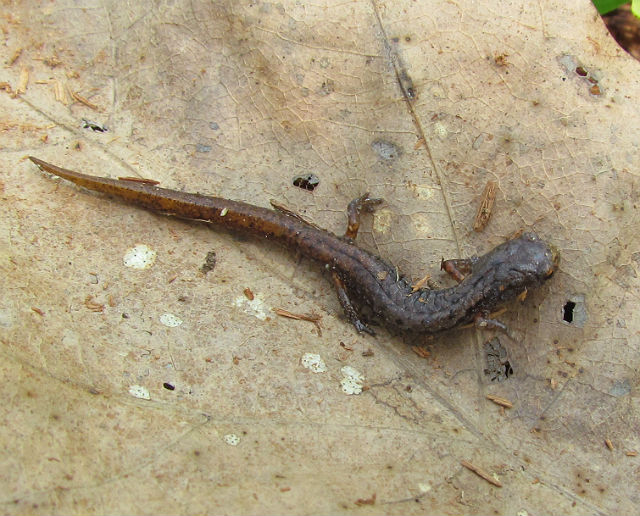
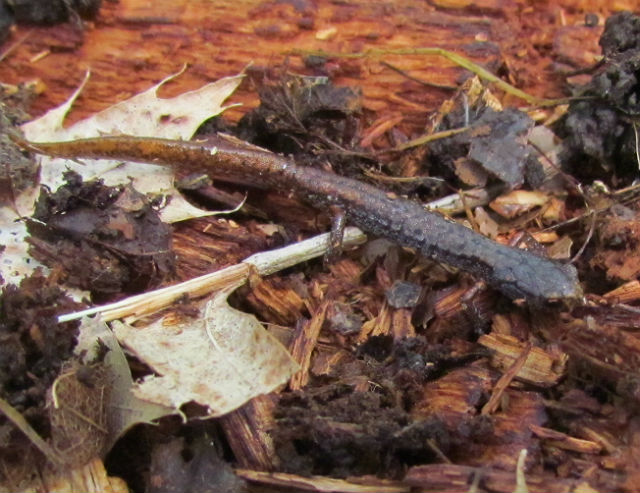
This small, slender salamander is orange to grayish brown above, sometimes with small black and bluish speckles on the sides. This is Ohio’s smallest salamander – and the first one I’ve ever found. Adults are 2 to 3 inches long; their tails make up over half their length.

four-toed salamander_3654

Though it ranges throughout much of the state, it only occurs where boggy ponds or spring-fed creeks are available in or near damp wooded habitats. As its name implies, this amphibian has only four digits on its front and hind feet.

four-toed salamander_3650

Four-toed Salamanders can voluntarily detach their tails, which continue to wiggle to distracting predators. This autonomization of their tails in unique. The tails of most salamanders must be grasped to come off.

four-toed salamander_3651

It was cool to finally meet this uncommon and secretive creature in the wild.

Third Eye Herp
E-mail
Crown-Tipped Coral Mushrooms

Crown-Tipped Coral Mushrooms 005

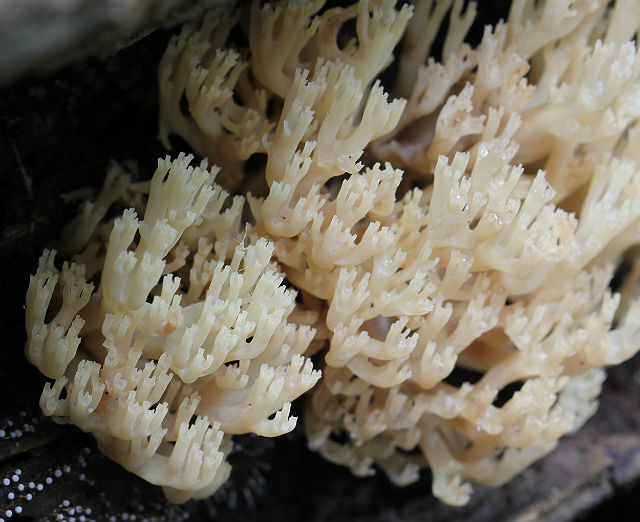
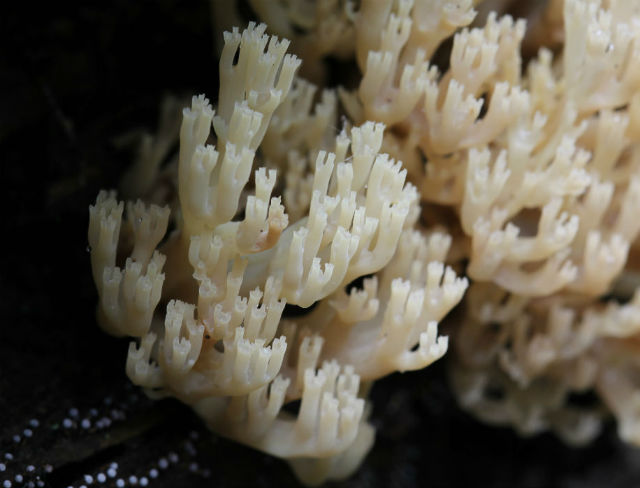
These tend to grow on wood that has been dead for a very long time. They will grow on both hardwood and coniferous logs. This coral fungus or coral mushroom is appropriately named because it looks like coral from the ocean floor. It is rather small, as it Latin species name, pyxidata, hints at.

Crown-Tipped Coral Mushrooms 006

Crown-Tipped Coral Mushrooms are actually one of the duller-colored coral fungi. There are some very striking, brightly-colored coral fungi, especially west of the Great Plains.

Crown-Tipped Coral Mushrooms 008

Like so many fungi, this species exists as a network of cells that obtains nourishment by digesting the rotting wood that it lives within. Most of the mushroom hidden. When ready to reproduce, the branching “fruiting body” develops outside the wood, which is a reproductive structure.

Crown-Tipped Coral Mushrooms 007a

Crown-Tipped Coral Mushrooms, like other fungi, perform an important feat of breaking down once-living matter to release carbon, oxygen, nitrogen and other matter back into the soil and atmosphere.
Third Eye Herp
E-mail