Pinacate Beetle

Pinacate Beetle_6979

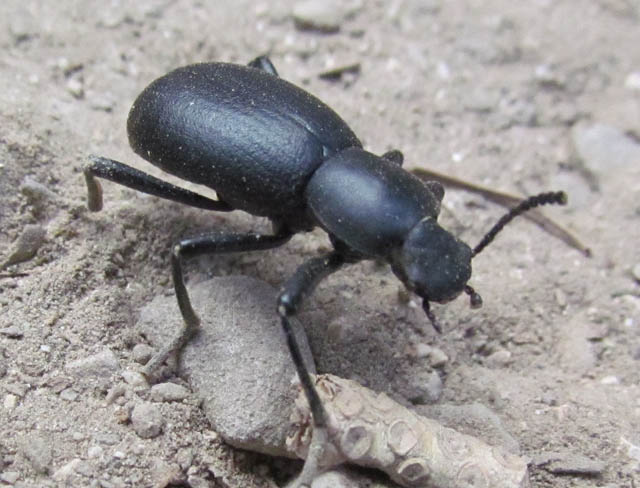
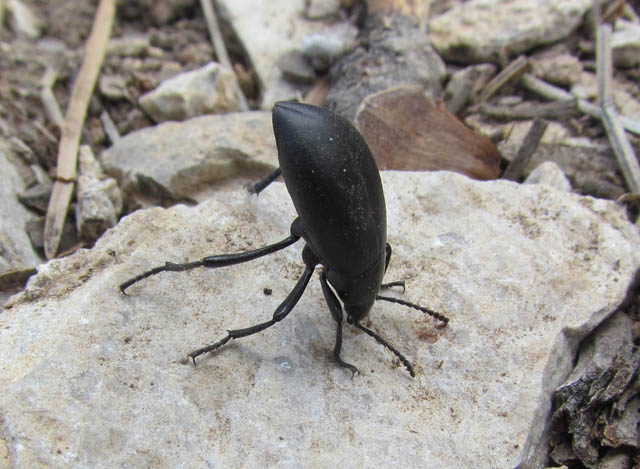
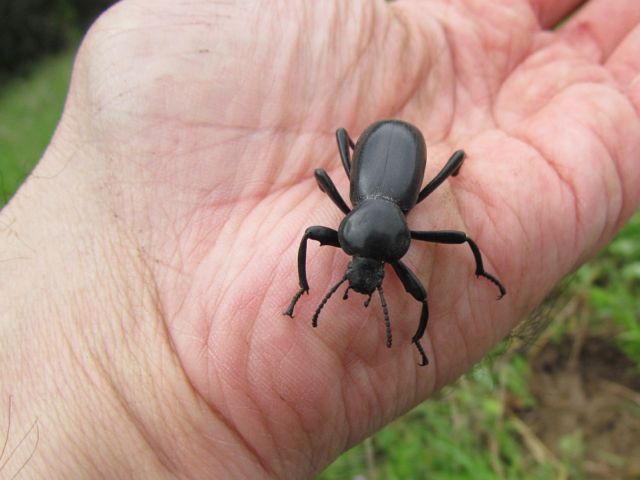
These shiny black beetles are common in the Southwest. They are called a number of other different names, such as desert stink beetles, clown beetles and headstanding beetles.

Pinacate Beetle_7607

When threatened, it will raise up on its back legs to stick its bottom in the air. This is a warning to stay back. For protection, it can emit a bad-smelling odor.

Pinacate Beetle_7496

Thickened, leathery wing-covers protect their delicate flight wings, which they do not use. Pinacate beetles are one of the great walkers of the desert beetle world and are often encountered, seemingly wandering at random.

pinacate beetle_zps67e53367

They occur across a variety of habitats, from open dunes to shrubs to mountains. There are several genera and over 1400 species of beetles similar to this one.

Pinacate Beetle_7611

Third Eye Herp
E-mail

Gila Spotted Whiptail

Let’s see what’s up in the Las Vegas area this week, OK?

whiptail_7719

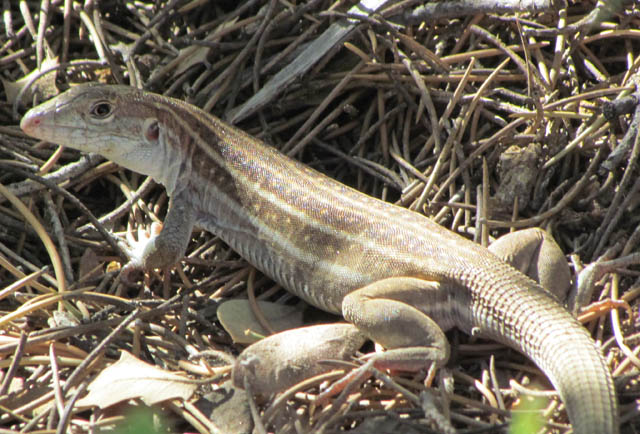
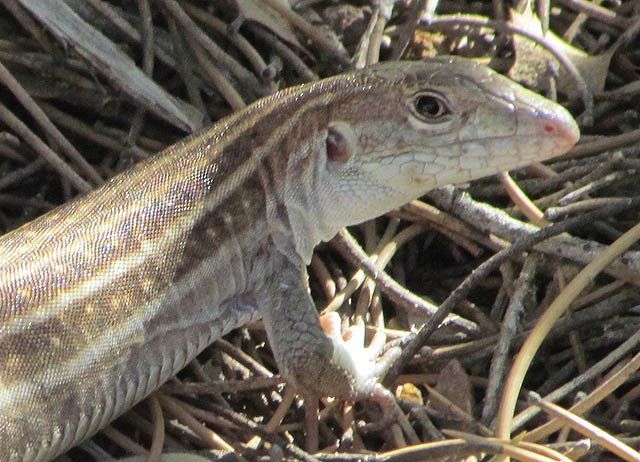
Today I went to the Cerbat Mountains in Arizona and saw this reptile. This lizard is usually found in relatively open and sunny areas, often in the vicinity of pine trees. It is an alert, day active, fast-moving ground-dweller.

whip_6760

It forages for a variety of insects and spiders by rooting around in leaves under bushes and digging in the soil around the bases of rocks.

whiptail_7715

Whiptails have distinctive pointed heads and very long, whiplike tails.

whip_6760j

Here’s a pretty crazy thing about these reptiles: All Gila Spotted Whiptails are female. Eggs are unfertilized and hatchlings are clones of the mother.

Third Eye Herp
E-mail

Pheasant’s Back Mushroom

Pheasant Back Mushroom_4460

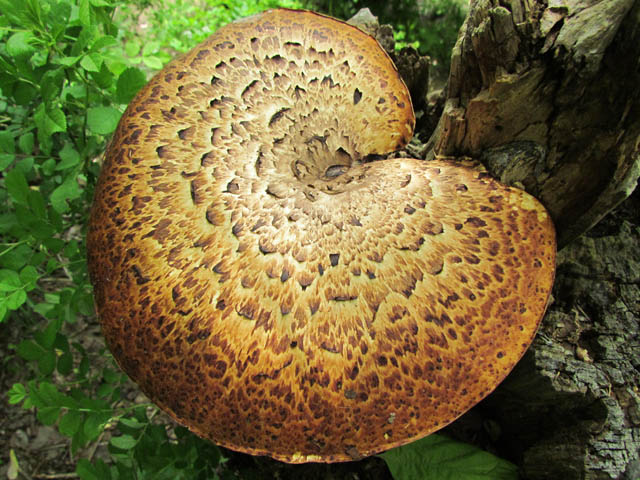
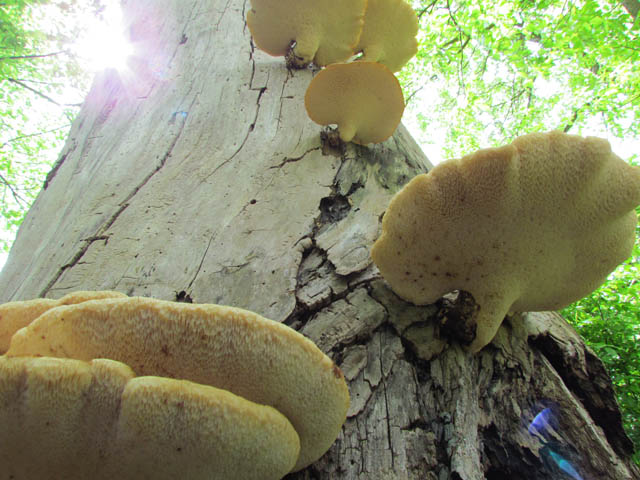
When out hiking recently I came across these large brackets growing out of dead trees. Their size (up to two feet across) and wild bird-like colors and patters were rather eye-catching.

Pheasant Back Mushroom_4474

This large and distinctive fungus is not likely to be overlooked in nature. The radial bands of dark, flat scales on the upper surface of the cap make this species easy to identify, since there is nothing else quite like it in the forests of eastern North America.

Pheasant Back Mushroom_4464

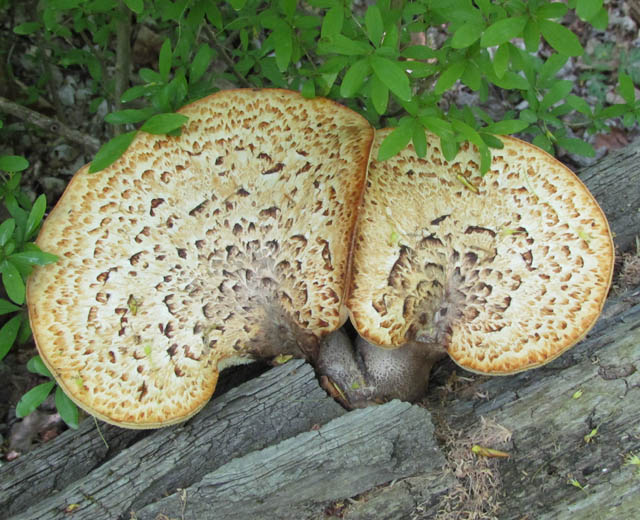
The underside of the shelf has large, irregularly-shaped, angular pores instead of gills. Most grow as a shelf-shaped or fan-shaped structure with a thick stem. Occasionally they grow as a complete circular, funnel-shaped mushroom.

Pheasant Back Mushroom_4517

Like its relatives, Pheasant’s Back Mushroom plays an important role in breaking down the tough materials wood is made of and returning those nutrients to the soil. This is a key part of a forest’s recycling process.

Pheasant Back Mushroom_4487

This organism is also known as Dryad’s Saddle. In Greek mythology, dryads were forest nymphs who were responsible for the trees and did not mingle with the other gods. They were depicted with oak-leave crowns and carried axes to protect their charges from intruders.

Pheasant Back Mushroom_4149

This fungus is also pretty cool because it smells like watermelon!

Third Eye Herp
E-mail

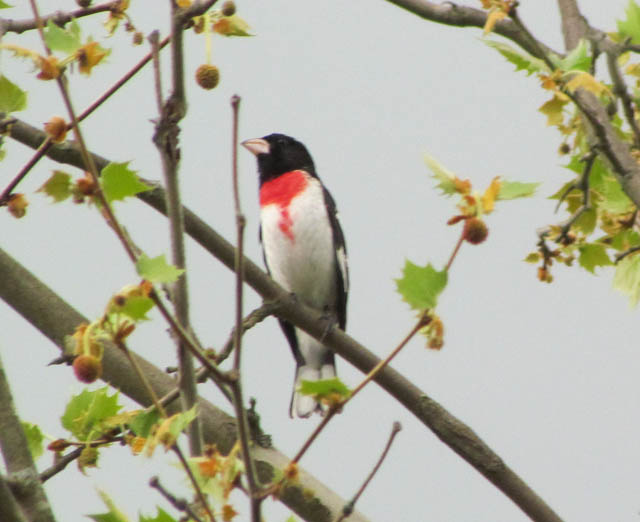
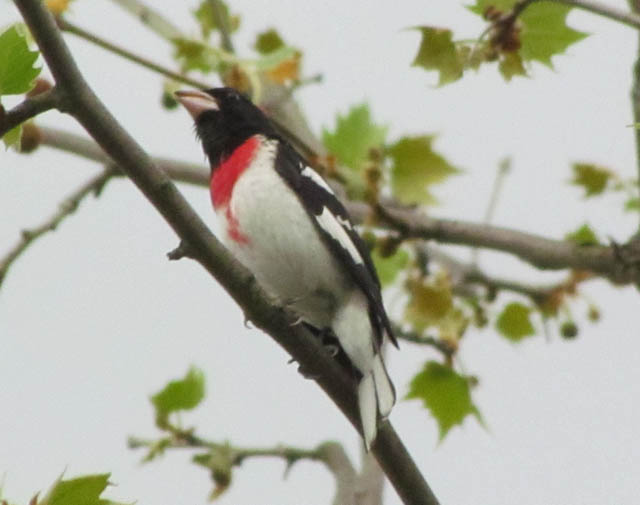
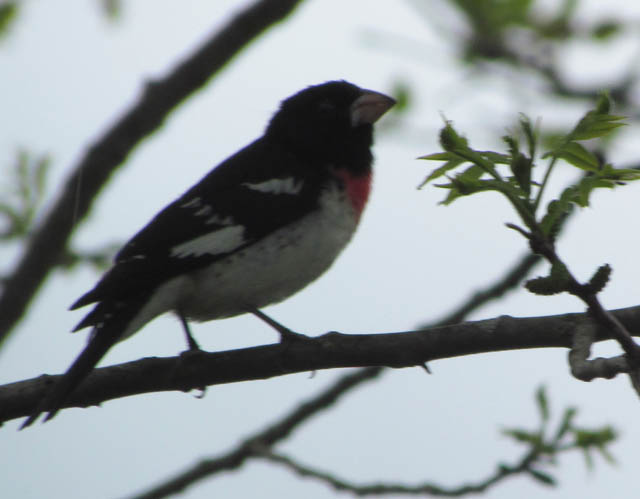
Rose-breasted Grosbeak

rose 002

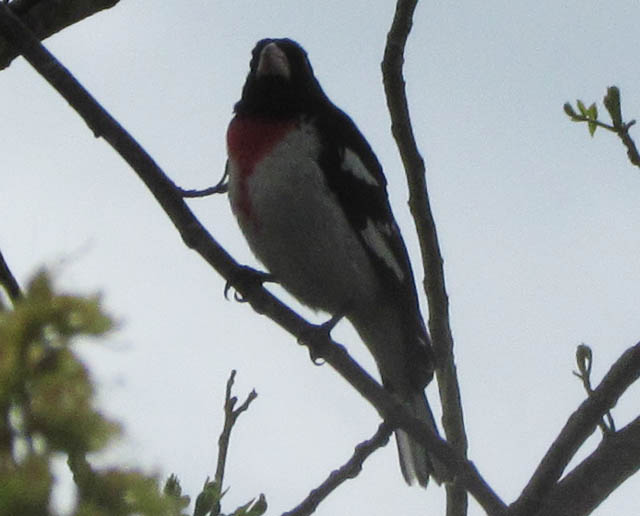
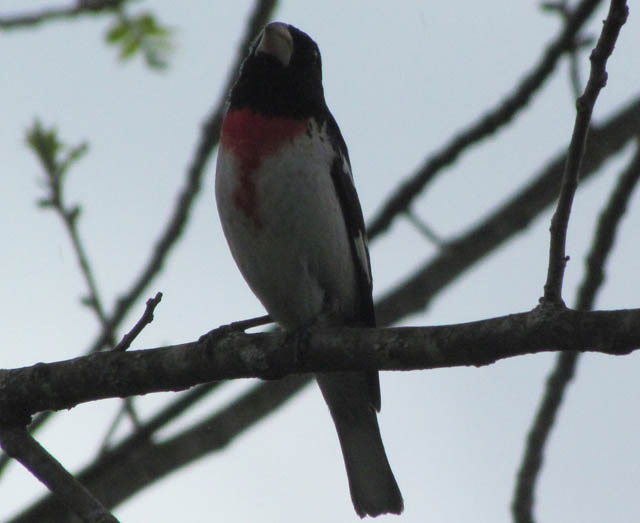
The Rose-breasted Grosbeak is a medium-sized, stocky songbird with beautiful, bold plumage. It can be a tricky bird to find, as it often calls from treetops, but lately I’ve been spotting them.

rose_4040

Its beak is large, thick and cone-shaped. It serves the bird by enabling it to eat wide varity of food items. The diet of the Rose-breasted Grosbeak varies between seasons, with a higher percentage of insects being taken warm weather. In the Winter, more seeds, fruits and buds are consumed.

rose_4048

At the beginning of the breeding season the female grosbeak approaches a singing male, who in turn performs a courtship display involving flight and song. The pair is monogamous and builds a nest between May and June, with egg laying generally occurring between mid-May and July.

rose_4058

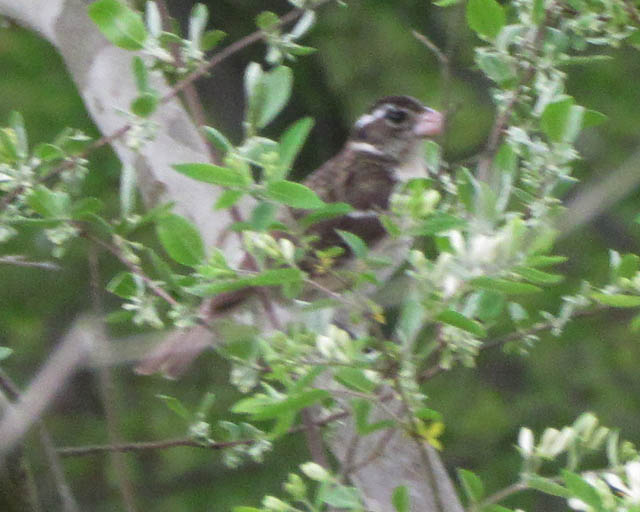
Like many birds, the females aren’t as brightly colored as the males. They are not the best nest builders; Rose-breasted Grosbeaks build such flimsy nests that the eggs are often visible from below through the nest bottom.

rose_4069

The Rose-breasted Grosbeak is relatively common throughout much of eastern and central North America and lives in forests and thickets, as well as alongside humans in parks and gardens.

rose_4064

They are long-distance migrants. Rose-breasted Grosbeaks fly from North American breeding grounds to Central and northern South America in the Winter.

rose_4071

Although often difficult to locate visually, its vocal abilities can often be heard. This bird’s sweet, robin-like song has inspired many a bird watcher to pay tribute to it. A couple of early twentieth-century naturalists said its call is “so entrancingly beautiful that words cannot describe it.”

Third Eye Herp
E-mail

Wild Geranium

geranium 042

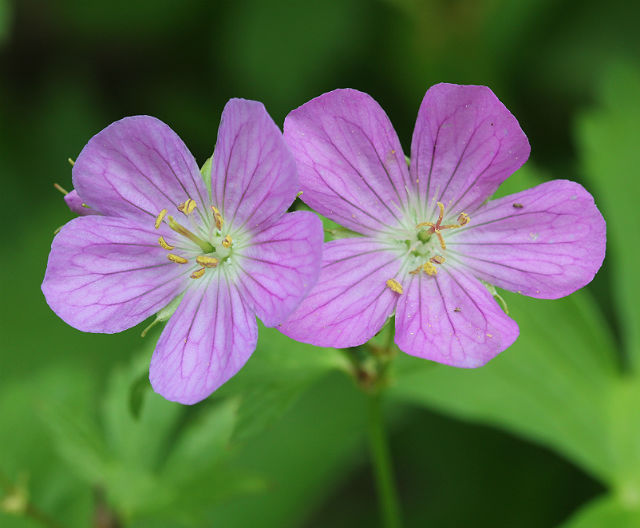
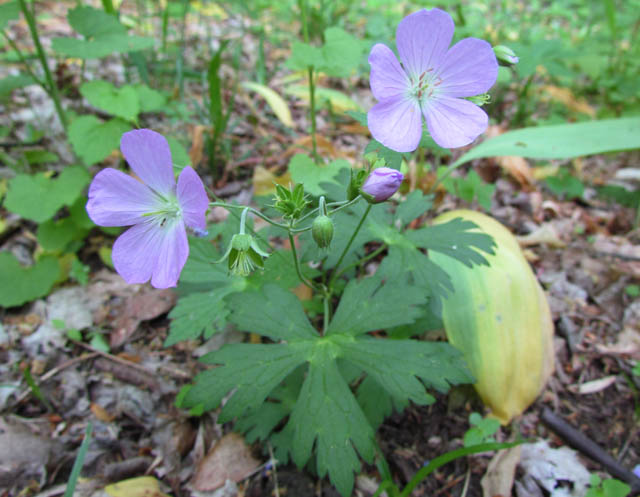
“Geranium” is derived from the Greek word “geranos,” meaning crane. Though this name seems curious, it actually refers to the shape of the seed pod, not the flower. The papery seed capsules, which split lengthwise into five long peels, resemble a crane or stork.
geranium_4324

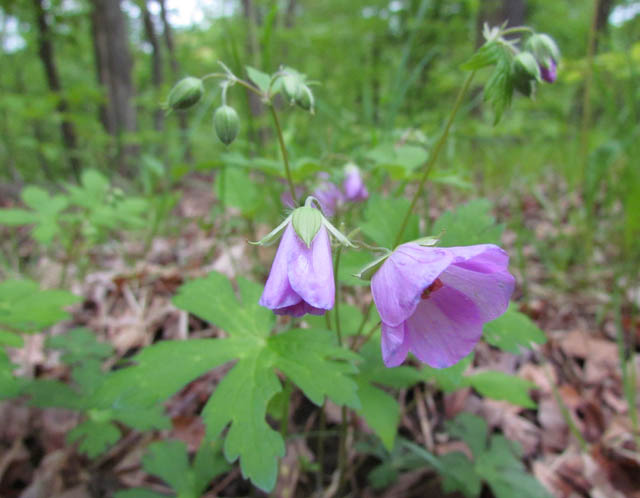
Typical habitat for this plant is in rich forests, fields, meadows and thickets. It is usually abundant in these locations. I’ve seen a fair number of them at several places I have visited.
geranium_5062

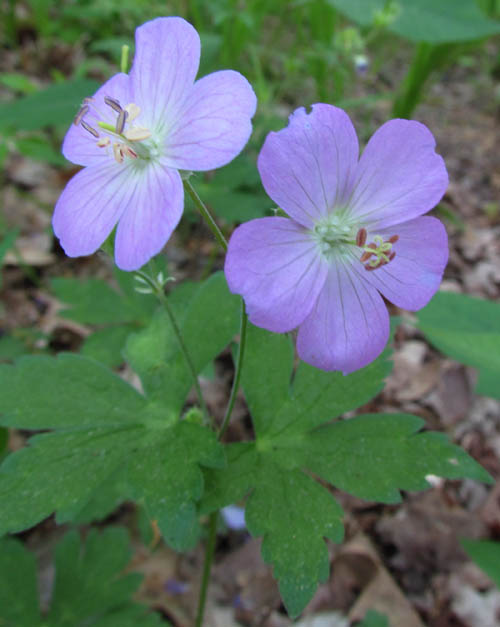
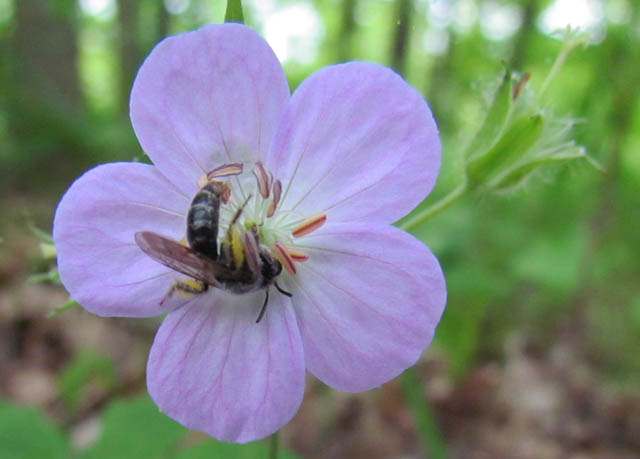
One of the most surprising and beautiful aspects of Wild Geranium is the color of its pollen. Unlike most wildflowers with traditionally yellow, orange, or white pollen, when viewed under a microscope Wild Geranium’s pollen is bright blue. This attracts a variety of insects which come to pollinate the flower.
geranium_5065

Upon pollination, the plant has adapted interesting and unique techniques for spreading its seeds. After the seed capsule has formed, it dries and begins to split. As it breaks open, the seeds are propelled into the air and can land as far as thirty-feet away from the seed pod.
geranium_5317

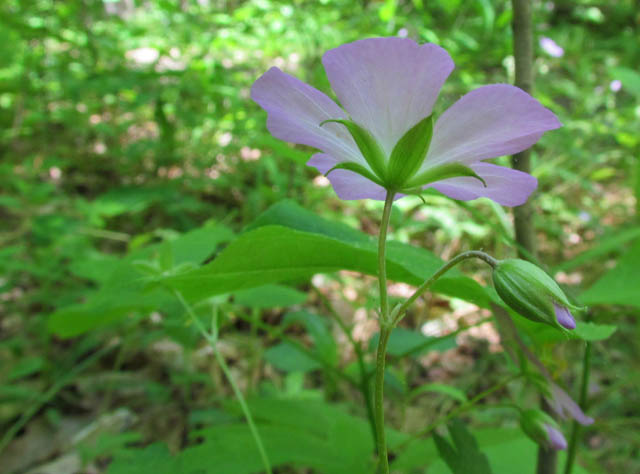
The seed’s journey, however, does not stop there. Each seed has “tail” which curls when dried and straightens when wet. The “tail” allows the seed to slowly creep a short distance before becoming stuck in a hole or crack.
geranium_05_19 028

Early Native Americans recognized the value of Wild Geranium and used it as an ingredient in many medicinal treatments.

geranium_05_19 008

Today, Wild Geranium extract is marketed as an anti-inflammatory and anti-hemorrhaging substance. It can be found in products sold in herbal stores and online.

Third Eye Herp
E-mail

Northern Red-bellied Snake

redbelly snake_3787

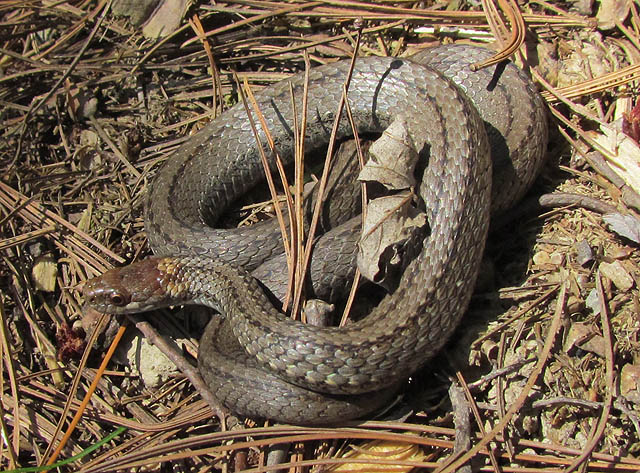
While exploring this clearing in the woods, I came across a snake that I have not seen in quite some time and have never seen in Cuyahoga County.

redbelly_3491

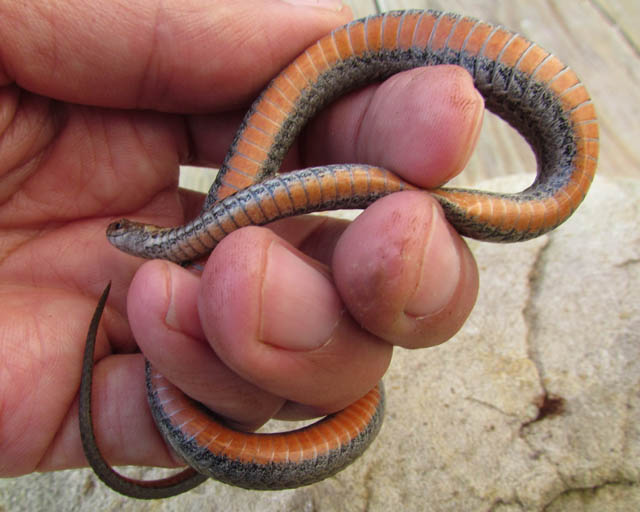
This is Ohio’s smallest snake, growing to only 8-10 inches long. Northern Red-bellied Snakes feed mostly on slugs and snails. This species has jaw and tooth adaptations that assist in the extraction of snails from their shells.

redbelly snake_3417

A uniformly scarlet or red-orange belly and three well-defined light blotches immediately behind the head are this reptile’s most distinctive characteristics. It is very secretive and spends most of its life hidden. Females give birth to 7 or 8 tiny, live offspring in late Summer.

redbelly snake_3419

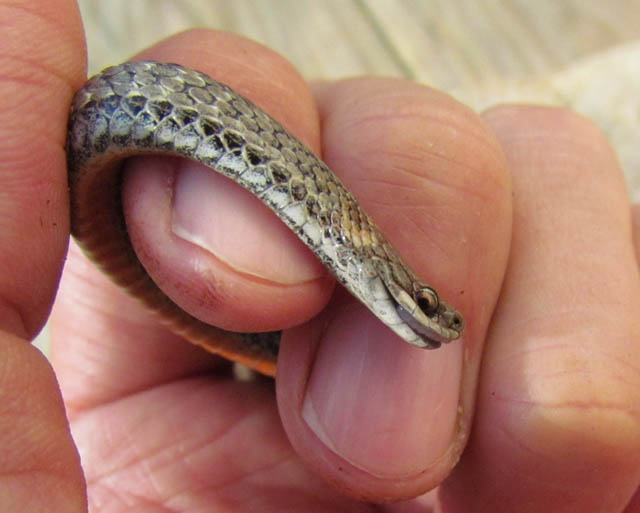
The Northern Red-bellied Snake has the curious habit of curling its upper lip and exposing its teeth when it feels threatened, though it is harmless and makes no attempt to bite.

redbelly snake_3411

Another defense is exposing its bright red belly, which may be enough to startle a predator momentarily and allow the snake escape.

redbelly snake_3415

Having and unexpected encounter with this remarkable reptile made for an excellent outing.

Third Eye Herp
E-mail

Least Brook Lamprey

lamprey_1426

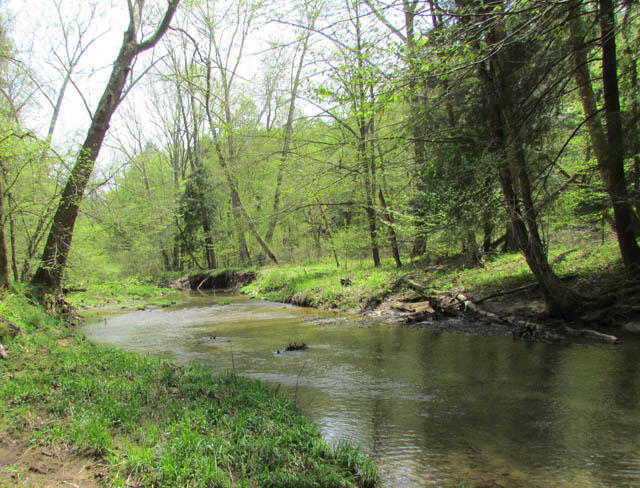
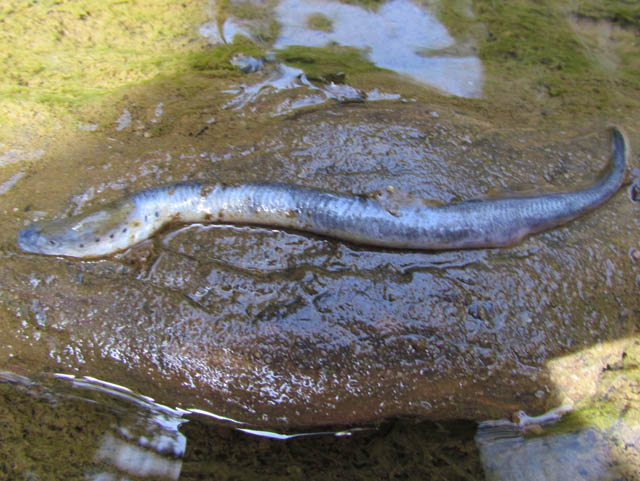
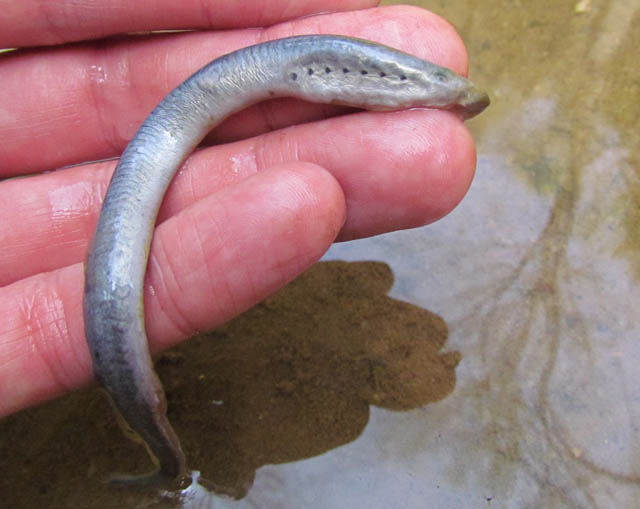
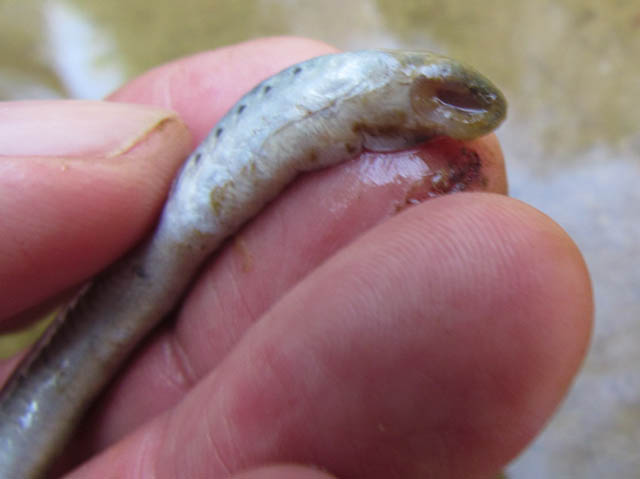
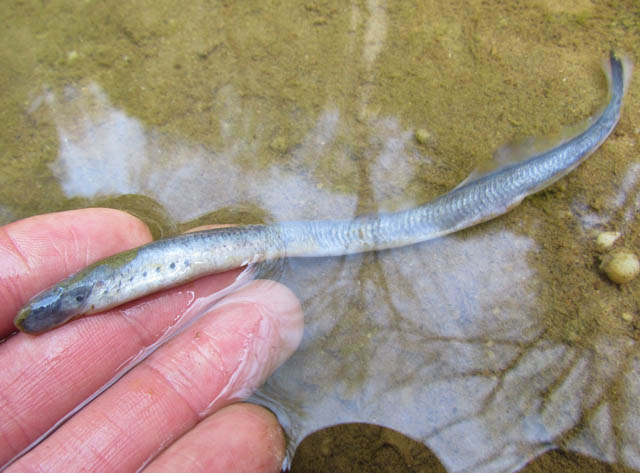
The Least Brook Lamprey is an extremely unlikely-looking fish to encounter in the spring-fed creeks of our state. All lampreys have a long eel-like body and no scales. They have segments of muscles that are visible along their body and a jawless mouth.

 brook lamprey_3277

As with all lamprey species, the Least Brook Lamprey spends the majority of its life as a worm-like larva. Larvae live burrowed in the sand at the bottom of a waterway for 3–7 years, feeding on microscopic plant and animal life.

brook  lamprey_3282

This fish is found in clear brooks with fast flowing water and either a sand or gravel bottom. Prior to laying eggs, adults construct small nests by picking up pebbles with their oral disk and moving them to form the rims of shallow depressions.

 brook  lamprey_3284

Adult Least Brook Lamprey cannot eat. Since they have a nonfunctional intestine, they only live for four to six months. Instead of eating, they spend all their time building nests, finding mates and laying eggs so the next generation will be there to carry on.

brook lamprey_3286

Lampreys are a diverse and ancient line of creatures tracing back to over 300 million years ago. Of the many fish species native to Ohio, this is one of the least known, but most interesting.

Third Eye Herp
E-mail

Eastern Redbud

redbud_3796

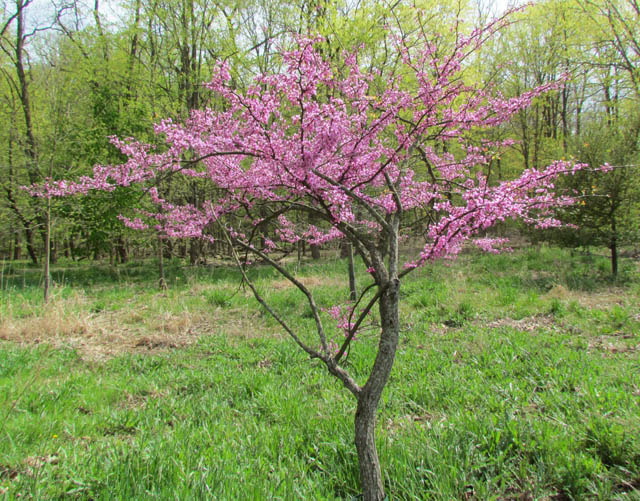
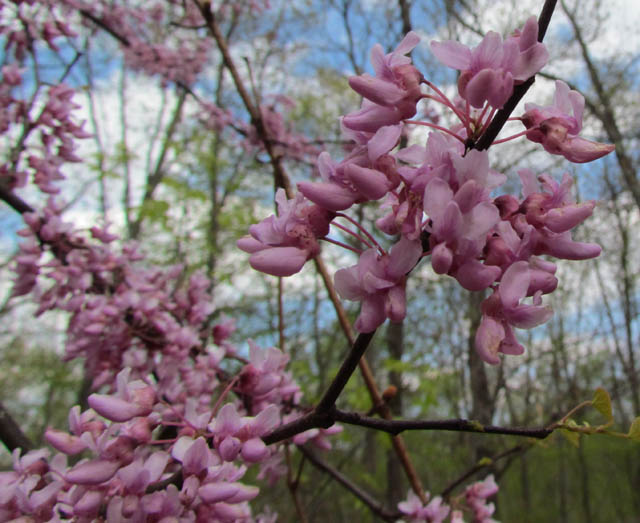
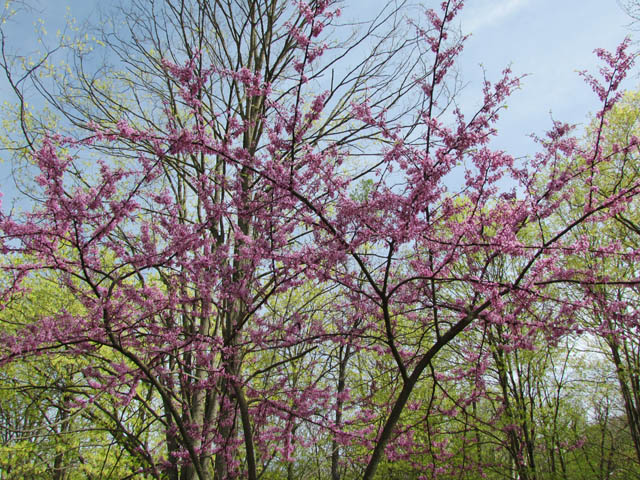
Eastern Redbud is abundant in the southern two-thirds of Ohio, with scattered distribution in the northern one-third of the state. It heralds the arrival of Spring with its showy, lavender-pink flowers that typically open in April, long before its foliage emerges.

redbud_2938

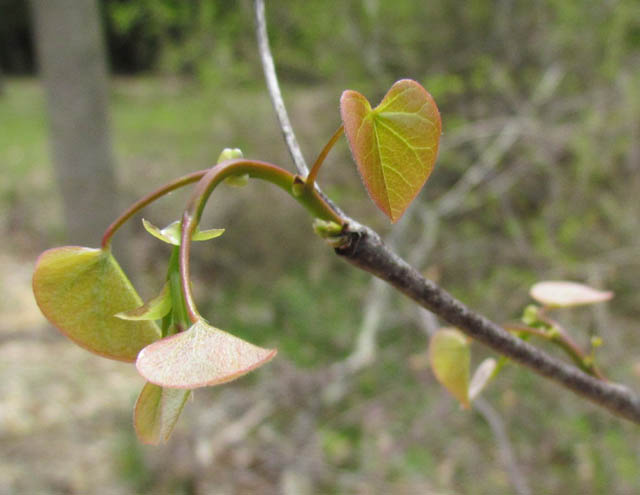
Like Locust Trees and Wisteria, this tree is a member of the Bean Family. By late spring, the green fruits of Eastern Redbud take on the pod shape that is characteristic of beans. The alternate, smooth-edged, heart-shaped leaves make Eastern Redbud easy to identify, even when it is not flowering.

redbud_3310

Eastern Redbud only reaches about 20 feet tall and 20 feet wide at maturity and is relatively short-lived. It many places it would not seem like Spring without this tree’s spectacular floral display.

redbud_3798

I am fortunate enough to have one of these trees blooming in my backyard right now.

Third Eye Herp
E-mail

Mourning Cloak

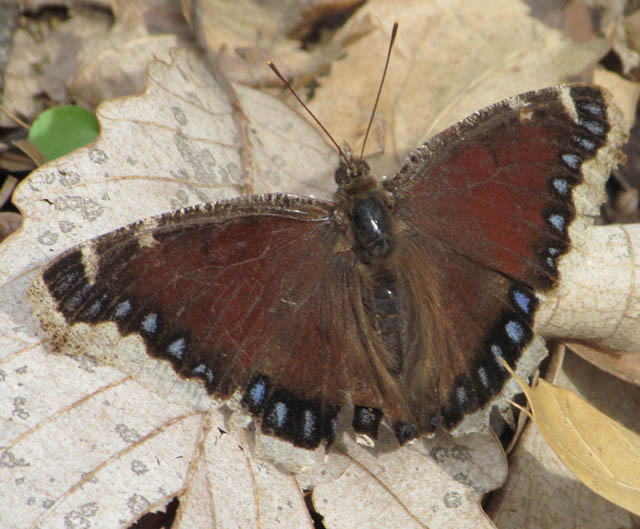
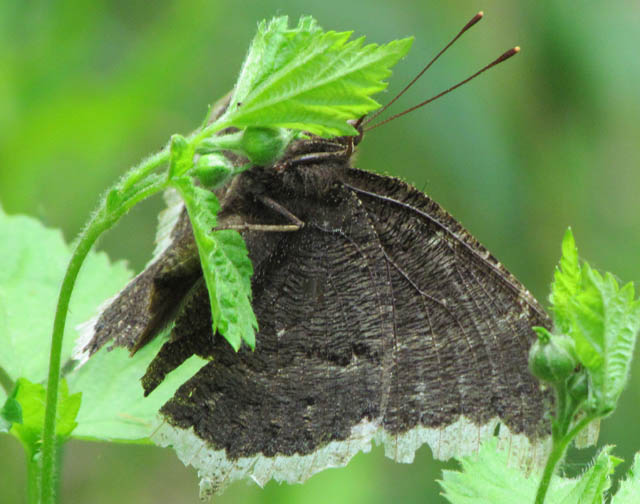
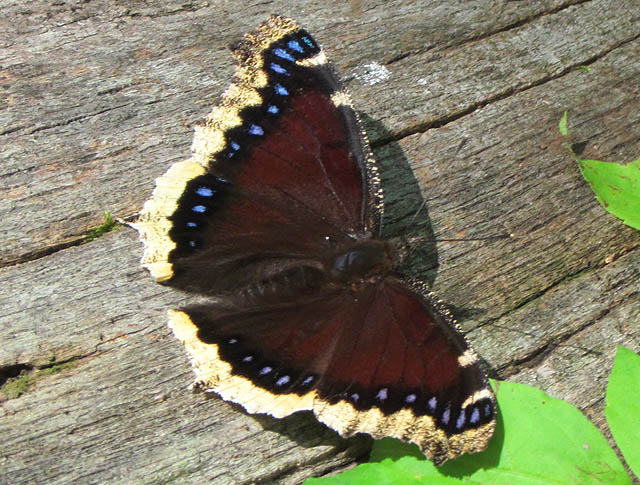
This butterfly is named for its somber coloration. Mourning Cloaks have wings that are dark brown with pale, cream-colored edges, which often look ragged. Underneath, the Mourning Cloak’s wings are blackish-brown. It is camouflaged when it rests on a tree trunk with its wings folded.

This large insect has a 3-1/2 wingspan and breaks several “rules” about butterflies. It is often found in flowerless woodlands and can sometimes be seen flying around in the Winter. I have run into a few of these creatures in the past few weeks; they have a well-deserved reputation of being difficult to approach and photograph.

mourning cloak_05_19 166

Adult Mourning Cloaks drink from some nectar-producing plants, rotting fruit, tree sap and mud puddles. On cold but sunny days, they rest on tree trunks and turn their dark wings toward the sun to absorb heat. When approached, they make a loud click before flying away from a resting spot.

mourning cloak 025

Mourning Cloaks are one of the few butterflies that overwinter. Instead of dying or flying south, they stay here year-round. They find a tree cavity or crawl underneath loose bark. By hibernating, Mourning Cloaks get a head start over other butterflies in the Spring.

mourning cloak_8740

The Mourning Cloak is a widespread species with a worldwide distribution in the northern hemisphere from the subtropics to the Arctic Circle. This is one of my favorite butterflies because of it’s unconvential, yet successful lifestyle and seeing one on a sunny Winter day in the woods makes for a great hike.

Third Eye Herp
E-mail
Northern Red Salamander

This past weekend I accompanied 18 high school students to south-central Ohio to explore some of the state’s natural wonders. We found a creek and Adam, Pat, Jen and Claire decided to turn a few logs in the area.
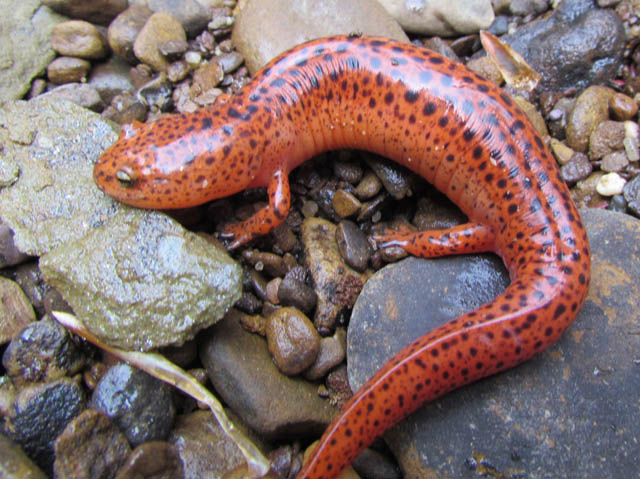
Our efforts paid off when we found this strikingly bright red amphibian with scattered black dots.

Jen thought is was an awesome find, and I agreed.

The habitat for this colorful creature is under rocks and logs in and around cold, clean springs and adjacent brooks.

The Northern Red Salamander is a large (up to 8 inches) amphibian. This species has a distinctive, bright yellow iris and a stout body.

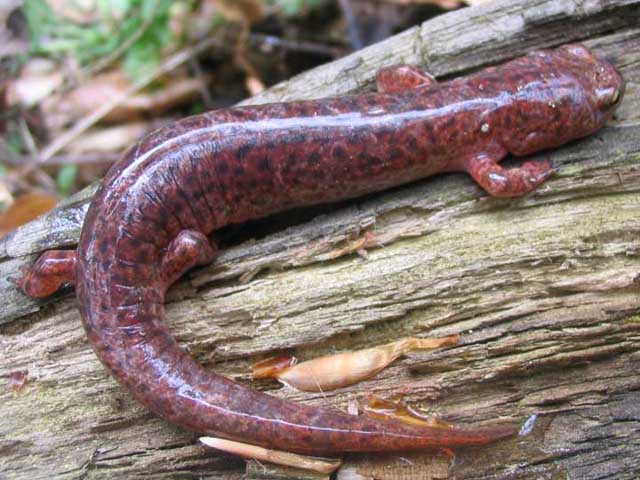
Older examples of this salamander, like this one I found a few years ago, are less brightly colored and often somewhat purplish.

Third Eye Herp
E-mail