
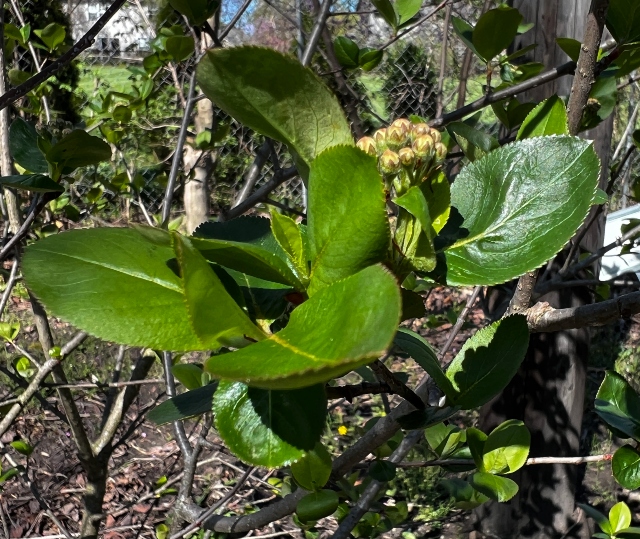
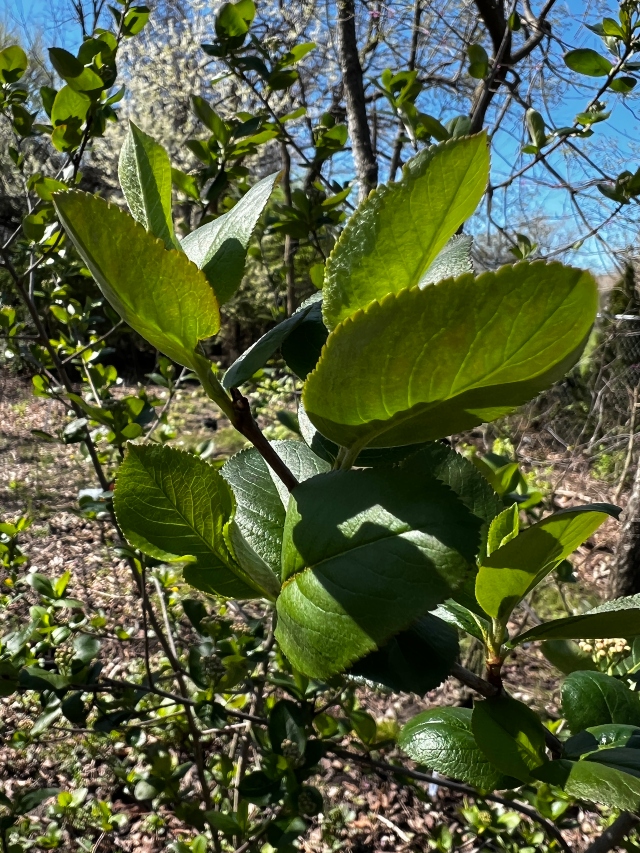
While hiking in the Indianapolis Area of Indiana, I came across this neat plant. This is a species of shrub in the Rose Family native to eastern North America, ranging from Canada to the central United States. Its natural habitat can vary from bogs and swamps to dunes and rocky outcroppings.
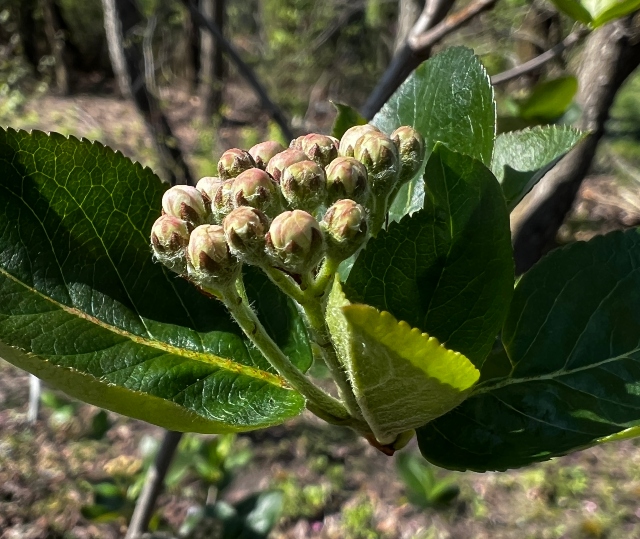
It is multi-stemmed and deciduous, growing 4 to 8 feet in height. Black Chokeberry’s clusters of white to pink-tinged flowers bloom in April through May. The blooms are followed by fruit that turns from red to blackish-purple. These tart fruits are edible and are the subject of University of Maryland research for their potential use as an alternative fruit crop. The fruits are unpleasant when raw (hence the common name), but when processed they have culinary and nutraceutical value.
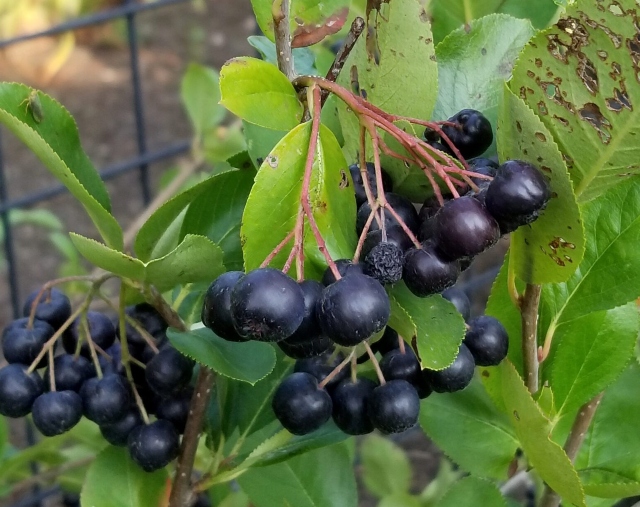
In recent history, Black Chokeberry has been extensively produced in Russia as a small fruit used in juice products (mixed with apple juice), wine, compote and pickles. It has been commercially grown in Europe where its fruit is used in juice, alcoholic beverages, energizing beverages, and as a food colorant. Its fruit has higher levels of antioxidants than any other temperate fruit.
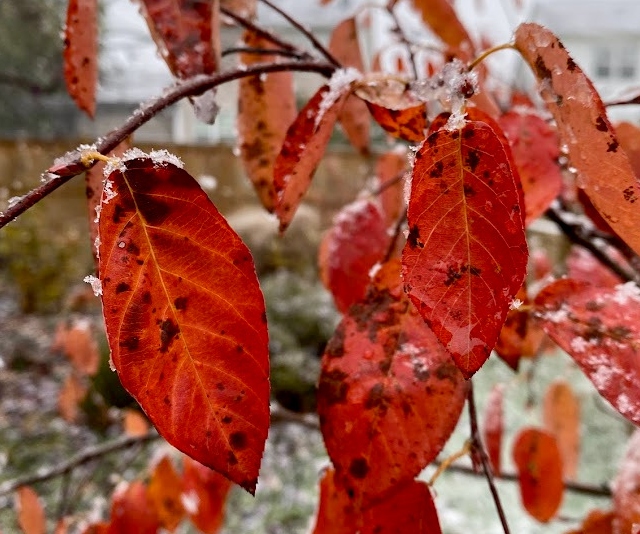
In Autumn, its foliage of turns to brilliant shades of red and burgundy. Over time, it tends to sucker profusely (form new shoots from the base) and may produce a thicket of growth when free from competition of other plants.
In wildlife habitat and in wildlife gardens, Black Chokeberry provides browse for White-tailed Deer and Rabbits, and fruit for Ruffed Grouse, Sharp-tailed Grouse and Prairie Chickens.