
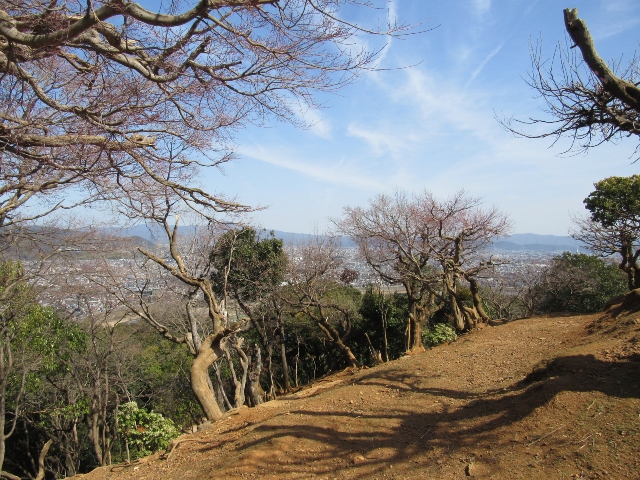
While visiting the Kyoto area of Japan, I saw see my first-ever wild primates. Also known as Snow Monkeys, they are unique for being the northernmost-living non-human simians, thriving in various habitats from warm lowlands to cold regions, and are known for their remarkable adaptability to live in cold climates.
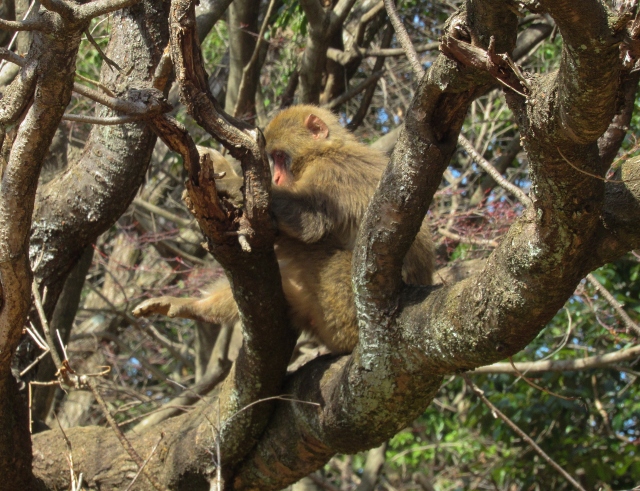
These intelligent creatures have fascinated researchers and nature enthusiasts alike with their unique behaviors and remarkable ability to thrive in harsh Winter conditions. From their hot spring bathing habits to their complex social structures, Japanese Macaques offer a window into the fascinating world of primate behavior and evolution.
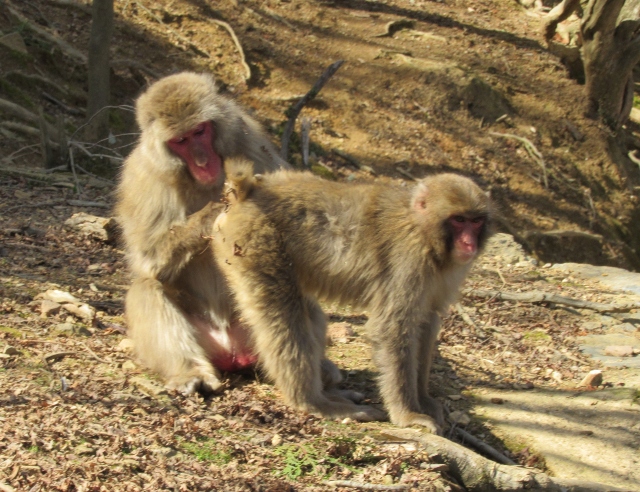
These mammals are medium-sized monkeys with distinctive features that set them apart from other primate species. Their fur ranges in color from shades of brown and gray to yellowish-brown, providing excellent camouflage in their forest habitats. One of their most striking features is their hairless face and posterior, which are a vibrant pink color.
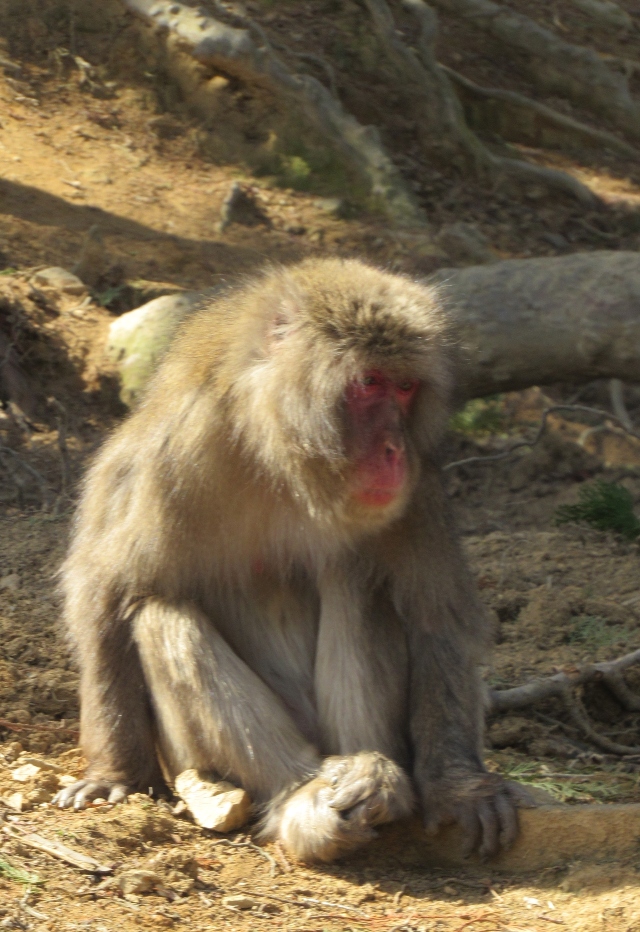
Japanese Macaques exhibit sexual dimorphism, with males being significantly larger than females. Adult males weigh an average of 25 pounds, and measure about 22 inches in height, while females average 19 pounds and about 20 inches in height. Their stocky build and relatively short limbs also help conserve heat in cold environments.
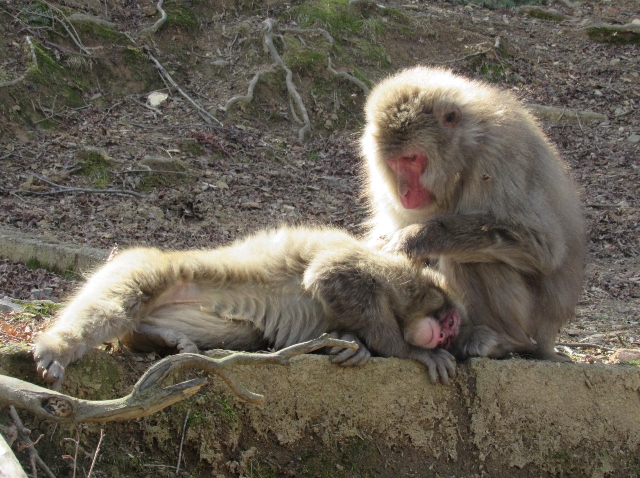
They inhabit a variety of habitats across three of Japan’s main islands. They are highly adaptable, living in environments ranging from warm, subtropical evergreen forests in the south to subarctic, snowy deciduous forests in the north. This diverse habitat range showcases their remarkable adaptability to different environments. You can find them in forests and in mountains where snow covers the ground for a few months each year.
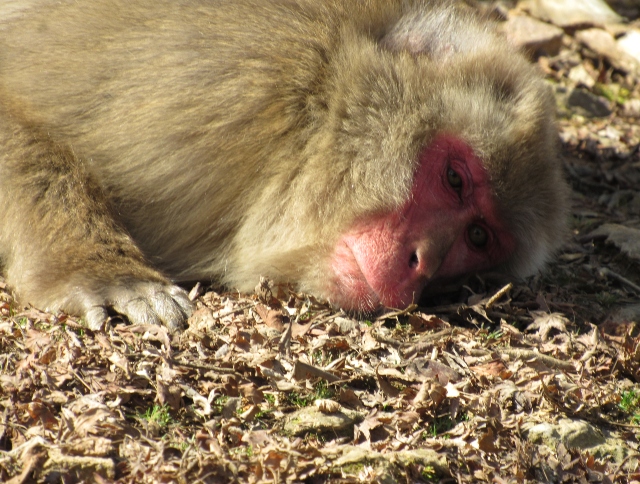
Japanese Macaques are highly social animals with complex social structures and behaviors. They live in large groups called troops, which can range from 20 to over 100 individuals. These troops are matrilineal, meaning they are centered around female family lines. Within each troop, there is a clear dominance hierarchy for both males and females.
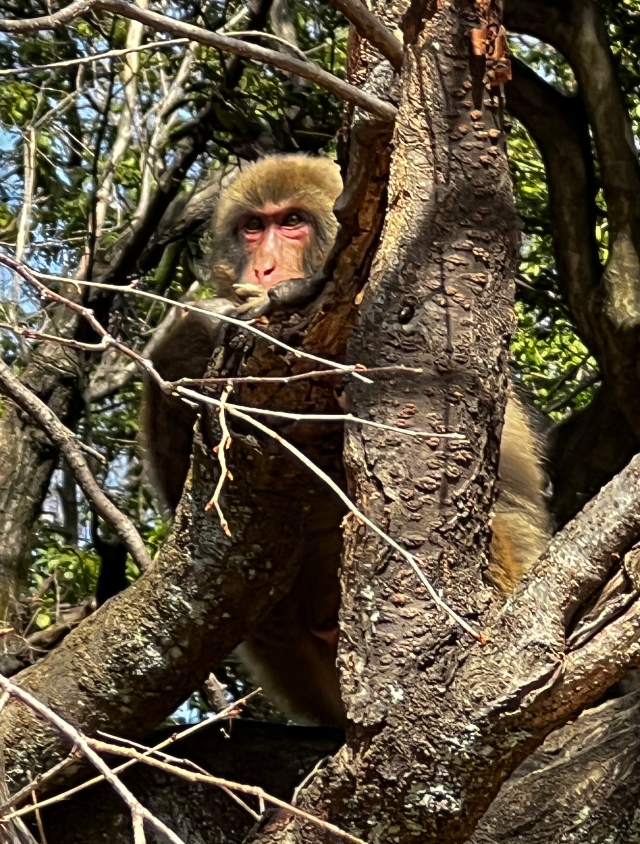
One of the most fascinating aspects of their behavior is the ability to learn and pass on new behaviors through cultural transmission. The most famous example of this is their hot spring bathing behavior, first observed in the 1960s when a young female named Mukubili discovered the warmth of a hot spring. This behavior quickly spread throughout the troop and has since become iconic of the species.
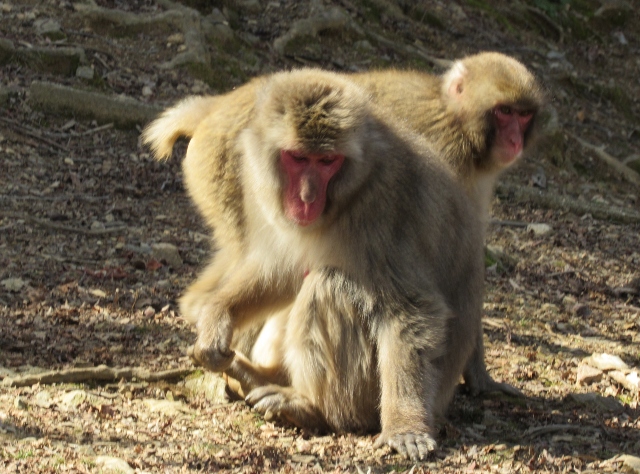
Another example of cultural learning is the practice of washing food. In the 1950s, researchers observed a female named Imo washing sweet potatoes in a stream to remove sand. This behavior was gradually adopted by other members of her troop and has since been passed down through generations. The lifespan of Japanese Macaques in the wild averages about 6-1/2 years, but some individuals have lived much longer.
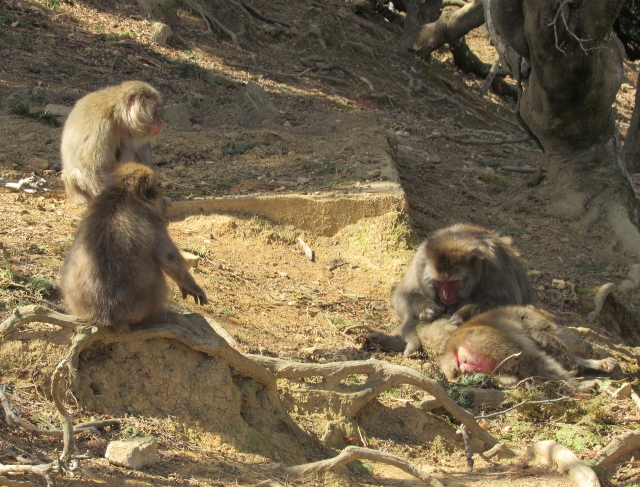
Japanese Macaques are also known for their playful nature. Young macaques often engage in play behaviors, such as making and rolling snowballs, which serve no apparent survival purpose, but seems to be done purely for enjoyment. This playfulness extends into adulthood, with some troops observed playing with rocks for recreation.
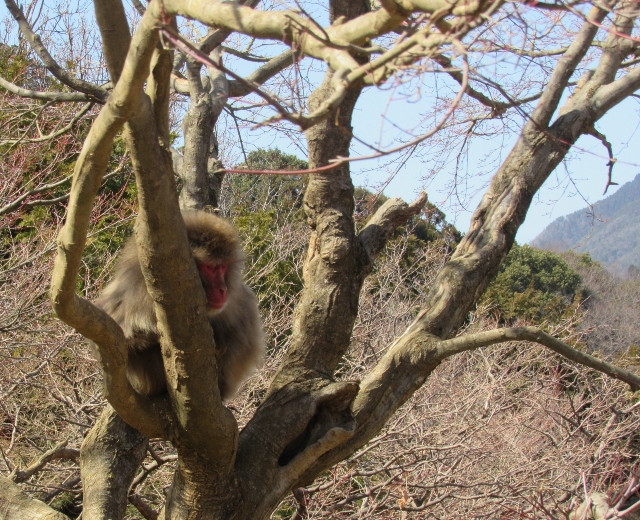
As far as diet goes, they are opportunistic omnivores with a diverse diet that adapts to seasonal availability and habitat variations. Their menu includes a wide range of items such as fruits, seeds, leaves, flowers, bark, fungi, insects, and small animals. In Winter, when food is scarce, they rely heavily on bark and winter buds.
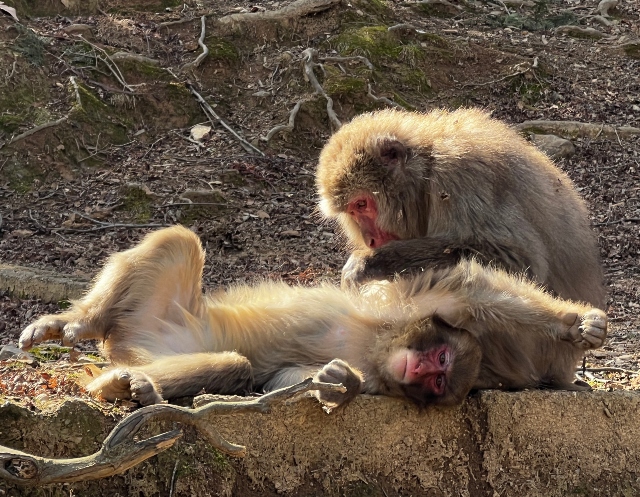
Japanese folklore is rich with tales and legends featuring monkeys. One famous example is the story of the “Three Wise Monkeys” – “see no evil, hear no evil, speak no evil” – which is often depicted in carvings and artwork. This concept, known as “mizaru, kikazaru, iwazaru” in Japanese, has become a globally recognized symbol of moral principles.
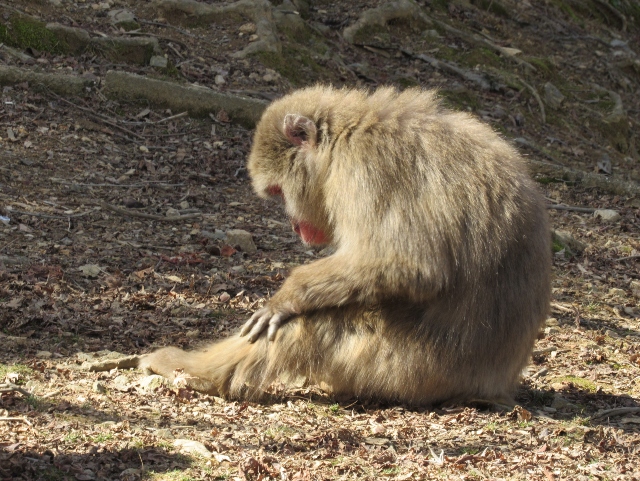
Is was super cool to encounter these fascinating creatures while vising The Land of the Rising Sun.