
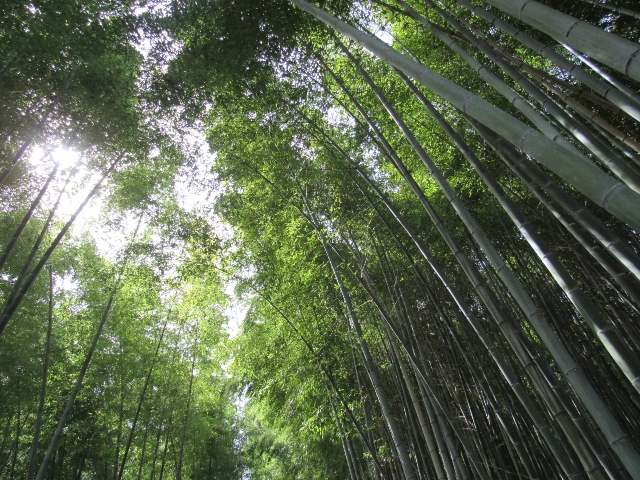
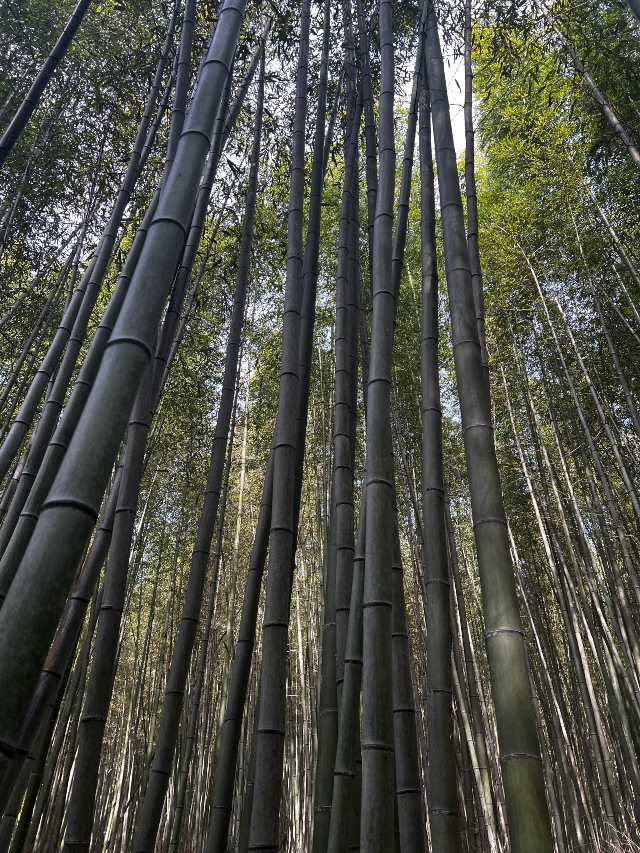
Visiting Arashiyama Bamboo Grove in Kyoto, Japan, was to experience a stunning natural wonder. The grove features towering bamboo stalks that create a serene and magical atmosphere as sunlight filters through the leaves.
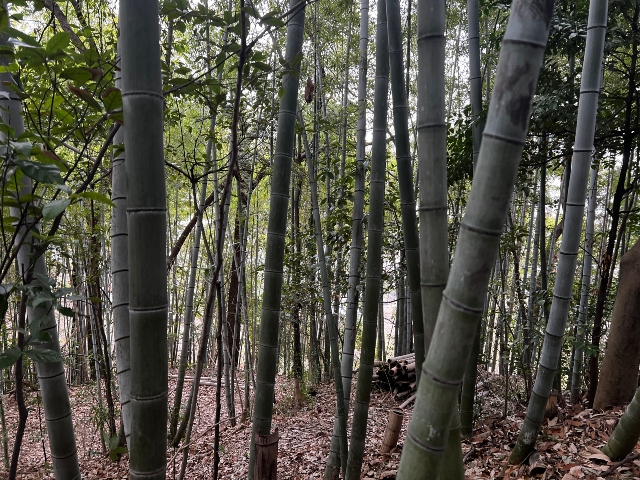
Moso is a temperate species of giant timber bamboo native to China and Taiwan and naturalized elsewhere, including Japan, where it is widely distributed from south of Hokkaido to Kagoshima.
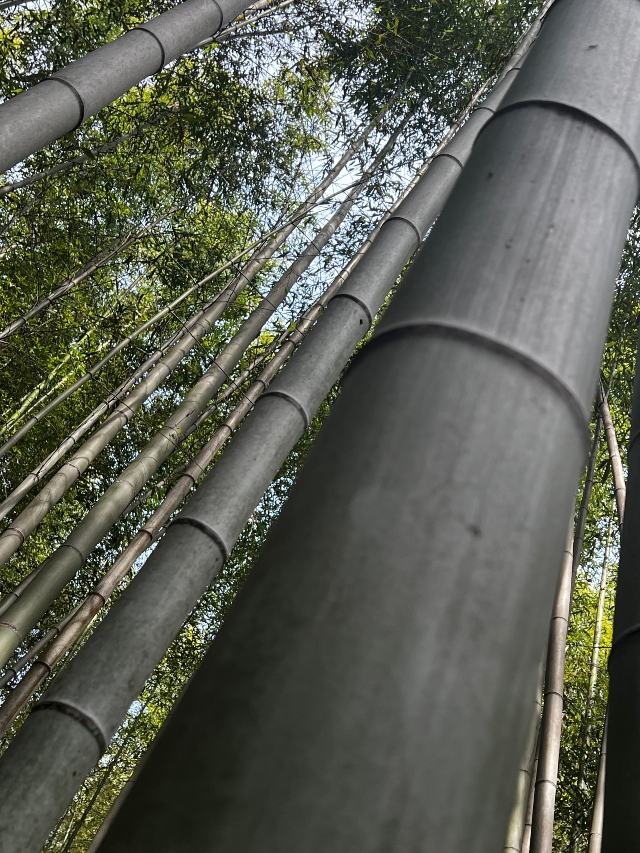
Noted for its incredible beauty and elegance, Moso Bamboo is a remarkable evergreen bamboo with huge, upright, very thick, gray-green canes surmounted by plumes of small, pale green leaves.
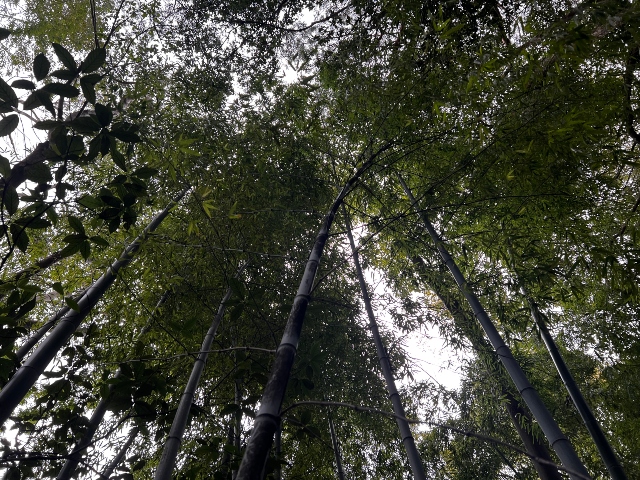
With the Latin Name of Phyllostachys edulis, the edulis part of the refers to its edible shoots. This species can reach heights of up to 92 feet.
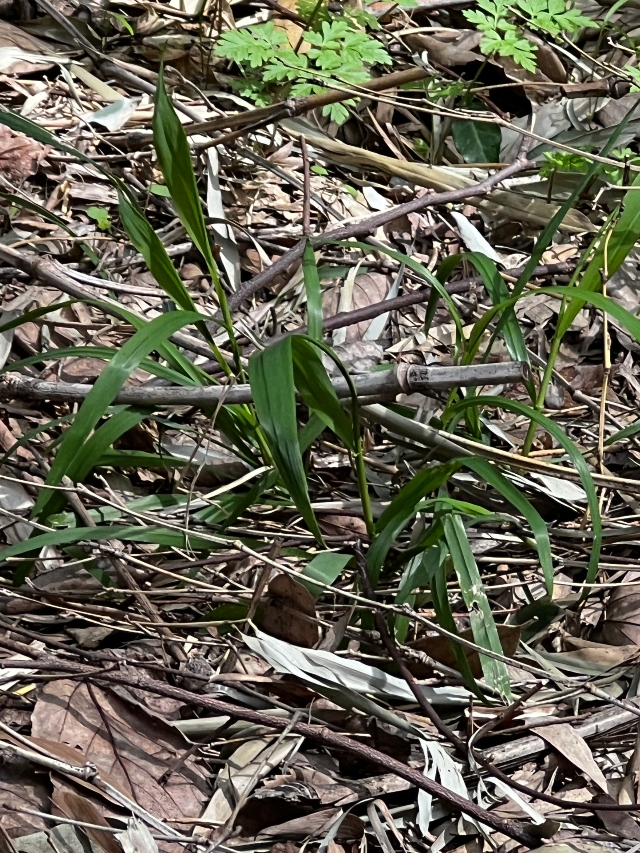
Moso bamboo is grown in large plantations and harvested for a variety of products including timber, fencing, furniture, construction material, paper pulp, plywood, flooring, musical instruments, utensils and rayon for the textile industry.
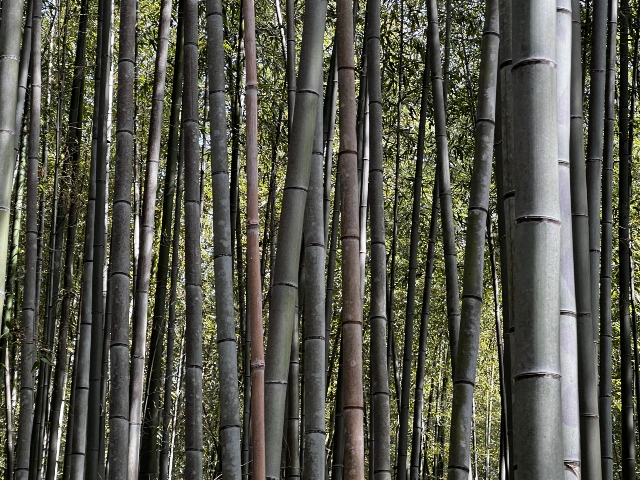
It is the largest and perhaps the most ornamentally attractive of the temperate bamboos. Although mature specimens look like trees, Moso Bamboo is not a tree but is in fact a grass with a woody structure.
This is also the most commonly grown species of bamboo in Asia for harvest of its edible shoots, which are eaten locally as well as being canned for export. Shoots harvested for food are best collected before they break the soil surface.
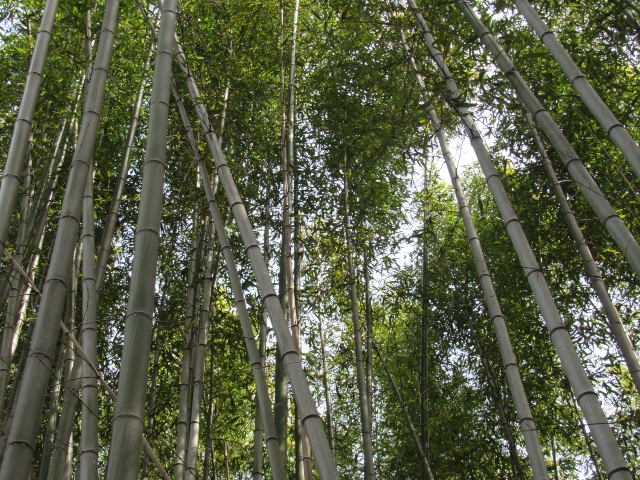
Touring Arashiyama Bamboo Grove was a memorable event while vacationing in the Land of the Rising Sun.