
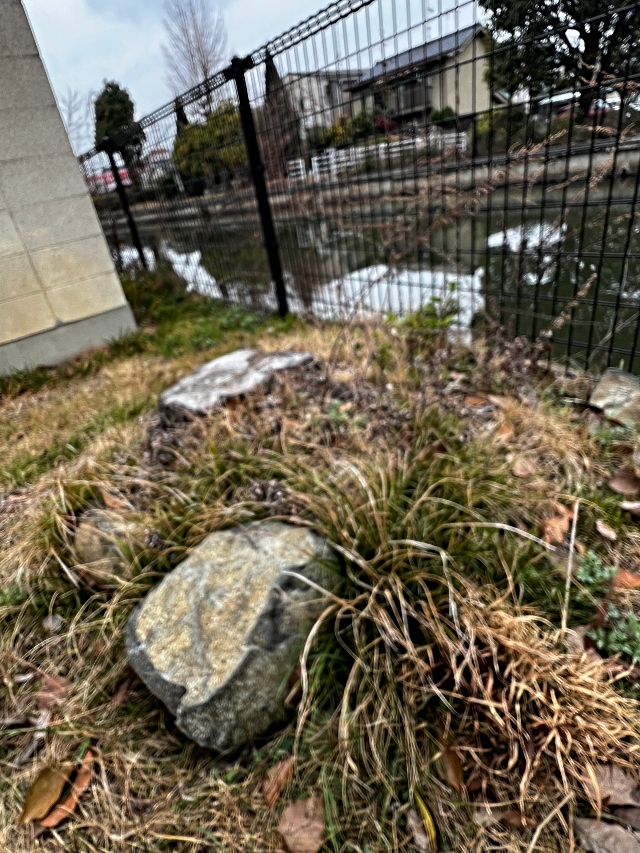
While walking along a canal in Japan, I found a few rocks to turn over. Under them were some isopods. With the Latin Name of Porcellio laevis, the species epithet laevis as well as the vernacular name “Swift Woodlouse” suggests, the species is capable of quick bursts of speed when provoked.
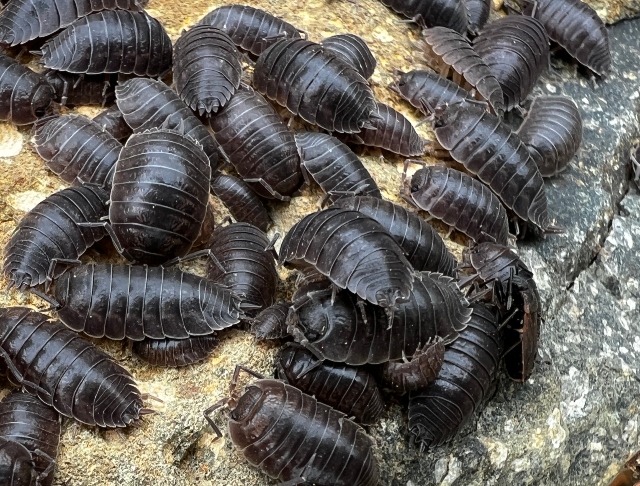
This type of woodlouse is distinctively large, being up to eight tenths of an inch long with a smooth dorsal surface. It is commonly kept as a pet due to its somewhat easy care requirements and the variety of color morphs available. “Dairy Cow Isopod” is a commonly used name for a readily available piebald strain of the species.
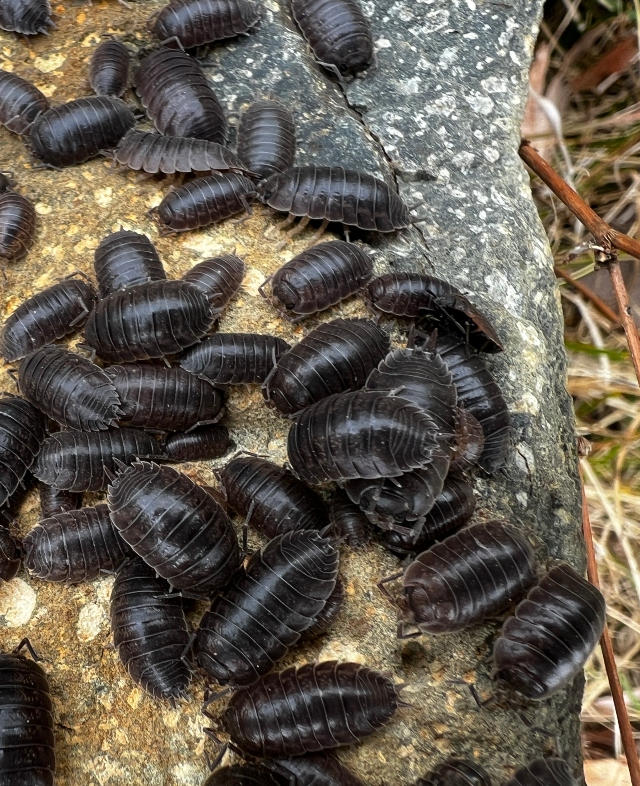
Baby Swift Woodlouse directly develop from yolky eggs. Both the eggs and juveniles reside within a brood pouch called a marsupium. The use of the marsupium eliminates the need for there to be an external water source for early development, since it is filled with fluid from the mother isopod. This is considered some of the most extensive parental care among terrestrial arthropods.
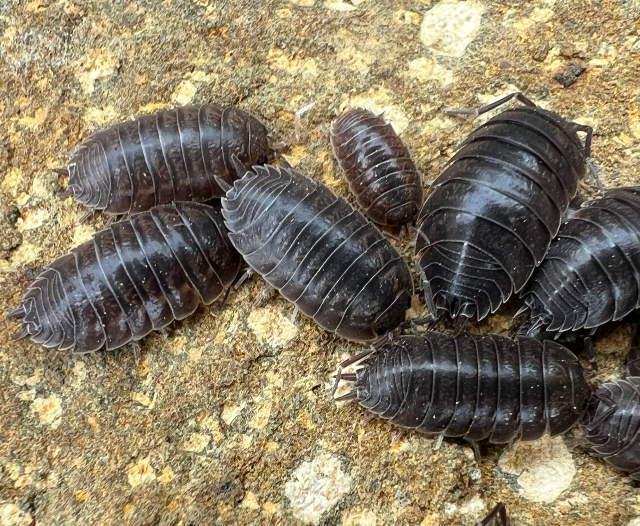
This creature is found under rocks and fallen logs in damp areas, and is otherwise rarely encountered. It plays an important role in nutrient cycling by breaking down dead plant material and animal waste, and thereby releasing essential nutrients back into the ecosystem. It is known to be an opportunistic feeder, consuming a wide range of organic matter such as leaves, moss, lichens, and even rotting wood. Therefore, it can thrive in many different ecological niches.
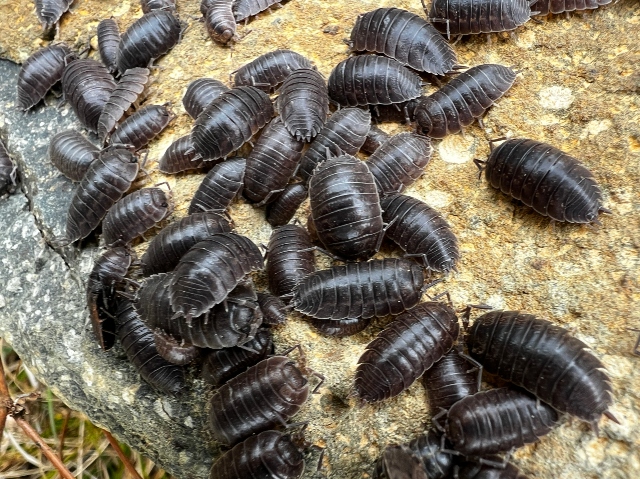
The Swift Woodlouse is one of several species of isopods known to use “alternating turns” as a defense mechanism, running in a mazelike pattern to confuse or avoid perceived threats. Studies suggest that this behavior can be reinforced as a learned response, with more “alternating turns” produced by longer and more frequent exposure to predators.
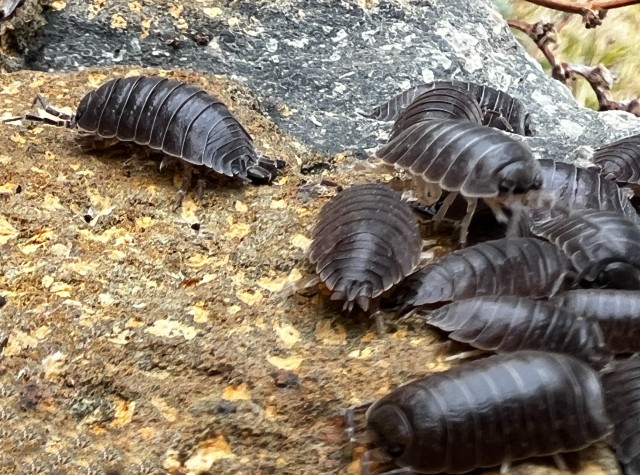
It was super cool to come across these fine crustaceans while on my international trip.