Northern Pike

Northern Pike_3667

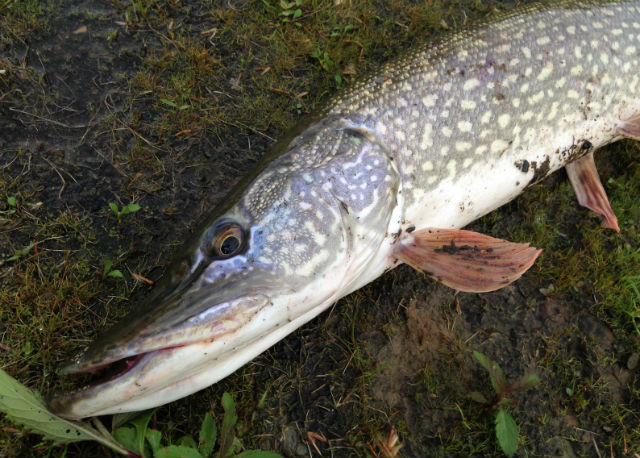
I went fishing with my brother-in-law at a small lake not far from my house and he landed this incredible fish. This fish gets its name from its resemblance to the pole-weapon known as the pike (from the Middle English word for “pointed”).
Northern Pike_0872

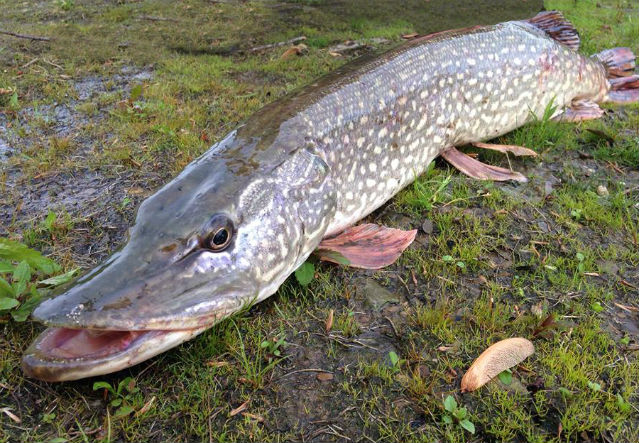
Northern Pike average 18-20 inches in length. They can be identified by their single dorsal fin and light-colored spots along their dark body. They are found in a variety of freshwater habitats, from cold deep lakes, to warm shallow ponds, to muddy rivers. They have a broad range of tolerances for water temperature, clarity and oxygen content.
Northern Pike

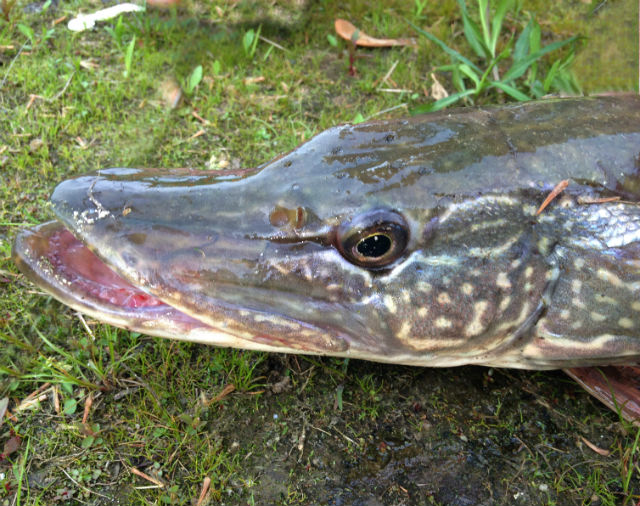
These are aggressive, solitary fish. They typically lurk, relying on camoflauge and are able to attack quickly. Their eyes are highly movable and are able to see in practically any direction. They are “sit and predators” that usually hide in some type of cover, cocked in an “S” position and ready to strike.
Northern Pike_0868

Northern Pike are equipped with sharp teeth and have very complex skull and jaw structures, enabling them feed on smaller fish, frogs, crayfish, small mammals and birds. These fish are top predators in the systems they inhabit and it was very cool to encounter one in the wild.

Third Eye Herp
E-mail

Coast Mountain Kingsnake

40 san bernadino_1022

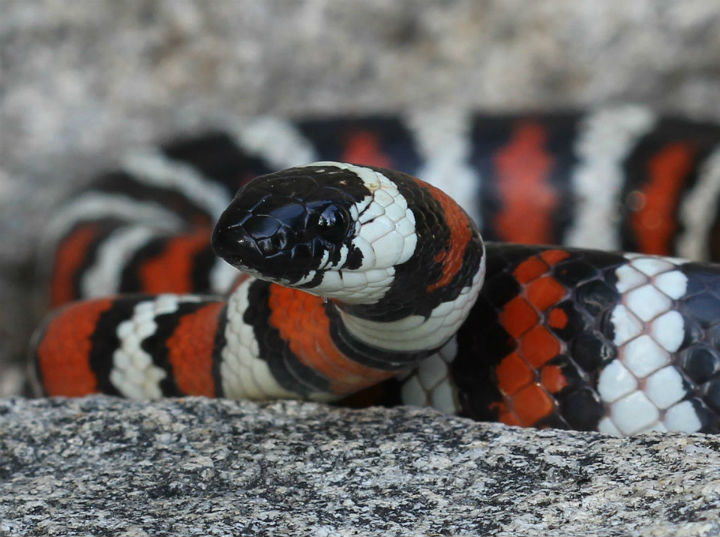
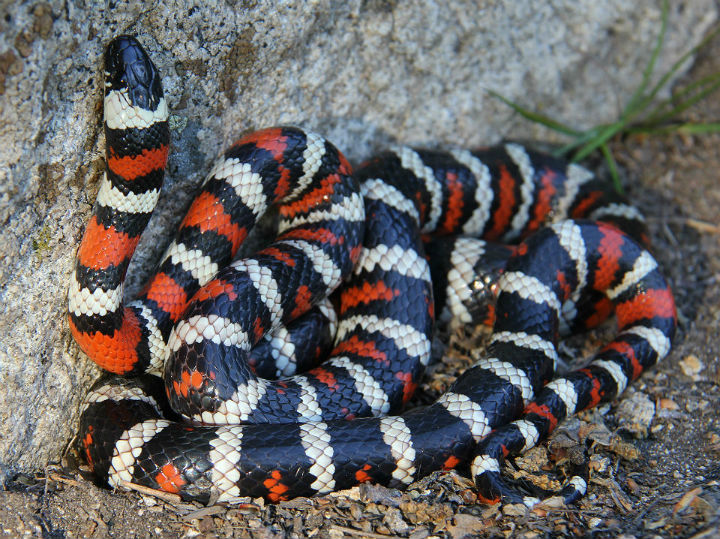
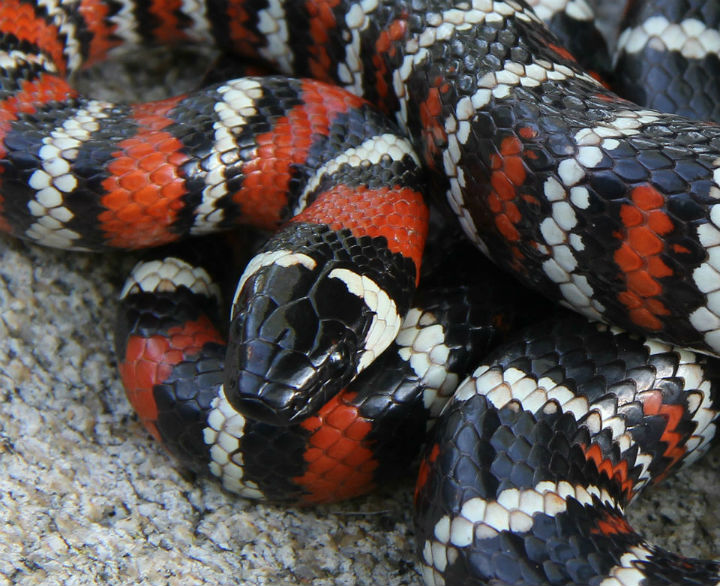
The most exciting part of my recent visit to southern California was seeing a few of these spectacular serpents in the field. This is one of the most strikingly colored snakes in North America. Its colors really stand out on its smooth, shiny scales.

45 zonata_8893

This reptile is endemic to North America and a Coral Snake mimic, having a similar pattern consisting of red, black, and yellow on its body, but kingsnakes are completely harmless.

45 zonata_9859

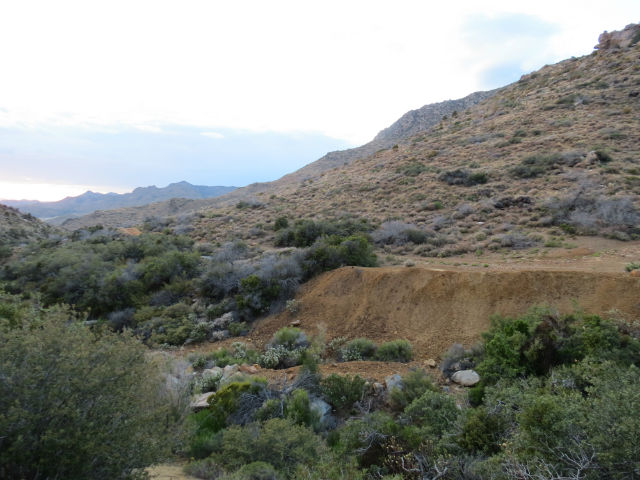
These are slender, smooth and medium-sized snakes usually about 24-30 inches long. Most Coast Mountain Kingsnakes live in the mountains of southern California, but they can adapt to a wide variety of habitats, including coniferous forests, oak-pine woodlands, riparian woodlands, chaparrals and coastal sage scrubs.

45 zonata_9875

Coast Mountain Kingsnakes are constrictors, their diet includes lizards, smaller snakes, nestling birds and bird eggs and small mammals. Once a family with several subspecies, Mountain Kings in California are now considered two species, this one and one in the northern part of the state known as the California Mountain Kingsnake.

45 zonata_9888

This reptile is mostly diurnal, but can be active at night in warmer weather. it is an excellent climber and prefers southwestern facing slopes, often retreating beneath granite flakes of rocks. It was awesome to see this species of snake in the wild.
Third Eye Herp
E-mail

Red-spotted Toad

red spotted toad_1449

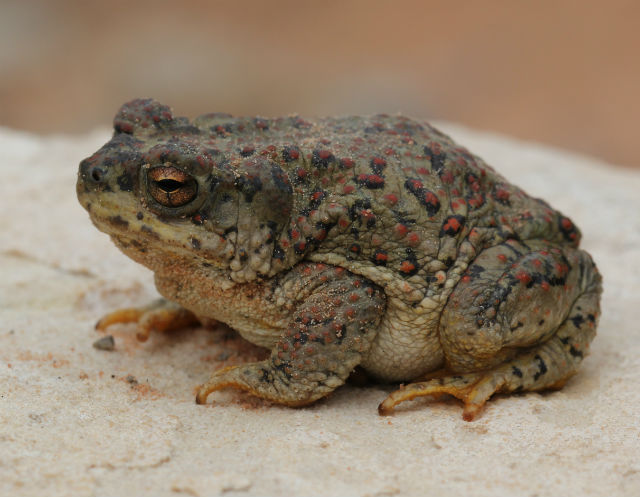
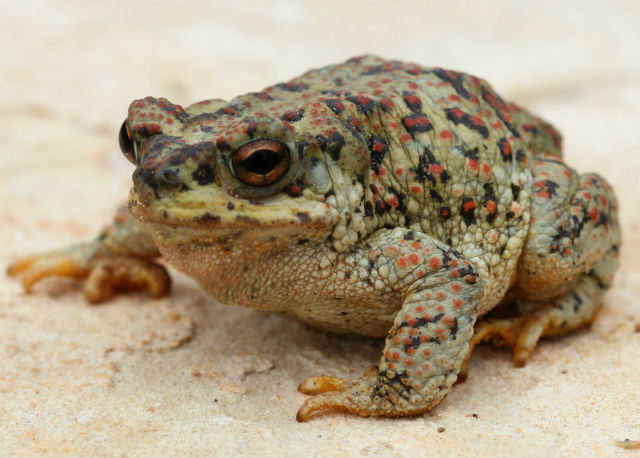
The Red-spotted Toad of the arid southwestern United States is named for the orange or red spots that are usually scattered on its back, sides and legs.

red spotted toad_9723

No two are alike – some have many spots while others have few to none.

red spotted toad_9716

This toad is one of the very few amphibians that can be found in the desert throughout most of the year. I see them most often along the edges of creeks and springs.

red-spotted toada_9724

They have a general body pattern that is flattened. This allows them to crawl beneath rocks and crevices where these nocturnal creatures spend much of the day hiding.
red-spotted toada_9715

Red-spotted Toads are nimble and climb over, under and around rocks with ease. They are one of our smaller toad species, reaching lengths around 2-1/2 to 3 inches.

Third Eye Herp
E-mail

Western Banded Gecko

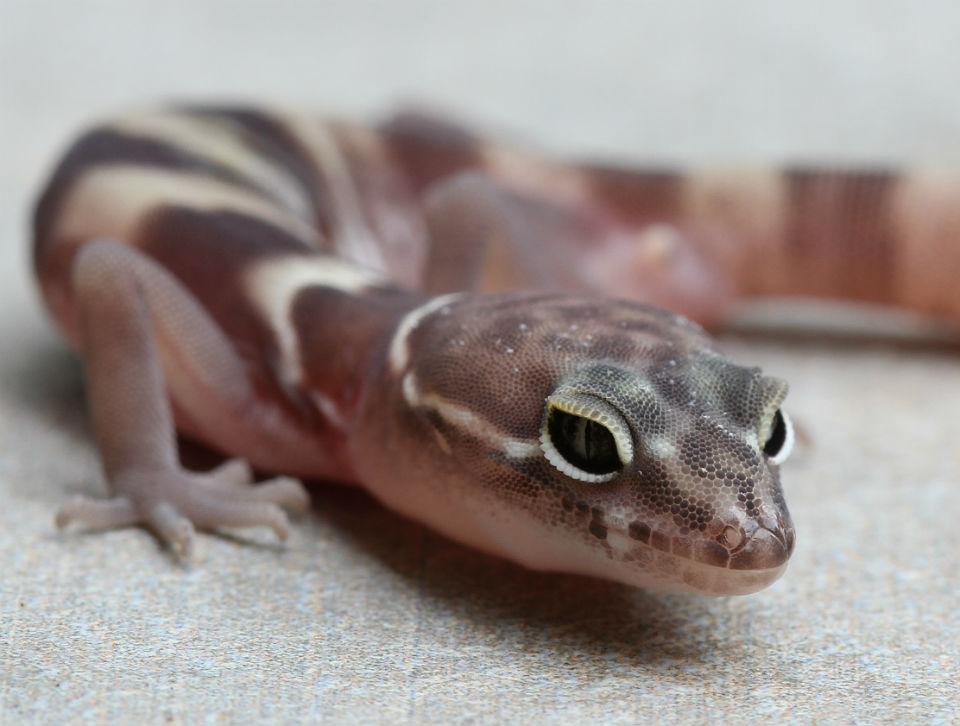
desert banded gecko_1389

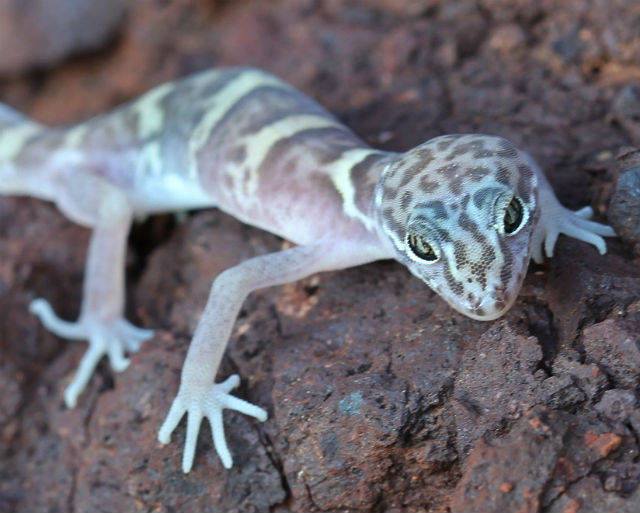
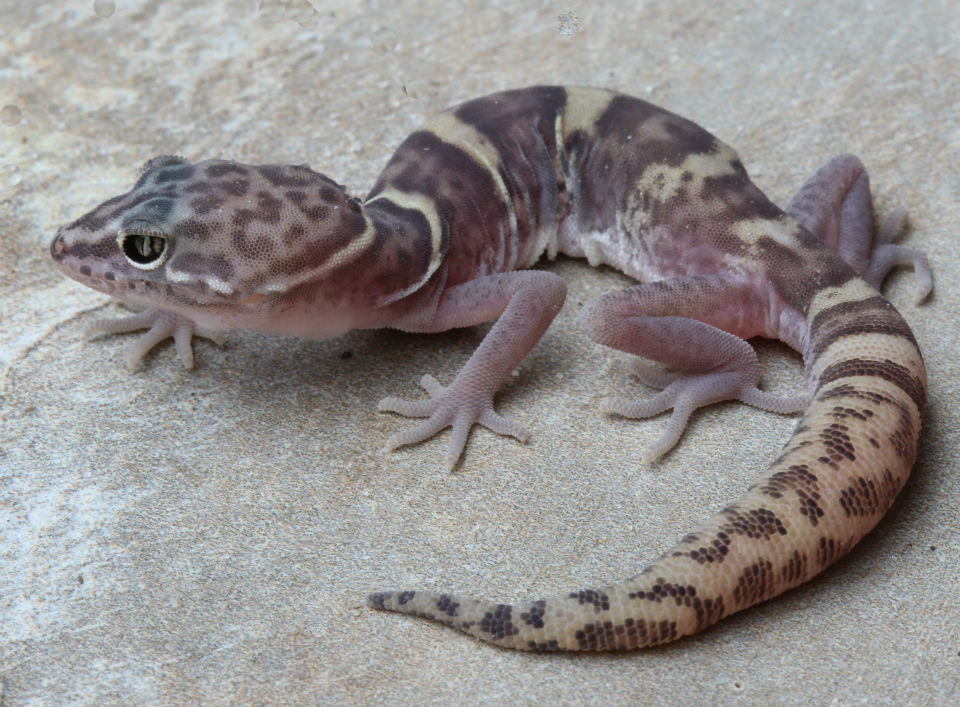
This is a small, nocturnal and delicate-looking lizard with large eyes featuring vertical pupils. This lizard’s eyelids are edged in white. Its small scales are granular and soft and its toes are slender.

desert banded gecko_9748

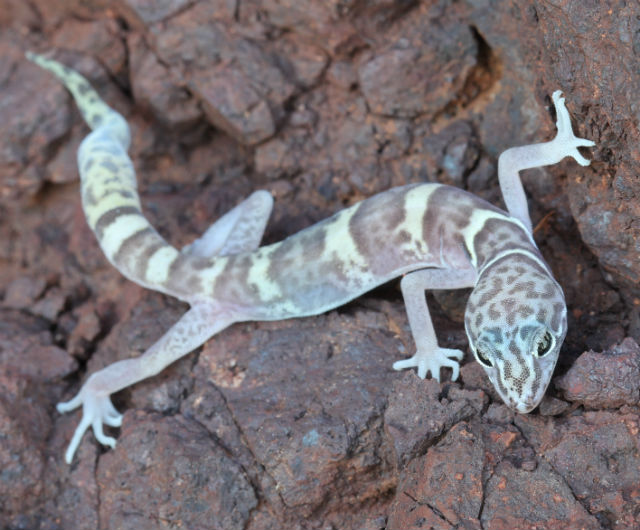
The tail is about as long as the body and usually has indistinct rings. There is a constriction at the base of the otherwise bulky tail. Males have spurs on either side of the body at the base of the tail.

desert banded gecko_9743

The Western Banded Gecko occurs in the Mohave and Sonoran deserts and is found in open, arid areas, desert grassland, canyons and hillsides. It is usually associated with rocks or other shelters, but is also is found in sandy dunes.

gecko_0526

Active mainly at night, they sometimes can be seen crossing roads during the Summer. When running, they carry their tail curved and over their back. It has been suggested that this mimics the scorpions that share the same habitat.

gecko_0516

It avoids the heat of the day by hiding under logs, debris and within moist rock crevices. It can make a squeaking sound if frightened. The tail has specialized fracture planes that allow it to easily break off. However, the regenerated tail is shorter than the original and has different colors, patterns and scales than the original.

desert banded gecko_9753

The Western Banded Gecko feeds mainly on small insects and spiders. Prey is stalked in a cat-like manner with the lizard often twitching its tail (like a cat); then, with a final lunge, it is captured in the jaws. After a meal, the gecko cleans its face with its tongue. This small reptile is perhaps the most charming of all the desert inhabitants that I regularly come across when visiting the Las Vegas area.

Third Eye Herp
E-mail

Jack-in-the-pulpit

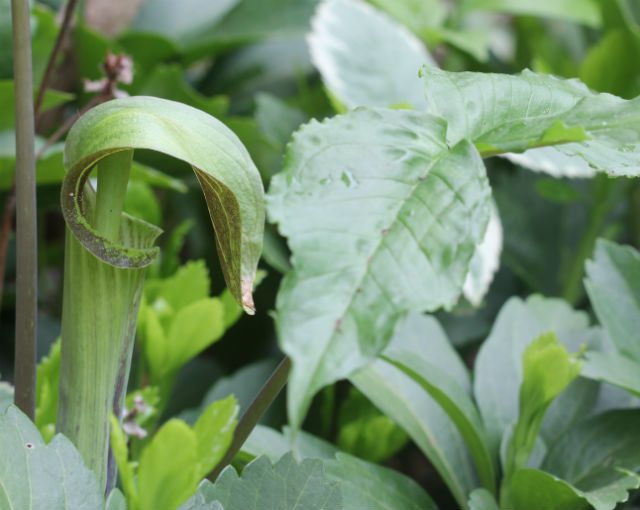
jack_9591

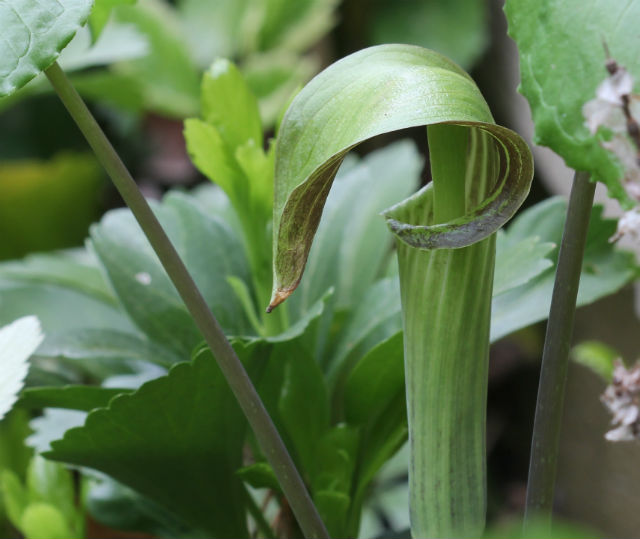
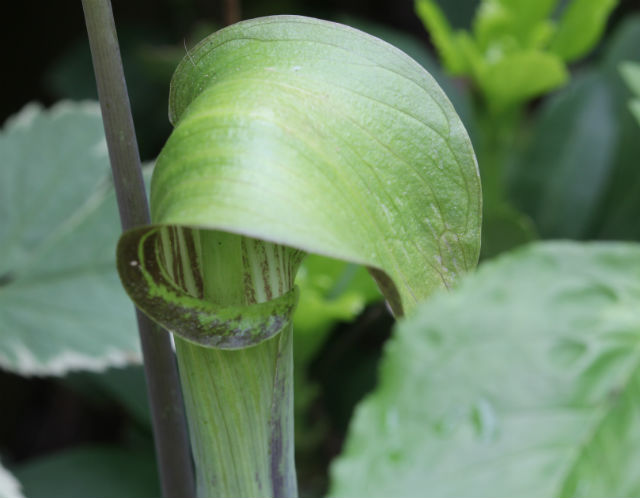
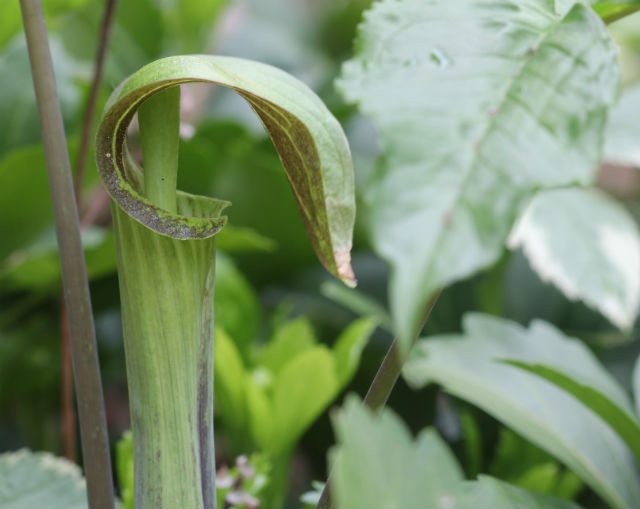
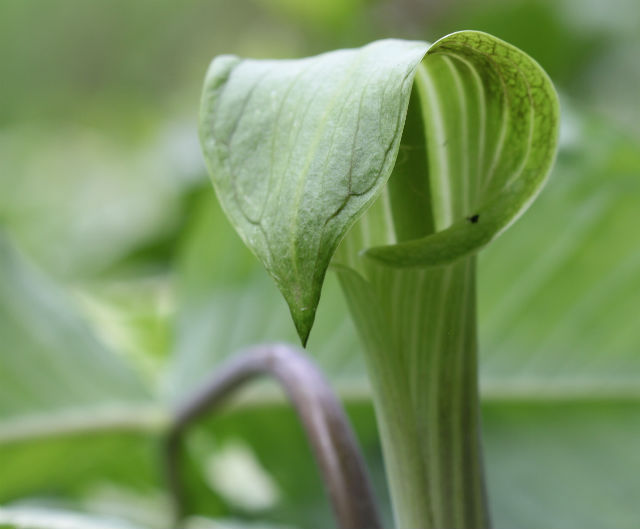
A sure sign of Spring is seeing this unique plant with an interesting growth habit. Its flower structure consists of the spadix (Jack) which is an erect spike containing numerous, tiny, green to purple flowers and the sheath-like spathe (pulpit).

jack_9594

Two large green, compound leaves, divided into three leaflets each, emanate upward from a single stalk and provide umbrella-like shade to the flower. The fleshy stalk and leaves lend an almost tropical aura to the plant (though it can be found through the United States as well as parts of Canada).

jack_9593

As protection, this plant contains a high concentration of crystals of calcium oxalate which is a salt of oxalic acid (COOH), a weak acid that is an ingredient in some bleaches and anti-rust metal cleaners. The chemical is infused throughout the plant, protecting it from ingestion by insects and mammals.

jack_9597

In Autumn, Jack-in-the-Pulpit’s mace-like cluster of red berries at the top of an otherwise bare stem has inspired a plethora of folk names.

jack_9602

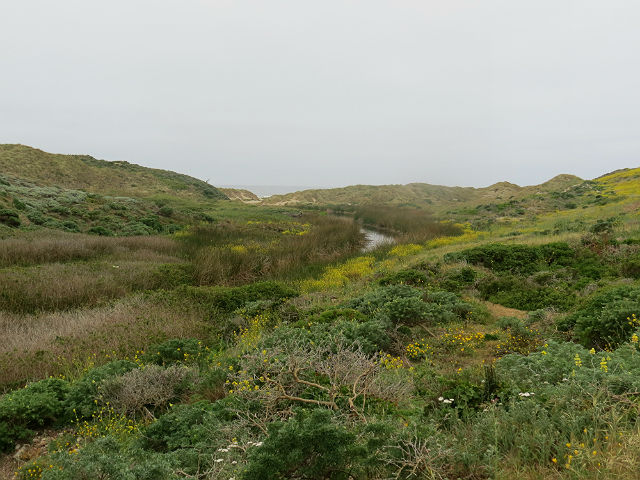
Jack-in-the-pulpit is a species requiring shade and is found in rich, moist, deciduous woods and floodplains. It is a long-lived perennial and can live to 25 or more years of age.

Third Eye Herp
E-mail

Snail-eating Ground Beetle

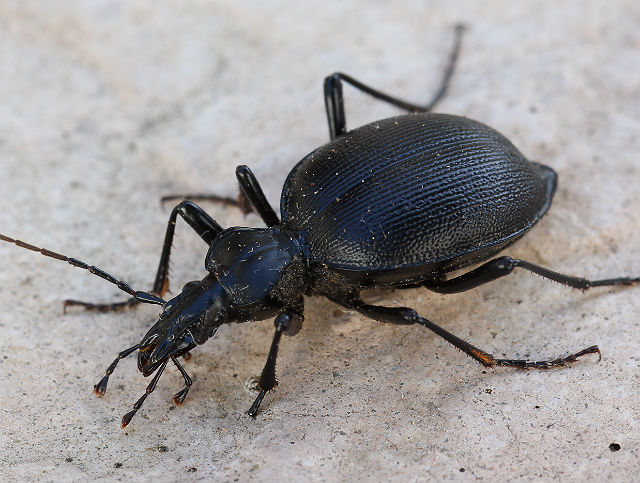
snail eater_0878

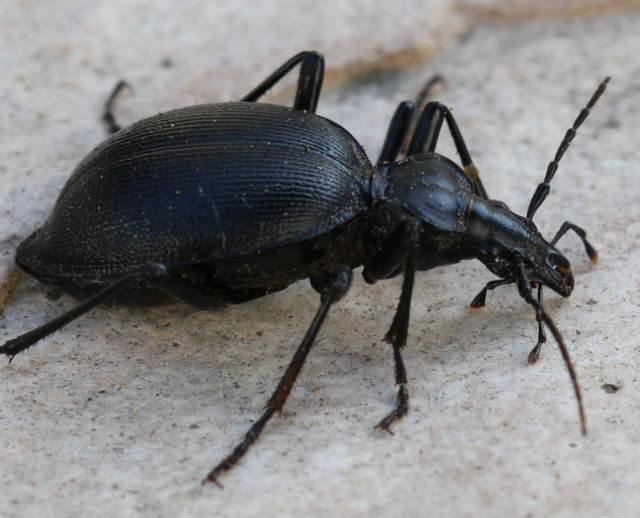
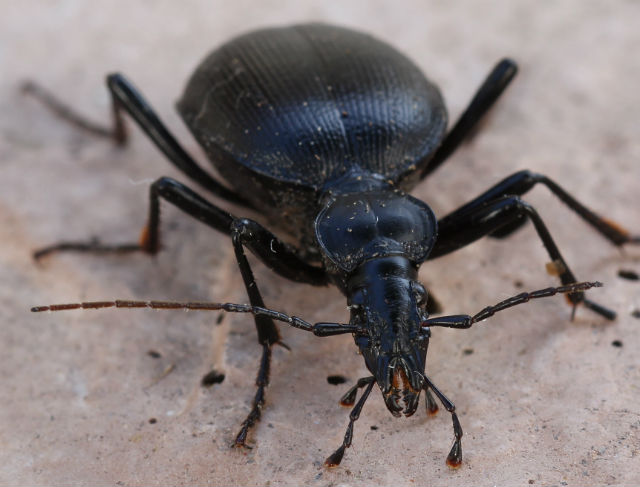
There are a lot of species of beetles. Of those many species, there are over 30,000 species known as ground beetles in 1500 genera world wide. The Snail Eater falls into this group. I encountered this one while on a visit to northern California.

snail eater_9350

This creature can be found in a variety of habitats, including forests, parks and gardens. It is nocturnal and usually encountered under rocks, logs and the loose bark of downed trees – especially around old, rotting tree stumps and fallen branches.

snail eater_9352

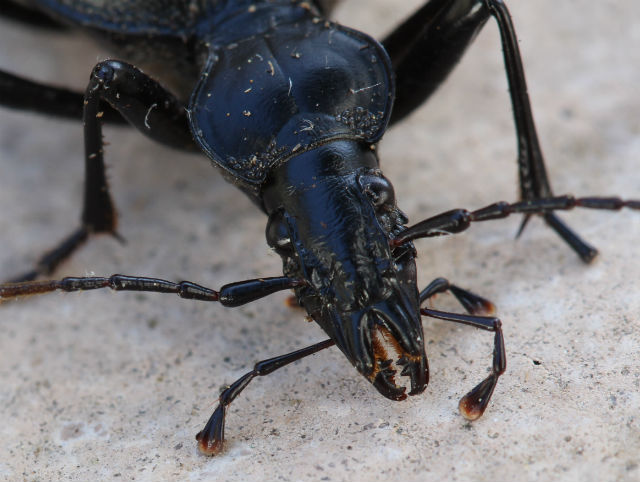
The Snail-eating Ground Beetle feeds solely on snails and has a narrow head to enable it to better reach its prey.

snail eater_9349

It defends itself is by squirting yellow acid out of its rear end to startle predators attempting to mess with it. The Snail-eating Ground Beetle can also make a noise when picked up that some describe as a squeak, but others refer to as a metallic hiss.

snail eater_9348

Both larvae and adults are carnivorous and specialize in eating slugs and snails, as well as eating a range of carrion. They can be found throughout the year, although they hibernate during the coldest winter months.

snail eater_9353a

This is just another example of one of the really cool beetles that can be found by doing a little bit of looking around.

Third Eye Herp
E-mail

California Legless Lizard

legless lizard_1170

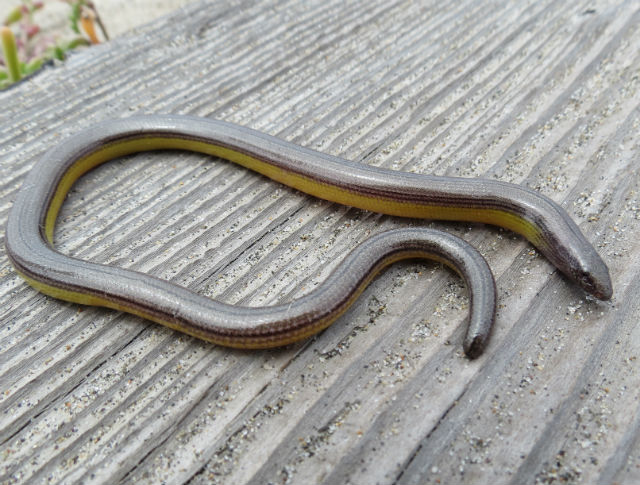
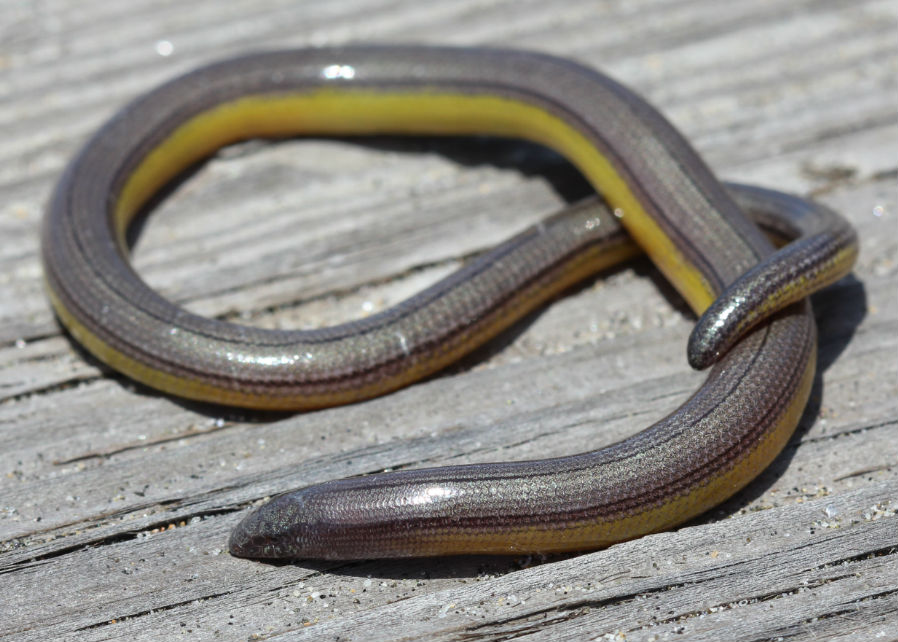
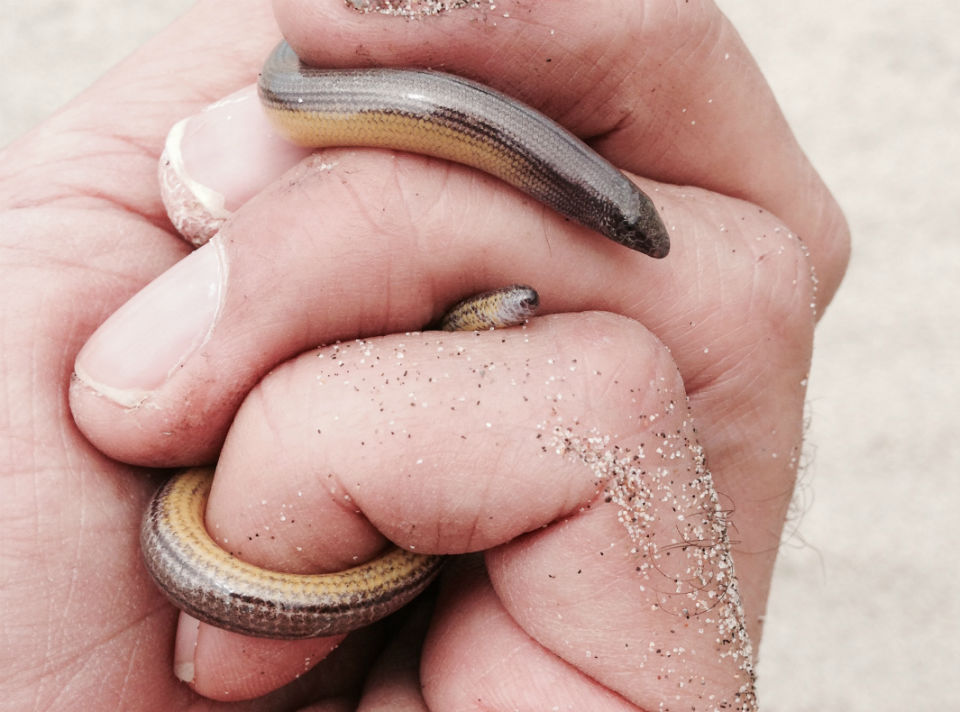
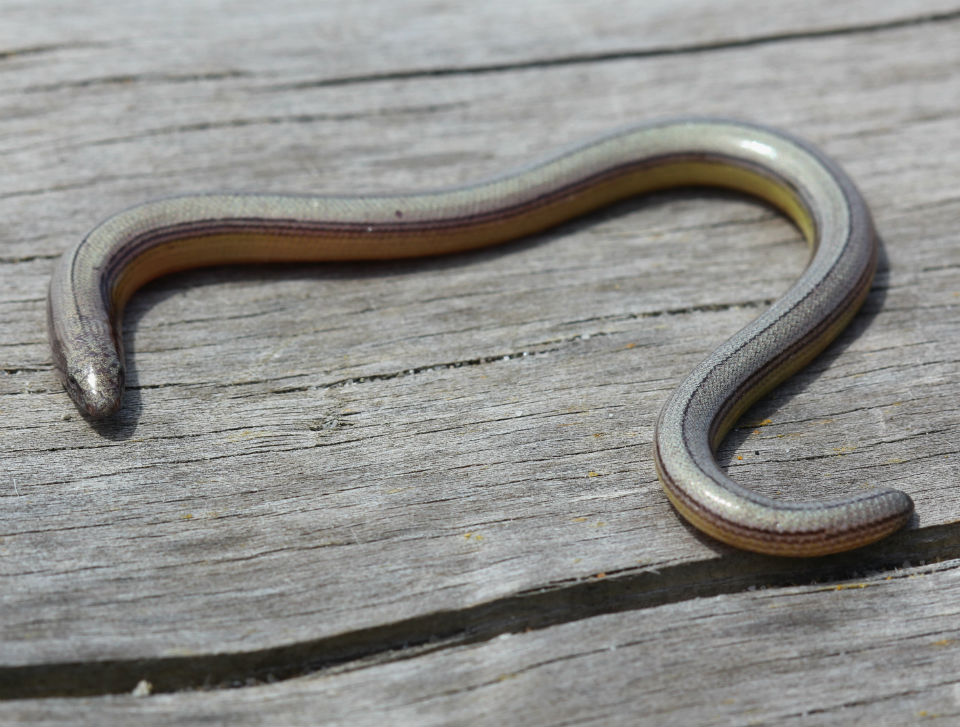
This weekend I had an encounter with a reptile that I’ve never seen before. As adults, California Legless Lizards are around 8 inches in total length. They have small, smooth scales typically colored silver above and yellow below. These lizards have blunt tails.

legless lizard_1133

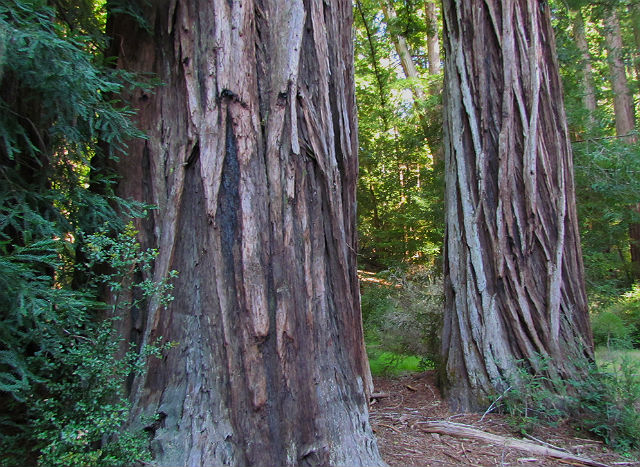
They live in loose, sandy soils or leaf litter, typically in sand dunes along the coast. These unusual lizards burrow easily through the sand and feed on sowbugs, spiders, insects and insect larvae. They are found only in California and northern Baja.

legless_9499

How can a reptile that looks so much like a snake be a lizard? One difference is that the California Legless Lizard has moveable eyelids (something snakes do not have). Also, unlike most snakes, many lizards, they have the ability to purposely detach their tails to avoid being eaten by predators.

legless lizard

Millions of years ago, lizards on five continents independently lost their limbs in order to burrow more quickly into sand or soil, wriggling like snakes. This particular type of reptile is so secretive that in 2013 four new species were discovered in California.

legless lizard_9477

It was awesome to finally see one of these elusive creatures “in person.”

Third Eye Herp
E-mail

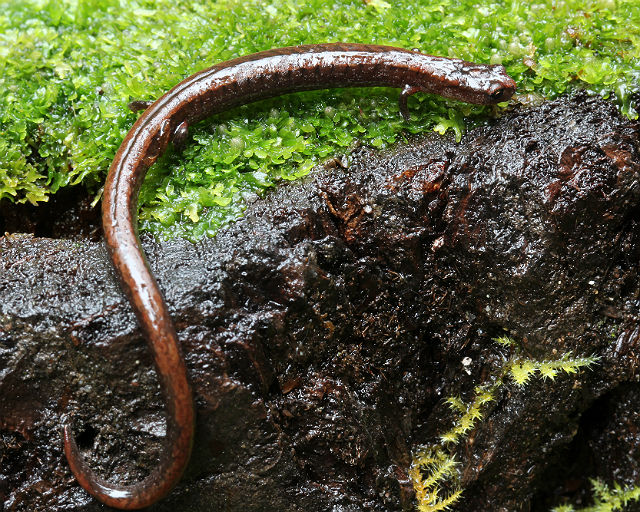
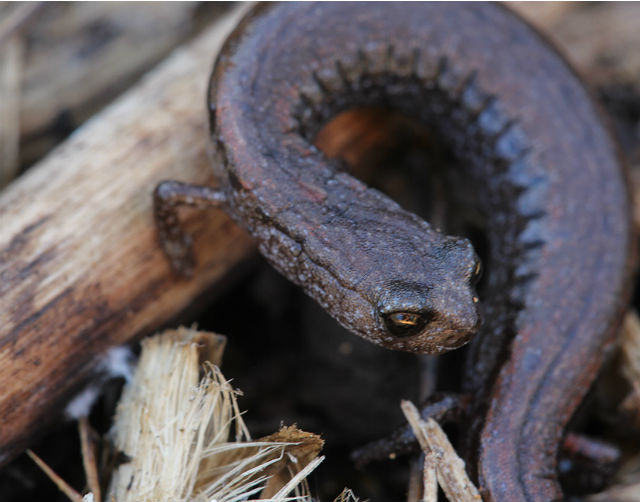
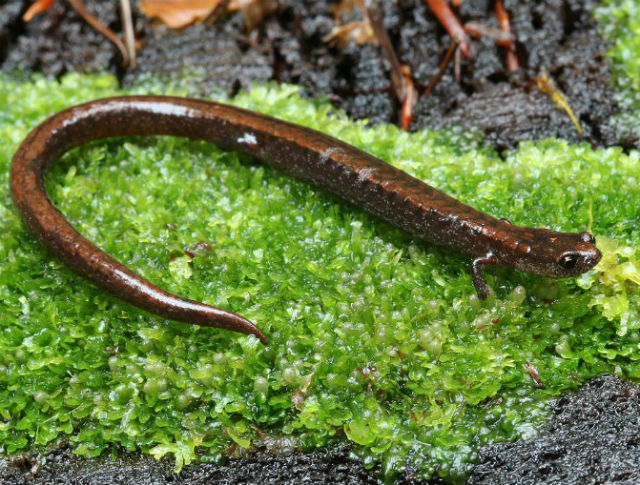
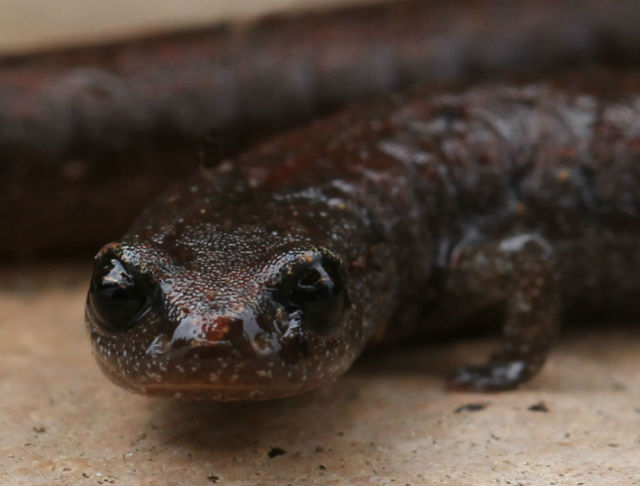
California Slender Salamander

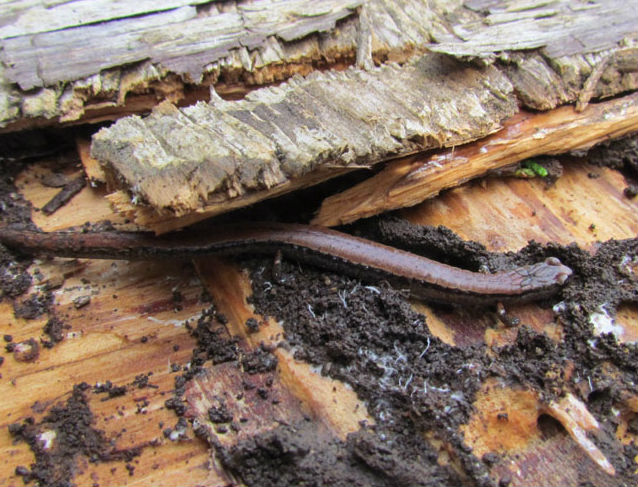
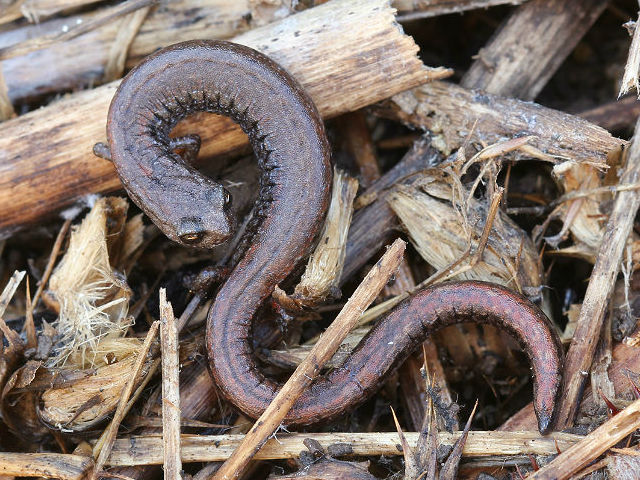
slender salamander 006

This creature is a lungless salamander that is found primarily in coastal mountain areas of Northern California. It is very commonly encountered and I’ve seen several on my current trip to the Golden State.

slender salamander  092

Its “slender” image comes from short limbs, a long, slender body with a narrow head and a very long tail. This gives them a worm-like appearance.

slender salamander  003

Like other lungless salamanders, they conduct respiration through their skin and their mouth tissues, which requires them to live in damp environments on land and to move about on the ground only during times of high humidity.

slender salamander 095

As you might imagine, an animal this small has plenty of predators. For defense. the California Slender Salamander Slender salamanders use several defense tactics, including coiling and remaining still, relying on cryptic coloring to avoid detection.

slender salamander_9442

They also can uncoil quickly and spring away, repeatedly bouncing over the ground, then remaining still again to avoid detection. If grapped this amphibian can detach its tail, which wriggles on the ground to distract a predator from the salamander long enough for it to escape.

IMG_6219

They are predators themselves, and use a sit-and-wait technique, catching prey that wanders by with their projectile tongue. Their diet consists of a variety of invertebrates, including springtails, small beetles, snails, mites, spiders and isopods.

slender salamander 001

The lifestyle of this tiny salamander remind me of one that I frequently encounter in my home state of Ohio – the Redback Salamander. Seeing either amphibian in the field is always an enjoyable experience.

Third Eye Herp
E-mail

Spring Beauty

spring beauty_0562

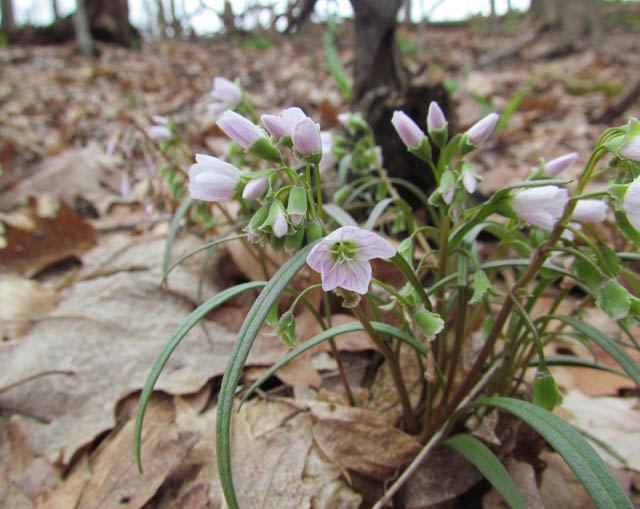
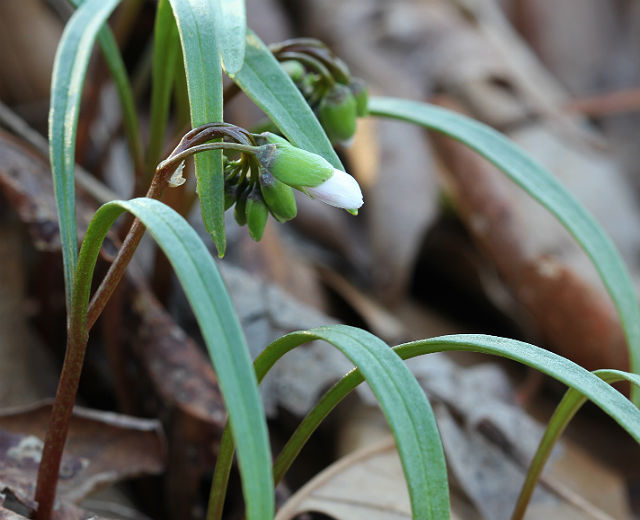
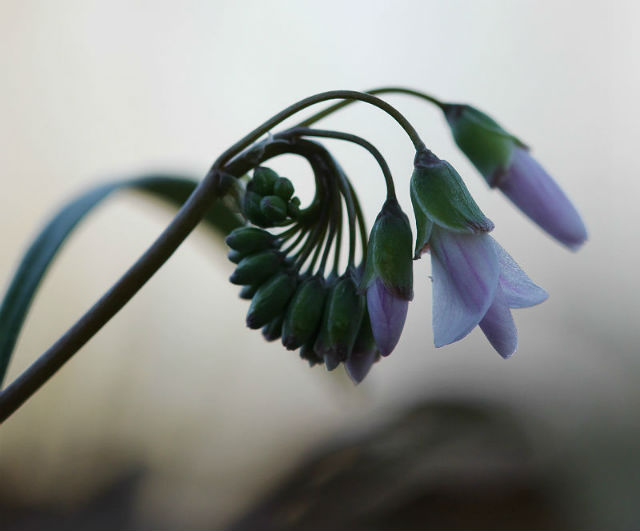
One of our prettiest and earliest-blooming wildflowers is also a delicious vegetable. It may be the definitive tater tot. Spring Beauties are small, low-to-the-ground wildflowers that feature a star-like cluster of five white to light pink flowers. Closer examination of the petals will reveal an array of fine pink stripes and a pleasant floral fragrance.

spring beauty_2820

It sports grasslike, succulent, dark green leaves that usually occur in pairs. In early spring, and are usually found in pairs. It is noted for its abundance throughout many parts of its range, especially in forests.

spring beauty_8894

Spring Beauty is found in the eastern two-thirds of the United States. One reason for why the spring beauty is so common is its ability to survive in areas that have suffered land degradation such as livestock grazing and partial tree removal.

spring beauty_8891

According to the Brooklyn Botanic Gardens, Spring Beauties are not only beautiful spring ephemeral, but a tasty spud-like vegetable. The tiny, sweet tubers are high in potassium and vitamin A and are a good source of calcium and vitamin C. They can be eaten raw, boiled, fried, roasted, or mashed.

Third Eye Herp
E-mail

Meadow Vole

pm_5968

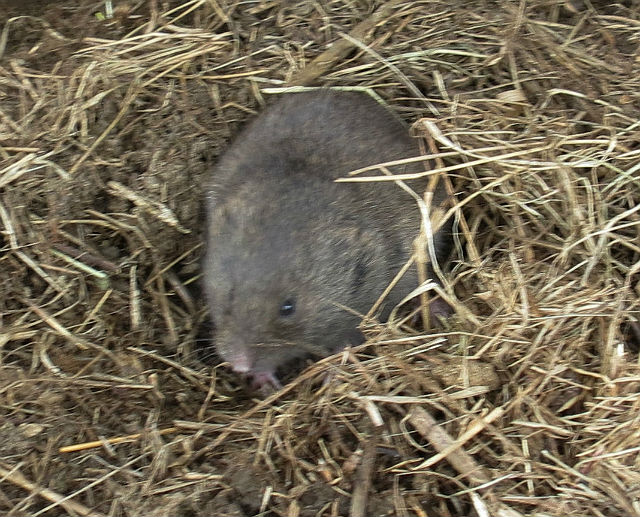
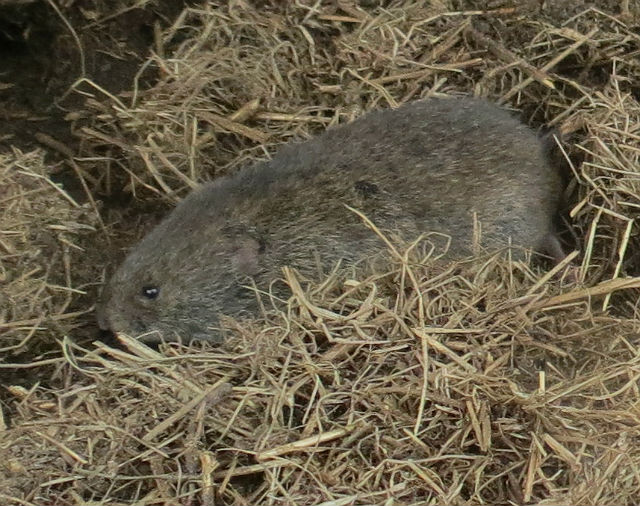
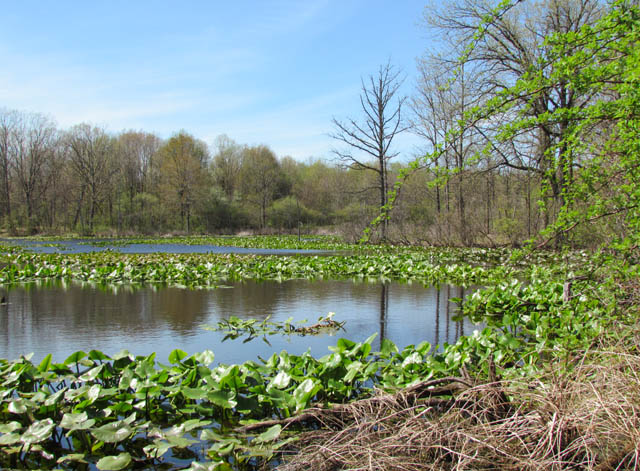
While looking for snakes this week I came across a small mammal. The Meadow Vole is a small, common rodent that lives in grassy fields, woodland, marshes, often along lakes and rivers.

meadow vole_9619

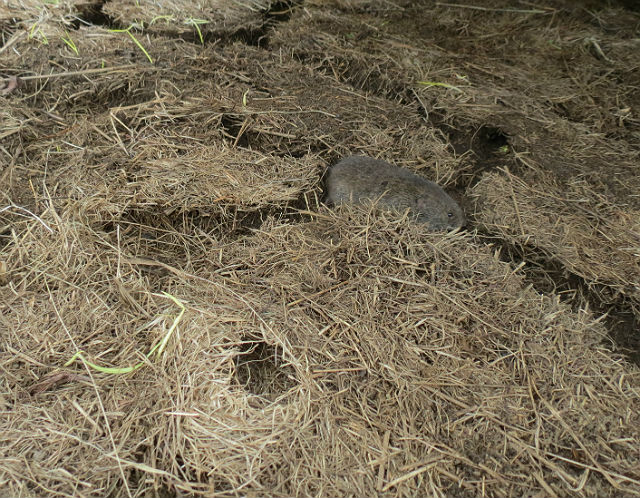
This creature is active year-round, usually at night. Meadow Voles make nests in clumps of grass. From their nests, they build tunnels beneath the grass and plants.

vole_9625

The Meadow Vole’s diet includes many things, including grasses, sedges, seeds, flowers, leaves and roots. These animals can eat their weight daily. These mammals occur throughout most of the northern and eastern United States and Canada.

meadow vole_9625

Meadow Voles have a remarkable reproductive output. Females can breed when they are a month old and produce litters of 3-10 pups every three weeks for the duration of their lives. Their typical lifespan is 12-18 months.

Third Eye Herp
E-mail