Liverwort

liverwort_3767

Although hardly noticed by most of us, Liverwort is fascinating. In terms of the evolution of life on Earth, this plant type is old. About 400,000,000 years old. They existed a long, long time before more advanced plants such as flowering plants, ferns and mosses appeared on the planet.
liverwort_1564

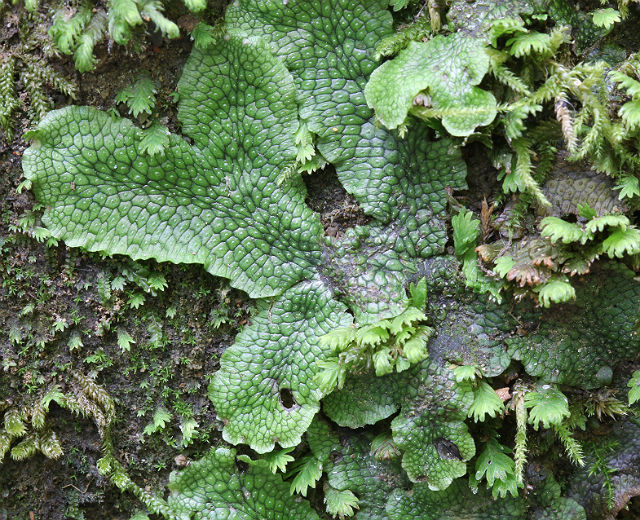
They still utilize their primative features to this day. Instead of bearing regular roots, they have simple, one-celled appendages known as rhizoids. There is no vascular system, a characteristic of modern plants, to transport water, nutrients and other materials.
liverwort_1565

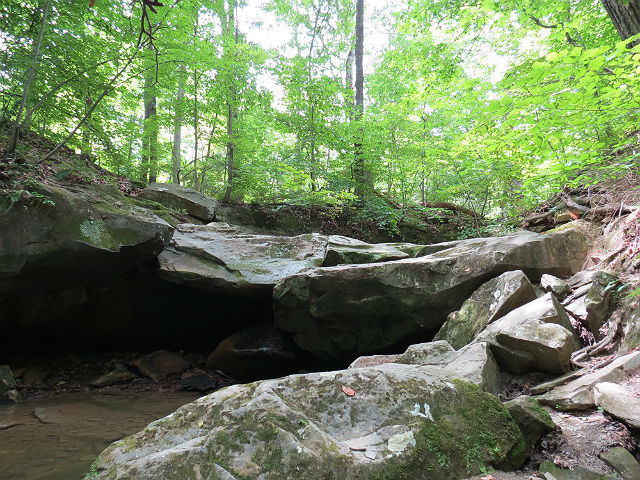
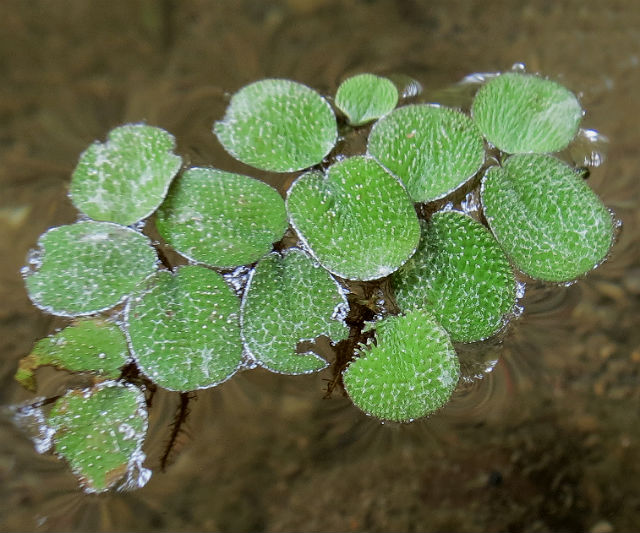
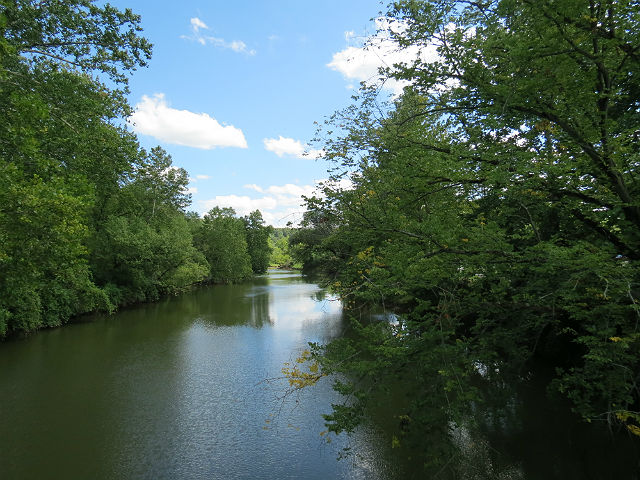
Liverworts are usually found in damp places. I often see them on the sides of rocks in woodland waterways. A number of species are aquatic; they grow on the water’s surface like mini Lily Pads.
liverwort_3796

Like the mosses, liverwort leaves are only one cell layer thick. These cells are usually isodiametric, meaning, the cell is as long as it is wide.
liverwort_1567

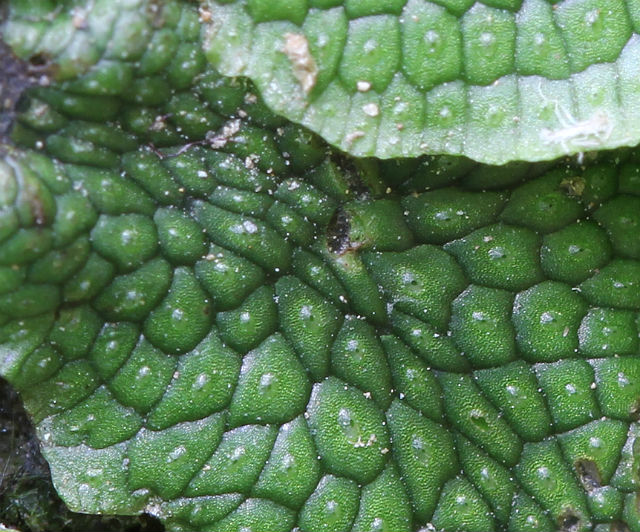
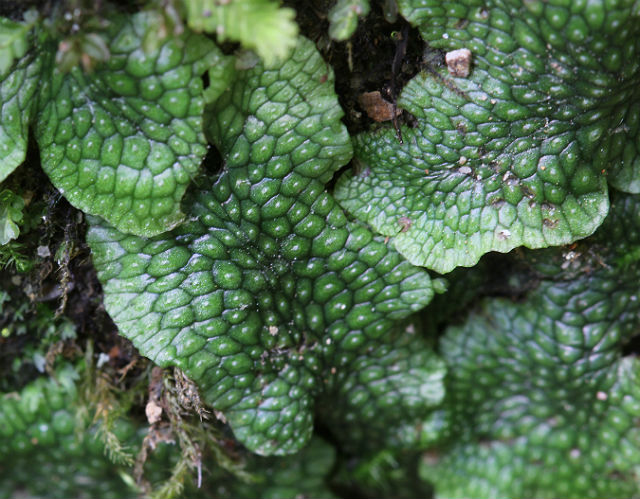
Liverworts got their name because long ago the people who named them felt that the curious arrangement of cells on the surface of some Liverworts was similar to the cell arrangement in actual livers taken from animals.
Third Eye Herp
E-mail

Spiny Softshell

spiny softshell_4191

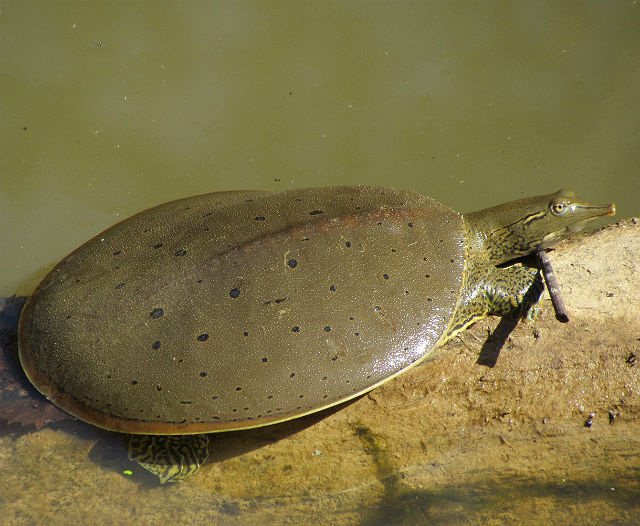
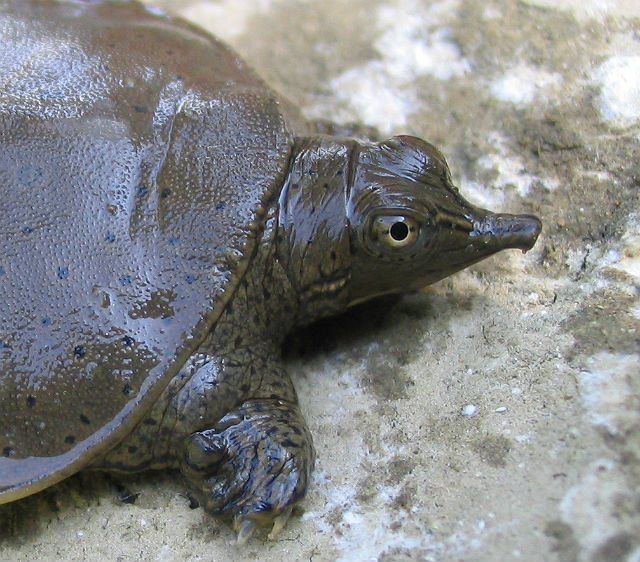
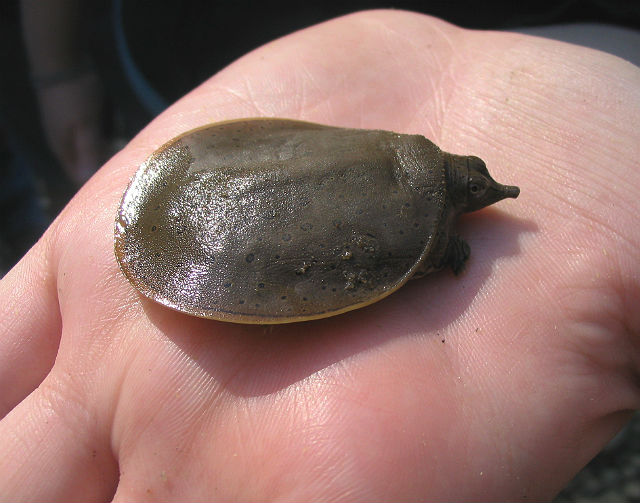
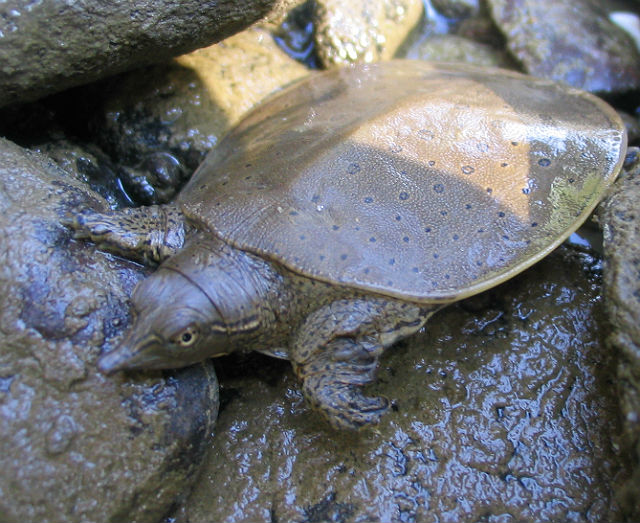
This is an odd turtle, not only does it have a relatively soft shell, it also looks like a pancake and has a snorkel-like nose. I have occasionally seen them basking on the banks of the Cuyahoga River as well as some other rivers.

spiny softshell_5507

These reptiles have leathery shells and lack the bony plates that other hard-shelled turtles have. Spiny Softshells are essentially river turtles that prefer relatively shallow water with a sand or soft mud bottom.
spiny softshell_3683

They are very wary and will often dive into the water at the slightest hint of danger. Another common habit they have is to settle on the bottom of a riverbed and flip sand and mud up onto its back, completely burying itself. Usually it lies just deep enough for its long, pointed snout to reach the surface for air.

spiny softshell_5510

They have a mostly carnivorous diet consisting of frogs, tadpoles, fish, worms, aquatic insects, mollusks and their favorite food – crayfish. Though they prefer animal foods, spiny softshells have also been known to eat plants.

spiny softshell_5505

Along the front of the upper shell of some softshells are spines (or more often, bumps). This rough texture is what distinguishes the “spiny” species from the similar Smooth Softshell Turtle.

spiny softshell_5506

Females of this species can get up around 18 inches in shell length, while males are about half that size. The flattened shell allows this turtle to be able to speed through the water faster than most aquatic species. Although I don’t come across them very often, I always enjoy encountering these reptile oddities in the field.

Third Eye Herp
E-mail

House Finch

house finch_3296

This was originally a species of western United States and Mexico. In 1940 a small number of House Finches, which at the time were kept as caged pets, were released on Long Island, New York.

house finch_3305

The birds spread westward and were first recorded in Ohio in 1964. By the mid 1980s they had colonized the entire Buckeye State and by the early 1990s they occupied all of the eastern United States. They eventually reached their original western population.

house finch_1849

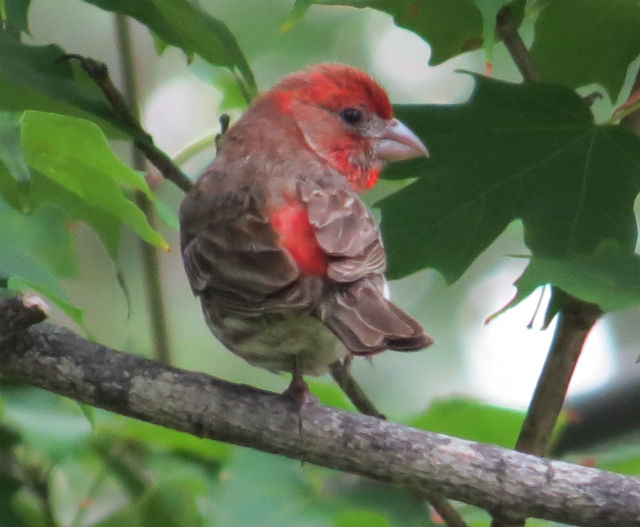
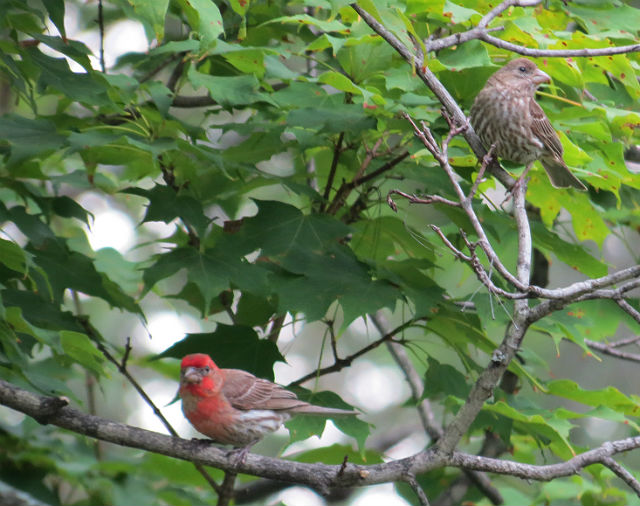
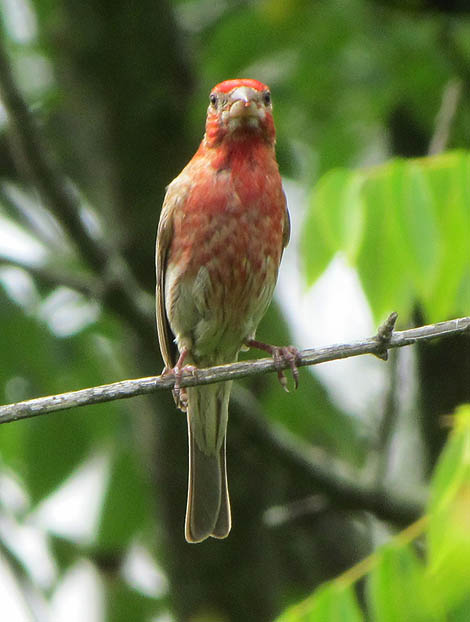
Adult males vary in color from orange-yellow to bright red. They derive their color from the pigments that are obtained from their diet of seeds, flowers and fruit. Females and immature birds are brownish and lack the bright colors of adult males.

house finches_1847

Studies indicate that the most brightly colored males are more successful at attracting mates than their duller counterparts.

house finch_3312

These days House Finches are particularly abundant in suburban areas. These small songbirds are often seen at birdfeeders. Though not native to Ohio, most people don’t seem to mind these adaptable, colorful and cheery-voiced creatures.

Third Eye Herp
E-mail

Wild Leek

Sarsaparilla_1560

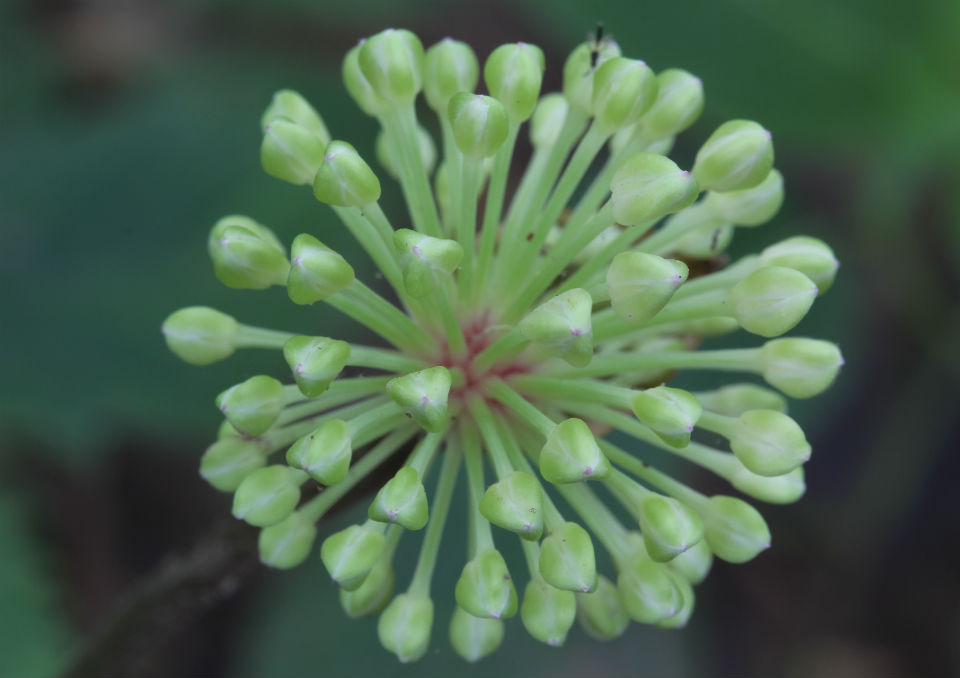
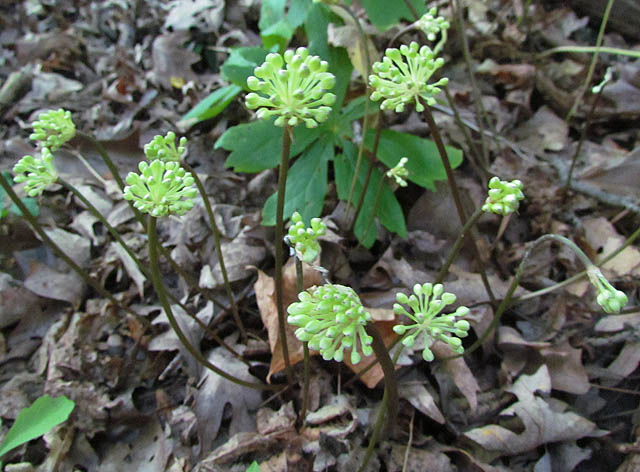
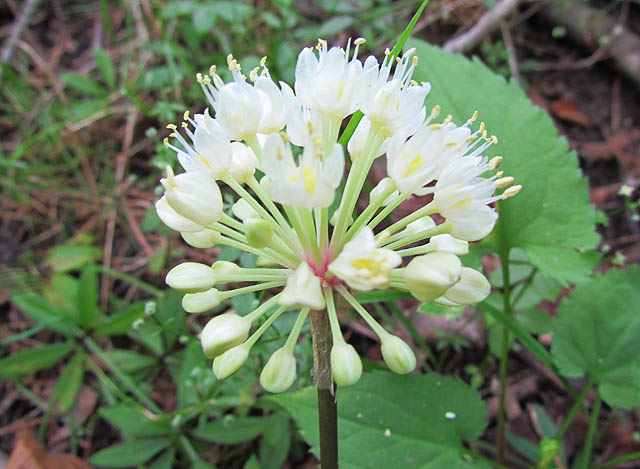
Walking along Chippewa Creek in Brecksville Reservation, I noticed an unusual looking flower – Wild Leek. The flowers form in sphere-shaped clusters.

sarsaparilla 015

Its preference is dappled sunlight during the Spring when the leaves develop, while during the summer considerable shade is tolerated as the leaves have withered away. .

Sarsaparilla_1562

The presence of this species is a sign that the original flora of a woodlands is still in intact. Its flowers attract various kinds of bees, including masked bees, honeybees, bumblebees and mason bees.

sarsparilla_1911

This woodland wildflower is somewhat unusual because its foliage has withered away by the time the flowers bloom. Both the foliage and flowers are attractive; the latter help to brighten the gloomy corners of woodlands during the summer.

Third Eye Herp
E-mail

Ravine Salamander

ravine_3177

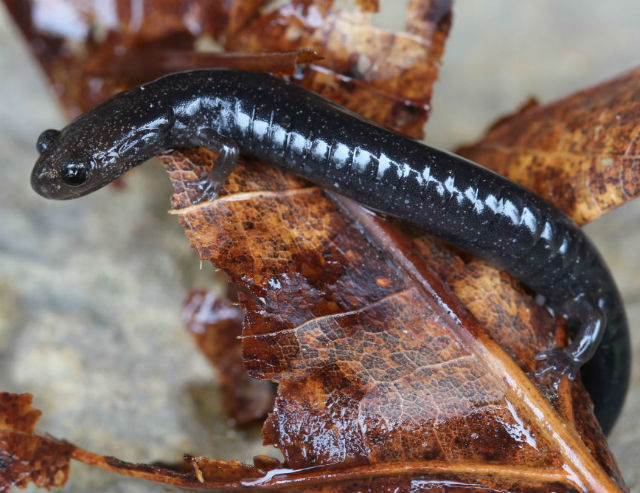
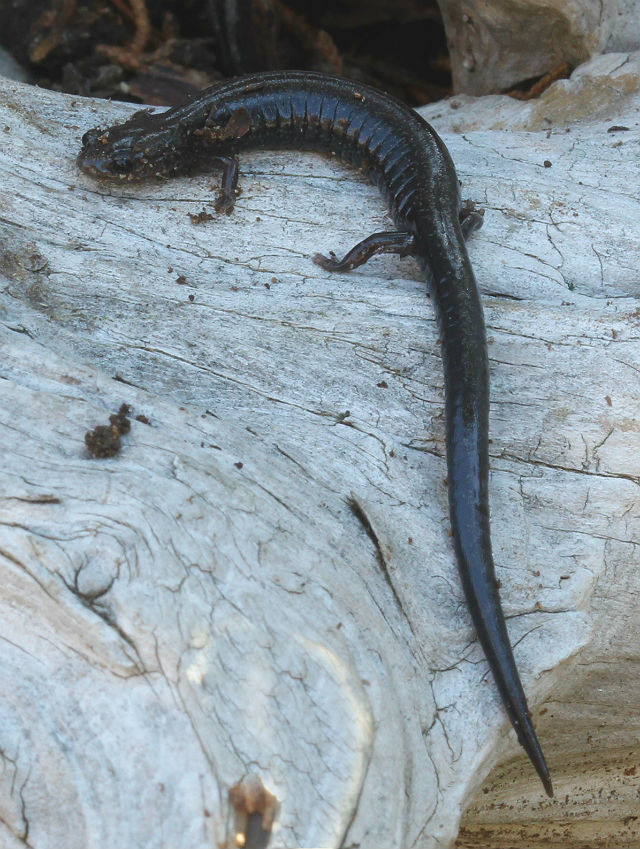
This amphibian can easily be mistaken for the “leadback” phase of a Redback Salamander. It has short limbs and is somewhat worm-like in appearance and movement.

ravine_9011

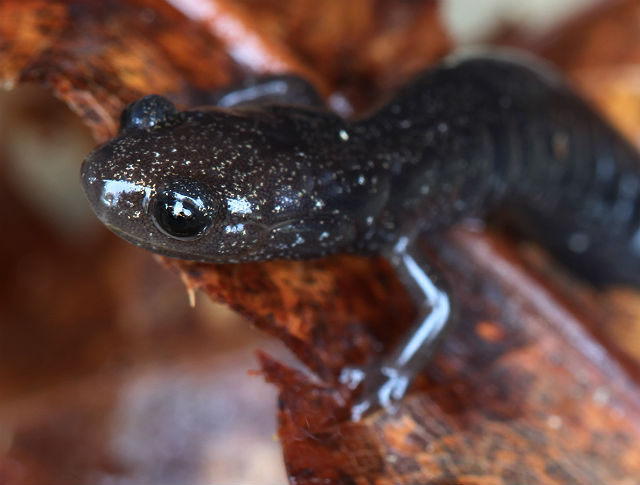
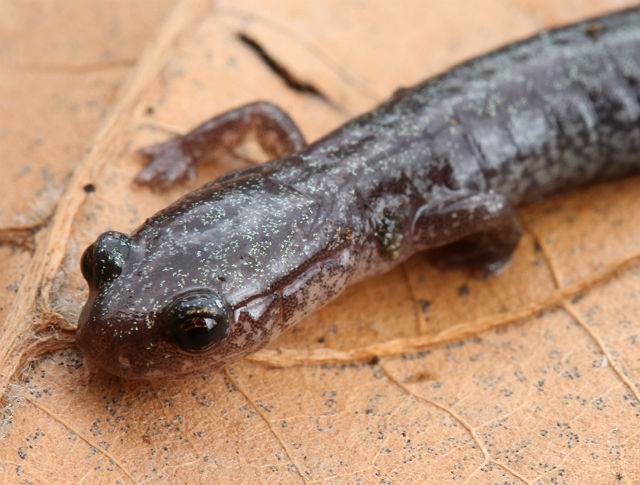
The background color is brownish black to black and flecked with a varying amount of fine silvery white to golden specks. This is Ohio’s most slender salamander. One-half of this animal’s total length is made up of its tail.

ravine210

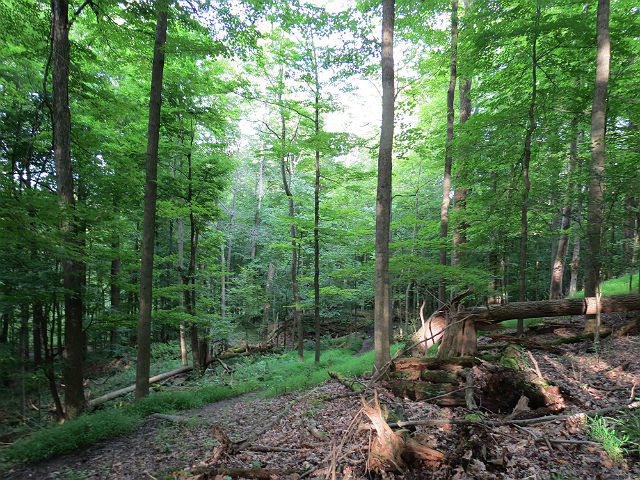
Ravine Salamanders reside in forests and are often found on the slopes of valleys and ravines where it lives among the leaf litter, hiding under logs, stones or stumps. Unlike many amphibians, this creature completely terrestrial, laying eggs on land. The eggs hatch as tiny juveniles.

ravine_9013

During Spring and Fall they can be found on the surface under leaf litter and other debris, but they burrow into the ground or retreat into deep, moist crevices to avoid the warmer temperatures of Summer.

ravine_8466

Adult Ravine Salamanders are 3–4½ inches in total length. They are found in eastern Kentucky, Ohio, southern West Virginia, western Virginia, northwestern North Carolina and northeastern Tennessee.

ravine_8452

This is a species of amphibian is in the “lungless salamander” family, which contains many species. Like other members of its genus, Ravine Salamanders lack lungs and conduct respiration through their skin and lining of their mouths. For this reason they need damp conditions in order to function.

Third Eye Herp
E-mail

Puffballs

puffball_3178

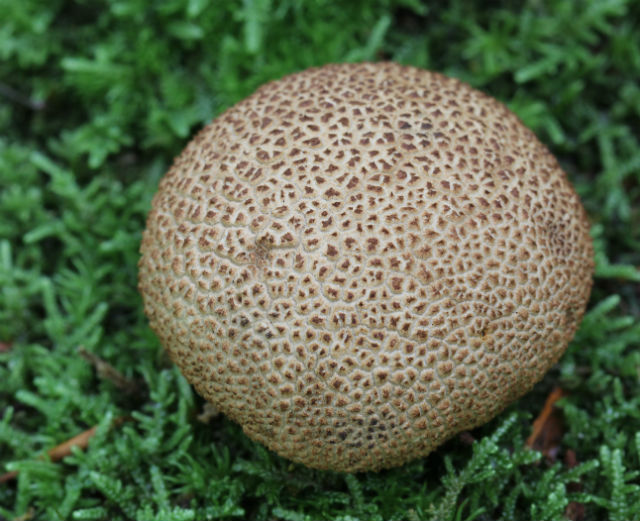
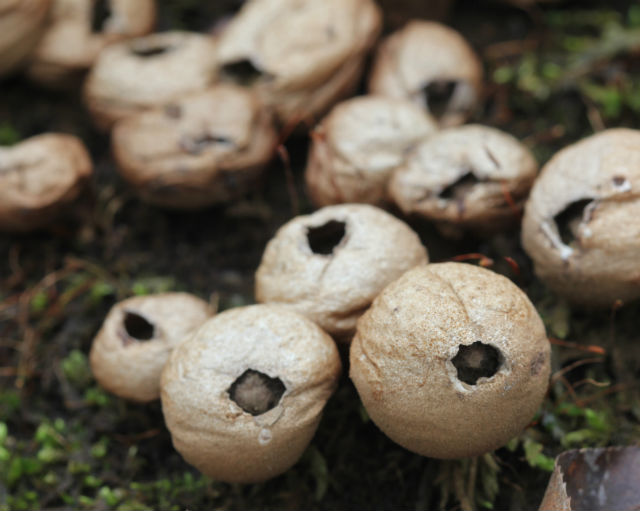
A Puffball is a type of mushroom that looks like a ball when it matures. Once mature, it splits open, or a perforation develops on surface of the ball, through which the spores escape. Some sort of disturbance is needed to cause the spores to eject, like raindrops landing on the Puffball, wind, or an animal brushing up against it.

puffball_1087

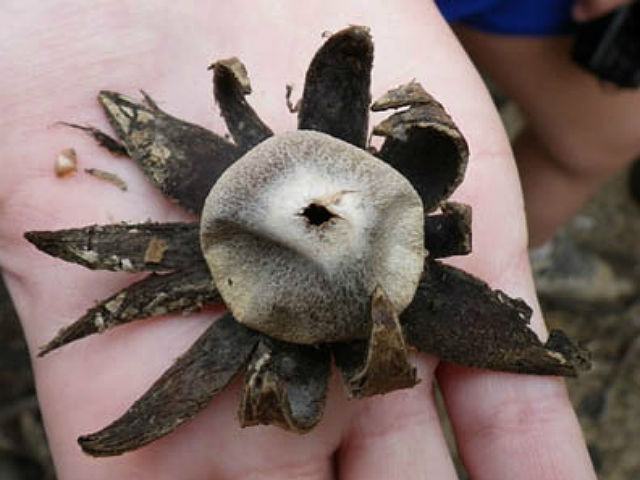
These mushrooms differ widely in size and texture, from tiny species that grow in clusters on wood, to large, terrestrial species growing in fairy rings in meadows. Earthstar Puffballs have layer of fruit body tissue that splits open in a star-like manner.

earthstarpuffball

Puffballs follow the same life cycle but look different than the typical mushroom with which you might be familiar. When sliced open, puffballs contain only flesh or, if they have matured, spore dust.

puffball _8284

Some types of these mushrooms have tradtionally been used for medicine as well as food. Not to mention that they perform the important feat of breaking down once-living matter to release carbon, oxygen, nitrogen and other matter back into the soil and atmosphere.

Third Eye Herp
E-mail

Sowbug Killer

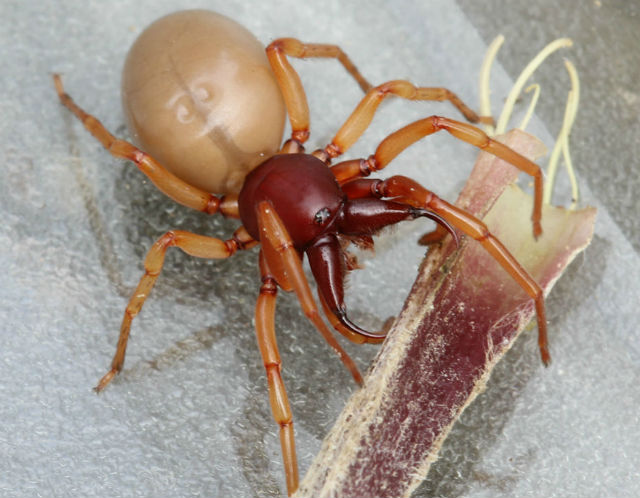
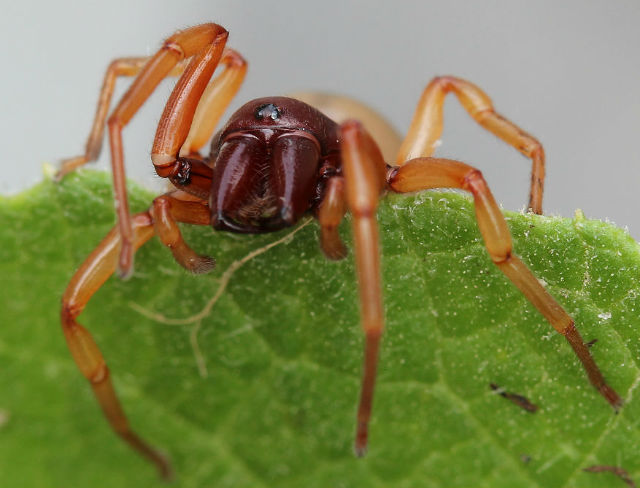
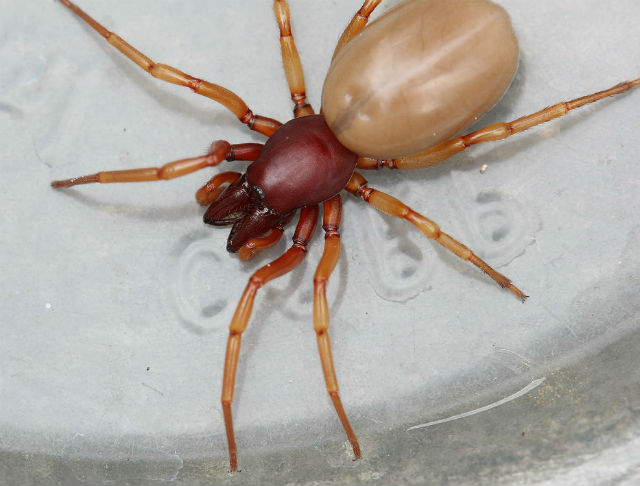
Even for someone who likes “creepy crawlies” this spider, also known as a Woodlouse Hunter, isn’t particularly attractive. This spider’s favorite meal is the sowbug, also known as pill bug, wood louse, or roly poly, depending on where you live. They are easy to identify as they typically have a red head and legs and ivory abdomen. Females are almost twice as large as males.

Sowbug Killer 011

This spider is an active hunter, but it does have a lair. Inside its hideout, the remains of previous meals can often be found. The Sowbug Killer not form webs to catch its food. Instead, it finds a prey item and uses its giant jaws to stab it in an ambush attack. Though scary looking, spider is not aggressive, and its venom isn’t particularly potent.

sowbug killer_1065

I tend to find them under rocks, flower pots and logs – all places where sowbugs regularly occur. They are equally at home in urban, suburban and rural areas as are their favorite prey item (sow bugs). Sowbug Killers don’t mind living close to humans and are found mainly in urban gardens, fields and parks.

sowbug killer_1062

They take about 18 months to mature and then may survive an additional year or two. Aside from looking a freeakishly spooky, this creature goes about doing exactly what it’s name implies – killing sowbugs.

sowbug killer_1059

Third Eye Herp
E-mail

Blue Vervain

blue vervain_2649

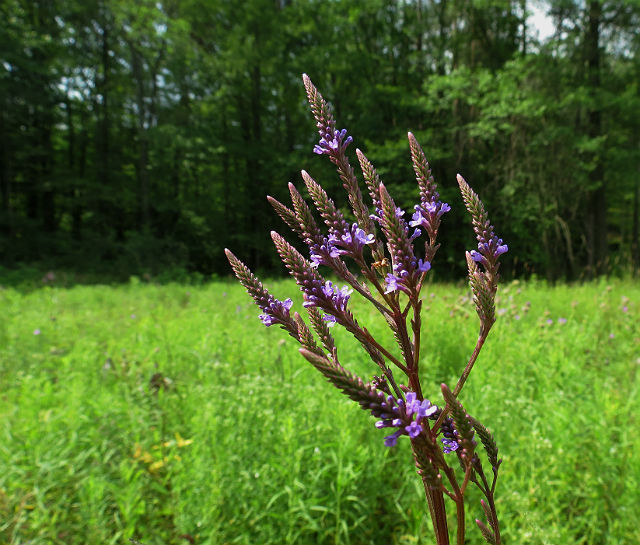
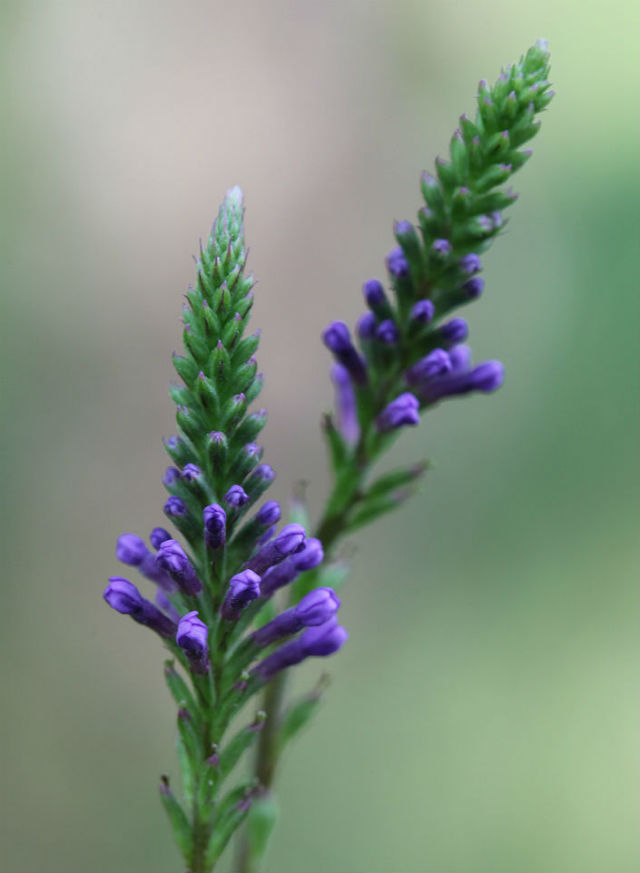
This is a neat and distinctive plant that I sometimes come across in fields at this time of year. It is a slender, but erect wildflower that grows up to 5 feet tall.

Blue Vervain 045

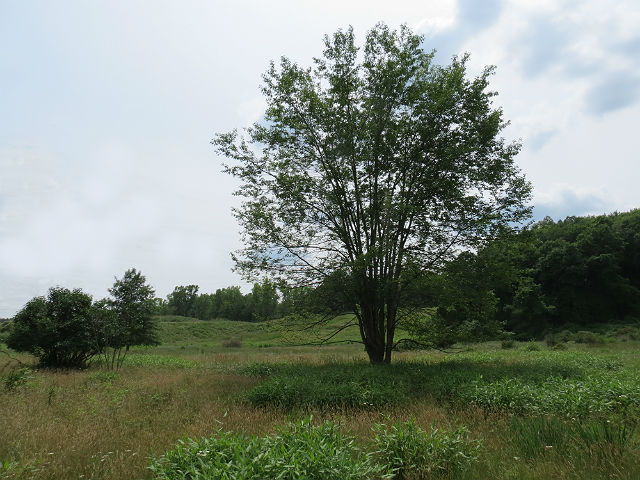
Blue Vervain habitats include riverbottom prairies, moist meadows in floodplain woodlands, soggy thickets, borders of rivers and ponds, marshes, ditches, fence rows and pastures. It adapts readily to degraded wetlands and other disturbed areas.

blue vervain_2644

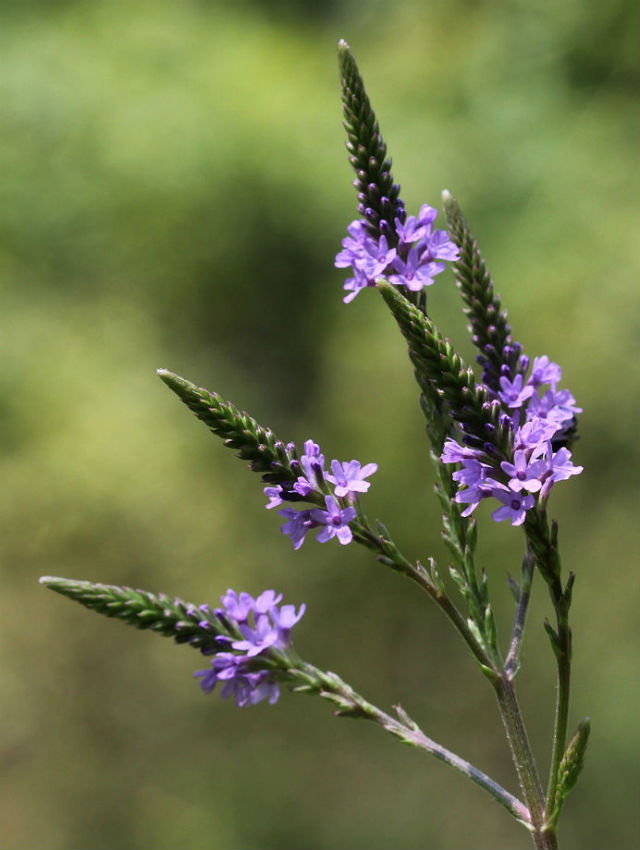
It is a member of the mint family so it has a square stalk and opposite branches. The flowers of Blue Vervain attract many kinds of long-tongued and short-tongued bees.

Blue Vervain 009

This plant has a use for humans as well; it is an anti-spasmodic herb and muscle relaxer. Blue Vervain has been used to soothe and repair damaged nerves. There’s a lot of reasons to like this graceful plant once you get to know it.

Third Eye Herp
E-mail

Eastern Kingbird

eastern kingbird_2488

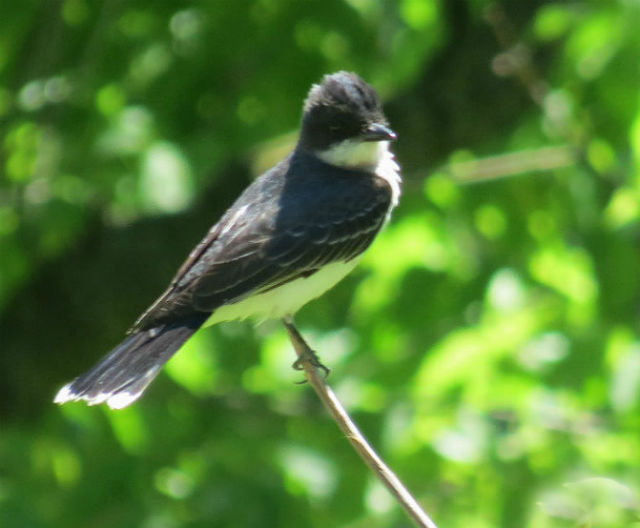
The crisp markings of this bird and its white tail tip are distinctive. This big-headed, broad-shouldered bird gets its name from its habit of harassing Crows, Red-tailed Hawks, Great Blue Herons and other birds that pass over its territory.

eastern kingbird_2386

Eastern Kingbirds often perch on wires or on the topmost tips of plants in open areas, leaving their posts to fltter over the tops of grasses in searech of flying insects to eat. These birds are members of the Flycatcher Family.

eastern kingbird_2375

They inhabit woodland edges, river groves, farms, orchards and roadsides. In the Summer, Eastern Kingbords require open space for hunting and trees for nesting; their habitat ranges from clearings within forest to open grassland with few scattered trees.

eastern kingbird_2391

After migrating to South America in Autumn, in the Winter these birds take on a different personality, living in flocks in tropical forests and dining on berries.

eastern kingbird_2392

Eastern kingbirds are important predators of insects during this time of the year. They are also fun to watch hunt food and chase other (in many cases larger) birds from their territories.

Third Eye Herp
E-mail

Big-headed Ground Beetle

09 bighead_8975

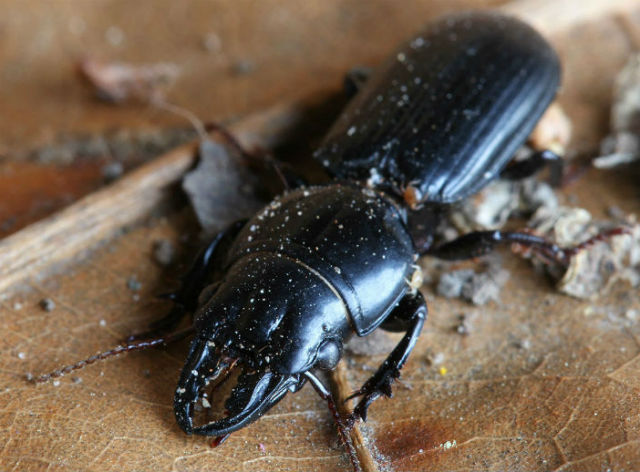
Although a bit scary looking, due to its small size, this insect poses no danger to humans. These distinctive, shiny-black creatures are usually about 3/4″ long and are named because of their large mandibles.

bighead_8976a

These beetles share physical characteristics of the tropical stag beetles, but are not closely related. Big-headed Ground Beetles can often be found under loose rocks and boards. If touched, they often “play dead” by folding in their legs and arching their backs.

bighead005

They are able to live in a variety of different habitats, including urban areas, woodlands and gardens. Big-headed Ground Beetles are frequently found in agricultural areas, where they hunt other insects (their main food source).

bighead 8985

Third Eye Herp
E-mail