Orchard Orb Weaver

orchard 068

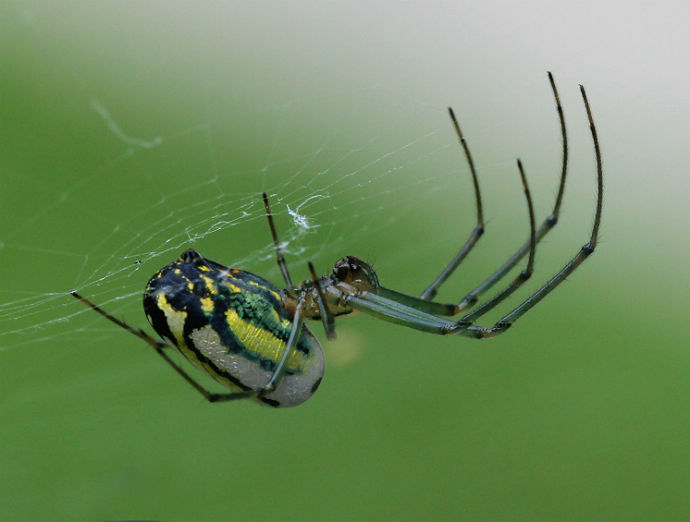
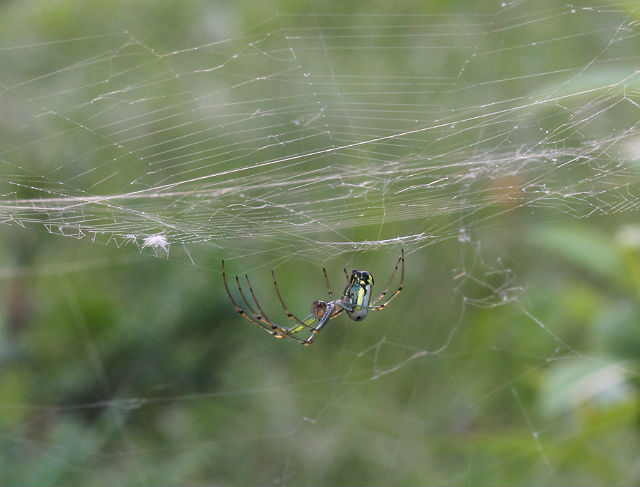
These small, but colorful spiders make circular webs often positioned horizontally (rather than vertically, like most orb weavers) the ground. They tend to hang out in the middle of their web.
Orchard Orb Weaver 047

Orchard Orb Weavers can be variably colored with silver, green, yellow, red and blue. They have long and slender legs. These creatures provide a valuable service to humans by eating small insects like flies and mosquitos.
Orchard Orb Weaver 019

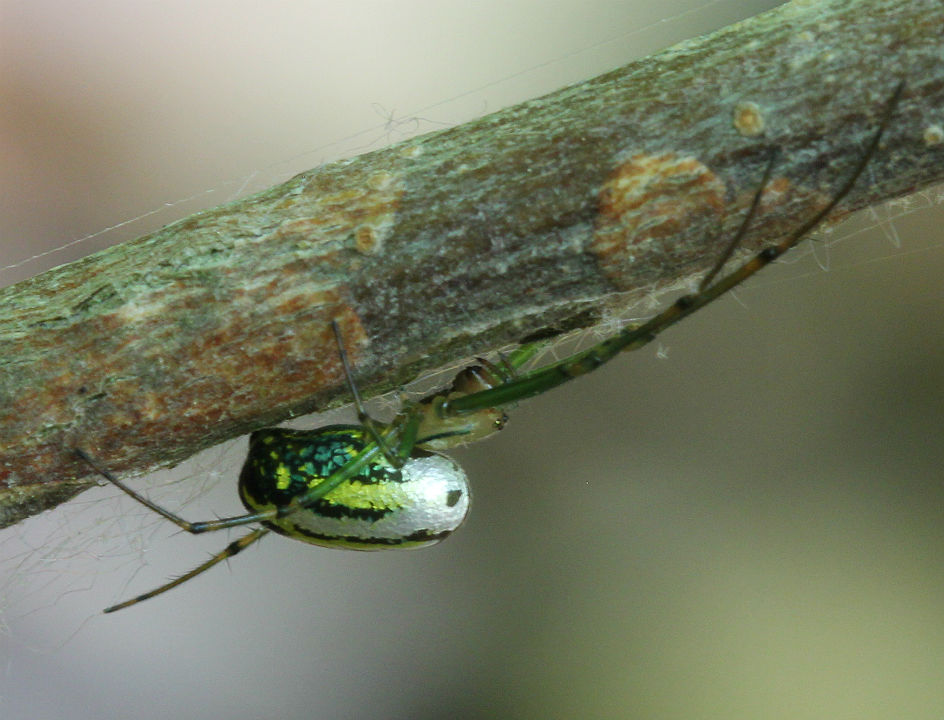
Although this one was photographed in my yard, I have often seen them in low bushes in damp woodlands. They usually build their small webs in low vegetation and occasionally in small trees.
Orchard Orb Weaver 054

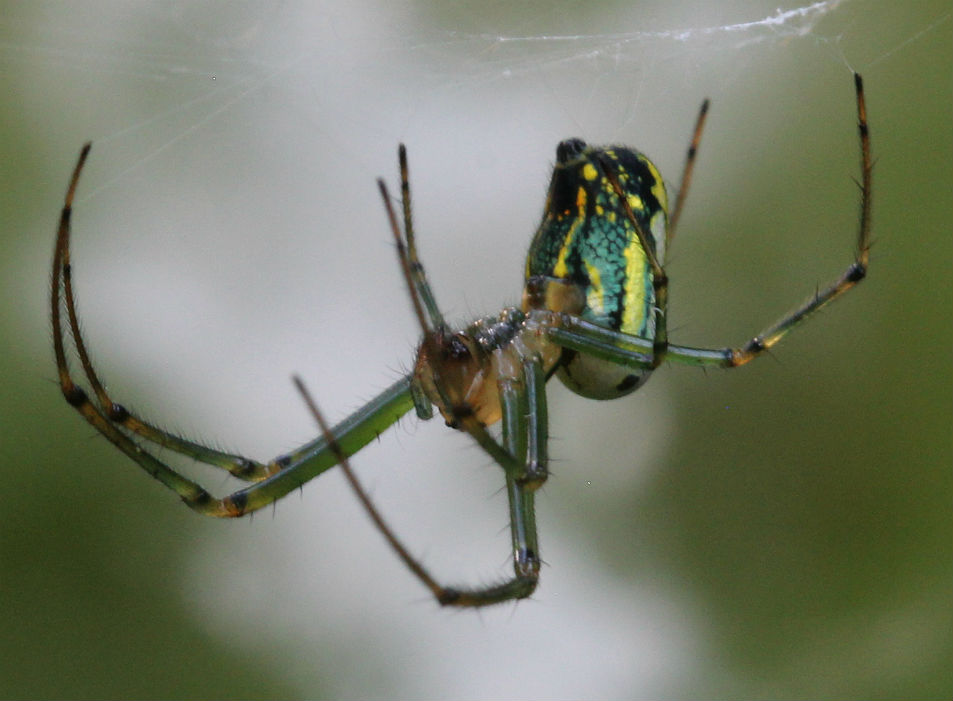
They can be somewhat common in wooded areas with dense undergrowth, but they are not easily noticed because of their habit of quickly dropping into the leaf litter when disturbed. Its scientific nomenclature has the distinction of being only spider name created by Charles Darwin himself. Its species name, venusta, is Latin for “charming, elegant, or beautiful.”
Third Eye Herp
E-mail

Eastern Chipmunk

chip_7793

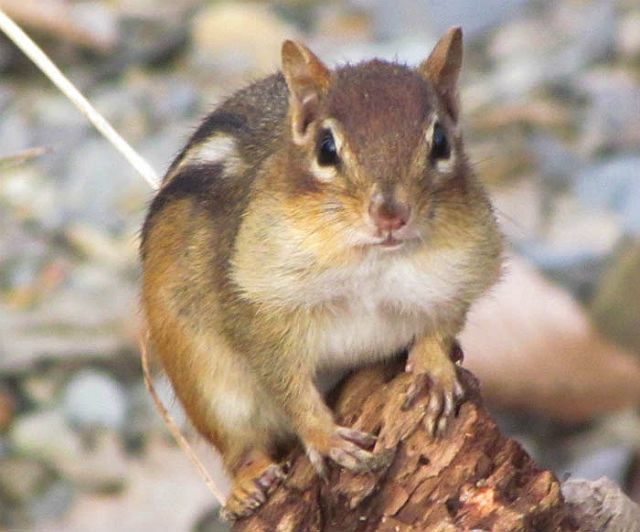
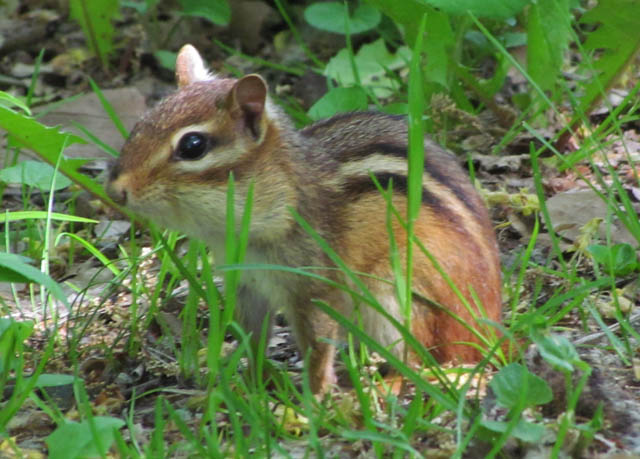
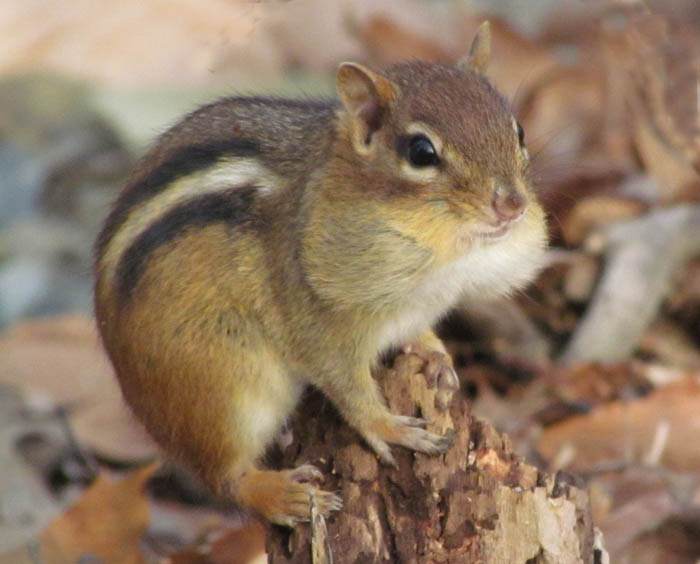
The Eastern Chipmunk is a brightly colored, conspicuously patterned rodent averaging 9-10 inches in total length. It is easy to identify, due to its two white stripes bordered by black on its sides.

chip_5283

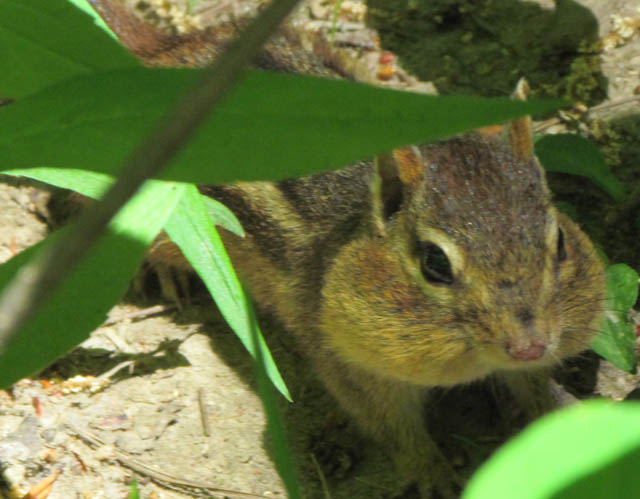
This mammal lives in open woods, rocky habitats and brushy areas, including suburban backyards. It is most abundant in mature hardwood forests containing Sugar Maple and Beech Trees, with a relatively open understory.

chip 103

It digs a burrow for shelter with cavities for storing food. The burrow is often an elaborate maze of inter-connecting tunnels, some tunnels serve as drains to minimize flooding. It also stores large amounts of food in chambers constructed in the burrow and spends much of its time running back and forth from trees to its subterranean home.

chip_7788

Eastern Chipmunks eat a wide variety of foods, especially acorns and nuts. Their feeding habits reflect the seasonal supply of seeds, fruits, nuts, fungi and roots that are available. They can be observed stuffing their two internal cheek pouches as they gather food.

chip 095

This animal doesn’t truly hibernate, but it does spend a lot of time sleeping in the Winter. It may wake up every few weeks to eat the food it has stored. It communicates with other chipmunks by chattering. Eastern Chipmunks help many plants and fungi by spreading seeds and spores as they travel the forest floor.

Third Eye Herp
E-mail

Dogbane Leaf Beetle

dogbane leaf beetle 022

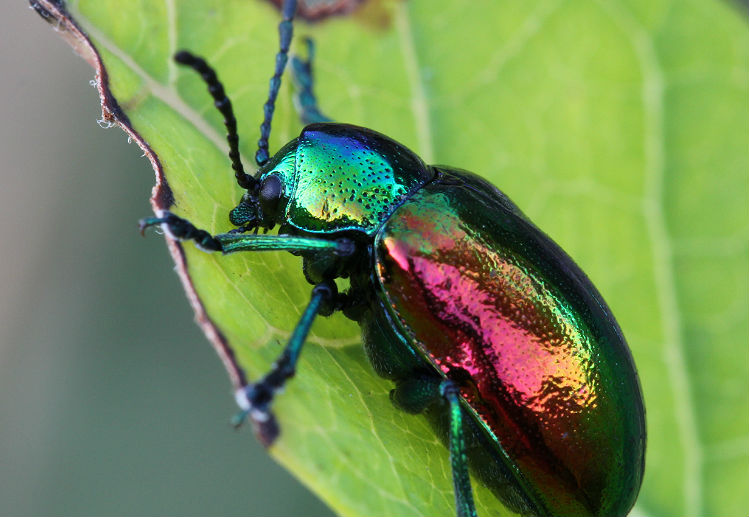
The leaf beetle family, Chrysomelidae, is one of the largest insect families. In round numbers, there may be 35,000 species worldwide. This insect has a special kind of iridescence that shines and changes color as it shifts position or we change position looking at it.

dogbane leaf beetle_1001

Adults and larvae eat the plant dogbane, and even the eggs are laid on plant, or on the ground nearby. They are also fond of milkweed. Their habitat is prairies and grasslands.

dogbane leaf beetle 026 crop

The plants Dogbane Leaf Beetle feed on have toxic sap. To deal with this issue, the beetle the makes an incision on a leaf vein “upstream” of where it intends to feed. As the sap flows out at the cut, the insect moves “downstream” to feed below the “leak.”
A person could easily mistake the Dogbane Leaf Beetle for an exotic creature from a far away rainforest, but this exotic-looking living jewel is rather common in the northeastern United States.

Third Eye Herp
E-mail

St. John’s Wort

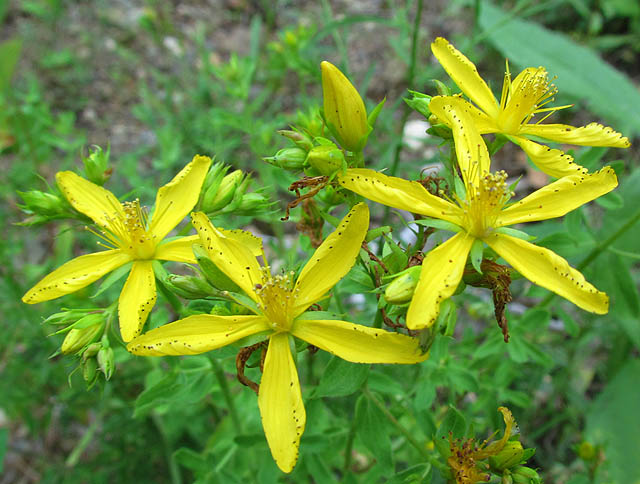
st. johnswort_1967

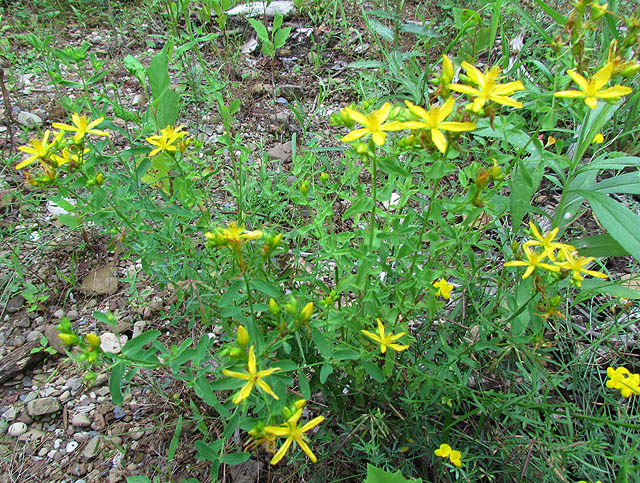
This plant is a shrub-like perennial herb with bright yellow flowers. It is an invasive species native to Europe, western Asia and northern Africa. Colonists brought it to the United States, where it now grows widely.

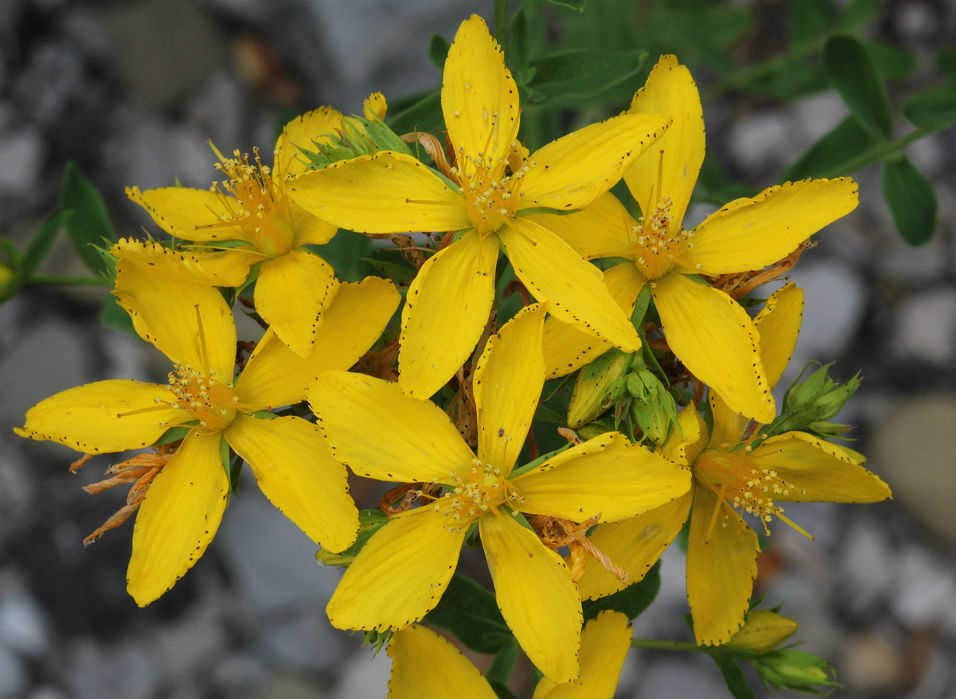
st. johnswort_1965

The parts of the plant used in herbal remedies are taken from the flowering tops. St. John’s Wort has been shown to be effective in treating mild to moderate depression and causes fewer side effects than older types of antidepressants.

St. Johnswort 056

St. John’s Wort common name comes from its traditional flowering and harvesting on St John’s Day (June 24). The genus name Hypericum is derived from the Greek words hyper (above) and eikon (picture), in reference to the plant’s traditional use in warding off evil by hanging plants over a religious icon.

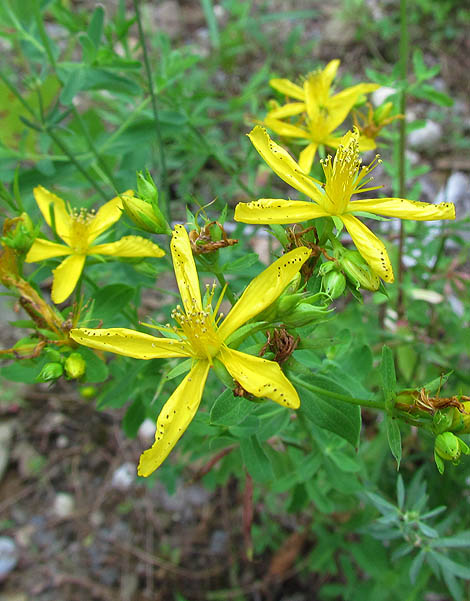
st. johnswort_1966

This plant is distinguished by its almost woody base, opposite leaves, bright yellow flowers and leaves with transparent dots. It produces flower clusters are at ends of branches with each flower measuring about an inch across.

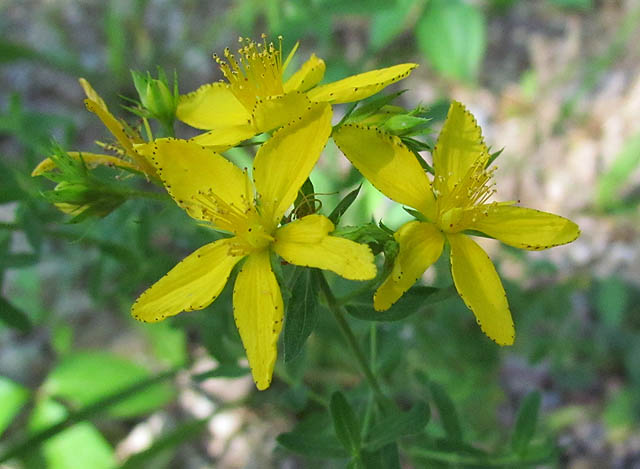
st. johnswort_2320

St. John’s Wort is commonly found in dry, gravely soils, fields, pastures, abandoned fields and in other sunny locations throughout many parts of the world. I’ve seen it in Brecksville Reservation as well as at Canalway Visitor Center.

Third Eye Herp
E-mail

Solitary Sandpiper

solitary sandpiper_7649

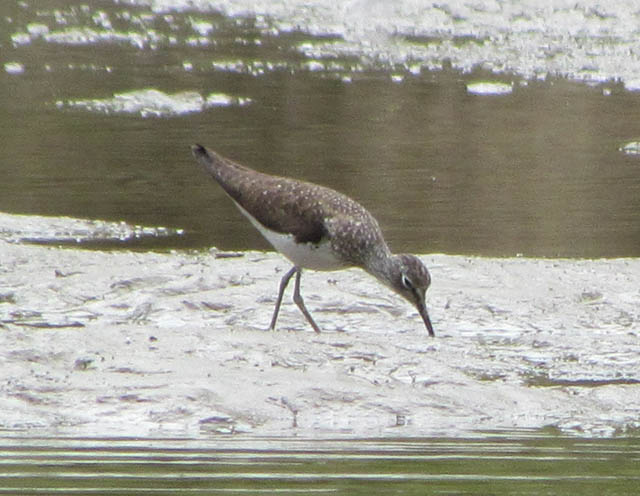
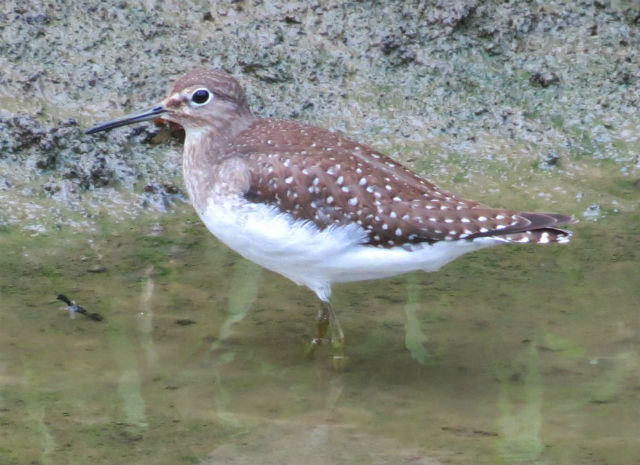
Walking along on the Ohio & Erie Canal Towpath, I occasionally come across this bird. The Solitary Sandpiper is not a social species. It is usually seen alone, although sometimes small numbers gather in suitable feeding areas.

solitary sandpiper_2815

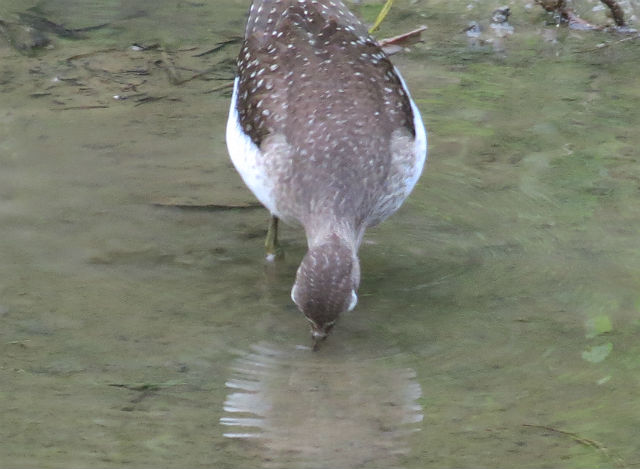
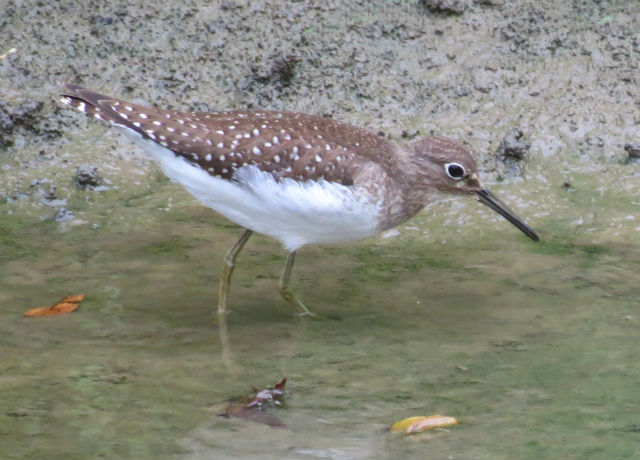
This bird is usually found along the banks of wooded streams, in narrow marsh channels and sometimes along the edges of open mudflats. Solitary Sandpipers usually forage in shallow water, picking up food items from the surface or probing into the water and mud. They may also use their feet to stir up small creatures from the bottom.

solitary sandpiper_7655

These birds have a characteristic behavior of bobbing the front half of their bodies up and down. When alarmed, they often fly straight up in the air to escape, a flight pattern that is perhaps an adaptation to the closed wooded areas they inhabit.

solitary sandpiper_7663

They seek out both aquatic and terrestrial invertebrates as their main food source. These include insects and insect larvae, spiders and worms.

solitary sandpiper_2804

Its habit of nesting in the abandoned nests of other birds is unique among North American shorebirds, which generally nest on the ground.

solitary sandpiper_7667

A group of these birds has many collective nouns, including a “bind,” “contradiction,” “fling,” “hill,” and “time-step” of sandpipers.
Third Eye Herp
E-mail

Western Ribbon Snake

western ribbon snake 001

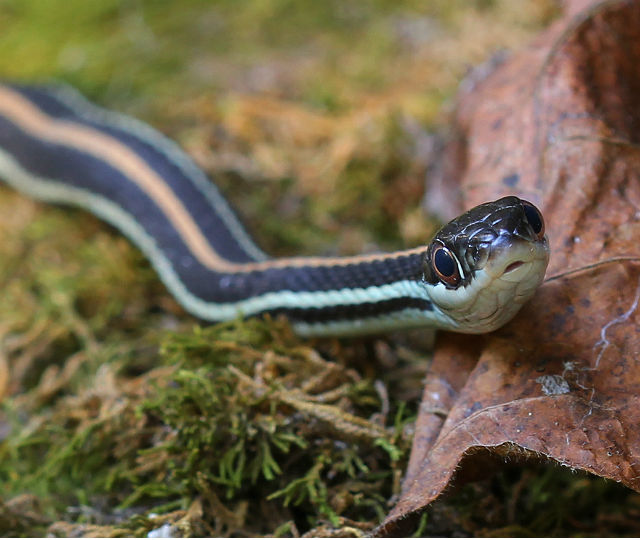
The Western Ribbon Snake is a long, slender garter snake with a striped body and a very long tail, which makes up nearly a third of its total length. It looks like an elongated version of its closest relative, the Common Garter Snake. It features three stripes – the central stripe, running down the spine, ranges from greyish-tan to gold, reddish or orange. They are medium sized snakes, averaging 20 to 30 inches in length.

Western Ribbon Snake 058

The diet of the Western Ribbon Snake consists mainly of amphibians, including frogs, toads and salamanders. It also consumes fish. This reptile is a day-active predator that hunts for its prey largely by sight.

western ribbon snake 061

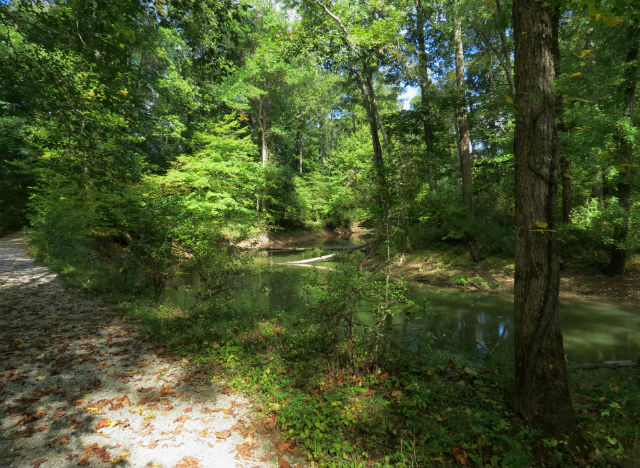
This reptile is a semiaquatic species and most commonly associated with brushy or grassy areas close to water. It may be found near swamps, marshes, ponds, rivers, streams, lakes or damp meadows. When alarmed, they are just as likely to enter water than take cover on land. Instead of diving, they skirt effortlessly across the top of the water. They also climb well and are sometimes seen in bushes or shrubs close to water.

Western Ribbon Snake 057

Their streamlined shape, bold markings, bright colors and mild disposition make encounters with these slender serpents on the limestone bluffs of Shawnee National Forest enjoyable ones.

Third Eye Herp
E-mail

House Centipede

house centipede_0089

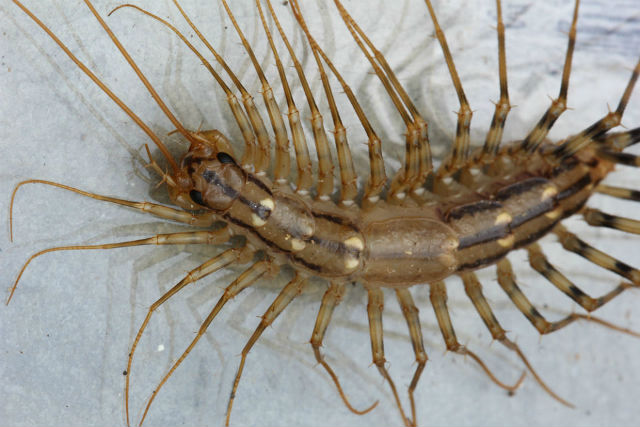
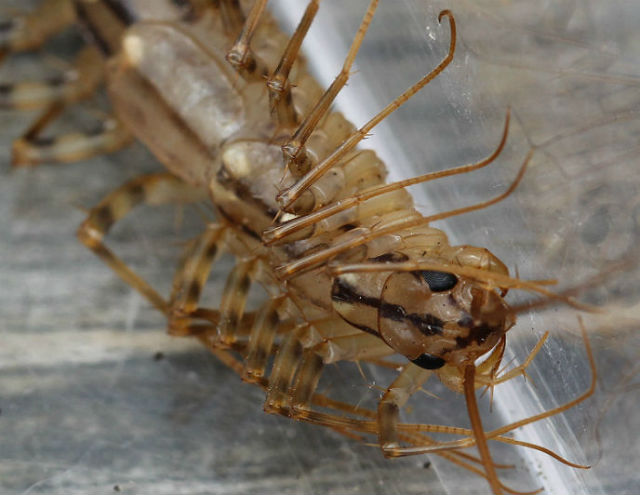
Although sometimes known as a “hundred-legger,” up to 15 pairs of long legs are attached to this speedy creature’s body. Its delicate legs enable it to travel surprisingly fast, as it runs across floors, up walls and along ceilings.

house centipede 017

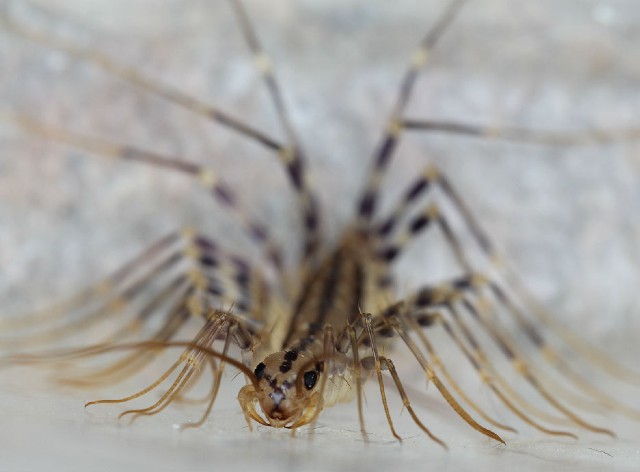
Unlike most other centipedes, House Centipedes have well-developed eyes. Their hind legs are extra long, to mimic the appearance of antennae. When it is at rest, it is not easy to tell its front from its back.

house centipede 007

They prefer cool, damp places. Most live outdoors under rocks, piles of wood and compost piles. Within the home, they are often found in basements. The House Centipede is an insectivore; it kills and eats other arthropods, such as insects and arachnids.

house centipede 005

Though to many they are unappealing, they are actually quite beneficial, consuming Bad Bugs as well as a variety of other household pests.

Third Eye Herp
E-mail

Blue Lobelia

blue lobelia_4445

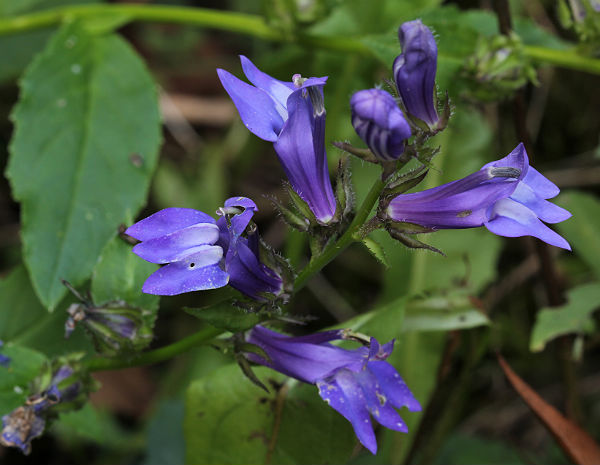
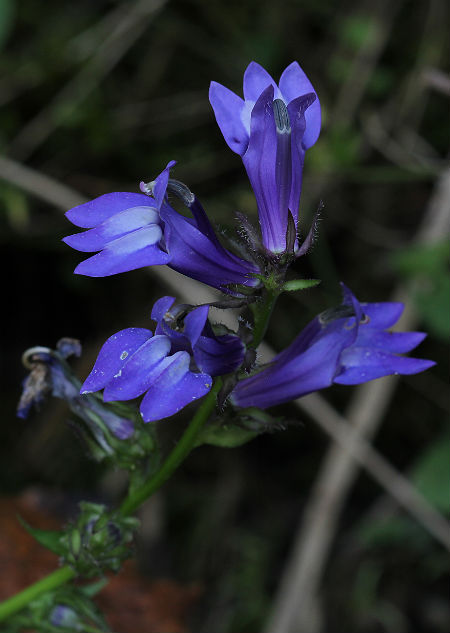
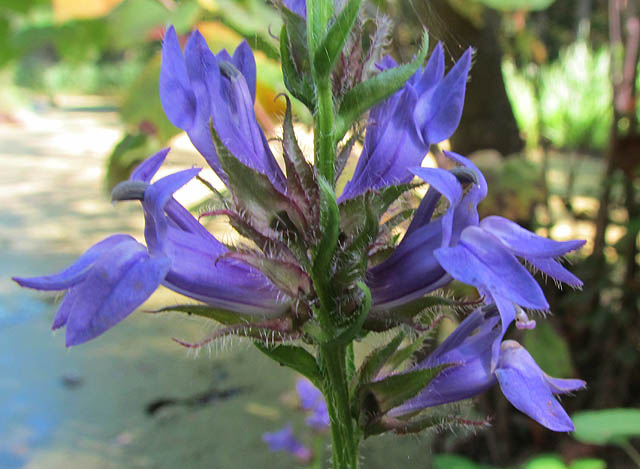
This blue counterpart of the Cardinal Flower blooms bright blue in late summer. Lobelias have 2-lipped flowers with a 2-lobed upper lip and a 3-lobed lower lip.

blue lobelia_10_01 064

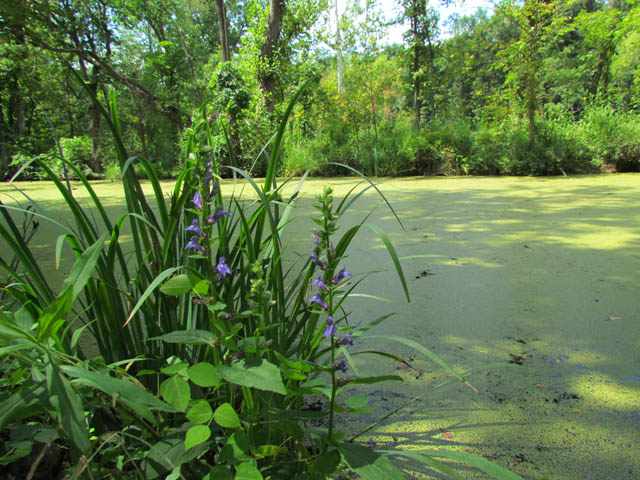
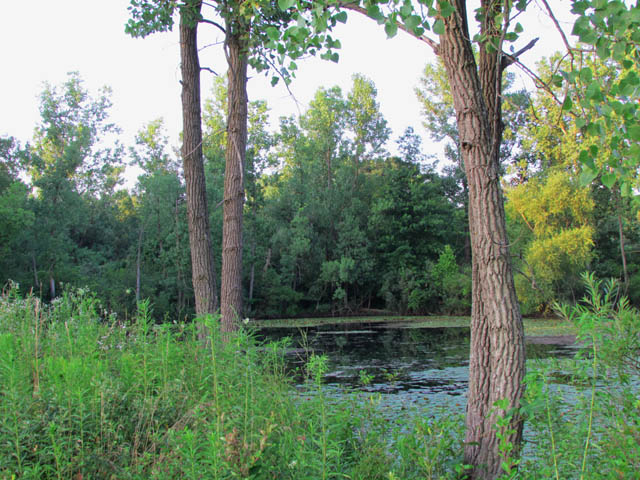
The preference is wet to moist soil and partial sun. I often see it at this time of the year growing along the Ohio & Erie Canal.

blue lobelia_10_01 052

The nectar and pollen of the flowers attract primarily bumblebees and other long-tongued bees. Its species name, siphilitica, is a reference to the old folk medicine belief that extracts made from the plant could cure syphilis.

blue lobelia_5092

Great Blue Lobelia is one of my favorite plants and it provides some welcome diversity with its violet-blue flowers during late Summer or Fall.

Third Eye Herp
E-mail

Yellowbelly Slider

yellowbelly slider_1311

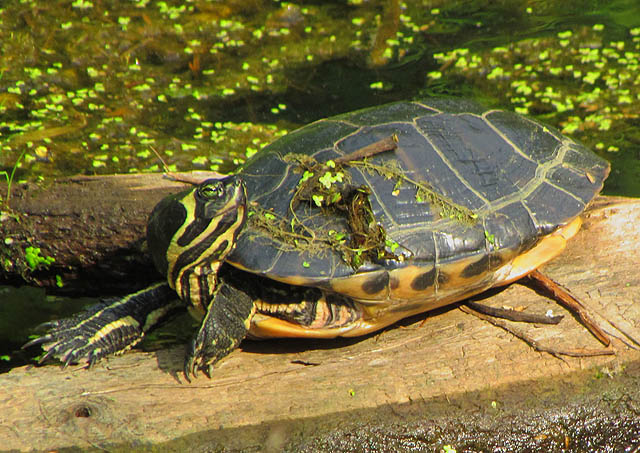
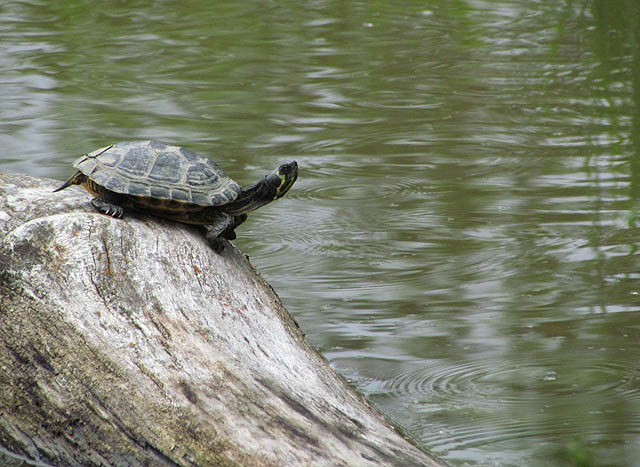
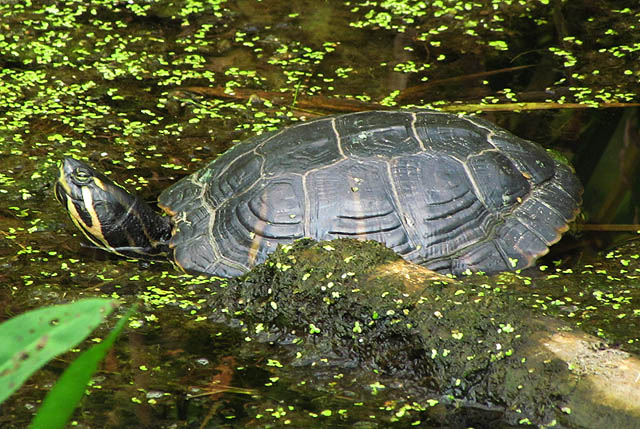
This species is one of the most conspicuous basking turtles throughout its range. They are wary when basking and slide into the water whenever disturbed – hence, the name “slider.”

yellowbelly turtle_09 058

This is a large freshwater turtle reaching a shell length of 12 inches. It is native to the southeastern United States, though I’ve seen at least two (the turtles in this post) in Ohio this year. The yellow blotch behind the eye is the most conspicuous marking and is most prominent in juveniles and females.

yellowbelly slider_4119

As you might  expect, their bottom part of the shell, called a plastron, is creamy lemon yellow in color, and they use its smooth surface to help them slide from riverbank to water at the first sign of perceived danger.

yellowbelly turtle_6635

Adults also prefer a high-protein diet when it is available. But slider turtles can subsist on a vegetative diet, although their growth rates may be significantly lower than that of turtles whose diet is mostly meat.

yellowbelly turtle_0106

The Yellowbelly Slider is a habitat generalist, living in slow-moving rivers, floodplain swamps, marshes and permanent ponds.

yellowbelly turtle_6631

Sliders, as well as other species of turtles, can live for more than half a century. The distribution of Yellowbelly Sliders is actually much wider than it was historically and includes places as distant as Europe, Africa and Asia.

yellowbelly slider_4124

That’s because millions of baby sliders were raised and sold in pet shops here and abroad as “dime store turtles.” Of the relatively small percentage that survived during captivity, many were dumped into local waterways when the owners tired of caring for them.

Third Eye Herp
E-mail

Oyster Mushrooms

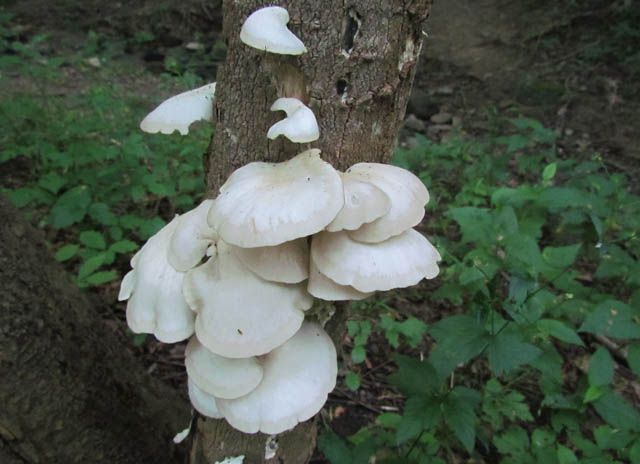
oyster_3043

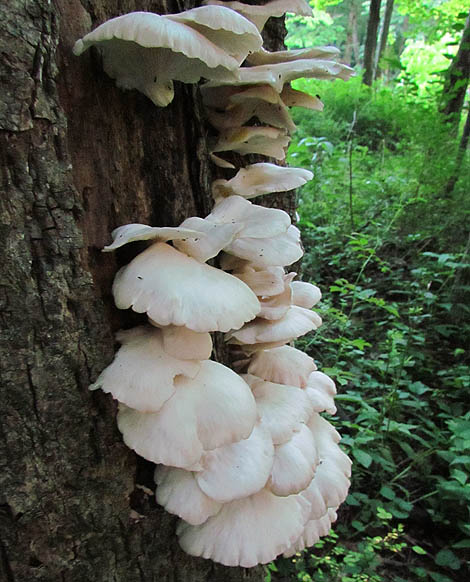
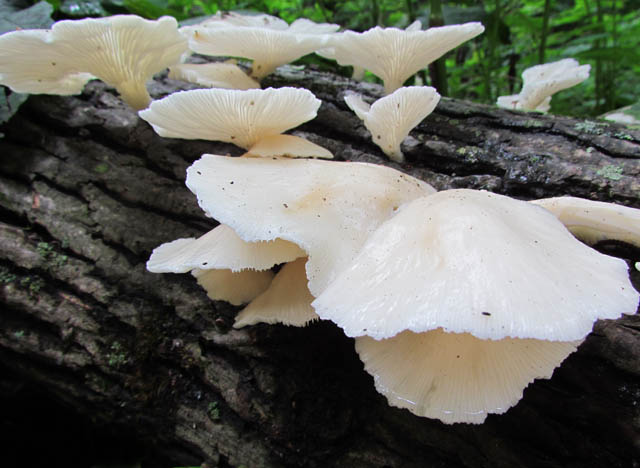
The Autumn forest is brightened with the delicate, translucent, caps cascading from the surface of dead hardwood trees. This is a mushroom that lives up to its name — it looks, smells, and tastes like oysters.

oyster_1470

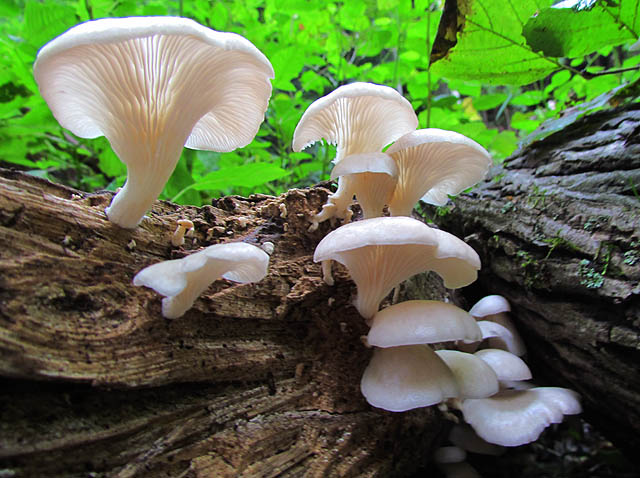
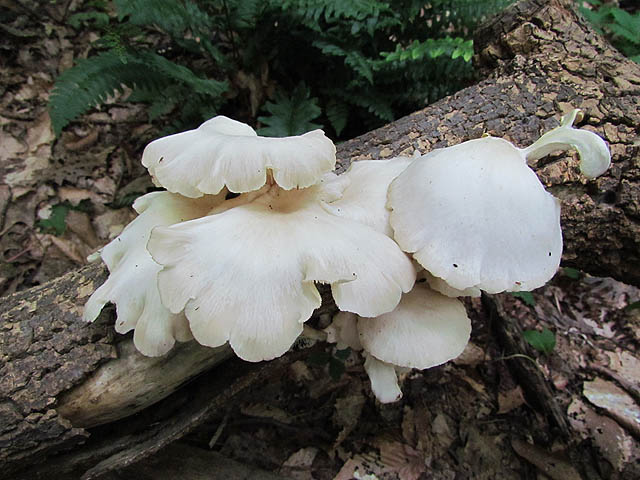
Oyster Mushrooms are wide and fleshy. They can be white, gray or brown. The caps can be up to eight inches wide and are usually in a semi-circle shape.

oyster_1462

The white, hairless gills (which become yellowish with age) descend the short, stub-like, lateral stalk.

oyster_3046

They grow throughout North America. If it rains enough and it’s not too hot or cold, you can find them during anytime, although they’re most commonly seen around this time of year.

oyster_1538

Oyster Mushrooms, like other fungi, are good food and habitat for small creatures, such as insects. These small animals also help spread spores (like seeds of a plant) so that new Oyster Mushrooms can grow in new places.

oyster_1463

Larger animals like to eat this fungi too, like Eastern Box Turtles, White-tailed Deer and Eastern Gray Squirrels. They are also an edible favorite among wild mushroom collectors and are cultivated on farms for human consumption.

Third Eye Herp
E-mail