Tinder Conk Mushroom

tinder conk_8332

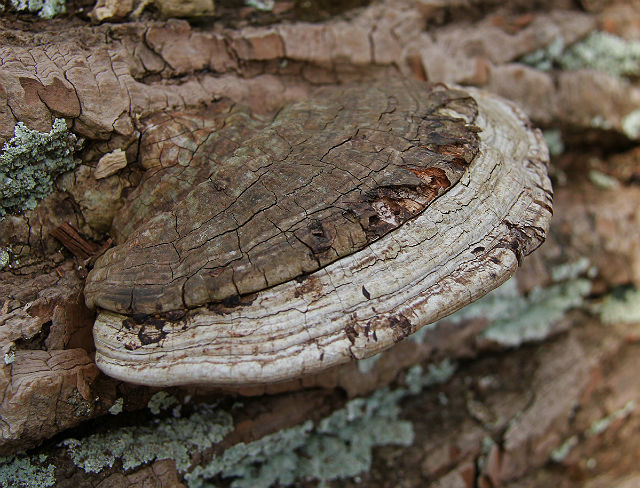
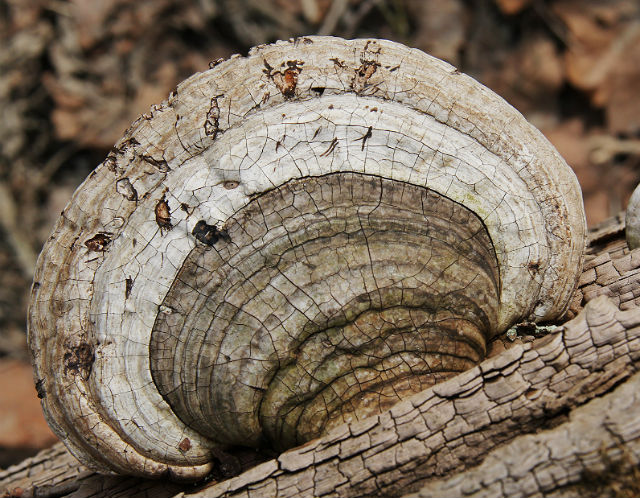
The species of fungus produces very large fruit bodies which are shaped like a horse’s hoof and vary in color from a silvery grey to almost black, though they are normally brown.
tinder conk 010

It contains a spongy material used primarily as tinder, but also used to make clothing and other items. The 5,000-year-old Ötzi the Iceman (a well-preserved natural mummy) carried four pieces of this fungus, thought to be used for tinder.

tinder conk 018

It’s scientific name is Fomes fomentarius. The Latin word fomes means “tinder” or “touchwood” and the Latin word fomentarius means “material to feed a fire” – both the generic and species names emphasize the use of this fungus for fires.
tinder conk 022

It also has a long history of being used for a variety of medical purposes. Hippocrates in the fifth century BC described it as a “cauterization substance for wounds.” The fungus is credited with helping to stop bleeding. Due to this fact, surgeons at the time found use for it.
tinder conk 020

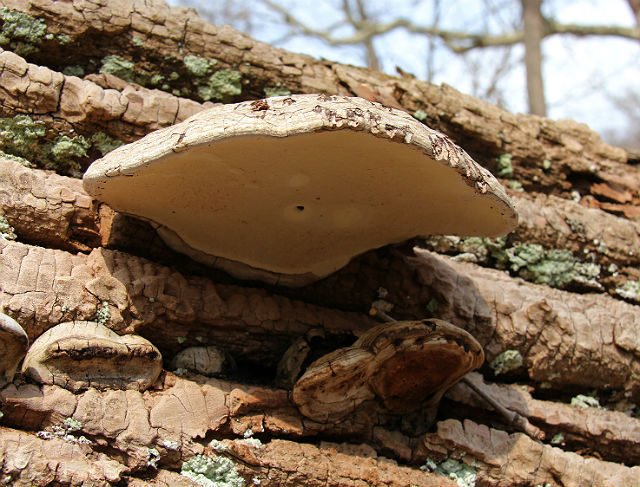
This species of fungus dwells on bark of trees. If not picked, it does not fall off the bark. It remains attached to the tree until it is dead; then it starts to initiate rotting of the tree bark. This often provides the beginning of a hole that birds which nest in tree cavities eventually use.
Third Eye Herp
E-mail

Tufted Titmouse

tit_9783

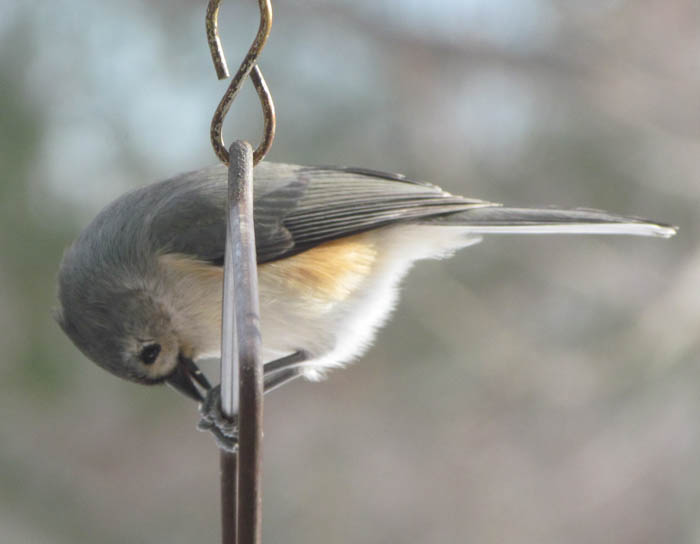
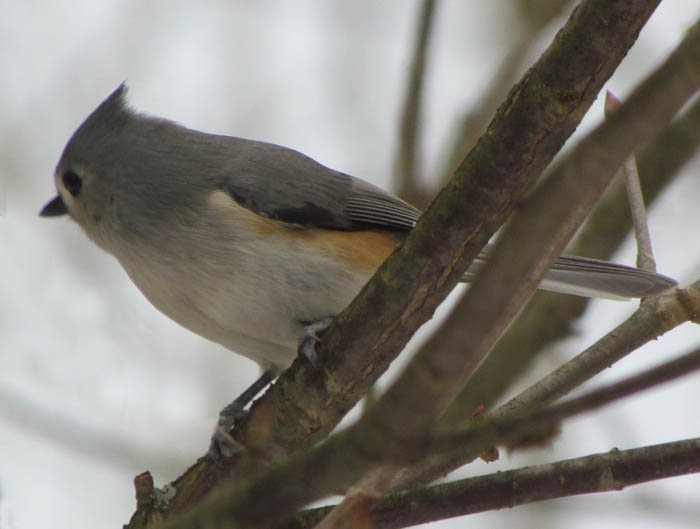
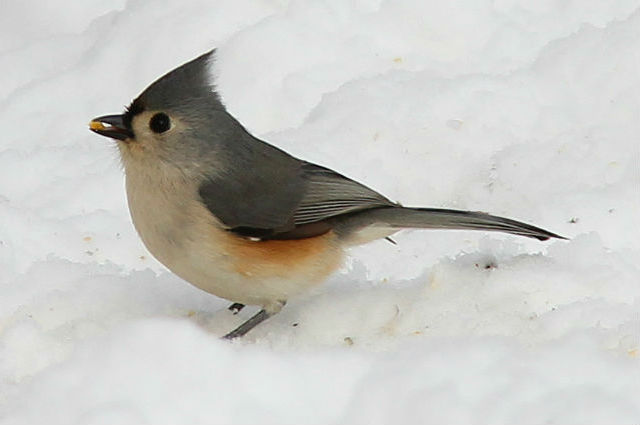
With its pointy crest, large eyes and seemingly friendly disposition, the Tufted Titmouse has a special kind of appeal. It has a busy demeanor, flitting about actively foraging for food. This bird often hangs out with its similar-sized relative, the Black-capped Chickadee.
titmouse 053

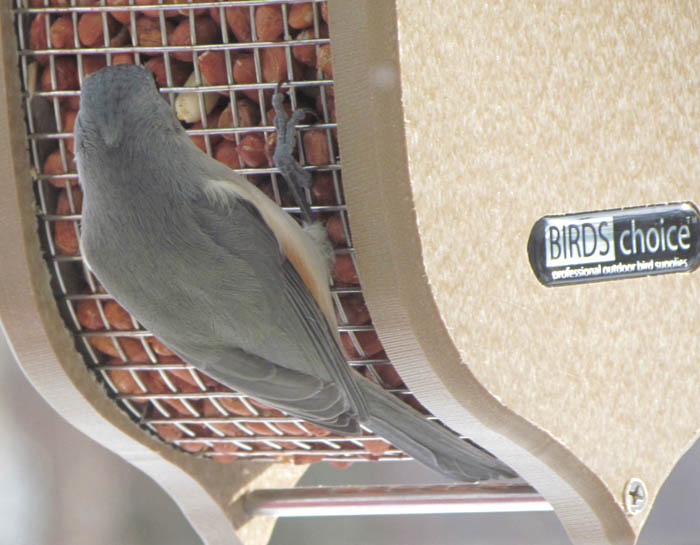
This bird is familiar to anyone who feeds birds as it is a frequent visitor to homes. Its peter, peter, peter call can often be heard when on woodland hikes. The Tufted Titmouse relishes sunflower seeds and will hold a seed with its feet and use its beak to hammer away at the seed until the shell falls off. These birds create caches of food, hiding seeds away under the bark of trees to retrieve later.
tit_8829

In warmer months they feed on insects, snails and spiders. In the Winter they seek out acorns, sumac, beechnuts and cherries.

tit_8827

This is one of about the two dozen species of Ohio birds that need dead or dying trees to construct a nesting cavity. Relatively recent woodland management methods have started to understand the value of standing dead timber.

tit_8831

The Tufted Titmouse likes to line its nest with fur and has been observed plucking to hair from sleeping dogs as a way of collecting its nest materials.

tit_9786

These birds seem comfortable around people and are common in a variety of habitats. They do not migrate and can be enjoyed year-round.

Third Eye Herp
E-mail

House Spider

house spider 114

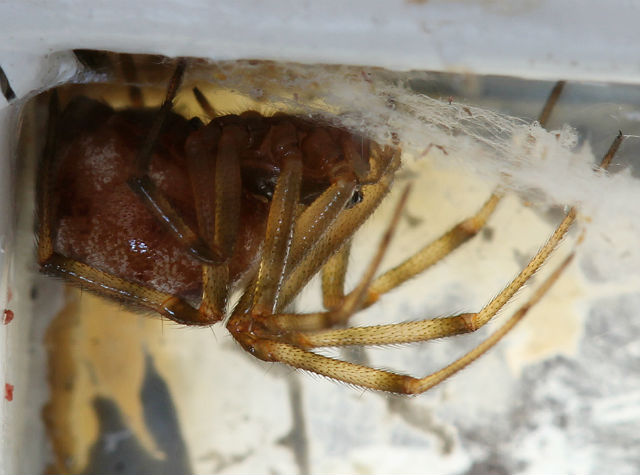
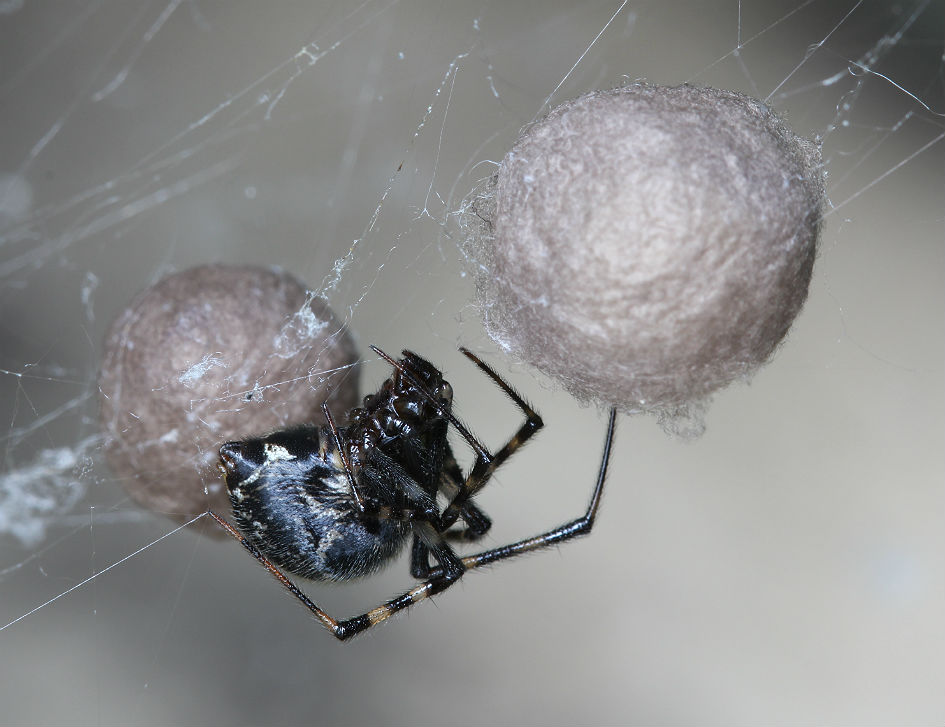
These creatures occur throughout the world and have derived their name from their presence inside human dwellings. A number of species are classified as “house spiders,” although the Common House Spider is the most recognized. These arachnids are also sometimes referred to as American House Spiders.

house spider 008a

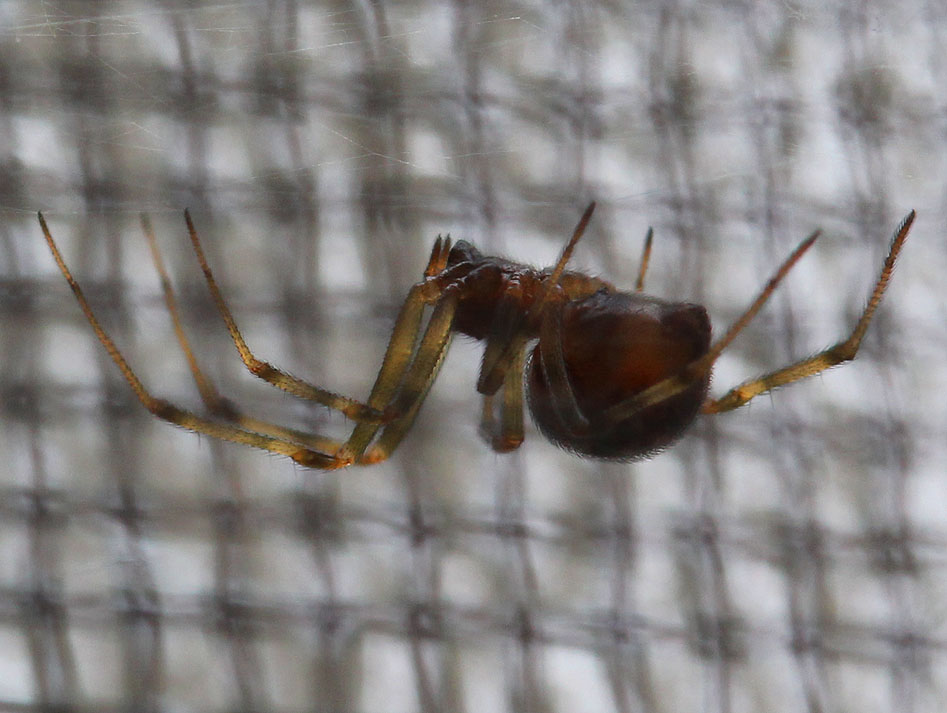
House Spiders are typically brown or gray in color, with darker chevron markings along their bodies. Their legs are yellow, with rings at the end of each segment. Adult females are considerably larger than males.

house spider 015

Their presence is typically characterized by the formation of cobwebs; irregularly shaped structures that can be located in various places within a home, including windows, ceiling corners and above or beneath fixtures.

house 001

The abundance of empty webs is caused by the House Spider’s propensity to construct webs in various locations until it finds the most suitable place to catch prey. Unlike some other spider species, House Spiders may choose to cohabitate and mate numerous times. Females deposit as many as 250 eggs into a sac of silk. These sacs are often brown in color and are flask-like in shape. An individual spider can produce over a dozen egg sacs in her lifetime.

house spider 008

After hatching, air currents disperse surviving spiderlings on threads of silk. This process, known as ballooning, allows spiders to populate areas far from where they were hatched. Adult specimens may survive for more than a year.

house 008

This is one of the most commonly encountered cobweb spiders in urban areas, and can be found in almost every garage, barn, and attic. It is harmless, and it catches and eats flies, mosquitoes, and other pests that enter buildings.

Third Eye Herp
E-mail

Eastern Hemlock

hemlockcreek066

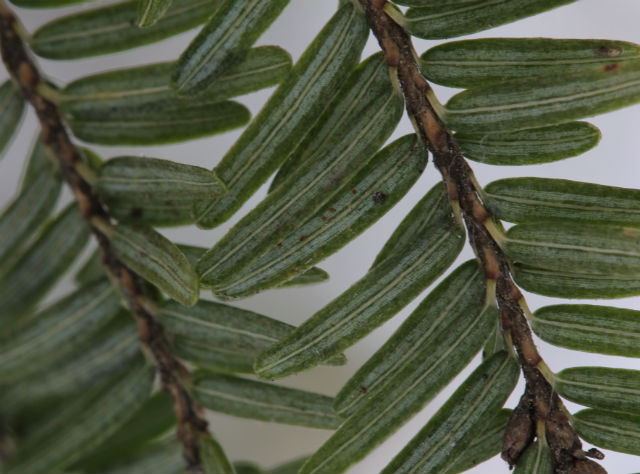
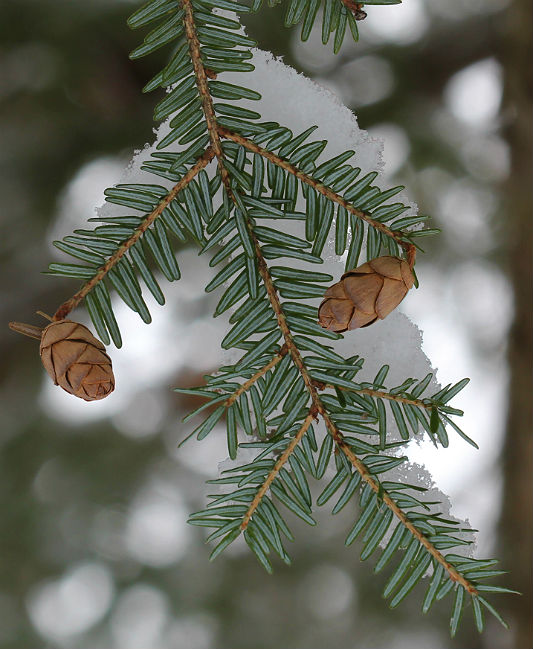
Ohio’s only native hemlock can be differentiated from other Buckeye State conifers by its flattened needles, featuring 2 white lines beneath them.

hemlock010

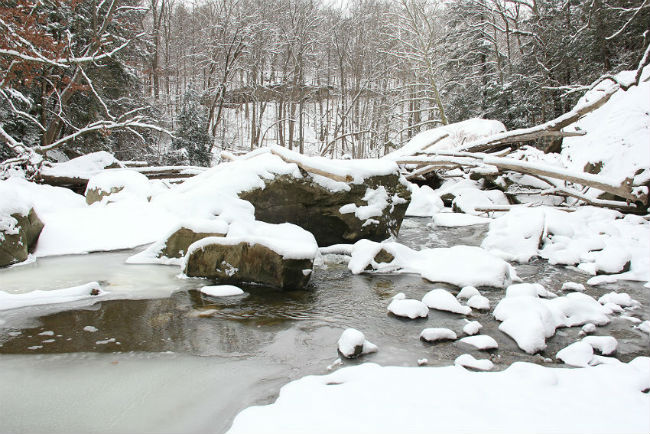
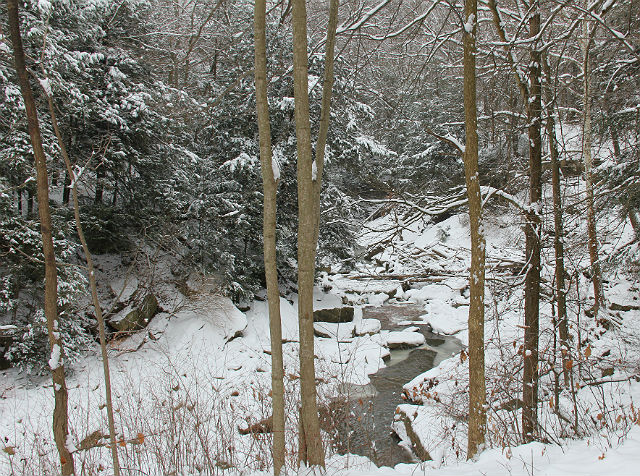
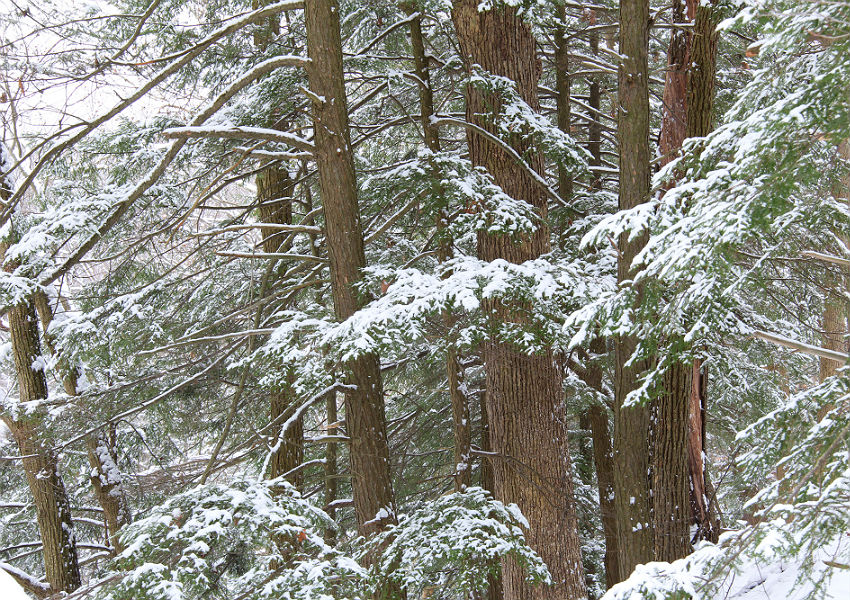
This tree grows best in cool, moist locations such as the north-facing slopes of deep ravines. The photos in this blog post were taken near Chippewa Creek in Brecksville Reservation.

hemlock004

Its cones are very small (from ½ to ¾ of an inch long), and appear pale green in the early autumn and turn a darker brown in late autumn. The cones hang singly from the tips of twigs and have 2 small seeds underneath their rounded scales.

hemlockcones020

The Eastern Hemlock has a range that covers most of the eastern United States and extends into Canada and to the west. This is a slow-growing, long-lived tree, which unlike many conifers grows well in shade. Eastern Hemlocks can take 250 to 300 years to reach maturity and may live for 800 years or more.

hemlocks001

Its size varies tremendously, based upon local growing conditions, but in general Eastern Hemlock slowly reaches 70 feet in height by 35 feet in spread in favorable sites. Specimens can achieve twice that size under optimum conditions.

hemlock022

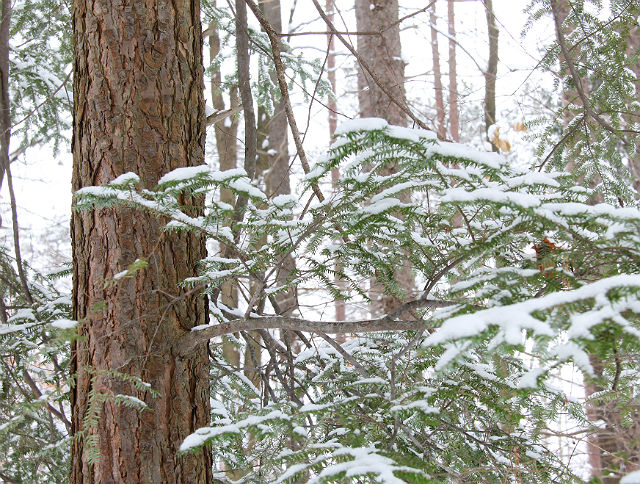
“Back in the day” its bark was much in demand for its tannic acid, which was used for tanning leather. Lumber production from eastern hemlock reached its peak between 1890 and 1910 but is seldom harvested for solid wood products now. Several birds and mammals feed on its seeds.

Third Eye Herp
E-mail

River Chub

River Chub

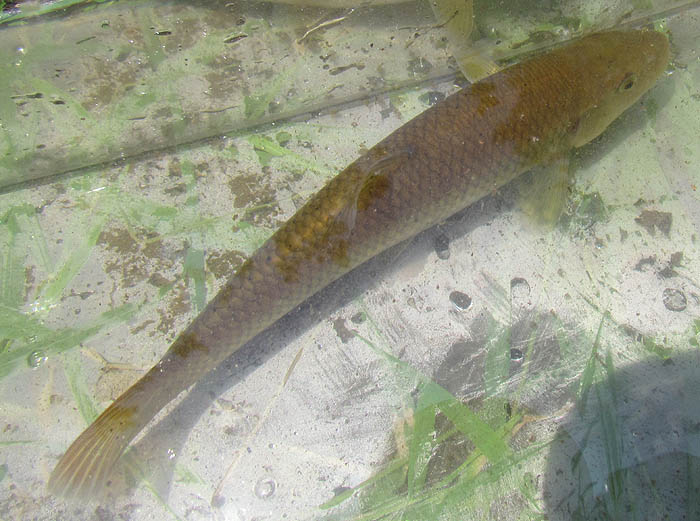
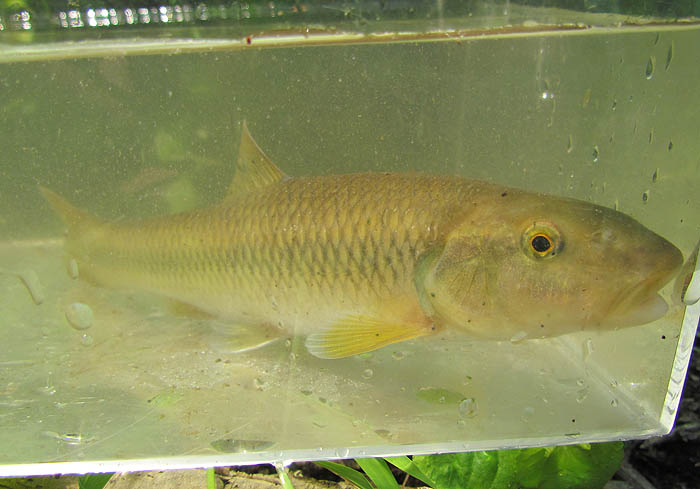
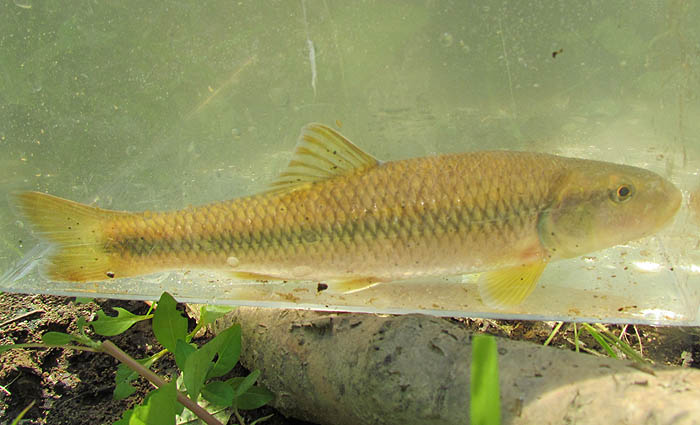
While exploring this waterway, I saw a few decent-sized torpedo-like fish. I decided to investigate further and catch one. It turned out to be a River Chub. The River Chub is the largest of Ohio’s minnows, occasionally attaining lengths of 12 inches. They are sometimes caught by fisherman.

River Chub_9901

Living in rivers and streams, they prefer large amounts of gravel and cobble. These fish are often found hiding around boulders, submerged logs and other structures on riffles and runs.

River Chub_9915

These fish deposit eggs on gravel where they construct large circular nests. The nests are occasionally four feet long and are often used for egglaying by other species of fish as well. Male River Chubs can move up to 200 pounds of stones to build the nest.

River Chub_9936

River Chub are good indicators of water quality, because of their intolerance of pollution and siltation.

Third Eye Herp
E-mail

Red-tailed Hawk

hawk_9470

It was cold, it was grey, it was overcast. A typical December day in the Greater Cleveland Area. I decided to see what was up at Brecksville Reservation.

hawk_9463

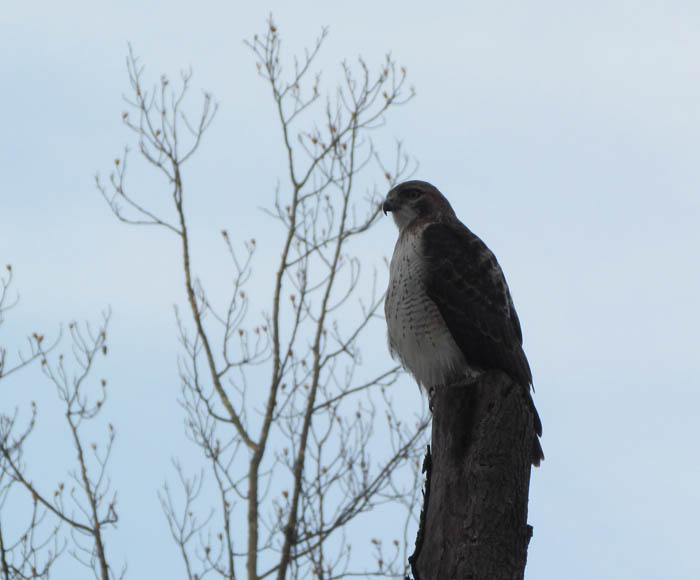
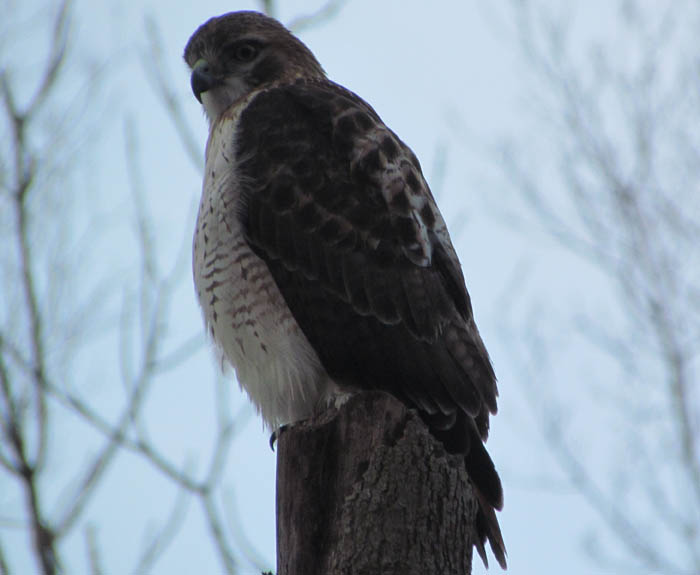
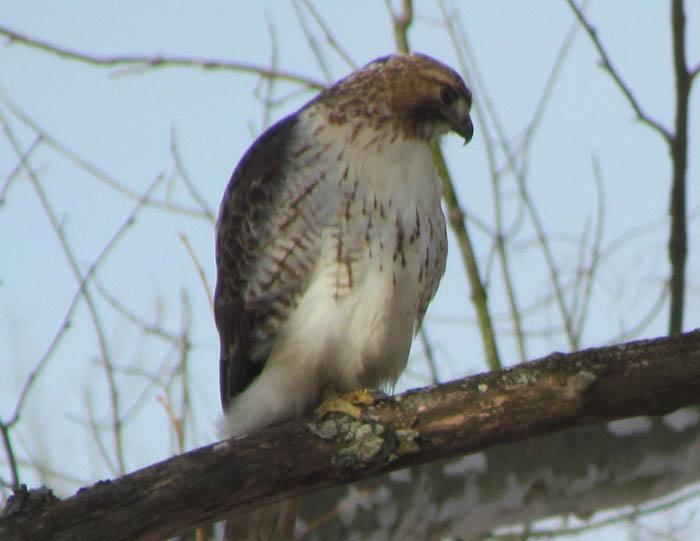
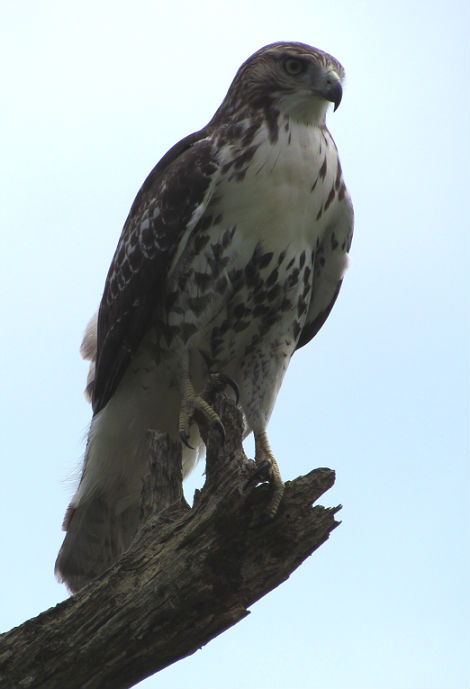
This Red-tailed Hawk was busy scanning the landscape below. Slowly it would move its head from side-to-side, looking for any kind of movement. A few times the bird stood up, as if it were about to take flight.

hawk_9238

Before long something caught its interest and the bird dove down to the forest floor. The sound from the impact of where the hawk hit the leaves could be heard from where I was standing.

hawk_09_01 168

It was unsuccessful in catching its prey, so it found a new place to perch and start the process all over again. The Red-tailed Hawk is the most common large, broad-winged hawks in North America. Its range is from Alaska and northern Canada south to Central America.

hawk_3865

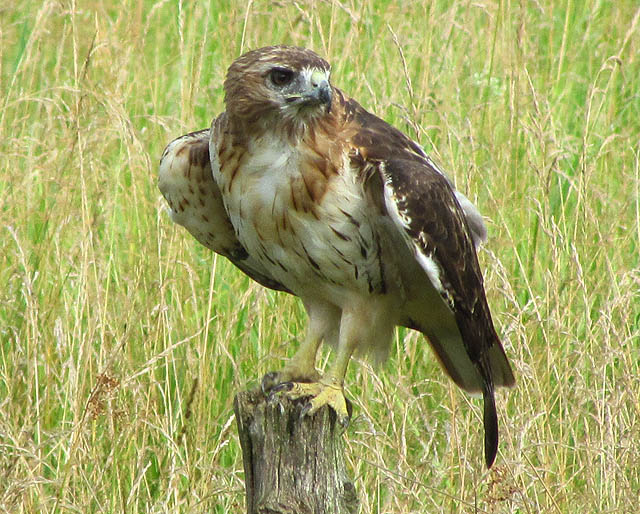
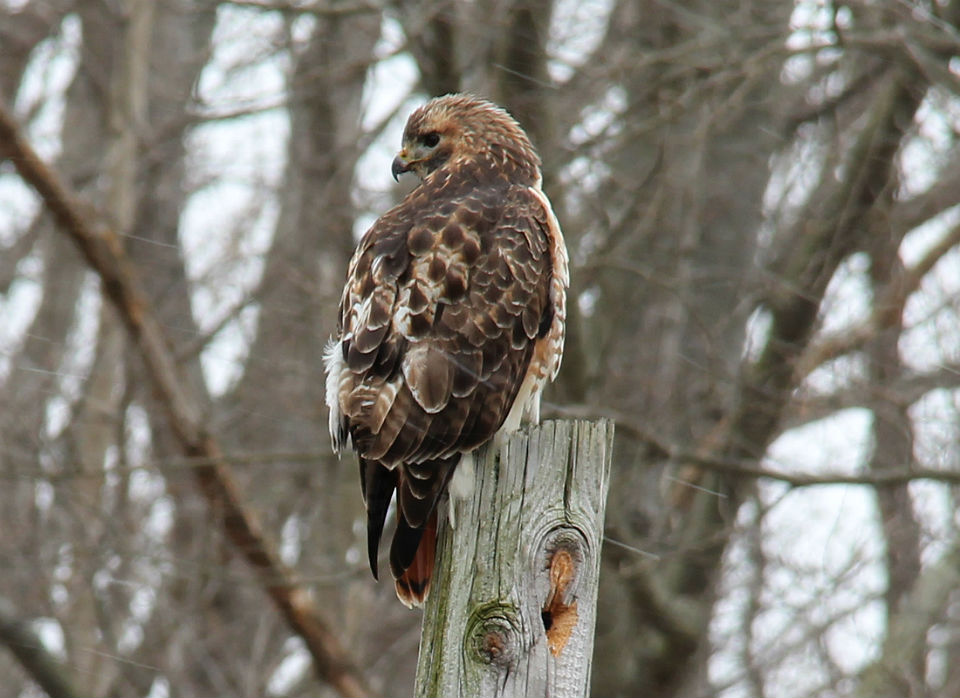
The Red-tailed Hawk is a bird of open country. It can be seen along fields and perched on telephones poles, fenceposts, or trees standing alone or along edges of fields. The eyesight of a hawk is 8 times more powerful than a human’s.

hawk030

This large, majestic bird has another way of hunting – by spending much of its time soaring and scanning the ground below. Both hunting styles allow them to expend a minimum amount of energy when hunting. Its call is commonly used in television and movies to represent the vocalizations of other birds, including vultures and eagles.

Third Eye Herp
E-mail

Christmas Fern

x_8812

During the Carboniferous Period (300 million years ago) ferns were the dominant part of the vegetation. Ferns are among the world’s most ancient plants, found as fossils in rocks 400 million years old.

xmas_8296

Today’s coal is made largely of fossilized ferns from back in their “hey day.” Dead plants became buried underground and very gradually turned to coal under the immense pressure of the earth.

x_8777

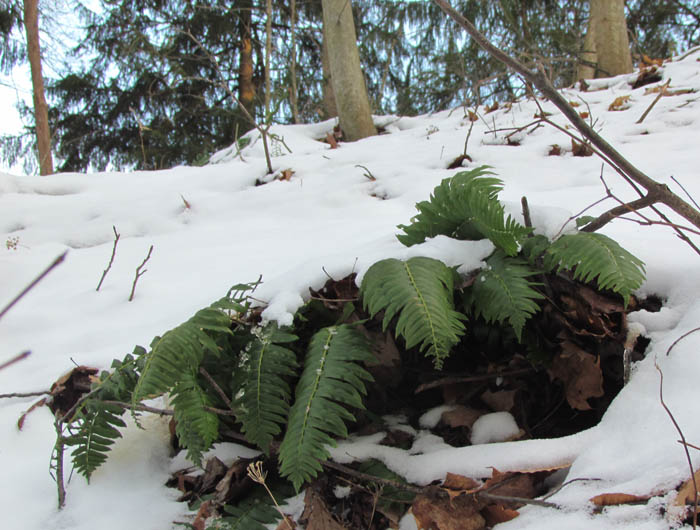
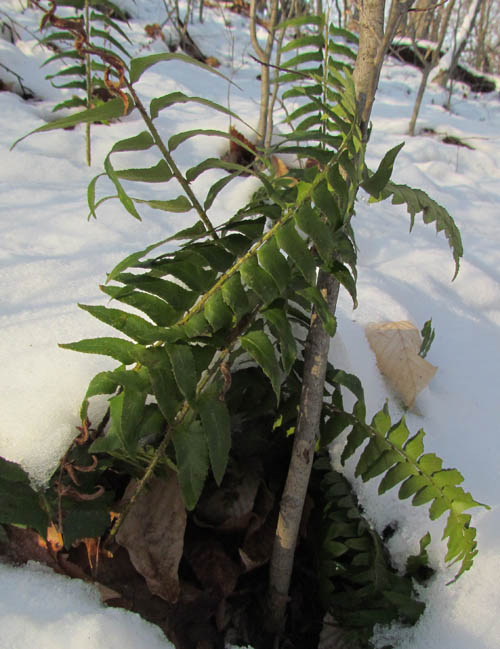
Christmas Fern is one of the few green plants you are likely to see if you hike in the eastern forests during this time of the year.

x_8768

Their association with Christmas is an old one. “Back in the day” its fronds were once harvested, baled into bundles and sold to florists for wreath making.

xmas_8276

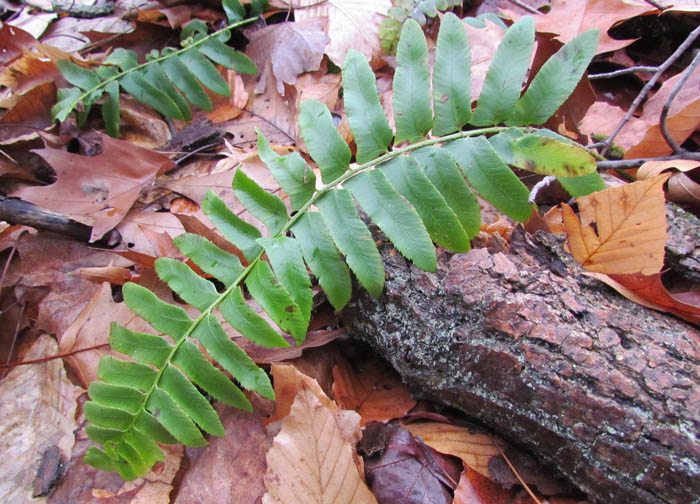
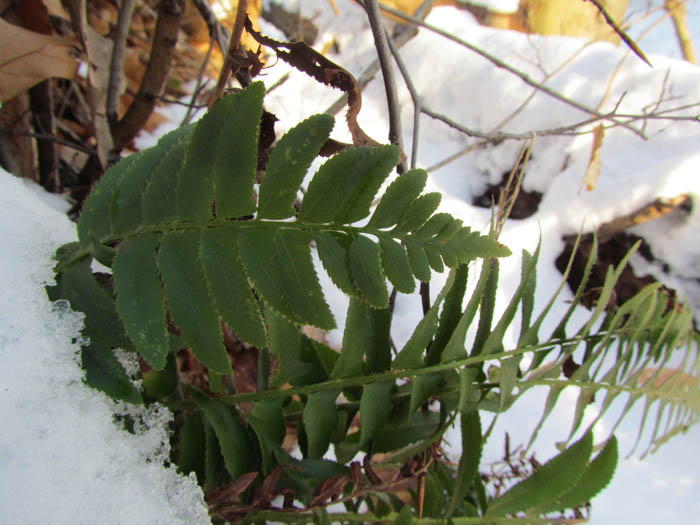
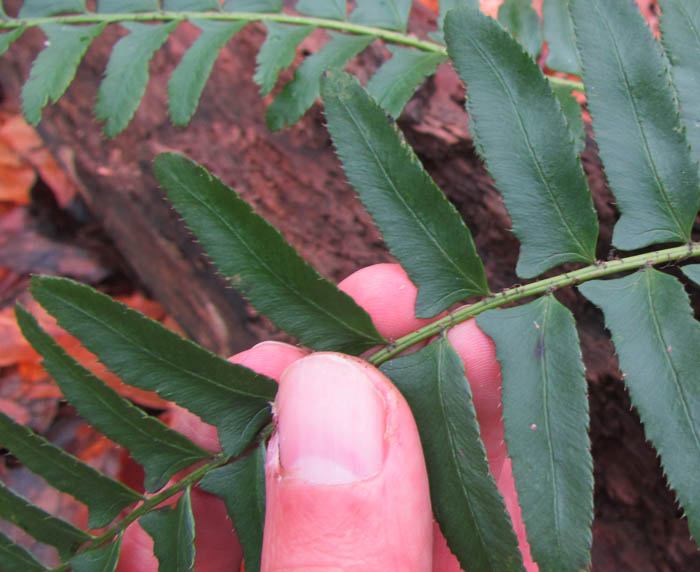
This is a common and easy-to-identify plant. It is especially abundant on well shaded, forested hillsides near streams. Its leaflets look like tiny Christmas stockings. The rich, green leaves (fronds) of the fern are up to three feet long and are about four inches wide.

Third Eye Herp
E-mail

Spring Peeper

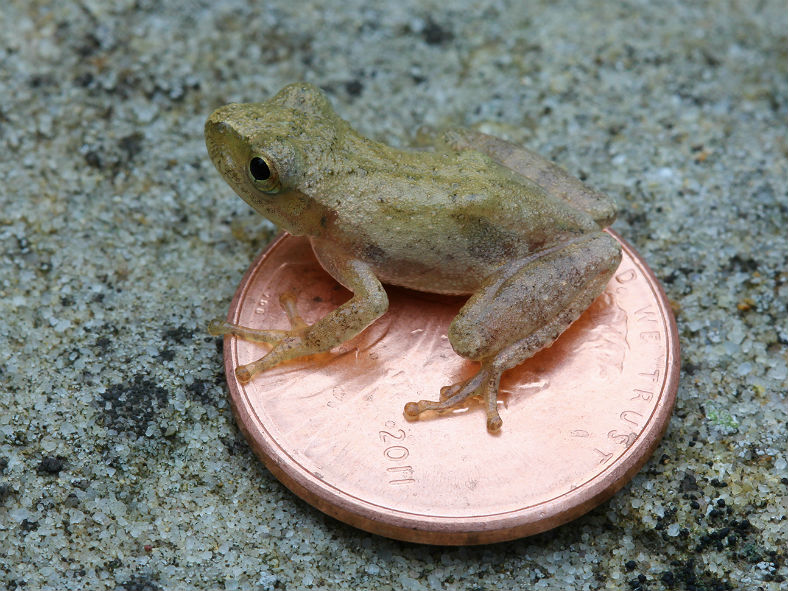
spring peeper_2668

This tiny frog can be heard calling any month of the year in Ohio if conditions are right. This usually means rain and temperatures above freezing. Even in late Fall or Winter it is not unusual for me to hear a lone frog calling when on a hike.

spring peeper 020

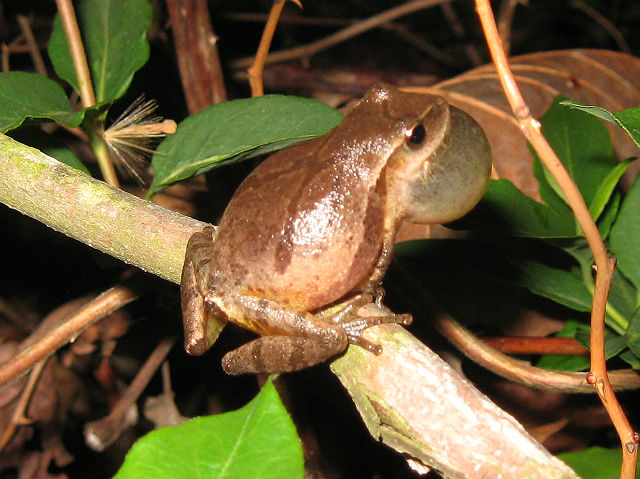
Though an individual can be heard “peeping” at this time of year, this frog’s “claim to fame” is being a harbinger of Spring. Large groups of these amphibians often gather and call – in some cases producing very loud choruses of sound.

spring peeper 2009-04-30 054

For some, seeing an American Robin is an indication of the coming of Spring. For fans of amphibians, hearing many of these tiny frogs calling indicates that Winter is loosening its icy grip on the landscape. The fact that this little creature functions at low temperatures is amazing to me.

spring peeper 002

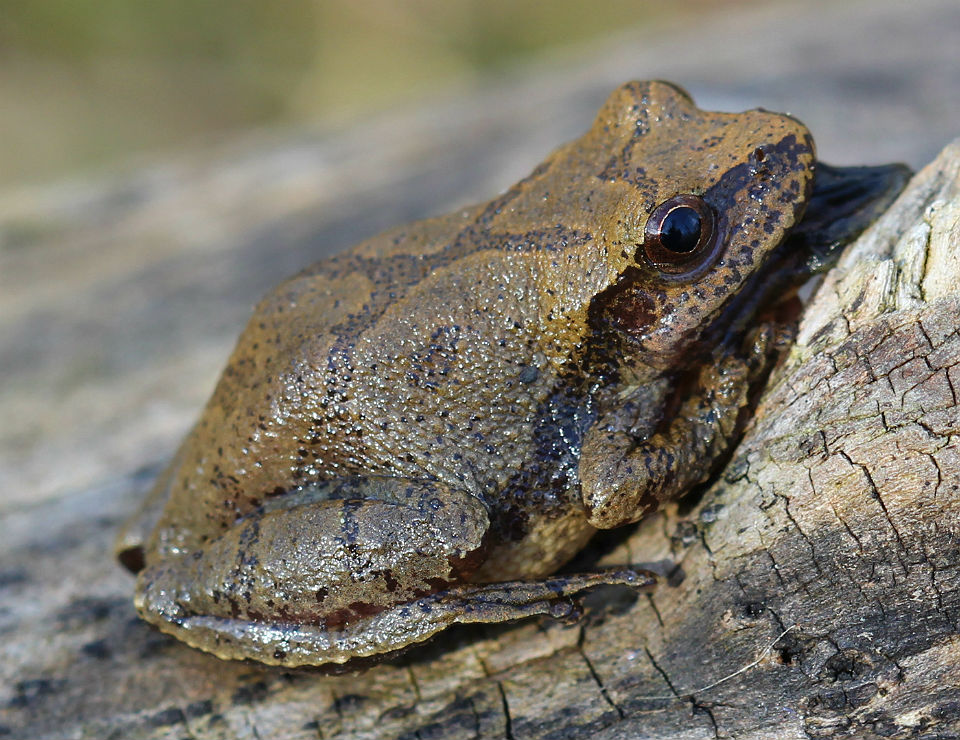
Found in wooded areas and grassy lowlands near ponds and swamps in the central and eastern parts of Canada and the United States, these miniature, well-camouflaged amphibians are rarely seen. But the mid-March crescendo of nighttime calling from males is a sign that warmer days are just around the corner.

spring peeper 025

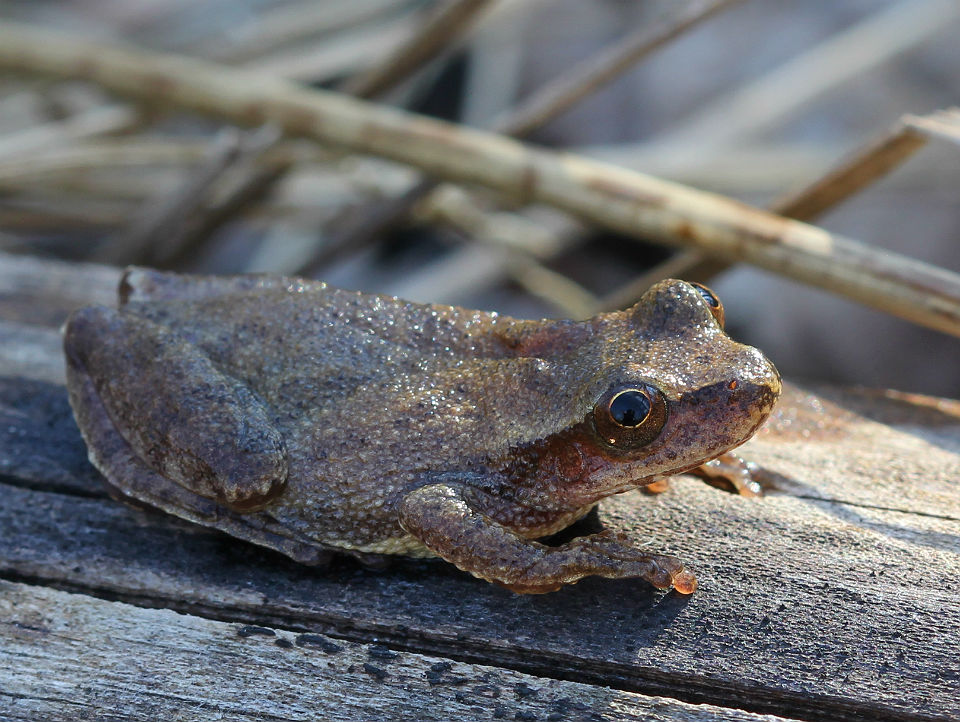
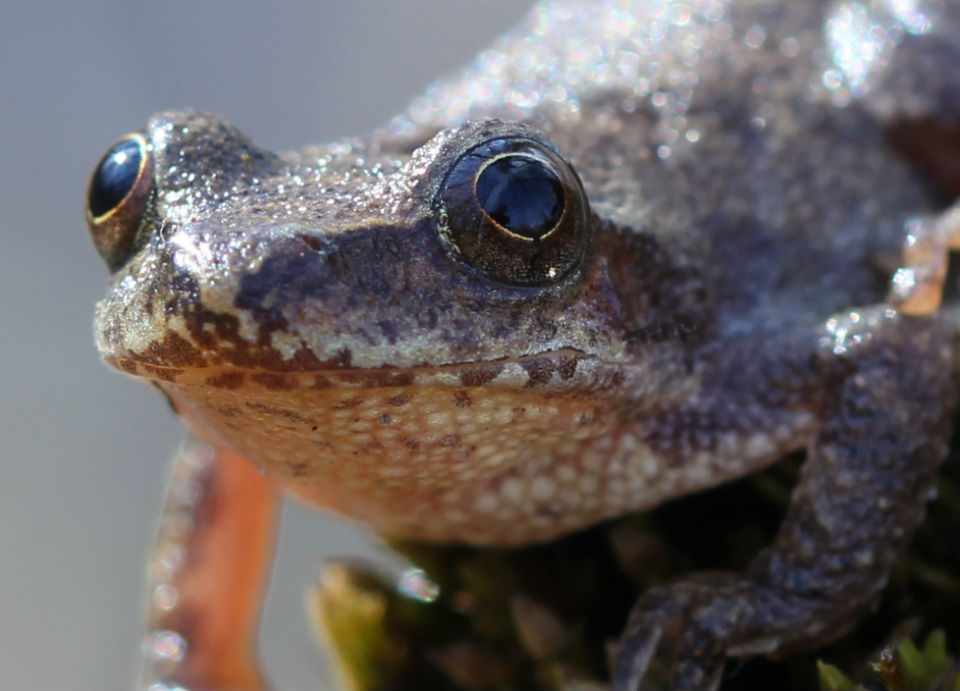
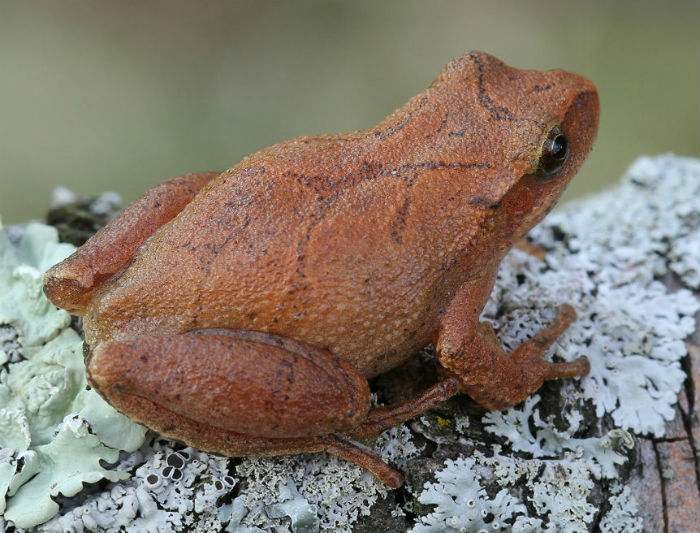
Spring Peepers are tan or brown and have at least some ability to change color. They only grow to about 1-1/2 inches and have toe pads for climbing, though they are more at home amid the loose leaves on the forest floor than in trees.

springpeeper050

A distinctive “X” on their back is a good indentification characteristic. This marking accounts for their Latin species name, crucifer, which translates as “one who bears a cross.”

spring peeper 075

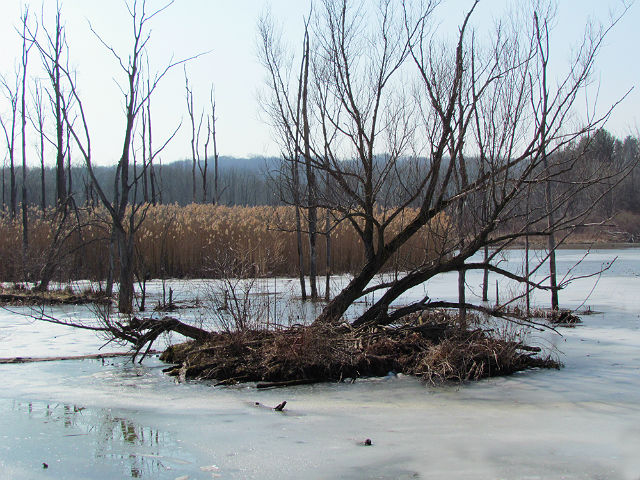
These frogs breed in freshwater ponds or pools and prefers to use waterways where there are no fish. They often use temporary ponds that dry up after their tadpoles have transformed into adult frogs and left the water.

spring peeper 030

The Spring Peeper mainly eats small insects, including ants, beetles and flies. It will also consume spiders. It is believed that food is chosen more by availability and size than by actual preference for a certain item.

spring peeper 049

Third Eye Herp
E-mail

Eastern Bluebird

bluebirds_8836

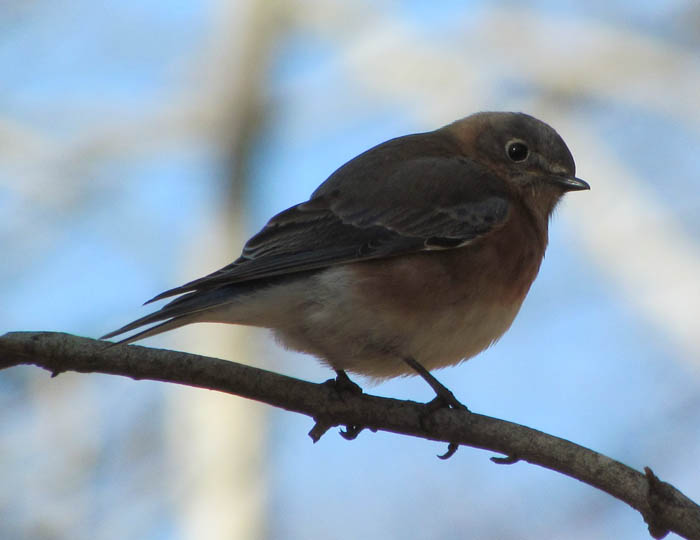
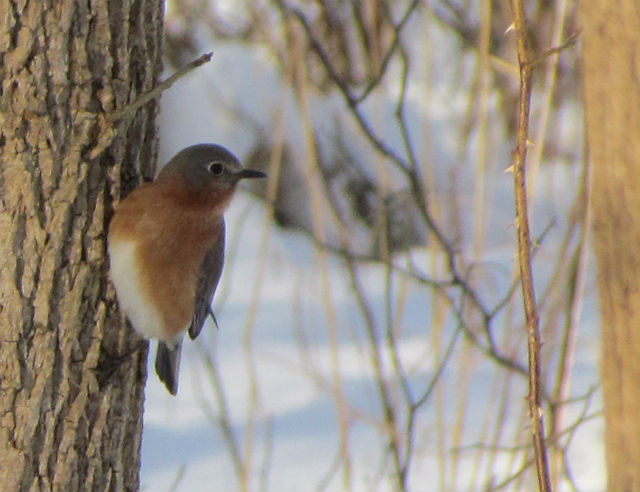
The Eastern Bluebird is a species familiar to millions in eastern North America, though they are nowhere near as common as they used to be. While they are still around and are seen when people build nest boxes, scientists wonder why there aren’t more.

blue_9713

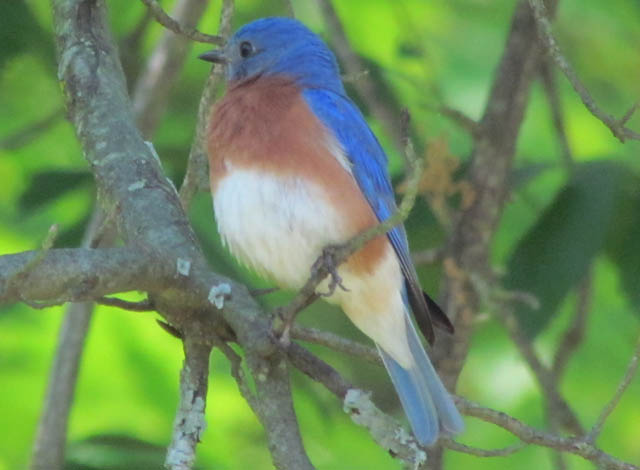
Males are easy to recognize, with a bright blue back, head, and wings, and a rust-colored throat and breast. Females are similar, but much duller in color. These birds are cavity-dwellers, so they nest in natural tree cavities, old woodpecker holes and bird boxes. Nests are built with grasses and weed stems.

blue_0853

Young bluebirds are grayish in color. They have speckled breasts and their wings have blue tips. As they become adults, the blue color becomes much more obvious, and their speckles disappear.

bluebird_1865

This beautiful bird is a favorite of many people and is eagerly awaited in the spring after a long winter. Though if the weather is mild, they may stick around all year. They are considered are “partially migratory;” they fly south when food becomes scarce or when temperatures and other environmental conditions become harsh.

bluebird_0598

Eastern bluebirds eat a variety of foods depending on the season. In summer months they consume mostly insects. During the fall and winter seasons, when insects are less common, they eat fruits and plants.

blue_0241

The future of Eastern Bluebirds has been of concern to conservation agencies. Populations have shrunk over the last few decades (in some places by as much as 90%).

bluebird_5291

Two reasons why bluebird populations have declined are habitat destruction and competition. Much of their habitat has been turned into farmland or commercial property. Eastern bluebirds also have to compete with the more aggressive, introduced species, like House Sparrows and European Starlings, for food and nesting sites.

Third Eye Herp
E-mail

Turkey Tail

turkeytail013

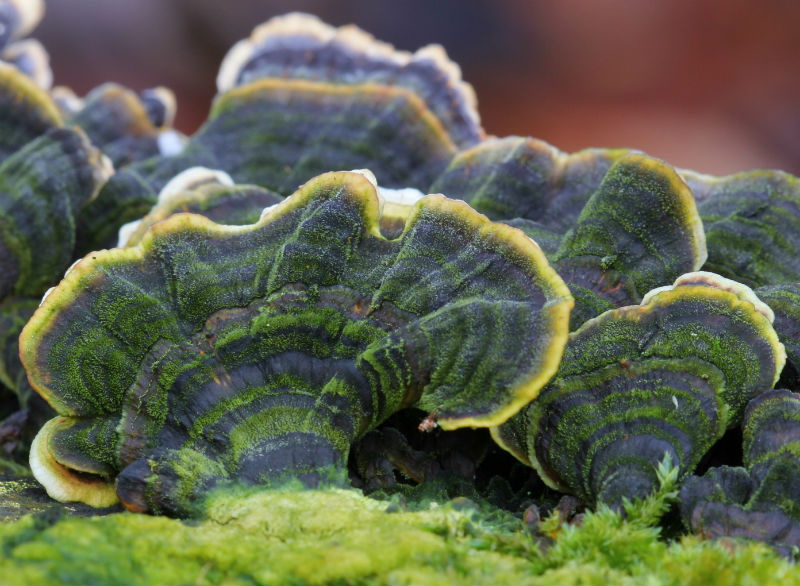
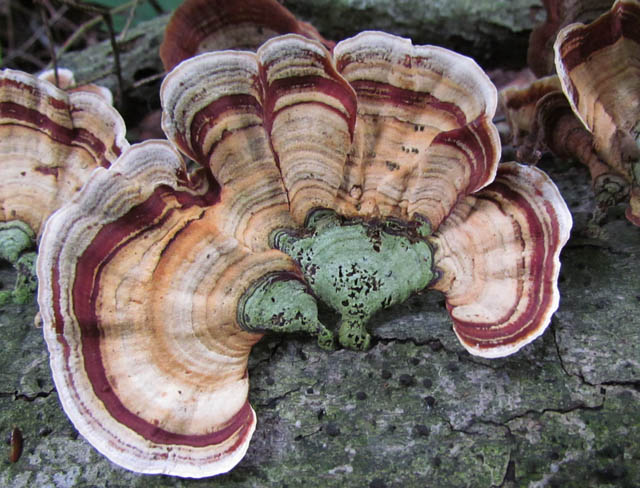
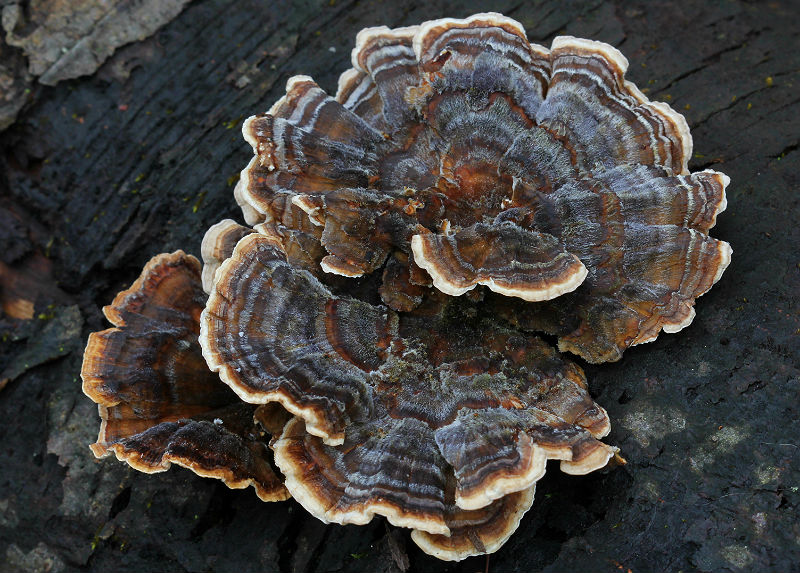
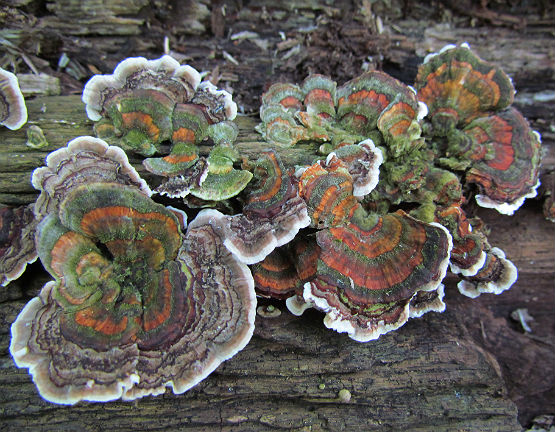
Turkey Tail is a bracket fungus which grows on the sides of logs or trees. It’s easy to see how it gets its common name. The fan-shaped fruiting bodies have the same kind of concentric banding and roughly the same palette of colors as an actual Wild Turkey’s tail.

tt_3015

Fungi are recyclers. By digesting dead organic matter, they release carbon bound in plant cells. To do this they secrete digestive enzymes to chemically break down food into a form that they can absorb. Eventually, due to this process, nutrients are returned to the soil to be used again.

turkeytail018

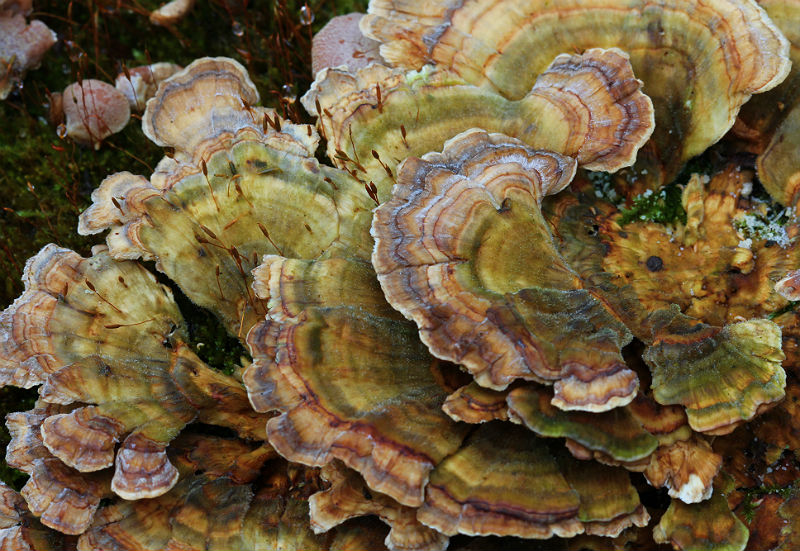
Turkey Tail is spoon-shaped, up to four inches wide, and can be very colorful. Its colors can range from brown, white, tan, orange, red, or purple – or all of these colors at once. They often overlap each other and feel leathery to the touch.

turkeytail021

Like other fungi, Turkey Tail is the name for the part that you see. Most of the fungus is inside the bark of the log. The “tail” that you see is like the “flower” of the fungus.

tt_4011

Turkey Tails are among the most common and most beautiful fungi in the woods and on a dreary November day, finding and photographing them can make for an enjoyable way to spend the afternoon.

Third Eye Herp
E-mail