Spiderwort

spiderwort_9831

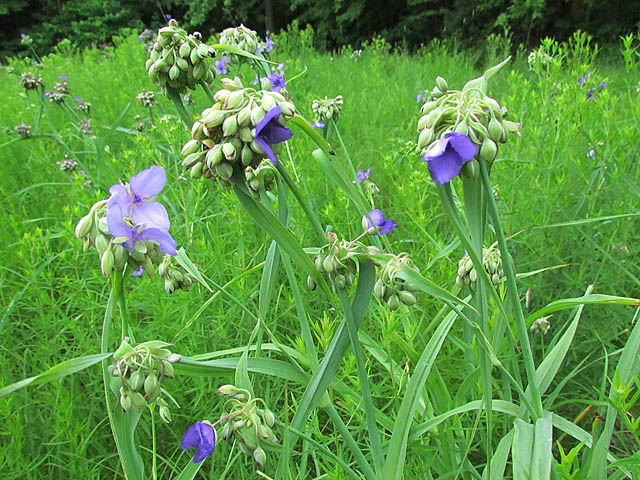
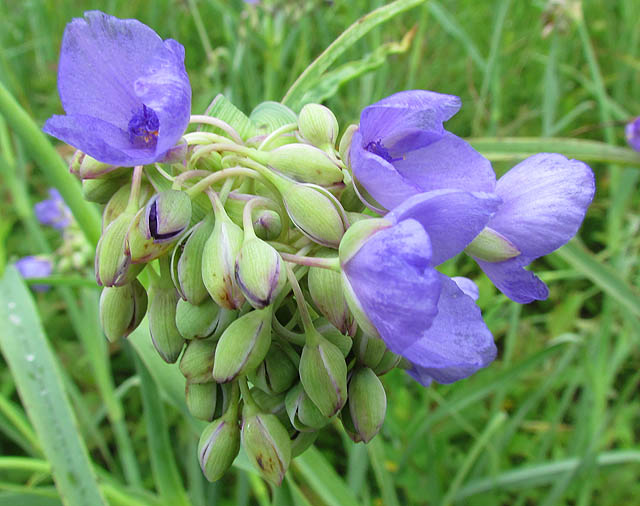
Spiderworts are very distinctive Summer prairie wildflowers. Growing knee-high, their (usually) blue flowers stand out among the green of the new grass.

spiderwort_1980

If you break the tip off a spiderwort leaf and wait for a drop of sap to appear, then touch it with your fingertip, you can stretch the thread of sap.

spiderwort 027

This resemblance to a spider’s silk may explain where its name came from. The gooey quality of the sap definitely explains its familiar nickname of “cow slobber.”

spiderwort_9841

The stems, leaves and flowers of Spiderworts are edible. Spiderworts also are one of the native wildflowers that have made their way into the nursery trade. They may also be easily propagated from stem cuttings or seeds.

spiderwort_9858

This plant’s genus, Tradescantia, is named for John Tradescant, who was gardener for King Charles I of England. He grew them from seeds brought back from America; Spiderwort is still popular in English gardens today.

Third Eye Herp
E-mail

Stonecat Madtom

Stonecat Madtom_9017

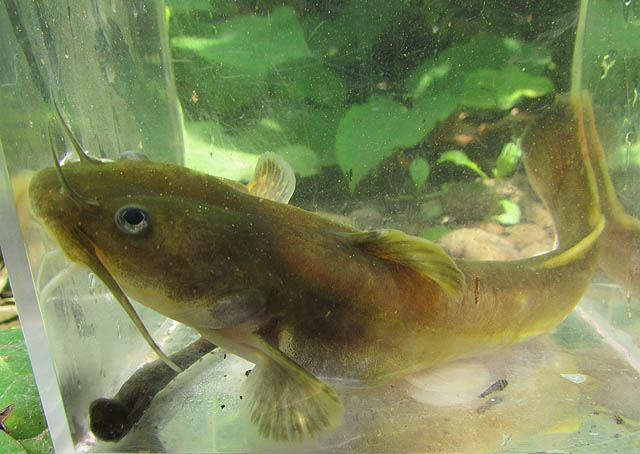
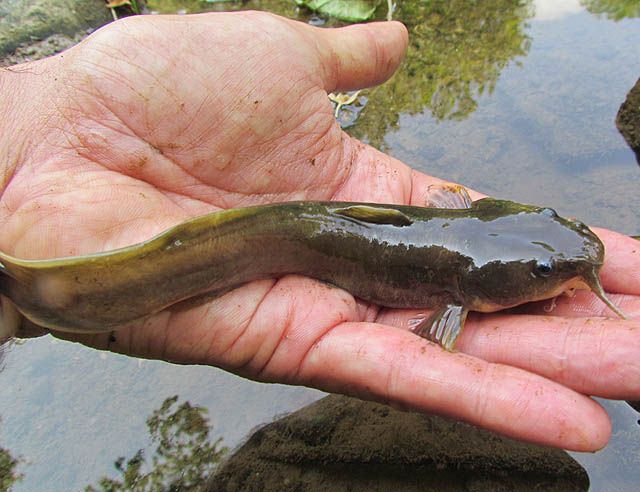
The Stonecat Madtom is the largest species in the group of catfishes known as madtoms. They are the most common of six species of madtoms found in Ohio.

Stonecat Madtom_9074

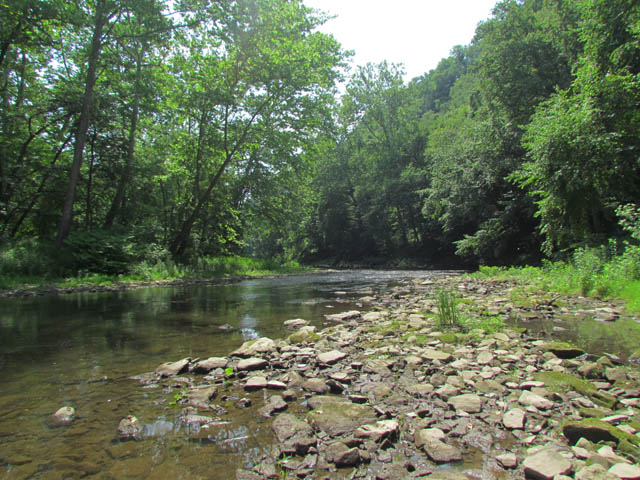
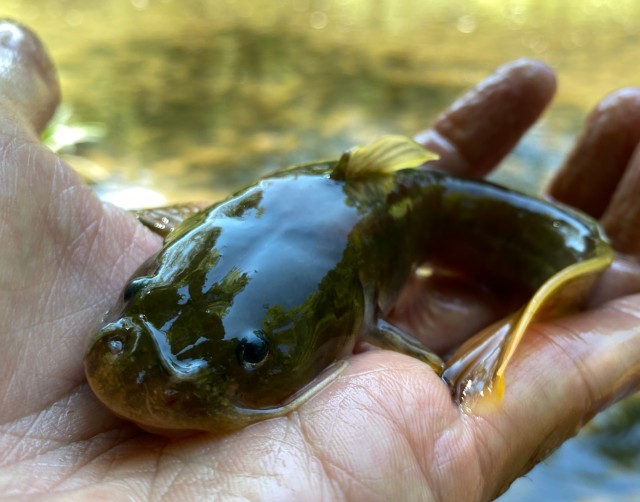
They are primarily a species found in medium to large rivers in areas with moderately fast current and large boulders and slabs. The Stonecat received its name because of its tendency to hide beneath flat rocks.

stonecat_9070

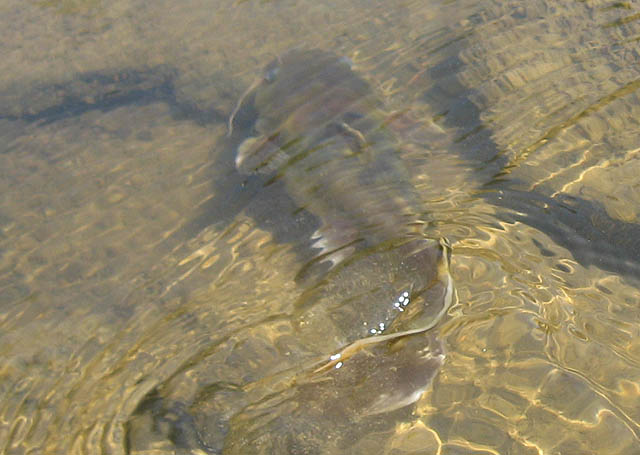
They spend the day hidden and come out at night to feed. At night, stonecats emerge to feed on the many aquatic insects and crayfishes that also occupy these habitats.

Stonecat Madtom_9087

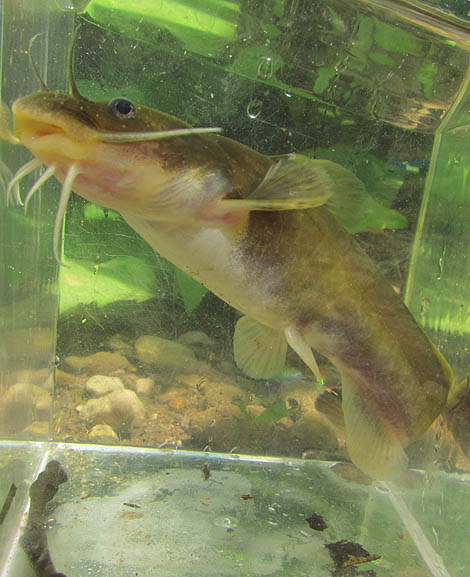
Their flattened body allows them to wriggle beneath large, flat rocks to hide or to seek out food. Stonecats, like the other members of the catfish family, have barbels (whiskers) that are used to help them locate food.

Stonecat Madtom_3969

Stonecat Madtoms serve as indicators of water quality. They are not present in highly polluted areas or areas with a large amount of siltation. Therefore they are a very valuable “indicator” species to humans.

Stonecat Madtom_1713

For some unknown reason, these fish are also good indicators of Smallmouth Bass populations. It seems if there is a good population of Stonecat Madtoms in the area, there will also be a good number of Smallmouth Bass, which was definitely the case on this outing.

Third Eye Herp
E-mail

Bold Jumper

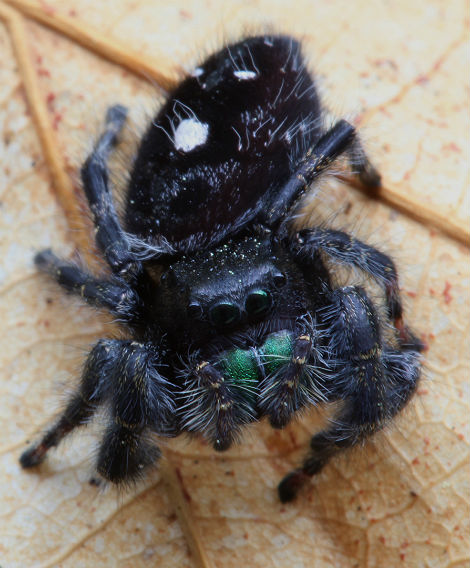
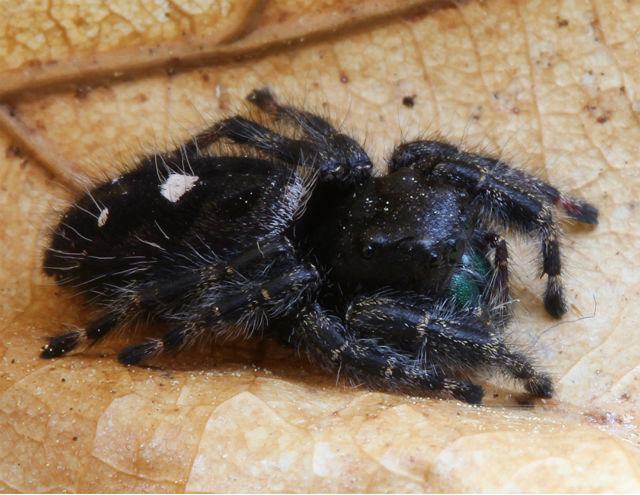
bold jumper 013

Jumping spiders are one the most charismatic arachnids around and during the warmer months I often seen them on my house and on the deck. They tend to be inquisitive and seemingly without fear. When photographing this one, it would typically turn to follow my movements.

bold jumper 011

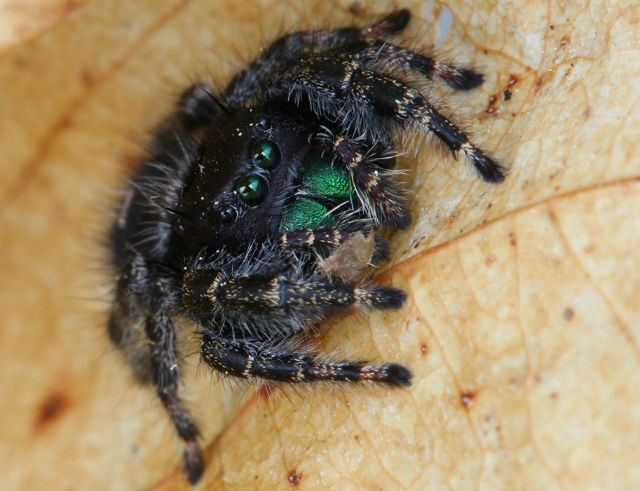
While most of their coloration is black and white, Bold Jumpers also have beautiful emerald green fang bases. They also have a face which looks like a monkey’s.

bold jumper 015

Rather than building webs, these spiders hunt prey visually (their large, forward-facing eyes, give them very good stereoscopic vision), stalking their insect victims. Watching one hunt down its food is not unlike watching a cat zero in on its prey. They can move quite quickly and are capable of amazing leaps. Bold Jumpers have been known to jump from 10 to 50 times their body length.

bold jumper 012

Although these active hunters not build webs to catch food, they do use webbing to wrap their eggs in or to construct a hideout. They also use their spider silk as a “lifeline” when jumping after prey. If a Bold Jumper comes up short of its target, the line catches the spider and it quickly retreats back to its original hunting spot.

Bold Jumper 007

Jumping spiders tend to be small, usually 1/2-3/4 of an inch. Male Bold Jumpers have “eyebrows,” or tufts of hairs over their eyes. This species has some of the best vision of all spiders. They have eight eyes. Four big eyes are located on the spider’s face. The other four are on top of the head. This fine arachnid is also known as the Daring Jumping Spider.

Third Eye Herp
E-mail

Rosebay Rhododendron

Rosebay Rhododendron _5926

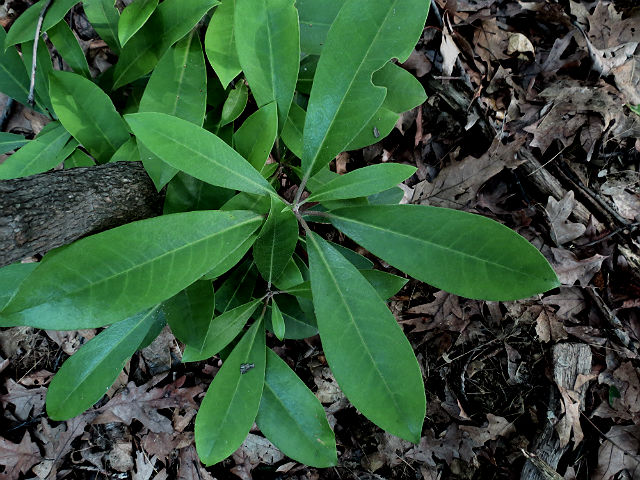
This “woody plant” is an evergreen, with a short, crooked trunk and branches.  It grows in woods, often in dense shade, so when in bloom its flowers really stand out.

Rosebay Rhododendron _5927

The rhododendron’s always-green, thick, leathery leaves set it apart from any other plant native to Ohio.

Rosebay Rhododendron 009

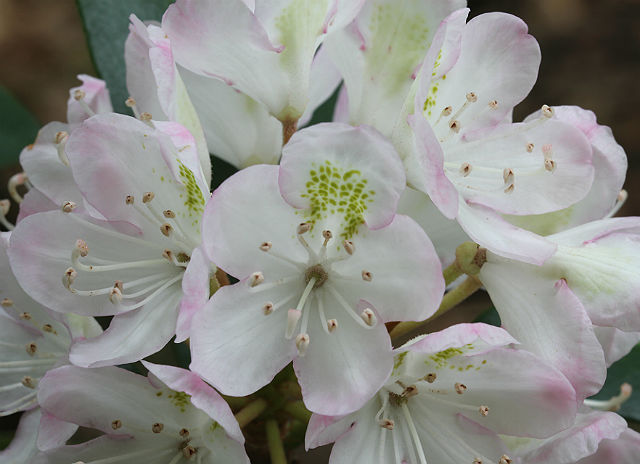
In late June and into early July, the flower buds open to reveal giant clusters of white blossoms edged with pink.

Rosebay Rhododendron 014

Though common in the Great Smoky Mountains and the state flower of West Virginia, in Ohio it is rather rare and occurs in localized, scattered populations growing naturally in the wilderness.

Rosebay Rhododendron 004

The popularity of rhododendrons for use in landscaping has made them and easy to attain at nurseries. This 8-12 foot shrub and its relatives grace the yards of many who appreciate its many attributes.

Rosebay Rhododendron 023

And they also contribute their elegance to Brecksville Reservation, where I saw and photographed these examples of this fine plant.

Third Eye Herp
E-mail

Green Heron

swamp 003

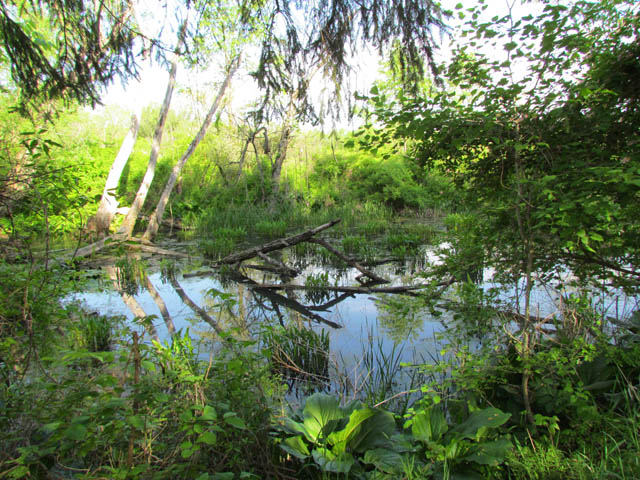
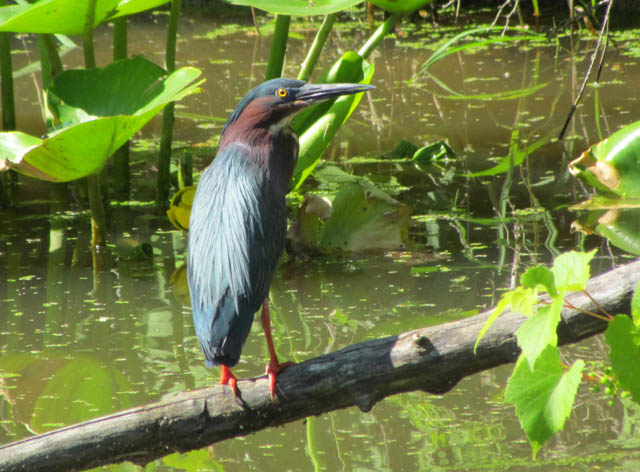
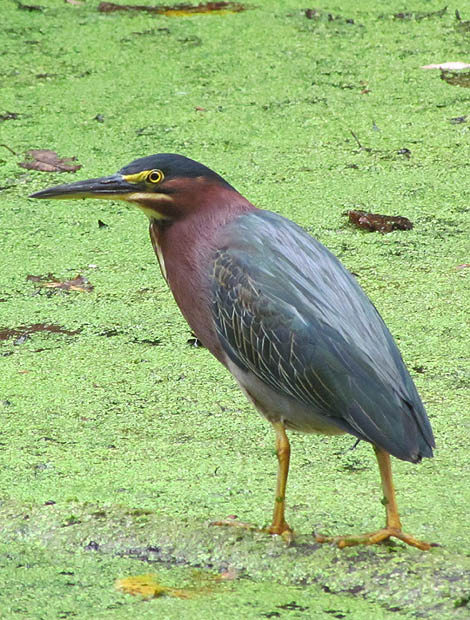
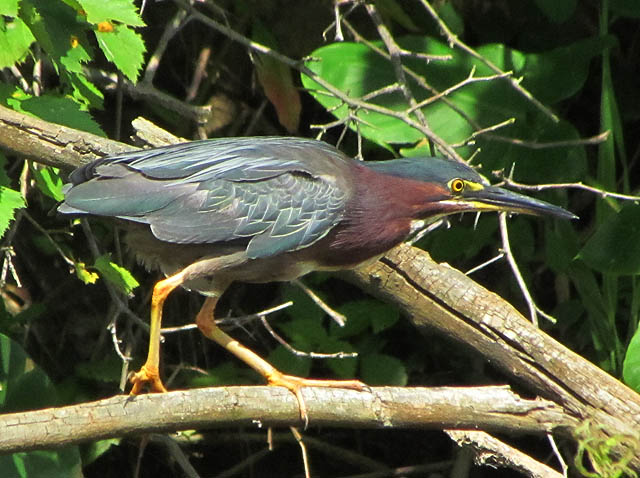
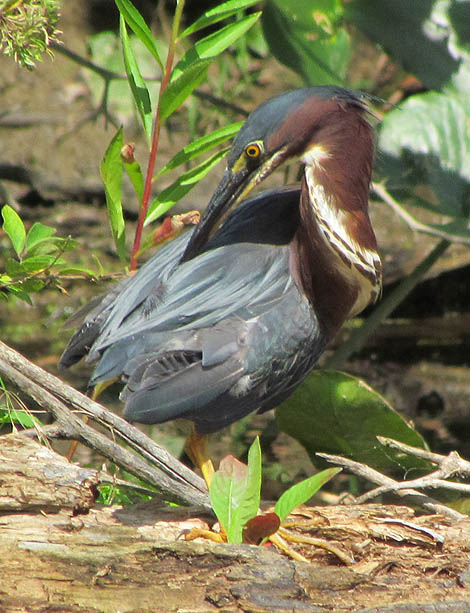
The Green Heron is stocky, dark colored and small for a heron. This crow-sized bird is solitary and secretive.

greenheron_8920

It inhabits small, freshwater wetlands, ponds, and stream-sides with thick vegetation along the edges. I have seen a far number of them on the Ohio & Erie Canal Towpath.

green heron_6585

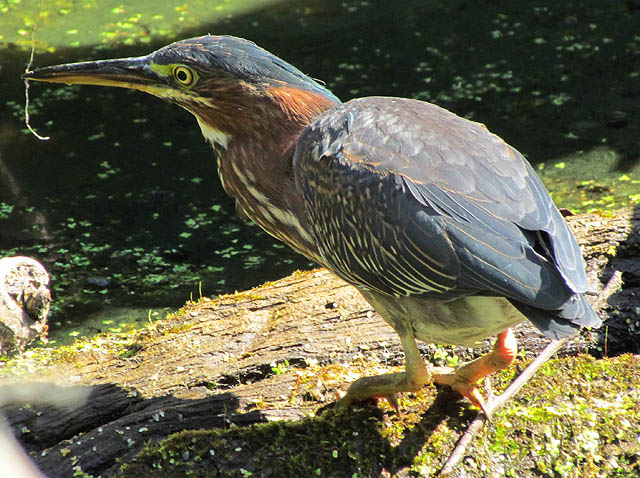
The Green Heron is one of the few birds known to use tools. It will attract prey with “bait” (feathers, small sticks, live insects or berries) that it drops into the water. This hunting technique has earned them the distinction of being placed among the world’s smartest birds. This one is using a blade of grass.

green heron_5307

I once saw one of these birds seemly cooperating with a Common Snapping Turtle, herding fish into an area where they could be easily caught.

greenheron_2962

This bird tends to forage from a perch, where it stands with its body lowered and stretched out horizontally, ready to thrust its bill at unsuspecting prey. Fish are its main source of food, though it is opportunistic feeder, also eating frogs, crayfish and large insects.

green heron_0372

The Green Heron lays three to six eggs in a nest made of sticks. Both the female and male make the nest. The male gathers the materials and the female constructs the nest.

greenheron_2959

A group of herons has many collective nouns, including a “battery,” “hedge,” “pose,” “rookery” and “scattering” of herons.

Third Eye Herp
E-mail

Foxglove Beardtongue

foxglove_8789

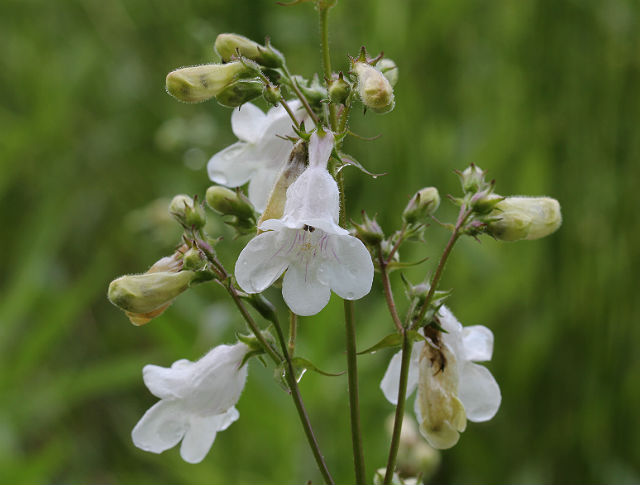
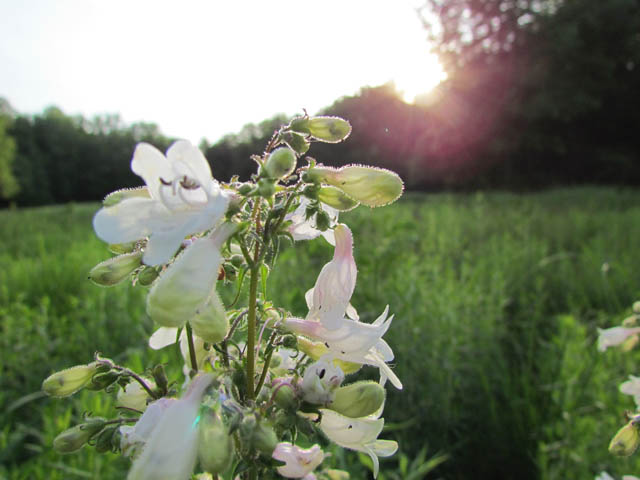
I’ve been seeing a whole lot of this native wildflower lately. This early blooming perennial gets its common name from the flower’s resemblance to the foxglove, or digitalis plant.

Foxglove Beardtongue 044

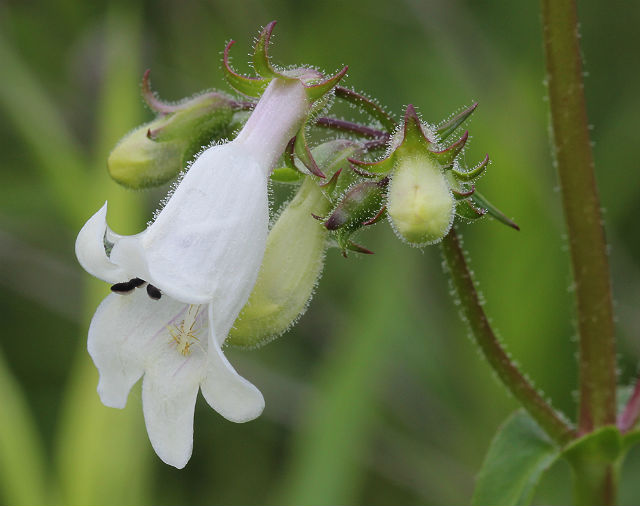
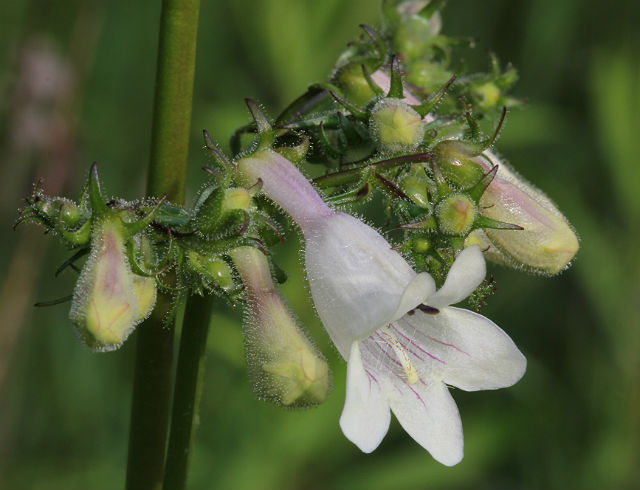
The genus name (Penstemon) refers to the presence of a fifth stamen that is tipped with a little beard made up of a tuft of hairs.

Foxglove Beardtongue 026

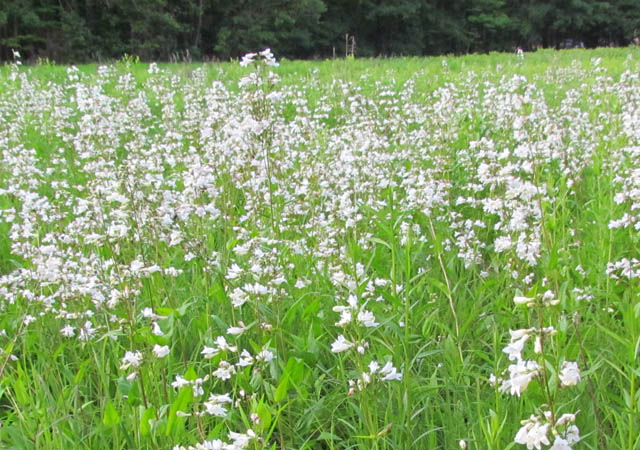
Foxglove Beardtongue is characterized by spikes of white tubular flowers that bloom on 2 to 4 foot stems. Purple lines or stripes within the throat of the flower attract bees and other pollinators.

Foxglove Beardtongue 022

Butterflies and hummingbirds visit the flowers for nectar, and songbirds eat ripe seeds from the flower stems in fall and winter.

foxglove_8781

This year I even found this wildflower growing in my backyard. How cool is that?

Third Eye Herp
E-mail

Eastern Garter Snake

garter_5543

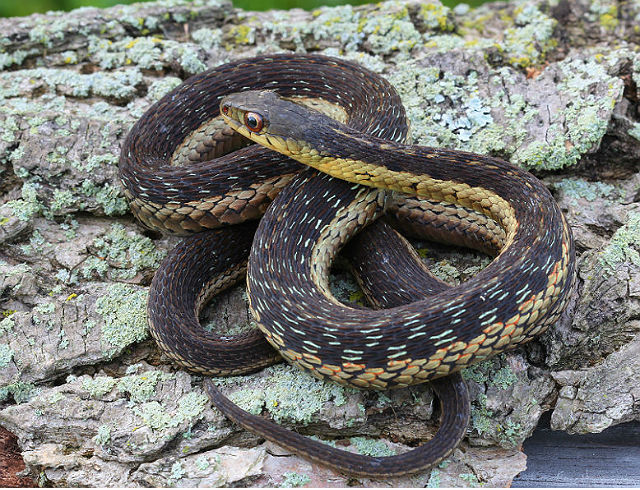
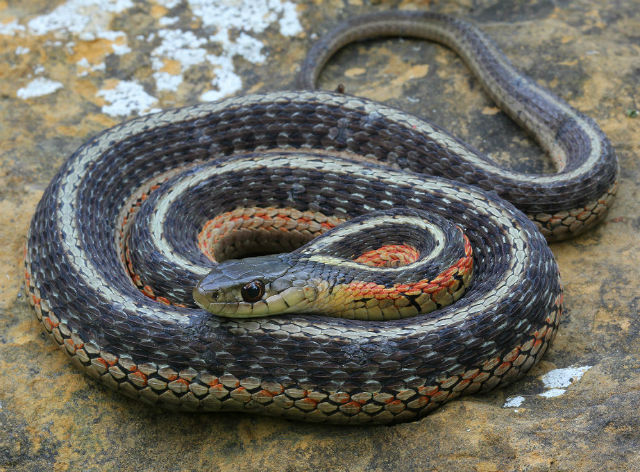
The Eastern Garter Snake is one of our most common and wide-ranging snakes. Adults are typically 2-3 feet long. Most individuals can be identified by the presence of three yellow stripes down a dark body. Some, however, exhibit a checkered body pattern with light stripes and a grayish or reddish body color.
eastern 002

These snakes derive their name from the resemblance of their dark stripes to old-fashioned sock garters. They tend to prefer moist, grassy environments and are often found near water, such as at the edges of ponds, marshes, streams, wet meadows, weed patches, farms and forests.

garter_0220

Garter snakes are very active, and can be found day or night, though they’re most active during the day. They are usually seen among vegetation. They are often discovered basking on wood piles, stone walls, hedges and rocks.
garter 020

Part of the recipe for this reptile’s success is the large variety of foods it eats including: frogs, toads, salamanders, earthworms, fish, tadpoles, mice, slugs, crayfish, leeches and insects.
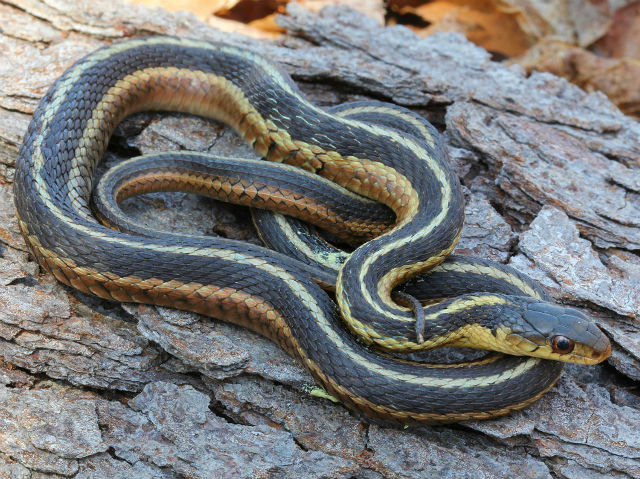
e garter 007

Eastern Garter Snakes mate from late March to early May. Sometimes when several males find a female at the same time, they form a “breeding ball.” A breeding ball is when snakes wrap themselves around each other, trying to mate.
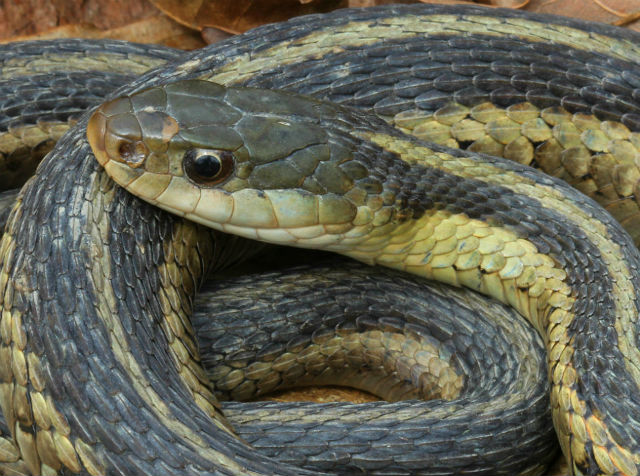
e garter 020

In April I observed these two males courting a female. Adult females are typically much larger than adult males. Eastern Garter Snakes give live birth to offspring, rather than laying eggs.
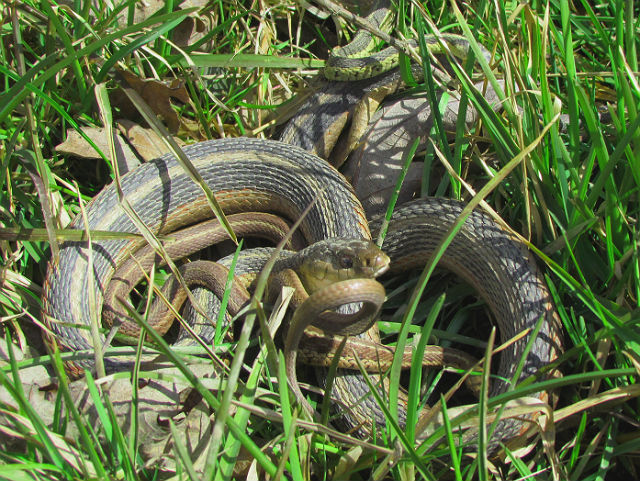
garter_1446

They are the first snakes to become active in Spring and have even been seen crawling over snow. If attacked, a garter snake will release a bad-smelling odor called musk. This deters some of their predators.
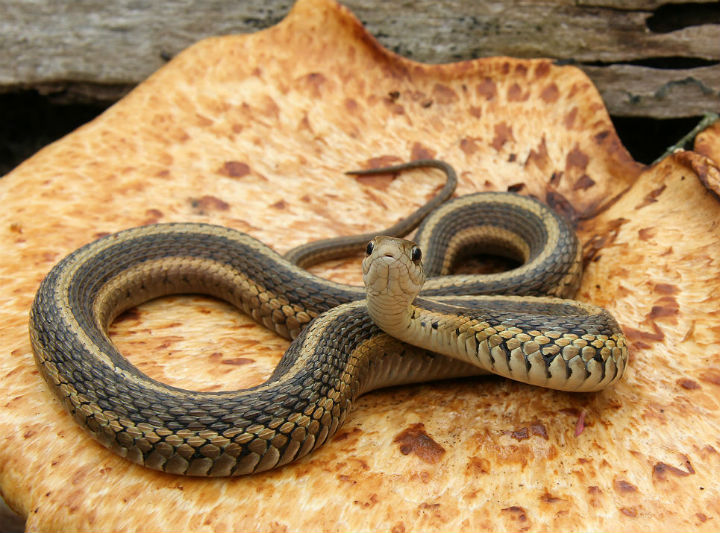
eastern garter snake

In Northwest Ohio we have a population of all-black Eastern Garter Snakes, a morph which adds to their impressive array of colors and patterns. Here’s one that I found a couple of weeks ago.
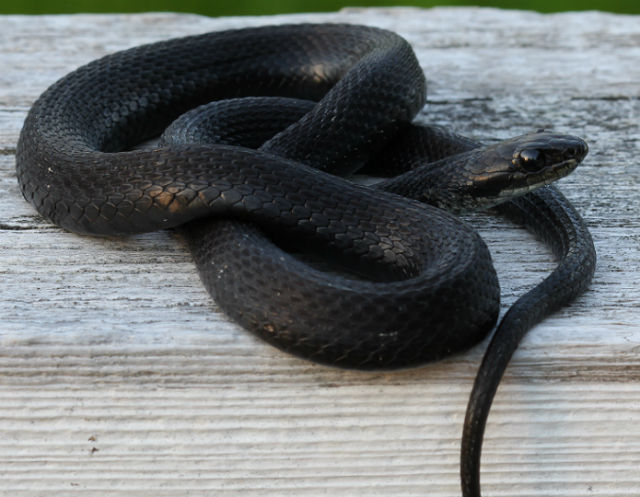
mel004

Though common, the variability in their colors and patterns makes each encounter with one of these snakes a pleasant one.

Third Eye Herp
E-mail

Bluegill

bluegill_5617

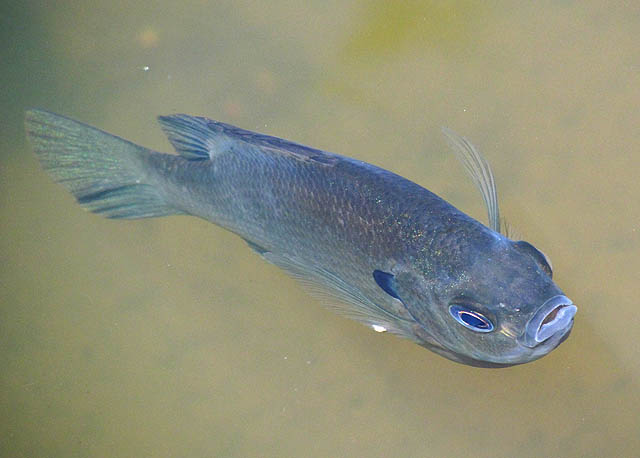
Bluegill are an important and abundant sport fish in the United States. They are also one of the most common species in Ohio and can be found in almost every body of water throughout the state.

bluegill_4439

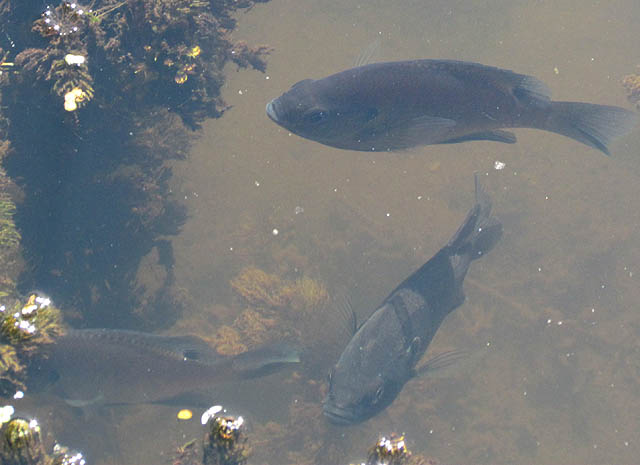
They are most abundant in clear lakes and ponds that have some rooted aquatic vegetation. They usually hide around and inside old tree stumps and other underwater structures.

bluegill 038

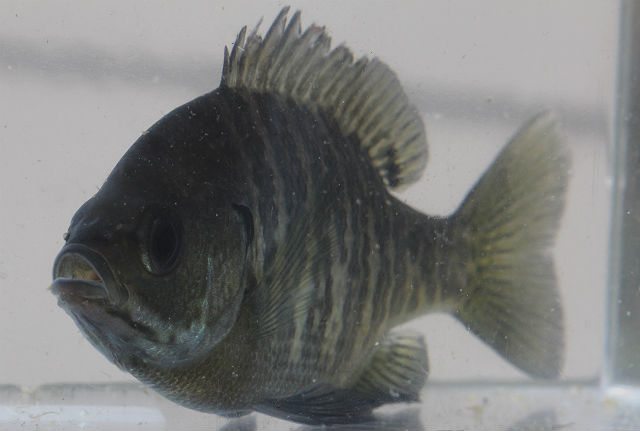
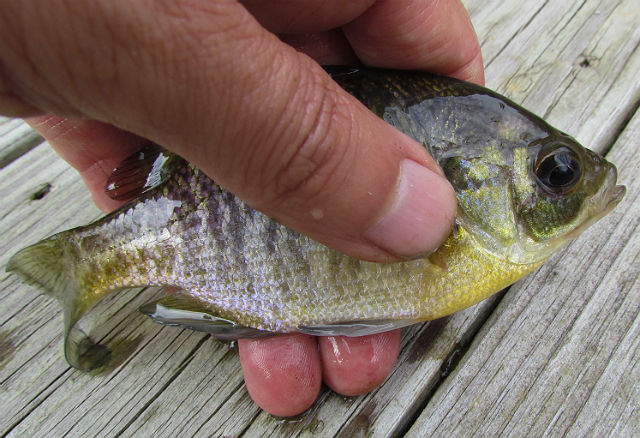
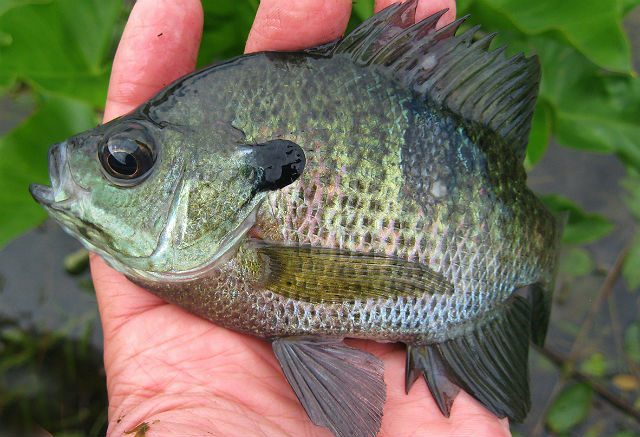
They can grow up to 12 inches long, though they are usually about half this size. They can have beautiful coloring, with deep blue and purple on the face and gill flap, dark olive-colored bands down their sides, and a fiery orange to yellow belly. It is the most common member of the Sunfish Family has a distinctive black spot behind the gills.

bluegill_2097

Like other sunfish, Bluegill have very deep and highly compressed bodies. The name “bluegill” comes from the iridescent blue and purple region on their cheeks and gill covers.

bluegill_5080

Bluegill eat just about any little animal that will fit into their small mouths, especially aquatic insects and land insects that fall into the water. They are important aquatic predators in the streams and ponds they occupy. In turn they provide food for larger fish.

bluegill_9067

Not only does it play a critical role in the freshwater environment it inhabits, this common creature also is an example of the beauty in nature that is all around us, yet very often overlooked.

Third Eye Herp
E-mail
Red Flat Bark Beetle

forest_09_21 016

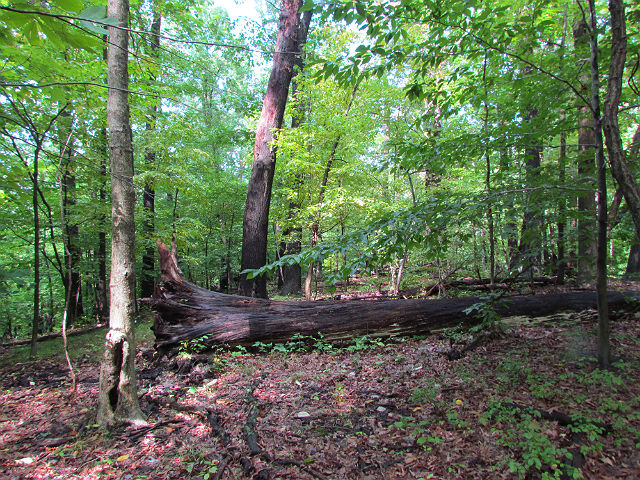
“Flat bark beetles,” are a family of distinctively flat insects found nearly worldwide under the bark of dead trees. Both larvae and adults live under bark; other than that, little is known of their habits.

red flat bark beetle 050

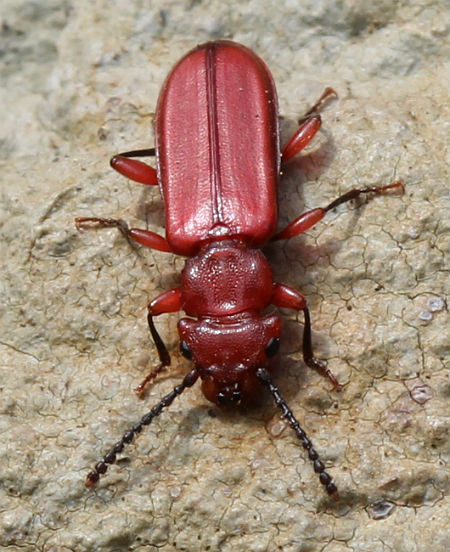
The Red Flat Bark Beetle has two “claims to fame.” The first should be obvious – this barely 3/8 of an inch long creature has extraordinary coloration.

red flat bark beetle 045

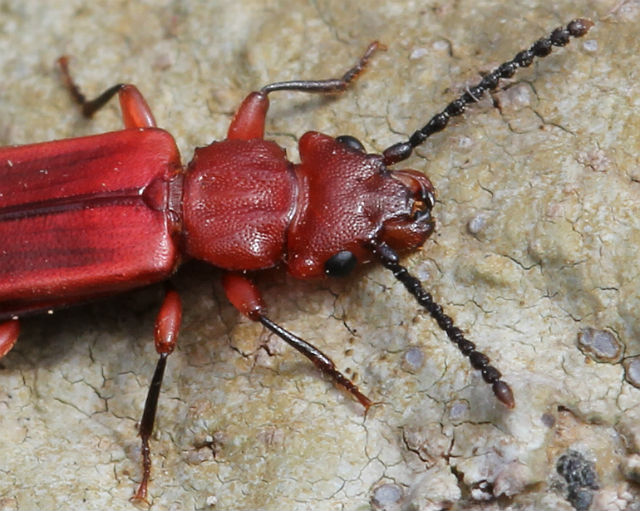
The second thing this insect is known for is the ability to survive extreme cold. Red Flat Bark Beetles can survive temperatures as low as -238°F (–150°C). They manage this by producing a type of antifreeze protein. Being able to withstand “unearthly” temperatures has allowed this beetle to reside in parts of the Arctic.

red flat bark beetle 051

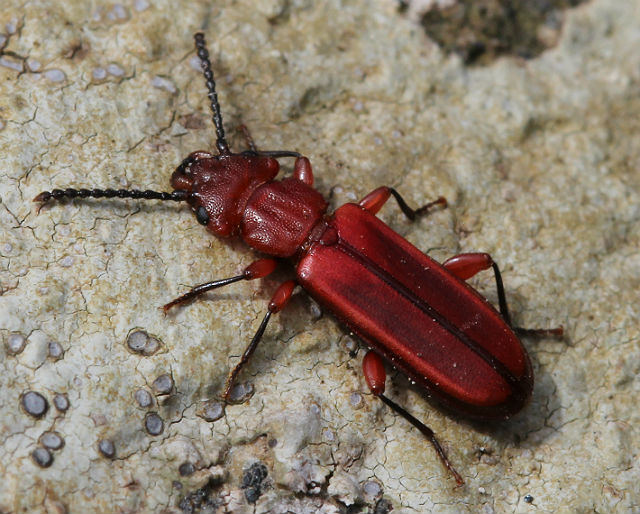
Their flattened bodies enable them to travel under loose bark with little effort. These beetles are considered beneficial to man because they eat harmful wood boring beetles that can damage timber. Their larvae are thought to be predatory as well.

red flat bark beetle 048

The diversity of insect life is astonishing, and the Red Flat Bark Beetle is just another example of six-legged awesomeness.

Third Eye Herp
E-mail

Western Patchnose Snake

patchnose 4901

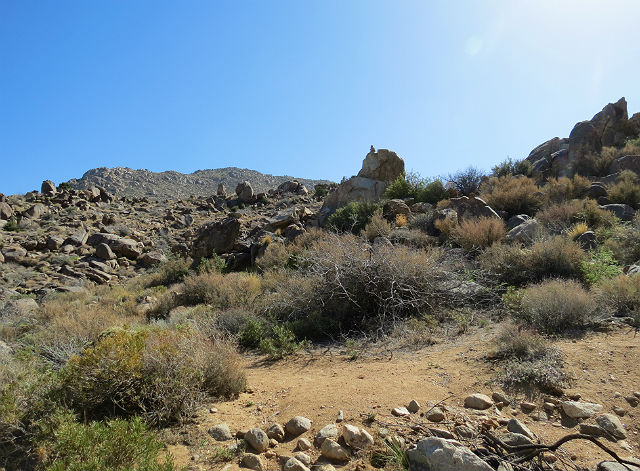
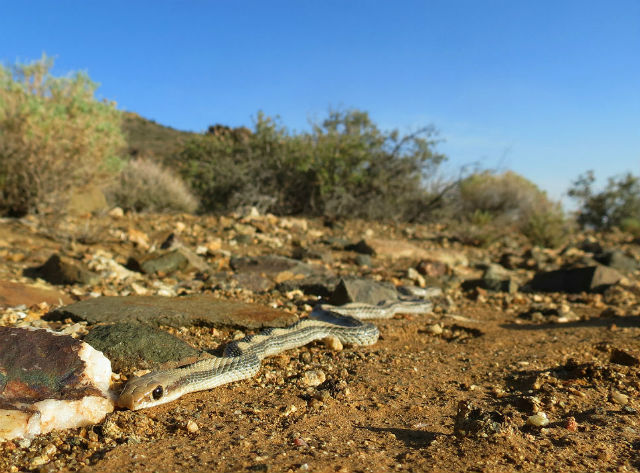
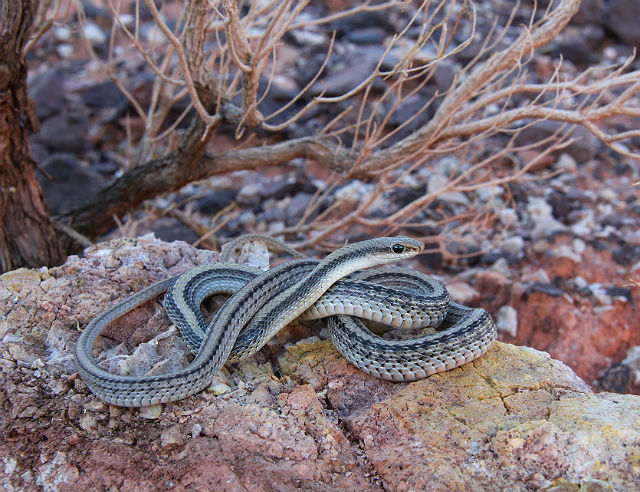
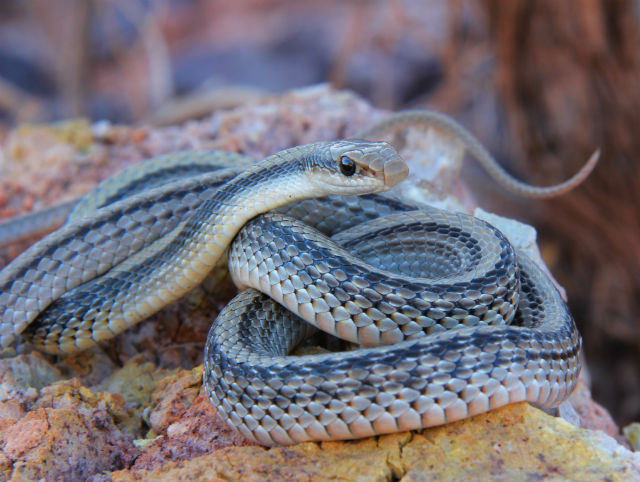
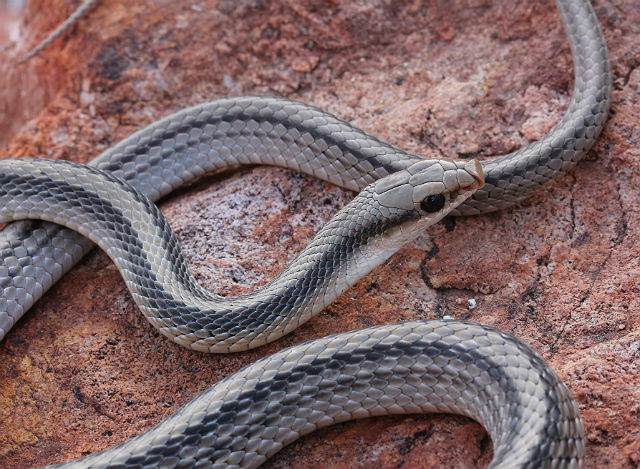
While hiking in the Cerbat Mountains in Arizona, I encountered this slender 3 foot snake. Most noticeable is the large, patch-like scale on the end of its nose. These tend to be earthtone snakes with black stripes.

patchnose_4994

The Western Patchnose Snake is found in sandy soils or rocky areas in lowland desert with open creosote bush flats or desert scrub. It is a very fast-moving snake and can disappear quickly if threatened.

patchnose 017

It’s eyes are large relative to the size of the head, which is an indication that this is a day-active predator that hunts mainly by sight.

patchnose 019

The enlarged scale on its nose is useful for burrowing while in search of its food: lizards, small mammals and reptile eggs. This snake does not constrict its prey, though it does throw loops of its body on top of the prey to subdue it.
patchnose 044

Many animals have curious adaptations that give them an advantage in surviving the natural world in which they inhabit. This reptile’s special scale, which appears as if it had been patched on in haste, gives it an edge when rooting out food items from the ground.

Third Eye Herp
E-mail