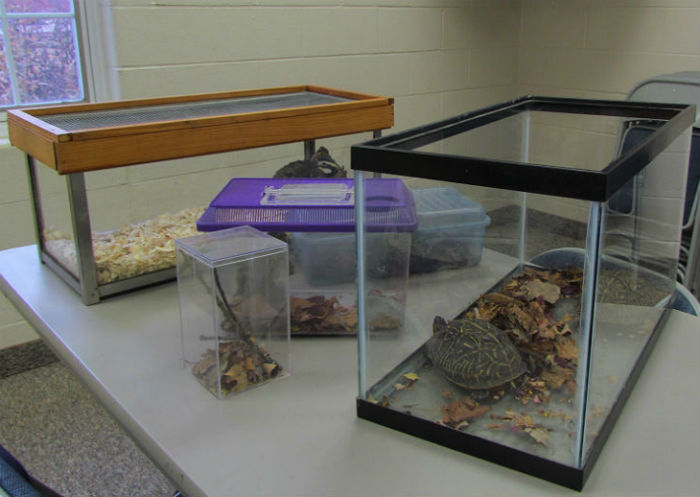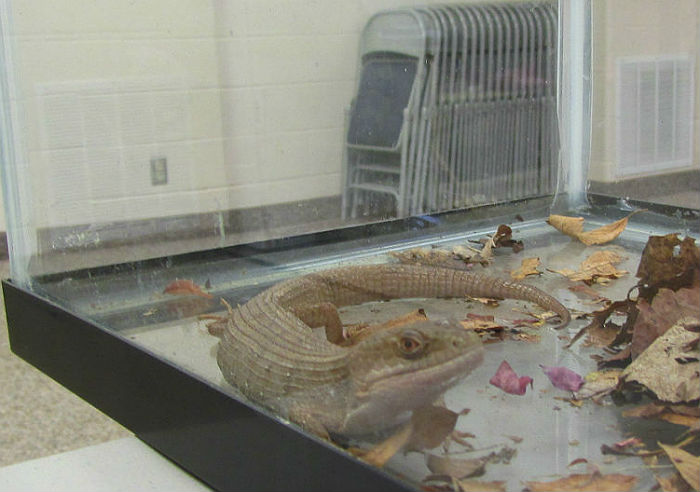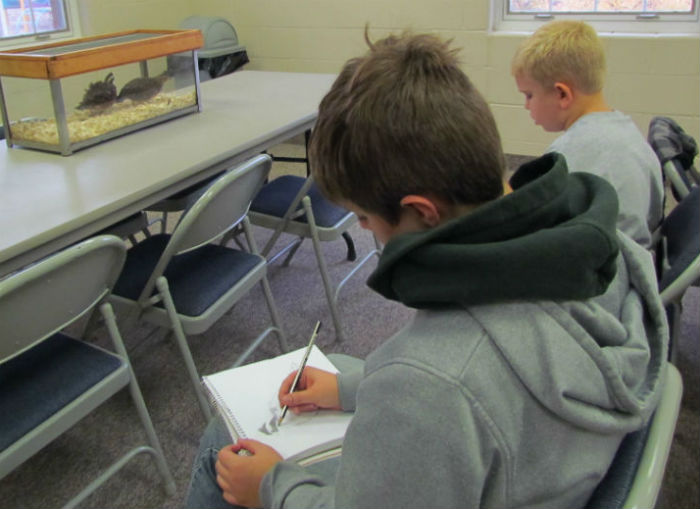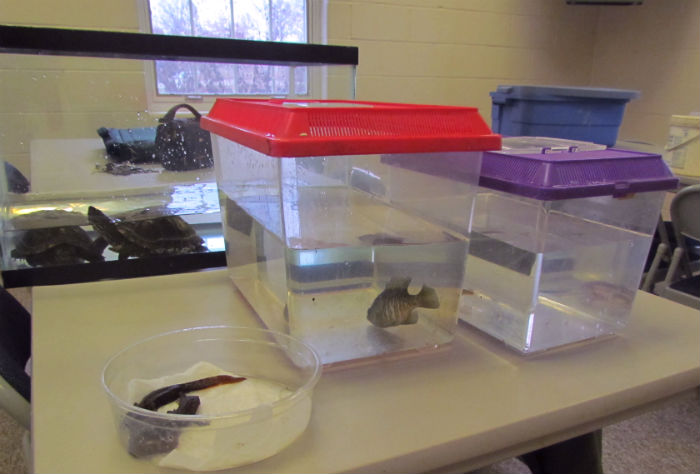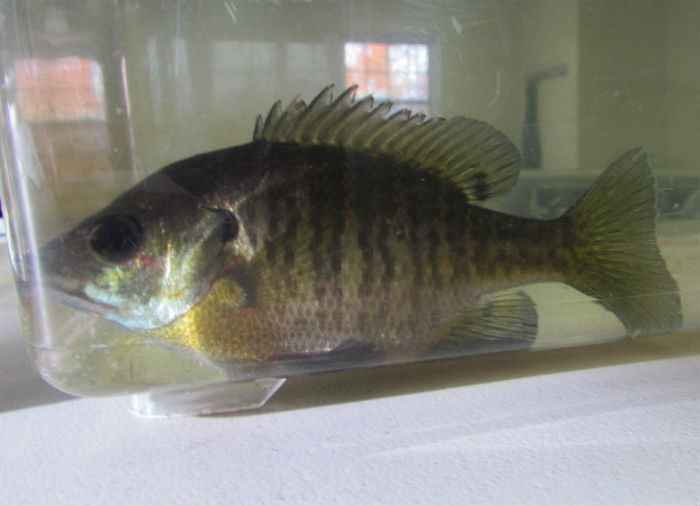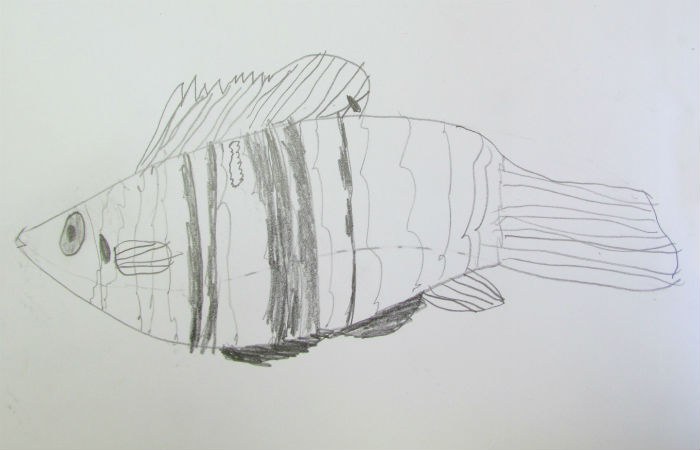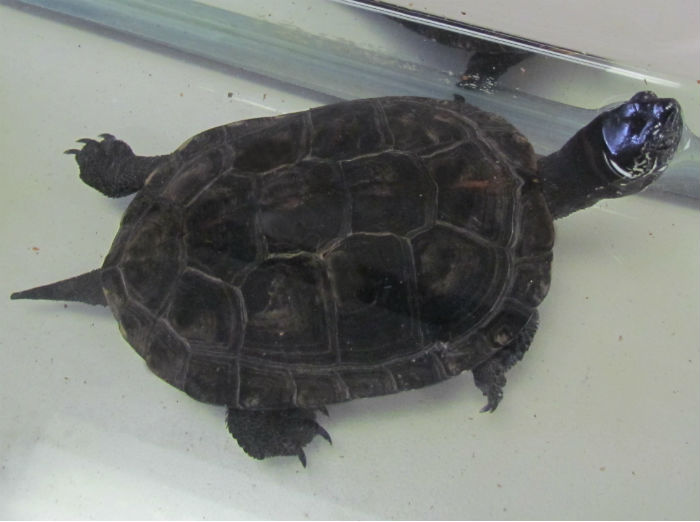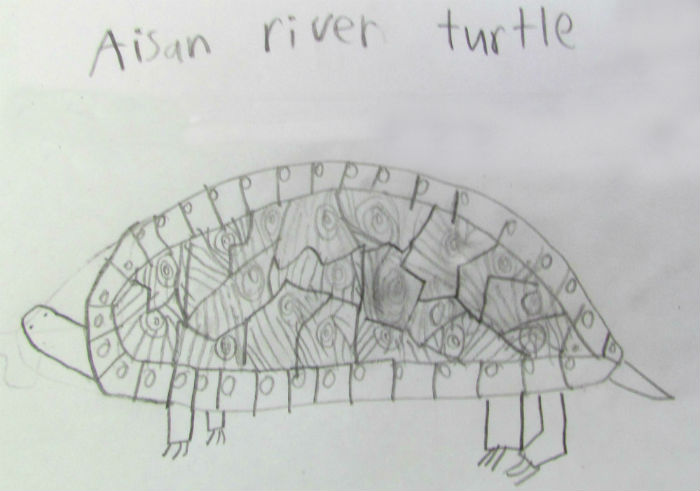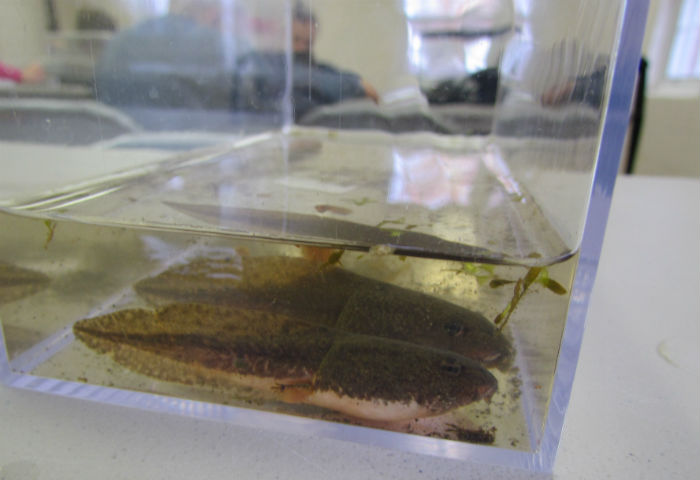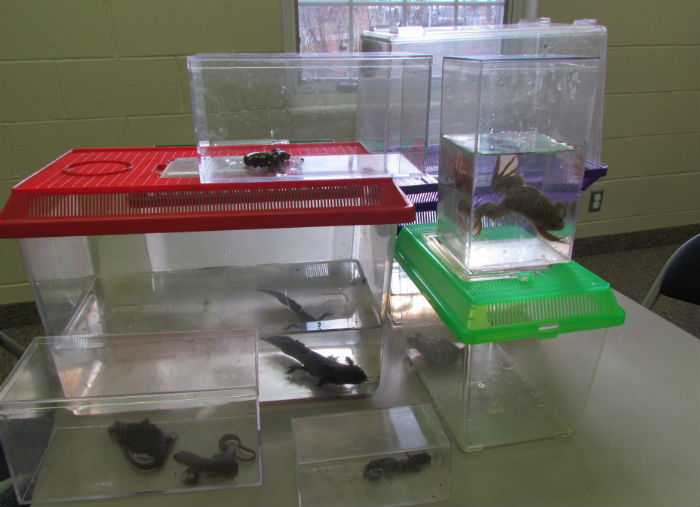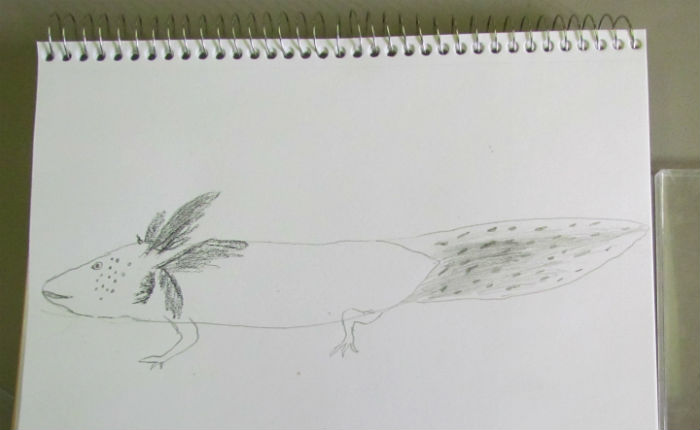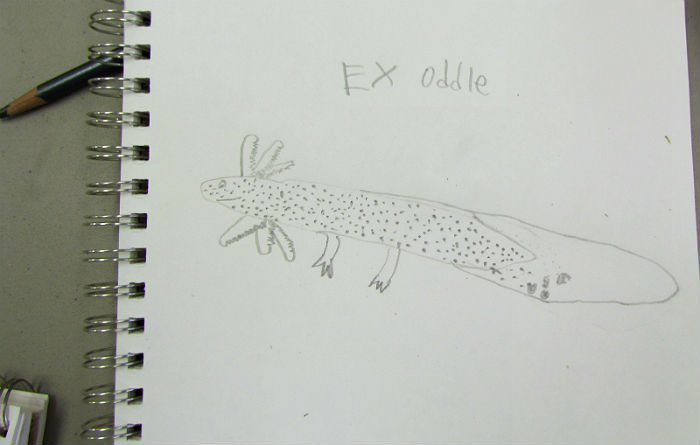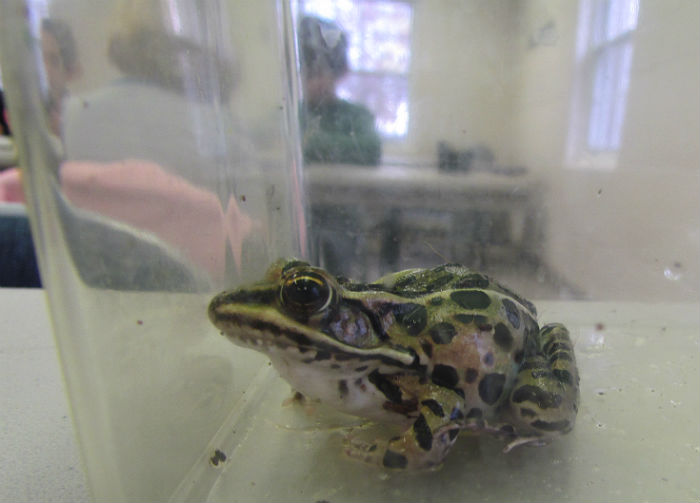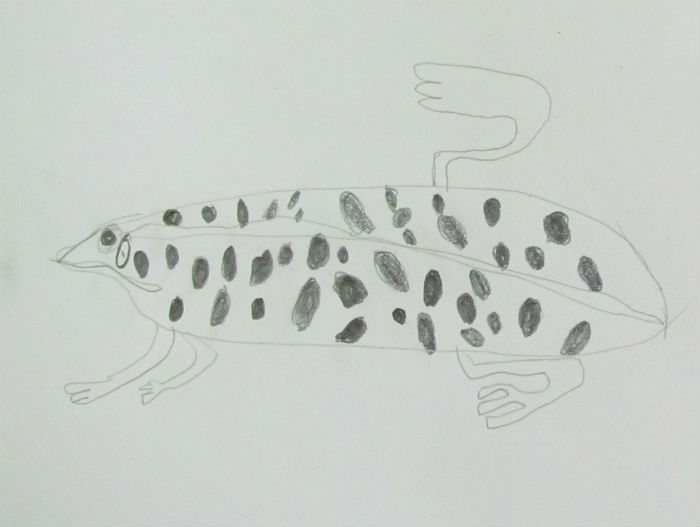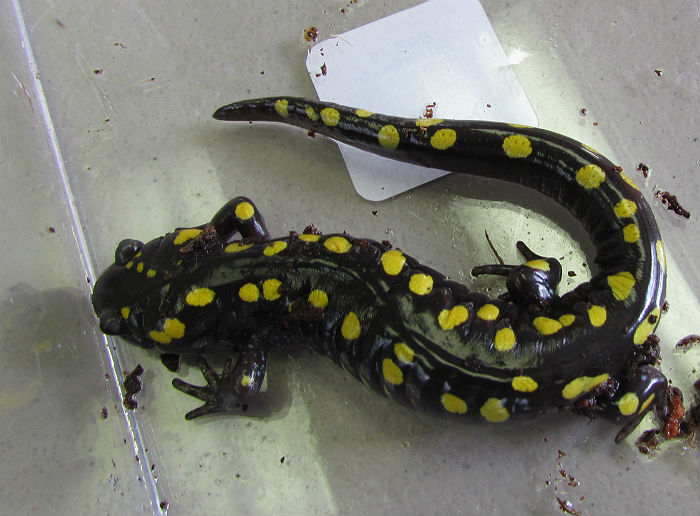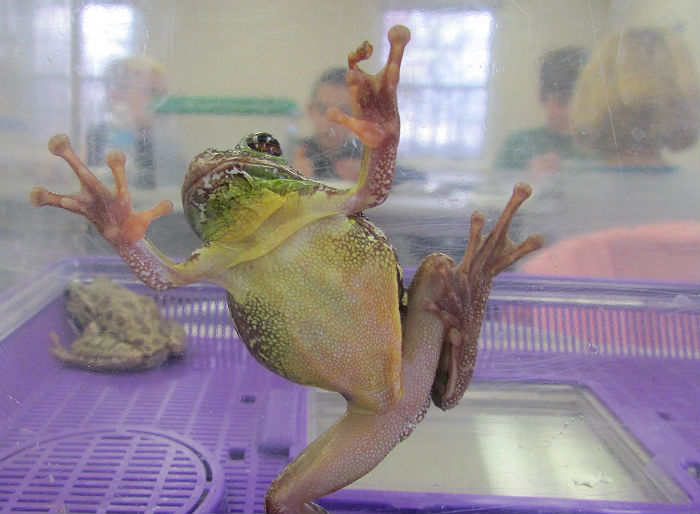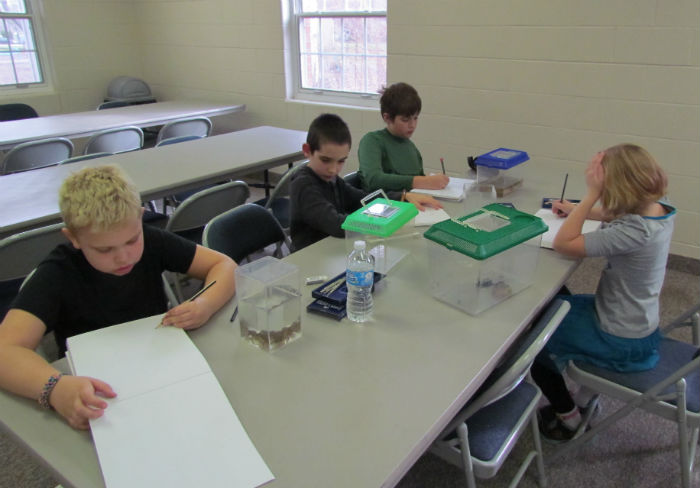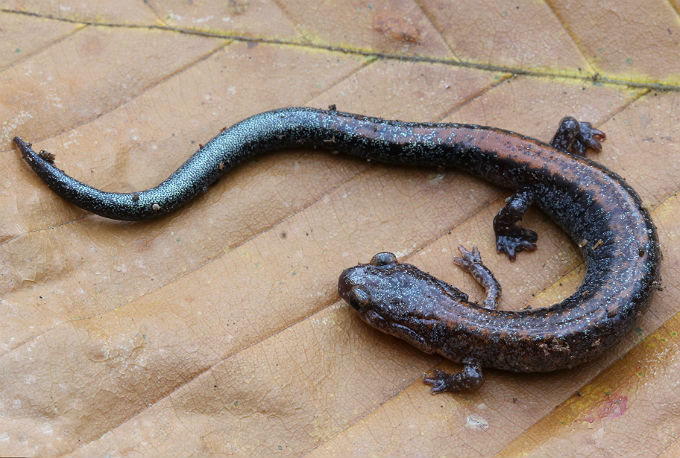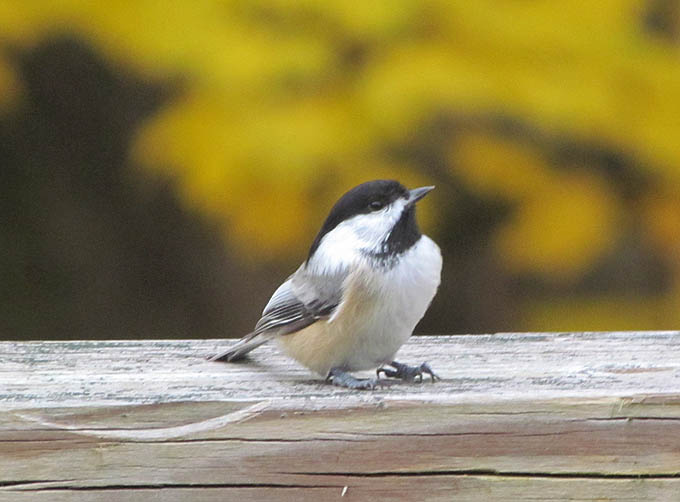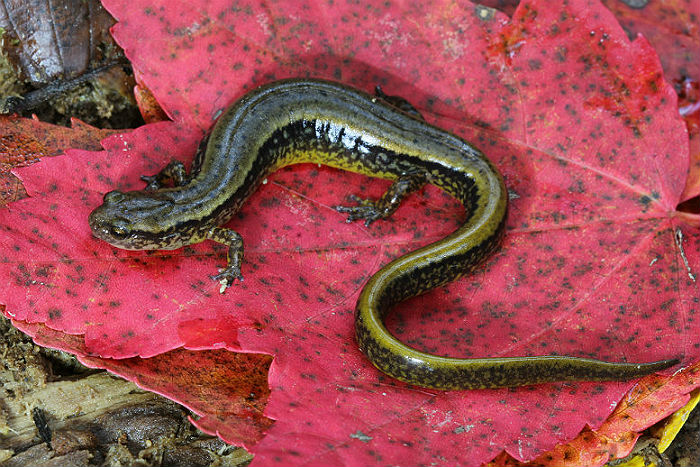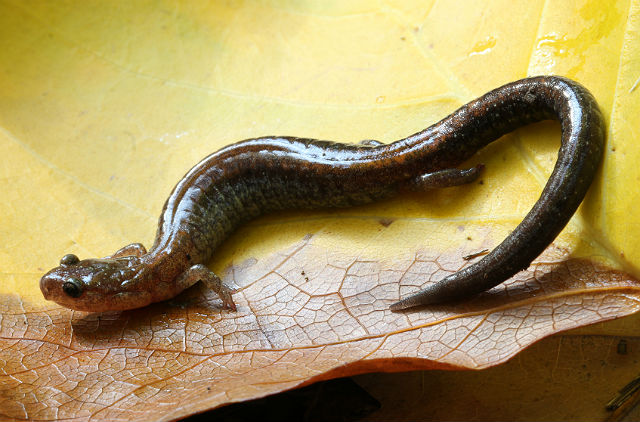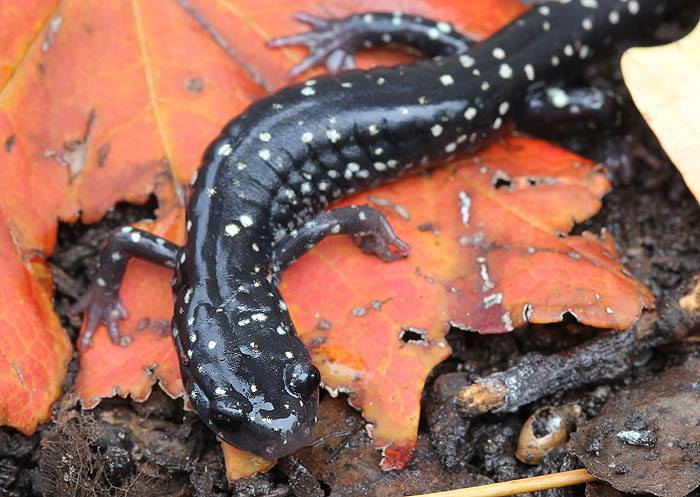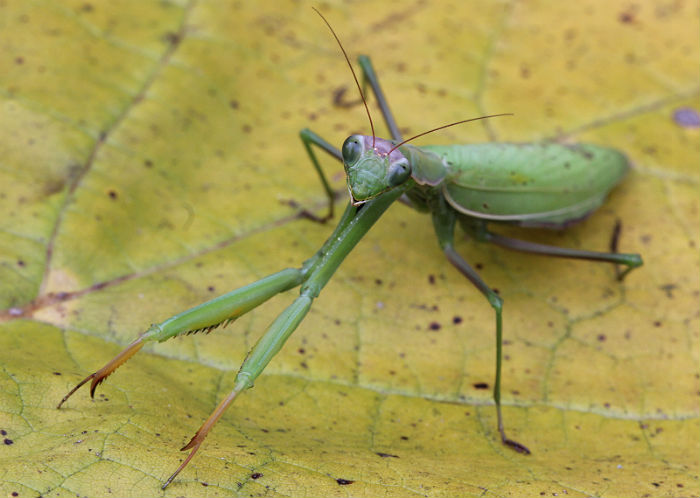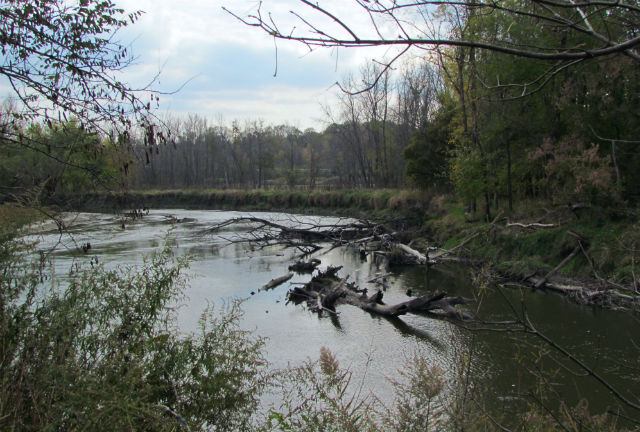
Animals awaiting the first day of school

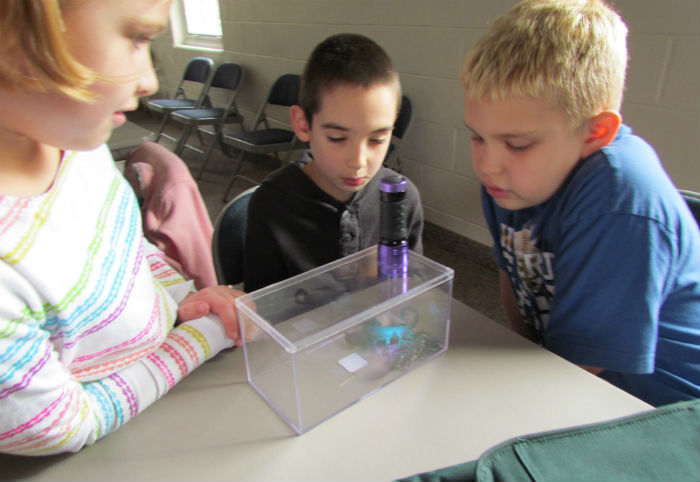
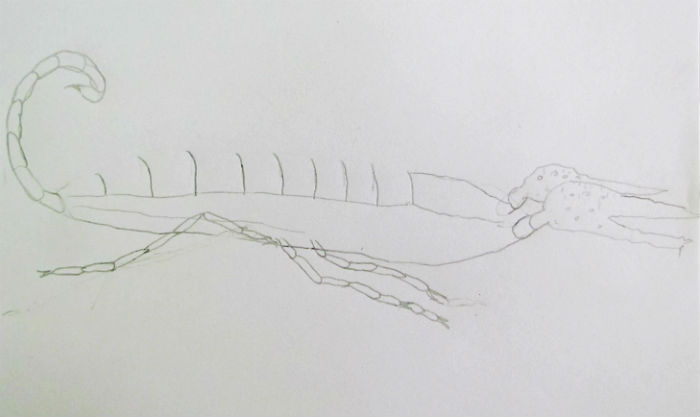
Day 2 was “creepy-crawly things.” Here are the students observing how scorpions glow under UV Light.

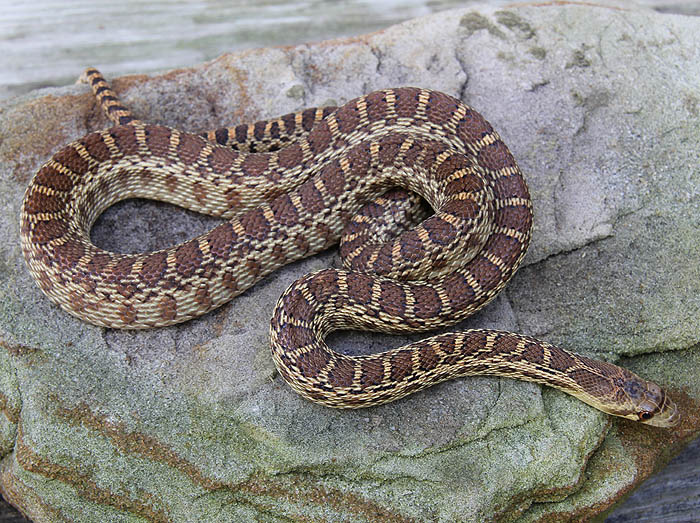
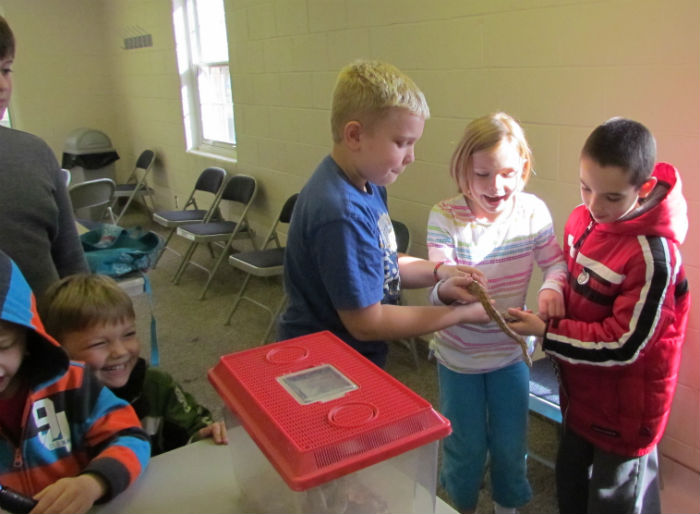
Getting to know a Corn Snake a little better.

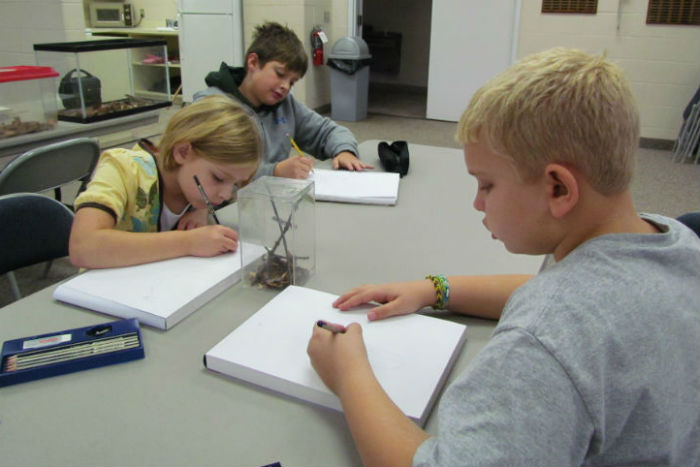
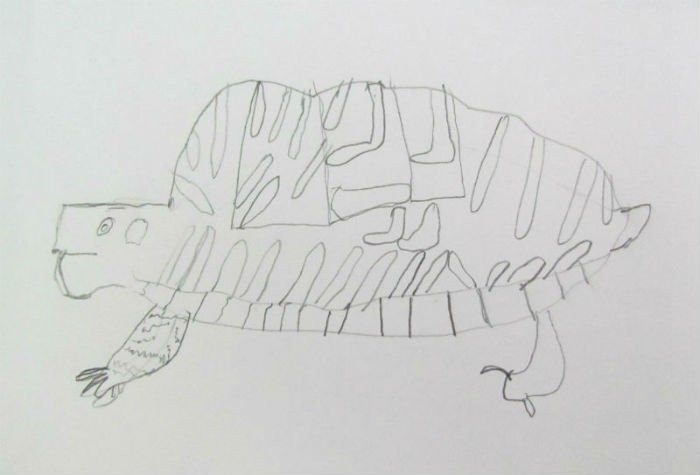
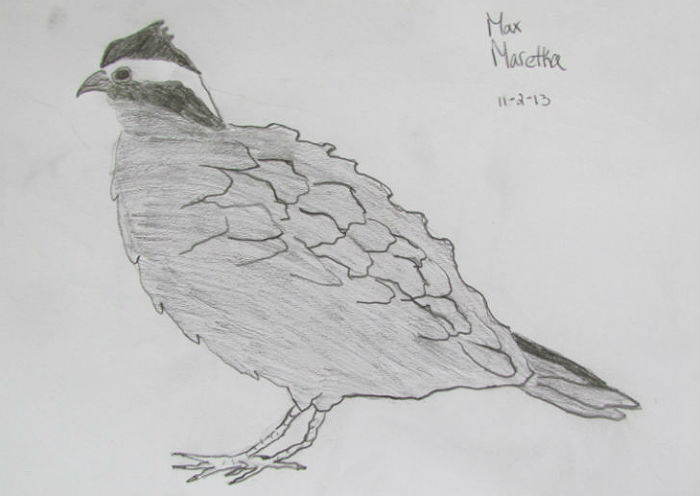
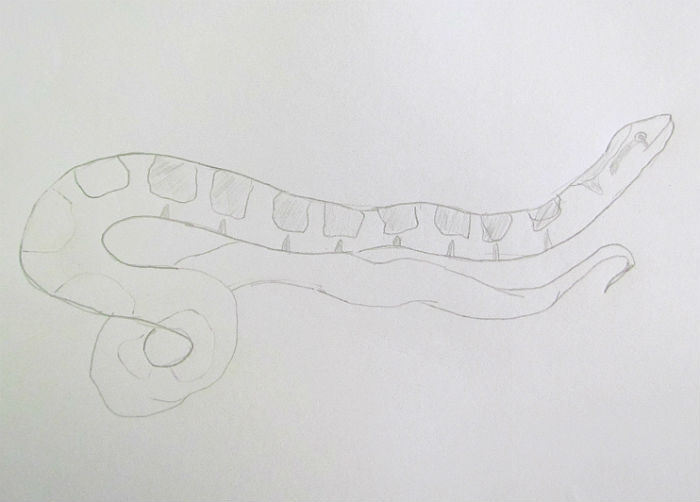
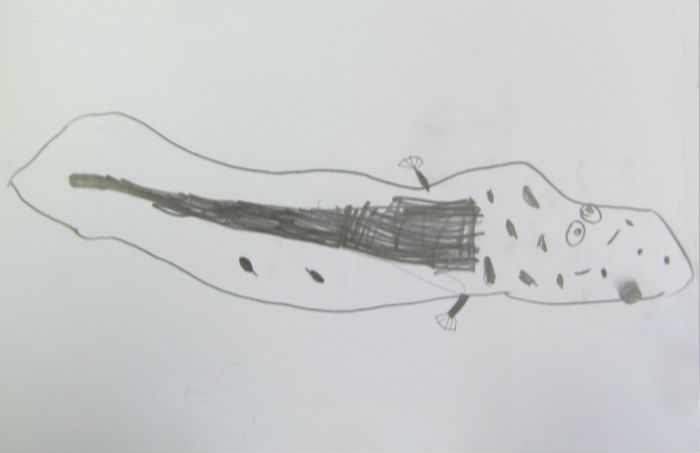
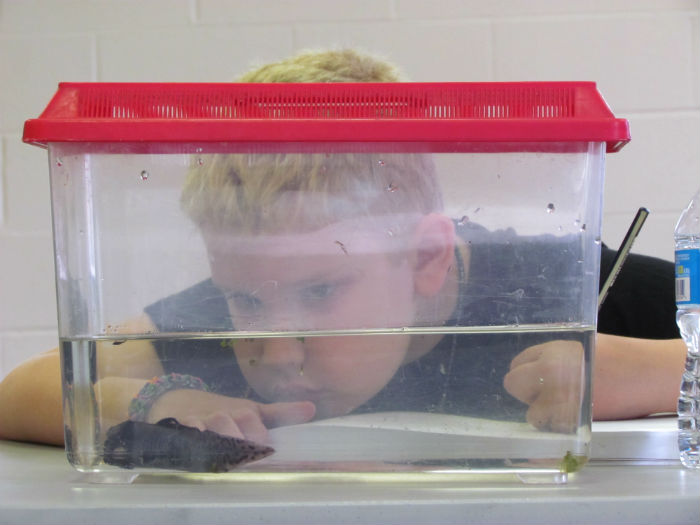
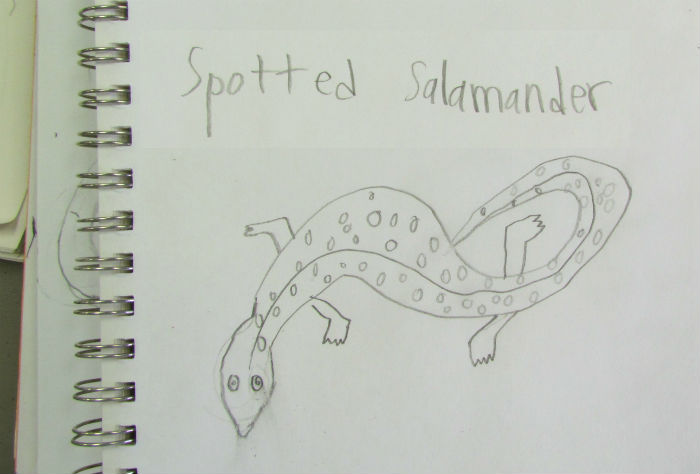
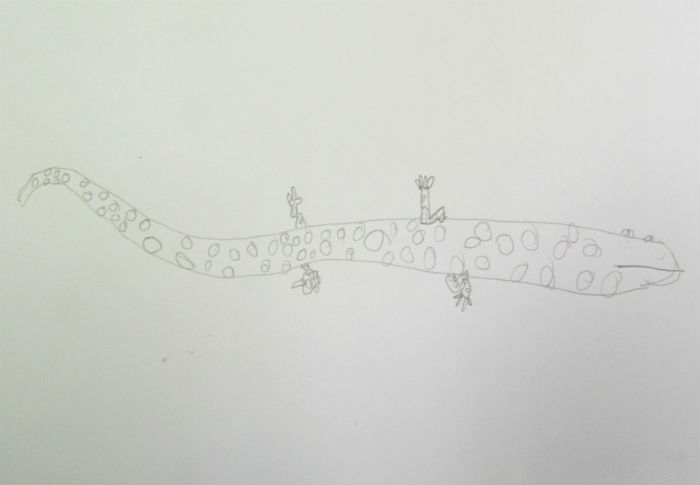
It takes some keen observation skills to be an artist

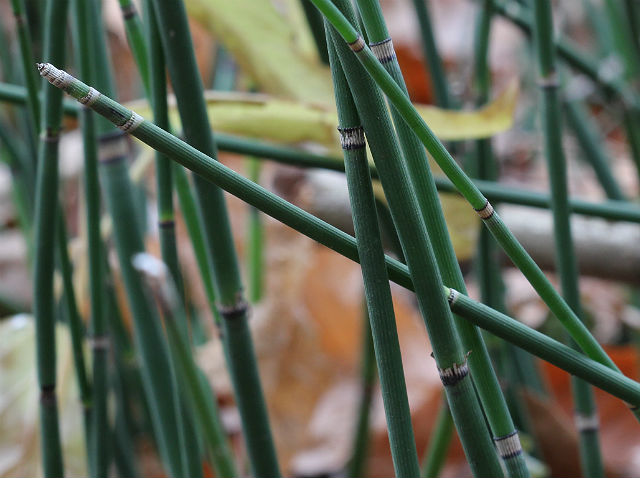
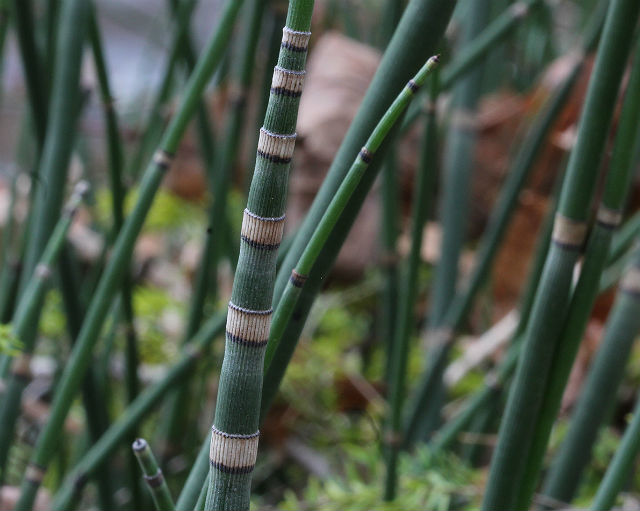
Scouring Rush is a primitive species that can be found throughout the world. Members of its family are commonly known as “Horsetail.”
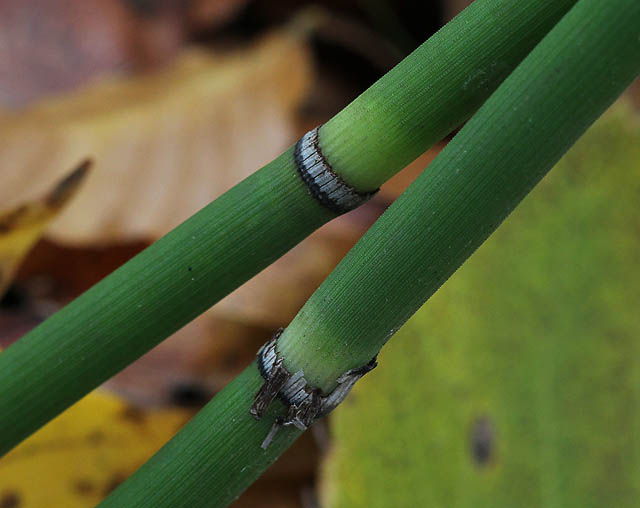
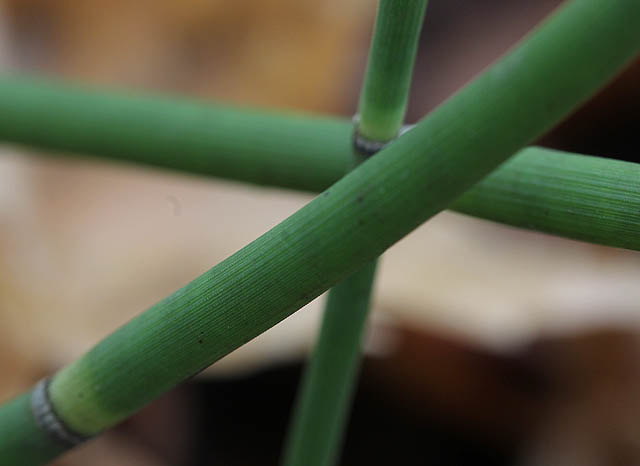
It is easily recognized by its slender, jointed stems, which remind me of bamboo. This plant’s stems are vertically ridged and round in cross-section.
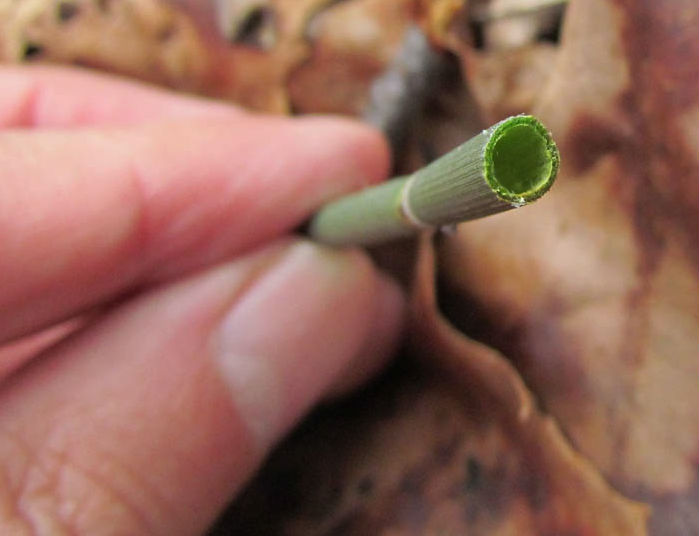
“Back in the day” the stems, which have a high silica content, were used to smooth items made of wood and scour pots and pans. Since they are hollow, they were also used as straws.
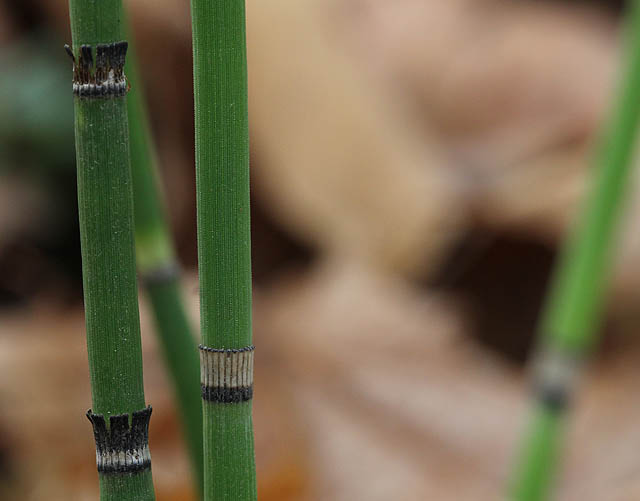
The “leaves” of Scouring Rush are fused together forming ashy grey, papery bands at the joints of the plant’s stems.
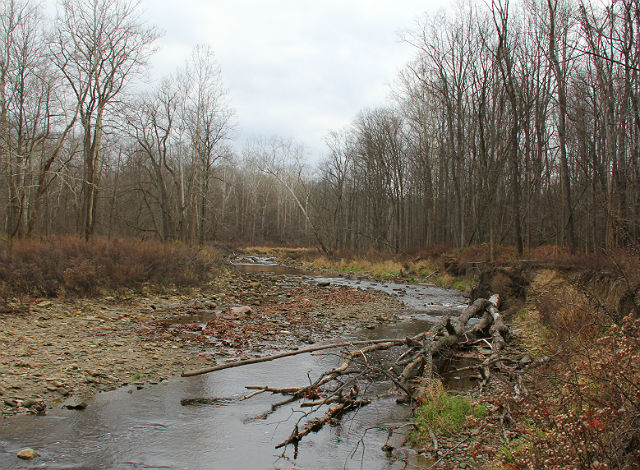
Its favored habitat includes moist sites such as stream banks, flood plains and wetlands from lowland to mid-elevations.
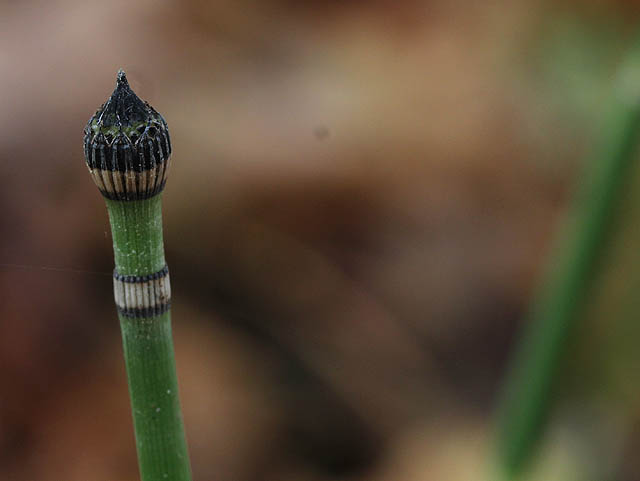
The Horsetails are related to the ferns and do not produce flowers, fruit or seeds. They reproduce by spores which are produced in a cone-like structure on the tips of the stems.
This “old school” plant is the single surviving genus of a class of prehistoric plants that dates back to over 350 million years ago.
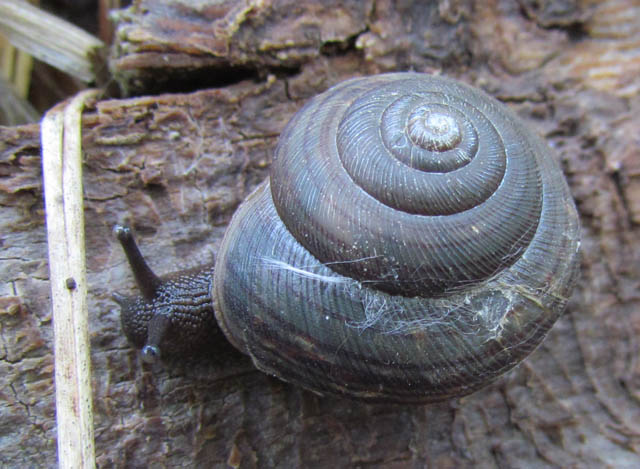
Snails are best known for their shell. The shell is made by the snail by a part of the body called the mantle. Snails secrete an acidic material from the sole of their foot that dissolves calcium in the soil and allows its uptake, so the shell can be created.
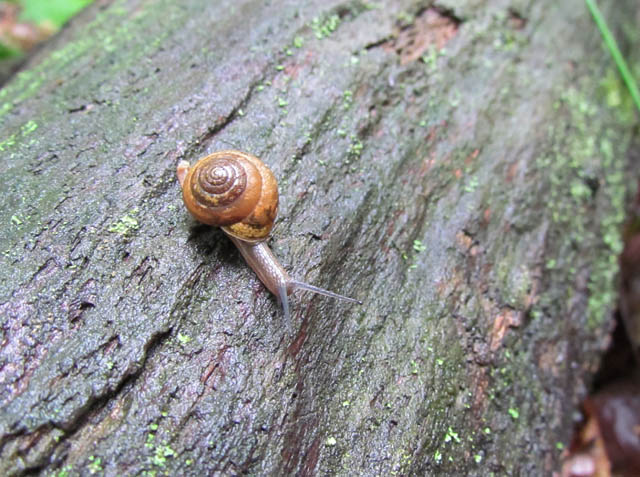
Eastern Forest Snails are our most common land snail. They grow a large shell, sometimes over an inch wide. The shell is fairly flat and tan with darker blotches. There is a flared opening leading into the shell.
They are herbivores, eating living or dead plant material. They are very important for controlling plant populations and breaking down plant materials.
These snails can move several inches in a minute. They release an orange slime as they crawl. The slime gives them a “cushion” to crawl over. This cushion protects their soft bodies from sharp things. Snails can also use old slime trails as paths back to food or shelter.
Land snails can be considered one of the many building blocks for the ecosystems in which they reside; providing not only a food source but accessibility to calcium. I enjoy looking at the unique, interesting patterns on their shells.
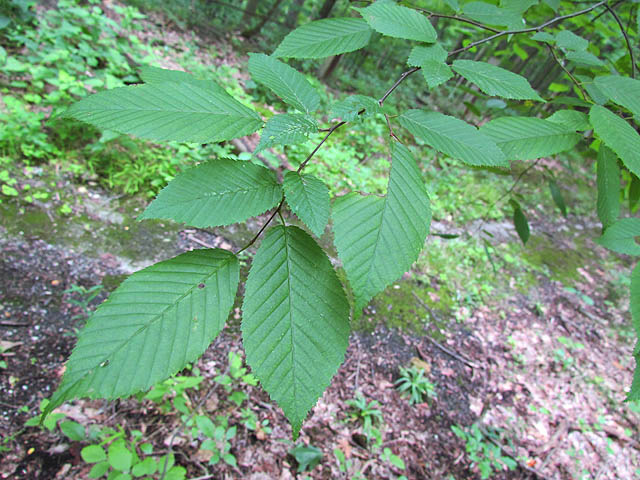
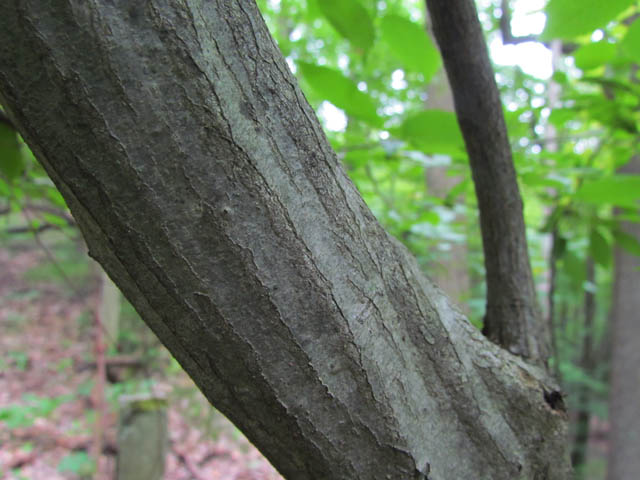
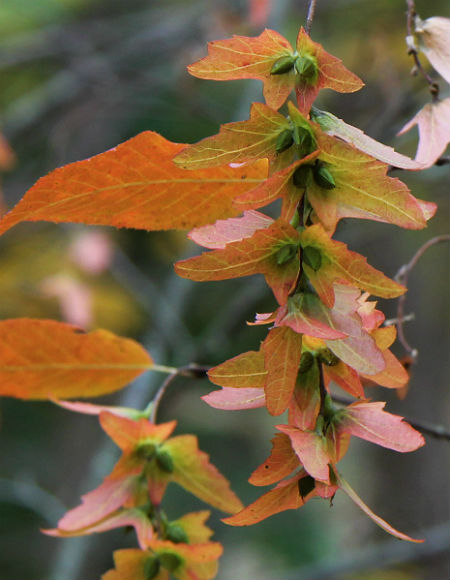
This is a tree with a few different common names. One is Blue Beech, in reference to the blue-gray, smooth bark that looks similar to American Beech. It is also known as American Hornbeam; “horn” means “tough” and “beam” means “tree” in Old English.
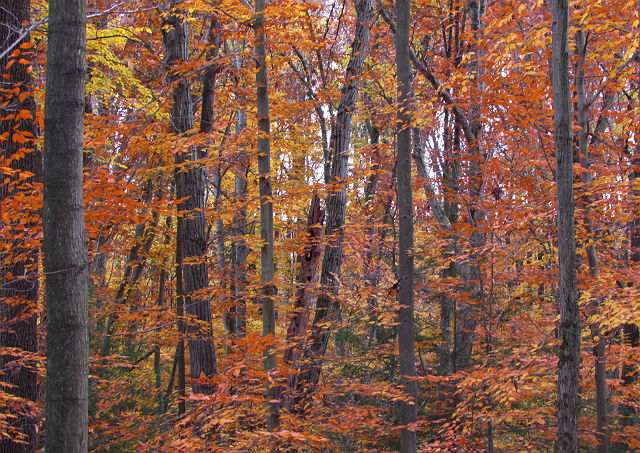
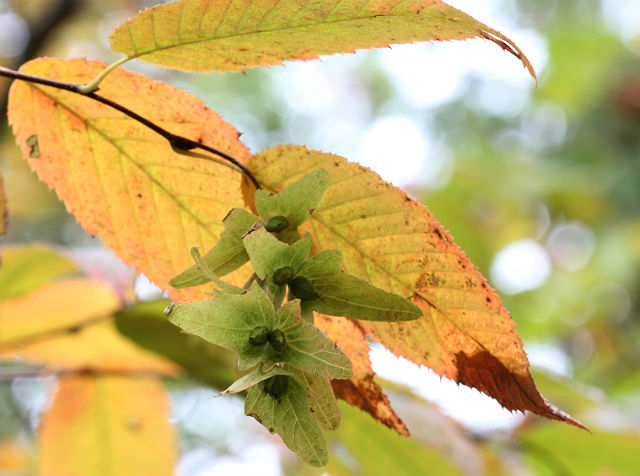
It is noted for both its interesting bark and interesting mature fruits, as well as its Fall leaf colors. When found in the open, it may reach 30 feet tall and 20 feet wide. Though I’ve seen it more frequently as understory tree in mature forests.
The smooth gray bark is one of the most distinguishing features of this tree. It has a sinewy surface resembling a muscled arm.
Ironwood has separate male and female flowers that emerge in early May. The resulting fruit, known as a nutlet, begins to form in late May, and is surrounded by bracts. These clusters hang downwards and are another attractive aspect of this tree.
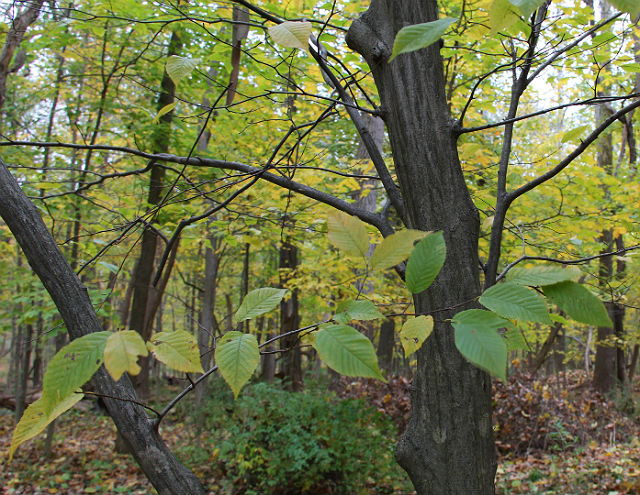
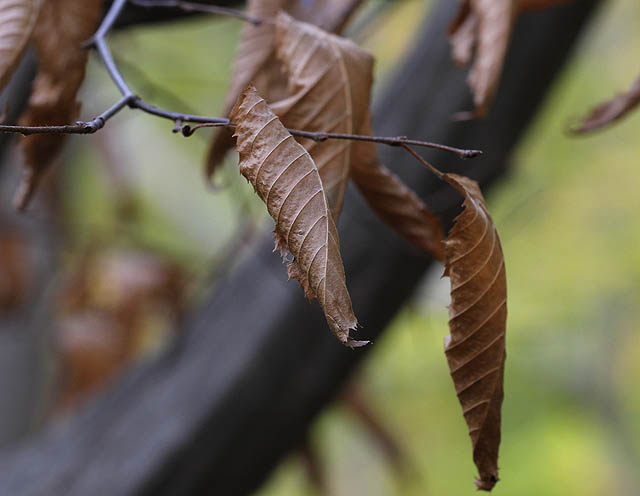
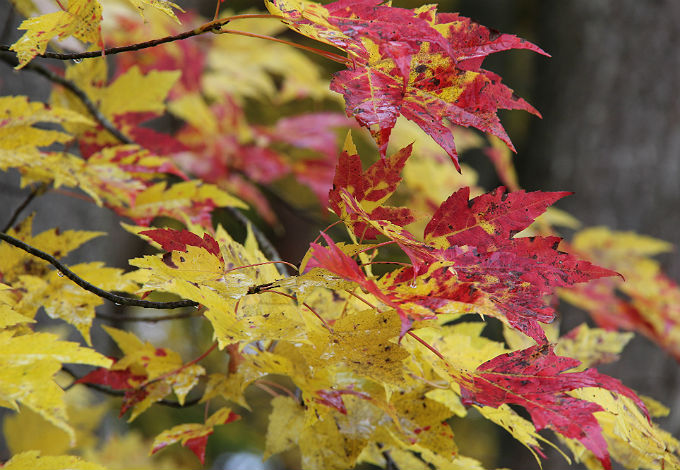
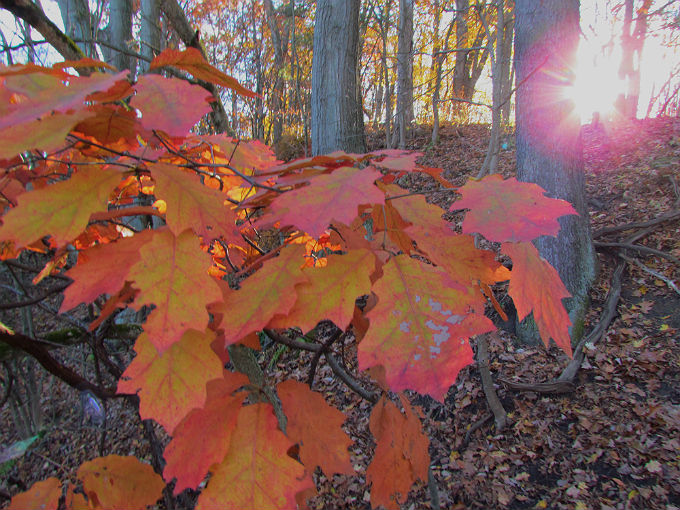
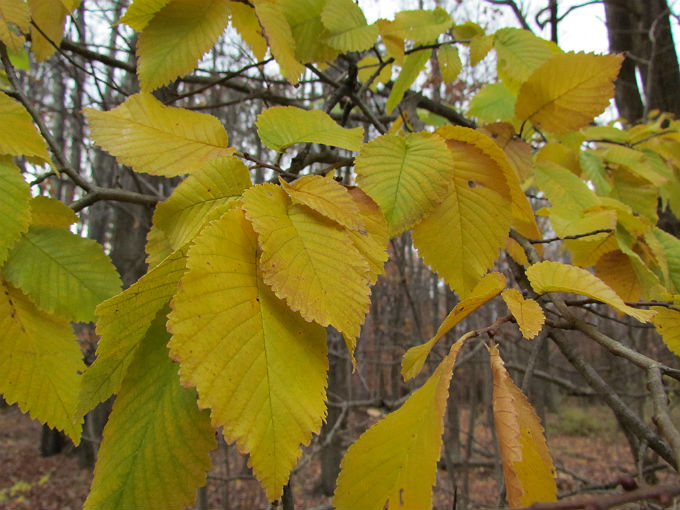
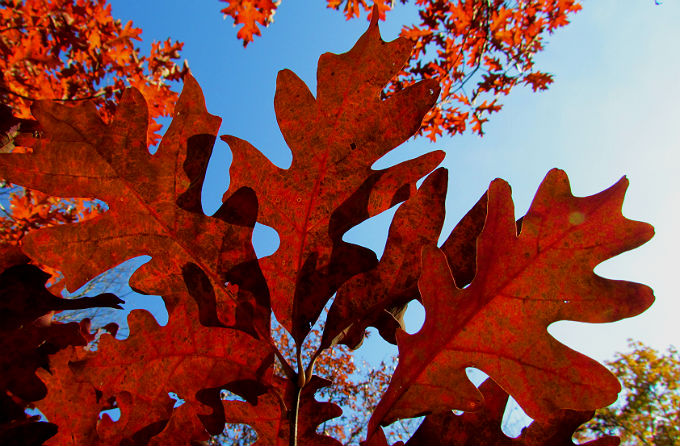
An additional appealing feature of Ironwood is its fall color. It turns from green to yellow to a brilliant orange in late October. After finally turning brown, the leaves tend to stay on the tree well into Winter.
Ironwood is strong and hard, but because the tree is so small, it is rarely harvested for the manufacturing of wood products. Nevertheless, it is useful for tool handles, levers, and mallets.
This tree provides an important food source for Gray Squirrels in bottomland hardwood forests.
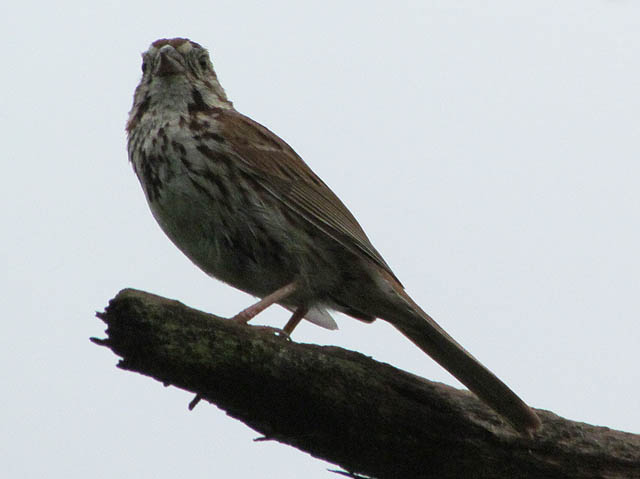
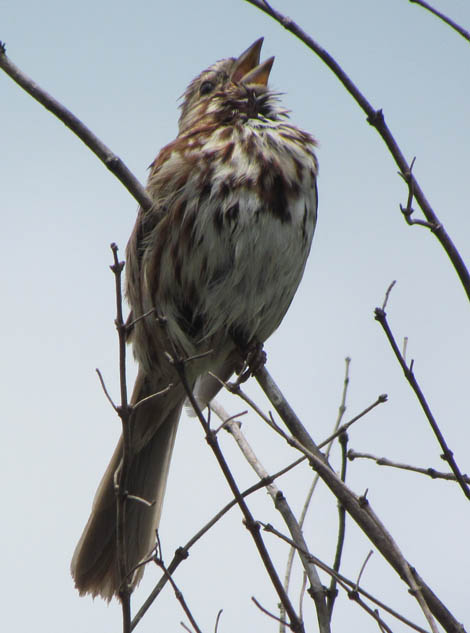
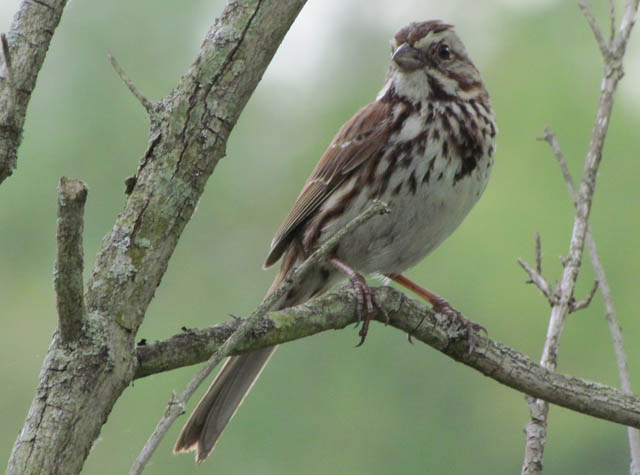
The Song Sparrow is one of the most successful and widely distributed sparrows. This well-named bird is among our greatest songsters for the complexity, rhythm and emotion of its rhapsodies.
This bird truly lives up to its name, being one of the most persistent singers throughout the Spring and Summer. Other birds such as Mockingbirds are not able to effectively imitate their song.
This is a rich, russet-and-gray bird with bold streaks down its white chest. It can be found all across the United States, including Alaska, though species size and color varies depending on the region where it is found.
Look for Song Sparrows in open habitats, such as marsh edges, overgrown fields and backyards (they often visit bird feeders and build nests in residential areas).
This bird is rather shy and hard to see unless it is singing, so sometimes in order to find one, you must look closely. The species name, melodia, is testament to this bird’s beautiful and tranquil song.
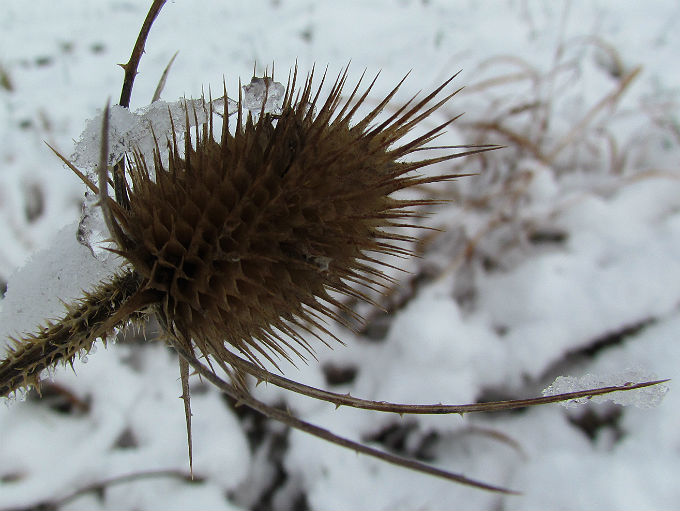
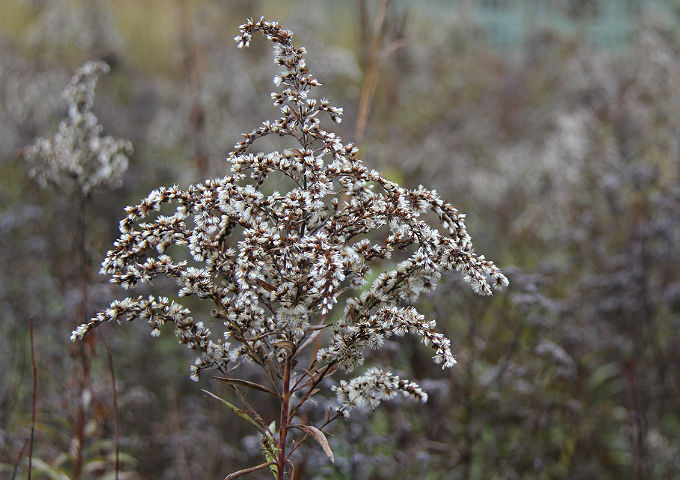
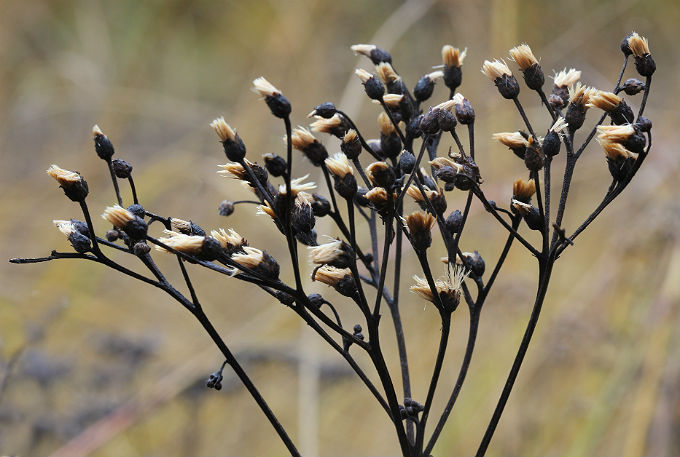
The days are getting shorter and the nights are getting colder. Insect life here in northeast Ohio is much harder to come by as November approaches. But on days like today it’s still possible to see Bumble Bees while hiking. The remaining Thistle and Aster flowers provide the last opportunities for them to eat until next year.
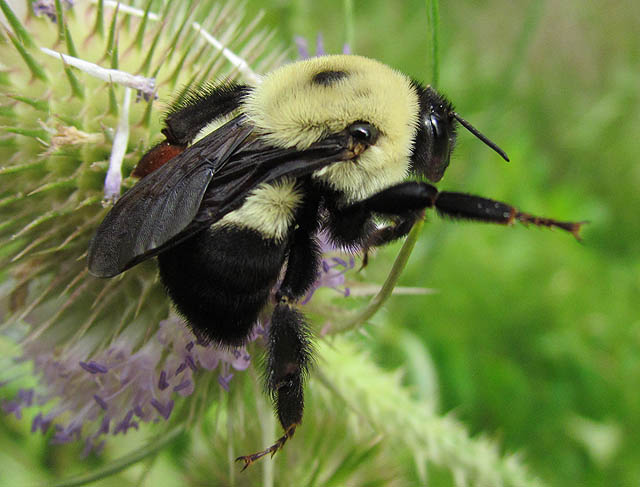
These are large, social bees which produce annual colonies. Mated queens overwinter in the soil and emerge from hibernation in early Spring, when they feed and search for a suitable location, such as a former rodent burrow in the soil, to begin their colonies.
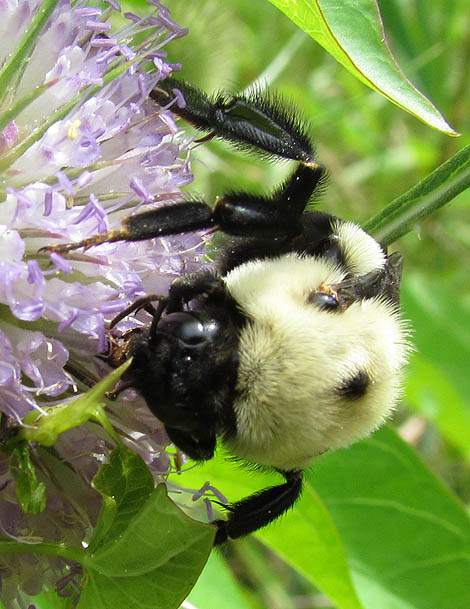
Though they have a severe sting, these are beneficial insects that pollinate many native and ornamental plants. In some cases a pollen basket on the hind legs of female bees can be seen. Bumble Bees rely entirely on flowering plants for food.
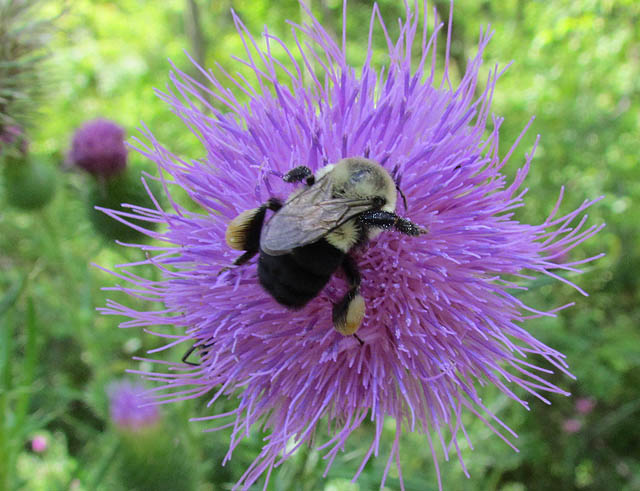
Bumble Bees have the rare physiological capability (among insects) to choose to thermoregulate. They are able to generate heat in their muscles, by shivering, to reach the required minimum temperature needed for flight.
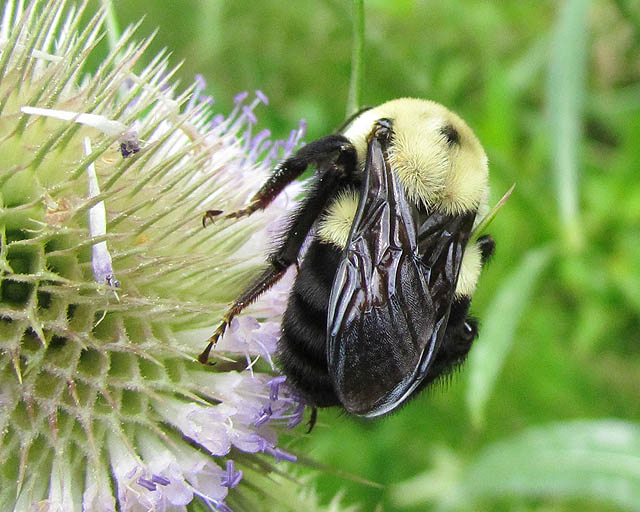
The length of the insect’s tongue governs its food-plant choices, with bees preferring flowers with a similar depth to their own tongue length, as this tends to maximize the rate at which they can gather nectar. Tongue length varies among species, so different Bumble Bee types with different tongue lengths tend to visit different food-plant sources.
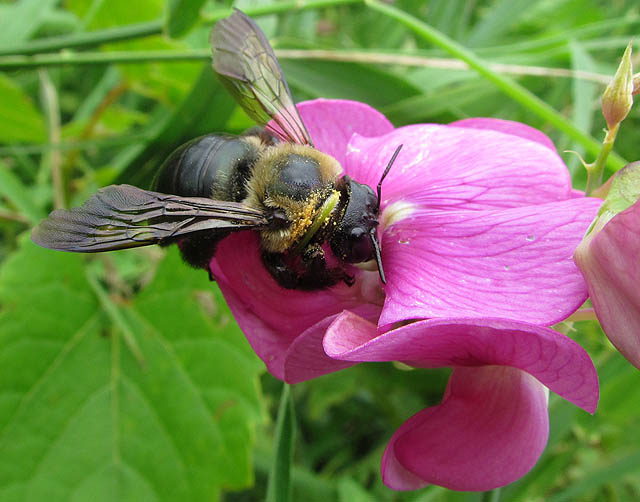
These insects are significant pollinators of many flowering plants throughout the native ranges with which they co-evolved mutually beneficial relationships, receiving food in return for providing pollination.
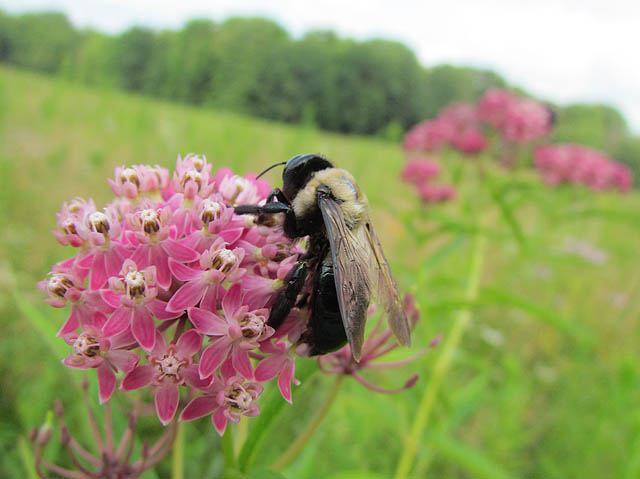
Bumble Bees are also extremely important pollinators for agriculture. Unlike Honey Bees, their ability to thermoregulate allows them to forage under cold, rainy and cloudy conditions. This makes them excellent pollinators for a variety of crops in temperate regions.
The common name of “Bumble Bee” possibly comes from their rather large, clumsy appearance and loud buzzing sound they make as they fly. Despite their awkward movements, scary buzzing sound and painful sting, Bumble Bees are one of the most beneficial animals in nature and they make our lives better every day.
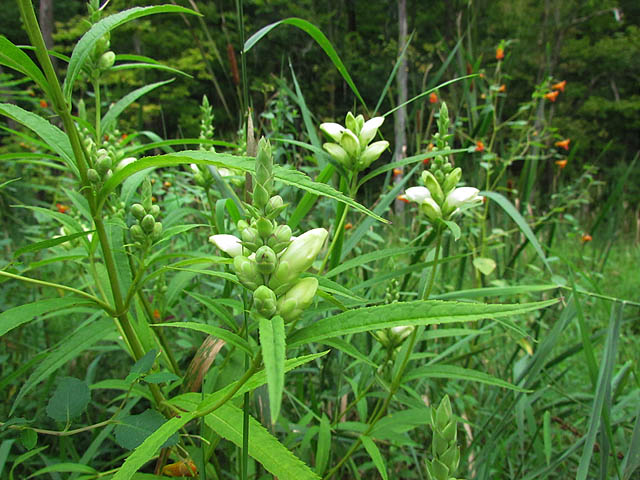
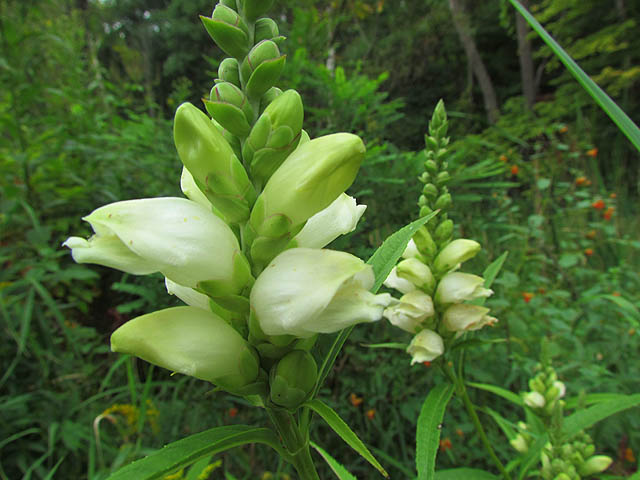
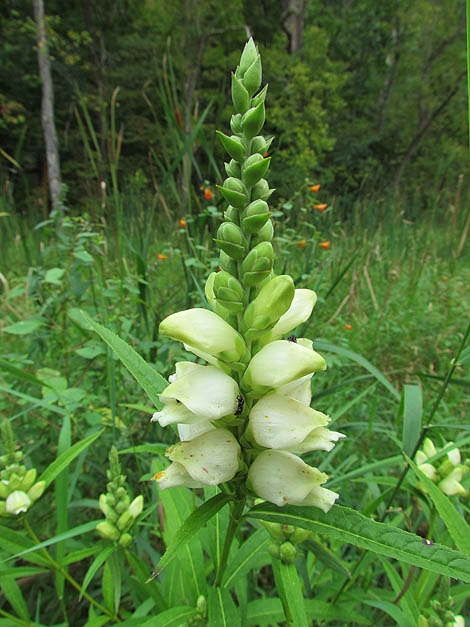
Turtlehead is also known as balmony, bitter herb, codhead, fish mouth, shellflower, snakehead, snake mouth and turtle bloom.
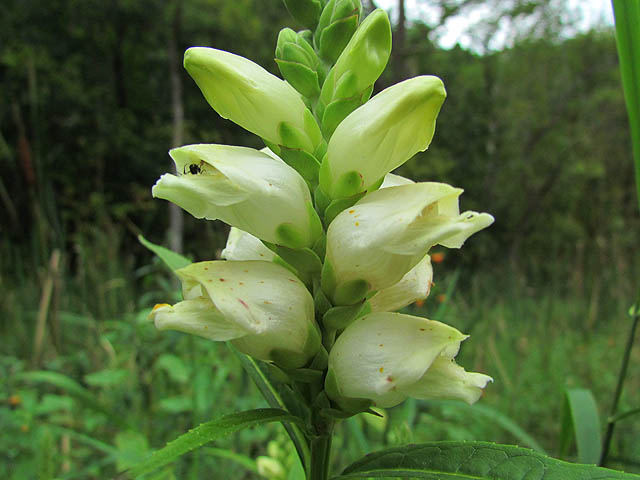
Its scientific name is Chelone glabra. In Greek mythology, there was a nymph named Chelone who insulted the gods; in punishment, she was turned into a turtle. The flowers of this plant are said to look like the heads of turtles. In Latin glabra means smooth, because of the texture of this plant’s stems and leaves.
I found these examples on the Ohio Erie Canal Towpath. Turtlehead is usually found along stream banks on damp ground and typically grows to a height of 2 to 3 feet. Turtlehead serves as the primary host plant for the very rare Baltimore Checkerspot Butterfly, Maryland’s official state insect.
Its flowers are in a densely packed spike at the top of the main stem. It has narrow, sharp-toothed, opposite leaves.
This member of the Figwort/Snapdragon family has distinctive, two lipped tubular flowers are 1 to 1-1/2 inches long. The upper lip arches over the lower lip, creating the resemblance to a turtle’s head.