American Giant Millipede

American Giant Millipede_8210

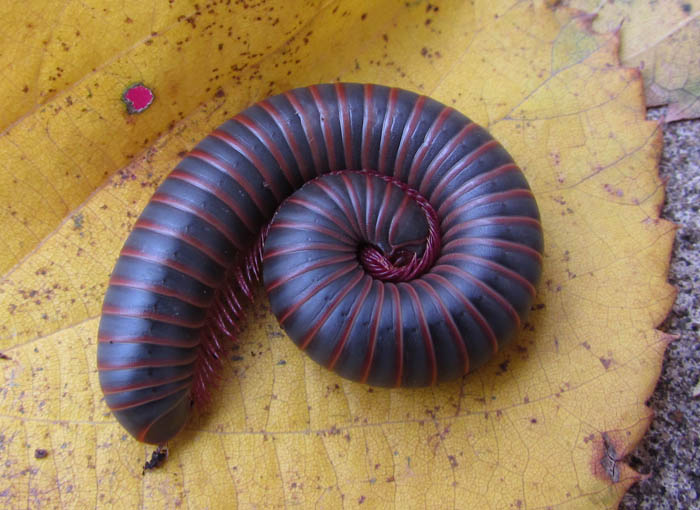
Although the name millipede means “thousand legs,” most millipedes have more like 300; a California species, Illacme plenipes, holds the record at 666 legs.

American Giant Millipede_3039

It’s hard enough for us to just count these legs, so it’s a real wonderment that a millipede is able to coordinate them all and move about so effortlessly by night on the forest floor.
American Giant Millipede_7200

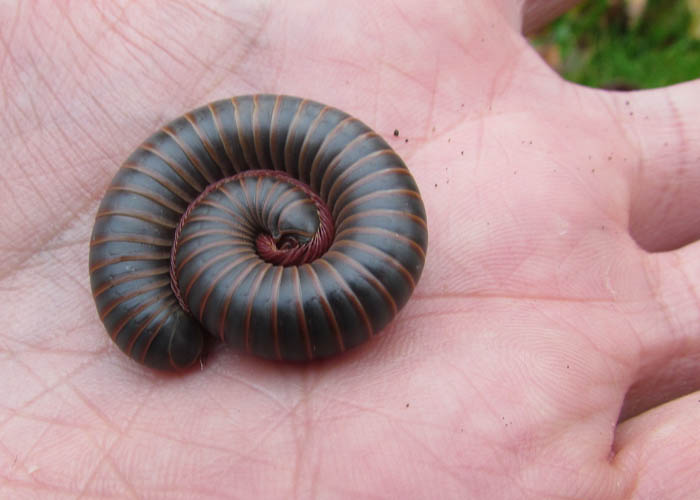
To prevent dehydration, they are confined to moist habitats in soils, leaf litter, or beneath stones and wood. If disturbed some millipedes protect their heads by curling into a tight spiral.

American Giant Millipede_7514

Most millipedes feed on decomposing vegetation or organic matter mixed with soil. Millipedes are very important, because they help put nutrients back in the soil for plants and other organisms to use.

American Giant Millipede_7199

This particular type of millipede can get to 4 inches long, making it twice as big as any other millipede native to the United States.
American Giant Millipede_7202

In the Fall these can be seen migrating across roads, seeking places of shelter to wait out the Winter. They are not particularly common in northern Ohio, but become easier to find as you head south.

Third Eye Herp
E-mail

Blanchard’s Cricket Frog

leveeroad_8075_zps66c0e0c0

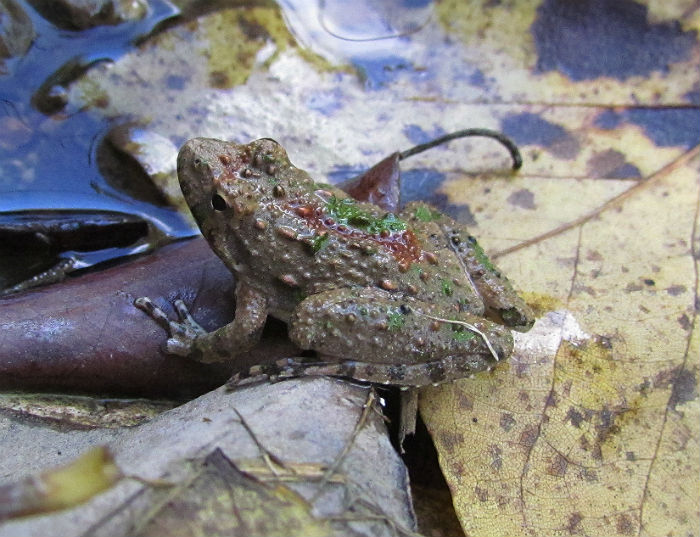
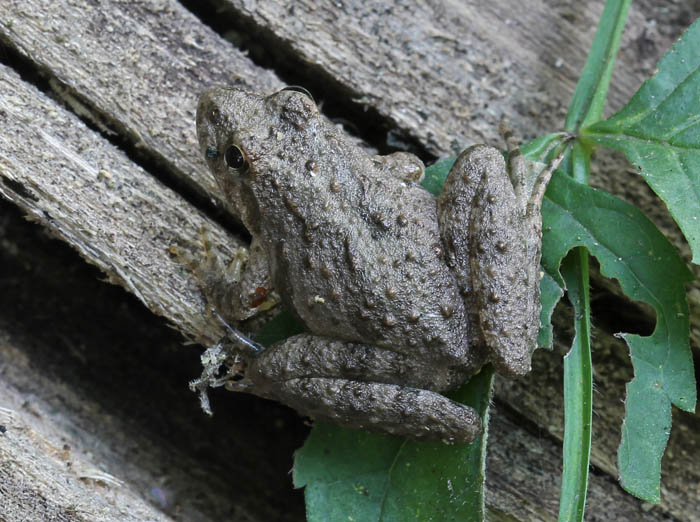
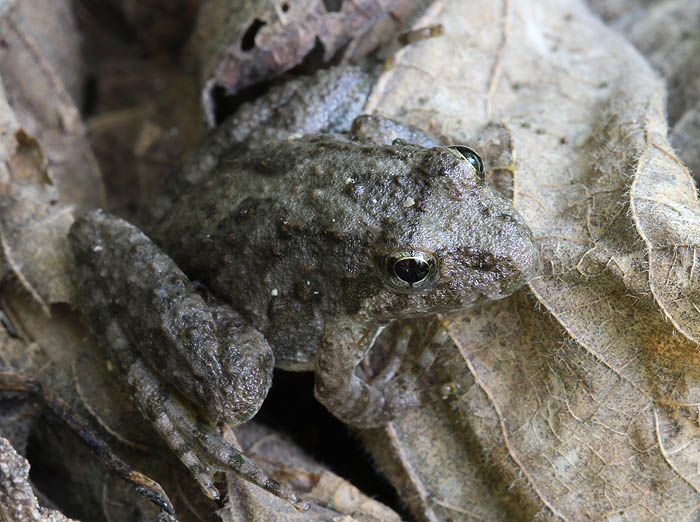
Around here these small (about 1 inch), warty-skinned amphibians can be quite common. They are usually brown or grayish with darker banding on their legs and often have a dark triangular mark between the eyes.

cricketfrog_1880_zpsb25e71f3

The Blanchard’s Cricket Frog is usually found in the open sandy or muddy areas around streams and ponds. They also can utilize temporary water bodies if near permanent water. I usually see them around large puddles.

IMG_8137_zps20a07a41

If startled, they end up hopping into the water. Though unlike most frogs which dive when alarmed, cricket frogs usually get a few feet out into water and then turn back around and head back to the shore.

cricketfrog_1335_zpsfa5bf24b

This tiny frog gets its name because it resembles a cricket while hopping along through the grass.

cricketfrog_1878_zps13291527

It has a distinctive breeding call consisting of a rapid series of metallic clicks, similar to the sound made when two pebbles or marbles are tapped together.

cricketfrog_1343_zpsb344283e

Unfortunately this species is declining rapidly across much of its entire range. I am glad to have encountered them on this trip.

Third Eye Herp
E-mail

Western Mud Snake

swamp_1808

Today I found one of the most unusual, elusive and beautiful snakes in the United States for the first time.

mud snake_1739

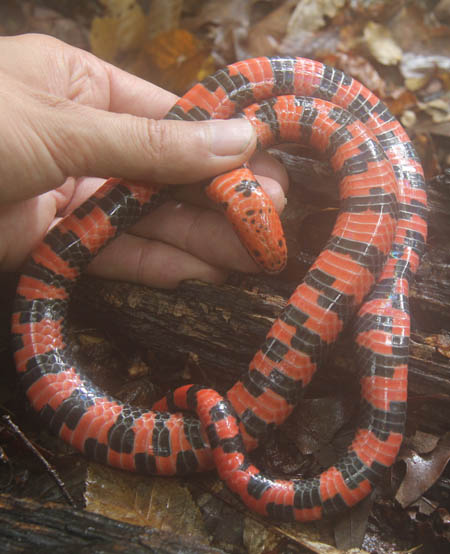
The Mud Snake is a highly-aquatic snake that is seldom seen because of its secretive habits. They are an iridescent glossy black with a red-and-black checkerboard belly pattern and the red often extends up the sides of the body.

mud snake_1744

Mud Snakes have a spine-like scale at the tip of their tail, and thus are sometimes known as “horn snakes.”

mud snake_1753

They are highly aquatic and spend most of their lives hidden in aquatic vegetation and debris. Unlike many other water snakes, Mud Snakes seldom bask out of the water and are seldom seen, even by dedicated naturalists and herpetologists.

mud snake_8033

Adults feed primarily on giant aquatic eel-like salamanders. It uses its uniquely pointed tail to prod its prey, causing it to uncoil for easier swallowing. Though the example I found was about two feet, this snake can grow to six feet in length.
mud snake_8044

It was a thrill to finally encounter this fascinating reptile for the first time.

Third Eye Herp
E-mail

White Snakeroot

White Snakeroot_1597

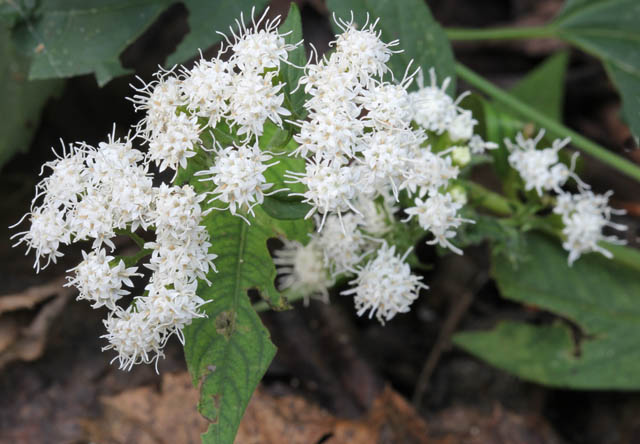
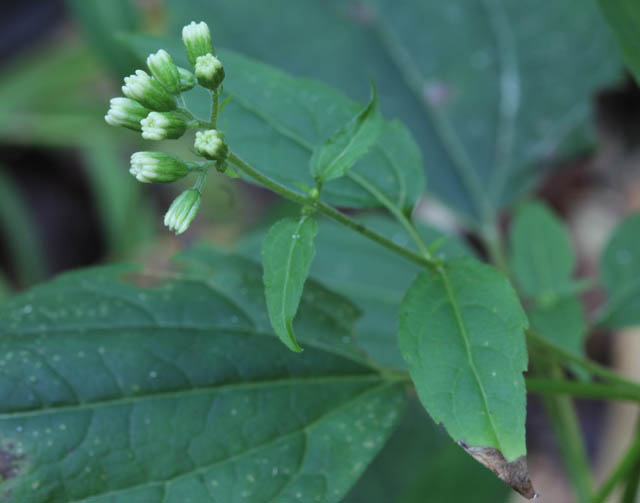
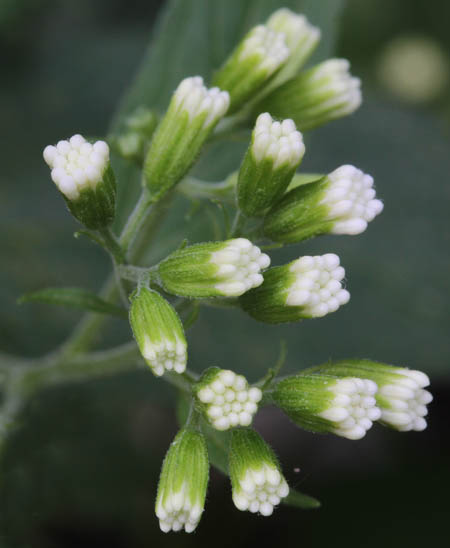
White Snakeroot usually occurs in and around shady woodlands. It is a common and well-known Fall wildflower that has flat-topped clusters of small fuzzy white flower heads. The flower heads eventually transform to black seeds with silken parachutes attached to carry them away. The leaves are long, large-toothed and somewhat heart-shaped on long stems.

White Snakeroot_1595

It’s fitting that this wildflower grows along the edge of Snake Road in southern Illinois. White Snakeroot contains the toxin trematol, responsible for “milk sickness,” which caused problems for the livestock of early European settlers and killed Abraham Lincoln’s mother in 1818. When eaten, the toxins will pass into milk produced by animals that ingest the plant, and the tainted milk can fatally poison humans.

White Snakeroot_1598 

This is one of the last wildflowers to bloom during the Fall. The flowers are often fragrant and their nectar attracts a variety of insects.

White Snakeroot_1597

The common name of this species derives from the erroneous belief among early settlers that the bitter roots were beneficial in the treatment of snakebite. In fact, the foliage and roots are highly toxic.

Third Eye Herp
E-mail

Cave Salamander

cave salamander_7999

Are you ready to spend a few days in southern Illinois? I found this small cave in the “Land of Lincoln,” let’s see what creatures lurk inside.

cave salamanders_8005

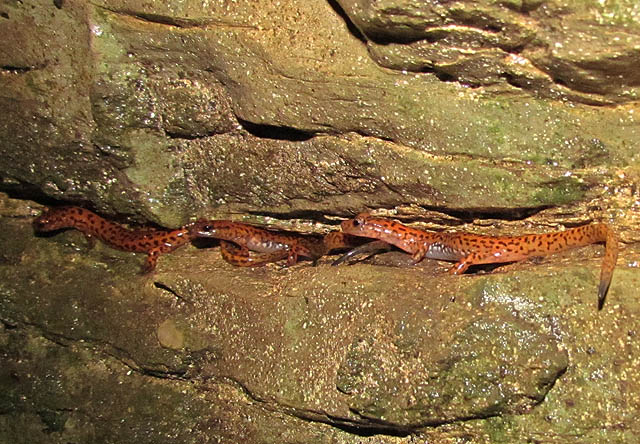
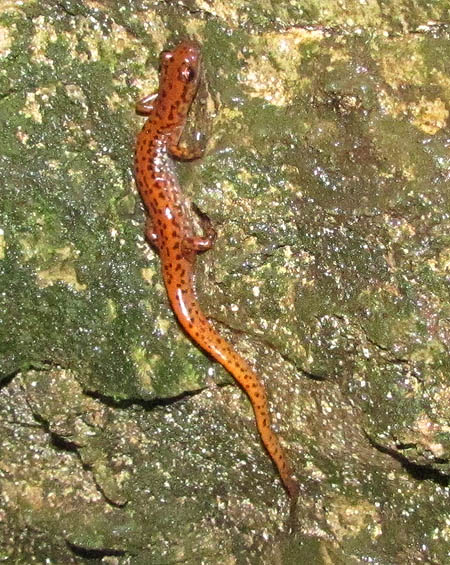
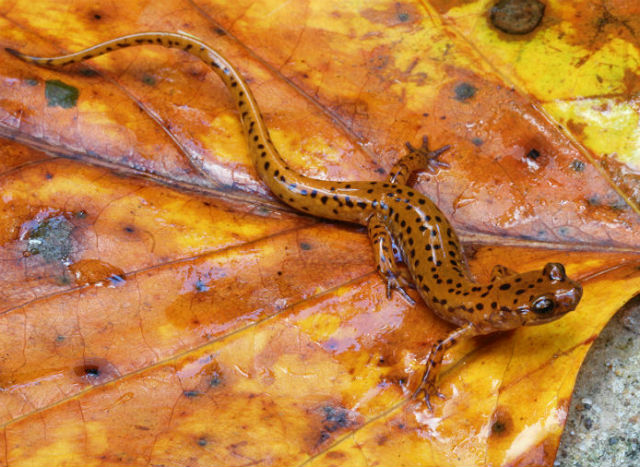
Cave Salamanders! These exceptionally slender salamanders are usually around 6 inches in length. They are easily identified by their bright ground color. The young of this species is often yellow in color, while the adults are usually a bright orange with black spots randomly covering their body.
cave salamander_8004

These colorful creatures remind me of geckos, the way they can run up the sides of cave walls. When pursued, a Cave Salamander scampers quickly, often waving its tail to distract attention away from its head.

cave salamander_1417

Although it usually occurs in caves, this species also can live in wooded areas, along rocky streams and springs, under rocks on glades during the spring and even in wells and swamps.

cave salamander_1416

Those living in caves live in the twilight zone, the dimly lit area beyond the cave entrance, but also occur far back in areas of permanent darkness.

cave salamander

The Cave Salamander’s diet consists mostly of small insects and other invertebrates. It’s always a thrill to encounter this exceptionally beautiful amphibian.

cave salamander_1423

Third Eye Herp
E-mail

Chicken of the Woods

chicken of the woods_3651

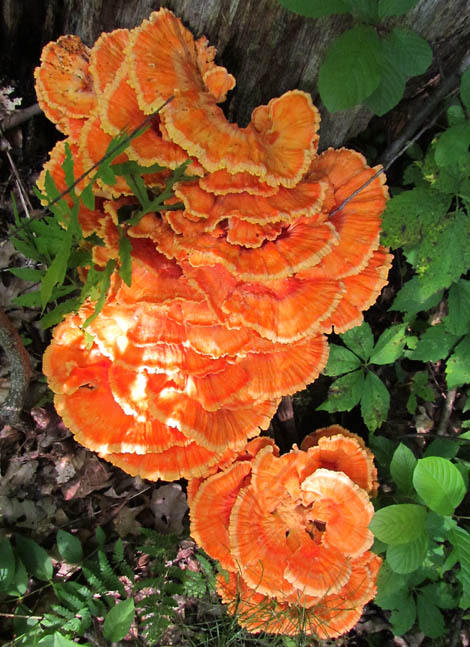
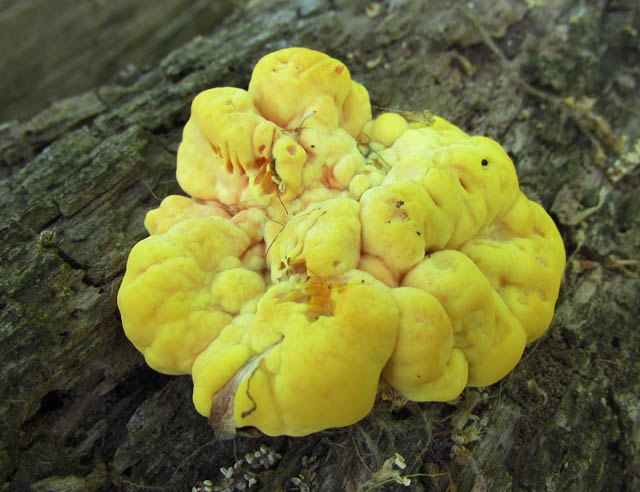
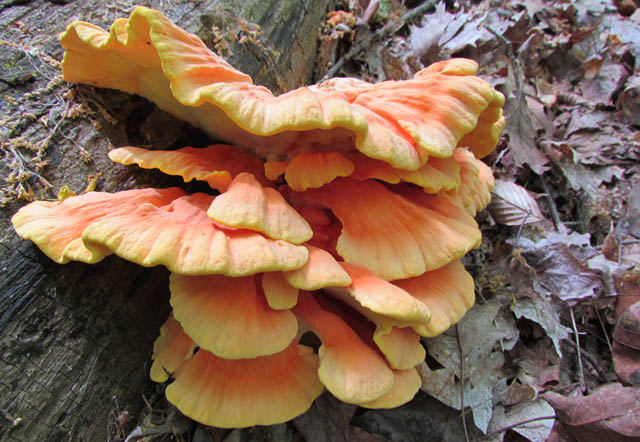
It would be hard to miss this layered, fan-shaped, fleshy, big orange-to-yellow mushroom when hiking through the woods.

chicken of the woods_4035

They are easily recognized by their large clusters of overlapping brackets and bright colors. They tend to lighten in color near the edges. The colors fade as the mushroom grows older.

chicken_05_19 012

It’s edible and considered a delicacy in some parts of the world. This mushroom has a lemony, meaty taste. Some think it tastes like its chicken namesake; others describe the flavor as being more like crab or lobster.

chicken_05_19 015

Chicken of the Woods is frequently discovered during the Summer and Fall, but only rarely in Winter or Spring.

chicken_5087

Although nice to look at, it also performs a function. This is one of the many fungus species that live on decaying wood and it plays an important role in breaking down the tough materials wood is made of and returning those nutrients to the soil.

Third Eye Herp
E-mail

Eyed Click Beetle

Eyed Click Beetle_09_21 026

As a kid, I’d read “bug books” and always wanted to see one of these fascinating insects “in person.” This year it finally happened.

Eyed Click Beetle_6478

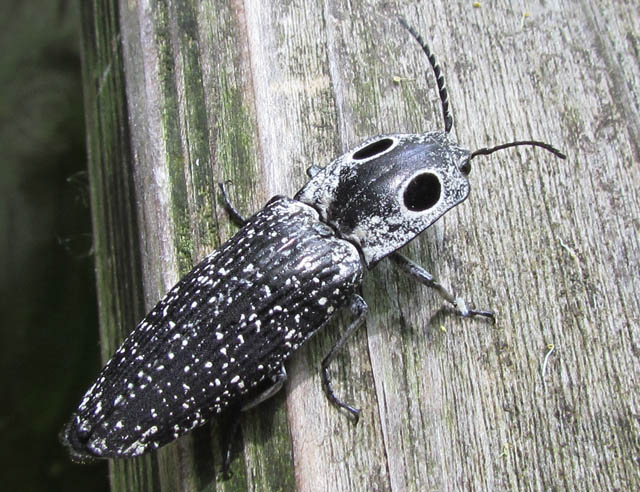
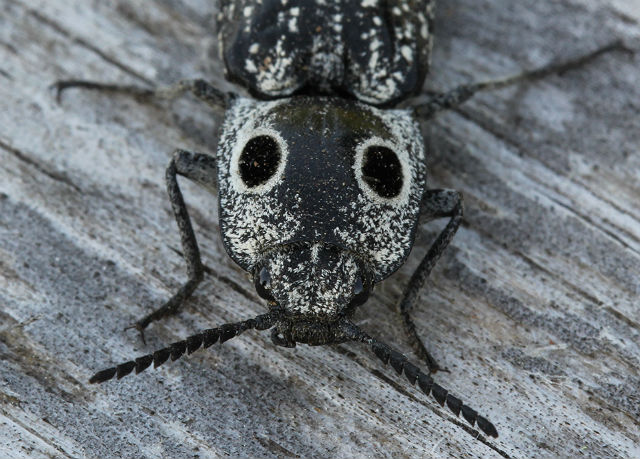
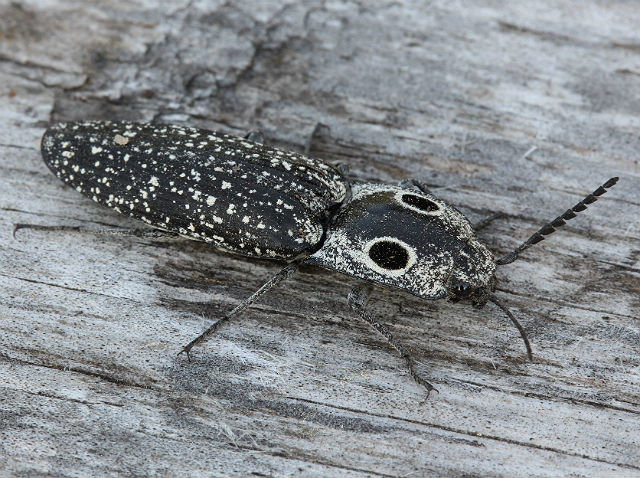
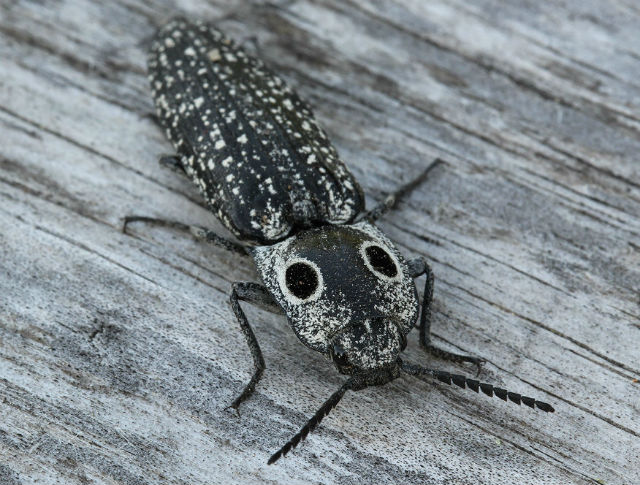
At nearly two inches long, this formally attired gray, black and white insect is one of the largest members of the Click Beetle Family; the huge eyespots make it one of the most easily identified. These are “false eyes,” of course – likely an adaptation to scare off potential predators. The true eyes of the Eyed Click Beetle are much smaller and located at the bases of its sawtoothed antennae.

click beetle 029

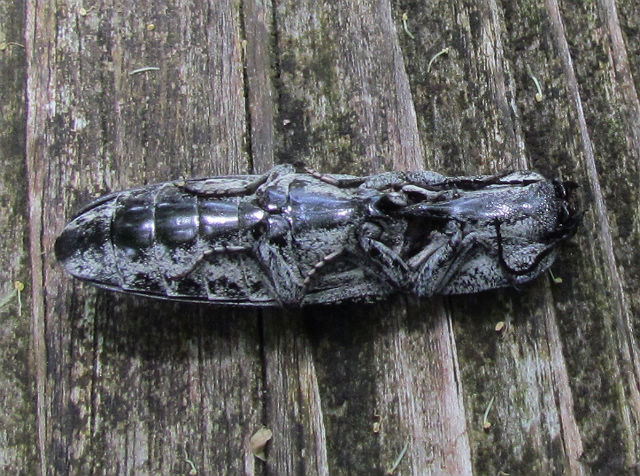
Click Beetles have a startling behavior that demonstrates how they got their primary name – as well as alternate nicknames of “snapping beetle,” “skipjack,” and “spring beetle.” When placed on its back (or when grabbed by a predator) a Click Beetle bends its front half backward and then straightens out suddenly with a snapping motion; this results in an audible click and launches the beetle several inches into the air.

IMG_6484

Another defense is to tightly tuck in its legs and antennae and “play possum” until the predator loses interest. This one displayed the clicking behavior as well as playing dead.

click beetle 024

These beetles eat nectar from flowers and are mainly nocturnal. They can be found throughout the eastern United States Beetles around woods with many hardwood trees, such as cherry, apple or oak and especially in areas with a lot of rotting logs.

IMG_6494

I considered myself fortunate to finally experience this interesting insect up close for a little while before it went back into the wild.

click beetle 027

Third Eye Herp
E-mail

Northern Catalpa

catalpa_7606

Northern Catalpa, native to a relatively small area of the central Mississippi Valley basin, has been extensively cultivated in Ohio for over 200 years. It is now naturalized in urban and rural areas and these days is primarily used as a large, ornamental shade tree.

catalpa_7612

Farmers introduced Northern Catalpa to Ohio in order to produce large amounts of relatively lightweight timber for fenceposts, since its wood is very resistant to rotting. Its rapid growth rate assisted in this need, until metal fenceposts were developed and largely replaced wooden posts.

catalpa_9592

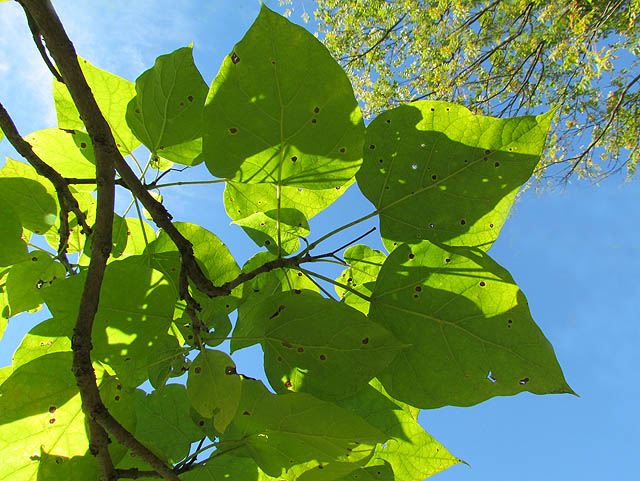
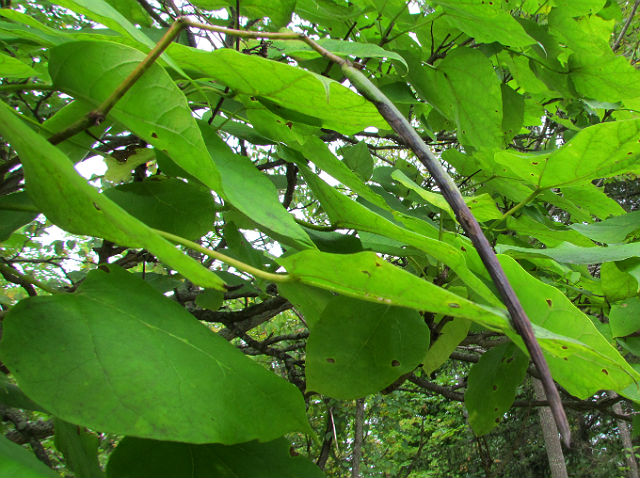
The medium-green leaves of Northern Catalpa are large and heart-shaped. They are some of the biggest leaves on any Ohio tree.

catalpa_9590

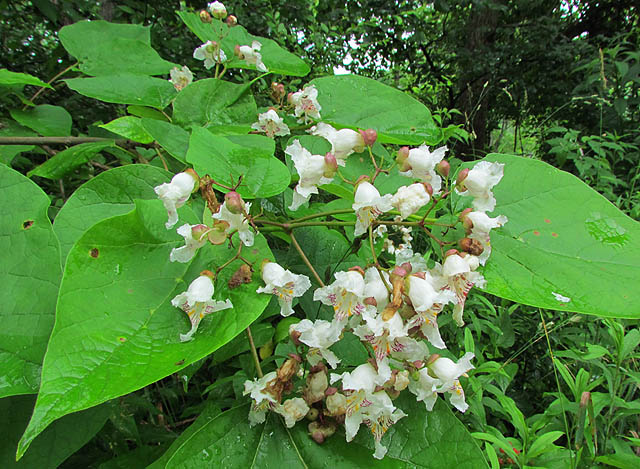
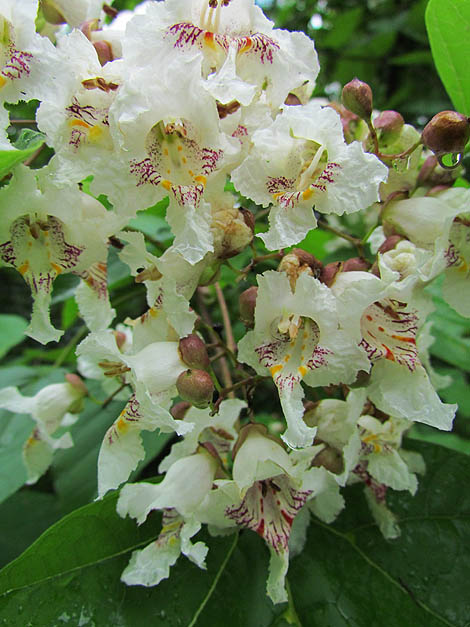
In Spring large, white flowers form in upright clusters from the branch tips, creating a striking floral effect. The flowers are composed of fused white petals with small amounts of yellow, orange and purple.

catalpa_9591

Pollinated flowers produce long, vanilla bean-like pods in early Autumn. The seedpods are slender and green in the Summer and grow to 10-24 inches, looking similar to an exaggerated green bean.

catalpa_09_15 013

The seedpods mature in the Fall, turn dark brown and split open lengthwise to release the seeds inside.

catalpa_0551

The size, shape and color of the mature seedpods gives rise to another common name for this plant – the “Cigar Tree.”

catalpa_6744

Third Eye Herp
E-mail

American Goldfinch

goldfinch_0538

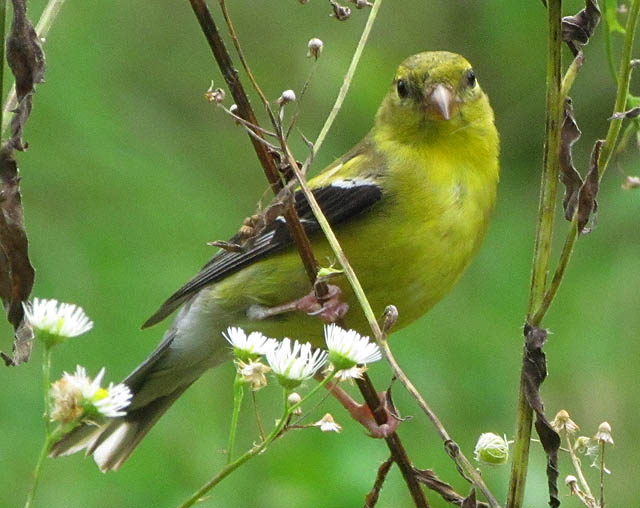
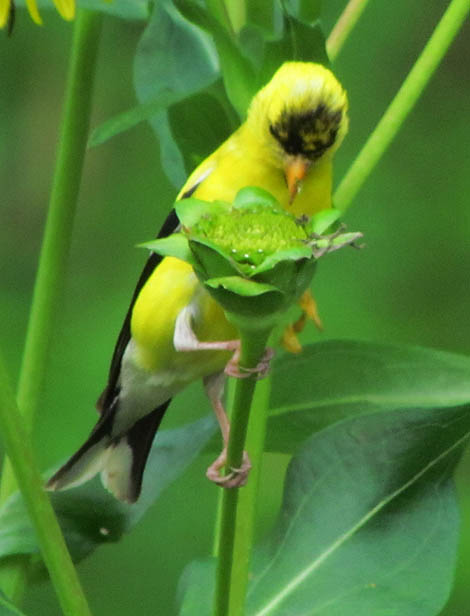
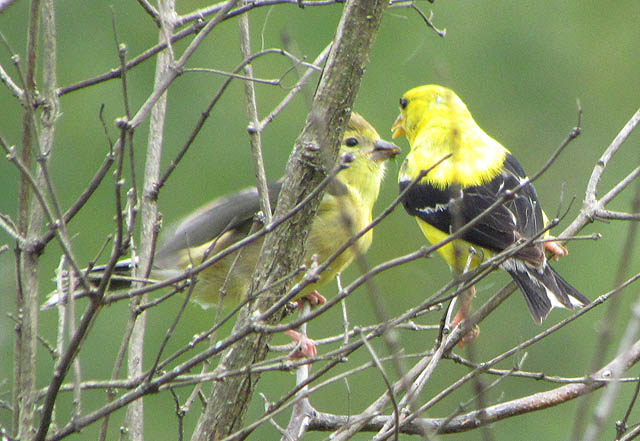
The brightly colored male American goldfinch is especially recognizable. In breeding season they are bright yellow with black and white markings. In the Winter, the males lose their bright yellow feathers and become dull brown.

goldfinch_6602

Females are of dull coloration year-round.

goldfinch_4105

American Goldfinches live in brushy thickets, weedy fields, gardens and roadsides. Since they eat mostly seeds from grasses and wildflowers, they tend to stay where there are a lot of these food sources available.

goldfinch_2930

They are interesting to observe while they eat, because they have great balance and can perch on any stem while twisting their bodies to get to seeds or fruit.

goldfinch_4103

American Goldfinches are very sociable, and you will often see several pairs together at the same time. You can hear them communicating with each other as they forage for food in flocks along roadsides and in brushy fields in on their quest for thistle and sunflower seeds.

goldfinch_6535

Some of their other foods include ragweed, dandelions, mullein, American Elm, Eastern Redcedar, grasses and Evening Primrose. They also eat some types of insects, including caterpillars.

goldfinch_6599

People tend to like these colorful birds and specific feeders are available for thistle seeds, to attract them; though at my house they seen to enjoy taking apart the Zinnias.

goldfinch_1055

Third Eye Herp
E-mail

Owlfly

owlfly_4454

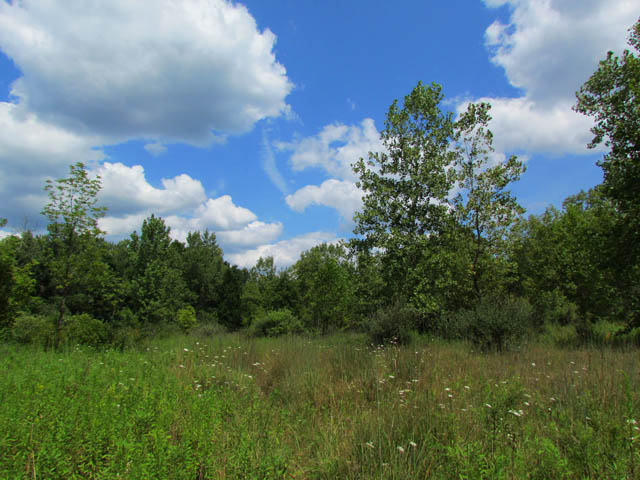
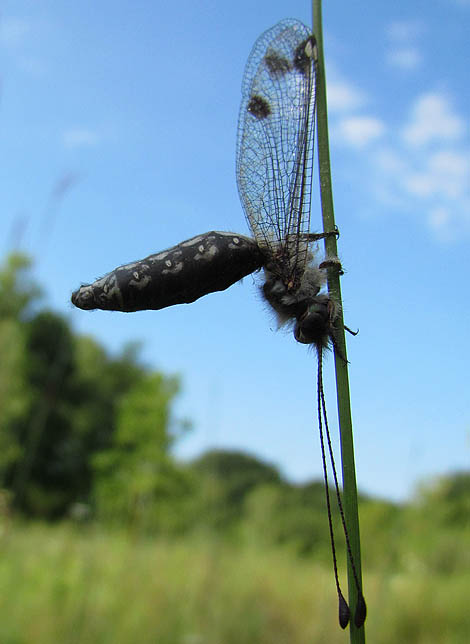
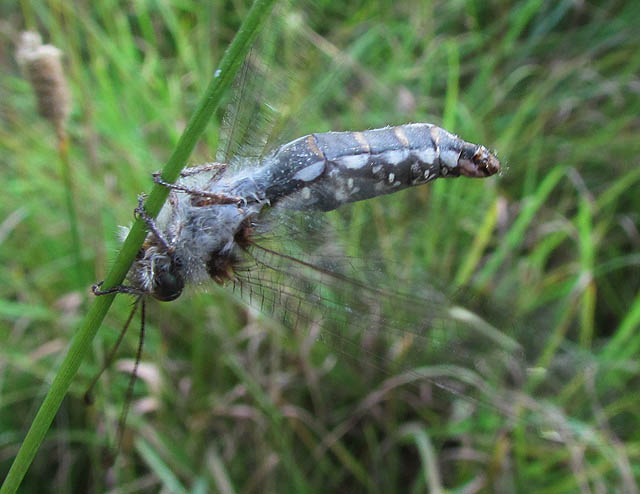
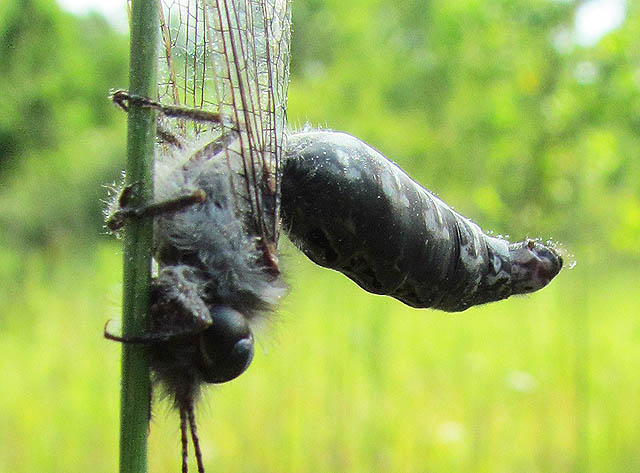
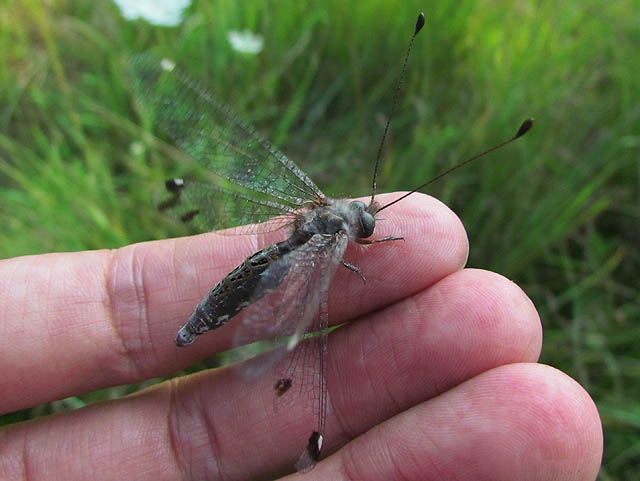
While walking through this field one morning, I came across a creature that I’ve never seen before. In fact, I didn’t know that such a thing existed. Owlflies somewhat resemble dragonflies, but have clubbed antennae and fold their wings over their backs. Like dragonflies, these insects are predatory both as larva and adults.

owlfly_3960

Adult Owlflies are aerial hunters that feed on other insects. When disturbed, some types will release a strong, musk-like chemical to deter enemies. They mimic a twig in the daytime to avoid being eaten by predators.

owlfly_3973

Owlflies get their name from their large eyes which in many species, including this one, the eye is actually divided into two by a groove. They tend to be crepuscular; that is, they’re active during the twilight hours of sunrise and sunset. A bit like an owl, actually.

owlfly_3966

Owlflies are members of a small order of insects known as the Neuroptera. The name refers to the complex parttern of the wing veins, which resembles a network of nerves.

owlfly_3977

Third Eye Herp
E-mail