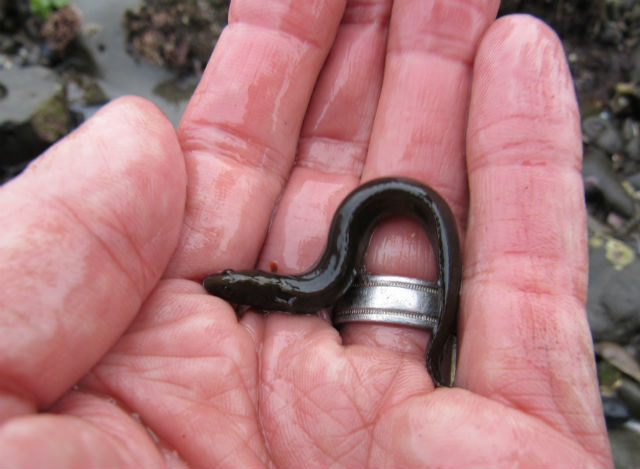
Smoothhead Sculpin

01 IMG_3115

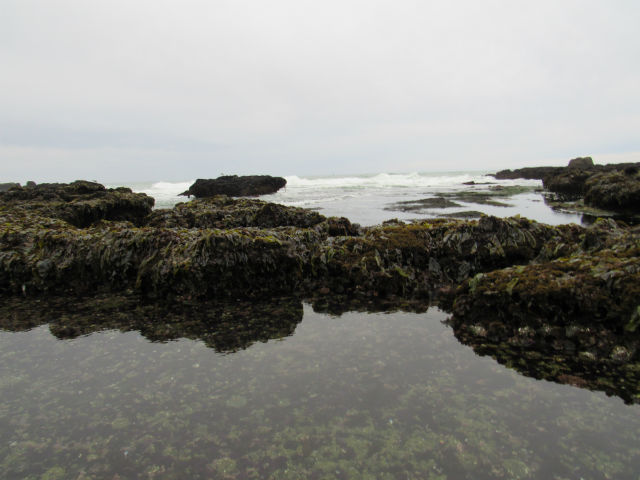
We found this cool creature while tidepooling in California. One thing that is noticeable about these particular sculpins is their massive heads, especially when compared to their tidepool peers.
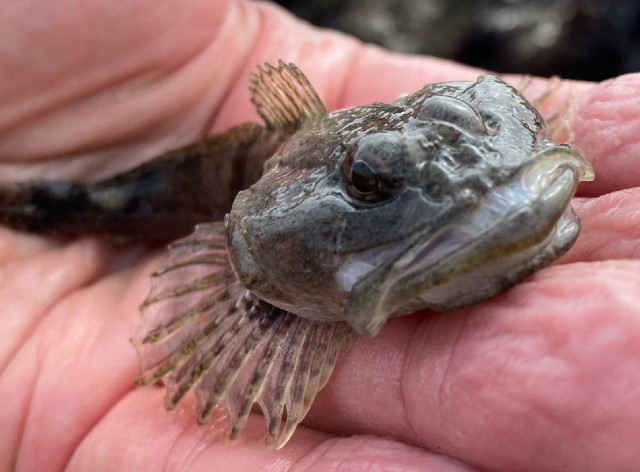
02 Smoothhead Sculpin_2407

This is a common small fish in pools in the intertidal zone of rocky coasts, flitting from one hiding place to another. It shows great homing ability, returning each time the tide recedes to the pool in which it has taken up residence.
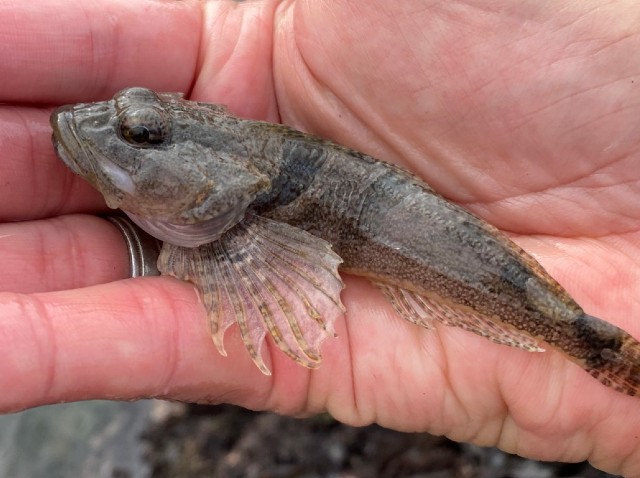
03 Smoothead Sculpin_2404

The Smoothhead Sculpin is a predator, feeding on small invertebrates such as isopods, amphipods, gastropod mollusks, worms and barnacles – as well as insects that happen to fall into the water.
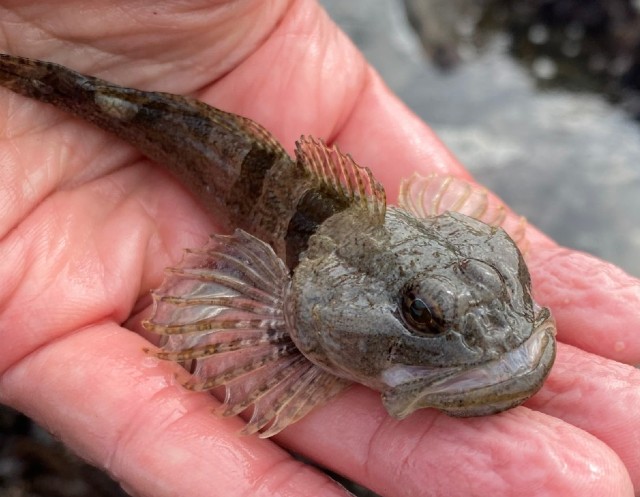
04 Smoothead Sculpin_2405

When the seas are rough, it moves closer the shore. It can leave the water and breathe air, exchanging both oxygen and carbon dioxide, while hiding in a damp spot. This was an awesome Golden State find.
Third Eye Herp
E-mail

Monkeyface Prickleback

Monkeyface Prickleback_4128

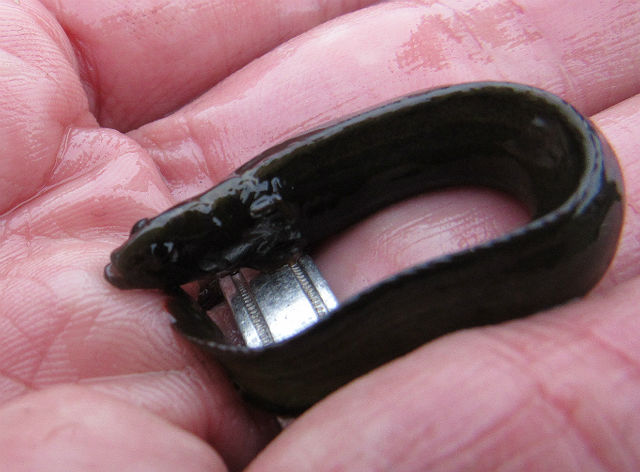
While exploring tide pools in north-central California, I came across this wonderful little fish. It tends to stay near the coast, rather than roaming the open ocean, and is often found in rocky areas.

Monkeyface Prickleback_4069

Young Monkeyface Pricklebacks, like this one, feed on zooplankton and crustaceans, while adults are primarily herbivorous, mainly consuming red and green algae.

Monkeyface Prickleback_4067

These long, slender fish, grow to about 18 inches in length and possess the unfishlike ability to breathe and survive out of water while hidden under seaweed or rocks. This was one of many fun finds during my tidal pool adventure.

Third Eye Herp
E-mail