American Persimmon

01 American Persimmon_4943

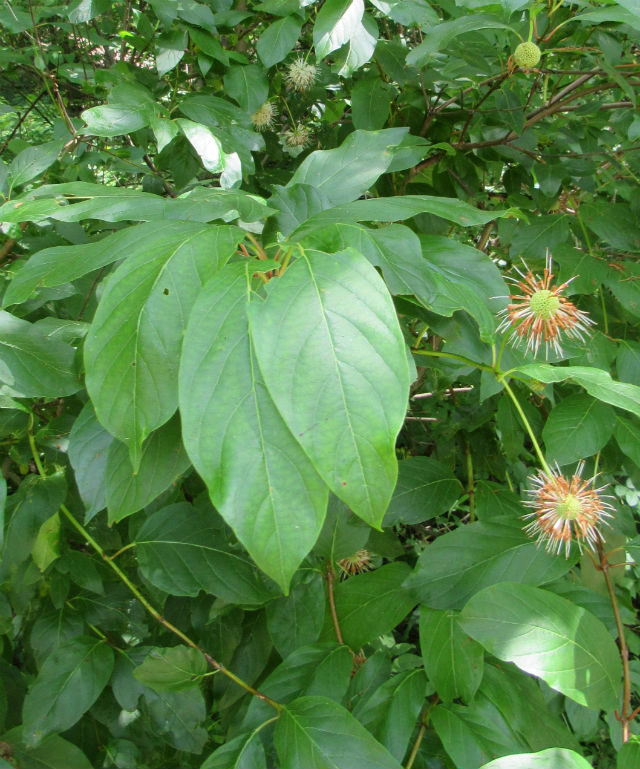
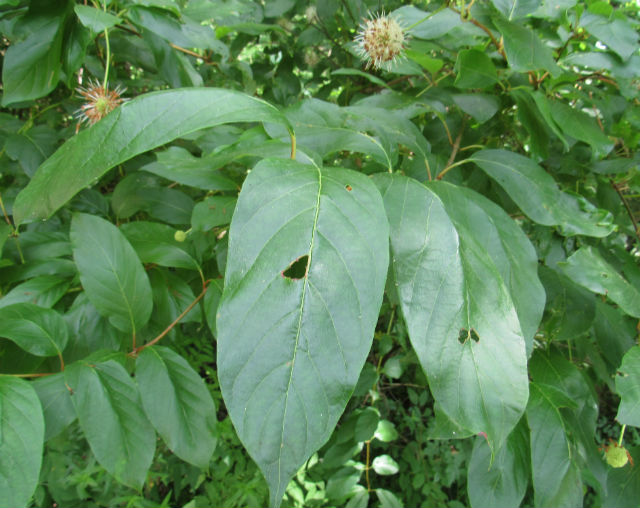
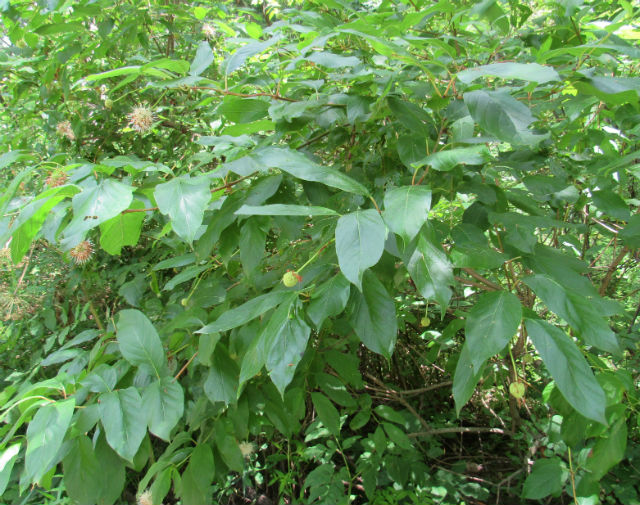
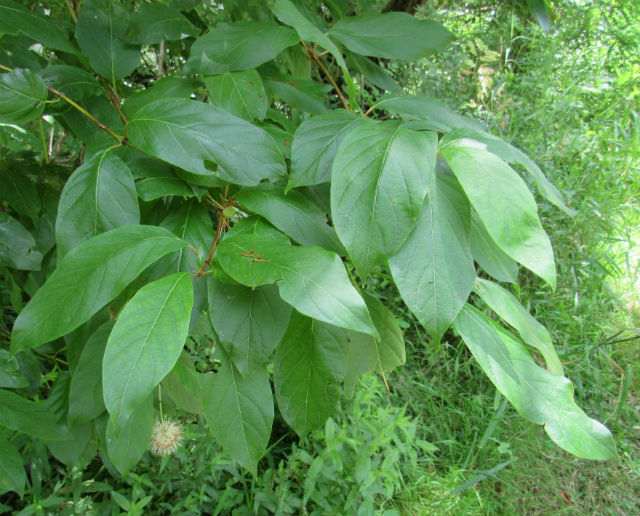
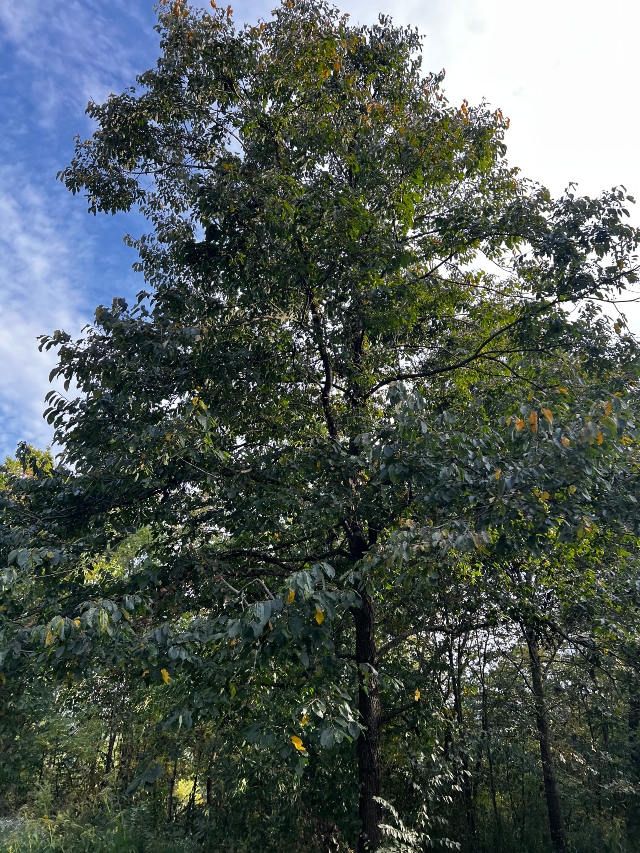
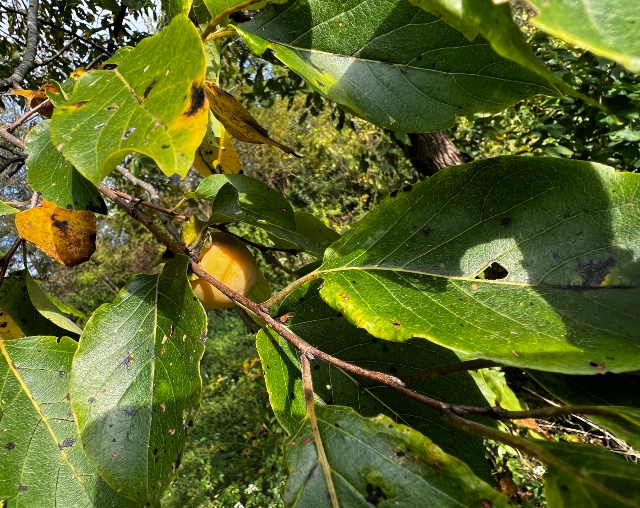
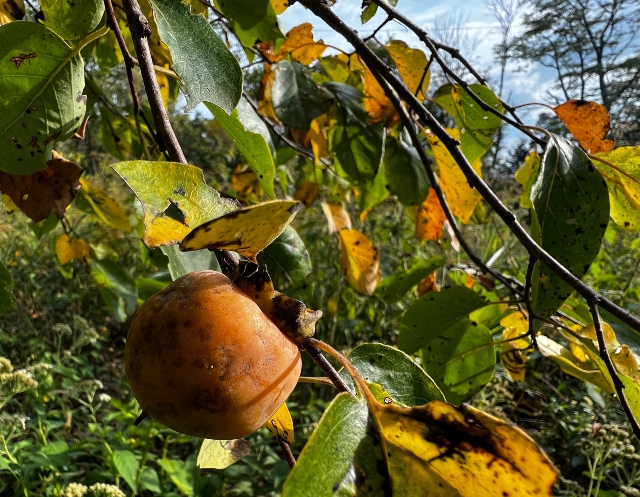
While visiting southern Illinois this month, I encountered this fine tree and tasted its fruit, which happened to be in season.
02 American Persimmon_4948

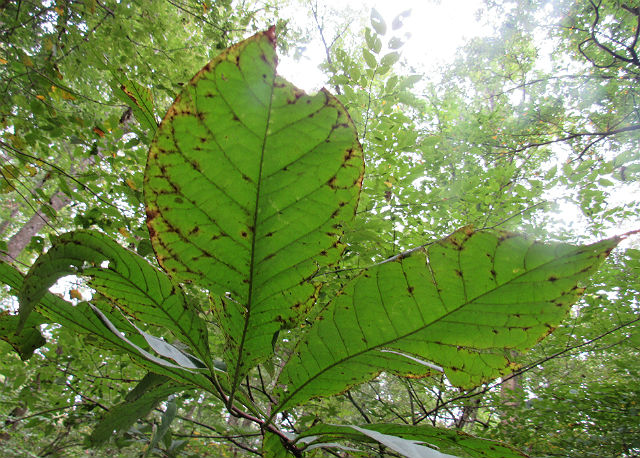
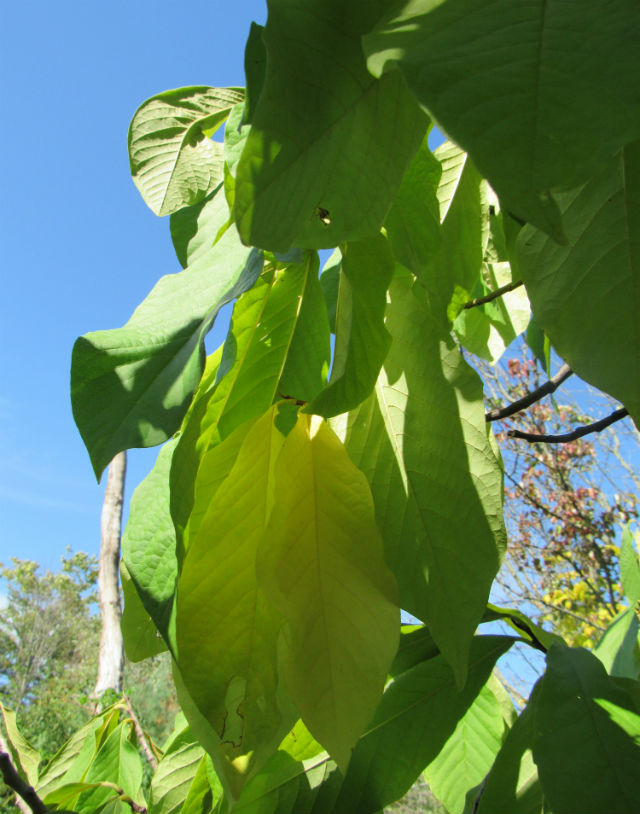
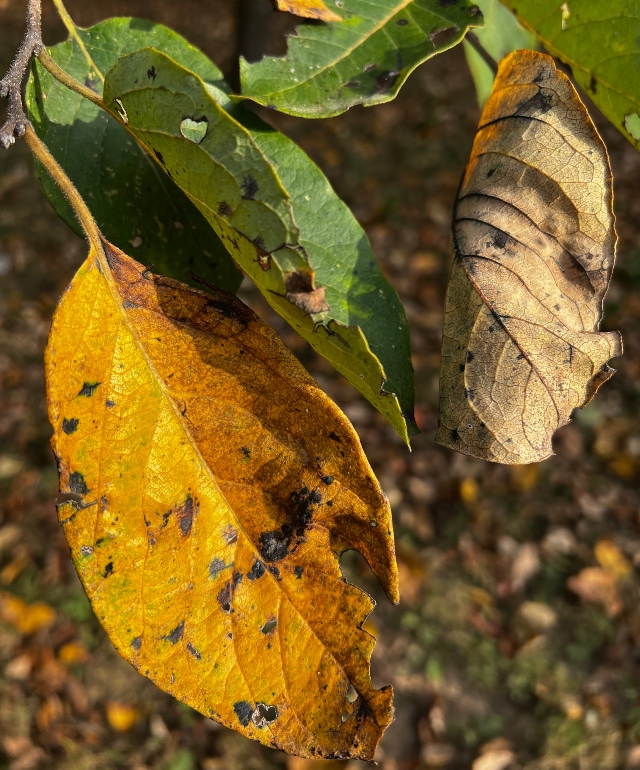
American Persimmon is native to most of the eastern half of the United States. It grows in full sun and a wide variety of soils. The dark green leaves are your stereotypical “leaf shape,” so aren’t much help by themselves for identifying the tree. It grows wild, but has been cultivated for its fruit and wood since prehistoric times by Native Americans.
03 American Persimmon_4942

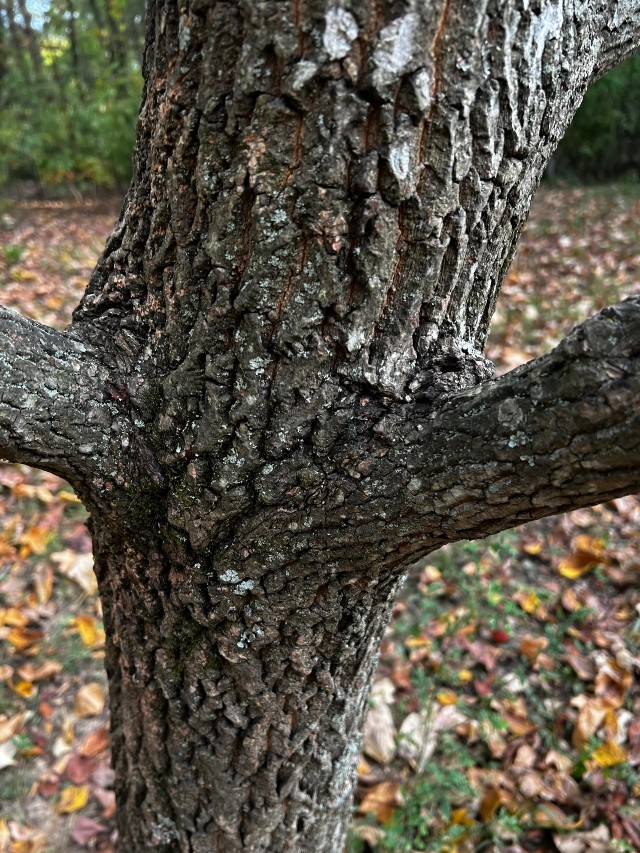
This tree can be 60 feet tall, but normally it doesn’t reach more than 20 feet. The trunk and branches are thin with grey-brown bark that is said to resemble reptile scales. The principal uses of the wood are for golf-club heads, shuttles for textile weaving, and furniture veneer.
04 American Persimmon_4946

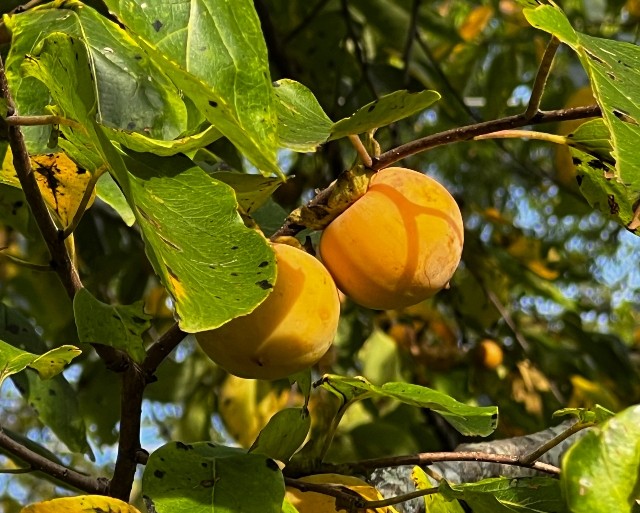
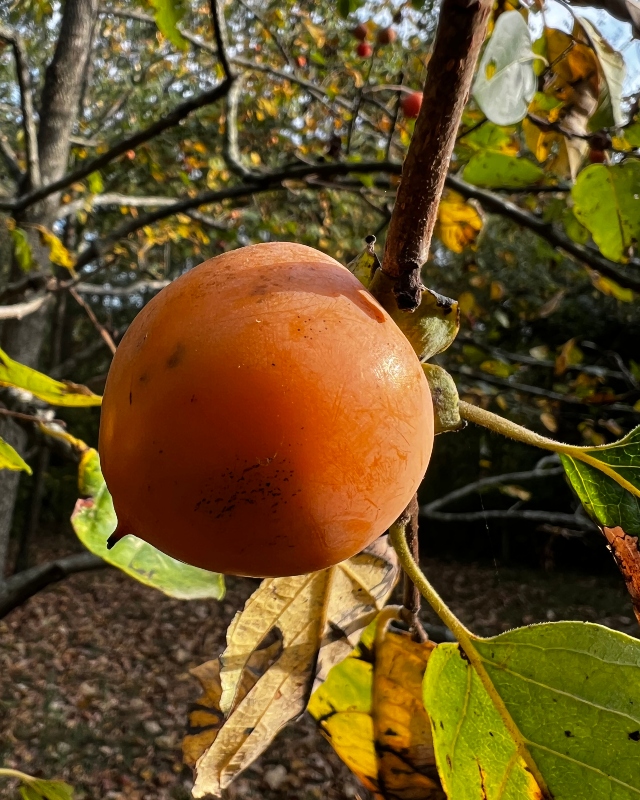
American Persimmon is dioecious, which means some trees only produce male flowers and some trees only produce female flowers. The fruit is round, usually orange-yellow, and about two inches in diameter. Both the tree and the fruit are referred to as Persimmons, with the latter appearing in desserts and other cuisine.
05 American Persimmon_4936

During the spring, the flowers provide a rich source of nectar for Honeybees, Bumblebees, Small Carpenter Bees, Digger Bees, Mason Bees, Leaf-cutting Bees and Cuckoo Bees. Raccoons, Foxes, Black Bears, Skunks, Turkeys, Yellow-rumped Warblers, Cedar Waxwings, Catbirds, American Robins, Pileated Woodpeckers and Mockingbirds eat Persimmon fruit. The fruit is high in vitamin C, and extremely astringent when unripe.
06 American Persimmon_4947

Known scientifically as Diospyros virginiana, Diospyros means “divine fruit” in Greek.
07 American Persimmon_4935

American Persimmon is also known as Common Persimmon, Eastern Persimmon, Simmon, Possumwood, Possum Apples, and Sugar Plum.
Third Eye Herp
E-mail

Slippery Elm

01 Slippery Elm_8625

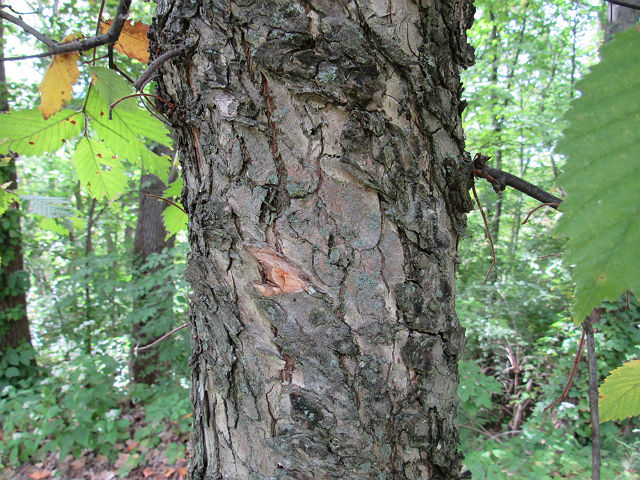
Slippery Elm is named after its slick, mucilaginous inner bark, which was chewed by the Native Americans and pioneers to quench thirst when water was not readily available.

Slippery Elm_4231

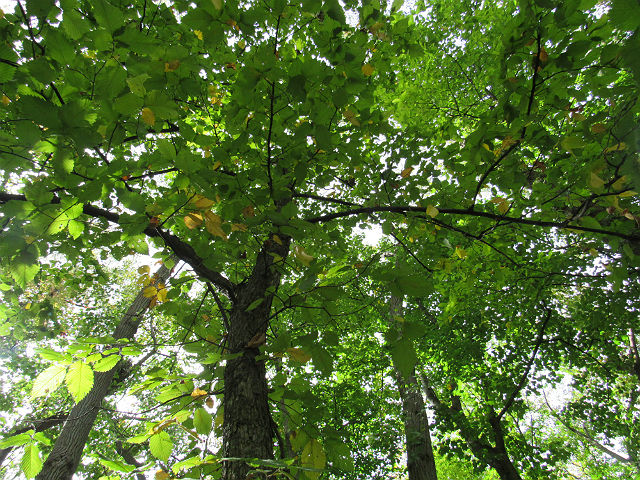
This tree may reach 60 feet tall by 50 feet wide, when found in the open. It grows best and on moist, rich soils of lower slopes and flood plains, although it may also grow on dry hillsides with limestone soils.

03 Slippery Elm16-2-16

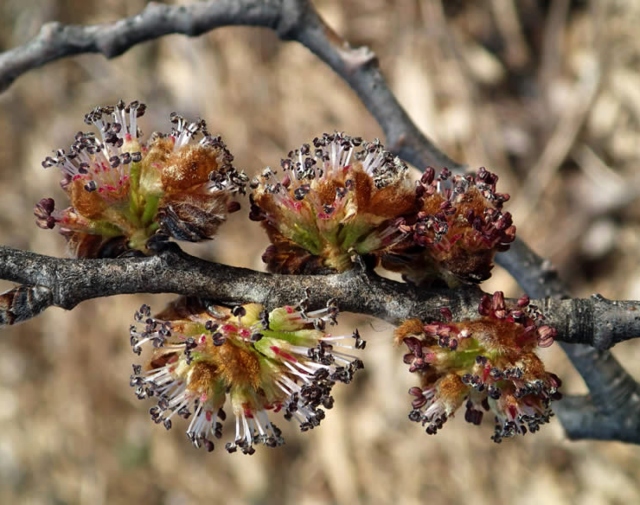
In Spring, Slippery Elm is one of the first trees to come into flower, its wind-pollinated flowers are produced before its leaves, usually in tight, short-stalked clusters of 10–20.

04 Slippery Elm_8623

Slippery Elm’s flowers soon develop into rounded samaras. The reddish-brown fruit is slightly notched at the top and the single, central seed is coated with red-brown hairs.

05 Slippery Elm_8624

The inner bark of this tree is used for a number of herbal preparations, many of which relieve throat and digestive issues. The light, fluffy bark is commonly used as a binder for making herbal pills.

06 Slippery Elm_8622

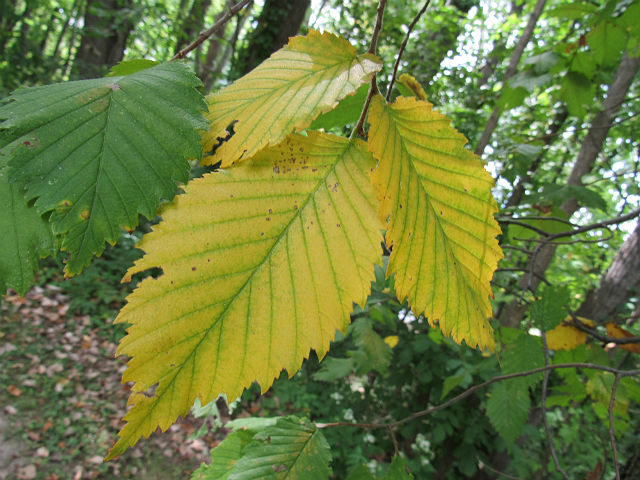
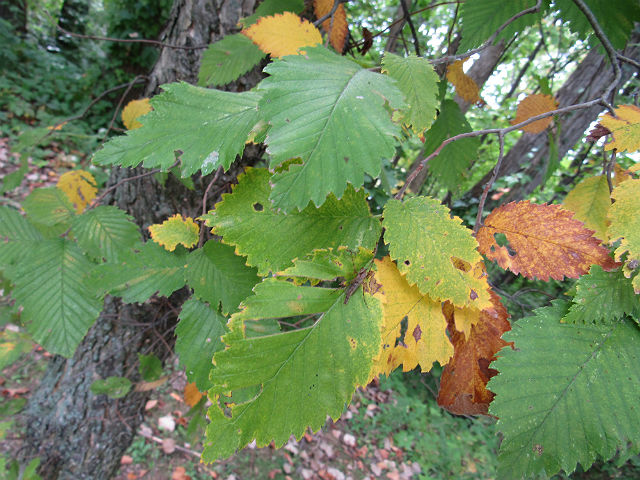
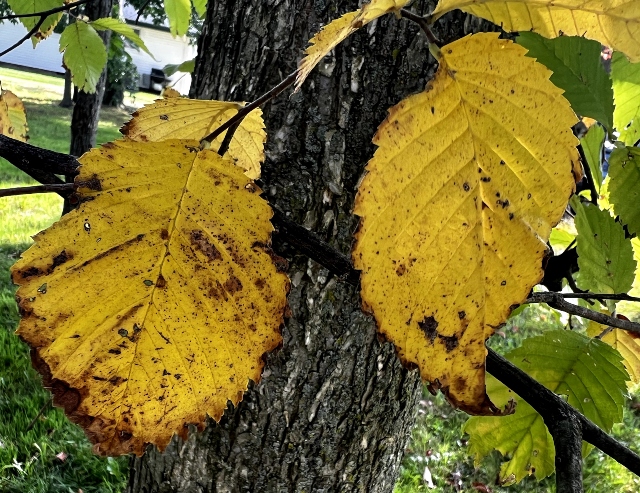
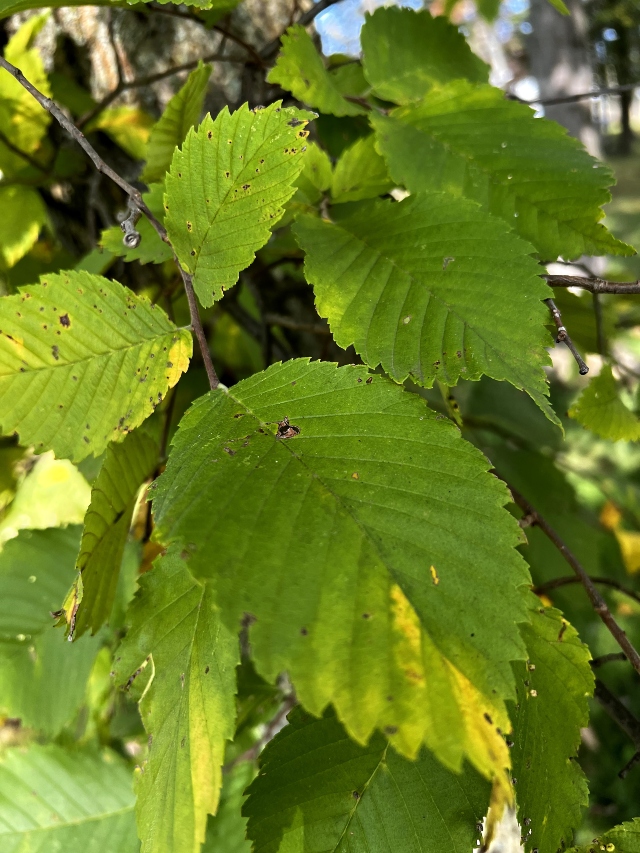
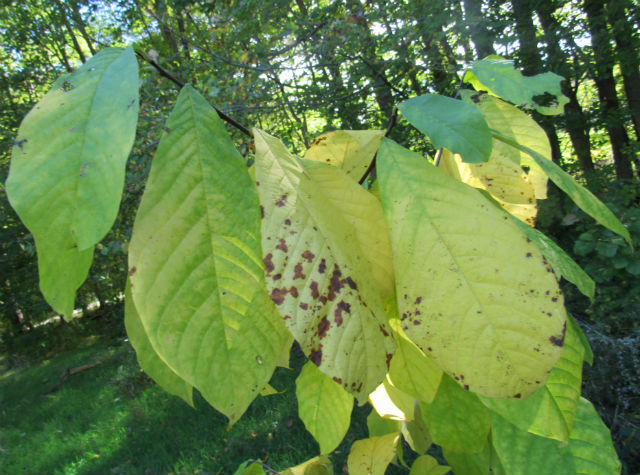
For me, the thing about this tree that is most unexpected is the leaves, which are broadly elliptical and are sandpapery rough on both the upper and lower surfaces.

Slippery Elm_4235

This tree’s other common names include Red Elm (in reference to its reddish brown heartwood), Gray Elm, Soft Elm, Moose Elm and Indian Elm.
Third Eye Herp
E-mail

Red Alder

01 Red Alder_1509

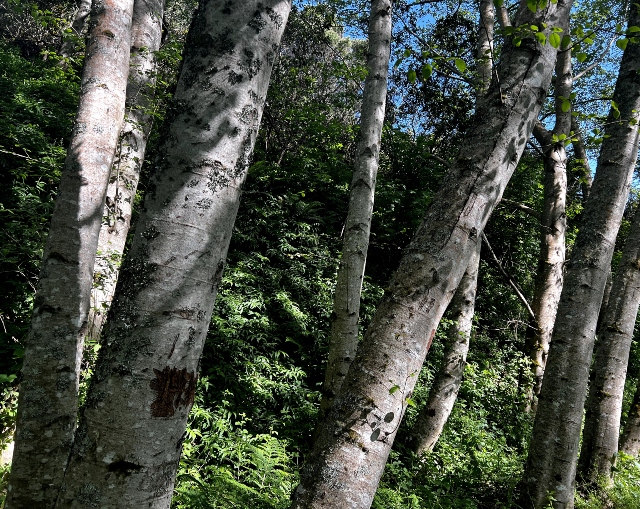
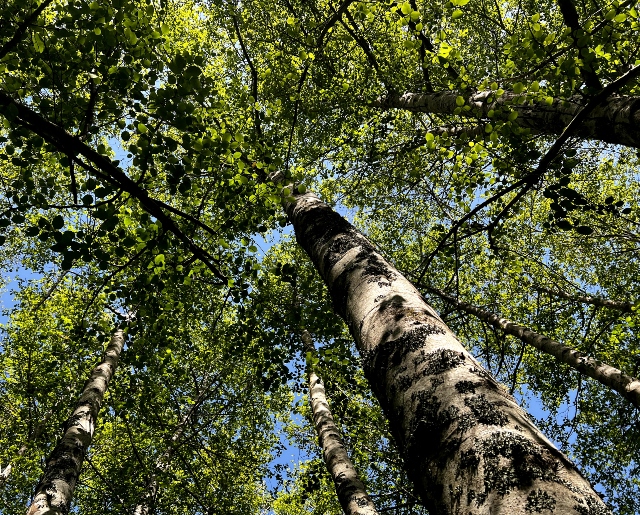
While looking for snakes in California, I wandered into this stand of trees. Red Alder is the largest species of alder in North America and one of the largest in the world, reaching heights of 65 to 100 feet.
02 Red Alder_1513

This tree is most often found in moist woods and along streambanks. It quickly colonizes recently cleared land. Although many consider Red Alder a “weed” tree because it will often invade landscapes, this species is the first choice for ecological restoration.

03 Red Alder_1510

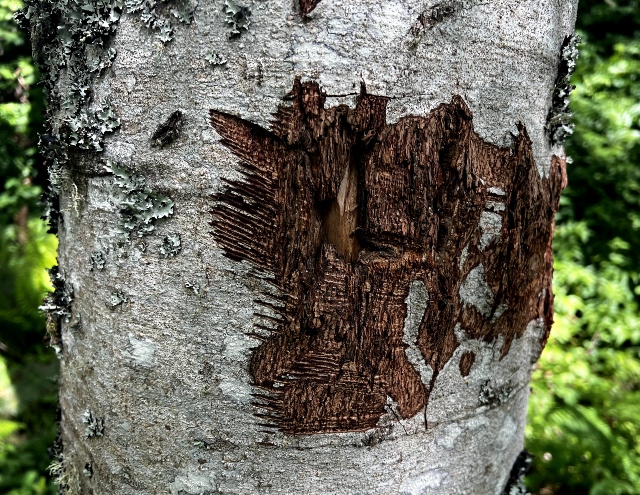
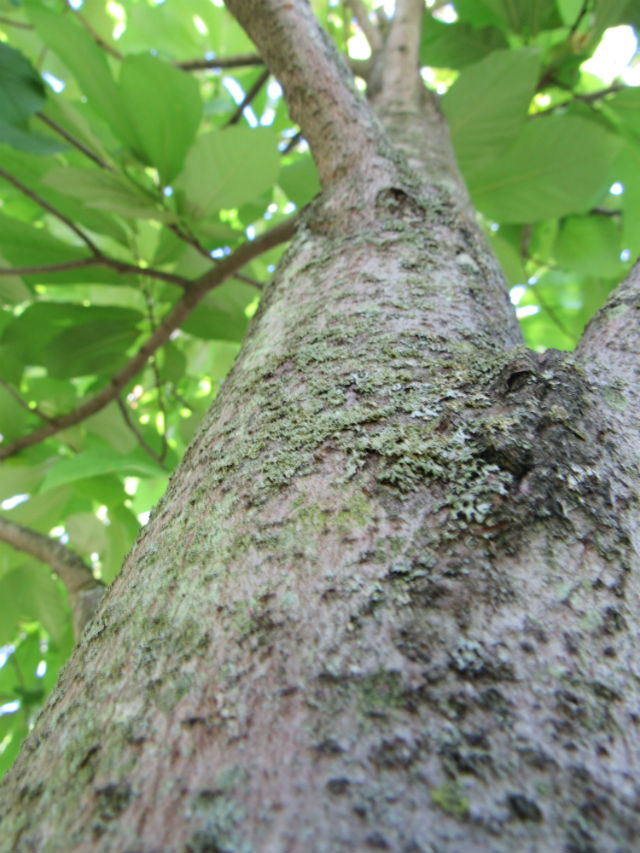
Red Alder is a host to nitrogen-fixing bacteria that form nodules on its roots. Because of this association, the introduction of Red Alder to disturbed sites can quickly improve the fertility of soils, making the site more amenable to the colonization by longer-living conifers. The bark of this tree is mottled, ashy-gray and smooth, often covered by white lichens and moss. Its common name derives from the bright rusty red color that develops in bruised or scraped bark.

04 Red Alder_1502

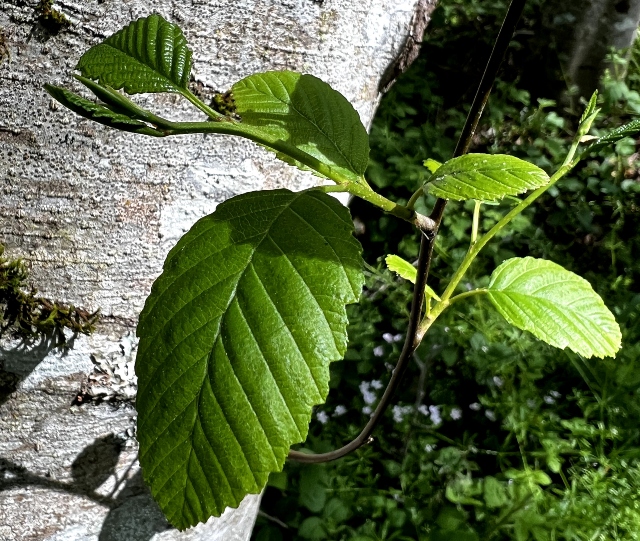
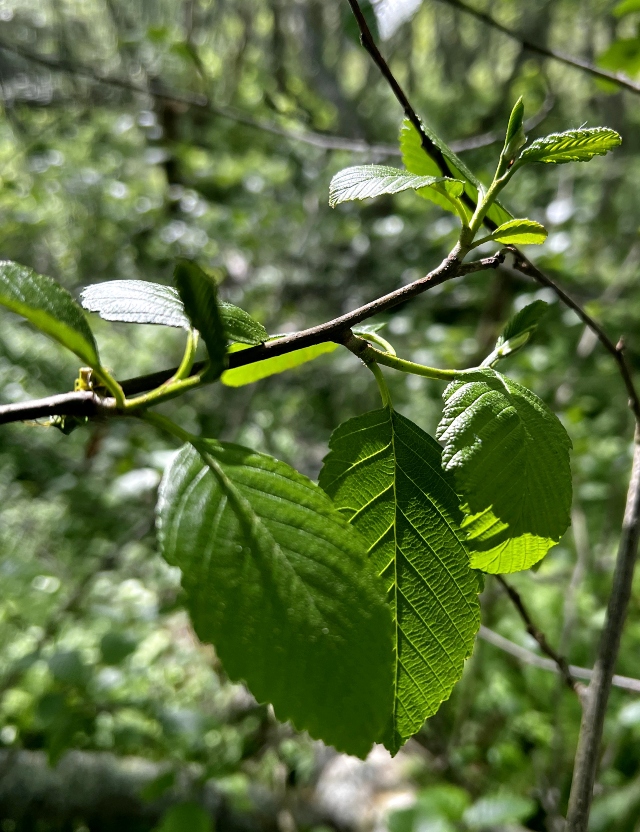
Red Alder’s leaves are ovate, 3 to 6 inches long, with bluntly serrated edges and a distinct point at the end; the leaf edges tend to be slightly curled under, a diagnostic characteristic which distinguishes it from all other alders.

05 Red Alder_1508

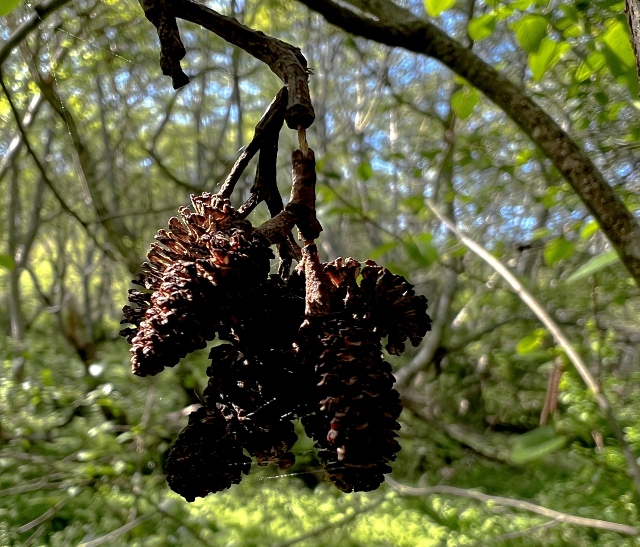
Long catkins appear in Spring, before the leaves, producing copious amounts of pollen. Later it produces small brown cone-like strobiles less than an inch long that remain on the tree through the Winter.

06 Red Alder_1511

Because of its oily smoke, Red Alder is the wood of choice for smoking salmon.

Third Eye Herp
E-mail

Pitch Pine

01 Pitch Pine_0533

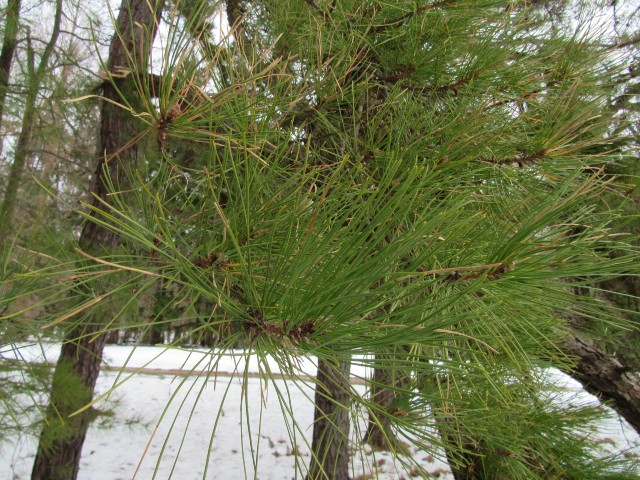
This interesting tree is found in environments which other species find unsuitable for growth, such as acidic, sandy and low nutrient soils. It is known as a “pioneer species,” since it is often the first tree to vegetate an area after it has been cleared away.

02 Pitch Pine_0525

Pitch Pine has an exceptionally high regenerative ability; if the main trunk is cut or damaged by fire, it can re-sprout using epicormic shoots.

03 Pitch Pine_0536

This is a rapid-growing tree when young, gaining around one foot of height per year under optimal conditions until the tree is 50 – 60 years old, whereupon growth slows.

04 Pitch Pine_0534

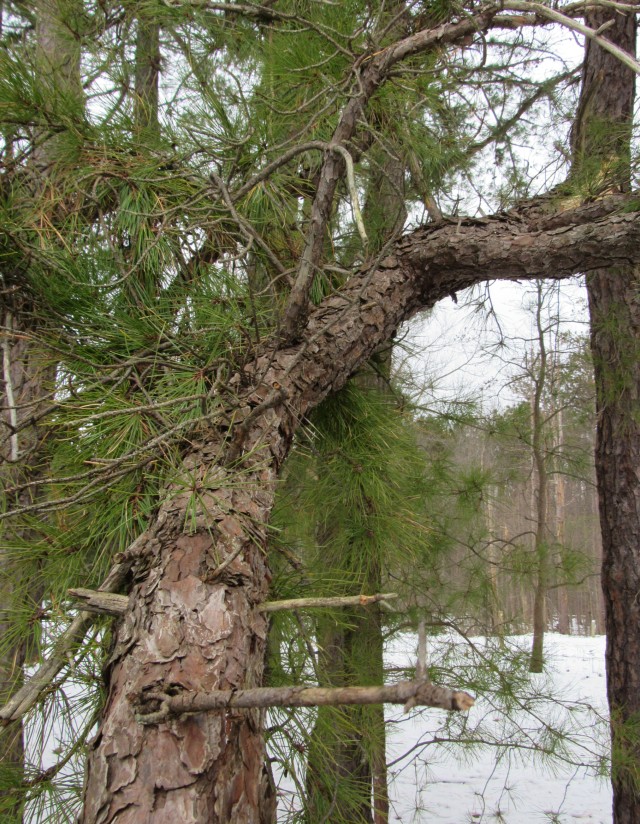
Pitch Pine trunks are usually mostly straight with a slight curve to them. They are covered in irregular, thick, large plates of bark. Its globular form of twisting, gnarled, drooping branches does a poor job at self-pruning.

05 Pitch Pine_0522

This is one of the most fire resilient eastern conifers. Its adaptations allow for survival in a high frequency fire area such as the Pine Barrens of New Jersey.

06 Pitch Pine_0543

High resin content in this species produced the name “Pitch Pine.” Early American settlers would often ignite pine knots for torches. Because of its high resin content, its decay-resistant wood was once popular for ship building, mine props, railroad ties and fencing.

07 Pitch Pine_0541

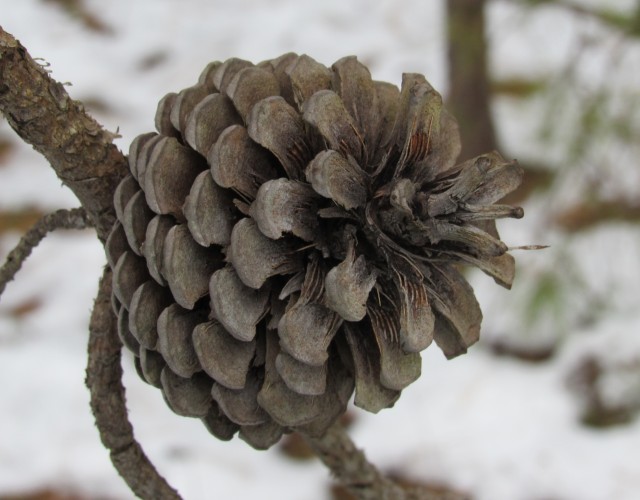
Today Pitch Pine Pitch is an important food source for wildlife. Sprouts and seedlings serve as browse for White-tail Deer, Cottontail Rabbits and Meadow Mice. Its seeds are eaten by Red Squirrels and a wide range of birds.

Third Eye Herp
E-mail

Eastern Cottonwood

01 Eastern Cottonwood_3679

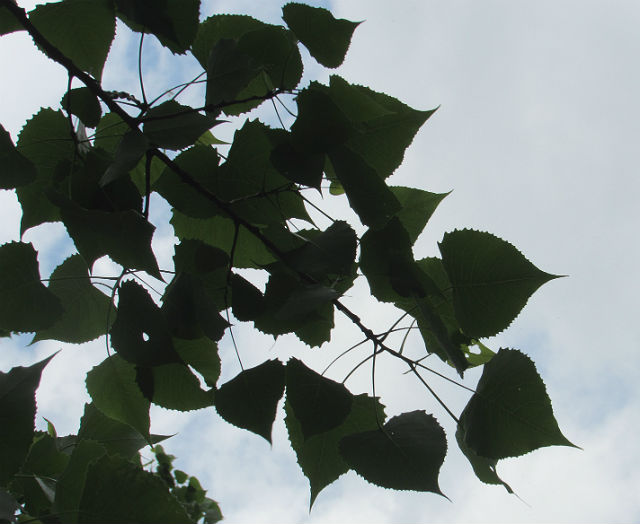
This is a large, fast-growing tree found growing along streams, rivers and lowland areas. It is what is known as a “classic floodplains tree.” I have one growing next to the creek in my backyard.

02 Eastern Cottonwood_7620

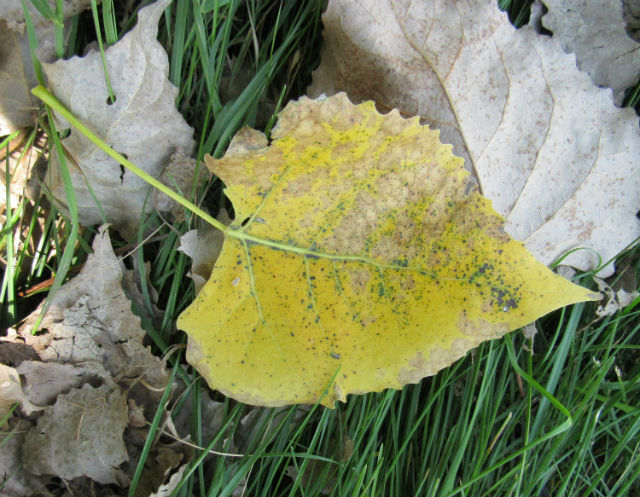
The genus of its Latin name, Populus deltoides indicates that it is a type of Poplar Tree. The species, deltoides, refers to its triangle-shaped leaves.

03 Cottonwood_6279

Eastern Cottonwood is almost as massive as a Sycamore in regard to its trunk and broad-spreading canopy. It commonly reaches 80 feet tall by 60 feet wide, but can be much larger.

04 Eastern Cottonwood_2529

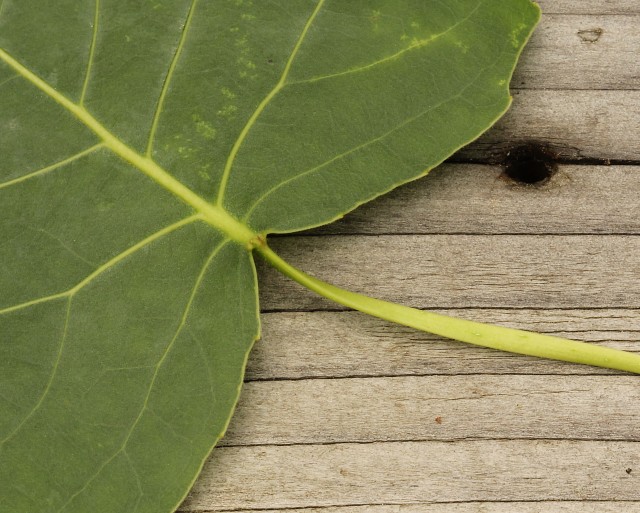
The flat leaf stems cause its leaves flutter in the slightest breeze, often looking like a hand waving back and forth, as do the leaves of most Poplars.

05 Eastern Cottonwood_7618

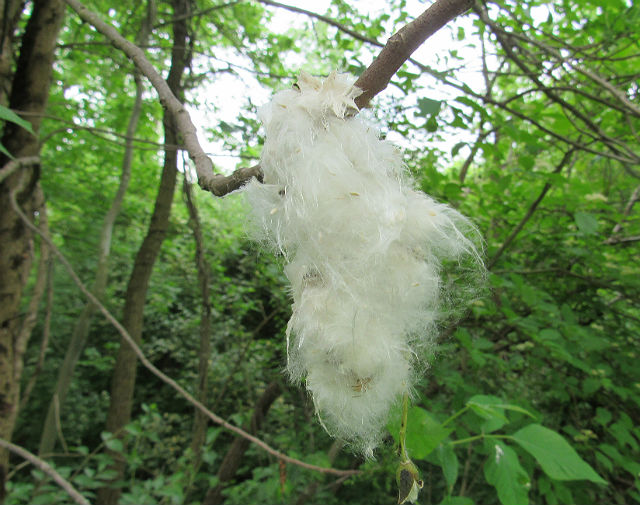
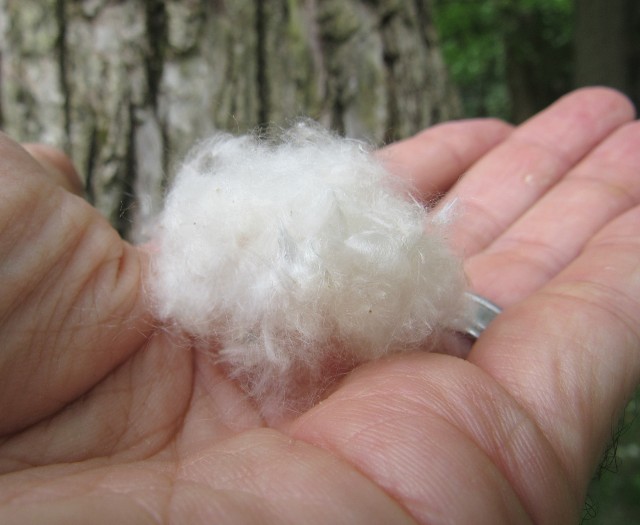
In late Spring and early Summer, I get “snow in June” when the fruit capsules open to release their small seeds attached to many cotton-like strands. It is the continuous release of these fluffy seeds for 2-3 weeks that results in the tree’s common name.

06 Eastern Cottonwood_8331

These trees develop very deep fissures in their bark. Mature Eastern Cottonwood bark is among the thickest of all trees in North America.

07 Cottonwood_6277

Eastern Cottonwoods have many unique characteristics that make them worth checking out.

Third Eye Herp
E-mail

Sequoia

IMG_5487

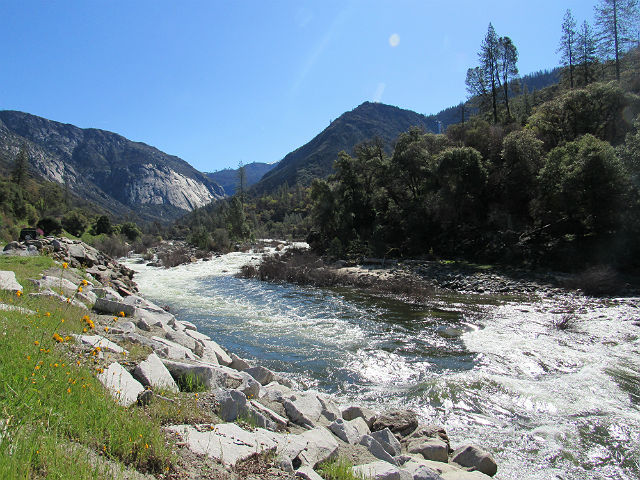
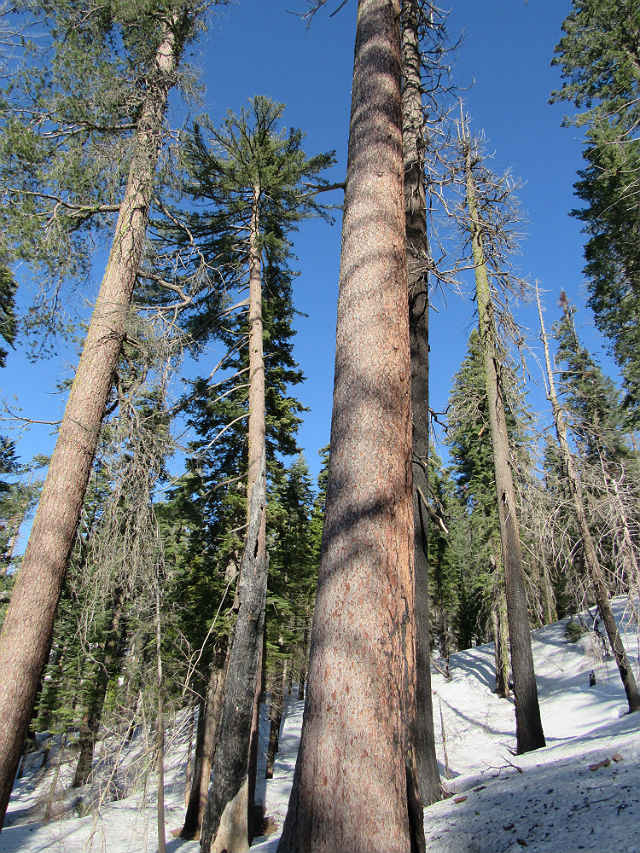
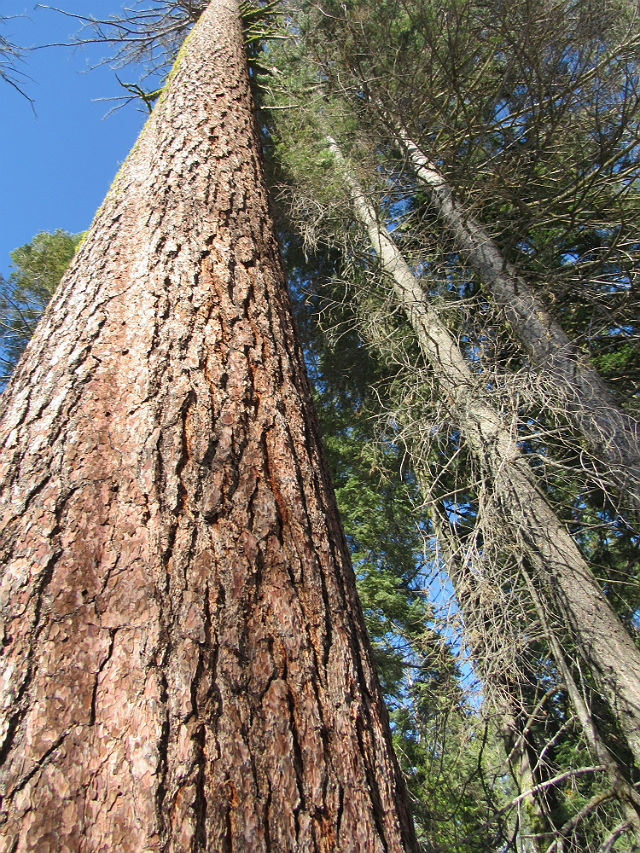
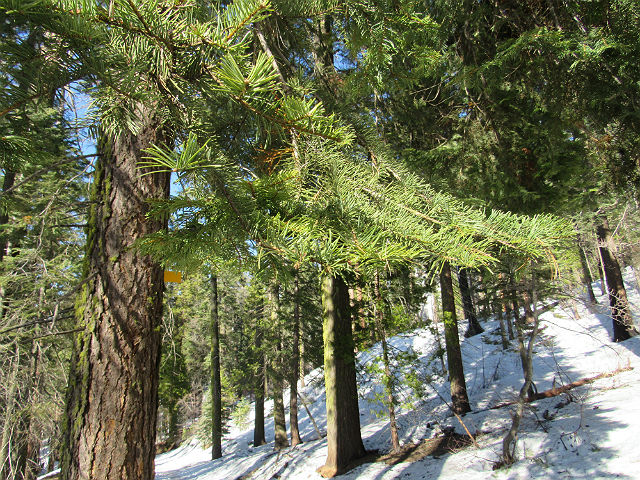
While visiting Yosemite National Park in April, I walked a mile through the snow to have my first-ever encounter with these massive trees.

IMG_5614

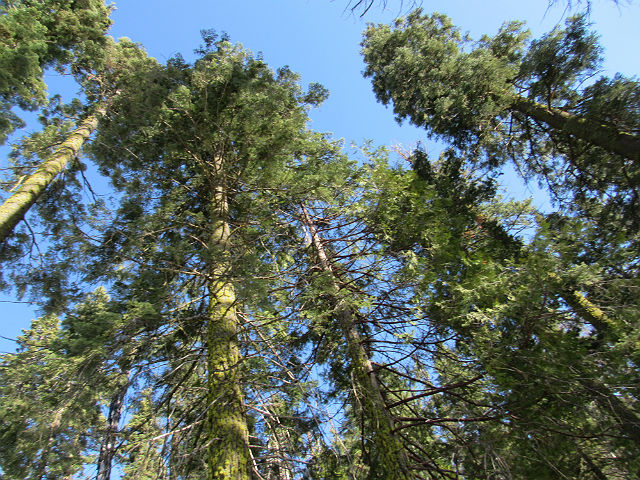
This species is the largest known tree on earth and grow only on the western slope of the Sierra Nevada at elevations between 4,500 to 7,000 feet. Found nowhere else on the planet, they are closely related to California’s Coast Redwoods – the tallest trees in the world.

IMG_5630

Sequoias can grow to be about 30 feet in diameter and more than 250 feet tall. They can live to be over 3,000 years old, with the oldest one on record living more than 3,500 years.

IMG_5618

Mature Sequoias lack branches on the lower half of their trunks. Their trunks taper as they rise, forming a rounded top where individual branches sweep downward. Their green needles are small and arranged in spirals.

IMG_5619

The snowpack from the Sierra Nevada provides these giant trees with the thousands of gallons of water every day.

IMG_5629

It was an awesome experience to meet a tree “in person” that I have been reading about for so many years!

Third Eye Herp
E-mail

Pawpaw

Cypress Swamp_9854

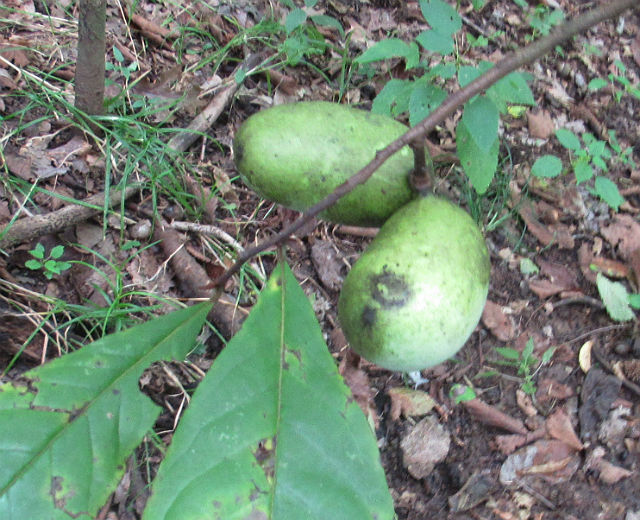
While walking along the edge of a cypress swamp in southern Illinois, I encountered this iconic tree. It’s the only member of a large, mainly-tropical plant family naturally residing in the United States, and it produces the largest edible fruit native to North America.

Pawpaw_9382

Pawpaw is a small tree, typically growing to a height of 35 feet. It tends to grow in the understory or at woodland edges, and is often found in moist places such as the bottoms of ravines, steep hillsides and on the banks of creeks.

Pawpaw_0348

The fruit is fragrant and has a distinctly bright, tropical flavor, often compared to bananas, but with hints of mango, vanilla and citrus. It has the inelegant appearance of a small green potato and may occur in clusters on the tree.

IMG_9383

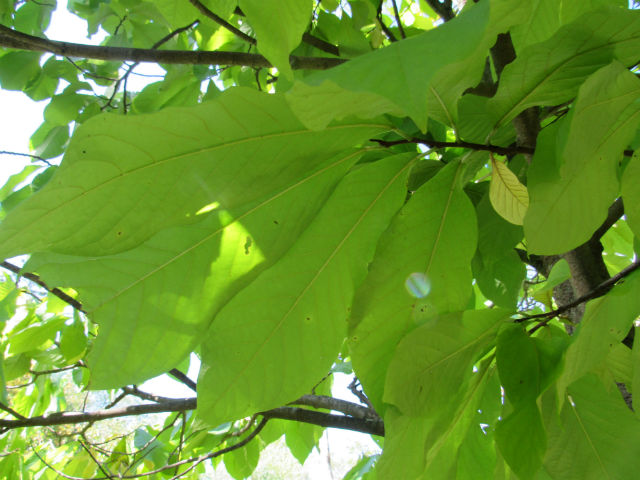
The dark green leaves (which turn yellow in Autumn) of the Pawpaw have a tropical look, with their large, shiny blades that are widest just behind the leaf tip. The leaves often hang down like “dog ears” from the twigs.

Pawpaw_0361

The smooth, thin, gray bark of Pawpaw becomes more warty and rough with increasing trunk girth.

Pawpaw_0346

Larvae of the Zebra Swallowtail Butterfly feed exclusively on young leaves of Pawpaw, but never occur in great numbers on the plants.

Pawpaw_0342

This tree is also known as Quaker Delight or Hillbilly Mango.

Third Eye Herp
E-mail

Buttonbush

Buttonbush_7326

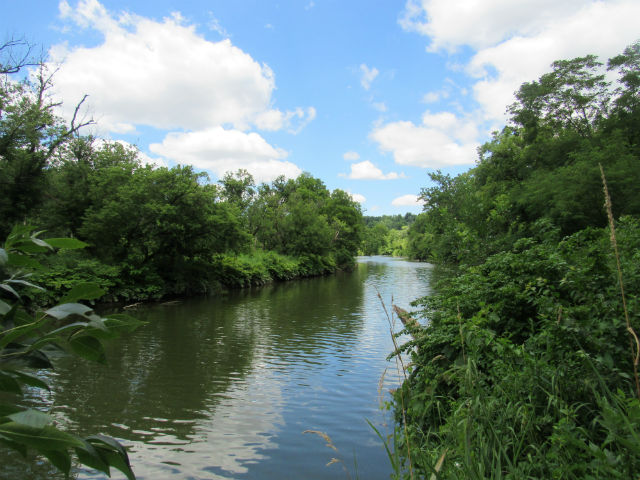
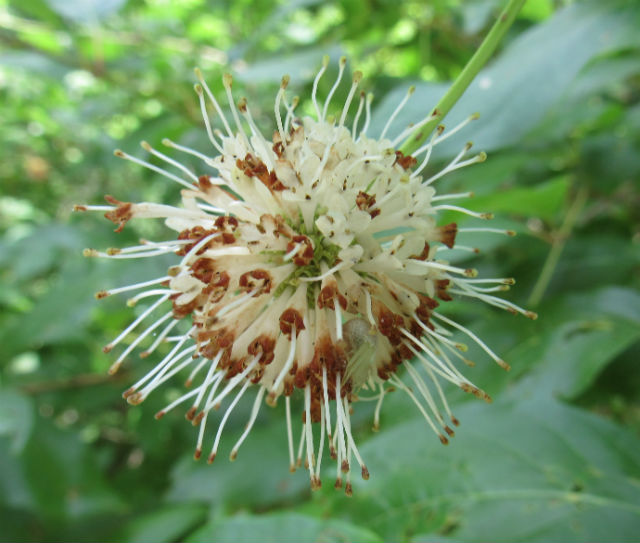
Walking along the Ohio & Erie Canal Towpath, I noticed this distinctive white, spherical flower with needle-like projections growing on a shrub.

Buttonbush_7308

This plant is a member of the Coffee Family and is native to eastern and southern North America. Like the Coffee Plant, its leaves are glossy green and up to 4 inches long and 2 inches wide. It’s unusual flowers are a source of nectar, attracting butterflies, bees, moths, hummingbirds and 20-something other species of birds.

Buttonbush_7321

Buttonbush can be found in wet habitats such as marshes, shorelines, ditches and areas near the rivers and ponds. It is one of the first plants that will appear in areas destroyed by floods.

Buttonbush_7310

This is multi-branched, round-shaped shrub typically reaches 6 to 12 feet in height. Its older trunk bark is attractively diamond-patterned with lattice-like raised ridges. Its fruit is a reddish-brown, round-shaped capsule filled with two seeds. It ripens during September and October. Ducks and other waterfowl eat Buttonbush seeds.

Buttonbush_7315

If you come across a Buttonbush in bloom and patiently observe the activity around it, you’ll be likely to see spiders, bees, butterflies, moths, wasps and perhaps even a hummingbird buzzing around its flowers.

Buttonbush_7314

You’ll understand very quickly why this plant is so important native wildlife and our environment.

Third Eye Herp
E-mail

Black Locust

black locust_5550

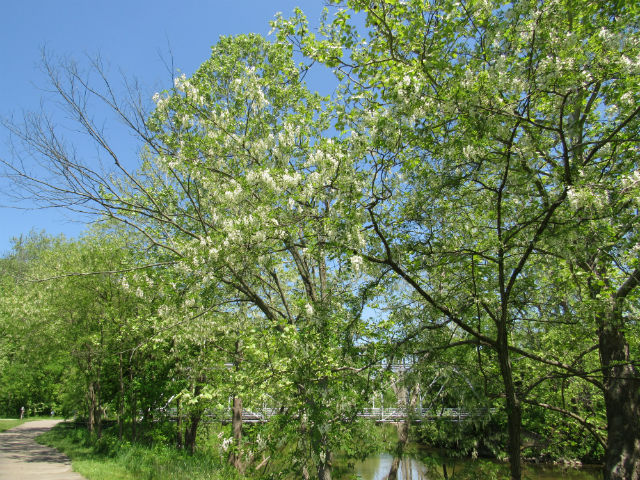
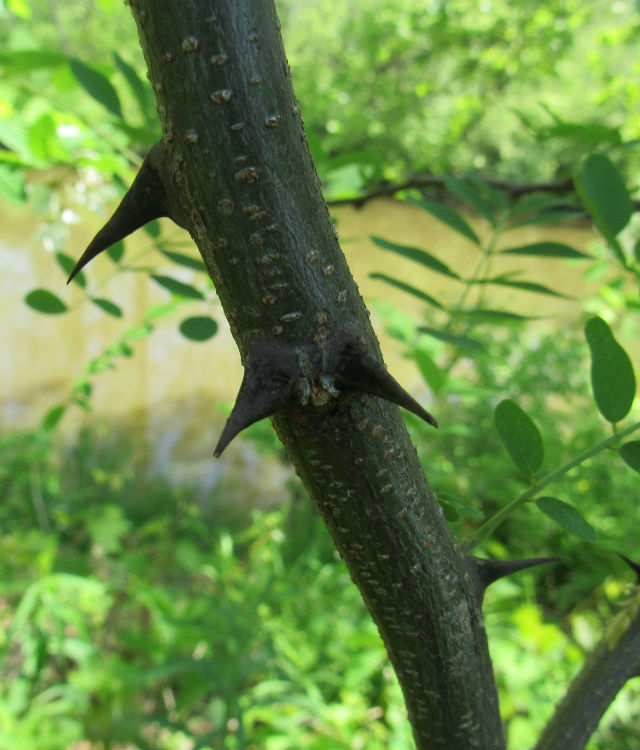
This tree is native to the eastern United States, but the exact natural range is not accurately known, since it has been cultivated and is currently found across the nation, in each of the 48 continental United States.

black locust_6608

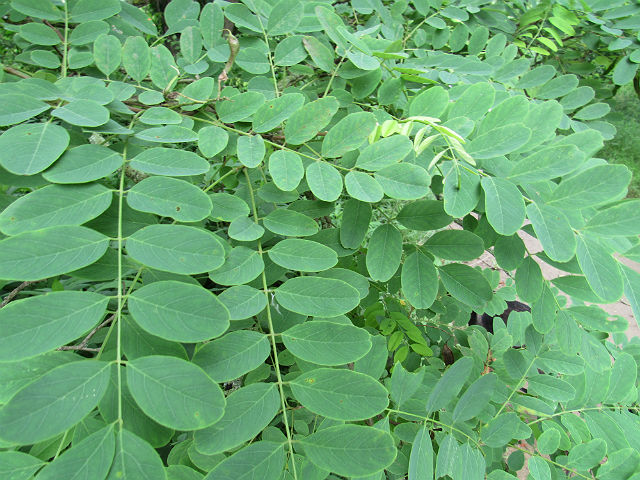
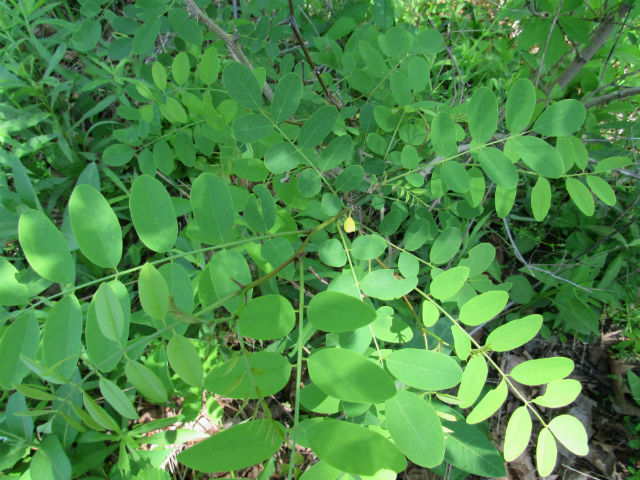
Black Locust Trees feature many oval, bluish-green compound leaves with a contrasting lighter undersides to give this tree a beautiful appearance in the wind and contribute to its grace. The tips of each leaflet may be slightly notched, rounded, or pointed.

black locust_5535

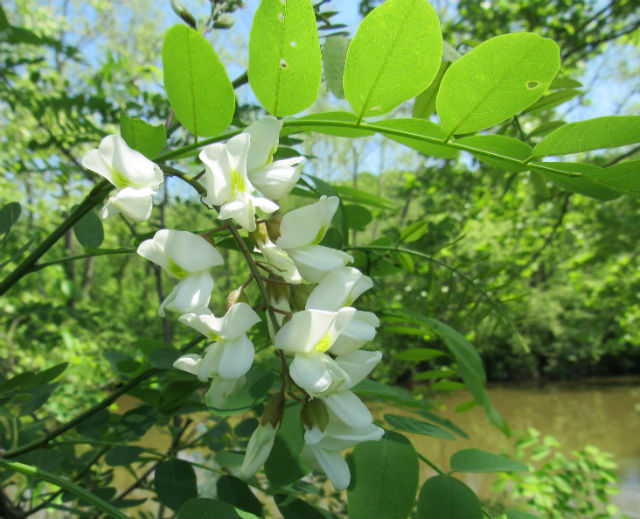
Its sweetly fragrant, pendulous, creamy white flowers in hang clusters. Each cluster can be up to 8 inches long. Here in northeast Ohio, its flowers are produced in late May through June.

black locust_6606

The Black Locust’s fruit is a flat, smooth pea-like pod 2–4 inches long and about a half an inch wide. It usually contains 4-8 seeds.

black locust_5556

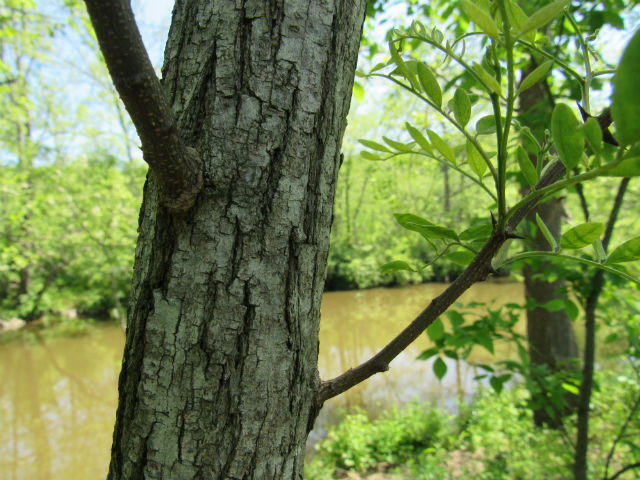
The wood is extremely hard, being one of the hardest woods in Northern America. It is very resistant to rot, and durable, making it prized for furniture, flooring, paneling, fence posts, and small watercraft.

black locust_5545

Black Locust can quickly grow to 50 feet tall by 25 feet wide, when found in the open. They are not tolerant of shade. As a grade-schooler we planted these and is was astonishing how fast they grew.

black locust_5536

This is a member of the Bean Family and is related to Redbud, Honeylocust, Kentucky Coffeetree, and Wisteria, as well as other Locust Tree species. Its many interesting characteristics make it a great tree to study.

Third Eye Herp
E-mail

Coulter Pine

Coulter Pine_4324

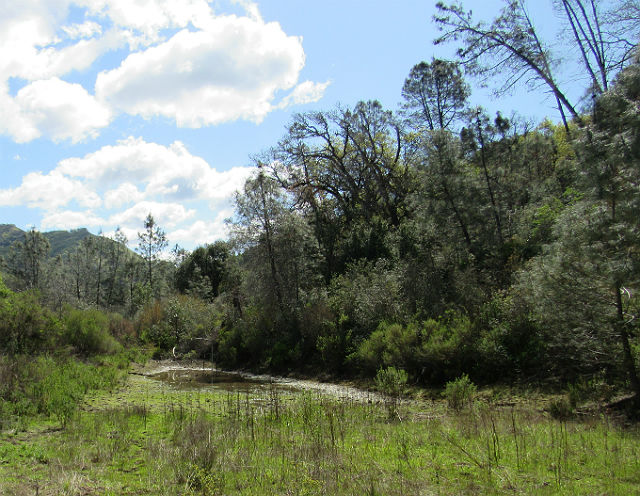
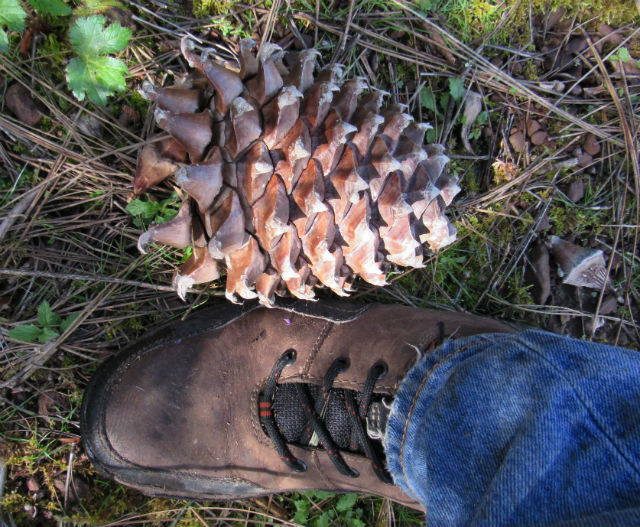
While hiking on Mount Hamilton in California, it was impossible not to notice a few impressively-sized pine cones on the ground. The cones were extremely spiny and exuded a sticky substance that was noticeable when they were picked up.

Coulter Pine_4323

The Coulter Pine is also known as Big-cone Pine; this species is named after Thomas Coulter, an Irish botanist and physician. Coulter Pine needles occur in bundles of three and are 6 to 12 inches long.

Coulter Pine_4332

This tree produces the heaviest cone of any pine tree. Old time lumberjacks called them “widow makers” because the cones occasionally killed loggers when they fell. People are advised to wear hardhats when working in Coulter Pine groves.

Coulter Pine_4327

This evergreen is native to the coastal mountains from central California to the Baja peninsula. The tree’s crown is broad, thin and irregular.

Coulter Pine_4339

Its bark is dark gray to black, deeply rugged with scaly ridges. It can reach heights of 75 feet with a straight to contorted trunk up to 3 feet in diameter.

Coulter Pine_4338

For its flower, male cones are yellow in tight clusters, while female cones dark red-brown. This is a slow growing species, reaching only 20 feet in 20 years. Given the proper conditions, the trees can live up to 100 years.

Coulter Pine_4334

Their massive spiny cones, can be as long as 20 inches and weigh more than 10 pounds. This was a neat tree to spend time with on my California visit.


Third Eye Herp

E-mail