Red Pine

Red Pine_0303

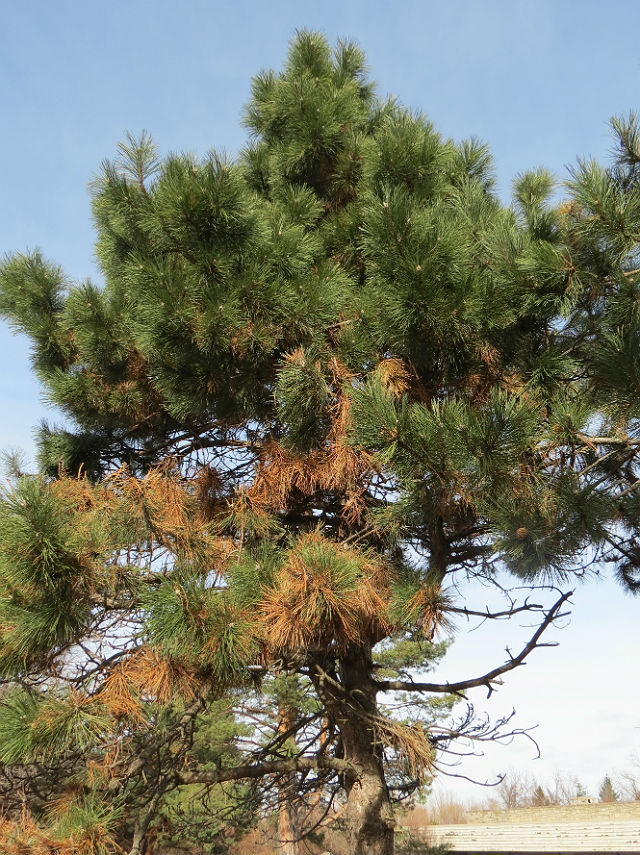
This tree (also called Norway Pine) is one of the most extensively planted species in the northern United States and Canada. It is frequently used in Ohio as a reforestation pine tree and is valued for its lumber and pulpwood.
Red Pine_0299

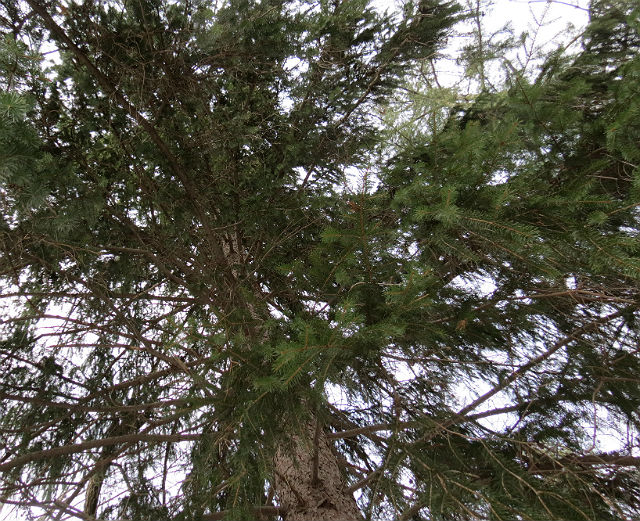
Although a tree of the Northern Forest Region and not native to Ohio, isolated pockets can be found in northern Illinois, eastern West Virginia and Newfoundland. When growing under natural conditions, Red Pine reaches a height of 90-100 feet and a trunk diameter of 30-40 inches, with a tall, straight, clean trunk and an open, rounded picturesque crown.
Red Pine_0244

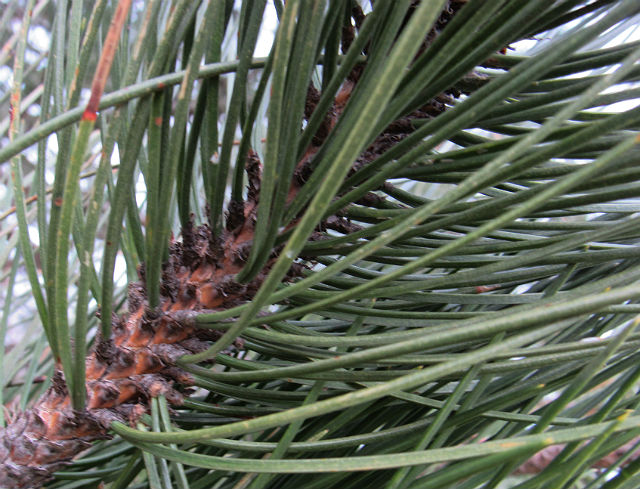
Red Pine has two medium five-inch long needles per bundle. They persist for up to four years on the twigs and branchlets, giving this pine tree a very dense appearance. The characteristic that sets the needles of this pine apart from other pines in eastern North America is their tendency to snap or break when bent.
Red Pine_0302

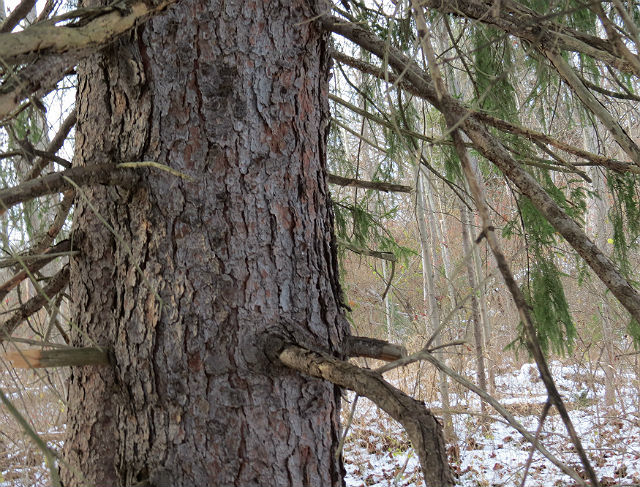
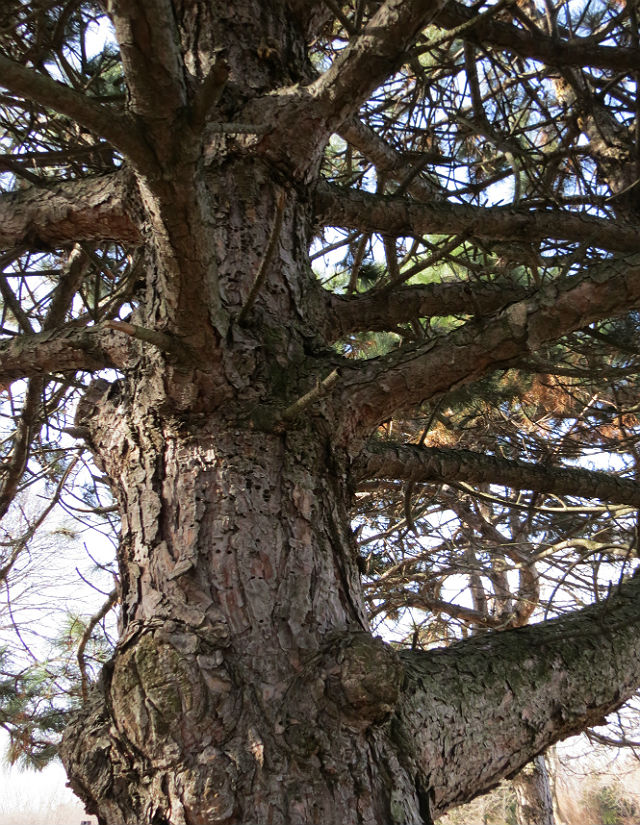
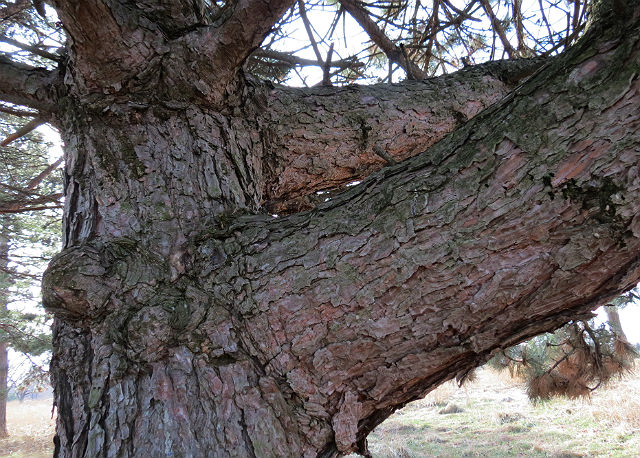
The bark of this tree is reddish-brown in color. On older trunks the bark becomes broken into wide flat-topped ridges separated by shallow grooves. This tree looks similar to the introduced Austrian Pine. However its reddish-brown bark helps to distinguish it.
Red Pine_0306

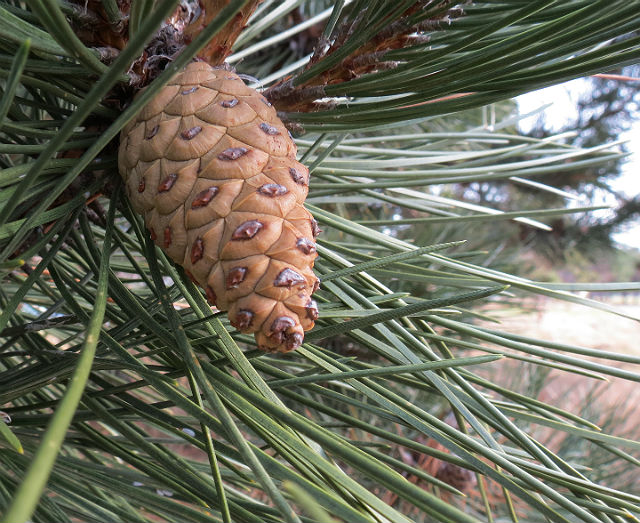
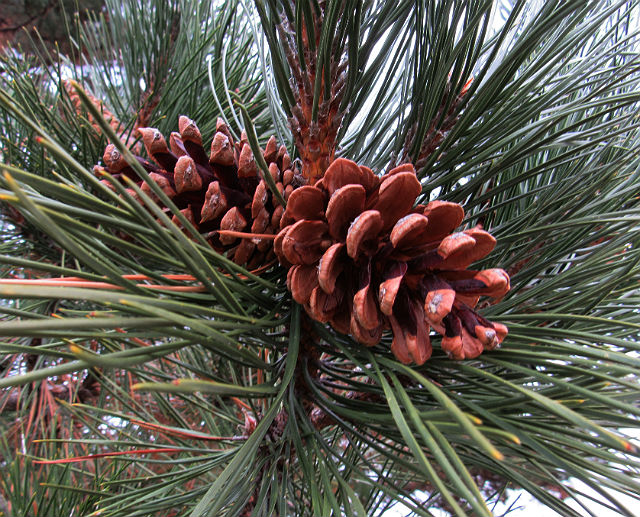
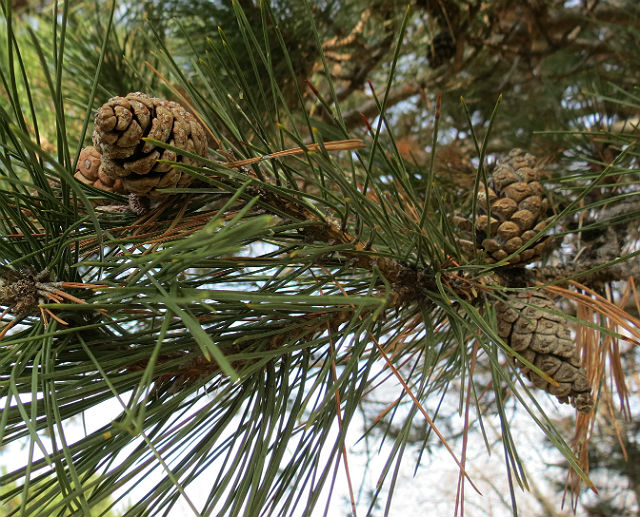
By the end of the first growing season, the green cones turn to tan in color. At maturity during the second season, the brown cones are about two inches long. The cone scales are smooth and without spines. The seeds are eaten by songbirds and small animals.
Red Pine_0247

During the Great Depression in the 1930s, millions Red Pines were planted by the Civilian Conservation Corps. Most of the wooden telephone poles in Michigan and surrounding states are made of Red Pine.
Red Pine_0290

Red Pine is noteworthy for its very constant morphology and low genetic variation throughout its range, indicating it has been through a near extinction in its recent evolutionary history.
Third Eye Herp
E-mail

Red Maple

maple064

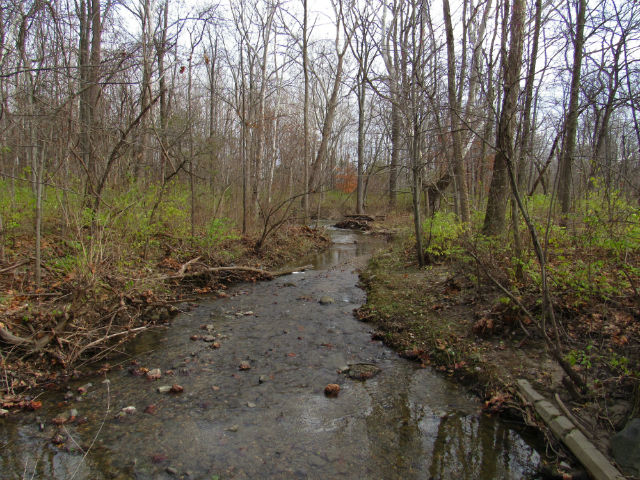
This tree located throughout all of Ohio (including in my backyard) and is found naturally in moist areas of open woodlands, especially along creeks and bottomlands where the soil is usually moist to wet. It is also a major component of the native habitat throughout its region. In urban areas it is a popular shade tree, noted for its brilliant red fall color.

Red Maple_0101

This species and the Silver Maple often are referred to as the “soft maples.” The wood is soft, not very strong and not durable. It is used for veneer and a variety of small products such as boxes and clothespins. It typically grows 40-60’ tall with a rounded to oval crown.

red maple_9020

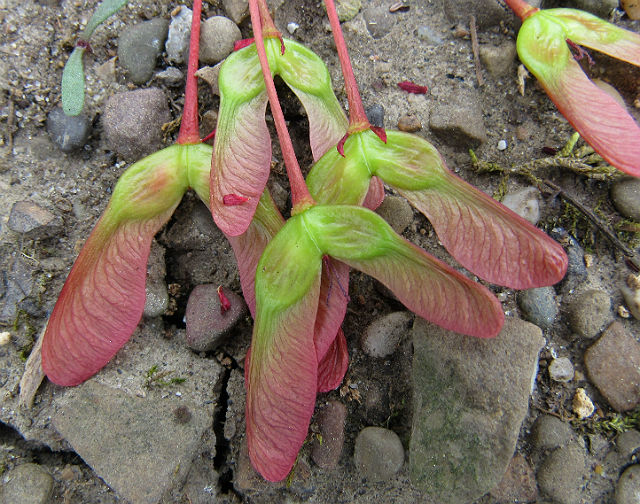
Clusters of small red flowers bloom in March and April. Reddish, winged fruit called samaras or “keys” become brown and mature in May and June.

red maple_3536

Red maple is one of the most abundant species in temperate forests of eastern North America and has a wide north to south distribution. Because of this wide natural range, it is extremely variable in form. The leaves of southern forms tend to have only three lobes compared to five lobes on northern forms.

maple 020

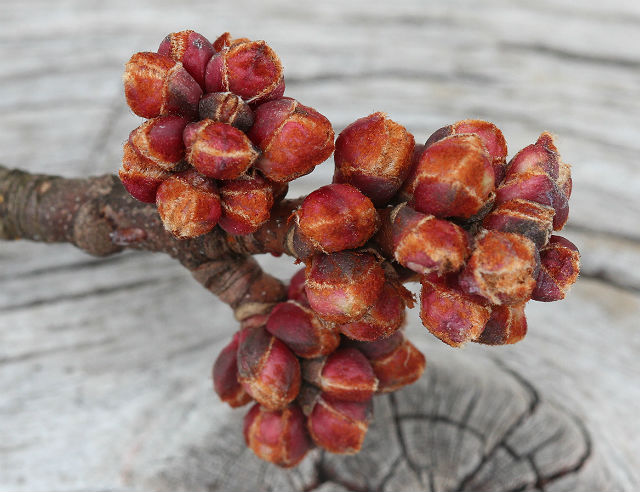
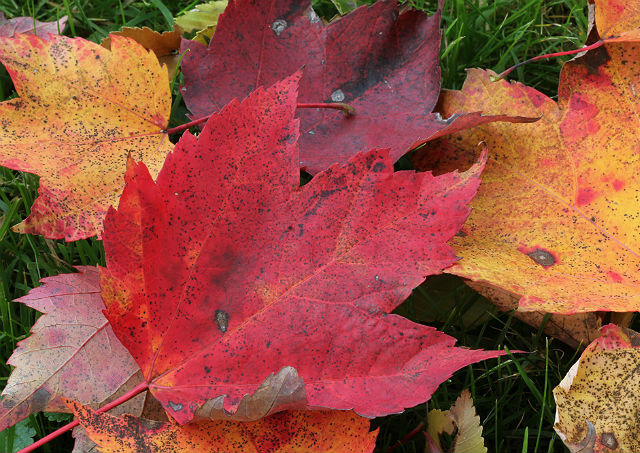
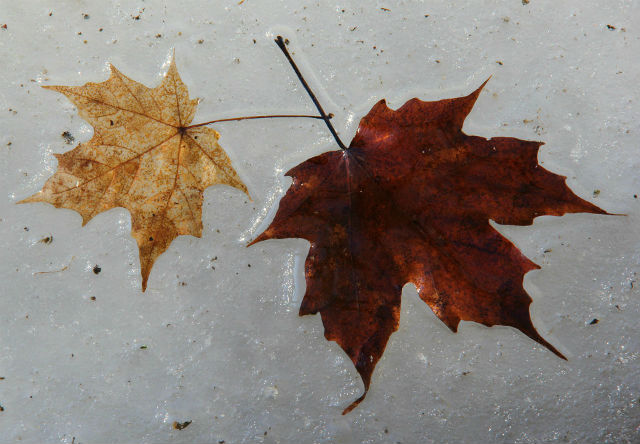
This tree takes its common name from its reddish buds that swell in Spring, its red leaf petioles in Summer, and its brilliant red foliage in Fall. Red maple is one of the most recognized trees with some part of the plant red all season long.

Third Eye Herp
E-mail

Osage Orange

Osage Orange_0733

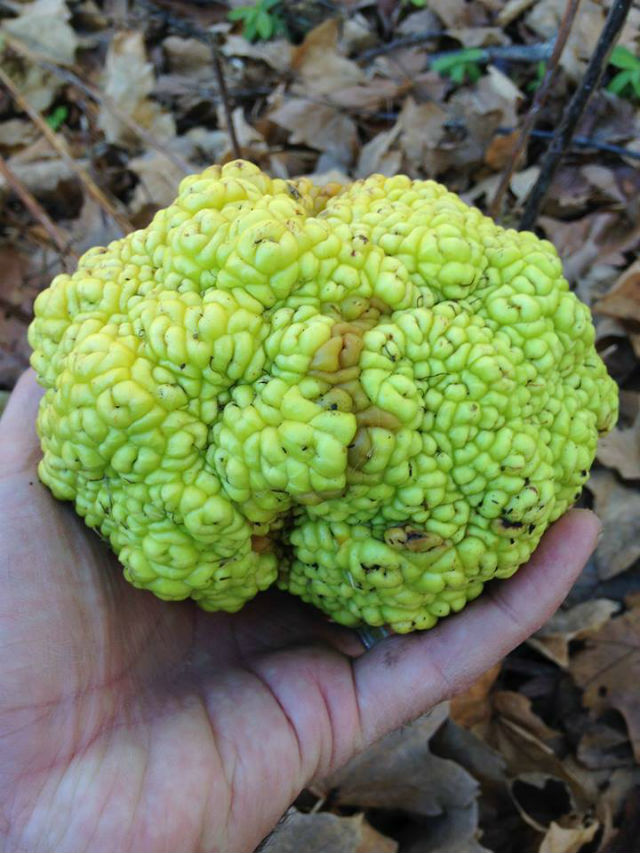
While hiking in Cool Creek Park in Carmel, Indiana, I saw several green “monkey brains” scattered on the forest floor.

Osage Orange_0751

They came from an Osage Orange, which is a small deciduous tree or large shrub, that grows 30–50 feet tall. Their distinctive fruit is roughly spherical, bumpy, 3–6 inches in diameter and turns a bright yellow-green in the Fall.

Osage Orange_0756

The fruit secretes a sticky white latex when cut or damaged. Despite the name “orange,” it is instead a member of the mulberry family.
Osage Orange_0762

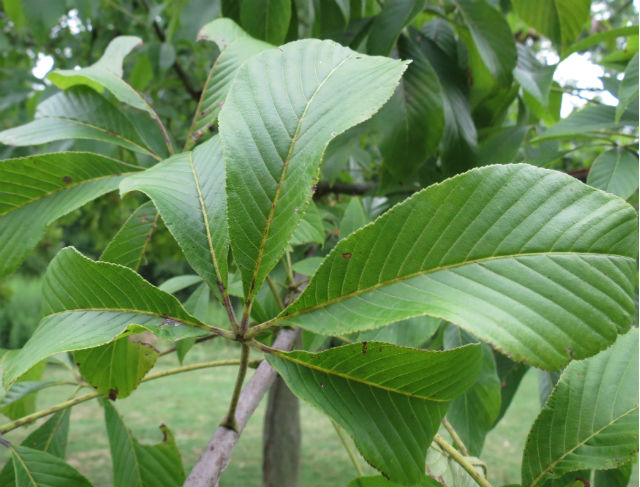
The trunk bark is brown to orange-brown and deeply furrowed with ridges. The glossy, lance-shaped leaves are arranged alternately and vary from dark to pale tender green. They have long, tapering tips and smooth to slightly wavy margins.
Osage Orange_0754

“Back in the day” these sharp-thorned shrubs were planted as cattle-deterring hedges before the introduction of barbed wire and afterward became an important source of fence posts.

Osage Orange

This intriguing plant is also known as Hedge Apple, Horse Apple, Bodark, Bow-wood, Yellow-wood and Mock Orange.

Third Eye Herp
E-mail

Toothache Tree

Toothache Tree_8749

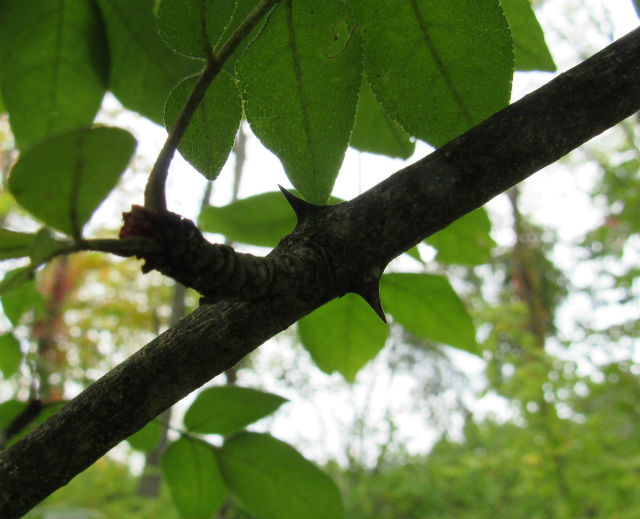
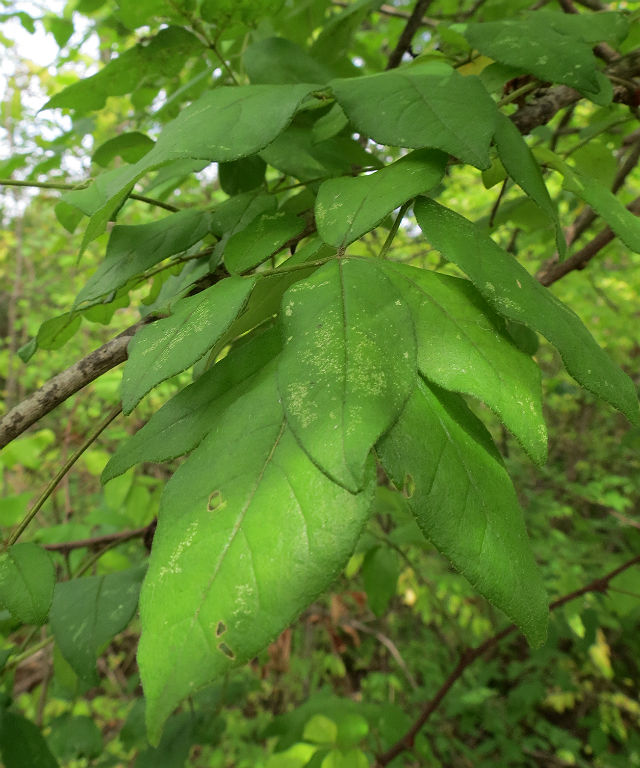
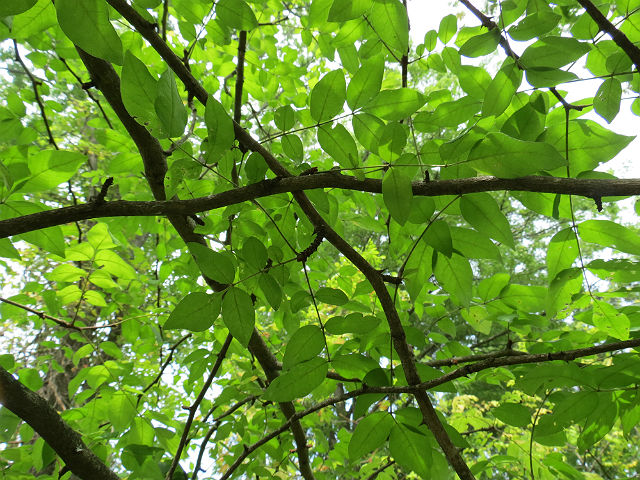
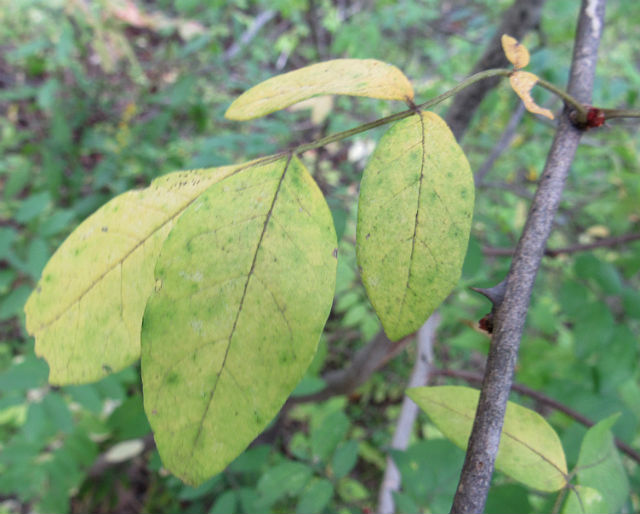
This intriguing native plant is covered with thorns from its compound leaves right down to its twigs and bark.

Toothache Tree

Because of its content, it has used throughout the world in medicine and folklore. It is most widely known in Louisiana for its use by both Indians and settlers, not only as a toothache remedy, but they also mixed the inner bark with bear grease and applied it to treat ulcers.

toothache tree_5091

Native Americans used this plant for a wide range of other ailments as well. Ripe berries were thrown in hot water to make a spray used to treat and throat for chest ailments. The inner bark was boiled in water to produce a lotion used to treat various itches.

toothache tree_5088

This tree’s berries have historically been considered tonic, stimulant, anti-rheumatic, and effective in relieving gas, colic, and muscle spasms.

Toothache Tree_8593

Modern herbalists specify the bark and berries of Toothache Tree as a treatment for rheumatism and as a stimulant for blood circulation.

Toothache Tree_8570

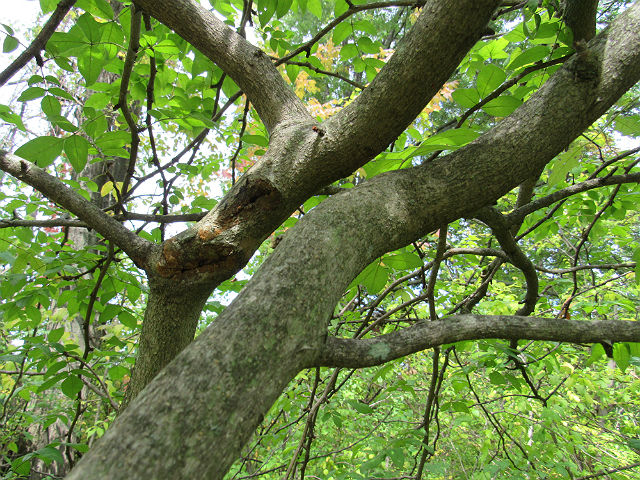
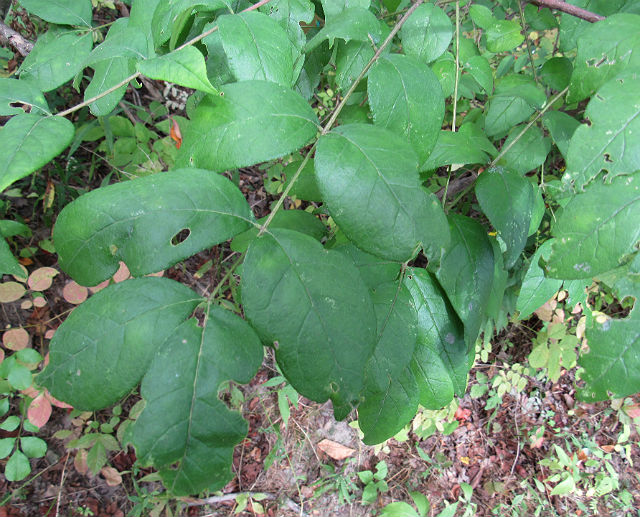
The conical to flattened bark projections are especially interesting, each with prominent layers of cork tipped with a sharp, delicate spine. Its large, compound leaves form a umbrella-shape at the tip of the poles.

Toothache Tree_8567

Toothache Tree has a number of common names, such as: Hercules’ Club, Southern Prickly Ash, Sea Ash, Pepperwood, Prickly Orange, Sting Tongue, Tear Blanket, Pillenterry, Prickly Yellow Wood, and Wait-a-bit.

Toothache Tree_8565

No matter what you call it, few woody plants have had such a varied and widespread use in American folklore.

Third Eye Herp
E-mail

Tamarack

tamarack_4298

This tree often goes by the alternative common name American Larch. It is the only deciduous conifer that is native to Ohio, and it strongly prefers moist to wet sites in acidic soils.

tamarack_4290

Tamarack’s green needles turn a showy yellow in Fall before dropping to the ground as Winter approaches. This is a medium to large sized tree that usually grows to 40-60 feet tall with an open pyramidal shape and horizontal branching.

tamarack_4299

Its slender green needles grow in brush-like clusters which appear at the ends of short spur-like shoots spaced along the branches.

tamarack_4296

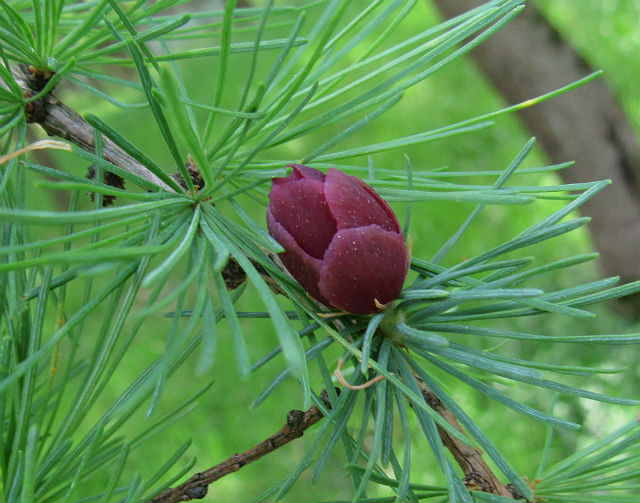
Tamarack produces tiny rounded cones up to 1 inch, that start off red and eventually mature to brown. The bark on mature trees is a scaly, reddish-brown.

tamarack_4308

Tamaracks are very cold tolerant and able to survive temperatures down to at least -65 °C (-85 °F). They commonly occur at the Arctic treeline at the edge of the tundra. It is one of the northernmost occurring trees in North America, as well as the world.

Third Eye Herp
E-mail

Norway Spruce

norway spruce_0030

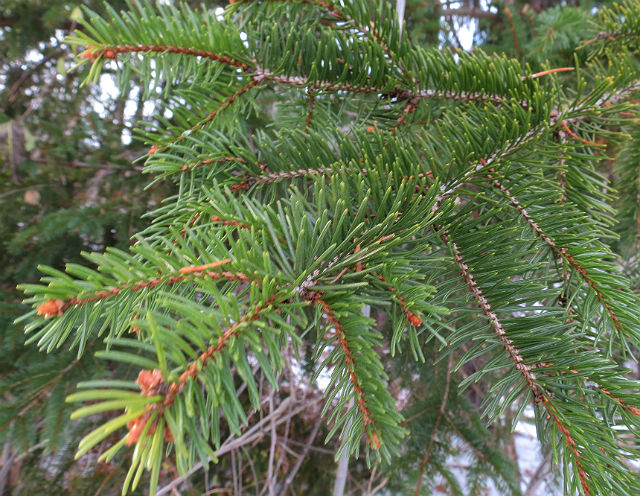
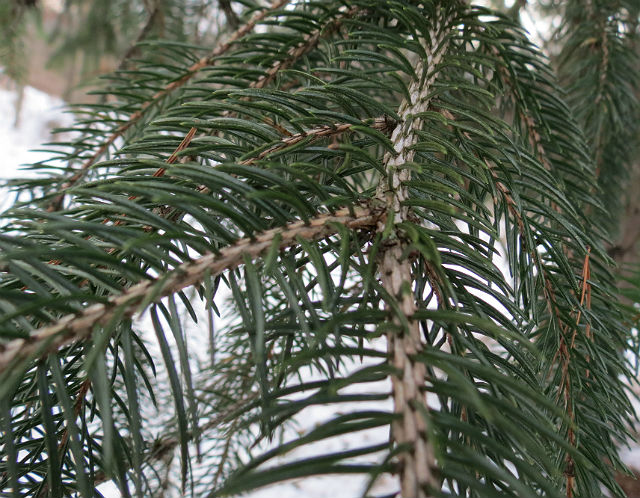
The dark green needles and drooping or “weeping” branches of this tree are two of its key identification features.

norway spruce_0042

Norway Spruce is perhaps the most common spruce in Ohio, though it is not native; it was introduced from Europe and Asia 150-200 years ago.

norway spruce_0032

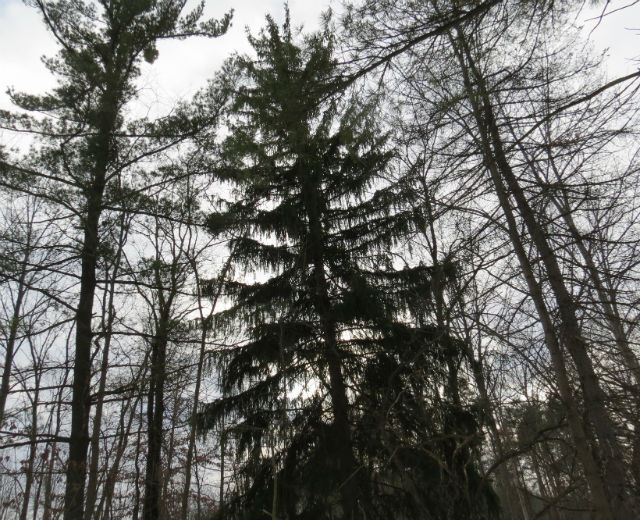
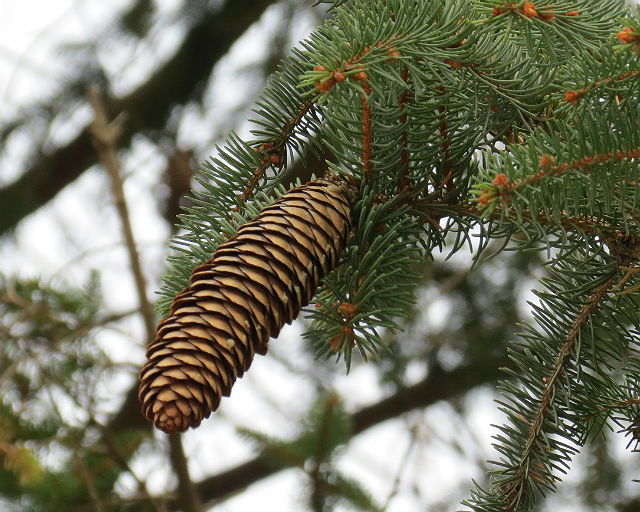
This conifer is often used for windbreaks due to it being the fastest growing as well as the tallest (115–180 feet) spruce in the state. It also produces the largest cone (4-7 inches long) of all spruces.

norway spruce_0027

With age, the pendulous, dense branchlets in the upper canopy of mature trees hang straight down for several feet, and are called skirts.

norway spruce_0040

This tree’s bark exudes a substance is known as “Burgundy Pitch,” which is the basic material for a number of varnishes and medicinal materials.

norway spruce_0017

In addition to all of the above qualities, Norway Spruce is the main Christmas Tree in several cities around the world.

Third Eye Herp
E-mail

Bald Cypress

bald cypress_7383

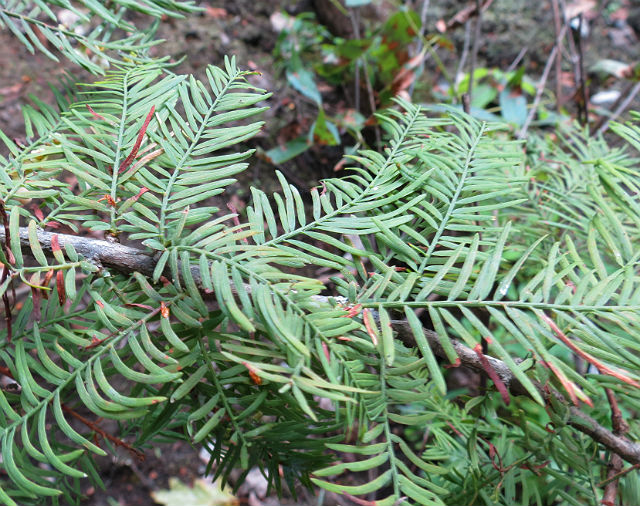
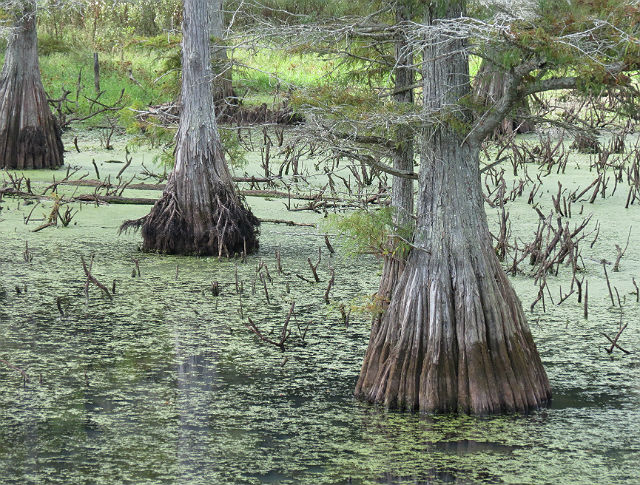
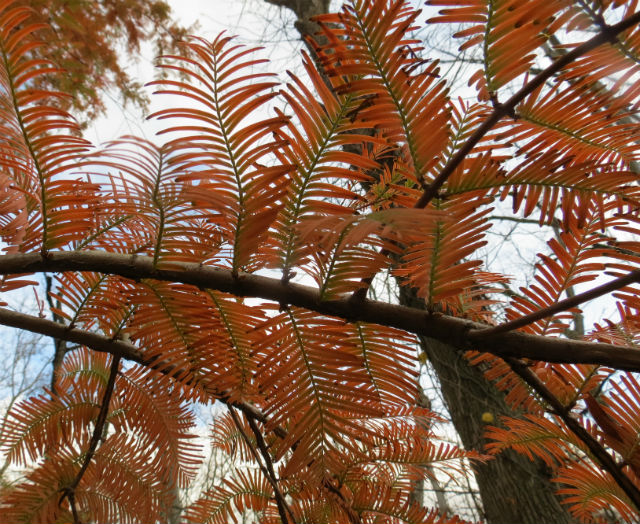
This is a classic tree of southern swamps. It resides in flooded areas because it out-competes with most other trees in this habutat. It is a is a deciduous conifer, so while a member of the Pine Tree Family, it looses its needles in the Winter months, hence the name “bald.”

bald cypress_7380

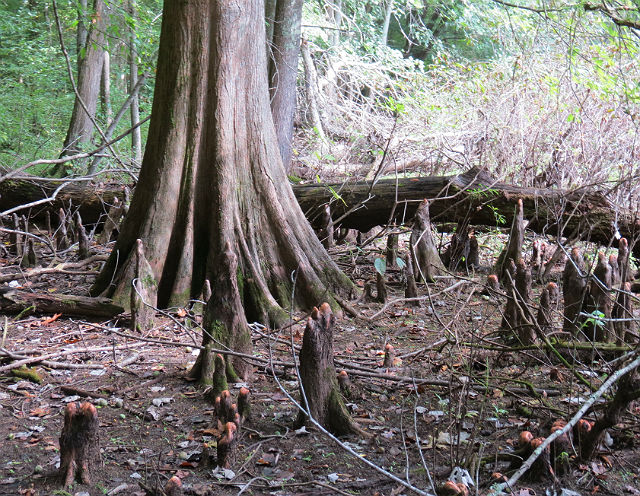
Bald Cypress trees growing in swamps have a peculiarity called “knees.” These are woody projections from the root system that go above the ground or water. Their function was once thought to be to provide oxygen to the roots, but a more likely purpose is for structural support and stability.

bald cypress_7382

These are slow-growing, long-lived trees that regularly reach up to 600 years in age. Since they tend to grow along rivers and in wetlands, they are excellent at soaking up floodwaters and preventing erosion. They also trap pollutants and prevent them from spreading. The trunk base is swollen when the tree grows in water.

bald cypress_7371

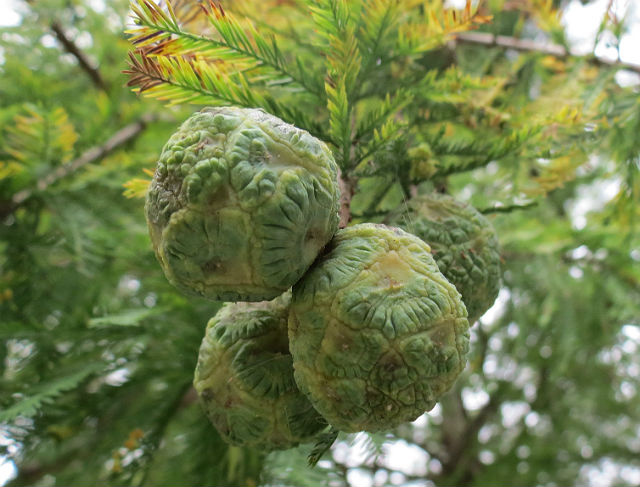
They have globose cones which turn from green to brownish-purple as they mature from October to December. The cones are measure 1/2 to 1-1/2 inches in diameter and have scales that break away after maturity. Each scale can bear two triangular seeds.

bald cypress_7454

Though I see them when visiting marshy, boggy places, like Heron Pond in southern Illinois, in yards in my home state of Ohio Bald Cypress is a popular ornamental tree, grown for its light, feathery foliage and orange-brown to dull red fall color. It thrives on a wide range of soils, including well-drained sites where it would not grow naturally due to the inability of the young seedlings to compete with other vegetation.

bald cypress_8866

I enjoy seeing this classic swampland inhabitants on my travels. Snakes, turtles, birds and other animals rely on Bald Cypress swamps for habitat, while bees, wood ducks and owls nest in its hollow trunks.

Third Eye Herp
E-mail

Ohio Buckeye

ohio buckeye_6351

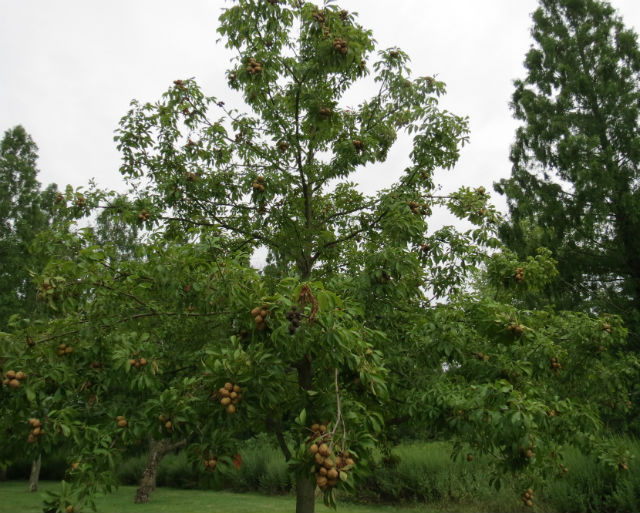
This tree typically occurs in rich or rocky wooded areas of valleys, ravines, bluff bases, slopes and thicket. It is a low-branched, small to medium-sized deciduous tree that typically grows 20 to 40 feet.

ohio buckeye_6357

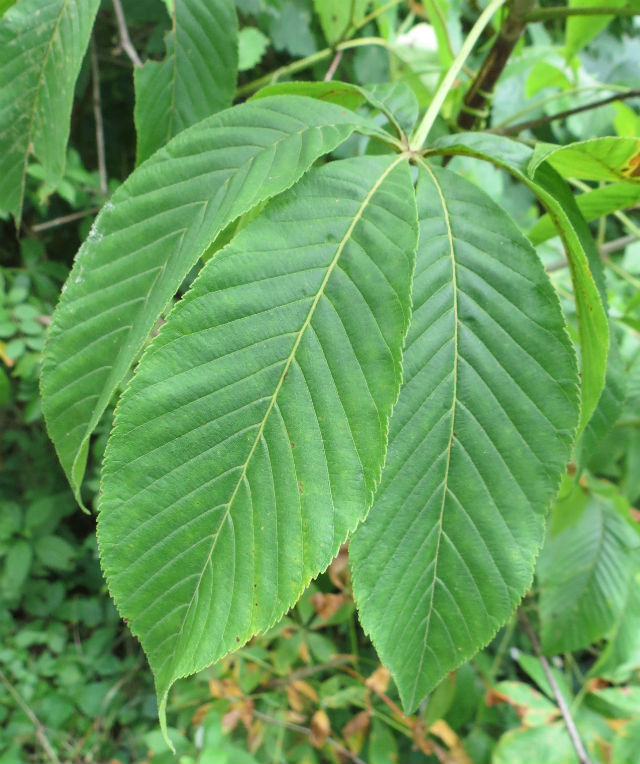
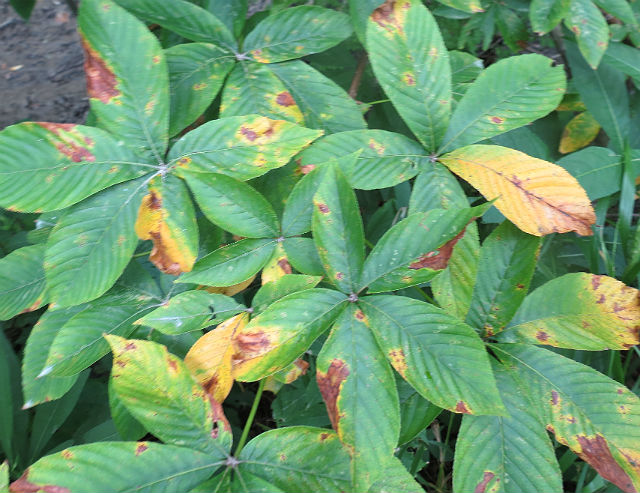
The leaves have a shape similar to that of a hand with the fingers extended; they have leaflets, 3 to 6 inches long and broad. Ohio Buckeyes tend to change color early – their Fall color is usually yellow, although their foliage may develop interesting and attractive shades of orange and red.

ohio buckeye_5536

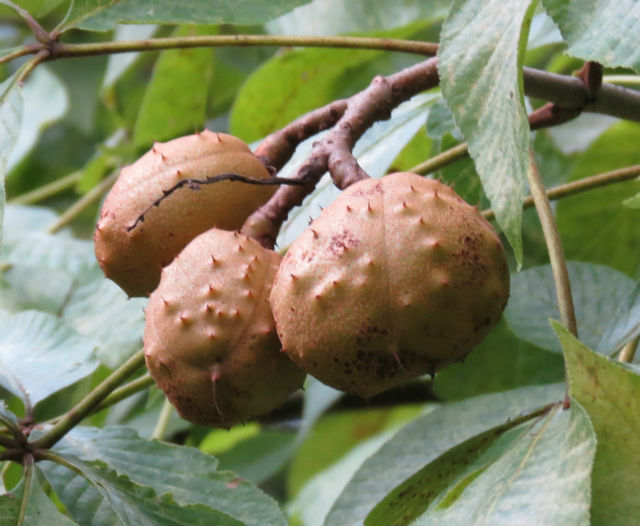
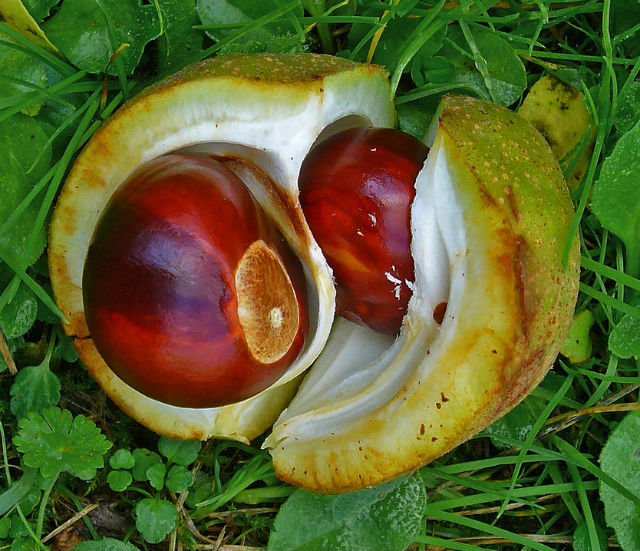
The Ohio Buckeye’s fruit is a globular capsule consisting of 1-2 buckeyes encased by a leathery light brown partitioned husk covered with warty spines.

ohio buckeye_6256

When ripe, each buckeye turns a handsome shiny dark mahogany brown with a light tan eye. Since colonial times, buckeyes have been carried by many school children and adults as good luck charms.

ohio buckeye_5537

The Ohio Buckeye is the state tree of Ohio, and its name is an original term of endearment for the pioneers on the Ohio frontier, who traversed the wilderness in the spring of 1788, and began the settlement of Ohio.

Ohio Buckeye_010

Buckeye candy, made to resemble the tree’s nut, is made by dipping a ball of peanut butter fudge in milk chocolate, leaving a circle of the peanut butter exposed. These are a popular treat in Ohio, especially during the Christmas and college football seasons.

Third Eye Herp
E-mail

Southern Live Oak

live oak_9641

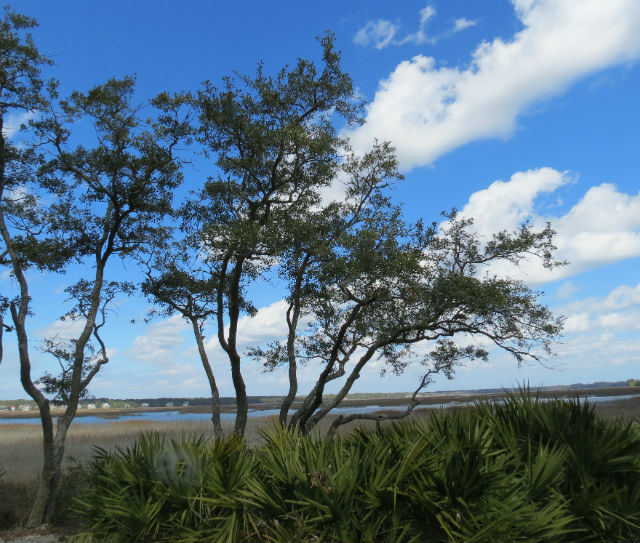
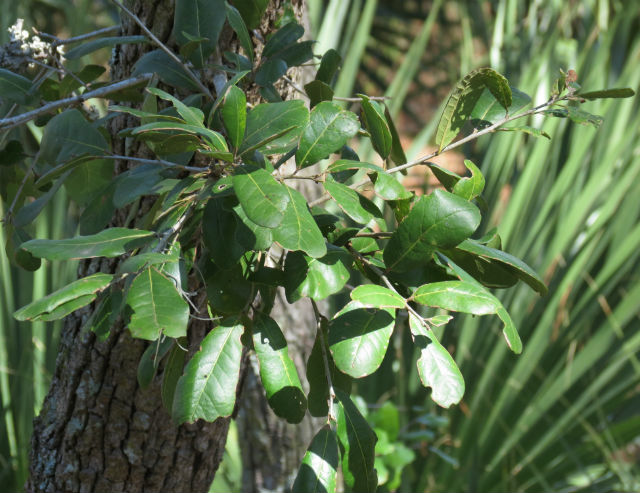
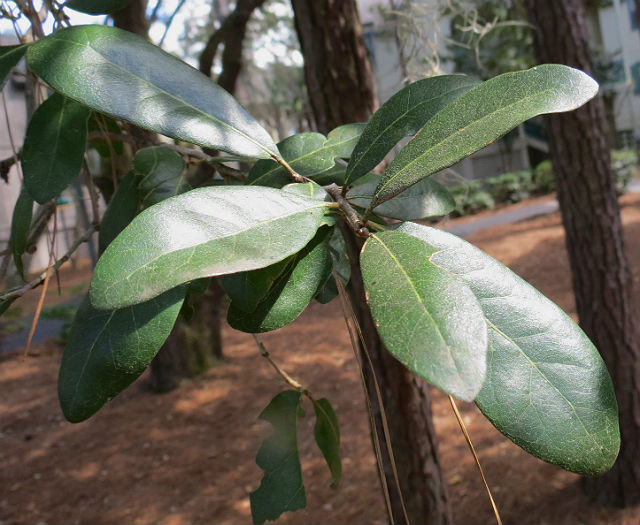
These trees have the characteristic of evergreen foliage; they remain green and “live” throughout winter, when other oaks are dormant and leafless. Southern Live Oaks are confined to warm parts of the country, because of their inability to survive freezing temperatures.

live oak_9631

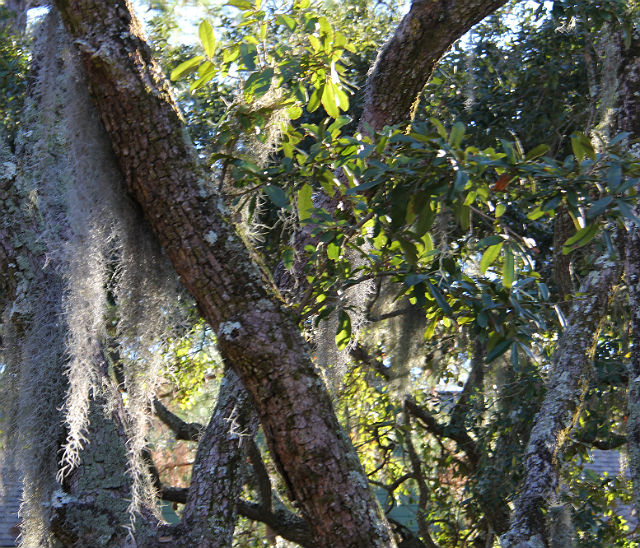
I enjoyed seeing this tree on my visit to South Carolina last month. To me they are an iconic part of the southeast states. Although live oaks retain their leaves nearly year-round, they are not true evergreens, since they drop their leaves immediately before new leaves emerge in the spring.

live oak_9644

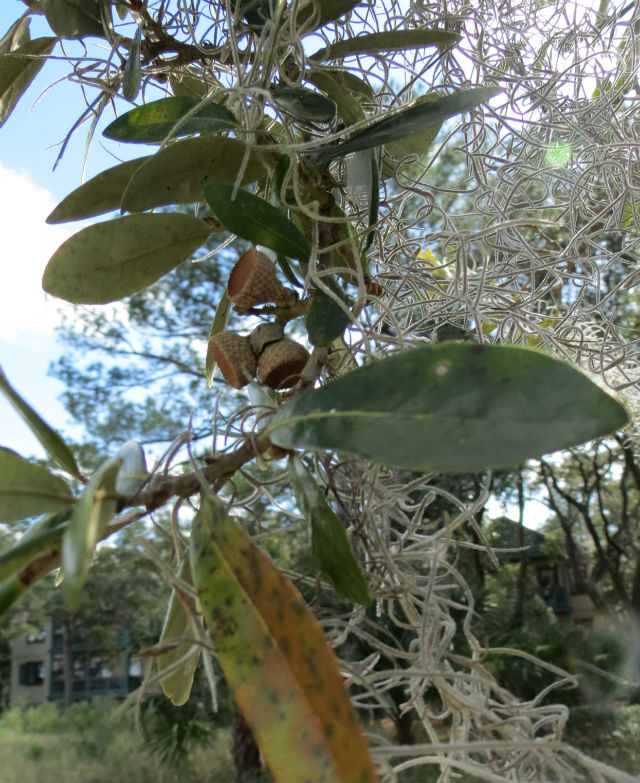
The bark is dark, thick, and furrowed longitudinally. The leaves are stiff and leathery, with the tops shiny dark green and the bottoms pale gray. The moss that frequently hangs from the tree branches it often used by birds to construct nests.

live oak_4663

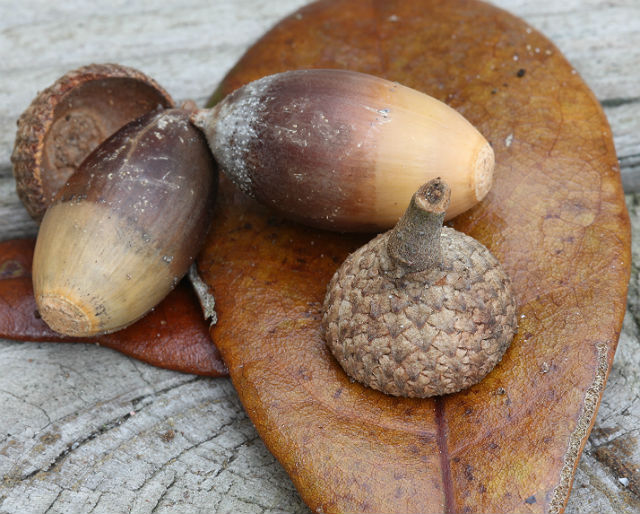
Its small (1/2 to 1 inch) acorns are oblong in shape, shiny and tan-brown to nearly black and are often black at the tips. They are eaten by birds and mammals, including sapsuckers, mallards, wild turkey, squirrels, black bears and deer.

live oak_9637

Southern Live Oaks tend to survive fire, because often a fire will not reach their crowns. Even if a tree is burned, its crowns and roots usually survive the fire and sprout vigorously afterwards.

live oak_4637

These are majestic trees that are emblems of the South. When given enough room to grow, their sweeping limbs plunge toward the ground before shooting upward, creating an impressive array of branches.

Third Eye Herp
E-mail

Virginia Pine

Virginia Pine_7783

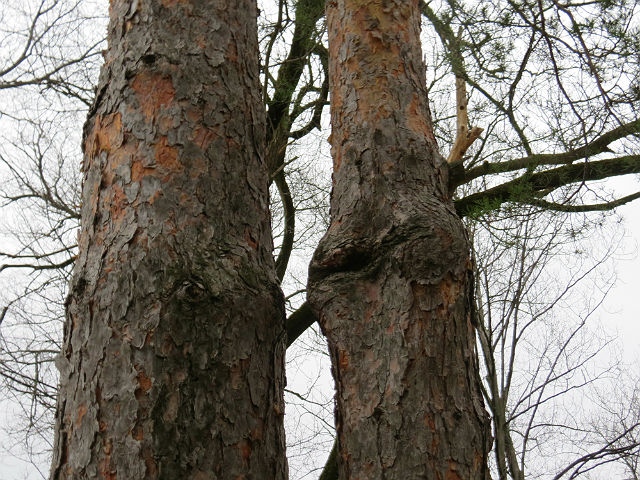
Virginia Pine are small to medium-sized pine trees, growing up to 60 feet. They have long, spreading branches and reddish brown bark.

Virginia Pine_7670

Their pine cones are small and oval-shaped, up to two-and-a-half inches long; small seeds come from the cones. Their short yellow-green needles are paired and are often twisted.

Virginia Pine_7671

I have these trees growing in my front and back yard – they don’t fare well in forests, because thay have shallow roots and must have plenty of sun to survive. They eventually get pushed out by larger trees. Because of this, Virginia Pines are good pioneer plants, meaning they are some of the first trees to take over a field.

Virginia Pine_7767

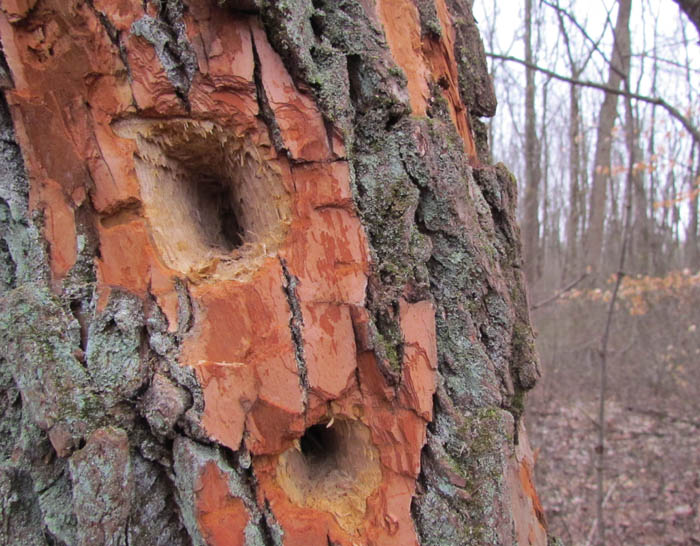
Virginia Pine seeds are consumed by many birds and small mammals. These animals help spread the seeds by carrying them to new places. These trees are a favorite of woodpeckers, because of the soft wood in older trees.

virginia pine_0118

Another enjoyable aspect of this tree is its easy-to-remember scientific name – Pinus virginiana.

Third Eye Herp
E-mail