Eastern Cottonwood

01 Eastern Cottonwood_3679

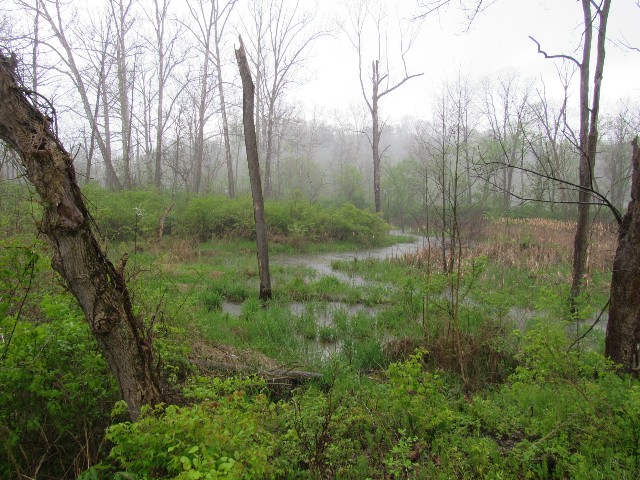
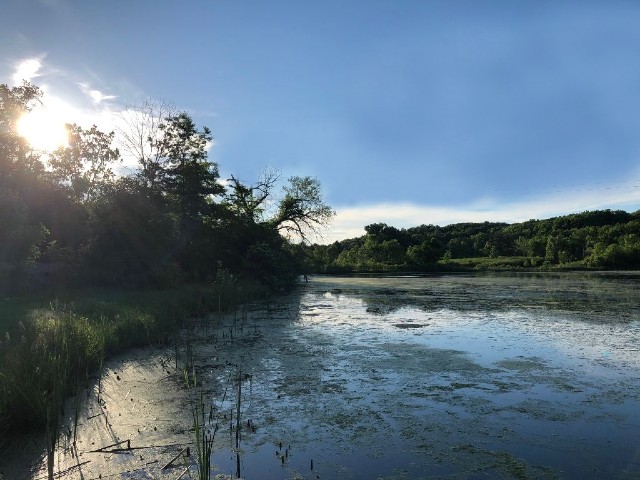
This is a large, fast-growing tree found growing along streams, rivers and lowland areas. It is what is known as a “classic floodplains tree.” I have one growing next to the creek in my backyard.
02 Eastern Cottonwood_7620

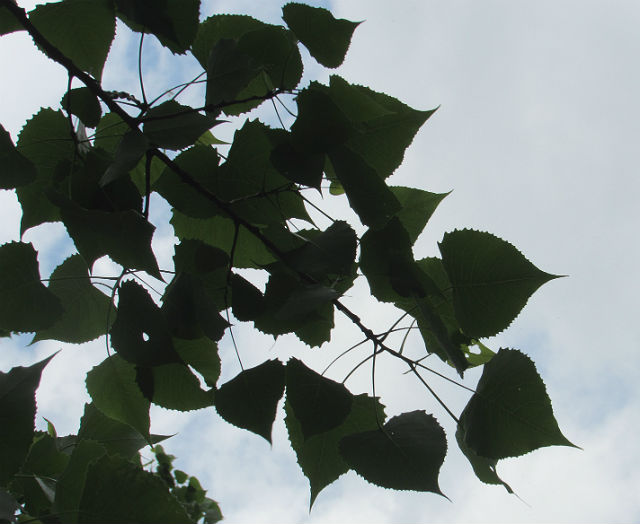
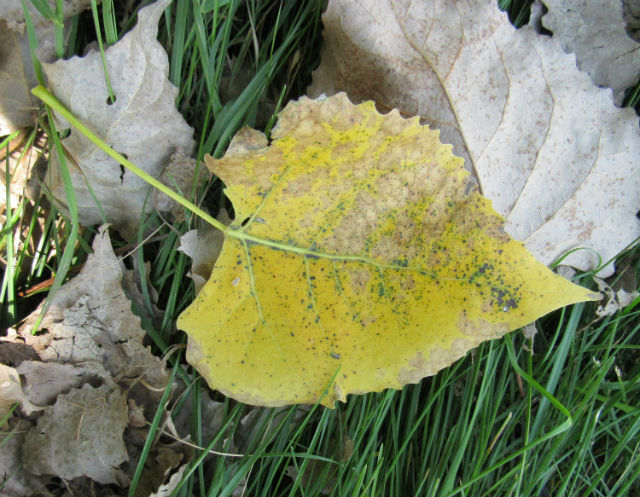
The genus of its Latin name, Populus deltoides indicates that it is a type of Poplar Tree. The species, deltoides, refers to its triangle-shaped leaves.

03 Cottonwood_6279

Eastern Cottonwood is almost as massive as a Sycamore in regard to its trunk and broad-spreading canopy. It commonly reaches 80 feet tall by 60 feet wide, but can be much larger.
04 Eastern Cottonwood_2529

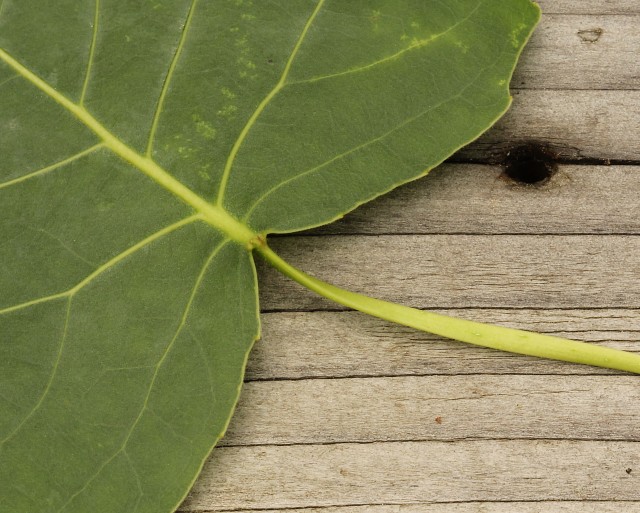
The flat leaf stems cause its leaves flutter in the slightest breeze, often looking like a hand waving back and forth, as do the leaves of most Poplars.
05 Eastern Cottonwood_7618

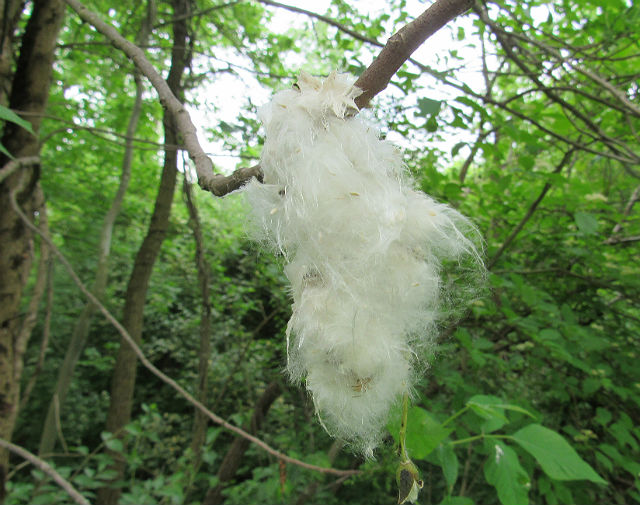
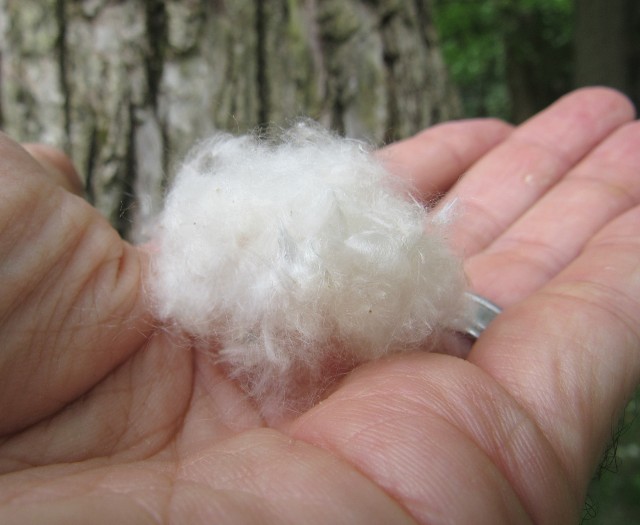
In late Spring and early Summer, I get “snow in June” when the fruit capsules open to release their small seeds attached to many cotton-like strands. It is the continuous release of these fluffy seeds for 2-3 weeks that results in the tree’s common name.
06 Eastern Cottonwood_8331

These trees develop very deep fissures in their bark. Mature Eastern Cottonwood bark is among the thickest of all trees in North America.
07 Cottonwood_6277

Eastern Cottonwoods have many unique characteristics that make them worth checking out.
Third Eye Herp
E-mail

Tan Jumping Spider

01 Tan Jumping Spider_1984

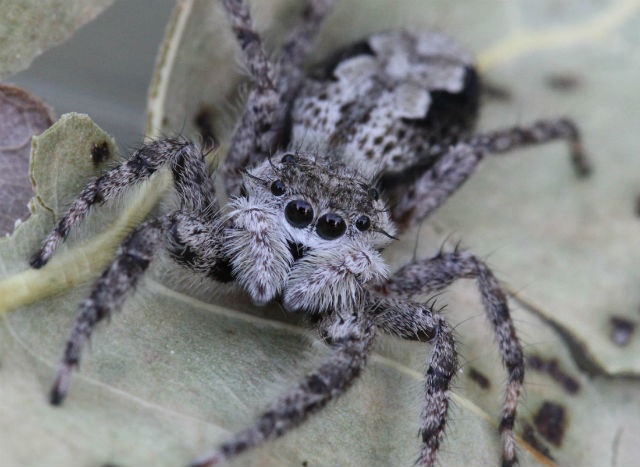
Recently I found one of these creatures in my house. This cryptically-colored spider is common on all sorts of vertical surfaces like tree trunks, fence posts, and the outer walls of buildings. Many will overwinter under loose tree bark, which may explain how this one got indoors; it was looking for shelter from Winter.

02 tan jumping spider_0368

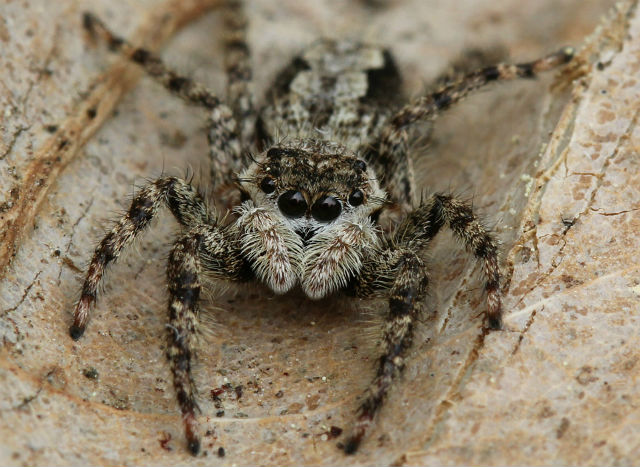
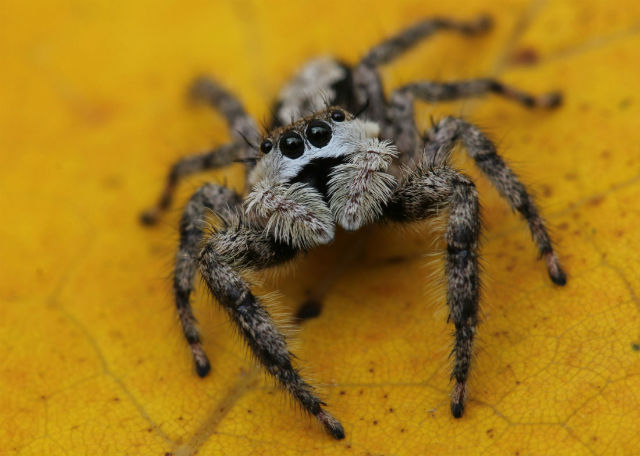
Jumping Spiders hunt by sight and have very good vision. Like some other types of Jumping Spiders, this species appears to exhibit a curiosity towards humans who come into its sightline.

03 jumping spider 053

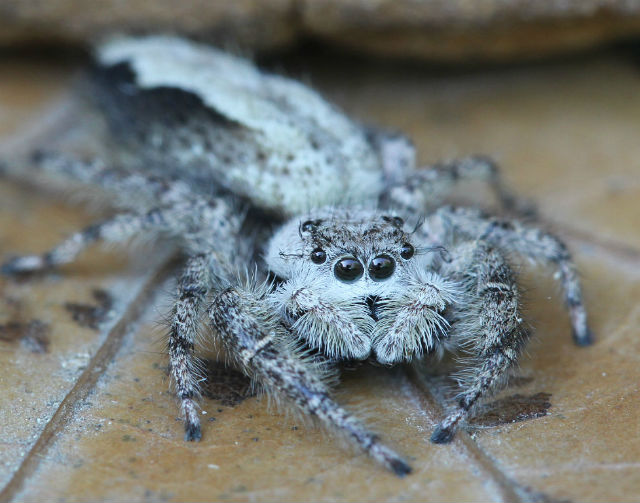
These furry arachnids have enormous front-facing eyes which make them seem almost mammal-like in appearance. The rest of their eight eyes wrap around their heads, giving them almost 360-degree vision.

04 Tan Jumping Spider Platycryptus undatus_5705

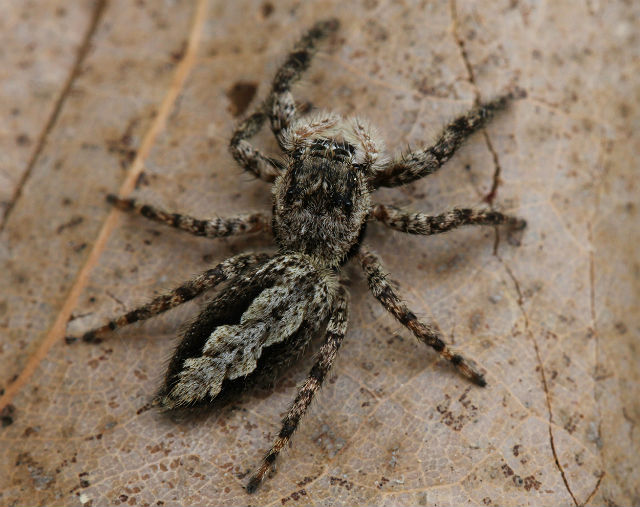
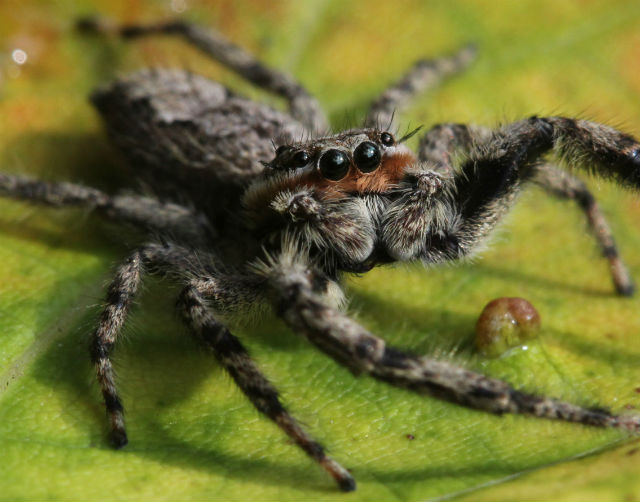
Tan Jumping Spiders are most active in the Summer and I commonly see them on the outside of my house as well as on deck rails. Despite their “tan” common name, they are often varying shades of gray or brown.

05 tan jumping spider_7502a

Though small (less than half an inch), they are accomplished hunters. They approach prey slowly and when a short distance away, make a sudden leap onto an unfortunate insect. They are good jumpers and can leap many times their own body length.
06 tan jumping spider_0381

Scientifically known as Platycryptus undatus, Tan Jumping Spiders usually have a wavy color pattern on the upper part of their abdomen. This undulating pattern is why they received the “undatus” part of their scientific name.

jumping spider 052

Their large eyes and curious dispositions help make jumping spiders one of the most appealing groups of spiders.

Third Eye Herp
E-mail

Black Crappie

01 Black Crappie_2166

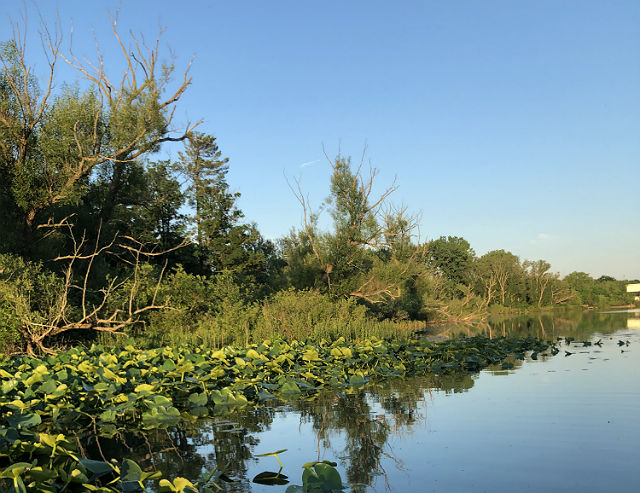
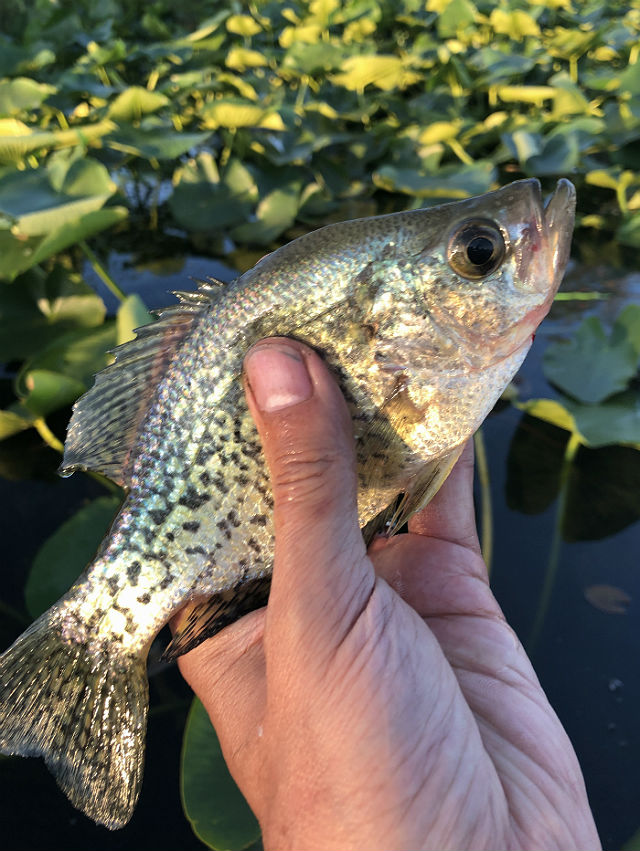
This neat freshwater fish is found in lakes, ponds and sloughs. It prefers cover, usually in the form of vegetation, fallen trees or rocks and water that is clear with a sand or mud bottom.

02 Black Crappie_2174

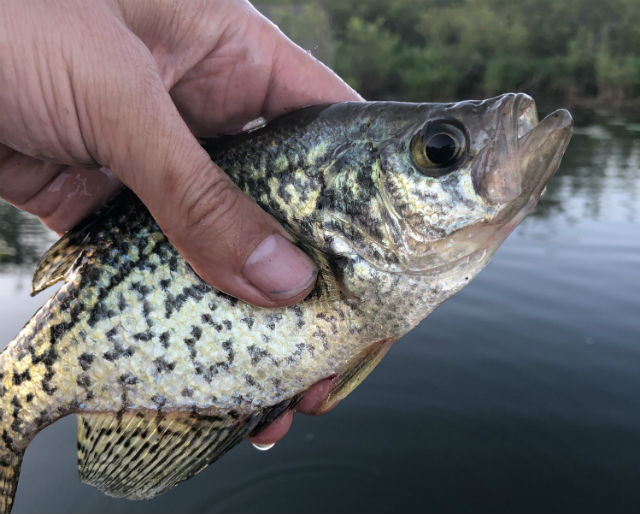
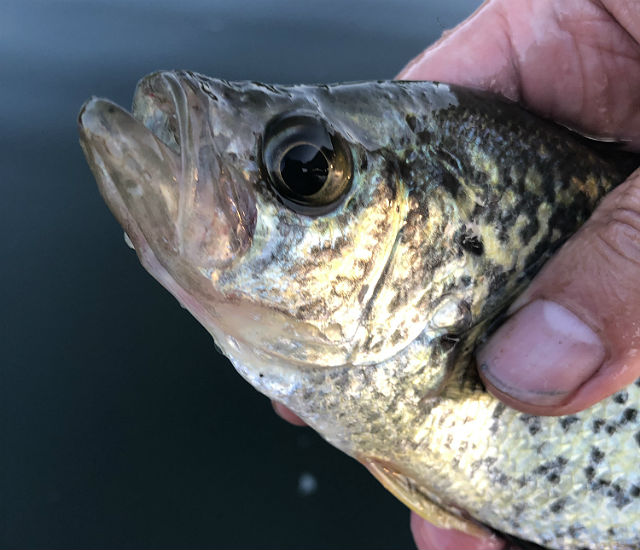
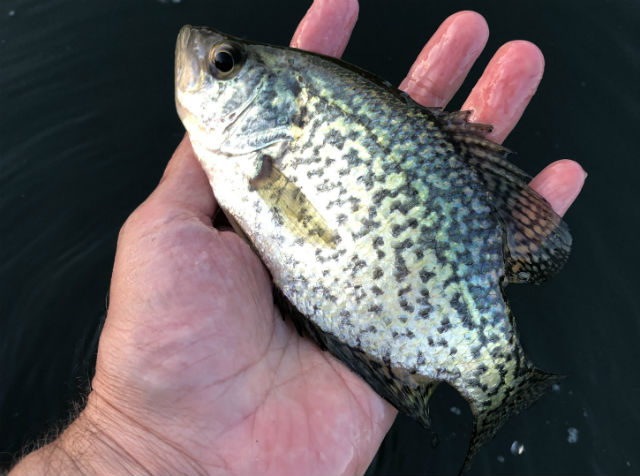
This creature is silvery and has a pattern of mainly irregularly arranged speckles and blotches. It is a deep-bodied and slab-sided with a large mouth.

03 Black Crappie_2172

Young Black Crappie begin life by feeding primarily on zooplankton. Adults mainly feed on small fish, but also consume insects and crustaceans.

04 Black Crappie_2164

Like other members of the sunfish family, Black Crappie are nest builders. Males construct a nest by fanning out small underwater depressions in and around brush, rocks or vegetation at a depth of between one and five feet deep. Females then lay eggs in the nest.

05 Black Crappie_2170

Populations of this fish can be found in each of the 48 contiguous United States. It is a popular game fish and prized as a food source, so its original range has been artificially expanded by stocking lakes, ponds and rivers across the United States.

Third Eye Herp
E-mail

Dutchman’s Breeches

01 Dutchmans Breeches_5546

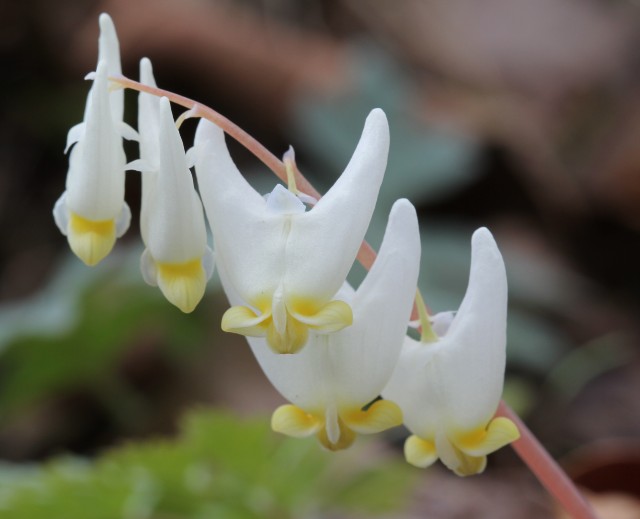
I recently saw this wildflower while hiking the Ohio & Erie Canal Towpath Trail in northeast Ohio. This native plant is common throughout the eastern United States and also occurs in the Pacific Northwest, though it is less common there.

02 Dutchman's Breeches_2170

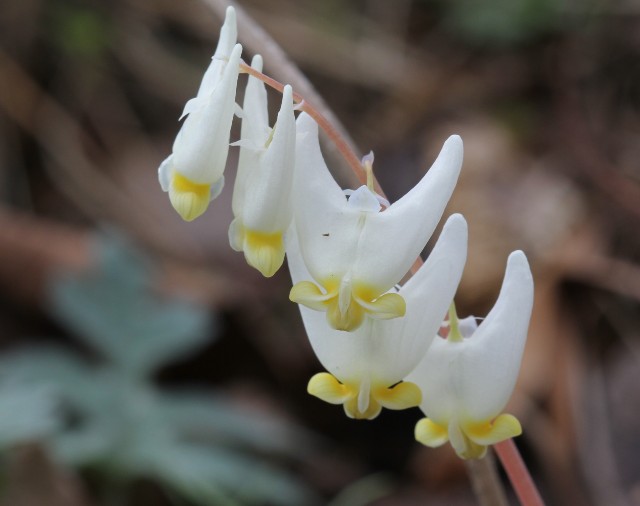
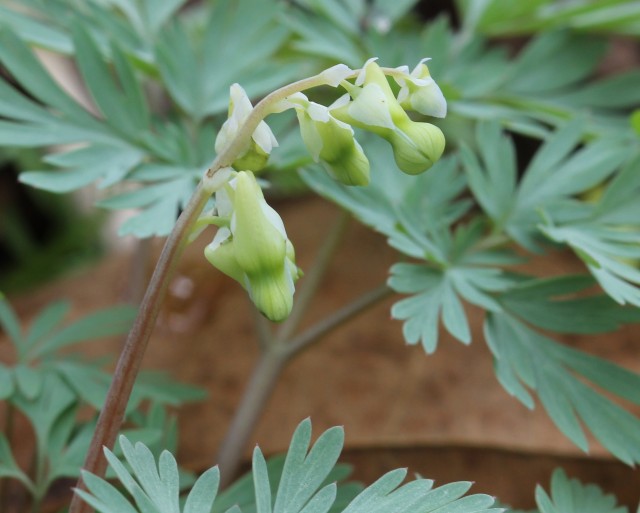
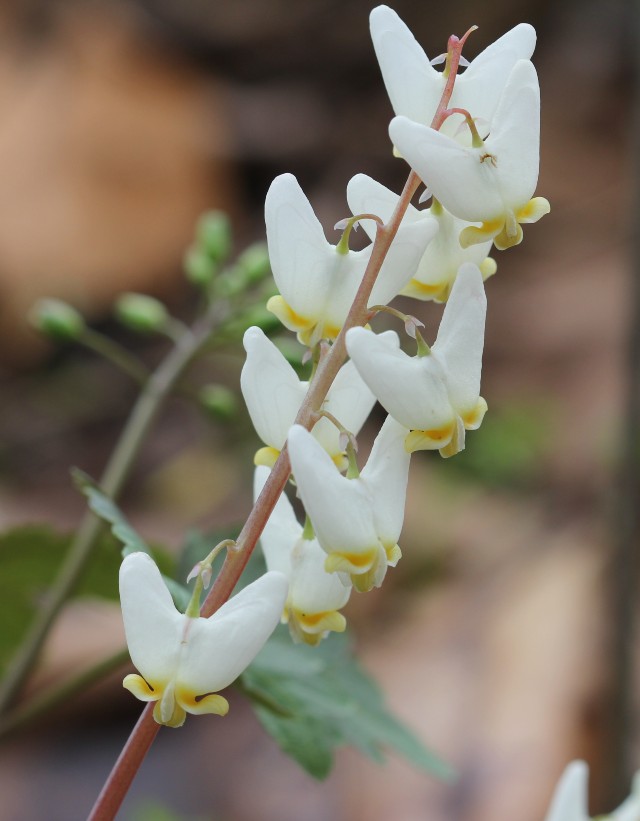
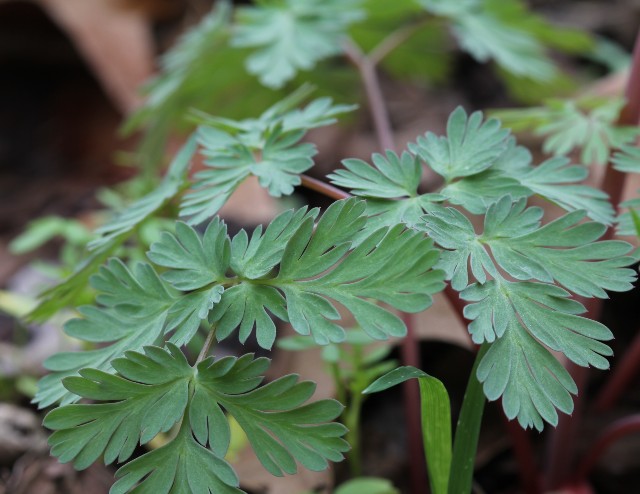
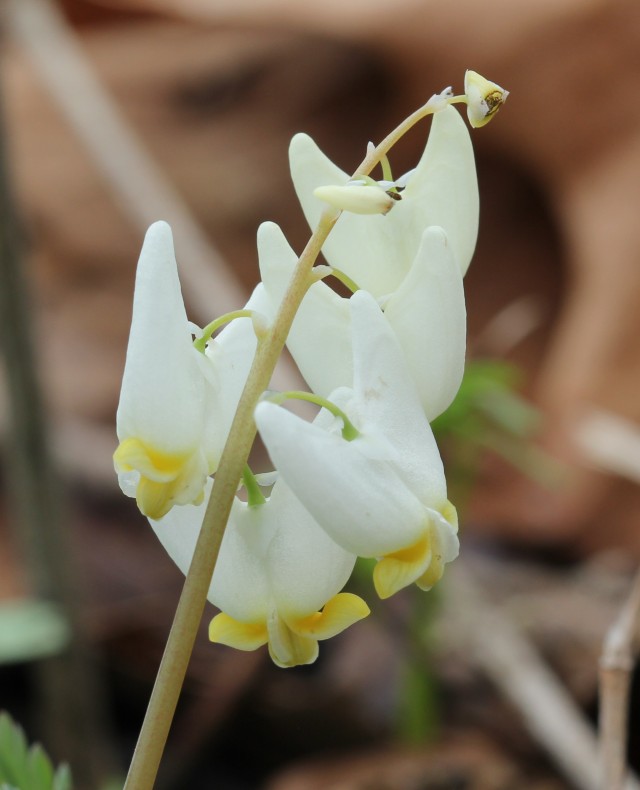
Dutchman’s Breeches blooms in the early Spring from March to April. Its flowers are white to pink and resemble a pair of pantaloons hanging upside down. It has one or more finely compound leaves that make the plant appear fern-like.

03 Dutchman's Breeches_2183

The flowers are pollinated by early bumblebees, which have tongues that are long enough to tap the nectar. Unlike the closely related Squirrel Corn, its flowers lack fragrance.

04 Dutchman's Breeches_2180

This plant’s seeds are kidney-shaped, with a faint net-like pattern. Each one has a fleshy organ called an elaiosome that attracts ants. Dutchman’s Breeches is just one of many plants whose seeds are spread by ants, a process called myrmecochory.

05 Dutchman's Breeches_2176

The ants take the seeds to their nest, where they eat the elaiosomes and then put the seeds in their nest debris, where they are protected until they germinate.

06 Dutchman's Breeches_2189

Dutchman’s Breechess can be found in deciduous forests, especially along gentle slopes, ravines or ledges along streams. This species most often occurs in original woodland that has never been plowed under or bulldozed over. It’s abundance in such places can be highly variable.

07 Dutchman's Breeches_2191

It has several common names, depending on which part of the country you find it in. “Bleeding Heart” is one, due to its sometimes pink flowers. Another common name is “Little Blue Staggers,” derived from its ability to induce drunken staggering if cattle graze on it, due to the narcotic and toxic substances it contains.

Third Eye Herp
E-mail

Blue Racer

01 Blue Racer_1830

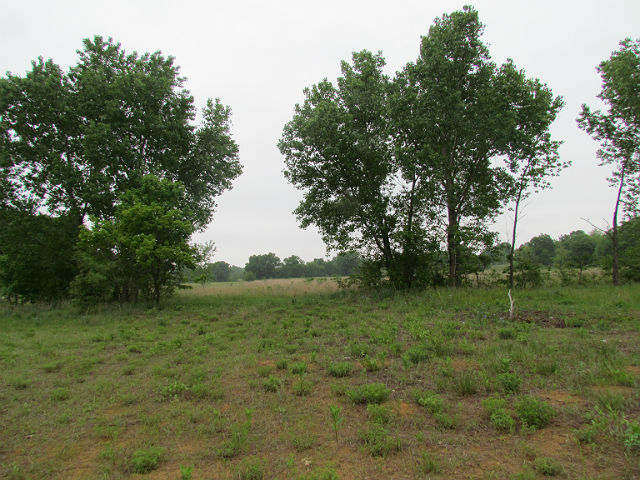
In my home state of Ohio as well as while visiting the sandhill prairies of Kankakee, Illinois, I came across a few examples of this speedy serpent. Adults tend to range in length between 36 to 60 inches.

02 Blue Racer_1878

These snakes prefer open and semi-open habitat, though it is likely that a mix of habitats is required to fulfill their ecological needs. They can often be seen where the edge of a field meets a wooded area.

03 Blue Racer_1823

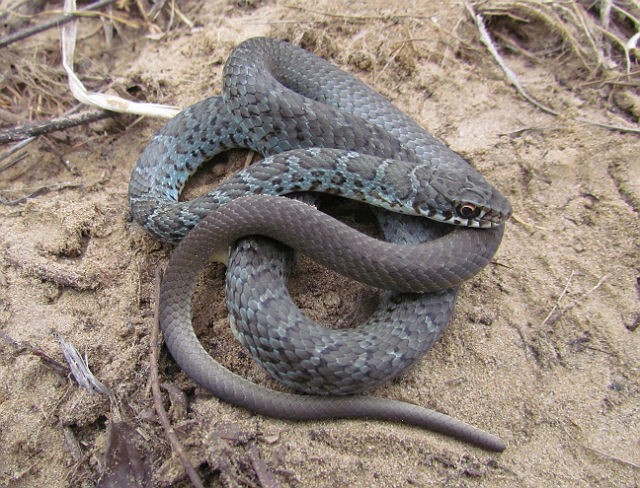
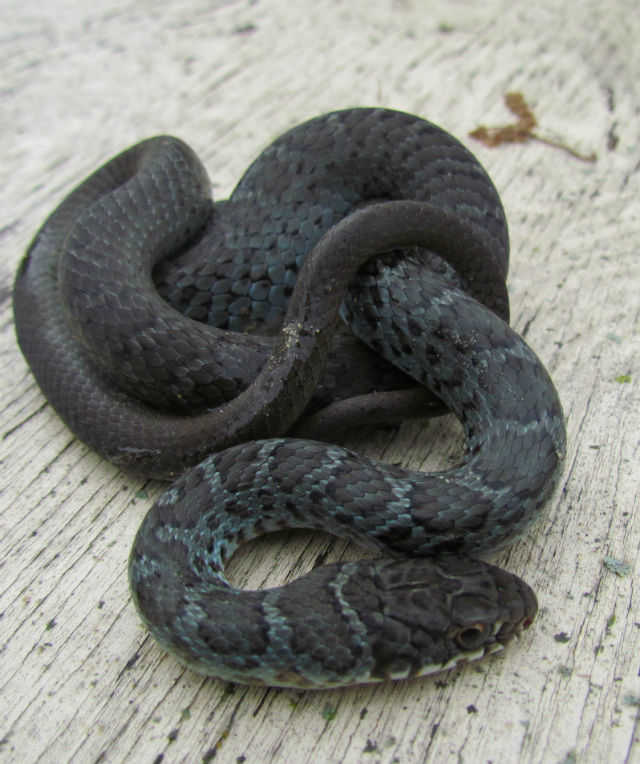
Baby and juvenile racers have dark-bordered, brown, red, or grey blotches on their backs and dark spots on their sides. As they grow, the background darkens to produce a basically unicolored reptile.

04 Blue Racer_1875

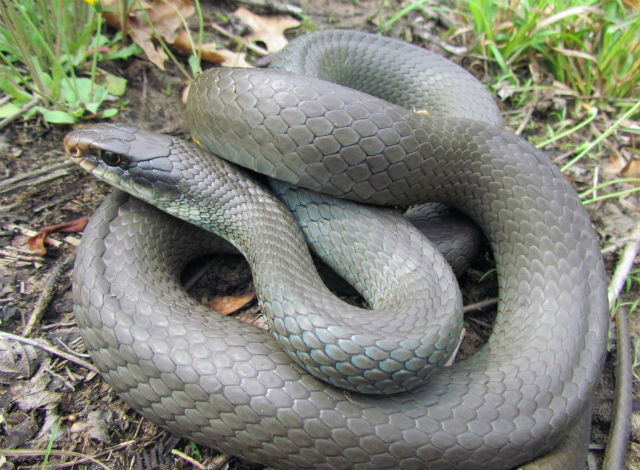
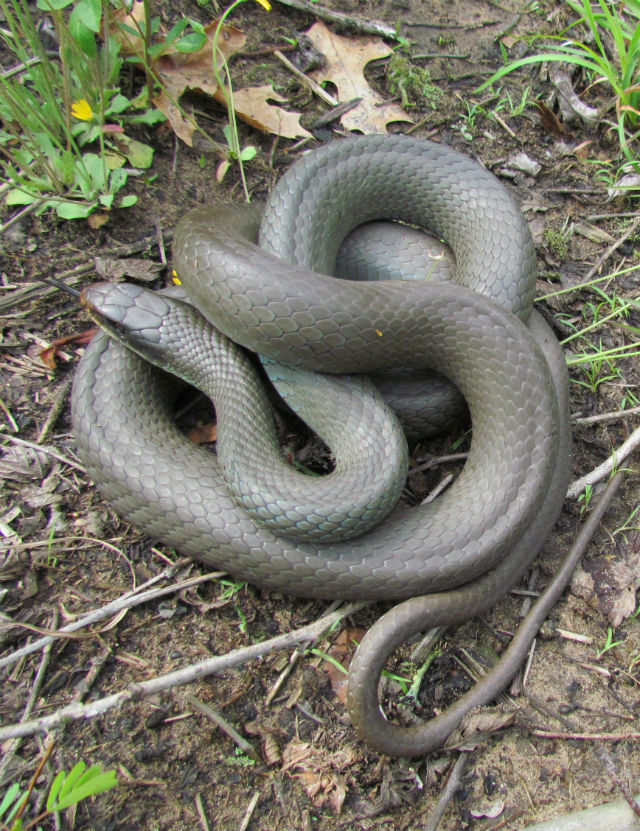
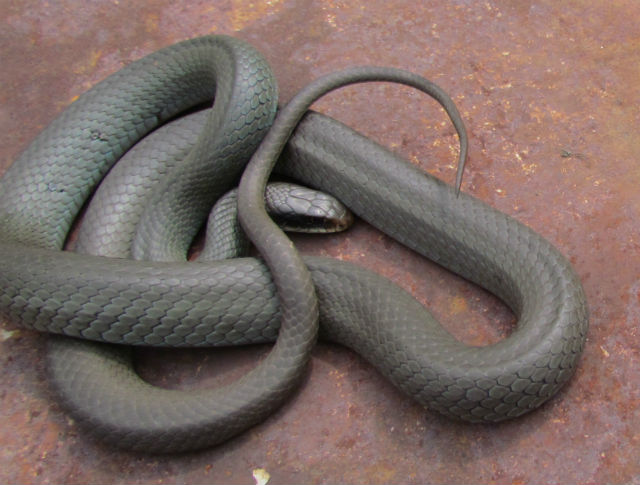
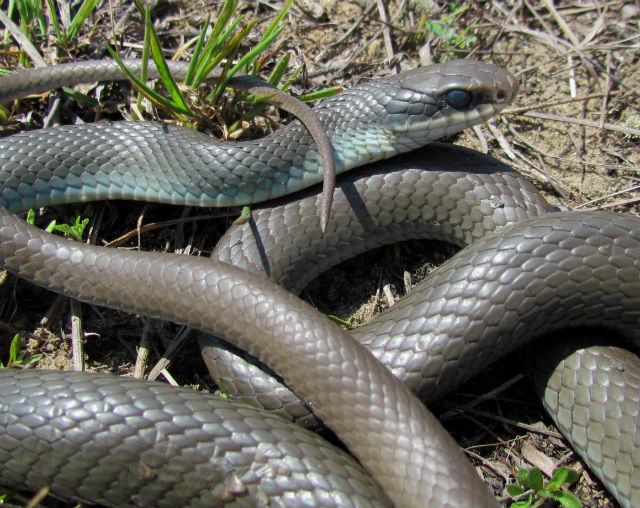
Adult Blue Racers can be varying shades of blue and gun-metal gray, with white belly scales, black masks, relatively large eyes and often brownish-orange snouts.

05 Blue Racer_1871

Their eyes are larger compared to that of many other species of snakes, due to the fact that they are day-active hunters that mainly use sight to locate their prey.

06 Blue Racer_1825

Adult Blue Racers feed on rodents, lizards, other snakes and frogs, while juveniles eat invertebrates such as spiders and crickets. As their “racer” name implies, they are swift in chasing down prey as well as fleeing from predators.

07 Blue Racer_7463

There aren’t very many blue-colored snakes out there in the world. This is always a fun snake for me to encounter, whether it be in my home state of Ohio, or while doing some out-of-state herping.

Third Eye Herp
E-mail

Green Ground Beetle

01 green ground beetle_4958

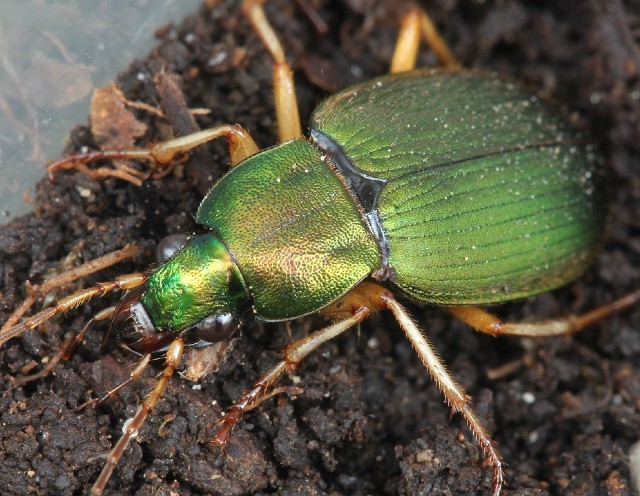
I don’t come across these colorful creatures all that often, but they are a sight to behold. They are found throughout the United States and adjacent Canada and Mexico.

02 green ground beetle_6883

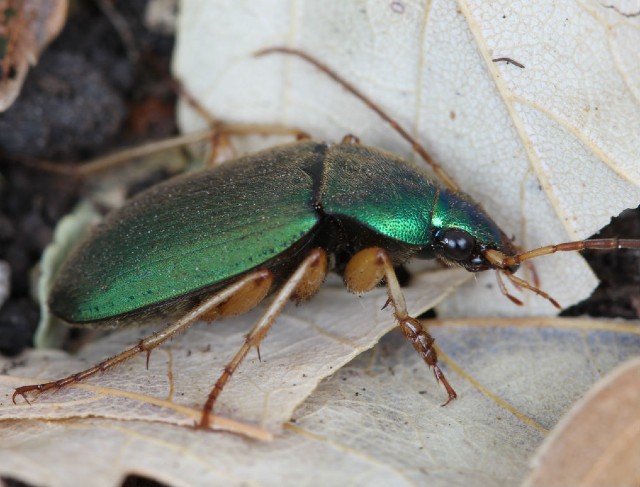
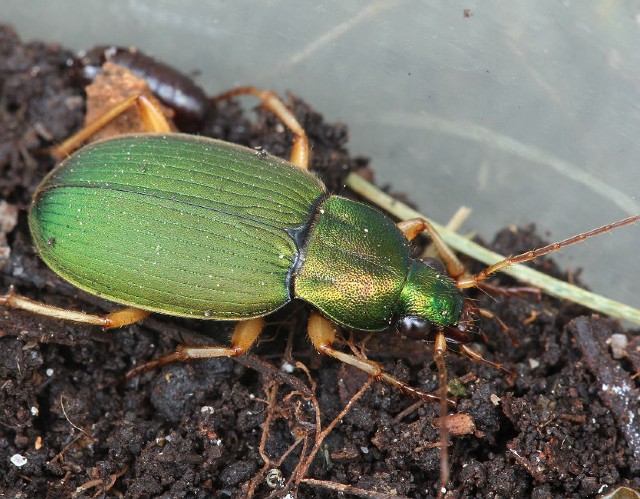
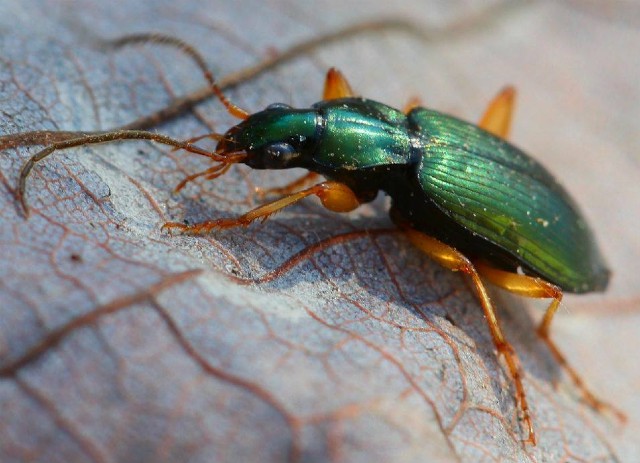
These insects are just over half an inch in length. Their entire dorsal surface usually metallic green, though they sometimes appears bronze and also can appear bluish. Their legs and antennae are long and slender.

03 green ground beetle 011 (1)

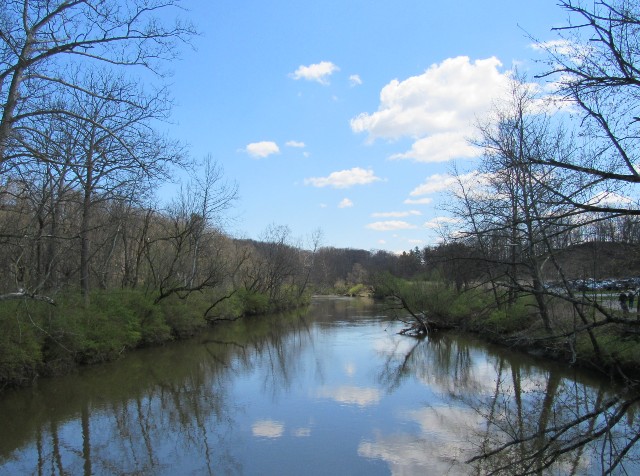
Green Ground Beetles inhabit a variety of moist habitats and can be found from Spring through Fall. They usually occur close to the borders of standing or running water. I tend to find them under debris along the Cuyahoga River.

04 green ground beetle 010

They are primarily nocturnal and in the daytime hide under rocks, logs and loose bark. This beetle feeds on other insects and probably consumes a far amount of insect carrion, as it doesn’t seem prone to attack smaller invertebrates that are alive.

05 green ground beetle 013

This fine creature is known to use the hair on its legs to clean its antennae; the antennae acts as the insects “nose” and is used to sense the smells as well as tastes of the world around it.

Third Eye Herp
E-mail

Ganoderma sessile

Ganoderma sessile_0974

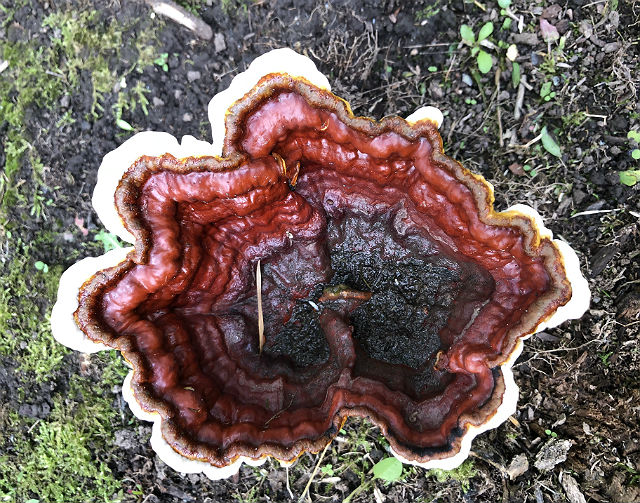
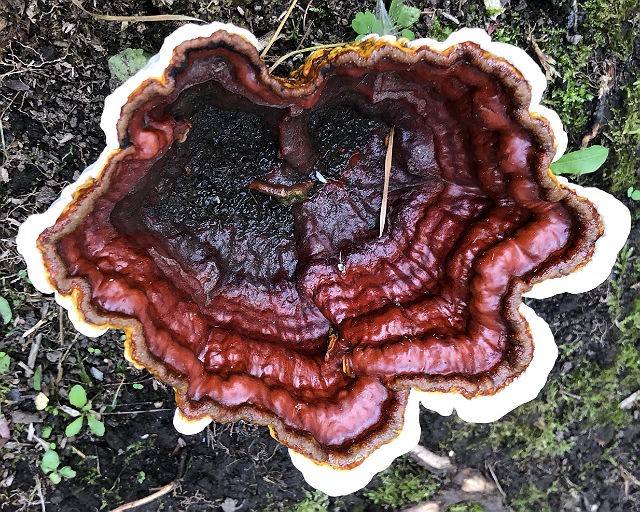
This cool looking bowl-shaped mushroom growing in my sister’s front yard is kind of neat. It sprouted out of a buried, decaying tree stump and has been coming up every year.

Ganoderma sessile_0975

Although I can’t say I’ve ever seen an example of this mushroom previously, it is reportedly common and found in practically every state East of the Rocky Mountains. Its mature fruiting bodies are shiny and reddish-brown.

Ganoderma sessile_0973

Ganoderma sessile has a bright, white, outer edge while growing. This organism is a polypores – part of a group of fungi that form fruiting bodies with pores or tubes on their underside.

Ganoderma sessile_0979

This genus of mushroom has long been used in traditional medicine and practitioners of Chinese medicine refer to it as the “king of herbs.”

Third Eye Herp
E-mail

Eastern Painted Turtle

1 Eastern Painted Turtle_8919

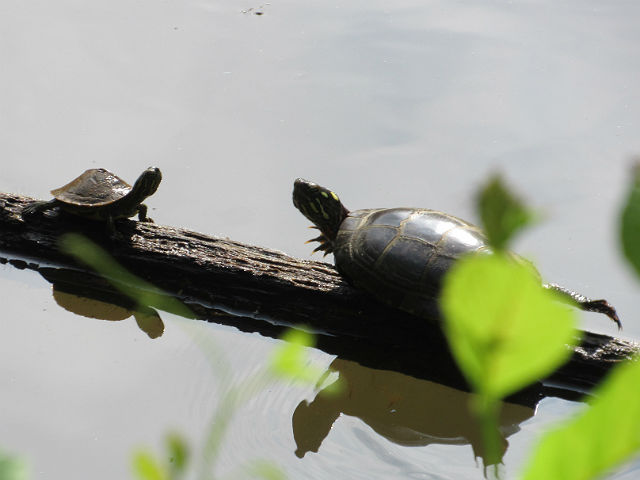
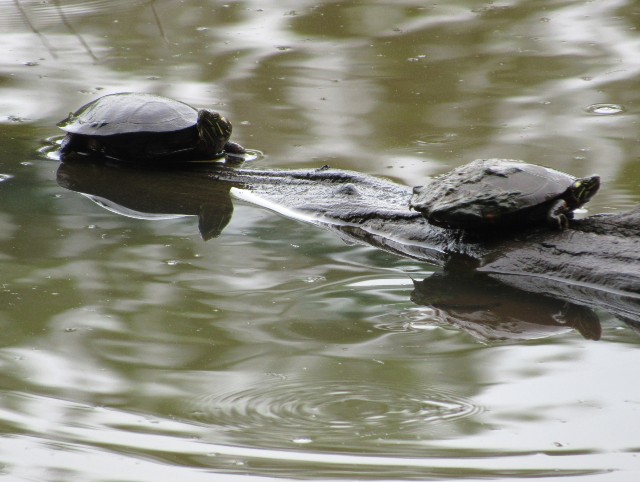
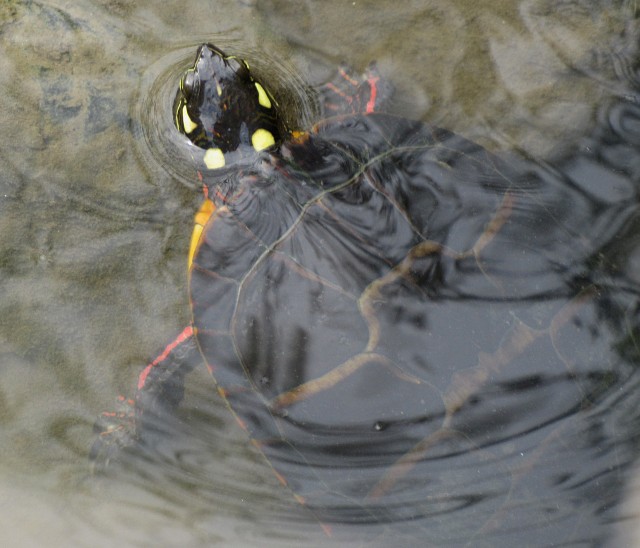
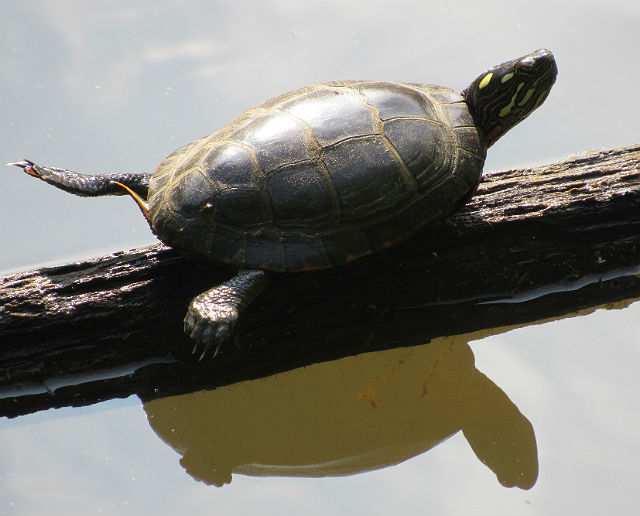
While visiting the East Coast, I had my first-ever encounter with this turtle in the wild. Walking along a quiet waterway in Virginia revealed a few examples of this reptile catching the sun’s early rays.

2 Eastern Painted Turtle_5446

The first one that I came across was sharing a log with a tiny Coastal Plain Cooter. While they occur in in ponds, lakes, ditches, swamps, rivers, creeks and marshes, this turtle’s preferred habitat has a combination of aquatic vegetation, soft substrate and basking sites.

3 Eastern Painted Turtle_8673

The Eastern Painted Turtle, along with its relatives the Western Painted Turtle, the Midland Painted Turtle and Southern Painted Turtle, is the most widespread species of turtle in North America.

4 Eastern Painted Turtle_5455

Like their painted relatives, Easterns eat aquatic vegetation, algae and small water creatures including insects, tadpoles, mollusks, crustaceans and fish.

6 Eastern Painted Turtle_8953

Although they superficially look similar to the Midland Painted Turtle in my home state of Ohio, Eastern Painted Turtles are the only turtles in the United States with their scutes (large scales on the shell) arranged straight rows across their backs, rather than alternating.

Third Eye Herp
E-mail

Northern Flicker

01 Northern Flicker_4214

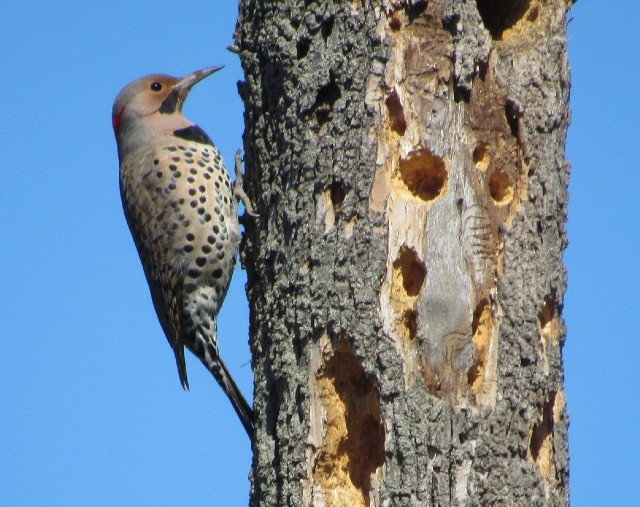
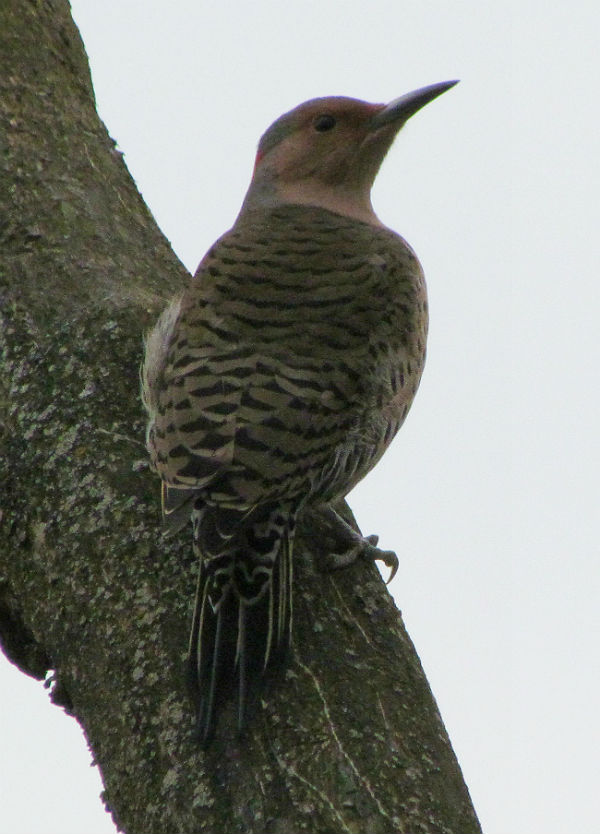
On a recent visit to Canalway Center, I saw a pair of these cool birds. They are large, brown woodpeckers with handsome black-spotted plumage. Males have a black “mustache.”

02 Northern Flicker_4224

Unlike Ohio’s other woodpeckers, Northern Flickers spend a lot of time on the ground hunting for ants and beetles, digging for them with their unusual, slightly curved bill. Northern Flickers probably eat ants more frequently than any other North American bird.

03 Northern Flicker_99851

These birds generally nest in holes in trees like other woodpeckers. And like most woodpeckers, they drum on objects as a form of communication and territory defense.

04 Northern Flickers_4231

The Northern Flicker’s habitat is open forests, woodlots, groves, towns and farmlands. It has a wide range, from Alaska to Nicaragua, and can be found in almost any habitat with trees; though it tends to avoid dense unbroken forests, because it requires open ground for foraging.

05 Northern Flicker_2183

When ants are not available, this bird consumes a variety of fruits and berries, especially in Fall and Winter – it also eats seeds and nuts at times.

06 Northern Flicker_4234

Northern Flickers migrate the farthest of all woodpeckers. They often fly to the northernmost parts of Mexico or to the southern parts of the United States. However, depending on the individual, some prefer to stay in the northern regions of the United States.

Third Eye Herp
E-mail

White Sucker

White Sucker_4472

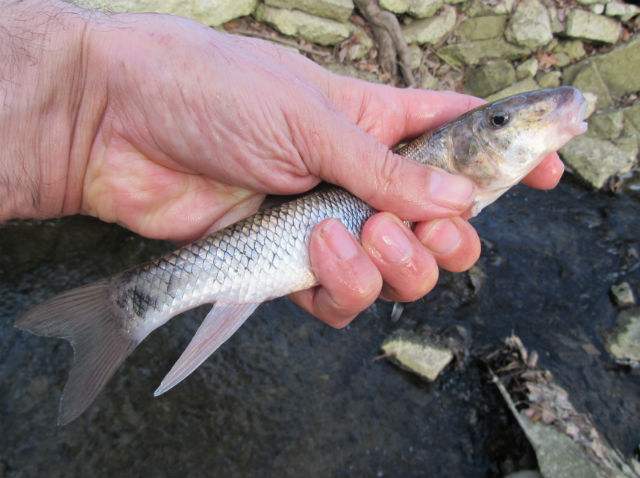
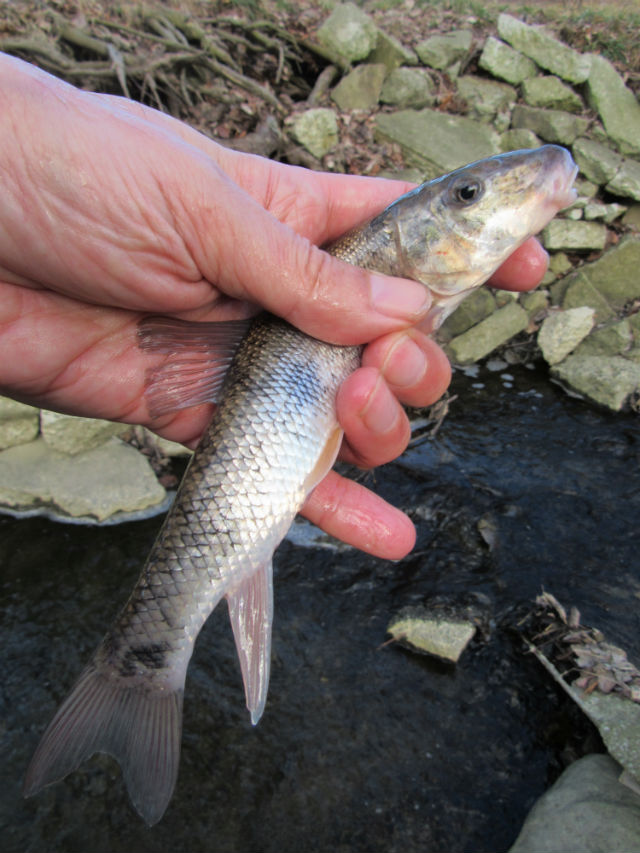
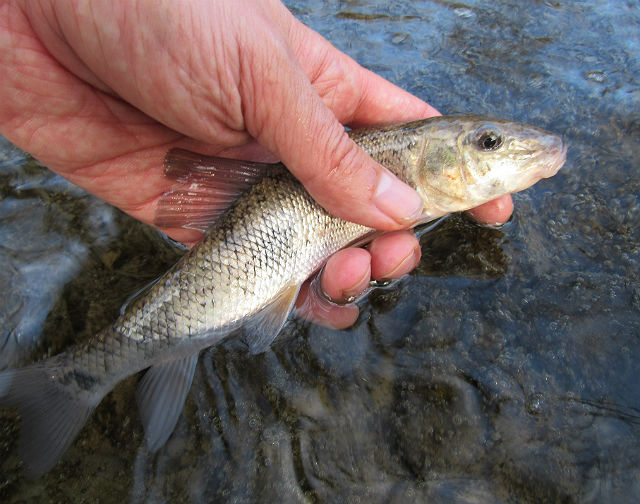
This fish is commonly known as a “sucker” due to its fleshy lips that suck up organic matter from the bottoms of rivers and streams. When full grown, it can reach lengths between 12 to 20 inches.

White Sucker_3084

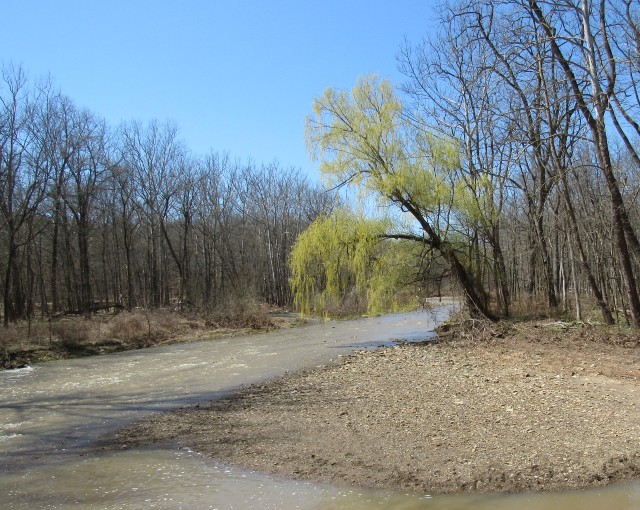
The White Sucker is native to my home state of Ohio and can be found in every county in the state. They are the most common species of sucker found in The Buckeye State.

White Sucker_3085

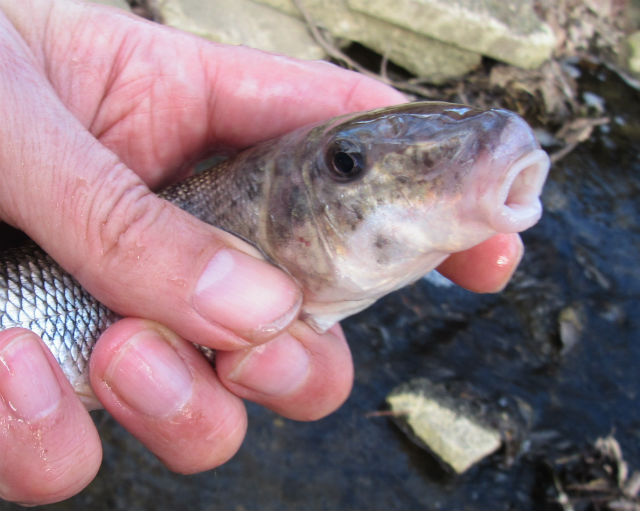
Often described as being “torpedo shaped,” it has a broad, rounded head with a prominent downward-pointing, sucker-like mouth. It’s body is cylindrical and is covered with large, prominent scales.

White Sucker_3087

This fish shows little preference for a particular habitat and can be found in nearly every lake, reservoir, river and stream in Ohio. It is very tolerant of pollution, murky water and low oxygen levels.

White Sucker_3106

The White Sucker feeds on a variety of bottom-dwelling organisms, such as aquatic insect larvae, small mollusks, crustaceans, plant material and worms.

White Sucker_3094

While not the most glamorous of fish, it fulfills an important ecological role.

Third Eye Herp
E-mail