Mining Bee

01 Mining Bee_7248

We often think of bees as living in hives and cooperating with each other as “social insects.” But of the 20,000 species of bees in the world, 70% live underground and the large majority of those are small and solitary.
02 Mining Bee_7423

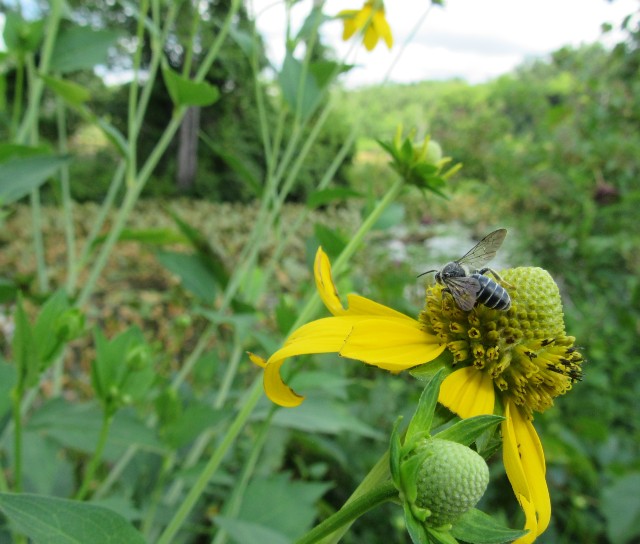
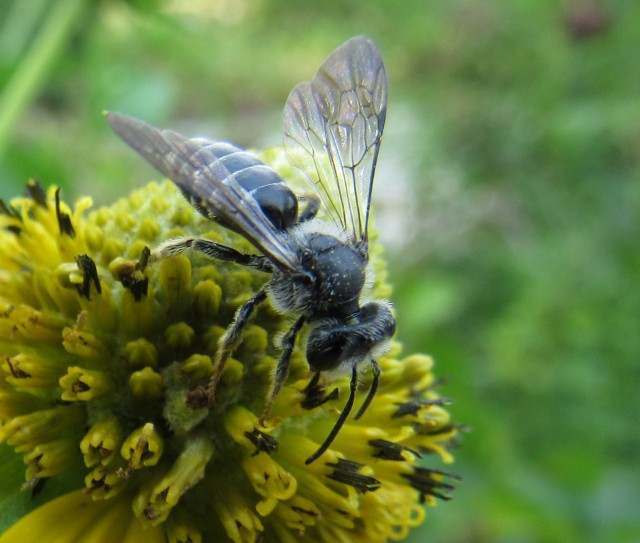
This Mining Bee that I recently saw in Cuyahoga Valley National Park is an example of such a bee. There are 100 over species of this type of insect found in Ohio. These native pollinators are typically 1/4 – 3/4″ long, depending on the species, and most have banded abdomens.
03 Mining Bee_7420

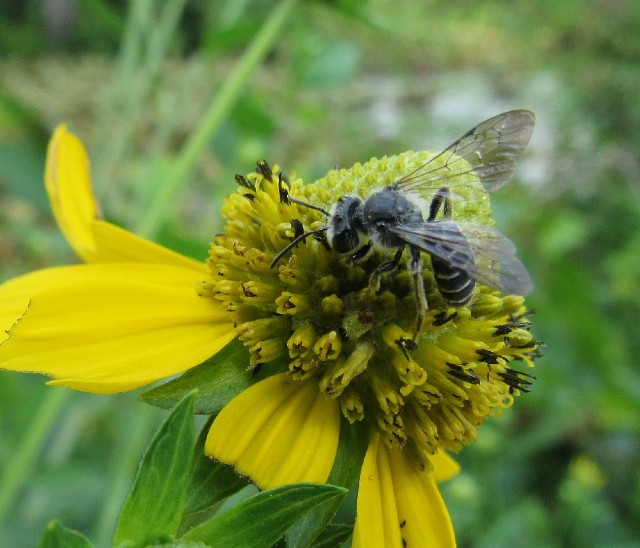
Females dig individual burrows several inches deep into the soil. They prefer to nest in well-drained soil that is lightly exposed to sunlight. Each excavation is about the diameter of a wooden pencil surrounded by a mound of loose soil particles.
04 Mining Bee_7422

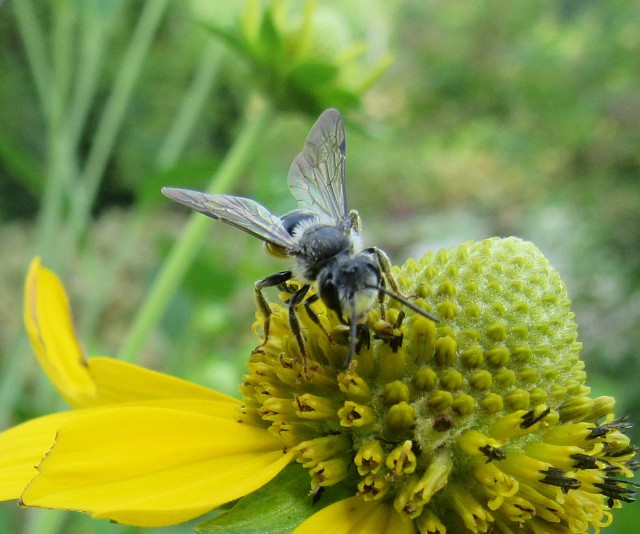
Though solitary and having no social structure, large numbers of females often locate their burrows in close proximity to one another giving the appearance of an organized colony.
05 Mining Bee_7419

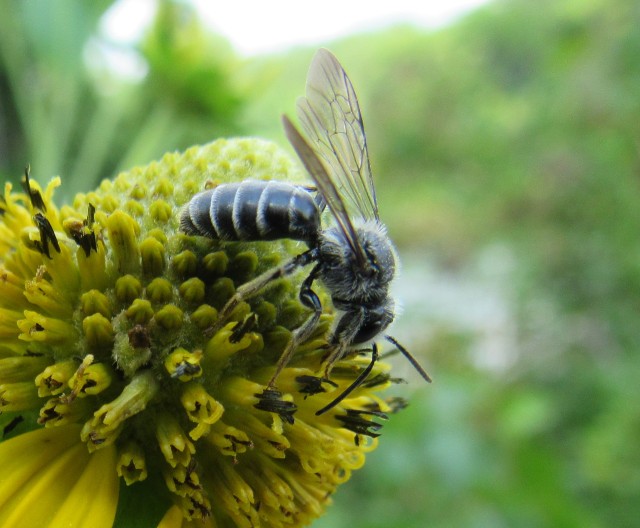
Mining Bees are not aggressive and their small stingers can’t penetrate far into the skin. More importantly, they are significant pollinators of spring-blooming food crops including apples, cherries and blueberries.
06 Mining Bee_7421

These fine creatures are also known as Chimney Bees and Mustached Mud Bees.
Third Eye Herp
E-mail

Variegated Darter

01 Variegated Darter_7946

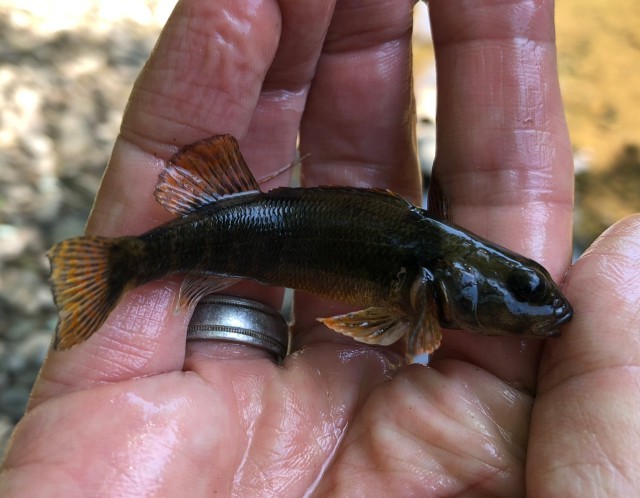
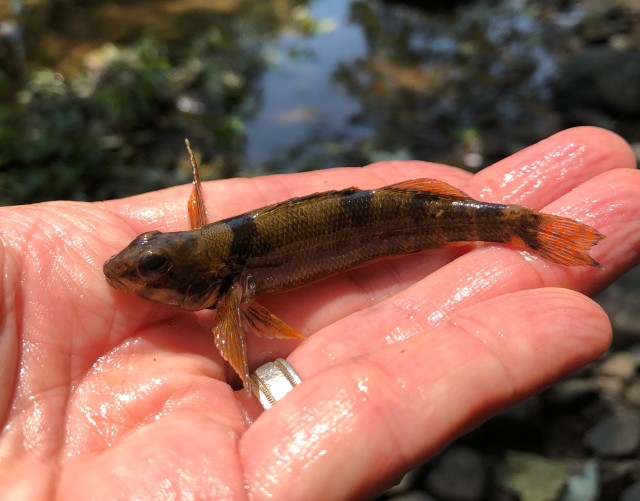
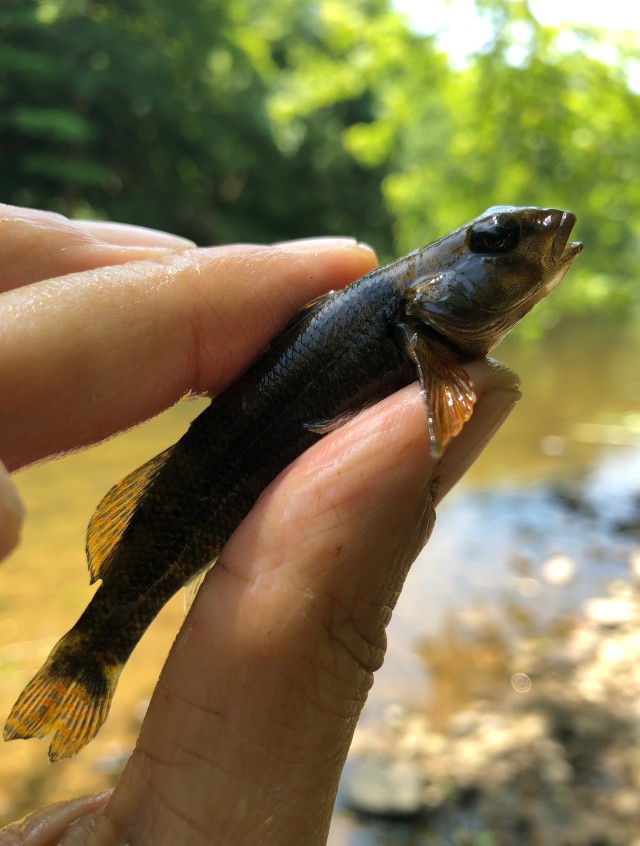
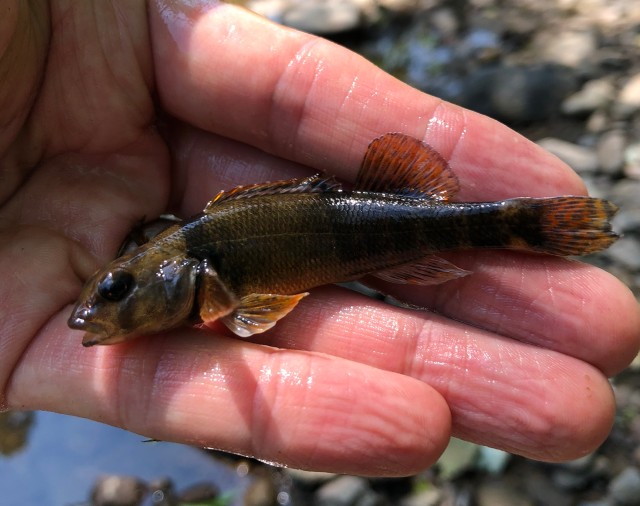
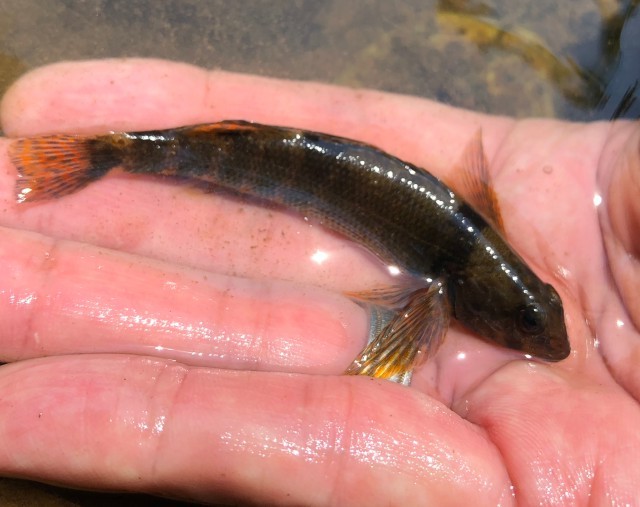
While exploring a creek near Youngstown, Ohio, this month I came across one of these neat little fish for the first time. The Variegated Darter has large fins, a blunt nose and a mouth at the lower tip of its head. It typically grows to be about four inches long.

02 Variegated Darter_3932

This fish is an insectivore, mainly feeding on insect larvae, crustaceans and other invertebrates found on the bottom of the waterways that it resides in. The name “darter” refers to the way this fish moves. Rather than swimming like most fish, the darter darts forward and then sinks to the bottom.

03 Variegated Darter_3940

It does this because its air bladder is greatly reduced, interfering with the darter’s ability to stay afloat. This allows it to live in riffle areas where fish with air bladders would have the disadvantage of floating and being swept away by the current.

04 Variegated Darter_3935

When a darter comes to rest, its fins and tail prop up its body in sort of a tripod position with its head angled upward. The key identification characteristic of this fish is the four to six saddles along its back; three to four of these saddles tend to be dark and visible while the remaining saddles are not.

05 Variegated Darter_3939

Variegated Darters primarily live in larger streams with cobble, pebble, and gravel on the stream bed. In order to survive, they need waterways with high water quality. Due to this attribute, they are often viewed as an indicator of good water quality.

06 Variegated Darter_3944

This was a great and unexpected creature to come across while out and about.

Third Eye Herp
E-mail

Eastern Spadefoot Toad

01 Spadefoot Toad_3243

This cool creature is interesting both in its physical appearance as well as its lifestyle. Eastern Spadefoot Toads spend most their life buried underground. Heavy rains, occurring at nearly any time of year, cause them to emerge in large numbers and congregate at breeding pools created by the rain.

02 Spadefoot Toad_3253

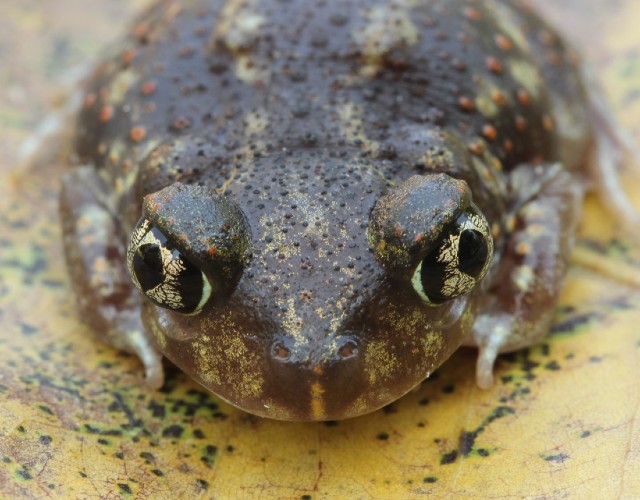
As far as appearance, they are known for their bright yellow eyes with elliptical pupils (like cat eyes) and the dark spade, which is used for digging, on each hind foot. As it digs, it wiggles its way underground, rear first. They are plump, with smooth skin and scattered, tiny warts. They range in color from olive to brown to black.

03 Spadefoot Toad_3246

Eastern Spadefoot Toads are found throughout the eastern United States and prefer dry habitats with sandy soils, but can be found in almost any habitat. Their ability to remain buried for long periods allows them to persist even in suburban areas.

04 Spadefoot Toad_3251

Spadefoots are rather small, growing to about 2-1/2 inches. Females can lay up to 2,500 eggs at once. Their tadpoles grow very quickly and can undergo metamorphosis in as few as 28 days.

05 Spadefoot Toad_3258

These amphibians are nocturnal foragers with a diet of invertebrates, insects, arachnids, termites, worms, and larvae of several insect species.

06 Spadefoot Toad_3241

Here in Ohio, the Eastern Spadefoot Toad is one of our most elusive animals. Though it generally digs several inches below the ground, it may drill down as deep as 8 feet.

Third Eye Herp
E-mail

Round-leaved Sundew

01 Round-leaved Sundew_3606

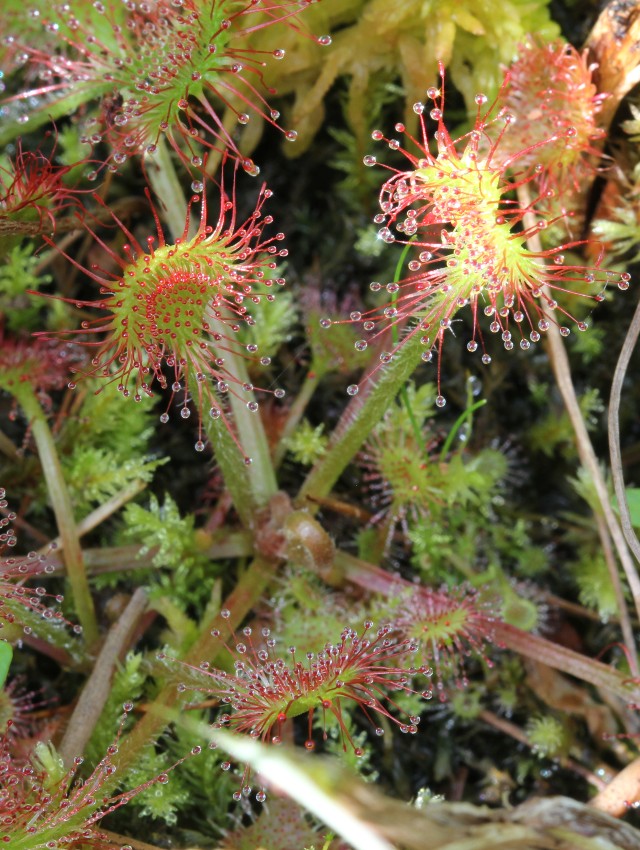
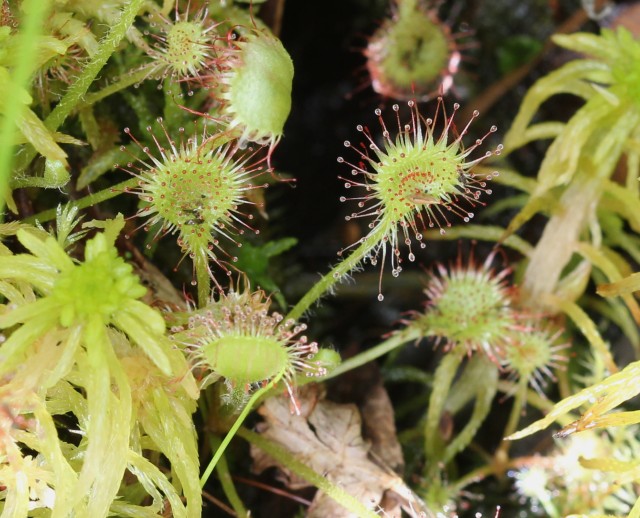
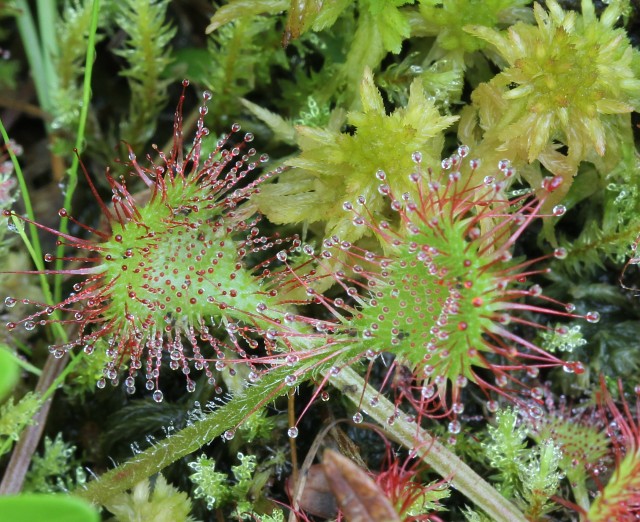
I don’t usually think of Ohio when I think about carnivorous plants, but we have two types in Wooster, this one and the Pitcher Plant.

02 Round-leaved Sundew_3606

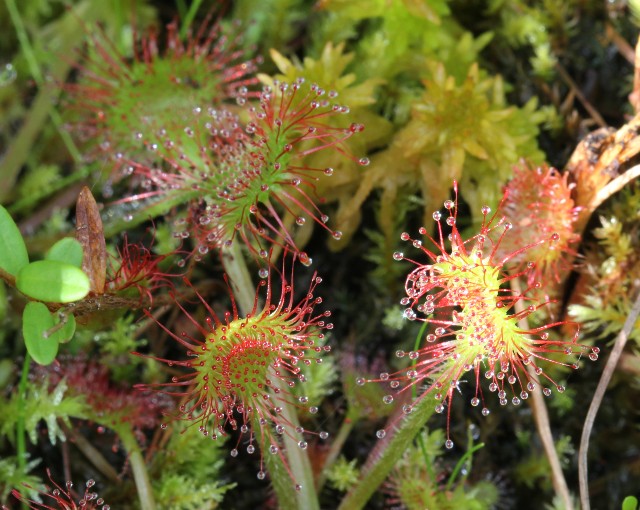
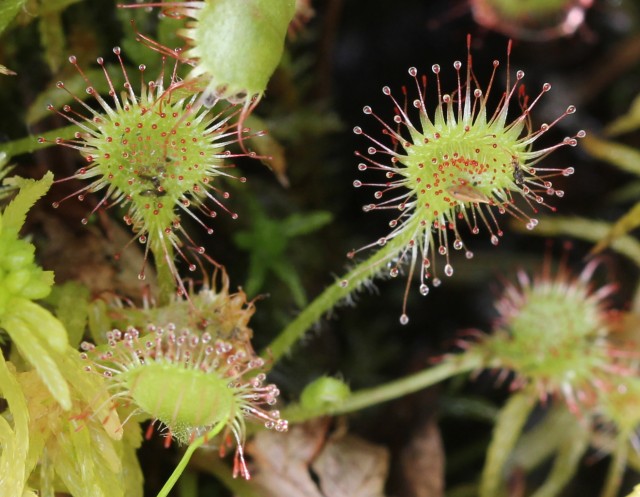
The insect-eating lifestyle of the Round-leaved Sundew makes this plant a fascinating species. The round three-quarter inch leaves have sticky, tendrils with droplets of “dew.” This tempts unsuspecting prey.

03 Round-leaved Sundew 086

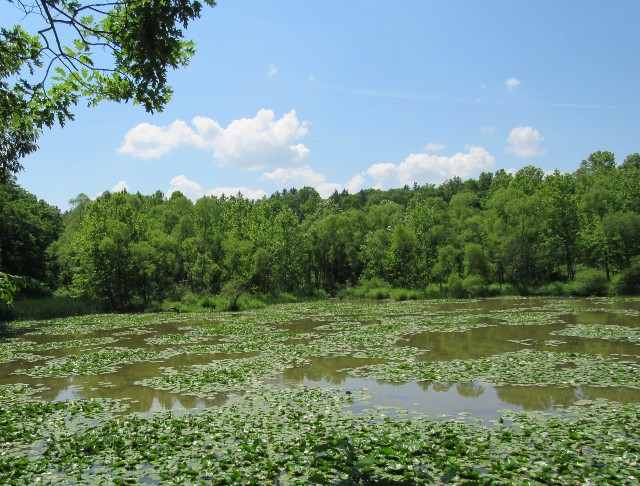
The main habitat for this plant is bogs and their acidic habitat doesn’t provide enough nutrients., so it catches and eats insects.

04 Round-leaved Sundew 090

Round-leaved Sundew’s droplets are very sticky and this traps insects; when the presence of its stuck prey it detected, its leaf curls inwards to engulf it.

05 Round-leaved Sundew 085

Its scientific name is Drosera rotundifolia. The term “droseros” is Greek for “dewy” and refers to the moist, glistening drops on the leaves. The term “rodundifolia” means “round leaves.”

06 Round-leaved Sundew 089

Though tiny and easy to overlook, this is a really cool plant to encounter in the wild.

Third Eye Herp
E-mail

Eastern Phoebe

01 Eastern Phoebe_6564

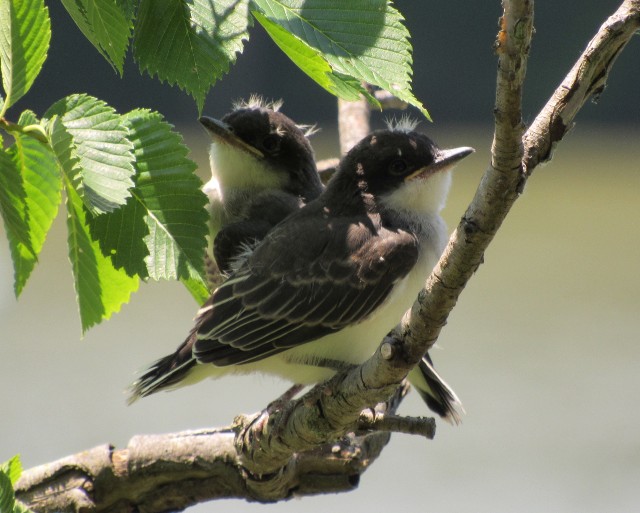
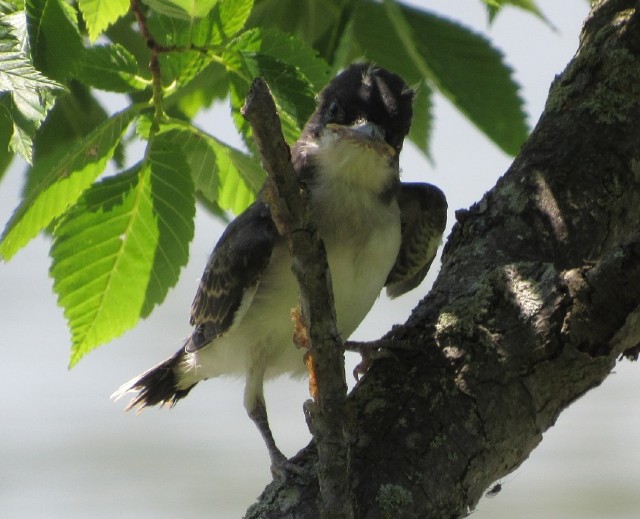
While hiking at Hinckley Reservation, I noticed a group of baby birds that were just starting to leave the nest. They were fun to watch, as they hopped from branch to branch.

02 Eastern Phoebe_6574

One of the easiest bird calls to learn is the call of this creature. It gives a vocal clue to its identity by softly uttering its name — “fee-bee,” with the first syllable accented, slightly longer and higher pitched.

03 eastern phoebe_1805

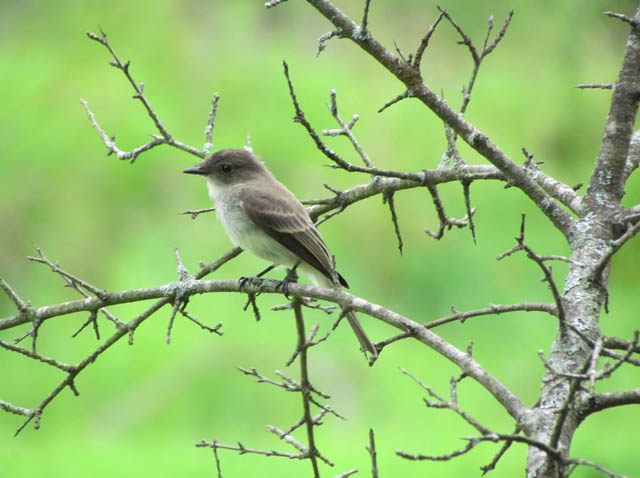
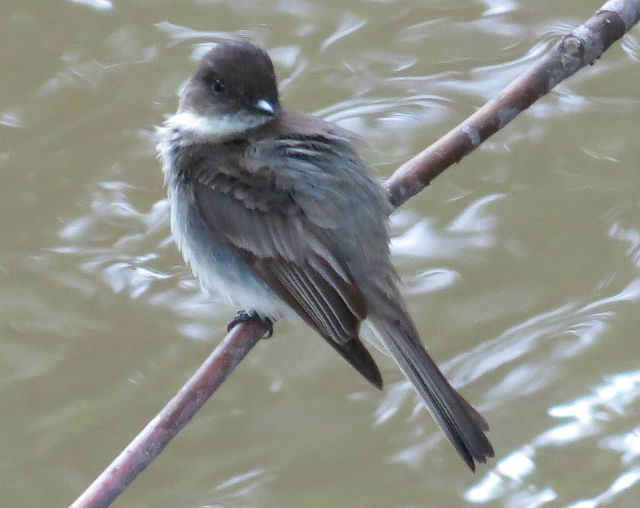
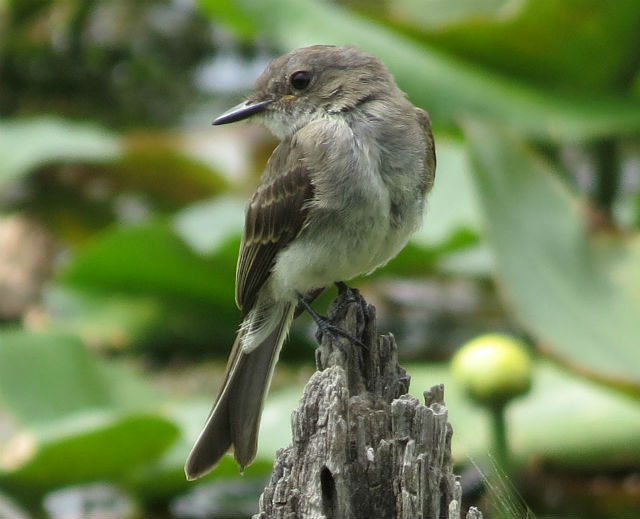
This sparrow-sized bird appears remarkably big-headed, especially when it puffs up its small crest. It is a dark, drab gray-brown on the back, with a light breast and belly that is often washed with yellow.

04 Eastern Phoebe_6586

The Eastern Phoebe belongs to a family of birds known as flycatchers. Like most small flycatchers, it has a short, thin bill that it uses for catching insects.

05 Eastern Phoebe  _2180

This bird often perches low in trees and is very active, making short flights to capture insects and repeatedly returning to the same perch, where it characteristically wags its tail up and down frequently.

06 eastern phoebe_4076

The Eastern Phoebe often nests around buildings and bridges where it is easily observed. It is speculated that its population has increased as buildings and bridges provide additional potential nesting sites.

07 Eastern Phoebe_6571

Despite its plain appearance, this flycatcher is often a favorite among eastern birdwatchers. It is among the earliest of migrants, bringing hope that Spring will soon be at hand.

Third Eye Herp
E-mail

Cross Orbweaver

01 Cross Orb Weaver (Araneus diadematus) _7283

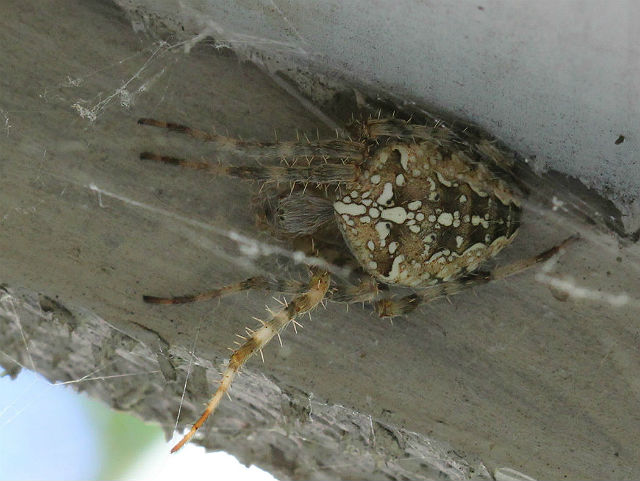
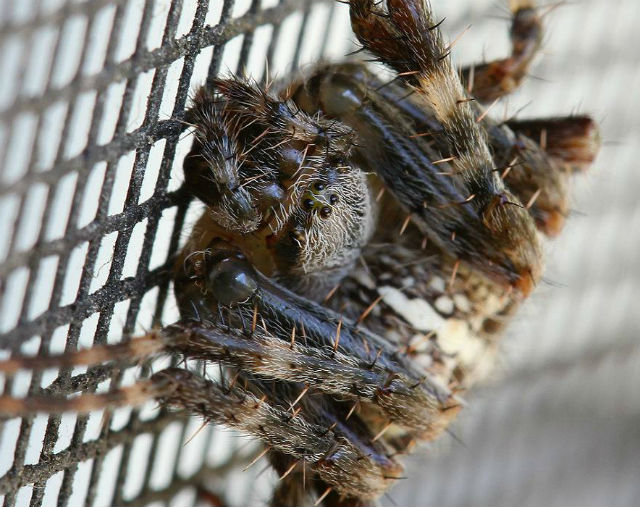
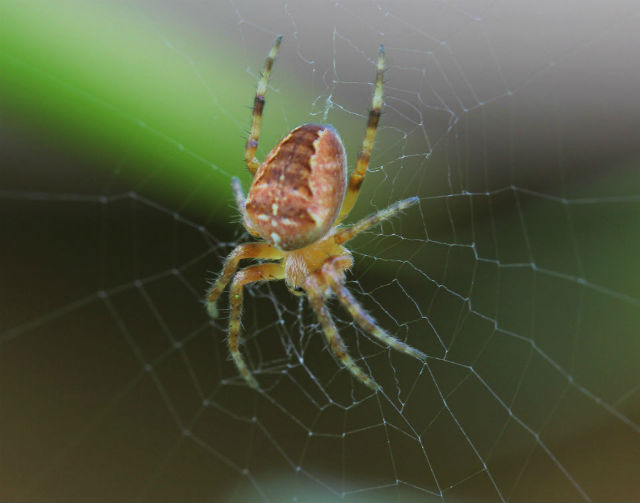
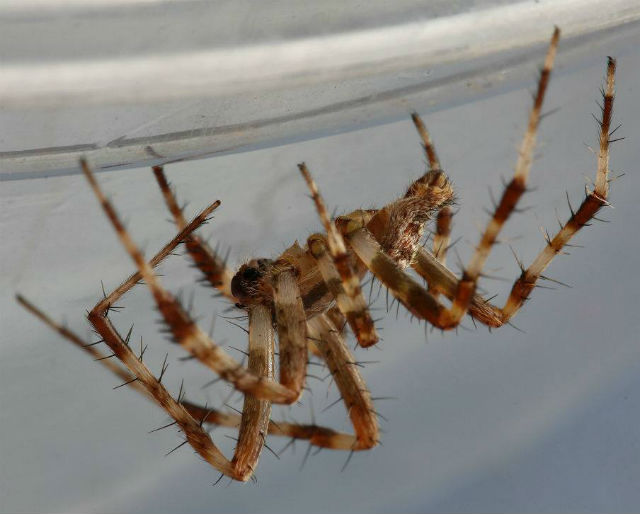
The white cross-like marking on the back of this arachnid led to its common name and is its main identification characteristic.

02 Cross Orb Weaver (Araneus diadematus) _7634

Originally from Europe, the Cross Orbweaver Spider was transported to North America and has settled in nicely because of the similar environment.

03 Cross Orb Weaver (Araneus diadematus) __6635

Cross Orbweaver Spiders are found in a variety of habitats including meadows, gardens, woodland clearings, hedgerows, semi-arid deserts and evergreen forests.

04 Cross Orb Weaver (Araneus diadematus)

It is steadfast sentry in my gardens that I look forward to seeing every Summer. Females of this species are almost twice the size of the males.

05 Cross Orbweaver_1096

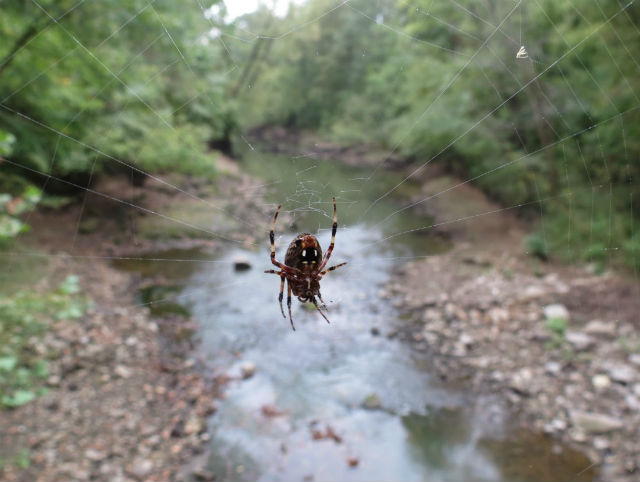
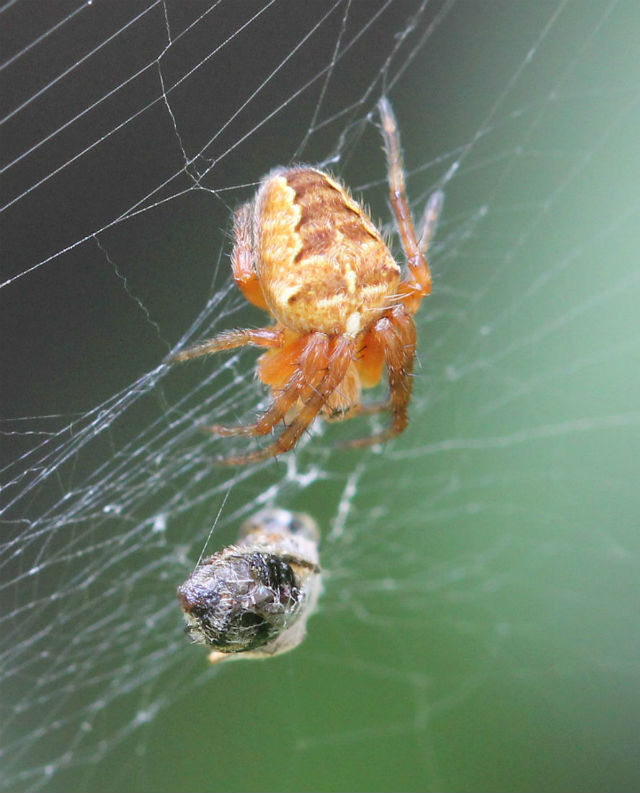
Like other orbweavers, this spider sits in the center of its web with its head down. During times where it perceives danger, it may sit on the edge of its web with its legs tucked under itself.

06 Cross Orb Weaver (Araneus diadematus) _1266

In late September, females leave their webs and search for protected locations to deposit between 300 to 900 eggs. The eggs are enclosed within a cocoon of yellow, silken threads. The usual egg deposition sites are under tree bark and in cracks and crevices.

07 Cross Orb Weaver (Araneus diadematus) _n

Although I usually tend to see them in the same spot day after day during the warmer months, this spider creates a new web every day.

Third Eye Herp
E-mail

Birds-foot Trefoil

Birds-foot Trefoil_6535

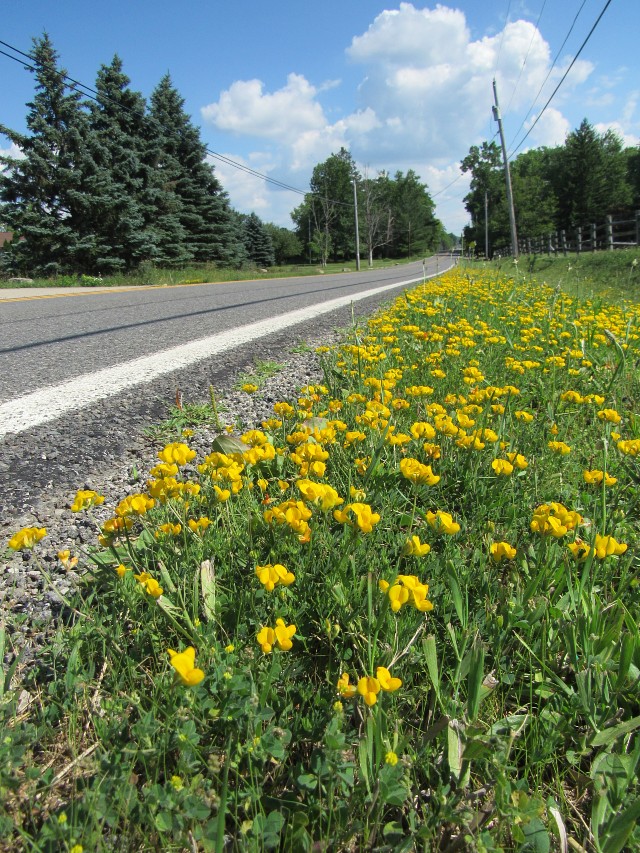
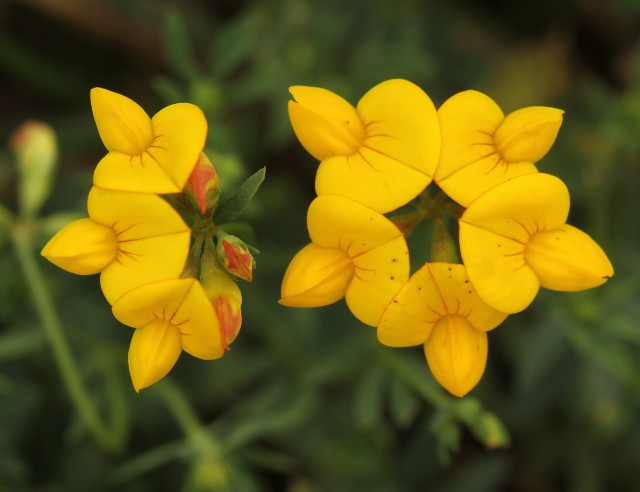
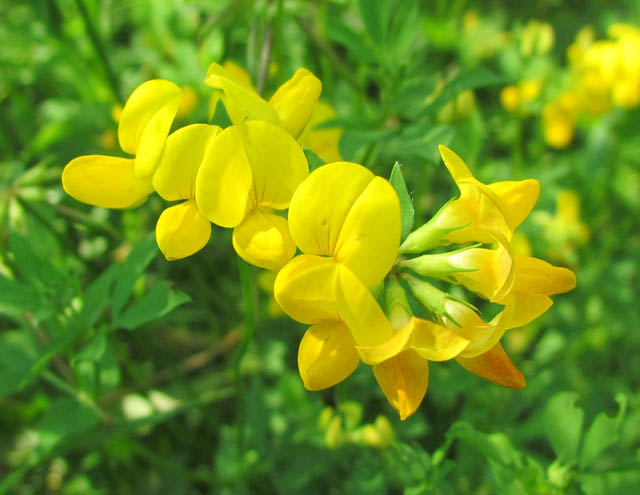
While driving around northeast Ohio, it seems that this small perennial flower is lining just about every roadway.

Birds-foot Trefoil_2857

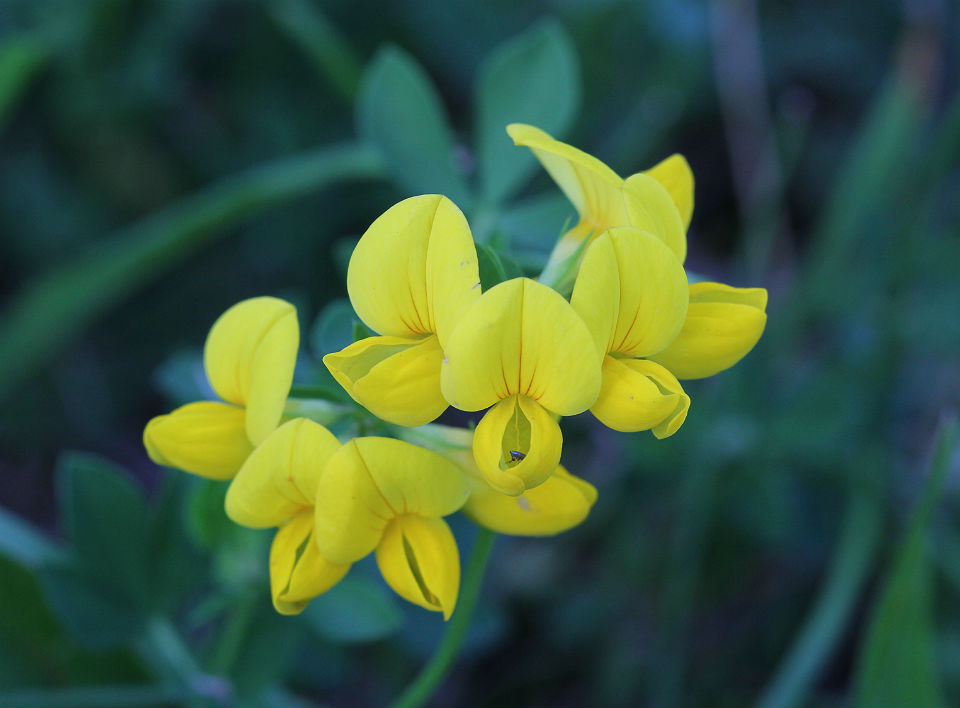
Birds-foot Trefoil belongs to the same family as pea and bean plants. Its showy, pea-like flowers are only about a half an inch across.

Birds-foot Trefoil_2851

This plant was introduced from Europe as a cultivated forage crop. It is widely planted for erosion control along newly built roads.

Birds-foot Trefoil 062

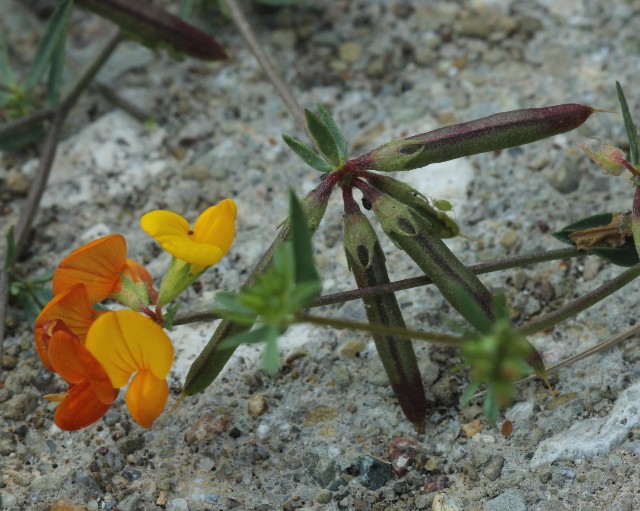
Although its flowers start out as a bright lemon yellow, over time they can turn red-orange with age.

Birds-foot Trefoil_2881

Birds-foot Trefoil common name refers to its seedpods, which when grouped together look like a bird’s foot and are slender and purple. Five leaflets are present, but with the central three held conspicuously above the others, hence the use of the name “trefoil.”

bird's foot trefoil_0377

This plant can survive fairly close grazing, trampling, and mowing. Birds-foot Trefoil is most often found in sandy soils. It flowers from June to September and is a source of nectar for several different kinds of butterflies and bees.
bird's foot trefoil_0690

This plant is also known as Bloomfell, Cat’s Clover, Crowtoes, Eggs and Bacon and Birdsfoot Deervetch.

Third Eye Herp
E-mail

Rough Osmoderma

Osmoderma scabra 026

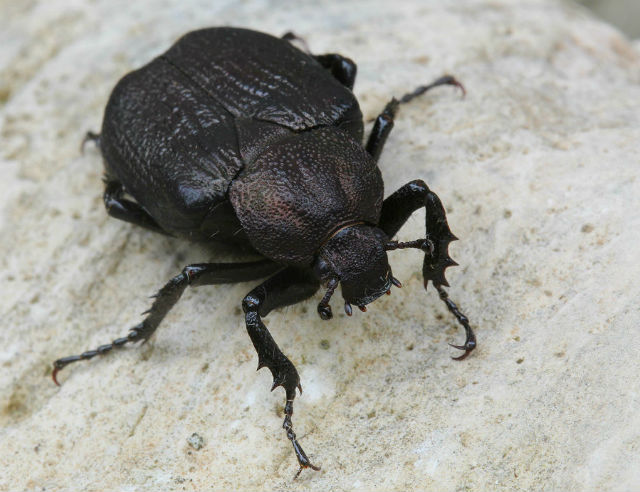
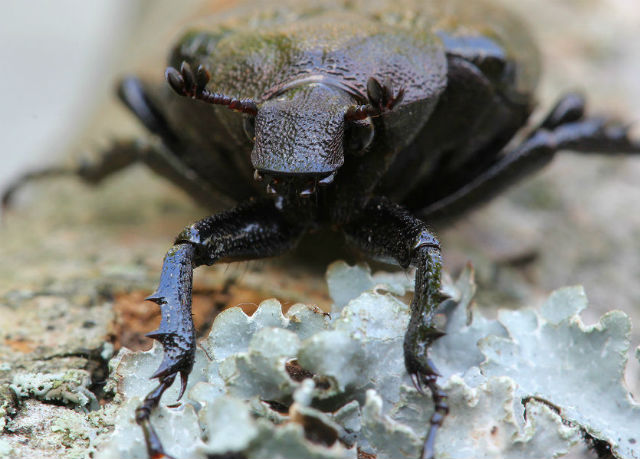
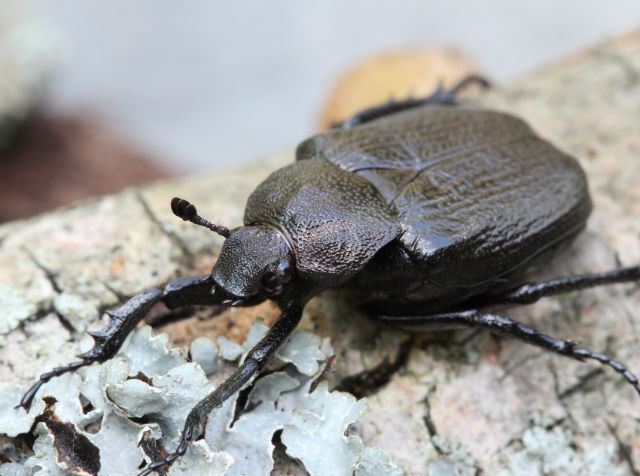
While at an outdoor summertime party, the event was “crashed” with the arrival of this distinctive insect. I had never seen one previously and decided to investigate its life cycle and habits.

Osmoderma scabra 058

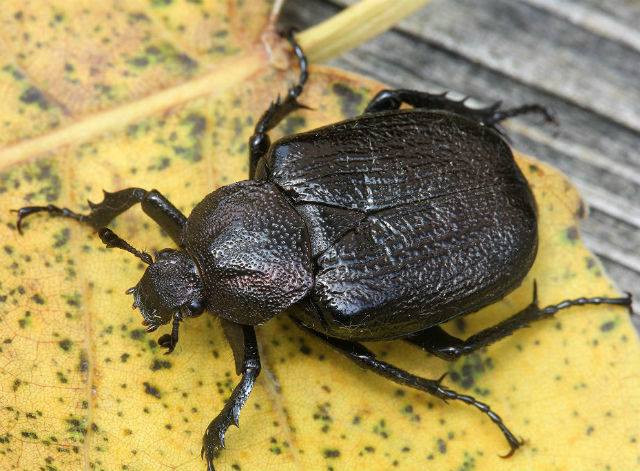
These bulky beetles grow to an inch-plus in length. According to a paper published in 1939, the adults “conceal themselves during the day in the crevices and hollows of trees, where they feed upon the sap that flows from the bark.”

Osmoderma scabra 032

It belongs to the genus Osmoderma (from the Greek osme—smell, and derma—skin). When captured, the beetles emit a very strong, but not unpleasant odor. Some say the scent is beetles smell “peach-like” or “plum-like.”

Osmoderma scabra 061

The scent is a pheromone that attracts females to the tree hollows where the males hang out and where eggs will be laid. The larvae reside in decaying wood, often in apple or cherry trees. They take three years to reach maturity, and are freeze resistant in the Winter.
Osmoderma scabra 054

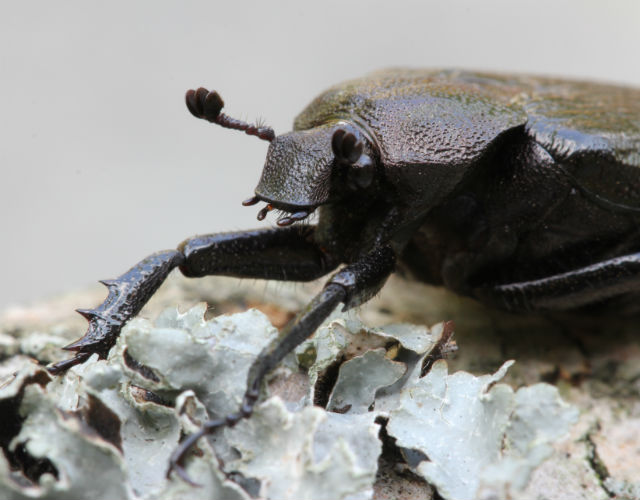
They are one of the scarab beetles, with the typical scarab’s short antennae with a set of finger-like appendages at the end. This beetle was an unexpected guest that certainly added to the festivities.
Third Eye Herp
E-mail

Yellow Perch

Yellow Perch_2166

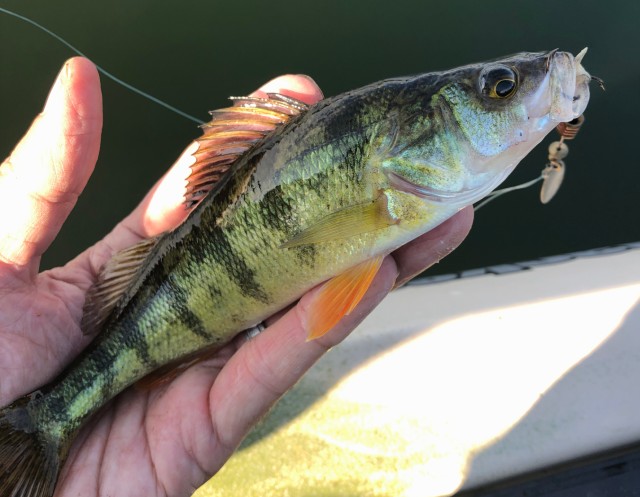
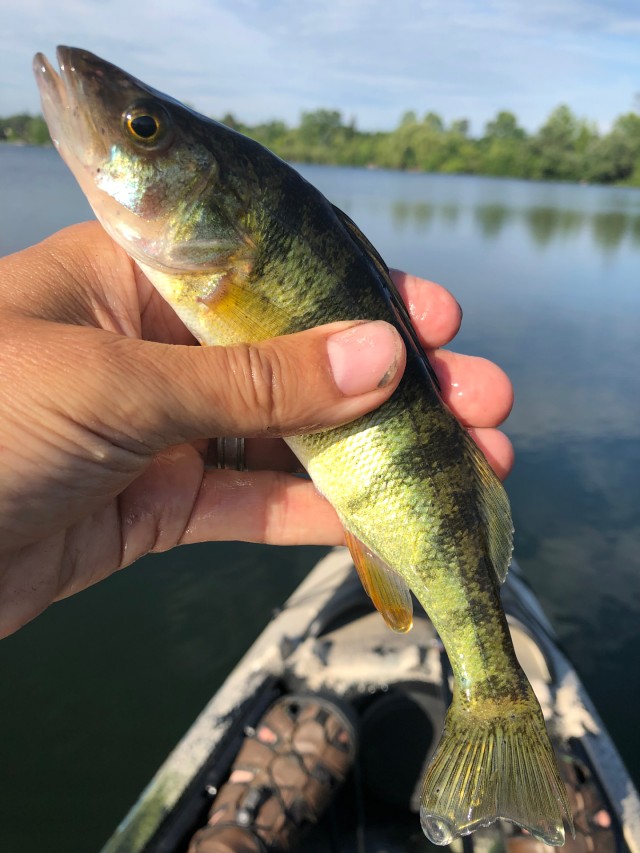
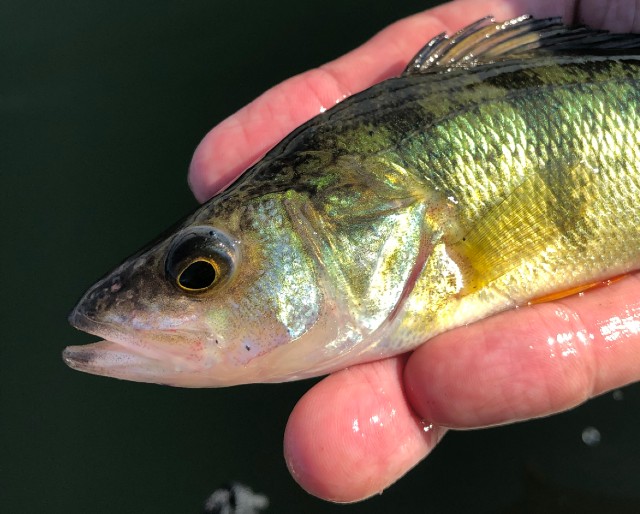
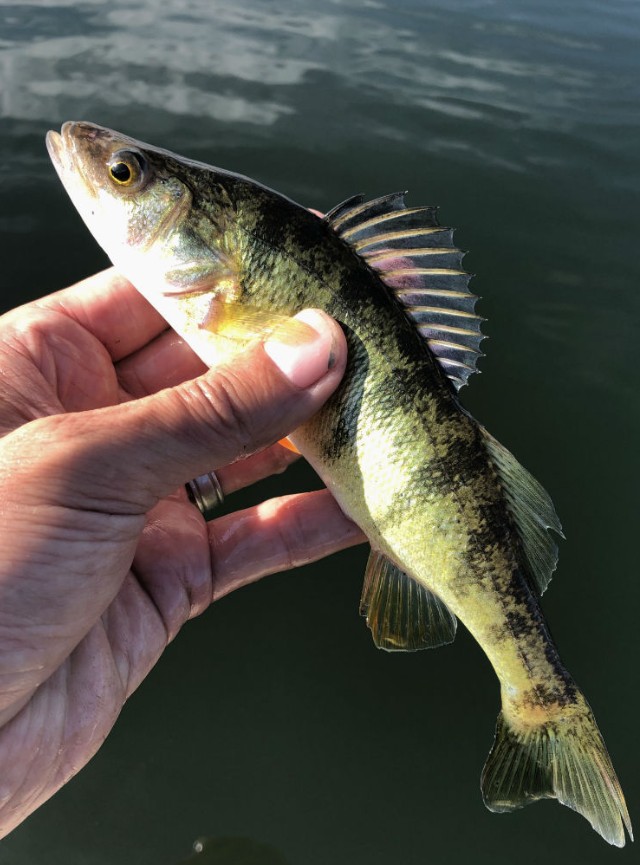
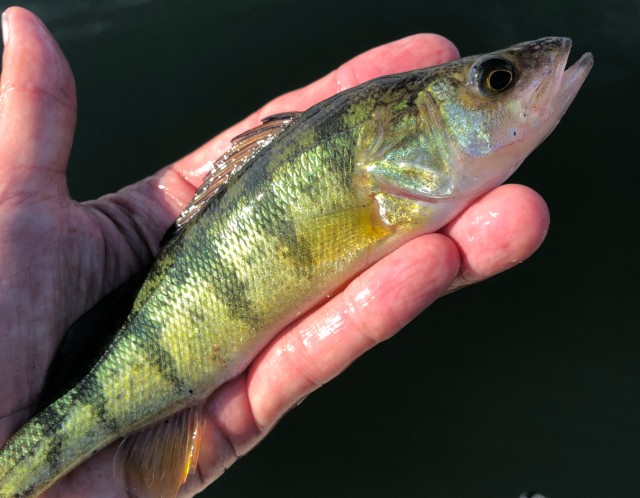
Recently I caught one of these fine fish in Geauga Lake in northeast Ohio. It has a yellow and brass-colored body and distinct pattern, consisting of five to nine olive-green, vertical bars, triangular in shape, on each side.
Yellow Perch_2299

Yellow Perch are only found in North America and reside in ponds, lakes, the pools of creeks and slow flowing rivers. They are most often encountered in clear water near vegetation and tend to school near the shore during the Spring. They can also be found in brackish water.

Yellow Perch_2304

Adults are typically 6 to 10 inches long and dine primarily on immature insects, larger invertebrates (like crayfish) and the eggs and young of other fish, which they take both from open water and from the bottom.

Yellow Perch_2307

The young of this species often mixes with other small fish in schools. Adults often occur in schools of 50 to 200 or more fish, staying closer together in the Summer than in the Winter.

Yellow Perch_2311

The Yellow Perch has two dorsal fines, the first of which has prominent spines. This fish reaches maturity at an age of one to two years; its average life span is seven to eight years.

Yellow Perch_2308

This fish is also known as Lake Perch, Ringed Perch, American Perch, American Perch, Raccoon Perch and Ring-tailed Perch.

Third Eye Herp
E-mail

Brown-headed Cowbird

01 Brown-headed Cowbird_6887

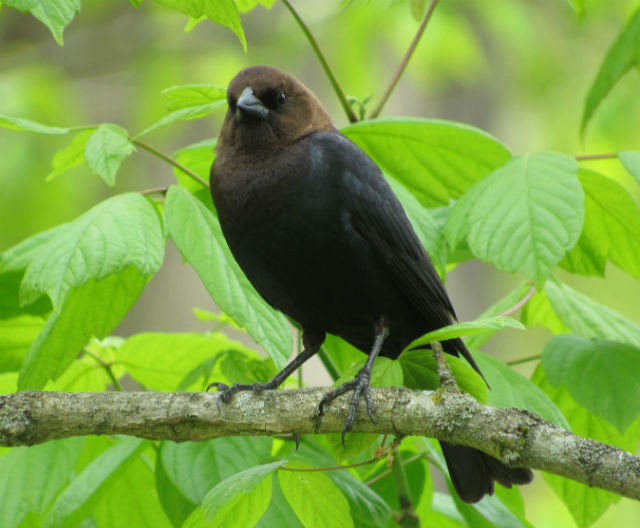
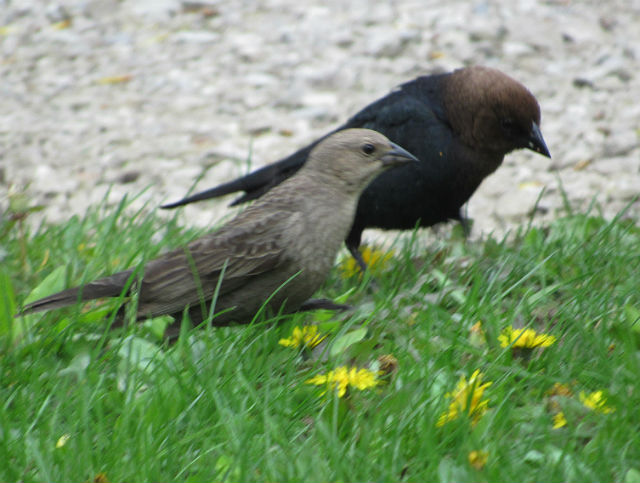
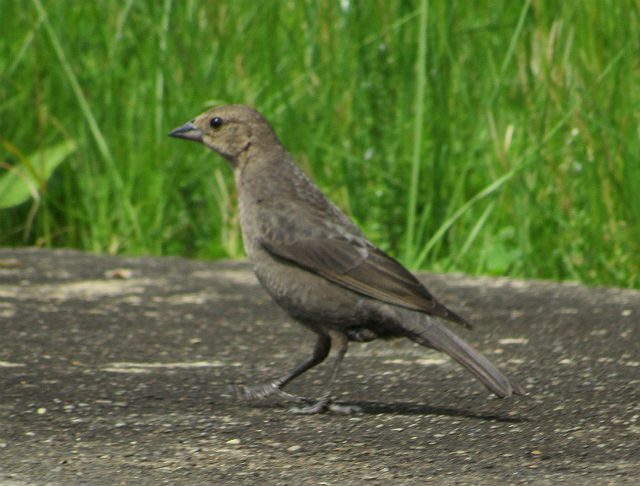
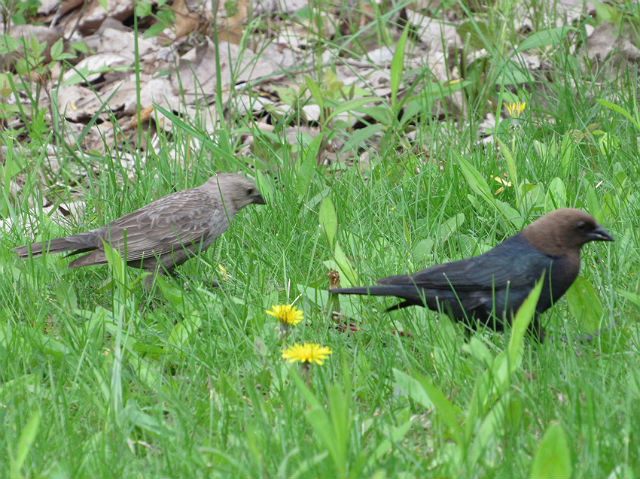
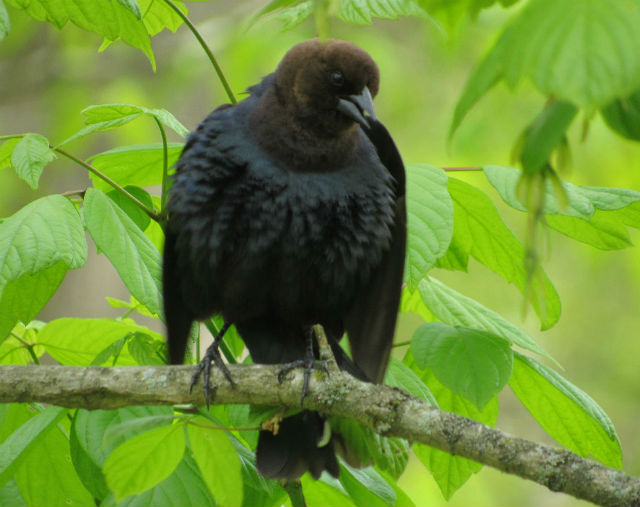
I often see these birds while hiking in northeast Ohio. Males are easy to identify, due to their glossy black feathers and chocolate brown heads. Female Brown-headed Cowbirds are plain brown birds. They are stocky blackbirds with a fascinating approach to raising their offspring.

02 Brown-headed Cowbird__7199

Centuries ago this bird probably followed Bison herds across prairies, feeding on insects flushed from the grass by the grazers. The bird’s population expanded with the clearing of forested areas and the introduction of new grazing animals by settlers across North America. Today it follows cattle and is widespread across the United States.

03 Brown-headed Cowbird_6914

Females do not build nests, but instead put all their energy into producing eggs, sometimes laying more than three dozen in the Summer. They deposit their eggs in the nests of other birds, abandoning their young to foster parents.

04 Brown-headed Cowbird_7184

Some birds, such as the Yellow Warbler, recognize eggs that are not there own, though these birds are too small to remove the eggs out of their nests. Instead, they build a new nest over the top of the old one and hope cowbirds don’t come back.

05 Brown-headed Cowbird_6920

Other larger bird species puncture or grab the cowbird’s eggs and throw them out of the nest, but the majority of hosts don’t recognize cowbird eggs at all. The Brown-headed Cowbird’s parasitic reproduction strategy is unique among the world’s blackbird species.

06 Brown-headed Cowbird_7200

Brown-headed Cowbirds can be found in open woods, farmland and stockyards. They forage by walking on the ground, looking for insects and seeds. In the Winter, Brown-headed Cowbirds may join huge roosts with several blackbird species. One such mixed roost in Kentucky contained more than five million birds.

Third Eye Herp
E-mail