Channel Catfish

channel catfish_7575

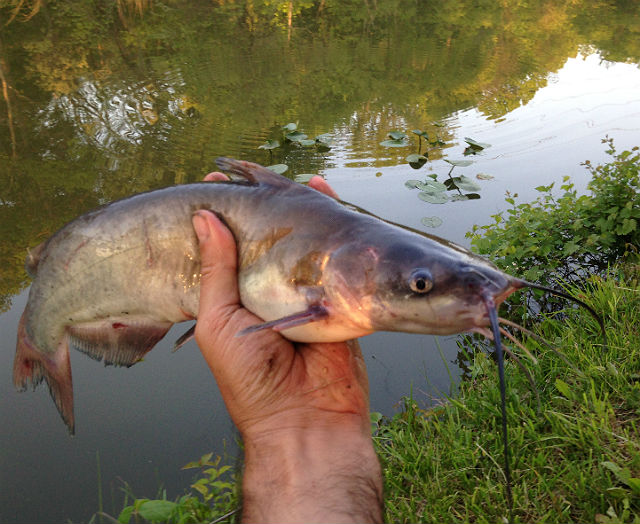
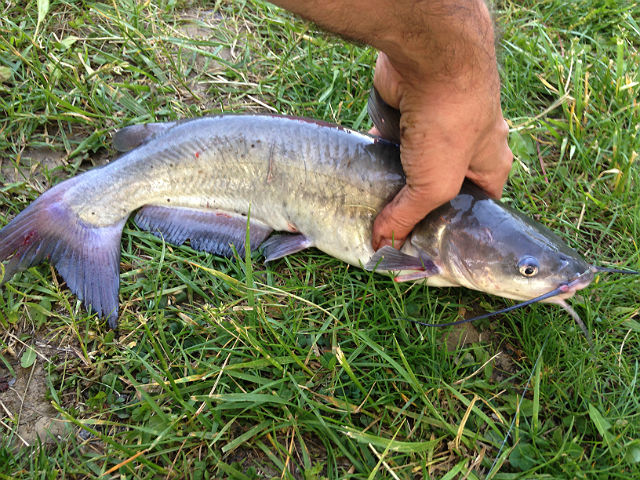
While doing a little summertime fishing, I hooked one of these fine creatures. Channel Catfish are North America’s most numerous catfish species. In the United States, they are the most fished catfish species; their popularity for food has contributed to the rapid expansion of aquaculture of this species.
channel catfish_2308

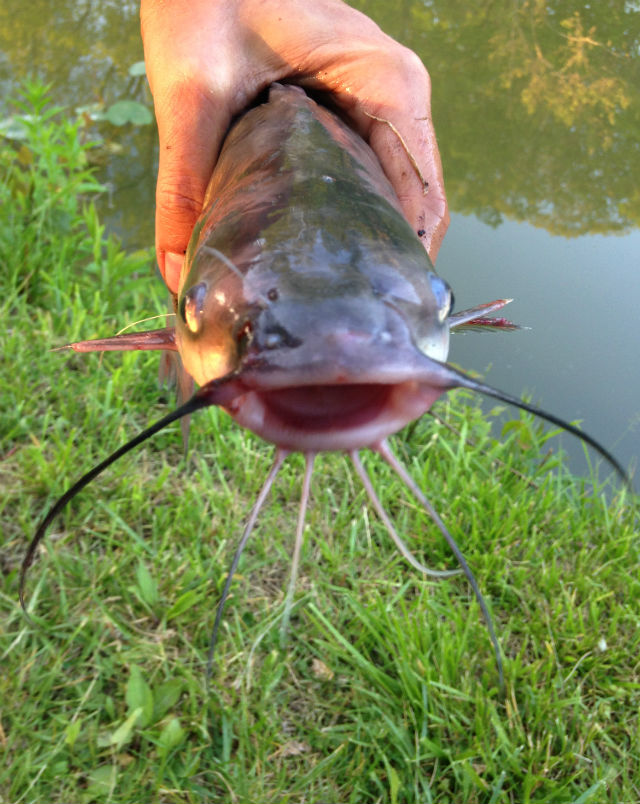
Like other catfish, they have no scales, a single bony spine in each pectoral fin and the dorsal fin, and 8 barbels (whiskers) around the mouth.
channel catfish_2303

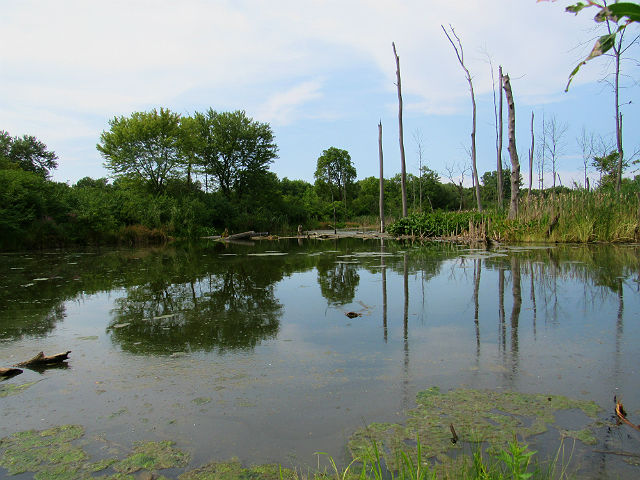
Channel Catfish live in a diverse array of habitats, including four of the five Great Lakes (Lake Superior excluded), inland lakes and medium to large rivers. Adult catfish typically inhabit deep pools with log jams or rocks for cover during the day and move into shallow water at night.
channel catfish_2301

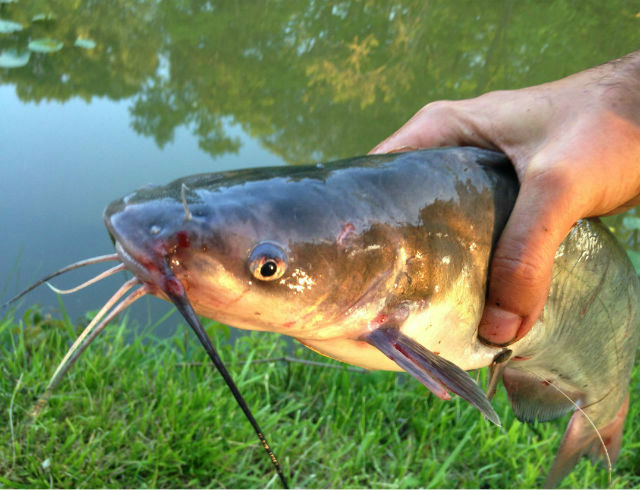
They are capable of living more than 15 years, and individuals up to 24 years of age have been reported. In ideal habitats, Channel Catfish often grow to over 30 inches and weigh more than 10 pounds.
channel catfish_2291

Like all catfish, they will eat pretty much anything. Their diet includes insect larvae, crayfish, mollusks, small fish and clams, snails, worms and seeds. Channel Catfish mainly feed at night, and use their barbels to find food in the deep, dark water. Their impressive size and high quality flesh make these catfish deservedly popular as a sport fish.
Third Eye Herp
E-mail

Silver-spotted Skipper

Silver-spotted Skipper_7584

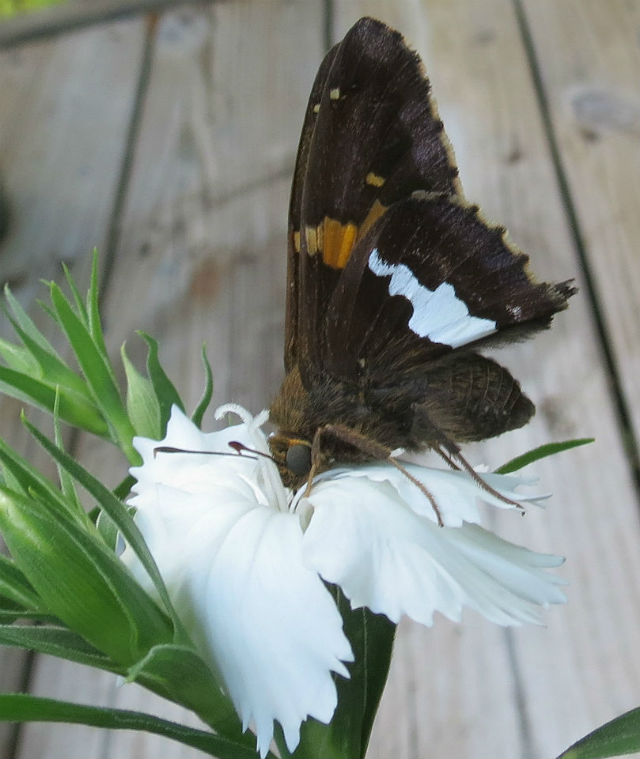
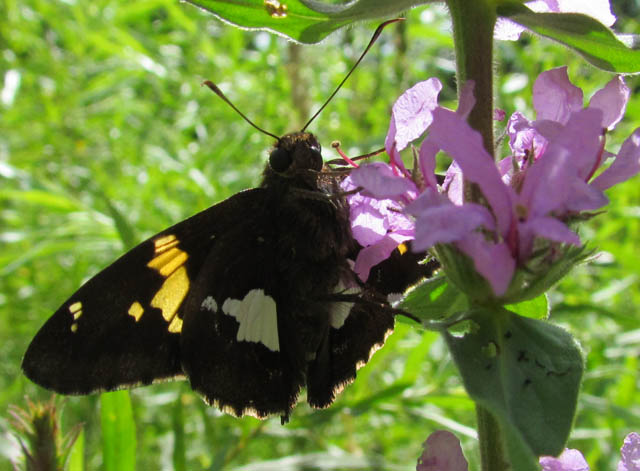
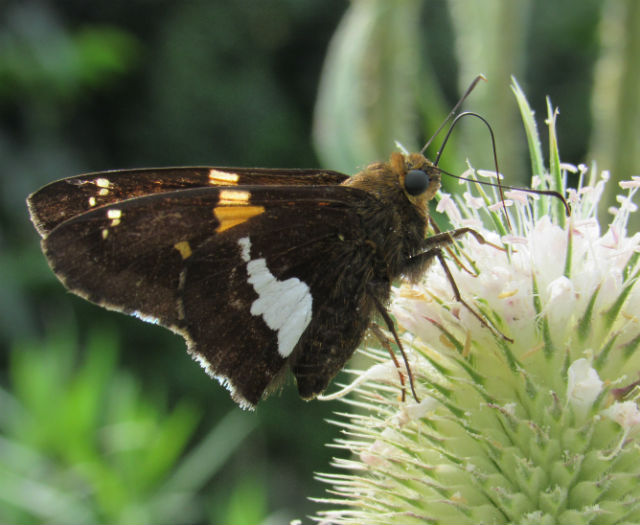
This is Ohio’s largest skipper. It is long-winged and brown, with band of yellow-orange rectangular spots on forewings and unique, silver-white patch at center of hindwings.

silver spotted skipper_4208

These butterflies are named for their quick, darting flight habits. Most skippers have antenna tips modified into narrow hook-like projections.

Silver-spotted Skipper _3543

The Silver-spotted Skipper is found throughout most of the United States and into southern Canada. In the West, it is more restricted to mountainous areas.

Silver-spotted_Skipper_caterpillar_-_Epargyreus_clarus_Julie_Metz_Wetlands_Woodbridge_Virginia_-_20202967154

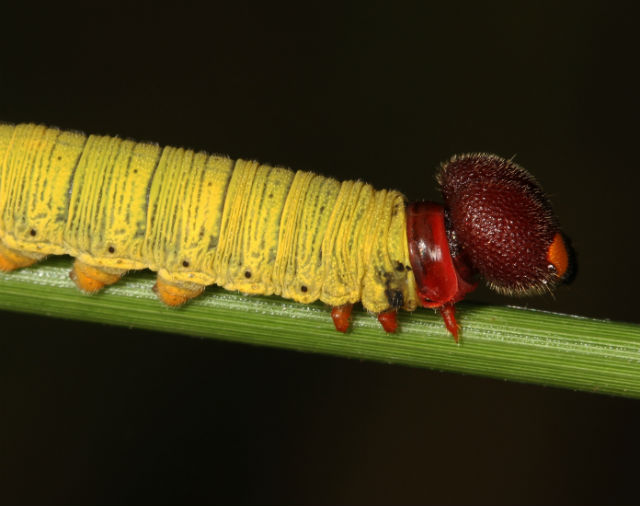
The odd-looking caterpillar has an enlarged head capsule and a pronounced neck collar, making it look a bit like a cartoon alien. When disturbed, the caterpillars regurgitate a greenish, bitter-tasting, defensive chemical.

silver spotted skipper_2682

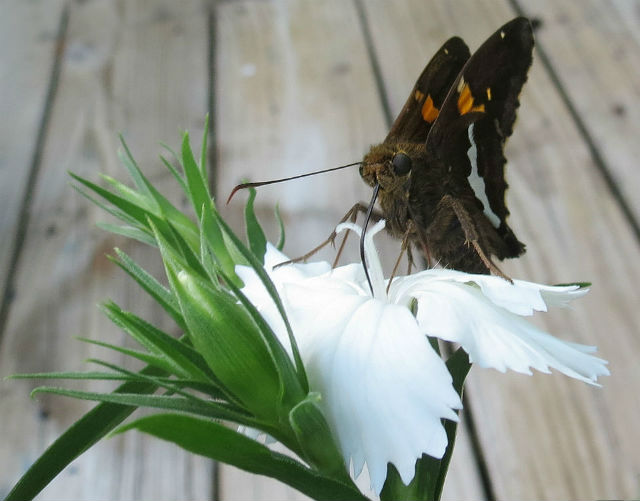
Silver-spotted Skippers frequent edges of forests, swamps, brushy areas, and other open areas where nectar plants are found. We often have them visit our deck garden. Adults have long “tongues” and feed on nectar from a variety of flowers.

skipper_3545

I enjoy seeing these summertime creatures both at home and while out hiking.

Third Eye Herp
E-mail

Cooper’s Hawk

coopers hawk_7364

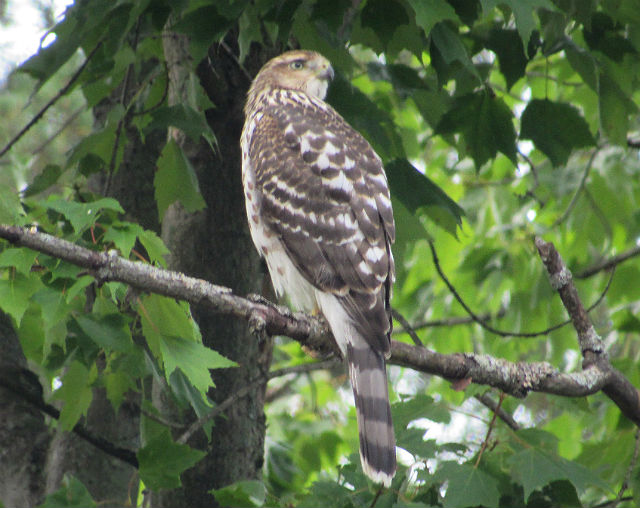
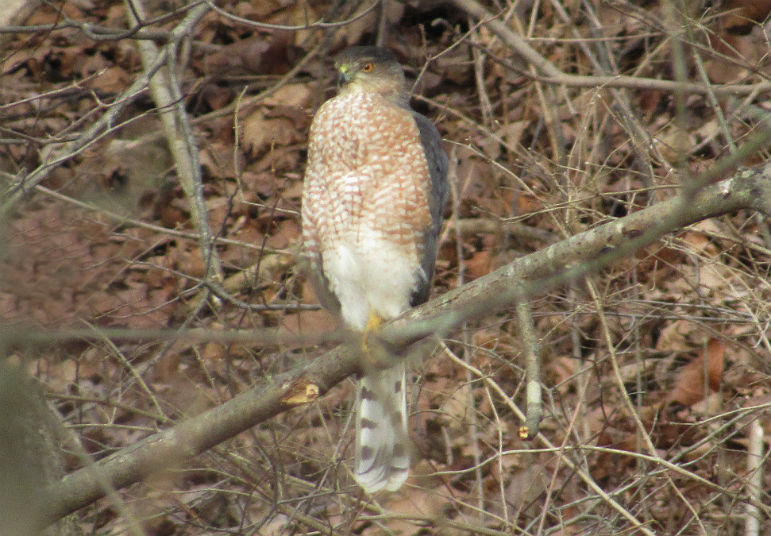
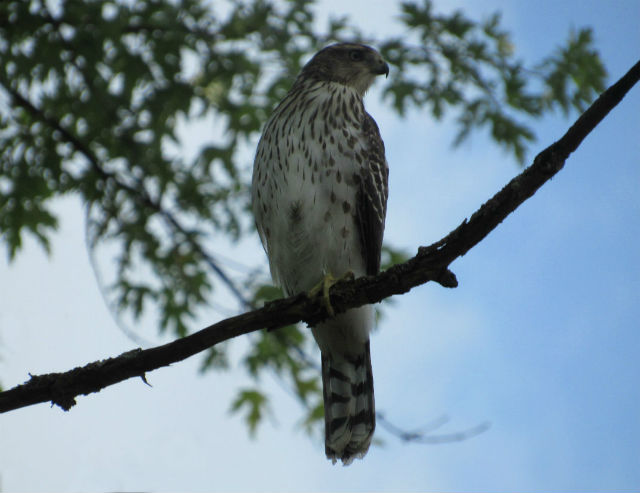
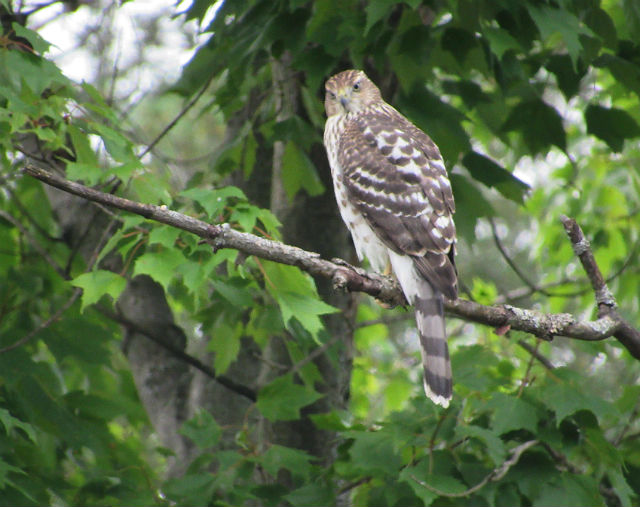
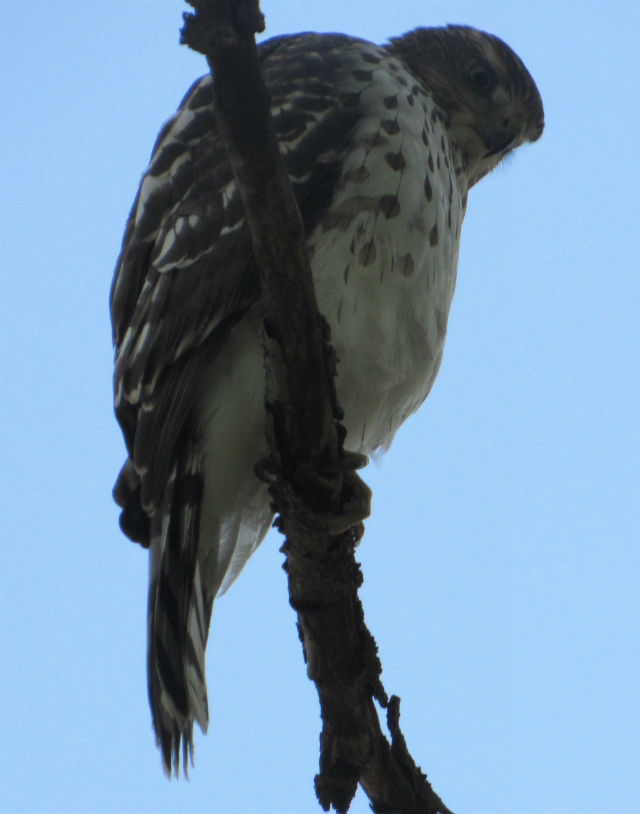
While doing yard work this week, I noticed this creature perched on a tree in my front yard. Copper’s Hawks often visit suburban homes to pick off songbirds from feeders.

coopers hawk_1343

I have also seen them in Brecksville Reservation – they among the bird world’s most skillful fliers – their short wings allow them to navigate through cluttered trees at high speeds in pursuit of other birds.

coopers hawk hawk_7383a

Cooper’s Hawks are forest and woodland residents, but suburbs with enough trees are a favorite habitat as well.

coopers hawk_7335

These crow-sized raptors mainly eat birds. Small birds tend to be safer around Cooper’s Hawks than medium-sized birds. They sometimes rob rodent nests and mammals are more common in diets of Cooper’s Hawks in the West.

coopers hawk_7444

While they can soar in classic hawk fashion, when in pursuit of prey, their flight changes. It becomes becomes powerful, quick, and very agile, allowing the bird to thread its way through tree branches at top speed.

coopers hawk_7426

Other common names for the Cooper’s Hawk include: big blue darter, chicken hawk, flying cross, hen hawk, quail hawk, striker, and swift hawk.

Third Eye Herp
E-mail

Tamarack

tamarack_4298

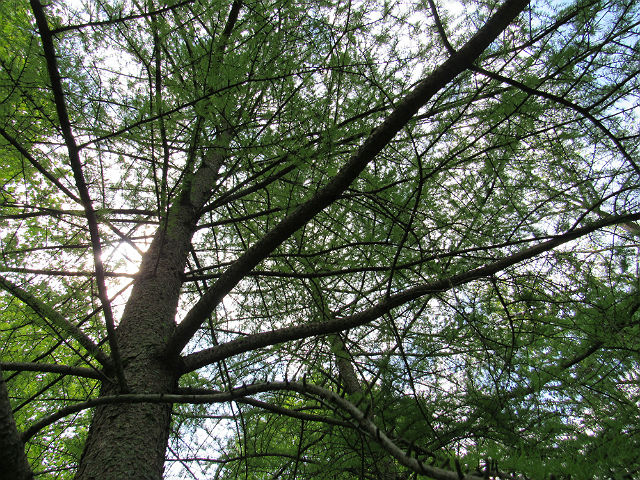
This tree often goes by the alternative common name American Larch. It is the only deciduous conifer that is native to Ohio, and it strongly prefers moist to wet sites in acidic soils.

tamarack_4290

Tamarack’s green needles turn a showy yellow in Fall before dropping to the ground as Winter approaches. This is a medium to large sized tree that usually grows to 40-60 feet tall with an open pyramidal shape and horizontal branching.

tamarack_4299

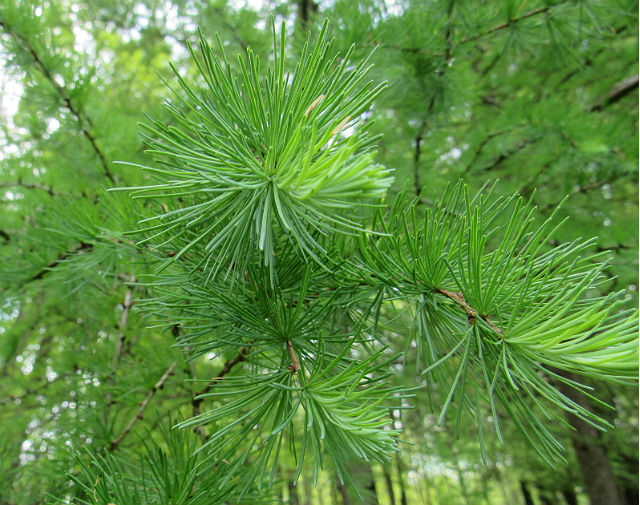
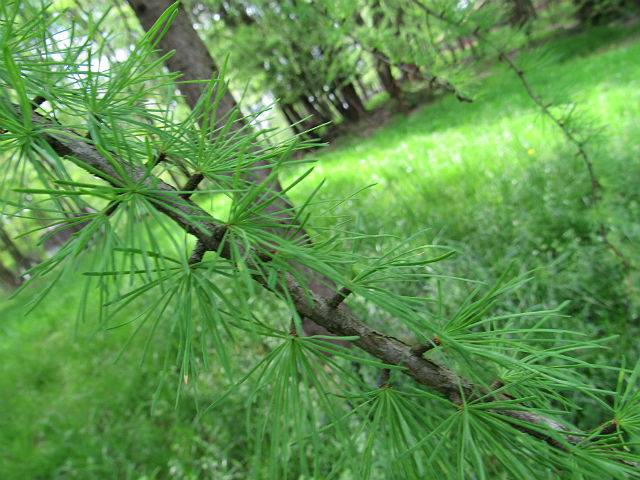
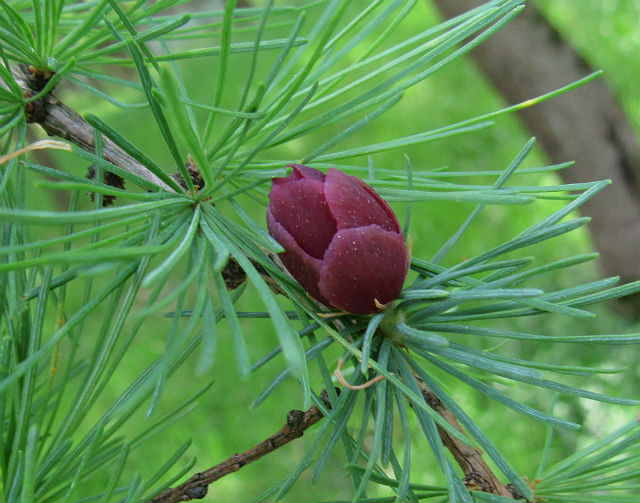
Its slender green needles grow in brush-like clusters which appear at the ends of short spur-like shoots spaced along the branches.

tamarack_4296

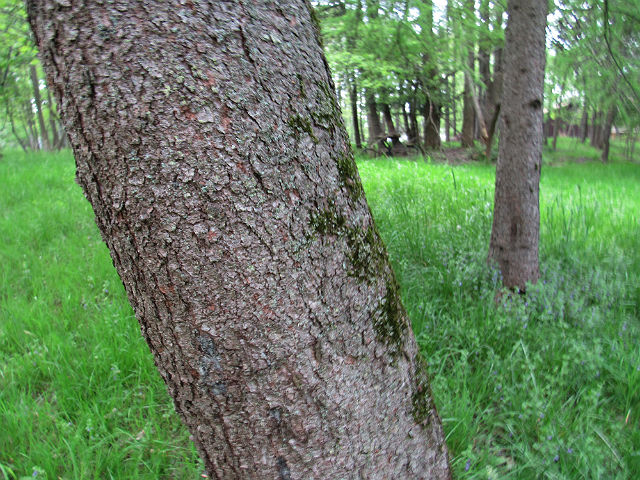
Tamarack produces tiny rounded cones up to 1 inch, that start off red and eventually mature to brown. The bark on mature trees is a scaly, reddish-brown.

tamarack_4308

Tamaracks are very cold tolerant and able to survive temperatures down to at least -65 °C (-85 °F). They commonly occur at the Arctic treeline at the edge of the tundra. It is one of the northernmost occurring trees in North America, as well as the world.

Third Eye Herp
E-mail

Hummingbird Moth

01 hummingbird moth_4284

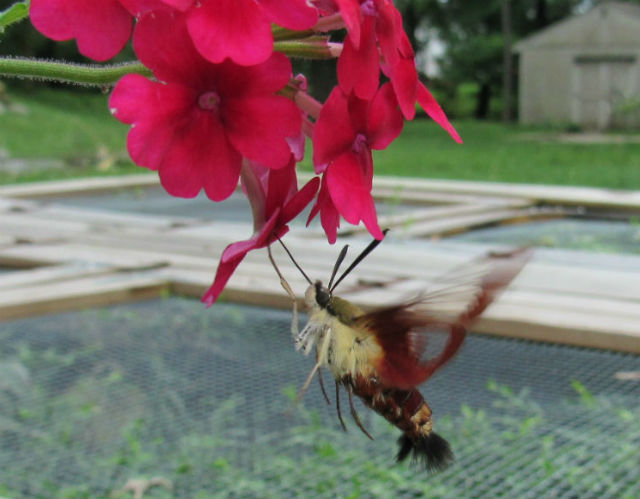
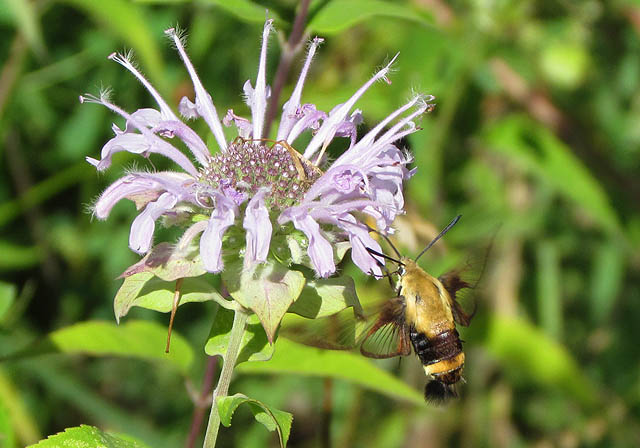
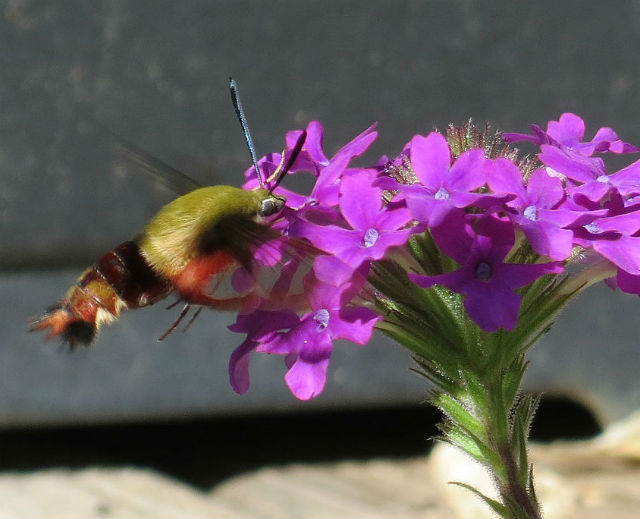
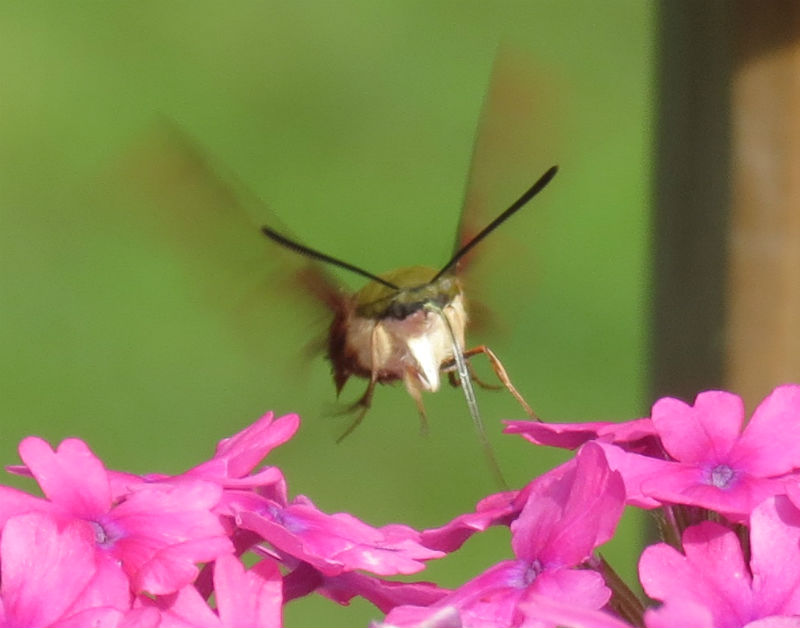
One of the coolest insect pollinators are Hummingbird Moths. They fly and move just like hummingbirds. They can remain suspended in the air in front of a flower while they unfurl their long tongue to sip nectar.

02 hummingbird moth_6433

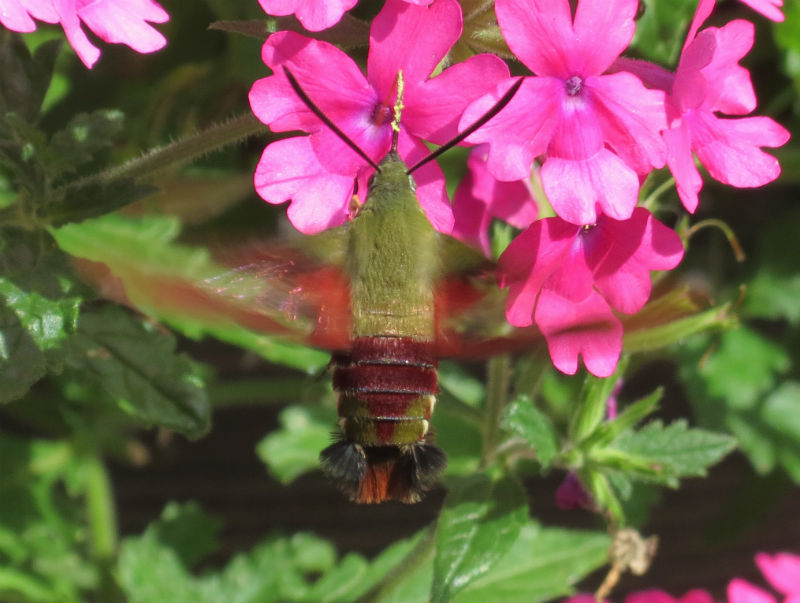
To add to the illusion, Hummingbird Moths are rather plump and the tips of their tails open into a fan. They even emit an audible hum like hummingbirds.

03 Hummingbird Moth_3338

Honeysuckles are one of the favored plants of both the adults and the caterpillars. This moth seemed particularly fond of Bee Balm.

04 Hummingbird Moth_2382

Moths that are freshly emerged from their cocoons have solid-colored wings, nearly black in appearance. With first flight, their flapping wings cause most of the scales to fall off, especially near the center of each wing. The end result is wings that are nearly scale-less and therefore look clear.

05 hummingbird moth_4294

This insect belongs to a group known as is Sphinx Moths. This name came about from the habit the caterpillars have of rearing up (and looking sphinx-like) when threatened.

07 Hummingbird Moth_3374

Nature has many clever disguises and this is one of my favorites – a moth that mimics a bird.

Third Eye Herp
E-mail

Hapalopilus croceus

Hapalopilus croceus_4137

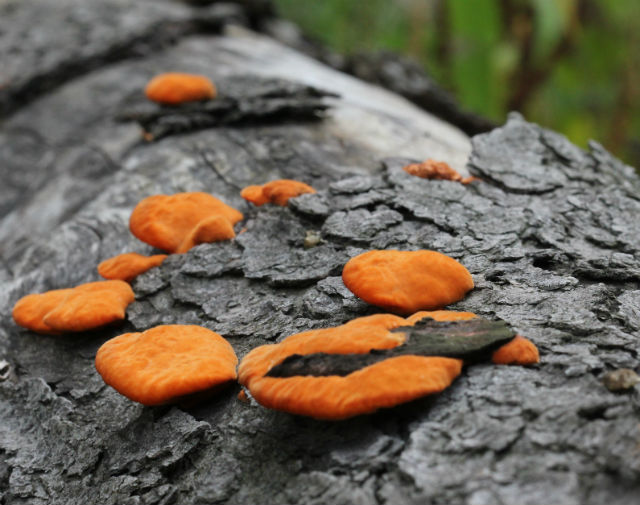
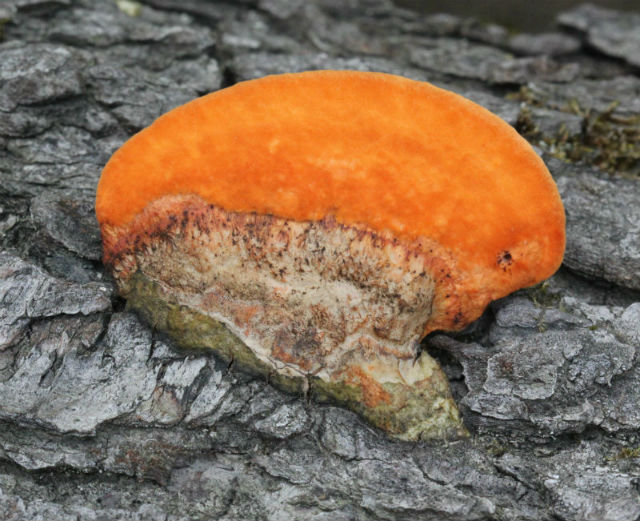
While hiking in the Cuyahoga River Valley, I noticed the orange glow of Hapalopilus croceus (this fungus has no common name) displaying its brilliant color.

Hapalopilus croceus _0477

I have never encountered (or heard of) this organism before, so it was an unexpected find. This is a rather uncommon fungus found in Asia, Europe, Oceania, and North America. Hapalopilus croceus is nationally red-listed (threatened) in 11 European countries.

Hapalopilus croceus_0474

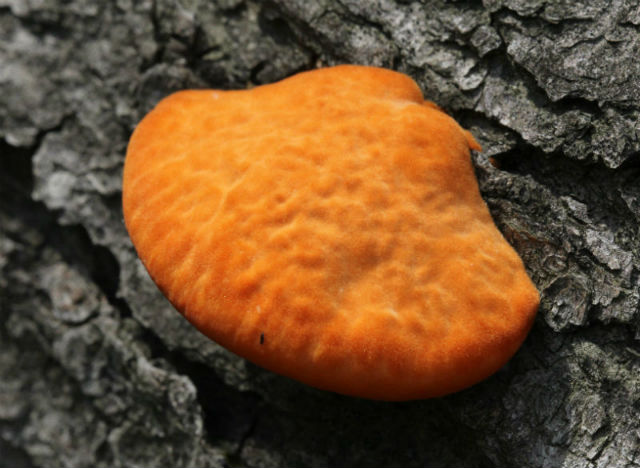
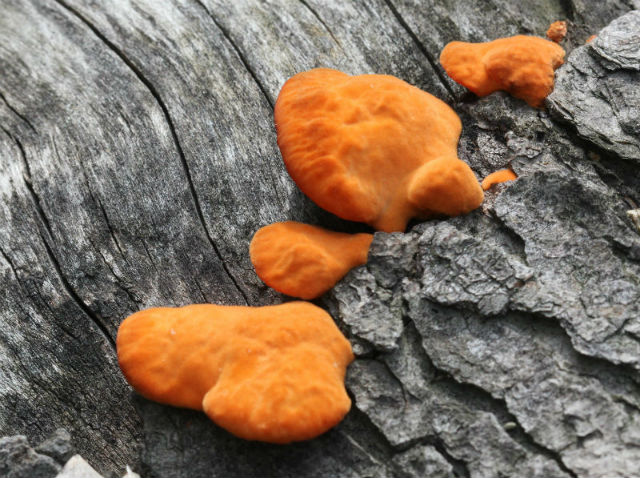
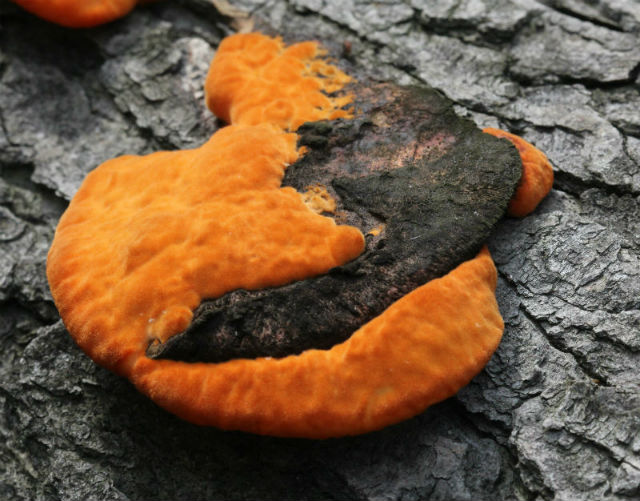
When fresh, this mushroom has a vibrant orange color, but it tends to fade or brown with age. This conspicuous wood-inhabiting fungus has habitat confined to wooded meadows and pastures.

Hapalopilus croceus_0469

The stalkless, broadly attached, fan-shaped fruiting body has a colorful cap and grows on decaying broadleaf wood, especially fallen Oaks.

Hapalopilus croceus_0472

Like its polypore relatives, Hapalopilus croceus contributes a crucial role in nature’s continuous rebirth, by breaking down dead wood and turning it into useful nutrients.

Hapalopilus croceus_0485

Fungi digest their food outside their bodies by releasing enzymes into the surrounding environment and converting organic matter into a form they can absorb; nothing else is able to perform the function of reducing dead wood back down into soil.

Third Eye Herp
E-mail

Melanistic Eastern Garter Snake

Melanistic Eastern Garter Snake

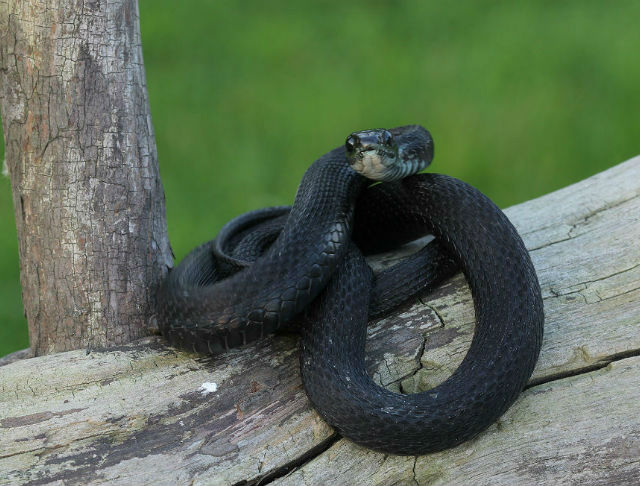
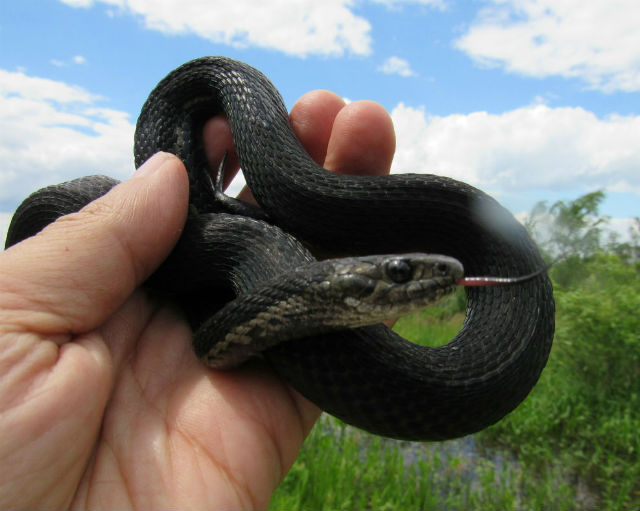
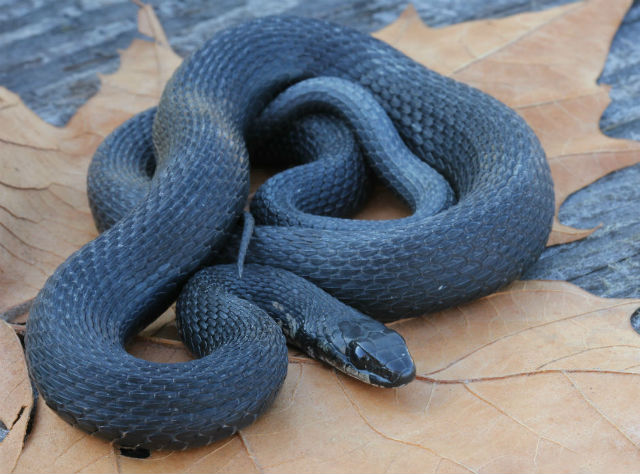
Eastern Garter Snakes have a very large range, and within that range a number of color and pattern variations occur. Perhaps the most interesting being the version with no color or pattern. In northwest Ohio, populations of all-black snakes can be found along with their standard-looking relatives.

melanistic eastern garter snake 11

Melanistic Eastern Garter Snakes are predominantly a deep black. Immediately after shedding their skin they can be extraordinary beautiful. Also, the underside is completely black. I came across several individuals on a recent trip to northwest Ohio, as well as many examples of striped garters, which would be considered typical in appearance.

Melanistic Eastern Garter Snake_4749

Often the chin, lip and some scales on the side of the head, can have their normal color of whitish or brownish. Melanism can be thought of as the opposite of albinism. While albinism is the absence of melanin (a dark colored pigment found in skin), melanism is the overabundance of melanin, leading to an individual with an abnormal amount of black coloration.
Melanistic Eastern Garter Snake_8750

Mutations that lead to melanism can arise randomly in any animal that has melanin; however, mutations that cause melanism and albinism are uncommon. This leads to sporadic occurrences of a color abnormality that randomly occur across multiple populations. For a trait like melanism to sustain itself in a population, being melanistic must benefit the individual in some way (give it an increased chance of survival).

melanistic eastern garter snake_0123

In the Eastern Garter Snake, being melanistic makes it faster for an individual to warm up while basking in the sun. The color black absorbs light wavelengths efficiently, resulting in the black individual gaining more heat energy than the yellow and brown striped individuals. This give them a competitive edge on the cool Lake Erie shore.

Third Eye Herp
E-mail

Common Bladderwort

IMG_6051

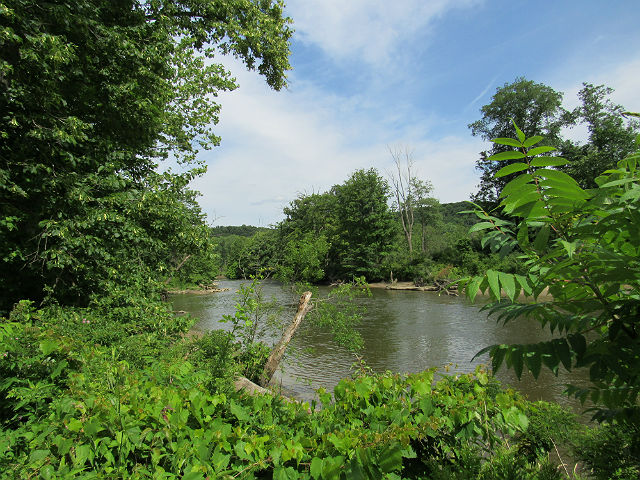
While hiking along the Cuyahoga River, I encountered this very widespread species within the United States and throughout the Northern Hemisphere. It is usually overlooked by nature enthusiasts, but is a common sight in wet ditches and wetlands across the state.

IMG_0232

Bladderwort is a carnivorous species many have learned about in their junior high/middle school science classes. Small bladders are inflated sacs that are triggered to ensnare tiny aquatic organisms. The bladders are scattered in the leaves, which is one of the distinguishing characteristics of the Common Bladderwort.

IMG_5130

The bladders also fill with air to keep the plant afloat during the flowering period and fill with water to sink the plant when it goes into dormancy.

IMG_0222

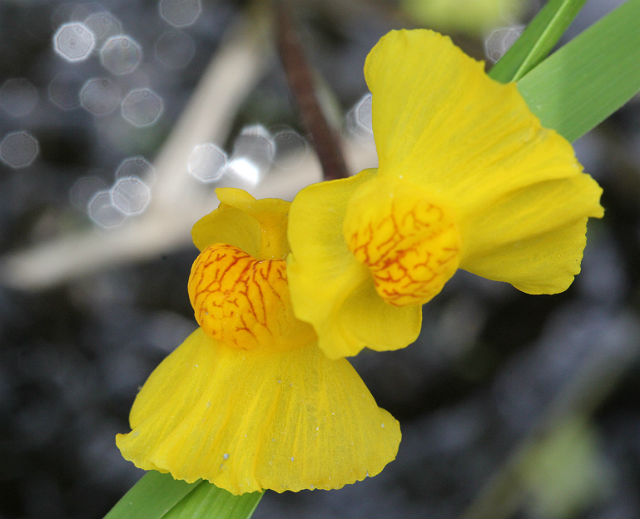
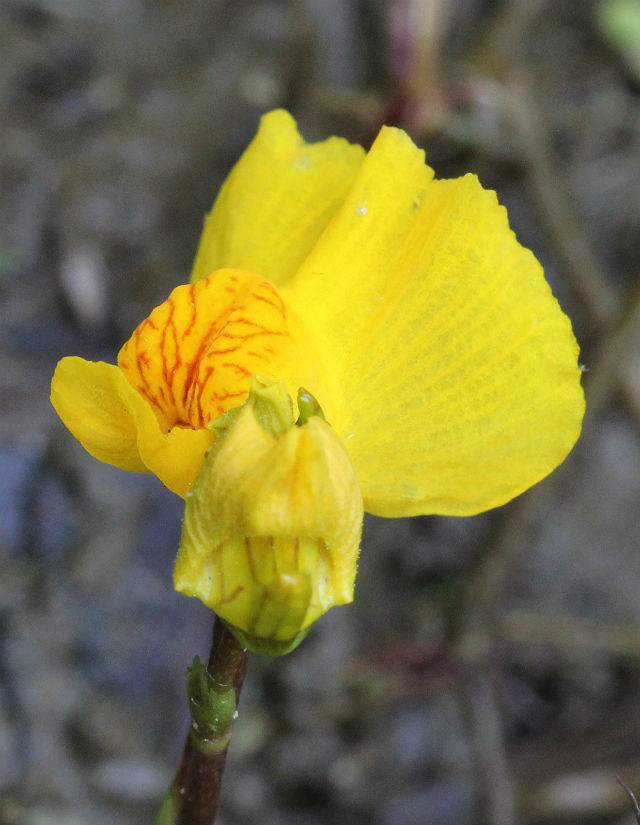
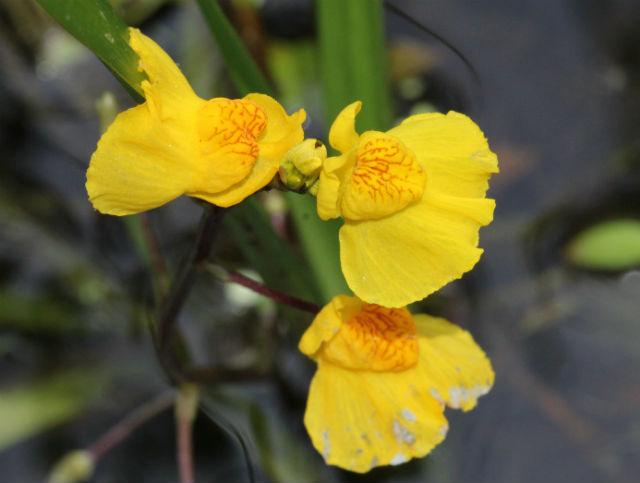
Up to 20 bright yellow one-half to three-quarter inch snapdragon-like flowers form at the top of a stout reddish green stem, emerging up to 8 inches above the waterline. The flowers have finely articulated red veins.

IMG_0230

This plant is free floating and has no roots. Although the commonly held view is that the bladders of bladderworts are for capturing and digesting microorganisms that provide the plant with nutrients, bladders more often have been observed to contain communities of microorganisms (bacteria, algae, and diatoms) living in the bladders, not as prey, suggesting that the bladders may also, and perhaps more importantly, serve to establish mutually beneficial relationships with some microorganisms.

Third Eye Herp
E-mail

Long-jawed Orb Weaver

longjaw_2639

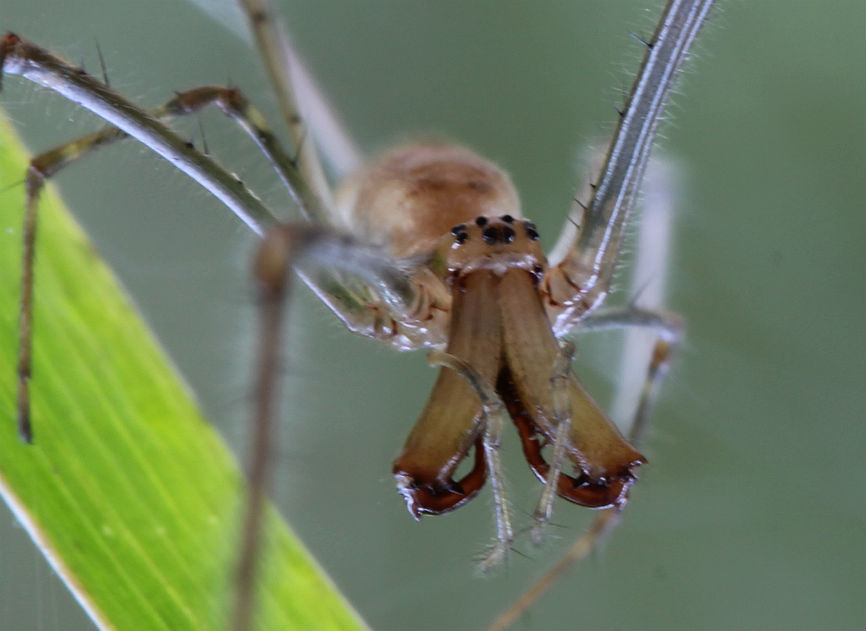
Long-jawed Orb Weavers are named because of their large fangs, which are, in some species, longer than the spider’s cephalothorax (first body segment).

longjaw 036

Like all spiders, babies hatch from eggs and look like tiny adults. They shed their skin as they grow. Most spiders in this family live for less than one year. They mate and lay eggs at the end of the Summer and the young spiders hatch during the following Spring.

IMG_8144

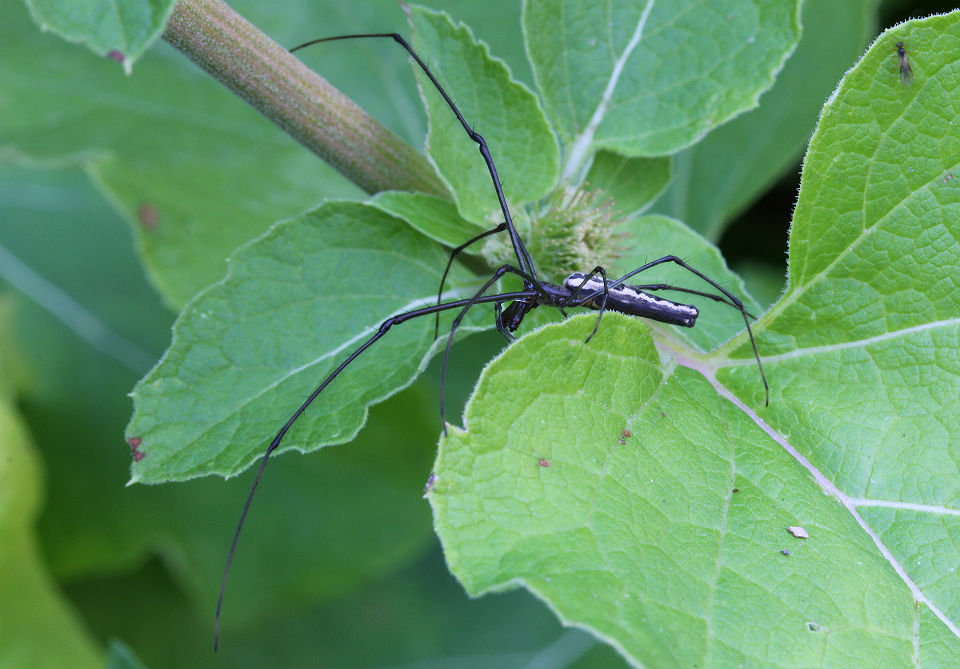
Long-jawed Orb Weavers can have a two inch leg span and are skinny. Most are tan with white and yellow markings. They are common in low-growing vegetation and in row crops. I tend to see them at the edges of the Ohio & Erie Canal while hiking on the towpath. Below is a photo one one that I saw eating another of its own species.
Long-Jawed Orb Weaver 068

To avoid being eaten by predators, they drop from their web at out at the slightest disturbance, or carefully camouflaging themselves by lining up with the long axis of a twig or grass blade.

longjaw_2637

Most members of this family do not build vertical webs, they are usually tilted and sometimes close to horizontal. The bizarre appearance of this creature with its over-sized mandibles makes it a favorite of mine.

Third Eye Herp
E-mail

Broadhead Skink

Broadhead Skink_5409

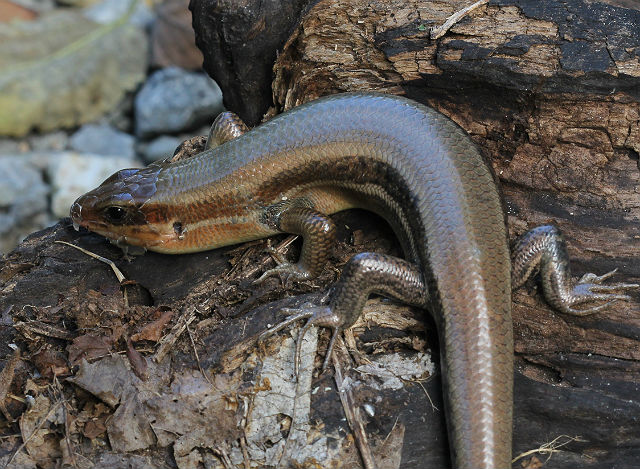
While visiting Virginia this month, I came across a lizard that I have not seen in a few years. The Broadhead Skink can grow to over a foot long and is the northeast’s largest lizard.

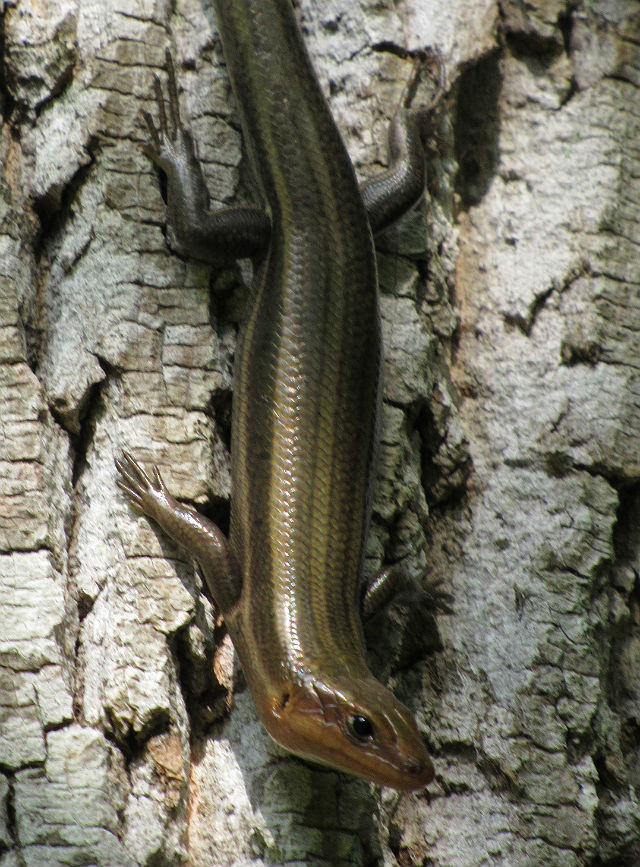
Broadhead Skink_08sr 235

This reptile is essentially a woodland inhabitant. It easily climbs trees and can sometimes be observed high in the branches of dead trees.

Broadhead Skink_5489

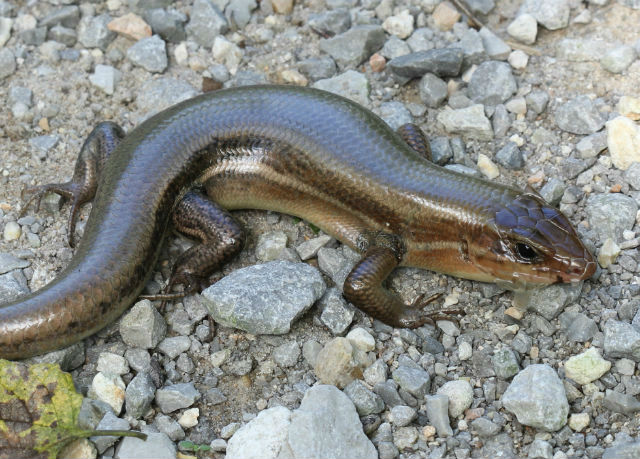
Though Broadhead Skinks live in trees and prefer open forest habitats, they can also found hunting, mating and nesting on the ground. Here is one that I saw crossing a gravel road in southern Illinois a few years back.

Broadhead Skink_08sr 238

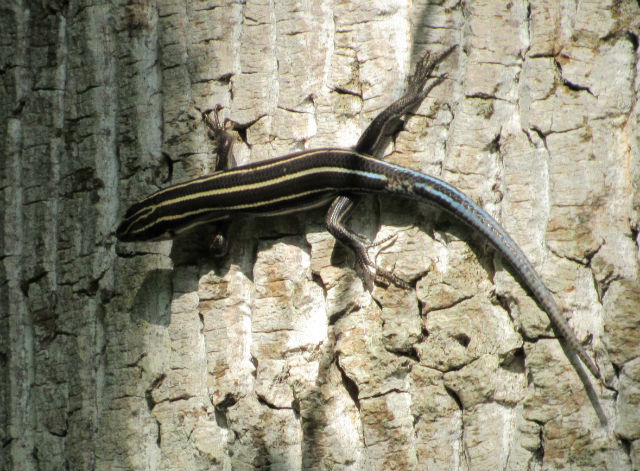
The female and young closely resemble the female and young of the smaller Five-lined Skink. This is an immature specimen which has a bright blue tail. Adult males are a uniform olive-brown, often sporting a considerable amount of red-orange coloration on their enlarged heads.

Broadhead Skink_5491

Their diet is comprised of mostly insects. Broadhead Skinks search for food in trees and on the the ground using visual and scent signals, which are detected by tongue flicking.

Third Eye Herp
E-mail